

Sequencing and de novo analysis of a coral larval transcriptome using 454 GSFlx
Open accessThe DOI matches its Crossref record; 46 of the 46 references it cites were found in a registry or an index.
Abstract
BACKGROUND: New methods are needed for genomic-scale analysis of emerging model organisms that exemplify important biological questions but lack fully sequenced genomes. For example, there is an urgent need to understand the potential for corals to adapt to climate change, but few molecular resources are available for studying these processes in reef-building corals. To facilitate genomics studies in corals and other non-model systems, we describe methods for transcriptome sequencing using 454, as well as strategies for assembling a useful catalog of genes from the output. We have applied these methods to sequence the transcriptome of planulae larvae from the coral Acropora millepora. RESULTS: More than 600,000 reads produced in a single 454 sequencing run were assembled into approximately 40,000 contigs with five-fold average sequencing coverage. Based on sequence similarity with known proteins, these analyses identified approximately 11,000 different genes expressed in a range of conditions including thermal stress and settlement induction. Assembled sequences were annotated with gene names, conserved domains, and Gene Ontology terms. Targeted searches using these annotations identified the majority of genes associated with essential metabolic pathways and conserved signaling pathways, as well as novel candidate genes for stress-related processes. Comparisons with the genome of the anemone Nematostella vectensis revealed approximately 8,500 pairs of orthologs and approximately 100 candidate coral-specific genes. More than 30,000 SNPs were detected in the coral sequences, and a subset of these validated by re-sequencing. CONCLUSION: The methods described here for deep sequencing of the transcriptome should be widely applicable to generate catalogs of genes and genetic markers in emerging model organisms. Our data provide the most comprehensive sequence resource currently available for reef-building corals, and include an extensive collection of potential genetic markers for association and population connectivity studies. The characterization of the larval transcriptome for this widely-studied coral will enable research into the biological processes underlying stress responses in corals and evolutionary adaptation to global climate change.
Overview
The claims and statistics of this paper haven’t been checked yet.
Free: it reads the open-access text and checks the first 5 claims that cite a source we can check. Create a free account to check every claim.
Integrity signals
Registry
Cites
Statistics
Figures
Verification
Claims the paper makes
The claims and statistics of this paper haven’t been checked yet.
Free: it reads the open-access text and checks the first 5 claims that cite a source we can check. Create a free account to check every claim.
Claims other papers make about this one
Each is checked against this paper’s own text: does it say what the citing paper says it does?
The source backs part of the claim, not all of it — or backs it for a different population, condition or comparison.
In the citing paper
“The newly developed high throughput sequencing technology, i.e. Next Generation Sequencing (NGS), including the Roche/454 Genome Sequencer FLX Instrument, the ABI SOLiD System, and the Illumina Genome Analyser, is a powerful and cost-efficient tool for advanced research in many areas, including re-sequencing, microRNA expression profiling, DNA methylation, especially de novo transcriptome”
From De novo assembly and characterization of root transcriptome using Illumina paired-end sequencing and development of cSSR markers in sweetpotato (Ipomoea batatas) (2010) · cites this paper as [17]
Experimental — accuracy not yet measuredThe cited source says what the claim attributes to it.
In the citing paper
“These sequences also produced longer unigenes (mean = 581 bp) than those assembled in previous studies for example, butterfly (197 bp) [60], Eucalyptus grandis (247 bp) [11], coral larval (440 bp) [17], lodegpole pine (500 bp) [10]) and whitefly (clusters: 372 bp; singletons: 265 bp) [27]).”
The cited source says what the claim attributes to it.
In the citing paper
“Nonetheless, only 40% of reads were assembled into unigenes, which is less than that reported for 454 transciptome assemblies (e.g., 88% [11], 90% [17], 48% [10]).”
Self-check
Percentages, sums and reported differences re-computed from the paper’s own numbers.
The self-check needs the paper’s full text.
Citations
Cites
Gene Ontology: tool for the unification of biology
Ashburner, M., Ball, C. A., Blake, J. A., Botstein, D., Butler, H., Cherry, J. M., Davis, A. P., Dolinski, K., Dwight, S. S., Eppig, J. T., et al. (2000) · Nature Genetics · doi:10.1038/75556 · Cited by 43,206 · cited 1×
“To annotate assembled sequences with Gene Ontology (GO) terms describing biological processes [51], molecular functions, and cellular components, sequences were compared against the UniProt-TrEMBL database of protein sequences [52] using WU-blast.”
MethodGenome sequencing in microfabricated high-density picolitre reactors
Margulies, M., Egholm, M., Altman, W. E., Attiya, S., Bader, J. S., Bemben, L. A., Berka, J., Braverman, M. S., Chen, Y.-J., Chen, Z., et al. (2005) · Nature · doi:10.1038/nature03959 · Cited by 7,693 · cited 2×
“The increased throughput of next-generation sequencing technologies such as 454 sequencing [15] shows great potential for expanding sequence databases of corals and other emerging model organisms (reviewed in [16]).”
BackgroundSelf-citationCoral Reefs Under Rapid Climate Change and Ocean Acidification
Hoegh-Guldberg, O., Mumby, P. J., Hooten, A. J., Steneck, R. S., Greenfield, P., Gomez, E., Harvell, C. D., Sale, P. F., Edwards, A. J., Caldeira, K., et al. (2007) · Science · doi:10.1126/science.1152509 · Cited by 5,885 · cited 1×
“Background Reef-building corals support productive and diverse marine communities that provide important ecosystem services [1], but are threatened throughout their global range by a variety of stressors that include increasing sea surface temperatures, pollution, ocean acidification and disease [2-4].”
BackgroundCAP3: A DNA Sequence Assembly Program
Huang, X., & Madan, A. (1999) · Genome Research · doi:10.1101/gr.9.9.868 · Cited by 5,261 · cited 1×
“First, all 634,070 reads were assembled using the CAP3 program [56].”
MethodClimate Change, Human Impacts, and the Resilience of Coral Reefs
Hughes, T. P., Baird, A. H., Bellwood, D. R., Card, M., Connolly, S. R., Folke, C., Grosberg, R., Hoegh-Guldberg, O., Jackson, J. B. C., Kleypas, J., et al. (2003) · Science · doi:10.1126/science.1085046 · Cited by 3,928 · cited 1×
“Background Reef-building corals support productive and diverse marine communities that provide important ecosystem services [1], but are threatened throughout their global range by a variety of stressors that include increasing sea surface temperatures, pollution, ocean acidification and disease [2-4].”
BackgroundEcological goods and services of coral reef ecosystems
Moberg, F., & Folke, C. (1999) · Ecological Economics · doi:10.1016/s0921-8009(99)00009-9 · Cited by 2,088 · cited 1×
“Background Reef-building corals support productive and diverse marine communities that provide important ecosystem services [1], but are threatened throughout their global range by a variety of stressors that include increasing sea surface temperatures, pollution, ocean acidification and disease [2-4].”
BackgroundThe Bioperl Toolkit: Perl Modules for the Life Sciences
Stajich, J. E., Block, D., Boulez, K., Brenner, S. E., Chervitz, S. A., Dagdigian, C., Fuellen, G., Gilbert, J. G. R., Korf, I., Lapp, H., et al. (2002) · Genome Research · doi:10.1101/gr.361602 · Cited by 1,654 · cited 1×
“All sequence analyses were conducted using publicly available software and custom Perl scripts that relied heavily upon BioPerl modules [42].”
MethodSea Anemone Genome Reveals Ancestral Eumetazoan Gene Repertoire and Genomic Organization
Putnam, N. H., Srivastava, M., Hellsten, U., Dirks, B., Chapman, J., Salamov, A., Terry, A., Shapiro, H., Lindquist, E., Kapitonov, V. V., et al. (2007) · Science · doi:10.1126/science.1139158 · Cited by 1,555
CORUM: the comprehensive resource of mammalian protein complexes—2009
Ruepp, A., Waegele, B., Lechner, M., Brauner, B., Dunger-Kaltenbach, I., Fobo, G., Frishman, G., Montrone, C., & Mewes, H.-W. (2010) · Nucleic Acids Research · doi:10.1093/nar/gkp914 · Cited by 1,310 · cited 1×
“For these searches, the lists of genes associated with metabolic pathways were based on the BioCyc database of pathways [29], and gene lists for protein complexes were based on the CORUM database of mammalian protein complexes [ 30 ].”
MethodThe Trichoplax genome and the nature of placozoans
Srivastava, M., Begovic, E., Chapman, J., Putnam, N. H., Hellsten, U., Kawashima, T., Kuo, A., Mitros, T., Salamov, A., Carpenter, M. L., et al. (2008) · Nature · doi:10.1038/nature07191 · Cited by 889 · cited 1×
“The query lists for these searches were based on genes and pathways conserved among primitive metazoans and cnidarians [12,25,31].”
Cited by
CORUM: the comprehensive resource of mammalian protein complexes—2009
Ruepp, A., Waegele, B., Lechner, M., Brauner, B., Dunger-Kaltenbach, I., Fobo, G., Frishman, G., Montrone, C., & Mewes, H.-W. (2010) · Nucleic Acids Research · doi:10.1093/nar/gkp914 · Cited by 1,310
Applications of next generation sequencing in molecular ecology of non-model organisms
Ekblom, R., & Galindo, J. (2011) · Heredity · doi:10.1038/hdy.2010.152 · Cited by 1,074
“…454 X Santana et al., 2009 Roughfruit amaranth (Amaranthus tuberculatus) 454 X X Lee et al., 2009 Coral (Acropora millepora) 454 X X X X Meyer et al., 2009 Bank vole (Myodes glareolus) 454 X Babik et al., 2009; Kloch et al., 2010 Sweet wormwood (Artemisia annua) 454 X X Wang et al.,…”
BackgroundCell Biology of Cnidarian-Dinoflagellate Symbiosis
Davy, S. K., Allemand, D., & Weis, V. M. (2012) · Microbiology and Molecular Biology Reviews · doi:10.1128/mmbr.05014-11 · Cited by 1,092
“The recent development of molecular methods such as transcriptomic analyses (145, 240, 310) will likely provide insight into the process by which the dinoflagellate symbionts enhance calcification, though it should be noted that the mechanism is metabolic rather than genetic, as the genes coding for proteins involved…”
MethodUsing the Acropora digitifera genome to understand coral responses to environmental change
Shinzato, C., Shoguchi, E., Kawashima, T., Hamada, M., Hisata, K., Tanaka, M., Fujie, M., Fujiwara, M., Koyanagi, R., Ikuta, T., et al. (2011) · Nature · doi:10.1038/nature10249 · Cited by 855
Amberg, J. J., Goforth, R. R., & Sepúlveda, M. S. (2013) · Sexual Development · doi:10.1159/000354280 · Cited by 477
Parchman, T. L., Geist, K. S., Grahnen, J. A., Benkman, C. W., & Buerkle, C. A. (2010) · BMC Genomics · doi:10.1186/1471-2164-11-180 · Cited by 446
“, 197 bp, [5]; 247 bp, [7]; 440 bp, [16]).”
BackgroundResultInfluentialWang, Z., Fang, B., Chen, J., Zhang, X., Luo, Z., Huang, L., Chen, X., & Li, Y. (2010) · BMC Genomics · doi:10.1186/1471-2164-11-726 · Cited by 433
“Next Generation Sequencing (NGS), including the Roche/454 Genome Sequencer FLX Instrument, the ABI SOLiD System, and the Illumina Genome Analyser, is a powerful and cost-efficient tool for advanced research in many areas, including re-sequencing, microRNA expression profiling, DNA methylation, especially de novo trans…”
BackgroundMethodWei, W., Qi, X., Wang, L., Zhang, Y., Hua, W., Li, D., Lv, H., & Zhang, X. (2011) · BMC Genomics · doi:10.1186/1471-2164-12-451 · Cited by 423
“This large number of reads with paired-end information produced much longer unigenes (mean: 629 bp) than those in previous studies [35,37,49,51-53].”
ResultConservation genetics in transition to conservation genomics
Ouborg, N. J., Pertoldi, C., Loeschcke, V., Bijlsma, R. (., & Hedrick, P. W. (2010) · Trends in Genetics · doi:10.1016/j.tig.2010.01.001 · Cited by 407
Coral biomineralization: From the gene to the environment
Tambutté, S., Holcomb, M., Ferrier-Pagès, C., Reynaud, S., Tambutté, É., Zoccola, D., & Allemand, D. (2011) · Journal of Experimental Marine Biology and Ecology · doi:10.1016/j.jembe.2011.07.026 · Cited by 388
Coral Calcification, Cells to Reefs
Allemand, D., Tambutté, É., Zoccola, D., & Tambutté, S. (2011) · Coral Reefs: An Ecosystem in Transition · doi:10.1007/978-94-007-0114-4_9 · Cited by 382
Shi, C.-Y., Yang, H., Wei, C.-L., Yu, O., Zhang, Z.-Z., Jiang, C.-J., Sun, J., Li, Y.-Y., Chen, Q., Xia, T., et al. (2011) · BMC Genomics · doi:10.1186/1471-2164-12-131 · Cited by 398
“Since RNA-seq is not limited to detecting transcripts that correspond to existing genomic sequences, it is particularly attractive for non-model organisms with genomic sequences that are yet to be determined [24-27].”
BackgroundMEYER, E., AGLYAMOVA, G. V., & MATZ, M. V. (2011) · Molecular Ecology · doi:10.1111/j.1365-294x.2011.05205.x · Cited by 367
“As in previous studies, (Erwin & Szmant 2010; Grasso et al. 2011 Blackwell Publishing Ltd 2011; Iwao et al. 2002; Meyer et al. 2009a), larvae in our experiments showed markedly different responses to the two cues, supporting the notion that GLW-amide invokes a ‘shortcut’ through the developmental…”
BackgroundMethodResultInfluentialSelf-citationThe engine of the reef: photobiology of the coral–algal symbiosis
Roth, M. S. (2014) · Frontiers in Microbiology · doi:10.3389/fmicb.2014.00422 · Cited by 342
Gene expression associated with white syndromes in a reef building coral, Acropora hyacinthus
Wright, R. M., Aglyamova, G. V., Meyer, E., & Matz, M. V. (2015) · BMC Genomics · doi:10.1186/s12864-015-1540-2 · Cited by 298
“hyacinthus transcriptome has been generated from 5-day aposymbiotic larvae as described previously [70].”
MethodSelf-citationRismani-Yazdi, H., Haznedaroglu, B. Z., Bibby, K., & Peccia, J. (2011) · BMC Genomics · doi:10.1186/1471-2164-12-148 · Cited by 296
“Because microalgae have high levels of pigments, polysaccharides, and glycolproteins that could interfere with cDNA synthesis and are difficult to remove using spincolumn purification methods, total RNA was further purified using lithium-chloride precipitation as previously described [21].”
BackgroundMethodResultSun, C., Li, Y., Wu, Q., Luo, H., Sun, Y., Song, J., Lui, E. M., & Chen, S. (2010) · BMC Genomics · doi:10.1186/1471-2164-11-262 · Cited by 286
“thaliana [43], and the medicinal herb Artemisia annua [44], as well as fish [45,46], insects [47,48], and worms [49,50].”
Early genome duplications in conifers and other seed plants
Li, Z., Baniaga, A. E., Sessa, E. B., Scascitelli, M., Graham, S. W., Rieseberg, L. H., & Barker, M. S. (2015) · Science Advances · doi:10.1126/sciadv.1501084 · Cited by 268
Hiremath, P. J., Farmer, A., Cannon, S. B., Woodward, J., Kudapa, H., Tuteja, R., Kumar, A., BhanuPrakash, A., Mulaosmanovic, B., Gujaria, N., et al. (2011) · Plant Biotechnology Journal · doi:10.1111/j.1467-7652.2011.00625.x · Cited by 268
“…observed may be partly because of the sequencing artefacts, lack of similarities available in UniProt databases and because of large number of unknown ⁄ hypothetical and uncharacterized sequence matches for newly identified genes in under-studied organisms like chickpea (Meyer et al., 2009).”
BackgroundKenkel, C. D., Meyer, E., & Matz, M. V. (2013) · Molecular Ecology · doi:10.1111/mec.12390 · Cited by 254
“Library preparation, assembly and annotation were conducted as previously described (Meyer et al. 2009a).”
BackgroundMethodSelf-citationComparing de novo assemblers for 454 transcriptome data
Kumar, S., & Blaxter, M. L. (2010) · BMC Genomics · doi:10.1186/1471-2164-11-571 · Cited by 255
“Arabidopsis thaliana [1,2]; Eucalyptus grandis [3]; Castanea dentata and Castanea mollissima [4]; Sarcophaga crassipalpis [5]; Acropora millepora [6]; Palomero toluqueño [7]; Eschscholzia californica and Persea americana [2]; Vitis vinifera [8]; Rhagoletis pomonella [9]; Heliconius spp .”
BackgroundLi, D., Deng, Z., Qin, B., Liu, X., & Men, Z. (2012) · BMC Genomics · doi:10.1186/1471-2164-13-192 · Cited by 247
“63% reads were assembled into unigenes, which is lesser than the results reported by other research groups [33,43,55,58].”
MethodResultJoubert, C., Piquemal, D., Marie, B., Manchon, L., Pierrat, F., Zanella-Cléon, I., Cochennec-Laureau, N., Gueguen, Y., & Montagnani, C. (2010) · BMC Genomics · doi:10.1186/1471-2164-11-613 · Cited by 243
“In other recent 454 transcriptome studies, results showed that the remaining singletons represented 10 to 40% of the reads [36,37].”
BackgroundNF‐κB: where did it come from and why?
Gilmore, T. D., & Wolenski, F. S. (2012) · Immunological Reviews · doi:10.1111/j.1600-065x.2012.01096.x · Cited by 242
“vectensis (2) and coral (15)] but not in C.”
BackgroundTranscriptomic responses to heat stress and bleaching in the elkhorn coral Acropora palmata
DeSalvo, M., Sunagawa, S., Voolstra, C., & Medina, M. (2010) · Marine Ecology Progress Series · doi:10.3354/meps08372 · Cited by 241
“Both malate synthase and isocitrate lyase are also present in the aposymbiotic larval transcriptome of Acropora millepora (Meyer et al. 2009), and phylogenetic analysis shows that both enzymes were acquired by cnidarians through horizontal gene transfer (Kondrashov et al. 2006).”
BackgroundGao, Z., Luo, W., Liu, H., Zeng, C., Liu, X., Yi, S., & Wang, W. (2012) · PLoS ONE · doi:10.1371/journal.pone.0042637 · Cited by 240
“, 197 bp [31]; 440 bp [33]; 500 bp [34]; 422 bp [35]; 300 bp [36]; 521 bp [37]; 547 bp [38]).”
BackgroundA Deep Insight into the Sialotranscriptome of the Gulf Coast Tick, Amblyomma maculatum
Karim, S., Singh, P., & Ribeiro, J. M. C. (2011) · PLoS ONE · doi:10.1371/journal.pone.0028525 · Cited by 226
“Library Preparation and Sequencing Library preparations for GS FLX titanium (Roche/454 Life Sciences, Branford, CT, USA) sequencing were developed in the Center for Genomics and Bioinformatics, Indiana University, based on methods for use in GS FLX standard sequencing described in [33] with modifications (K.”
MethodHou, R., Bao, Z., Wang, S., Su, H., Li, Y., Du, H., Hu, J., Wang, S., & Hu, X. (2011) · PLoS ONE · doi:10.1371/journal.pone.0021560 · Cited by 230
“cDNA samples were prepared following the protocol described in [21].”
BackgroundMethodSelf-citationSoftware for pre-processing Illumina next-generation sequencing short read sequences
Chen, C., Khaleel, S. S., Huang, H., & Wu, C. H. (2014) · Source Code for Biology and Medicine · doi:10.1186/1751-0473-9-8 · Cited by 224
“Many de novo genome assembly projects [15-21] included pre-processing steps for removing reads with uncalled “N” bases, and detecting and removing of adaptor sequences using exact string matching algorithms to search for user-specified adaptor sequences.”
MethodApplication of single nucleotide polymorphisms to non‐model species: a technical review
GARVIN, M. R., SAITOH, K., & GHARRETT, A. J. (2010) · Molecular Ecology Resources · doi:10.1111/j.1755-0998.2010.02891.x · Cited by 205
Phylogenomics of Lophotrochozoa with Consideration of Systematic Error
Kocot, K. M., Struck, T. H., Merkel, J., Waits, D. S., Todt, C., Brannock, P. M., Weese, D. A., Cannon, J. T., Moroz, L. L., Lieb, B., et al. (2016) · Systematic Biology · doi:10.1093/sysbio/syw079 · Cited by 208
Convergent development of anodic bacterial communities in microbial fuel cells
Yates, M. D., Kiely, P. D., Call, D. F., Rismani-Yazdi, H., Bibby, K., Peccia, J., Regan, J. M., & Logan, B. E. (2012) · The ISME Journal · doi:10.1038/ismej.2012.42 · Cited by 203
“The unprocessed DNA sequences obtained in this study have been deposited in the MG-RAST (Meyer et al., 2009) archive under accession number 4465374.”
InfluentialKaur, S., Cogan, N. O., Pembleton, L. W., Shinozuka, M., Savin, K. W., Materne, M., & Forster, J. W. (2011) · BMC Genomics · doi:10.1186/1471-2164-12-265 · Cited by 200
“Some recent studies have indicated that short reads from 454 GS FLX pyrosequencing may be effectively assembled and used to characterise the gene space in various organisms [16,21,32,33].”
BackgroundMethodSunagawa, S., Wilson, E. C., Thaler, M., Smith, M. L., Caruso, C., Pringle, J. R., Weis, V. M., Medina, M., & Schwarz, J. A. (2009) · BMC Genomics · doi:10.1186/1471-2164-10-258 · Cited by 195
“These issues will be addressed in the near future by using 454 sequencing, which, for example, has been successfully applied to sequence the coral larval transcriptome of Acropora millepora at 3 × coverage [ 56 ].”
MethodClark, M. S., Thorne, M. A., Vieira, F. A., Cardoso, J. C., Power, D. M., & Peck, L. S. (2010) · BMC Genomics · doi:10.1186/1471-2164-11-362 · Cited by 193
“PCR and re-sequencing of singletons is essential in order to verify the gene products [ 50 ].”
BackgroundMethodKaur, S., Pembleton, L. W., Cogan, N. O., Savin, K. W., Leonforte, T., Paull, J., Materne, M., & Forster, J. W. (2012) · BMC Genomics · doi:10.1186/1471-2164-13-104 · Cited by 184
“As a result of de novo assembly, a large number of singletons were obtained both for field pea (86,476) and faba bean (79,657), also as observed for other species [17,42,44,48].”
BackgroundResultEvolution of Rhizaria: new insights from phylogenomic analysis of uncultivated protists
Burki, F., Kudryavtsev, A., Matz, M. V., Aglyamova, G. V., Bulman, S., Fiers, M., Keeling, P. J., & Pawlowski, J. (2010) · BMC Evolutionary Biology · doi:10.1186/1471-2148-10-377 · Cited by 178
Self-citationDifferential Responses of the Coral Host and Their Algal Symbiont to Thermal Stress
Leggat, W., Seneca, F., Wasmund, K., Ukani, L., Yellowlees, D., & Ainsworth, T. D. (2011) · PLoS ONE · doi:10.1371/journal.pone.0026687 · Cited by 180
“Recent advances in our knowledge of both the coral [16,17,18] and Symbiodinium transcriptome [19,20,21] are now enabling us to probe the transcriptomic responses of the coral host [22,23] and algal symbiont [24,25] to a variety of environmental challenges.”
BackgroundTranscriptomes of the desiccation‐tolerant resurrection plant Craterostigma plantagineum
Rodriguez, M. C. S., Edsgärd, D., Hussain, S. S., Alquezar, D., Rasmussen, M., Gilbert, T., Nielsen, B. H., Bartels, D., & Mundy, J. (2010) · The Plant Journal · doi:10.1111/j.1365-313x.2010.04243.x · Cited by 176
“The complete set of sequences in UniProt, including Swiss-Prot and TrEMBL, were used as a mapping backbone, and assembled contigs mapped to UniProt sequences using BLASTX with significance threshold e £ 10, and the best match for each query contig recorded (Meyer et al., 2009).”
MethodWeston, D. P., Poynton, H. C., Wellborn, G. A., Lydy, M. J., Blalock, B. J., Sepulveda, M. S., & Colbourne, J. K. (2013) · Proceedings of the National Academy of Sciences · doi:10.1073/pnas.1302023110 · Cited by 160
Self-citationVidal-Dupiol, J., Zoccola, D., Tambutté, E., Grunau, C., Cosseau, C., Smith, K. M., Freitag, M., Dheilly, N. M., Allemand, D., & Tambutté, S. (2013) · PLoS ONE · doi:10.1371/journal.pone.0058652 · Cited by 168
“digitifera because their transcriptome or genome data were available [27,63,64].”
BackgroundMizrachi, E., Hefer, C. A., Ranik, M., Joubert, F., & Myburg, A. A. (2010) · BMC Genomics · doi:10.1186/1471-2164-11-681 · Cited by 165
“Taking into consideration the number, length, coverage and quality of assembled gene models, as well as their digital expression profiles, this dataset surpasses several previous de novo transcriptome assemblies using Illumina [17,18] or 454 technology [13-16].”
BackgroundMethodTomarev, S. I., & Nakaya, N. (2009) · Molecular Neurobiology · doi:10.1007/s12035-009-8076-x · Cited by 170
“Cnidarians are considered to be the simplest metazoans with a nervous system and neuroendocrine activity, and genes encoding proteins associated with practically all major intracellular signaling pathways have been identified in A. millepora [ 8 ].”
CRISPR/Cas9-mediated genome editing in a reef-building coral
Cleves, P. A., Strader, M. E., Bay, L. K., Pringle, J. R., & Matz, M. V. (2018) · Proceedings of the National Academy of Sciences · doi:10.1073/pnas.1722151115 · Cited by 180
“millepora because of its ecological importance in the Indo-Pacific region, its ready availability at the Australian study site, the ability to obtain spawning in the laboratory at predictable times (25–27), the ability to get its aposymbiotic larvae to settle and undergo metamorphosis [thus allowing a wide range of ph…”
BackgroundSelf-citationMuseum genomics: low‐cost and high‐accuracy genetic data from historical specimens
Rowe, K. C., Singhal, S., MacManes, M. D., Ayroles, J. F., Morelli, T. L., Rubidge, E. M., Bi, K., & Moritz, C. C. (2011) · Molecular Ecology Resources · doi:10.1111/j.1755-0998.2011.03052.x · Cited by 170
“Screening of a large number of loci spread throughout the genome (Vera et al. 2008; Meyer et al. 2009) will greatly improve the accuracy and power to infer population demographic history (Gilad et al.”
Giraud‐Billoud, M., Rivera‐Ingraham, G. A., Moreira, D. C., Burmester, T., Castro‐Vazquez, A., Carvajalino-Fernández, J. M., Dafré, A. L., Niu, C., Tremblay, N., Paital, B., et al. (2019) · Comparative Biochemistry and Physiology Part A Molecular & Integrative Physiology · doi:10.1016/j.cbpa.2019.04.004 · Cited by 163
Single-Molecule DNA Amplification and Analysis Using Microfluidics
Zhang, C., & Xing, D. (2010) · Chemical Reviews · doi:10.1021/cr900081z · Cited by 155
Genovo: De Novo Assembly for Metagenomes
Laserson, J., Jojic, V., & Koller, D. (2011) · Journal of Computational Biology · doi:10.1089/cmb.2010.0244 · Cited by 201
“Giving these tools a list of assembled sequences, rather than the shorter and noisier individual reads, helps extract more information from the reads and leads to the discovery of more genes and better functional annotation, as demonstrated by the study of Meyer et al. (2009).”
Du, H., Bao, Z., Hou, R., Wang, S., Su, H., Yan, J., Tian, M., Li, Y., Wei, W., Lu, W., et al. (2012) · PLoS ONE · doi:10.1371/journal.pone.0033311 · Cited by 157
“The annotation rate in our study is also comparable to those (20,40%) reported in the previous de novo transcriptome sequencing studies for non-model organisms [26,27,33,34,35].”
MethodResultSelf-citationLiu, S., Zhou, Z., Lü, J., Sun, F., Wang, S., Liu, H., Jiang, Y., Kucuktas, H., Kaltenboeck, L., Peatman, E., et al. (2011) · BMC Genomics · doi:10.1186/1471-2164-12-53 · Cited by 157
“Recently, 454 sequencing was applied for the identification of gene-derived SNPs in a number of species such as eucalyptus grandis [18], pine tree [19], butterfly [20], lake sturgeon [21] and coral [22].”
BackgroundSelf-citationBettencourt, R., Pinheiro, M. M., Egas, C., Gomes, P. A. M. C., Afonso, M., Shank, T. M., & Santos, R. S. (2010) · BMC Genomics · doi:10.1186/1471-2164-11-559 · Cited by 141
“(Fig 3), providing thus a classification resource for the investigation of specific processes, functions or cellular structures involved in animal physiological responses, particularly immune and stress-related responses, as demonstrated for the de novo analysis of the Acropora millepora larval transcriptome [19].”
BackgroundLehnert, E. M., Burriesci, M. S., & Pringle, J. R. (2012) · BMC Genomics · doi:10.1186/1471-2164-13-271 · Cited by 156
“Small, Sanger-sequenced EST datasets are available for several species of corals and anemones [15,22,23], as are larger 454-sequenced datasets for several corals [24-26].”
BackgroundGusev, O., Suetsugu, Y., Cornette, R., Kawashima, T., Logacheva, M. D., Kondrashov, A. S., Penin, A. A., Hatanaka, R., Kikuta, S., Shimura, S., et al. (2014) · Nature Communications · doi:10.1038/ncomms5784 · Cited by 151
Liu, M., Qiao, G., Jiang, J., Yang, H., Xie, L., Jinzhong, X., & Zhuo, R. (2012) · PLoS ONE · doi:10.1371/journal.pone.0046766 · Cited by 142
“All sequences smaller than 60 bases were eliminated based on the assumption that small reads might represent sequencing artifacts [23].”
BackgroundPhylogenomic Resolution of the Hemichordate and Echinoderm Clade
Cannon, J. T., Kocot, K. M., Waits, D. S., Weese, D., Swalla, B. J., Santos, S. R., & Halanych, K. M. (2014) · Current Biology · doi:10.1016/j.cub.2014.10.016 · Cited by 142
Riesgo, A., Andrade, S. C. S., Sharma, P. P., Novo, M., Pérez-Porro, A. R., Vahtera, V., González, V. L., Kawauchi, G. Y., & Giribet, G. (2012) · Frontiers in Zoology · doi:10.1186/1742-9994-9-33 · Cited by 142
“These numbers are similar to those of previous studies with both animal [1,9,41,45,52,53] and plant [39,42,47,48] de novo assembled transcriptomes.”
BackgroundMethodResultInfluentialFiliatrault, M. J., Stodghill, P. V., Bronstein, P. A., Moll, S., Lindeberg, M., Grills, G. S., Schweitzer, P. A., Wang, W., Schroth, G. P., Luo, S. J., et al. (2010) · Journal of Bacteriology · doi:10.1128/jb.01445-09 · Cited by 146
“It has been shown that by analyzing a single RNA sample, RNASeq can be extremely informative (50, 77).”
BackgroundWóycicki, R. K., Witkowicz, J., Gawroński, P., Dąbrowska‐Bronk, J., Lomsadze, A., Pawełkowicz, M. E., Siedlecka, E., Yagi, K., Pląder, W., Seroczyńska, A., et al. (2011) · PLoS ONE · doi:10.1371/journal.pone.0022728 · Cited by 134
“). A similar or lower coverage has only been used in sequencing of transcriptomes”
BackgroundLiu, S., Zhang, Y., Zhou, Z., Waldbieser, G., Sun, F., Lü, J., Zhang, J., Jiang, Y., Zhang, H., Wang, X., et al. (2012) · BMC Genomics · doi:10.1186/1471-2164-13-595 · Cited by 133
“High throughput 454 sequencing which generates longer reads has been widely used in many transcriptome sequencing studies in non-model species previously [48,49].”
Assessing De Novo transcriptome assembly metrics for consistency and utility
O’Neil, S. T., & Emrich, S. (2013) · BMC Genomics · doi:10.1186/1471-2164-14-465 · Cited by 124
Gierz, S. L., Forêt, S., & Leggat, W. P. (2017) · Frontiers in Plant Science · doi:10.3389/fpls.2017.00271 · Cited by 133
“…have been identified in yeast and plants under starvation (Cornah and Smith, 2002), in a number of corals from genome and transcriptome analyses (Meyer et al., 2009; DeSalvo et al., 2010; Kenkel et al., 2013; Shinzato et al., 2014) in dinoflagellates (Karenia brevis and Amphidinium carterae;…”
BackgroundWinters, G., Nelle, P., Fricke, B., Rauch, G., & Reusch, T. (2011) · Marine Ecology Progress Series · doi:10.3354/meps09213 · Cited by 121
“…small number of genes studied here and in Bergmann et al. (2010), the recent application of full transcriptome sequencing, even in organisms for which there is still no genome (e.g. Meyer et al. 2009), such as Z. marina, offers great opportunities to scale up the number of genes we can now study.”
BackgroundWang, H., Jiang, J., Chen, S., Qi, X., Peng, H., Li, P., Song, A., Guan, Z., Fang, W., Liao, Y., et al. (2013) · PLoS ONE · doi:10.1371/journal.pone.0062293 · Cited by 140
“Next-generation sequencing (NGS) has facilitated the study of gene expression, gene regulation and gene networks in both model and non-model organisms [12–14].”
BackgroundO’Neil, S. T., Dzurisin, J. D. K., Carmichael, R., Lobo, N. F., Emrich, S., & Hellmann, J. J. (2010) · BMC Genomics · doi:10.1186/1471-2164-11-310 · Cited by 130
iAssembler: a package for de novo assembly of Roche-454/Sanger transcriptome sequences
Zheng, Y., Zhao, L., Gao, J., & Fei, Z. (2011) · BMC Bioinformatics · doi:10.1186/1471-2105-12-453 · Cited by 120
“One of these technologies, Roche-454 massive parallel pyrosequencing platform [3], has been widely used to sequence transcriptomes of various non-model organisms [4-9] due to its relatively long reads generated (currently ~400 bp) that greatly facilitates de novo assembly.”
BackgroundWang, J.-T., Li, J.-T., Zhang, X.-F., & Sun, X.-W. (2012) · BMC Genomics · doi:10.1186/1471-2164-13-96 · Cited by 116
“Previous studies have suggested that singletons may be biologically valuable [33].”
BackgroundThe maternal and early embryonic transcriptome of the milkweed bug Oncopeltus fasciatus
Ewen‐Campen, B., Shaner, N. C., Panfilio, K. A., Suzuki, Y., Roth, S., & Extavour, C. G. M. (2011) · BMC Genomics · doi:10.1186/1471-2164-12-61 · Cited by 129
“Several studies have demonstrated the feasibility of NGS for identifying SNPs for population studies and gene sequences for use as phylogenetic markers [18-35].”
BackgroundResultLiu, T., Zhu, S., Tang, Q., Chen, P., Yu, Y., & Tang, S. (2013) · BMC Genomics · doi:10.1186/1471-2164-14-125 · Cited by 123
“Sequencer FLX Instrument, the ABI SOLiD System and the Illumina Genome Analyser, was a powerful tool and was untilized in many researching areas, including resequencing, micro-RNA expression profiling, DNA methylation, especially de novo transcriptome sequencing for non-model organisms [5-13].”
BackgroundMethodDing, J., Shiu, J., Chen, W., Chiang, Y., & Tang, S. (2016) · Frontiers in Microbiology · doi:10.3389/fmicb.2016.00251 · Cited by 130
De novo characterization of the gametophyte transcriptome in bracken fern, Pteridium aquilinum
Der, J. P., Barker, M. S., Wickett, N. J., dePamphilis, C. W., & Wolf, P. G. (2011) · BMC Genomics · doi:10.1186/1471-2164-12-99 · Cited by 116
Grasso, L. C., Negri, A. P., Forêt, S., Saint, R. B., Hayward, D. C., Miller, D. J., & Ball, E. E. (2011) · Developmental Biology · doi:10.1016/j.ydbio.2011.02.010 · Cited by 134
Tao, X., Fang, Y., Xiao, Y., Jin, Y., Ma, X., Zhao, Y. F., He, K., Zhao, H. L., & Wang, H.-Y. (2013) · Biotechnology for Biofuels · doi:10.1186/1754-6834-6-72 · Cited by 135
“These NGS platforms can detect millions of transcripts and can be used for new gene discovery and expression profiling independent of a reference genome [48-50].”
BackgroundZhao, X., Wang, Q., Jiao, Y., Huang, R., Deng, Y., Wang, H., & Du, X. (2012) · Marine Biotechnology · doi:10.1007/s10126-012-9438-3 · Cited by 114
“The same problem also existed in other groups of marine organism transcriptome (Meyer et al. 2009; Raul et al. 2010).”
BackgroundLadner, J. T., Barshis, D. J., & Palumbi, S. R. (2012) · BMC Evolutionary Biology · doi:10.1186/1471-2148-12-217 · Cited by 113
“millepora larval ESTs from the Matz Lab, UT-Austin [42] (http://www.”
BackgroundDe novotranscriptome characterization of Vitis vinifera cv. Corvina unveils varietal diversity
Venturini, L., Ferrarini, A., Zenoni, S., Tornielli, G. B., Fasoli, M., Santo, S. D., Minio, A., Buson, G., Tononi, P., Zago, E. D., et al. (2013) · BMC Genomics · doi:10.1186/1471-2164-14-41 · Cited by 130
“The potential of this approach has been demonstrated in animals lacking reference genome sequences such as the coral Acropora millepora [18], the whitefly Bemisia tabaci [19], the butterfly Melitaea cinxia [20], the mosquito Anopheles funestus [21] and the planarian Schmidtea mediterranea [22,23].”
BackgroundGompert, Z., Forister, M. L., Fordyce, J. A., Nice, C. C., WILLIAMSON, R. J., & Buerkle, C. A. (2010) · Molecular Ecology · doi:10.1111/j.1365-294x.2010.04666.x · Cited by 128
“454 pyrosequencing from cDNA is common (and necessary) for transcriptome characterization (e.g. Vera et al. 2008; Hahn et al. 2009; Kristiansson et al. 2009; Meyer et al. 2009; Pauchet et al. 2009) but has not, to our knowledge, been used for population genetics.”
MethodMa, K., Qiu, G., Feng, J., & Li, J. (2012) · PLoS ONE · doi:10.1371/journal.pone.0039727 · Cited by 121
“Singletons potentially contain useful lowly expressed sequences [41].”
BackgroundGupta, P., Goel, R., Pathak, S., Srivastava, A., Singh, S. P., Sangwan, R. S., Asif, M. H., & Trivedi, P. K. (2013) · PLoS ONE · doi:10.1371/journal.pone.0062714 · Cited by 112
Meyer, E., Davies, S. W., Wang, S., Willis, B., Abrego, D., Juenger, T., & Matz, M. V. (2009) · Marine Ecology Progress Series · doi:10.3354/meps08208 · Cited by 122
“…a suitable standard for normalizing expression to total RNA. cDNA sequences for these genes were identified by homology searches in annotated sequences from the larval transcriptome (Meyer et al. 2009), and primers were designed for each gene using Primer3 (http://primer3.sourceforge.net/).”
BackgroundMethodSelf-citationChen, S., Huang, X., Yan, X., Liang, Y., Wang, Y., Li, X., Peng, X., Ma, X., Zhang, L., Cai, Y., et al. (2013) · PLoS ONE · doi:10.1371/journal.pone.0067974 · Cited by 117
“5 (pl) assembler, and the assembled efficiencies were high and comparable to a similar studies (88% [44], 90% [45]).”
ResultKÜNSTNER, A., WOLF, J. B. W., BACKSTRÖM, N., WHITNEY, O., BALAKRISHNAN, C. N., DAY, L., EDWARDS, S. V., JANES, D. E., SCHLINGER, B. A., WILSON, R. K., et al. (2010) · Molecular Ecology · doi:10.1111/j.1365-294x.2009.04487.x · Cited by 106
“…of studies, in a range of species, reporting on transcriptome sequencing efforts 2010 Blackwell Publishing Ltd using next-generation sequencing technology (Cheung et al. 2006, 2008; Novaes et al. 2008; Vera et al. 2008; Barakat et al. 2009; Hahn et al. 2009; Hale et al. 2009; Meyer et al. 2009).”
MethodGu, S., Wu, K., Guo, Y., Pickett, J. A., Field, L. M., Zhou, J., & Zhang, Y. (2013) · BMC Genomics · doi:10.1186/1471-2164-14-636 · Cited by 117
“Cleaned reads shorter than 60 bases were discarded because they are likely to be sequencing artifacts [75].”
BackgroundUnfolding the secrets of coral-algal symbiosis
Rosic, N., Ling, E. Y. S., Chan, C.-K. K., Lee, H. C., Kaniewska, P., Edwards, D., Dove, S., & Hoegh-Guldberg, O. (2015) · The ISME Journal · doi:10.1038/ismej.2014.182 · Cited by 93
“millepora transcriptome (Meyer et al., 2009; Moya et al., 2012); and the A.”
BackgroundMethodInfluentialSu, C.-L., Chao, Y., Chang, Y. A., Chen, W., Chen, C., Lee, A.-Y., Hwa, K. T., & Shih, M. (2011) · Plant and Cell Physiology · doi:10.1093/pcp/pcr097 · Cited by 114
Gu, S., Zhou, J., Gao, S., Wang, D.-H., Li, X.-C., Guo, Y.-Y., & Zhang, Y.-J. (2015) · Scientific Reports · doi:10.1038/srep13800 · Cited by 114
Genomic toolboxes for conservation biologists
Angeloni, F., Wagemaker, C. A. M., Vergeer, P., & Ouborg, J. (2011) · Evolutionary Applications · doi:10.1111/j.1752-4571.2011.00217.x · Cited by 131
“study, several other studies that characterized the transcriptome of several nonmodel species followed (e.g., Novaes et al. 2008; Kristiansson et al. 2009; Meyer et al. 2009; Parchman et al. 2010; Angeloni et al. 2011).”
ResultAdamidi, C., Wang, Y., Gruen, D., Mastrobuoni, G., You, X., Tolle, D., Dodt, M., Mackowiak, S. D., Gogol-Doering, A., Oenal, P., et al. (2011) · Genome Research · doi:10.1101/gr.113779.110 · Cited by 108
Wang, S., Wang, X., He, Q., Liu, X., Xu, W., Li, L., Gao, J., & Wang, F. (2012) · Plant Cell Reports · doi:10.1007/s00299-012-1259-3 · Cited by 112
“Given the deep coverage and single base-pair resolution provided by next-generation sequencing instruments, RNA sequencing (RNA-Seq) has been used as a powerful and cost-efficient tool for advanced research in many areas, including resequencing, microRNA expression profiling, DNA methylation and de novo transcriptome…”
BackgroundMethodSelf-citationSingle nucleotide polymorphism discovery from wheat next‐generation sequence data
Lai, K., Duran, C., Berkman, P. J., Lorenc, M. T., Stiller, J., Manoli, S., Hayden, M., Forrest, K., Fleury, D., Baumann, U., et al. (2012) · Plant Biotechnology Journal · doi:10.1111/j.1467-7652.2012.00718.x · Cited by 112
“Sequence data processing and assembly Wheat 454 transcriptome data were produced using the method of Meyer et al. (2009) and included a transcript normalization step using Kamchatka crab duplex–specific nuclease.”
MethodFrom RNA-seq to large-scale genotyping - genomics resources for rye (Secale cereale L.)
Haseneyer, G., Schmutzer, T., Seidel, M. A., Zhou, R., Mascher, M., Schön, C., Taudien, S., Scholz, U., Stein, N., Mayer, K., et al. (2011) · BMC Plant Biology · doi:10.1186/1471-2229-11-131 · Cited by 115
“[17,18]] and whole-genome [19] sequencing.”
Flagel, L., Wendel, J. F., & Udall, J. A. (2012) · BMC Genomics · doi:10.1186/1471-2164-13-302 · Cited by 106
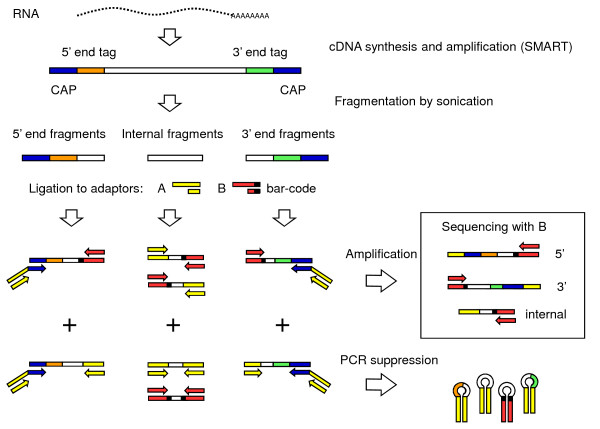
“The second strategy, used for the 454 Titanium reads, employed PCR-suppression oligos to target particular regions in the transcript (5', internal, or 3'; [31]).”
D’Angelo, C., Smith, E. G., Oswald, F., Burt, J. A., Tchernov, D., & Wiedenmann, J. (2012) · Coral Reefs · doi:10.1007/s00338-012-0926-8 · Cited by 105
“millepora (Meyer et al. 2009) was aligned with PCNAs of higher organisms, and primers were designed against conserved regions.”
Development of the catfish 250K SNP array for genome-wide association studies
Liu, S., Sun, L., Li, Y., Sun, F., Jiang, Y., Zhang, Y., Zhang, J., Feng, J., Kaltenboeck, L., Kucuktas, H., et al. (2014) · BMC Research Notes · doi:10.1186/1756-0500-7-135 · Cited by 113
Study of Cnidarian-Algal Symbiosis in the “Omics” Age
Meyer, E., & Weis, V. M. (2012) · Biological Bulletin · doi:10.1086/bblv223n1p44 · Cited by 117
Self-citationKaniewska, P., Chan, C. K., Kline, D. I., Ling, E. Y. S., Rosic, N. N., Edwards, D., Hoegh‐Guldberg, O., & Dove, S. (2015) · PLoS ONE · doi:10.1371/journal.pone.0139223 · Cited by 115
Coppe, A., Pujolar, J. M., Maes, G. E., Larsen, P. F., Hansen, M. M., Bernatchez, L., Zane, L., & Bortoluzzi, S. (2010) · BMC Genomics · doi:10.1186/1471-2164-11-635 · Cited by 99
“Recently, 454 pyrosequencing has been successfully applied to largescale EST sequencing in non-model organisms [16], including insects [17,18], plants [19-21] and corals [ 22 ].”
MethodSequencing and characterization of the guppy (Poecilia reticulata) transcriptome
Fraser, B. A., Weadick, C. J., Janowitz, I., Rodd, F. H., & Hughes, K. A. (2011) · BMC Genomics · doi:10.1186/1471-2164-12-202 · Cited by 98
“similar approaches (Swiss-prot and NR = average 33%, range 12 - 73%, GO database = average 20%, range 18 33% [32-44]).”
BackgroundMethodResultInfluentialQiu, Z., Wan, L., Chen, T., Wan, Y., He, X., Lu, S., Wang, Y., & Lin, J. (2013) · New Phytologist · doi:10.1111/nph.12301 · Cited by 112
Rapid Evolution of Coral Proteins Responsible for Interaction with the Environment
Voolstra, C. R., Sunagawa, S., Matz, M. V., Bayer, T., Aranda, M., Buschiazzo, E., DeSalvo, M. K., Lindquist, E. A., Szmant, A. M., Coffroth, M. A., et al. (2011) · PLoS ONE · doi:10.1371/journal.pone.0020392 · Cited by 107
“The datasets used in this study include an expanded version (see below) of a Sanger EST dataset from Acropora palmata [17] and a normalized 454 EST dataset from Acropora millepora [69].”
MethodSelf-citationBarker, M. S., Li, Z., Kidder, T. I., Reardon, C. R., Lai, Z., de Oliveira, L. O., Scascitelli, M., & Rieseberg, L. H. (2016) · American Journal of Botany · doi:10.3732/ajb.1600113 · Cited by 108
Metadata
- Authors
- Meyer, E., Aglyamova, G. V., Wang, S., Buchanan-Carter, J., Abrego, D., Colbourne, J. K., Willis, B. L., & Matz, M. V.
- Affiliations
- The University of Texas at Austin (US)
- ARC Centre of Excellence for Coral Reef Studies (AU)
- Indiana University Bloomington (US)
- Corresponding author
- Meyer, Eli
- ORCID
- Venue
- BMC Genomics
- Published
- 2009
- Volume
- 10
- Issue
- 1
- Pages
- 219
- ISSN
- 1471-2164 (ISSN-L)
- PMC
- PMC2689275
- OpenAlex
- W1981348283
- Cited by
- 479
- References
- 45
- Citations by year
- 2026: 3 · 2025: 3 · 2024: 4 · 2023: 2 · 2022: 7 · 2021: 23 · 2020: 19 · 2019: 9 · 2018: 13 · 2017: 18 · 2016: 36 · 2015: 42 · 2014: 50 · 2013: 48 · 2012: 76
- FWCI
- 26.81
- Type
- journal article
- Language
- en
- Open access
- gold
- doi.org
- Licence
- cc-by
- Locations
- BMC Genomics (publishedVersion, cc-by)
- PubMed Central (publishedVersion, cc-by)
- PubMed (publishedVersion)
- ResearchOnline - JCU (James Cook University) (submittedVersion)
- DOAJ (DOAJ: Directory of Open Access Journals) (submittedVersion)
- University of Birmingham Research Portal (University of Birmingham) (submittedVersion, cc-by)
- Texas ScholarWorks (Texas Digital Library) (submittedVersion, cc-by)
- Texas ScholarWorks (Texas Digital Library) (submittedVersion, other-oa)
- Texas Digital Library (University of Texas)
- Funders
- Eli Lilly and Company
- Lilly Endowment
- Topics
- Life Sciences › Biochemistry, Genetics and Molecular Biology › Molecular Biology › Genomics and Phylogenetic Studies
- Physical Sciences › Environmental Science › Ecology › Coral and Marine Ecosystems Studies
- Life Sciences › Agricultural and Biological Sciences › Animal Science and Zoology › Marine Invertebrate Physiology and Ecology
- Keywords
- Acropora millepora, planulae, de novo transcriptome assembly, genome annotation, thermal stress response, settlement induction, single nucleotide polymorphisms, genetic markers, reef-building corals
- MeSH terms
- Animals, Gene Library, Cluster Analysis, Sequence Analysis, DNA, Computational Biology, Contig Mapping, Polymorphism, Single Nucleotide, Gene Expression Profiling, Genomics, Anthozoa
About these checks
Registry, retraction, Cites and statistics results are computed, not judged, with one exception: a printed reference that no index lists is read once by a model before it counts as a citation error. Claims are extracted by a model and kept only when their quote appears verbatim in the text; each cited source is then checked, with a model’s help, for whether it says what the claim relies on. Those verdicts can be wrong — read the claim’s quote and the cited source before relying on one.
Statistics and arithmetic are recomputed, not judged.
Confidence bands are shown only for fields calibrated on our annotated test set. None is calibrated yet, so no band is shown.
What counts as a claim ›How we measure confidence ›How we check this ›
Are you an author, or do you see a problem with this page? Request a review
Data sources
Bibliographic data: Semantic Scholar, OpenAlex, Crossref.
Contains information from the Semantic Scholar Academic Graph Datasets, made available under the ODC Attribution License (ODC-BY 1.0).
Semantic Scholar’s data is described in: Kinney, R., et al. (2023). The Semantic Scholar Open Data Platform. arXiv:2301.10140.
