

Comparative 454 pyrosequencing of transcripts from two olive genotypes during fruit development
Open accessThe DOI matches its Crossref record; 31 of the 33 references it cites were found in a registry or an index, and 1 are not checked yet.
Abstract
Background: Despite its primary economic importance, genomic information on olive tree is still lacking. 454 pyrosequencing was used to enrich the very few sequence data currently available for the Olea europaea species and to identify genes involved in expression of fruit quality traits. Results: Fruits of Coratina, a widely cultivated variety characterized by a very high phenolic content, and Tendellone, an oleuropein-lacking natural variant, were used as starting material for monitoring the transcriptome. Four different cDNA libraries were sequenced, respectively at the beginning and at the end of drupe development. A total of 261,485 reads were obtained, for an output of about 58 Mb. Raw sequence data were processed using a four step pipeline procedure and data were stored in a relational database with a web interface. Conclusion: Massively parallel sequencing of different fruit cDNA collections has provided large scale information about the structure and putative function of gene transcripts accumulated during fruit development. Comparative transcript profiling allowed the identification of differentially expressed genes with potential relevance in regulating the fruit metabolism and phenolic content during ripening.
Overview
The claims and statistics of this paper haven’t been checked yet.
Free: it reads the open-access text and checks the first 5 claims that cite a source we can check. Create a free account to check every claim.
Integrity signals
Registry
Cites
Statistics
Figures
Verification
Claims the paper makes
The claims and statistics of this paper haven’t been checked yet.
Free: it reads the open-access text and checks the first 5 claims that cite a source we can check. Create a free account to check every claim.
Claims other papers make about this one
Each is checked against this paper’s own text: does it say what the citing paper says it does?
The cited source says what the claim attributes to it.
In the citing paper
“Due to its long read length and appearance ahead of the other two platforms, Roche GS FLX has been the most widely used platform for de novo transcriptome sequencing in many organisms, such as chestnut [19], pine [10], olive [44], ginseng [20], A. thaliana [45,46], maize [47], Artemisia annua [48], fish [18], insects [49,50], and worms [17].”
Self-check
Percentages, sums and reported differences re-computed from the paper’s own numbers.
The self-check needs the paper’s full text.
Citations
Cites
Gene Ontology: tool for the unification of biology
Ashburner, M., Ball, C. A., Blake, J. A., Botstein, D., Butler, H., Cherry, J. M., Davis, A. P., Dolinski, K., Dwight, S. S., Eppig, J. T., et al. (2000) · Nature Genetics · doi:10.1038/75556 · Cited by 43,206
Genome sequencing in microfabricated high-density picolitre reactors
Margulies, M., Egholm, M., Altman, W. E., Attiya, S., Bader, J. S., Bemben, L. A., Berka, J., Braverman, M. S., Chen, Y.-J., Chen, Z., et al. (2005) · Nature · doi:10.1038/nature03959 · Cited by 7,693 · cited 1×
“In this respect, the 454 pyrosequencing technology [1] is a rather novel method for high-throughput DNA sequencing, allowing gene discovery and parallel efficient and quantitative analysis of expression patterns in cells, tissues and organs.”
MethodKEGG for linking genomes to life and the environment
Kanehisa, M., Araki, M., Goto, S., Hattori, M., Hirakawa, M., Itoh, M., Katayama, T., Kawashima, S., Okuda, S., Tokimatsu, T., et al. (2007) · Nucleic Acids Research · doi:10.1093/nar/gkm882 · Cited by 6,782 · cited 4×
“dat files (release 04 Nov 2008) retrieved from the ExPASy FTP site; myGO, a mirror of the Gene Ontology database, which was built by running the seqdblite MySQL script (version 20081102) downloaded from the GO database archives; myKEGG, which was built by parsing XML files of the KEGG pathways (release 21 October 2008…”
MethodInfluentialThe Universal Protein Resource (UniProt)
Bairoch, A. (2004) · Nucleic Acids Research · doi:10.1093/nar/gki070 · Cited by 3,774
Repbase Update, a database of eukaryotic repetitive elements
Jurka, J., Kapitonov, V. V., Pavlicek, A., Klonowski, P., Kohany, O., & Walichiewicz, J. (2005) · Cytogenetic and Genome Research · doi:10.1159/000084979 · Cited by 3,370 · cited 1×
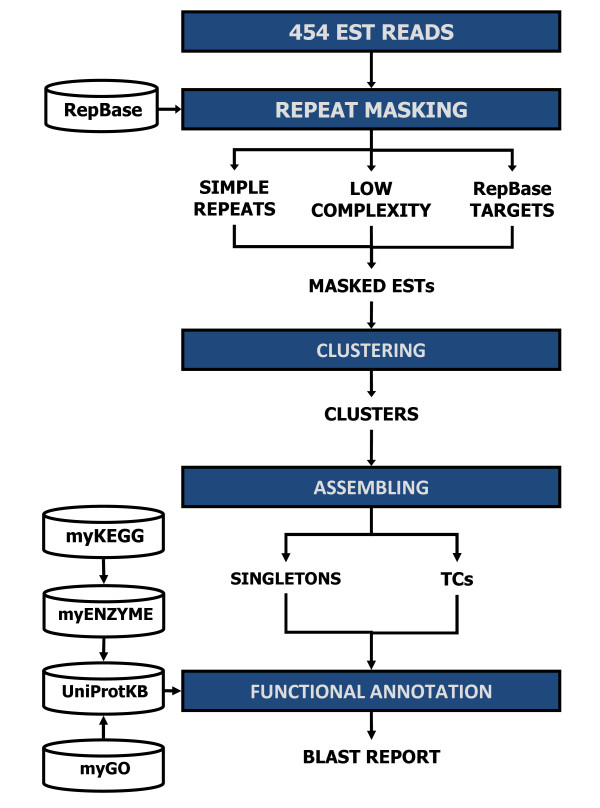
“06) [27], a library of repetitive elements, and returned as masked sequences ready for the clustering/assembling and annotation procedures.”
BackgroundBairoch, A. (2000) · Nucleic Acids Research · doi:10.1093/nar/28.1.304 · Cited by 1,129
Ibuprofen-like activity in extra-virgin olive oil
Beauchamp, G. K., Keast, R. S. J., Morel, D., Lin, J., Pika, J., Han, Q., Lee, C.-H., Smith, A. B., & Breslin, P. A. S. (2005) · Nature · doi:10.1038/437045a · Cited by 885
The Universal Protein Resource (UniProt)
The UniProt Consortium (2007) · Nucleic Acids Research · doi:10.1093/nar/gkm895 · Cited by 823
(2008) · Nutrition & Food Science · doi:10.1108/nfs.2008.01738aab.008 · Cited by 611
Servili, M., Selvaggini, R., Esposto, S., Taticchi, A., Montedoro, G., & Morozzi, G. (2004) · Journal of Chromatography A · doi:10.1016/j.chroma.2004.08.070 · Cited by 588 · cited 2×
“Secoiridoids represent the most important class of phenolics and they arise from simple structures, like tyrosol and hydroxytyrosol, to quantitatively more important conjugated forms like oleuropein, demethyloleuropein, 34DHPEA-EDA and ligstroside [10].”
BackgroundSelf-citation
Research works printed but not linked: 1
- Sanchez J Harwood JL Biosynthesis of triacylglycerols and volatiles in olives Eur J Lipid Sci Technol 2002 104 564 573 10.1002/1438-9312(200210)104:9/10<564::AID-EJLT564>3.0.CO;2-5 · doi:10.1002/1438-9312(200210)104:9/10<564::aid-ejlt564>3.0.co;2-5
Cited by
Items 101–200 of 263
Development, evaluation, and validation of new EST-SSR markers in olive (Olea europaea L.)
Mariotti, R., Cultrera, N. G. M., Mousavi, S., Baglivo, F., Rossi, M. S., Albertini, E., Alagna, F., Carbone, F., Perrotta, G., & Baldoni, L. (2016) · Tree Genetics & Genomes · doi:10.1007/s11295-016-1077-9 · Cited by 42
“SSR motifs were searched within the EST collections from flower and fruit tissues of different olive varieties (Alagna et al. 2009; Alagna et al. 2016; Corrado et al. 2012).”
BackgroundSelf-citationMisra, B. B., & Dey, S. (2013) · Trees · doi:10.1007/s00468-013-0858-0 · Cited by 36
Russell, J., Bayer, M., Booth, C., Cardle, L., Hackett, C. A., Hedley, P. E., Jorgensen, L., Morris, J., & Brennan, R. M. (2011) · BMC Plant Biology · doi:10.1186/1471-2229-11-147 · Cited by 36
“Recently, several such studies based on high-throughput transcriptome sequencing have been carried out in non-model plant species, including maize, grapevine, eucalyptus, olive and common bean [3,6,4,7,12].”
Dong, S., Liu, Y., Niu, J., Ning, Y., Lin, S., & Zhang, Z. (2014) · Gene · doi:10.1016/j.gene.2014.04.031 · Cited by 40
Besnard, G., Anthelme, F., & Baâli-Cherif, D. (2012) · Acta Botanica Gallica · doi:10.1080/12538078.2012.724281 · Cited by 49
“Particularly, O. europaea can be seen as a potential model because of the genomic and transcriptional resources that are already or will be soon available (Alagna et al., 2009; Galla et al., 2009).”
BackgroundIdentification of QTL for agronomic traits of importance for olive breeding
Atienza, S. G., de la Rosa, R., León, L., Martín, A., & Belaj, A. (2014) · Molecular Breeding · doi:10.1007/s11032-014-0070-y · Cited by 40
“At the same time, transcriptomic approaches are being developed for functional annotation in olive (Alagna et al. 2009; Muñoz-Mérida et al. 2013).”
MethodFan, Y., Chang, M. X., Ma, J., LaPatra, S. E., Hu, Y., Huang, L., Nie, P., & Zeng, L. (2015) · Veterinary Research · doi:10.1186/s13567-015-0279-8 · Cited by 36
“Next-generation sequencing technology, such as de novo transcriptome sequencing, can be used for largescale efficient and economical production of ESTs, and has become an important method for studying nonmodel species [18, 19].”
MethodVezzaro, A., Krause, S. T., Nonis, A., Ramina, A., Degenhardt, J., & Ruperti, B. (2012) · Journal of Plant Physiology · doi:10.1016/j.jplph.2012.01.021 · Cited by 34
“…analysis Three ESTs putatively involved in terpene biosynhesis were selected searching the OLEA EST database http://140.164.45.140/oleaestdb/utbr.php; Alagna et al., 2009) hoosing “Monoterpenoid biosynthesis” in KEGG (Kyoto Encycloedia of Genes and Genomes) maps and selecting the longest ones.”
MethodInfluentialHan, H., Sun, X., Xie, Y., Feng, J., & Zhang, S. (2014) · BMC Plant Biology · doi:10.1186/s12870-014-0305-4 · Cited by 35
“[16] enriched the very small amount of sequence data currently available for olive, and identified genes involved in fruit quality via 454 pyrosequencing.”
BackgroundOlive Fruit Development and Ripening: Break on through to the “-Omics” Side
Skodra, C., Titeli, V. S., Michailidis, M., Bazakos, C., Ganopoulos, I. V., Molassiotis, A. N., & Τάνου, Γ. (2021) · International Journal of Molecular Sciences · doi:10.3390/ijms22115806 · Cited by 33
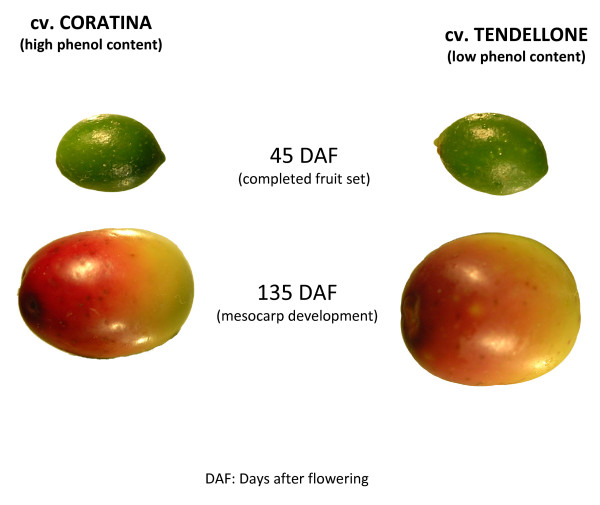
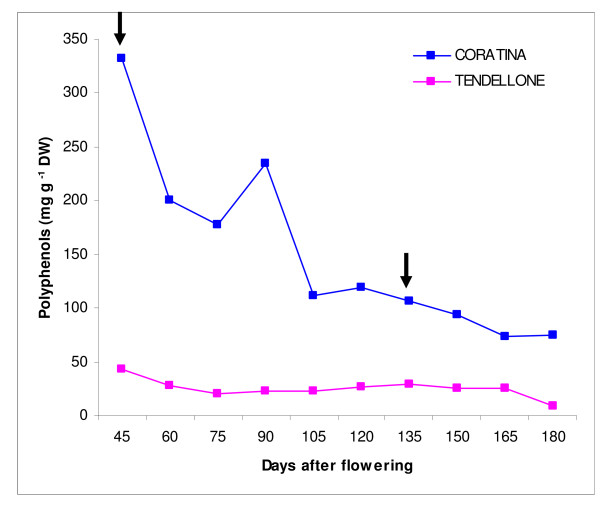
“‘Tendellone’ with a lack of oleuropein natural variant) during two developmental stages, namely 45 and 135 days after flowering [19].”
BackgroundLavee, S. (2013) · Scientia Horticulturae · doi:10.1016/j.scienta.2013.07.002 · Cited by 33
Nonis, A., Vezzaro, A., & Ruperti, B. (2012) · Journal of Agricultural and Food Chemistry · doi:10.1021/jf300419w · Cited by 33
Tripathi, S., Jadaun, J. S., Chandra, M., & Sangwan, N. S. (2016) · Plant Genetic Resources · doi:10.1017/s1479262116000162 · Cited by 38
“…2008), gene expression (Sangwan et al., 2013), single nucleotide polymorphisms (SNPs) (Alagna et al., 2009), alternative splicing (Wang et al., 2008), structure variation (Maher et al., 2009) andmore importantly gene characterization (Alagna et al., 2009; Wang et al., 2009; Brautigam et al., 2011).”
BackgroundInfluentialGeorgiadou, E. C., Goulas, V., Ntourou, T., Manganaris, G. Α., Kalaitzis, P., & Fotopoulos, V. (2016) · Frontiers in Plant Science · doi:10.3389/fpls.2016.01656 · Cited by 33
“The chlorophyll content in fruit mesocarp also drops during this period (Alagna et al., 2009).”
BackgroundInfluentialBelaj, A., Gurbuz-Veral, M., Sikaoui, H., Moukhli, A., Khadari, B., Mariotti, R., & Baldoni, L. (2016) · Compendium of plant genomes · doi:10.1007/978-3-319-48887-5_3 · Cited by 40
Self-citationLópez, C. E. R., Hong, B., Paetz, C., Nakamura, Y., Koudounas, K., Passeri, V., Baldoni, L., Alagna, F., Calderini, O., & O'Connor, S. E. (2020) · New Phytologist · doi:10.1111/nph.16975 · Cited by 35
Self-citationUse of Non‐Normalized, Non‐Amplified cDNA for 454‐Based RNA Sequencing of Fleshy Melon Fruit
Portnoy, V. H., Diber, A., Pollock, S. R., Karchi, H., Lev, S., Tzuri, G., Harel‐Beja, R., Forer, R., Portnoy, V. H., Lewinsohn, E., et al. (2011) · The Plant Genome · doi:10.3835/plantgenome2010.11.0026 · Cited by 31
“Transcriptome analysis based on deep sequencing has been reported in a growing number of studies in recent years (e.g., Alagna et al., 2009; Ando and Grumet, 2010; Barakat et al., 2009; Emrich et al., 2007; Folta et al., 2010; Guo et al., 2010; Jones-Rhoades et al., 2007; Wang et al., 2009a; Weber…”
BackgroundMethodGrasso, F., Coppola, M., Carbone, F., Baldoni, L., Alagna, F., Perrotta, G., Pérez‐Pulido, A. J., Garonna, A. P., Facella, P., Daddiego, L., et al. (2017) · PLoS ONE · doi:10.1371/journal.pone.0183050 · Cited by 31
Self-citationMontemurro, C., Dambruoso, G., Bottalico, G., & Sabetta, W. (2019) · Frontiers in Plant Science · doi:10.3389/fpls.2019.00451 · Cited by 32
Alagna, F., Kallenbach, M., Pompa, A., Marchis, F. D., Rao, R., Baldwin, I. T., Bonaventure, G., & Baldoni, L. (2015) · Journal of Integrative Plant Biology · doi:10.1111/jipb.12343 · Cited by 32
“140/ oleaestdb/) (Alagna et al. 2009), respectively, OeACO1 (OLEEUCl056880:Contig1, E8NTSAO03G8TB3:singleton), OeACO2 (OLEEUCl054285:Contig2, OLEEUCl041676:Contig1), OeERF1 (OLEEUCl002278:Contig1), OeERF2, OLEEUCl089730: Contig1), and OeERF3 (E8NTSAO04IDOK9:singleton) were used as queries to search by BLAST the genome…”
BackgroundMethodSelf-citationIkegami, H., Habu, T., Mori, K., Nogata, H., Hirata, C., 平島, 敬., Tashiro, K., & Kuhara, S. (2013) · Tree Genetics & Genomes · doi:10.1007/s11295-013-0622-z · Cited by 31
“) (Alagna et al. 2009), chestnut (Castanea spp.”
Marchese, A., Marra, F. P., Caruso, T., Mhelembe, K. G., ARC Infruitec-Nietvoorbij, P. B. X., Costa, F., Fretto, S., & Sargent, D. J. (2016) · Australian Journal of Crop Science · doi:10.21475/ajcs.2016.10.06.p7520 · Cited by 35
“Recently, studies have used short read sequencing platforms to characterize the olive genome including the sequencing of the olive transcriptome (Alagna et al., 2009, Munõz-Mérida et al., 2013, Kaya et al., 2013), which led to the identification of abundant SNP markers that were successfully used to discriminate Turki…”
BackgroundBabik, W., Stuglik, M., Qi, W., Künzli-Gontarczyk, M., Kuduk, K., Koteja, P., & Radwan, J. (2010) · BMC Genomics · doi:10.1186/1471-2164-11-390 · Cited by 31
“As expected, longer reads produced better assembly, in terms of the average and maximum contig length, than reported in most studies employing the first generation, GS20 [13,34] and second generation, FLX [20,35,36], 454 technologies.”
ResultHabu, T., Yamane, H., Igarashi, K., Hamada, K., Yano, K., & Tao, R. (2012) · Journal of the Japanese Society for Horticultural Science · doi:10.2503/jjshs1.81.239 · Cited by 30
“…transcriptome analyses of non-model recalcitrant species, such as grapevine (Vitis vinifera L.) (Bellin et al., 2009), olive (Olea europaea L.) (Alagna et al., 2009), chestnut (Castanea spp.) (Barakat et al., 2009), orchids (Phalaenopsis spp.) (Hsiao et al., 2011), and petunia (Petunia spp.)…”
BackgroundDervishi, A., Jakše, J., Ismaili, H., Javornik, B., & Štajner, N. (2021) · Genes · doi:10.3390/genes12020256 · Cited by 30
Large-scale collection and annotation of gene models for date palm (Phoenix dactylifera, L.)
Zhang, G., Pan, L., Yin, Y., Liu, W., Huang, D., Zhang, T., Wang, L., Xin, C., Lin, Q., Sun, G., et al. (2012) · Plant Molecular Biology · doi:10.1007/s11103-012-9924-z · Cited by 33
“2008), olive (Alagna et al. 2009), mangroves (Dassanayake et al.”
BackgroundEo, S. H., Doyle, J. M., Hale, M. C., Marra, N. J., Ruhl, J. D., & DeWoody, J. A. (2011) · Gene · doi:10.1016/j.gene.2011.11.018 · Cited by 29
Koudounas, K., Manioudaki, M., Kourti, A., Μπανίλας, Γ. Π., & Hatzopoulos, P. (2015) · Frontiers in Plant Science · doi:10.3389/fpls.2015.00633 · Cited by 28
“Cinnamic acid is also a common precursor of various polyphenols that accumulate at maximal levels in the early stages of olive drupe development (Alagna et al., 2009).”
BackgroundMethodJunttila, S., & Rudd, S. A. (2012) · BMC Genomics · doi:10.1186/1471-2164-13-575 · Cited by 30
“For non-model organisms, de novo genome assembly of short read data is complicated but many transcriptomes have been sequenced from non-model species and published over the last years [18-22].”
BackgroundGeorgiadou, E. C., Ntourou, T., Goulas, V., Manganaris, G. Α., Kalaitzis, P., & Fotopoulos, V. (2015) · Frontiers in Plant Science · doi:10.3389/fpls.2015.00871 · Cited by 28
“…Genetics and Biotechnology, Mediterranean Agronomic Institute of Chania, Chania, Greece The aim of this work was to generate a high resolution temporal mapping of the biosynthetic pathway of vitamin E in olive fruit (Olea europaea cv. “Koroneiki”) during 17 successive on-tree developmental stages.”
BackgroundMethodBruno, L., Picardi, E., Pacenza, M., Chiappetta, A. A. C., Muto, A., Gagliardi, O., Muzzalupo, I., Pesole, G., & Bitonti, M. B. (2019) · BMC Plant Biology · doi:10.1186/s12870-019-1969-6 · Cited by 28
“Based on olive agronomic relevance, physiological processes and metabolic pathways underlying drupe development, from growth to maturation and ripening, have been largely investigated and clarified [21, 22].”
BackgroundMethodFlavonoid metabolism and gene expression in developing olive ( Olea europaea L .) fruit
Martinelli, F., & Tonutti, P. (2012) · Plant Biosystems - An International Journal Dealing with all Aspects of Plant Biology · doi:10.1080/11263504.2012.681320 · Cited by 28
“Using large-scale transcriptome profiling, specific genes involved in flavonoid and terpenoid pathways have been shown to be differentially expressed during fruit development (Alagna et al. 2009; Galla et al. 2009).”
Expression profile analysis of maize in response to Setosphaeria turcica
Shi, F., Zhang, Y., Wang, K., Meng, Q., Liu, X., Ma, L., Liu, J. B., Liu, J., & Ma, L. (2018) · Gene · doi:10.1016/j.gene.2018.03.030 · Cited by 35
Transcriptomic Profiling Using Next Generation Sequencing - Advances, Advantages, and Challenges
Anamika, K., Verma, S. P., Jere, A., & Desai, A. (2016) · InTech eBooks · doi:10.5772/61789 · Cited by 40
“RNASeq is now being used extensively for transcrip‐ tome assembly, thus enabling better characterization of economically important plants such as Garlic [27], Pea [28], Chickpea [29], Rice [30], Olive [31], Wheat [32], and many other plants [33].”
MethodESTs from Seeds to Assist the Selective Breeding of Jatropha curcas L. for Oil and Active Compounds
Gomes, K. A., Almeida, T. C., Gesteira, A. D. S., Lôbo, I. P., Guimarães, A. C. R., de Miranda, A. B., Sluys, M. V., da Cruz, R. S., Cascardo, J. C. M., & Carels, N. (2010) · Genomics Insights · doi:10.4137/gei.s4340 · Cited by 32
Wang, Q., Ji, Y., Qu, Y.-Y., Qi, Y.-K., Li, D., Liu, Z., & Wu, X. (2020) · Biological Control · doi:10.1016/j.biocontrol.2020.104372 · Cited by 26
RNA-Seq Based De Novo Transcriptome Assembly and Gene Discovery of Cistanche deserticola Fleshy Stem
Li, Y., Wang, X., Chen, T., Yao, F., Li, C., Tang, Q., Sun, M., Sun, G., Hu, S., Yu, J. M., et al. (2015) · PLoS ONE · doi:10.1371/journal.pone.0125722 · Cited by 38
Evolution of Sesquiterpene Hydrocarbons in Virgin Olive Oil during Fruit Ripening
Vichi, S., Lazzez, A., Kamoun, N. G., López‐Tamames, E., & Buxaderas, S. (2010) · Journal of Agricultural and Food Chemistry · doi:10.1021/jf100497c · Cited by 24
Identification and validation of novel EST-SSR markers in olives
Arbeiter, A. B., Hladnik, M., Jakše, J., & Bandelj, D. (2017) · Scientia Agricola · doi:10.1590/1678-992x-2016-0111 · Cited by 26
“However, a few transcriptome projects on the generation of ESTs in olive have been completed recently (Alagna et al., 2009; Muñoz-Mérida et al., 2013; Ozgenturk et al., 2010; Rešetič et al., 2013), and a limited number of EST-SSRs are currently available in olives (Adawy et al.”
BackgroundHuang, S., Liu, Z., Yao, R., Li, D., & Feng, H. (2015) · Molecular Genetics and Genomics · doi:10.1007/s00438-015-1041-7 · Cited by 24
“…RNA-Seq can provide massive quantities of information about novel transcripts (Denoeud et al. 2009), gene expression, single-nucleotide polymorphisms (SNPs) (Alagna et al. 2009; Novaes et al. 2008), alternative splicing (AS) (Wang et al. 2008), and structural variation (Maher et al. 2009).”
BackgroundWang, X., Zhao, M., Wu, W., Korir, N. K., Qian, Y., & Wang, Z. (2017) · Genes & Genomics · doi:10.1007/s13258-016-0500-9 · Cited by 23
“2009; Novaes et al.”
Besnard, G., & Bakkali, A. E. (2014) · Genome · doi:10.1139/gen-2014-0001 · Cited by 22
Camarero, M. C., Briegas, B., Corbacho, J., Labrador, J., Gallardo, M., & Gomez-Jimenez, M. C. (2023) · International Journal of Molecular Sciences · doi:10.3390/ijms24020961 · Cited by 23
Alagna, F., Reed, J., Calderini, O., Thimmappa, R. B., Cultrera, N. G. M., Cattivelli, A., Tagliazucchi, D., Mousavi, S., Mariotti, R., Osbourn, A., et al. (2023) · New Phytologist · doi:10.1111/nph.18863 · Cited by 21
“Systematic mining of the available olive genome and transcriptome sequence data (Alagna et al ., 2009; Jim ´ enez-Ruiz et al ., 2020; Ramı´rez-Tejero et al ., 2020) revealed 13 predicted OSCs.”
MethodSelf-citationYadav, S., Carvalho, J., Trujillo, I., & Prado, M. (2021) · Foods · doi:10.3390/foods10081907 · Cited by 25
Polymorphisms in the AOX2 gene are associated with the rooting ability of olive cuttings
Hedayati, V., Mousavi, A., Razavi, K., Cultrera, N. G. M., Alagna, F., Mariotti, R., Hosseini‐Mazinani, M., & Baldoni, L. (2015) · Plant Cell Reports · doi:10.1007/s00299-015-1774-0 · Cited by 23
“1) (Santos Macedo et al. 2009), and from a putative cDNA sequence of OeAOX2 gene in the OLEA EST database (http://140.164.45.140/ oleaestdb/; Alagna et al. 2009).”
BackgroundMethodInfluentialSelf-citationSheng, L., Xia, W., Zang, S., Zeng, Y., Yuan, X., Ning, G., Zhang, S., & Feng, L. (2018) · Acta Physiologiae Plantarum · doi:10.1007/s11738-018-2635-6 · Cited by 22
“Transcriptome sequencing refers to the high-throughput sequencing of cDNA; it can rapidly obtain nearly all information for specially organized mRNA transcripts under certain conditions for research materials (Alagna et al. 2009; Barakat et al. 2009).”
BackgroundPires, R. C., Cardoso, H. G., Ribeiro, A., Peixe, A., & Cordeiro, A. M. (2020) · Plants · doi:10.3390/plants9060758 · Cited by 26
Soni, P., Nutan, K. K., Soda, N., Nongpiur, R. C., Roy, S., Singla-Pareek, S. L., & Pareek, A. (2015) · Springer eBooks · doi:10.1007/978-1-4939-2211-6_1 · Cited by 24
Briegas, B., Corbacho, J., Parra-Lobato, M. C., Paredes, M. A., Labrador, J., Gallardo, M., & Gomez-Jimenez, M. C. (2020) · International Journal of Molecular Sciences · doi:10.3390/ijms21144819 · Cited by 20
“In olive, although the genomics data have identified hormone-related genes involved in fruit development and abscission processes [13,14,23], the hormonal composition of olive fruit remains to”
BackgroundPetersen, R., Djozgic, H., Rieger, B., Rapp, S., & Schmidt, E. R. (2015) · BMC Plant Biology · doi:10.1186/s12870-014-0356-6 · Cited by 20
“This is slightly lower than the percentage of contigs annotated in RNA-seq studies of most other non-model organisms such as 50% in ten different invertebrates [49], 47 and 48% in the non-model plants Streptocarpus rexii and olive, respectively [50,51], and 40% in the bloomforming alga Emiliania huxleyi [52].”
BackgroundWarren, I. A., Vera, J. C., Johns, A., Zinna, R. A., Marden, J. H., Emlen, D. J., Dworkin, I. M., & Lavine, L. C. (2014) · PLoS ONE · doi:10.1371/journal.pone.0088364 · Cited by 22
“The spread of GO terms across level 2 GO terms is typical of de novo transcriptome sequencing projects [41,42].”
BackgroundJi, H., Liu, D., & Yang, Z. (2021) · Biotechnology for Biofuels · doi:10.1186/s13068-021-01909-x · Cited by 18
Rugini, E., Pace, C. D., Gutiérrez-Pesce, P., & Muleo, R. (2010) · Springer eBooks · doi:10.1007/978-3-642-16057-8_5 · Cited by 34
De Novo Assembly and Characterization of Sophora japonica Transcriptome Using RNA-seq
Zhu, L., Zhang, Y., Guo, W., Xu, X., & Wang, Q. (2014) · BioMed Research International · doi:10.1155/2014/750961 · Cited by 17
“De Novo Assembly and Characterization of Sophora japonica”
Olive Breeding with Classical and Modern Approaches
Rugini, E., & Pace, C. D. (2016) · Compendium of plant genomes · doi:10.1007/978-3-319-48887-5_10 · Cited by 24
Georgiadou, E. C., Koubouris, G., Goulas, V., Sergentani, C. K., Nikoloudakis, N., Manganaris, G. Α., Kalaitzis, P., & Fotopoulos, V. (2018) · Plant Biology · doi:10.1111/plb.12950 · Cited by 17
Li, S., Wang, J., Wang, K., Chen, J., Wang, K., Du, L., Ni, Z., Lin, Z., & Ye, X. (2019) · BMC Genomics · doi:10.1186/s12864-019-5630-4 · Cited by 17
Filippis, L. F. D. (2015) · Wiley eBooks · doi:10.1002/9781119081005.ch15 · Cited by 31
Salimonti, A., Forgione, I., Sirangelo, T. M., Puccio, G., Mauceri, A., Mercati, F., Sunseri, F., & Carbone, F. (2021) · Genes · doi:10.3390/genes12040545 · Cited by 17
“Nowadays, the sequencing of transcriptome using NGS (RNAseq) is one of the most widespread approaches able to offer relevant information on the putative function of genes expressed in the fruit and of potential relevance in regulating metabolic pathways deputed to its development and maturation in olive tree [15,23,24…”
BackgroundTranscriptomic analysis of Pseudostellariae Radix from different fields using RNA-seq
Hua, Y., Wang, S., Liu, Z., Liu, X., Zou, L., Gu, W., Yiyuan, L., & Liu, J. (2016) · Gene · doi:10.1016/j.gene.2016.04.043 · Cited by 16
Mishra, A. K., Duraisamy, G. S., Khare, M., Kocábek, T., Jakše, J., Bříza, J., Patzak, J., Sano, T., & Matoušek, J. (2018) · BMC Genomics · doi:10.1186/s12864-018-5125-8 · Cited by 16
Transcriptome analysis of Cinnamomum longepaniculatum by high-throughput sequencing
Yan, K., Wei, Q., Feng, R., Zhou, W., & Chen, F. (2017) · Electronic Journal of Biotechnology · doi:10.1016/j.ejbt.2017.05.006 · Cited by 16
“For instance, gene expression profiles of important industrial or medicinal plants at a specific developmental stage or from tissues can be rapidly obtained by high-throughput transcriptome sequencing [7,8,9,10].”
BackgroundOmics – A New Approach to Sustainable Production
Zargar, S. M., Gupta, N., Nazir, M., Mir, R. A., Gupta, S. K., Agrawal, G. K., & Rakwal, R. (2015) · Elsevier eBooks · doi:10.1016/b978-0-12-801309-0.00013-6 · Cited by 17
Xiaoxia, L., Jianguo, Z., Luo, Y., & Rao, G. (2020) · Journal of Plant Biology · doi:10.1007/s12374-020-09231-z · Cited by 15
Muleo, R., Morgante, M., Velasco, R., Cavallini, A., Perrotta, G., & Baldoni, L. (2012) · InTech eBooks · doi:10.5772/51720 · Cited by 15
“Recently, many EST sequences from large scale transcriptomic analyses of different organs, such as fruits and leaves have been released (Alagna et al., 2009; Galla et al., 2009; Ozgenturk et al., 2009).”
BackgroundSelf-citationLaura, M., Borghi, C., Bobbio, V., & Allavena, A. (2015) · PLoS ONE · doi:10.1371/journal.pone.0118565 · Cited by 15
“organisms, such as olive [26], chestnut [27], Artemisia annua [28], ginseng [29], blueberry [30] bracken fern [31] and in switchgrass [32].”
BackgroundGiordano, A. M., Cogan, N. O. I., Kaur, S., Drayton, M. C., Mouradov, A., Panter, S., Schrauf, G. E., Mason, J. G., & SPANGENBERG, G. C. (2014) · PLoS ONE · doi:10.1371/journal.pone.0085050 · Cited by 14
“400 bp, it has been used for de novo annotation in non-model plants such as olive [42,43], chestnut [44], ginseng [45],strawberry [46], bracken fern [47] and recently, in switchgrass [48].”
MethodOil-rich nonseed tissues for enhancing plant oil production.
Rahman, M. M., Divi, U. K., Liu, Q., XueRong, Z. X. Z., Singh, S. S. S., & Kilaru, A. (2016) · CABI Reviews · doi:10.1079/pavsnnr201611021 · Cited by 13
Meta-analysis of transcriptome reveals key genes relating to oil quality in olive
Asadi, A., Shariati, V., Mousavi, S., Mariotti, R., & Mazinani, M. H. (2023) · BMC Genomics · doi:10.1186/s12864-023-09673-y · Cited by 12
“The most of the RNA-seq studies performed in olives were related to the study of biotic and abiotic stresses [21, 22], micro-RNA identification [23], fruit developmental stages [24–27], and cold acclimation [28, 29].”
BackgroundResultInfluentialNext-generation sequencing technology for crop improvement.
Van, K., Rastogi, K., Kim, K., & Lee, S. H. (2013) · SABRAO Journal of Breeding and Genetics · Cited by 17
Genome Sequencing, Transcriptomics, and Proteomics
Muleo, R., Morgante, M., Cattonaro, F., Scalabrin, S., Cavallini, A., Natali, L., Perrotta, G., Lopez, L., Velasco, R., & Kalaitzis, P. (2016) · Compendium of plant genomes · doi:10.1007/978-3-319-48887-5_9 · Cited by 16
Self-citationTranscriptome analysis of muskrat scented glands degeneration mechanism
Li, Y., Zhang, T., Zhou, J., Yang, S., Fan, M., Sun, X., Zhang, M., Xu, S., Cha, M., Hu, X., et al. (2017) · PLoS ONE · doi:10.1371/journal.pone.0176935 · Cited by 12
Burin, T., Grohar, M. C., Jakopič, J., Veberič, R., Štajner, N., Cesar, T., Kunej, U., & Hudina, M. (2024) · Scientia Horticulturae · doi:10.1016/j.scienta.2024.113640 · Cited by 13
Dündar, E., Suakar, Ö., Ünver, T., & Dağdelen, A. (2013) · BMC Genomics · doi:10.1186/1471-2164-14-219 · Cited by 14
“Therefore, numerous studies on physiological [1-4] phytochemical [5-9], molecular systematic [10-13] and molecular genetics / genomics [14-17] aspects of olive have been reported.”
BackgroundApplication of next generation sequencing techniques in plant tran-scriptome
Liang, Y., Chen, S.-Y., & Liu, G. (2011) · Hereditas (Beijing) · doi:10.3724/sp.j.1005.2011.01317 · Cited by 11
“定量分析。通过提供超过 75 bp的拷贝序列, 研究人 员利用SuperSAGE技术可以得到高质量的基因表达 谱([37])。利用EST作为标记所构建的分子遗传图谱被 称为转录图谱。由于结合了SAGE技术的高通量以及 EST测序的准确性, 大规模平行测序会对表达图谱 绘制研究起很大作用([38])。Alagna等([19])对 2种橄榄(O.”
BackgroundZeng, D., Que, C., da Silva, J. A. T., Xu, S., & Li, D. (2022) · Frontiers in Plant Science · doi:10.3389/fpls.2021.814275 · Cited by 17
Cultrera, N. G. M., Alagna, F., Mariotti, R., Marchis, F. D., Pompa, A., Bellucci, M., & Baldoni, L. (2014) · Tree Genetics & Genomes · doi:10.1007/s11295-014-0730-4 · Cited by 9
“Recently, the olive fruit transcriptome and proteome have been investigated, showing that the expression of genes involved in acyl-lipid metabolism increases along with fruit development (Galla et al. 2009; Alagna et al. 2009), and proteins related to FA synthesis, like ENR or subunits of both PDC and ACC protein comp…”
BackgroundMethodInfluentialSelf-citationPang, M., Percy, R. G., Stewart, J. M., Hughs, E., & Zhang, J. (2012) · Molecular Breeding · doi:10.1007/s11032-012-9702-2 · Cited by 10
“This further demonstrated the high reliability of the 454 pyrosequencing technology, as evidenced from other work using the technology in other plants (Cheung et al. 2006; Barbazuk et al. 2007; Morozova and Marra 2008; Alagna et al. 2009; Barakat et al. 2009).”
BackgroundMethodAli, S., Guasmi, F., Mohamed, M. B., Benhaj, K., Boussora, F., Triki, T., & Kammoun, N. G. (2018) · South African Journal of Botany · doi:10.1016/j.sajb.2018.04.018 · Cited by 8
Hormonal Content and Gene Expression during Olive Fruit Growth and Ripening
Camarero, M. C., Briegas, B., Corbacho, J., Labrador, J., & Gomez-Jimenez, M. C. (2023) · Plants · doi:10.3390/plants12223832 · Cited by 10
“In other olive cultivars, several genes with annotated functions in GA biosynthesis and responses have been identified in the fruit transcriptome [53,55,66] but no available studies have investigated the hormonal contents of olive fruits during the same fruit developmental phase.”
BackgroundSirangelo, T. M., Forgione, I., Zelasco, S., Benincasa, C., Perri, E., Vendramin, E., Angilè, F., Fanizzi, F. P., Sunseri, F., Salimonti, A., et al. (2023) · International Journal of Molecular Sciences · doi:10.3390/ijms241914448 · Cited by 8
“In agreement to Alagna et al. [22], a significant down-regulation of genes involved in the flavanols’ biosynthesis in all the genotypes during the drupes’ maturation from the T to R stage was observed, mainly in CdN and Ru, sustaining their ability to accumulate these compounds in the early stage of…”
InfluentialZafra, A., Carmona, R., Traverso, J. A., Hancock, J. T., Goldman, M. H. S., Claros, M. G., Hiscock, S. J., & Ramírez, J. D. D. A. (2017) · Frontiers in Plant Science · doi:10.3389/fpls.2017.01576 · Cited by 7
“…were compared (using BLASTn) against nonredundant protein databases at the National Center for Biotechnology Information (http://www.ncbi.nlm.nih.gov; Altschul et al., 1990) (E-value 10−4) and also against the non-redundant proteins unique transcripts Olea EST database (Alagna et al., 2009).”
BackgroundMethodInfluentialHe, R., Chang, Y., & Wang, J. (2022) · European Journal of Plant Pathology · doi:10.1007/s10658-022-02497-8 · Cited by 7
“Several studies have used these technologies to examine the expression of genes of interest in tissues at specific stages (Alagna et al., 2009; Novaes et al., 2008).”
BackgroundRazeghi‐Jahromi, F., Zarei, A., Parvini, F., & Hosseini‐Mazinani, M. (2022) · European Journal of Lipid Science and Technology · doi:10.1002/ejlt.202200079 · Cited by 8
Ferrari, M., Muto, A., Bruno, L., Muzzalupo, I., & Chiappetta, A. A. C. (2023) · International Journal of Molecular Sciences · doi:10.3390/ijms24108770 · Cited by 7
“The physiological processes and metabolic pathways involved in drupes development, from growth to maturation and ripening, have been largely investigated and elucidated, given the agronomic relevance of olives [3,4].”
BackgroundApplication of Microsatellite Markers in Grapevine and Olives
Jakše, J., Štajner, N., Tomić, L., & Javornik, B. (2013) · InTech eBooks · doi:10.5772/53411 · Cited by 9
“The largest available set of olive EST data was obtained by next generation sequencing methodology (454), by which several thousand microsatellites were detected in raw sequencing data [21].”
MethodZhou, Z., Chen, X.-M., Zhang, Y., Liu, P., Xue, X., & Li, G. (2020) · Bioscience Reports · doi:10.1042/bsr20191139 · Cited by 7
Rukmangada, M. S., Sumathy, R., & Naik, V. G. (2019) · Molecular Biology Reports · doi:10.1007/s11033-019-05089-8 · Cited by 8
“They have been also used to discover the structure and putative function of gene transcripts accumulated during olive fruit development [16].”
Serrano, A., García-Martín, J., Moret, M., Martínez‐Rivas, J. M., & Luque, F. (2024) · International Journal of Molecular Sciences · doi:10.3390/ijms252011150 · Cited by 6
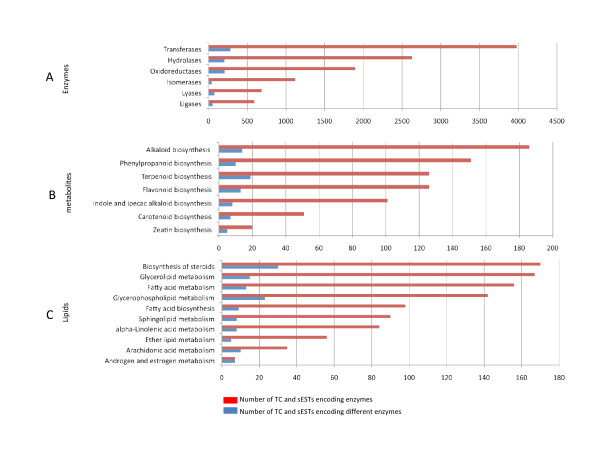
“In previous studies on fruits of ‘Coratina’ and ‘Tendellone’ olive cultivars, transcripts related to steroid synthesis were also detected in the early stages of fruit development [47].”
BackgroundBandupriya, H. D. D., & Dunwell, J. M. (2015) · Journal of the National Science Foundation of Sri Lanka · doi:10.4038/jnsfsr.v43i4.7967 · Cited by 6
“…the model plant Arabidopsis thaliana (Weber et al., 2007) and other species such as Palomero Toluqueno (Vega-Arreguin et al., 2009), Olea europaea (Alagna et al., 2009), Castanea dentata and Castanea mollissima (Barakat et al., 2009) and Eucalyptus grandis (Novaes et al., 2008), as well as fish…”
BackgroundMethodMu, Y., Ying, S., Wu, Y., Yi, L., Yu, H., & Zhang, S. (2025) · International Journal of Molecular Sciences · doi:10.3390/ijms26146757 · Cited by 5
“DGAT2 is considered to be the main controlling gene for the accumulation of specific fatty acids, and it is also involved in the accumulation of triglycerides in olives [37] and oil palm [38].”
An Update on Transcriptome Sequencing of Hairy Root Cultures of Medicinally Important Plants
Ganjewala, D., Kaur, G., & Verma, P. C. (2018) · Springer eBooks · doi:10.1007/978-981-13-2562-5_13 · Cited by 5
Olive tree genetics, genomics, and transcriptomics for the olive oil quality improvement
Zelasco, S., Carbone, F., Lombardo, L., & Salimonti, A. (2021) · Elsevier eBooks · doi:10.1016/b978-0-12-819528-4.00017-1 · Cited by 7
Hao, C. H. E. N., JIANG, G.-X., Hong-xu, L., & Tan, X. (2013) · Hereditas (Beijing) · doi:10.3724/sp.j.1005.2013.01403 · Cited by 5
“[DOI] [22] Alagna F, D'Agostino N, Torchia L, Servili M, Rao R, Pietrella M, Giuliano G, Chiusano ML, Baldoni L, Perrotta G.”
BackgroundBianco, L., & Perrotta, G. (2016) · Springer eBooks · doi:10.1007/978-3-319-43275-5_3 · Cited by 5
Self-citationHowyzeh, M. S., Noori, S. A. S., Shariati, V., & Amiripour, M. (2019) · Plant Genetic Researches · doi:10.29252/pgr.6.1.31 · Cited by 5
Pulman, J. A. (2015) · University of Liverpool · doi:10.17638/02006379 · Cited by 8
Razeghi‐Jahromi, F., Hosseini‐Mazinani, M., Razavi, K., & Zarei, A. (2021) · Acta Physiologiae Plantarum · doi:10.1007/s11738-021-03218-0 · Cited by 5
Luo, H., & Chen, S. (2019) · Wiley eBooks · doi:10.1002/9780470027318.a9936.pub2 · Cited by 6
Metadata
- Authors
- Alagna, F., D'Agostino, N., Torchia, L., Servili, M., Rao, R., Pietrella, M., Giuliano, G., Chiusano, M. L., Baldoni, L., & Perrotta, G.
- Affiliations
- National Agency for New Technologies, Energy and Sustainable Economic Development (IT)
- University of Perugia (IT)
- University of Naples Federico II (IT)
- Corresponding author
- Baldoni, Luciana
- Perrotta, Gaetano
- ORCID
- Venue
- BMC Genomics
- Published
- 2009-08-26
- Volume
- 10
- Issue
- 1
- Pages
- 399-399
- ISSN
- 1471-2164 (ISSN-L)
- PMC
- PMC2748093
- OpenAlex
- W2159594972
- Semantic Scholar
- 94c1f66437dc4ae5af87829beedb03d51789d509
- Cited by
- 263
- References
- 33
- Citations by year
- 2026: 1 · 2025: 1 · 2024: 7 · 2023: 8 · 2022: 5 · 2021: 13 · 2020: 21 · 2019: 14 · 2018: 13 · 2017: 14 · 2016: 23 · 2015: 28 · 2014: 21 · 2013: 24 · 2012: 30
- FWCI
- 9.40
- Type
- journal article
- Language
- en
- Open access
- gold
- doi.org
- Licence
- cc-by
- Locations
- BMC Genomics (publishedVersion, cc-by)
- PubMed Central (publishedVersion, cc-by)
- PubMed (publishedVersion)
- DOAJ (DOAJ: Directory of Open Access Journals) (submittedVersion, cc-by-sa)
- Topics
- Life Sciences › Biochemistry, Genetics and Molecular Biology › Molecular Biology › Genomics and Phylogenetic Studies
- Life Sciences › Biochemistry, Genetics and Molecular Biology › Genetics › Genetic Mapping and Diversity in Plants and Animals
- Life Sciences › Agricultural and Biological Sciences › Plant Science › Plant Molecular Biology Research
- Keywords
- olive, Olea europaea, fruit development, transcriptome, Coratina, phenolic content, oleuropein, fruit quality, differentially expressed genes, fruit metabolism, cDNA library
- MeSH terms
- Fruit, Genotype, Phenols, User-Computer Interface, Gene Library, Sequence Analysis, DNA, DNA, Complementary, Gene Expression Regulation, Plant, Gene Expression Regulation, Developmental, DNA, Plant, Genome, Plant, Expressed Sequence Tags, Gene Expression Profiling, Databases, Genetic, Olea, Lipid Metabolism, Comparative Genomic Hybridization
About these checks
Registry, retraction, Cites and statistics results are computed, not judged, with one exception: a printed reference that no index lists is read once by a model before it counts as a citation error. Claims are extracted by a model and kept only when their quote appears verbatim in the text; each cited source is then checked, with a model’s help, for whether it says what the claim relies on. Those verdicts can be wrong — read the claim’s quote and the cited source before relying on one.
Statistics and arithmetic are recomputed, not judged.
Confidence bands are shown only for fields calibrated on our annotated test set. None is calibrated yet, so no band is shown.
What counts as a claim ›How we measure confidence ›How we check this ›
Are you an author, or do you see a problem with this page? Request a review
Data sources
Bibliographic data: Semantic Scholar, OpenAlex, Crossref.
Contains information from the Semantic Scholar Academic Graph Datasets, made available under the ODC Attribution License (ODC-BY 1.0).
Semantic Scholar’s data is described in: Kinney, R., et al. (2023). The Semantic Scholar Open Data Platform. arXiv:2301.10140.
