

Comparative 454 pyrosequencing of transcripts from two olive genotypes during fruit development
Open accessThe DOI matches its Crossref record; 31 of the 33 references it cites were found in a registry or an index, and 1 are not checked yet.
Abstract
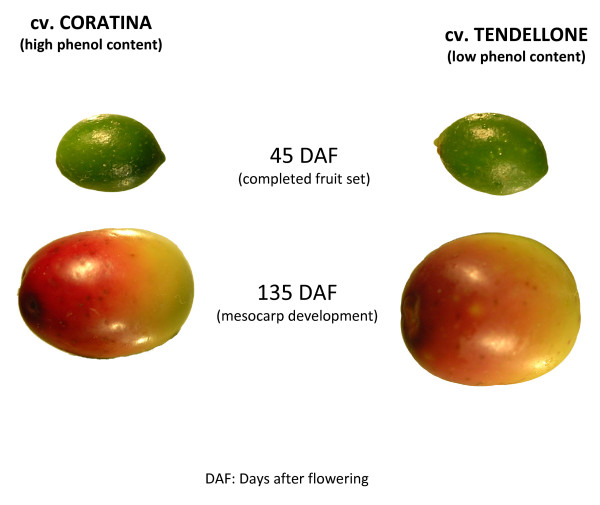
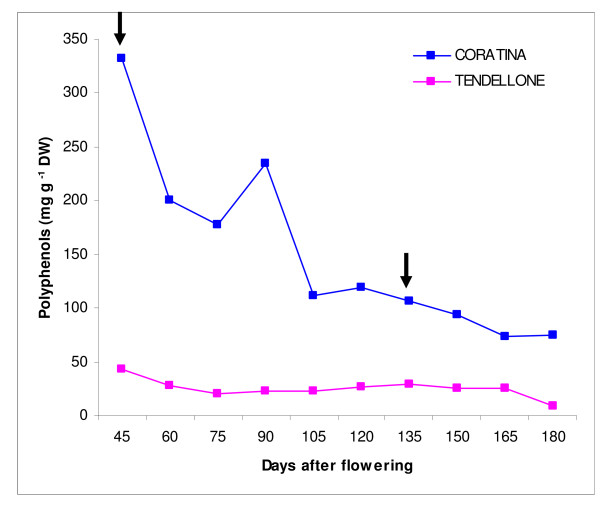
Background: Despite its primary economic importance, genomic information on olive tree is still lacking. 454 pyrosequencing was used to enrich the very few sequence data currently available for the Olea europaea species and to identify genes involved in expression of fruit quality traits. Results: Fruits of Coratina, a widely cultivated variety characterized by a very high phenolic content, and Tendellone, an oleuropein-lacking natural variant, were used as starting material for monitoring the transcriptome. Four different cDNA libraries were sequenced, respectively at the beginning and at the end of drupe development. A total of 261,485 reads were obtained, for an output of about 58 Mb. Raw sequence data were processed using a four step pipeline procedure and data were stored in a relational database with a web interface. Conclusion: Massively parallel sequencing of different fruit cDNA collections has provided large scale information about the structure and putative function of gene transcripts accumulated during fruit development. Comparative transcript profiling allowed the identification of differentially expressed genes with potential relevance in regulating the fruit metabolism and phenolic content during ripening.
Overview
The claims and statistics of this paper haven’t been checked yet.
Free: it reads the open-access text and checks the first 5 claims that cite a source we can check. Create a free account to check every claim.
Integrity signals
Registry
Cites
Statistics
Figures
Verification
Claims the paper makes
The claims and statistics of this paper haven’t been checked yet.
Free: it reads the open-access text and checks the first 5 claims that cite a source we can check. Create a free account to check every claim.
Claims other papers make about this one
Each is checked against this paper’s own text: does it say what the citing paper says it does?
The cited source says what the claim attributes to it.
In the citing paper
“Due to its long read length and appearance ahead of the other two platforms, Roche GS FLX has been the most widely used platform for de novo transcriptome sequencing in many organisms, such as chestnut [19], pine [10], olive [44], ginseng [20], A. thaliana [45,46], maize [47], Artemisia annua [48], fish [18], insects [49,50], and worms [17].”
Self-check
Percentages, sums and reported differences re-computed from the paper’s own numbers.
The self-check needs the paper’s full text.
Citations
Cites
Gene Ontology: tool for the unification of biology
Ashburner, M., Ball, C. A., Blake, J. A., Botstein, D., Butler, H., Cherry, J. M., Davis, A. P., Dolinski, K., Dwight, S. S., Eppig, J. T., et al. (2000) · Nature Genetics · doi:10.1038/75556 · Cited by 43,206
Genome sequencing in microfabricated high-density picolitre reactors
Margulies, M., Egholm, M., Altman, W. E., Attiya, S., Bader, J. S., Bemben, L. A., Berka, J., Braverman, M. S., Chen, Y.-J., Chen, Z., et al. (2005) · Nature · doi:10.1038/nature03959 · Cited by 7,693 · cited 1×
“In this respect, the 454 pyrosequencing technology [1] is a rather novel method for high-throughput DNA sequencing, allowing gene discovery and parallel efficient and quantitative analysis of expression patterns in cells, tissues and organs.”
MethodKEGG for linking genomes to life and the environment
Kanehisa, M., Araki, M., Goto, S., Hattori, M., Hirakawa, M., Itoh, M., Katayama, T., Kawashima, S., Okuda, S., Tokimatsu, T., et al. (2007) · Nucleic Acids Research · doi:10.1093/nar/gkm882 · Cited by 6,782 · cited 4×
“dat files (release 04 Nov 2008) retrieved from the ExPASy FTP site; myGO, a mirror of the Gene Ontology database, which was built by running the seqdblite MySQL script (version 20081102) downloaded from the GO database archives; myKEGG, which was built by parsing XML files of the KEGG pathways (release 21 October 2008…”
MethodInfluentialThe Universal Protein Resource (UniProt)
Bairoch, A. (2004) · Nucleic Acids Research · doi:10.1093/nar/gki070 · Cited by 3,774
Repbase Update, a database of eukaryotic repetitive elements
Jurka, J., Kapitonov, V. V., Pavlicek, A., Klonowski, P., Kohany, O., & Walichiewicz, J. (2005) · Cytogenetic and Genome Research · doi:10.1159/000084979 · Cited by 3,370 · cited 1×
“06) [27], a library of repetitive elements, and returned as masked sequences ready for the clustering/assembling and annotation procedures.”
BackgroundBairoch, A. (2000) · Nucleic Acids Research · doi:10.1093/nar/28.1.304 · Cited by 1,129
Ibuprofen-like activity in extra-virgin olive oil
Beauchamp, G. K., Keast, R. S. J., Morel, D., Lin, J., Pika, J., Han, Q., Lee, C.-H., Smith, A. B., & Breslin, P. A. S. (2005) · Nature · doi:10.1038/437045a · Cited by 885
The Universal Protein Resource (UniProt)
The UniProt Consortium (2007) · Nucleic Acids Research · doi:10.1093/nar/gkm895 · Cited by 823
(2008) · Nutrition & Food Science · doi:10.1108/nfs.2008.01738aab.008 · Cited by 611
Servili, M., Selvaggini, R., Esposto, S., Taticchi, A., Montedoro, G., & Morozzi, G. (2004) · Journal of Chromatography A · doi:10.1016/j.chroma.2004.08.070 · Cited by 588 · cited 2×
“Secoiridoids represent the most important class of phenolics and they arise from simple structures, like tyrosol and hydroxytyrosol, to quantitatively more important conjugated forms like oleuropein, demethyloleuropein, 34DHPEA-EDA and ligstroside [10].”
BackgroundSelf-citationHuala, E. (2001) · Nucleic Acids Research · doi:10.1093/nar/29.1.102 · Cited by 575
Deoxyxylulose phosphate pathway to terpenoids
Eisenreich, W., Rohdich, F., & Bacher, A. (2001) · Trends in Plant Science · doi:10.1016/s1360-1385(00)01812-4 · Cited by 502 · cited 2×
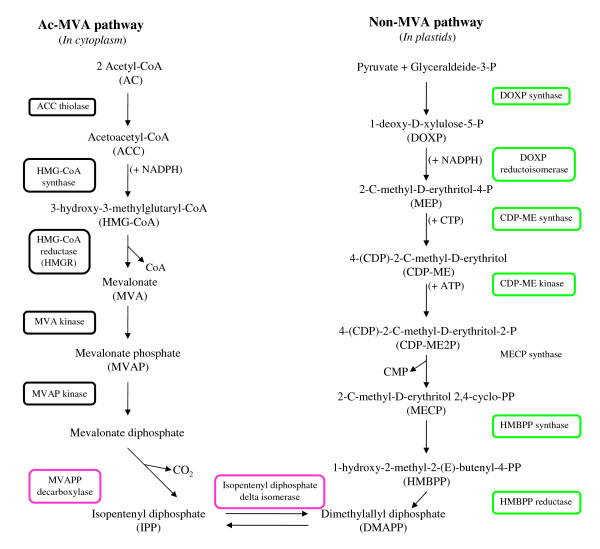
“The non-MVA pathway, recently discovered in plant chloroplasts, produces various classes of terpenoids, mostly hemiterpenes, monoterpenes, diterpenes and carotenoids [20].”
BackgroundHigh-throughput gene and SNP discovery in Eucalyptus grandis, an uncharacterized genome
Novaes, E., Drost, D. R., Farmerie, W. G., Pappas, G. J., Grattapaglia, D., Sederoff, R. R., & Kirst, M. (2008) · BMC Genomics · doi:10.1186/1471-2164-9-312 · Cited by 493 · cited 1×
“In the past few years, several studies based on comparative high throughput sequencing of plant transcriptomes have, indeed, allowed the identification of new gene functions, contaminant sequences from other organisms, alterations of gene expression in response to genotype, tissue or physiological changes, as well as…”
BackgroundSNP discovery via 454 transcriptome sequencing
Barbazuk, W. B., Emrich, S. J., Chen, H. D., Li, L., & Schnable, P. S. (2007) · The Plant Journal · doi:10.1111/j.1365-313x.2007.03193.x · Cited by 405 · cited 1×
“In the past few years, several studies based on comparative high throughput sequencing of plant transcriptomes have, indeed, allowed the identification of new gene functions, contaminant sequences from other organisms, alterations of gene expression in response to genotype, tissue or physiological changes, as well as…”
BackgroundAl Rwahnih, M., Daubert, S., Golino, D., & Rowhani, A. (2009) · Virology · doi:10.1016/j.virol.2009.02.028 · Cited by 369 · cited 1×
“In the past few years, several studies based on comparative high throughput sequencing of plant transcriptomes have, indeed, allowed the identification of new gene functions, contaminant sequences from other organisms, alterations of gene expression in response to genotype, tissue or physiological changes, as well as…”
BackgroundAn overview of the non-mevalonate pathway for terpenoid biosynthesis in plants
Dubey, V. S., Bhalla, R., & Luthra, R. (2003) · Journal of Biosciences · doi:10.1007/bf02703339 · Cited by 279 · cited 1×
“In higher plants, both pathways operate simultaneously and their physical compartmentalization does not preclude exchanges of metabolic intermediates, although the nature of this crosstalk remains to be elucidated [20,21].”
BackgroundPhysiological, biochemical and molecular changes occurring during olive development and ripening
Conde, C., Delrot, S., & Gerós, H. (2008) · Journal of Plant Physiology · doi:10.1016/j.jplph.2008.04.018 · Cited by 265 · cited 2×
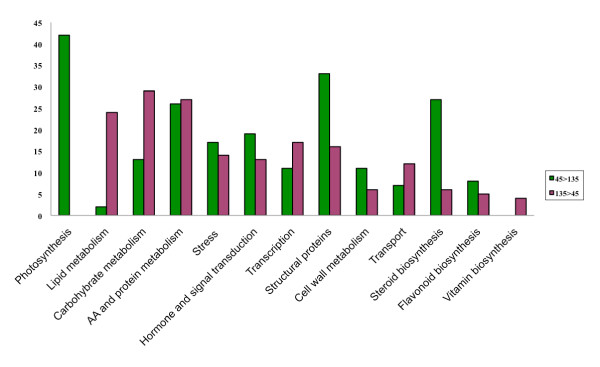
“The higher expression of transcripts related to the biosynthesis of structural proteins at 45 DAF may be correlated with the intense and rapid cell divisions during fruit growth, while the higher expression of transcripts putatively associated with fatty acid biosynthesis and with the assembly of storage triacylglycer…”
BackgroundThe Comparison of Gene Expression from Multiple cDNA Libraries
Stekel, D. J., Git, Y., & Falciani, F. (2000) · Genome Research · doi:10.1101/gr.132500 · Cited by 246 · cited 3×
“To assess the relative abundance of gene transcripts among cDNA samples we applied the statistical R test [15].”
BackgroundMethodInfluentialChemotaxonomy of the Oleaceae: iridoids as taxonomic markers
Jensen, S. (2002) · Phytochemistry · doi:10.1016/s0031-9422(02)00102-4 · Cited by 203 · cited 1×
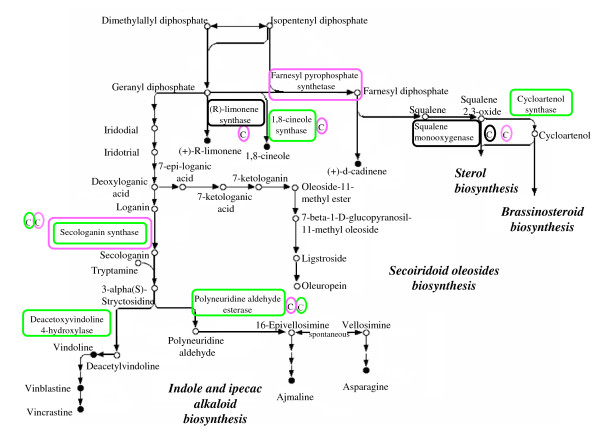
“Also loganin and secologanin, leading to indole alkaloid synthesis, could possibly be involved in biosynthesis of secoiridoids [22].”
BackgroundObied, H. K., Prenzler, P. D., Ryan, D., Servili, M., Taticchi, A., Esposto, S., & Robards, K. (2008) · Natural Product Reports · doi:10.1039/b719736e · Cited by 185
Self-citationBeltrán, G., del Rio, C., Sánchez, S., & Martínez, L. (2004) · Journal of Agricultural and Food Chemistry · doi:10.1021/jf049894n · Cited by 176 · cited 1×
“Environmental factors, such as temperature and light during fruit ripening, can deeply influence the balance between saturated and unsaturated fatty acids [8].”
BackgroundSarri, V., Baldoni, L., Porceddu, A., Cultrera, N. G. M., Contento, A., Frediani, M., Belaj, A., Trujillo, I., & Cionini, P. G. (2006) · Genome · doi:10.1139/g06-126 · Cited by 146 · cited 1×
“A previous SSR analysis reported a very high genetic distance between them [13].”
BackgroundSelf-citationTarO: a target optimisation system for structural biology
Overton, I. M., van Niekerk, C. A. J., Carter, L. G., Dawson, A., Martin, D. M. A., Cameron, S., McMahon, S. A., White, M. F., Hunter, W. N., Naismith, J. H., et al. (2008) · Nucleic Acids Research · doi:10.1093/nar/gkn141 · Cited by 113
Transcript Profiling by 3′-Untranslated Region Sequencing Resolves Expression of Gene Families
Eveland, A. L., McCarty, D. R., & Koch, K. E. (2008) · Plant Physiology · doi:10.1104/pp.107.108597 · Cited by 108 · cited 1×
“In the past few years, several studies based on comparative high throughput sequencing of plant transcriptomes have, indeed, allowed the identification of new gene functions, contaminant sequences from other organisms, alterations of gene expression in response to genotype, tissue or physiological changes, as well as…”
BackgroundGene cloning and analysis by RT-PCR
Siebert, P. D., & Larrick, J. W. (1998) · Medical Entomology and Zoology · Cited by 84
Optimization of R-(+)-α-terpineol production by the biotransformation of R-(+)-limonene
Bicas, J. L., Barros, F. F. C., Wagner, R. C., Godoy, H. T., & Pastore, G. M. (2008) · Journal of Industrial Microbiology & Biotechnology · doi:10.1007/s10295-008-0383-0 · Cited by 71 · cited 1×
“11), which are related to the biosynthesis of important flavour compounds, such as (+)-R-limonene, one of the most abundant monocyclic monoterpenes in nature [24] and 1,8-cineole, also known as eucalyptol, a monoterpenic oxide present in many plant essential oils.”
BackgroundLoureiro, J., Rodriguez, E., Costa, A., & Santos, C. (2007) · Genetic Resources and Crop Evolution · doi:10.1007/s10722-006-9115-3 · Cited by 67 · cited 1×
“Olive is a diplod species (2n = 2x = 46), predominantly allogamous, with a genome size of about 1,800 Mb [6,7].”
BackgroundRoca, M., & Mínguez‐Mosquera, M. I. (2003) · Physiologia Plantarum · doi:10.1034/j.1399-3054.2003.00073.x · Cited by 49
ParPEST: a pipeline for EST data analysis based on parallel computing
D’Agostino, N., Aversano, M., & Chiusano, M. L. (2005) · BMC Bioinformatics · doi:10.1186/1471-2105-6-s4-s9 · Cited by 42 · cited 1×
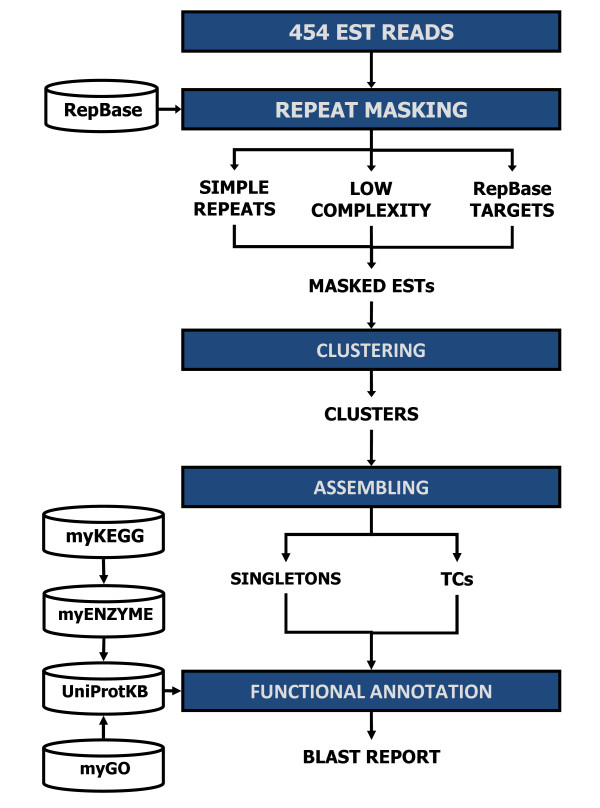
“Bioinformatics EST processing protocol ESTs were processed using the ParPEST (Parallel Processing of ESTs) pipeline [26] that has been tweaked in order to properly manage shorter length error prone sequences, such as 454 EST reads.”
MethodSelf-citationWeems, D., Reiser, L., LaFond, F., et al. (2001) · Cited by 34
Lyons, M., Cardle, L., Rostoks, N., Waugh, R., & Flavell, A. J. (2008) · Molecular Genetics and Genomics · doi:10.1007/s00438-008-0363-0 · Cited by 27 · cited 1×
“amount of short repeats and transposable elements (TEs), which could represent a valuable resource to develop TEderived molecular markers [17] and to investigate on Olea genome size evolution.”
BackgroundGenomics of berry fruits antioxidant components
D'Amico, E., & Perrotta, G. (2005) · BioFactors · doi:10.1002/biof.5520230402 · Cited by 10 · cited 1×
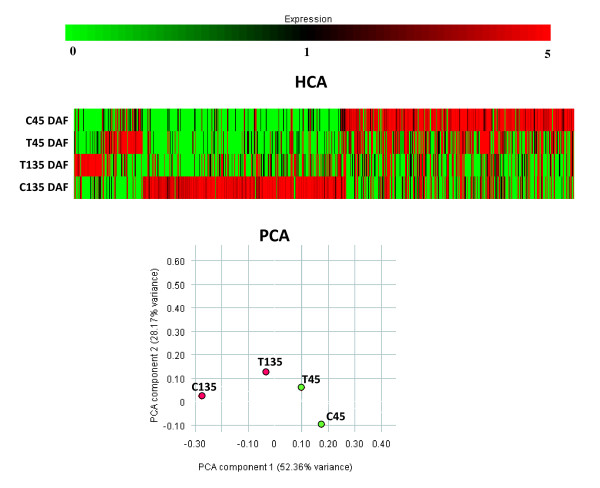
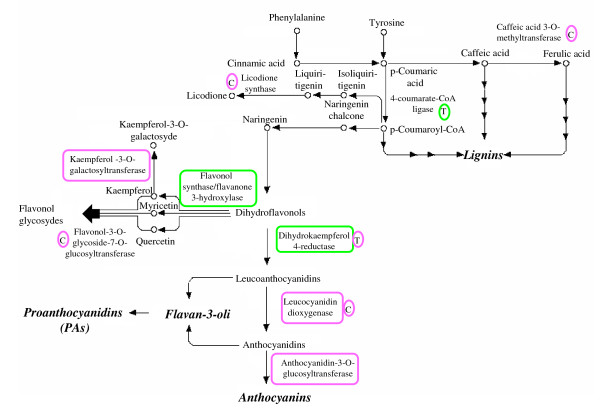
“Although the flavonoid content of olive fruits is relatively low compared to other phenolic classes and the pattern of their accumulation during fruit development is still unknown, transcriptional differences observed between 45 DAF and 135 DAF are in general agreement with data available from other fruit species [23].”
BackgroundSelf-citation
Research works printed but not linked: 1
- Sanchez J Harwood JL Biosynthesis of triacylglycerols and volatiles in olives Eur J Lipid Sci Technol 2002 104 564 573 10.1002/1438-9312(200210)104:9/10<564::AID-EJLT564>3.0.CO;2-5 · doi:10.1002/1438-9312(200210)104:9/10<564::aid-ejlt564>3.0.co;2-5
Cited by
Wang, Z., Fang, B., Chen, J., Zhang, X., Luo, Z., Huang, L., Chen, X., & Li, Y. (2010) · BMC Genomics · doi:10.1186/1471-2164-11-726 · Cited by 433
“Due to its long read length and appearance ahead of the other two platforms, Roche GS FLX has been the most widely used platform for de novo transcriptome sequencing in many organisms, such as chestnut [19], pine [10], olive [44], ginseng [20], A.”
MethodComparative deep transcriptional profiling of four developing oilseeds
Troncoso‐Ponce, M. A., Kilaru, A., Cao, X., Durrett, T. P., Fan, J., Jensen, J. K., Thrower, N. A., Pauly, M., Wilkerson, C., & Ohlrogge, J. B. (2011) · The Plant Journal · doi:10.1111/j.1365-313x.2011.04751.x · Cited by 301
“, 2008) but DGAT2 is also abundant in olive (Alagna et al., 2009) and oil palm (Bourgis et al.”
BackgroundFrusciante, S., Diretto, G., Bruno, M., Ferrante, P., Pietrella, M., Prado-Cabrero, A., Rubio-Moraga, A., Beyer, P., Gomez-Gomez, L., Al-Babili, S., et al. (2014) · Proceedings of the National Academy of Sciences · doi:10.1073/pnas.1404629111 · Cited by 300
“454 Titanium RNA-Seq sequencing of saffron stigma DNAs was performed according to published methods (36) and will be reported elsewhere.”
MethodSelf-citationSun, C., Li, Y., Wu, Q., Luo, H., Sun, Y., Song, J., Lui, E. M., & Chen, S. (2010) · BMC Genomics · doi:10.1186/1471-2164-11-262 · Cited by 286
“Using this technology, a number of EST libraries have been successfully constructed from plants, including maize [40], chestnut [41], olive [42], the model plant A.”
Application of Genomic Tools in Plant Breeding
M. Perez-de-Castro, A., Vilanova, S., Canizares, J., Pascual, L., M. Blanca, J., J. Diez, M., Prohens, J., & Pico, B. (2012) · Current Genomics · doi:10.2174/138920212800543084 · Cited by 280
“Subsequently, EcoTILLING has been used in other crops and wild relatives, like barley [62], wheat [63], or the wild peanut Arachis duranensis [64], using both genebank collections and natural populations [65].”
Method
Metadata
- Authors
- Alagna, F., D'Agostino, N., Torchia, L., Servili, M., Rao, R., Pietrella, M., Giuliano, G., Chiusano, M. L., Baldoni, L., & Perrotta, G.
- Affiliations
- National Agency for New Technologies, Energy and Sustainable Economic Development (IT)
- University of Perugia (IT)
- University of Naples Federico II (IT)
- Corresponding author
- Baldoni, Luciana
- Perrotta, Gaetano
- ORCID
- Venue
- BMC Genomics
- Published
- 2009-08-26
- Volume
- 10
- Issue
- 1
- Pages
- 399-399
- ISSN
- 1471-2164 (ISSN-L)
- PMC
- PMC2748093
- OpenAlex
- W2159594972
- Cited by
- 263
- References
- 33
- Citations by year
- 2026: 1 · 2025: 1 · 2024: 7 · 2023: 8 · 2022: 5 · 2021: 13 · 2020: 21 · 2019: 14 · 2018: 13 · 2017: 14 · 2016: 23 · 2015: 28 · 2014: 21 · 2013: 24 · 2012: 30
- FWCI
- 9.40
- Type
- journal article
- Language
- en
- Open access
- gold
- doi.org
- Licence
- cc-by
- Locations
- BMC Genomics (publishedVersion, cc-by)
- PubMed Central (publishedVersion, cc-by)
- PubMed (publishedVersion)
- DOAJ (DOAJ: Directory of Open Access Journals) (submittedVersion, cc-by-sa)
- Topics
- Life Sciences › Biochemistry, Genetics and Molecular Biology › Molecular Biology › Genomics and Phylogenetic Studies
- Life Sciences › Biochemistry, Genetics and Molecular Biology › Genetics › Genetic Mapping and Diversity in Plants and Animals
- Life Sciences › Agricultural and Biological Sciences › Plant Science › Plant Molecular Biology Research
- Keywords
- olive, Olea europaea, fruit development, transcriptome, Coratina, phenolic content, oleuropein, fruit quality, differentially expressed genes, fruit metabolism, cDNA library
- MeSH terms
- Fruit, Genotype, Phenols, User-Computer Interface, Gene Library, Sequence Analysis, DNA, DNA, Complementary, Gene Expression Regulation, Plant, Gene Expression Regulation, Developmental, DNA, Plant, Genome, Plant, Expressed Sequence Tags, Gene Expression Profiling, Databases, Genetic, Olea, Lipid Metabolism, Comparative Genomic Hybridization
About these checks
Registry, retraction, Cites and statistics results are computed, not judged, with one exception: a printed reference that no index lists is read once by a model before it counts as a citation error. Claims are extracted by a model and kept only when their quote appears verbatim in the text; each cited source is then checked, with a model’s help, for whether it says what the claim relies on. Those verdicts can be wrong — read the claim’s quote and the cited source before relying on one.
Statistics and arithmetic are recomputed, not judged.
Confidence bands are shown only for fields calibrated on our annotated test set. None is calibrated yet, so no band is shown.
What counts as a claim ›How we measure confidence ›How we check this ›
Are you an author, or do you see a problem with this page? Request a review
Data sources
Bibliographic data: Semantic Scholar, OpenAlex, Crossref.
Contains information from the Semantic Scholar Academic Graph Datasets, made available under the ODC Attribution License (ODC-BY 1.0).
Semantic Scholar’s data is described in: Kinney, R., et al. (2023). The Semantic Scholar Open Data Platform. arXiv:2301.10140.
