

Comparative 454 pyrosequencing of transcripts from two olive genotypes during fruit development
Open accessThe DOI matches its Crossref record; 31 of the 33 references it cites were found in a registry or an index, and 1 are not checked yet.
Abstract
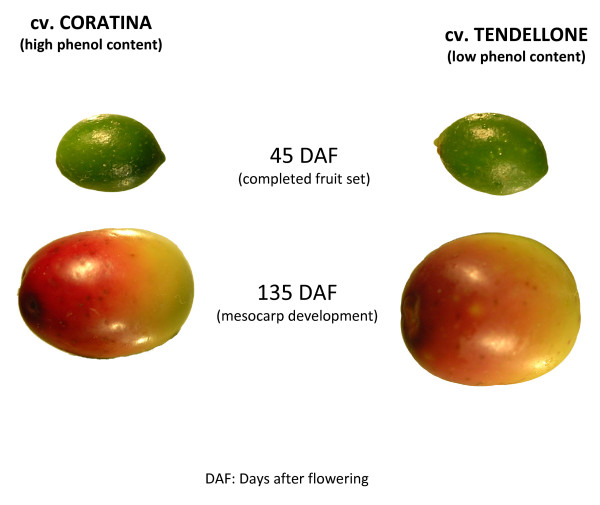
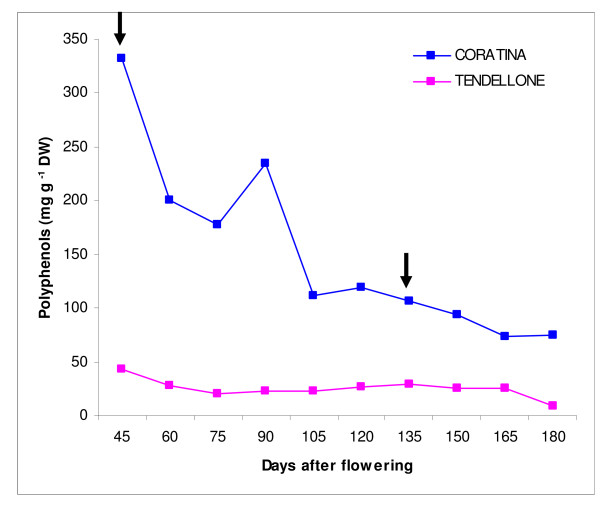
Background: Despite its primary economic importance, genomic information on olive tree is still lacking. 454 pyrosequencing was used to enrich the very few sequence data currently available for the Olea europaea species and to identify genes involved in expression of fruit quality traits. Results: Fruits of Coratina, a widely cultivated variety characterized by a very high phenolic content, and Tendellone, an oleuropein-lacking natural variant, were used as starting material for monitoring the transcriptome. Four different cDNA libraries were sequenced, respectively at the beginning and at the end of drupe development. A total of 261,485 reads were obtained, for an output of about 58 Mb. Raw sequence data were processed using a four step pipeline procedure and data were stored in a relational database with a web interface. Conclusion: Massively parallel sequencing of different fruit cDNA collections has provided large scale information about the structure and putative function of gene transcripts accumulated during fruit development. Comparative transcript profiling allowed the identification of differentially expressed genes with potential relevance in regulating the fruit metabolism and phenolic content during ripening.
Overview
The claims and statistics of this paper haven’t been checked yet.
Free: it reads the open-access text and checks the first 5 claims that cite a source we can check. Create a free account to check every claim.
Integrity signals
Registry
Cites
Statistics
Figures
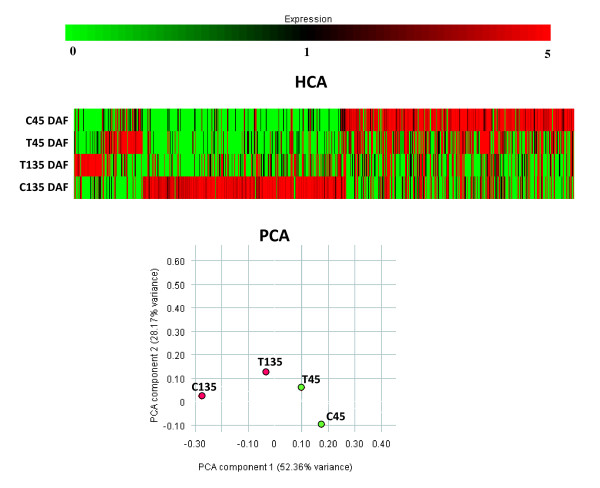
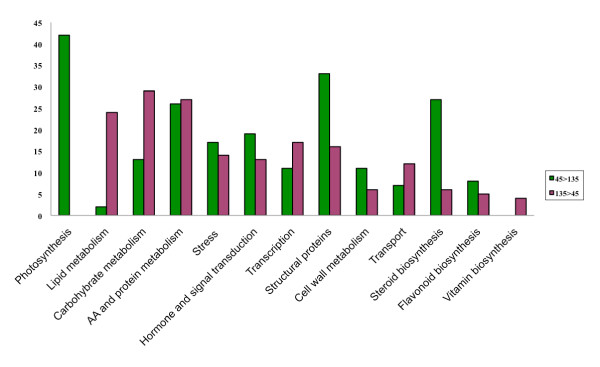
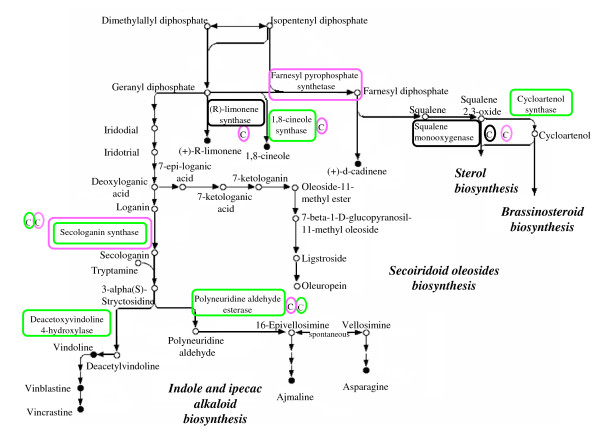
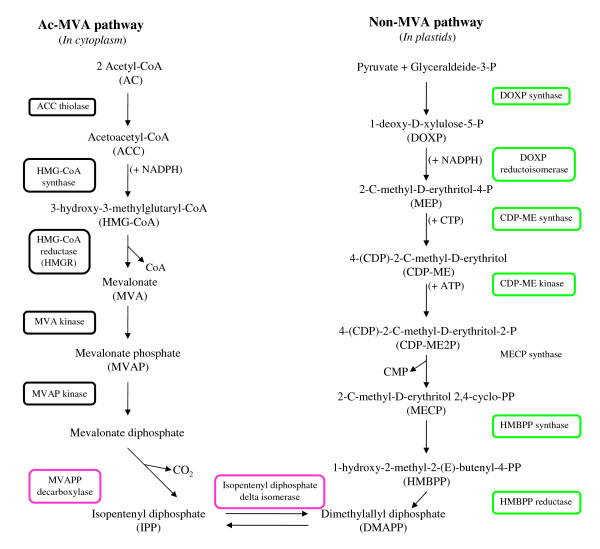
Verification
Claims the paper makes
The claims and statistics of this paper haven’t been checked yet.
Free: it reads the open-access text and checks the first 5 claims that cite a source we can check. Create a free account to check every claim.
Claims other papers make about this one
Each is checked against this paper’s own text: does it say what the citing paper says it does?
The cited source says what the claim attributes to it.
In the citing paper
“Due to its long read length and appearance ahead of the other two platforms, Roche GS FLX has been the most widely used platform for de novo transcriptome sequencing in many organisms, such as chestnut [19], pine [10], olive [44], ginseng [20], A. thaliana [45,46], maize [47], Artemisia annua [48], fish [18], insects [49,50], and worms [17].”
Self-check
Percentages, sums and reported differences re-computed from the paper’s own numbers.
The self-check needs the paper’s full text.
Citations
Cites
Gene Ontology: tool for the unification of biology
Ashburner, M., Ball, C. A., Blake, J. A., Botstein, D., Butler, H., Cherry, J. M., Davis, A. P., Dolinski, K., Dwight, S. S., Eppig, J. T., et al. (2000) · Nature Genetics · doi:10.1038/75556 · Cited by 43,206
Genome sequencing in microfabricated high-density picolitre reactors
Margulies, M., Egholm, M., Altman, W. E., Attiya, S., Bader, J. S., Bemben, L. A., Berka, J., Braverman, M. S., Chen, Y.-J., Chen, Z., et al. (2005) · Nature · doi:10.1038/nature03959 · Cited by 7,693 · cited 1×
“In this respect, the 454 pyrosequencing technology [1] is a rather novel method for high-throughput DNA sequencing, allowing gene discovery and parallel efficient and quantitative analysis of expression patterns in cells, tissues and organs.”
MethodKEGG for linking genomes to life and the environment
Kanehisa, M., Araki, M., Goto, S., Hattori, M., Hirakawa, M., Itoh, M., Katayama, T., Kawashima, S., Okuda, S., Tokimatsu, T., et al. (2007) · Nucleic Acids Research · doi:10.1093/nar/gkm882 · Cited by 6,782 · cited 4×
“dat files (release 04 Nov 2008) retrieved from the ExPASy FTP site; myGO, a mirror of the Gene Ontology database, which was built by running the seqdblite MySQL script (version 20081102) downloaded from the GO database archives; myKEGG, which was built by parsing XML files of the KEGG pathways (release 21 October 2008…”
MethodInfluentialThe Universal Protein Resource (UniProt)
Bairoch, A. (2004) · Nucleic Acids Research · doi:10.1093/nar/gki070 · Cited by 3,774
Repbase Update, a database of eukaryotic repetitive elements
Jurka, J., Kapitonov, V. V., Pavlicek, A., Klonowski, P., Kohany, O., & Walichiewicz, J. (2005) · Cytogenetic and Genome Research · doi:10.1159/000084979 · Cited by 3,370 · cited 1×
“06) [27], a library of repetitive elements, and returned as masked sequences ready for the clustering/assembling and annotation procedures.”
BackgroundBairoch, A. (2000) · Nucleic Acids Research · doi:10.1093/nar/28.1.304 · Cited by 1,129
Ibuprofen-like activity in extra-virgin olive oil
Beauchamp, G. K., Keast, R. S. J., Morel, D., Lin, J., Pika, J., Han, Q., Lee, C.-H., Smith, A. B., & Breslin, P. A. S. (2005) · Nature · doi:10.1038/437045a · Cited by 885
The Universal Protein Resource (UniProt)
The UniProt Consortium (2007) · Nucleic Acids Research · doi:10.1093/nar/gkm895 · Cited by 823
(2008) · Nutrition & Food Science · doi:10.1108/nfs.2008.01738aab.008 · Cited by 611
Servili, M., Selvaggini, R., Esposto, S., Taticchi, A., Montedoro, G., & Morozzi, G. (2004) · Journal of Chromatography A · doi:10.1016/j.chroma.2004.08.070 · Cited by 588 · cited 2×
“Secoiridoids represent the most important class of phenolics and they arise from simple structures, like tyrosol and hydroxytyrosol, to quantitatively more important conjugated forms like oleuropein, demethyloleuropein, 34DHPEA-EDA and ligstroside [10].”
BackgroundSelf-citation
Research works printed but not linked: 1
- Sanchez J Harwood JL Biosynthesis of triacylglycerols and volatiles in olives Eur J Lipid Sci Technol 2002 104 564 573 10.1002/1438-9312(200210)104:9/10<564::AID-EJLT564>3.0.CO;2-5 · doi:10.1002/1438-9312(200210)104:9/10<564::aid-ejlt564>3.0.co;2-5
Cited by
Wang, Z., Fang, B., Chen, J., Zhang, X., Luo, Z., Huang, L., Chen, X., & Li, Y. (2010) · BMC Genomics · doi:10.1186/1471-2164-11-726 · Cited by 433
“Due to its long read length and appearance ahead of the other two platforms, Roche GS FLX has been the most widely used platform for de novo transcriptome sequencing in many organisms, such as chestnut [19], pine [10], olive [44], ginseng [20], A.”
MethodComparative deep transcriptional profiling of four developing oilseeds
Troncoso‐Ponce, M. A., Kilaru, A., Cao, X., Durrett, T. P., Fan, J., Jensen, J. K., Thrower, N. A., Pauly, M., Wilkerson, C., & Ohlrogge, J. B. (2011) · The Plant Journal · doi:10.1111/j.1365-313x.2011.04751.x · Cited by 301
“, 2008) but DGAT2 is also abundant in olive (Alagna et al., 2009) and oil palm (Bourgis et al.”
BackgroundFrusciante, S., Diretto, G., Bruno, M., Ferrante, P., Pietrella, M., Prado-Cabrero, A., Rubio-Moraga, A., Beyer, P., Gomez-Gomez, L., Al-Babili, S., et al. (2014) · Proceedings of the National Academy of Sciences · doi:10.1073/pnas.1404629111 · Cited by 300
“454 Titanium RNA-Seq sequencing of saffron stigma DNAs was performed according to published methods (36) and will be reported elsewhere.”
MethodSelf-citationSun, C., Li, Y., Wu, Q., Luo, H., Sun, Y., Song, J., Lui, E. M., & Chen, S. (2010) · BMC Genomics · doi:10.1186/1471-2164-11-262 · Cited by 286
“Using this technology, a number of EST libraries have been successfully constructed from plants, including maize [40], chestnut [41], olive [42], the model plant A.”
Application of Genomic Tools in Plant Breeding
M. Perez-de-Castro, A., Vilanova, S., Canizares, J., Pascual, L., M. Blanca, J., J. Diez, M., Prohens, J., & Pico, B. (2012) · Current Genomics · doi:10.2174/138920212800543084 · Cited by 280
“Subsequently, EcoTILLING has been used in other crops and wild relatives, like barley [62], wheat [63], or the wild peanut Arachis duranensis [64], using both genebank collections and natural populations [65].”
MethodLi, D., Deng, Z., Qin, B., Liu, X., & Men, Z. (2012) · BMC Genomics · doi:10.1186/1471-2164-13-192 · Cited by 247
“Among these sequencing methods, Roche GS FLX was widely utilized for de novo transcriptome sequencing in many organisms [25,43,54-63].”
MethodBlanca, J., Cañizares, J., Roig, C., Ziarsolo, P., Nuez, F., & Picó, B. (2011) · BMC Genomics · doi:10.1186/1471-2164-12-104 · Cited by 225
“However, the de novo assembly with the longer reads obtained with the GS FLX Titanium platform render unigenes that average almost two times longer than that reported in these studies performed using 454 GS-20 and GS-FLX platforms [45-47,51,52,55].”
BackgroundResultDesigning a transcriptome next‐generation sequencing project for a nonmodel plant species1
Strickler, S. R., Bombarely, A., & Mueller, L. A. (2012) · American Journal of Botany · doi:10.3732/ajb.1100292 · Cited by 223
Huang, Y., Huang, X., Yan, Y., Cai, J., Ouyang, Z., Cui, H., Wang, P., & Qin, Q. (2011) · BMC Genomics · doi:10.1186/1471-2164-12-556 · Cited by 194
“De novo transcriptome sequencing using 454 pyrosequencing has thus become an important method for studying non-model organisms [9-12].”
MethodOlive phenolic compounds: metabolic and transcriptional profiling during fruit development
Alagna, F., Mariotti, R., Panara, F., Caporali, S., Urbani, S., Veneziani, G., Esposto, S., Taticchi, A., Rosati, A., Rao, R., et al. (2012) · BMC Plant Biology · doi:10.1186/1471-2229-12-162 · Cited by 194
“…from the OLEA EST database [35], a collection of over 102,000 Olea europaea L. fruit EST reads generated through 454 massive sequencing technology [30], were analysed to identify transcripts putatively involved in the pathways of terpenoids, phenolics and other secondary metabolite synthesis.”
Self-citationModern plant biotechnology as a strategy in addressing climate change and attaining food security
Munaweera, T. I. K., Jayawardana, N. U., Rajaratnam, R., & Dissanayake, N. (2022) · Agriculture & Food Security · doi:10.1186/s40066-022-00369-2 · Cited by 170
“These techniques are also being used in RNA sequencing; a relatively new method helpful for quantifying and mapping transcriptomes, especially for non-model plants such as olive during fruit development [99], bread wheat cultivar Yunong 201 [100].”
MethodBräutigam, A., & Gowik, U. (2010) · Plant Biology · doi:10.1111/j.1438-8677.2010.00373.x · Cited by 177
Catalyzing plant science research with RNA-seq
Martin, L. B. B., Fei, Z., Giovannoni, J. J., & Rose, J. K. C. (2013) · Frontiers in Plant Science · doi:10.3389/fpls.2013.00066 · Cited by 170
“Keywords: RNA-seq, plant transcriptome, transcriptomics, systems biology, next generation sequencing”
BackgroundFranssen, S. U., Shrestha, R. P., Bräutigam, A., Bornberg‐Bauer, E., & Weber, A. P. M. (2011) · BMC Genomics · doi:10.1186/1471-2164-12-227 · Cited by 158
“Next generation sequencing was employed to create transcriptome databases of species without a sequenced genome such as mangroves [16], eucalyptus [17], olive [18], chestnut [19] and Artemisia annua [20].”
BackgroundMethodInfluentialLogacheva, M. D., Kasianov, A. S., Vinogradov, D. V., Samigullin, T. H., Gelfand, M. S., Makeev, V. J., & Penin, A. A. (2011) · BMC Genomics · doi:10.1186/1471-2164-12-30 · Cited by 159
“Gene expression is often compared within one species at different developmental stages or in different conditions [22,37], and several efficient tools have been developed to analyze the enrichment in specific sets of genes (reviewed in [38]).”
BackgroundMetabolic engineering for enhanced oil in biomass
Vanhercke, T., Dyer, J. M., Mullen, R. T., Kilaru, A., Rahman, M. M., Petrie, J. R., Green, A. G., Yurchenko, O., & Singh, S. P. (2019) · Progress in Lipid Research · doi:10.1016/j.plipres.2019.02.002 · Cited by 158
Single-Molecule DNA Amplification and Analysis Using Microfluidics
Zhang, C., & Xing, D. (2010) · Chemical Reviews · doi:10.1021/cr900081z · Cited by 155
Dai, N., Cohen, S., Portnoy, V. H., Tzuri, G., Harel‐Beja, R., Lotan‐Pompan, M., Carmi, N., Zhang, G., Diber, A., Pollock, S. R., et al. (2011) · Plant Molecular Biology · doi:10.1007/s11103-011-9757-1 · Cited by 153
Matteucci, M. C., D’Angeli, S., Errico, S., Lamanna, R., Perrotta, G., & Altamura, M. M. (2011) · Journal of Experimental Botany · doi:10.1093/jxb/err013 · Cited by 147
“It is known that oil biogenesis in the drupe reaches a plateau at the change in colour (Sanchez and Harwood, 2002; Alagna et al., 2009), and this corresponds to an oil droplet diameter per mesocarp cell of ;30 lm (Rangel et al.”
BackgroundInfluentialSelf-citationBracci, T., Busconi, M., Fogher, C., & Sebastiani, L. (2011) · Plant Cell Reports · doi:10.1007/s00299-010-0991-9 · Cited by 156
“By using the 454 sequencing platform, Alagna et al. (2009) sequenced four different cDNA libraries obtained at the beginning and at the end of fruit development from two cultivars, Coratina”
MethodiAssembler: a package for de novo assembly of Roche-454/Sanger transcriptome sequences
Zheng, Y., Zhao, L., Gao, J., & Fei, Z. (2011) · BMC Bioinformatics · doi:10.1186/1471-2105-12-453 · Cited by 120
“[23] and a tomato Sanger EST dataset collected from NCBI dbEST database [24] were first used for the evaluation.”
MethodDe novo characterization of the gametophyte transcriptome in bracken fern, Pteridium aquilinum
Der, J. P., Barker, M. S., Wickett, N. J., dePamphilis, C. W., & Wolf, P. G. (2011) · BMC Genomics · doi:10.1186/1471-2164-12-99 · Cited by 116
Lessard, M.-H., Viel, C., Boyle, B., St-Gelais, D., & Labrie, S. (2014) · BMC Genomics · doi:10.1186/1471-2164-15-235 · Cited by 110
“Several studies used NGS technologies to compare the transcriptomic response of a single organism exposed to different conditions [29-35].”
BackgroundMariotti, R., Cultrera, N. G. M., Díez, C. M., Baldoni, L., & Rubini, A. (2010) · BMC Plant Biology · doi:10.1186/1471-2229-10-211 · Cited by 111
Self-citationPeng, Y., Abercrombie, L. L., Yuan, J. S., Riggins, C. W., Sammons, R. D., Tranel, P. J., & Stewart, C. N. (2010) · Pest Management Science · doi:10.1002/ps.2004 · Cited by 123
Chen, S., Huang, X., Yan, X., Liang, Y., Wang, Y., Li, X., Peng, X., Ma, X., Zhang, L., Cai, Y., et al. (2013) · PLoS ONE · doi:10.1371/journal.pone.0067974 · Cited by 117
“The Roche GS FLX NGS platform has proven to be valuable for non-model plant systems, such as olive [34], chestnut [35], Artemisia annua [36], ginseng [37], strawberry [38], bracken fern [39], switchgrass [40,41], and Phragmites australis [42].”
Transcriptome profiling of the salt-stress response in Triticum aestivum cv. Kharchia Local
Goyal, E., Amit, S. K., Singh, R. S., Mahato, A. K., Chand, S., & Kanika, K. (2016) · Scientific Reports · doi:10.1038/srep27752 · Cited by 144
Coppe, A., Pujolar, J. M., Maes, G. E., Larsen, P. F., Hansen, M. M., Bernatchez, L., Zane, L., & Bortoluzzi, S. (2010) · BMC Genomics · doi:10.1186/1471-2164-11-635 · Cited by 99
“Recently, 454 pyrosequencing has been successfully applied to largescale EST sequencing in non-model organisms [16], including insects [17,18], plants [19-21] and corals [22].”
MethodZhou, Y., Gao, F., Liu, R., Feng, J., & Li, H. (2012) · BMC Genomics · doi:10.1186/1471-2164-13-266 · Cited by 100
“The 454 sequencing platform has been successfully applied in transcriptome sequencing of Brassica napus [14], Artemisia annua [15], Eucalyptus grandis [16], Olea europaea [17], Arabidopsis thaliana [18,19], Medicago truncatula [20], and other plant species [21].”
MethodRNA-Seq Assembly – Are We There Yet?
Schliesky, S., Gowik, U., Weber, A. P. M., & Bräutigam, A. (2012) · Frontiers in Plant Science · doi:10.3389/fpls.2012.00220 · Cited by 114
“…September 2012 | Volume 3 | Article 220 | 1 Other major targets are primary (Dai et al., 2011; Franssen et al., 2011; King et al., 2011; Troncoso-Ponce et al., 2011) and secondary (Alagna et al., 2009; Wang et al., 2009; Bleeker et al., 2011; Desgagne-Penix et al., 2012) metabolism.”
BackgroundTranscriptome Analysis of Mature Fruit Abscission Control in Olive
Gil-Amado, J. A., & Gomez-Jimenez, M. C. (2013) · Plant and Cell Physiology · doi:10.1093/pcp/pcs179 · Cited by 105
“have been generated in olive, including approximately 261,485 ESTs generated (Alagna et al. 2009), using the 454 pyrosequencing technologies, and an additional 1,132 ESTs using a suppression subtractive hybridization approach (Galla et al.”
MethodPhysiological, epigenetic and genetic regulation in some olive cultivars under salt stress
Mousavi, S., Regni, L., Bocchini, M., Mariotti, R., Cultrera, N. G. M., Mancuso, S., Googlani, J., Chakerolhosseini, M. R., Guerrero, C., Albertini, E., et al. (2019) · Scientific Reports · doi:10.1038/s41598-018-37496-5 · Cited by 101
Self-citationBräutigam, A., Mullick, T., Schliesky, S., & Weber, A. P. M. (2011) · Journal of Experimental Botany · doi:10.1093/jxb/err029 · Cited by 90
“In plants, several attempts to reconstruct a plant transcriptome from NGS reads have been published with different assembly programs without any tests of whether one assembler outperformed any other (Novaes et al., 2008; Alagna et al., 2009; Barakat et al., 2009; Dassanayake et al., 2009; Wang et al., 2009).”
BackgroundInfluentialOrchidBase: A Collection of Sequences of the Transcriptome Derived from Orchids
Fu, C.-H., Chen, Y., Hsiao, Y.-Y., Pan, Z., Liu, Z., Huang, Y., Tsai, W., & Chen, H.-H. (2011) · Plant and Cell Physiology · doi:10.1093/pcp/pcq201 · Cited by 90
“Both technologies applied for transcriptome analyses have confirmed that the relatively short reads produced can be effectively assembled and used for gene discovery (Alagna et al. 2009; Wang et al. 2009; Wu et al. 2010).”
BackgroundDe Novo Assembly and Functional Annotation of the Olive (Olea europaea) Transcriptome
Muñoz‐Mérida, A., Plaza, J. J. G., Canada, A., Blanco, A. M., Garcia‐Lopez, M. D., Rodríguez, J. M., Pedrola, L., Sicardo, M. D., Hernández, M. L., de la Rosa, R., et al. (2013) · DNA Research · doi:10.1093/dnares/dss036 · Cited by 106
“Similar or much lower percentages of gene annotation have been reporte previously for olive ESTs sequencing projects.(13,15) In addition, when we used BLAST to further evaluate the full set of unigenes against the plant sequences deposited in Uniprot, we found that 68.”
BackgroundMethodAlagna, F., Geu‐Flores, F., Kries, H., Panara, F., Baldoni, L., O'Connor, S. E., & Osbourn, A. (2015) · Journal of Biological Chemistry · doi:10.1074/jbc.m115.701276 · Cited by 94
“roseus) iridoid synthase (ISY), 8-hydroxygeraniol oxidoreductase (8HGO), iridoid oxidase (IO), 7-deoxyloganetic acid-O-glucosyl transferase (7-DLGT), and 7-deoxyloganic acid hydroxylase (7-DLH), recently shown to be involved in monoterpene indole alkaloid biosynthesis (16, 17, 19, 20), were used to search olive-expres…”
MethodInfluentialSelf-citationThe Fat Body Transcriptomes of the Yellow Fever Mosquito Aedes aegypti, Pre- and Post- Blood Meal
Price, D. P., Nagarajan, V., Churbanov, A., Houde, P., Milligan, B. G., Drake, L. L., Gustafson, J. E., & Hansen, I. A. (2011) · PLoS ONE · doi:10.1371/journal.pone.0022573 · Cited by 85
“The aligned output sequences were analyzed for statistically significant differential expression between samples using the R test [37,38] and a negative binomial distribution was performed with DESeq [79].”
MethodResultIntegration of deep transcript and targeted metabolite profiles for eight cultivars of opium poppy
Desgagné‐Penix, I., Farrow, S. C., Cram, D., Nowak, J., & Facchini, P. J. (2012) · Plant Molecular Biology · doi:10.1007/s11103-012-9913-2 · Cited by 93
“454 pyrosequencing has been used to establish EST libraries for maize (Vega-Arreguin et al. 2009), chestnut (Barakat et al. 2009), olive (Alagna et al. 2009), Arabidopsis (Weber et al. 2007), Artemisia annua (Wang et al. 2009), ginseng (Sun et al. 2010) and Epimedium sagittatum (Zeng et al. 2010).”
MethodHuang, J., Zhang, T., Zhang, Q., Chen, M., Wang, Z., Zheng, B., Xia, G., Yang, X., Huang, C., & Huang, Y. (2016) · BMC Genomics · doi:10.1186/s12864-016-2434-7 · Cited by 82
“DGAT2 was also abundant in olive [32] and oil palm [16, 33] for accumulating normal TAG.”
BackgroundRNA-Seq reveals genotype-specific molecular responses to water deficit in eucalyptus
Villar, É., Klopp, C., Noirot, C., Novaes, E., Kirst, M., Plomion, C., & Gion, J. (2011) · BMC Genomics · doi:10.1186/1471-2164-12-538 · Cited by 92
“These techniques have been widely used for transcriptome profiling, particularly for studies of biotic [31] and abiotic [24] stress responses, and the characterisation of developmental processes [32].”
MethodSherman, A., Rubinstein, M., Eshed, R., Benita, M., Ish-Shalom, M., Sharabi‐Schwager, M., Rozen, A., Saada, D., Cohen, Y., & Ophir, R. (2015) · BMC Plant Biology · doi:10.1186/s12870-015-0663-6 · Cited by 81
“De novo transcriptome sequencing is one solution for marker discovery, gene expression analysis and exposing genetic variability in organisms with no genomic infrastructure such as olives, Chinese chestnut, carrot and pomegranate [27–31].”
BackgroundTanase, K., Nishitani, C., Hirakawa, H., Isobe, S., Tabata, S., Ohmiya, A., & Onozaki, T. (2012) · BMC Genomics · doi:10.1186/1471-2164-13-292 · Cited by 81
“Recently, a number of large-scale EST data sets have been successfully constructed from non-model plants, including maize, chestnut, olive, the medicinal herb Artemisia annua, and Cucurbita pepo, by using high-throughput sequencing with the GS FLX 454 sequencer [23-26].”
BackgroundVerma, P., Shah, N., & Bhatia, S. (2013) · Plant Biotechnology Journal · doi:10.1111/pbi.12082 · Cited by 83
“Initially, the Roche/454 was the method of choice for transcriptome analysis due to its larger read length and ease of assembly and was used in many organisms like olive (Alagna et al., 2009), pine (Parchman et al.”
MethodBellincontro, A., Taticchi, A., Servili, M., Esposto, S., Farinelli, D., & Mencarelli, F. (2012) · Journal of Agricultural and Food Chemistry · doi:10.1021/jf203925a · Cited by 75
Self-citationGenetic improvement of olive (Olea europaea L.) by conventional and in vitro biotechnology methods
Rugini, E., Cristofori, V., & Silvestri, C. (2016) · Biotechnology Advances · doi:10.1016/j.biotechadv.2016.03.004 · Cited by 82
“The transcriptome of fruits from two cultivars, Coratina and Tendellone, characterized by low and high phenolic content, was investigated using a 454 sequencing platform (Alagna et al., 2009).”
MethodTsai, C., Wu, K.-M., Chiang, T., Huang, C.-Y., Chou, C.-H., Li, S.-J., & Chiang, Y. (2016) · BMC Genomics · doi:10.1186/s12864-016-2508-6 · Cited by 81
“Using these techniques for de novo transcriptome sequencing, EST databases have been successfully obtained for several medicinal herbs, including American ginseng [48], Salvia miltiorrhiza [61], sweet wormwood [62], Euphorbia fischeriana [63], Taxus [64], and other crops, such as chili pepper [65], maize [66], Curcuma…”
MethodExploring the Switchgrass Transcriptome Using Second-Generation Sequencing Technology
Wang, Y., Zeng, X., Iyer, N. J., Bryant, D. W., Mockler, T. C., & Mahalingam, R. (2012) · PLoS ONE · doi:10.1371/journal.pone.0034225 · Cited by 76
“The Roche GS FLX NGS platform has proven to be valuable for non-model plant systems such as olive [54], chestnut [55], Artemisia annua [20], ginseng [8], strawberry [56], bracken fern [38] and recently, in switchgrass [29].”
BackgroundKaya, H. B., Çetin, Ö., Kaya, H. S., Sahin, M., Sefer, F., Kahraman, A., & Tanyolaç, B. (2013) · PLoS ONE · doi:10.1371/journal.pone.0073674 · Cited by 86
“[79] and Munoz-Merida et al.”
Leyva‐Pérez, M. D. L. O., Valverde‐Corredor, A., Valderrama, R., Jiménez‐Ruiz, J., Muñoz‐Mérida, A., Trelles, O., Barroso, J. B., Mercado‐Blanco, J., & Luque, F. (2014) · DNA Research · doi:10.1093/dnares/dsu033 · Cited by 74
“5% reported previously for other olive assemblies.(30,41) Unlike these recent studies, our startingmaterial consisted exclusively of short reads.”
ResultA SNP resource for Douglas-fir: de novo transcriptome assembly and SNP detection and validation
Howe, G. T., Yu, J., Knaus, B. J., Cronn, R., Kolpak, S. E., Dolan, P. C., Lorenz, W. W., & Dean, J. F. D. (2013) · BMC Genomics · doi:10.1186/1471-2164-14-137 · Cited by 66
“Not surprisingly, earlier de novo assemblies of transcriptomes of other non-model plants generally used fewer and shorter 454 reads, yielding fewer and shorter contigs [23,29-34].”
BackgroundRay, D. L., & Johnson, J. C. (2014) · BMC Research Notes · doi:10.1186/1756-0500-7-304 · Cited by 68
“Thirteen candidate reference genes belonging to 8 gene families were chosen based on their stability in other plants as well as the availabilty of putative ESTs for these genes in a publicly available database of olive ESTs [26].”
InfluentialTranscript Analysis and Regulative Events during Flower Development in Olive (Olea europaea L.)
Alagna, F., Cirilli, M., Galla, G., Carbone, F., Daddiego, L., Facella, P., Lopez, L., Colao, C., Mariotti, R., Cultrera, N. G. M., et al. (2016) · PLoS ONE · doi:10.1371/journal.pone.0152943 · Cited by 70
“First strand synthesis was performed using 8 μg of the total RNA, as described by [30].”
BackgroundMethodSelf-citationSloan, D. B., Keller, S. R., Berardi, A. E., Sanderson, B. J., Karpovich, J. F., & TAYLOR, D. R. (2011) · Molecular Ecology Resources · doi:10.1111/j.1755-0998.2011.03079.x · Cited by 74
“…in non-model organisms (e.g. Vera et al. 2008; Meyer et al. 2009; Schwartz et al. 2010), including numerous angiosperms (Novaes et al. 2008; Alagna et al. 2009; Barakat et al. 2009; Bellin et al. 2009; Soltis et al. 2009; Wang et al. 2009; Buggs et al. 2010; Peng et al. 2010; Sun et al.…”
BackgroundGao, F., Wang, J., Wei, S., Li, Z., Wang, N., Li, H., Feng, J., Li, H., Zhou, Y., & Zhang, F. (2015) · PLoS ONE · doi:10.1371/journal.pone.0124382 · Cited by 75
Strategies for Olive (Olea europaea L.) Breeding: Cultivated Genetic Resources and Crossbreeding
Rallo, L., Barranco, D., Díez, C. M., Rallo, P., Suárez, M. P., Trapero, C., & Pliego‐Alfaro, F. (2018) · Springer eBooks · doi:10.1007/978-3-319-91944-7_14 · Cited by 83
de Carvalho, J. F., Poulain, J., Silva, C. D., Wincker, P., Michon-Coudouel, S., Dheilly, A., Naquin, D., Boutte, J., Salmon, A., & Aïnouche, M. L. (2012) · Heredity · doi:10.1038/hdy.2012.76 · Cited by 64
“Transcriptome de novo assembly from next-generation sequencing and comparative analyses in the hexaploid salt marsh species Spartina maritima and Spartina alterniflora (Poaceae)”
BackgroundRao, G., Jianguo, Z., Xiaoxia, L., & Luo, Y. (2019) · Food Chemistry · doi:10.1016/j.foodchem.2019.125246 · Cited by 66
Xu, G., Du, F., Li, Y., Nie, Z., & Xu, P. (2016) · Scientific Reports · doi:10.1038/srep31835 · Cited by 69
Blanca, J., Cañizares, J., Ziarsolo, P., Esteras, C., Arnau, G. M., Nuez, F., García-Más, J., & Belén Picó, M. (2011) · The Plant Genome · doi:10.3835/plantgenome2011.01.0003 · Cited by 71
“Also, specifi c transcriptomes are being generated in species for which previous genomic resources are lacking (Alagna et al., 2009; Barakat et al., 2009; Wang et al., 2009; Li et al., 2010; Sun et al., 2010).”
BackgroundResultVillarino, G., Bombarely, A., Giovannoni, J. J., Scanlon, M. J., & Mattson, N. S. (2014) · PLoS ONE · doi:10.1371/journal.pone.0094651 · Cited by 69
“For example, 454 GS FLX Titanium pyrosequencing has been used in olive tree (Olea europaea) [31] and the Illumina Genome Analyzer in Chinese cabbage (Brassica rapa) [32].”
MethodTurchetto‐Zolet, A. C., Christoff, A. P., Kulcheski, F. R., Loss-Morais, G., Margis, R., & Margis-Pinheiro, M. M. A. N. (2016) · Genetics and Molecular Biology · doi:10.1590/1678-4685-gmb-2016-0024 · Cited by 66
“DGAT2 transcripts are also found with relatively high abundance in olive (Alagna et al., 2009) and palm (Bourgis et al.”
BackgroundLin, Z., An, J., Wang, J., Niu, J., Ma, C., Wang, L., Yuan, G., Shi, L., Liu, L., Zhang, J., et al. (2017) · Biotechnology for Biofuels · doi:10.1186/s13068-017-0820-2 · Cited by 56
Mougiou, N., Trikka, F. A., Trantas, E., Ververidis, F., Makris, A. M., Argiriou, A., & Vlachonasios, K. E. (2018) · Plant Physiology and Biochemistry · doi:10.1016/j.plaphy.2018.05.004 · Cited by 62
Türktaş, M., İnal, B., Okay, S., Erkılıç, E. G., Dündar, E., Hernandez, P., Dorado, G., & Ünver, T. (2013) · PLoS ONE · doi:10.1371/journal.pone.0059876 · Cited by 61
“Different transcripts with the same predicted annotation revealed sometimes opposite expression patterns between the developing stages, which can be explained due to the adjustment of the metabolic pathways and the presence of alternative metabolites in the olive tree [35].”
BackgroundInfluentialBiton, I., Doron‐Faigenboim, A., Jamwal, M., Many, Y., Eshed, R., Rosen, A., Sherman, A., Ophir, R., Lavee, S., Avidan, B., et al. (2015) · Molecular Breeding · doi:10.1007/s11032-015-0304-7 · Cited by 54
“These relative frequencies of the four above types were adhered to when selecting 192 SNP loci chosen for their highest degree of authenticity.”
BackgroundGene discovery using next-generation pyrosequencing to develop ESTs for Phalaenopsis orchids
Hsiao, Y., Chen, Y.-W., Huang, S.-C., Pan, Z.-J., Fu, C.-H., Chen, W., Tsai, W., & Chen, H. (2011) · BMC Genomics · doi:10.1186/1471-2164-12-360 · Cited by 59
“In addition, the superior performance of this technology has been demonstrated in several studies [27], including those of mustard weed Arabidopsis thaliana [28,29], the model legume Medicago truncatula [21], maize Zea may [30,31], the tree Eucalyptus grandis [32], chestnut [33], oil crop Olea europaea [34], oilseed r…”
BackgroundBelaj, A., de la Rosa, R., Lorite, I. J., Mariotti, R., Cultrera, N. G. M., Beuzón, C. R., Plaza, J. J. G., Muñoz‐Mérida, A., Trelles, O., & Baldoni, L. (2018) · Frontiers in Plant Science · doi:10.3389/fpls.2018.01320 · Cited by 54
“SNP Mining, Selection and Genotyping In the framework of OLEAGEN1 and OLEA2 projects, data from transcript libraries derived from fruits, at different stages of development, from high- and low-phenolics varieties (Alagna et al., 2009), and from leaves, roots and buds of other varieties (Muñoz-Mérida et al.”
BackgroundSelf-citationThe Physalis peruviana leaf transcriptome: assembly, annotation and gene model prediction
Garzón-Martínez, G. A., Zhu, Z. I., Landsman, D., Barrero, L. S., & Mariño‐Ramírez, L. (2012) · BMC Genomics · doi:10.1186/1471-2164-13-151 · Cited by 53
“An increasing number of successful studies have been published describing EST sequencing and de novo transcriptome assembly for large-scale gene discovery [9-18].”
BackgroundIzzah, N. K., Lee, J., Jayakodi, M., Perumal, S., Jin, M., Park, B., Ahn, K., & Yang, T. (2014) · BMC Genomics · doi:10.1186/1471-2164-15-149 · Cited by 53
“thaliana [8], maize (Zea mays) [9] and olive (Olea europaea) [10].”
Pasqualone, A., Montemurro, C., di Rienzo, V., Summo, C., Paradiso, V. M., & Caponio, F. (2016) · Journal of the Science of Food and Agriculture · doi:10.1002/jsfa.7711 · Cited by 56
Zhao, F., Durner, J., Winkler, J. B., Traidl‐Hoffmann, C., Strom, T.-M., Ernst, D., & Frank, U. (2017) · Environmental Pollution · doi:10.1016/j.envpol.2017.02.032 · Cited by 55
Sebastiani, L., & Busconi, M. (2017) · Plant Cell Reports · doi:10.1007/s00299-017-2145-9 · Cited by 59
Cirilli, M., Caruso, G. M., Gennai, C., Urbani, S., Frioni, E., Ruzzi, M., Servili, M., Gucci, R., Poerio, E., & Muleo, R. (2017) · Frontiers in Plant Science · doi:10.3389/fpls.2017.00717 · Cited by 57
“Candidate genes involved in the biosynthesis of secoiridoids, phenylpropanoids, and flavonoids have recently been identified in Olea europaea (Alagna et al., 2009; Iaria et al., 2016).”
BackgroundMethodSelf-citationRosli, R., Chan, P.-L., Chan, K., Amiruddin, N., Low, E. L., Singh, R., Harwood, J. L., & Murphy, D. J. (2018) · Plant Science · doi:10.1016/j.plantsci.2018.07.011 · Cited by 52
Lorenz, W. W., Ayyampalayam, S., Bordeaux, J. M., Howe, G. T., Jermstad, K. D., Neale, D. B., Rogers, D. L., & Dean, J. F. D. (2012) · Tree Genetics & Genomes · doi:10.1007/s11295-012-0547-y · Cited by 50
“In non-model tree species, assembled transcriptomes have been used to identify fruit development genes in olive (Alagna et al. 2009) and to compare the transcriptomes of American and Chinese chestnut (C.”
BackgroundMethodInfluentialLuo, C. H., Zhang, Q., & Luo, Z. (2014) · BMC Genomics · doi:10.1186/1471-2164-15-112 · Cited by 50
“04%) [53], Olea europaea (73%) [44], Pyrus pyrifolia (74.”
BackgroundWhere systems biology meets postharvest
Hertog, M., Rudell, D. R., Pedreschi, R., Schaffer, R. J., Geeraerd, A. H., Nicolaï, B. M., & Ferguson, I. (2011) · Postharvest Biology and Technology · doi:10.1016/j.postharvbio.2011.05.007 · Cited by 54
Application of next-generation sequencing in plant breeding
Vlk, D., & Řepková, J. (2017) · Czech Journal of Genetics and Plant Breeding · doi:10.17221/192/2016-cjgpb · Cited by 53
“…used in sequencing a series of non-model plants, for instance in comparative sequencing of transcripts from two olive trees during fruit development (Olea europaea L.; Alagna et al. 2008) and in transcriptome analysis of the bread wheat cultivar Yunong 201 (Triticum aestivum L.; Zhang et al. 2016).”
Ambrosino, L., Colantuono, C., Diretto, G., Fiore, A., & Chiusano, M. L. (2020) · Plants · doi:10.3390/plants9050591 · Cited by 59
Self-citationContreras, C., Mariotti, R., Mousavi, S., Baldoni, L., Guerrero, C., Roka, L., Cultrera, N. G. M., Pierantozzi, P., Maestri, D., Gentili, L., et al. (2020) · Molecular Biology Reports · doi:10.1007/s11033-020-05554-9 · Cited by 51
Self-citationCarmona, R., Zafra, A., Seoane, P., Castro, A. J., Guerrero-Fernández, D., Castillo-Castillo, T., Medina-García, A., Cánovas, F. M., Aldana-Montes, J. F., Navas‐Delgado, I., et al. (2015) · Frontiers in Plant Science · doi:10.3389/fpls.2015.00625 · Cited by 58
“The ReprOlive reproductive transcriptome includes a significantly higher number of final TTs than those provided by most studies (Alagna et al., 2009; Galla et al., 2009; Ozgenturk et al., 2010), although lower than the reported by Muñoz-Merida et al. (2013) resulting from the screening of numerous…”
BackgroundMethodResultInfluentialSun, Y., Wang, F., Wang, N., Dong, Y., Liu, Q., Zhao, L., Chen, H., Liu, W., Yin, H.-L., Zhang, X., et al. (2013) · PLoS ONE · doi:10.1371/journal.pone.0053632 · Cited by 51
“Large scale comparative transcriptome analysis based on next generation sequencing technology have effective way to study the initial molecular changes and complex pathways [26,28].”
BackgroundTranscriptome analysis gene expression in the liver of Coilia nasus during the stress response
Du, F., Xu, G., Nie, Z., Xu, P., & Gu, R. (2014) · BMC Genomics · doi:10.1186/1471-2164-15-558 · Cited by 49
“Transcriptome sequencing facilitates functional genomic studies, including global gene expression, novel gene discovery, and assembly of full-length genes [13-16].”
BackgroundProteome Regulation during Olea europaea Fruit Development
Bianco, L., Alagna, F., Baldoni, L., Finnie, C., Svensson, B., & Perrotta, G. (2013) · PLoS ONE · doi:10.1371/journal.pone.0053563 · Cited by 45
“To reach this goal, proteomic data produced in this work were compared with transcriptomic data elaborated during a foregoing study conducted in our laboratories [6] (http://454reads.”
BackgroundMethodInfluentialSelf-citationParra, R., Paredes, M. A., Sánchez‐Calle, I. M., & Gomez-Jimenez, M. C. (2013) · BMC Genomics · doi:10.1186/1471-2164-14-866 · Cited by 46
“Concomitantly, a number of large datasets of expressed sequence tag (EST) datasets have recently been reported for olive, generating 261,485 ESTs [2] and 443,811 ESTs [9] employing the 454 pyrosequencing technologies, an additional 1,132 ESTs with the use of suppression subtractive hybridization [3], as well as 2 mill…”
BackgroundMethodInfluentialKrost, C., Petersen, R., & Schmidt, E. R. (2012) · Gene · doi:10.1016/j.gene.2012.01.078 · Cited by 43
“There is a variety of applications for the global characterization of special tissues (Wang et al., 2009, 2010), discovery of putative and novel genes (Sun et al., 2010) or comparison of genotypes (Alagna et al., 2009).”
BackgroundOverexpression of CtCHS1 Increases Accumulation of Quinochalcone in Safflower
Guo, D., Xue, Y., Li, D., He, B., Jia, X., Dong, X. W., & Guo, M. (2017) · Frontiers in Plant Science · doi:10.3389/fpls.2017.01409 · Cited by 43
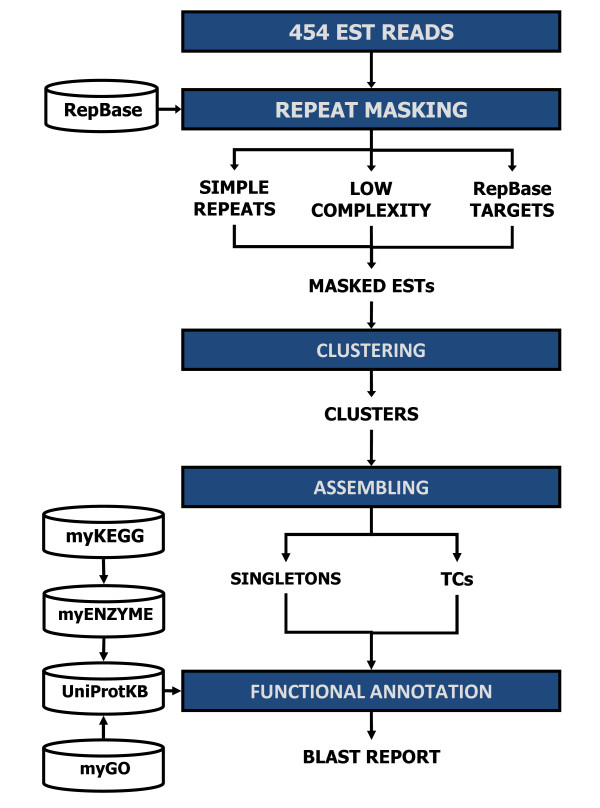
“In order to assess EST redundancy, masked EST sequences were pair-wise compared and grouped into clusters, based on sequence similarity (Alagna et al., 2009).”
MethodLiu, X., Dong, Y., Yao, N., Zhang, Y., Wang, N., Cui, X., Li, X., Wang, Y., Wang, Y., Wang, F., et al. (2015) · International Journal of Molecular Sciences · doi:10.3390/ijms161025657 · Cited by 43
Teixeira, R. T., Fortes, A. M., Pinheiro, C., & Pereira, H. (2014) · Journal of Experimental Botany · doi:10.1093/jxb/eru252 · Cited by 48
“Recent studies have demonstrated highly successful de novo assemblies of 454 EST data for organisms with no prior genomic resources (Novaes et al., 2008; Vera et al., 2008; Alagna et al., 2009), a feature that is observed for Q.”
BackgroundIaria, D., Chiappetta, A. A. C., & Muzzalupo, I. (2016) · Frontiers in Plant Science · doi:10.3389/fpls.2015.01246 · Cited by 46
“…that controls anthocyanin structural genes at the transcriptional level (Dixon et al., 2005; Ramsay and Glover, 2005; He et al., 2008; Tian et al., 2008; Alagna et al., 2009; Galla et al., 2009; Stommel et al., 2009; Martinelli and Tonutti, 2012; Ravaglia et al., 2013; Chiappetta et al., 2015).”
BackgroundMethodTuan, P. A., Chung, E., Thwe, A. A., Li, X., Kim, Y. B., Mariadhas, V. A., Al-Dhabi, N. A., Lee, J., & Park, S. U. (2015) · Journal of Agricultural and Food Chemistry · doi:10.1021/acs.jafc.5b01822 · Cited by 42
Yang, Z., Ji, H., & Liu, D. (2016) · Plant and Cell Physiology · doi:10.1093/pcp/pcw165 · Cited by 43
“…and in those of eleostearic acid-rich tung plants (Vernicia fordii) (Shockey et al. 2006), and also in oil-rich mesocarps of olive (Olea europaea) (Alagna et al. 2009, Banilas et al. 2011) and oil palm (Bourgis et al. 2011, Tranbarger et al. 2011) for producing at Institute of B otany, C A S on D…”
BackgroundPérez, A. G., León, L., Pascual, M., de la Rosa, R., Belaj, A., & Sanz, C. (2019) · Antioxidants · doi:10.3390/antiox8080242 · Cited by 42
Zenoni, S., D’Agostino, N., Tornielli, G. B., Quattrocchio, F. M., Chiusano, M. L., Koes, R. E., Zethof, J., Guzzo, F., Delledonne, M., Frusciante, L., et al. (2011) · The Plant Journal · doi:10.1111/j.1365-313x.2011.04661.x · Cited by 41
“The masking of simple sequence repeats, low complexity subsequences and repetitive elements was performed as described in Alagna et al. (2009). Reads were grouped into clusters by the wcd cluster program (Hazelhurst et al.”
MethodSelf-citationLacape, J.-M., Claverie, M., Vidal, R. O., Carazzolle, M. F., Pereira, G., Ruíz, M., Pré, M., Llewellyn, D. J., Al-Ghazi, Y., Jacobs, J. J. M. R., et al. (2012) · PLoS ONE · doi:10.1371/journal.pone.0048855 · Cited by 45
“Recent examples of in-silico expression analysis (also called digital gene expression, DGE, analysis) between genotypes and across different biological states or treatments in plants using NGS transcripts sequencing include Siraitia [24], based on Illumina/Solexa sequencing, chestnut [25], olive [26], eucalyptus [27],…”
MethodTranscriptome changes associated with cold acclimation in leaves of olive tree (Olea europaea L.)
Guerra, D., Lamontanara, A., Bagnaresi, P., Orrù, L., Rizza, F., Zelasco, S., Beghé, D., Ganino, T., Pagani, D., Cattivelli, L., et al. (2015) · Tree Genetics & Genomes · doi:10.1007/s11295-015-0939-x · Cited by 44
“tion of the transcriptome of olive drupes (Alagna et al. 2009).”
BackgroundGenome wide association study of 5 agronomic traits in olive (Olea europaea L.)
Kaya, H. B., Akdemir, D., Lozano, R. D., Çetin, Ö., Kaya, H. S., Sahin, M., Smith, J. L., Tanyolaç, B., & Jannink, J. (2019) · Scientific Reports · doi:10.1038/s41598-019-55338-w · Cited by 44
D’Angeli, S., & Altamura, M. M. (2016) · International Journal of Molecular Sciences · doi:10.3390/ijms17111889 · Cited by 39
“Olive tree ranks sixth in the world’s production of vegetable oils [1], and the areas of the Mediterranean Basin account for more than 90% of the world olive oil production [2].”
Background454 Pyrosequencing of Olive (Olea europaea L.) Transcriptome in Response to Salinity
Bazakos, C., Manioudaki, M., Sarropoulou, E., Thodhoraq, S., & Kalaitzis, P. (2015) · PLoS ONE · doi:10.1371/journal.pone.0143000 · Cited by 46
“Comparative deep sequencing studies of plant transcriptomes have identified gene expression alterations in response to tissue, genotype or physiological changes in model or non-model species such as maize [20], chestnut [21], grapevine [22], eucalyptus [23], waterhemp [24] and recently, in olive tree [25, 26, 27].”
BackgroundCarbone, F., Bruno, L., Perrotta, G., Bitonti, M. B., Muzzalupo, I., & Chiappetta, A. A. C. (2019) · PLoS ONE · doi:10.1371/journal.pone.0221460 · Cited by 46
Self-citation
Metadata
- Authors
- Alagna, F., D'Agostino, N., Torchia, L., Servili, M., Rao, R., Pietrella, M., Giuliano, G., Chiusano, M. L., Baldoni, L., & Perrotta, G.
- Affiliations
- National Agency for New Technologies, Energy and Sustainable Economic Development (IT)
- University of Perugia (IT)
- University of Naples Federico II (IT)
- Corresponding author
- Baldoni, Luciana
- Perrotta, Gaetano
- ORCID
- Venue
- BMC Genomics
- Published
- 2009-08-26
- Volume
- 10
- Issue
- 1
- Pages
- 399-399
- ISSN
- 1471-2164 (ISSN-L)
- PMC
- PMC2748093
- OpenAlex
- W2159594972
- Cited by
- 263
- References
- 33
- Citations by year
- 2026: 1 · 2025: 1 · 2024: 7 · 2023: 8 · 2022: 5 · 2021: 13 · 2020: 21 · 2019: 14 · 2018: 13 · 2017: 14 · 2016: 23 · 2015: 28 · 2014: 21 · 2013: 24 · 2012: 30
- FWCI
- 9.40
- Type
- journal article
- Language
- en
- Open access
- gold
- doi.org
- Licence
- cc-by
- Locations
- BMC Genomics (publishedVersion, cc-by)
- PubMed Central (publishedVersion, cc-by)
- PubMed (publishedVersion)
- DOAJ (DOAJ: Directory of Open Access Journals) (submittedVersion, cc-by-sa)
- Topics
- Life Sciences › Biochemistry, Genetics and Molecular Biology › Molecular Biology › Genomics and Phylogenetic Studies
- Life Sciences › Biochemistry, Genetics and Molecular Biology › Genetics › Genetic Mapping and Diversity in Plants and Animals
- Life Sciences › Agricultural and Biological Sciences › Plant Science › Plant Molecular Biology Research
- Keywords
- olive, Olea europaea, fruit development, transcriptome, Coratina, phenolic content, oleuropein, fruit quality, differentially expressed genes, fruit metabolism, cDNA library
- MeSH terms
- Fruit, Genotype, Phenols, User-Computer Interface, Gene Library, Sequence Analysis, DNA, DNA, Complementary, Gene Expression Regulation, Plant, Gene Expression Regulation, Developmental, DNA, Plant, Genome, Plant, Expressed Sequence Tags, Gene Expression Profiling, Databases, Genetic, Olea, Lipid Metabolism, Comparative Genomic Hybridization
About these checks
Registry, retraction, Cites and statistics results are computed, not judged, with one exception: a printed reference that no index lists is read once by a model before it counts as a citation error. Claims are extracted by a model and kept only when their quote appears verbatim in the text; each cited source is then checked, with a model’s help, for whether it says what the claim relies on. Those verdicts can be wrong — read the claim’s quote and the cited source before relying on one.
Statistics and arithmetic are recomputed, not judged.
Confidence bands are shown only for fields calibrated on our annotated test set. None is calibrated yet, so no band is shown.
What counts as a claim ›How we measure confidence ›How we check this ›
Are you an author, or do you see a problem with this page? Request a review
Data sources
Bibliographic data: Semantic Scholar, OpenAlex, Crossref.
Contains information from the Semantic Scholar Academic Graph Datasets, made available under the ODC Attribution License (ODC-BY 1.0).
Semantic Scholar’s data is described in: Kinney, R., et al. (2023). The Semantic Scholar Open Data Platform. arXiv:2301.10140.
