

The DOI matches its Crossref record; 41 of the 42 references it cites were found in a registry or an index.
Network motifs: Structure does not determine function.
Open accessAbstract
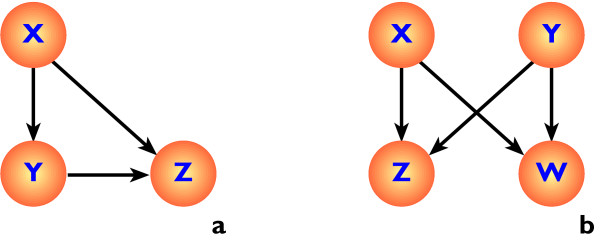
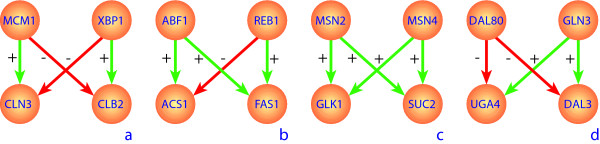
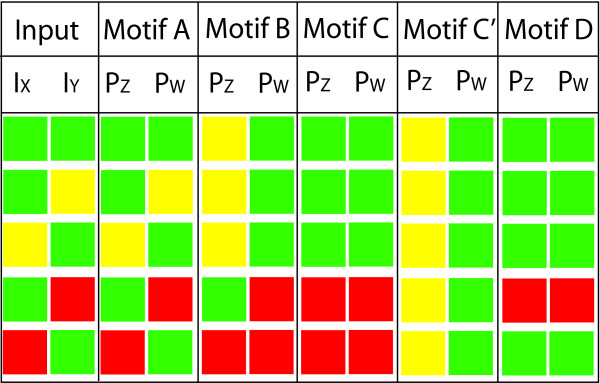
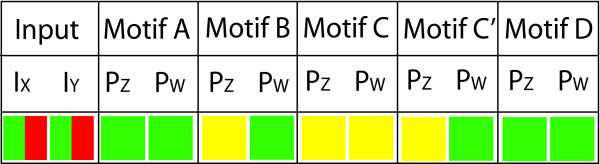
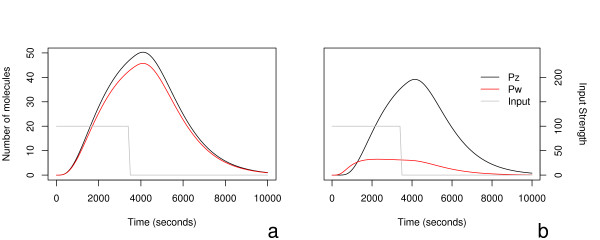
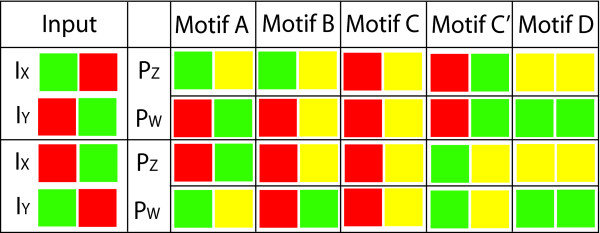
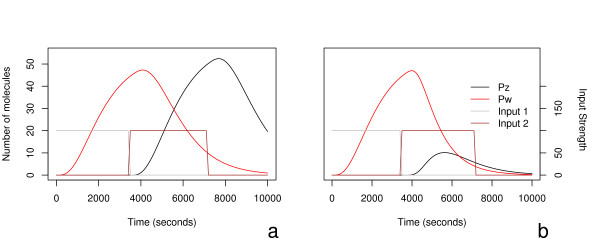
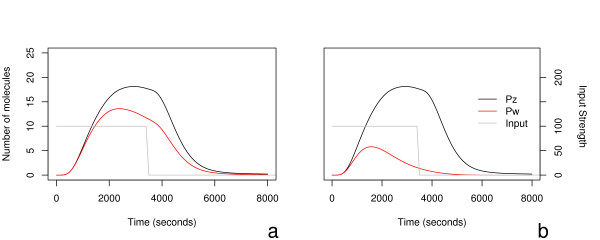
Background: A number of publications have recently examined the occurrence and properties of the feed-forward motif in a variety of networks, including those that are of interest in genome biology, such as gene networks. The present work looks in some detail at the dynamics of the bi-fan motif, using systems of ordinary differential equations to model the populations of transcription factors, mRNA and protein, with the aim of extending our understanding of what appear to be important building blocks of gene network structure. Results: We develop an ordinary differential equation model of the bi-fan motif and analyse variants of the motif corresponding to its behaviour under various conditions. In particular, we examine the effects of different steady and pulsed inputs to five variants of the bifan motif, based on evidence in the literature of bifan motifs found in Saccharomyces cerevisiae (commonly known as baker's yeast). Using this model, we characterize the dynamical behaviour of the bi-fan motif for a wide range of biologically plausible parameters and configurations. We find that there is no characteristic behaviour for the motif, and with the correct choice of parameters and of internal structure, very different, indeed even opposite behaviours may be obtained. Conclusion: Even with this relatively simple model, the bi-fan motif can exhibit a wide range of dynamical responses. This suggests that it is difficult to gain significant insights into biological function simply by considering the connection architecture of a gene network, or its decomposition into simple structural motifs. It is necessary to supplement such structural information by kinetic parameters, or dynamic time series experimental data, both of which are currently difficult to obtain.
Overview
The claims and statistics of this paper haven’t been checked yet.
Run the check — free, no account needed. It reads the open-access text and checks the sources it cites.
Integrity signals
Registry
Cites
Statistics
Figures
Verification
Claims the paper makes
The claims and statistics of this paper haven’t been checked yet.
Run the check — free, no account needed. It reads the open-access text and checks the sources it cites.
Claims other papers make about this one
Each is checked against this paper’s own text: does it say what the citing paper says it does?
The source backs part of the claim, not all of it — or backs it for a different population, condition or comparison.
In the citing paper
“A major challenge with such models, however, is that they often possess tens or even hundreds of free parameters whose values can significantly affect model behavior [5,6].”
From Universally Sloppy Parameter Sensitivities in Systems Biology Models (2007) · cites this paper as [5]
Experimental — accuracy not yet measured
Self-check
Percentages, sums and reported differences re-computed from the paper’s own numbers.
The self-check needs the paper’s full text.
Citations
Cites
Exact stochastic simulation of coupled chemical reactions
Gillespie, D. T. (1977) · The Journal of Physical Chemistry · doi:10.1021/j100540a008 · Cited by 10,215
Network motifs: simple building blocks of complex networks.
Milo, R., Shen-Orr, S., Itzkovitz, S., Kashtan, N., Chklovskii, D., & Alon, U. (2002) · Science · doi:10.1126/science.298.5594.824 · Cited by 7,368
Structure and function of the feed-forward loop network motif
Mangan, S., & Alon, U. (2003) · Proceedings of the National Academy of Sciences · doi:10.1073/pnas.2133841100 · Cited by 1,827
Superfamilies of Evolved and Designed Networks
Milo, R., Itzkovitz, S., Kashtan, N., Levitt, R., Shen-Orr, S. S., Ayzenshtat, I., Sheffer, M., & Alon, U. S. (2004) · Science · doi:10.1126/science.1089167 · Cited by 1,427
The Coherent Feedforward Loop Serves as a Sign-sensitive Delay Element in Transcription Networks
Mangan, S., Zaslaver, A., & Alon, U. S. (2003) · Journal of Molecular Biology · doi:10.1016/j.jmb.2003.09.049 · Cited by 548
How the λ repressor and cro work
Ptashne, M., Jeffrey, A., Johnson, A. D., Maurer, R., Meyer, B. J., Pabo, C. O., Roberts, T. M., & Sauer, R. T. (1980) · Cell · doi:10.1016/0092-8674(80)90383-9 · Cited by 452
Dynamic Properties of Network Motifs Contribute to Biological Network Organization
Prill, R. J., Iglesias, P. A., & Levchenko, A. (2005) · PLoS Biology · doi:10.1371/journal.pbio.0030343 · Cited by 378
Cosma, M. P. (2002) · Molecular Cell · doi:10.1016/s1097-2765(02)00604-4 · Cited by 266
Artzy‐Randrup, Y., Fleishman, S. J., Ben‐Tal, N., & Stone, L. (2004) · Science · doi:10.1126/science.1099334 · Cited by 254
Estruch, F., & Carlson, M. (1993) · Molecular and Cellular Biology · doi:10.1128/mcb.13.7.3872-3881.1993 · Cited by 221
Cited by
Sorted by citations
Network motifs: theory and experimental approaches
Alon, U. (2007) · Nature Reviews Genetics · doi:10.1038/nrg2102 · Cited by 3,279
Modelling and analysis of gene regulatory networks
Karlebach, G., & Shamir, R. (2008) · Nature Reviews Molecular Cell Biology · doi:10.1038/nrm2503 · Cited by 1,296
Universally Sloppy Parameter Sensitivities in Systems Biology Models
Gutenkunst, R. N., Waterfall, J. J., Casey, F. P., Brown, K. S., Myers, C. R., & Sethna, J. P. (2007) · PLoS Computational Biology · doi:10.1371/journal.pcbi.0030189 · Cited by 1,261
“A major challenge with such models, however, is that they often possess tens or even hundreds of free parameters whose values can significantly affect model behavior [5, 6].”
BackgroundUsing graph theory to analyze biological networks
Pavlopoulos, G. A., Secrier, M., Moschopoulos, C. N., Soldatos, T. G., Κοσσίδα, Σ., Aerts, J. A., Schneider, R., & Bagos, P. G. (2011) · BioData Mining · doi:10.1186/1756-0381-4-10 · Cited by 821
Gene Regulatory Network Inference from Single-Cell Data Using Multivariate Information Measures
Chan, T. E., Stumpf, M. P. H., & Babtie, A. C. (2017) · Cell Systems · doi:10.1016/j.cels.2017.08.014 · Cited by 578
Self-citationAnalysis of biological networks
Ortutay, C., & Ortutay, Z. (2017) · Wiley eBooks · doi:10.1002/9781119165057.ch10 · Cited by 329
Parameter estimation and model selection in computational biology
Lillacci, G., & Khammash, M. (2010) · PLoS Computational Biology · doi:10.1371/journal.pcbi.1000696 · Cited by 325
Integrated multi-omics framework of the plant response to jasmonic acid
Zander, M., Lewsey, M. G., Clark, N. M., Yin, L., Bartlett, A., Guzmán, J. P. S., Hann, E. C., Langford, A. E., Jow, B., Wise, A. S., et al. (2020) · Nature Plants · doi:10.1038/s41477-020-0605-7 · Cited by 252
Transcriptional Regulatory Networks in Saccharomyces cerevisiae
Kraal, L. (2009) · Utrecht University Repository (Utrecht University) · Cited by 209
Modelling the molecular mechanisms of synaptic plasticity using systems biology approaches
Kotaleski, J. H., & Blackwell, K. T. (2010) · Nature reviews. Neuroscience · doi:10.1038/nrn2807 · Cited by 195
Regulation of yeast oscillatory dynamics
Murray, D. B., Beckmann, M., & Kitano, H. (2007) · Proceedings of the National Academy of Sciences · doi:10.1073/pnas.0606677104 · Cited by 151
Introduction to Network Analysis in Systems Biology
Ma’ayan, A. (2011) · Science Signaling · doi:10.1126/scisignal.2001965 · Cited by 151
Making Sense of Transcription Networks
Sorrells, T. R., & Johnson, A. D. (2015) · Cell · doi:10.1016/j.cell.2015.04.014 · Cited by 148
Optimal Signal Processing in Small Stochastic Biochemical Networks
Ziv, E., Nemenman, I. M., & Wiggins, C. H. (2007) · PLoS ONE · doi:10.1371/journal.pone.0001077 · Cited by 128
Control of complex networks requires both structure and dynamics
Gates, A. J., & Rocha, L. M. (2016) · Scientific Reports · doi:10.1038/srep24456 · Cited by 115
On the Influence of Amplitude on the Connectivity between Phases
Daffertshofer, A., & van Wijk, B. C. M. (2011) · Frontiers in Neuroinformatics · doi:10.3389/fninf.2011.00006 · Cited by 115
Topology of molecular interaction networks
Winterbach, W., Mieghem, P. V., Reinders, M. J. T., Wang, H., & de Ridder, D. (2013) · BMC Systems Biology · doi:10.1186/1752-0509-7-90 · Cited by 109
Clark, N. M., Nolan, T. M., Wang, P., Song, G., Montes, C., Valentine, C. T., Guo, H., Sozzani, R., Yin, Y., & Walley, J. W. (2021) · Nature Communications · doi:10.1038/s41467-021-26165-3 · Cited by 103
The biphasic behavior of incoherent feed‐forward loops in biomolecular regulatory networks
Kim, D., Kwon, Y., & Cho, K. (2008) · BioEssays · doi:10.1002/bies.20839 · Cited by 96
Ratmann, O., Jørgensen, O., Hinkley, T., Stumpf, M. P. H., Richardson, S. T., & Wiuf, C. (2005) · PLoS Computational Biology · doi:10.1371/journal.pcbi.0030230 · Cited by 96
Self-citationA Comprehensive Network Atlas Reveals That Turing Patterns Are Common but Not Robust
Scholes, N. S., Schnoerr, D., Isalan, M., & Stumpf, M. P. H. (2019) · Cell Systems · doi:10.1016/j.cels.2019.07.007 · Cited by 95
Self-citationModularity, criticality, and evolvability of a developmental gene regulatory network
Verd, B., Monk, N., & Jaeger, J. (2019) · eLife · doi:10.7554/elife.42832 · Cited by 95
Understanding Modularity in Molecular Networks Requires Dynamics
Alexander, R. P., Kim, P. M., Emonet, T., & Gerstein, M. (2009) · Science Signaling · doi:10.1126/scisignal.281pe44 · Cited by 94
Insights into the Organization of Biochemical Regulatory Networks Using Graph Theory Analyses
Ma’ayan, A. (2008) · Journal of Biological Chemistry · doi:10.1074/jbc.r800056200 · Cited by 92
Perez‐Carrasco, R., Barnes, C. P., Schaerli, Y., Isalan, M., Briscoe, J., & Page, K. M. (2018) · Cell Systems · doi:10.1016/j.cels.2018.02.008 · Cited by 92
Computational approaches to the topology, stability and dynamics of metabolic networks
Steuer, R. (2007) · Phytochemistry · doi:10.1016/j.phytochem.2007.04.041 · Cited by 90
Assessing the Exceptionality of Network Motifs
Picard, F., Daudin, J., Koskas, M., Schbath, S., & Robin, S. S. (2008) · Journal of Computational Biology · doi:10.1089/cmb.2007.0137 · Cited by 89
From structure to dynamics of metabolic pathways: application to the plant mitochondrial TCA cycle
Steuer, R., Nunes‐Nesi, A., Fernie, A. R., Groß, T., Blasius, B., & Selbig, J. (2007) · Bioinformatics · doi:10.1093/bioinformatics/btm065 · Cited by 87
Global relative parameter sensitivities of the feed-forward loops in genetic networks
Wang, P., Lü, J., & OGORZAŁEK, M. J. (2011) · Neurocomputing · doi:10.1016/j.neucom.2011.05.034 · Cited by 85
Protein networking: insights into global functional organization of proteomes
Pieroni, E., van Bentem, S. D. L. F., Mancosu, G., Capobianco, E., Hirt, H., & de la Fuente, A. (2008) · PROTEOMICS · doi:10.1002/pmic.200700767 · Cited by 86
Linear Integration of ERK Activity Predominates over Persistence Detection in Fra-1 Regulation
Gillies, T. E., Pargett, M., Minguet, M., Davies, A. E., & Albeck, J. G. (2017) · Cell Systems · doi:10.1016/j.cels.2017.10.019 · Cited by 83
A spectrum of modularity in multi‐functional gene circuits
Jiménez, A., Cotterell, J., Munteanu, A., & Sharpe, J. A. (2017) · Molecular Systems Biology · doi:10.15252/msb.20167347 · Cited by 78
Universally Sloppy Parameter Sensitivities in Systems Biology Models
Gutenkunst, R. N., Waterfall, J. J., Casey, F., Brown, K., Myers, C. R., & Sethna, J. P. (2005) · PLoS Computational Biology · doi:10.1371/journal.pcbi.0030189.eor · Cited by 77
The Inheritance of Process: A Dynamical Systems Approach
Jaeger, J., Irons, D., & Monk, N. (2012) · Journal of Experimental Zoology Part B Molecular and Developmental Evolution · doi:10.1002/jez.b.22468 · Cited by 76
The effects of incomplete protein interaction data on structural and evolutionary inferences
de Silva, E., Thorne, T., Ingram, P. J., Agrafioti, I., Swire, J. S., Wiuf, C., & Stumpf, M. P. H. (2006) · BMC Biology · doi:10.1186/1741-7007-4-39 · Cited by 67
Self-citationLogical modelling of cell cycle control in eukaryotes: a comparative study
Fauré, A., & Thieffry, D. (2009) · Molecular BioSystems · doi:10.1039/b907562n · Cited by 67
Strategies for Network Motifs Discovery
Ribeiro, P., Silva, F., & Kaiser, M. (2009) · IEEE International Conference on eScience · doi:10.1109/e-science.2009.20 · Cited by 65
Variability in seeds: biological, ecological, and agricultural implications
Mitchell, J., Johnston, I. G., & Bassel, G. W. (2016) · Journal of Experimental Botany · doi:10.1093/jxb/erw397 · Cited by 69
Current innovations and future challenges of network motif detection
Tran, N. T., Mohan, S., Xu, Z., & Huang, C. (2014) · Briefings in Bioinformatics · doi:10.1093/bib/bbu021 · Cited by 63
Learning vector quantization for (dis-)similarities
Hammer, B., Hofmann, D., Schleif, F.-M., & Zhu, X. (2013) · Neurocomputing · doi:10.1016/j.neucom.2013.05.054 · Cited by 63
Clark, N. M., Buckner, E., Fisher, A., Nelson, E. C., Nguyen, T. T., Simmons, A. R., Balaguer, M. A. D. L., Butler-Smith, T., Sheldon, P. J., Bergmann, D. C., et al. (2019) · Nature Communications · doi:10.1038/s41467-019-13132-2 · Cited by 66
Turing pattern design principles and their robustness
Vittadello, S. T., Leyshon, T., Schnoerr, D., & Stumpf, M. P. H. (2021) · Philosophical Transactions of the Royal Society A Mathematical Physical and Engineering Sciences · doi:10.1098/rsta.2020.0272 · Cited by 60
Self-citationA Statistical Approach Reveals Designs for the Most Robust Stochastic Gene Oscillators
Woods, M. L., Leon, M., Perez‐Carrasco, R., & Barnes, C. P. (2016) · ACS Synthetic Biology · doi:10.1021/acssynbio.5b00179 · Cited by 58
Modelling the Drosophila embryo
Jaeger, J. (2009) · Molecular BioSystems · doi:10.1039/b904722k · Cited by 55
Evolution at the system level: the natural history of protein interaction networks
Stumpf, M. P. H., KELLY, W., Thorne, T., & Wiuf, C. (2007) · Trends in Ecology & Evolution · doi:10.1016/j.tree.2007.04.004 · Cited by 52
Self-citationGorochowski, T. E., Grierson, C., & di Bernardo, M. (2018) · Science Advances · doi:10.1126/sciadv.aap9751 · Cited by 52
Reconstructing biological gene regulatory networks: where optimization meets big data
Thomas, S. A., & Jin, Y. (2013) · Evolutionary Intelligence · doi:10.1007/s12065-013-0098-7 · Cited by 48
Freyre-González, J. A., Alonso-Pavón, J. A., Treviño-Quintanilla, L. G., & Collado‐Vides, J. (2008) · Genome biology · doi:10.1186/gb-2008-9-10-r154 · Cited by 49
Contributions of regulated transcription and mRNA decay to the dynamics of gene expression
Yamada, T., & Akimitsu, N. (2018) · Wiley Interdisciplinary Reviews - RNA · doi:10.1002/wrna.1508 · Cited by 47
Dolan, A. T., & Diamond, S. L. (2014) · Biophysical Journal · doi:10.1016/j.bpj.2014.03.028 · Cited by 44
Revealing gene regulation and associations through biological networks
Liseron-Monfils, C., & Ware, D. (2015) · Current Plant Biology · doi:10.1016/j.cpb.2015.11.001 · Cited by 44
Ye, Y., Kang, X., Bailey, J., Li, C., & Hong, T. (2019) · PLoS Computational Biology · doi:10.1371/journal.pcbi.1006855 · Cited by 42
Function does not follow form in gene regulatory circuits
Payne, J. L., & Wagner, A. (2015) · Scientific Reports · doi:10.1038/srep13015 · Cited by 41
Beber, M. E., Fretter, C., Jain, S., Sonnenschein, N., Müller‐Hannemann, M., & Hütt, M. ‐. (2012) · Journal of The Royal Society Interface · doi:10.1098/rsif.2012.0490 · Cited by 42
Functions of Bifans in Context of Multiple Regulatory Motifs in Signaling Networks
Lipshtat, A., Purushothaman, S. P., Iyengar, R., & Ma’ayan, A. (2008) · Biophysical Journal · doi:10.1529/biophysj.107.116673 · Cited by 41
Indeterminacy of Reverse Engineering of Gene Regulatory Networks: The Curse of Gene Elasticity
Krishnan, A. V., Giuliani, A., & Tomita, M. (2007) · PLoS ONE · doi:10.1371/journal.pone.0000562 · Cited by 41
Hsieh, W. T., Tzeng, K.-R., Ciou, J.-S., Tsai, J. J. P., Kurubanjerdjit, N., Huang, C., & Ng, K. L. (2015) · BMC Systems Biology · doi:10.1186/1752-0509-9-s1-s5 · Cited by 40
Motif discovery algorithms in static and temporal networks: A survey
Jazayeri, A. R., & Yang, C. C. (2020) · Journal of Complex Networks · doi:10.1093/comnet/cnaa031 · Cited by 40
Specialized or flexible feed-forward loop motifs: a question of topology
Macía, J., Stefanie Widder, A., & Solé, R. V. (2009) · BMC Systems Biology · doi:10.1186/1752-0509-3-84 · Cited by 39
Sáez-Rodríguez, J., Gayer, S., Ginkel, M., & Gilles, E. D. (2008) · Bioinformatics · doi:10.1093/bioinformatics/btn289 · Cited by 39
Colored Motifs Reveal Computational Building Blocks in the C. elegans Brain
Qian, J., Hintze, A., & Adami, C. (2011) · PLoS ONE · doi:10.1371/journal.pone.0017013 · Cited by 37
Parallel discovery of network motifs
Ribeiro, P., Silva, F., & Lopes, L. M. B. (2011) · Journal of Parallel and Distributed Computing · doi:10.1016/j.jpdc.2011.08.007 · Cited by 36
Manczinger, M., & Kemény, L. V. (2013) · PLoS ONE · doi:10.1371/journal.pone.0080751 · Cited by 34
Modular Analysis of Biological Networks
Kaltenbach, H., & Stelling, J. (2011) · Advances in experimental medicine and biology · doi:10.1007/978-1-4419-7210-1_1 · Cited by 33
Nonidentifiability of the Source of Intrinsic Noise in Gene Expression from Single-Burst Data
Ingram, P. J., Stumpf, M. P. H., & Stark, J. (2008) · PLoS Computational Biology · doi:10.1371/journal.pcbi.1000192 · Cited by 33
Self-citationReading, B. J., Williams, V. N., Chapman, R. W., Williams, T. I., & Sullivan, C. V. (2013) · Journal of Proteome Research · doi:10.1021/pr3010293 · Cited by 34
Kamapantula, B. K., Abdelzaher, A. F., Ghosh, P., Mayo, M. L., Perkins, E. J., & Das, S. K. (2013) · Journal of Ambient Intelligence and Humanized Computing · doi:10.1007/s12652-013-0180-0 · Cited by 30
Harman, J. R., Thorne, R., Jamilly, M., Tapia, M. C., Crump, N. T., Rice, S., Beveridge, R. D. D., Morrissey, E. R., Bruijn, M. F. T. R. D., Roberts, I. A. G., et al. (2021) · Genome Research · doi:10.1101/gr.268490.120 · Cited by 30
Ahnert, S. E., & Fink, T. (2016) · Journal of The Royal Society Interface · doi:10.1098/rsif.2016.0179 · Cited by 29
Motifs for Processes on Networks
Schwarze, A. C., & Porter, M. A. (2021) · SIAM Journal on Applied Dynamical Systems · doi:10.1137/20m1361602 · Cited by 32
Temporal phases of long-term potentiation (LTP): myth or fact?
Abbas, A.-K., Villers, A., & Ris, L. (2015) · Reviews in the Neurosciences · doi:10.1515/revneuro-2014-0072 · Cited by 31
A divide-and-conquer approach to analyze underdetermined biochemical models
Kotte, O., & Heinemann, M. (2009) · Bioinformatics · doi:10.1093/bioinformatics/btp004 · Cited by 28
Design principles of stripe-forming motifs: the role of positive feedback
Munteanu, A., Cotterell, J., Solé, R. V., & Sharpe, J. A. (2014) · Scientific Reports · doi:10.1038/srep05003 · Cited by 28
How threshold behaviour affects the use of subgraphs for network comparison
Rito, T., Wang, Z., Deane, C. M., & Reinert, G. (2010) · Bioinformatics · doi:10.1093/bioinformatics/btq386 · Cited by 28
Lessons from the modular organization of the transcriptional regulatory network of Bacillus subtilis
Freyre-González, J. A., Manjarrez-Casas, A. M., Merino, E., Martínez‐Núñez, M. A., Pérez‐Rueda, E., & Gutiérrez-Ríos, R.-M. (2013) · BMC Systems Biology · doi:10.1186/1752-0509-7-127 · Cited by 27
Theory and applications of complex networks: Advances and challenges
Lü, J., Chen, G., OGORZAŁEK, M. J., & Trajković, L. (2013) · IEEE International Symposium on Circuits and Systems proceedings · doi:10.1109/iscas.2013.6572335 · Cited by 27
Identifying robust hysteresis in networks
Gedeon, T., Cummins, B., Harker, S., & Mischaikow, K. (2018) · PLoS Computational Biology · doi:10.1371/journal.pcbi.1006121 · Cited by 27
A distribution‐matching method for parameter estimation and model selection in computational biology
Lillacci, G., & Khammash, M. (2012) · International Journal of Robust and Nonlinear Control · doi:10.1002/rnc.2794 · Cited by 26
Using network motifs to characterize temporal network evolution leading to diffusion inhibition
Sarkar, S., Guo, R., & Shakarian, P. (2019) · Social Network Analysis and Mining · doi:10.1007/s13278-019-0556-z · Cited by 26
Irons, D. J., & Monk, N. (2007) · BMC Bioinformatics · doi:10.1186/1471-2105-8-413 · Cited by 27
Linking the proteins—Elucidation of proteome‐scale networks using mass spectrometry
Pflieger, D., Gonnet, F., van Bentem, S. D. L. F., Hirt, H., & de la Fuente, A. (2010) · Mass Spectrometry Reviews · doi:10.1002/mas.20278 · Cited by 28
Information processing by simple molecular motifs and susceptibility to noise
Mahon, S. S. M., Lenive, O., Filippi, S., & Stumpf, M. P. H. (2015) · Journal of The Royal Society Interface · doi:10.1098/rsif.2015.0597 · Cited by 26
Self-citationBeguerisse-Díaz, M., Desikan, R., & Barahona, M. (2016) · Journal of The Royal Society Interface · doi:10.1098/rsif.2016.0409 · Cited by 25
Can biological complexity be reverse engineered?
Green, S. (2015) · Studies in History and Philosophy of Science Part C Studies in History and Philosophy of Biological and Biomedical Sciences · doi:10.1016/j.shpsc.2015.03.008 · Cited by 26
Microbial evolution in vivo and in silico: methods and applications
Mozhayskiy, V., & Tagkopoulos, I. (2013) · Integr. Biol. · doi:10.1039/c2ib20095c · Cited by 24
Azpeitia, E. M., Muñoz, S., González‐Tokman, D., Martínez-Sánchez, M. E., Weinstein, N., Naldi, A., Alvarez-Buylla, E. R., Rosenblueth, D. A., & Mendoza, L. (2017) · Scientific Reports · doi:10.1038/srep42023 · Cited by 24
Kim, M.-S., Kim, J., Kim, D., Lander, A. D., & Cho, K. (2012) · BMC Systems Biology · doi:10.1186/1752-0509-6-31 · Cited by 24
Network representations and methods for the analysis of chemical and biochemical pathways
Sandefur, C. I., Mincheva, M., & Schnell, S. D. (2013) · Molecular BioSystems · doi:10.1039/c3mb70052f · Cited by 25
Gene regulatory network inference from single-cell data using multivariate information measuresPreprint
Chan, T. E., Stumpf, M. P. H., & Babtie, A. C. (2016) · bioRxiv (Cold Spring Harbor Laboratory) · doi:10.1101/082099 · Cited by 24
Self-citationLearning interpretable kernelized prototype-based models
Hofmann, D., Schleif, F.-M., Paaßen, B., & Hammer, B. (2014) · Neurocomputing · doi:10.1016/j.neucom.2014.03.003 · Cited by 23
Evolvability of feed-forward loop architecture biases its abundance in transcription networks
Stefanie Widder, A., Solé, R. V., & Macía, J. (2012) · BMC Systems Biology · doi:10.1186/1752-0509-6-7 · Cited by 23
Circuits with broken fibration symmetries perform core logic computations in biological networks
Leifer, I., Morone, F., Reis, S. D. S., Andrade, J. S., Sigman, M., & Makse, H. A. (2020) · PLoS Computational Biology · doi:10.1371/journal.pcbi.1007776 · Cited by 23
Nandi, A. K., Annagiri, S., & Bhattacharya, K. (2014) · Journal of The Royal Society Interface · doi:10.1098/rsif.2014.0951 · Cited by 23
Roth, W., Hecker, D., & Fava, E. (2015) · Methods in molecular biology · doi:10.1007/978-1-4939-2627-5_21 · Cited by 22
Median variants of learning vector quantization for learning of dissimilarity data
Nebel, D., Hammer, B., Frohberg, K., & Villmann, T. (2015) · Neurocomputing · doi:10.1016/j.neucom.2014.12.096 · Cited by 22
Cheng, C.-Y., Huang, C.-Y., & Sun, C. (2008) · IEEE Transactions on Systems Man and Cybernetics Part B (Cybernetics) · doi:10.1109/tsmcb.2007.908842 · Cited by 22
Retroactivity in the Context of Modularly Structured Biomolecular Systems
Pantoja-Hernández, L., & Martínez‐García, J. C. (2015) · Frontiers in Bioengineering and Biotechnology · doi:10.3389/fbioe.2015.00085 · Cited by 22
De Novo Evolution of Complex, Global and Hierarchical Gene Regulatory Mechanisms
Jenkins, D. J., & Stekel, D. J. (2010) · Journal of Molecular Evolution · doi:10.1007/s00239-010-9369-4 · Cited by 21
Functional models for large-scale gene regulation networks: realism and fiction
Lagomarsino, M. C., Bassetti, B., Castellani, G., & Remondini, D. (1900) · Molecular BioSystems · doi:10.1039/b816841p · Cited by 20
Krishna, S., Orosz, L., Sneppen, K., Adhya, S. L., & Semsey, S. (2009) · Journal of Molecular Biology · doi:10.1016/j.jmb.2009.06.043 · Cited by 21
Metadata
- Authors
- Ingram, P. J., Stumpf, M. P., & Stark, J.
- Affiliations
- Imperial College London (GB)
- Corresponding author
- Ingram, Piers J
- ORCID
- Stumpf, Michael PH
- Venue
- BMC Genomics
- Published
- 2006-05-05
- Volume
- 7
- Issue
- 1
- Pages
- 108-108
- ISSN
- 1471-2164 (ISSN-L)
- PMC
- PMC1488845
- OpenAlex
- W1808967201
- Cited by
- 267
- References
- 42
- Citations by year
- 2026: 13 · 2025: 5 · 2024: 8 · 2023: 5 · 2022: 4 · 2021: 13 · 2020: 10 · 2019: 11 · 2018: 16 · 2017: 9 · 2016: 20 · 2015: 12 · 2014: 19 · 2013: 29 · 2012: 15
- FWCI
- 6.53
- Type
- journal article
- Language
- en
- Open access
- gold
- doi.org
- Licence
- Locations
- BMC Genomics (publishedVersion, cc-by)
- PubMed Central (publishedVersion, cc-by)
- PubMed (publishedVersion)
- DOAJ (DOAJ: Directory of Open Access Journals) (submittedVersion, cc-by-sa)
- Minerva Access (University of Melbourne) (submittedVersion, cc-by)
- Funders
- Wellcome Trust
- Topics
- Life Sciences › Biochemistry, Genetics and Molecular Biology › Molecular Biology › Gene Regulatory Network Analysis
- Life Sciences › Biochemistry, Genetics and Molecular Biology › Molecular Biology › Bioinformatics and Genomic Networks
- Life Sciences › Biochemistry, Genetics and Molecular Biology › Molecular Biology › Microbial Metabolic Engineering and Bioproduction
- Keywords
- network motifs, gene regulatory networks, transcription factors, ordinary differential equation model, network dynamics, Saccharomyces cerevisiae, kinetic parameters, structure-function relationship
- MeSH terms
- Genes, Fungal, Models, Biological, Saccharomyces cerevisiae, Transcription, Genetic, Gene Expression Regulation, Fungal, Computational Biology, Amino Acid Motifs
About these checks
Registry, retraction, Cites and statistics results are computed, not judged, with one exception: a printed reference that no index lists is read once by a model before it counts as a citation error. Claims are extracted by a model and kept only when their quote appears verbatim in the text; each cited source is then checked, with a model’s help, for whether it says what the claim relies on. Those verdicts can be wrong — read the claim’s quote and the cited source before relying on one.
Statistics and arithmetic are recomputed, not judged.
Confidence bands are shown only for fields calibrated on our annotated test set. None is calibrated yet, so no band is shown.
What counts as a claim ›How we measure confidence ›How we check this ›
Are you an author, or do you see a problem with this page? Request a review
