

Genomic expression during human myelopoiesis
Open accessThe DOI matches its Crossref record; 69 of the 69 references it cites were found in a registry or an index.
Abstract
BACKGROUND: Human myelopoiesis is an exciting biological model for cellular differentiation since it represents a plastic process where multipotent stem cells gradually limit their differentiation potential, generating different precursor cells which finally evolve into distinct terminally differentiated cells. This study aimed at investigating the genomic expression during myeloid differentiation through a computational approach that integrates gene expression profiles with functional information and genome organization. RESULTS: Gene expression data from 24 experiments for 8 different cell types of the human myelopoietic lineage were used to generate an integrated myelopoiesis dataset of 9,425 genes, each reliably associated to a unique genomic position and chromosomal coordinate. Lists of genes constitutively expressed or silent during myelopoiesis and of genes differentially expressed in commitment phase of myelopoiesis were first identified using a classical data analysis procedure. Then, the genomic distribution of myelopoiesis genes was investigated integrating transcriptional and functional characteristics of genes. This approach allowed identifying specific chromosomal regions significantly highly or weakly expressed, and clusters of differentially expressed genes and of transcripts related to specific functional modules. CONCLUSION: The analysis of genomic expression during human myelopoiesis using an integrative computational approach allowed discovering important relationships between genomic position, biological function and expression patterns and highlighting chromatin domains, including genes with coordinated expression and lineage-specific functions.
Overview
The claims and statistics of this paper haven’t been checked yet.
Free: it reads the open-access text and checks the first 5 claims that cite a source we can check. Create a free account to check every claim.
Integrity signals
Registry
Cites
Statistics
Figures
Verification
Claims the paper makes
The claims and statistics of this paper haven’t been checked yet.
Free: it reads the open-access text and checks the first 5 claims that cite a source we can check. Create a free account to check every claim.
Claims other papers make about this one
Each is checked against this paper’s own text: does it say what the citing paper says it does?
The source backs part of the claim, not all of it — or backs it for a different population, condition or comparison.
In the citing paper
“These observations were extended and recapitulated in analyses of public gene expression data (figure S5)(35–40).”
From CpG methylation patterns and decitabine treatment response in acute myeloid leukemia cells and normal hematopoietic precursors (2012) · cites this paper as [36]
Experimental — accuracy not yet measuredThe check wasn’t confident either way, so it gives no verdict — never disputed.
In the citing paper
“These observations were extended and recapitulated in analyses of public gene expression data (figure S5)(35–40).”
From CpG methylation patterns and decitabine treatment response in acute myeloid leukemia cells and normal hematopoietic precursors (2012) · cites this paper as [36]
Experimental — accuracy not yet measured
Self-check
Percentages, sums and reported differences re-computed from the paper’s own numbers.
The self-check needs the paper’s full text.
Citations
Cites
In silico prediction of protein-protein interactions in human macrophages
Souiai, O., Guerfali, F., Ben Miled, S., Brun, C., & Benkahla, A. (2014) · BMC Research Notes · doi:10.1186/1756-0500-7-157 · Cited by 10,803
Significance analysis of microarrays applied to the ionizing radiation response
Tusher, V. G., Tibshirani, R., & Chu, G. (2001) · Proceedings of the National Academy of Sciences · doi:10.1073/pnas.091062498 · Cited by 10,568
DAVID: Database for Annotation, Visualization, and Integrated Discovery
Dennis, G., Sherman, B. T., Hosack, D. A., Yang, J., Gao, W., Lane, H. C., & Lempicki, R. A. (2003) · Genome Biology · doi:10.1186/gb-2003-4-5-p3 · Cited by 9,327
MAQC Consortium, Shi, L., Shi, L., Reid, L. H., Jones, W. D., Shippy, R., Warrington, J. A., Baker, S. C., Collins, P. J., de Longueville, F., et al. (2006) · Nature Biotechnology · doi:10.1038/nbt1239 · Cited by 2,126 · cited 1×
“HG-U133A, thus exploiting the high reliability and reproducibility of Affymetrix chips [59,60] and avoiding possible biases due to platform comparisons.”
BackgroundPositive and negative selection of T cells
Starr, T. K., Jameson, S. C., & Hogquist, K. A. (2003) · Annual Review of Immunology · doi:10.1146/annurev.immunol.21.120601.141107 · Cited by 1,601
Metcalf, D. (1989) · Nature · doi:10.1038/339027a0 · Cited by 1,023 · cited 1×
“Haematopoiesis is an exciting biological model for cellular differentiation since it represents a plastic process where multipotent stem cells gradually limit their differentiation potential, generating different precursor cells which finally evolve in 8 distinct types of terminally differentiated cells [26,27].”
BackgroundBiology of Hematopoietic Stem Cells and Progenitors: Implications for Clinical Application
Kondo, M., Wagers, A. J., Manz, M. G., Prohaska, S. S., Scherer, D. C., Beilhack, G. F., Shizuru, J. A., & Weissman, I. L. (2003) · Annual Review of Immunology · doi:10.1146/annurev.immunol.21.120601.141007 · Cited by 997 · cited 1×
“This biological process is regulated by ordered patterns of gene expression, where specific combinations of transcription factors or chromatin remodelling complexes result to be responsible for the genetic program of each hematopoietic precursor [28-30].”
BackgroundTHE HIGH-AFFINITY I g E RECEPTOR (FcεRI): From Physiology to Pathology
Kinet, J.-P. (1999) · Annual Review of Immunology · doi:10.1146/annurev.immunol.17.1.931 · Cited by 968 · cited 2×
“As example we can consider the first cluster of up-regulated genes in monoblasts: this cluster, on chromosome 1q23 (spanning 2 Mb), contains 5 genes significantly up-regulated in monoblasts as compared with CD34+: among them HSPA6 (HSP70B) [49], regulating monocytes maturation towards dendritic cells; FCER1G [50], IgE…”
BackgroundMediation by a CREB Family Transcription Factor of NGF-Dependent Survival of Sympathetic Neurons
Riccio, A., Ahn, S., Davenport, C. M., Blendy, J. A., & Ginty, D. D. (1999) · Science · doi:10.1126/science.286.5448.2358 · Cited by 802 · cited 1×
“Even if Gene Ontology classification wasn't able to highlight their functional correlation, this region contains further genes involved in non-hematopoietic functional modules, such as neurogenesis (ERBB4 [46], CREB1 [47] and MAP2 [48]); and other gamma-crystallins related to visual perception (CRYGB, CRYGC and pseudo…”
BackgroundThe Human Transcriptome Map: Clustering of Highly Expressed Genes in Chromosomal Domains
Caron, H., Schaik, B. V., Mee, M. V. D., Baas, F., Riggins, G., Sluis, P. V., Hermus, M.-C., Asperen, R. V., Boon, K., Voûte, P. A., et al. (2001) · Science · doi:10.1126/science.1056794 · Cited by 731
Reliability and reproducibility issues in DNA microarray measurements
DRAGHICI, S., KHATRI, P., EKLUND, A., & SZALLASI, Z. (2006) · Trends in Genetics · doi:10.1016/j.tig.2005.12.005 · Cited by 590 · cited 1×
“HG-U133A, thus exploiting the high reliability and reproducibility of Affymetrix chips [59,60] and avoiding possible biases due to platform comparisons.”
BackgroundDiversification of haematopoietic stem cells to specific lineages
Orkin, S. H. (2000) · Nature Reviews Genetics · doi:10.1038/35049577 · Cited by 565 · cited 2×
“Several perturbation studies based on gene inactivation and ectopic expression of lineage restricted factors [31,34] highlighted the central role of gene expression regulation in governing these processes.”
BackgroundClustering of housekeeping genes provides a unified model of gene order in the human genome
Lercher, M. J., Urrutia, A. O., & Hurst, L. D. (2002) · Nature Genetics · doi:10.1038/ng887 · Cited by 546 · cited 1×
“The analysis of non-random genomic distribution of genes and other genomic features, such as GC rich regions [2-4], showed that tissue- or organ-specific genes are often grouped in distinct chromosomal regions [5-10].”
BackgroundVersteeg, van Schaik, B. D. C., van Batenburg, M. F., Roos, M., Monajemi, R., Caron, H., Bussemaker, H. J., & van Kampen, A. H. C. (2003) · Genome Research · doi:10.1101/gr.1649303 · Cited by 352 · cited 1×
“The analysis of non-random genomic distribution of genes and other genomic features, such as GC rich regions [2-4], showed that tissue- or organ-specific genes are often grouped in distinct chromosomal regions [5-10].”
BackgroundGenomic Gene Clustering Analysis of Pathways in Eukaryotes
Lee, J. M., & Sonnhammer, E. L. L. (2003) · Genome Research · doi:10.1101/gr.737703 · Cited by 326 · cited 2×
“Lee JM, Sonnhammer EL: Genomic gene clustering analysis of pathways in eukaryotes.”
BackgroundHaematopoietic cell-fate decisions, chromatin regulation and ikaros
Georgopoulos, K. (2002) · Nature Reviews Immunology · doi:10.1038/nri747 · Cited by 324 · cited 1×
“This biological process is regulated by ordered patterns of gene expression, where specific combinations of transcription factors or chromatin remodelling complexes result to be responsible for the genetic program of each hematopoietic precursor [28-30].”
BackgroundRole of β-Catenin in Synaptic Vesicle Localization and Presynaptic Assembly
Bamji, S. X., Shimazu, K., Kimes, N., Huelsken, J., Birchmeier, W., Lu, B., & Reichardt, L. F. (2003) · Neuron · doi:10.1016/s0896-6273(03)00718-9 · Cited by 310 · cited 1×
“36 Mb) and contains 37 genes including 9 genes for hypothetical or unknown function proteins; 2 genes of muscle development functional module as indicated by Gene Ontology (MYF5 and MYF6); CART1, that is involved in muscle and skeletal development [41]; and synaptic transmission genes (NTS [42], SYT1 [43] and LIN7A/Ve…”
BackgroundTeng, J., Takei, Y., Harada, A., Nakata, T., Chen, J., & Hirokawa, N. (2001) · The Journal of Cell Biology · doi:10.1083/jcb.200106025 · Cited by 305 · cited 2×
“Even if Gene Ontology classification wasn't able to highlight their functional correlation, this region contains further genes involved in non-hematopoietic functional modules, such as neurogenesis (ERBB4 [46], CREB1 [47] and MAP2 [48]); and other gamma-crystallins related to visual perception (CRYGB, CRYGC and pseudo…”
BackgroundGene expression–based high-throughput screening(GE-HTS) and application to leukemia differentiation
Stegmaier, K., Ross, K. N., Colavito, S. A., O'Malley, S., Stockwell, B. R., & Golub, T. R. (2004) · Nature Genetics · doi:10.1038/ng1305 · Cited by 268 · cited 1×
“Gene expression database annotation and construction The proprietary gene expression collection of 20 samples, some of them previously described in [34,56,57,64], has been integrated with 4 publicly available samples from Stegmaier and co-workers [ 65 ], regarding monocytes (CL2002042640AA and CL2002042641AA) and neut…”
MethodKuppner, M. C., Gastpar, R., Gelwer, S., Nössner, E., Ochmann, O., Scharner, A., & Issels, R. D. (2001) · European Journal of Immunology · doi:10.1002/1521-4141(200105)31:5<1602::aid-immu1602>3.0.co;2-w · Cited by 213 · cited 2×
“As example we can consider the first cluster of up-regulated genes in monoblasts: this cluster, on chromosome 1q23 (spanning 2 Mb), contains 5 genes significantly up-regulated in monoblasts as compared with CD34+: among them HSPA6 (HSP70B) [49], regulating monocytes maturation towards dendritic cells; FCER1G [50], IgE…”
BackgroundSynaptotagmin IV regulates glial glutamate release
Zhang, Q., Fukuda, M., Van Bockstaele, E., Pascual, O., & Haydon, P. G. (2004) · Proceedings of the National Academy of Sciences · doi:10.1073/pnas.0401960101 · Cited by 207 · cited 2×
“36 Mb) and contains 37 genes including 9 genes for hypothetical or unknown function proteins; 2 genes of muscle development functional module as indicated by Gene Ontology (MYF5 and MYF6); CART1, that is involved in muscle and skeletal development [41]; and synaptic transmission genes (NTS [42], SYT1 [43] and LIN7A/Ve…”
BackgroundInfluentialDefects in pathfinding by cranial neural crest cells in mice lacking the neuregulin receptor ErbB4
Golding, J. P., Trainor, P., Krumlauf, R., & Gassmann, M. (2000) · Nature Cell Biology · doi:10.1038/35000058 · Cited by 181 · cited 1×
“Even if Gene Ontology classification wasn't able to highlight their functional correlation, this region contains further genes involved in non-hematopoietic functional modules, such as neurogenesis (ERBB4 [46], CREB1 [47] and MAP2 [48]); and other gamma-crystallins related to visual perception (CRYGB, CRYGC and pseudo…”
BackgroundLRP2/megalin is required for patterning of the ventral telencephalon
Spoelgen, R., Hammes, A., Anzenberger, U., Zechner, D., Andersen, O. M., Jerchow, B., & Willnow, T. E. (2005) · Development · doi:10.1242/dev.01580 · Cited by 178 · cited 1×
“29 Mb), contains only 16 genes: among them 1 hypothetical protein; 1 gene of visual perception functional module (BBS5); LRP2, that could have a role in development of non hematopoietic organs [39]; sarcosin (KBTBD10), involved in muscle contraction [40]; ABCB11 and G6PC2 relevant in hepatocytes respectively for bile…”
BackgroundMaturation of Human Cyclin E Requires the Function of Eukaryotic Chaperonin CCT
Won, K.-A., Schumacher, R. J., Farr, G. W., Horwich, A. L., & Reed, S. I. (1998) · Molecular and Cellular Biology · doi:10.1128/mcb.18.12.7584 · Cited by 155
Guglielmelli, P., Zini, R., Bogani, C., Salati, S., Pancrazzi, A., Bianchi, E., Mannelli, F., Ferrari, S., Bousse‐Kerdilès, M. L., Bosi, A., et al. (2006) · Stem Cells · doi:10.1634/stemcells.2006-0351 · Cited by 143 · cited 2×
“Gene expression database annotation and construction The proprietary gene expression collection of 20 samples, some of them previously described in [34,56,57,64], has been integrated with 4 publicly available samples from Stegmaier and co-workers [65], regarding monocytes (CL2002042640AA and CL2002042641AA) and neutro…”
MethodSelf-citationMartı́n, M., Ros, X. R., de la Fuente, M. Á., Tovar, V., Zapater, N., Esplugues, E., Pizcueta, P. M., Bosch, J., & Engel, P. (2001) · The Journal of Immunology · doi:10.4049/jimmunol.167.7.3668 · Cited by 137 · cited 3×
“Martin M, Romero X, de la Fuente MA, Tovar V, Zapater N, Esplugues E, Pizcueta P, Bosch J, Engel P: CD84 functions as a homophilic adhesion molecule and enhances IFN-gamma secretion: adhesion is mediated by Ig-like domain 1.”
BackgroundKruse, M., Meinl, E., Henning, G., Kuhnt, C., Berchtold, S., Berger, T. G., Schuler, G., & Steinkasserer, A. (2001) · The Journal of Immunology · doi:10.4049/jimmunol.167.4.1989 · Cited by 131 · cited 1×
“As example we can consider the first cluster of up-regulated genes in monoblasts: this cluster, on chromosome 1q23 (spanning 2 Mb), contains 5 genes significantly up-regulated in monoblasts as compared with CD34+: among them HSPA6 (HSP70B) [49], regulating monocytes maturation towards dendritic cells; FCER1G [50], IgE…”
BackgroundA unification of mosaic structures in the human genome
Lercher, M. J., Urrutia, A. O., Pavlíček, A., & Hurst, L. D. (2003) · Human Molecular Genetics · doi:10.1093/hmg/ddg251 · Cited by 129 · cited 1×
“The analysis of non-random genomic distribution of genes and other genomic features, such as GC rich regions [2-4], showed that tissue- or organ-specific genes are often grouped in distinct chromosomal regions [5-10].”
BackgroundPhysical and genetic interactions between Alx4 and Cart1
Qu, S., Tucker, S. C., Zhao, Q., deCrombrugghe, B., & Wisdom, R. (1999) · Development · doi:10.1242/dev.126.2.359 · Cited by 129
Rosmarin, A. G., Yang, Z., & Resendes, K. K. (2005) · Experimental Hematology · doi:10.1016/j.exphem.2004.08.015 · Cited by 121 · cited 1×
“This biological process is regulated by ordered patterns of gene expression, where specific combinations of transcription factors or chromatin remodelling complexes result to be responsible for the genetic program of each hematopoietic precursor [28-30].”
BackgroundCalvo, K. R., Knoepfler, P. S., Sykes, D. B., Pasillas, M. P., & Kamps, M. P. (2001) · Proceedings of the National Academy of Sciences · doi:10.1073/pnas.231115398 · Cited by 108 · cited 1×
“Finally this chromosomal area contains MEIS1, a regulator of proliferation and differentiation of myelopoietic precursors [ 38 ].”
BackgroundRomero, X., Benítez, D., March, S., Vilella, R., Miralpeix, M., & Engel, P. (2004) · Tissue Antigens · doi:10.1111/j.1399-0039.2004.00247.x · Cited by 94
Inter-species differences of co-expression of neighboring genes in eukaryotic genomes
Fukuoka, Y., Inaoka, H., & Kohane, I. S. (2004) · BMC Genomics · doi:10.1186/1471-2164-5-4 · Cited by 92 · cited 1×
“The correlation among co-expression and co-localization of genes was also investigated and confirmed in different organisms [ 12 ].”
Sagane, K., Ohya, Y., HASEGAWA, Y., & Tanaka, I. (1998) · Biochemical Journal · doi:10.1042/bj3340093 · Cited by 91 · cited 1×
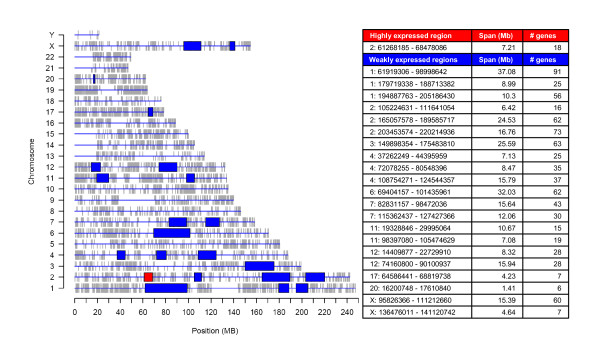
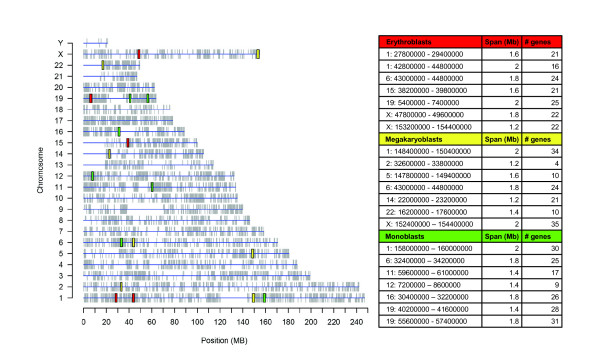
“41 Mb), contains 58 genes including 26 genes for hypothetical or unknown function proteins: genes belonging to functional modules of nervous system development (ADAM23 [45]) and of visual perception Highly and weakly expressed regions Fi ure 4 Highly and weakly expressed regions.”
BackgroundGene expression profiling of normal and malignant CD34-derived megakaryocytic cells
Tenedini, E., Fagioli, M. E., Vianelli, N., Tazzari, P. L., Ricci, F., Tagliafico, E., Ricci, P., Gugliotta, L., Martinelli, G., Tura, S., et al. (2004) · Blood · doi:10.1182/blood-2003-07-2597 · Cited by 86 · cited 3×
“Megakaryoblasts were also obtained by in vitro differentiation of CD34+ cells performed as already described [ 57 ].”
BackgroundMethodInfluentialSelf-citationIncreased measurement accuracy for sequence-verified microarray probes
Mecham, B. H., Wetmore, D. Z., Szallasi, Z., Sadovsky, Y., Kohane, I., & Mariani, T. J. (2004) · Physiological Genomics · doi:10.1152/physiolgenomics.00066.2004 · Cited by 85 · cited 1×
“Although precise and regularly up-dated, Affymetrix probesets annotation has been demonstrated to present some criticalities [35,61].”
BackgroundCrawley, J. J., & Furge, K. A. (2002) · Genome Biology · doi:10.1186/gb-2002-3-12-research0075 · Cited by 85 · cited 2×
“Some of these methodologies based on transcriptome mapping were also successfully used to study the correlation between expression and position of genes in tumours or in other diseases, proving to be effective both in identifying chromosomal aberrations in cancers [15-18,20] and in discovering novel genes potentially…”
MethodReyal, F., Stransky, N., Bernard‐Pierrot, I., Vincent‐Salomon, A., Rycke, Y. D., Elvin, P., Cassidy, A., Graham, A., Spraggon, C., Désille, Y., et al. (2005) · Cancer Research · doi:10.1158/0008-5472.can-04-2706 · Cited by 83 · cited 1×
“Some of these methodologies based on transcriptome mapping were also successfully used to study the correlation between expression and position of genes in tumours or in other diseases, proving to be effective both in identifying chromosomal aberrations in cancers [15-18,20] and in discovering novel genes potentially…”
MethodGemelli, C., Montanari, M., Tenedini, E., Zanocco‐Marani, T., Vignudelli, T., Siena, M., Zini, R., Salati, S., Tagliafico, E., Manfredini, R., et al. (2006) · Cell Death and Differentiation · doi:10.1038/sj.cdd.4401860 · Cited by 79 · cited 5×
“Neutrophils (CD16+ fraction) and Eosinophils (CD16- fraction) were then purified using magnetic microbeads conjugated to mouse Mo anti-human CD16 Ab (Miltenyi, Auburn, CA) [34].”
BackgroundMethodInfluentialSelf-citationA Comprehensive, High-Resolution Genomic Transcript Map of Human Skeletal Muscle
Bortoluzzi, S., Rampoldi, L., Simionati, B., Zimbello, R., Barbon, A., d’Alessi, F., Tiso, N., Pallavicini, A., Toppo, S., Cannata, N., et al. (1998) · Genome Research · doi:10.1101/gr.8.8.817 · Cited by 70 · cited 1×
“The analysis of non-random genomic distribution of genes and other genomic features, such as GC rich regions [2-4], showed that tissue- or organ-specific genes are often grouped in distinct chromosomal regions [5-10].”
BackgroundSelf-citationCloning, Expression, and Function of BLAME, a Novel Member of the CD2 Family
Kingsbury, G. A., Feeney, L. A., Nong, Y., Calandra, S. A., Murphy, C., Corcoran, J., Wang, Y., Das, M. R. P., Busfield, S. J., Fraser, C. C., et al. (2001) · The Journal of Immunology · doi:10.4049/jimmunol.166.9.5675 · Cited by 68 · cited 3×
“As example we can consider the first cluster of up-regulated genes in monoblasts: this cluster, on chromosome 1q23 (spanning 2 Mb), contains 5 genes significantly up-regulated in monoblasts as compared with CD34+: among them HSPA6 (HSP70B) [49], regulating monocytes maturation towards dendritic cells; FCER1G [50], IgE…”
BackgroundGrande, A., Piovani, B. M., Aiuti, A., Ottolenghi, S., Mavilio, F., & Ferrari, G. (1999) · Blood · doi:10.1182/blood.v93.10.3276.410k08_3276_3285 · Cited by 61 · cited 2×
“Normal human erythroblasts were obtained from CB CD34+ hematopoietic progenitors cultured in IMDM (Euroclone) supplemented with 20% BIT (Stem Cell Technologies), 50 ng/ml SCF and 4 U/ml Erythropoietin (R&D Systems, Minneapolis, MN) for 8–10 days [58].”
BackgroundMethodGeneAnnot: comprehensive two-way linking between oligonucleotide array probesets and GeneCards genes
Caspi, V. C., Yanai, I., Ophir, R., Rosen, N., Shmoish, M., Benjamin-Rodrig, H., Shklar, M., Stein, T. I., Shmueli, O., Safran, M., et al. (2004) · Bioinformatics · doi:10.1093/bioinformatics/bth081 · Cited by 58 · cited 3×
“To link expression profiles to chromosomal locations Affymetrix probesets have been re-annotated using the genomic information available at the GeneAnnot database of Weizmann Institute (Release 13)[35].”
BackgroundMethodGrande, A., Montanari, M., Tagliafico, E., Manfredini, R., Zanocco‐Marani, T., Siena, M., Tenedini, E., Gallinelli, A., & Ferrari, S. (2002) · Journal of Leukocyte Biology · doi:10.1189/jlb.71.4.641 · Cited by 55 · cited 1×
“Methods Gene expression profiling of primary hematopoietic cells Human CD34+ cells were purified from umbilical cord blood (CB) samples as previously described [56,62]: mononuclear cells were isolated by Ficoll-Hypaque gradient separation, washed twice with PBS, and then CD34+ cells separated using a magnetic cell sor…”
MethodSelf-citationFujikado, N., Saijo, S., & Iwakura, Y. (2006) · Arthritis Research & Therapy · doi:10.1186/ar1985 · Cited by 53 · cited 1×
“Some of these methodologies based on transcriptome mapping were also successfully used to study the correlation between expression and position of genes in tumours or in other diseases, proving to be effective both in identifying chromosomal aberrations in cancers [15-18,20] and in discovering novel genes potentially…”
MethodGenome-scale analysis of positional clustering of mouse testis-specific genes
Li, Q., Lee, B. T. K., & Zhang, L. (2005) · BMC Genomics · doi:10.1186/1471-2164-6-7 · Cited by 52 · cited 1×
“The analysis of non-random genomic distribution of genes and other genomic features, such as GC rich regions [2-4], showed that tissue- or organ-specific genes are often grouped in distinct chromosomal regions [5-10].”
BackgroundHuman hematopoietic lineage commitment
Payne, K. J., & Crooks, G. M. (2002) · Immunological Reviews · doi:10.1034/j.1600-065x.2002.18705.x · Cited by 52 · cited 1×
“Haematopoiesis is an exciting biological model for cellular differentiation since it represents a plastic process where multipotent stem cells gradually limit their differentiation potential, generating different precursor cells which finally evolve in 8 distinct types of terminally differentiated cells [26,27].”
BackgroundZhou, Y., Luoh, S.-M., Zhang, Y., Watanabe, C. K., Wu, T. D., Ostland, M., Wood, W. I., & Zhang, Z. (2003) · PubMed · Cited by 50
Grande, A., Montanari, M., Tagliafico, E., et al. (2002) · PubMed · Cited by 50
REEF: searching REgionally Enriched Features in genomes
Coppe, A., Danieli, G. A., & Bortoluzzi, S. (2006) · BMC Bioinformatics · doi:10.1186/1471-2105-7-453 · Cited by 48 · cited 5×
“REEF (REgionally Enriched Features) [21] is a software for identifying genomic regions enriched in specific features, such as a class or group of genes homogeneous for expression and/or functional characteristics.”
MethodInfluentialSelf-citationManfredini, R., Zini, R., Salati, S., Siena, M., Tenedini, E., Tagliafico, E., Montanari, M., Zanocco‐Marani, T., Gemelli, C., Vignudelli, T., et al. (2005) · Stem Cells · doi:10.1634/stemcells.2004-0265 · Cited by 45 · cited 1×
“Additional CD34+ samples were obtained from bone marrow (BM), following the same protocol used for CB samples, or from peripheral blood (PB) as already described [63,64].”
MethodSelf-citationChromosomal clustering of a human transcriptome reveals regulatory background
Vogel, J. H., von Heydebreck, A., Purmann, A., & Sperling, S. (2005) · BMC Bioinformatics · doi:10.1186/1471-2105-6-230 · Cited by 43 · cited 1×
“The analysis of non-random genomic distribution of genes and other genomic features, such as GC rich regions [2-4], showed that tissue- or organ-specific genes are often grouped in distinct chromosomal regions [5-10].”
BackgroundCallegaro, A., Basso, D., & Bicciato, S. (2006) · Bioinformatics · doi:10.1093/bioinformatics/btl455 · Cited by 41
Self-citationYamashita, T., Honda, M., Takatori, H., Nishino, R., Hoshino, N., & Kaneko, S. (2004) · Genomics · doi:10.1016/j.ygeno.2004.08.008 · Cited by 41 · cited 1×
“The analysis of non-random genomic distribution of genes and other genomic features, such as GC rich regions [2-4], showed that tissue- or organ-specific genes are often grouped in distinct chromosomal regions [5-10].”
BackgroundLevin, A. M., Ghosh, D., Cho, K. R., & Kardia, S. L. R. (2005) · Computer applications in the biosciences · doi:10.1093/bioinformatics/bti417 · Cited by 41 · cited 2×
“Some of these methodologies based on transcriptome mapping were also successfully used to study the correlation between expression and position of genes in tumours or in other diseases, proving to be effective both in identifying chromosomal aberrations in cancers [15-18,20] and in discovering novel genes potentially…”
MethodNeurotensin Excites Periaqueductal Gray Neurons Projecting to the Rostral Ventromedial Medulla
Li, A. H.-L., Hwang, H.-M., Tan, P. P. C., Wu, T., & Wang, H. (2001) · Journal of Neurophysiology · doi:10.1152/jn.2001.85.4.1479 · Cited by 41 · cited 1×
“36 Mb) and contains 37 genes including 9 genes for hypothetical or unknown function proteins; 2 genes of muscle development functional module as indicated by Gene Ontology (MYF5 and MYF6); CART1, that is involved in muscle and skeletal development [41]; and synaptic transmission genes (NTS [42], SYT1 [43] and LIN7A/Ve…”
BackgroundKatsanis, N., Worley, K. C., Gonzalez, G., Ansley, S. J., & Lupski, J. R. (2002) · Proceedings of the National Academy of Sciences · doi:10.1073/pnas.222409099 · Cited by 35 · cited 1×
“Some of these methodologies based on transcriptome mapping were also successfully used to study the correlation between expression and position of genes in tumours or in other diseases, proving to be effective both in identifying chromosomal aberrations in cancers [15-18,20] and in discovering novel genes potentially…”
MethodGlobal genetic regulatory networks controlling hematopoietic cell fates
Loose, M., & Patient, R. K. (2006) · Current Opinion in Hematology · doi:10.1097/01.moh.0000231419.15654.7f · Cited by 31 · cited 1×
“Many transcription factors playing a major role in the lineage choice and maturation of hematopoietic cells are known [31-33].”
BackgroundMACAT--microarray chromosome analysis tool
Toedling, J., Schmeier, S., Heinig, M., Georgi, B., & Roepcke, S. (2004) · Computer applications in the biosciences · doi:10.1093/bioinformatics/bti183 · Cited by 29 · cited 1×
“Different bioinformatic methods were developed to identify chromosomal regions of increased or decreased expression from transcriptional data [13-20] and to find significant local enrichment of specific features in genomes [21].”
MethodDistinctive Lack of CD48 Expression in Subsets of Human Dendritic Cells Tunes NK Cell Activation
Morandi, B., Costa, R., Falco, M., Parolini, S., Maria, A. D., Ratto, G. B., Mingari, M. C., Melioli, G., Moretta, A., & Ferlazzo, G. (2005) · The Journal of Immunology · doi:10.4049/jimmunol.175.6.3690 · Cited by 28 · cited 1×
“This genomic region contains a total of 73 EntrezGenes including 11 hypothetical proteins; eight IgG receptors (FCGR2A, FCGR2B, FCGR2C, FCGR3A, FCGR3B, FCRLM1, FCRLM2, FCRL6); and other antigens, belonging to SLAM family, that are involved in regulation of leucocytes activity (CD48 [53]; CD84 [54]; CD244, SLAMF9, SLAM…”
BackgroundKano, M., Nishimura, K., Ishikawa, S., Tsutsumi, S., Hirota, K., Hirose, M., & Aburatani, H. (2003) · Physiological Genomics · doi:10.1152/physiolgenomics.00116.2002 · Cited by 27
Montanari, M., Gemelli, C., Tenedini, E., Zanocco‐Marani, T., Vignudelli, T., Siena, M., Zini, R., Salati, S., Chiossi, G., Tagliafico, E., et al. (2005) · Cell Death and Differentiation · doi:10.1038/sj.cdd.4401679 · Cited by 27 · cited 5×
“Methods Gene expression profiling of primary hematopoietic cells Human CD34+ cells were purified from umbilical cord blood (CB) samples as previously described [56,62]: mononuclear cells were isolated by Ficoll-Hypaque gradient separation, washed twice with PBS, and then CD34+ cells separated using a magnetic cell sor…”
BackgroundMethodResultInfluentialSelf-citationFirst comprehensive mapping of cartilage transcripts to the human genome
Yager, T. D., Dempsey, A. A., Tang, H.-C., Stamatiou, D., Chao, S. T., Marshall, K. W., & Liew, C. (2004) · Genomics · doi:10.1016/j.ygeno.2004.05.006 · Cited by 23 · cited 1×
“The analysis of non-random genomic distribution of genes and other genomic features, such as GC rich regions [2-4], showed that tissue- or organ-specific genes are often grouped in distinct chromosomal regions [5-10].”
BackgroundNon-random clustering of stress-related genes during evolution of the S. cerevisiae genome.
Burhans, D. T., Ramachandran, L., Wang, J., Liang, P., Patterton, H., Breitenbach, M., & Burhans, W. C. (2006) · BMC Evolutionary Biology · doi:10.1186/1471-2148-6-58 · Cited by 23
DNA sequence and muscle-specific expression of human sarcosin transcripts
Taylor, A., Obholzi, K., Linden, G., Sadiev, S., & Carlson, K. D. (1998) · Molecular and Cellular Biochemistry · doi:10.1023/a:1006824331819 · Cited by 21 · cited 1×
“29 Mb), contains only 16 genes: among them 1 hypothetical protein; 1 gene of visual perception functional module (BBS5); LRP2, that could have a role in development of non hematopoietic organs [39]; sarcosin (KBTBD10), involved in muscle contraction [40]; ABCB11 and G6PC2 relevant in hepatocytes respectively for bile…”
BackgroundA panorama of lineage‐specific transcription in hematopoiesis
Kluger, Y., Lian, Z., Zhang, X., Newburger, P. E., & Weissman, S. M. (2004) · BioEssays · doi:10.1002/bies.20144 · Cited by 21 · cited 1×
“Many transcription factors playing a major role in the lineage choice and maturation of hematopoietic cells are known [31-33].”
BackgroundHüsing, J., Zeschnigk, M., Boes, T., & Jöckel, K. (2003) · Bioinformatics · doi:10.1093/bioinformatics/btg314 · Cited by 13 · cited 1×
“Different bioinformatic methods were developed to identify chromosomal regions of increased or decreased expression from transcriptional data [13-20] and to find significant local enrichment of specific features in genomes [21].”
MethodZhou, X. C., Cole, S. W., Rao, N. P., Cheng, Z., Li, Y., McBride, J., & Wong, D. T. W. (2005) · Journal of Medical Genetics · doi:10.1136/jmg.2004.025353 · Cited by 10 · cited 2×
“Some of these methodologies based on transcriptome mapping were also successfully used to study the correlation between expression and position of genes in tumours or in other diseases, proving to be effective both in identifying chromosomal aberrations in cancers [15-18,20] and in discovering novel genes potentially…”
MethodSectorial gene repression in the control of development
Zuckerkandl, E. (1999) · Gene · doi:10.1016/s0378-1119(99)00293-0 · Cited by 8 · cited 1×
“during the developmental switches leading to different cell lineages [25].”
Background
Cited by
Role of neutrophils in innate immunity: A systems biology-level approach
Kobayashi, S. D., & DeLeo, F. R. (2009) · WIREs Systems Biology and Medicine · doi:10.1002/wsbm.32 · Cited by 259
Viny, A. D., Bowman, R. L., Liu, Y., Lavallée, V.-P., Eisman, S. E., Xiao, W., Durham, B. H., Navitski, A., Park, J., Braunstein, S., et al. (2019) · Cell Stem Cell · doi:10.1016/j.stem.2019.08.003 · Cited by 158
“, 2013), Fcgr2b (Ferrari et al., 2007), Ccr2 (Reid et al.”
Dynamic interaction networks in a hierarchically organized tissue
Kirouac, D. C., Ito, C., Csaszar, E., Roch, A., Yu, M., Sykes, E. A., Bader, G. D., & Zandstra, P. W. (2010) · Molecular Systems Biology · doi:10.1038/msb.2010.71 · Cited by 135
“…exogenously provided ligands KITL, FLT3L, and THPO) mediate interactions between the Lin and heterogenous Linþ cells produced in culture, we mapped the Linþ ligand/receptor expression patterns onto published megakaryoblast, erythroblast, and monoblast expression profiles (Ferrari et al, 2007).”
InfluentialMolecular Pattern Discovery Based on Penalized Matrix Decomposition
Zheng, C.-H., Zhang, L., Ng, V., Shiu, S., & Huang, D.-S. (2011) · IEEE Transactions on Computational Biology and Bioinformatics · doi:10.1109/tcbb.2011.79 · Cited by 96
Negrotto, S., Ng, K. P., Jankowska, A. M., Bodo, J., Gopalan, B., Guinta, K., Mulloy, J. C., Hsi, E., Maciejewski, J., & Saunthararajah, Y. (2012) · Leukemia · doi:10.1038/leu.2011.207 · Cited by 90
Metadata
- Authors
- Ferrari, F., Bortoluzzi, S., Coppe, A., Basso, D., Bicciato, S., Zini, R., Gemelli, C., Danieli, G. A., & Ferrari, S.
- Affiliations
- University of Modena and Reggio Emilia (IT)
- University of Padua (IT)
- ORCID
- Venue
- BMC Genomics
- Published
- 2007
- Volume
- 8
- Issue
- 1
- Pages
- 264
- ISSN
- 1471-2164 (ISSN-L)
- PMC
- PMC2045681
- OpenAlex
- W2166763687
- Cited by
- 33
- References
- 68
- Citations by year
- 2022: 2 · 2020: 2 · 2019: 3 · 2018: 1 · 2017: 1 · 2016: 1 · 2015: 2 · 2014: 1 · 2012: 3
- FWCI
- 1.33
- Type
- journal article
- Language
- en
- Open access
- gold
- doi.org
- Licence
- cc-by
- Locations
- BMC Genomics (publishedVersion, cc-by)
- PubMed Central (publishedVersion, cc-by)
- PubMed (publishedVersion)
- IRIS UNIMORE (University of Modena and Reggio Emilia) (submittedVersion, cc-by)
- DOAJ (DOAJ: Directory of Open Access Journals) (submittedVersion)
- Padua Research Archive (University of Padova) (submittedVersion, cc-by)
- Funders
- Università Degli Studi di Modena e Reggio Emila
- Topics
- Life Sciences › Biochemistry, Genetics and Molecular Biology › Molecular Biology › Genomics and Chromatin Dynamics
- Life Sciences › Biochemistry, Genetics and Molecular Biology › Molecular Biology › Bioinformatics and Genomic Networks
- Life Sciences › Biochemistry, Genetics and Molecular Biology › Molecular Biology › Gene expression and cancer classification
- Keywords
- myelopoiesis, myeloid differentiation, gene expression profiling, chromatin domains, lineage-specific genes, differentially expressed genes, gene clusters, transcriptional regulation, hematopoietic stem cells
- MeSH terms
- Cell Differentiation, Chromosomes, Human, Eosinophils, Erythroblasts, Fetal Blood, Hematopoietic Stem Cells, Humans, Models, Biological, Monocytes, Neutrophils, Software, Gene Expression, Genome, Human, Cluster Analysis, Antigens, CD34, Cell Lineage, Computational Biology, Oligonucleotide Array Sequence Analysis, Gene Expression Profiling, Myeloid Cells, Genomics, Myelopoiesis, Granulocyte Precursor Cells
About these checks
Registry, retraction, Cites and statistics results are computed, not judged, with one exception: a printed reference that no index lists is read once by a model before it counts as a citation error. Claims are extracted by a model and kept only when their quote appears verbatim in the text; each cited source is then checked, with a model’s help, for whether it says what the claim relies on. Those verdicts can be wrong — read the claim’s quote and the cited source before relying on one.
Statistics and arithmetic are recomputed, not judged.
Confidence bands are shown only for fields calibrated on our annotated test set. None is calibrated yet, so no band is shown.
What counts as a claim ›How we measure confidence ›How we check this ›
Are you an author, or do you see a problem with this page? Request a review
Data sources
Bibliographic data: Semantic Scholar, OpenAlex, Crossref.
Contains information from the Semantic Scholar Academic Graph Datasets, made available under the ODC Attribution License (ODC-BY 1.0).
Semantic Scholar’s data is described in: Kinney, R., et al. (2023). The Semantic Scholar Open Data Platform. arXiv:2301.10140.
