

LEA (Late Embryogenesis Abundant) proteins and their encoding genes in Arabidopsis thaliana
Open accessThe DOI matches its Crossref record; 135 of the 136 references it cites were found in a registry or an index.
Abstract
BACKGROUND: LEA (late embryogenesis abundant) proteins have first been described about 25 years ago as accumulating late in plant seed development. They were later found in vegetative plant tissues following environmental stress and also in desiccation tolerant bacteria and invertebrates. Although they are widely assumed to play crucial roles in cellular dehydration tolerance, their physiological and biochemical functions are largely unknown. RESULTS: We present a genome-wide analysis of LEA proteins and their encoding genes in Arabidopsis thaliana. We identified 51 LEA protein encoding genes in the Arabidopsis genome that could be classified into nine distinct groups. Expression studies were performed on all genes at different developmental stages, in different plant organs and under different stress and hormone treatments using quantitative RT-PCR. We found evidence of expression for all 51 genes. There was only little overlap between genes expressed in vegetative tissues and in seeds and expression levels were generally higher in seeds. Most genes encoding LEA proteins had abscisic acid response (ABRE) and/or low temperature response (LTRE) elements in their promoters and many genes containing the respective promoter elements were induced by abscisic acid, cold or drought. We also found that 33% of all Arabidopsis LEA protein encoding genes are arranged in tandem repeats and that 43% are part of homeologous pairs. The majority of LEA proteins were predicted to be highly hydrophilic and natively unstructured, but some were predicted to be folded. CONCLUSION: The analyses indicate a wide range of sequence diversity, intracellular localizations, and expression patterns. The high fraction of retained duplicate genes and the inferred functional diversification indicate that they confer an evolutionary advantage for an organism under varying stressful environmental conditions. This comprehensive analysis will be an important starting point for future efforts to elucidate the functional role of these enigmatic proteins.
Overview
The claims and statistics of this paper haven’t been checked yet.
Free: it reads the open-access text and checks the first 5 claims that cite a source we can check. Create a free account to check every claim.
Integrity signals
Registry
Cites
Statistics
Figures
Verification
Claims the paper makes
The claims and statistics of this paper haven’t been checked yet.
Free: it reads the open-access text and checks the first 5 claims that cite a source we can check. Create a free account to check every claim.
Claims other papers make about this one
Each is checked against this paper’s own text: does it say what the citing paper says it does?
The source backs part of the claim, not all of it — or backs it for a different population, condition or comparison.
In the citing paper
“The high number of CDK genes in G. hirsutum was more likely caused by gene duplication and the conservation of the CDK genes during the polyploidization process”
From Whole Genome Analysis of Cyclin Dependent Kinase (CDK) Gene Family in Cotton and Functional Evaluation of the Role of CDKF4 Gene in Drought and Salt Stress Tolerance in Plants (2018) · cites this paper as [41]
Experimental — accuracy not yet measuredIn the citing paper
“Similar findings, with the predominance of ABRE cis-element, have been reported for CDK genes in tomato [40], Arabidopsis [41], and Chinese plum [42].”
Self-check
Percentages, sums and reported differences re-computed from the paper’s own numbers.
The self-check needs the paper’s full text.
Citations
Cites
Thompson, J. D., Higgins, D. G., & Gibson, T. J. (1994) · Nucleic Acids Research · doi:10.1093/nar/22.22.4673 · Cited by 64,617 · cited 5×
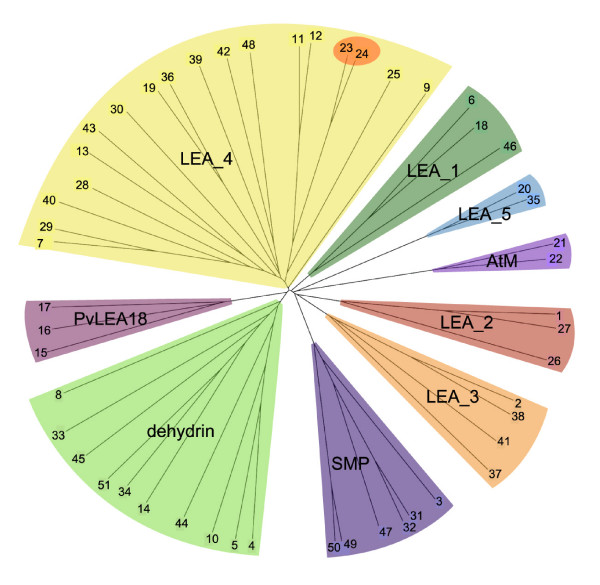
“We performed a ClustalW alignment of all 51 LEA proteins in Arabidopsis and the resulting unrooted dendrogram shows that the identified LEA groups are quite distinct from each other (Fig.”
MethodInfluentialProtein Identification and Analysis Tools on the ExPASy Server
Gasteiger, E., Hoogland, C., Gattiker, A., Duvaud, S., Wilkins, M. R., Appel, R. D., & Bairoch, A. (2005) · The Proteomics Protocols Handbook · doi:10.1385/1-59259-890-0:571 · Cited by 8,681
Protein Identification and Analysis Tools in the ExPASy Server
Wilkins, M. R., Gasteiger, E., Bairoch, A., Sanchez, J.-C., Williams, K. L., Appel, R. D., & Hochstrasser, D. F. (2003) · 2-D Proteome Analysis Protocols · doi:10.1385/1-59259-584-7:531 · Cited by 6,155 · cited 1×
“To get more information about the nature of the gene products, the GRAVY (grand average of hydropathy), the molecular weight and the pI were predicted by the PROTPARAM [ 132 ,133] tool.”
MethodPredicting Subcellular Localization of Proteins Based on their N-terminal Amino Acid Sequence
Emanuelsson, O., Nielsen, H., Brunak, S., & von Heijne, G. (2000) · Journal of Molecular Biology · doi:10.1006/jmbi.2000.3903 · Cited by 4,263
The Universal Protein Resource (UniProt)
Bairoch, A. (2004) · Nucleic Acids Research · doi:10.1093/nar/gki070 · Cited by 3,774 · cited 1×
“The PATTINPROT [128,129] tool was used to verify the stringency of the retrieved patterns by querying the UniProt [ 130 ,131] database.”
MethodAssumption-free analysis of quantitative real-time polymerase chain reaction (PCR) data
Ramakers, C., Ruijter, J. M., Deprez, R. H. L., & Moorman, A. F. M. (2003) · Neuroscience Letters · doi:10.1016/s0304-3940(02)01423-4 · Cited by 3,709 · cited 1×
“The mean PCR efficiency (E) for every primer pair was calculated using the linregPCR software [ 119 ].”
MethodPLANT COLD ACCLIMATION: Freezing Tolerance Genes and Regulatory Mechanisms
Thomashow, M. F. (1999) · Annual Review of Plant Physiology and Plant Molecular Biology · doi:10.1146/annurev.arplant.50.1.571 · Cited by 3,551
The Proteomics Protocols Handbook
(2005) · Humana Press eBooks · doi:10.1385/1592598900 · Cited by 3,538
Plant cis-acting regulatory DNA elements (PLACE) database: 1999
Higo, K., Ugawa, Y., Iwamoto, M., & Korenaga, T. (1999) · Nucleic Acids Research · doi:10.1093/nar/27.1.297 · Cited by 3,381
Czechowski, T., Stitt, M., Altmann, T., Udvardi, M. K., & Scheible, W.-R. (2005) · Plant Physiology · doi:10.1104/pp.105.063743 · Cited by 3,203 · cited 1×
“Data were normalized to the mean CT of three reference genes (At4g27960, At5g46630, and At4g34270) that were found to be stably expressed across various tissues and conditions [ 118 ].”
MethodDrought and Salt Tolerance in Plants
Bartels, D., & Sunkar, R. (2005) · Critical Reviews in Plant Sciences · doi:10.1080/07352680590910410 · Cited by 2,615 · cited 1×
“The ABRE (ABA responsive element; [74]) plays a key role in ABA signalling during seed development and under abiotic stresses (see [75,76] for recent reviews), while the second prominent Table 5: ABA-induced LEA gene expression”
BackgroundA gene expression map of Arabidopsis thaliana development
Schmid, M., Davison, T. S., Henz, S. R., Pape, U. J., Demar, M., Vingron, M., Schölkopf, B., Weigel, D., & Lohmann, J. U. (2005) · Nature Genetics · doi:10.1038/ng1543 · Cited by 2,523 · cited 1×
“We compared our expression data with the AtGenExpress Affymetrix array data [73] and found a significant correlation (p = 1.”
ResultGENEVESTIGATOR. Arabidopsis Microarray Database and Analysis Toolbox
Zimmermann, P., Hirsch-Hoffmann, M., Hennig, L., & Gruissem, W. (2004) · Plant Physiology · doi:10.1104/pp.104.046367 · Cited by 2,462 · cited 1×
“To further test for diversification in expression patterns on a broader basis [105,107,109,110], we have used the "gene correlator" function on the Genevestigator [ 111 ] website, which compares expression patterns from publicly available expression profiling data (Table 6 and 7). This analysis shows that for both tan…”
MethodInfluentialPfam: clans, web tools and services
Finn, R. D. (2006) · Nucleic Acids Research · doi:10.1093/nar/gkj149 · Cited by 2,302
THE MOLECULAR BASIS OF DEHYDRATION TOLERANCE IN PLANTS
Ingram, J., & Bartels, D. (1996) · Annual Review of Plant Physiology and Plant Molecular Biology · doi:10.1146/annurev.arplant.47.1.377 · Cited by 2,191 · cited 1×
“They were subsequently found in the seeds of many other plants, but also in vegetative organs, especially under stress conditions such as cold, drought, or high salinity (see [ 2 ,3] for reviews).”
BackgroundBLAST: at the core of a powerful and diverse set of sequence analysis tools
McGinnis, S., & Madden, T. L. (2004) · Nucleic Acids Research · doi:10.1093/nar/gkh435 · Cited by 2,169
Why are ?natively unfolded? proteins unstructured under physiologic conditions?
Uversky, V. N., Gillespie, J. R., & Fink, A. L. (2000) · Proteins: Structure, Function, and Genetics · doi:10.1002/1097-0134(20001115)41:3<415::aid-prot130>3.0.co;2-7 · Cited by 2,078 · cited 3×
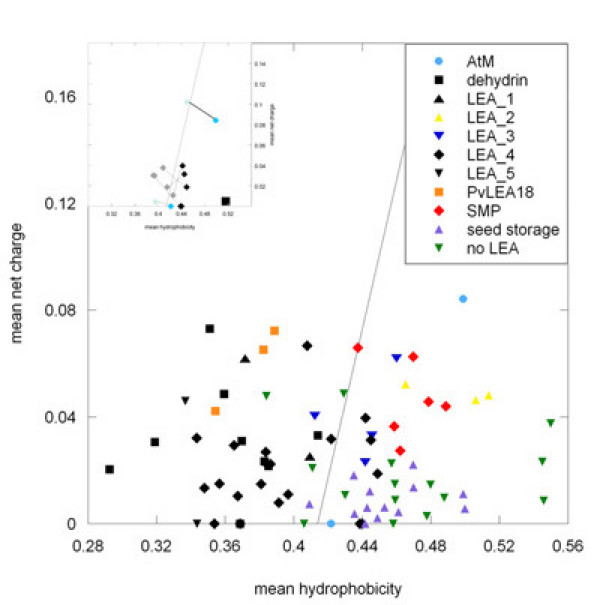
“The line marks the border between natively unstructured (left) and folded (right) proteins [91].”
BackgroundInfluentialBLAST 2 Sequences, a new tool for comparing protein and nucleotide sequences
Tatusova, T. A., & Madden, T. L. (1999) · FEMS Microbiology Letters · doi:10.1111/j.1574-6968.1999.tb13575.x · Cited by 1,789 · cited 1×
“The tandem repeats and homeologous pairs were aligned with the BLAST 2 SEQUENCES [ 137 ] tool on the NCBI webpage [120].”
MethodNPS@: Network Protein Sequence Analysis
Combet, C., Blanchet, C., Geourjon, C., & Deléage, G. (2000) · Trends in Biochemical Sciences · doi:10.1016/s0968-0004(99)01540-6 · Cited by 1,757 · cited 2×
“The PATTINPROT [128,129] tool was used to verify the stringency of the retrieved patterns by querying the UniProt [130,131] database.”
MethodOrganization of cis-acting regulatory elements in osmotic- and cold-stress-responsive promoters
Yamaguchi-Shinozaki, K., & Shinozaki, K. (2005) · Trends in Plant Science · doi:10.1016/j.tplants.2004.12.012 · Cited by 1,458 · cited 2×
“The ABRE (ABA responsive element; [74]) plays a key role in ABA signalling during seed development and under abiotic stresses (see [75,76] for recent reviews), while the second prominent Table 5: ABA-induced LEA gene expression”
BackgroundCrowe, J. H., Hoekstra, F. A., & Crowe, L. M. (1992) · Annual Review of Physiology · doi:10.1146/annurev.ph.54.030192.003051 · Cited by 1,253
Functional Divergence of Duplicated Genes Formed by Polyploidy during Arabidopsis Evolution[W]
Blanc, G., & Wolfe, K. H. (2004) · The Plant Cell · doi:10.1105/tpc.021410 · Cited by 1,076 · cited 2×
“To further test for diversification in expression patterns on a broader basis [105,107,109,110], we have used the "gene correlator" function on the Genevestigator [111] website, which compares expression patterns from publicly available expression profiling data (Table 6 and 7).”
BackgroundMethodScheible, W.-R., Morcuende, R., Czechowski, T., Fritz, C., Osuna, D., Palacios-Rojas, N., Schindelasch, D., Thimm, O., Udvardi, M. K., & Stitt, M. (2004) · Plant Physiology · doi:10.1104/pp.104.047019 · Cited by 1,042 · cited 1×
“Axenic cultures were grown in full-nutrition medium [115] for 7 d after imbibing sterilized seeds for 3 d at 4°C.”
MethodXu, D., Duan, X., Wang, B., Hong, B., Ho, T., & Wu, R. (1996) · Plant Physiology · doi:10.1104/pp.110.1.249 · Cited by 1,034
Speeding molecular recognition by using the folding funnel: The fly-casting mechanism
Shoemaker, B. A., Portman, J. J., & Wolynes, P. G. (2000) · Proceedings of the National Academy of Sciences · doi:10.1073/pnas.160259697 · Cited by 975
Hulo, N. (2006) · Nucleic Acids Research · doi:10.1093/nar/gkj063 · Cited by 971 · cited 1×
“In the Prosite [ 124 ,125] database, two patterns defining dehydrins are present.”
BackgroundWan, C. Y., & Wilkins, T. A. (1994) · Analytical Biochemistry · doi:10.1006/abio.1994.1538 · Cited by 967
Dehydrins: Emergence of a biochemical role of a family of plant dehydration proteins
Close, T. J. (1996) · Physiologia Plantarum · doi:10.1034/j.1399-3054.1996.970422.x · Cited by 962 · cited 1×
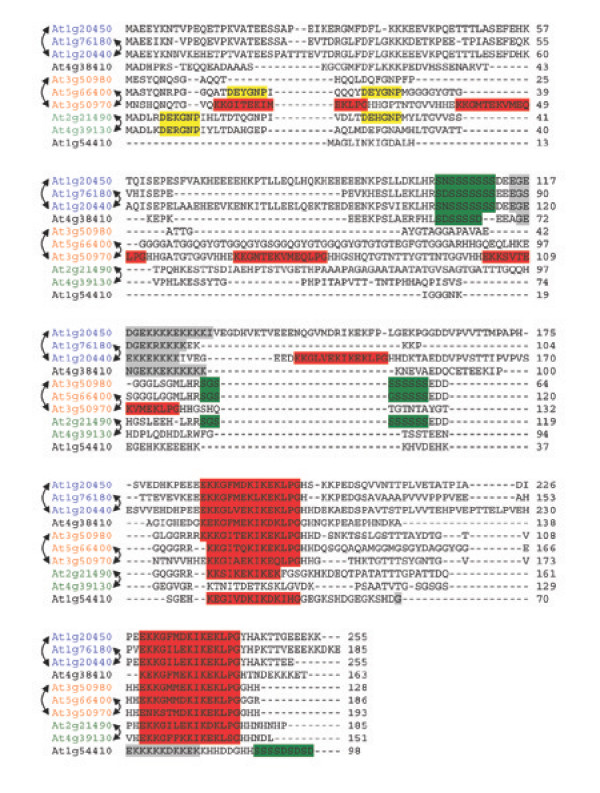
“(page number not for citation purposes) rich segments are highlighted [ 63 ].”
BackgroundMolecular Responses to Water Deficit
Bray, E. A. (1993) · Plant Physiology · doi:10.1104/pp.103.4.1035 · Cited by 836 · cited 7×
“Bray EA: Molecular responses to water deficit.”
BackgroundMethodInfluentialCommon amino acid sequence domains among the LEA proteins of higher plants
Dure, L., Crouch, M., Harada, J., Ho, T.-H. D., Mundy, J., Quatrano, R., Thomas, T., & Sung, Z. R. (1989) · Plant Molecular Biology · doi:10.1007/bf00036962 · Cited by 802 · cited 4×
“According to the appearance of different sequence motifs/patterns or biased amino acid composition, plant LEA proteins have been separated into different groups [ 4-7 ].”
BackgroundMethodInfluentialLEA proteins prevent protein aggregation due to water stress
GOYAL, K., WALTON, L. J., & TUNNACLIFFE, A. (2005) · Biochemical Journal · doi:10.1042/bj20041931 · Cited by 795 · cited 1×
“Fumarase and rhodanese could be stabilized during drying by the addition of a pea seed LEA protein [48], catalase by a citrus LEA protein [42], and citrate synthase by LEA proteins from wheat, the nematode Aphelenchus avenae [49] and the rotifer Adineta ricciae [16].”
BackgroundSplitting pairs: the diverging fates of duplicated genes
Prince, V. E., & Pickett, F. B. (2002) · Nature Reviews Genetics · doi:10.1038/nrg928 · Cited by 764 · cited 2×
“To further test for diversification in expression patterns on a broader basis [105,107,109,110], we have used the "gene correlator" function on the Genevestigator [111] website, which compares expression patterns from publicly available expression profiling data (Table 6 and 7).”
BackgroundMethodThe continuing conundrum of the LEA proteins
Tunnacliffe, A., & Wise, M. J. (2007) · Naturwissenschaften · doi:10.1007/s00114-007-0254-y · Cited by 738
Intrinsic Disorder and Functional Proteomics
Radivojac, P., Iakoucheva, L. M., Oldfield, C. J., Obradovic, Z., Uversky, V. N., & Dunker, A. K. (2007) · Biophysical Journal · doi:10.1529/biophysj.106.094045 · Cited by 706
Fink, A. L. (2005) · Current Opinion in Structural Biology · doi:10.1016/j.sbi.2005.01.002 · Cited by 698 · cited 1×
“It has been estimated that as many as 30% of all proteins are either completely or partially disordered [92].”
BackgroundCzechowski, T., Bari, R. P., Stitt, M., Scheible, W., & Udvardi, M. K. (2004) · The Plant Journal · doi:10.1111/j.1365-313x.2004.02051.x · Cited by 626
Weaver, L. M., Gan, S., Quirino, B., & Amasino, R. M. (1998) · Plant Molecular Biology · doi:10.1023/a:1005934428906 · Cited by 621 · cited 2×
“SAG (senescence-associated gene) 21 (#38) is induced during natural [70] and ozone-induced senescence [71] and under drought stress [70].”
BackgroundResultThe role of structural disorder in the function of RNA and protein chaperones
Tompa, P., & Csermely, P. (2004) · The FASEB Journal · doi:10.1096/fj.04-1584rev · Cited by 553 · cited 1×
“It has been reported that such structural flexibility enhances the ability of proteins to bind to interaction partners, such as DNA, RNA, or other proteins [93,95,96].”
BackgroundPreformed structural elements feature in partner recognition by intrinsically unstructured proteins
Fuxreiter, M., Simon, I., Friedrich, P., & Tompa, P. (2004) · Journal of Molecular Biology · doi:10.1016/j.jmb.2004.03.017 · Cited by 518 · cited 2×
“It has been reported that such structural flexibility enhances the ability of proteins to bind to interaction partners, such as DNA, RNA, or other proteins [93,95,96].”
BackgroundDure, L., Greenway, S. C., & Galau, G. A. (1981) · Biochemistry · doi:10.1021/bi00517a033 · Cited by 515
A cDNA-based comparison of dehydration-induced proteins (dehydrins) in barley and corn
Close, T. J., Kortt, A. A., & Chandler, P. M. (1989) · Plant Molecular Biology · doi:10.1007/bf00027338 · Cited by 508 · cited 1×
“The Arabidopsis dehydrins show high sequence similarity at least in some parts and two common motifs are available in the Prosite database [5,61,62].”
BackgroundSivamani, E., Bahieldin, A., Wraith, J. M., Al-Niemi, T., Dyer, W. E., Ho, T.-H. D., & Qu, R. (2000) · Plant Science · doi:10.1016/s0168-9452(99)00247-2 · Cited by 500 · cited 1×
“Expression of the barley gene HVA1 in wheat and rice conferred increased drought tolerance to plants [ 26 ,27] and expression of the wheat genes PMA80 and PMA1959 increased the dehydration tolerance of transgenic rice [28].”
BackgroundGaray-Arroyo, A., Colmenero-Flores, J. M., Garciarrubio, A., & Covarrubias, A. A. (2000) · Journal of Biological Chemistry · doi:10.1074/jbc.275.8.5668 · Cited by 472 · cited 1×
“This is similar to the recently developed concept of "hydrophilins" [ 25 ] and indeed many LEA proteins were classified as hydrophilins by these authors.”
ResultFreeling, M., & Thomas, B. C. (2006) · Genome Research · doi:10.1101/gr.3681406 · Cited by 458
Abscisic acid-responsive sequences from the em gene of wheat.
Marcotte, W. R., Russell, S. H., & Quatrano, R. S. (1989) · The Plant Cell · doi:10.1105/tpc.1.10.969 · Cited by 457 · cited 1×
“The ABRE (ABA responsive element; [74]) plays a key role in ABA signalling during seed development and under abiotic stresses (see [75,76] for recent reviews), while the second prominent Table 5: ABA-induced LEA gene expression”
BackgroundThomas, B. C., Pedersen, B., & Freeling, M. (2006) · Genome Research · doi:10.1101/gr.4708406 · Cited by 456 · cited 2×
“as subunits in an enzyme or signalling complex [102, 106-110 ].”
BackgroundA repeating 11‐mer amino acid motif and plant desiccation
Dure, L. (1993) · The Plant Journal · doi:10.1046/j.1365-313x.1993.t01-19-00999.x · Cited by 432 · cited 6×
“Table 2: The nomenclature of the different LEA protein groups in the Pfam database and according to Bray [4] and Dure [ 6 ].”
BackgroundMethodInfluentialArtus, N. N., Uemura, M., Steponkus, P. L., Gilmour, S. J., Lin, C., & Thomashow, M. F. (1996) · Proceedings of the National Academy of Sciences · doi:10.1073/pnas.93.23.13404 · Cited by 419 · cited 1×
“Likewise, the freezing tolerance of Arabidopsis was increased by the ectopic expression of the wheat gene WCS19 [30], the Arabidopsis gene COR15A [ 31 ], and the co-expression of the genes RAB18 and COR47, and XERO2 and ERD10 [32].”
BackgroundPOPP the question: what do LEA proteins do?
Wise, M. J., & Tunnacliffe, A. (2004) · Trends in Plant Science · doi:10.1016/j.tplants.2003.10.012 · Cited by 418 · cited 1×
“A common feature of LEA proteins is a biased amino acid composition that leads to high hydrophilicity [ 24 ] and heat stability in solution.”
BackgroundStress-induced accumulation and tissue-specific localization of dehydrins in Arabidopsis thaliana
Nylander, M., Svensson, J., Palva, E. T., & Welin, B. V. (2001) · Plant Molecular Biology · doi:10.1023/a:1006469128280 · Cited by 378 · cited 1×
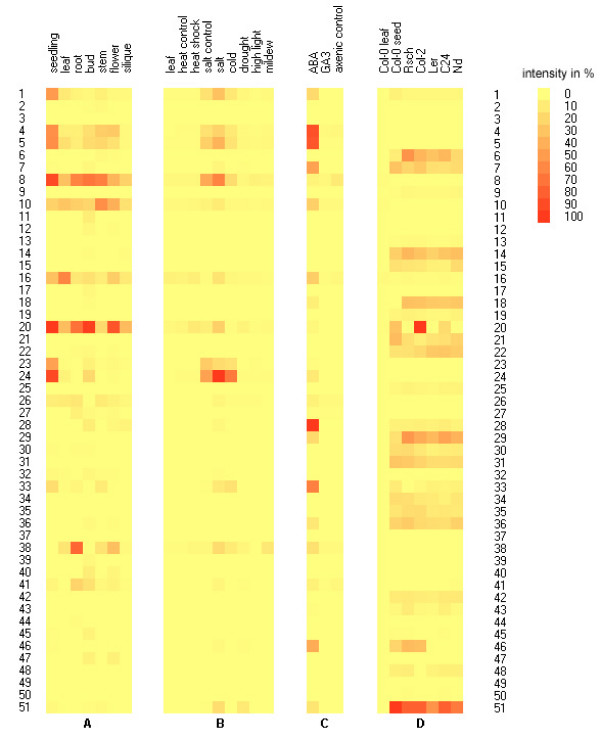
“For many of the induced genes, ABA induction has been previously reported, such as COR47 (#4), ERD10 (#5), ERD14 (#10), COR15A and COR15B (#24 and #23), XERO2/LTI30 (#33) and RAB18 (#51) [66,67, 72 ].”
BackgroundOverexpression of Multiple Dehydrin Genes Enhances Tolerance to Freezing Stress in Arabidopsis
Puhakainen, T., Hess, M. W., Mäkelä, P., Svensson, J., Heino, P., & Palva, E. T. (2004) · Plant Molecular Biology · doi:10.1023/b:plan.0000040903.66496.a4 · Cited by 377 · cited 1×
“Likewise, the freezing tolerance of Arabidopsis was increased by the ectopic expression of the wheat gene WCS19 [30], the Arabidopsis gene COR15A [31], and the co-expression of the genes RAB18 and COR47, and XERO2 and ERD10 [ 32 ].”
BackgroundHara, M., Terashima, S., Fukaya, T., & Kuboi, T. (2003) · Planta · doi:10.1007/s00425-003-0986-7 · Cited by 372 · cited 2×
“Radical scavenging by a citrus LEA protein [ 29 ] and the stabilization of dry sugar glasses by LEA proteins from Typha latifolia [55] and soybean [56] have also been reported.”
BackgroundIn The Proteomics Protocols Handbook
Gasteiger, E., Hoogland, C., Gattiker, A., Duvaud, S., Wilkins, M. R., Appel, R., & Bairoch, A. (2005) · Cited by 356
Duarte, J. M., Cui, L., Wall, P. K., Zhang, Q., Zhang, X., Leebens-Mack, J., Ma, H., Altman, N., & dePamphilis, C. W. (2006) · Molecular Biology and Evolution · doi:10.1093/molbev/msj051 · Cited by 339 · cited 2×
“To further test for diversification in expression patterns on a broader basis [105,107, 109 ,110], we have used the "gene correlator" function on the Genevestigator [111] website, which compares expression patterns from publicly available expression profiling data (Table 6 and 7). This analysis shows that for both tan…”
BackgroundMethodInfluentialSenescence-Associated Gene Expression during Ozone-Induced Leaf Senescence in Arabidopsis1
Miller, J. D., Arteca, R. N., & Pell, E. J. (1999) · Plant Physiology · doi:10.1104/pp.120.4.1015 · Cited by 325 · cited 1×
“SAG (senescence-associated gene) 21 (#38) is induced during natural [70] and ozone-induced senescence [ 71 ] and under drought stress [70].”
BackgroundThe binding of Maize DHN1 to Lipid Vesicles. Gain of Structure and Lipid Specificity
Koag, M.-C., Fenton, R. D., Wilkens, S., & Close, T. J. (2003) · Plant Physiology · doi:10.1104/pp.011171 · Cited by 319 · cited 1×
“The others were from soybean (Glycine max; [83]), maize (Zea mays; [84]), cowpea (Vigna unguiculata; [85], and a resurrection plant (Craterostigma plantagineum; [86]).”
BackgroundPatil, A., & Nakamura, H. (2006) · FEBS Letters · doi:10.1016/j.febslet.2006.03.003 · Cited by 301 · cited 1×
“It has been reported that such structural flexibility enhances the ability of proteins to bind to interaction partners, such as DNA, RNA, or other proteins [93,95,96].”
BackgroundFinding flexible patterns in unaligned protein sequences
Jonassen, I., Collins, J. F., & Higgins, D. G. (1995) · Protein Science · doi:10.1002/pro.5560040817 · Cited by 297
Isolation and characterization of a D-7 LEA protein from pollen that stabilizes glasses in vitro
Wolkers, W. F., McCready, S., Brandt, W. F., Lindsey, G. G., & Hoekstra, F. A. (2001) · Biochimica et Biophysica Acta (BBA) - Protein Structure and Molecular Enzymology · doi:10.1016/s0167-4838(00)00220-x · Cited by 293 · cited 2×
“Secondary structure content of LEA_4 group proteins was determined by Fourier-transform infrared spectroscopy (FTIR) for the D-7 protein from Typha latifolia [55], the GmPM16 protein from soybean [56], the LEAM protein from pea [87], and the Aav-LEA1 protein from the nematode Aphelenchus avenae [88].”
BackgroundPlant desiccation gene found in a nematode
Browne, J., Tunnacliffe, A., & Burnell, A. (2002) · Nature · doi:10.1038/416038a · Cited by 283
Panikulangara, T. J., Eggers-Schumacher, G., Wunderlich, M., Stransky, H., & Schöffl, F. (2004) · Plant Physiology · doi:10.1104/pp.104.042606 · Cited by 274 · cited 1×
“Heat shock was applied to detached leaves for 2 h at 37°C as described previously [ 114 ].”
MethodKrüger, C., Berkowitz, O., Stephan, U. W., & Hell, R. (2002) · Journal of Biological Chemistry · doi:10.1074/jbc.m201896200 · Cited by 253 · cited 1×
“The Arabidopsis dehydrin ERD10 binds more water during drying than non-LEA control proteins [50,51] and this and other dehydrins bind calcium, iron and other divalent cations in a phosphorylation-dependent manner [52-54].”
BackgroundGenetic characterization of five powdery mildew disease resistance loci in Arabidopsis thaliana
Adam, L., & Somerville, S. C. (1996) · The Plant Journal · doi:10.1046/j.1365-313x.1996.09030341.x · Cited by 252 · cited 1×
“... five to six-week-old plants were subjected to mild drought (no watering under the growth conditions described above, harvest one day after the first signs of wilting (relative water content of treated plants approximately 97% of control plants), high light (~400 µE m-2 s-1 for seven days) and cold (4°C for 14 days…”
MethodWise, M. J. (2003) · BMC Bioinformatics · doi:10.1186/1471-2105-4-52 · Cited by 250 · cited 2×
“Previously, LEA proteins have been separated into different groups [4-7], but the classification varies between different authors.”
BackgroundPiatkowski, D., Schneider, K., Salamini, F., & Bartels, D. (1990) · Plant Physiology · doi:10.1104/pp.94.4.1682 · Cited by 248 · cited 1×
“Likewise, a strong induction of LEA gene expression has been found in the desiccation tolerant resurrection plant Craterostigma plantagineum during slow drying [23].”
BackgroundGrelet, J., Benamar, A., Teyssier, E., Avelange-Macherel, M.-H., Grunwald, D., & Macherel, D. (2005) · Plant Physiology · doi:10.1104/pp.104.052480 · Cited by 243 · cited 1×
“Fumarase and rhodanese could be stabilized during drying by the addition of a pea seed LEA protein [48], catalase by a citrus LEA protein [42], and citrate synthase by LEA proteins from wheat, the nematode Aphelenchus avenae [49] and the rotifer Adineta ricciae [16].”
BackgroundTolleter, D., Jaquinod, M., Mangavel, C., Passirani, C., Saulnier, P., Manon, S., Teyssier, E., Payet, N., Avelange-Macherel, M.-H., & Macherel, D. (2007) · The Plant Cell · doi:10.1105/tpc.107.050104 · Cited by 240 · cited 1×
“Secondary structure content of LEA_4 group proteins was determined by Fourier-transform infrared spectroscopy (FTIR) for the D-7 protein from Typha latifolia [55], the GmPM16 protein from soybean [56], the LEAM protein from pea [ 87 ], and the Aav-LEA1 protein from the nematode Aphelenchus avenae [88].”
MethodChoi, D.-W., Zhu, B., & Close, T. J. (1999) · Theoretical and Applied Genetics · doi:10.1007/s001220051189 · Cited by 230 · cited 1×
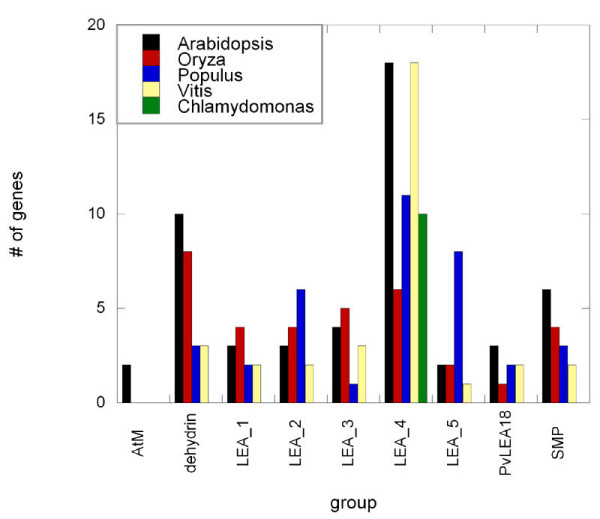
“This is similar to the number found in rice (eight (Fig. 2); [59]) and in barley (13; [ 60 ]), but much more than in poplar and grapevine (Fig. 2). The Arabidopsis dehydrins show high sequence similarity at least in some parts and two common motifs are available in the Prosite database [5,61,62].”
BackgroundGoyal, K., Tisi, L., Basran, A., Browne, J., Burnell, A., Zurdo, J., & Tunnacliffe, A. (2003) · Journal of Biological Chemistry · doi:10.1074/jbc.m212007200 · Cited by 213 · cited 1×
“Secondary structure content of LEA_4 group proteins was determined by Fourier-transform infrared spectroscopy (FTIR) for the D-7 protein from Typha latifolia [55], the GmPM16 protein from soybean [56], the LEAM protein from pea [87], and the Aav-LEA1 protein from the nematode Aphelenchus avenae [88].”
Dehydration-induced expression of LEA proteins in an anhydrobiotic chironomid
Kikawada, T., Nakahara, Y., Kanamori, Y., Iwata, K.-I., Watanabe, M., McGee, B., Tunnacliffe, A., & Okuda, T. (2006) · Biochemical and Biophysical Research Communications · doi:10.1016/j.bbrc.2006.07.003 · Cited by 211 · cited 1×
“They have also been found in other organisms, such as the bacteria Deinococcus radiodurans [9] and Bacillus subtilis [10], the chironomid Polypedilum vanderplanki [11], the brine shrimp Artemia [12], different species of nematodes [13-15], rotifers [16,17] and cyanobacteria [18].”
BackgroundIdentification of Arabidopsis Genes Regulated by High Light-Stress Using cDNA Microarray
Kimura, M., Yamamoto, Y. Y., Seki, M., Sakurai, T., Sato, M., Abe, T., Yoshida, S., Manabe, K., Shinozaki, K., & Matsui, M. (2003) · Photochemistry and Photobiology · doi:10.1562/0031-8655(2003)0770226ioagrb2.0.co2 · Cited by 209
Ion Binding Properties of the Dehydrin ERD14 Are Dependent upon Phosphorylation
Alsheikh, M. K., Heyen, B. J., & Randall, S. K. (2003) · Journal of Biological Chemistry · doi:10.1074/jbc.m307151200 · Cited by 207 · cited 1×
“The Arabidopsis dehydrin ERD10 binds more water during drying than non-LEA control proteins [50,51] and this and other dehydrins bind calcium, iron and other divalent cations in a phosphorylation-dependent manner [52-54].”
BackgroundGenome-scale identification and analysis of LEA genes in rice (Oryza sativa L.)
Wang, X.-S., Zhu, H.-B., Jin, G.-L., Liu, H.-L., Wu, W.-R., & Zhu, J. (2007) · Plant Science · doi:10.1016/j.plantsci.2006.10.004 · Cited by 206
Boudet, J., Buitink, J., Hoekstra, F. A., Rogniaux, H., Larré, C., Satour, P., & Leprince, O. (2006) · Plant Physiology · doi:10.1104/pp.105.074039 · Cited by 204
Casneuf, T., De Bodt, S., Raes, J., Maere, S., & Van de Peer, Y. (2006) · Genome Biology · doi:10.1186/gb-2006-7-2-r13 · Cited by 199 · cited 2×
“To further test for diversification in expression patterns on a broader basis [105,107,109,110], we have used the "gene correlator" function on the Genevestigator [111] website, which compares expression patterns from publicly available expression profiling data (Table 6 and 7).”
BackgroundMethodChapman, B. A., Bowers, J. E., Feltus, F. A., & Paterson, A. H. (2006) · Proceedings of the National Academy of Sciences · doi:10.1073/pnas.0507782103 · Cited by 198 · cited 1×
“as subunits in an enzyme or signalling complex [102, 106-110 ].”
BackgroundNDong, C., Danyluk, J., Wilson, K. E., Pocock, T., Huner, N. P. A., & Sarhan, F. (2002) · Plant Physiology · doi:10.1104/pp.001925 · Cited by 196
Welin, B. V., Olson, �., Nylander, M., & Palva, E. T. (1994) · Plant Molecular Biology · doi:10.1007/bf00039526 · Cited by 196 · cited 3×
“Expression of RAB18 (#51) was enhanced more strongly under drought stress than under cold and high salinity conditions in accordance with earlier reports [67].”
BackgroundResultJacobsen, J., Venables, I., Wang, M.-B., Matthews, P., Ayliffe, M., & Gubler, F. (2006) · Agrobacterium Protocols · doi:10.1385/1-59745-130-4:171 · Cited by 193
Imai, R., Chang, L., Ohta, A., Bray, E. A., & Takagi, M. (1996) · Gene · doi:10.1016/0378-1119(95)00868-3 · Cited by 181 · cited 1×
“Such studies have shown that a wheat LEA protein conferred tolerance against hyperosmotic stress to Saccharomyces cerevisiae cells [37], while LEA proteins from Chlorella, tomato and barley protected yeast cells against high salt concentrations and freezing [38-40].”
BackgroundHoude, M., Dallaire, S., N'Dong, D., & Sarhan, F. (2004) · Plant Biotechnology Journal · doi:10.1111/j.1467-7652.2004.00082.x · Cited by 181 · cited 3×
“Houde M, Dallaire S, N'Dong D, Sarhan F: Overexpression of the acidic dehydrin WCOR410 improves freezing tolerance in transgenic strawberry leaves.”
BackgroundInfluentialAnhydrobiosis without trehalose in bdelloid rotifers
Lapinski, J., & Tunnacliffe, A. (2003) · FEBS Letters · doi:10.1016/s0014-5793(03)01062-7 · Cited by 174 · cited 1×
“Desiccation-tolerant rotifers can even survive complete desiccation without accumulating sugars [22], but they show enhanced expression of genes encoding LEA proteins during drying [16,17].”
BackgroundLin, C., & Thomashow, M. F. (1992) · Plant Physiology · doi:10.1104/pp.99.2.519 · Cited by 172 · cited 1×
“Of the Arabidopsis LEA proteins, the cold induced LEA_4 group protein COR15A (#24) is localized in the chloroplast stroma [ 98 ], as is most likely the highly homologous COR15B (#23).”
BackgroundBattista, J. R., Park, M.-J., & McLemore, A. E. (2001) · Cryobiology · doi:10.1006/cryo.2001.2357 · Cited by 171 · cited 1×
“They have also been found in other organisms, such as the bacteria Deinococcus radiodurans [ 9 ] and Bacillus subtilis [10], the chironomid Polypedilum vanderplanki [11], the brine shrimp Artemia [12], different species of nematodes [13-15], rotifers [16,17] and cyanobacteria [18].”
BackgroundREYES, J. L., RODRIGO, M., COLMENERO‐FLORES, J. M., GIL, J., GARAY‐ARROYO, A., CAMPOS, F., SALAMINI, F., BARTELS, D., & COVARRUBIAS, A. A. (2005) · Plant, Cell & Environment · doi:10.1111/j.1365-3040.2005.01317.x · Cited by 170 · cited 1×
“A stabilization of lactate dehydrogenase and malate dehydrogenase during freezing and/or drying has been shown for LEA proteins from citrus [42,43], Chlorella [44], barley [45], Arabidopsis, and C. plantagineum [ 46 ,47].”
BackgroundCharacterization and cryoprotective activity of cold-responsive dehydrin from Citrus unshiu
Hara, M., Terashima, S., & Kuboi, T. (2001) · Journal of Plant Physiology · doi:10.1078/0176-1617-00600 · Cited by 169 · cited 2×
“Fumarase and rhodanese could be stabilized during drying by the addition of a pea seed LEA protein [48], catalase by a citrus LEA protein [ 42 ], and citrate synthase by LEA proteins from wheat, the nematode Aphelenchus avenae [49] and the rotifer Adineta ricciae [16].”
BackgroundMethodIsmail, A. M., Hall, A. E., & Close, T. J. (1999) · Plant Physiology · doi:10.1104/pp.120.1.237 · Cited by 167 · cited 1×
“The others were from soybean (Glycine max; [83]), maize (Zea mays; [84]), cowpea (Vigna unguiculata; [ 85 ], and a resurrection plant (Craterostigma plantagineum; [86]).”
BackgroundCheng, Z., Targolli, J., Huang, X., & Wu, R. (2002) · Molecular Breeding · doi:10.1023/a:1020329401191 · Cited by 165 · cited 1×
“Expression of the barley gene HVA1 in wheat and rice conferred increased drought tolerance to plants [26,27] and expression of the wheat genes PMA80 and PMA1959 increased the dehydration tolerance of transgenic rice [ 28 ].”
BackgroundGalau, G. A., Bijaisoradat, N., & Hughes, D. W. (1987) · Developmental Biology · doi:10.1016/0012-1606(87)90442-8 · Cited by 159 · cited 1×
“It has been shown before that LEA transcripts accumulate immediately before maturation drying and remain stable in the desiccated seeds [1, 65 ].”
BackgroundRohde, P., Hincha, D. K., & Heyer, A. G. (2004) · The Plant Journal · doi:10.1111/j.1365-313x.2004.02080.x · Cited by 159
Self-citationAn LEA group 3 family member is involved in survival of C. elegans during exposure to stress
Gal, T. Z., Glazer, I., & Koltai, H. (2004) · FEBS Letters · doi:10.1016/j.febslet.2004.09.049 · Cited by 155
A simple model for polyproline II structure in unfolded states of alanine‐based peptides
Pappu, R. V., & Rose, G. D. (2002) · Protein Science · doi:10.1110/ps.0217402 · Cited by 153 · cited 1×
“Most of these proteins, however, are not completely devoid of structure, but contain residual, flexible structural elements [93], such as polyproline II (PII) helices [ 94 ].”
BackgroundFunctional Divergence of Former Alleles in an Ancient Asexual Invertebrate
Pouchkina-Stantcheva, N. N., McGee, B. M., Boschetti, C., Tolleter, D., Chakrabortee, S., Popova, A. V., Meersman, F., Macherel, D., Hincha, D. K., & Tunnacliffe, A. (2007) · Science · doi:10.1126/science.1144363 · Cited by 152
Self-citationThe wheat LEA protein Em functions as an osmoprotective molecule in Saccharomyces cerevisiae
Swire‐Clark, G. A., & Marcotte, W. R. (1999) · Plant Molecular Biology · doi:10.1023/a:1006106906345 · Cited by 151 · cited 1×
“Such studies have shown that a wheat LEA protein conferred tolerance against hyperosmotic stress to Saccharomyces cerevisiae cells [37], while LEA proteins from Chlorella, tomato and barley protected yeast cells against high salt concentrations and freezing [38-40].”
BackgroundA cold-regulated Arabidopsis gene encodes A polypeptide having potent cryoprotective activity
Lin, C., & Thomashow, M. F. (1992) · Biochemical and Biophysical Research Communications · doi:10.1016/s0006-291x(05)80304-3 · Cited by 147 · cited 1×
“A stabilization of lactate dehydrogenase and malate dehydrogenase during freezing and/or drying has been shown for LEA proteins from citrus [42,43], Chlorella [44], barley [45], Arabidopsis, and C. plantagineum [46, 47 ].”
BackgroundAn Osmotic Stress Protein of Cyanobacteria Is Immunologically Related to Plant Dehydrins
Close, T. J., & Lammers, P. J. (1993) · Plant Physiology · doi:10.1104/pp.101.3.773 · Cited by 139 · cited 1×
“They have also been found in other organisms, such as the bacteria Deinococcus radiodurans [9] and Bacillus subtilis [10], the chironomid Polypedilum vanderplanki [11], the brine shrimp Artemia [12], different species of nematodes [13-15], rotifers [16,17] and cyanobacteria [ 18 ].”
BackgroundManfre, A. J., Lanni, L. M., & Marcotte, W. R. (2006) · Plant Physiology · doi:10.1104/pp.105.072967 · Cited by 138 · cited 1×
“Mutant analysis showed that the EM6 protein is required for normal seed development in Arabidopsis [ 34 ].”
BackgroundMouillon, J., Gustafsson, P., & Harryson, P. (2006) · PLANT PHYSIOLOGY · doi:10.1104/pp.106.079848 · Cited by 136
Cryoprotective activity of a cold‐induced dehydrin purified from barley
Bravo, L. A., Gallardo, J., Navarrete, A., Olave, N. C., Martı́nez, J., Alberdi, M. R., Close, T. J., & Corcuera, L. J. (2003) · Physiologia Plantarum · doi:10.1034/j.1399-3054.2003.00060.x · Cited by 133 · cited 1×
“A stabilization of lactate dehydrogenase and malate dehydrogenase during freezing and/or drying has been shown for LEA proteins from citrus [42,43], Chlorella [44], barley [45], Arabidopsis, and C.”
BackgroundWilhelm, K. S., & Thomashow, M. F. (1993) · Plant Molecular Biology · doi:10.1007/bf00021822 · Cited by 131 · cited 4×
“For many of the induced genes, ABA induction has been previously reported, such as COR47 (#4), ERD10 (#5), ERD14 (#10), COR15A and COR15B (#24 and #23), XERO2/LTI30 (#33) and RAB18 (#51) [66,67,72].”
BackgroundInfluentialNon-Disaccharide-Based Mechanisms of Protection during Drying
Oliver, A. E., Leprince, O., Wolkers, W. F., Hincha, D. K., Heyer, A. G., & Crowe, J. H. (2001) · Cryobiology · doi:10.1006/cryo.2001.2359 · Cited by 124 · cited 1×
“Sugars, especially the disaccharides sucrose and trehalose, are thought to play important roles in cellular desiccation tolerance [19], but it is clear that additional substances are necessary for a cell to attain anhydrobiosis [20, 21 ].”
BackgroundSelf-citationTompa, P., Bánki, P., Bokor, M., Kamasa, P., Kovács, D., Lasanda, G., & Tompa, K. (2006) · Biophysical Journal · doi:10.1529/biophysj.106.084723 · Cited by 123 · cited 1×
“The Arabidopsis dehydrin ERD10 binds more water during drying than non-LEA control proteins [50, 51 ] and this and other dehydrins bind calcium, iron and other divalent cations in a phosphorylation-dependent manner [52-54].”
BackgroundSoulages, J. L., Kim, K. M., Walters, C., & Cushman, J. C. (2002) · PLANT PHYSIOLOGY · doi:10.1104/pp.010521 · Cited by 122 · cited 2×
“For two of these proteins, partial structuring in the presence of trifluoroethanol (TFE) or during drying has been reported [79,80].”
BackgroundSoulages, J. L., Kim, K., Arrese, E. L., Walters, C., & Cushman, J. C. (2003) · PLANT PHYSIOLOGY · doi:10.1104/pp.015891 · Cited by 121 · cited 1×
“The others were from soybean (Glycine max; [ 83 ]), maize (Zea mays; [84]), cowpea (Vigna unguiculata; [85], and a resurrection plant (Craterostigma plantagineum; [86]).”
BackgroundWhy are “natively unfolded” proteins unstructured under physiologic conditions?
Uversky, V. N., Gillespie, J. R., & Fink, A. L. (2000) · Proteins: Structure, Function, and Genetics · doi:10.1002/1097-0134(20001115)41:3<415::aid-prot130>3.3.co;2-z · Cited by 121
Zhang, L., Ohta, A., Takagi, M., & Imai, R. (2000) · The Journal of Biochemistry · doi:10.1093/oxfordjournals.jbchem.a022648 · Cited by 118 · cited 1×
“Such studies have shown that a wheat LEA protein conferred tolerance against hyperosmotic stress to Saccharomyces cerevisiae cells [37], while LEA proteins from Chlorella, tomato and barley protected yeast cells against high salt concentrations and freezing [38-40].”
BackgroundSingh, S., Cornilescu, C. C., Tyler, R. C., Cornilescu, G., Tonelli, M., Lee, M. S., & Markley, J. L. (2005) · Protein Science · doi:10.1110/ps.051579205 · Cited by 112
A Putative LEA Protein, but no Trehalose, is Present in Anhydrobiotic Bdelloid Rotifers
Tunnacliffe, A., Lapinski, J., & McGee, B. (2005) · Hydrobiologia · doi:10.1007/s10750-005-4239-6 · Cited by 112 · cited 2×
“They have also been found in other organisms, such as the bacteria Deinococcus radiodurans [9] and Bacillus subtilis [10], the chironomid Polypedilum vanderplanki [11], the brine shrimp Artemia [12], different species of nematodes [13-15], rotifers [16,17] and cyanobacteria [18].”
BackgroundPhosphorylation regulated ion‐binding is a property shared by the acidic subclass dehydrins
Alsheikh, M. K., Svensson, J. T., & Randall, S. K. (2005) · Plant Cell & Environment · doi:10.1111/j.1365-3040.2005.01348.x · Cited by 110 · cited 4×
“They have also been subdivided into an acidic group containing COR47 (#4), ERD10 (#5), ERD14 (#10), #14, #44, and #45, and a basic/neutral group containing #8, XERO2 (#33), XERO1 (#34), and RAB18 (#51) [ 53 ].”
BackgroundInfluentialLisse, T., Bartels, D., Kalbitzer, H. R., & Jaenicke, R. (1996) · Biological Chemistry Hoppe-Seyler · doi:10.1515/bchm3.1996.377.9.555 · Cited by 109
Hydrodynamic and optical properties of the wheat germ Em protein
McCubbin, W. D., Kay, C. M., & Lane, B. G. (1985) · Canadian Journal of Biochemistry and Cell Biology · doi:10.1139/o85-102 · Cited by 108
Liu, Y., & Zheng, Y. (2005) · Biochemical and Biophysical Research Communications · doi:10.1016/j.bbrc.2005.03.165 · Cited by 106 · cited 1×
“Likewise, a LEA protein from soybean increased the salt tolerance, but not the tolerance against hyperosmotic stress, when expressed in Escherichia coli [41].”
BackgroundLife without water: expression of plant LEA genes by an anhydrobiotic arthropod
Hand, S. C., Jones, D., Menze, M. A., & Witt, T. L. (2006) · Journal of Experimental Zoology Part A Ecological Genetics and Physiology · doi:10.1002/jez.a.343 · Cited by 105 · cited 1×
“They have also been found in other organisms, such as the bacteria Deinococcus radiodurans [9] and Bacillus subtilis [10], the chironomid Polypedilum vanderplanki [11], the brine shrimp Artemia [ 12 ], different species of nematodes [13-15], rotifers [16,17] and cyanobacteria [18].”
BackgroundA putative LEA protein, but no trehalose, is present in anhydrobiotic bdelloid rotifers
Tunnacliffe, A., Lapinski, J., & McGee, B. (2006) · Springer eBooks · doi:10.1007/1-4020-4408-9_32 · Cited by 104
NMR Relaxation Studies on the Hydrate Layer of Intrinsically Unstructured Proteins
Bokor, M., Csizmók, V., Kovács, D., Bánki, P., Friedrich, P., Tompa, P., & Tompa, K. (2004) · Biophysical Journal · doi:10.1529/biophysj.104.051912 · Cited by 101 · cited 1×
“The Arabidopsis dehydrin ERD10 binds more water during drying than non-LEA control proteins [50,51] and this and other dehydrins bind calcium, iron and other divalent cations in a phosphorylation-dependent manner [52-54].”
BackgroundKaye, C., Neven, L. G., Hofig, A., Li, Q.-B., Haskell, D. W., & Guy, C. L. (1998) · PLANT PHYSIOLOGY · doi:10.1104/pp.116.4.1367 · Cited by 100 · cited 1×
“On the other hand, the expression of two cold-induced LEA proteins from spinach [ 35 ] and three desiccation-induced LEA proteins from C. plantagineum [36] in tobacco did not induce any significant changes in the freezing or drought tolerance of the respective transgenic plants.”
BackgroundIturriaga, G., Schneider, K., Salamini, F., & Bartels, D. (1992) · Plant Molecular Biology · doi:10.1007/bf00040614 · Cited by 98
Gene cloning and characterization of a soybean (Glycine max L.) LEA protein, GmPM16
Shih, M., Lin, S.-C., Hsieh, J.-S., Tsou, C., Chow, T., Lin, T.-P., & Hsing, Y.-I. C. (2004) · Plant Molecular Biology · doi:10.1007/s11103-004-4680-3 · Cited by 97 · cited 2×
“Secondary structure content of LEA_4 group proteins was determined by Fourier-transform infrared spectroscopy (FTIR) for the D-7 protein from Typha latifolia [55], the GmPM16 protein from soybean [ 56 ], the LEAM protein from pea [87], and the Aav-LEA1 protein from the nematode Aphelenchus avenae [88].”
BackgroundMethodCotton Lea5 and Lea14 Encode Atypical Late Embryogenesis-Abundant Proteins
Galau, G. A., Wang, H., & Hughes, D. W. (1993) · PLANT PHYSIOLOGY · doi:10.1104/pp.101.2.695 · Cited by 96 · cited 1×
“Along with this group, the LEA_2 genes (LEA14 or D-74; Table 2) have been identified in cotton [64].”
BackgroundOliver, A. E., Hincha, D. K., & Crowe, J. H. (2002) · Comparative Biochemistry and Physiology Part A Molecular & Integrative Physiology · doi:10.1016/s1095-6433(01)00514-1 · Cited by 93 · cited 1×
“Sugars, especially the disaccharides sucrose and trehalose, are thought to play important roles in cellular desiccation tolerance [19], but it is clear that additional substances are necessary for a cell to attain anhydrobiosis [ 20 ,21].”
BackgroundSelf-citationSánchez-Ballesta, M. T., Rodrigo, M. J., Lafuente, M. T., Granell, A., & Zacarı́as, L. (2004) · Journal of Agricultural and Food Chemistry · doi:10.1021/jf035216+ · Cited by 87
Stacy, R. A. P., & Aalen, R. B. (1998) · Planta · doi:10.1007/s004250050424 · Cited by 81
Dunaeva, M., & Adamska, I. (2001) · European Journal of Biochemistry · doi:10.1046/j.0014-2956.2001.02471.x · Cited by 81 · cited 1×
“The upregulation of LEA gene expression under high light conditions has been described previously [68,69].”
BackgroundCryoprotective Activities of Group 3 Late Embryogenesis Abundant Proteins fromChlorella vulgarisC-27
Honjoh, K., Matsumoto, H., SHIMIZU, H., OOYAMA, K., TANAKA, K., Yuichi, O. D. A., Takata, R., Joh, T., Suga, K., Miyamoto, T., et al. (2000) · Bioscience Biotechnology and Biochemistry · doi:10.1271/bbb.64.1656 · Cited by 78 · cited 1×
“A stabilization of lactate dehydrogenase and malate dehydrogenase during freezing and/or drying has been shown for LEA proteins from citrus [42,43], Chlorella [ 44 ], barley [45], Arabidopsis, and C. plantagineum [46,47].”
Colmenero-Flores, J. M., Fonseca, L. P. M., Smith, C. E., & Covarrubias, A. A. (1999) · PLANT PHYSIOLOGY · doi:10.1104/pp.120.1.93 · Cited by 76
Gal, T. Z., Glazer, I., & Koltai, H. (2003) · Journal of Parasitology · doi:10.1645/ge-3105 · Cited by 69 · cited 1×
“They have also been found in other organisms, such as the bacteria Deinococcus radiodurans [9] and Bacillus subtilis [10], the chironomid Polypedilum vanderplanki [11], the brine shrimp Artemia [12], different species of nematodes [13-15], rotifers [16,17] and cyanobacteria [18].”
BackgroundPea dehydrins: identification, characterisation and expression
Roberton, M., & Chandler, P. M. (1992) · Plant Molecular Biology · doi:10.1007/bf00040534 · Cited by 63 · cited 1×
“This is similar to the number found in rice (eight (Fig. 2); [59]) and in barley (13; [60]), but much more than in poplar and grapevine (Fig. 2). The Arabidopsis dehydrins show high sequence similarity at least in some parts and two common motifs are available in the Prosite database [5,61, 62 ].”
BackgroundPromoter and expression studies on an Arabidopsis thaliana dehydrin gene
Rouse, D. T., Marotta, R., & Parish, R. W. (1996) · FEBS Letters · doi:10.1016/0014-5793(96)00051-8 · Cited by 60 · cited 1×
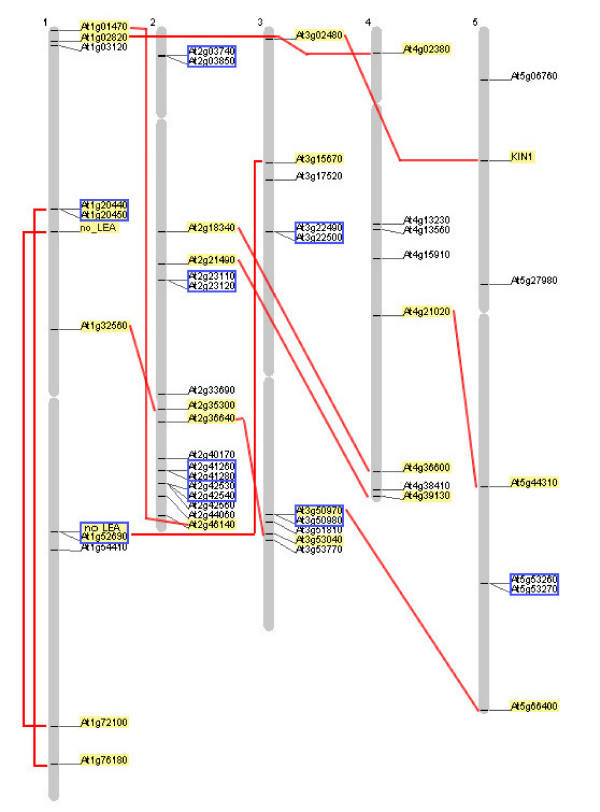
“These include the previously reported cases of COR47 (#4) and ERD10 (#5) [67], COR15B (#23) and COR15A (#24) [66], AtM17 (#21) and AtM10 (#22) [57], RAB28 (#31) and AtEPC31 (#32) [100], and XERO2 (#33) and XERO1 (#34) [101], in addition to the uncharacterized gene pairs #11 and #12, #15 and #16, as well as #49 and #50.”
BackgroundHistory, protohistory and prehistory of the Arabidopsis thaliana chromosome complement
Henry, Y., Bedhomme, M., & Blanc, G. (2006) · Trends in Plant Science · doi:10.1016/j.tplants.2006.04.002 · Cited by 54
Borrell, A., Cutanda, M. C., Lumbreras, V., Pujal, J., Goday, A., Culiáñez‐Macià, F. A., & Pagès, M. (2002) · Plant Molecular Biology · doi:10.1023/a:1016084615014 · Cited by 52
Honjoh, K., Oda, Y., Takata, R., Miyamoto, T., & Hatano, S. (1999) · Journal of Plant Physiology · doi:10.1016/s0176-1617(99)80046-7 · Cited by 42
The embryo-specific EMB-1 protein of Daucus carota is flexible and unstructured in solution
Eom, J., Baker, W. R., Kintanar, A., & Wurtele, E. S. (1996) · Plant Science · doi:10.1016/0168-9452(96)04332-4 · Cited by 32 · cited 1×
“Four of these proteins belong to LEA_5 group [ 78-81 ].”
BackgroundRaynal, M., Guilleminot, J., Gueguen, C., Cooke, R., Delseny, M., & Gruber, V. (1999) · Plant Molecular Biology · doi:10.1023/a:1026403215270 · Cited by 28 · cited 3×
“The two AtM LEA proteins [57] are also hydrophilic and are expressed late in embryo development.”
Background(1993) · The Plant Journal · doi:10.1046/j.1365-313x.1993.t01-18-00999.x · Cited by 22
Expression and cellular localization of Atrab28 during Arabidopsis embryogenesis
Arenas-Mena, C., Raynal, M., Borrell, A., Varoquaux, F., Cutanda, M. C., Stacy, R. A. P., Pagès, M., Delseny, M., & Culiáñez‐Macià, F. A. (1999) · Plant Molecular Biology · doi:10.1023/a:1006219315562 · Cited by 18 · cited 1×
“The lower arm of chromosome 3 also contains a region with a number of LEA loci as well as the upper arm of chromosome 1. Seventeen LEA genes (33%) are found in tandem repeats resulting from local duplications of small parts of a chromosome (Table 6). These include the previously reported cases of COR47 (#4) and ERD10…”
BackgroundThe Antiapoptotic Effect of Low-dose UVB Irradiation in NIH3T3 Cells Involves Caspase Inhibition
Ibuki, Y., & Gotô, R. (2003) · Pure Amsterdam UMC · doi:10.1562/0031-8655(2003)077 · Cited by 1
Cited by
Effect of salinity stress on plants and its tolerance strategies: a review
Parihar, P., Singh, S., Singh, R., Singh, V. P., & Prasad, S. M. (2015) · Environmental Science and Pollution Research · doi:10.1007/s11356-014-3739-1 · Cited by 1,400
Response Mechanism of Plants to Drought Stress
Yang, X., Lu, M., Wang, Y., Wang, Y., Liu, Z., & Chen, S. (2021) · Horticulturae · doi:10.3390/horticulturae7030050 · Cited by 1,055
“In addition, most of the LEA genes have ABA response elements in their promoter regions, so the increase of endogenous ABA content in plants under drought conditions can also lead to the increase of LEA gene expression [82].”
BackgroundYoshida, T., Fujita, Y., Sayama, H., Kidokoro, S., Maruyama, K., Mizoi, J., Shinozaki, K., & Yamaguchi-Shinozaki, K. (2010) · The Plant Journal · doi:10.1111/j.1365-313x.2009.04092.x · Cited by 1,119
The Enigmatic LEA Proteins and Other Hydrophilins
Battaglia, M., Olvera-Carrillo, Y., Garciarrubio, A., Campos, F., & Covarrubias, A. A. (2008) · Plant Physiology · doi:10.1104/pp.108.120725 · Cited by 881
“…before desiccation (Baker et al., 1988; Hughes and Galau, 1989; Ingram and Bartels, 1996; Oliveira et al., 2007; Bies-Ethève et al., 2008; Hundertmark and Hincha, 2008) and also in vegetative tissues exposed to dehydration, osmotic, and/or low-temperature stress (Dure et al., 1989;…”
BackgroundNakashima, K., Fujita, Y., Kanamori, N., Katagiri, T., Umezawa, T., Kidokoro, S., Maruyama, K., Yoshida, T., Ishiyama, K., Kobayashi, M., et al. (2009) · Plant and Cell Physiology · doi:10.1093/pcp/pcp083 · Cited by 797
“Hundertmark and Hincha (2008) recently reported that 34 of 51 LEA genes are expressed in seeds.”
BackgroundMethodInfluential
Metadata
- Authors
- Hundertmark, M., & Hincha, D. K.
- Affiliations
- Max Planck Institute of Molecular Plant Physiology (DE)
- Corresponding author
- Hincha, Dirk K
- ORCID
- Hincha, Dirk K
- Venue
- BMC Genomics
- Published
- 2008
- Volume
- 9
- Issue
- 1
- Pages
- 118
- ISSN
- 1471-2164 (ISSN-L)
- PMC
- PMC2292704
- OpenAlex
- W2081744992
- Cited by
- 1,044
- References
- 133
- Citations by year
- 2026: 44 · 2025: 68 · 2024: 74 · 2023: 44 · 2022: 72 · 2021: 98 · 2020: 73 · 2019: 63 · 2018: 57 · 2017: 59 · 2016: 52 · 2015: 53 · 2014: 59 · 2013: 55 · 2012: 51
- FWCI
- 48.80
- Type
- journal article
- Language
- en
- Open access
- gold
- doi.org
- Licence
- cc-by
- Locations
- BMC Genomics (publishedVersion, cc-by)
- PubMed Central (publishedVersion, cc-by)
- PubMed (publishedVersion)
- DOAJ (DOAJ: Directory of Open Access Journals) (submittedVersion)
- Max Planck Institute for Plasma Physics (submittedVersion)
- MPG.PuRe (Max Planck Society) (submittedVersion, other-oa)
- Funders
- Universität Potsdam
- Topics
- Life Sciences › Agricultural and Biological Sciences › Plant Science › Plant Stress Responses and Tolerance
- Life Sciences › Agricultural and Biological Sciences › Plant Science › Seed Germination and Physiology
- Life Sciences › Agricultural and Biological Sciences › Plant Science › Plant Molecular Biology Research
- Keywords
- late embryogenesis abundant proteins, LEA genes, Arabidopsis thaliana, desiccation tolerance, dehydration tolerance, seed development, abscisic acid response element, gene expression patterns, tandem repeats, homeologous genes, gene duplication, protein structure prediction
- MeSH terms
- Abscisic Acid, Amino Acid Sequence, Molecular Sequence Data, Plant Proteins, Promoter Regions, Genetic, Sequence Alignment, Genes, Plant, Arabidopsis, Gene Expression Regulation, Plant, Genome, Plant, Evolution, Molecular, Arabidopsis Proteins, Embryonic Development, Regulatory Elements, Transcriptional
About these checks
Registry, retraction, Cites and statistics results are computed, not judged, with one exception: a printed reference that no index lists is read once by a model before it counts as a citation error. Claims are extracted by a model and kept only when their quote appears verbatim in the text; each cited source is then checked, with a model’s help, for whether it says what the claim relies on. Those verdicts can be wrong — read the claim’s quote and the cited source before relying on one.
Statistics and arithmetic are recomputed, not judged.
Confidence bands are shown only for fields calibrated on our annotated test set. None is calibrated yet, so no band is shown.
What counts as a claim ›How we measure confidence ›How we check this ›
Are you an author, or do you see a problem with this page? Request a review
Data sources
Bibliographic data: Semantic Scholar, OpenAlex, Crossref.
Contains information from the Semantic Scholar Academic Graph Datasets, made available under the ODC Attribution License (ODC-BY 1.0).
Semantic Scholar’s data is described in: Kinney, R., et al. (2023). The Semantic Scholar Open Data Platform. arXiv:2301.10140.
