

LEA (Late Embryogenesis Abundant) proteins and their encoding genes in Arabidopsis thaliana
Open accessThe DOI matches its Crossref record; 135 of the 136 references it cites were found in a registry or an index.
Abstract
BACKGROUND: LEA (late embryogenesis abundant) proteins have first been described about 25 years ago as accumulating late in plant seed development. They were later found in vegetative plant tissues following environmental stress and also in desiccation tolerant bacteria and invertebrates. Although they are widely assumed to play crucial roles in cellular dehydration tolerance, their physiological and biochemical functions are largely unknown. RESULTS: We present a genome-wide analysis of LEA proteins and their encoding genes in Arabidopsis thaliana. We identified 51 LEA protein encoding genes in the Arabidopsis genome that could be classified into nine distinct groups. Expression studies were performed on all genes at different developmental stages, in different plant organs and under different stress and hormone treatments using quantitative RT-PCR. We found evidence of expression for all 51 genes. There was only little overlap between genes expressed in vegetative tissues and in seeds and expression levels were generally higher in seeds. Most genes encoding LEA proteins had abscisic acid response (ABRE) and/or low temperature response (LTRE) elements in their promoters and many genes containing the respective promoter elements were induced by abscisic acid, cold or drought. We also found that 33% of all Arabidopsis LEA protein encoding genes are arranged in tandem repeats and that 43% are part of homeologous pairs. The majority of LEA proteins were predicted to be highly hydrophilic and natively unstructured, but some were predicted to be folded. CONCLUSION: The analyses indicate a wide range of sequence diversity, intracellular localizations, and expression patterns. The high fraction of retained duplicate genes and the inferred functional diversification indicate that they confer an evolutionary advantage for an organism under varying stressful environmental conditions. This comprehensive analysis will be an important starting point for future efforts to elucidate the functional role of these enigmatic proteins.
Overview
The claims and statistics of this paper haven’t been checked yet.
Free: it reads the open-access text and checks the first 5 claims that cite a source we can check. Create a free account to check every claim.
Integrity signals
Registry
Cites
Statistics
Figures
Verification
Claims the paper makes
The claims and statistics of this paper haven’t been checked yet.
Free: it reads the open-access text and checks the first 5 claims that cite a source we can check. Create a free account to check every claim.
Claims other papers make about this one
Each is checked against this paper’s own text: does it say what the citing paper says it does?
The source backs part of the claim, not all of it — or backs it for a different population, condition or comparison.
In the citing paper
“The high number of CDK genes in G. hirsutum was more likely caused by gene duplication and the conservation of the CDK genes during the polyploidization process”
From Whole Genome Analysis of Cyclin Dependent Kinase (CDK) Gene Family in Cotton and Functional Evaluation of the Role of CDKF4 Gene in Drought and Salt Stress Tolerance in Plants (2018) · cites this paper as [41]
Experimental — accuracy not yet measuredIn the citing paper
“Similar findings, with the predominance of ABRE cis-element, have been reported for CDK genes in tomato [40], Arabidopsis [41], and Chinese plum [42].”
Self-check
Percentages, sums and reported differences re-computed from the paper’s own numbers.
The self-check needs the paper’s full text.
Citations
Cites
Thompson, J. D., Higgins, D. G., & Gibson, T. J. (1994) · Nucleic Acids Research · doi:10.1093/nar/22.22.4673 · Cited by 64,617 · cited 5×
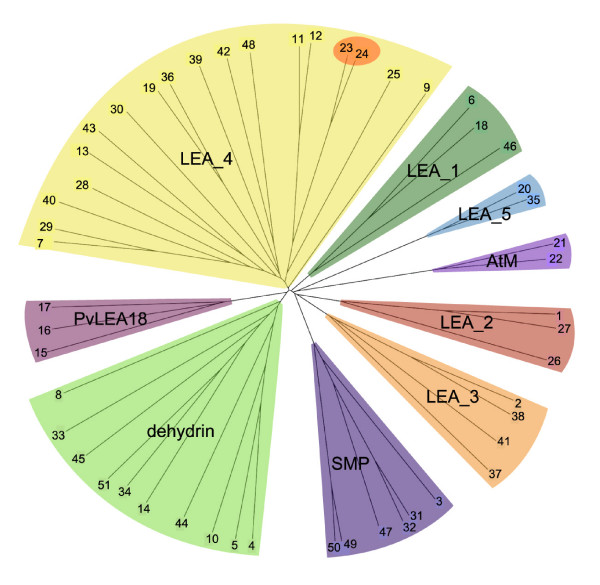
“We performed a ClustalW alignment of all 51 LEA proteins in Arabidopsis and the resulting unrooted dendrogram shows that the identified LEA groups are quite distinct from each other (Fig.”
MethodInfluentialProtein Identification and Analysis Tools on the ExPASy Server
Gasteiger, E., Hoogland, C., Gattiker, A., Duvaud, S., Wilkins, M. R., Appel, R. D., & Bairoch, A. (2005) · The Proteomics Protocols Handbook · doi:10.1385/1-59259-890-0:571 · Cited by 8,681
Protein Identification and Analysis Tools in the ExPASy Server
Wilkins, M. R., Gasteiger, E., Bairoch, A., Sanchez, J.-C., Williams, K. L., Appel, R. D., & Hochstrasser, D. F. (2003) · 2-D Proteome Analysis Protocols · doi:10.1385/1-59259-584-7:531 · Cited by 6,155 · cited 1×
“To get more information about the nature of the gene products, the GRAVY (grand average of hydropathy), the molecular weight and the pI were predicted by the PROTPARAM [ 132 ,133] tool.”
MethodPredicting Subcellular Localization of Proteins Based on their N-terminal Amino Acid Sequence
Emanuelsson, O., Nielsen, H., Brunak, S., & von Heijne, G. (2000) · Journal of Molecular Biology · doi:10.1006/jmbi.2000.3903 · Cited by 4,263
The Universal Protein Resource (UniProt)
Bairoch, A. (2004) · Nucleic Acids Research · doi:10.1093/nar/gki070 · Cited by 3,774 · cited 1×
“The PATTINPROT [128,129] tool was used to verify the stringency of the retrieved patterns by querying the UniProt [ 130 ,131] database.”
MethodAssumption-free analysis of quantitative real-time polymerase chain reaction (PCR) data
Ramakers, C., Ruijter, J. M., Deprez, R. H. L., & Moorman, A. F. M. (2003) · Neuroscience Letters · doi:10.1016/s0304-3940(02)01423-4 · Cited by 3,709 · cited 1×
“The mean PCR efficiency (E) for every primer pair was calculated using the linregPCR software [ 119 ].”
MethodPLANT COLD ACCLIMATION: Freezing Tolerance Genes and Regulatory Mechanisms
Thomashow, M. F. (1999) · Annual Review of Plant Physiology and Plant Molecular Biology · doi:10.1146/annurev.arplant.50.1.571 · Cited by 3,551
The Proteomics Protocols Handbook
(2005) · Humana Press eBooks · doi:10.1385/1592598900 · Cited by 3,538
Plant cis-acting regulatory DNA elements (PLACE) database: 1999
Higo, K., Ugawa, Y., Iwamoto, M., & Korenaga, T. (1999) · Nucleic Acids Research · doi:10.1093/nar/27.1.297 · Cited by 3,381
Czechowski, T., Stitt, M., Altmann, T., Udvardi, M. K., & Scheible, W.-R. (2005) · Plant Physiology · doi:10.1104/pp.105.063743 · Cited by 3,203 · cited 1×
“Data were normalized to the mean CT of three reference genes (At4g27960, At5g46630, and At4g34270) that were found to be stably expressed across various tissues and conditions [ 118 ].”
Method
Cited by
Effect of salinity stress on plants and its tolerance strategies: a review
Parihar, P., Singh, S., Singh, R., Singh, V. P., & Prasad, S. M. (2015) · Environmental Science and Pollution Research · doi:10.1007/s11356-014-3739-1 · Cited by 1,400
Response Mechanism of Plants to Drought Stress
Yang, X., Lu, M., Wang, Y., Wang, Y., Liu, Z., & Chen, S. (2021) · Horticulturae · doi:10.3390/horticulturae7030050 · Cited by 1,055
“In addition, most of the LEA genes have ABA response elements in their promoter regions, so the increase of endogenous ABA content in plants under drought conditions can also lead to the increase of LEA gene expression [82].”
BackgroundYoshida, T., Fujita, Y., Sayama, H., Kidokoro, S., Maruyama, K., Mizoi, J., Shinozaki, K., & Yamaguchi-Shinozaki, K. (2010) · The Plant Journal · doi:10.1111/j.1365-313x.2009.04092.x · Cited by 1,119
The Enigmatic LEA Proteins and Other Hydrophilins
Battaglia, M., Olvera-Carrillo, Y., Garciarrubio, A., Campos, F., & Covarrubias, A. A. (2008) · Plant Physiology · doi:10.1104/pp.108.120725 · Cited by 881
“…before desiccation (Baker et al., 1988; Hughes and Galau, 1989; Ingram and Bartels, 1996; Oliveira et al., 2007; Bies-Ethève et al., 2008; Hundertmark and Hincha, 2008) and also in vegetative tissues exposed to dehydration, osmotic, and/or low-temperature stress (Dure et al., 1989;…”
BackgroundNakashima, K., Fujita, Y., Kanamori, N., Katagiri, T., Umezawa, T., Kidokoro, S., Maruyama, K., Yoshida, T., Ishiyama, K., Kobayashi, M., et al. (2009) · Plant and Cell Physiology · doi:10.1093/pcp/pcp083 · Cited by 797
“Hundertmark and Hincha (2008) recently reported that 34 of 51 LEA genes are expressed in seeds.”
BackgroundMethodInfluentialThe continuing conundrum of the LEA proteins
Tunnacliffe, A., & Wise, M. J. (2007) · Naturwissenschaften · doi:10.1007/s00114-007-0254-y · Cited by 738
Fujita, Y., Nakashima, K., Yoshida, T., Katagiri, T., Kidokoro, S., Kanamori, N., Umezawa, T., Fujita, M., Maruyama, K., Ishiyama, K., et al. (2009) · Plant and Cell Physiology · doi:10.1093/pcp/pcp147 · Cited by 730
Cold Signaling and Cold Response in Plants
Miura, K., & Furumoto, T. (2013) · International Journal of Molecular Sciences · doi:10.3390/ijms14035312 · Cited by 504
“LEA proteins are thought to be important for membrane stabilization and prevent protein aggregation [74].”
BackgroundStaying Alive: Molecular Aspects of Seed Longevity
Sano, N., Rajjou, L., North, H. M., Debeaujon, I., Marion-Poll, A., & Seo, M. (2016) · Plant and Cell Physiology · doi:10.1093/pcp/pcv186 · Cited by 404
“Arabidopsis comprises 51 genes encoding LEA proteins classified into nine distinct groups based on their sequence homologies (Bies-Etheve et al. 2008, Hundertmark and Hincha 2008, Hunault and Jaspard 2010).”
BackgroundTardigrades Use Intrinsically Disordered Proteins to Survive Desiccation
Boothby, T. C., Tapia, H., Brozena, A. H., Piszkiewicz, S., Smith, A. E., Giovannini, I., Rebecchi, L., Pielak, G. J., Koshland, D., & Goldstein, B. (2017) · Molecular Cell · doi:10.1016/j.molcel.2017.02.018 · Cited by 409
“Previous bioinformatic studies suggest that not all members of disordered protein families are natively unfolded (Hundertmark and Hincha, 2008).”
BackgroundPolycomb Repressive Complex 2 Controls the Embryo-to-Seedling Phase Transition
Bouyer, D., Roudier, F., Heese, M., Andersen, E. D., Gey, D., Nowack, M. K., Goodrich, J., Renou, J.-P., Grini, P. E., Colot, V., et al. (2011) · PLoS Genetics · doi:10.1371/journal.pgen.1002014 · Cited by 385
“for Oleosins (2002) [34–37,82].”
Integration of low temperature and light signaling during cold acclimation response in Arabidopsis
Catalá, R., Medina, J., & Salinas, J. (2011) · Proceedings of the National Academy of Sciences · doi:10.1073/pnas.1107161108 · Cited by 390
The effect of simulated microgravity on the Brassica napus seedling proteome
Frolov, A., Didio, A., Ihling, C. H., Chantzeva, V., Grishina, T. V., Hoehenwarter, W., Sinz, A., Николаевна, С. Г., Bilova, T. E., & Medvedev, S. S. (2017) · Functional Plant Biology · doi:10.1071/fp16378 · Cited by 390
Late seed maturation: drying without dying
Leprince, O., Pellizzaro, A., Berriri, S., & Buitink, J. (2016) · Journal of Experimental Botany · doi:10.1093/jxb/erw363 · Cited by 330
Progress studies of drought-responsive genes in rice
Hadiarto, T., & Tran, L.-S. P. (2011) · Plant Cell Reports · doi:10.1007/s00299-010-0956-z · Cited by 340
“LEA proteins, which are found in seeds and vegetative organs of plants, have been shown to be associated with increased stress tolerance in plants (Hundertmark and Hincha 2008).”
BackgroundDisorder and function: a review of the dehydrin protein family
Graether, S. P., & Boddington, K. F. (2014) · Frontiers in Plant Science · doi:10.3389/fpls.2014.00576 · Cited by 326
“One motif that has been seen in several dehydrins is a Lys-rich segment, also known as the charged peptide (ChP) segment (Hara et al., 2005; Mouillon et al., 2006; Hundertmark and Hincha, 2008).”
BackgroundOrigin of land plants: Do conjugating green algae hold the key?
Wodniok, S., Brinkmann, H., Glöckner, G., Heidel, A. J., Philippe, H., Melkonian, M., & Becker, B. (2011) · BMC Evolutionary Biology · doi:10.1186/1471-2148-11-104 · Cited by 326
“Expressed genes similar to late embryo abundant (LEA) proteins known to protect spermatophyte seeds from desiccation [49] are found in several streptophyte algae (Table 2).”
BackgroundMembrane Transport, Sensing and Signaling in Plant Adaptation to Environmental Stress
Conde, A., Chaves, M. M., & Geros, H. (2011) · Plant and Cell Physiology · doi:10.1093/pcp/pcr107 · Cited by 303
Zeller, G., Henz, S. R., Widmer, C. K., Sachsenberg, T., Rätsch, G., Weigel, D., & Laubinger, S. (2009) · The Plant Journal · doi:10.1111/j.1365-313x.2009.03835.x · Cited by 306
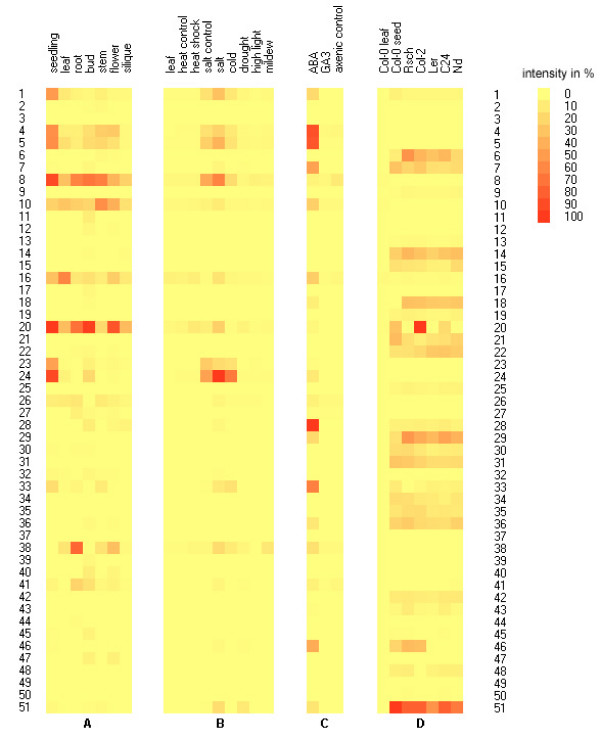
“Many stress-responsive genes known from the literature, such as several DREB type ERF/AP2 like transcription factor genes, NCED3, ATHB-7, RD29b, a PP2C and diverse LEA genes, were strongly induced, preferentially in response to salt and osmotic stress, ABA treatment and after prolonged exposure to high temperatures (F…”
Raja, V., Qadir, S. U., Alyemeni, M. N., & Ahmad, P. (2020) · 3 Biotech · doi:10.1007/s13205-020-02206-4 · Cited by 290
A Novel Factor FLOURY ENDOSPERM2 Is Involved in Regulation of Rice Grain Size and Starch Quality
She, K.-C., Kusano, H., Koizumi, K., Yamakawa, H., Hakata, M., Imamura, T., Fukuda, M., Naito, N., Tsurumaki, Y., Yaeshima, M., et al. (2010) · The Plant Cell · doi:10.1105/tpc.109.070821 · Cited by 302
“The LEA proteins, constituting a large gene family in rice (Hundertmark and Hincha, 2008), and bHLH proteins are involved in many functions, including a multiple stress response through transcriptional regulation (Ogo et al.”
BackgroundMagwanga, R. O., Lu, P., Kirungu, J. N., Lu, H., Wang, X., Cai, X., Zhou, Z., Zhang, Z., Salih, H., Wang, K., et al. (2018) · BMC Genetics · doi:10.1186/s12863-017-0596-1 · Cited by 285
“The LEA proteins have been found in various tissues of abiotic stressed plants and non-plant organisms known to be tolerant to desiccation, such as bacteria and some invertebrates [12].”
BackgroundResultInfluentialNiinemets, Ü., Kännaste, A., & Copolovici, L. (2013) · Frontiers in Plant Science · doi:10.3389/fpls.2013.00262 · Cited by 274
“In fact, when the stress is relieved, the signal propagation and defense response is silenced as evidenced by reduced activity of expression of defense genes (Hundertmark and Hincha, 2008).”
BackgroundHuang, X.-S., Liu, J.-H., & Chen, X.-J. (2010) · BMC Plant Biology · doi:10.1186/1471-2229-10-230 · Cited by 270
OsLEA3-2, an Abiotic Stress Induced Gene of Rice Plays a Key Role in Salt and Drought Tolerance
Duan, J., & Cai, W. (2012) · PLoS ONE · doi:10.1371/journal.pone.0045117 · Cited by 258
“LEA proteins of 5–9 different homology classes have been categorized based on similarities in their amino acid sequences and expression patterns [5,9,10,11].”
BackgroundTaASR1, a transcription factor gene in wheat, confers drought stress tolerance in transgenic tobacco
HU, W., HUANG, C., DENG, X., ZHOU, S., CHEN, L., LI, Y., WANG, C., MA, Z., YUAN, Q., WANG, Y., et al. (2013) · Plant, Cell & Environment · doi:10.1111/pce.12074 · Cited by 248
Candat, A., Paszkiewicz, G., Neveu, M., Gautier, R., Logan, D. C., Avelange-Macherel, M.-H., & Macherel, D. (2014) · The Plant Cell · doi:10.1105/tpc.114.127316 · Cited by 232
“AtM LEA Proteins Are Vacuolar or Secreted Two related LEA proteins (LEA21 and LEA22) could be specific to Brassicaceae and were previously classified in the AtM family (Hundertmark and Hincha, 2008).”
BackgroundMethodInfluentialA tomato bZIP transcription factor, SlAREB, is involved in water deficit and salt stress response
Hsieh, T.-H., Li, C.-W., Su, R.-C., Cheng, C.-P., Sanjaya, Tsai, Y.-C., & Chan, M.-T. (2010) · Planta · doi:10.1007/s00425-010-1147-4 · Cited by 234
“Dehydrin belongs to the LEA (late embryogenesis abundant) protein family and has been previously shown to be induced by salt and ABA in many plant species (Brini et al. 2007; Hundertmark and Hincha 2008).”
BackgroundAlonso, R., Oñate-Sánchez, L., Weltmeier, F., Ehlert, A., Diaz, I., Dietrich, K., Vicente-Carbajosa, J., & Dröge-Laser, W. (2009) · The Plant Cell · doi:10.1105/tpc.108.062968 · Cited by 228
“Although our knowledge of LEA76 function is limited, LEA proteins are known to accumulate in seed and vegetative plant tissues following environmental stress (Xu et al., 1996) and also in desiccation-tolerant bacteria and invertebrates (Bies-Etheve et al., 2008; Hundertmark and Hincha, 2008).”
BackgroundAtMyb41 Regulates Transcriptional and Metabolic Responses to Osmotic Stress in Arabidopsis
Lippold, F., Sanchez, D. H., Musialak, M., Schlereth, A., Scheible, W.-R., Hincha, D. K., & Udvardi, M. K. (2009) · Plant Physiology · doi:10.1104/pp.108.134874 · Cited by 234
Self-citationLate Embryogenesis Abundant (LEA) proteins in legumes
Battaglia, M., & Covarrubias, A. A. (2013) · Frontiers in Plant Science · doi:10.3389/fpls.2013.00190 · Cited by 223
“…osmotic, cold, and freezing temperatures produce cellular water deficit, which leads to the accumulation of a group of highly hydrophilic proteins, named LEA proteins (for Late Embryogenesis Abundant) (for review Battaglia et al., 2008; BiesEtheve et al., 2008; Hundertmark and Hincha, 2008).”
BackgroundOlvera-Carrillo, Y., Campos, F., Reyes, J. L., Garciarrubio, A., & Covarrubias, A. A. (2010) · Plant Physiology · doi:10.1104/pp.110.158964 · Cited by 220
“With only three genes in the genome (AtLEA4-1, AtLEA4-2, and AtLEA4-5), the AtLEA4 group is one of the smallest groups in Arabidopsis (Battaglia et al., 2008; Hundertmark and Hincha, 2008), which makes it accessible for a loss-of-function analysis.”
BackgroundMethodLEA proteins: IDPs with versatile functions in cellular dehydration tolerance
Hincha, D. K., & Thalhammer, A. (2012) · Biochemical Society Transactions · doi:10.1042/bst20120109 · Cited by 222
Self-citationA genome for gnetophytes and early evolution of seed plants
Wan, T., Liu, Z.-M., Li, L.-F., Leitch, A. R., Leitch, I. J., Lohaus, R., Liu, Z.-J., Xin, H.-P., Gong, Y.-B., Liu, Y., et al. (2018) · Nature Plants · doi:10.1038/s41477-017-0097-2 · Cited by 207
Sirichandra, C., Davanture, M., Turk, B. E., Zivy, M., Valot, B., Leung, J., & Merlot, S. (2010) · PLoS ONE · doi:10.1371/journal.pone.0013935 · Cited by 207
“In response to drought, ABA induces the closure of stomata to reduce water loss [5] and also reprograms gene expression leading to the accumulation of metabolites, sugars and Late Embryogenesis Abundant proteins (LEA) including dehydrins to protect cells from dehydration [6,7].”
BackgroundProtein Contribution to Plant Salinity Response and Tolerance Acquisition
Kosová, K., Prášil, I., & Vítámvás, P. (2013) · International Journal of Molecular Sciences · doi:10.3390/ijms14046757 · Cited by 201
Cohen, D., Bogeat-Triboulot, M.-B., Tisserant, E., Balzergue, S., Martin-Magniette, M.-L., Lelandais, G., Ningre, N., Renou, J.-P., Tamby, J.-P., Le Thiec, D., et al. (2010) · BMC Genomics · doi:10.1186/1471-2164-11-630 · Cited by 204
“Stress responsive LEAs are suspected to act as chaperones and/or ROS scavengers, to bind metal ions or divalent cations [87].”
BackgroundYang, Y., He, M., Zhu, Z., Li, S., Xu, Y., Zhang, C., Singer, S. D., & Wang, Y. (2012) · BMC Plant Biology · doi:10.1186/1471-2229-12-140 · Cited by 202
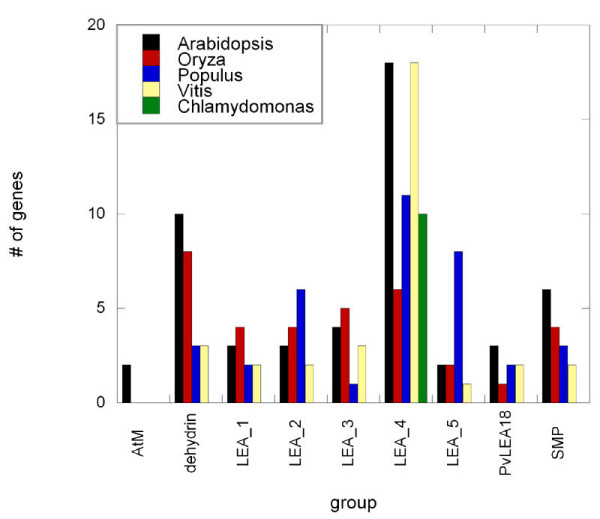
“They make up a multigene family with 10 members in Arabidopsis [18,35], 8 members in rice [45], 13 members in barley [23], and 11 members in poplar [46].”
BackgroundInfluentialDalal, M., Tayal, D., Chinnusamy, V., & Bansal, K. C. (2009) · Journal of Biotechnology · doi:10.1016/j.jbiotec.2008.09.014 · Cited by 197
Schäfer, P., Pfiffi, S., Voll, L. M., Zajic, D., Chandler, P. M., Waller, F., Scholz, U., Pons‐Kühnemann, J., Sonnewald, S., Sonnewald, U., et al. (2009) · The Plant Journal · doi:10.1111/j.1365-313x.2009.03887.x · Cited by 199
“Dehydrins/LEAs function as chaperone-like proteins and maintain cellular functions under stress conditions (Hundertmark and Hincha, 2008).”
BackgroundRajan, R., Ahmed, S., Sharma, N., Kumar, N., Debas, A., & Matsumura, K. (2021) · Materials Advances · doi:10.1039/d0ma00760a · Cited by 196
Abiotic stress‐inducible receptor‐like kinases negatively control ABA signaling in Arabidopsis
Tanaka, H., Osakabe, Y., Katsura, S., Mizuno, S., Maruyama, K., Kusakabe, K., Mizoi, J., Shinozaki, K., & Yamaguchi‐Shinozaki, K. (2012) · The Plant Journal · doi:10.1111/j.1365-313x.2012.04901.x · Cited by 191
Banerjee, A., & Roychoudhury, A. (2016) · Plant Growth Regulation · doi:10.1007/s10725-015-0113-3 · Cited by 189
“Almost 50 LEA genes have been identified in Arabidopsis thaliana along with 33 genes in rice, 36 in grapevine and 33 in poplar (Bies-Etheve et al. 2008; Hundertmark and Hincha 2008).”
BackgroundAdvantages of proteins being disordered
Liu, Z., & Huang, Y. (2014) · Protein Science · doi:10.1002/pro.2443 · Cited by 188
“High specificity may be critical for the biological functions of IDPs/IDRs.”
BackgroundInfluentialEmbryophyte stress signaling evolved in the algal progenitors of land plants
de Vries, J., Curtis, B. A., Gould, S. B., & Archibald, J. M. (2018) · Proceedings of the National Academy of Sciences · doi:10.1073/pnas.1719230115 · Cited by 189
“In land plants, promoters of LEA genes often contain ABA-response elements (58).”
BackgroundCookson, S. J., Clemente Moreno, M. J., Hevin, C., Nyamba Mendome, L. Z., Delrot, S., Trossat-Magnin, C., & Ollat, N. (2013) · Journal of Experimental Botany · doi:10.1093/jxb/ert144 · Cited by 183
“Nucleic Acids Research”
The WRKY Transcription Factor GmWRKY12 Confers Drought and Salt Tolerance in Soybean
Shi, W.-Y., Du, Y.-T., Ma, J., Min, D.-H., Jin, L.-G., Chen, J., Chen, M., Zhou, Y.-B., Ma, Y.-Z., Xu, Z.-S., et al. (2018) · International Journal of Molecular Sciences · doi:10.3390/ijms19124087 · Cited by 187
“The last group includes a variety of protein kinases, which conduct stress signals and are located upstream of the signaling network, such as GST [25], LEA [26] and FNS [27].”
BackgroundAprile, A., Mastrangelo, A. M., De Leonardis, A. M., Galiba, G., Roncaglia, E., Ferrari, F., De Bellis, L., Turchi, L., Giuliano, G., & Cattivelli, L. (2009) · BMC Genomics · doi:10.1186/1471-2164-10-279 · Cited by 180
Advances in physiological and molecular aspects of plant cold tolerance
Rihan, H. Z., Al-Issawi, M., & Fuller, M. P. (2017) · Journal of Plant Interactions · doi:10.1080/17429145.2017.1308568 · Cited by 171
“LEA proteins are suggested to be important for membrane stabilization and prevent protein aggregation (Hundertmark & Hincha 2008).”
Response of Mediterranean Ornamental Plants to Drought Stress
Toscano, S., Ferrante, A., & Romano, D. (2019) · Horticulturae · doi:10.3390/horticulturae5010006 · Cited by 165
“In plants, the LEA proteins are considered important in plant drought tolerance [102].”
BackgroundA mitochondrial late embryogenesis abundant protein stabilizes model membranes in the dry state
Tolleter, D., Hincha, D. K., & Macherel, D. (2010) · Biochimica et Biophysica Acta (BBA) - Biomembranes · doi:10.1016/j.bbamem.2010.06.029 · Cited by 174
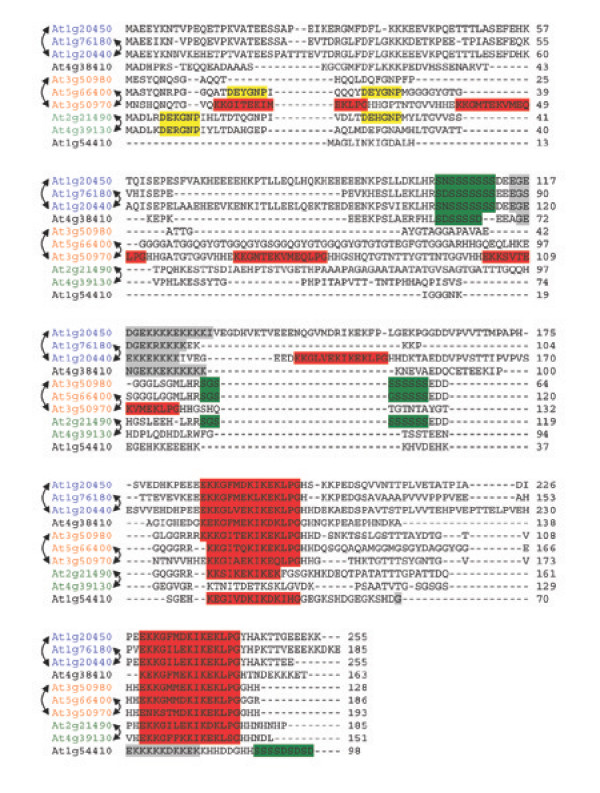
“they should not harbor a stable secondary structure in solution [3].”
BackgroundSelf-citationMolecular mechanisms of desiccation tolerance in resurrection plants
Gechev, T. S., Dinakar, C., Benina, M., Toneva, V., & Bartels, D. (2012) · Cellular and Molecular Life Sciences · doi:10.1007/s00018-012-1088-0 · Cited by 169
“Hydrophilins and LEA proteins in particular are ubiquitous proteins rapidly synthesized during desiccation in vegetative tissues and seeds of both desiccation-sensitive and resurrection plants [35, 52, 53].”
Multifarious Roles of Intrinsic Disorder in Proteins Illustrate Its Broad Impact on Plant Biology
Sun, X., Rikkerink, E. H. A., Jones, W. T., & Uversky, V. N. (2013) · The Plant Cell · doi:10.1105/tpc.112.106062 · Cited by 169
“…sharing properties of a flexible conformation in solution, a high proportion of disorder-promoting residues, and a lack of stable structure or only some residual secondary structure scattered within long IDRs (Battaglia et al., 2008; Hundertmark and Hincha, 2008) (see Table 1 for details).”
BackgroundPerera, I. Y., Hung, C.-Y., Moore, C. D., Stevenson-Paulik, J., & Boss, W. F. (2008) · The Plant Cell · doi:10.1105/tpc.108.061374 · Cited by 161
“Four of five of this subset of LEAs belong to the same group recently classified as the LEA_4 group (Hundertmark and Hincha, 2008).”
BackgroundSiLEA14, a novel atypical LEA protein, confers abiotic stress resistance in foxtail millet
Wang, M., Li, P., Li, C., Pan, Y., Jiang, X., Zhu, D., Zhao, Q., & Yu, J. (2014) · BMC Plant Biology · doi:10.1186/s12870-014-0290-7 · Cited by 166
“The GenBank accession numbers are as follows: SiLEA14 (Setaria italic, KJ767551), AtLEA14 (Arabidopsis thaliana, NM_100029), Lea14-A (Zea mays, NM_001159174), D95-4 (Glycine max, U08108), IbLEA14 (Ipomoea batatas, GU369820), ER5 (Solanum lycopersicum, U77719), Lemmi9 (Solanum lycopersicum, Z46654), CaLEA6 (Capsicum an…”
BackgroundYoo, M.-J., & Wendel, J. F. (2014) · PLoS Genetics · doi:10.1371/journal.pgen.1004073 · Cited by 171
Chen, Y., Li, C., Zhang, B., Yi, J., Yang, Y., Kong, C., Lei, C., & Gong, M. (2019) · Genes · doi:10.3390/genes10020148 · Cited by 163
“To date, LEA proteins have been identified in Oryza sativa [10], Hordeum vulgare [11], Arabidopsis thaliana [12], Prunus mume [13], Malus domestica [14], Populus trichocarpa [1], Solanum lycopersicum [15], Pinus tabuliformis [5], Dendrobium officinale [6], and a variety of plants and legumes [4].”
BackgroundGrobei, M. A., Qeli, E., Brunner, E., Rehrauer, H., Zhang, R., Roschitzki, B., Basler, K., Ahrens, C. H., & Grossniklaus, U. (2009) · Genome Research · doi:10.1101/gr.089060.108 · Cited by 167
“Additionally, two of the three proteins of the PvLEA group, which get induced upon dehydration in the bean Phaseolus vulgaris, are present in the mature pollen proteome (Colmenero-Flores et al. 1999; Hundertmark and Hincha 2008).”
BackgroundInfluentialLiu, Y., Yang, T., Lin, Z., Gu, B., Xing, C., Zhao, L., Dong, H., Gao, J., Xie, Z., Zhang, S., et al. (2019) · Plant Biotechnology Journal · doi:10.1111/pbi.13099 · Cited by 164
“NtLEA5/PbrLEA5 encodes LEA protein that is assumed to play critical roles in combating cellular dehydration (Hundertmark and Hincha, 2008).”
BackgroundPriya, M. S., Dhanker, O. P., Siddique, K. H. M., HanumanthaRao, B., Nair, R. M., Pandey, S. K., Singh, S., Varshney, R. K., Prasad, P. V. V., & Nayyar, H. (2019) · Theoretical and Applied Genetics · doi:10.1007/s00122-019-03331-2 · Cited by 172
Châtelain, E., Hundertmark, M., Leprince, O., Gall, S. L., Satour, P., DELIGNY‐PENNINCK, S., Rogniaux, H., & Buitink, J. (2012) · Plant Cell & Environment · doi:10.1111/j.1365-3040.2012.02501.x · Cited by 189
Self-citationLiang, Y., Xiong, Z., Zheng, J., Xu, D., Zhu, Z., Xiang, J., Gan, J., Raboanatahiry, N. H., Yin, Y., & Li, M. (2016) · Scientific Reports · doi:10.1038/srep24265 · Cited by 178
Delahaie, J., Hundertmark, M., Bove, J., Leprince, O., Rogniaux, H., & Buitink, J. (2013) · Journal of Experimental Botany · doi:10.1093/jxb/ert274 · Cited by 169
Self-citationInteraction of aluminium and drought stress on root growth and crop yield on acid soils
Yang, Z., Rao, I. M., & Horst, W. J. (2013) · Plant and Soil · doi:10.1007/s11104-012-1580-1 · Cited by 168
“…PvLEA18 (late embryogenesis abundant protein), KS-DHN(KS-type dehydrin) and LTP (lipid-transfer protein) (Brocard-Gifford et al. 2004; Hundertmark and Hincha 2008; Orellana et al. 2010) with the change of ABA accumulation and the expression of NCED in the root tips of common bean…”
BackgroundMultifaceted Role of Salicylic Acid in Combating Cold Stress in Plants: A Review
Saleem, M., Fariduddin, Q., & Janda, T. (2020) · Journal of Plant Growth Regulation · doi:10.1007/s00344-020-10152-x · Cited by 157
“2012), 10 in Arabidopsis (Hundertmark and Hincha 2008), 9 in Malus (Liang et al.”
BackgroundTompa, P., & Kovacs, D. (2010) · Biochemistry and Cell Biology · doi:10.1139/o09-163 · Cited by 147
“These two dehydrins accumulate in response to water stress elicited by high salinity and low temperature in Arabidopsis thaliana (Hundertmark and Hincha 2008), and they are also expressed in rapidly dividing tissues, such as the tips of roots and leaves (Nylander et al.”
BackgroundPark, S., Kim, Y., Jeong, J. C., Kim, C. Y., Haeng-Soon, L. E. E., Bang, J.-W., & Kwak, S. (2010) · Planta · doi:10.1007/s00425-010-1326-3 · Cited by 153
“LEA proteins have been classified into nine groups, based on the amino acid sequence homology and specific motives in Arabidopsis (Battaglia et al. 2008; Hundertmark and Hincha 2008).”
BackgroundMethodResultInfluentialThalhammer, A., Bryant, G., Sulpice, R., & Hincha, D. K. (2014) · PLANT PHYSIOLOGY · doi:10.1104/pp.114.245399 · Cited by 146
“These cold-induced transcription factors activate downstream target genes encoding enzymes involved in compatible solute biosynthesis and cold-regulated (COR)proteins,manyofwhichbelong to the group of late-embryogenesis abundant (LEA) proteins (Thomashow, 1999; Hundertmark and Hincha, 2008).”
BackgroundMethodSelf-citationFritz, H. M., Bowyer, P. W., Bogyo, M. S., Conrad, P. A., & Boothroyd, J. C. (2012) · PLoS ONE · doi:10.1371/journal.pone.0029955 · Cited by 146
The multifunctionality of dehydrins: An overview
Hara, M. (2010) · Plant Signaling & Behavior · doi:10.4161/psb.11085 · Cited by 153
“Because dehydrins are the most characterized LEA proteins, many reviews of dehydrins are available.(6-8,19-26) Although these reviews are useful for gaining a comprehensive understanding of dehydrins, they did not include the latest information from recent studies about the functions of dehydrins.”
BackgroundInfluentialArtur, M. A. S., Zhao, T., Ligterink, W., Schranz, E., & Hilhorst, H. W. M. (2019) · Genome Biology and Evolution · doi:10.1093/gbe/evy248 · Cited by 136
Chloroplast proteome response to drought stress and recovery in tomato (Solanum lycopersicum L.)
Tamburino, R., Vitale, M., Ruggiero, A., Sassi, M., Sannino, L., Arena, S., Costa, A., Batelli, G., Zambrano, N., Scaloni, A., et al. (2017) · BMC Plant Biology · doi:10.1186/s12870-017-0971-0 · Cited by 152
“1c) and with previous observations on other plants subjected to water deficit conditions [49, 50].”
BackgroundOlvera-Carrillo, Y., Luis Reyes, J., & Covarrubias, A. A. (2011) · Plant Signaling & Behavior · doi:10.4161/psb.6.4.15042 · Cited by 132
“Although these physicochemical characteristics are widespread to most LEA proteins, differences in their amino acid sequences reveal at least seven groups.(4,5) Many reports have described LEA proteins induction in vegetative tissues of several plant species under water deficit conditions imposed by the environment or…”
BackgroundLEA Proteins: Versatility of Form and Function
Tunnacliffe, A., Hincha, D. K., Leprince, O., & Macherel, D. (2010) · Topics in current genetics · doi:10.1007/978-3-642-12422-8_6 · Cited by 156
“In the model plant Arabidopsis thaliana, nine different groups have recently been proposed based on amino acid sequence analysis (Hundertmark and Hincha 2008; Bies-Ethève et al. 2008).”
BackgroundMethodInfluentialSelf-citationCao, J., & Li, X. (2015) · Planta · doi:10.1007/s00425-014-2215-y · Cited by 131
“The major groups are marked with different color backgrounds according to Hundertmark and Hincha (2008)”
InfluentialDirect and indirect targets of the arabidopsis seed transcription factor ABSCISIC ACID INSENSITIVE3
Tian, R., Wang, F., Zheng, Q., Niza, V. M. A. G. E., Downie, A. B., & Perry, S. E. (2020) · The Plant Journal · doi:10.1111/tpj.14854 · Cited by 143
Wóycicki, R. K., Witkowicz, J., Gawroński, P., Dąbrowska‐Bronk, J., Lomsadze, A., Pawełkowicz, M. E., Siedlecka, E., Yagi, K., Pląder, W., Seroczyńska, A., et al. (2011) · PLoS ONE · doi:10.1371/journal.pone.0022728 · Cited by 128
Overexpression of OsEm1 encoding a group I LEA protein confers enhanced drought tolerance in rice
Yu, J., Lai, Y., Wu, X., Wu, G., & Guo, C. (2016) · Biochemical and Biophysical Research Communications · doi:10.1016/j.bbrc.2016.08.010 · Cited by 148
Jin, C., Li, K.-Q., Xu, X., Zhang, H.-P., Chen, H., Chen, Y., Hao, J., Wang, Y., Huang, X., & Zhang, S. (2017) · Frontiers in Plant Science · doi:10.3389/fpls.2017.01049 · Cited by 137
“This assumption was supported by the assessment of higher expression of some stress-responsive genes (NtLEA5/14 and NtERD10A/B/C/D), which were assumed to be involved in counteracting cellular drought (Hundertmark and Hincha, 2008).”
ResultLi, K., Xing, C., Yao, Z., & Huang, X. (2017) · Plant Biotechnology Journal · doi:10.1111/pbi.12708 · Cited by 148
“LEA5 and ERD10C encode hydrophilic late embryogenesis abundant (LEA) proteins that are assumed to play critical roles in combating cellular dehydration tolerance by binding water, and protecting cellular and membrane damage (Hundertmark and Hincha, 2008).”
BackgroundInsights into Late Embryogenesis Abundant (LEA) Proteins in Plants: From Structure to the Functions
Amara, I., Zaïdi, I., Masmoudi, K., Ludevid, M. D., Pagès, M., Goday, A., & Brini, F. (2014) · American Journal of Plant Sciences · doi:10.4236/ajps.2014.522360 · Cited by 142
“LEA proteins accumulate in vegetative tissues exposed to dehydration, osmotic, and/or low temperature stress [5] [17] [18] [24].”
BackgroundLi, J., Luan, Y., & Liu, Z. (2014) · Physiologia Plantarum · doi:10.1111/ppl.12315 · Cited by 129
Pedrosa, A. M., Martins, C. D. P. S., Gonçalves, L. P., & Costa, M. G. C. (2015) · PLoS ONE · doi:10.1371/journal.pone.0145785 · Cited by 142
“Similar results, with the predominance of ABRE elements, have been reported for LEA genes in Arabidopsis [31], Chinese plum [51] and tomato [53].”
BackgroundMethodResultInfluentialLEAPdb: a database for the late embryogenesis abundant proteins
Hunault, G., & Jaspard, E. (2010) · BMC Genomics · doi:10.1186/1471-2164-11-221 · Cited by 149
“For a better comparison, the numbering of LEAP in this file is rigorously the same as in Table 1 of the article of Hundertdmark and Hincha about the LEAP-encoding genes in the Arabidopsis thaliana genome [25].”
BackgroundMethodInfluentialGao, J., & Lan, T. (2016) · Scientific Reports · doi:10.1038/srep19467 · Cited by 132
Exploring the Mechanism of Physcomitrella patens Desiccation Tolerance through a Proteomic Strategy
Wang, X. Q., Yang, P. F., Liu, Z., Liu, W. Z., Hu, Y., Chen, H., Kuang, T. Y., Pei, Z., Shen, S. H., & He, Y. K. (2009) · PLANT PHYSIOLOGY · doi:10.1104/pp.108.131714 · Cited by 123
“Previous studies have shown that LEA-encoding genes are strongly enhanced in the desiccation-tolerant plants during drying (Piatkowski et al., 1990; Hundertmark and Hincha, 2008); therefore, they might be important for the acquisition of desiccation tolerance (Bartels and Sunkar, 2005).”
BackgroundDesiccation Tolerance as the Basis of Long-Term Seed Viability
Николаевна, С. Г., Leonova, T. S., Vashurina, N., Frolov, A., & Medvedev, S. S. (2020) · International Journal of Molecular Sciences · doi:10.3390/ijms22010101 · Cited by 128
“In the promoters of the Arabidopsis genes encoding LEA proteins cis-elements sensitive to abscisic acid (ABA), drought and low temperatures were found [18].”
BackgroundMethodInfluentialPadmalatha, K. V., Gurusamy, D., Mogilicherla, K., Kumar, S., Dass, A., Patil, D. P., Rajamani, V., Kumar, K., Pathak, R., Rawat, B., et al. (2011) · Plant Molecular Biology · doi:10.1007/s11103-011-9857-y · Cited by 124
“LEA14-A is a hydrophobic protein in nature and three LEA14 Arabidopsis homologue genes were up-regulated by various abiotic stresses (Hundertmark and Hincha 2008).”
BackgroundDNA binding of citrus dehydrin promoted by zinc ion
Hara, M., Shinoda, Y., Tanaka, Y., & Kuboi, T. (2009) · Plant Cell & Environment · doi:10.1111/j.1365-3040.2009.01947.x · Cited by 119
“Amino acid sequences similar to D4 were found in many kinds of dehydrins (Mouillon et al. 2006; Hundertmark & Hincha 2008).”
BackgroundMolecular and systems approaches towards drought‐tolerant canola crops
Zhu, M., Monroe, J. G., Suhail, Y., Villiers, F., Mullen, J. L., Pater, D., Hauser, F., Jeon, B. W., Bader, J. S., Kwak, J. M., et al. (2016) · New Phytologist · doi:10.1111/nph.13866 · Cited by 126
The Distinct Roles of Class I and II RPD3-Like Histone Deacetylases in Salinity Stress Response
Ueda, M., Matsui, A., Tanaka, M., Nakamura, T. Y., Abe, T., Sako, K., Sasaki, T., Kim, J.-M., Ito, A., Nishino, N., et al. (2017) · PLANT PHYSIOLOGY · doi:10.1104/pp.17.01332 · Cited by 123
Jithesh, M. N., Shukla, P. S., Kant, P., Joshi, J., Critchley, A. T., & Prithiviraj, B. (2018) · Journal of Plant Growth Regulation · doi:10.1007/s00344-018-9861-4 · Cited by 122
The reduction of seed-specific dehydrins reduces seed longevity in Arabidopsis thaliana
Hundertmark, M., Buitink, J., Leprince, O., & Hincha, D. K. (2011) · Seed Science Research · doi:10.1017/s0960258511000079 · Cited by 114
“in Arabidopsis Ten different genes encoding dehydrins were identified in the Arabidopsis genome (Hundertmark and Hincha, 2008).”
BackgroundMethodSelf-citationZhao, Q., Xiang, X., Liu, D., Yang, A., & Wang, Y. (2018) · Frontiers in Plant Science · doi:10.3389/fpls.2018.00381 · Cited by 129
“In previous studies, most of these genes or their homologs have been shown to respond to abiotic stresses (Hundertmark and Hincha, 2008; Jin et al., 2016).”
BackgroundYang, Y., Yu, T., Ma, J., Chen, J., Zhou, Y., Chen, M., Ma, Y., Wei, W., & Xu, Z. (2020) · International Journal of Molecular Sciences · doi:10.3390/ijms21020670 · Cited by 112
Kimura, M., & Nambara, E. (2010) · Plant Molecular Biology · doi:10.1007/s11103-010-9603-x · Cited by 112
“2006), At2g42560 (Hundertmark and Hincha 2008), ABI2 (Leung et al.”
InfluentialHuang, X.-S., Luo, T., Fu, X.-Z., Fan, Q.-J., & Liu, J.-H. (2011) · Journal of Experimental Botany · doi:10.1093/jxb/err229 · Cited by 112
Genome-wide identification and analysis of late embryogenesis abundant (LEA) genes in Prunus mume
Du, D., Zhang, Q., Cheng, T., Pan, H., Yang, W., & Sun, L. (2013) · Molecular Biology Reports · doi:10.1007/s11033-012-2250-3 · Cited by 111
“This number is similar to the LEA genes present in rice (34) [51], poplar (33) and grape (36) [52]; but it is much less than that in Arabidopsis (50 [53] or 51 [52]).”
BackgroundResultHuo, Y., Wang, M., Wei, Y., & Xia, Z. (2016) · Frontiers in Plant Science · doi:10.3389/fpls.2015.01223 · Cited by 124
Thalhammer, A., Hundertmark, M., Popova, A. V., Seckler, R., & Hincha, D. K. (2010) · Biochimica et Biophysica Acta (BBA) - Biomembranes · doi:10.1016/j.bbamem.2010.05.015 · Cited by 124
Self-citation
Metadata
- Authors
- Hundertmark, M., & Hincha, D. K.
- Affiliations
- Max Planck Institute of Molecular Plant Physiology (DE)
- Corresponding author
- Hincha, Dirk K
- ORCID
- Hincha, Dirk K
- Venue
- BMC Genomics
- Published
- 2008
- Volume
- 9
- Issue
- 1
- Pages
- 118
- ISSN
- 1471-2164 (ISSN-L)
- PMC
- PMC2292704
- OpenAlex
- W2081744992
- Cited by
- 1,044
- References
- 133
- Citations by year
- 2026: 44 · 2025: 68 · 2024: 74 · 2023: 44 · 2022: 72 · 2021: 98 · 2020: 73 · 2019: 63 · 2018: 57 · 2017: 59 · 2016: 52 · 2015: 53 · 2014: 59 · 2013: 55 · 2012: 51
- FWCI
- 48.80
- Type
- journal article
- Language
- en
- Open access
- gold
- doi.org
- Licence
- cc-by
- Locations
- BMC Genomics (publishedVersion, cc-by)
- PubMed Central (publishedVersion, cc-by)
- PubMed (publishedVersion)
- DOAJ (DOAJ: Directory of Open Access Journals) (submittedVersion)
- Max Planck Institute for Plasma Physics (submittedVersion)
- MPG.PuRe (Max Planck Society) (submittedVersion, other-oa)
- Funders
- Universität Potsdam
- Topics
- Life Sciences › Agricultural and Biological Sciences › Plant Science › Plant Stress Responses and Tolerance
- Life Sciences › Agricultural and Biological Sciences › Plant Science › Seed Germination and Physiology
- Life Sciences › Agricultural and Biological Sciences › Plant Science › Plant Molecular Biology Research
- Keywords
- late embryogenesis abundant proteins, LEA genes, Arabidopsis thaliana, desiccation tolerance, dehydration tolerance, seed development, abscisic acid response element, gene expression patterns, tandem repeats, homeologous genes, gene duplication, protein structure prediction
- MeSH terms
- Abscisic Acid, Amino Acid Sequence, Molecular Sequence Data, Plant Proteins, Promoter Regions, Genetic, Sequence Alignment, Genes, Plant, Arabidopsis, Gene Expression Regulation, Plant, Genome, Plant, Evolution, Molecular, Arabidopsis Proteins, Embryonic Development, Regulatory Elements, Transcriptional
About these checks
Registry, retraction, Cites and statistics results are computed, not judged, with one exception: a printed reference that no index lists is read once by a model before it counts as a citation error. Claims are extracted by a model and kept only when their quote appears verbatim in the text; each cited source is then checked, with a model’s help, for whether it says what the claim relies on. Those verdicts can be wrong — read the claim’s quote and the cited source before relying on one.
Statistics and arithmetic are recomputed, not judged.
Confidence bands are shown only for fields calibrated on our annotated test set. None is calibrated yet, so no band is shown.
What counts as a claim ›How we measure confidence ›How we check this ›
Are you an author, or do you see a problem with this page? Request a review
Data sources
Bibliographic data: Semantic Scholar, OpenAlex, Crossref.
Contains information from the Semantic Scholar Academic Graph Datasets, made available under the ODC Attribution License (ODC-BY 1.0).
Semantic Scholar’s data is described in: Kinney, R., et al. (2023). The Semantic Scholar Open Data Platform. arXiv:2301.10140.
