

Developing a complex intervention for diet and activity behaviour change in obese pregnant women (the UPBEAT trial); assessment of behavioural change and process evaluation in a pilot randomised controlled trial
Open accessThe DOI matches its Crossref record; 60 of the 63 references it cites were found in a registry or an index.
Abstract
BACKGROUND: Complex interventions in obese pregnant women should be theoretically based, feasible and shown to demonstrate anticipated behavioural change prior to inception of large randomised controlled trials (RCTs). The aim was to determine if a) a complex intervention in obese pregnant women leads to anticipated changes in diet and physical activity behaviours, and b) to refine the intervention protocol through process evaluation of intervention fidelity. METHODS: We undertook a pilot RCT of a complex intervention in obese pregnant women, comparing routine antenatal care with an intervention to reduce dietary glycaemic load and saturated fat intake, and increase physical activity. Subjects included 183 obese pregnant women (mean BMI 36.3 kg/m2). RESULTS: Compared to women in the control arm, women in the intervention arm had a significant reduction in dietary glycaemic load (33 points, 95% CI -47 to -20), (p < 0.001) and saturated fat intake (-1.6% energy, 95% CI -2.8 to -0. 3) at 28 weeks' gestation. Objectively measured physical activity did not change. Physical discomfort and sustained barriers to physical activity were common at 28 weeks' gestation. Process evaluation identified barriers to recruitment, group attendance and compliance, leading to modification of intervention delivery. CONCLUSIONS: This pilot trial of a complex intervention in obese pregnant women suggests greater potential for change in dietary intake than for change in physical activity, and through process evaluation illustrates the considerable advantage of performing an exploratory trial of a complex intervention in obese pregnant women before undertaking a large RCT. TRIAL REGISTRATION NUMBER: ISRCTN89971375.
Overview
The claims and statistics of this paper haven’t been checked yet.
Free: it reads the open-access text and checks the first 5 claims that cite a source we can check. Create a free account to check every claim.
Integrity signals
Registry
Cites
Statistics
Figures
Verification
Claims the paper makes
The claims and statistics of this paper haven’t been checked yet.
Free: it reads the open-access text and checks the first 5 claims that cite a source we can check. Create a free account to check every claim.
Claims other papers make about this one
Each is checked against this paper’s own text: does it say what the citing paper says it does?
The source backs part of the claim, not all of it — or backs it for a different population, condition or comparison.
In the citing paper
“When undertaking qualitative research in feasibility studies for trials, it is common for researchers to undertake a cross-sectional interview study with intervention deliverers and recipients and not to specify explicitly an approach or design [12, 21, 22, 24].”
From Maximising the impact of qualitative research in feasibility studies for randomised controlled trials: guidance for researchers (2015) · cites this paper as [12]
Experimental — accuracy not yet measuredIn the citing paper
“Reporting the impact of the qualitative research on the trial, and potential learning for future trials, in the abstract of any journal article can make it easier for other researchers to learn from the qualitative research findings [12].”
From Maximising the impact of qualitative research in feasibility studies for randomised controlled trials: guidance for researchers (2015) · cites this paper as [12]
In the citing paper
“Electronic journals allowing longer articles, and the use of supplementary tables, can facilitate the inclusion of both more detail on the methods used and a larger number of illustrative data extracts [12].”
From Maximising the impact of qualitative research in feasibility studies for randomised controlled trials: guidance for researchers (2015) · cites this paper as [12]
In the citing paper
“Some researchers simply describe the steps they take within their analysis rather than citing a named approach [12].”
From Maximising the impact of qualitative research in feasibility studies for randomised controlled trials: guidance for researchers (2015) · cites this paper as [12]
In the citing paper
“In practice, sample sizes for qualitative research in feasibility studies are usually small (typically between 5 and 20 individuals [10, 12, 22–24]).”
From Maximising the impact of qualitative research in feasibility studies for randomised controlled trials: guidance for researchers (2015) · cites this paper as [12]
Self-check
Percentages, sums and reported differences re-computed from the paper’s own numbers.
The self-check needs the paper’s full text.
Citations
Cites
EuroQol: a new facility for the measurement of health-related quality of life
(1990) · Health Policy · doi:10.1016/0168-8510(90)90421-9 · Cited by 15,736 · cited 2×
“The EuroQol quality of life (EQ- 5D) questionnaire [22] was used to assess health status, and the Edinburgh Post Natal Depression Score (EPDS) to assess mental health [23].”
BackgroundMethodDetection of Postnatal Depression: Development of the 10-item Edinburgh Postnatal Depression Scale
Cox, J. L., Holden, J. M., & Sagovsky, R. (1987) · British Journal of Psychiatry · doi:10.1192/bjp.150.6.782 · Cited by 14,183
Developing and evaluating complex interventions: the new Medical Research Council guidance
Craig, P., Dieppe, P., Macintyre, S., Michie, S., Nazareth, I., & Petticrew, M. (2008) · BMJ · doi:10.1136/bmj.a1655 · Cited by 10,995 · cited 1×
“Prior to embarking on a large randomised controlled trial (RCT) and in accordance with UK Medical Research Council Guidance for development of a complex intervention [10], we first explored the theoretical basis for an intervention in obese pregnant women [5,6,11,12], leading to development of a novel intervention (Ph…”
MethodCompendium of physical activities: an update of activity codes and MET intensities
AINSWORTH, B. E., HASKELL, W. L., WHITT, M. C., IRWIN, M. L., SWARTZ, A. M., STRATH, S. J., O???BRIEN, W. L., BASSETT, D. R., SCHMITZ, K. H., EMPLAINCOURT, P. O., et al. (2000) · Medicine & Science in Sports & Exercise · doi:10.1097/00005768-200009001-00009 · Cited by 8,497 · cited 1×
“Vigorous activities were those of 6 METs or greater [34] MVPA were combined to give one summary variable.”
BackgroundHealth Promotion by Social Cognitive Means
Bandura, A. (2004) · Health Education & Behavior · doi:10.1177/1090198104263660 · Cited by 7,238 · cited 2×
“Identification of benefits and overcoming barriers to behaviour change, and increasing self-efficacy were also included, and social support facilitated through the group format [17].”
BackgroundMethodInternational Association of Diabetes and Pregnancy Study Groups Consensus Panel (2010) · Diabetes Care · doi:10.2337/dc09-1848 · Cited by 5,390 · cited 2×
“5 mmol/L according to the International Association of the Diabetes and Pregnancy Study Groups (IADPSG) guidelines [25].”
MethodQualitative methods for health research
(2009) · Choice Reviews Online · doi:10.5860/choice.47-0901 · Cited by 4,596
(1997) · doi:10.1097/00005650-199711000-00002 · Cited by 4,544 · cited 1×
“59 is severe problems on all dimensions) [27,28]; and also the visual analogue scale (VAS) of health-related quality of life (range 0 to 100 where 0 is worst imaginable health state).”
BackgroundWeight Gain During Pregnancy: Reexamining the Guidelines
Rasmussen, K. M., & Yaktine, A. L. (2009) · Cited by 4,493
Calibration of the Computer Science and Applications, Inc. accelerometer
FREEDSON, P. S., MELANSON, E., & SIRARD, J. (1998) · Medicine & Science in Sports & Exercise · doi:10.1097/00005768-199805000-00021 · Cited by 3,825 · cited 1×
“Sedentary behaviour was defined as <100 counts per minute (cpm), light activity as 100– 1951 cpm, moderate intensity activity as 1952–5725 cpm and vigorous activity as > 5725 cpm [32].”
Background
Research works printed but not linked: 6
- Royal College of Obstetrics and Gynaecology Exercise in pregnancy. Statement No. 4 2006 Internet: http://www.rcog.org.uk/womens-health/clinical-guidance/exercise-pregnancy (accessed July 16th, 2013)
- Gardosi J Francis A Customised weight centile calculator - GROW - centile v5.15/6.4 Gestational Network 2009 Internet: http://www.gestation.net/birthweight_centiles/online/centile_online_uk.htm (accessed 10th July, 2013)
- Centre for Maternal and Child Enquiries and the Royal College of Obstetricians and Gynaecologists Joint Guideline Management of women with obesity in pregnancy 2010 Internet; http://www.rcog.org.uk/womens-health/clinical-guidance/management-women-obesity-pregnancy (accessed July 10th 2013)
- Department of Health Dietary Reference Values for Food Energy and Nutrients for the United Kingdom. Report on Health and Social Subjects 41 1991 HSMO, London: The Stationary Office 1961974
- Townsend N Bhatnagar P Wickramasinghe K Scarborough P Foster C Rayner M Physical activity statistics 2012 2012 London: British Heart Foundation
- Gatineau M Mathrani S Public Health England. Obesity and Ethnicity Oxford: National Obesity Observatory 2011 Internet: http://www.noo.org.uk/NOO_pub/briefing_papers
Cited by
Risks associated with obesity in pregnancy, for the mother and baby: a systematic review of reviews
Marchi, J., Berg, M., Dencker, A., Olander, E. K., & Begley, C. (2015) · Obesity Reviews · doi:10.1111/obr.12288 · Cited by 991
“(52, 53) show positive effects of both in reducing GDM.”
Bipolar disorder, affective psychosis, and schizophrenia in pregnancy and the post-partum period
Jones, I., Chandra, P. S., Dazzan, P., & Howard, L. M. (2014) · The Lancet · doi:10.1016/s0140-6736(14)61278-2 · Cited by 644
Self-citationPoston, L., Bell, R., Croker, H., Flynn, A. C., Godfrey, K. M., Goff, L., Hayes, L., Khazaezadeh, N., Nelson, S. M., Oteng-Ntim, E., et al. (2015) · The Lancet Diabetes & Endocrinology · doi:10.1016/s2213-8587(15)00227-2 · Cited by 642
Self-citationDiet or exercise, or both, for preventing excessive weight gain in pregnancy
Muktabhant, B., Lawrie, T. A., Lumbiganon, P., & Laopaiboon, M. (2015) · Cochrane Database of Systematic Reviews · doi:10.1002/14651858.cd007145.pub3 · Cited by 601
O’Cathain, A., Hoddinott, P., Lewin, S., Thomas, K. J., Young, B., Adamson, J., Jansen, Y. J., Mills, N., Moore, G., & Donovan, J. L. (2015) · Pilot and Feasibility Studies · doi:10.1186/s40814-015-0026-y · Cited by 458
“Other terms may be used to describe a feasibility study for a trial, for example a ‘ formative ’ study as part of ‘ evidence-based planning ’ [10] or an exploratory pilot study [11] or a process evaluation with a pilot trial [12].”
InfluentialInterventions with potential to reduce sedentary time in adults: systematic review and meta-analysis
Martin, A., Fitzsimons, C., Jepson, R., Saunders, D. H., van der Ploeg, H. P., Teixeira, P. J., Gray, C. M., & Mutrie, N. (2015) · British Journal of Sports Medicine · doi:10.1136/bjsports-2014-094524 · Cited by 326
Attitudes, barriers and enablers to physical activity in pregnant women: a systematic review
Harrison, A. L., Taylor, N. F., Shields, N., & Frawley, H. C. (2018) · Journal of Physiotherapy · doi:10.1016/j.jphys.2017.11.012 · Cited by 269
“Five studies used Likert scales to rank attitude, and all reported a positive attitude to physical activity during pregnancy.(54,70,72,74,87) A positive attitude to the importance and benefits of physical activity during pregnancy was also consistent across studies reporting this outcome for overweight and obese pregn…”
BackgroundMethodResultCombined diet and exercise interventions for preventing gestational diabetes mellitus
Shepherd, E., Gomersall, J. C., Tieu, J., Han, S., Crowther, C. A., & Middleton, P. (2017) · Cochrane Database of Systematic Reviews · doi:10.1002/14651858.cd010443.pub3 · Cited by 235
Interventions to prevent maternal obesity before conception, during pregnancy, and post partum
Hanson, M., Barker, M., Dodd, J. M., Kumanyika, S., Norris, S., Steegers, E., Stephenson, J., Thangaratinam, S., & Yang, H. (2017) · The Lancet Diabetes & Endocrinology · doi:10.1016/s2213-8587(16)30108-5 · Cited by 200
Diet and exercise interventions for preventing gestational diabetes mellitus
Bain, E., Crane, M., Tieu, J., Han, S., Crowther, C. A., & Middleton, P. (2015) · Cochrane Database of Systematic Reviews · doi:10.1002/14651858.cd010443.pub2 · Cited by 188
For the LIMIT Randomised Trial Group, Dodd, J. M., Cramp, C., Sui, Z., Yelland, L. N., Deussen, A. R., Grivell, R. M., Moran, L. J., Crowther, C. A., Turnbull, D., et al. (2014) · BMC Medicine · doi:10.1186/s12916-014-0161-y · Cited by 173
“Overall, the existing literature supports the positive effect of lifestyle interventions during pregnancy for women who are overweight or obese in improving a range of measures of dietary intake [40,61-63], even in the absence of changes in gestational weight gain and overall energy intake [61,62].”
BackgroundResultInfluentialDietary advice interventions in pregnancy for preventing gestational diabetes mellitus
Tieu, J., Shepherd, E., Middleton, P., & Crowther, C. A. (2017) · Cochrane Database of Systematic Reviews · doi:10.1002/14651858.cd006674.pub3 · Cited by 130
Rogozińska, E., Chamillard, M., Hitman, G. A., Khan, K. S., & Thangaratinam, S. (2015) · PLOS ONE · doi:10.1371/journal.pone.0115526 · Cited by 119
“[30] The largest trial on mixed approach (diet and lifestyle) in pregnancy, the LIMIT study failed to show a benefit with the intervention for GDM and other maternal outcomes including gestational weight gain.”
BackgroundPatel, N., Godfrey, K. M., Pasupathy, D., Levin, J., Flynn, A. C., Hayes, L., Briley, A. L., Bell, R., Lawlor, D. A., Oteng-Ntim, E., et al. (2017) · International Journal of Obesity · doi:10.1038/ijo.2017.44 · Cited by 114
Self-citationHayes, L., McParlin, C., Kinnunen, T. I., Poston, L., Robson, S. C., & Bell, R. (2015) · BMC Pregnancy and Childbirth · doi:10.1186/s12884-015-0479-2 · Cited by 103
Self-citationEffectiveness of physical activity monitors in adults: systematic review and meta-analysis
Larsen, R. T., Wagner, V., Korfitsen, C. B., Keller, C., Juhl, C. B., Langberg, H., & Christensen, J. (2022) · BMJ · doi:10.1136/bmj-2021-068047 · Cited by 95
Flynn, A. C., Dalrymple, K., Barr, S., Poston, L., Goff, L. M., Rogozińska, E., van Poppel, M. N. M., Rayanagoudar, G., Yeo, S., Barakat Carballo, R., et al. (2016) · Nutrition Reviews · doi:10.1093/nutrit/nuw005 · Cited by 94
Self-citationBriley, A. L., Barr, S., Badger, S., Bell, R., Croker, H., Godfrey, K. M., Holmes, B., Kinnunen, T. I., Nelson, S. M., Oteng-Ntim, E., et al. (2014) · BMC Pregnancy and Childbirth · doi:10.1186/1471-2393-14-74 · Cited by 87
Self-citationBennett, C., Walker, R., Blumfield, M. L., Gwini, S. M., Ma, J., Wang, F., Wan, Y., Dickinson, H., & Truby, H. (2018) · Diabetes Research and Clinical Practice · doi:10.1016/j.diabres.2018.04.010 · Cited by 96
Tanvig, M., Vinter, C. A., Jørgensen, J. S., Wehberg, S., Ovesen, P. G., Beck-Nielsen, H., Christesen, H. T., & Jensen, D. M. (2015) · The Journal of Clinical Endocrinology & Metabolism · doi:10.1210/jc.2014-2675 · Cited by 77
Flynn, A. C., Seed, P. T., Patel, N., Barr, S., Bell, R., Briley, A. L., Godfrey, K. M., Nelson, S. M., Oteng‐Ntim, E., Robinson, S. M., et al. (2016) · International Journal of Behavioral Nutrition and Physical Activity · doi:10.1186/s12966-016-0450-2 · Cited by 89
“Using Pearson correlation coefficient, the FFQ was compared to 24 h recalls collected from the pilot study participants [24] and showed good agreement for fat (r = 0.”
MethodSelf-citationDetermining the consequences of maternal obesity for offspring health
Patel, N., Pasupathy, D., & Poston, L. (2015) · Experimental Physiology · doi:10.1113/ep085132 · Cited by 76
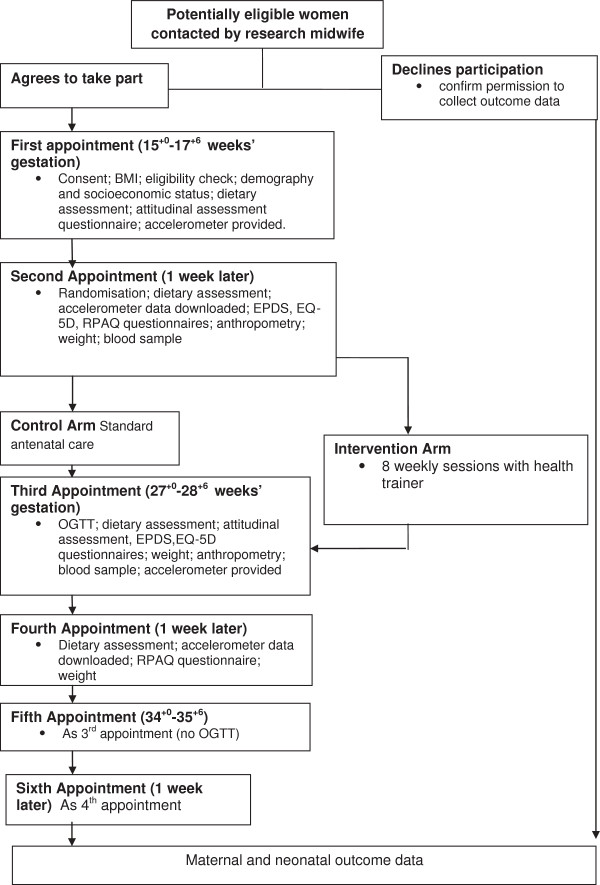
“Women were randomized to standard antenatal care or to an intervention delivered by health trainers over 8 weeks (weekly sessions; Poston et al. 2013; Briley et al. 2014).”
MethodSelf-citationHorn, L. V., Peaceman, A. M., Kwasny, M., Vincent, E., Fought, A. J., Josefson, J. L., Spring, B. J., Neff, L. M., & Gernhofer, N. (2018) · American Journal of Preventive Medicine · doi:10.1016/j.amepre.2018.06.015 · Cited by 90
Renault, K. M., Carlsen, E. M., Nørgaard, K., Nilas, L., Pryds, O., Secher, N. J., Olsen, S. F., & Halldorsson, T. I. (2015) · PLOS ONE · doi:10.1371/journal.pone.0133041 · Cited by 72
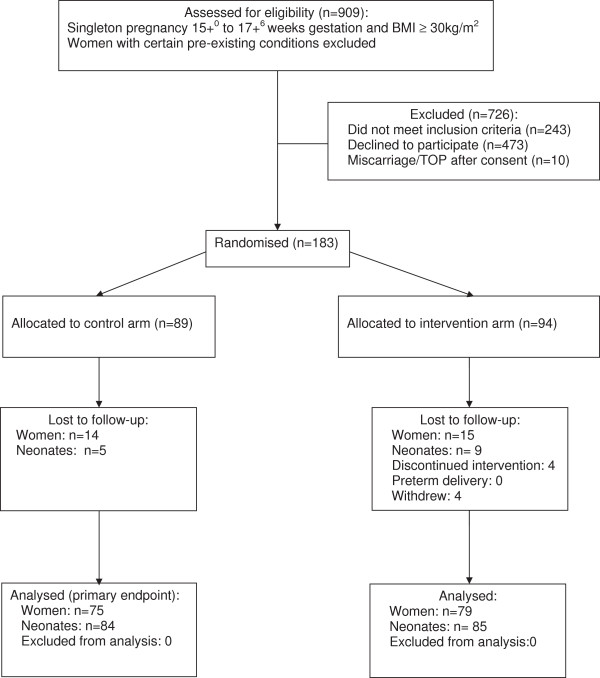
“In a recently published pilot study of a complex randomized trial of dietary and physical activity intervention in 183 obese pregnant women in which behavioural changes were assessed [17], there was no significant reduction in GWG either.”
BackgroundDodd, J. M., Louise, J., Cramp, C., Grivell, R. M., Moran, L., & Deussen, A. R. (2017) · Maternal and Child Nutrition · doi:10.1111/mcn.12502 · Cited by 72
“…dietary intake and physical activity patterns (Dodd, Cramp, et al., 2014; Guelinckx, Devlieger, Mullie, & Vansant, 2010; Poston et al., 2015; Poston et al., 2013; Rae et al., 2000; Wolff, Legarth, Vangsgaard, Toubro, & Astrup, 2008), although these studies have largely been conducted in…”
ResultChanging behaviour in pregnant women: A scoping review
Zinsser, L. A., Stoll, K. H., Wieber, F., Pehlke‐Milde, J., & Groß, M. M. (2020) · Midwifery · doi:10.1016/j.midw.2020.102680 · Cited by 77
A Medically Supervised Pregnancy Exercise Intervention in Obese Women: A Randomized Controlled Trial
Daly, N., Farren, M., McKeating, A., O'Kelly, R., Stapleton, M., & Turner, M. J. (2017) · Obstetrics & Gynecology · doi:10.1097/aog.0000000000002267 · Cited by 61
Targeting the postpartum period to promote weight loss: a systematic review and meta-analysis
Dodd, J. M., Deussen, A. R., O’Brien, C. M., Schoenaker, D. A. J. M., Poprzeczny, A. J., Gordon, A., & Phelan, S. (2018) · Nutrition Reviews · doi:10.1093/nutrit/nuy024 · Cited by 71
Physical activity and exercise during pregnancy in Africa: a review of the literature
Okafor, U. B., & Goon, D. T. (2020) · BMC Pregnancy and Childbirth · doi:10.1186/s12884-020-03439-0 · Cited by 78
Tanvig, M. H. (2014) · PubMed · Cited by 71
Aguilar-Cordero, M. J., Sánchez-García, J. C., Rodriguez-Blanque, R., Sánchez-López, A. M., & Mur-Villar, N. (2019) · Journal of the American Psychiatric Nurses Association · doi:10.1177/1078390317753675 · Cited by 57
on behalf of the BiB childhood obesity scientific group, McEachan, R., Santorelli, G., Bryant, M., Sahota, P., Farrar, D., Small, N., Akhtar, S., Sargent, J., Barber, S., et al. (2016) · BMC Public Health · doi:10.1186/s12889-016-2861-z · Cited by 65
“Reported recruitment rates from five recent antenatal trials targeting pregnant overweight women ranged from 20 – 40 % (MAMAS; [21] LIP; [22] UPBEAT; [23] NELLI; [24, 25] LIMIT [26, 27]).”
Okesene-Gafa, K. A., Moore, A. E., Jordan, V., McCowan, L., & Crowther, C. A. (2020) · Cochrane Database of Systematic Reviews · doi:10.1002/14651858.cd012970.pub2 · Cited by 53
Preventing mental health problems in offspring by targeting dietary intake of pregnant women
O'Neil, A., Itsiopoulos, C., Skouteris, H., Opie, R. S., McPhie, S., Hill, B., & Jacka, F. N. (2014) · BMC Medicine · doi:10.1186/s12916-014-0208-0 · Cited by 51
“From a feasibility perspective, there are pilot data to support the contention that diet is readily modifiable in pregnant women [51].”
BackgroundThe influence of physical activity in water on sleep quality in pregnant women: A randomised trial
Rodríguez-Blanque, R., Sánchez-García, J. C., Sánchez-López, A. M., Mur-Villar, N., & Cordero, M. J. A. (2017) · Women and Birth · doi:10.1016/j.wombi.2017.06.018 · Cited by 71
Prevention of gestational diabetes mellitus: Where are we now?
Simmons, D. (2015) · Diabetes, Obesity and Metabolism · doi:10.1111/dom.12495 · Cited by 48
“5 mM† UK [43] Dietary advice: low glycaemic index foods; 15–17 weeks gestation GDM: 23.”
BackgroundMethodVinter, C. A., Jørgensen, J. S., Ovesen, P., Beck‐Nielsen, H., Skytthe, A., & Jensen, D. M. (2014) · Diabetic Medicine · doi:10.1111/dme.12548 · Cited by 47
Improving recruitment to clinical trials during pregnancy: A mixed methods investigation
Strömmer, S., Lawrence, W. T., Rose, T., Vogel, C., Watson, D., Bottell, J. N., Parmenter, J., Harvey, N. C., Cooper, C. C., Inskip, H. M., et al. (2018) · Social Science & Medicine · doi:10.1016/j.socscimed.2018.01.014 · Cited by 49
McGiveron, A., Foster, S., Pearce, J., Taylor, M. A., McMullen, S., & Langley‐Evans, S. C. (2015) · Journal of Human Nutrition and Dietetics · doi:10.1111/jhn.12240 · Cited by 46
Gómez‐Gómez, I., Bellón, J. Á., Resurrección, D. M., Cuijpers, P. J., Moreno-Peral, P., Rigabert, A., Maderuelo-Fernández, J. Á., & Motrico, E. (2020) · Preventive Medicine · doi:10.1016/j.ypmed.2020.106067 · Cited by 53
Maitland, R., Seed, P. T., Briley, A. L., Homsy, M., Sanders, T. A. B., Pasupathy, D., Robson, S. C., Nelson, S. M., Sattar, N. A., & Poston, L. (2014) · Diabetic Medicine · doi:10.1111/dme.12482 · Cited by 49
Self-citationChatzakis, C., Goulis, D. G., Mareti, E., Eleftheriades, M., Zavlanos, A., Dinas, K., & Sotiriadis, A. (2019) · Diabetes Research and Clinical Practice · doi:10.1016/j.diabres.2019.107924 · Cited by 45
Improving patients’ experience and outcome of total joint replacement: the RESTORE programme
Blom, A. W., Artz, N. J., Beswick, A. D., Burston, A., Dieppe, P. A., Elvers, K. T., Gooberman‐Hill, R., Horwood, J. P., Jepson, P., Johnson, E. C., et al. (2016) · Programme Grants for Applied Research · doi:10.3310/pgfar04120 · Cited by 53
“A pilot study of a complex intervention for diet and activity behaviour change in obese pregnant women found that increased flexibility of the timing of sessions was necessary to improve attendance and some activities, such as goal-setting, were better conducted individually rather than in a group setting to minimise…”
BackgroundHoffmann, J., Günther, J., Geyer, K., Stecher, L., Rauh, K., Kunath, J., Meyer, D. M., Sitzberger, C., Spies, M., Rosenfeld, E., et al. (2019) · BMC Pregnancy and Childbirth · doi:10.1186/s12884-019-2553-7 · Cited by 48
“As expected, PA declined over the course of pregnancy, which was equally observed by others [30, 53, 54] and might be explained by an expected increasing discomfort in engaging in PA as pregnancy progressed [55].”
BackgroundHayes, L., Bell, R., Robson, S., Poston, L., & on behalf of the UPBEAT Consortium (2014) · Annals of Nutrition and Metabolism · doi:10.1159/000365027 · Cited by 39
Self-citationBroskey, N. T., Wang, P., Li, N., Leng, J., Li, W., Wang, L., Gilmore, L. A., Hu, G., & Redman, L. M. (2017) · Obesity · doi:10.1002/oby.21878 · Cited by 42
“Similarly, the UPBEAT trial, which enrolled women with obesity in a diet and physical activity intervention, found no effect on GWG between the intervention and control groups and no differences in prevalence of LGA infants (23).”
Dalrymple, K. V., Tydeman, F. A. S., Taylor, P. D., Flynn, A. C., O'Keeffe, M. M., Briley, A. L., Santosh, P., Hayes, L., Robson, S. C., Nelson, S. M., et al. (2020) · Pediatric Obesity · doi:10.1111/ijpo.12725 · Cited by 48
“A further limitation is the use of self-reported FFQ for the dietary intake in the mothers, although, during the pilot for UPBEAT the food frequency questionnaire performed favourably against a more rigorous method for dietary assessment.(46)”
MethodSelf-citationPerinatal depression: Heterogeneity of disease and in animal models
Qiu, W., Hodges, T. E., Clark, E. L., Blankers, S. A., & Galea, L. A. M. (2020) · Frontiers in Neuroendocrinology · doi:10.1016/j.yfrne.2020.100854 · Cited by 44
Dodd, J. M., Newman, A., Moran, L. J., Deussen, A. R., Grivell, R. M., Yelland, L. N., Crowther, C. A., McPhee, A. J., Wittert, G., Owens, J. A., et al. (2016) · Acta Obstetricia et Gynecologica Scandinavica · doi:10.1111/aogs.12832 · Cited by 34
“Poston and colleagues (21) also identified no significant effect of providing a dietary and lifestyle intervention on risk of depression or anxiety, and similarly report an increase in physical discomfort between trial entry and 28 weeks’ gestation (21).”
BackgroundDenison, F. C., Weir, Z., Carver, H., Norman, J. E., & Reynolds, R. M. (2015) · Midwifery · doi:10.1016/j.midw.2015.08.006 · Cited by 38
“, 2011) and ongoing trials (Poston et al., 2013; John et al., 2014; Seneviratne et al., 2014) will be applicable to women with Class III obesity.”
BackgroundLardon, É., St-Laurent, A., Babineau, V., Descarreaux, M., & Ruchat, S.-M. (2018) · BMJ Open · doi:10.1136/bmjopen-2018-022508 · Cited by 43
Seneviratne, S. N., Parry, G. K., McCowan, L. M., Ekeroma, A., Jiang, Y., Gusso, S., Peres, G., Rodrigues, R. O., Craigie, S., Cutfield, W. S., et al. (2014) · BMC Pregnancy and Childbirth · doi:10.1186/1471-2393-14-148 · Cited by 30
Experiences of a lifestyle intervention in obese pregnant women – A qualitative study
Fieril, K. P., Olsén, P. F., Glantz, D., & Premberg, Å. (2016) · Midwifery · doi:10.1016/j.midw.2016.10.011 · Cited by 39
Sharp, K. J., Sherar, L. B., Kettle, V. E., Sanders, J. P., & Daley, A. (2022) · International Journal of Behavioral Nutrition and Physical Activity · doi:10.1186/s12966-022-01379-w · Cited by 35
“to 30 weeks gestation (mid pregnancy) Four trials [16, 26, 28, 29] were included in the metaanalysis for mean minutes of MVPA per week.”
BackgroundInfluentialPrediction of uncomplicated pregnancies in obese women: a prospective multicentre study
Vieira, M. C., White, S. L., Patel, N., Seed, P. T., Briley, A. L., Sandall, J., Welsh, P. I., Sattar, N. A., Nelson, S. M., Lawlor, D. A., et al. (2017) · BMC Medicine · doi:10.1186/s12916-017-0956-8 · Cited by 27
“Women were followed up at 27 to 28 and 34 to 35 weeks’ gestation, at delivery and at 6 months postpartum [7, 8].”
Self-citationStatistical issues related to dietary intake as the response variable in intervention trials
Keogh, R. H., Carroll, R. J., Tooze, J. A., Kirkpatrick, S. I., & Freedman, L. S. (2016) · Statistics in Medicine · doi:10.1002/sim.7011 · Cited by 25
Ghahremani, L., Alipoor, M., Amooee, S., & Keshavarzi, S. (2017) · International Journal of Women s Health and Reproduction Sciences · doi:10.15296/ijwhr.2017.33 · Cited by 24
Piloting a Telephone Based Health Coaching Program for Pregnant Women: A Mixed Methods Study
Rissel, C. E., Khanal, S., Raymond, J., Clements, V., Leung, K., & Nicholl, M. (2019) · Maternal and Child Health Journal · doi:10.1007/s10995-019-02735-2 · Cited by 23
Heslehurst, N., Flynn, A. C., Ngongalah, L., McParlin, C., Dalrymple, K. V., Best, K., Rankin, J. M., & McColl, E. (2021) · Nutrients · doi:10.3390/nu13061981 · Cited by 26
“The USA Institute of Medicine (IoM) GWG guidelines have been widely adopted internationally and recommend that women with an obese preconception BMI should aim for a total GWG between 5 and 9 kg [19].”
InfluentialAtkinson, L., Olander, E. K., & French, D. (2015) · Maternal and Child Health Journal · doi:10.1007/s10995-015-1806-y · Cited by 26
Health Behaviours during Pregnancy in Women with Very Severe Obesity
Shukri, N. A. M., Duncan, A., Denison, F. C., Forbes, S., Walker, B. R., Norman, J. E., & Reynolds, R. M. (2015) · Nutrients · doi:10.3390/nu7105403 · Cited by 28
Engberg, E., Tikkanen, H. O., Koponen, A. S., Hägglund, H., Kukkonen-Harjula, K. T., Tiitinen, A. E., Peltonen, J. E., & Pöyhönen‐Alho, M. (2017) · Scandinavian Journal of Medicine and Science in Sports · doi:10.1111/sms.12896 · Cited by 29
Chao, A. M., Srinivas, S. K., Studt, S. K., Diewald, L. K., Sarwer, D. B., & Allison, K. C. (2017) · Frontiers in Nutrition · doi:10.3389/fnut.2017.00057 · Cited by 27
Craike, M. J., Hill, B., Gaskin, C. J., & Skouteris, H. (2016) · BJOG An International Journal of Obstetrics & Gynaecology · doi:10.1111/1471-0528.14276 · Cited by 24
Poston, L., Bell, R., Briley, A. L., Godfrey, K. M., Nelson, S. M., Oteng‐Ntim, E., Sandall, J., Sanders, T. A. B., Sattar, N. A., Seed, P. T., et al. (2017) · Programme Grants for Applied Research · doi:10.3310/pgfar05100 · Cited by 25
Self-citationLieshout, R. J. V., & Krzeczkowski, J. E. (2016) · Journal of Developmental Origins of Health and Disease · doi:10.1017/s2040174416000441 · Cited by 22
Pauley, A. M., Hohman, E. E., Savage, J. S., Rivera, D. E., Guo, P., Leonard, K. S., & Downs, D. S. (2018) · Journal of Obesity · doi:10.1155/2018/6469170 · Cited by 26
Kuang, J., Sun, S., & Ke, F. (2023) · Medicine · doi:10.1097/md.0000000000034804 · Cited by 17
Inskip, H. M., Baird, J., Barker, M. E., Briley, A. L., D’Angelo, S., Grote, V., Koletzko, B. V., Lawrence, W. T., Μanios, Y., Moschonis, G., et al. (2014) · Annals of Nutrition and Metabolism · doi:10.1159/000365042 · Cited by 17
“The UPBEAT study was funded by the National Institute for Health Research (NIHR) (UK) under the Programme Grants for Applied Research programme (RP-0407-10452).”
BackgroundMethodInfluentialSelf-citationPerinatal nutrition interventions and post-partum depressive symptoms
Gould, J. F., Best, K. P., & Makrides, M. (2016) · Journal of Affective Disorders · doi:10.1016/j.jad.2016.12.014 · Cited by 23
Deng, Y., Yu, J., Tao, A., Liu, J., Wang, Q., Cao, Y., Han, S., Xu, X., Yan, X. J., Fang, X., et al. (2023) · Clinical Nutrition ESPEN · doi:10.1016/j.clnesp.2023.07.091 · Cited by 21
Allotey, J., Coomar, D., Ensor, J., Ruiz‐Calvo, G., Boath, A., Ogwulu, C. O., Monahan, M., Kabeya, V., Zheng, M., Mcneill, R., et al. (2026) · BMJ · doi:10.1136/bmj-2025-084159 · Cited by 19
Self-citationLeonard, K. S., Evans, M. B., Oravecz, Z., Smyth, J. M., & Downs, D. S. (2020) · Journal of Technology in Behavioral Science · doi:10.1007/s41347-020-00155-6 · Cited by 19
Okesene-Gafa, K. A. M., Li, M., Taylor, R. S., Thompson, J., Crowther, C. A., McKinlay, C. J. D., & McCowan, L. M. E. (2016) · BMC Pregnancy and Childbirth · doi:10.1186/s12884-016-1149-8 · Cited by 18
“A UK pilot trial of intensive behavioural intervention in obese pregnant women suggested that there is greater potential for change in dietary intake than in physical activity [26].”
BackgroundHealth Behavior Change in Pregnant Women With Obesity
McCloud, M. B. (2018) · Nursing for Women s Health · doi:10.1016/j.nwh.2018.09.002 · Cited by 14
Olander, E. K., Berg, F., Berg, M., & Dencker, A. (2019) · Sexual & Reproductive Healthcare · doi:10.1016/j.srhc.2019.04.001 · Cited by 20
Boone‐Heinonen, J., Messer, L. C., Fortmann, S. P., Wallack, L., & Thornburg, K. L. R. (2015) · Preventive Medicine · doi:10.1016/j.ypmed.2015.10.012 · Cited by 16
Hürter, H., van Breda, S. V., Vokálová, L., Brandl, M., Baumann, M. U., Hösli, I., Huhn, E. A., Geyter, C. D., Rossi, S. W., & Lapaire, O. (2019) · Best Practice & Research Clinical Endocrinology & Metabolism · doi:10.1016/j.beem.2019.05.001 · Cited by 16
Dietary recommendations for obese pregnant women: current questions and controversies
Poston, L., & Patel, N. (2014) · Acta Obstetricia Et Gynecologica Scandinavica · doi:10.1111/aogs.12507 · Cited by 18
Self-citationJohansson, J. F., Lam, N., Ozer, S., Hall, J., Morton, S., English, C., Fitzsimons, C. F., Lawton, R., Förster, A., & Clarke, D. J. (2022) · BMJ Open · doi:10.1136/bmjopen-2021-053945 · Cited by 15
“For example, in Poston et al 26 despite flexibility in the delivery mode, objectively measured physical activity and sedentary behaviour did not change in the intervention group.”
InfluentialPregnant immigrant Nigerian women: an exploration of dietary intakes
Lindsay, K. L., Gibney, E. R., McNulty, B. A., & McAuliffe, F. M. (2014) · Public Health · doi:10.1016/j.puhe.2014.05.001 · Cited by 11
Wylde, V., Marques, E., Artz, N., Blom, A., & Gooberman-Hill, R. (2014) · Trials · doi:10.1186/1745-6215-15-176 · Cited by 12
“Early evaluation of the acceptability of a complex intervention can highlight aspects of the intervention that can then be modified prior to a definitive trial [25-27].”
BackgroundLong, D. S., Hou, W., Taylor, R. S., & McCowan, L. M. E. (2016) · BMJ Open · doi:10.1136/bmjopen-2016-011244 · Cited by 13
“Binary logistic regression was performed to determine if serum concentrations of EGL constituents in women at 20 weeks ’ gestation would be useful in predicting the subsequent diagnosis of GDM.”
MethodInfluentialAtkinson, L., & Teychenne, M. J. (2018) · Springer eBooks · doi:10.1007/978-3-319-91032-1_2 · Cited by 19
Anleu, E., Reyes, M., Marcela Araya, B., Flores, M., Uauy, R. D., & Garmendia, M. L. (2019) · Nutrients · doi:10.3390/nu11020385 · Cited by 22
Flynn, A. C., Schneeberger, C., Seed, P. T., Barr, S., Poston, L., & Goff, L. M. (2015) · Nutrition and Metabolic Insights · doi:10.4137/nmi.s29529 · Cited by 14
Self-citationEngberg, E., Stach‐Lempinen, B., Rönö, K., Kautiainen, H., Eriksson, J. G., & Koivusalo, S. B. (2017) · Journal of Psychosomatic Obstetrics & Gynecology · doi:10.1080/0167482x.2017.1286642 · Cited by 10
“Those studies observed no differences between the intervention and the control group for stress, sleep, depressive symptoms, quality of life and self-rated health during pregnancy [17,18].”
BackgroundKhayeri, A., Mahmoodi, Z., Rahimzadeh, M., Salehi, L., Moghadam, Z. B., & Saeieh, S. E. (2018) · International Journal of Women s Health and Reproduction Sciences · doi:10.15296/ijwhr.2019.78 · Cited by 12
“In nutritional education studies, the role of perceived behavioral control is emphasized as a predictor of nutritional behavior (21,22).”
Atkinson, L., & Teychenne, M. J. (2022) · Springer eBooks · doi:10.1007/978-3-031-06137-0_2 · Cited by 19
Physical Activity for Gestational Diabetes Mellitus
Hayashi, A., & Suganuma, N. (2016) · clinics in Mother and Child Health · doi:10.4172/2090-7214.1000238 · Cited by 9
Kurnaz, D., & Karaçam, Z. (2025) · International Journal of Obesity · doi:10.1038/s41366-025-01748-y · Cited by 12
“Of the studies included in this systematic review and meta-analysis, lifestyle interventions consisting of diet and exercise were used in 14 [24, 25, 28 – 32, 36 – 40, 42, 44], exercise in fi ve [26, 33 – 35, 41 ],”
InfluentialHamilton, E. A. A., Nowell, A. K., Harden, A., & Thangaratinam, S. (2018) · European Journal of Obstetrics & Gynecology and Reproductive Biology · doi:10.1016/j.ejogrb.2018.05.008 · Cited by 13
Lackinger, C., Wilfinger, J., Mayerhofer, J., Strehn, A., Dick, D., & Dorner, T. E. (2017) · Public Health · doi:10.1016/j.puhe.2017.01.029 · Cited by 10
Jelsma, J. G. M., Simmons, D. S., Gobat, N., Rollnick, S., Blumska, K., Jans, G., Galjaard, S., Desoyé, G., Corcoy, R., Juarez, F., et al. (2017) · BMC Pregnancy and Childbirth · doi:10.1186/s12884-017-1471-9 · Cited by 10
“group sessions) [37] and in the FitFor2 study only 16.”
Okesene-Gafa, K. A. M., Brown, J., McCowan, L. M. E., & Crowther, C. A. (2018) · Cochrane Database of Systematic Reviews · doi:10.1002/14651858.cd012970 · Cited by 9
Lifestyle intervention for gestational diabetes prevention in rural woman of Shoush city
Karimipour, Z., Sharifi, N., Seydkhani, H., Sayadi, H., & Jalilian, M. (2021) · Journal of Education and Health Promotion · doi:10.4103/jehp.jehp_1072_20 · Cited by 9
A multiple health behaviour change intervention to prevent depression: A randomized controlled trial
Gómez‐Gómez, I., Motrico, E., Moreno-Peral, P., Casajuana‐Closas, M., López‐Jiménez, T., Zabaleta‐del‐Olmo, E., Clavería, A., Llobera, J., Martí‐Lluch, R., Ramos, R., et al. (2023) · General Hospital Psychiatry · doi:10.1016/j.genhosppsych.2023.02.004 · Cited by 10
Modifying diet and physical activity to support pregnant women who are overweight or obese
Dodd, J. M., O’Brien, C. M., & Grivell, R. M. (2015) · Current Opinion in Clinical Nutrition & Metabolic Care · doi:10.1097/mco.0000000000000170 · Cited by 7
Micronutrients and the use of vitamin and mineral supplements during pregnancy and lactation
Charnley, M., & Abayomi, J. C. (2016) · British Journal of Midwifery · doi:10.12968/bjom.2016.24.6.405 · Cited by 11
Ainscough, K. M., Lindsay, K. L., O’Sullivan, E. J., Gibney, E. R., & McAuliffe, F. M. (2017) · Public Health Nutrition · doi:10.1017/s136898001700129x · Cited by 8
“behaviour-change intervention in pregnancy have been published((11,55)), reflecting the limited use of process evaluation and perhaps the financial and time constraints”
Metadata
- Authors
- Poston, L., Briley, A. L., Barr, S., Bell, R., Croker, H., Coxon, K., Essex, H. N., Hunt, C., Hayes, L., Howard, L. M., Khazaezadeh, N., Kinnunen, T., Nelson, S. M., Oteng-Ntim, E., Robson, S. C., Sattar, N., Seed, P. T., Wardle, J., Sanders, T. A., & Sandall, J.
- Affiliations
- St Thomas' Hospital (GB)
- King's College London (GB)
- Newcastle University (GB)
- University College London (GB)
- University of York (GB)
- University of Tampere (FI)
- University of Glasgow (GB)
- Corresponding author
- Poston, Lucilla
- ORCID
- Venue
- BMC Pregnancy and Childbirth
- Published
- 2013-07-15
- Volume
- 13
- Issue
- 1
- Pages
- 148-148
- ISSN
- 1471-2393 (ISSN-L)
- PMC
- PMC3718630
- OpenAlex
- W2100658262
- Cited by
- 140
- References
- 63
- Citations by year
- 2026: 3 · 2025: 6 · 2024: 9 · 2023: 5 · 2022: 5 · 2021: 6 · 2020: 9 · 2019: 8 · 2018: 13 · 2017: 19 · 2016: 18 · 2015: 22 · 2014: 17
- FWCI
- 21.26
- Type
- journal article
- Language
- en
- Open access
- gold
- doi.org
- Licence
- cc-by
- creativecommons.org/licenses/by/2.0 (tdm)
- Locations
- BMC Pregnancy and Childbirth (publishedVersion, cc-by)
- Europe PMC (PubMed Central) (publishedVersion, cc-by)
- PubMed Central (publishedVersion, cc-by)
- PubMed (publishedVersion)
- Tampere University Institutional Repository (Tampere University) (publishedVersion)
- CLOK (University of Central Lancashire) (acceptedVersion)
- ENLIGHTEN (Jurnal Bimbingan dan Konseling Islam) (acceptedVersion)
- ANU Open Research (Australian National University) (submittedVersion, cc-by)
- Tampere University Institutional Repository (Tampere University) (submittedVersion)
- UCL Discovery (University College London) (submittedVersion)
- Research Portal (King's College London) (submittedVersion, other-oa)
- Newcastle University ePrints (Newcastle Univesity) (cc-by)
- Funders
- Cancer Research UK (14133)
- National Institute for Health and Care Research (RP-0407-10 452, RP-PG-0407-10452, RTF/01/022)
- Coordenação de Aperfeiçoamento de Pessoal de Nível Superior
- Tommy's (1060508)
- Chief Scientist Office, Scottish Government Health and Social Care Directorate
- Programme Grants for Applied Research (RP‐0407‐10452)
- Topics
- Health Sciences › Medicine › Obstetrics and Gynecology › Gestational Diabetes Research and Management
- Social Sciences › Psychology › Applied Psychology › Behavioral Health and Interventions
- Health Sciences › Health Professions › General Health Professions › Health Policy Implementation Science
- Keywords
- maternal obesity, complex interventions, saturated fat intake, physical activity, behavior change, prenatal care, intervention fidelity, process evaluation, UPBEAT trial
- MeSH terms
- Adolescent, Adult, Behavior Therapy, Diet Therapy, Exercise Therapy, Feasibility Studies, Female, Humans, Motor Activity, Obesity, Pilot Projects, Pregnancy, Pregnancy Complications, Prenatal Care, Body Mass Index, Diabetes, Gestational, Young Adult, Accelerometry
About these checks
Registry, retraction, Cites and statistics results are computed, not judged, with one exception: a printed reference that no index lists is read once by a model before it counts as a citation error. Claims are extracted by a model and kept only when their quote appears verbatim in the text; each cited source is then checked, with a model’s help, for whether it says what the claim relies on. Those verdicts can be wrong — read the claim’s quote and the cited source before relying on one.
Statistics and arithmetic are recomputed, not judged.
Confidence bands are shown only for fields calibrated on our annotated test set. None is calibrated yet, so no band is shown.
What counts as a claim ›How we measure confidence ›How we check this ›
Are you an author, or do you see a problem with this page? Request a review
Data sources
Bibliographic data: Semantic Scholar, OpenAlex, Crossref.
Contains information from the Semantic Scholar Academic Graph Datasets, made available under the ODC Attribution License (ODC-BY 1.0).
Semantic Scholar’s data is described in: Kinney, R., et al. (2023). The Semantic Scholar Open Data Platform. arXiv:2301.10140.
