

Pain, not chronic disease, is associated with the recurrence of depressive and anxiety disorders
Open accessThe DOI matches its Crossref record; 61 of the 61 references it cites were found in a registry or an index.
Abstract
BACKGROUND: Studies suggest that poor physical health might be associated with increased depression and anxiety recurrence. The objectives of this study were to determine whether specific chronic diseases and pain characteristics are associated with depression and anxiety recurrence and to examine whether such associations are mediated by subthreshold depressive or anxiety symptoms. METHODS: 1122 individuals with remitted depressive or anxiety disorder (Netherlands Study of Depression and Anxiety) were followed up for a period of four years. The impact of specific chronic diseases and pain characteristics on recurrence was assessed using Cox regression and mediation analyses. RESULTS: Chronic diseases were not associated with recurrence. Neck (HR 1.45, p < .01), chest (HR 1.65, p < .01), abdominal (HR 1.52, p < .01) pain, an increase in the number of pain locations (HR 1.10, p < .01) and pain severity (HR 1.18, p = .01) were associated with an increased risk of depression recurrence but not anxiety. Subthreshold depressive symptoms mediated the associations between pain and depression recurrence. CONCLUSIONS: Pain, not chronic disease, increases the likelihood of depression recurrence, largely through its association with aggravated subthreshold depressive symptoms. These findings support the idea of the existence of a mutually reinforcing mechanism between pain and depression and are indicative of the importance of shedding light on neurobiological links in order to optimize pain and depression management.
Overview
The claims and statistics of this paper haven’t been checked yet.
Free: it reads the open-access text and checks the first 5 claims that cite a source we can check. Create a free account to check every claim.
Integrity signals
Registry
Cites
Statistics
Figures
Verification
Claims the paper makes
The claims and statistics of this paper haven’t been checked yet.
Free: it reads the open-access text and checks the first 5 claims that cite a source we can check. Create a free account to check every claim.
Claims other papers make about this one
Each is checked against this paper’s own text: does it say what the citing paper says it does?
The source backs part of the claim, not all of it — or backs it for a different population, condition or comparison.
In the citing paper
“There was some evidence of an association with increased risk of recurrence for: multiple physical symptoms (NESDA: Dijkstra-Kersten et al., 2017), chronic pain grade, the total number of chronic pain locations and particularly neck, chest, or abdominal pain (NESDA: Gerrits et al., 2014); comorbid physical health problems (NESDA); and avoidant personality disorder (NESARC).”
From Risk factors for relapse and recurrence of depression in adults and how they operate: A four-phase systematic review and meta-synthesis (2018) · cites this paper as Gerrits et al., 2014
Experimental — accuracy not yet measured
Self-check
Percentages, sums and reported differences re-computed from the paper’s own numbers.
The self-check needs the paper’s full text.
Citations
Cites
Diagnostic and Statistical Manual of Mental Disorders
Williams, J. B. W., & First, M. (2013) · Encyclopedia of Social Work · doi:10.1093/acrefore/9780199975839.013.104 · Cited by 109,519
Preacher, K. J., & Hayes, A. F. (2008) · Behavior Research Methods · doi:10.3758/brm.40.3.879 · Cited by 34,117 · cited 1×
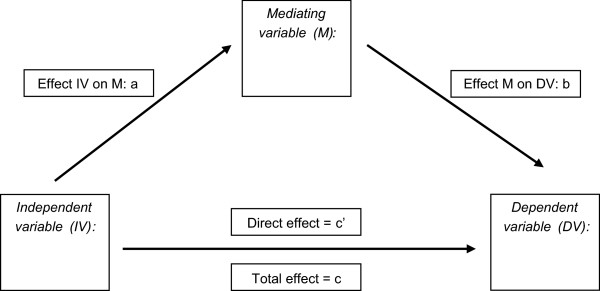
“To determine whether subthreshold symptoms of depression and anxiety mediated the associations found between chronic diseases, pain and recurrence of depression or anxiety, we conducted mediation analyses, through the indirect method by Preacher and Hayes involving bootstrapping approximations (Figure 1) [45].”
MethodDiagnostic and Statistical Manual of Mental Disorders.
Widiger, T. A. (2000) · Encyclopedia of Psychology, Vol. 3. · doi:10.1037/10518-009 · Cited by 19,744
An inventory for measuring clinical anxiety: Psychometric properties.
Beck, A. T., Epstein, N., Brown, G., & Steer, R. A. (1988) · Journal of Consulting and Clinical Psychology · doi:10.1037/0022-006x.56.6.893 · Cited by 14,407 · cited 1×
“Self-reported anxiety symptom severity was measured using the reliable and valid Beck Anxiety Inventory (BAI), consisting of 21 items (0–63 score), measuring severity of mainly arousal-related symptoms of anxiety [44].”
MethodRush, A. J., Trivedi, M. H., Ibrahim, H. M., Carmody, T. J., Arnow, B., Klein, D. N., Markowitz, J. C., Ninan, P. T., Kornstein, S., Manber, R., et al. (2003) · Biological Psychiatry · doi:10.1016/s0006-3223(02)01866-8 · Cited by 3,829 · cited 1×
“The severity of depressive symptoms was measured using the Quick Inventory of Depressive Symptomatology -self-report (QIDS), a reliable and valid instrument consisting of 16 items (0–27 score) [42,43].”
MethodDepression and Pain Comorbidity: A Literature Review
Bair, M. J., Robinson, R. L., Katon, W., & Kroenke, K. (2003) · Archives of Internal Medicine · doi:10.1001/archinte.163.20.2433 · Cited by 3,463 · cited 4×
“Previous studies have shown that pain negatively impacts depression treatment and vice versa [27,55].”
BackgroundInfluentialGrading the severity of chronic pain
Von Korff, M., Ormel, J., Keefe, F. J., & Dworkin, S. F. (1992) · Pain · doi:10.1016/0304-3959(92)90154-4 · Cited by 3,022 · cited 8×
“The mean number of pain locations was 1.2 (SD 1.9) and 35.8% had a CPG of at least 2.”
MethodInfluentialThe Inventory of Depressive Symptomatology (IDS): Psychometric properties
Rush, A. J., Gullion, C. M., Basco, M. R., Jarrett, R. B., & Trivedi, M. H. (1996) · Psychological Medicine · doi:10.1017/s0033291700035558 · Cited by 2,177 · cited 1×
“The severity of depressive symptoms was measured using the Quick Inventory of Depressive Symptomatology -self-report (QIDS), a reliable and valid instrument consisting of 16 items (0–27 score) [42,43].”
MethodThe Netherlands Study of Depression and Anxiety (NESDA): rationale, objectives and methods
Penninx, B. W. J. H., Beekman, A. T. F., Smit, J. H., Zitman, F. G., Nolen, W. A., Spinhoven, P., Cuijpers, P., De Jong, P. J., Van Marwijk, H. W. J., Assendelft, W. J. J., et al. (2008) · International Journal of Methods in Psychiatric Research · doi:10.1002/mpr.256 · Cited by 927 · cited 1×
“The Netherlands Study of Depression and Anxiety (NESDA) is a longitudinal cohort study, which was designed to examine the long-term course and consequences of depressive and anxiety disorders [39].”
BackgroundSelf-citationPenninx, B. W., Milaneschi, Y., Lamers, F., & Vogelzangs, N. (2013) · BMC Medicine · doi:10.1186/1741-7015-11-129 · Cited by 839 · cited 1×
“It might also be possible that through these same pathways, previous depressive episode(s) have made patients more vulnerable to pain [22,27,47,50-52].”
BackgroundSelf-citation
Cited by
Inflammation: Depression Fans the Flames and Feasts on the Heat
Kiecolt-Glaser, J. K., Derry, H. M., & Fagundes, C. P. (2015) · American Journal of Psychiatry · doi:10.1176/appi.ajp.2015.15020152 · Cited by 844
“Greater pain severity is associated with poorer treatment outcomes in depression, including poorer responses to antidepressant medications (73, 74).”
BackgroundComorbid depression in medical diseases
Gold, S. M., Köhler-Forsberg, O., Moss-Morris, R., Mehnert, A., Miranda, J. J., Bullinger, M., Steptoe, A., Whooley, M. A., & Otte, C. (2020) · Nature Reviews Disease Primers · doi:10.1038/s41572-020-0200-2 · Cited by 534
“J.J.M. has received support from the Alliance for Health Policy and Systems Research (HQHSR1206660), the Bernard Lown Scholars in Cardiovascular Health Program at Harvard T.H. Chan School of Public Health (BLSCHP-1902), Bloomberg Philanthropies, FONDECYT via CIENCIACTIVA/CONCYTEC, British Council, British Embassy and…”
Buckman, J. E. J., Underwood, A., Clarke, K., Saunders, R., Hollon, S. D., Fearon, P., & Pilling, S. (2018) · Clinical Psychology Review · doi:10.1016/j.cpr.2018.07.005 · Cited by 398
Evidence-Based Nonpharmacologic Strategies for Comprehensive Pain Care
Tick, H., Nielsen, A., Pelletier, K. R., Bonakdar, R., Simmons, S., Glick, R., Ratner, E., Lemmon, R. L., Wayne, P., & Zador, V. (2018) · EXPLORE · doi:10.1016/j.explore.2018.02.001 · Cited by 380
De La Rosa, J. S., Brady, B. R., Ibrahim, M. M., Herder, K. E., Wallace, J. S., Padilla, A. R., & Vanderah, T. W. (2024) · Pain · doi:10.1097/j.pain.0000000000003056 · Cited by 238
“Anxiety and/or depression symptoms (A/D) often co-occur among people living with chronic pain 28 ; similarly, chronic pain often co-occurs among people experiencing A/D. 36,55 Biologically, chronic pain and A/D are connected.”
Anxiety and depression in patients with osteoarthritis: impact and management challenges
Sharma, A., Kudesia, P., Shi, Q., & Gandhi, R. (2016) · Open Access Rheumatology: Research and Reviews · doi:10.2147/oarrr.s93516 · Cited by 239
Roughan, W. H., Campos, A. I., García‐Marín, L. M., Cuéllar-Partida, G., Lupton, M. K., Hickie, I. B., Medland, S. E., Wray, N. R., Byrne, E. M., Ngô, T. T., et al. (2021) · Frontiers in Psychiatry · doi:10.3389/fpsyt.2021.643609 · Cited by 192
van Hecke, O., Hocking, L. J., Torrance, N., Campbell, A., Padmanabhan, S., Porteous, D. J., McIntosh, A. M., Burri, A. V., Tanaka, H., Williams, F. M. K., et al. (2017) · PLOS ONE · doi:10.1371/journal.pone.0170653 · Cited by 145
Chang, M.-H., Hsu, J.-W., Huang, K., Su, T., Bai, Y., Li, C., Yang, A. C., Chang, W.-H., Chen, T., Tsai, S., et al. (2015) · Journal of Pain · doi:10.1016/j.jpain.2015.06.004 · Cited by 170
Depression in patients with knee osteoarthritis: risk factors and associations with joint symptoms
Zheng, S., Tu, L., Cicuttini, F., Zhu, Z., Han, W., Antony, B., Wluka, A. E., Winzenberg, T. M., Aitken, D. A., Blizzard, L., et al. (2021) · BMC Musculoskeletal Disorders · doi:10.1186/s12891-020-03875-1 · Cited by 135
Scherrer, J. F., Salas, J., Copeland, L. A., Stock, E. M., Schneider, F. D., Sullivan, M., Bucholz, K. K., Burroughs, T., & Lustman, P. J. (2016) · The Journal of Pain · doi:10.1016/j.jpain.2015.12.012 · Cited by 95
Jaracz, J., Gattner, K., Jaracz, K., & Górna, K. (2016) · CNS Drugs · doi:10.1007/s40263-016-0328-5 · Cited by 91
“cardiometabolic, respiratory, endocrine) were not found to be associated with the risk of recurrence [24].”
BackgroundAssociations of Psychologic Factors with Multiple Chronic Overlapping Pain Conditions
Fillingim, R. B., Ohrbach, R. K., Greenspan, J. D., Sanders, A. E., Rathnayaka, N. S., Maixner, W. D., & Slade, G. D. (2020) · Journal of Oral & Facial Pain and Headache · doi:10.11607/ofph.2584 · Cited by 82
de Heer, E. W., ten Have, M., van Marwijk, H., Dekker, J., de Graaf, R., Beekman, A. T. F., & Feltz-Cornelis, C. M. V. D. (2017) · Ból · doi:10.1097/j.pain.0000000000001133 · Cited by 87
“Our findings are consistent with and extend previous longitudinal findings between pain and mood and anxiety.(1,13,14,19) The strength of the association between pain severity and interference due to pain with mood and anxiety disorders is higher in the current study compared with previous longitudinal studies: In cli…”
ResultBao, T., Baser, R. E., Chen, C., Weitzman, M., Zhang, Y. L., Seluzicki, C. M., Li, Q. S., Piulson, L., & Zhi, W. I. (2021) · The Oncologist · doi:10.1002/onco.13933 · Cited by 62
Witkop, M., Lambing, A. Y., Nichols, C. D., Munn, J. E., Anderson, T. L., & Tortella, B. J. (2019) · Patient Preference and Adherence · doi:10.2147/ppa.s212723 · Cited by 57
“It has been proposed that chronic illness itself does not increase the risk of depression or anxiety, but the pain associated with chronic disorders increases the risk of these disorders.(3) In the current study, PWHwith moderate or severe symptoms of depression or anxiety were more likely to report uncontrolled pain…”
BackgroundSkeppholm, M., Fransson, R., Hammar, M., & Olerud, C. (2016) · The Spine Journal · doi:10.1016/j.spinee.2016.02.037 · Cited by 53
Ayonrinde, O. T., Ayonrinde, O., Adams, L. A., Sanfilippo, F. M., O’Sullivan, T. A., Robinson, M., Oddy, W. H., & Olynyk, J. K. (2020) · Scientific Reports · doi:10.1038/s41598-020-58543-0 · Cited by 59
Acupuncture Therapy in a Group Setting for Chronic Pain
Kligler, B., Nielsen, A., Kohrherr, C., Schmid, T., Waltermaurer, E., Perez, E., & Merrell, W. C. (2017) · Pain Medicine · doi:10.1093/pm/pnx134 · Cited by 47
Weiss, S. J., Simeonova, D. I., Kimmel, M., Battle, C. L., Maki, P. M., & Flynn, H. A. (2015) · Archives of Women s Mental Health · doi:10.1007/s00737-015-0575-3 · Cited by 40
Performance of methods to conduct mediation analysis with time‐to‐event outcomes
Ochoa, L. B., Rijnhart, J. J. M., Penninx, B. W. J. H., Wardenaar, K. J., Twisk, J. W. R., & Heymans, M. W. (2019) · Statistica Neerlandica · doi:10.1111/stan.12191 · Cited by 36
“Even though the CPG can potentially be treated as an ordinal variable, we will follow the same procedure as Gerrits et al. (2014) and treat the CPG as an ordinal approximation of a continuous variable.”
BackgroundMethodInfluentialSelf-citationGarcía‐López, H., García-Giménez, M. T., Obrero‐Gaitán, E., Lara‐Palomo, I. C., Castro‐Sánchez, A. M., Rey, R. R.-D., & Cortés‐Pérez, I. (2024) · International Journal of Biometeorology · doi:10.1007/s00484-024-02732-3 · Cited by 38
“However, previous studies have suggested that this relationship is bidirectional (Zis et al. 2017; Viana et al. 2018; Bondesson et al. 2018), and pain is strongly asso - ciated with the onset and relapse of depression (Gerrits et al. 2014).”
BackgroundThe long-lasting impact of childhood trauma on adult chronic physical disorders
Noteboom, A., ten Have, M., de Graaf, R., Beekman, A. T. F., Penninx, B. W. J. H., & Lamers, F. (2021) · Journal of Psychiatric Research · doi:10.1016/j.jpsychires.2021.01.031 · Cited by 42
Self-citationKlein, N. S., Holtman, G. A., Bockting, C. L. H., Heymans, M. W., & Burger, H. (2018) · Journal of Psychiatric Research · doi:10.1016/j.jpsychires.2018.06.006 · Cited by 29
de Heer, E. W., Vriezekolk, J. E., & Feltz-Cornelis, C. M. V. D. (2017) · Frontiers in Psychiatry · doi:10.3389/fpsyt.2017.00217 · Cited by 39
“Moreover, for every increase in the severity of pain the risk increased with 57% for new onset and 11% for recurrence of depression and/or anxiety (19, 20).”
BackgroundInfluentialUcero‐Lozano, R., Pina, J. A. L., Ortiz‐Pérez, A., & Cuesta‐Barriuso, R. (2021) · Haemophilia · doi:10.1111/hae.14469 · Cited by 29
Kim, S., Lee, J., & Boone, D. (2022) · Journal of Pain Research · doi:10.2147/jpr.s340382 · Cited by 26
“A hypothesis of emotion regulation also indicates that chronic pain may result in someone using unhealthy coping skills that fail to improve outcomes and may lead to experiencing more DAS.(4) Finally, the Communal Coping Model of Pain Catastrophizing shifts the focus from the individual to the social level.”
BackgroundResultInfluentialOlder people coping with low mood: a qualitative study
von Faber, M., van der Geest, G., van der Weele, G. M., Blom, J. W., van der Mast, R. C., Reis, R., & Gussekloo, J. (2015) · International Psychogeriatrics · doi:10.1017/s1041610215002264 · Cited by 30
“A recent study found that pain is more influential than chronic disease in relation to depressive symptoms (Gerrits et al., 2014).”
BackgroundDiebo, B. G., Tishelman, J. C., Horn, S. R., POORMAN, G. W., Jalai, C. M., Segreto, F. A., Bortz, C. A., Gerling, M. C., Lafage, V., White, A. P., et al. (2018) · Journal of Clinical Neuroscience · doi:10.1016/j.jocn.2018.06.014 · Cited by 22
MacDowall, A., Skeppholm, M., Lindhagen, L., Robinson, Y., & Olerud, C. (2018) · Journal of Neurosurgery Spine · doi:10.3171/2018.2.spine171378 · Cited by 25
Turnes, J. D. M., Araya, E. I., Barroso, A. R., Baggio, D. F., Koren, L. D. O., Zanoveli, J. M., & Chichorro, J. G. (2021) · Behavioural Brain Research · doi:10.1016/j.bbr.2021.113595 · Cited by 23
Changes in Pain Perception following Psychotherapy: The Mediating Role of Psychological Components
Zanini, S., Voltolini, A., Gragnano, G., Fumagalli, E., & Pagnini, F. (2018) · Pain Research and Management · doi:10.1155/2018/8713084 · Cited by 31
Michailidis, V., Lidhar, N. K., Cho, C., & Martin, L. J. (2021) · Frontiers in Behavioral Neuroscience · doi:10.3389/fnbeh.2021.758251 · Cited by 22
“In addition, pain severity, pain duration and number of pain locations are associated with the recurrence of depressive and anxiety disorders (Gerrits et al., 2014; Sharpe et al., 2017).”
BackgroundPeng, X., Lu, Y., Chen, P.-Y., & Wong, C.-H. (2023) · Journal of Affective Disorders · doi:10.1016/j.jad.2023.08.108 · Cited by 20
Özkan, B., & Çavdar, İ. (2021) · Pain Management Nursing · doi:10.1016/j.pmn.2021.03.007 · Cited by 18
van Krugten, F. C. W., Kaddouri, M., Goorden, M., van Balkom, A. J. L. M., Bockting, C., Peeters, F. P. M. L., & Roijen, L. H. (2017) · PLoS ONE · doi:10.1371/journal.pone.0171659 · Cited by 20
Okifuji, A., & Turk, D. C. (2016) · Elsevier eBooks · doi:10.1016/b978-0-12-800538-5.00009-1 · Cited by 22
Yamamoto, P. A., Costa, A., Lauretti, G. R., & de Moraes, N. V. (2019) · Pharmacogenomics · doi:10.2217/pgs-2019-0066 · Cited by 23
Filipčić, I. Š., Filipčić, I., Glamuzina, L., Devčić, S., Bajić, Ž., Braš, M., Peleš, A. M., Marčinko, D., & Sartorius, N. (2019) · Psychiatry Research · doi:10.1016/j.psychres.2018.12.178 · Cited by 16
Jiang, Q., Qi, Y., Zhou, M., Dong, Y., Zheng, W., Zhu, L., Li, Y., Zhou, H., & Wang, L. (2024) · BMC Anesthesiology · doi:10.1186/s12871-024-02681-9 · Cited by 14
“Cavalleri L et al. [18] found that ketamine and its enantiomer s-keta-mine improved the mood of the patients by modulating the mesolimbic dopamine system (D2 and D3 receptors) and monoamine transporters.”
BackgroundDepression Is Associated with Chronic Pain in Disabled Older Adults
Honda, H., Ashizawa, R., Kiriyama, K., Take, K., & Yoshimoto, Y. (2021) · Experimental Aging Research · doi:10.1080/0361073x.2021.1979346 · Cited by 15
“…in older adults include not only symptomatic, including vascular diseases such as myocardial infarction and cerebrovascular accident, dementia, but also age and sex, sleep disorders, as well as chronic pain (Aziz & Steffens, 2013; Geoffroy et al., 2018; Gerrits et al., 2014; Rahman et al., 2020).”
BackgroundLin, F., Wang, L., Shi, Y., Chen, X., Lin, Y., Zheng, J., Chen, K., Ye, Q., & Cai, G. (2024) · The Journals of Gerontology Series A · doi:10.1093/gerona/glae139 · Cited by 11
DEPRESSION, ANXIETY, AND PAIN AMONG NEWLY ADMITTED NURSING HOME RESIDENTS
Ulbricht, C. M., Hunnicutt, J. N., Hume, A., & Lapane, K. L. (2019) · The Journal of Nursing Home Research Sciences · doi:10.14283/jnhrs.2019.8 · Cited by 10
“Pain is a risk factor for developing both depression and anxiety and can exacerbate psychiatric symptoms [21].”
BackgroundAssessment of spinal cord stimulation and radiofrequency: Chronic pain and psychological impact
Corallo, F., Salvo, S. D., Floridia, D., Bonanno, L., Muscarà, N., Cerra, F., Cannistraci, C., Cara, M. D., Buono, V. L., Bramanti, P., et al. (2020) · Medicine · doi:10.1097/md.0000000000018633 · Cited by 11
Simo, S. M., & Siela, D. (2018) · International Journal of Palliative Nursing · doi:10.12968/ijpn.2018.24.5.246 · Cited by 9
Effects of chronic physical illness on treatment outcomes among patients with schizophrenia
Filipčić, I. Š., Bajić, Ž., & Filipčić, I. (2019) · Current Opinion in Psychiatry · doi:10.1097/yco.0000000000000532 · Cited by 11
“In addition, poorly controlled diabetes mellitus may provoke neuro-chemical changes that affect the severity of depression [76], which has been associated with poor outcomes, greater comorbidity, poorer quality of life [77], work impairments, deterioration of psychosocial functioning, a greater risk of relapse, and an…”
BackgroundLee, J., Brazeal, M., Choi, H. W., Rehner, T. A., McLeod, S. T., & Jacobs, C. M. (2018) · Social Work in Health Care · doi:10.1080/00981389.2018.1508113 · Cited by 11
“…depression, given findings that a higher risk of depression was found in those with higher levels of pain (Bair, Robinson, Katon, & Kroenke, 2003; Gerrits et al., 2014; Gore et al., 2005), multiple chronic diseases (Pruchno, Wilson-Genderson, & Heid, 2016), and limited mobility (Lampinen &…”
BackgroundStevens, E. R., Mazumdar, M., Caniglia, E. C., Khan, M. R., Young, K. E., Edelman, E. J., Gordon, A. J., Fiellin, D. A., Maisto, S. A., Chichetto, N. E., et al. (2020) · Journal of Primary Care & Community Health · doi:10.1177/2150132720949123 · Cited by 10
Nielsen, A., Teets, R., Moonaz, S. H., Anderson, B., Walter, E., Milanes, M., Mah, D. M., McKee, M. D., & Kligler, B. (2020) · Global Advances in Health and Medicine · doi:10.1177/2164956120964716 · Cited by 10
Teets, R., Nielsen, A., Moonaz, S. H., Anderson, B., Mah, D. M., Walter, E., Milanes, M., Jyung, H., Soto-Cossio, L. E., Meißner, P., et al. (2023) · Global Advances in Integrative Medicine and Health · doi:10.1177/27536130231202515 · Cited by 11
Song, J., Wan, S., Shi, W., Wu, S., Hong, L., Huo, Z., Yang, Y., Shi, D., Liu, Q., Zhang, Y., et al. (2025) · Environmental Chemistry and Ecotoxicology · doi:10.1016/j.enceco.2025.10.033 · Cited by 15
Lin, F., Shi, Y., Song, W., Weng, Y., Zou, X., Chen, X., Zheng, J., Chen, K., Ye, Q., Wu, X., et al. (2024) · BMC Medicine · doi:10.1186/s12916-024-03497-7 · Cited by 9
“…on the outcome was defined as “b,” and the total effect of the exposure variable on the outcome was defined as “c. ” According to previous studies [33], the effect of the exposure variable on the outcome through the mediating variable was “a*b. ” Thus, the proportion of mediation was (a*b)/c.”
MethodKopera, M., Brower, K. J., Suszek, H., Jakubczyk, A., Fudalej, S., Krasowska, A., Klimkiewicz, A., & Wojnar, M. (2017) · Journal of Pain Research · doi:10.2147/jpr.s134019 · Cited by 9
“67 Across studies, patients with chronic conditions (back pain, arthritis, fibromyalgia, and chronic widespread pain) generally have a two-to eight-fold greater likelihood of being diagnosed with a depressive disorder.”
Robertson, N., Gunn, S., & Piper, R. (2019) · Crohn s & Colitis 360 · doi:10.1093/crocol/otz003 · Cited by 12
What Interventions Improve Outcomes for the Patient Who Is Depressed and in Pain?
Brammer, S. V. (2018) · Pain Management Nursing · doi:10.1016/j.pmn.2018.06.006 · Cited by 7
“Gerrits et al. (2014) found that pain increased the likelihood of recurrent depressive and”
BackgroundChristian, L. M., Kiecolt‐Glaser, J. K., Cole, S. W., Burd, C. E., Madison, A. A., Wilson, S. J., & Rosko, A. E. (2024) · Brain Behavior and Immunity · doi:10.1016/j.bbi.2024.04.019 · Cited by 8
“Pain worsens sub-threshold depressive symptoms, thereby increasing the risk for depression recurrence (Gerrits et al., 2014).”
BackgroundMoving Forward with Physical Activity: Self-Management of Chronic Pain among Women
Brittain, D. R., Gyurcsik, N. C., Tupper, S., & Downe, P. J. (2018) · Women s Health Issues · doi:10.1016/j.whi.2017.12.006 · Cited by 6
Considering Ketamine for Treatment of Comorbid Pain, Depression, and Substance Use Disorders
Ettensohn, M. F., Markey, S. M., & Levine, S. P. (2018) · Psychiatric Annals · doi:10.3928/00485713-20180312-02 · Cited by 6
Köhler‐Forsberg, O., Petersen, L. V., Ishtiak‐Ahmed, K., Østergaard, S. D., & Gasse, C. (2020) · Journal of Affective Disorders · doi:10.1016/j.jad.2020.07.057 · Cited by 7
Jiang, Y., Jin, Y., Bao, J., Wang, S., Lai, W.-D., Wen, C., Xu, Z., & Yu, J. (2021) · Frontiers in Pharmacology · doi:10.3389/fphar.2021.708517 · Cited by 6
Habib, M. H. (2023) · Indiana Health Law Review · doi:10.18060/27180 · Cited by 6
A Latent Approach to Understanding Pain in Nursing Home Residents Who are Unable to Self-Report Pain
Forrester, S., Mbrah, A. K., & Lapane, K. L. (2021) · Journal of Pain Research · doi:10.2147/jpr.s302305 · Cited by 5
Pérez, V., Montes, J. M. G., Trillo‐Calvo, E., Gasull, V., García‐Campayo, J., Olivares-Diez, J. M., Berrocoso, E., Micó, J. A., & Agüera-Ortíz, L. (2023) · Revista de Psiquiatría y Salud Mental · doi:10.1016/j.sjpmh.2023.10.002 · Cited by 8
Çakmak, S., Özbek, H., Isik, A., Taşdemir, A., Pektaş, S., Ünlügenç, H., Tamam, L., & Demirkol, M. E. (2019) · Ağrı - The Journal of The Turkish Society of Algology · doi:10.14744/agri.2019.68725 · Cited by 8
Sucher, J., Quenstedt, S. R., Parnes, M. F., & Brown, A. D. (2020) · Journal of Clinical Psychology · doi:10.1002/jclp.23012 · Cited by 8
The impact of exercise intensity on depression in fibromyalgia: a randomized controlled trial
Vilarino, G. T., Coimbra, D. R., Neiva, H. P., & Andrade, A. (2024) · Frontiers in Psychology · doi:10.3389/fpsyg.2024.1400590 · Cited by 10
Bao, M., & Ma, R. (2024) · BMC Psychiatry · doi:10.1186/s12888-024-06312-y · Cited by 4
King, O., Ingwersen, K., Bufton, B., Hitch, D., Dupre, B., Harding, M., Mayhew, C. E., & van de Ven, S. (2022) · Health & Social Care in the Community · doi:10.1111/hsc.13707 · Cited by 6
Engagement of Patients in the Self-Management of Pain
Okifuji, A., & Turk, D. C. (2017) · Springer eBooks · doi:10.1007/978-3-319-49206-3_14 · Cited by 4
Mora-Ascó, J. J., Beneyto-Arrojo, M. J., Sanz-Sendra, X. S., Moret‐Tatay, C., Jorques-Infante, M. J., & de Tejada, B. G.-H. (2025) · Death Studies · doi:10.1080/07481187.2025.2561078 · Cited by 4
Borra, C., & Hardy, R. (2025) · Maturitas · doi:10.1016/j.maturitas.2025.108756 · Cited by 6
Delfin, D., Gray, H., & Wilkerson, A. H. (2022) · American Journal of Health Education · doi:10.1080/19325037.2022.2105764 · Cited by 9
“MH disorders often present with strong patterns of chronicity and can negatively affect physical, social, and emotional functioning across the lifespan.(5,6) Such longterm health outcomes in adults may include a lessened ability to mitigate stress(7) lower rates of seeking preventative health services,(8) increased ri…”
BackgroundSimić-Vukomanović, I., Mihajlović, G., Milovanovic, D. R., Kocic, S. S., Radevic, S. R., Djukic, S., Vukomanović, V., & Djukić, A. (2016) · Vojnosanitetski pregled · doi:10.2298/vsp160617368s · Cited by 9
Risk factors and prevention of recurrent dynamics of depression
Veltishchev, D. Y., Kovalevskaya, O. B., & Seravina, O. (2017) · S S Korsakov Journal of Neurology and Psychiatry · doi:10.17116/jnevro201711761120-125 · Cited by 3
Demirkan, A. K., & Gerdan, G. (2025) · Frontiers in Psychiatry · doi:10.3389/fpsyt.2025.1598901 · Cited by 6
Cheng, A. L., Gou, C. Y., Martin, A., Hartz, S. M., & Abraham, J. (2026) · JMIR mhealth and uhealth · doi:10.2196/87358 · Cited by 1
Off-label use of duloxetine for pediatric neuropathic pain
Burghardt, K. J., Thomas, S., & Lehr, V. T. (2015) · Mental Health Clinician · doi:10.9740/mhc.2015.11.277 · Cited by 2
Use of Complementary and Integrative Health for Chronic Pain Management
Khusid, M. A., Stern, E. L., & Reed, K. (2019) · Springer eBooks · doi:10.1007/978-3-030-05384-0_13 · Cited by 2
Nursing and Midwifery Students' Knowledge and Attitudes Regarding Children's Pain
Agyemang, J. B., Amponsah, A. K., Afaya, R. A., Boakye, H., Oduro, E., Amagyei, A., & Kyei‐Dompim, J. (2020) · Journal of Research Development in Nursing and Midwifery · doi:10.52547/jgbfnm.17.2.7 · Cited by 3
“(6) The consequences of unrelieved and mismanaged pediatric pain is not limited to sensations of discomfort and unpleasantness but incorporates further insidious body system malfunctioning.(7,8) These include hyperglycemia, increased inflammatory responses, gastrointestinal obstruction, immunosuppression, chronic pain…”
BackgroundMasinter, B. S. (2016) · Louisiana State University · doi:10.31390/gradschool_theses.3463 · Cited by 3
Hughes, F. (2020) · Journal of Contemporary Chiropractic · doi:10.67681/iqep2363 · Cited by 1
“(13, 14) As with neck pain and ADs, there exists a higher prevalence of chronic pain conditions among women.”
Borsutzky, S., Wilke, A.-S., Gehlenborg, J., & Moritz, S. (2025) · Frontiers in Psychiatry · doi:10.3389/fpsyt.2025.1528128 · Cited by 1
Correlation of personal anxiety with myocardial infarction and angina debut
Граждан, И. К., Kopylov, F. Y., Barskiy, V. I., Kirillov, A. V., & Aksyonova, M. G. (2015) · Russian Journal of Cardiology and Cardiovascular Surgery · doi:10.17116/kardio20158631-38 · Cited by 1
Omgaan met somberheid op oudere leeftijd: een kwalitatieve studie
von Faber, M., van der Weele, G. M., van der Geest, G., Blom, J. W., van der Zouwe, N., Reis, R., van der Mast, R. C., & Gussekloo, J. (2016) · Tijdschrift voor Gerontologie en Geriatrie · doi:10.1007/s12439-016-0196-y · Cited by 1
“Een recent onderzoek toont aan dat pijn van grotere invloed is op depressieve symptomen dan chronische ziekte [26].”
Background[Effect of long-term resistance exercise on masseter muscle mechanical hyperalgesia in rats].
Yan, S., Yang, G. J., Mo, S. Y., Liu, Y., & Xie, Q. (2019) · PubMed Central · doi:10.19723/j.issn.1671-167x.2019.01.005 · Cited by 1
Bramuzzo, V. (2016) · DUT Open Scholar (Durban University of Technology) · doi:10.51415/10321/1539 · Cited by 1
Pharmacological Management of Anxiety and Depression in Older People
Wilkinson, P., & Behrman, S. (2016) · Springer eBooks · doi:10.1007/978-3-319-29492-6_9
Спіріна, І. Д., Fedenko, E. S., Викторович, Р. С., Kazakov, V. Y., & Shornikov, A. (2017) · Regulatory Mechanisms in Biosystems · doi:10.15421/021715
Treatment of anxiety-depressive disorders in patients with chronic pain
Sapon, D. M. (2017) · Psychosomatic Medicine and General Practice · doi:10.26766/pmgp.v2i2.31
Trivunović, S., Radulović, T. N., Talić, G., Prodanović, B., Stanković, J., & Pucar, J. N. (2018) · Scripta Medica · doi:10.7251/scmed1802118t
Relapse prevention strategies for recurrent depression
Klein, N. S. (2019) · University of Groningen research database (University of Groningen / Centre for Information Technology)
The Role of Kappa Opioid Receptor Signaling in Injury-Free Pain
Nation, K. (2018) · UA Campus Repository (The University of Arizona)
Djagbletey, R., Aryee, G., Aborbi, V. M., Essuman, R., Pereko, J., Vogelsang, J. K., Brobbey, E. Y., & Darkwa, E. O. (2025) · Cureus · doi:10.7759/cureus.82034
“Chronic pain, anxiety, and depression are known to co-occur [22].”
Lin, Y., Xu, H., Zheng, J., Lin, T., Wang, M., Huang, T., Lin, F., Ye, Q., & Cai, G. (2025) · npj Parkinson s Disease · doi:10.1038/s41531-025-01000-4
“Based on previous research, indirect effects were de fi ned as a×b,withtheproportionofmediationrepresentedbya×b/cinthisstudy 40 .”
Cognitive and Emotional Disorders in the Aging Pet
Gruen, M. E., Wilhelmy, J., & Landsberg, G. M. (2025) · CABI eBooks · doi:10.1079/9781800624313.0015
Lin, F., Shi, Y., Song, W., Weng, Y., Zou, X., Chen, X., Zheng, J., Chen, K., Ye, Q., Wu, X., et al. (2024) · Figshare · doi:10.6084/m9.figshare.26759525
Zheng, S., Tu, L., Cicuttini, F., Zhu, Z., Han, W., Antony, B., Wluka, A. E., Winzenberg, T. M., Aitken, D. A., Blizzard, L., et al. (2021) · Figshare · doi:10.6084/m9.figshare.13543946
Lin, F., Shi, Y., Song, W., Weng, Y., Zou, X., Chen, X., Zheng, J., Chen, K., Ye, Q., Wu, X., et al. (2024) · Figshare · doi:10.6084/m9.figshare.26759534
Lin, F., Shi, Y., Song, W., Weng, Y., Zou, X., Chen, X., Zheng, J., Chen, K., Ye, Q., Wu, X., et al. (2024) · Figshare · doi:10.6084/m9.figshare.26759528
Metadata
- Authors
- Gerrits, M. M., van Oppen, P., Leone, S. S., van Marwijk, H. W., van der Horst, H. E., & Penninx, B. W.
- Affiliations
- Amsterdam Public Health (NL)
- University Medical Center Groningen (NL)
- Corresponding author
- Gerrits, Marloes MJG
- Venue
- BMC Psychiatry
- Published
- 2014-06-25
- Volume
- 14
- Issue
- 1
- Pages
- 187-187
- ISSN
- 1471-244X (ISSN-L)
- PMC
- PMC4090396
- OpenAlex
- W2009421465
- Cited by
- 106
- References
- 61
- Citations by year
- 2026: 5 · 2025: 8 · 2024: 11 · 2023: 5 · 2022: 3 · 2021: 12 · 2020: 10 · 2019: 12 · 2018: 14 · 2017: 10 · 2016: 10 · 2015: 6
- FWCI
- 12.03
- Type
- journal article
- Language
- en
- Open access
- gold
- doi.org
- Licence
- Locations
- BMC Psychiatry (publishedVersion, cc-by)
- PubMed Central (publishedVersion, cc-by)
- PubMed (publishedVersion)
- Pure Amsterdam UMC (publishedVersion)
- Amsterdam UMC (VU Amsterdam) - Institutional Repository (publishedVersion)
- University of Groningen research database (University of Groningen / Centre for Information Technology) (publishedVersion, cc-by)
- VU Research Portal (publishedVersion, other-oa)
- Data Archiving and Networked Services (DANS) (submittedVersion)
- Leiden Repository (Leiden University) (submittedVersion)
- Research Explorer (The University of Manchester) (submittedVersion)
- University of Groningen research database (University of Groningen / Centre for Information Technology) (submittedVersion, cc-by)
- Data Archiving and Networked Services (DANS) (submittedVersion, other-oa)
- Funders
- Universiteit Leiden (10‐000‐1002)
- ZonMw (10‐000‐1002)
- Vrije Universiteit Amsterdam
- Rivierduinen
- GGZ Friesland
- GGZ Drenthe
- Nederlands Instituut voor Onderzoek van de Gezondheidszorg (10-000-1002)
- Leids Universitair Medisch Centrum
- Universitair Medisch Centrum Groningen
- Topics
- Social Sciences › Psychology › Experimental and Cognitive Psychology › Anxiety, Depression, Psychometrics, Treatment, Cognitive Processes
- Health Sciences › Medicine › Psychiatry and Mental health › Psychosomatic Disorders and Their Treatments
- Social Sciences › Psychology › Experimental and Cognitive Psychology › Mental Health Research Topics
- Keywords
- pain, depression recurrence, anxiety disorders, chronic disease, subthreshold depression, pain intensity, pain localization, neck pain, chest pain, abdominal pain, mediation, remitted depression
- MeSH terms
- Adolescent, Adult, Aged, Anxiety Disorders, Chronic Disease, Depressive Disorder, Female, Humans, Male, Middle Aged, Netherlands, Pain, Recurrence, Young Adult
About these checks
Registry, retraction, Cites and statistics results are computed, not judged, with one exception: a printed reference that no index lists is read once by a model before it counts as a citation error. Claims are extracted by a model and kept only when their quote appears verbatim in the text; each cited source is then checked, with a model’s help, for whether it says what the claim relies on. Those verdicts can be wrong — read the claim’s quote and the cited source before relying on one.
Statistics and arithmetic are recomputed, not judged.
Confidence bands are shown only for fields calibrated on our annotated test set. None is calibrated yet, so no band is shown.
What counts as a claim ›How we measure confidence ›How we check this ›
Are you an author, or do you see a problem with this page? Request a review
Data sources
Bibliographic data: Semantic Scholar, OpenAlex, Crossref.
Contains information from the Semantic Scholar Academic Graph Datasets, made available under the ODC Attribution License (ODC-BY 1.0).
Semantic Scholar’s data is described in: Kinney, R., et al. (2023). The Semantic Scholar Open Data Platform. arXiv:2301.10140.
