

Pain, not chronic disease, is associated with the recurrence of depressive and anxiety disorders
Open accessThe DOI matches its Crossref record; 61 of the 61 references it cites were found in a registry or an index.
Abstract
BACKGROUND: Studies suggest that poor physical health might be associated with increased depression and anxiety recurrence. The objectives of this study were to determine whether specific chronic diseases and pain characteristics are associated with depression and anxiety recurrence and to examine whether such associations are mediated by subthreshold depressive or anxiety symptoms. METHODS: 1122 individuals with remitted depressive or anxiety disorder (Netherlands Study of Depression and Anxiety) were followed up for a period of four years. The impact of specific chronic diseases and pain characteristics on recurrence was assessed using Cox regression and mediation analyses. RESULTS: Chronic diseases were not associated with recurrence. Neck (HR 1.45, p < .01), chest (HR 1.65, p < .01), abdominal (HR 1.52, p < .01) pain, an increase in the number of pain locations (HR 1.10, p < .01) and pain severity (HR 1.18, p = .01) were associated with an increased risk of depression recurrence but not anxiety. Subthreshold depressive symptoms mediated the associations between pain and depression recurrence. CONCLUSIONS: Pain, not chronic disease, increases the likelihood of depression recurrence, largely through its association with aggravated subthreshold depressive symptoms. These findings support the idea of the existence of a mutually reinforcing mechanism between pain and depression and are indicative of the importance of shedding light on neurobiological links in order to optimize pain and depression management.
Overview
The claims and statistics of this paper haven’t been checked yet.
Free: it reads the open-access text and checks the first 5 claims that cite a source we can check. Create a free account to check every claim.
Integrity signals
Registry
Cites
Statistics
Figures
Verification
Claims the paper makes
The claims and statistics of this paper haven’t been checked yet.
Free: it reads the open-access text and checks the first 5 claims that cite a source we can check. Create a free account to check every claim.
Claims other papers make about this one
Each is checked against this paper’s own text: does it say what the citing paper says it does?
The source backs part of the claim, not all of it — or backs it for a different population, condition or comparison.
In the citing paper
“There was some evidence of an association with increased risk of recurrence for: multiple physical symptoms (NESDA: Dijkstra-Kersten et al., 2017), chronic pain grade, the total number of chronic pain locations and particularly neck, chest, or abdominal pain (NESDA: Gerrits et al., 2014); comorbid physical health problems (NESDA); and avoidant personality disorder (NESARC).”
From Risk factors for relapse and recurrence of depression in adults and how they operate: A four-phase systematic review and meta-synthesis (2018) · cites this paper as Gerrits et al., 2014
Experimental — accuracy not yet measured
Self-check
Percentages, sums and reported differences re-computed from the paper’s own numbers.
The self-check needs the paper’s full text.
Citations
Cites
Diagnostic and Statistical Manual of Mental Disorders
Williams, J. B. W., & First, M. (2013) · Encyclopedia of Social Work · doi:10.1093/acrefore/9780199975839.013.104 · Cited by 109,519
Preacher, K. J., & Hayes, A. F. (2008) · Behavior Research Methods · doi:10.3758/brm.40.3.879 · Cited by 34,117 · cited 1×
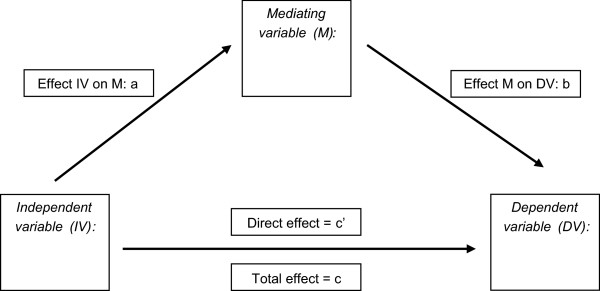
“To determine whether subthreshold symptoms of depression and anxiety mediated the associations found between chronic diseases, pain and recurrence of depression or anxiety, we conducted mediation analyses, through the indirect method by Preacher and Hayes involving bootstrapping approximations (Figure 1) [45].”
MethodDiagnostic and Statistical Manual of Mental Disorders.
Widiger, T. A. (2000) · Encyclopedia of Psychology, Vol. 3. · doi:10.1037/10518-009 · Cited by 19,744
An inventory for measuring clinical anxiety: Psychometric properties.
Beck, A. T., Epstein, N., Brown, G., & Steer, R. A. (1988) · Journal of Consulting and Clinical Psychology · doi:10.1037/0022-006x.56.6.893 · Cited by 14,407 · cited 1×
“Self-reported anxiety symptom severity was measured using the reliable and valid Beck Anxiety Inventory (BAI), consisting of 21 items (0–63 score), measuring severity of mainly arousal-related symptoms of anxiety [44].”
MethodRush, A. J., Trivedi, M. H., Ibrahim, H. M., Carmody, T. J., Arnow, B., Klein, D. N., Markowitz, J. C., Ninan, P. T., Kornstein, S., Manber, R., et al. (2003) · Biological Psychiatry · doi:10.1016/s0006-3223(02)01866-8 · Cited by 3,829 · cited 1×
“The severity of depressive symptoms was measured using the Quick Inventory of Depressive Symptomatology -self-report (QIDS), a reliable and valid instrument consisting of 16 items (0–27 score) [42,43].”
MethodDepression and Pain Comorbidity: A Literature Review
Bair, M. J., Robinson, R. L., Katon, W., & Kroenke, K. (2003) · Archives of Internal Medicine · doi:10.1001/archinte.163.20.2433 · Cited by 3,463 · cited 4×
“Previous studies have shown that pain negatively impacts depression treatment and vice versa [27,55].”
BackgroundInfluentialGrading the severity of chronic pain
Von Korff, M., Ormel, J., Keefe, F. J., & Dworkin, S. F. (1992) · Pain · doi:10.1016/0304-3959(92)90154-4 · Cited by 3,022 · cited 8×
“The mean number of pain locations was 1.2 (SD 1.9) and 35.8% had a CPG of at least 2.”
MethodInfluentialThe Inventory of Depressive Symptomatology (IDS): Psychometric properties
Rush, A. J., Gullion, C. M., Basco, M. R., Jarrett, R. B., & Trivedi, M. H. (1996) · Psychological Medicine · doi:10.1017/s0033291700035558 · Cited by 2,177 · cited 1×
“The severity of depressive symptoms was measured using the Quick Inventory of Depressive Symptomatology -self-report (QIDS), a reliable and valid instrument consisting of 16 items (0–27 score) [42,43].”
MethodThe Netherlands Study of Depression and Anxiety (NESDA): rationale, objectives and methods
Penninx, B. W. J. H., Beekman, A. T. F., Smit, J. H., Zitman, F. G., Nolen, W. A., Spinhoven, P., Cuijpers, P., De Jong, P. J., Van Marwijk, H. W. J., Assendelft, W. J. J., et al. (2008) · International Journal of Methods in Psychiatric Research · doi:10.1002/mpr.256 · Cited by 927 · cited 1×
“The Netherlands Study of Depression and Anxiety (NESDA) is a longitudinal cohort study, which was designed to examine the long-term course and consequences of depressive and anxiety disorders [39].”
BackgroundSelf-citationPenninx, B. W., Milaneschi, Y., Lamers, F., & Vogelzangs, N. (2013) · BMC Medicine · doi:10.1186/1741-7015-11-129 · Cited by 839 · cited 1×
“It might also be possible that through these same pathways, previous depressive episode(s) have made patients more vulnerable to pain [22,27,47,50-52].”
BackgroundSelf-citationMajor depressive disorder and hypothalamic-pituitary-adrenal axis activity
Vreeburg, S. A., Hoogendijk, W. J. G., van Pelt, J., DeRijk, R. H., Verhagen, J. C. M., van Dyck, R., Smit, J. H., Zitman, F. G., & Penninx, B. W. J. H. (2009) · Archives of General Psychiatry · doi:10.1001/archgenpsychiatry.2009.50 · Cited by 792
Self-citationAnxiety disorders and comorbid medical illness
Roy-Byrne, P. P., Davidson, K. W., Kessler, R. C., Asmundson, G. J. G., Goodwin, R. D., Kubzansky, L., Lydiard, R. B., Massie, M. J., Katon, W., Laden, S. K., et al. (2008) · General Hospital Psychiatry · doi:10.1016/j.genhosppsych.2007.12.006 · Cited by 668 · cited 1×
“Finally, shared pathophysiological mechanisms have been postulated for chronic somatic diseases and pain, on the one hand, and depression and anxiety, on the other [27-29].”
BackgroundKroenke, K., Wu, J., Bair, M. J., Krebs, E. E., Damush, T. M., & Tu, W. (2011) · The Journal of Pain · doi:10.1016/j.jpain.2011.03.003 · Cited by 573 · cited 1×
“In support of such relationship, another study found that change in pain was a strong predictor of subsequent depression symptom severity and vice versa [46].”
ResultThe impact of chronic pain in the community.
Smith, B. H., Elliott, A. M., Chambers, W. A., Smith, W. C., Hannaford, P. C., & Penny, K. (2001) · Family Practice · doi:10.1093/fampra/18.3.292 · Cited by 540 · cited 1×
“Secondly, chronic diseases and pain can lead to negative coping strategies, disability and reduced quality of life [25,26], which might in turn lead to a further depressive or anxiety episode.”
BackgroundPrevalence and predictors of recurrence of major depressive disorder in the adult population
Hardeveld, F., Spijker, J., De Graaf, R., Nolen, W. A., & Beekman, A. T. F. (2010) · Acta Psychiatrica Scandinavica · doi:10.1111/j.1600-0447.2009.01519.x · Cited by 486 · cited 2×
“Insight into risk factors for the recurrence of depressive and anxiety disorders is necessary in order to identify strategies to prevent new episodes as well as individuals who might benefit from long-term treatment [13].”
BackgroundThe course of chronic pain in the community: Results of a 4-year follow-up study
Elliott, A. M., Smith, B. H., Hannaford, P. C., Smith, W. C., & Chambers, W. A. (2002) · Pain · doi:10.1016/s0304-3959(02)00138-0 · Cited by 384 · cited 1×
“A vicious circle could arise with negative coping strategies in response to impaired physical and social role functioning caused by both the pain and affective symptoms [47,48].”
BackgroundImpact of pain on depression treatment response in primary care
Bair, M. J., Robinson, R. L., Eckert, G. J., Stang, P. E., Croghan, T. W., & Kroenke, K. (2004) · Psychosomatic Medicine · doi:10.1097/01.psy.0000106883.94059.c5 · Cited by 371 · cited 1×
“Previous studies have shown that pain negatively impacts depression treatment and vice versa [27,55].”
BackgroundPersistent pain and depression: A biopsychosocial perspective
Campbell, L. C., Clauw, D. J., & Keefe, F. J. (2003) · Biological Psychiatry · doi:10.1016/s0006-3223(03)00545-6 · Cited by 362 · cited 2×
“A vicious circle could arise with negative coping strategies in response to impaired physical and social role functioning caused by both the pain and affective symptoms [47,48].”
BackgroundCollaborative Care for Chronic Pain in Primary Care: A Cluster Randomized Trial
Dobscha, S. K., Corson, K., Perrin, N. A., Hanson, G. C., Leibowitz, R. Q., Doak, M. N., Dickinson, K. C., Sullivan, M. D., & Gerrity, M. S. (2009) · JAMA · doi:10.1001/jama.2009.377 · Cited by 330 · cited 1×
“Some evidence has been found for alleviating chronic pain and depressive symptoms with collaborative care initiatives for chronic pain patients [56,57].”
BackgroundRelapse after recovery from unipolar depression: a critical review
Belsher, G., & Costello, C. G. (1988) · Psychological Bulletin · doi:10.1037/0033-2909.104.1.84 · Cited by 321 · cited 6×
“After two to three years in remission, recurrence rates seem to stabilize after a person stays well for a longer period, the risk of recurrence is diminished [1,7,12].”
BackgroundResultInfluentialSalivary Cortisol Levels in Persons With and Without Different Anxiety Disorders
Vreeburg, S. A., Zitman, F. G., van Pelt, J., DeRijk, R. H., Verhagen, J. C. M., van Dyck, R., Hoogendijk, W. J. G., Smit, J. H., & Penninx, B. W. J. H. (2010) · Psychosomatic Medicine · doi:10.1097/psy.0b013e3181d2f0c8 · Cited by 312 · cited 1×
“For instance, HPA-axis abnormalities were found to be strongly associated with depressive disorder and co-morbid depression and anxiety, but were not present for most types of anxiety disorders [52,53].”
BackgroundSelf-citationLong-term Risk for Depressive Symptoms After a Medical Diagnosis
Polsky, D., Doshi, J. A., Marcus, S., Oslin, D., Rothbard, A., Thomas, N., & Thompson, C. L. (2005) · Archives of Internal Medicine · doi:10.1001/archinte.165.11.1260 · Cited by 264 · cited 2×
“We expected subthreshold symptoms to be partial mediators since the presence of chronic diseases and pain have been shown to increase severity of symptoms of depression and anxiety [37,38], which could in turn lead to depression or anxiety recurrence [1-3,5,6,8,10,31,34,35].”
BackgroundMultimorbidity and quality of life: a closer look
Fortin, M., Dubois, M.-F., Hudon, C., Soubhi, H., & Almirall, J. (2007) · Health and Quality of Life Outcomes · doi:10.1186/1477-7525-5-52 · Cited by 256
Spijker, J., Bijl, R. V., De Graaf, R., & Nolen, W. A. (2001) · Acta Psychiatrica Scandinavica · doi:10.1034/j.1600-0447.2001.103002122.x · Cited by 254 · cited 3×
“It might also be possible that through these same pathways, previous depressive episode(s) have made patients more vulnerable to pain [22,27,47,50-52].”
BackgroundRelationships among pain, anxiety, and depression in primary care
Means-Christensen, A. J., Roy-Byrne, P. P., Sherbourne, C. D., Craske, M. G., & Stein, M. B. (2008) · Depression and Anxiety · doi:10.1002/da.20342 · Cited by 247 · cited 2×
“A cross-sectional study found that depression partly mediated the relationship between pain and anxiety [21].”
BackgroundIncreased 12-month prevalence rates of mental disorders in patients with chronic somatic diseases
Härter, M., Baumeister, H., Reuter, K., Jacobi, F., Höfler, M., Bengel, J., & Wittchen, H.-U. (2007) · Psychotherapy and Psychosomatics · doi:10.1159/000107563 · Cited by 236 · cited 1×
“Firstly, a negative impact for several chronic diseases and pain on the prevalence, the course of illness and treatment outcome for depression and anxiety was previously assessed [15-24].”
BackgroundFactors predicting the clinical course of generalised anxiety disorder
Yonkers, K. A., Dyck, I. R., Warshaw, M., & Keller, M. B. (2000) · British Journal of Psychiatry · doi:10.1192/bjp.176.6.544 · Cited by 213 · cited 2×
“8% of people experienced a recurrence, which corresponds reasonably well to recurrence rates found in previous research [1-11].”
BackgroundResultImpact of pain on the course of depressive and anxiety disorders
Gerrits, M. M. J. G., Vogelzangs, N., van Oppen, P., van Marwijk, H. W. J., van der Horst, H., & Penninx, B. W. J. H. (2012) · Pain · doi:10.1016/j.pain.2011.11.001 · Cited by 199
Self-citationHardeveld, F., Spijker, J., De Graaf, R., Nolen, W. A., & Beekman, A. T. F. (2013) · Psychological Medicine · doi:10.1017/s0033291712002395 · Cited by 176 · cited 6×
“The finding that chronic diseases are not associated with the recurrence of depression or anxiety in this study is in line with previous studies [3,4,8,33].”
BackgroundResultInfluentialSeverity and comorbidity predict episode duration and recurrence of DSM-IV major depressive disorder
Melartin, T. K., Rytsälä, H. J., Leskelä, U. S., Lestelä-Mielonen, P. S., Sokero, T. P., & Isometsä, E. T. (2004) · The Journal of Clinical Psychiatry · doi:10.4088/jcp.v65n0612 · Cited by 168
Relapse and recurrence prevention in depression: Current research and future prospects
Beshai, S., Dobson, K. S., Bockting, C. L. H., & Quigley, L. (2011) · Clinical Psychology Review · doi:10.1016/j.cpr.2011.09.003 · Cited by 165 · cited 1×
“Collaborative care trials have proven their efficacy on sustained recovery of depressive disorder and continuation and maintenance therapies can reduce recurrence [58,59].”
BackgroundBisschop, M. I., Kriegsman, D. M. W., Deeg, D. J. H., Beekman, A. T. F., & van Tilburg, W. (2004) · Journal of Clinical Epidemiology · doi:10.1016/j.jclinepi.2003.01.001 · Cited by 163
Algorithms and Collaborative-care Systems for Depression: Are They Effective and Why?
Adli, M., Bauer, M., & Rush, A. J. (2006) · Biological Psychiatry · doi:10.1016/j.biopsych.2006.05.010 · Cited by 160 · cited 1×
“Collaborative care trials have proven their efficacy on sustained recovery of depressive disorder and continuation and maintenance therapies can reduce recurrence [58,59].”
BackgroundKarsten, J., Hartman, C. A., Smit, J. H., Zitman, F. G., Beekman, A. T. F., Cuijpers, P., van der Does, A. J. W., Ormel, J., Nolen, W. A., & Penninx, B. W. J. H. (2011) · British Journal of Psychiatry · doi:10.1192/bjp.bp.110.080572 · Cited by 155 · cited 1×
“A previous NESDA study found that anxiety predicted the recurrence of anxiety only, whereas depression predicted the recurrence of both depression and anxiety [54].”
MethodSelf-citationRelapse of depression in primary care: Rate and clinical predictors
Lin, E. H. B. (1998) · Archives of Family Medicine · doi:10.1001/archfami.7.5.443 · Cited by 152
KELLER, M. B., YONKERS, K. A., WARSHAW, M. G., PRATT, L. A., GOLLAN, J. K., MASSION, A. O., WHITE, K., SWARTZ, A. R., REICH, J., & LAVORI, P. W. (1994) · The Journal of Nervous and Mental Disease · doi:10.1097/00005053-199405000-00007 · Cited by 148 · cited 4×
“We expected subthreshold symptoms to be partial mediators since the presence of chronic diseases and pain have been shown to increase severity of symptoms of depression and anxiety [37,38], which could in turn lead to depression or anxiety recurrence [1-3,5,6,8,10,31,34,35].”
BackgroundResultInfluentialRecurrence of anxiety disorders and its predictors
Scholten, W. D., Batelaan, N. M., van Balkom, A. J., WJH. Penninx, B., Smit, J. H., & van Oppen, P. (2013) · Journal of Affective Disorders · doi:10.1016/j.jad.2012.10.031 · Cited by 146 · cited 2×
“The finding that chronic diseases are not associated with the recurrence of depression or anxiety in this study is in line with previous studies [3,4,8,33].”
BackgroundResultTime to recurrence after recovery from major depressive episodes and its predictors
KANAI, T., TAKEUCHI, H., FURUKAWA, T. A., YOSHIMURA, R., IMAIZUMI, T., KITAMURA, T., & TAKAHASHI, K. (2003) · Psychological Medicine · doi:10.1017/s0033291703007827 · Cited by 140 · cited 4×
“We expected subthreshold symptoms to be partial mediators since the presence of chronic diseases and pain have been shown to increase severity of symptoms of depression and anxiety [37,38], which could in turn lead to depression or anxiety recurrence [1-3,5,6,8,10,31,34,35].”
BackgroundResultInfluentialExcess risk of chronic physical conditions associated with depression and anxiety
Bhattacharya, R., Shen, C., & Sambamoorthi, U. (2014) · BMC Psychiatry · doi:10.1186/1471-244x-14-10 · Cited by 137 · cited 1×
“Firstly, a negative impact for several chronic diseases and pain on the prevalence, the course of illness and treatment outcome for depression and anxiety was previously assessed [15-24].”
BackgroundPsychosocial impairment and recurrence of major depression
Solomon, D. A., Leon, A. C., Endicott, J., Mueller, T. I., Coryell, W. H., Shea, M. T., & Keller, M. B. (2004) · Comprehensive Psychiatry · doi:10.1016/j.comppsych.2004.07.002 · Cited by 135 · cited 1×
“So far, there is limited evidence for the effect of chronic diseases, especially specific diseases, and pain on depression and anxiety recurrence [30].”
BackgroundMood disorders: cardiovascular and diabetes comorbidity
Fenton, W. S., & Stover, E. S. (2006) · Current Opinion in Psychiatry · doi:10.1097/01.yco.0000228765.33356.9f · Cited by 128 · cited 1×
“Finally, shared pathophysiological mechanisms have been postulated for chronic somatic diseases and pain, on the one hand, and depression and anxiety, on the other [27-29].”
BackgroundBhagwagar, Z., & Cowen, P. J. (2008) · Psychological Medicine · doi:10.1017/s0033291707001250 · Cited by 124 · cited 1×
“It might also be possible that through these same pathways, previous depressive episode(s) have made patients more vulnerable to pain [22,27,47,50-52].”
BackgroundHollon, S. D., Shelton, R. C., Wisniewski, S., Warden, D., Biggs, M. M., Friedman, E. S., Husain, M., Kupfer, D. J., Nierenberg, A. A., Petersen, T. J., et al. (2006) · Journal of Psychiatric Research · doi:10.1016/j.jpsychires.2005.07.008 · Cited by 120 · cited 1×
“Firstly, a negative impact for several chronic diseases and pain on the prevalence, the course of illness and treatment outcome for depression and anxiety was previously assessed [15-24].”
BackgroundThe association of depression and painful physical symptoms–a review of the European literature
Garcia-Cebrian, A., Gandhi, P., Demyttenaere, K., & Peveler, R. (2006) · European Psychiatry · doi:10.1016/j.eurpsy.2005.12.003 · Cited by 108 · cited 1×
“Firstly, a negative impact for several chronic diseases and pain on the prevalence, the course of illness and treatment outcome for depression and anxiety was previously assessed [15-24].”
BackgroundCourse and outcome of depressive disorders in primary care: a prospective 18-month study
Vuorilehto, M. S., Melartin, T. K., & Isometsä, E. T. (2009) · Psychological Medicine · doi:10.1017/s0033291709005182 · Cited by 104
Predictors of long-term prognosis of depression
Colman, I., Naicker, K., Zeng, Y., Ataullahjan, A., Senthilselvan, A., & Patten, S. B. (2011) · Canadian Medical Association Journal · doi:10.1503/cmaj.110676 · Cited by 100 · cited 7×
“The finding that chronic diseases are not associated with the recurrence of depression or anxiety in this study is in line with previous studies [3,4,8,33].”
BackgroundResultInfluentialThe Pain Imaging Revolution: Advancing Pain Into the 21st Century
Borsook, D., Sava, S., & Becerra, L. (2010) · The Neuroscientist · doi:10.1177/1073858409349902 · Cited by 99 · cited 1×
“Neuroimaging studies have shown overlap of the neuronal networks of emotion and pain, particularly in the (pre) frontal cortical regions [49].”
BackgroundPrediction of Recurrence in Recurrent Depression: A 5.5-Year Prospective Study
ten Doesschate, M. C., Bockting, C. L. H., Koeter, M. W. J., Schene, A. H., & DELTA Study Group (2010) · The Journal of Clinical Psychiatry · doi:10.4088/jcp.08m04858blu · Cited by 98 · cited 1×
“Previous studies on risk factors for recurrence of depressive and anxiety disorders point to subthreshold depressive and anxiety symptoms as the most consistent predictive factors for depression and anxiety recurrence [1-6,8-10,13,22,31,34-36].”
BackgroundArthritis pain and disability: response to collaborative depression care
Lin, E. H. B., Tang, L., Katon, W. J., Hegel, M. T., Sullivan, M. D., & Unützer, J. (2006) · General Hospital Psychiatry · doi:10.1016/j.genhosppsych.2006.08.006 · Cited by 88 · cited 1×
“Some evidence has been found for alleviating chronic pain and depressive symptoms with collaborative care initiatives for chronic pain patients [56,57].”
BackgroundBockting, C., Spinhoven, P., Koeter, M. W. J., Wouters, L. F., & Schene, A. H. (2006) · PubMed · Cited by 84
Rodriguez, B. F., Bruce, S. E., Pagano, M. E., & Keller, M. B. (2004) · Journal of Anxiety Disorders · doi:10.1016/j.janxdis.2004.10.002 · Cited by 78 · cited 2×
“We expected subthreshold symptoms to be partial mediators since the presence of chronic diseases and pain have been shown to increase severity of symptoms of depression and anxiety [37,38], which could in turn lead to depression or anxiety recurrence [1-3,5,6,8,10,31,34,35].”
BackgroundBockting, C. L. H., Spinhoven, P., Koeter, M. W. J., Wouters, L. F., Schene, A. H., & Depression Evaluation Longitudinal Therapy Assessment (DELTA) Study Group (2006) · The Journal of Clinical Psychiatry · doi:10.4088/jcp.v67n0508 · Cited by 78 · cited 4×
“We expected subthreshold symptoms to be partial mediators since the presence of chronic diseases and pain have been shown to increase severity of symptoms of depression and anxiety [37,38], which could in turn lead to depression or anxiety recurrence [1-3,5,6,8,10,31,34,35].”
BackgroundResultInfluentialRelapse in affective disorders: A reanalysis of the literature using life table methods
Lavori, P. W., Keller, M. B., & Klerman, G. L. (1984) · Journal of Psychiatric Research · doi:10.1016/0022-3956(84)90045-1 · Cited by 65 · cited 3×
“8% of people experienced a recurrence, which corresponds reasonably well to recurrence rates found in previous research [1-11].”
BackgroundResultMangerud, W. L., Bjerkeset, O. A., Lydersen, S., & Indredavik, M. S. (2013) · BMC Psychiatry · doi:10.1186/1471-244x-13-272 · Cited by 63 · cited 1×
“Firstly, a negative impact for several chronic diseases and pain on the prevalence, the course of illness and treatment outcome for depression and anxiety was previously assessed [15-24].”
BackgroundIosifescu, D. V., Nierenberg, A. A., Alpert, J. E., Papakostas, G. I., Perlis, R. H., Sonawalla, S. B., & D, M. F. M. (2004) · Psychosomatics · doi:10.1176/appi.psy.45.5.419 · Cited by 54 · cited 3×
“Also, the present study and the above mentioned studies investigated rather young populations with mean age around forty years [3,4,8,32].”
BackgroundResultPain interference impacts response to treatment for anxiety disorders
Teh, C. F., Morone, N. E., Karp, J. F., Belnap, B. H., Zhu, F., Weiner, D. K., & Rollman, B. L. (2009) · Depression and Anxiety · doi:10.1002/da.20514 · Cited by 51
The Impact of Chronic Somatic Diseases on the Course of Depressive and Anxiety Disorders
Gerrits, M. M. J. G., van Oppen, P., van Marwijk, H., van der Horst, H. E., & Penninx, B. W. J. H. (2012) · Psychotherapy and Psychosomatics · doi:10.1159/000338636 · Cited by 49
Self-citationGili, M., Garcia-Toro, M., Vives, M., Armengol, S., Garcia-Campayo, J., Soriano, J. B., & Roca, M. (2011) · Acta Psychiatrica Scandinavica · doi:10.1111/j.1600-0447.2010.01646.x · Cited by 33 · cited 1×
“Chronic diseases and/or pain might pose an important -potentially modifiable - risk for recurrence of depressive and anxiety disorders for various reasons [14].”
BackgroundDepressive episode characteristics and subsequent recurrence risk
Patten, S. B., Williams, J. V. A., Lavorato, D. H., Bulloch, A. G. M., & MacQUEEN, G. M. (2012) · Journal of Affective Disorders · doi:10.1016/j.jad.2012.02.006 · Cited by 27 · cited 2×
“We expected subthreshold symptoms to be partial mediators since the presence of chronic diseases and pain have been shown to increase severity of symptoms of depression and anxiety [37,38], which could in turn lead to depression or anxiety recurrence [1-3,5,6,8,10,31,34,35].”
BackgroundRECURRENCE RISK IN MAJOR DEPRESSION: The Cutting Edge: Recurrence Risk in Major Depression
Patten, S. B. (2013) · Depression and Anxiety · doi:10.1002/da.22030 · Cited by 21 · cited 1×
“After two to three years in remission, recurrence rates seem to stabilize after a person stays well for a longer period, the risk of recurrence is diminished [1,7,12].”
BackgroundPredictors of relapse in a study of duloxetine treatment in patients with major depressive disorder
Fava, M., Wiltse, C., Walker, D., Brecht, S., Chen, A., & Perahia, D. (2009) · Journal of Affective Disorders · doi:10.1016/j.jad.2008.05.023 · Cited by 21 · cited 4×
“We expected subthreshold symptoms to be partial mediators since the presence of chronic diseases and pain have been shown to increase severity of symptoms of depression and anxiety [37,38], which could in turn lead to depression or anxiety recurrence [1-3,5,6,8,10,31,34,35].”
BackgroundInfluential
Cited by
Inflammation: Depression Fans the Flames and Feasts on the Heat
Kiecolt-Glaser, J. K., Derry, H. M., & Fagundes, C. P. (2015) · American Journal of Psychiatry · doi:10.1176/appi.ajp.2015.15020152 · Cited by 844
“Greater pain severity is associated with poorer treatment outcomes in depression, including poorer responses to antidepressant medications (73, 74).”
BackgroundComorbid depression in medical diseases
Gold, S. M., Köhler-Forsberg, O., Moss-Morris, R., Mehnert, A., Miranda, J. J., Bullinger, M., Steptoe, A., Whooley, M. A., & Otte, C. (2020) · Nature Reviews Disease Primers · doi:10.1038/s41572-020-0200-2 · Cited by 534
“J.J.M. has received support from the Alliance for Health Policy and Systems Research (HQHSR1206660), the Bernard Lown Scholars in Cardiovascular Health Program at Harvard T.H. Chan School of Public Health (BLSCHP-1902), Bloomberg Philanthropies, FONDECYT via CIENCIACTIVA/CONCYTEC, British Council, British Embassy and…”
Buckman, J. E. J., Underwood, A., Clarke, K., Saunders, R., Hollon, S. D., Fearon, P., & Pilling, S. (2018) · Clinical Psychology Review · doi:10.1016/j.cpr.2018.07.005 · Cited by 398
Evidence-Based Nonpharmacologic Strategies for Comprehensive Pain Care
Tick, H., Nielsen, A., Pelletier, K. R., Bonakdar, R., Simmons, S., Glick, R., Ratner, E., Lemmon, R. L., Wayne, P., & Zador, V. (2018) · EXPLORE · doi:10.1016/j.explore.2018.02.001 · Cited by 380
De La Rosa, J. S., Brady, B. R., Ibrahim, M. M., Herder, K. E., Wallace, J. S., Padilla, A. R., & Vanderah, T. W. (2024) · Pain · doi:10.1097/j.pain.0000000000003056 · Cited by 238
“Anxiety and/or depression symptoms (A/D) often co-occur among people living with chronic pain 28 ; similarly, chronic pain often co-occurs among people experiencing A/D. 36,55 Biologically, chronic pain and A/D are connected.”
Metadata
- Authors
- Gerrits, M. M., van Oppen, P., Leone, S. S., van Marwijk, H. W., van der Horst, H. E., & Penninx, B. W.
- Affiliations
- Amsterdam Public Health (NL)
- University Medical Center Groningen (NL)
- Corresponding author
- Gerrits, Marloes MJG
- Venue
- BMC Psychiatry
- Published
- 2014-06-25
- Volume
- 14
- Issue
- 1
- Pages
- 187-187
- ISSN
- 1471-244X (ISSN-L)
- PMC
- PMC4090396
- OpenAlex
- W2009421465
- Cited by
- 106
- References
- 61
- Citations by year
- 2026: 5 · 2025: 8 · 2024: 11 · 2023: 5 · 2022: 3 · 2021: 12 · 2020: 10 · 2019: 12 · 2018: 14 · 2017: 10 · 2016: 10 · 2015: 6
- FWCI
- 12.03
- Type
- journal article
- Language
- en
- Open access
- gold
- doi.org
- Licence
- Locations
- BMC Psychiatry (publishedVersion, cc-by)
- PubMed Central (publishedVersion, cc-by)
- PubMed (publishedVersion)
- Pure Amsterdam UMC (publishedVersion)
- Amsterdam UMC (VU Amsterdam) - Institutional Repository (publishedVersion)
- University of Groningen research database (University of Groningen / Centre for Information Technology) (publishedVersion, cc-by)
- VU Research Portal (publishedVersion, other-oa)
- Data Archiving and Networked Services (DANS) (submittedVersion)
- Leiden Repository (Leiden University) (submittedVersion)
- Research Explorer (The University of Manchester) (submittedVersion)
- University of Groningen research database (University of Groningen / Centre for Information Technology) (submittedVersion, cc-by)
- Data Archiving and Networked Services (DANS) (submittedVersion, other-oa)
- Funders
- Universiteit Leiden (10‐000‐1002)
- ZonMw (10‐000‐1002)
- Vrije Universiteit Amsterdam
- Rivierduinen
- GGZ Friesland
- GGZ Drenthe
- Nederlands Instituut voor Onderzoek van de Gezondheidszorg (10-000-1002)
- Leids Universitair Medisch Centrum
- Universitair Medisch Centrum Groningen
- Topics
- Social Sciences › Psychology › Experimental and Cognitive Psychology › Anxiety, Depression, Psychometrics, Treatment, Cognitive Processes
- Health Sciences › Medicine › Psychiatry and Mental health › Psychosomatic Disorders and Their Treatments
- Social Sciences › Psychology › Experimental and Cognitive Psychology › Mental Health Research Topics
- Keywords
- pain, depression recurrence, anxiety disorders, chronic disease, subthreshold depression, pain intensity, pain localization, neck pain, chest pain, abdominal pain, mediation, remitted depression
- MeSH terms
- Adolescent, Adult, Aged, Anxiety Disorders, Chronic Disease, Depressive Disorder, Female, Humans, Male, Middle Aged, Netherlands, Pain, Recurrence, Young Adult
About these checks
Registry, retraction, Cites and statistics results are computed, not judged, with one exception: a printed reference that no index lists is read once by a model before it counts as a citation error. Claims are extracted by a model and kept only when their quote appears verbatim in the text; each cited source is then checked, with a model’s help, for whether it says what the claim relies on. Those verdicts can be wrong — read the claim’s quote and the cited source before relying on one.
Statistics and arithmetic are recomputed, not judged.
Confidence bands are shown only for fields calibrated on our annotated test set. None is calibrated yet, so no band is shown.
What counts as a claim ›How we measure confidence ›How we check this ›
Are you an author, or do you see a problem with this page? Request a review
Data sources
Bibliographic data: Semantic Scholar, OpenAlex, Crossref.
Contains information from the Semantic Scholar Academic Graph Datasets, made available under the ODC Attribution License (ODC-BY 1.0).
Semantic Scholar’s data is described in: Kinney, R., et al. (2023). The Semantic Scholar Open Data Platform. arXiv:2301.10140.
