

The DOI matches its Crossref record; 78 of the 78 references it cites were found in a registry or an index.
Smoking and mental illness: results from population surveys in Australia and the United States
Open accessAbstract
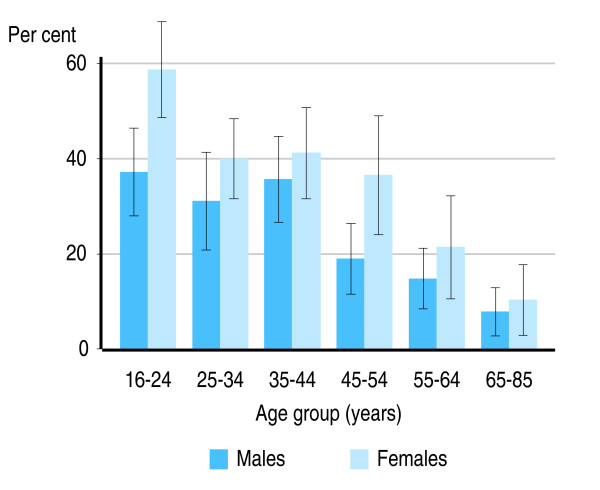
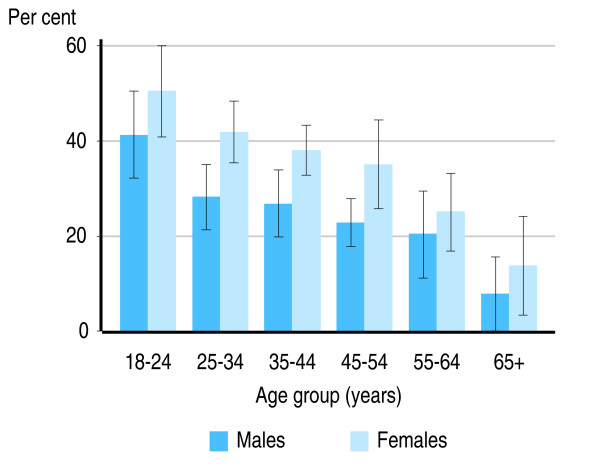
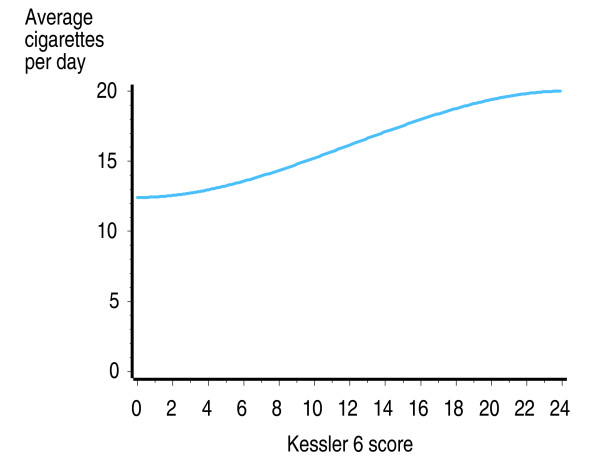
BACKGROUND: Smoking has been associated with a range of mental disorders including schizophrenia, anxiety disorders and depression. People with mental illness have high rates of morbidity and mortality from smoking related illnesses such as cardiovascular disease, respiratory diseases and cancer. As many people who meet diagnostic criteria for mental disorders do not seek treatment for these conditions, we sought to investigate the relationship between mental illness and smoking in recent population-wide surveys. METHODS: Survey data from the US National Comorbidity Survey-Replication conducted in 2001-2003, the 2007 Australian Survey of Mental Health and Wellbeing, and the 2007 US National Health Interview Survey were used to investigate the relationship between current smoking, ICD-10 mental disorders and non-specific psychological distress. Population weighted estimates of smoking rates by disorder, and mental disorder rates by smoking status were calculated. RESULTS: In both the US and Australia, adults who met ICD-10 criteria for mental disorders in the 12 months prior to the survey smoked at almost twice the rate of adults without mental disorders. While approximately 20% of the adult population had 12-month mental disorders, among adult smokers approximately one-third had a 12-month mental disorder--31.7% in the US (95% CI: 29.5%-33.8%) and 32.4% in Australia (95% CI: 29.5%-35.3%). Female smokers had higher rates of mental disorders than male smokers, and younger smokers had considerably higher rates than older smokers. The majority of mentally ill smokers were not in contact with mental health services, but their rate of smoking was not different from that of mentally ill smokers who had accessed services for their mental health problem. Smokers with high levels of psychological distress smoked a higher average number of cigarettes per day. CONCLUSION: Mental illness is associated with both higher rates of smoking and higher levels of smoking among smokers. Further, a significant proportion of smokers have mental illness. Strategies that address smoking in mental illness, and mental illness among smokers would seem to be important directions for tobacco control. As the majority of smokers with mental illness are not in contact with mental health services for their condition, strategies to address mental illness should be included as part of population health-based mental health and tobacco control efforts.
Overview
The claims and statistics of this paper haven’t been checked yet.
Run the check — free, no account needed. It reads the open-access text and checks the sources it cites.
Integrity signals
Registry
Cites
Statistics
Figures
Verification
Claims the paper makes
The claims and statistics of this paper haven’t been checked yet.
Run the check — free, no account needed. It reads the open-access text and checks the sources it cites.
Claims other papers make about this one
Each is checked against this paper’s own text: does it say what the citing paper says it does?
In the citing paper
“Smoking is more prevalent among people with depression.”
From Depression and smoking cessation: evidence from a smoking cessation clinic with 1-year follow-up (2017) · cites this paper as [3]
In the citing paper
“A substantial proportion of all smokers have a history of depression”
From Depression and smoking cessation: evidence from a smoking cessation clinic with 1-year follow-up (2017) · cites this paper as [3]
Self-check
Percentages, sums and reported differences re-computed from the paper’s own numbers.
The self-check needs the paper’s full text.
Citations
Cites
Diagnostic and Statistical Manual of Mental Disorders
Williams, J. B. W., & First, M. B. (2013) · Oxford University Press eBooks · doi:10.1093/acrefore/9780199975839.013.104 · Cited by 109,845
Hastie, T., & Tibshirani, R. (1986) · Statistical Science · doi:10.1214/ss/1177013604 · Cited by 12,575
KESSLER, R. C., ANDREWS, G., COLPE, L. J., HIRIPI, E., MROCZEK, D. K., NORMAND, S.-L. T., WALTERS, E. E., & ZASLAVSKY, A. M. (2002) · Psychological Medicine · doi:10.1017/s0033291702006074 · Cited by 10,327
Brown, R. A., Hastie, T. J., & Tibshirani, R. J. (1991) · Biometrics · doi:10.2307/2532174 · Cited by 8,263
Kessler, R. C., & Üstün, T. B. (2004) · International Journal of Methods in Psychiatric Research · doi:10.1002/mpr.168 · Cited by 4,771
Diagnostic and Statistical Manual of Mental Disorders, 5th Edition
(2013) · American Psychiatric Association Publishing eBooks · doi:10.1176/appi.books.9780890425596.893619 · Cited by 4,412
The Self-Medication Hypothesis of Substance Use Disorders: A Reconsideration and Recent Applications
Khantzian, E. J. (1997) · Harvard Review of Psychiatry · doi:10.3109/10673229709030550 · Cited by 3,242 · cited 1×
“These factors have lead to the self-medication hypothesis – that smokers with mental illness choose to smoke because it is the easiest, most readily accessible way to control symptoms of mental illness, especially for those who are not receiving any prescribed form of treatment for their mental health condition [40].”
BackgroundDiagnostic and Statistical Manual of Mental Disorders
Raber, G., & Spokas, M. (2024) · doi:10.4135/9781071886229.n145 · Cited by 2,806
Smoking and Mental Illness: A Population-Based Prevalence Study
Lasser, K., Boyd, J. W., Woolhandler, S., Himmelstein, D. U., McCormick, D., & Bor, D. H. (2000) · JAMA · doi:10.1001/jama.284.20.2606 · Cited by 2,508
The Health Consequences of Smoking: A Report of the Surgeon General
Office on Smoking (2004) · Cited by 2,414
Research works printed but not linked: 12
- Boyd JW, Lasser K: Tobacco madness. Psychiatric Times. 2001, 18 (10): 1-4.
- Lawrence D, Holman CDJ, Jablensky AV: Duty to care Preventable physical illness in people with mental illness. 2001, Perth, University of Western Australia
- Australian Bureau of Statistics: National Survey of Mental Health and Wellbeing: Users' Guide. 2009, ABS Cat 4327.0. Canberra
- Alegria M, Jackson JS, Kessler RC, Takeuchi D: Collaborative Psychiatric Epidemiology Surveys, 2001–2003 United States [computer file]. 2007, Conducted by Harvard Medical School, Department of Health Care Policy/University of Michigan, Survey Research Center. ICSPR20240-v5. Ann Arbor, MI: Institute for Social Research, Survey Research Center [producer], Ann Arbor, MI: Inter-university Consortium for Political and Social Research [distributor], 2008-06-19
- National Center for Health Statistics: Data file documentation, National Health Interview Survey, 2007 (machine readable data file and documentation). 2008, National Center for Health Statistics, Centers for Disease Control and Prevention, Hyattsville, Maryland
- World Health Organization: The ICD-10 classification of mental and behavioural disorders: diagnostic criteria for research. 1993, Geneva: World Health Organization
- Australian Bureau of Statistics: Mental health and wellbeing: Profile of adults, Australia, 1997. 1998, ABS Cat 4326.0. Canberra
- el-Guebaly N, Cathcart J, Currie S, Brown D, Gloster S: Smoking cessation approaches for persons with mental illness or addictive disorders. Psychiatr Serv. 2002, 53: 1166-1170. 10.1097/00001504-200305000-00006. · DOI · Paper page
- Marsh A, McKay S: Poor smokers. 1994, London: Policy Studies Institute
- Apollonio DE, Malone RE: Marketing to the marginalised: tobacco industry targeting of the homeless and mentally ill. Tob Control. 2005, 14: 409-415. 10.1136/tc.2005.011890. · DOI
- U.S. Department of Health and Human Services: Tobacco use in population groups: reduce tobacco use in adults. Cigarette smoking (27-1a). Healthy people 2010 (conference ed). 2000, Washington, DC: U.S. Department of Health and Human Services, 2:
- Australian Bureau of Statistics: 2004–05 National Health Survey: Summary of results Australia. 2006, ABS Cat 4364.0. Canberra
Cited by
Sorted by citations
So depression is an inflammatory disease, but where does the inflammation come from?
Berk, M., Williams, L. J., Jacka, F. N., O’Neil, A., Pasco, J. A., Moylan, S., Allen, N. B., Stuart, A. L., Hayley, A. C., Byrne, M. L., et al. (2013) · BMC Medicine · doi:10.1186/1741-7015-11-200 · Cited by 1,423
Lawrence, D., Hancock, K. J., & Kisely, S. (2013) · BMJ · doi:10.1136/bmj.f2539 · Cited by 819
Self-citationWootton, R. E., Richmond, R. C., Stuijfzand, B. G., Lawn, R. B., Sallis, H. M., Taylor, G. M. J., Hemani, G., Jones, H. J., Zammit, S., Davey Smith, G., et al. (2020) · Psychological Medicine · doi:10.1017/s0033291719002678 · Cited by 587
Smoking, Mental Illness, and Public Health
Prochaska, J. J., Das, S., & Young-Wolff, K. C. (2017) · Annual Review of Public Health · doi:10.1146/annurev-publhealth-031816-044618 · Cited by 503
“Reported in the United States, the United Kingdom, and Australia, smoking is two to three times more prevalent among people with mental illness, when compared with the general population (38, 75, 78).”
BackgroundTwyman, L., Bonevski, B., Paul, C. L., & Bryant, J. (2014) · BMJ Open · doi:10.1136/bmjopen-2014-006414 · Cited by 467
Ringen, P. A., Engh, J. A., Birkenaes, A. B., Dieset, I., & Andreassen, O. A. (2014) · Frontiers in Psychiatry · doi:10.3389/fpsyt.2014.00137 · Cited by 365
Smoking and mental illness in the US population
Smith, P. H., Mazure, C. M., & McKee, S. A. (2014) · Tobacco Control · doi:10.1136/tobaccocontrol-2013-051466 · Cited by 323
Cigarette smoking and depression comorbidity: systematic review and proposed theoretical model
Mathew, A. R., Hogarth, L., Leventhal, A. M., Cook, J. W., & Hitsman, B. L. (2016) · Addiction · doi:10.1111/add.13604 · Cited by 287
Cognitive Effects of Nicotine: Recent Progress
Valentine, G. W., & Sofuoglu, M. (2017) · Current Neuropharmacology · doi:10.2174/1570159x15666171103152136 · Cited by 302
Depression and cigarette smoking behavior: a critical review of population-based studies
Weinberger, A. H., Kashan, R. S., Shpigel, D. M., Esan, H., Taha, F., Lee, C. J., Funk, A. P., & Goodwin, R. D. (2017) · The American Journal of Drug and Alcohol Abuse · doi:10.3109/00952990.2016.1171327 · Cited by 263
The epidemiology of excess mortality in people with mental illness
Lawrence, D., Kisely, S., & Pais, J. (2010) · The Canadian Journal of Psychiatry · doi:10.1177/070674371005501202 · Cited by 258
Self-citationCallaghan, R. C., Veldhuizen, S., Jeysingh, T., Orlan, C., Graham, C., Kakouris, G., Remington, G., & Gatley, J. (2014) · Journal of Psychiatric Research · doi:10.1016/j.jpsychires.2013.09.014 · Cited by 255
Moylan, S., Jacka, F. N., Pasco, J. A., & Berk, M. (2012) · BMC Medicine · doi:10.1186/1741-7015-10-123 · Cited by 242
Cardiovascular Disease and Homelessness
Baggett, T. P., Liauw, S. S. L., & Hwang, S. W. (2018) · Journal of the American College of Cardiology · doi:10.1016/j.jacc.2018.02.077 · Cited by 203
High Mortality Among Patients With Opioid Use Disorder in a Large Healthcare System
Hser, Y., Mooney, L. J., Saxon, A. J., Miotto, K. A., Bell, D. S., Zhu, Y., Liang, D., & Huang, D. Y. C. (2017) · Journal of Addiction Medicine · doi:10.1097/adm.0000000000000312 · Cited by 199
Genetic dissection of medial habenula–interpeduncular nucleus pathway function in mice
Kobayashi, Y., Sano, Y., Vannoni, E., Goto, H., Suzuki, H., Oba, A., Kawasaki, H., Kanba, S., Lipp, H., Murphy, N. P., et al. (2013) · Frontiers in Behavioral Neuroscience · doi:10.3389/fnbeh.2013.00017 · Cited by 195
Review: Mortality in schizophrenia: a measurable clinical endpoint
Bushe, C. J., Taylor, M., & Haukka, J. (2010) · Journal of Psychopharmacology · doi:10.1177/1359786810382468 · Cited by 185
Charlson, F., Baxter, A. J., Dua, T., Degenhardt, L. J., Whiteford, H., & Vos, T. (2014) · Epidemiology and Psychiatric Sciences · doi:10.1017/s2045796014000687 · Cited by 194
Seminog, O. O., & Goldacre, M. J. (2012) · Thorax · doi:10.1136/thoraxjnl-2012-202480 · Cited by 182
The American Psychiatric Association Practice Guidelines for the Psychiatric Evaluation of Adults
Silverman, J. J., Galanter, M. S., Jackson‐Triche, M., Jacobs, D. G., Lomax, J. W., Riba, M., Tong, L., Watkins, K. E., Fochtmann, L. J., Rhoads, R. S., et al. (2015) · American Journal of Psychiatry · doi:10.1176/appi.ajp.2015.1720501 · Cited by 193
Tobacco addiction and the dysregulation of brain stress systems
Bruijnzeel, A. W. (2012) · Neuroscience & Biobehavioral Reviews · doi:10.1016/j.neubiorev.2012.02.015 · Cited by 181
Anxiety and Substance Use Disorders: Co-occurrence and Clinical Issues
Vorspan, F., Mehtelli, W., Dupuy, G., Bloch, V., & Lépine, J. (2015) · Current Psychiatry Reports · doi:10.1007/s11920-014-0544-y · Cited by 189
Cooper, J., Mancuso, S. G., Borland, R., Slade, T. N., Galletly, C. A., & Castle, D. J. (2012) · Australian & New Zealand Journal of Psychiatry · doi:10.1177/0004867412449876 · Cited by 172
Smoking cessation and reduction in people with chronic mental illness
Tidey, J. W., & Miller, M. E. (2015) · BMJ · doi:10.1136/bmj.h4065 · Cited by 174
Reward processing in unipolar and bipolar depression: A functional MRI study
Redlich, R., Dohm, K., Grotegerd, D., Opel, N., Zwitserlood, P., Heindel, W., Arolt, V., Kugel, H., & Dannlowski, U. (2015) · Neuropsychopharmacology · doi:10.1038/npp.2015.110 · Cited by 164
Use of e-cigarettes by individuals with mental health conditions
Cummins, S. E., Zhu, S., Tedeschi, G. J., Gamst, A. C., & Myers, M. G. (2014) · Tobacco Control · doi:10.1136/tobaccocontrol-2013-051511 · Cited by 156
Smoking and the Reduced Life Expectancy of Individuals With Serious Mental Illness
Tam, J., Warner, K. E., & Meza, R. (2016) · American Journal of Preventive Medicine · doi:10.1016/j.amepre.2016.06.007 · Cited by 156
Smokers With Behavioral Health Comorbidity Should Be Designated a Tobacco Use Disparity Group
Williams, J. M., Steinberg, M. L., Griffiths, K. G., & Cooperman, N. (2013) · American Journal of Public Health · doi:10.2105/ajph.2013.301232 · Cited by 135
Symptoms of anxiety and depression among Norwegian musicians compared to the general workforce
Vaag, J. R., Bjørngaard, J. H., & Bjerkeset, O. A. (2015) · Psychology of Music · doi:10.1177/0305735614564910 · Cited by 164
Sex differences in fear extinction
Velasco, E. R., Florido, A., Milad, M. R., & Andero, R. (2019) · Neuroscience & Biobehavioral Reviews · doi:10.1016/j.neubiorev.2019.05.020 · Cited by 132
Socioeconomic domains and associations with preterm birth
Messer, L. C., Vinikoor, L. C., Laraia, B. A., Kaufman, J. S., Eyster, J. T., Holzman, C., Culhane, J. F., Elo, I. T., Burke, J. G., & O'Campo, P. J. (2008) · Social Science & Medicine · doi:10.1016/j.socscimed.2008.06.009 · Cited by 127
The effects of depression and smoking on pain severity and opioid use in patients with chronic pain
Hooten, M. W., Shi, Y., Gazelka, H. M., & Warner, D. O. (2010) · Pain · doi:10.1016/j.pain.2010.10.045 · Cited by 123
Lawrence, D., Mitrou, F., & Zubrick, S. R. (2011) · BMC Public Health · doi:10.1186/1471-2458-11-256 · Cited by 122
Self-citationHiggins, S. T., Heil, S. H., Sigmon, S. C., Tidey, J. W., Gaalema, D. E., Hughes, J. R., Stitzer, M. L., Durand, H., Bunn, J. Y., Priest, J. S., et al. (2017) · JAMA Psychiatry · doi:10.1001/jamapsychiatry.2017.2355 · Cited by 119
Mullen, K. A., Manuel, D. G., Hawken, S., Pipe, A., Coyle, D., Hobler, L. A., Younger, J., Wells, G. A., & Reid, R. D. (2016) · Tobacco Control · doi:10.1136/tobaccocontrol-2015-052728 · Cited by 119
Contributions of specific causes of death to lost life expectancy in severe mental illness
Jayatilleke, N., Hayes, R. D., Dutta, R., Shetty, H., Hotopf, M., Chang, C.-K., & Stewart, R. (2017) · European Psychiatry · doi:10.1016/j.eurpsy.2017.02.487 · Cited by 111
Weinberger, A. H., Funk, A. P., & Goodwin, R. D. (2016) · Preventive Medicine · doi:10.1016/j.ypmed.2016.05.011 · Cited by 108
Smoking and quitting behaviours by mental health conditions in Great Britain (1993–2014)
Richardson, S., McNeill, A. D., & Brose, L. S. (2018) · Addictive Behaviors · doi:10.1016/j.addbeh.2018.10.011 · Cited by 109
Computer-assisted Therapy in Psychiatry: Be Brave—It’s a New World
Carroll, K. M., & Rounsaville, B. J. (2010) · Current Psychiatry Reports · doi:10.1007/s11920-010-0146-2 · Cited by 108
Smoking cessation is associated with lower rates of mood/anxiety and alcohol use disorders
Cavazos‐Rehg, P. A., Breslau, N., Hatsukami, D. K., Krauss, M. J., Spitznagel, E. L., Grucza, R. A., Salyer, P., Hartz, S. M., & Bierut, L. J. (2014) · Psychological Medicine · doi:10.1017/s0033291713003206 · Cited by 103
Negative affective states and cognitive impairments in nicotine dependence
Hall, F. S., Der‐Avakian, A., Gould, T. J., Markou, A., Shoaib, M. C., & Young, J. W. (2015) · Neuroscience & Biobehavioral Reviews · doi:10.1016/j.neubiorev.2015.06.004 · Cited by 110
Rass, O., Pacek, L. R., Johnson, P. S., & Johnson, M. W. (2015) · Experimental and Clinical Psychopharmacology · doi:10.1037/pha0000050 · Cited by 101
Change in anxiety following successful and unsuccessful attempts at smoking cessation: cohort study
McDermott, M. S., Marteau, T. M., Hollands, G. J., Hankins, M. C., & Aveyard, P. N. (2013) · The British Journal of Psychiatry · doi:10.1192/bjp.bp.112.114389 · Cited by 101
Cigarette Smoking and Onset of Mood and Anxiety Disorders
Mojtabai, R., & Crum, R. M. (2013) · American Journal of Public Health · doi:10.2105/ajph.2012.300911 · Cited by 104
Sleep disturbances in a community-based sample of women with polycystic ovary syndrome
Moran, L. J., March, W. A., Whitrow, M. J., Giles, L. C., Davies, M. J., & Moore, V. M. (2015) · Human Reproduction · doi:10.1093/humrep/deu318 · Cited by 98
Long-term outcomes of a cell phone–delivered intervention for smokers living with HIV/AIDS
Gritz, E. R., Danysh, H. E., Fletcher, F. E., Tami-Maury, I., Fingeret, M. C., King, R. M., Arduino, R. C., & Vidrine, D. J. (2013) · Clinical Infectious Diseases · doi:10.1093/cid/cit349 · Cited by 89
Baggett, T. P., Lebrun-Harris, L. A., & Rigotti, N. A. (2013) · Addiction · doi:10.1111/add.12292 · Cited by 88
The American Psychiatric Association Practice Guidelines for the Psychiatric Evaluation of Adults
(2015) · American Psychiatric Association Publishing eBooks · doi:10.1176/appi.books.9780890426760 · Cited by 125
The prevalence of anxiety and associated factors in persons with epilepsy
Pham, T., Sauro, K. M., Patten, S. B., Wiebe, S., Fiest, K. M., Bulloch, A. G. M., & Jetté, N. (2017) · Epilepsia · doi:10.1111/epi.13817 · Cited by 86
Poor Mental Health and Reduced Decline in Smoking Prevalence
Steinberg, M. L., Williams, J. M., & Li, Y.-Q. (2015) · American Journal of Preventive Medicine · doi:10.1016/j.amepre.2015.01.016 · Cited by 84
Heiberg, I. H., Jacobsen, B. K., Nesvåg, R., Bramness, J. G., Reichborn‐Kjennerud, T., Næss, Ø., Ystrøm, E., Hultman, C. M., & Høye, A. (2018) · PLoS ONE · doi:10.1371/journal.pone.0202028 · Cited by 94
Depression and smoking cessation: evidence from a smoking cessation clinic with 1-year follow-up
Stepankova, L., Kralikova, E., Zvolska, K., Pankova, A., Ovesna, P., Blaha, M., & Brose, L. S. (2017) · Annals of Behavioral Medicine · doi:10.1007/s12160-016-9869-6 · Cited by 78
Is There a Positive Effect of Smoking Cessation on Periodontal Health? A Systematic Review
Fiorini, T., Musskopf, M. L., Oppermann, R. V., & Susin, C. (2013) · Journal of Periodontology · doi:10.1902/jop.2013.130047 · Cited by 82
Rosenbaum, S., Tiedemann, A., Stanton, R., Parker, A. G., Waterreus, A. J., Curtis, J., & Ward, P. B. (2015) · Australasian Psychiatry · doi:10.1177/1039856215590252 · Cited by 88
Cooper, J., Borland, R., McKee, S. A., Yong, H., & Dugué, P. (2016) · Addiction · doi:10.1111/add.13290 · Cited by 78
Smoking during Pregnancy: Findings from the 2009–2010 Canadian Community Health Survey
Cui, Y., Shooshtari, S., Forget, E. L., Clara, I. P., & Cheung, K. F. (2014) · PLoS ONE · doi:10.1371/journal.pone.0084640 · Cited by 75
Lifetime cigarette smoking is associated with striatal volume measures
Das, D., Cherbuin, N., Anstey, K. J., Sachdev, P. S., & Easteal, S. (2011) · Addiction Biology · doi:10.1111/j.1369-1600.2010.00301.x · Cited by 75
Self management interventions for type 2 diabetes in adult people with severe mental illness
McBain, H. B., Mulligan, K., Haddad, M., Flood, C., Jones, J., & Simpson, A. (2016) · Cochrane Database of Systematic Reviews · doi:10.1002/14651858.cd011361.pub2 · Cited by 70
Lawrence, D. M., Considine, J., Mitrou, F., & Zubrick, S. R. (2010) · PubMed · doi:10.3109/00048670903571580 · Cited by 68
Self-citationStreck, J. M., Weinberger, A. H., Pacek, L. R., Gbedemah, M., & Goodwin, R. D. (2018) · Nicotine & Tobacco Research · doi:10.1093/ntr/nty227 · Cited by 65
Asiamah, N., Opuni, F. F., Mends-Brew, E., Mensah, S. W., Mensah, H. K., & Quansah, F. (2020) · Community Mental Health Journal · doi:10.1007/s10597-020-00722-4 · Cited by 68
Alexandrino-Silva, C., Wang, Y.-P., Carmen Viana, M., Bulhões, R. S., Martins, S. S., & Andrade, L. H. (2013) · Journal of Affective Disorders · doi:10.1016/j.jad.2012.11.041 · Cited by 64
Chronic disease health risk behaviours amongst people with a mental illness
Bartlem, K. M., Bowman, J., Bailey, J. M., Freund, M., Wye, P. M., Lecathelinais, C., McElwaine, K., Campbell, E. M., Gillham, K. E., & Wiggers, J. H. (2015) · Australian & New Zealand Journal of Psychiatry · doi:10.1177/0004867415569798 · Cited by 64
Psychological distress and its effect on tuberculosis treatment outcomes in Ethiopia
Tola, H. H., Shojaeizadeh, D., Garmaroudi, G., Tol, A., Yekaninejad, M. S., Ejeta, L. T., Kebede, A., Karimi, M., & Kassa, D. (2015) · Global Health Action · doi:10.3402/gha.v8.29019 · Cited by 71
Posttraumatic stress disorder and tobacco use: A systematic review and meta-analysis
Pericot‐Valverde, I., Elliott, R. J., Miller, M. E., Tidey, J. W., & Gaalema, D. E. (2018) · Addictive Behaviors · doi:10.1016/j.addbeh.2018.04.024 · Cited by 65
Hahad, O., Beutel, M. E., Gilan, D., Michal, M., Schulz, A., Pfeiffer, N., König, J., Lackner, K. J., Wild, P. S., Daiber, A., et al. (2022) · Journal of Affective Disorders · doi:10.1016/j.jad.2022.06.083 · Cited by 64
Zhou, Q., Glasgow, N., & Du, W. (2018) · Disability and health journal · doi:10.1016/j.dhjo.2018.08.007 · Cited by 60
Blazer, D. G., & Wu, L.-T. T. (2012) · Aging & Mental Health · doi:10.1080/13607863.2011.615739 · Cited by 60
Antecedents of teenage pregnancy from a 14-year follow-up study using data linkage
Gaudie, J., Mitrou, F., Lawrence, D. M., Stanley, F. J., Silburn, S., & Zubrick, S. R. (2010) · BMC Public Health · doi:10.1186/1471-2458-10-63 · Cited by 63
Self-citationLawrence, D. M., & Williams, J. M. (2015) · Nicotine & Tobacco Research · doi:10.1093/ntr/ntv272 · Cited by 60
Self-citationEvins, A. E., Korhonen, T., Kinnunen, T., & Kaprio, J. A. (2017) · Psychological Medicine · doi:10.1017/s0033291717000587 · Cited by 60
Garey, L., Olofsson, H., Garza, T., Shepherd, J. M., Smit, T., & Zvolensky, M. J. (2020) · Current Psychiatry Reports · doi:10.1007/s11920-020-01160-5 · Cited by 62
Brunette, M. F., Ferron, J. C., McHugo, G. J., Davis, K. E., Devitt, T. S., Wilkness, S. M., & Drake, R. E. (2011) · Psychiatric Services · doi:10.1176/ps.62.4.pss6204_0360 · Cited by 59
Cigarette smoking among those with mental disorders in the US population: 2012–2013 update
Smith, P. H., Chhipa, M., Bystrik, J., Roy, J., Goodwin, R. D., & McKee, S. A. (2018) · Tobacco Control · doi:10.1136/tobaccocontrol-2018-054268 · Cited by 61
Stockings, E., Bowman, J., Baker, A., Terry, M., Clancy, R., Wye, P. M., Knight, J., Moore, L., Adams, M., Colyvas, K., et al. (2014) · Nicotine & Tobacco Research · doi:10.1093/ntr/ntu097 · Cited by 59
Psychological Distress and Smoking Behavior: The Nature of the Relation Differs by Race/Ethnicity
Kiviniemi, M. T., Orom, H., & Giovino, G. A. (2010) · Nicotine & Tobacco Research · doi:10.1093/ntr/ntq218 · Cited by 57
Youth tobacco use type and associations with substance use disorders
Cavazos‐Rehg, P. A., Krauss, M. J., Spitznagel, E. L., Grucza, R. A., & Bierut, L. J. (2014) · Addiction · doi:10.1111/add.12567 · Cited by 55
Schizophrenia and Cancer: In 2010 Do We Understand the Connection?
Bushe, C., & Hodgson, R. E. (2010) · The Canadian Journal of Psychiatry · doi:10.1177/070674371005501203 · Cited by 55
Lawrence, D. M., Hafekost, J., Hull, P., Mitrou, F., & Zubrick, S. R. (2013) · BMC Public Health · doi:10.1186/1471-2458-13-462 · Cited by 57
Self-citationCharlson, F., Baxter, A. J., Dua, T., Degenhardt, L. J., Whiteford, H., & Vos, T. (2016) · World Bank, Washington, DC eBooks · doi:10.1596/978-1-4648-0426-7_ch3 · Cited by 55
Depression, Risk Preferences, and Risk-Taking Behavior
Cobb‐Clark, D. A., Dahmann, S. C., & Kettlewell, N. (2020) · The Journal of Human Resources · doi:10.3368/jhr.58.1.0419-10183r1 · Cited by 53
Comparison of Available Treatments for Tobacco Addiction
Herman, A. I., & Sofuoglu, M. (2010) · Current Psychiatry Reports · doi:10.1007/s11920-010-0134-6 · Cited by 52
Guillot, C. R., Halliday, T. M., Kirkpatrick, M. G., Pang, R. D., & Leventhal, A. M. (2017) · Nicotine & Tobacco Research · doi:10.1093/ntr/ntx036 · Cited by 51
McAneney, H., Tully, M. A., Hunter, R. F., Kouvonen, A. M., Veal, P., Stevenson, M., & Kee, F. (2015) · BMC Public Health · doi:10.1186/s12889-015-2590-8 · Cited by 58
Anxiety and Adverse Health Outcomes Among Cardiac Patients
Abed, M. A., Kloub, M. I., & Moser, D. K. (2013) · The Journal of Cardiovascular Nursing · doi:10.1097/jcn.0b013e318292b235 · Cited by 51
Foulds, J., Russ, C., Yu, C.-R., Zou, K. H., Galaznik, A., Franzon, M., Berg, A. S., & Hughes, J. R. (2013) · Nicotine & Tobacco Research · doi:10.1093/ntr/ntt066 · Cited by 51
Factors associated with co-occurring medical conditions among adults with serious mental disorders
Razzano, L. A., Cook, J. Α., Yost, C., Jonikas, J. A., Swarbrick, M. A., Carter, T. M., & Santos, A. B. (2014) · Schizophrenia Research · doi:10.1016/j.schres.2014.11.021 · Cited by 49
Leung, J., Gartner, C., Dobson, A., Lucke, J., & Hall, W. (2011) · Australian & New Zealand Journal of Psychiatry · doi:10.3109/00048674.2010.534070 · Cited by 46
Gould, G. S., Hurst, J. R., Trofor, A. C., Alison, J. A., Fox, G. J., Kulkarni, M. M., Wheelock, C. E., Clarke, M., & Kumar, R. (2023) · Respiratory Research · doi:10.1186/s12931-022-02297-y · Cited by 47
Sharma, R., Meurk, C., Bell, S., Ford, P. J., & GARTNER, C. E. (2017) · International Journal of Mental Health Nursing · doi:10.1111/inm.12314 · Cited by 47
Evaluation of the Taking Texas Tobacco Free Workplace Program within behavioral health centers
Correa-Fernández, V., Wilson, W. T., Kyburz, B., O’Connor, D. P., Stacey, T., Williams, T., Lam, C. Y., & Reitzel, L. R. (2018) · Translational Behavioral Medicine · doi:10.1093/tbm/iby067 · Cited by 46
Williams, J. M., Miskimen, T., Minsky, S., Cooperman, N. A., Miller, M., Budsock, P. D., Cruz, J., & Steinberg, M. (2015) · Psychiatric Services · doi:10.1176/appi.ps.201300523 · Cited by 42
Metse, A. P., Wiggers, J. H., Wye, P. M., Wolfenden, L., Freund, M., Clancy, R., Stockings, E., Terry, M., Allan, J., Colyvas, K., et al. (2017) · Australian & New Zealand Journal of Psychiatry · doi:10.1177/0004867417692424 · Cited by 45
Lawrence, D. M., Mitrou, F., Sawyer, M. G., & Zubrick, S. R. (2010) · Australian & New Zealand Journal of Psychiatry · doi:10.3109/00048674.2010.482921 · Cited by 45
Self-citationTobacco use among N orwegian adolescents: from cigarettes to snus
Pedersen, W., & von Soest, T. (2014) · Addiction · doi:10.1111/add.12509 · Cited by 44
Young, D., Wilson, N., Borland, R., Edwards, R., & Weerasekera, D. D. (2010) · Nicotine & Tobacco Research · doi:10.1093/ntr/ntq155 · Cited by 44
Care Provision to Prevent Chronic Disease by Community Mental Health Clinicians
Bartlem, K. M., Bowman, J. A., Freund, M., Wye, P. M., McElwaine, K. M., Wolfenden, L., Campbell, E. M., Gillham, K. E., & Wiggers, J. H. (2014) · American Journal of Preventive Medicine · doi:10.1016/j.amepre.2014.08.003 · Cited by 43
Stockings, E., Bowman, J., Prochaska, J. J., Baker, A., Clancy, R., Knight, J., Wye, P. M., Terry, M., & Wiggers, J. H. (2014) · Australian & New Zealand Journal of Psychiatry · doi:10.1177/0004867414533835 · Cited by 44
A systematic review on tobacco use among civilian populations affected by armed conflict
Lo, J., Patel, P., & Roberts, B. (2015) · Tobacco Control · doi:10.1136/tobaccocontrol-2014-052054 · Cited by 43
Physical health care for people with mental illness: Training needs for nurses
Happell, B., Platania‐Phung, C., & Scott, D. S. (2013) · Nurse Education Today · doi:10.1016/j.nedt.2013.01.015 · Cited by 42
Metadata
- Authors
- Lawrence, D., Mitrou, F., & Zubrick, S. R.
- Affiliations
- The Kids Research Institute Australia (AU)
- Corresponding author
- Lawrence, David
- Venue
- BMC Public Health
- Published
- 2009-08-07
- Volume
- 9
- Issue
- 1
- Pages
- 285-285
- ISSN
- 1471-2458 (ISSN-L)
- PMC
- PMC2734850
- OpenAlex
- W1964578896
- Cited by
- 517
- References
- 77
- Citations by year
- 2026: 14 · 2025: 19 · 2024: 26 · 2023: 19 · 2022: 27 · 2021: 32 · 2020: 28 · 2019: 25 · 2018: 39 · 2017: 41 · 2016: 38 · 2015: 51 · 2014: 38 · 2013: 41 · 2012: 32
- FWCI
- 17.07
- Type
- journal article
- Language
- en
- Open access
- gold
- doi.org
- Licence
- Locations
- BMC Public Health (publishedVersion, cc-by)
- PubMed Central (publishedVersion, cc-by)
- PubMed (publishedVersion)
- UWA Profiles and Research Repository (UWA) (submittedVersion, other-oa)
- DOAJ (DOAJ: Directory of Open Access Journals) (submittedVersion, cc-by-sa)
- eSpace (Curtin University) (submittedVersion, cc-by)
- Funders
- Robert Wood Johnson Foundation
- John W. Alden Trust
- Australian Government
- Substance Abuse and Mental Health Services Administration
- National Institute of Mental Health
- Topics
- Health Sciences › Medicine › Public Health, Environmental and Occupational Health › Smoking Behavior and Cessation
- Health Sciences › Medicine › Psychiatry and Mental health › Mental Health Treatment and Access
- Health Sciences › Medicine › Epidemiology › Substance Abuse Treatment and Outcomes
- Keywords
- smoking, mental illness, psychological distress, schizophrenia, anxiety disorders, depression, tobacco control, mental health service utilization, sex differences, age differences, cigarette consumption, Australia, United States
- MeSH terms
- Adolescent, Adult, Australia, Mental Disorders, Female, Humans, Male, Mental Health Services, Smoking, Stress, Psychological, United States, Young Adult
About these checks
Registry, retraction, Cites and statistics results are computed, not judged, with one exception: a printed reference that no index lists is read once by a model before it counts as a citation error. Claims are extracted by a model and kept only when their quote appears verbatim in the text; each cited source is then checked, with a model’s help, for whether it says what the claim relies on. Those verdicts can be wrong — read the claim’s quote and the cited source before relying on one.
Statistics and arithmetic are recomputed, not judged.
Confidence bands are shown only for fields calibrated on our annotated test set. None is calibrated yet, so no band is shown.
What counts as a claim ›How we measure confidence ›How we check this ›
Are you an author, or do you see a problem with this page? Request a review
