

Reduced thoracolumbar fascia shear strain in human chronic low back pain
Open accessThe DOI matches its Crossref record; 31 of the 32 references it cites were found in a registry or an index.
Abstract
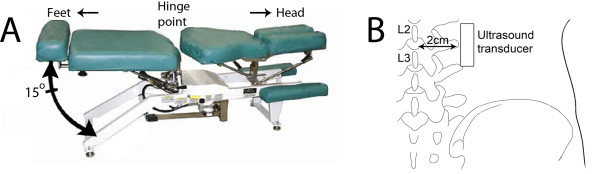
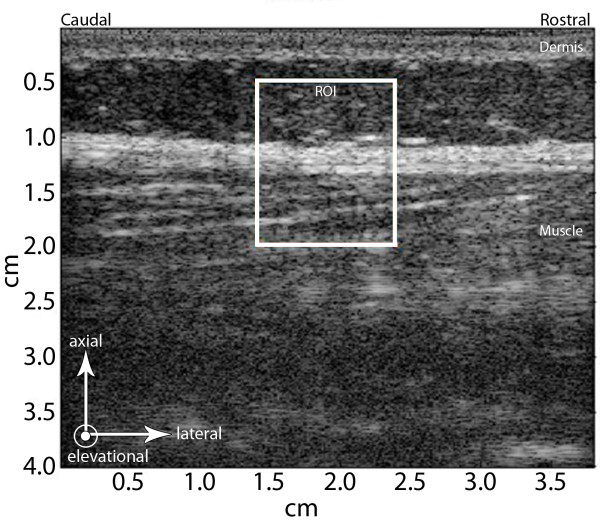
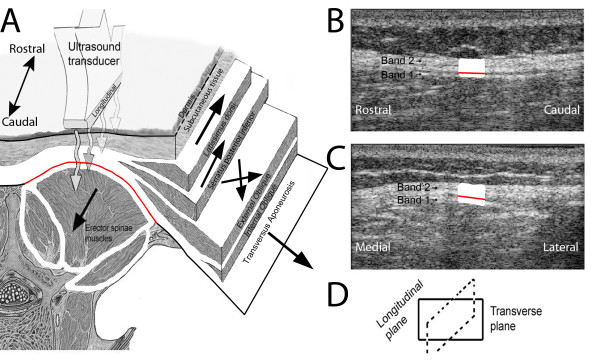
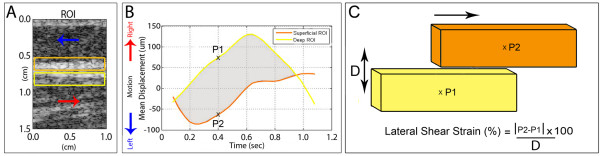
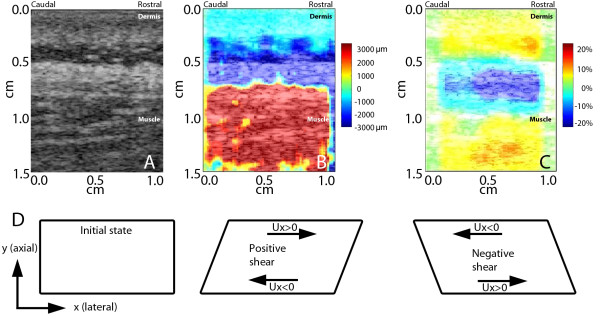
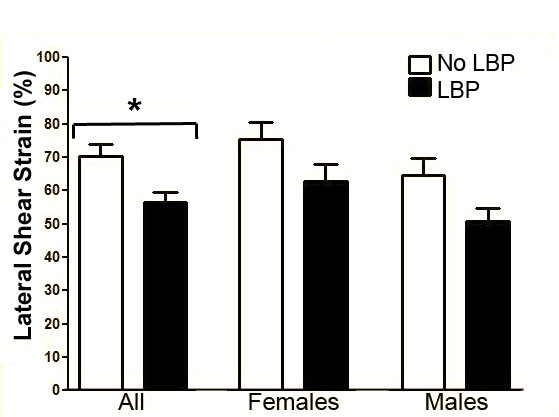
BACKGROUND: The role played by the thoracolumbar fascia in chronic low back pain (LBP) is poorly understood. The thoracolumbar fascia is composed of dense connective tissue layers separated by layers of loose connective tissue that normally allow the dense layers to glide past one another during trunk motion. The goal of this study was to quantify shear plane motion within the thoracolumbar fascia using ultrasound elasticity imaging in human subjects with and without chronic low back pain (LBP). METHODS: We tested 121 human subjects, 50 without LBP and 71 with LBP of greater than 12 months duration. In each subject, an ultrasound cine-recording was acquired on the right and left sides of the back during passive trunk flexion using a motorized articulated table with the hinge point of the table at L4-5 and the ultrasound probe located longitudinally 2 cm lateral to the midline at the level of the L2-3 interspace. Tissue displacement within the thoracolumbar fascia was calculated using cross correlation techniques and shear strain was derived from this displacement data. Additional measures included standard range of motion and physical performance evaluations as well as ultrasound measurement of perimuscular connective tissue thickness and echogenicity. RESULTS: Thoracolumbar fascia shear strain was reduced in the LBP group compared with the No-LBP group (56.4% ± 3.1% vs. 70.2% ± 3.6% respectively, p < .01). There was no evidence that this difference was sex-specific (group by sex interaction p = .09), although overall, males had significantly lower shear strain than females (p = .02). Significant correlations were found in male subjects between thoracolumbar fascia shear strain and the following variables: perimuscular connective tissue thickness (r = -0.45, p <.001), echogenicity (r = -0.28, p < .05), trunk flexion range of motion (r = 0.36, p < .01), trunk extension range of motion (r = 0.41, p < .01), repeated forward bend task duration (r = -0.54, p < .0001) and repeated sit-to-stand task duration (r = -0.45, p < .001). CONCLUSION: Thoracolumbar fascia shear strain was ~20% lower in human subjects with chronic low back pain. This reduction of shear plane motion may be due to abnormal trunk movement patterns and/or intrinsic connective tissue pathology. There appears to be some sex-related differences in thoracolumbar fascia shear strain that may also play a role in altered connective tissue function.
Overview
The claims and statistics of this paper haven’t been checked yet.
Free: it reads the open-access text and checks the first 5 claims that cite a source we can check. Create a free account to check every claim.
Integrity signals
Registry
Cites
Statistics
Figures
Verification
Claims the paper makes
The claims and statistics of this paper haven’t been checked yet.
Free: it reads the open-access text and checks the first 5 claims that cite a source we can check. Create a free account to check every claim.
Claims other papers make about this one
Each is checked against this paper’s own text: does it say what the citing paper says it does?
The cited source says what the claim attributes to it.
In the citing paper
“An example of this was demonstrated in human subjects with chronic low-back pain who were shown to have reduced shear strain within layers of the thoracolumbar fascia compared with control subjects without low-back pain [3].”
From Fascia Mobility, Proprioception, and Myofascial Pain. (2021) · cites this paper as [3]
The cited source says what the claim attributes to it.
In the citing paper
“Fascial planes are separated by planes of “loose” connective tissue that allows the fasciae to glide past one another [1,3].”
From Fascia Mobility, Proprioception, and Myofascial Pain. (2021) · cites this paper as [3]
Self-check
Percentages, sums and reported differences re-computed from the paper’s own numbers.
The self-check needs the paper’s full text.
Citations
Cites
The short-form McGill pain questionnaire
Melzack, R. (1987) · Pain · doi:10.1016/0304-3959(87)91074-8 · Cited by 4,368
Oswestry Low Back Pain Disability Questionnaire
(2007) · Encyclopedia of Pain · doi:10.1007/978-3-540-29805-2_3023 · Cited by 3,954
A short questionnaire for the measurement of habitual physical activity in epidemiological studies
Baecke, J., Burema, J., & Frijters, J. (1982) · The American Journal of Clinical Nutrition · doi:10.1093/ajcn/36.5.936 · Cited by 3,945 · cited 1×
“In addition, both groups completed the Baecke physical activity level questionnaire [11].”
MethodElastography: A quantitative method for imaging the elasticity of biological tissues
Ophir, J. (1991) · Ultrasonic Imaging · doi:10.1016/0161-7346(91)90079-w · Cited by 3,776 · cited 1×
“Tissue displacements between successive ultrasound frames were estimated from the “raw” ultrasonic radio frequency (RF) data using cross-correlation techniques [14,15] with a 1 mm window incremented with a 90% overlap.”
MethodGrading the severity of chronic pain
Von Korff, M., Ormel, J., Keefe, F. J., & Dworkin, S. F. (1992) · Pain · doi:10.1016/0304-3959(92)90154-4 · Cited by 3,022
Measuring Functioning and Well-Being: The Medical Outcomes Study Approach
Stewart, A., & Ware, J. (1992) · doi:10.7249/cb361 · Cited by 2,689 · cited 1×
“The Medical Outcomes Survey (MOS) was used as a general health, physical and mental quality of life measure for all subjects, with higher scores correlating with better health [13].”
MethodKonofagou, E., & Ophir, J. (1998) · Ultrasound in Medicine & Biology · doi:10.1016/s0301-5629(98)00109-4 · Cited by 444 · cited 1×
“Tissue displacements between successive ultrasound frames were estimated from the “raw” ultrasonic radio frequency (RF) data using cross-correlation techniques [14,15] with a 1 mm window incremented with a 90% overlap.”
MethodSelf-citationA hypothesis of chronic back pain: ligament subfailure injuries lead to muscle control dysfunction
Panjabi, M. M. (2006) · European Spine Journal · doi:10.1007/s00586-005-0925-3 · Cited by 423
Studying the Natural History of Back Pain
Korff, M. V. (1994) · Spine · doi:10.1097/00007632-199409151-00005 · Cited by 405
MacDonald, D., Moseley, L. G., & Hodges, P. W. (2009) · Pain · doi:10.1016/j.pain.2008.12.002 · Cited by 368 · cited 1×
“Given that the dense connective tissue layers within the thoracolumbar fascia are aponeuroses connected to dorsal and ventral trunk muscles, one plausible explanation for our findings is that reduced shear strain results from impaired neuromuscular control and recruitment patterns of these muscles during trunk movemen…”
Background
Research works printed but not linked: 4
- Miller RP Kori SH Todd DD The tampa scale. Unpublished report Tampa, FL 1991
- Langevin HM Stevens-Tuttle D Fox JR Badger GJ Bouffard NA Krag MH Wu J Henry SM Ultrasound evidence of altered lumbar connective tissue structure in human subjects with chronic low back pain BMC Musculoskelet Disord 2009 10 151 10.1186/1471-2474-10-151 19958536 PMC2796643 · DOI · Paper page
- Tillman LJ Cummings GS Currier DP, Nelson RM Biologic mechanisms of connective tissue mutability Dynamics of human biologic tissues contemporary perspectives in rehabilitation 1992 F.A. Davis, Philadelphia
- Cummings GS Tillman LJ Currier DP, Nelson RM Remodeling of dense connective tissue in normal adult tissues Dynamics of human biologic tissues contemporary perspectives in rehabilitation 1992 F.A. Davis, Philadelphia
Cited by
The thoracolumbar fascia: anatomy, function and clinical considerations
Willard, F. H., Vleeming, A., Schuenke, M. D., Danneels, L., & Schleip, R. (2012) · Journal of Anatomy · doi:10.1111/j.1469-7580.2012.01511.x · Cited by 627
“While this model considered paraspinal connective tissues, other authors suggested that the PLF should also be involved as a candidate for similar microinjuries (Schleip et al. 2007; Langevin et al. 2011).”
BackgroundResultEffectiveness of myofascial release: Systematic review of randomized controlled trials
Ajimsha, M. S., Al-Mudahka, N. R., & Al-Madzhar, J. A. (2015) · Journal of Bodywork and Movement Therapies · doi:10.1016/j.jbmt.2014.06.001 · Cited by 308
“Authors such as Day et al. (2009); Stecco et al. (2013) and Langevin et al. (2011) and colleagues, have suggested that connective tissue could become tighter/denser in overuse syndromes, or after traumatic injuries, but it is unclear if this is due to an alteration of collagen fiber composition, of…”
BackgroundFascial components of the myofascial pain syndrome
Stecco, A., Gesi, M., Stecco, C., & Stern, R. (2013) · Current Pain and Headache Reports · doi:10.1007/s11916-013-0352-9 · Cited by 270
“Only recently some authors [2–6] have suggested that connective tissue could become tighter in overuse syndromes or after traumatic injuries, but it is unclear if this is due to an alteration of collagen fiber composition, of fibroblasts, or of ground substance.”
BackgroundZügel, M., Maganaris, C. N., Wilke, J., Jurkat-Rott, K., Klingler, W., Wearing, S. C., Findley, T., Barbe, M. F., Steinacker, J. M., Vleeming, A., et al. (2018) · British Journal of Sports Medicine · doi:10.1136/bjsports-2018-099308 · Cited by 222
Painful Connections: Densification Versus Fibrosis of Fascia
Pavan, P. G., Stecco, A., Stern, R., & Stecco, C. (2014) · Current Pain and Headache Reports · doi:10.1007/s11916-014-0441-4 · Cited by 188
Discogenic Back Pain: Literature Review of Definition, Diagnosis, and Treatment
Fujii, K., Yamazaki, M., Kang, J. D., Risbud, M. V., Cho, S. K., Qureshi, S. A., Hecht, A. C., & Iatridis, J. C. (2019) · JBMR Plus · doi:10.1002/jbm4.10180 · Cited by 185
“Its associated conditions include sprains, spasms, and contusions.((11,23,24))”
BackgroundSchilder, A., Hoheisel, U., Magerl, W., Benrath, J., Klein, T., & Treede, R.-D. (2014) · Pain · doi:10.1016/j.pain.2013.09.025 · Cited by 180
“The notion that the thoracolumbar fascia may play a major role in LBP is supported by its increased thickness [39] and reduced shear strain in subjects with chronic LBP [38].”
BackgroundSchleip, R., Gabbiani, G., Wilke, J., Naylor, I., Hinz, B., Zorn, A., Jäger, H., Breul, R., Schreiner, S., & Klingler, W. (2019) · Frontiers in Physiology · doi:10.3389/fphys.2019.00336 · Cited by 158
The Lumbodorsal Fascia as a Potential Source of Low Back Pain: A Narrative Review
Wilke, J., Schleip, R., Klingler, W., & Stecco, C. (2017) · BioMed Research International · doi:10.1155/2017/5349620 · Cited by 174
“[6] demonstrated a reduction in shear-strain transmission in the LF of chronic low back pain patients compared with healthy controls.”
BackgroundUltrasonography in myofascial neck pain: randomized clinical trial for diagnosis and follow-up
Stecco, A., Meneghini, A., Stern, R., Stecco, C., & Imamura, M. (2013) · Surgical and Radiologic Anatomy · doi:10.1007/s00276-013-1185-2 · Cited by 159
“[21] recently found significant correlations in male subjects with chronic low back pain between thoracolumbar fascia shear strain and the following variables: perimuscular connective tissue thickness (r = -0.”
BackgroundClinical Relevance of Fascial Tissue and Dysfunctions
Klingler, W., Velders, M., Hoppe, K., Pedro, M., & Schleip, R. (2014) · Current Pain and Headache Reports · doi:10.1007/s11916-014-0439-y · Cited by 147
Vleeming, A., Schuenke, M. D., Danneels, L. A., & Willard, F. (2014) · Journal of Anatomy · doi:10.1111/joa.12227 · Cited by 123
“A sexual dimorphism was also found in this study, indicating that males had significantly lower shear strain values compared with females (Langevin et al. 2011).”
BackgroundResultInfluentialDal Farra, F., Risio, R. G., Vismara, L., & Bergna, A. (2021) · Complementary Therapies in Medicine · doi:10.1016/j.ctim.2020.102616 · Cited by 123
Fascial Innervation: A Systematic Review of the Literature
Suárez-Rodríguez, V., Fede, C., Pirri, C., Petrelli, L., Loro-Ferrer, J. F., Ruiz, D. R., De, R., & Stecco, C. (2022) · International Journal of Molecular Sciences · doi:10.3390/ijms23105674 · Cited by 156
Fascial Disorders: Implications for Treatment
Stecco, A., Stern, R., Fantoni, I., De, R., & Stecco, C. (2015) · PM&R · doi:10.1016/j.pmrj.2015.06.006 · Cited by 151
“A recent work by Langevin et al [36] focuses attention on the sliding capability of fascial sublayers.”
BackgroundThe fasciacytes: A new cell devoted to fascial gliding regulation
Stecco, C., Fede, C., Macchi, V., Porzionato, A., Petrelli, L., Biz, C., Stern, R., & De, R. (2018) · Clinical Anatomy · doi:10.1002/ca.23072 · Cited by 127
“Thickening and a densification of the loose connective tissue and its extracellular matrix (ECM) correspond to the reduction or loss of fascial sliding ability (Langevin et al., 2011; Chaitow, 2014).”
BackgroundLohr, C., Braumann, K.-M., Reer, R., Schroeder, J., & Schmidt, T. (2018) · European Journal of Applied Physiology · doi:10.1007/s00421-018-3867-2 · Cited by 121
Clinical and symptomatological reflections: the fascial system
Bordoni, B., & Zanier, E. (2014) · Journal of Multidisciplinary Healthcare · doi:10.2147/jmdh.s68308 · Cited by 121
“The entire thoracolumbar fascia plays a fundamental role in this pathological condition.(66) The absence of sliding of the different layers in the lumbar area and the morphological alteration of the tissue generate a nonphysiological mechanical tension, resulting in lumbar pain symptoms.”
BackgroundFascia Mobility, Proprioception, and Myofascial Pain.
Langevin, H. M. (2021) · Life · doi:10.3390/life11070668 · Cited by 97
“Fascial planes are separated by planes of “loose” connective tissue that allows the fasciae to glide past one another [1,3].”
BackgroundSelf-citationStretching Impacts Inflammation Resolution in Connective Tissue
Berrueta, L., Muskaj, I., Olenich, S., Butler, T. W., Badger, G. J., Colas, R. A., Spite, M. R., Serhan, C. N., & Langevin, H. M. (2015) · Journal of Cellular Physiology · doi:10.1002/jcp.25263 · Cited by 103
“…both stretch and bear loads; as part of the immune system, connective tissue is both the “container” for immune exchanges throughout the body, as well as the “conduit” through which water, proteins and immune cells return to the blood via lymphatics (Langevin et al., 2013; Malhotra et al., 2013).”
BackgroundSelf-citationEffects of Myofascial Release in Nonspecific Chronic Low Back Pain: A Randomized Clinical Trial
Arguisuelas, M. D., Lisón, J. F., Zuriaga, D. S., Martínez-Hurtado, I., & Doménech, J. (2016) · Spine · doi:10.1097/brs.0000000000001897 · Cited by 121
Strzalkowski, N. D. J., Triano, J. J., Lam, C. K., Templeton, C. A., & Bent, L. R. (2015) · Physiological Reports · doi:10.14814/phy2.12425 · Cited by 93
“Displacement of the epidermal tissue was determined from the “raw” ultrasound radio frequency data using cross-correlation techniques (Ophir 1991; Konofagou and Ophir 1998; Langevin et al. 2011) with custom software written in MatLab (Natick, MA).”
MethodSelf-citationBartsch, K. M., Brandl, A., Weber, P., Wilke, J., Bensamoun, S. F., Bauermeister, W., Klingler, W., & Schleip, R. (2023) · Scientific Reports · doi:10.1038/s41598-023-27742-w · Cited by 82
Quantification of hyaluronan in human fasciae: variations with function and anatomical site
Fede, C., Angelini, A., Stern, R., Macchi, V., Porzionato, A., Ruggieri, P., De, R., & Stecco, C. (2018) · Journal of Anatomy · doi:10.1111/joa.12866 · Cited by 87
“In clinical practice, it is observed that a reduced gliding of thoracolumbar fascia occurs in patients with chronic low back pain (Langevin et al. 2011), and in the neck fascia of patients affected by nonspecific neck pain (Stecco et al.”
BackgroundFreiwald, J., Magni, A., Fanlo-Mazas, P., Paulino, E., de Medeiros, L. S., Moretti, B., Schleip, R., & Solarino, G. (2021) · Life · doi:10.3390/life11080780 · Cited by 116
“An increase in thickness, together with reduced shear motion mobility of the thoracolumbar fascia in chronic low back pain, has been docume ted as a possible correlate of fascial scarring [39,40].”
BackgroundThe deep fascia and its role in chronic pain and pathological conditions: A review
Kondrup, F., Gaudreault, N., & Venne, G. (2022) · Clinical Anatomy · doi:10.1002/ca.23882 · Cited by 96
“icantly correlated with individual pain levels (Langevin et al., 2011).”
BackgroundMethodInfluentialRole of fasciae in nonspecific low back pain
Casato, G., Stecco, C., & Busin, R. (2019) · European Journal of Translational Myology · doi:10.4081/ejtm.2019.8330 · Cited by 73
Innervation changes induced by inflammation of the rat thoracolumbar fascia
Hoheisel, U., Rosner, J., & Mense, S. (2015) · Neuroscience · doi:10.1016/j.neuroscience.2015.05.034 · Cited by 72
Ryskalin, L., Morucci, G., Natale, G., Soldani, P., & Gesi, M. (2022) · Life · doi:10.3390/life12050743 · Cited by 98
Tozzi, P. (2015) · Journal of Bodywork and Movement Therapies · doi:10.1016/j.jbmt.2015.03.002 · Cited by 81
Evidence of a new hidden neural network into deep fasciae
Fede, C., Petrelli, L., Guidolin, D., Porzionato, A., Pirri, C., Fan, C., De, R., & Stecco, C. (2021) · Scientific Reports · doi:10.1038/s41598-021-92194-z · Cited by 84
Bishop, J. H., Fox, J. R., Maple, R., Loretan, C., Badger, G. J., Henry, S. M., Vizzard, M. A., & Langevin, H. M. (2016) · PLOS ONE · doi:10.1371/journal.pone.0147393 · Cited by 64
“Recent studies also have demonstrated that the thoracolumbar fascia has a substantial sensory innervation including small caliber nociceptors that can be activated by mechanical stimulation [1, 2, 9] In a previous human cross-sectional study, we found that subjects with chronic “non-specific” LBP for more than 12 mont…”
BackgroundMethodResultSelf-citationFrom Muscle to the Myofascial Unit: Current Evidence and Future Perspectives
Stecco, A., Giordani, F., Fede, C., Pirri, C., De, R., & Stecco, C. (2023) · International Journal of Molecular Sciences · doi:10.3390/ijms24054527 · Cited by 74
Tozzi, P. (2015) · Journal of Bodywork and Movement Therapies · doi:10.1016/j.jbmt.2015.01.001 · Cited by 69
“Langevin et al. (2011) have demonstrated that static tissue stretch of areolar connective tissue (w20e25”
Ultrasound Elastography in Musculoskeletal Radiology: Past, Present, and Future
Snoj, Ž., Wu, C., Taljanovic, M. S., Dumić-Čule, I., Drakonaki, E. E., & Klauser, A. S. (2020) · Seminars in Musculoskeletal Radiology · doi:10.1055/s-0039-3402746 · Cited by 67
Griefahn, A., Oehlmann, J. H., Zalpour, C., & von Piekartz, H. (2016) · Journal of Bodywork and Movement Therapies · doi:10.1016/j.jbmt.2016.05.011 · Cited by 74
Krause, F., Wilke, J., Niederer, D., Vogt, L., & Banzer, W. B. (2019) · Human Movement Science · doi:10.1016/j.humov.2019.102514 · Cited by 65
Pinheiro, A. R., Paramos-de-Carvalho, D., Certal, M., Costa, C., Magalhães-Cardoso, M. T., Ferreirinha, F., Costa, M. A., & Correia‐de‐Sá, P. (2013) · Cell Communication and Signaling · doi:10.1186/1478-811x-11-70 · Cited by 64
“Evidences have been produced suggesting that connective tissue may become thicker and less compliant in patients with chronic pain, possible as a result of chronic inflammation and fibrosis [2-4].”
BackgroundLohr, C., Schmidt, T., Medina-Porqueres, I., Braumann, K.-M., Reer, R., & Porthun, J. (2019) · Journal of Electromyography and Kinesiology · doi:10.1016/j.jelekin.2019.05.005 · Cited by 68
‘Reflexology: Exploring the mechanism of action’
Whatley, J., Perkins, J., & Samuel, C. (2022) · Complementary Therapies in Clinical Practice · doi:10.1016/j.ctcp.2022.101606 · Cited by 76
Pirri, C., Pirri, N., Guidolin, D., Macchi, V., Porzionato, A., De, R., & Stecco, C. (2023) · Diagnostics · doi:10.3390/diagnostics13081436 · Cited by 64
Unanticipated Insights into Biomedicine from the Study of Acupuncture
MacPherson, H., Hammerschlag, R., Coeytaux, R. R., Davis, R. T., Harris, R. E., Kong, J., Langevin, H. M., Lao, L., Milley, R. J., Napadow, V., et al. (2016) · The Journal of Alternative and Complementary Medicine · doi:10.1089/acm.2015.0184 · Cited by 58
Self-citationStructural network differences in chronic musculoskeletal pain: Beyond fractional anisotropy
Bishop, J. H., Shpaner, M., Kubicki, A., Clements, S., Watts, R., & Naylor, M. R. (2017) · NeuroImage · doi:10.1016/j.neuroimage.2017.12.021 · Cited by 55
“Chronic musculoskeletal pain syndrome is a widespread condition affecting both specialized and non-specialized tissue types, including muscles, joints, fascia, and bone (Bishop et al., 2016; Dieppe, 2013; Langevin et al., 2011).”
The Female Pelvic Floor Fascia Anatomy: A Systematic Search and Review
Roch, M., Gaudreault, N., Cyr, M., Venne, G., Bureau, N. J., & Morin, M. (2021) · Life · doi:10.3390/life11090900 · Cited by 72
“This is relevant as it is now recognized that hyaluronan contributes to the viscous properties of fasciae [103,104] and therefore might play a role in the mechanics of the urogenital system.”
BackgroundPirri, C., Fede, C., Petrelli, L., Guidolin, D., Fan, C., De, R., & Stecco, C. (2020) · Journal of Anatomy · doi:10.1111/joa.13360 · Cited by 55
“Some studies investigating US examination of the fasciae (Fede et al., 2018; Langevin et al., 2011; Pirri et al, 2019; Stecco et al., 2014; Wilke et al., 2019) have demonstrated its accuracy in measuring the thickness of the subcutaneous and perimuscular areas at a lower cost than that of other…”
BackgroundFailed back surgery syndrome: review and new hypotheses
Bordoni, B., & Marelli, F. (2016) · Journal of Pain Research · doi:10.2147/jpr.s96754 · Cited by 52
Can Myofascial Interventions Have a Remote Effect on ROM? A Systematic Review and Meta-Analysis
Burk, C., Perry, J., Lis, S., Dischiavi, S. L., & Bleakley, C. (2019) · Journal of Sport Rehabilitation · doi:10.1123/jsr.2019-0074 · Cited by 57
Schilder, A., Magerl, W., Hoheisel, U., Klein, T., & Treede, R. (2016) · Pain · doi:10.1097/j.pain.0000000000000649 · Cited by 59
“Thus, the contribution of fasciae to low back pain is conceivable.(4,8,15,16,24,25,52,60) Chronic low back pain can rarely be explained by pathological changes in the structure of intervertebral discs or facet joints.”
BackgroundIchikawa, K., Takei, H., Usa, H., Mitomo, S., & Ogawa, D. (2015) · Journal of Bodywork and Movement Therapies · doi:10.1016/j.jbmt.2014.11.018 · Cited by 45
“This suggests the importance of the gliding function of the deep fascia (Stecco et al., 2011; Langevin et al., 2011).”
BackgroundBranchini, M., Lopopolo, F., Andreoli, E., Loreti, I., Marchand, A. M., & Stecco, A. (2015) · F1000Research · doi:10.12688/f1000research.6890.2 · Cited by 67
Vining, R. D., Long, C. R., Minkalis, A. L., Gudavalli, M. R., Xia, T., Walter, J. A. G., Coulter, I. D., & Goertz, C. (2020) · The Journal of Alternative and Complementary Medicine · doi:10.1089/acm.2020.0107 · Cited by 51
Brandl, A., Egner, C., Reer, R., Schmidt, T., & Schleip, R. (2023) · Journal of Clinical Medicine · doi:10.3390/jcm12041248 · Cited by 51
“There are some hypotheses suggesting that inflammatory processes within the TLF lead to thickening, densification, and fibrosis [2,10,13,14].”
BackgroundPurine receptor mediated actin cytoskeleton remodeling of human fibroblasts
Goldman, N., Chandler-Militello, D., Langevin, H. M., Nedergaard, M., & Takano, T. (2013) · Cell Calcium · doi:10.1016/j.ceca.2013.01.004 · Cited by 41
“Novel lines of work also suggest that connective tissue may become thicker and less compliant in patients with chronic pain, possibly as a result of chronic inflammation and fibrosis [32-34].”
BackgroundSelf-citationRole of Ultrasound in Low Back Pain: A Review
Cheung, W. K., Cheung, J. P. Y., & Lee, W.-N. (2020) · Ultrasound in Medicine & Biology · doi:10.1016/j.ultrasmedbio.2020.02.004 · Cited by 46
Self-citationBiological effects of direct and indirect manipulation of the fascial system. Narrative review
Parravicini, G., & Bergna, A. (2017) · Journal of Bodywork and Movement Therapies · doi:10.1016/j.jbmt.2017.01.005 · Cited by 40
Stress and matrix‐responsive cytoskeletal remodeling in fibroblasts
Abbott, R. D., Koptiuch, C., Iatridis, J. C., Howe, A. K., Badger, G. J., & Langevin, H. M. (2012) · Journal of Cellular Physiology · doi:10.1002/jcp.24102 · Cited by 49
Self-citationEvidence for the existence of nociceptors in rat thoracolumbar fascia
Mense, S., & Hoheisel, U. (2016) · Journal of Bodywork and Movement Therapies · doi:10.1016/j.jbmt.2016.01.006 · Cited by 51
“The biomechanical properties of fascia tissue have been studied by many scientific groups (Vleeming et al., 1995; Langevin et al., 2011; Schleip et al., 2012; Corey et al., 2012).”
BackgroundWong, K.-K., Chai, H., Chen, Y.-J., Wang, C., Shau, Y., & Wang, S. (2016) · Musculoskeletal Science and Practice · doi:10.1016/j.math.2016.10.011 · Cited by 37
Pirri, C., Todros, S., Fede, C., Pianigiani, S., Fan, C., Foti, C., Stecco, C., & Pavan, P. G. (2019) · Clinical Anatomy · doi:10.1002/ca.23435 · Cited by 37
“Some studies investigating the value of US examination of fasciae (Langevin et al., 2011; Stecco et al., 2014; Fede et al., 2018; Wilke et al., 2019) have demonstrated efficacious assessment of the deep fasciae and measurement of the thickness of the subcutaneous and perimuscular zones at a lower…”
BackgroundMethodSinhorim, L. M. B., Amorim, M. D. S., Ortiz, M. E., Bittencourt, E. B., Bianco, G., da Silva, F. C., Horewicz, V. V., Schleip, R., Reed, W. R., Mazzardo‐Martins, L., et al. (2021) · Journal of Clinical Medicine · doi:10.3390/jcm10194342 · Cited by 42
“It has been shown that the thoracolumbar fascia shear strain was ~20% lower in human subjects with chronic lower back pain [48].”
BackgroundAlmazán-Polo, J., López‐López, D., Morales, C. R., Rodríguez‐Sanz, D., Vallejo, R., Losa‐Iglesias, M. E., Bravo-Aguilar, M., & Calvo‐Lobo, C. (2020) · Journal of Clinical Medicine · doi:10.3390/jcm9082647 · Cited by 40
“Despite the fact some previous studies have evaluated intra-substance changes in LM in athlete populations with lower back pain [37,39], to the authors’ knowledge, this is the first case-control study focused on the textural analysis of LM using echointensity and echovariation descriptors in addition to analyzing the…”
BackgroundMethodInfluentialPirri, C., Fede, C., Stecco, A., Guidolin, D., Fan, C., De, R., & Stecco, C. (2021) · Diagnostics · doi:10.3390/diagnostics11020177 · Cited by 39
“Langevin and colleagues also investigated gliding between the muscles and adjacent fascial layers and between the various fascial layers [1].”
BackgroundBranchini, M., Lopopolo, F., Andreoli, E., Loreti, I., Marchand, A. M., & Stecco, A. (2015) · F1000Research · doi:10.12688/f1000research.6890.1 · Cited by 35
Organization of the fascia and aponeurosis in the lumbar paraspinal compartment
Crézé, M., Soubeyrand, M., Timoh, K. N., & Gagey, O. (2018) · Surgical and Radiologic Anatomy · doi:10.1007/s00276-018-2087-0 · Cited by 35
Coninck, K. D., Hambly, K., Dickinson, J. W., & Passfield, L. (2018) · BMC Musculoskeletal Disorders · doi:10.1186/s12891-018-2088-5 · Cited by 42
“A follow-up investigation found that thoracolumbar fascia shear strain during passive trunk flexion, was reduced in people with chronic lower back pain by 56% [19].”
BackgroundBrandl, A., Egner, C., Reer, R., Schmidt, T., & Schleip, R. (2022) · Life · doi:10.3390/life12111735 · Cited by 40
“On the other hand, some authors emphasized the association of TLF adhesions or flaccidity with diseases of adjacent lumbar segments and altered motion patterns, but it remains unclear whether the TLF is the cause or vice versa [11,15].”
BackgroundInfluentialUltrasound Assessment of Abdominal Muscle Thickness in Postpartum vs Nulliparous Women
Weis, C. A., Triano, J. J., Barrett, J. F. R., Campbell, M. D., Croy, M., & Roeder, J. (2015) · Journal of Manipulative and Physiological Therapeutics · doi:10.1016/j.jmpt.2015.06.005 · Cited by 33
Self-citationEffect of Stretching on Thoracolumbar Fascia Injury and Movement Restriction in a Porcine Model
Langevin, H. M., Bishop, J. H., Maple, R. L., Badger, G. J., & Fox, J. R. (2017) · American Journal of Physical Medicine & Rehabilitation · doi:10.1097/phm.0000000000000824 · Cited by 32
“extension cycle as previously described.(8) Subsequent analysis was conducted using an in-house program written in MATLAB (2010a; TheMathWorks, Natick, MA).”
BackgroundMethodSelf-citationBlain, M., Bedretdinova, D., Bellin, M., Rocher, L., Gagey, O., Soubeyrand, M., & Crézé, M. (2018) · Clinical Anatomy · doi:10.1002/ca.23266 · Cited by 31
“LBP is commonly associated with increased LPM stiffness assessed with palpation (Fryer, 2004; Van Daele et al., 2010; Langevin et al., 2011; Chan et al., 2012).”
BackgroundGlänzel, M. H., Rodrigues, D. R., Petter, G. D. N., Pozzobon, D., Vaz, M. A., & Geremia, J. M. (2022) · The Journal of Strength and Conditioning Research · doi:10.1519/jsc.0000000000004385 · Cited by 41
“Fascial stiffness was measured through fascial shear strain mobility, assessed by ultrasound video analysis using the Cross-Correlation Program Motion Analysis during passive movements (23,24,37), which describes the interconnected sliding of the 2 fascial layers and the subcutaneous tissue (24,39) and using shear wav…”
MethodDevantéry, K., Morin, M., Grimard, J., & Gaudreault, N. (2023) · Bioengineering · doi:10.3390/bioengineering10030332 · Cited by 44
“After the resting period, sonoelastographic measurements were taken on the left and right sides with state-of-the-art instruments and validated procedures [9,10,39].”
BackgroundMethodSanderson, A. J. R., Cescon, C., Heneghan, N. R., Kuithan, P., Martinez‐Valdes, E., Rushton, A., Barbero, M., & Falla, D. (2019) · Frontiers in Sports and Active Living · doi:10.3389/fspor.2019.00065 · Cited by 32
“Several previous studies have investigated dissociation between lumbar and thoracolumbar contributions to movements in LBP populations (Langevin et al., 2011; Elgueta-Cancino et al., 2014), however the muscular contributions of these regions have not previously been measured.”
Tu, S. J., WOLEDGE, R. C., & Morrissey, D. (2016) · Journal of Bodywork and Movement Therapies · doi:10.1016/j.jbmt.2016.04.007 · Cited by 36
Busato, M., Quagliati, C., Magri, L., Filippi, A., Sanna, A., Branchini, M., Marchand, A. M., & Stecco, A. (2016) · PM&R · doi:10.1016/j.pmrj.2016.04.007 · Cited by 36
“The hypothesis is that altered biomechanics of the fascia are able to influence muscular contraction and performance via their common anatomical connections [31,32].”
BackgroundFascia–Current knowledge and future directions in physiatry: Narrative review
Kwong, E. H., & FINDLEY, T. W. (2014) · The Journal of Rehabilitation Research and Development · doi:10.1682/jrrd.2013.10.0220 · Cited by 39
“These processes may contribute to the decreased movement between fascial layers, which has been shown to occur in thoracolumbar fascia layers in those with chronic back pain, for example [51].”
BackgroundUltrasound evidence of altered lumbar fascia in patients with low back pain
Tamartash, H., Bahrpeyma, F., & Mokhtari‐Dizaji, M. (2022) · Clinical Anatomy · doi:10.1002/ca.23964 · Cited by 34
“However, some studies have recently emphasized the role of the connective tissue, especially thoracolumbar fascia (TLF), in the occurrence of LBP (Hodges & Danneels, 2019; Langevin et al., 2009; Langevin et al., 2011; Langevin & Sherman, 2007).”
BackgroundEsteves, J. E., Wheatley, L., Mayall, C., & Abbey, H. (2013) · Manual Therapy · doi:10.1016/j.math.2013.05.008 · Cited by 35
McKune, C. M., Murrell, J. C., Nolan, A. M., White, K., & Wright, B. D. (2015) · Wiley eBooks · doi:10.1002/9781119421375.ch29 · Cited by 44
Fox, J. R., Gray, W., Koptiuch, C., Badger, G. J., & Langevin, H. M. (2014) · The Journal of Alternative and Complementary Medicine · doi:10.1089/acm.2013.0397 · Cited by 26
“Shear strain was calculated between the layers superficial and deep to the echolucent band separating the echogenic band closest to muscle (perimuscular fascia) and the echogenic band immediately superficial to it as previously described.(9) For each outcome measure, repeated-measures analysis of variance (SAS, PROC M…”
Self-citationYang, C., Huang, X., Li, Y., Sucharit, W., Sirasaporn, P., & Eungpinichpong, W. (2023) · International Journal of Environmental Research and Public Health · doi:10.3390/ijerph20021073 · Cited by 33
“A subsequent series of studies found that the thoracolumbar fascia in patients with low back pain showed thickening [6], reduced shear strain [7], and structural disturbances [8] compared to individuals without low back pain.”
BackgroundMethodInfluentialFede, C., Gaudreault, N., Fan, C., Macchi, V., De, R., & Stecco, C. (2018) · Surgical and Radiologic Anatomy · doi:10.1007/s00276-018-2086-1 · Cited by 31
Reconnecting the Brain With the Rest of the Body in Musculoskeletal Pain Research
Langevin, H. M. (2021) · The Journal of Pain · doi:10.1016/j.jpain.2020.02.006 · Cited by 24
Self-citationThe Bodywide Fascial Network as a Sensory Organ for Haptic Perception
Schleip, R., Mechsner, F., Zorn, A., & Klingler, W. (2014) · Journal of Motor Behavior · doi:10.1080/00222895.2014.880306 · Cited by 26
“For example, recent studies have revealed a reduced shear strain transmission in the lumbar fasciae of chronic low back pain patients compared with normal controls (Langevin et al., 2011).”
Brandl, A., Wilke, J., Horstmann, T., Reer, R., Egner, C., Schmidt, T., & Schleip, R. (2024) · Scientific Reports · doi:10.1038/s41598-024-70982-7 · Cited by 27
Tamartash, H., Bahrpeyma, F., & Mokhtari‐Dizaji, M. (2022) · Journal of Chiropractic Medicine · doi:10.1016/j.jcm.2022.04.002 · Cited by 29
Brandl, A., Wilke, J., Egner, C., Reer, R., Schmidt, T., & Schleip, R. (2023) · Frontiers in Medicine · doi:10.3389/fmed.2023.1177146 · Cited by 23
“8% less shear strain (13) and 28% less TLF deformability (15) than healthy controls.”
BackgroundInfluentialTelocytes of Fascial Structures
Dawidowicz, J., Matysiak, N., Szotek, S., & Maksymowicz, K. (2016) · Advances in experimental medicine and biology · doi:10.1007/978-981-10-1061-3_26 · Cited by 25
González, C. A. A., Driscoll, M., Schleip, R., Wearing, S. C., Jacobson, E., Findley, T., & Klingler, W. (2018) · Journal of Bodywork and Movement Therapies · doi:10.1016/j.jbmt.2018.09.077 · Cited by 29
Differential displacement of soft tissue layers from manual therapy loading
Engell, S., Triano, J. J., Fox, J. R., Langevin, H. M., & Konofagou, E. E. (2016) · Clinical Biomechanics · doi:10.1016/j.clinbiomech.2016.02.011 · Cited by 22
“Quantitative reduction of the datawas achieved through customproprietary software (Courtesy of Elisa Konofagou, ColumbiaUniversity) designed to process the RF signals using speckle tracking and crosscorrelation techniques as validated in previous works (Konofagou and Ophir, 1998; Langevin et al., 2011; Ophir et al., 1…”
InfluentialSelf-citationGrześkowiak, M., Krawiecki, Z., Łabędź, W., Kaczmarczyk, J., Lewandowski, J., & Łochyński, D. (2018) · Journal of Sport Rehabilitation · doi:10.1123/jsr.2017-0086 · Cited by 22
França, M. E. D., Sinhorim, L. M. B., Martins, D. F., Schleip, R., Machado-Pereira, N. A. M. M., de Souza, G. M., Horewicz, V. V., & Santos, G. M. (2020) · Frontiers in Physiology · doi:10.3389/fphys.2020.587373 · Cited by 28
Ultrasound Imaging of Thoracolumbar Fascia: A Systematic Review
Pirri, C., Pirri, N., Macchi, V., Porzionato, A., De, R., & Stecco, C. (2024) · Medicina · doi:10.3390/medicina60071090 · Cited by 24
“In most studies, it was assessed with the subject in prone position [17–21, 23, 27 , 30 , 32, 38, 39, 41– 46 , 49 ,51–54 ];”
BackgroundChen, B., Liu, C., Lin, M. V., Deng, W., & Zhang, Z. (2021) · Medical & Biological Engineering & Computing · doi:10.1007/s11517-021-02320-2 · Cited by 26
Xiong, Y., Berrueta, L., Urso, K., Olenich, S., Muskaj, I., Badger, G. J., Aliprantis, A. O., Lafyatis, R., & Langevin, H. M. (2017) · Frontiers in Immunology · doi:10.3389/fimmu.2017.00124 · Cited by 22
“Dynamic ultrasound imaging has been successfully used in humans to measure the mobility of connective tissues (19), but so far this technique has not been applied to scleroderma.”
MethodSelf-citationEllis, R. F., Rohan, M., Fox, J. R., Hitt, J. R., Langevin, H. M., & Henry, S. M. (2018) · Journal of Ultrasound in Medicine · doi:10.1002/jum.14560 · Cited by 21
Self-citationPosture‐related stiffness mapping of paraspinal muscles
Crézé, M., Bedretdinova, D., Soubeyrand, M., Rocher, L., Gennisson, J., Gagey, O., Maître, X., & Bellin, M. (2019) · Journal of Anatomy · doi:10.1111/joa.12978 · Cited by 26
“Variability of this effect could be related to interindividual variability of fascial thickness, fibrosity, stiffness, and the tensile effect of muscle attachments on the pTLF and ESA (Barker et al. 2004; Kramer et al. 2004; Langevin et al. 2011; Pavan et al. 2014; Yoshitake et al. 2014).”
BackgroundMüller, C. E. E., Aranha, M. F. M., & Gavião, M. B. D. (2014) · Ultrasonic Imaging · doi:10.1177/0161734614546571 · Cited by 33
Tomita, N., Cardinal, M. R., Chayer, B., Daher, S., Attiya, A., Boulanger, A., Gaudreault, N., Cloutier, G., & Bureau, N. J. (2025) · Insights into Imaging · doi:10.1186/s13244-024-01895-2 · Cited by 23
Exploring fascia in myofascial pain syndrome: an integrative model of mechanisms
Gromakovskis, V. (2025) · Frontiers in Pain Research · doi:10.3389/fpain.2025.1712242 · Cited by 36
“Ultrasound elastography and MRI confirm reduced sliding and increased stiffness of fascial planes in chronic low back and neck pain (13, 48).”
Influence of female hormones on fascia elasticity: An elastography study
Vita, M., Sedláčková, Z., Heřman, M., Fürst, T., Smékal, D., & Čech, Z. (2019) · Clinical Anatomy · doi:10.1002/ca.23428 · Cited by 21
“Several publications have assessed deep fasciae using standard ultrasound (Wearing et al., 2007; Condino et al., 2015; Langevin et al., 2011), so we knew they could be visualized, but we were limited by the need to obtain a good signal during elastographic measurements.”
Background
Metadata
- Authors
- Langevin, H. M., Fox, J. R., Koptiuch, C., Badger, G. J., Greenan- Naumann, A. C., Bouffard, N. A., Konofagou, E. E., Lee, W.-N., Triano, J. J., & Henry, S. M.
- Affiliations
- University of Vermont (US)
- Columbia University (US)
- Canadian Memorial Chiropractic College (CA)
- Venue
- BMC Musculoskeletal Disorders
- Published
- 2011-09-19
- Volume
- 12
- Issue
- 1
- Pages
- 203-203
- ISSN
- 1471-2474 (ISSN-L)
- PMC
- PMC3189915
- OpenAlex
- W2043941665
- Cited by
- 383
- References
- 32
- Citations by year
- 2026: 47 · 2025: 36 · 2024: 41 · 2023: 34 · 2022: 33 · 2021: 34 · 2020: 36 · 2019: 22 · 2018: 17 · 2017: 16 · 2016: 21 · 2015: 18 · 2014: 20 · 2013: 6 · 2012: 2
- FWCI
- 4.30
- Type
- journal article
- Language
- en
- Open access
- gold
- doi.org
- Licence
- Locations
- BMC Musculoskeletal Disorders (publishedVersion, cc-by)
- Europe PMC (PubMed Central) (publishedVersion, cc-by)
- PubMed Central (publishedVersion, cc-by)
- PubMed (publishedVersion)
- DOAJ (DOAJ: Directory of Open Access Journals) (submittedVersion, cc-by-sa)
- The HKU Scholars Hub (University of Hong Kong) (submittedVersion)
- Funders
- University of Vermont (RR00109)
- National Institutes of Health (5r21at004059-02, RR-00109, MO1 RR00109)
- National Center for Complementary and Alternative Medicine
- National Center for Research Resources (MO1RR00109, M01RR000109)
- National Center for Complementary and Integrative Health (R01AT003479, R21 AT004059)
- Topics
- Health Sciences › Health Professions › Physical Therapy, Sports Therapy and Rehabilitation › Myofascial pain diagnosis and treatment
- Health Sciences › Medicine › Radiology, Nuclear Medicine and Imaging › Ultrasound Imaging and Elastography
- Health Sciences › Health Professions › Physical Therapy, Sports Therapy and Rehabilitation › Musculoskeletal pain and rehabilitation
- Keywords
- chronic low back pain, thoracolumbar fascia, shear strain, ultrasound elastography, trunk range of motion, sit-to-stand performance, sex differences, trunk flexion, trunk extension, sit-to-stand
- MeSH terms
- Adult, Chronic Disease, Fascia, Female, Humans, Lumbar Vertebrae, Male, Middle Aged, Motor Activity, Sprains and Strains, Thoracic Vertebrae, Ultrasonography, Range of Motion, Articular, Weight-Bearing, Low Back Pain, Shear Strength
About these checks
Registry, retraction, Cites and statistics results are computed, not judged, with one exception: a printed reference that no index lists is read once by a model before it counts as a citation error. Claims are extracted by a model and kept only when their quote appears verbatim in the text; each cited source is then checked, with a model’s help, for whether it says what the claim relies on. Those verdicts can be wrong — read the claim’s quote and the cited source before relying on one.
Statistics and arithmetic are recomputed, not judged.
Confidence bands are shown only for fields calibrated on our annotated test set. None is calibrated yet, so no band is shown.
What counts as a claim ›How we measure confidence ›How we check this ›
Are you an author, or do you see a problem with this page? Request a review
Data sources
Bibliographic data: Semantic Scholar, OpenAlex, Crossref.
Contains information from the Semantic Scholar Academic Graph Datasets, made available under the ODC Attribution License (ODC-BY 1.0).
Semantic Scholar’s data is described in: Kinney, R., et al. (2023). The Semantic Scholar Open Data Platform. arXiv:2301.10140.
