

Reduced thoracolumbar fascia shear strain in human chronic low back pain
Open accessThe DOI matches its Crossref record; 31 of the 32 references it cites were found in a registry or an index.
Abstract
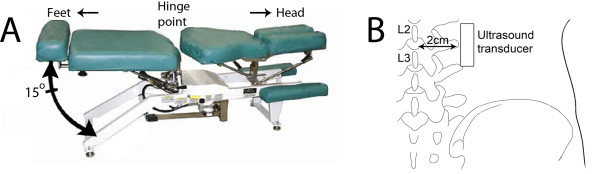
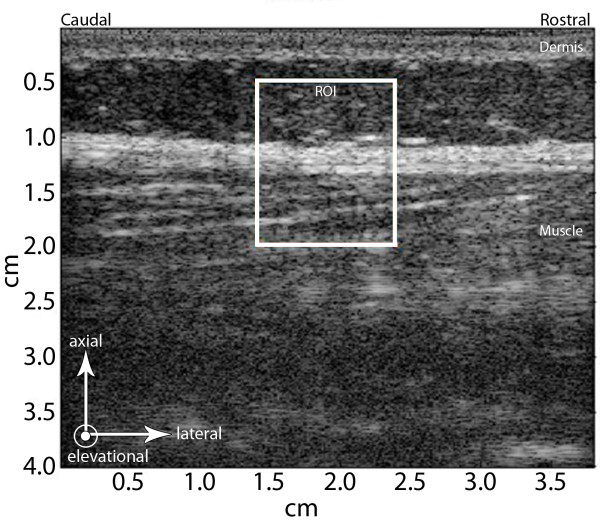
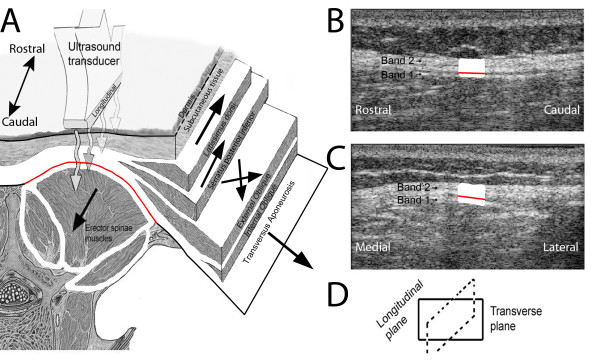
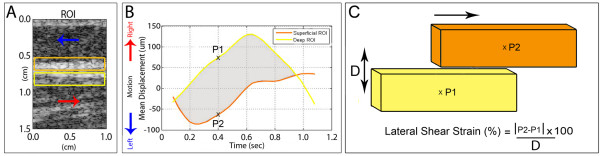
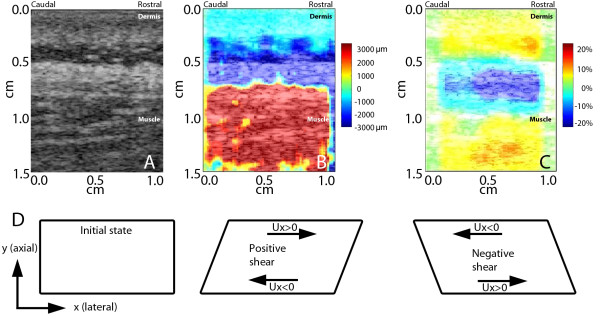
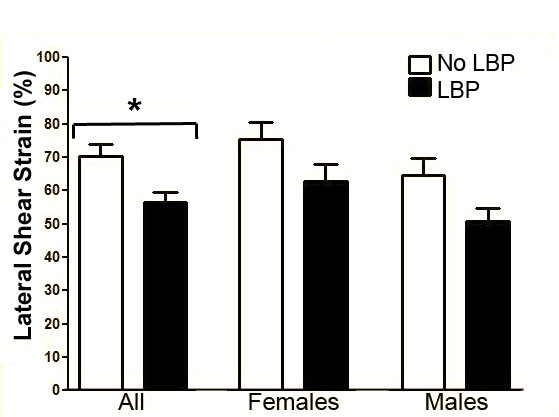
BACKGROUND: The role played by the thoracolumbar fascia in chronic low back pain (LBP) is poorly understood. The thoracolumbar fascia is composed of dense connective tissue layers separated by layers of loose connective tissue that normally allow the dense layers to glide past one another during trunk motion. The goal of this study was to quantify shear plane motion within the thoracolumbar fascia using ultrasound elasticity imaging in human subjects with and without chronic low back pain (LBP). METHODS: We tested 121 human subjects, 50 without LBP and 71 with LBP of greater than 12 months duration. In each subject, an ultrasound cine-recording was acquired on the right and left sides of the back during passive trunk flexion using a motorized articulated table with the hinge point of the table at L4-5 and the ultrasound probe located longitudinally 2 cm lateral to the midline at the level of the L2-3 interspace. Tissue displacement within the thoracolumbar fascia was calculated using cross correlation techniques and shear strain was derived from this displacement data. Additional measures included standard range of motion and physical performance evaluations as well as ultrasound measurement of perimuscular connective tissue thickness and echogenicity. RESULTS: Thoracolumbar fascia shear strain was reduced in the LBP group compared with the No-LBP group (56.4% ± 3.1% vs. 70.2% ± 3.6% respectively, p < .01). There was no evidence that this difference was sex-specific (group by sex interaction p = .09), although overall, males had significantly lower shear strain than females (p = .02). Significant correlations were found in male subjects between thoracolumbar fascia shear strain and the following variables: perimuscular connective tissue thickness (r = -0.45, p <.001), echogenicity (r = -0.28, p < .05), trunk flexion range of motion (r = 0.36, p < .01), trunk extension range of motion (r = 0.41, p < .01), repeated forward bend task duration (r = -0.54, p < .0001) and repeated sit-to-stand task duration (r = -0.45, p < .001). CONCLUSION: Thoracolumbar fascia shear strain was ~20% lower in human subjects with chronic low back pain. This reduction of shear plane motion may be due to abnormal trunk movement patterns and/or intrinsic connective tissue pathology. There appears to be some sex-related differences in thoracolumbar fascia shear strain that may also play a role in altered connective tissue function.
Overview
The claims and statistics of this paper haven’t been checked yet.
Free: it reads the open-access text and checks the first 5 claims that cite a source we can check. Create a free account to check every claim.
Integrity signals
Registry
Cites
Statistics
Figures
Verification
Claims the paper makes
The claims and statistics of this paper haven’t been checked yet.
Free: it reads the open-access text and checks the first 5 claims that cite a source we can check. Create a free account to check every claim.
Claims other papers make about this one
Each is checked against this paper’s own text: does it say what the citing paper says it does?
The cited source says what the claim attributes to it.
In the citing paper
“An example of this was demonstrated in human subjects with chronic low-back pain who were shown to have reduced shear strain within layers of the thoracolumbar fascia compared with control subjects without low-back pain [3].”
From Fascia Mobility, Proprioception, and Myofascial Pain. (2021) · cites this paper as [3]
The cited source says what the claim attributes to it.
In the citing paper
“Fascial planes are separated by planes of “loose” connective tissue that allows the fasciae to glide past one another [1,3].”
From Fascia Mobility, Proprioception, and Myofascial Pain. (2021) · cites this paper as [3]
Self-check
Percentages, sums and reported differences re-computed from the paper’s own numbers.
The self-check needs the paper’s full text.
Citations
Cites
The short-form McGill pain questionnaire
Melzack, R. (1987) · Pain · doi:10.1016/0304-3959(87)91074-8 · Cited by 4,368
Oswestry Low Back Pain Disability Questionnaire
(2007) · Encyclopedia of Pain · doi:10.1007/978-3-540-29805-2_3023 · Cited by 3,954
A short questionnaire for the measurement of habitual physical activity in epidemiological studies
Baecke, J., Burema, J., & Frijters, J. (1982) · The American Journal of Clinical Nutrition · doi:10.1093/ajcn/36.5.936 · Cited by 3,945 · cited 1×
“In addition, both groups completed the Baecke physical activity level questionnaire [11].”
MethodElastography: A quantitative method for imaging the elasticity of biological tissues
Ophir, J. (1991) · Ultrasonic Imaging · doi:10.1016/0161-7346(91)90079-w · Cited by 3,776 · cited 1×
“Tissue displacements between successive ultrasound frames were estimated from the “raw” ultrasonic radio frequency (RF) data using cross-correlation techniques [14,15] with a 1 mm window incremented with a 90% overlap.”
MethodGrading the severity of chronic pain
Von Korff, M., Ormel, J., Keefe, F. J., & Dworkin, S. F. (1992) · Pain · doi:10.1016/0304-3959(92)90154-4 · Cited by 3,022
Measuring Functioning and Well-Being: The Medical Outcomes Study Approach
Stewart, A., & Ware, J. (1992) · doi:10.7249/cb361 · Cited by 2,689 · cited 1×
“The Medical Outcomes Survey (MOS) was used as a general health, physical and mental quality of life measure for all subjects, with higher scores correlating with better health [13].”
MethodKonofagou, E., & Ophir, J. (1998) · Ultrasound in Medicine & Biology · doi:10.1016/s0301-5629(98)00109-4 · Cited by 444 · cited 1×
“Tissue displacements between successive ultrasound frames were estimated from the “raw” ultrasonic radio frequency (RF) data using cross-correlation techniques [14,15] with a 1 mm window incremented with a 90% overlap.”
MethodSelf-citationA hypothesis of chronic back pain: ligament subfailure injuries lead to muscle control dysfunction
Panjabi, M. M. (2006) · European Spine Journal · doi:10.1007/s00586-005-0925-3 · Cited by 423
Studying the Natural History of Back Pain
Korff, M. V. (1994) · Spine · doi:10.1097/00007632-199409151-00005 · Cited by 405
MacDonald, D., Moseley, L. G., & Hodges, P. W. (2009) · Pain · doi:10.1016/j.pain.2008.12.002 · Cited by 368 · cited 1×
“Given that the dense connective tissue layers within the thoracolumbar fascia are aponeuroses connected to dorsal and ventral trunk muscles, one plausible explanation for our findings is that reduced shear strain results from impaired neuromuscular control and recruitment patterns of these muscles during trunk movemen…”
Background
Research works printed but not linked: 4
- Miller RP Kori SH Todd DD The tampa scale. Unpublished report Tampa, FL 1991
- Langevin HM Stevens-Tuttle D Fox JR Badger GJ Bouffard NA Krag MH Wu J Henry SM Ultrasound evidence of altered lumbar connective tissue structure in human subjects with chronic low back pain BMC Musculoskelet Disord 2009 10 151 10.1186/1471-2474-10-151 19958536 PMC2796643 · DOI · Paper page
- Tillman LJ Cummings GS Currier DP, Nelson RM Biologic mechanisms of connective tissue mutability Dynamics of human biologic tissues contemporary perspectives in rehabilitation 1992 F.A. Davis, Philadelphia
- Cummings GS Tillman LJ Currier DP, Nelson RM Remodeling of dense connective tissue in normal adult tissues Dynamics of human biologic tissues contemporary perspectives in rehabilitation 1992 F.A. Davis, Philadelphia
Cited by
Items 201–300 of 382
Streďanská, A., Nečas, D., Vrbka, M., Křupka, I., Hartl, M., Toropitsyn, E., & Husby, J. (2022) · Biotribology · doi:10.1016/j.biotri.2022.100209 · Cited by 5
Clinical Application of Myofascial Therapy in Horses
Luomala, T. (2022) · Veterinary Clinics of North America Equine Practice · doi:10.1016/j.cveq.2022.06.007 · Cited by 7
Ożóg, P., Weber-Rajek, M., Radzimińska, A., & Goch, A. (2023) · International Journal of Environmental Research and Public Health · doi:10.3390/ijerph20032198 · Cited by 8
“proved in their studies that there is a significant shortening and thickening of the TLF area in individuals with LBP [13,14].”
BackgroundTiefe Gewebe und Rückenschmerzen
Schilder, A., Hoheisel, U., Magerl, W., Benrath, J., Klein, T., & Treede, R. (2014) · Der Schmerz · doi:10.1007/s00482-013-1373-3 · Cited by 5
Gaudreault, N., Boyer-Richard, É., Fede, C., Fan, C., Macchi, V., De, R., & Stecco, C. (2018) · Current Radiology Reports · doi:10.1007/s40134-018-0295-3 · Cited by 5
Sarıoğlu, K., & Pekyavaş, N. Ö. (2021) · Journal of Chiropractic Medicine · doi:10.1016/j.jcm.2021.01.003 · Cited by 5
“Some initial studies, moreover, have attempted to quantify relative movement (eg, sliding of fascial layers and shear strain) using cross-correlation calculations.(24)”
BackgroundMuñoz‐Vergara, D., Schreiber, K. L., Langevin, H. M., Yeh, G. Y., Zhu, Y., Rist, P. M., & Wayne, P. M. (2022) · Global Advances in Health and Medicine · doi:10.1177/2164957x221145876 · Cited by 7
Self-citationDones, V. C., Chavez, F. T. B., Serra, M. A., Rimando, M. G., & Jose, M. C. Z. S. (2023) · Journal of Bodywork and Movement Therapies · doi:10.1016/j.jbmt.2023.04.013 · Cited by 6
Katayama, H., Watanabe, A., & Machida, T. (2023) · Journal of Bodywork and Movement Therapies · doi:10.1016/j.jbmt.2023.06.014 · Cited by 8
Brandl, A., Keiner, M., Wilke, J., Egner, C., Schleip, R., & Schmidt, T. (2024) · Journal of Sports Science and Medicine · doi:10.52082/jssm.2024.581 · Cited by 5
“…TLF as a potential supporter of the erector spinae muscle (ES) to increase muscle strength, there is growing evidence of its role in low back pain due to densi-fication, fibrosis and loss of shearing capacity under pathological conditions (Langevin et al., 2011; Wilke et al., 2017; Mense, 2019).”
BackgroundOrtiz, M. E., Sinhorim, L. M. B., de Oliveira, B. H., da Silva, R. H., de Souza, G. M., de Souza, G., Piovezan, A. P., Bittencourt, E. B., Bianco, G., Salgado, A. S. I., et al. (2024) · Neuroscience · doi:10.1016/j.neuroscience.2024.07.031 · Cited by 5
SISTEMA FASCIAL: ANATOMÍA, BIOMECÁNICA Y SU IMPORTANCIA EN LA FISIOTERAPIA
Ríos, I. D. P. (2019) · Movimiento Científico · doi:10.33881/2011-7191.mct.12201 · Cited by 7
Yu, X., Xu, X., Huang, Q., Zhu, G., Xu, F., Liu, Z., Su, L. C., Zheng, H., Chen, Z., Chen, Q., et al. (2023) · Frontiers in Physiology · doi:10.3389/fphys.2023.1176299 · Cited by 4
“The thoracolumbar fascia (TLF) shear strain was reported to be lower in human subjects with chronic LBP (Langevin et al., 2011).”
BackgroundGhorbanpour, A., Shadmehr, A., Moghaddam, S. T., & Rasanani, M. H. (2023) · Medical Hypotheses · doi:10.1016/j.mehy.2023.111082 · Cited by 4
Streďanská, A., Nečas, D., Vrbka, M., Suchánek, J., Matonohová, J., Toropitsyn, E., Hartl, M., Křupka, I., & Nešporová, K. (2024) · Journal of the mechanical behavior of biomedical materials/Journal of mechanical behavior of biomedical materials · doi:10.1016/j.jmbbm.2024.106566 · Cited by 4
Alonso, F., Rustagi, T., Fisahn, C., Drazin, D. G., Gardner, B., Iwanaga, J., Chapman, J. R., Oskouian, R. J., & Tubbs, R. S. (2017) · World Neurosurgery · doi:10.1016/j.wneu.2017.04.078 · Cited by 4
Klukowska, A. M., Ciobanu-Caraus, O., Germans, M. R., Vandertop, W. P., Schröder, M. L., & Staartjes, V. E. (2024) · The Spine Journal · doi:10.1016/j.spinee.2024.10.027 · Cited by 7
Schmidt, J. K., Brix, L., Brage, K., Isaksen, C., Kawchuk, G. N., Castelein, J., & Jensen, T. S. (2025) · BMC Medical Imaging · doi:10.1186/s12880-025-01662-9 · Cited by 5
“Studies suggest that in patients with chronic LBP, fibrotic changes in the TLF may lead to increased axial stiffness, independent of muscle properties [31].”
Segmentation of the thoracolumbar fascia in ultrasound imaging: a deep learning approach
Bonaldi, L., Pirri, C., Giordani, F., Fontanella, C. G., Stecco, C., & Uccheddu, F. (2025) · BMC Medical Imaging · doi:10.1186/s12880-025-01720-2 · Cited by 6
“More specifically, an increase in fascial thickness has been associated with LBP and a reduction in fascial gliding between fascial surfaces resulted in patients with LBP compared to healthy subjects [1, 5, 21].”
Procópio, P. R. S., Pinto, R. Z., Murta, B. A. J., Caldeira, P. F., de Araújo, P. A., Schleip, R., Fonseca, S. T., Resende, R. A., & Ocarino, J. M. (2025) · Journal of Biomechanics · doi:10.1016/j.jbiomech.2025.112850 · Cited by 5
Bonaldi, L., Berardo, A., Stecco, A., Stecco, C., & Fontanella, C. G. (2025) · Diagnostics · doi:10.3390/diagnostics15162059 · Cited by 3
Nakao, G., Shiwaku, K., Adachi, R., Kodesho, T., Taniguchi, K., & Otsubo, H. (2026) · Clinical Physiology and Functional Imaging · doi:10.1111/cpf.70052 · Cited by 3
Hojo, E., Sui, Y., Shan, X., Zheng, K., Rossman, P. J., Manduca, A., Powell, G. M., An, K., Zhao, K. D., Bauer, B. A., et al. (2024) · Magnetic Resonance in Medicine · doi:10.1002/mrm.30087 · Cited by 4
Levy, S. S., Weiss, K., & Kalichman, L. (2024) · Journal of Bodywork and Movement Therapies · doi:10.1016/j.jbmt.2024.04.011 · Cited by 3
Lin, C., Jankaew, A., Tsai, M.-C., & Liao, J.-C. (2024) · Journal of Bodywork and Movement Therapies · doi:10.1016/j.jbmt.2024.09.004 · Cited by 3
Validation of speckle tracking analysis for assessing fascia sliding mobility
van Amstel, R. N., Brandl, A., Weide, G., Bartsch, K. M., Jaspers, R. T., Pool‐Goudzwaard, A., & Schleip, R. (2025) · Journal of Biomechanics · doi:10.1016/j.jbiomech.2025.112580 · Cited by 4
Courraud, C., Lieutaud, A., Bertrand, I., Dupuis, C., & Bois, D. (2021) · Advances in Integrative Medicine · doi:10.1016/j.aimed.2021.03.004 · Cited by 4
Taber, C. B., Colter, R. J., Davis, J. J., Seweje, P. A., Wilson, D. P., Foster, J. Z., & Merrigan, J. J. (2022) · Journal of Functional Morphology and Kinesiology · doi:10.3390/jfmk7010009 · Cited by 3
“Although it was originally believed that alterations in fascial pliability may lead to deficits in muscle coordination and force production [18], some prior research has found no subsequent decrease in force production following self-myofascial release [4,19,20].”
ResultOh, S., Kim, H., Lee, J., & Son, D. (2022) · Archives of Plastic Surgery · doi:10.1055/s-0042-1756293 · Cited by 3
Fijavž, J., Frangež, M., & Vauhnik, R. (2024) · Frontiers in Physiology · doi:10.3389/fphys.2024.1476342 · Cited by 8
“Previous research has shown that people with chronic low back pain have reduced mobility of the thoracolumbar fascia and consequently reduced mobility of the lumbar spine (Langevin et al., 2011).”
Pascalis, M. D., Mulas, S., & Sgarbi, L. (2024) · Diagnostics · doi:10.3390/diagnostics14212411 · Cited by 3
Bernier, E., Mithani, A., Aoude, A., & Driscoll, M. (2024) · Clinical Biomechanics · doi:10.1016/j.clinbiomech.2024.106414 · Cited by 4
Vita, F., Donati, D., Pederiva, D., Stella, S. M., Tedeschi, R., Miceli, M., Faldini, C., & Galletti, S. (2025) · Journal of Ultrasound · doi:10.1007/s40477-025-00988-y · Cited by 3
2019 Ejtm Special on Muscle Fascia
Stecco, C., & De, R. (2019) · European Journal of Translational Myology · doi:10.4081/ejtm.2019.8060 · Cited by 4
Kawanishi, K., Fukumoto, Y., Miyashita, T., Maekawa, Y., & Kudo, S. (2022) · Journal of Bodywork and Movement Therapies · doi:10.1016/j.jbmt.2022.05.018 · Cited by 3
Żurek, G., Kasper‐Jędrzejewska, M., Dobrowolska, I., Mroczek, A., Delaunay, G., Ptaszkowski, K., & Halski, T. (2022) · Biology · doi:10.3390/biology11020268 · Cited by 8
“, (2011), a potential consequence of chronic low back pain is fibrosis and adhesions that may inhibit independent motion of the adjacent connective tissue layers, which can restrict movement [60].”
BackgroundPaulo, L. R., Lacerda, A. C. R., Martins, F. L. M., Fernandes, J. S. C., Vieira, L. S., Guimarães, C. Q., Ballesteros, S. D. S. G., dos Anjos, M. T. S., Tavares, P. A., da Fonseca, S. F., et al. (2021) · Preprints.org · doi:10.20944/preprints202103.0645.v1 · Cited by 2
Dones, V. C., Dalusong, M. T., Chiong-Maya, A., & Vergel, O. (2024) · Journal of Bodywork & Movement Therapies · doi:10.1016/j.jbmt.2023.12.011 · Cited by 2
Zandi, S., Mokhtarinia, H. R., Mosallanezhad, Z., Mobin, H. K., Arab, A. M., Azadi, F., & Noroozi, M. (2025) · Journal of Bodywork and Movement Therapies · doi:10.1016/j.jbmt.2025.01.021 · Cited by 2
Caron, F. P., Smith, C. M., Naghdi, N., Iorio, O. C., Bertrand, C., & Fortin, M. (2025) · European Spine Journal · doi:10.1007/s00586-025-08955-1 · Cited by 2
Liu, Z., Chang, T., Fu, J., Chi, H., Wang, X., Wang, L., Cui, W., Cui, Y., & Cong, Z.-B. (2025) · Pilot and Feasibility Studies · doi:10.1186/s40814-025-01673-x · Cited by 2
Brandl, A., Müller, M., & Schleip, R. (2026) · Stats · doi:10.3390/stats9020035 · Cited by 2
Brandl, A., Schmidt, T., Schleip, R., & Keiner, M. (2026) · Journal of Bodywork and Movement Therapies · doi:10.1016/j.jbmt.2026.03.032 · Cited by 2
Soares, H. R., Pinheiro, A. R., Crasto, C., Barbosa, P. M., Dias, N., & Carvalho, P. J. (2021) · Journal of Bodywork and Movement Therapies · doi:10.1016/j.jbmt.2021.01.016 · Cited by 4
Suresh, A., A., R. C. L., & Mohan, P. (2021) · International Journal Of Scientific Advances · doi:10.51542/ijscia.spi1.03 · Cited by 2
The origin of lumbar subcutaneous edema: two case reports
Nakajima, K., Fujita, T., & Nakano, R. (2022) · Radiology Case Reports · doi:10.1016/j.radcr.2022.06.022 · Cited by 2
“This reduction in shear plane motion may have been due to abnormal trunk movement patterns and/or intrinsic connective tissue pathology [20] .”
BackgroundThoracolumbar Fascia and the Low Back Pain-A Narrative Review
Ashraf, Y., Kannabiran, B., Nagarani, R., & Mahesh, R. (2024) · Acta Scientific Orthopaedics · doi:10.31080/asor.2024.07.0925 · Cited by 2
Streďanská, A., Šimek, M., Matonohová, J., Nečas, D., Vrbka, M., Suchánek, J., Pavliňáková, V., Vojtová, L., Hartl, M., Křupka, I., et al. (2025) · Lubricants · doi:10.3390/lubricants13040184 · Cited by 2
Strukčinskaitė, V., Raistenskis, J., Šidlauskienė, A., Strukčinskienė, B., & Griškonis, S. (2017) · Sveikatos mokslai · doi:10.5200/sm-hs.2017.081 · Cited by 2
Entzündungsreaktionen aus Sicht der Osteopathie
Sarzeaud, R., Thon, N., & Fetzer, J. (2015) · DO - Deutsche Zeitschrift für Osteopathie · doi:10.1055/s-0035-1546019 · Cited by 2
Martínez, M. D. A., Párraga, J. F. L., Zuriaga, D. S., Martínez-Hurtado, I., & Fernández, J. D. (2018) · Journal of Bodywork and Movement Therapies · doi:10.1016/j.jbmt.2018.09.033 · Cited by 2
“It has been suggested that soft tissues such as thoracolumbar fascia [1,2] and other lumbar muscles might be related to LBP [3,4].”
BackgroundEffects of Roller Massage and Static Stretching on Thigh Muscles
Gözübüyük, Ö. B., & Yücesoy, C. A. (2019) · Turkish Journal of Sports Medicine · doi:10.5152/tjsm.2019.131 · Cited by 2
“The alteration of fascial pliability could lead to distorted structural alignment of the connective tissue, decreased strength and motor coordination.(4,5) Furthermore, it is considered that fascial restrictions in one part of the body can cause inharmonic stress in other regions because of the fascial continuity.”
BackgroundAlmeida, S. D., Eapen, C., & Krishnan, S. K. (2020) · Journal of Bodywork and Movement Therapies · doi:10.1016/j.jbmt.2020.08.004 · Cited by 4
Mukhina, E., Trebbi, A., Rohan, P., Connesson, N., & Yohan Payan, A. (2022) · Journal of Tissue Viability · doi:10.1016/j.jtv.2022.09.007 · Cited by 2
“While not providing the information about the out-of-plane tissue movement and anisotropy, US imaging and associated correlation techniques are indeed used to investigate biomechanical properties of various soft tissues including fascia (Langevin et al. 2011), the intervertebral disc (Vergari et al.”
MethodStrzalkowski, N. D. J. (2015) · The Atrium (University of Guelph) · doi:10.13140/rg.2.2.12911.02721 · Cited by 4
Navot, S., Carmeli, E., Sasson, A. M., & Hendler, I. (2020) · Authorea · doi:10.22541/au.159714898.89249439 · Cited by 2
“The hip movement changes the multi-directional tension of the tissues involved and helps achieve a smooth gliding movement between the fascia layers 32 37-41 .”
BackgroundIntra- and inter-observer concordance of a fascial standing flexion test in children
Vázquez, O. C., & Mohíno-Fernández, C. (2022) · Journal of Bodywork and Movement Therapies · doi:10.1016/j.jbmt.2022.02.004 · Cited by 1
Sezik, A. Ç., & Sezik, E. G. (2023) · Springer eBooks · doi:10.1007/978-3-031-27184-7_6 · Cited by 1
Tamartash, H., Dadarkhah, A., Najafi, S., Shouraki, J. K., & Azizi, S. (2024) · Journal of Bodywork and Movement Therapies · doi:10.1016/j.jbmt.2024.07.040 · Cited by 1
Qiao, N., Ouillon, L., Bergheau, A., Dumas, V., Thieulin, C., Perrot, J., & Zahouani, H. (2024) · Biomimetics · doi:10.3390/biomimetics9080475 · Cited by 1
Zhou, E. F. M., Wong, A. Y. L., Peng, J., Lin, G., Wen, T., Fang, J., Zhou, C., & Fu, S. N. (2024) · The Journal of Strength and Conditioning Research · doi:10.1519/jsc.0000000000004976 · Cited by 3
“Increased thickness and stiffness of the thoracolumbar fascia in individuals with LBP have been reported (28,38).”
Hartz, C. S., Mendes, M. A. D. M., Buck, K. H., Moreno, M. A., & Bortolazzo, G. L. (2025) · Journal of Bodywork and Movement Therapies · doi:10.1016/j.jbmt.2025.06.003 · Cited by 2
Zhao, P., Lu, Z., Zou, H., Wang, J., He, Y., Li, M., Xu, J., & Cui, X. (2025) · Pain Research and Management · doi:10.1155/prm/9309502 · Cited by 1
Hojo, E., Sui, Y., Shan, X., Zheng, K., Rossman, P. J., Waters, T., Manduca, A., Powell, G. M., An, K., Ehman, R. L., et al. (2025) · Magnetic Resonance in Medicine · doi:10.1002/mrm.70158 · Cited by 1
Kumar, S., Goyal, M., Popli, A., Sahu, R. K., Dhruv, D. K., & Goyal, K. (2025) · International journal of osteopathic medicine · doi:10.1016/j.ijosm.2025.100799 · Cited by 1
Comparative study of thoracolumbar fascia changes in weightlifters with and without low back pain
Zhou, E. F. M., Pirri, C., Zhao, X., Peng, J., Wen, T., Fang, J., Zhou, C., Fu, S. N., & Stecco, C. (2025) · PLoS ONE · doi:10.1371/journal.pone.0338718 · Cited by 3
“Our findings align with an earlier study by Langevin et al., [14] which reported stiffer TLF in the general chronic LBP population measured with ultrasound shear strain.”
Tu, S. J., WOLEDGE, R. C., & Morrissey, D. (2015) · Journal of Bodywork and Movement Therapies · doi:10.1016/j.jbmt.2015.07.003 · Cited by 1
“Combine these results with kinematics and muscle activation data may be useful to fully discover the effects mechanisms of therapeutic taping in patient with LBP. CAPTION Comparison of tissue movements and tissue boundary shear before and after KT applied.”
BackgroundMyofascial Pain Syndrome – A Surgical Perspective
Pianta, W. R., & Burkhead, W. (2015) · Journal of Pain & Relief · doi:10.4172/2167-0846.1000215 · Cited by 1
“A change in structure of the deep fascia can reduce the motion between tissue planes [15].”
BackgroundRelation Between Episiotomy and Osteomioarticular Symptoms
Rodrigues, C. N. C., Filho, M. F. D. C., da Silva, D. S. G., Serrão, C. C. A., & Lemos, C. I. L. (2016) · European Scientific Journal ESJ · doi:10.19044/esj.2016.v12n30p353 · Cited by 1
The role of myofascial massage in spinal pains in professionally active women
Kawa, M., ORLOWSKI, K., & Kowza-Dzwonkowska, M. (2015) · Baltic Journal of Health and Physical Activity · doi:10.29359/bjhpa.07.4.08
“[20] Langevin HM, Fox JR, Koptiuch C, et al.”
BackgroundAnatomy of the Fascia from the Clinical Point of View
Luomala, T., & Pihlman, M. (2017) · Elsevier eBooks · doi:10.1016/b978-0-7020-6659-7.00002-9 · Cited by 1
Effects Of Myofascial Release In Chronic Low Back Pain - Review Papers
Ożóg, P., Natański, D., Goch, A., Weber‐Rajek, M., Żukow, W., & Radzimińska, A. (2018) · Nicolaus Copernicus University Repository (Nicolaus Copernicus University) · doi:10.5281/zenodo.1346074 · Cited by 1
Netzwerk Faszien – use it or lose it?
Börner, D., & Klingler, W. (2019) · Hands on - Manuelle und Physikalische Therapien in der Tiermedizin · doi:10.1055/a-0977-1295
“[9] Langevin HM, Fox JR, Koptiuch C et al.”
BackgroundLiedler, M., & Woisetschläger, G. (2019) · European Journal of Osteopathic Research · doi:10.35740/ejor.2019.1.1.5 · Cited by 2
Workers’ experiences with nonspecific low back pain: a qualitative study
Santos, F. D. R. P., Feitosa, E. M., dos Anjos, R. R., Brito, L. B., Malagutti, G. C., Avelar, M. T. A., Chaves, R. R., Oliveira, T. D., Fernandes, A. B., Costa, M. D. S. C., et al. (2019) · Revista Enfermagem Atual In Derme · doi:10.31011/reaid-2019-v.90-n.28-art.413 · Cited by 1
Thoracolumbar fascia in children with hemiparesis: analysis of two cases
Torres, A. L. R., & Lopez, K. J. G. (2019) · International Physical Medicine & Rehabilitation Journal · doi:10.15406/ipmrj.2019.04.00207
Adomaitienė, I., Sinkevičius, R., Stašienė, E., Samuilis, A., Raistenskis, J., & Strukčinskaitė, V. (2015) · Sveikatos mokslai · doi:10.5200/sm-hs.2016.030 · Cited by 1
FREQUENCY OF THORACOLUMBAR JUNCTION DYSFUNCTION AMONG EQUESTRIAN POLO ATHLETES
Aleem, M., Afzal, M. F., Khan, H. M. M. H., & Khan, L. G. (2021) · The Rehabilitation Journal · doi:10.52567/trj.v5i02.58 · Cited by 1
Multimodal programmes in the treatment of myofascial pain syndrome (MPS) – a two-step review
Konior, K., Bitenc-Jasiejko, A., Lietz–Kijak, D., Skomro, P., Kowacka, M., Kijak, K., & Śliwiński, Z. (2023) · doi:10.56984/8zg07b914 · Cited by 1
The Influence of Mobility Training on the Myofascial Structures of the Back and Extremities
Slomka, G., Schleip, R., Frei, P., Krämer, M., Kurpiers, N., Bauermeister, K., & Bauermeister, W. (2024) · Journal of Clinical Medicine · doi:10.3390/jcm13020329 · Cited by 4
Watanabe, I., Fujita, M., Shimadu, N., & Takashima, K. (2024) · Journal of Bodywork and Movement Therapies · doi:10.1016/j.jbmt.2024.04.009 · Cited by 1
Sánchez-Vera, M. A., Alfonso-Mora, M. L., Agudelo‐Otalora, L. M., Paipa-Galeano, L. A., Uribe-Laverde, M. Á., Quimbayo, E. J. L., Garrido, A. L. C., Schleip, R., & Pilat, A. (2024) · Journal of Bodywork and Movement Therapies · doi:10.1016/j.jbmt.2024.06.009 · Cited by 1
“…through the fascia and neurofascial tissue plays a crucial role in shaping body movement, contributing to RSIs and cumulative fibrotic processes, as observed in cases of chronic low back pain (Langevin et al., 2011), in which alterations in mobility and increased muscle tension are suggested.”
Functional anatomy of the equine thoracolumbar spine related to equine back rehabilitation
Harrison, L. M., Sole‐Guitart, A., Ahern, B. J., & Goff, L. (2025) · Journal of Equine Rehabilitation · doi:10.1016/j.eqre.2025.100027 · Cited by 2
Sensomotorik: abhängige Funktionen und Körperstrukturen
Laube, W. (2020) · Springer eBooks · doi:10.1007/978-3-662-60512-7_4 · Cited by 1
Junge Narben – Alte Narben: Wie das Narbenalter die Therapie beeinflusst
Liedler, M. (2020) · Springer eBooks · doi:10.1007/978-3-662-60500-4_7 · Cited by 1
Die Rolle von Schmerz im Liedler-Konzept
Liedler, M. (2020) · Springer eBooks · doi:10.1007/978-3-662-60500-4_6 · Cited by 1
Die Rolle der Viszeralen Midline (VM) im Liedler-Konzept
Liedler, M. (2020) · Springer eBooks · doi:10.1007/978-3-662-60500-4_5 · Cited by 1
Evans, V., Behr, M., Masani, K., & Kumbhare, D. A. (2020) · Trials · doi:10.1186/s13063-020-04937-4 · Cited by 2
Liedler, M. (2020) · Springer eBooks · doi:10.1007/978-3-662-60500-4_2 · Cited by 1
Bartsch, K. M., Brandl, A., Weber, P., Wilke, J., Bensamoun, S. F., Bauermeister, W., Klingler, W., & Schleip, R. (2022) · Research Square · doi:10.21203/rs.3.rs-2039032/v1 · Cited by 1
van Amstel, R. N., Weide, G., Wesselink, E. O., Noten, K., Jacobs, K., Pool‐Goudzwaard, A., & Jaspers, R. T. (2024) · SSRN Electronic Journal · doi:10.2139/ssrn.4905444 · Cited by 1
Brandl, A., van Amstel, R. N., & Schleip, R. (2025) · Scientific Data · doi:10.1038/s41597-025-05701-6 · Cited by 3
“There is increasing evidence that another risk factor is the limited mobility and/or deformation of the thora-columbar fascia (TLF) 10–13 , which is a multilayered aponeurotic structure that envelops the erector spinae muscles 14 .”
Buckingham, S. J., Montoya, C., & Morton, D. (2020) · Digital Scholarship - UNLV (University of Nevada Reno) · doi:10.34917/7744775
Quantitative morphology of the lumbar facets, muscles and fascia in relation to core stability
Sami, B. A. (2015) · Enlighten: Theses (The University of Glasgow)
Reliability of crural fascia and Achilles tendon excursion using ultrasound imaging: A pilot study
Davies, E. L. (2014) · Unitec Research Bank (Unitec Institute of Technology) · Cited by 1
La Técnica de Pinza rodada en el tratamiento de la lumbalgia inespecífica crónica
Esteban, S. D. (2016) · UVaDOC UVaDOC University of Valladolid Documentary Repository (University of Valladolid) · doi:10.35376/10324/16739
The efficacy of a ‘novel mobilisation technique’ on thoracic, lumbar, hip and knee range of motion
Woolley, S. (2014) · Unitec Research Bank (Unitec Institute of Technology)
Neuroanatomische Grundlagen des Gelenkschmerzes
Peuker, E. T. (2017) · Physikalische Medizin Rehabilitationsmedizin Kurortmedizin · doi:10.1055/s-0042-123878
“Bone 2000; 27: 305–309 [15] Langevin HM, Fox JR, Koptiuch C et al.”
BackgroundWhat Kind of Disorders and Dysfunctions to Treat with Musculoskeletal Fascial Manipulation
Luomala, T., & Pihlman, M. (2017) · Elsevier eBooks · doi:10.1016/b978-0-7020-6659-7.00005-4
Metadata
- Authors
- Langevin, H. M., Fox, J. R., Koptiuch, C., Badger, G. J., Greenan- Naumann, A. C., Bouffard, N. A., Konofagou, E. E., Lee, W.-N., Triano, J. J., & Henry, S. M.
- Affiliations
- University of Vermont (US)
- Columbia University (US)
- Canadian Memorial Chiropractic College (CA)
- Venue
- BMC Musculoskeletal Disorders
- Published
- 2011-09-19
- Volume
- 12
- Issue
- 1
- Pages
- 203-203
- ISSN
- 1471-2474 (ISSN-L)
- PMC
- PMC3189915
- OpenAlex
- W2043941665
- Cited by
- 383
- References
- 32
- Citations by year
- 2026: 47 · 2025: 36 · 2024: 41 · 2023: 34 · 2022: 33 · 2021: 34 · 2020: 36 · 2019: 22 · 2018: 17 · 2017: 16 · 2016: 21 · 2015: 18 · 2014: 20 · 2013: 6 · 2012: 2
- FWCI
- 4.30
- Type
- journal article
- Language
- en
- Open access
- gold
- doi.org
- Licence
- Locations
- BMC Musculoskeletal Disorders (publishedVersion, cc-by)
- Europe PMC (PubMed Central) (publishedVersion, cc-by)
- PubMed Central (publishedVersion, cc-by)
- PubMed (publishedVersion)
- DOAJ (DOAJ: Directory of Open Access Journals) (submittedVersion, cc-by-sa)
- The HKU Scholars Hub (University of Hong Kong) (submittedVersion)
- Funders
- University of Vermont (RR00109)
- National Institutes of Health (5r21at004059-02, RR-00109, MO1 RR00109)
- National Center for Complementary and Alternative Medicine
- National Center for Research Resources (MO1RR00109, M01RR000109)
- National Center for Complementary and Integrative Health (R01AT003479, R21 AT004059)
- Topics
- Health Sciences › Health Professions › Physical Therapy, Sports Therapy and Rehabilitation › Myofascial pain diagnosis and treatment
- Health Sciences › Medicine › Radiology, Nuclear Medicine and Imaging › Ultrasound Imaging and Elastography
- Health Sciences › Health Professions › Physical Therapy, Sports Therapy and Rehabilitation › Musculoskeletal pain and rehabilitation
- Keywords
- chronic low back pain, thoracolumbar fascia, shear strain, ultrasound elastography, trunk range of motion, sit-to-stand performance, sex differences, trunk flexion, trunk extension, sit-to-stand
- MeSH terms
- Adult, Chronic Disease, Fascia, Female, Humans, Lumbar Vertebrae, Male, Middle Aged, Motor Activity, Sprains and Strains, Thoracic Vertebrae, Ultrasonography, Range of Motion, Articular, Weight-Bearing, Low Back Pain, Shear Strength
About these checks
Registry, retraction, Cites and statistics results are computed, not judged, with one exception: a printed reference that no index lists is read once by a model before it counts as a citation error. Claims are extracted by a model and kept only when their quote appears verbatim in the text; each cited source is then checked, with a model’s help, for whether it says what the claim relies on. Those verdicts can be wrong — read the claim’s quote and the cited source before relying on one.
Statistics and arithmetic are recomputed, not judged.
Confidence bands are shown only for fields calibrated on our annotated test set. None is calibrated yet, so no band is shown.
What counts as a claim ›How we measure confidence ›How we check this ›
Are you an author, or do you see a problem with this page? Request a review
Data sources
Bibliographic data: Semantic Scholar, OpenAlex, Crossref.
Contains information from the Semantic Scholar Academic Graph Datasets, made available under the ODC Attribution License (ODC-BY 1.0).
Semantic Scholar’s data is described in: Kinney, R., et al. (2023). The Semantic Scholar Open Data Platform. arXiv:2301.10140.
