

Reduced thoracolumbar fascia shear strain in human chronic low back pain
Open accessThe DOI matches its Crossref record; 31 of the 32 references it cites were found in a registry or an index.
Abstract
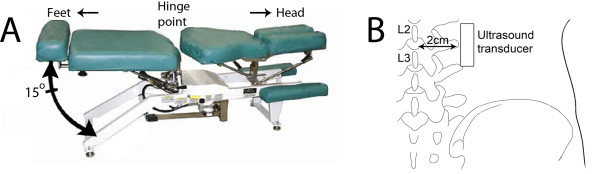
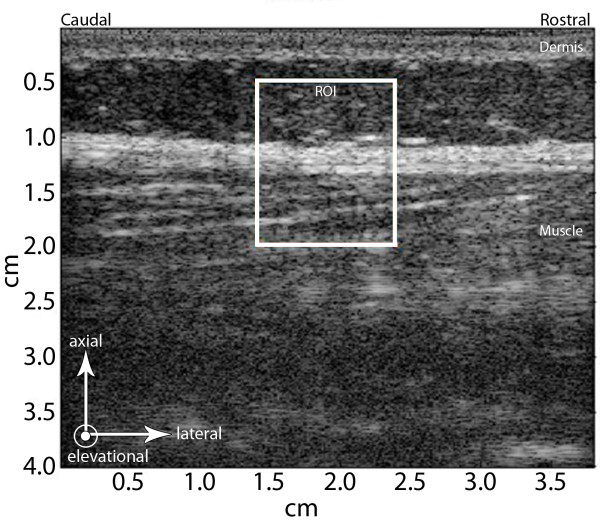
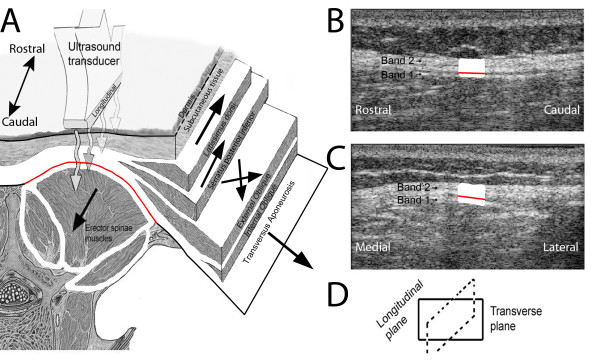
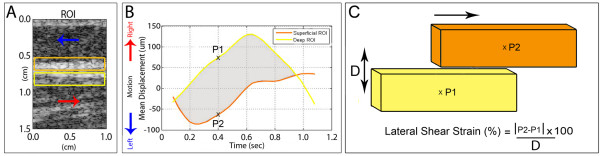
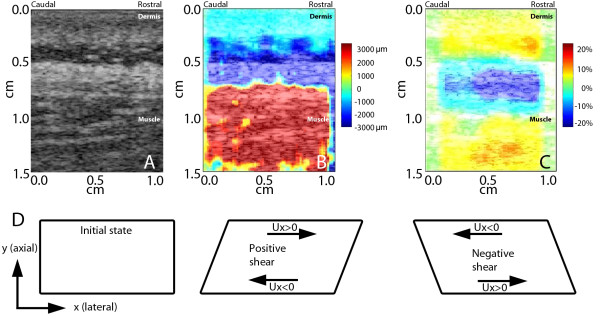
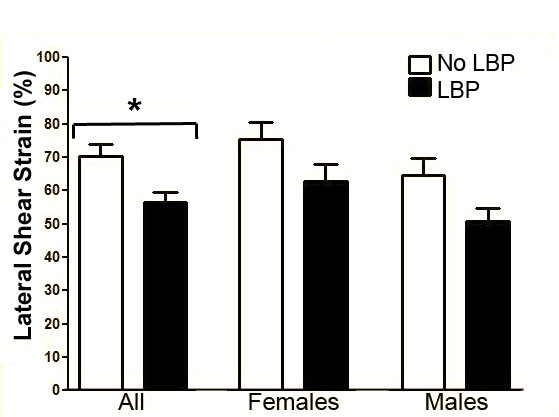
BACKGROUND: The role played by the thoracolumbar fascia in chronic low back pain (LBP) is poorly understood. The thoracolumbar fascia is composed of dense connective tissue layers separated by layers of loose connective tissue that normally allow the dense layers to glide past one another during trunk motion. The goal of this study was to quantify shear plane motion within the thoracolumbar fascia using ultrasound elasticity imaging in human subjects with and without chronic low back pain (LBP). METHODS: We tested 121 human subjects, 50 without LBP and 71 with LBP of greater than 12 months duration. In each subject, an ultrasound cine-recording was acquired on the right and left sides of the back during passive trunk flexion using a motorized articulated table with the hinge point of the table at L4-5 and the ultrasound probe located longitudinally 2 cm lateral to the midline at the level of the L2-3 interspace. Tissue displacement within the thoracolumbar fascia was calculated using cross correlation techniques and shear strain was derived from this displacement data. Additional measures included standard range of motion and physical performance evaluations as well as ultrasound measurement of perimuscular connective tissue thickness and echogenicity. RESULTS: Thoracolumbar fascia shear strain was reduced in the LBP group compared with the No-LBP group (56.4% ± 3.1% vs. 70.2% ± 3.6% respectively, p < .01). There was no evidence that this difference was sex-specific (group by sex interaction p = .09), although overall, males had significantly lower shear strain than females (p = .02). Significant correlations were found in male subjects between thoracolumbar fascia shear strain and the following variables: perimuscular connective tissue thickness (r = -0.45, p <.001), echogenicity (r = -0.28, p < .05), trunk flexion range of motion (r = 0.36, p < .01), trunk extension range of motion (r = 0.41, p < .01), repeated forward bend task duration (r = -0.54, p < .0001) and repeated sit-to-stand task duration (r = -0.45, p < .001). CONCLUSION: Thoracolumbar fascia shear strain was ~20% lower in human subjects with chronic low back pain. This reduction of shear plane motion may be due to abnormal trunk movement patterns and/or intrinsic connective tissue pathology. There appears to be some sex-related differences in thoracolumbar fascia shear strain that may also play a role in altered connective tissue function.
Overview
The claims and statistics of this paper haven’t been checked yet.
Free: it reads the open-access text and checks the first 5 claims that cite a source we can check. Create a free account to check every claim.
Integrity signals
Registry
Cites
Statistics
Figures
Verification
Claims the paper makes
The claims and statistics of this paper haven’t been checked yet.
Free: it reads the open-access text and checks the first 5 claims that cite a source we can check. Create a free account to check every claim.
Claims other papers make about this one
Each is checked against this paper’s own text: does it say what the citing paper says it does?
The cited source says what the claim attributes to it.
In the citing paper
“An example of this was demonstrated in human subjects with chronic low-back pain who were shown to have reduced shear strain within layers of the thoracolumbar fascia compared with control subjects without low-back pain [3].”
From Fascia Mobility, Proprioception, and Myofascial Pain. (2021) · cites this paper as [3]
The cited source says what the claim attributes to it.
In the citing paper
“Fascial planes are separated by planes of “loose” connective tissue that allows the fasciae to glide past one another [1,3].”
From Fascia Mobility, Proprioception, and Myofascial Pain. (2021) · cites this paper as [3]
Self-check
Percentages, sums and reported differences re-computed from the paper’s own numbers.
The self-check needs the paper’s full text.
Citations
Cites
The short-form McGill pain questionnaire
Melzack, R. (1987) · Pain · doi:10.1016/0304-3959(87)91074-8 · Cited by 4,368
Oswestry Low Back Pain Disability Questionnaire
(2007) · Encyclopedia of Pain · doi:10.1007/978-3-540-29805-2_3023 · Cited by 3,954
A short questionnaire for the measurement of habitual physical activity in epidemiological studies
Baecke, J., Burema, J., & Frijters, J. (1982) · The American Journal of Clinical Nutrition · doi:10.1093/ajcn/36.5.936 · Cited by 3,945 · cited 1×
“In addition, both groups completed the Baecke physical activity level questionnaire [11].”
MethodElastography: A quantitative method for imaging the elasticity of biological tissues
Ophir, J. (1991) · Ultrasonic Imaging · doi:10.1016/0161-7346(91)90079-w · Cited by 3,776 · cited 1×
“Tissue displacements between successive ultrasound frames were estimated from the “raw” ultrasonic radio frequency (RF) data using cross-correlation techniques [14,15] with a 1 mm window incremented with a 90% overlap.”
MethodGrading the severity of chronic pain
Von Korff, M., Ormel, J., Keefe, F. J., & Dworkin, S. F. (1992) · Pain · doi:10.1016/0304-3959(92)90154-4 · Cited by 3,022
Measuring Functioning and Well-Being: The Medical Outcomes Study Approach
Stewart, A., & Ware, J. (1992) · doi:10.7249/cb361 · Cited by 2,689 · cited 1×
“The Medical Outcomes Survey (MOS) was used as a general health, physical and mental quality of life measure for all subjects, with higher scores correlating with better health [13].”
MethodKonofagou, E., & Ophir, J. (1998) · Ultrasound in Medicine & Biology · doi:10.1016/s0301-5629(98)00109-4 · Cited by 444 · cited 1×
“Tissue displacements between successive ultrasound frames were estimated from the “raw” ultrasonic radio frequency (RF) data using cross-correlation techniques [14,15] with a 1 mm window incremented with a 90% overlap.”
MethodSelf-citationA hypothesis of chronic back pain: ligament subfailure injuries lead to muscle control dysfunction
Panjabi, M. M. (2006) · European Spine Journal · doi:10.1007/s00586-005-0925-3 · Cited by 423
Studying the Natural History of Back Pain
Korff, M. V. (1994) · Spine · doi:10.1097/00007632-199409151-00005 · Cited by 405
MacDonald, D., Moseley, L. G., & Hodges, P. W. (2009) · Pain · doi:10.1016/j.pain.2008.12.002 · Cited by 368 · cited 1×
“Given that the dense connective tissue layers within the thoracolumbar fascia are aponeuroses connected to dorsal and ventral trunk muscles, one plausible explanation for our findings is that reduced shear strain results from impaired neuromuscular control and recruitment patterns of these muscles during trunk movemen…”
Background
Research works printed but not linked: 4
- Miller RP Kori SH Todd DD The tampa scale. Unpublished report Tampa, FL 1991
- Langevin HM Stevens-Tuttle D Fox JR Badger GJ Bouffard NA Krag MH Wu J Henry SM Ultrasound evidence of altered lumbar connective tissue structure in human subjects with chronic low back pain BMC Musculoskelet Disord 2009 10 151 10.1186/1471-2474-10-151 19958536 PMC2796643 · DOI · Paper page
- Tillman LJ Cummings GS Currier DP, Nelson RM Biologic mechanisms of connective tissue mutability Dynamics of human biologic tissues contemporary perspectives in rehabilitation 1992 F.A. Davis, Philadelphia
- Cummings GS Tillman LJ Currier DP, Nelson RM Remodeling of dense connective tissue in normal adult tissues Dynamics of human biologic tissues contemporary perspectives in rehabilitation 1992 F.A. Davis, Philadelphia
Cited by
Items 101–200 of 382
Paulo, L. R., Lacerda, A. C. R., Martins, F. L. M., Fernandes, J. S. C., Vieira, L. S., Guimarães, C. Q., Ballesteros, S. D. S. G., dos Anjos, M. T. S., Tavares, P. A., da Fonseca, S. F., et al. (2021) · Journal of Clinical Medicine · doi:10.3390/jcm10092006 · Cited by 26
“The reduction in shear strain and increase in thickness of the posterior layer of the TLF in CLBP patients are more significant in the male gender, with a positive correlation between shear strain and low back pain duration [24].”
BackgroundNewell, E., & Driscoll, M. (2021) · Computers in Biology and Medicine · doi:10.1016/j.compbiomed.2021.104351 · Cited by 22
“Likewise, fascial tissue involved in force transmission has e xhibits abnormal growth [18, 19] and reduced shear strain [19] in those experiencing LBP.”
BackgroundResultTamartash, H., Bahrpeyma, F., & Mokhtari‐Dizaji, M. (2021) · Journal of Bodywork and Movement Therapies · doi:10.1016/j.jbmt.2021.10.008 · Cited by 29
Herman-de-Sousa, C., Pinheiro, A. R., Paramos-de-Carvalho, D., Costa, M. A., Ferreirinha, F., Magalhães-Cardoso, M. T., Ribeiro, S., Pelletier, J., Sévigny, J., & Correia‐de‐Sá, P. (2020) · Cells · doi:10.3390/cells9030651 · Cited by 20
Reliability of shear-wave elastography in assessing thoracolumbar fascia elasticity in healthy male
Chen, B., Zhao, H., Liao, L., Zhang, Z., & Liu, C. (2020) · Scientific Reports · doi:10.1038/s41598-020-77123-w · Cited by 20
Bertoldo, D., Pirri, C., Roviaro, B., Stecco, L., Day, J. A., Fede, C., Guidolin, D., & Stecco, C. (2021) · Medicina · doi:10.3390/medicina57070691 · Cited by 27
“Furthermore, an average 20% decrease in the deformation of the thoracolumbar fascia during passive lumbar flexion has been detected in patients affected by chronic non-specific low back pain compared to healthy subjects, indicating a correlation between low back pain and an intrinsic alteration within fascia [7].”
BackgroundThe Science of Tai Chi and Qigong as Whole Person Health-Part I: Rationale and State of the Science
Wayne, P. M., Ahn, A. C., Clark, J., Irwin, M. R., Kong, J., Lavretsky, H., Li, F., Manor, B. D., Mehling, W. E., Oh, B., et al. (2025) · Journal of Integrative and Complementary Medicine · doi:10.1089/jicm.2024.0957 · Cited by 27
Brandl, A., Egner, C., Schwarze, M., Reer, R., Schmidt, T., & Schleip, R. (2023) · Journal of Clinical Medicine · doi:10.3390/jcm12031009 · Cited by 22
“[2] that people with chronic low back pain have significantly lower TLF mobility.”
BackgroundFarasyn, A., & Lassat, B. (2015) · Journal of Bodywork and Movement Therapies · doi:10.1016/j.jbmt.2015.09.005 · Cited by 21
“Recent anatomical research (Stecco et al., 2013; Willard et al., 2012; Schleip et al., 2012; Schuenke et al., 2013; Langevin et al., 2011) revealed that a TLF is multilayered with multidirectional fibers in the line of muscle pulls.”
BackgroundLarivière, C., Henry, S. M., & Preuss, R. A. (2020) · Journal of Anatomy · doi:10.1111/joa.13330 · Cited by 20
Self-citationTenberg, S., Nosaka, K., & Wilke, J. (2022) · Sports Medicine - Open · doi:10.1186/s40798-022-00446-7 · Cited by 25
“Previous studies have revealed that the sliding of the deep fascia against the muscle is a significant functional soft tissue property, which, if altered, may induce muscle pain [16].”
BackgroundResultKimura, H. J., Suda, M., Kobayashi, T., Suzuki, S., Fukui, S., & Obata, H. (2022) · Scientific Reports · doi:10.1038/s41598-022-23362-y · Cited by 18
Imaging in mechanical back pain: Anything new?
Hansen, B. B., Hansen, P., Carrino, J. A., Fournier, G. L., Rasti, Z., & Boesen, M. (2016) · Best Practice & Research Clinical Rheumatology · doi:10.1016/j.berh.2016.08.008 · Cited by 22
Prabu Raja, G., Fernandes, S., Cruz, A. M., & Anupama Prabhu, B. (2020) · Heliyon · doi:10.1016/j.heliyon.2020.e04560 · Cited by 18
“Another study had reported a reduction in the shear strain of thoracolumbar Fascia in patients with low back pain for more than a year and have attributed it to the altered activation patterns of trunk muscles and/or abnormal connective tissues [33].”
BackgroundLattimer, L. J., Lanovaz, J. L., Farthing, J. P., Madill, S. J., Kim, S. J., & Arnold, C. M. (2016) · Journal of Electromyography and Kinesiology · doi:10.1016/j.jelekin.2016.08.001 · Cited by 18
Todorov, P. T., Nestorova, R., & Batalov, A. Z. (2017) · Medical Ultrasonography · doi:10.11152/mu-1245 · Cited by 18
“The authors partly addressed this issue in a later study [36] where they divided the “perimuscular zone” in two hyperechoic layers made of fibers originating from different muscles and separated by an echolucent layer.”
BackgroundLarivière, C., Preuss, R. A., Gagnon, D. H., Mecheri, H., & Henry, S. M. (2020) · Journal of Bodywork and Movement Therapies · doi:10.1016/j.jbmt.2020.07.009 · Cited by 19
Self-citationDeodato, M., Saponaro, S., Šimunič, B., Martini, M., Galmonte, A., Murena, L., & Stella, A. B. (2023) · Sport Sciences for Health · doi:10.1007/s11332-023-01083-7 · Cited by 19
“…are consistent with previous findings suggesting significant differences in trunk extensors muscle stiffness and contractile characteristics between males and females [14, 31], and this might be relevant for the increased risk for musculoskeletal injuries and overuse, as in low back pain [33, 34].”
Potential role of thoracolumbar fascia in younger middle-aged patients with chronic low back pain
Aslan, S. G., Köylü, S. U., & Gürçay, E. (2023) · International Journal of Neuroscience · doi:10.1080/00207454.2023.2251671 · Cited by 21
Brandl, A., Wilke, J., Egner, C., Schmidt, T., Schilder, A., & Schleip, R. (2023) · Pflügers Archiv - European Journal of Physiology · doi:10.1007/s00424-023-02896-8 · Cited by 18
“Langevin et al. [30] demonstrated morphological changes in the TLF in patients with chronic low back pain leading to a reduction in shear strain.”
BackgroundPepper, T. M., Brismée, J., Sizer, P. S., Kapila, J., Seeber, G. H., Huggins, C. A., & Hooper, T. L. (2021) · International Journal of Sports Physical Therapy · doi:10.26603/001c.23606 · Cited by 16
Ożóg, P., Weber‐Rajek, M., Radzimińska, A., & Goch, A. (2021) · Journal of Clinical Medicine · doi:10.3390/jcm10184039 · Cited by 22
“Furthermore, it has been confirmed that patients with LBP also exhibit structural changes in the TLF that may lead to incorrect tensions that increase muscle dysfunction and generate pain, making it difficult to address conditions that have been present for a long time [5,6].”
BackgroundWeber, P., Gräf, C., Klingler, W., Weber, N., & Schleip, R. (2020) · Pilot and Feasibility Studies · doi:10.1186/s40814-020-00592-3 · Cited by 16
Lohr, C., Schmidt, T., Braumann, K.-M., Reer, R., & Medina-Porqueres, I. (2020) · Sports Health A Multidisciplinary Approach · doi:10.1177/1941738120917932 · Cited by 16
“This has been shown in healthy participants(16,24,37) and also in patients with low back pain.(24) It is conceivable that these differences have an influence on adaptive capacities to varying training interventions or in the clinical praxis.”
BackgroundUltrasonography of the Fasciae and Common Pathologies: The Game Changer
Pirri, C., Pirri, N., Macchi, V., Porzionato, A., De, R., Özçakar, L., & Stecco, C. (2025) · Diagnostics · doi:10.3390/diagnostics15091180 · Cited by 21
“fibrosis, characterized by the thickening and stiffening of fascial tissues, presents 5]. extra-cellular and 6]. and”
Besomi, M., Salomoni, S. E., Cruz‐Montecinos, C., Stecco, C., Vicenzino, B., & Hodges, P. W. (2021) · Journal of Anatomy · doi:10.1111/joa.13575 · Cited by 13
Pawlukiewicz, M., Kochan, M., Niewiadomy, P., Szuścik-Niewiadomy, K., Taradaj, J., Król, P., & Kuszewski, M. (2022) · Journal of Clinical Medicine · doi:10.3390/jcm11154546 · Cited by 17
“An accepted pathophysiological mechanism is that inflammation in the local tissues, when paired with the movement impairment, can cause low back pain that leads to connective tissue fibrosis and decreased tissue flexibility, which exacerbates the low back pain [21,22].”
BackgroundA model for personalized diagnostics for non-specific low back pain: the role of the myofascial unit
Sikdar, S., Srbely, J. Z., Shah, J. P., Assefa, Y. M., Stecco, A., DeStefano, S., Imamura, M., & Gerber, L. H. (2023) · Frontiers in Pain Research · doi:10.3389/fpain.2023.1237802 · Cited by 21
Yang, C., Li, Y., Sucharit, W., Eungpinichpong, W., & Huang, X. (2024) · BMC Complementary Medicine and Therapies · doi:10.1186/s12906-024-04687-9 · Cited by 24
Tennant, L. M., Nelson-Wong, E., Kuest, J., Lawrence, G., Levesque, K., Owens, D., Prisby, J., Spivey, S., Albin, S. R., Jagger, K. L., et al. (2020) · Journal of Applied Biomechanics · doi:10.1123/jab.2020-0030 · Cited by 15
Pain Management - Practices, Novel Therapies and Bioactives
Waisundara, V. Y., Banjari, I., & Balkić, J. (2020) · IntechOpen eBooks · doi:10.5772/intechopen.87267 · Cited by 17
Hoppe, K., Schleip, R., Lehmann‐Horn, F., Jäger, H., & Klingler, W. (2014) · Anaesthesia · doi:10.1111/anae.12752 · Cited by 17
“Finally, this study suggests that smooth musclelike cellular contractions of myofibroblasts are able to influence human biomechanics and may complicate a wide range of neuromuscular symptoms, possibly providing new targets to alleviate the clinical symptomatic of such syndromes [26].”
BackgroundCruz‐Montecinos, C., Cerda, M., Sanzana‐Cuche, R., Martín‐Martín, J., & Vargas, A. I. C. (2016) · BMC Sports Science Medicine and Rehabilitation · doi:10.1186/s13102-016-0043-z · Cited by 16
“Fascial tissue is of great interest to areas such anatomy, biomechanics, and musculoskeletal rehabilitation [2–4].”
BackgroundFascial Manipulation ® for persistent knee pain following ACL and meniscus repair
Sannasi, R., & Marchand, A. M. (2016) · Journal of Bodywork and Movement Therapies · doi:10.1016/j.jbmt.2016.08.014 · Cited by 18
Wang, T. J., Vahdatinia, R., Humbert, S. E., & Stecco, A. (2020) · Medicina · doi:10.3390/medicina56120717 · Cited by 15
“We postulate that similar to other modalities [17], the FLuSH technique uses the pressure of injected saline to mechanically disrupt the viscous nature of excess extracellular matrix content [38,39].”
MethodSoares, H. R., Pinheiro, A. R., Crasto, C., Barbosa, P. M., Dias, N., & Carvalho, P. J. (2021) · Journal of Bodywork and Movement Therapies · doi:10.1016/j.jbmt.2020.12.027 · Cited by 14
Visualization of the epimysium and fascia thoracolumbalis at the lumbar spine using MRI
Adamietz, B. R., Schönberg, S. O., Reiser, M., Uder, M., Frank, A. M., Strecker, R., Weiß, C., & Heiss, R. U. (2021) · Der Radiologe · doi:10.1007/s00117-021-00849-9 · Cited by 14
Vining, R. D., Onifer, S. M., Twist, E. J., Ziegler, A.-M. L., Corber, L. G., & Long, C. R. (2022) · Chiropractic & Manual Therapies · doi:10.1186/s12998-022-00455-z · Cited by 22
“[16], who first reported sex-based differences in TLF shear strain (63% females and 51% males with chronic LBP) using the same data collection procedure while measuring shear strain data obtained from the 3rd table movement cycle.”
BackgroundMethodInfluentialLohr, C., & Medina-Porqueres, I. (2021) · Clinical Biomechanics · doi:10.1016/j.clinbiomech.2021.105351 · Cited by 18
Dones, V. C., Serra, M. A., Kamus, G. O. T., Esteban, A. C., Mercado, A. M. S., Rivera, R. G. A., Vergara, A. C. B., Francisco, R. J., Ocampo, L. M. D., & Jesus, P. J. P. D. (2018) · Journal of Bodywork and Movement Therapies · doi:10.1016/j.jbmt.2018.05.004 · Cited by 14
Myofascial Tissue and Depression
Michalak, J., Aranmolate, L., Bonn, A., Grandin, K., Schleip, R., Schmiedtke, J., Quassowsky, S., & Teismann, T. (2021) · Cognitive Therapy and Research · doi:10.1007/s10608-021-10282-w · Cited by 16
“Such contributions may involve—among other aspects—a change in the thickness, stiffness, regularity or in the shearing mobility of one or several tissue layers (Blain et al., 2019; De Coninck et al, 2018; Langevin et al., 2011).”
BackgroundOżóg, P., Weber‐Rajek, M., & Radzimińska, A. (2023) · Journal of Clinical Medicine · doi:10.3390/jcm12196143 · Cited by 29
“Through numerous functional connections, these disorders may affect the lumbosacral spine conditions [6].”
Backgroundvon Heymann, W., & Stecco, C. (2016) · Manuelle Medizin · doi:10.1007/s00337-016-0172-1 · Cited by 13
Fascial thickness and stiffness in hypermobile Ehlers‐Danlos syndrome
Wang, T. J., & Stecco, A. (2021) · American Journal of Medical Genetics Part C Seminars in Medical Genetics · doi:10.1002/ajmg.c.31948 · Cited by 11
“Deep fascia densification is also associated with alteration in gliding properties (Cowman et al., 2015; Langevin et al., 2011).”
Backgroundvan Amstel, R. N., Jaspers, R. T., & Pool‐Goudzwaard, A. (2022) · Frontiers in Physiology · doi:10.3389/fphys.2022.1067816 · Cited by 12
“Pathophysiological lumbar fasciae adaptations (Langevin et al., 2011; Tesarz et al., 2011) can influence this force transmission resulting in painful asymmetric muscle contraction (Kim et al.”
BackgroundBrandl, A., Acikalin, E., Bartsch, K. M., Wilke, J., & Schleip, R. (2024) · PeerJ · doi:10.7717/peerj.17122 · Cited by 12
“…epimysium), and the overlying fascial structures such as the thoracolumbar fascia, are associated with acute and chronic pain, micro-and macro-injuries, musculoskeletal disorders, and carcinogenesis ( Langevin et al., 2011 , 2016 ; Schleip et al., 2012 ; Kuo et al., 2013 ; Brandl et al., 2022 ).”
BackgroundNemec, U., Friedrich, K., Arnoldner, M. A., Schwarz, F. K., Weber, M., Trattnig, S., Grohs, J. G., & Nemec, S. F. (2019) · Wiener klinische Wochenschrift · doi:10.1007/s00508-019-01576-x · Cited by 14
Newell, E., & Driscoll, M. (2021) · Medical & Biological Engineering & Computing · doi:10.1007/s11517-021-02408-9 · Cited by 13
Larivière, C., Gagnon, D. H., & Preuss, R. A. (2021) · Journal of Bodywork and Movement Therapies · doi:10.1016/j.jbmt.2021.03.017 · Cited by 11
Yerli, S., Yinanç, S. B., Yağcı, G., Erbahçeci, F., & Özçakar, L. (2024) · European Spine Journal · doi:10.1007/s00586-024-08266-x · Cited by 11
“In previous cross-sectional (ultrasonographic) studies, thicker TLF with decreased mobility was identified in individuals with non-specific CLBP vs. non-painful peers [17, 20, 29, 30].”
The acute effect of Bowen therapy on pressure pain thresholds and postural sway in healthy subjects
Félix, G., Black, L., Rodrigues, M., & Silva, A. G. (2016) · Journal of Bodywork and Movement Therapies · doi:10.1016/j.jbmt.2016.12.008 · Cited by 11
Differential Sensitization of Muscle versus Fascia in Individuals with Low Back Pain
Cozacov, R., Minerbi, A., Haddad, M., & Vulfsons, S. (2022) · Bioengineering · doi:10.3390/bioengineering9090440 · Cited by 13
“In individuals with low back pain, the thoracolumbar fascia demonstrated decreased shear strain [24].”
BackgroundPerez, A. M., Carnero, S. F., Sicilia-Gomez, C., Cuenca-Zaldívar, N., Naranjo-Cinto, F., Pecos‐Martín, D., Gallego‐Izquierdo, T., & Núñez-Nagy, S. (2023) · Medicina · doi:10.3390/medicina59020315 · Cited by 19
Abraham, A., Franklin, E., Stecco, C., & Schleip, R. (2020) · Complementary Therapies in Clinical Practice · doi:10.1016/j.ctcp.2020.101193 · Cited by 13
ESSOMM European core curriculum and principles of manual medicine
Locher, H. A., Bernardotto, M., Beyer, L., ESSOMM Rome Consensus Group, Acarkan, T., Barth, F., Borgstrøm, H., Bultman, H., Buzhov, B., Okur, S. Ç., et al. (2022) · Manuelle Medizin · doi:10.1007/s00337-022-00886-y · Cited by 13
“Findings in studies suggest that interstitial flow may help to modulate fibroblast phenotypes and drive the progression of fibrotic diseases [97].”
BackgroundDavid, M., Devantéry, K., Nauche, B., Chagnon, M., Keezer, M. R., Gaudreault, N., Bureau, N. J., & Cloutier, G. (2024) · Insights into Imaging · doi:10.1186/s13244-024-01785-7 · Cited by 16
“Twelve studies did not provide any further clari fi cation as to the type of LBP [49, 52, 72, 74, 79, 87, 95, 103, 104, 110, 111, 120].”
BackgroundLena, O., Todri, J., Todri, A., Azorín, L. F., Fuentes, J. M., Papajorgji, P. J., Sánchez, S. H., Castejón-Castejón, M., Garzón, M. C. L., & Gil, J. L. M. (2022) · Journal of Sport Rehabilitation · doi:10.1123/jsr.2021-0047 · Cited by 11
Massage therapy effects in a long-term prosthetic user with fibular hemimelia
Larson, E. R. (2014) · Journal of Bodywork and Movement Therapies · doi:10.1016/j.jbmt.2014.04.005 · Cited by 10
Cotti, A., Corso, M. D., Diana, R., Cornale, L., Sudanese, A., Stecco, A., & Branchini, M. (2019) · Journal of Manual & Manipulative Therapy · doi:10.1080/10669817.2019.1683675 · Cited by 11
“This reaction can also affect joint mobility and the muscle spindle’s stretch reflex of the muscles in the same region [13,14].”
BackgroundEndamlı, D. B., Bayramlar, K., & Turhan, B. (2019) · Physiotherapy Quarterly · doi:10.5114/pq.2019.86461 · Cited by 11
“in addition, the fibrous tissue that develops as a result of trauma and adhesions may also lead to abnormal connective tissue structure [17].”
BackgroundStecco, C., Hammer, W. I., Vleeming, A., & De, R. (2014) · Elsevier eBooks · doi:10.1016/b978-0-7020-4430-4.00003-8 · Cited by 16
Vining, R. D., Onifer, S. M., Twist, E. J., Ziegler, A.-M. L., Corber, L. G., & Long, C. R. (2023) · Journal of Bodywork and Movement Therapies · doi:10.1016/j.jbmt.2023.04.004 · Cited by 11
Zhao, X., Fede, C., Petrelli, L., Pirri, C., Stocco, E., Fan, C., Porzionato, A., Tiengo, C., De, R., Masiero, S., et al. (2024) · International Journal of Molecular Sciences · doi:10.3390/ijms25168945 · Cited by 9
“In addition, clinical evidence has demonstrated that individuals with chronic low back pain (LBP) can experience reduced shear strain of the TLF [45].”
BackgroundAddressing gaps in pain research from an integrated whole person perspective
Langevin, H. M. (2024) · Pain · doi:10.1097/j.pain.0000000000003359 · Cited by 10
Self-citationBrandl, A., Engel, R., Egner, C., Schleip, R., & Schubert, C. (2024) · Journal of Medical Case Reports · doi:10.1186/s13256-024-04935-z · Cited by 10
“In particular, biomechanical properties such as sliding or deformation are reduced in patients with LBP [5–8].”
A review and empirical findings of fasciae and muscle interactions in low back pain
van Amstel, R. N., Weide, G., Wesselink, E. O., Noten, K., Jacobs, K., Pool‐Goudzwaard, A., & Jaspers, R. T. (2025) · Frontiers in Physiology · doi:10.3389/fphys.2025.1604459 · Cited by 13
Acute Surgical Injury Alters the Tensile Properties of Thoracolumbar Fascia in a Porcine Model
Nelson-Wong, E., Glinka, M. N., Noguchi, M., Langevin, H. M., Badger, G. J., & Callaghan, J. P. (2018) · Journal of Biomechanical Engineering · doi:10.1115/1.4040452 · Cited by 11
Self-citationGriefahn, A., Knicker, A. J., & von Piekartz, H. (2020) · Journal of Bodywork and Movement Therapies · doi:10.1016/j.jbmt.2020.12.036 · Cited by 10
Caldeira, P., Davids, K., & Araújo, D. (2021) · Human Movement Science · doi:10.1016/j.humov.2021.102862 · Cited by 11
Myofascial and discogenic origins of lumbar pain: A critical review
Creighton, D., Fausone, D., Swanson, B. T., Young, W., Nolff, S., Ruble, A., Hassan, N., & Soley, E. (2023) · Journal of Manual & Manipulative Therapy · doi:10.1080/10669817.2023.2237739 · Cited by 9
Wu, C., Chou, L., Huang, S.-W., Liao, W., Chang, S.-M., Lee, H.-C., Chiu, C., Tang, C., & Hsieh, C. (2024) · Journal of Pain Research · doi:10.2147/jpr.s465417 · Cited by 9
“32 Therefore, we targeted the upper and lower edges of the TLF (the lower edge of the scapula [latissimus dorsi] and posterior–superior iliac spine; 31,33 for FSN insertion in developing a standardized FSN therapy protocol that was subsequently administered to all included patients.”
MethodMixTURE: L1-Norm-Based Mixed Second-Order Continuity in Strain Tensor Ultrasound Elastography
Ashikuzzaman, M., Sharma, A., Venkatayogi, N., Oluyemi, E. T., Myers, K. S., Ambinder, E. B., Rivaz, H. J., & Bell, M. A. L. (2024) · IEEE Transactions on Ultrasonics Ferroelectrics and Frequency Control · doi:10.1109/tuffc.2024.3449815 · Cited by 9
“Ultrasound strain elastography [3] has thus far been deployed in applications such as liver health monitoring [4], [5], [6], breast tissue characterization [7], [8], cardiovascular health assessment [9], [10], [11], ablation monitoring [12], [13], and muscle tissue examination [14], [15].”
Myofascial System and Physical Exercise: A Narrative Review on Stretching (Part I)
Colonna, S., & Casacci, F. (2024) · Cureus · doi:10.7759/cureus.75077 · Cited by 24
Bitenc-Jasiejko, A., Konior, K., & Lietz–Kijak, D. (2020) · Pain Research and Management · doi:10.1155/2020/3967414 · Cited by 16
“As a result, greater strength is generated, and loads are transferred with the consequent shock absorption and the ability to support the muscles stabilizing the spine, which are closely connected with a given fascia tape [68, 76].”
BackgroundChange in gliding properties of the iliotibial tract in hypermobile Ehlers–Danlos Syndrome
Wang, T. J., Stecco, A., Schleip, R., Stecco, C., & Pirri, C. (2023) · Journal of Ultrasound · doi:10.1007/s40477-023-00775-7 · Cited by 13
“Shear strain between the sub-ROIs was calculated as the absolute difference in caudal-cephalad direction motion between the superficial and deep sub-ROIs divided by the distance (2 mm) [1] between the centers of the two sub-ROIs and expressed as a percentage [6].”
BackgroundMethodvan Amstel, R. N., Noten, K., Malone, S., & Vaes, P. (2023) · Life · doi:10.3390/life14010007 · Cited by 12
“In a healthy condition, when flexing the spine, the skin, superficial fascia, and tho-racolumbar fascia are expected to be strained and subjected to shear stress, causing them to slide over the deep back muscles [76,77].”
BackgroundDeep Learning-Based Displacement Tracking for Post-Stroke Myofascial Shear Strain Quantification
Ashikuzzaman, M., Huang, J., Bonwit, S., Etemadimanesh, A., Raghavan, P., & Bell, M. A. L. (2024) · IEEE International Symposium on Biomedical Imaging (ISBI) · doi:10.1109/isbi56570.2024.10635186 · Cited by 8
“Previous work utilized window-based [6], [7], [12] tracking to quantify myofascial shear strain.”
MethodResultNewman, D. P., McLean, B. C., & Scozzafava, A. (2020) · Cureus · doi:10.7759/cureus.9907 · Cited by 8
Ushida, K., Akeda, K., Momosaki, R., Yokochi, A., Shimada, T., Ito, T., & Maruyama, K. (2021) · International Journal of Rehabilitation Research · doi:10.1097/mrr.0000000000000507 · Cited by 8
Weber, P., Klingler, W., Schleip, R., Weber, N., & Joisten, C. (2022) · Journal of Clinical Medicine · doi:10.3390/jcm11237110 · Cited by 11
“Moon et al. (2017) demonstrated a therapeutic interaction of the known connection between hamstring flexibility [76] and tightness [77,78] and the lower back [22] in patients with nonspecific LBP.”
BackgroundMethodResultInfluentialComponents of the fascia – cells and extracellular matrix
Świątek, W., Kłodziński, O., Brzęczek, J., Kosiorowski, I., Grzybowska, N., Mozdziak, P. E., & Kranc, W. (2023) · Medical Journal of Cell Biology · doi:10.2478/acb-2023-0002 · Cited by 10
Verdugo, S. A. A., Silva, S. P. G., Cabezas, G., & Araya, A. R. M. (2019) · Rehabilitación · doi:10.1016/j.rh.2019.04.003 · Cited by 8
Crézé, M., Lagache, A., Duparc, F., Broqué, M., Persohn, S., Slama, C., Vergari, C., & Rohan, P. (2025) · Journal of the mechanical behavior of biomedical materials/Journal of mechanical behavior of biomedical materials · doi:10.1016/j.jmbbm.2025.107028 · Cited by 7
Unalmis, Y., & Müniroğlu, S. (2023) · Sports Medicine and Health Science · doi:10.1016/j.smhs.2023.09.010 · Cited by 13
Newell, E., & Driscoll, M. (2024) · IEEE Transactions on Biomedical Engineering · doi:10.1109/tbme.2024.3387343 · Cited by 9
“Previous studies seeking to investigate these lumbar soft tissue properties often relied upon animal models [19], [20] or indirect in vivo methods by way of ultrasound [9], [10], [12], [21].”
BackgroundLAUDER, G. R., & West, N. (2020) · IntechOpen eBooks · doi:10.5772/intechopen.93525 · Cited by 9
Dones, V. C., Tangcuangco, L. P. D., & Regino, J. (2021) · Journal of Bodywork and Movement Therapies · doi:10.1016/j.jbmt.2021.02.016 · Cited by 7
Systematic Review of Lumbar Elastic Tape on Trunk Mobility: A Debatable Issue
van Amstel, R. N., Noten, K., van den Boomen, L. N., Brandon, T., Tulner, S. A. F., Jaspers, R. T., & Pool‐Goudzwaard, A. (2021) · Archives of Rehabilitation Research and Clinical Translation · doi:10.1016/j.arrct.2021.100131 · Cited by 7
Gabriel, A., Paternoster, F. K., Konrad, A., Horstmann, T., & Pohl, T. (2022) · Journal of Sports Science and Medicine · doi:10.52082/jssm.2022.182 · Cited by 7
Displacement tracking reliability in muscle shear strain quantification
Ashikuzzaman, M., Huang, J., Bonwit, S., Etemadimanesh, A., Raghavan, P., & Bell, M. A. L. (2024) · SPIE Medical Imaging: Ultrasonic Imaging and Tomography · doi:10.1117/12.3007878 · Cited by 7
“2,3 Displacement tracking is a critical step in any shear strain imaging framework, which is typically challenged by the ill-posed nature of ultrasound data.”
BackgroundZhao, L., Huang, J., Bell, M. A. L., & Raghavan, P. (2024) · BMC Musculoskeletal Disorders · doi:10.1186/s12891-024-07514-x · Cited by 7
Use of Reflective Tape to Detect Ultrasound Transducer Movement: A Validation Study
Mohr, L., Vogt, L., & Wilke, J. (2021) · Life · doi:10.3390/life11020104 · Cited by 7
“Similarly, patients with non-specific low back pain have been demonstrated to exhibit lower shear mobility in the lumbar fascia than healthy controls [30] and individuals with Achilles tendinopathy display decreases in intra-tendinous tissue displacement [31].”
BackgroundKimura, H., Kobayashi, T., & 小幡英章 (2026) · International Journal of Molecular Sciences · doi:10.3390/ijms27093720 · Cited by 7
“…and increased tissue stiffness [8,11,16,21–24, Second, structural remodeling of the fascial layers leads to densification, adhesion formation, and reduced sliding capacity [6,7,13], progressively creating a positive feedback loop of increasing stiffness and mechanical stress concentration.”
InfluentialBrandl, A., & Schleip, R. (2025) · Journal of Clinical Medicine · doi:10.3390/jcm14051736 · Cited by 8
2019Spring PaduaMuscleDays: Translational Myology and Mobility Medicine
Carraro, U. (2019) · European Journal of Translational Myology · doi:10.4081/ejtm.2019.8105 · Cited by 6
Wakker, J., Kratzer, W., Schmidberger, J., Graeter, T., Boretzki, S., Schulze, J., Uhlemann, S., Heizelmann, A., Stumpf, S., Jäger, H., et al. (2020) · Journal of Bodywork and Movement Therapies · doi:10.1016/j.jbmt.2020.10.017 · Cited by 5
Rehabilitative Principles in the Management of Thoracolumbar Syndrome: A Case Report
DiMond, M. (2017) · Journal of Chiropractic Medicine · doi:10.1016/j.jcm.2017.10.003 · Cited by 6
A novel (targeted) kinesio taping application on chronic low back pain: Randomized clinical trial
Peñalver-Barrios, M. L., Lisón, J. F., Ballester, J. G., Schmitt, J., Ezzedinne-Angulo, A., Arguisuelas, M. D., & Doménech, J. (2021) · PLoS ONE · doi:10.1371/journal.pone.0250686 · Cited by 11
“Given that fascia tissue displacement is diminished in LBP patients [29], manual skin/fascia mobilization in different directions would be able to modify a patient’s signs or symptoms, considering this exploratory maneuver a TEM.”
BackgroundTomita, N., Destrempes, F., Cardinal, M. R., Boulanger, A., Gaudreault, N., Cloutier, G., & Bureau, N. J. (2025) · Ultrasound in Medicine & Biology · doi:10.1016/j.ultrasmedbio.2025.07.031 · Cited by 6
Jinich‐Diamant, A., Albinni, B., Fishbein, J. N., Jacobson, E., Abraira, V. E., Hong, S., Korgan, A. C., Mazzieri, A. M., & Case, L. K. (2025) · Neuroscience & Biobehavioral Reviews · doi:10.1016/j.neubiorev.2025.106517 · Cited by 5
“Multiple studies have confirmed modifications in thoracolumbar fascia of chronic low back pain, (Langevin et al., 2011; Vita et al., 2025; Tamartash et al., 2023; Tomita et al., 2025) with one systematic review showing that higher stiffness, nociceptive innervation, and inflammation are mediated by…”
Metadata
- Authors
- Langevin, H. M., Fox, J. R., Koptiuch, C., Badger, G. J., Greenan- Naumann, A. C., Bouffard, N. A., Konofagou, E. E., Lee, W.-N., Triano, J. J., & Henry, S. M.
- Affiliations
- University of Vermont (US)
- Columbia University (US)
- Canadian Memorial Chiropractic College (CA)
- Venue
- BMC Musculoskeletal Disorders
- Published
- 2011-09-19
- Volume
- 12
- Issue
- 1
- Pages
- 203-203
- ISSN
- 1471-2474 (ISSN-L)
- PMC
- PMC3189915
- OpenAlex
- W2043941665
- Cited by
- 383
- References
- 32
- Citations by year
- 2026: 47 · 2025: 36 · 2024: 41 · 2023: 34 · 2022: 33 · 2021: 34 · 2020: 36 · 2019: 22 · 2018: 17 · 2017: 16 · 2016: 21 · 2015: 18 · 2014: 20 · 2013: 6 · 2012: 2
- FWCI
- 4.30
- Type
- journal article
- Language
- en
- Open access
- gold
- doi.org
- Licence
- Locations
- BMC Musculoskeletal Disorders (publishedVersion, cc-by)
- Europe PMC (PubMed Central) (publishedVersion, cc-by)
- PubMed Central (publishedVersion, cc-by)
- PubMed (publishedVersion)
- DOAJ (DOAJ: Directory of Open Access Journals) (submittedVersion, cc-by-sa)
- The HKU Scholars Hub (University of Hong Kong) (submittedVersion)
- Funders
- University of Vermont (RR00109)
- National Institutes of Health (5r21at004059-02, RR-00109, MO1 RR00109)
- National Center for Complementary and Alternative Medicine
- National Center for Research Resources (MO1RR00109, M01RR000109)
- National Center for Complementary and Integrative Health (R01AT003479, R21 AT004059)
- Topics
- Health Sciences › Health Professions › Physical Therapy, Sports Therapy and Rehabilitation › Myofascial pain diagnosis and treatment
- Health Sciences › Medicine › Radiology, Nuclear Medicine and Imaging › Ultrasound Imaging and Elastography
- Health Sciences › Health Professions › Physical Therapy, Sports Therapy and Rehabilitation › Musculoskeletal pain and rehabilitation
- Keywords
- chronic low back pain, thoracolumbar fascia, shear strain, ultrasound elastography, trunk range of motion, sit-to-stand performance, sex differences, trunk flexion, trunk extension, sit-to-stand
- MeSH terms
- Adult, Chronic Disease, Fascia, Female, Humans, Lumbar Vertebrae, Male, Middle Aged, Motor Activity, Sprains and Strains, Thoracic Vertebrae, Ultrasonography, Range of Motion, Articular, Weight-Bearing, Low Back Pain, Shear Strength
About these checks
Registry, retraction, Cites and statistics results are computed, not judged, with one exception: a printed reference that no index lists is read once by a model before it counts as a citation error. Claims are extracted by a model and kept only when their quote appears verbatim in the text; each cited source is then checked, with a model’s help, for whether it says what the claim relies on. Those verdicts can be wrong — read the claim’s quote and the cited source before relying on one.
Statistics and arithmetic are recomputed, not judged.
Confidence bands are shown only for fields calibrated on our annotated test set. None is calibrated yet, so no band is shown.
What counts as a claim ›How we measure confidence ›How we check this ›
Are you an author, or do you see a problem with this page? Request a review
Data sources
Bibliographic data: Semantic Scholar, OpenAlex, Crossref.
Contains information from the Semantic Scholar Academic Graph Datasets, made available under the ODC Attribution License (ODC-BY 1.0).
Semantic Scholar’s data is described in: Kinney, R., et al. (2023). The Semantic Scholar Open Data Platform. arXiv:2301.10140.
