

Hypoglycemic and antilipidemic properties of kombucha tea in alloxan-induced diabetic rats
Open accessThe DOI matches its Crossref record; 59 of the 60 references it cites were found in a registry or an index.
Abstract
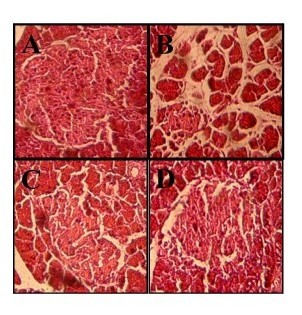
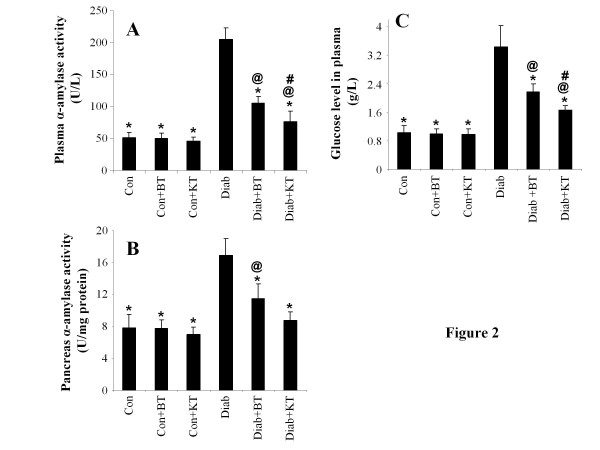
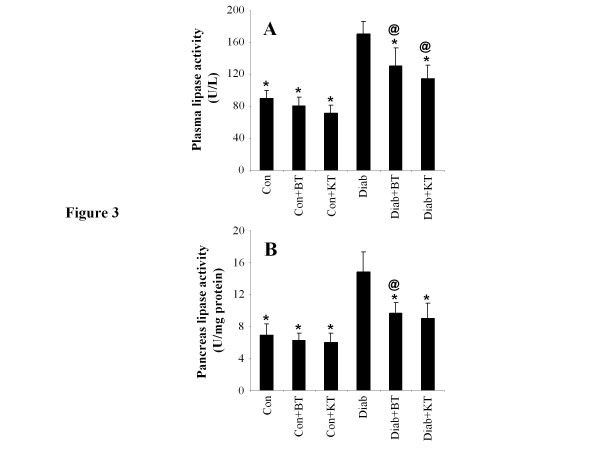
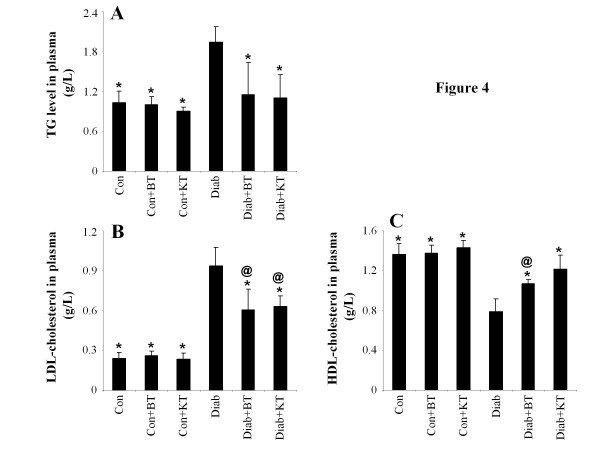
BACKGROUND: Diabetes has become a serious health problem and a major risk factor associated with troublesome health complications, such as metabolism disorders and liver-kidney dysfunctions. The inadequacies associated with conventional medicines have led to a determined search for alternative natural therapeutic agents. The present study aimed to investigate and compare the hypoglycemic and antilipidemic effects of kombucha and black tea, two natural drinks commonly consumed around the world, in surviving diabetic rats. METHODS: Alloxan diabetic rats were orally supplied with kombucha and black tea at a dose of 5 mL/kg body weight per day for 30 days, fasted overnight, and sacrificed on the 31st day of the experiment. Their bloods were collected and submitted to various biochemical measurements, including blood glucose, cholesterol, triglcerides, urea, creatinine, transaminases, transpeptidase, lipase, and amylase activities. Their pancreases were isolated and processed to measure lipase and α-amylase activities and to perform histological analysis. RESULTS: The findings revealed that, compared to black tea, kombucha tea was a better inhibitor of α-amylase and lipase activities in the plasma and pancreas and a better suppressor of increased blood glucose levels. Interestingly, kombucha was noted to induce a marked delay in the absorption of LDL-cholesterol and triglycerides and a significant increase in HDL-cholesterol. Histological analyses also showed that it exerted an ameliorative action on the pancreases and efficiently protected the liver-kidney functions of diabetic rats, evidenced by significant decreases in aspartate transaminase, alanine transaminase, and gamma-glytamyl transpeptidase activities in the plasma, as well as in the creatinine and urea contents. CONCLUSIONS: The findings revealed that kombucha tea administration induced attractive curative effects on diabetic rats, particularly in terms of liver-kidney functions. Kombucha tea can, therefore, be considered as a potential strong candidate for future application as a functional supplement for the treatment and prevention of diabetes.
Overview
The claims and statistics of this paper haven’t been checked yet.
Free: it reads the open-access text and checks the first 5 claims that cite a source we can check. Create a free account to check every claim.
Integrity signals
Registry
Cites
Statistics
Figures
Verification
Claims the paper makes
The claims and statistics of this paper haven’t been checked yet.
Free: it reads the open-access text and checks the first 5 claims that cite a source we can check. Create a free account to check every claim.
Claims other papers make about this one
Each is checked against this paper’s own text: does it say what the citing paper says it does?
The cited source says what the claim attributes to it.
In the citing paper
“Kombucha has been shown to exert effects in animal studies on blood glycaemia [72], oxidative stress [73], diabetes-induced weight loss [74], chemically-induced nephrotoxicity [75], hypercholesterolaemia [72,76] and indomethacin-induced gastric ulceration [77].”
From Fermented foods: definitions and characteristics, impact on the gut microbiota and effects on gastrointestinal health and disease (2019) · cites this paper as [72]
Self-check
Percentages, sums and reported differences re-computed from the paper’s own numbers.
The self-check needs the paper’s full text.
Citations
Cites
PROTEIN MEASUREMENT WITH THE FOLIN PHENOL REAGENT
Lowry, O., Rosebrough, N., Farr, A. L., & Randall, R. (1951) · Journal of Biological Chemistry · doi:10.1016/s0021-9258(19)52451-6 · Cited by 317,331 · cited 1×
“[32].”
AFRC, R. F. (1989) · Journal of Applied Bacteriology · doi:10.1111/j.1365-2672.1989.tb05105.x · Cited by 4,149
Probiotics in man and animals.
Fuller, R. (1989) · PubMed · Cited by 1,292
Pancreatic lipase inhibitors from natural sources: Unexplored potential
Birari, R. B., & Bhutani, K. K. (2007) · Drug Discovery Today · doi:10.1016/j.drudis.2007.07.024 · Cited by 871 · cited 2×
“Several therapeutic strategies are currently available for the treatment of this chronic metabolic disorder, including the stimulation of endogenous insulin secretion, enhancement of insulin action at the target tissues, inhibition of dietary starch and lipid degradation, and treatment with oral hypoglycemic agents [8…”
BackgroundCOSKUN, O., KANTER, M., KORKMAZ, A., & OTER, S. (2005) · Pharmacological Research · doi:10.1016/j.phrs.2004.06.002 · Cited by 814 · cited 1×
“have reported that the administration of polyphenols, such as quercetin and epicatechin, to surviving diabetic rats protects the architecture of pancreatic β-cells, preserves the secretion of insulin, and stimulates the regeneration of this type of cells [57].”
BackgroundAnti-diabetic effect of cinnamon extract on blood glucose in db/db mice
Kim, S. H., Hyun, S. H., & Choung, S. Y. (2006) · Journal of Ethnopharmacology · doi:10.1016/j.jep.2005.08.059 · Cited by 503 · cited 1×
“4% in 2025 [1].”
Inhibitory Effects of Oolong Tea Polyphenols on Pancreatic Lipase in Vitro
Nakai, M., Fukui, Y., Asami, S., Toyoda-Ono, Y., Iwashita, T., Shibata, H., Mitsunaga, T., Hashimoto, F., & Kiso, Y. (2005) · Journal of Agricultural and Food Chemistry · doi:10.1021/jf047814+ · Cited by 492
Tea, Kombucha, and health: a review
Dufresne, C., & Farnworth, E. (2000) · Food Research International · doi:10.1016/s0963-9969(00)00067-3 · Cited by 484 · cited 1×
“Kombucha has also been reported to constitute a potent therapeutic supplement that improved resistance against cancer, prevented cardiovascular diseases, promoted digestive functions, stimulated the immune system, and reduced inflammatory problems [17,21-23].”
BackgroundThe inhibitory effects of berry polyphenols on digestive enzymes
Mcdougall, G. J., & Stewart, D. (2005) · BioFactors · doi:10.1002/biof.5520230403 · Cited by 415 · cited 1×
“The inhibition of pancreatic α-amylase activity in the human digestive tract represents one of the therapeutic approaches commonly used for the control and prevention of postprandial hyperglycemia in non-insulin-dependent diabetic patients through reducing the uptake of glucose released by those enzymes from starch [4…”
BackgroundLactic acid bacteria and their effect on the immune system.
Perdigón, G., Fuller, R., & Raya, R. R. (2001) · PubMed · Cited by 393
Cited by
Jayabalan, R., Malbaša, R. V., Lončar, E. S., Vitas, J. S., & Sathishkumar, M. (2014) · Comprehensive Reviews in Food Science and Food Safety · doi:10.1111/1541-4337.12073 · Cited by 939
Dimidi, E., Cox, S., Rossi, M., & Whelan, K. (2019) · Nutrients · doi:10.3390/nu11081806 · Cited by 801
“Kombucha has been shown to exert e ff ects in animal studies on blood glycaemia [72], oxidative stress [73], diabetes-induced weight loss [74], chemically-induced nephrotoxicity [75], hypercholesterolaemia [72,76] and indomethacin-induced gastric ulceration [77].”
BackgroundKombucha tea fermentation: Microbial and biochemical dynamics
Chakravorty, S., Bhattacharya, S., Chatzinotas, A., Chakraborty, W., Bhattacharya, D., & Gachhui, R. (2016) · International Journal of Food Microbiology · doi:10.1016/j.ijfoodmicro.2015.12.015 · Cited by 533
“, 2011), anti-diabetic (Aloulou et al., 2012; Bhattacharya et al., 2013), treatment for gastric ulcers (Banerjee et al.”
BackgroundMarsh, A. J., O'Sullivan, O., Hill, C., Ross, R. P., & Cotter, P. D. (2014) · Food Microbiology · doi:10.1016/j.fm.2013.09.003 · Cited by 485
“Such health benefits include anti-carcinogenic (Jayabalan et al., 2011) and anti-diabetic (Aloulou et al., 2012; Hiremath et al., 2002) effects, treatment for gastric ulcers (Banerjee et al., 2010) and high cholesterol (Yang et al., 2009), and it also has been shown to impact immune response (Ram…”
BackgroundA review on health benefits of kombucha nutritional compounds and metabolites
Martínez Leal, J., Valenzuela Suárez, L., Jayabalan, R., Huerta Oros, J., & Escalante-Aburto, A. (2018) · CyTA - Journal of Food · doi:10.1080/19476337.2017.1410499 · Cited by 392
“Aloulou et al. (2012) evaluated the suppressing effect of α-amylase enzyme (secreted by intestinal epithelium and necessary for carbohydrate digestion) in diabetic rats (aloxan induced), which were administered 5 mL/kg of kombucha or black tea daily during 30 days.”
MethodHerbal beverages: Bioactive compounds and their role in disease risk reduction - A review
Chandrasekara, A., & Shahidi, F. (2018) · Journal of Traditional and Complementary Medicine · doi:10.1016/j.jtcme.2017.08.006 · Cited by 287
Current challenges, applications and future perspectives of SCOBY cellulose of Kombucha fermentation
Laavanya, D., Shirkole, S., & Balasubramanian, P. (2021) · Journal of Cleaner Production · doi:10.1016/j.jclepro.2021.126454 · Cited by 270
Kombucha: A review of substrates, regulations, composition, and biological properties
de Miranda, J. F., Ruiz, L. F., Silva, C. B., Uekane, T. M., Silva, K. A., Gonzalez, A. G. M., Fernandes, F. F., & Lima, A. R. (2022) · Journal of Food Science · doi:10.1111/1750-3841.16029 · Cited by 233
De Filippis, F., Troise, A. D., Vitaglione, P., & Ercolini, D. (2018) · Food Microbiology · doi:10.1016/j.fm.2018.01.008 · Cited by 227
Health, Wellness, and Safety Aspects of the Consumption of Kombucha
Watawana, M. I., Jayawardena, N., Gunawardhana, C. B., & Waisundara, V. Y. (2015) · Journal of Chemistry · doi:10.1155/2015/591869 · Cited by 198
“This is supported by the reduction in the activity of aspartate transaminase, alanine transaminase, and gamma-glutamyl transpeptidase in the plasma, as well as in the creatinine urea concentrations [48].”
BackgroundInfluentialBhattacharya, S., Gachhui, R., & Sil, P. C. (2013) · Food and Chemical Toxicology · doi:10.1016/j.fct.2013.07.051 · Cited by 181
Dima, S.-O., Panaitescu, D.-M., Orban, C., Ghiurea, M., Doncea, S.-M., Fierascu, R., Nistor, C., Alexandrescu, E., Nicolae, C.-A., Trică, B., et al. (2017) · Polymers · doi:10.3390/polym9080374 · Cited by 166
“Other studies are evidencing its hypoglycemic and antilipidemic properties [33], as well as its antimicrobial, antioxidant, and even anti-carcinogenic properties [29,31,34].”
BackgroundTraditional Fermented Foods and Beverages from around the World and Their Health Benefits
García, L. C., Rodríguez-Rugarcía, P., El-Kassis, E. G., Galicia, G., Meza-Jiménez, M. D. L., Baños-Lara, M. D. R., Zaragoza-Maldonado, D. S., & Pérez‐Armendáriz, B. (2022) · Microorganisms · doi:10.3390/microorganisms10061151 · Cited by 189
Zubaidah, E., Dewantari, F. J., Novitasari, F. R., Srianta, I., & Blanc, P. (2017) · Biocatalysis and Agricultural Biotechnology · doi:10.1016/j.bcab.2017.12.012 · Cited by 168
“beneficial in treating gastric ulcer (Jayabalan et al., 2011; Aloulou et al., 2012; Bhattacharya et al., 2013; Banerjee et al., 2011; Chakravorty et al., 2016).”
BackgroundFu, C., Yan, F., Cao, Z., Xie, F., & Lin, J. (2014) · Food Science and Technology · doi:10.1590/s0101-20612014005000012 · Cited by 152
“Numerous health benefits have been attributed to the consumption of this beverage, including: it stimulates the immune system, aids digestion, protects against cancer and cardiovascular diseases, prevents microbial infections; it is also known for its hypoglycemic and antilipidemic properties, free-radical scavenging…”
BackgroundKombucha Drink: Production, Quality, and Safety Aspects
Dutta, H., & Paul, S. K. (2019) · Elsevier eBooks · doi:10.1016/b978-0-12-815260-7.00008-0 · Cited by 168
Biological activities of kombucha beverages: The need of clinical evidence
Morales, D. (2020) · Trends in Food Science & Technology · doi:10.1016/j.tifs.2020.09.025 · Cited by 141
Vargas, B. K., Fabricio, M. F., & Ayub, M. A. Z. (2021) · Food Bioscience · doi:10.1016/j.fbio.2021.101332 · Cited by 132
Zubaidah, E., Afgani, C. A., Kalsum, U., Srianta, I., & Blanc, P. (2018) · Biocatalysis and Agricultural Biotechnology · doi:10.1016/j.bcab.2018.12.026 · Cited by 121
“Glycolysis, glycogenesis and lipogenesis are some of the metabolisms of insulin-regulated glucose (Dufresne and Farnworth, 2000; Aloulou et al., 2012).”
BackgroundSoares, M. G., de Lima, M., & Schmidt, V. C. R. (2021) · Trends in Food Science & Technology · doi:10.1016/j.tifs.2021.02.017 · Cited by 133
Anantachoke, N., Duangrat, R., Sutthiphatkul, T., Ochaikul, D., & Mangmool, S. (2023) · Foods · doi:10.3390/foods12091818 · Cited by 136
“However, kombucha (5 mL/kg per day) supplementation for 30 days dramatically reduced lipase activity, delaying the absorption of triglycerides and LDL-C as well as increasing the HDL-C level [129].”
BackgroundInfluentialMetabarcoding of the kombucha microbial community grown in different microenvironments
Reva, O. N., Zaets, I. E., Ovcharenko, L. P., Kukharenko, O. E., Shpylova, S. P., Podolich, O. V., de Vera, J.-P., & Kozyrovska, N. O. (2015) · AMB Express · doi:10.1186/s13568-015-0124-5 · Cited by 94
“Health improving effects of the kombucha probiotic beverage have been reported in a number of publications (Yapar et al. 2010; Bhattacharya et al. 2011, 2013; Aloulou et al. 2012; Kallel et al. 2012; Srihari et al. 2013).”
BackgroundDiez‐Ozaeta, I., & Astiazaran, O. J. (2022) · International Journal of Food Microbiology · doi:10.1016/j.ijfoodmicro.2022.109783 · Cited by 118
Rehman, K., Chohan, T. A., Waheed, I., Gilani, Z., & Akash, M. S. H. (2018) · Journal of Cellular Biochemistry · doi:10.1002/jcb.27398 · Cited by 100
“Previously, it has been shown that the increased serum level of TC, TG, and LDL in diabetic rats is associated with the altered serum lipase level.(46) Remarkably, as anticipated, the treatment of TFN provided the reduction in serum levels of TC, TG, and LDL, which were otherwise found to be elevated in nontreated all…”
BackgroundVīna, I., Semjonovs, P., Linde, R., & Deniņa, I. (2014) · Journal of Medicinal Food · doi:10.1089/jmf.2013.0031 · Cited by 92
“To describe the antidiabetic properties of KT, the activities of pancreatic lipase and a-amylase have been studied.(26) Pancreatic lipase has often been employed in studies of natural products for potential application as antidiabetic agents, which play a key role in lipid metabolism.”
InfluentialKifle, Z. D., Yesuf, J. S., & Atnafie, S. A. (2020) · Journal of Experimental Pharmacology · doi:10.2147/jep.s249964 · Cited by 93
Mousavi, S. M., Hashemi, S. A., Zarei, M., Gholami, A., Lai, C. W., Chiang, W., Omidifar, N., Bahrani, S., & Mazraedoost, S. (2020) · Evidence-based Complementary and Alternative Medicine · doi:10.1155/2020/4397543 · Cited by 109
“+e researchers claimed that Kombucha has the ability to inhibit α-amylase and lipase enzyme performance in the pancreas and even in plasma and also better suppression of increased blood glucose levels in rats and finally it is proven that Kombucha has effective hypoglycemic and antilipidemic activities [73].”
BackgroundFermented Beverage Benefits: A Comprehensive Review and Comparison of Kombucha and Kefir Microbiome
Chong, A. Q., Lau, S. W., Chin, N. L., Talib, R. A., & Basha, R. K. (2023) · Microorganisms · doi:10.3390/microorganisms11051344 · Cited by 107
Kombucha: A Promising Functional Beverage Prepared From Tea
Chakravorty, S., Bhattacharya, S., Bhattacharya, D., Sarkar, S., & Gachhui, R. (2019) · Elsevier eBooks · doi:10.1016/b978-0-12-815270-6.00010-4 · Cited by 110
“Another study showed that oral supplementation of KT at a dose of 5 mg/kg body weight in alloxan-induced diabetes rats, inhibited α-amylase, and lipase enzyme activity in the plasma and pancreas of the experimental animals, thereby suggesting its antilipidemic activity (Aloulou et al., 2012).”
BackgroundAn overview of probiotic health booster-kombucha tea
Selvaraj, S., & Gurumurthy, K. (2022) · Chinese Herbal Medicines · doi:10.1016/j.chmed.2022.06.010 · Cited by 84
Lavefve, L., Marasini, D. N., & Carbonero, F. G. (2018) · Advances in food and nutrition research · doi:10.1016/bs.afnr.2018.09.001 · Cited by 97
Costa, M. A. D. C., Vilela, D. L. D. S., Fraiz, G. M., Lopes, I. L., Coelho, A. Í. M., Castro, L. C. V., & Martin, J. G. P. (2021) · Critical Reviews in Food Science and Nutrition · doi:10.1080/10408398.2021.1995321 · Cited by 88
Mnafgui, K., Kaanich, F., Derbali, A., Hamden, K., Derbali, F., Slama, S., Allouche, N., & Elfeki, A. (2013) · Archives of Physiology and Biochemistry · doi:10.3109/13813455.2013.822521 · Cited by 84
“This finding was correlated with earlier reports (Aloulou et al., 2012; Mnafgui et al., 2012; Prabhakar & Doble, 2011).”
BackgroundResultSelf-citationHamden, K., Mnafgui, K., Amri, Z., Aloulou, A., & Elfeki, A. (2013) · Scientia Pharmaceutica · doi:10.3797/scipharm.1211-14 · Cited by 92
“The serum glucose level of the rats was measured by the glucoseoxidase reaction using commercially available kits from Biomagreb Tunis, Tunisia.”
MethodSelf-citationInstituto Tecnológico de Durango, F. P. 1. O., Gamboa‐Gómez, C. I., González‐Laredo, R. F., Instituto Tecnológico de Durango, F. P. 1. O., Gallegos‐Infante, J. A., Instituto Tecnológico de Durango, F. P. 1. O., Pérez, M. D. M. L., Rocha‐Guzmán, N. E., Moreno‐Jiménez, M. R., Instituto Tecnológico de Durango, F. P. 1. O., et al. (2016) · Food Technology and Biotechnology · doi:10.17113/ftb.54.03.16.4622 · Cited by 85
“(4) reported that fermentation process with kombucha enhanced the phenolic content, antioxidant activity and α-amylase inhibitory activity in fi ve commonly consumed teas.”
BackgroundEffect of Kombucha on gut-microbiota in mouse having non-alcoholic fatty liver disease
Jung, Y., Kim, I., Mannaa, M., Kim, J., Wang, S., Park, I., Kim, J., & Seo, Y. (2018) · Food Science and Biotechnology · doi:10.1007/s10068-018-0433-y · Cited by 88
Ojo, A. O., & de Smidt, O. (2023) · Fermentation · doi:10.3390/fermentation9050472 · Cited by 90
“Furthermore, kombucha exhibits hypogly-caemic and antilipidemic properties with high probiotics and is a better suppressor of a high blood glucose level [71].”
BackgroundAntihyperglycaemic efficacy of kombucha in streptozotocin-induced rats
Srihari, T., Karthikesan, K., Ashokkumar, N., & Satyanarayana, U. (2013) · Journal of Functional Foods · doi:10.1016/j.jff.2013.08.008 · Cited by 84
Hrnjez, D. V., Vaštag, Ž., Milanović, S., Vukić, V., Iličić, M., Popović, L., & Kanurić, K. (2014) · Journal of Functional Foods · doi:10.1016/j.jff.2014.06.016 · Cited by 80
Chupeerach, C., Aursalung, A., Watcharachaisoponsiri, T., Whanmek, K., Thiyajai, P., Yosphan, K., Sritalahareuthai, V., Sahasakul, Y., Santivarangkna, C., & Suttisansanee, U. (2021) · Foods · doi:10.3390/foods10010117 · Cited by 68
“Black tea and its fermented form, kombucha (5 mL/kg body weight), were reported to reduce lipase enzyme activity in alloxan-induced diabetic rats within 30 days [47].”
BackgroundMendelson, C., Sparkes, S., Merenstein, D. J., Christensen, C., Sharma, V., Desale, S. Y., Auchtung, J. M., Kok, C. R., Hallen‐Adams, H. E., & Hutkins, R. W. (2023) · Frontiers in Nutrition · doi:10.3389/fnut.2023.1190248 · Cited by 72
“First, as observed in animal models, kombucha was associated with improved pancreatic beta cell regeneration (20, 22) which could contribute to improved endogenous insulin production.”
BackgroundMethodKifle, Z. D., Debeb, S. G., & Belayneh, Y. M. (2021) · BioMed Research International · doi:10.1155/2021/6652777 · Cited by 63
“Inhibition of intestinal pancreatic α-glucosidase and αamylase activities results in delayed carbohydrate digestion of absorbable monosaccharides leading to a drop in postprandial hyperglycemia [43].”
BackgroundKombucha microbial starter with enhanced production of antioxidant compounds and invertase
Jafari, R., Naghavi, N. S., Khosravi‐Darani, K., Doudi, M., & Shahanipour, K. (2020) · Biocatalysis and Agricultural Biotechnology · doi:10.1016/j.bcab.2020.101789 · Cited by 69
Modulation effects of microorganisms on tea in fermentation
Hu, T., Shi, S., & Ma, Q. (2022) · Frontiers in Nutrition · doi:10.3389/fnut.2022.931790 · Cited by 66
Kifle, Z. D., & Enyew, E. F. (2020) · Journal of Evidence-Based Integrative Medicine · doi:10.1177/2515690x20935827 · Cited by 58
“It is well known that inhibition of intestinal a-glucosidase and pancreatic a-amylase activity results in delaying carbohydrate digestion of absorbable monosaccharides, causing reduction of postprandial hyperglycemia.(64) The plant crude extracts and solvent fractions showed pancreatic a-amylase inhibitory activity.”
BackgroundAssad, M., Ashaolu, T. J., Khalifa, I., Baky, M. H., & Farag, M. A. (2023) · World Journal of Microbiology and Biotechnology · doi:10.1007/s11274-023-03701-5 · Cited by 56
“2004) was reported to exhibit anti-diabetic (Aloulou et al. 2012), antimicrobial, antioxidant (Bhattacharya et al.”
BackgroundKim, H., Hur, S., Lim, J., Jin, K., Yang, T.-H., Keehm, I.-S., Kim, S. W., Kim, T., & Kim, D. (2023) · Food Bioscience · doi:10.1016/j.fbio.2023.103431 · Cited by 67
Lee, C., Kim, J., Wang, S., Sung, S., Kim, N., Lee, H., Seo, Y., & Jung, Y. (2019) · International Journal of Molecular Sciences · doi:10.3390/ijms20092369 · Cited by 56
“In addition, Aloulou et al. demonstrated that KT has anti-hyperglycemic and anti-lipidemic effects, as it suppresses the activities of α -amylase and pancreatic lipase in diabetes alloxan-induced rats [21].”
Cardoso, R. R., Moreira, L. D. P. D., Costa, M. A. D. C., Toledo, R. C. L., Grancieri, M., do Nascimento, T. P., Ferreira, M. S. L., da Matta, S. L. P., Eller, M. R., Martino, H. S. D., et al. (2021) · Food & Function · doi:10.1039/d1fo02106k · Cited by 54
Hamden, K., Jaouadi, B., Carreau, S., Aouidet, A., & Elfeki, A. (2010) · Natural Product Research · doi:10.1080/14786411003683117 · Cited by 46
Self-citationZouari, R., Kolsi, R. B. A., Hamden, K., Feki, A. E., Chaabouni, K., Ayadi, F. M., Sallemi, F., Ellouze‐Chaâbouni, S., & Ghribi‐Aydi, D. (2015) · Biopolymers · doi:10.1002/bip.22705 · Cited by 45
Self-citationTaye, G. M., Bule, M. H., Gadisa, D. A., Teka, F., & Abula, T. (2020) · Diabetes Metabolic Syndrome and Obesity · doi:10.2147/dmso.s268689 · Cited by 46
“Thyme leaves are used to sweeten and flavor variety of foods in Ethiopia.12,13 A phytochemical analysis of the essential oil from Thymus Schimperi has demonstrated that terpinoids such as β-myrcene, α-terpinene, γ-terpinene, α-terpineol, limonene, carvacrol, α-humulene, p-cymene are the major constituents.14,15 In add…”
BackgroundMethodInfluentialKombucha Tea: A Promising Fermented Functional Beverage
Sinir, G. Ö., Tamer, C. E., & Suna, S. (2019) · Elsevier eBooks · doi:10.1016/b978-0-12-815271-3.00010-5 · Cited by 59
Mnafgui, K., Kchaou, M., Salah, H. B., Hajji, R., Khabbabi, G., Elfeki, A., Allouche, N., & Gharsallah, N. (2015) · Pharmaceutical Biology · doi:10.3109/13880209.2015.1075049 · Cited by 41
“Treatment of diabetes and its associated diseases can be accomplished by the inhibition of key digestive enzymes related to carbohydrate and lipids digestions (Hamden et al., 2011; Aloulou et al., 2012).”
BackgroundSelf-citationSiddiqui, F. J., Avan, B. I., Mahmud, S., Nanan, D., Jabbar, A., & Assam, P. N. (2014) · Diabetes Research and Clinical Practice · doi:10.1016/j.diabres.2014.09.025 · Cited by 49
“[41] Aloulou A, Hamden K, Elloumi D, Ali MB, Hargafi K, Jaouadi B, et al.”
BackgroundAdditional advances related to the health benefits associated with kombucha consumption
Esatbeyoglu, T., Aydin, S. S., Subaşı, B. G., Erskine, E., Gök, R., Ibrahim, S. A., Yılmaz, B., Özoğul, F., & Çapanoğlu, E. (2023) · Critical Reviews in Food Science and Nutrition · doi:10.1080/10408398.2022.2163373 · Cited by 42
“Aloulou et al. (2012) investigated antidiabetic effects of black tea and kombucha tea prepared from black tea in diabetic rats by evaluating several biochemical measurements and histological investigations (Aloulou et al. 2012).”
BackgroundInfluentialThe Effect of Boron on Some Biochemical Parameters in Experimental Diabetic Rats
Cakir, S., Eren, M., Şentürk, M., & Sarıca, Z. S. (2017) · Biological Trace Element Research · doi:10.1007/s12011-017-1182-0 · Cited by 42
Cvetković, D., Ranitović, A., Savić, D. S., Joković, N. M., Vidaković, A. M., Pezo, L. L., & Markov, S. L. (2019) · Polish Journal of Food and Nutrition Sciences · doi:10.31883/pjfns/112276 · Cited by 43
Use of kombucha culture in the production of fermented dairy beverages
Sarkaya, P., Akan, E., & Kınık, Ö. (2020) · LWT · doi:10.1016/j.lwt.2020.110326 · Cited by 43
Atkinson, F. S., Cohen, M. M., Lau, K. M., & Brand-Miller, J. C. (2023) · Frontiers in Nutrition · doi:10.3389/fnut.2023.1036717 · Cited by 40
Anti-diabetes activity of Kombucha prepared from different snake fruit cultivars
Zubaidah, E., Ifadah, R. A., Kalsum, U., Lyrawati, D., Putri, W. D. R., Srianta, I., & Blanc, P. (2018) · Nutrition & Food Science · doi:10.1108/nfs-07-2018-0201 · Cited by 37
Nurikasari, M., Puspitasari, Y., & Siwi, R. P. Y. (2017) · Journal of Global Research in Public Health · Cited by 30
Dubey, K. K., Janve, M., Ray, A., & Singhal, R. S. (2019) · Elsevier eBooks · doi:10.1016/b978-0-12-816938-4.00004-5 · Cited by 41
Bio-tea prevents membrane destabilization during Isoproterenol-induced myocardial injury
Lobo, R. O., Sagar, B. C., & Chandrakala Shenoy, K. (2016) · Journal of Microscopy and Ultrastructure · doi:10.1016/j.jmau.2016.09.001 · Cited by 35
“Efficacy of Bio-tea against ypoglycemic and hypolipidemic effects in diabetes conition, and its hepatoprotective properties have been well tudied [5,6].”
BackgroundComposition, Properties, and Beneficial Effects of Functional Beverages on Human Health
Panou, A., & Karabagias, I. K. (2025) · Beverages · doi:10.3390/beverages11020040 · Cited by 37
“The activities of aspartate transaminase, alanine transaminase, gamma-glytamyl transpeptidase, and creatinine and urea contents are also reduced by kombucha tea [219].”
Eleazu, C. O., & Okafor, P. N. (2015) · Interventional Medicine and Applied Science · doi:10.1556/imas.7.2015.1.2 · Cited by 39
“Pancreatic lipase is a more specifi c marker of pancreatic dysfunction than pancreatic amylase [29], and it is also employed in human and animal model studies to evaluate natural products for their usefulness as antiobesity and antidiabetic agents [34].”
BackgroundGebremeskel, L. G., Tuem, K. B., & Teklu, T. (2020) · Diabetes Metabolic Syndrome and Obesity · doi:10.2147/dmso.s246996 · Cited by 28
Eleazu, C. O., Eleazu, K. C., Chukwuma, S., Okoronkwo, J. O., & Emelike, C. U. (2014) · Toxicology Reports · doi:10.1016/j.toxrep.2014.08.013 · Cited by 28
High Cholesterol Disorders, Myocardial Infarction and Its Therapeutics
Upadhyay, R. K. (2023) · World Journal of Cardiovascular Diseases · doi:10.4236/wjcd.2023.138040 · Cited by 44
Woldekidan, S., Mulu, A., Ergetie, W., Teka, F., Meressa, A., Tadele, A., Abebe, A., Gemechu, W., Gemeda, N., Muluye, R. A., et al. (2021) · Diabetes Metabolic Syndrome and Obesity · doi:10.2147/dmso.s266794 · Cited by 31
WITHDRAWN: Probiotic potential of Kombucha
Şengün, İ. Y., & Peker, A. K. (2020) · Journal of Functional Foods · doi:10.1016/j.jff.2020.104284 · Cited by 27
RetractedRasouli, L., Aryaeian, N., Gorjian, M., Nourbakhsh, M., & Amiri, F. (2021) · Journal of Education and Health Promotion · doi:10.4103/jehp.jehp_1456_20 · Cited by 30
“Recent studies as Jaya Balan group investigations, take a new overview for anticancer specification of kombucha especially in liver and renal carcinoma.[22] Hence, the present study aimed to evaluate the anticancer potential of kombucha on the HCT‐116 cell line (human colon cancer cell line) and therapeutic effectiven…”
BackgroundKartelias, I. G., Karantonis, H. C., Giaouris, E. D., Panagiotakopoulos, I., & Nasopoulou, C. (2023) · Foods · doi:10.3390/foods12183496 · Cited by 29
“The fermentation process of Kombucha resulted in an elevation in phenolic content, antioxidant activity, and a-amylase inhibition in five different types of teas [10].”
BackgroundMarzban, F., Azizi, G., Afraei, S., Sedaghat, R., Seyedzadeh, M. H., Razavi, A., & Mirshafiey, A. (2015) · Food and Agricultural Immunology · doi:10.1080/09540105.2015.1036353 · Cited by 29
“In animal models, it is demonstrated that the anti-inflammatory and antioxidant effects provided by the kombucha tea can ameliorate the inflammation and oxidative stress in the pancreatic, hepatic, renal, and cardiac tissues of diabetic animals (Aloulou et al., 2012; Bhattacharya et al., 2013).”
BackgroundSelvaraj, S., & Gurumurthy, K. (2024) · Frontiers in Microbiology · doi:10.3389/fmicb.2024.1367697 · Cited by 32
From fermentation to cancer prevention: The anticancer potential of Kombucha
Taupiqurrohman, O., Hastuti, L. P., Oktavia, D., Al-Najjar, B. O., Yusuf, M., Suryani, Y. D., & Gaffar, S. (2024) · Phytomedicine Plus · doi:10.1016/j.phyplu.2024.100633 · Cited by 26
Kombucha (Bio-Tea): An Elixir for Life?
Chandrakala Shenoy, K., Lobo, R. O., & Dias, F. O. (2019) · Elsevier eBooks · doi:10.1016/b978-0-12-816842-4.00016-2 · Cited by 33
Barbosa, E. L., Netto, M. C. T., Bendel, L., de Moura, L. F., Brasil, G. A., Bertolazi, A. A., de Lima, E. M., & Vasconcelos, C. M. (2022) · Future Foods · doi:10.1016/j.fufo.2022.100129 · Cited by 25
Mnafgui, K., Kchaou, M., Hamden, K., Derbali, F., Slama, S., Nasri, M., Salah, H. B., Allouche, N., & Elfeki, A. (2013) · Journal of Physiology and Biochemistry · doi:10.1007/s13105-013-0284-1 · Cited by 22
Self-citationEleazu, C. O., Okafor, P. N., & Irene, I. I. (2014) · Asian Pacific Journal of Tropical Disease · doi:10.1016/s2222-1808(14)60711-8 · Cited by 25
Ghiravani, Z., Hosseini, M., Taheri, M. H., Fard, M. H., & Abedini, M. R. (2016) · African Journal of Traditional Complementary and Alternative Medicines · doi:10.21010/ajtcam.v13i2.12 · Cited by 22
“…the several other studies with different duration (2-8 weeks) and various diabetogenic drugs (alloxan or streptozotocin), AST and ALT significantly elevated in diabetic rats in comparison with control ones(Aloulou et al., 2012; Erejuwa et al., 2012; Karthik and Ravikumar, 2011; Saeed et al., 2008).”
BackgroundKombucha: Challenges for Health and Mental Health
Batista, P., Penas, M. R., Vila-Real, C., Pintado, M., & Oliveira‐Silva, P. (2023) · Foods · doi:10.3390/foods12183378 · Cited by 22
“[103] To investigate and compare the hypoglycemic and antilipidemic effects of Kombucha and black teas, two natural drinks commonly consumed around the world, in surviving diabetic rats.”
Backgroundα-Glucosidase Inhibitory Activity of Tea and Kombucha from Rhizophora mucronata Leaves
Puspitasari, Y. E., Tuenter, E., Breynaert, A., Foubert, K., Herawati, H., Hariati, A. M., Aulanni’am, A., Bruyne, T. D., & Hermans, N. (2024) · Beverages · doi:10.3390/beverages10010022 · Cited by 25
“Interestingly, kombucha tea from C. sinensis presents a wide range of biological activities, including antidiabetic properties [16–18].”
BackgroundHuang, R. (2024) · ACS Food Science & Technology · doi:10.1021/acsfoodscitech.4c00242 · Cited by 21
Urrutia, M. A. D., Ramos, A. G., Menegusso, R. B., Lenz, R. D., Ramos, M. G., Tarone, A. G., Cazarin, C. B. B., Cottica, S. M., da Silva, S. A. V., & Bernardi, D. M. (2021) · Heliyon · doi:10.1016/j.heliyon.2021.e07081 · Cited by 16
“Therefore, Aloulou et al. (2012), proved that certain metabolites of kombucha, have an inhibitory effect of the enzymes α-amylase and pancreatic lipase, a fact that would hinder a rapid absorption of glucose and fats from food intake.”
BackgroundMetagenomics of Traditional Beverages
Villarreal-Morales, S. L., Montañez, J., Aguilar, C. N., & Rodríguez-Herrera, R. (2018) · Elsevier eBooks · doi:10.1016/b978-0-12-811443-8.00011-6 · Cited by 18
Susanti, Y., A’yun, A. Q., Ansori, A., Sekaringgalih, R., Rachmah, A. N. L., & Hanum, N. S. (2023) · Jurnal Pengabdian Pada Masyarakat · doi:10.30653/jppm.v8i2.383 · Cited by 23
Pawluś, P., & Kolniak‐Ostek, J. (2024) · International Journal of Molecular Sciences · doi:10.3390/ijms25147572 · Cited by 15
“In a study by Aloulou et al. [34], rats with diabetes (induced with alloxan) were given 5 mL/kg of kombucha or black tea for 30 days to observe whether it inhibited the enzyme α -amylase.”
MethodSantos, L. D. M., Roselino, M. N., Alves, J. D. C., Viana, S. N. A., Requião, E. D. R., Ferro, J. M. R. B. D. S., de Souza, C. O., & Ribeiro, C. D. F. (2024) · Future Foods · doi:10.1016/j.fufo.2024.100528 · Cited by 20
STUDI KRITIS MINUMAN TEH KOMBUCHA: MANFAAT BAGI KESEHATAN, KADAR ALKOHOL DAN SERTIFIKASI HALAL
Priyono, P., & Riswanto, D. (2021) · International Journal Mathla’ul Anwar of Halal Issues · doi:10.30653/ijma.202111.7 · Cited by 15
Sharifi-Rigi, A., & Heidarian, E. (2019) · Europe PMC (PubMed Central) · doi:10.22038/ajp.2019.13466 · Cited by 15
“Also, phenolic compounds act as antioxidants (Aloulou et al., 2012; Dipti et al., 2003).”
Xu, J., Jia, S., Ren, Y., Zhang, Y., Zhang, J., Tang, C., Kan, J., Liu, J., & Wang, Y. (2025) · Food Bioscience · doi:10.1016/j.fbio.2025.106769 · Cited by 14
Bukhari, H. A., Afzal, M., Al-Abbasi, F. A., Sheikh, R. A., Alqurashi, M. M., Bawadood, A. S., Alzarea, S. I., Alamri, A. M., Sayyed, N., & Kazmi, I. A. (2024) · Scientific Reports · doi:10.1038/s41598-024-71577-y · Cited by 18
“Butin, however, appears to exert protective effects on pancreatic β cells, thereby maintaining insulin levels and inhibiting the elevation of amylase, which is crucial for carbohydrate digestion 25,36 .”
BackgroundFerede, Y. A., Zewdu, W. S., Molla, M., & Desta, G. T. (2022) · Evidence-based Complementary and Alternative Medicine · doi:10.1155/2022/4454881 · Cited by 16
“Blocking glucose absorption by inhibiting intestinal α-glucosidase and pancreatic α-amylase activity has been shown in studies to reduce postprandial hyperglycemia [47].”
BackgroundTraditional Fermented Foods as an Adjuvant Treatment to Diabetes
Souza, C. D. A., de Oliveira, Í. A. C. L., Rolim, V. A. D. O., & Bogsan, C. S. B. (2020) · Current Geriatrics Reports · doi:10.1007/s13670-020-00337-3 · Cited by 15
Kifle, Z. D., Woldeyohanins, A. E., Sema, F. D., Debeb, S. G., Kasahun, A. E., Demeke, C. A., & Belayneh, Y. M. (2021) · Metabolism Open · doi:10.1016/j.metop.2021.100139 · Cited by 13
Jakubczyk, K., Łukomska, A., Czaplicki, S., Wajs‐Bonikowska, A., Gutowska, I., Czapla, N., Tańska, M., & Janda, K. (2021) · Pharmaceuticals · doi:10.3390/ph14121334 · Cited by 13
Cheng, J., Huang, S., Xiong, R.-G., Wu, S.-X., Yang, Z.-J., Zhou, D., Saimaiti, A., Zhao, C., Zhu, H., & Li, H. (2024) · Food Bioscience · doi:10.1016/j.fbio.2024.105400 · Cited by 12
Purification, Physicochemical Characterization, and Bioactivities of Polysaccharides from Puerh Tea
Mao, L., Shao, S., Sun, S., Wang, Y., Xu, P., & Cai, L. (2014) · Journal of Food and Nutrition Research · doi:10.12691/jfnr-2-12-23 · Cited by 12
“SEM of PTPS-1(A) and PTPS-2 (B) at 1000 (1), 4000 (2) and”
Fajarwati, I., Solihin, D. D., Wresdiyati, T., & Batubara, I. (2023) · IOP Conference Series Earth and Environmental Science · doi:10.1088/1755-1315/1174/1/012035 · Cited by 21
Metadata
- Authors
- Aloulou, A., Hamden, K., Elloumi, D., Ali, M. B., Hargafi, K., Jaouadi, B., Ayadi, F., Elfeki, A., & Ammar, E.
- Affiliations
- University of Sfax (TN)
- Corresponding author
- Aloulou, Ahmed
- Venue
- BMC Complementary and Alternative Medicine
- Published
- 2012-05-16
- Volume
- 12
- Issue
- 1
- Pages
- 63-63
- ISSN
- 1472-6882 (ISSN-L)
- PMC
- PMC3403982
- OpenAlex
- W2028754040
- Cited by
- 201
- References
- 59
- Citations by year
- 2026: 16 · 2025: 12 · 2024: 16 · 2023: 27 · 2022: 26 · 2021: 19 · 2020: 19 · 2019: 15 · 2018: 10 · 2017: 7 · 2016: 7 · 2015: 9 · 2014: 10 · 2013: 7
- FWCI
- 6.67
- Type
- journal article
- Language
- en
- Open access
- gold
- doi.org
- Licence
- cc-by
- creativecommons.org/licenses/by/2.0 (tdm)
- Locations
- BMC Complementary and Alternative Medicine (publishedVersion, cc-by)
- Europe PMC (PubMed Central) (publishedVersion, cc-by)
- PubMed Central (publishedVersion, cc-by)
- PubMed (publishedVersion)
- DOAJ (DOAJ: Directory of Open Access Journals) (submittedVersion, cc-by-sa)
- Topics
- Health Sciences › Medicine › Endocrinology, Diabetes and Metabolism › Natural Antidiabetic Agents Studies
- Life Sciences › Agricultural and Biological Sciences › Food Science › Probiotics and Fermented Foods
- Life Sciences › Agricultural and Biological Sciences › Food Science › Tea Polyphenols and Effects
- Keywords
- kombucha, black tea, diabetes mellitus, alloxan-induced diabetes, hypoglycemic effect, hypolipidemic effect, α-amylase inhibition, lipase inhibition, blood glucose, cholesterol, triglycerides, HDL cholesterol, LDL cholesterol, liver function, renal function, pancreatic histology, functional food supplement
- MeSH terms
- alpha-Amylases, Animals, Hypolipidemic Agents, Blood Glucose, Creatinine, Diabetes Mellitus, Experimental, Enzymes, Hypoglycemic Agents, Kidney, Lipase, Cholesterol, HDL, Cholesterol, LDL, Liver, Male, Phytotherapy, Pancreas, Tea, Triglycerides, Urea, Rats, Wistar, Camellia sinensis, Plant Preparations, Rats
About these checks
Registry, retraction, Cites and statistics results are computed, not judged, with one exception: a printed reference that no index lists is read once by a model before it counts as a citation error. Claims are extracted by a model and kept only when their quote appears verbatim in the text; each cited source is then checked, with a model’s help, for whether it says what the claim relies on. Those verdicts can be wrong — read the claim’s quote and the cited source before relying on one.
Statistics and arithmetic are recomputed, not judged.
Confidence bands are shown only for fields calibrated on our annotated test set. None is calibrated yet, so no band is shown.
What counts as a claim ›How we measure confidence ›How we check this ›
Are you an author, or do you see a problem with this page? Request a review
Data sources
Bibliographic data: Semantic Scholar, OpenAlex, Crossref.
Contains information from the Semantic Scholar Academic Graph Datasets, made available under the ODC Attribution License (ODC-BY 1.0).
Semantic Scholar’s data is described in: Kinney, R., et al. (2023). The Semantic Scholar Open Data Platform. arXiv:2301.10140.
