

Hypoglycemic and antilipidemic properties of kombucha tea in alloxan-induced diabetic rats
Open accessThe DOI matches its Crossref record; 60 of the 60 references it cites were found in a registry or an index.
Abstract
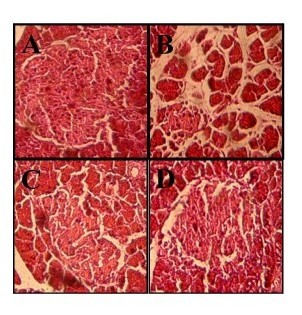
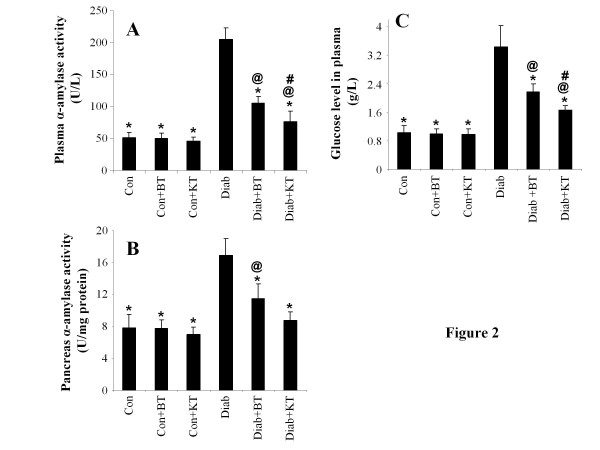
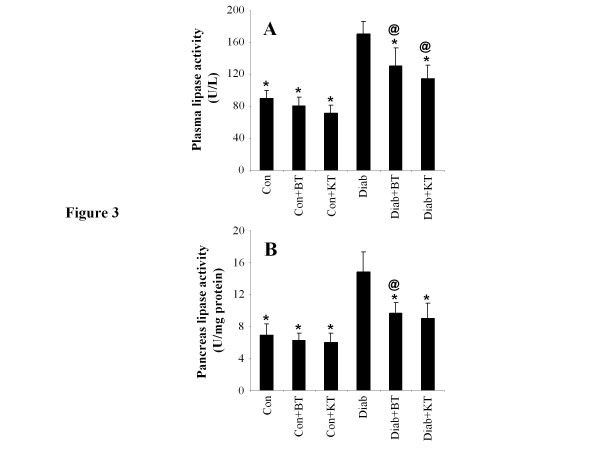
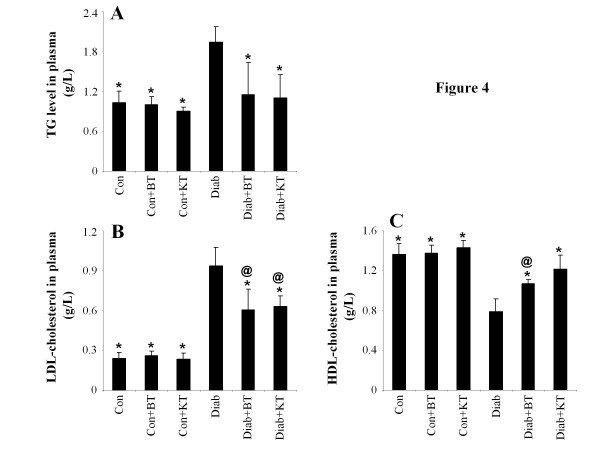
BACKGROUND: Diabetes has become a serious health problem and a major risk factor associated with troublesome health complications, such as metabolism disorders and liver-kidney dysfunctions. The inadequacies associated with conventional medicines have led to a determined search for alternative natural therapeutic agents. The present study aimed to investigate and compare the hypoglycemic and antilipidemic effects of kombucha and black tea, two natural drinks commonly consumed around the world, in surviving diabetic rats. METHODS: Alloxan diabetic rats were orally supplied with kombucha and black tea at a dose of 5 mL/kg body weight per day for 30 days, fasted overnight, and sacrificed on the 31st day of the experiment. Their bloods were collected and submitted to various biochemical measurements, including blood glucose, cholesterol, triglcerides, urea, creatinine, transaminases, transpeptidase, lipase, and amylase activities. Their pancreases were isolated and processed to measure lipase and α-amylase activities and to perform histological analysis. RESULTS: The findings revealed that, compared to black tea, kombucha tea was a better inhibitor of α-amylase and lipase activities in the plasma and pancreas and a better suppressor of increased blood glucose levels. Interestingly, kombucha was noted to induce a marked delay in the absorption of LDL-cholesterol and triglycerides and a significant increase in HDL-cholesterol. Histological analyses also showed that it exerted an ameliorative action on the pancreases and efficiently protected the liver-kidney functions of diabetic rats, evidenced by significant decreases in aspartate transaminase, alanine transaminase, and gamma-glytamyl transpeptidase activities in the plasma, as well as in the creatinine and urea contents. CONCLUSIONS: The findings revealed that kombucha tea administration induced attractive curative effects on diabetic rats, particularly in terms of liver-kidney functions. Kombucha tea can, therefore, be considered as a potential strong candidate for future application as a functional supplement for the treatment and prevention of diabetes.
Overview
The claims and statistics of this paper haven’t been checked yet.
Free: it reads the open-access text and checks the first 5 claims that cite a source we can check. Create a free account to check every claim.
Integrity signals
Registry
Cites
Statistics
Figures
Verification
Claims the paper makes
The claims and statistics of this paper haven’t been checked yet.
Free: it reads the open-access text and checks the first 5 claims that cite a source we can check. Create a free account to check every claim.
Claims other papers make about this one
Each is checked against this paper’s own text: does it say what the citing paper says it does?
The cited source says what the claim attributes to it.
In the citing paper
“Kombucha has been shown to exert effects in animal studies on blood glycaemia [72], oxidative stress [73], diabetes-induced weight loss [74], chemically-induced nephrotoxicity [75], hypercholesterolaemia [72,76] and indomethacin-induced gastric ulceration [77].”
From Fermented foods: definitions and characteristics, impact on the gut microbiota and effects on gastrointestinal health and disease (2019) · cites this paper as [72]
Self-check
Percentages, sums and reported differences re-computed from the paper’s own numbers.
The self-check needs the paper’s full text.
Citations
Cites
PROTEIN MEASUREMENT WITH THE FOLIN PHENOL REAGENT
Lowry, O., Rosebrough, N., Farr, A. L., & Randall, R. (1951) · Journal of Biological Chemistry · doi:10.1016/s0021-9258(19)52451-6 · Cited by 317,331 · cited 1×
“[32].”
AFRC, R. F. (1989) · Journal of Applied Bacteriology · doi:10.1111/j.1365-2672.1989.tb05105.x · Cited by 4,149
Probiotics in man and animals.
Fuller, R. (1989) · PubMed · Cited by 1,292
Pancreatic lipase inhibitors from natural sources: Unexplored potential
Birari, R. B., & Bhutani, K. K. (2007) · Drug Discovery Today · doi:10.1016/j.drudis.2007.07.024 · Cited by 871 · cited 2×
“Several therapeutic strategies are currently available for the treatment of this chronic metabolic disorder, including the stimulation of endogenous insulin secretion, enhancement of insulin action at the target tissues, inhibition of dietary starch and lipid degradation, and treatment with oral hypoglycemic agents [8…”
BackgroundCOSKUN, O., KANTER, M., KORKMAZ, A., & OTER, S. (2005) · Pharmacological Research · doi:10.1016/j.phrs.2004.06.002 · Cited by 814 · cited 1×
“have reported that the administration of polyphenols, such as quercetin and epicatechin, to surviving diabetic rats protects the architecture of pancreatic β-cells, preserves the secretion of insulin, and stimulates the regeneration of this type of cells [57].”
BackgroundAnti-diabetic effect of cinnamon extract on blood glucose in db/db mice
Kim, S. H., Hyun, S. H., & Choung, S. Y. (2006) · Journal of Ethnopharmacology · doi:10.1016/j.jep.2005.08.059 · Cited by 503 · cited 1×
“4% in 2025 [1].”
Inhibitory Effects of Oolong Tea Polyphenols on Pancreatic Lipase in Vitro
Nakai, M., Fukui, Y., Asami, S., Toyoda-Ono, Y., Iwashita, T., Shibata, H., Mitsunaga, T., Hashimoto, F., & Kiso, Y. (2005) · Journal of Agricultural and Food Chemistry · doi:10.1021/jf047814+ · Cited by 492
Tea, Kombucha, and health: a review
Dufresne, C., & Farnworth, E. (2000) · Food Research International · doi:10.1016/s0963-9969(00)00067-3 · Cited by 484 · cited 1×
“Kombucha has also been reported to constitute a potent therapeutic supplement that improved resistance against cancer, prevented cardiovascular diseases, promoted digestive functions, stimulated the immune system, and reduced inflammatory problems [17,21-23].”
BackgroundThe inhibitory effects of berry polyphenols on digestive enzymes
Mcdougall, G. J., & Stewart, D. (2005) · BioFactors · doi:10.1002/biof.5520230403 · Cited by 415 · cited 1×
“The inhibition of pancreatic α-amylase activity in the human digestive tract represents one of the therapeutic approaches commonly used for the control and prevention of postprandial hyperglycemia in non-insulin-dependent diabetic patients through reducing the uptake of glucose released by those enzymes from starch [4…”
BackgroundLactic acid bacteria and their effect on the immune system.
Perdigón, G., Fuller, R., & Raya, R. R. (2001) · PubMed · Cited by 393
Yeast ecology of Kombucha fermentation
Teoh, A. L., Heard, G., & Cox, J. (2004) · International Journal of Food Microbiology · doi:10.1016/j.ijfoodmicro.2003.12.020 · Cited by 388 · cited 1×
“Acetobacter) [17,28].”
A Millennium of Fungi, Food, and Fermentation
Hesseltine, C. W. (1965) · Mycologia · doi:10.1080/00275514.1965.12018201 · Cited by 336
Kombucha, the Fermented Tea: Microbiology, Composition, and Claimed Health Effects
Greenwalt, C. J., Steinkraus, K. H., & Ledford, R. A. (2000) · Journal of Food Protection · doi:10.4315/0362-028x-63.7.976 · Cited by 320 · cited 1×
“Kombucha has also been reported to constitute a potent therapeutic supplement that improved resistance against cancer, prevented cardiovascular diseases, promoted digestive functions, stimulated the immune system, and reduced inflammatory problems [17,21-23].”
BackgroundEffects of origins and fermentation time on the antioxidant activities of kombucha
Chu, S.-C., & Chen, C. (2006) · Food Chemistry · doi:10.1016/j.foodchem.2005.05.080 · Cited by 286 · cited 1×
“Several metabolites can be identified in the fermented beverage, including acetic, lactic, gluconic and glucuronic acids, ethanol, glycerol and polyphenols [20,44-46].”
BackgroundHeo, S.-J., Hwang, J.-Y., Choi, J.-I., Han, J.-S., Kim, H.-J., & Jeon, Y.-J. (2009) · European Journal of Pharmacology · doi:10.1016/j.ejphar.2009.05.017 · Cited by 248 · cited 1×
“Several of the enzymes secreted by the pancreas, namely α-amylase and lipase, are known to break down dietary polysaccharides and lipids into monosaccharides and free fatty acids, which represent some of the major nutrients needed to maintain human health [36,37].”
BackgroundRao, N. K., & Nammi, S. (2006) · BMC Complementary and Alternative Medicine · doi:10.1186/1472-6882-6-17 · Cited by 223
Fernandes, N. P., Lagishetty, C. V., Panda, V. S., & Naik, S. R. (2007) · BMC Complementary and Alternative Medicine · doi:10.1186/1472-6882-7-29 · Cited by 213
Tarling, C. A., Woods, K., Zhang, R., Brastianos, H. C., Brayer, G. D., Andersen, R. J., & Withers, S. G. (2008) · ChemBioChem · doi:10.1002/cbic.200700470 · Cited by 192
Kesavulu, M. M., Giri, R., Rao, B. K., & Apparao, C. (2000) · PubMed · Cited by 191
Metcalfe, A., Williams, J., McChesney, J., Patten, S. B., & Jetté, N. (2010) · BMC Complementary and Alternative Medicine · doi:10.1186/1472-6882-10-58 · Cited by 189 · cited 1×
“This trend has been further intensified by increasing doubts surrounding current dietary and other lifestyle behaviors together with growing interests in functional foods and nutraceuticals [9].”
BackgroundBiochemical and histological effects of exendin-4 (exenatide) on the rat pancreas
Nachnani, J. S., Bulchandani, D. G., Nookala, A., Herndon, B., Molteni, A., Pandya, P., Taylor, R., Quinn, T., Weide, L., & Alba, L. M. (2010) · Diabetologia · doi:10.1007/s00125-009-1515-4 · Cited by 189 · cited 1×
“The analysis of serum/plasma pancreatic enzymes was suggested to provide additional informative parameters for the assessment of the chronicity and progress of the illness as well as of the response to therapy [38-41].”
BackgroundA Millennium of Fungi, Food, and Fermentation
Hesseltine, C. W. (1965) · Mycologia · doi:10.2307/3756821 · Cited by 188
Genistein, a soy isoflavone, is a potent α‐glucosidase inhibitor
Lee, D.-S., & Lee, S.-H. (2001) · FEBS Letters · doi:10.1016/s0014-5793(01)02631-x · Cited by 187 · cited 1×
“Several of the enzymes secreted by the pancreas, namely α-amylase and lipase, are known to break down dietary polysaccharides and lipids into monosaccharides and free fatty acids, which represent some of the major nutrients needed to maintain human health [36,37].”
BackgroundCarrière, F., Renou, C., Ransac, S., Lopez, V., De Caro, J., Ferrato, F., De Caro, A., Fleury, A., Sanwald-Ducray, P., Lengsfeld, H., et al. (2001) · American Journal of Physiology-Gastrointestinal and Liver Physiology · doi:10.1152/ajpgi.2001.281.1.g16 · Cited by 181 · cited 1×
“The present study also showed that the administration of kumbucha to surviving diabetic rats reduced pancreatic lipase activity, a decrease that is responsible for the hydrolysis of non-absorbable dietary triglycerides into absorbable monoglycerides and free fatty acids, which, in turn, leads to the decrease of plasma…”
BackgroundGrussu, D., Stewart, D., & McDougall, G. J. (2011) · Journal of Agricultural and Food Chemistry · doi:10.1021/jf1045359 · Cited by 178
Ugochukwu, N. H., Babady, N. E., Cobourne, M., & Gasset, S. R. (2003) · Journal of Biosciences · doi:10.1007/bf02970124 · Cited by 178 · cited 1×
“This disease is a multifactor disorder associated with chronic hyperglycemia and troublesome disruptions in carbohydrate, fat, and protein metabolisms emanating from deficiencies or disruptions in insulin secretion [2],”
BackgroundHamden, K., Allouche, N., Damak, M., & Elfeki, A. (2009) · Chemico-Biological Interactions · doi:10.1016/j.cbi.2009.04.002 · Cited by 174 · cited 1×
“Chronic hyperglycemia and dyslipidemia are associated with a variety of metabolic disorders in human and animal diabetic patients [54,55], causing oxidative stress, depleting the activity of the antioxidative defense system, and resulting in elevated levels of ROS [30,43].”
BackgroundSelf-citationA Thought on the Biological Activities of Black Tea
Sharma, V., & Rao, L. J. M. (2009) · Critical Reviews in Food Science and Nutrition · doi:10.1080/10408390802068066 · Cited by 165 · cited 1×
“Nevertheless, while the composition, properties, and effects of tea on chronic and progressive illnesses, such as diabetes, are well documented in the literature [25], little data are currently available on these issues with regards to kombucha.”
BackgroundFenercioğlu, A. K., Saler, T., Genç, E., Sabuncu, H., & Altuntaş, Y. (2009) · Journal of Endocrinological Investigation · doi:10.1007/bf03346565 · Cited by 148
Comparison of the products of Kombucha fermentation on sucrose and molasses
Malbaša, R. V., Lončar, E., & Djuric, M. D. (2007) · Food Chemistry · doi:10.1016/j.foodchem.2007.07.020 · Cited by 141 · cited 1×
“Several metabolites can be identified in the fermented beverage, including acetic, lactic, gluconic and glucuronic acids, ethanol, glycerol and polyphenols [20,44-46].”
BackgroundTakeda, S., Sato, N., Rakugi, H., & Morishita, R. (2011) · Molecular BioSystems · doi:10.1039/c0mb00302f · Cited by 138 · cited 1×
“Hyperglycemia leads to long-term tissue damages and complications, such as liver-kidney dysfunctions, often associated with serious diseases [6,7].”
BackgroundBiochemical characteristics of tea fungus produced during kombucha fermentation
Jayabalan, R., Malini, K. S., Sathishkumar, M., Swaminathan, K., & Yun, S. (2010) · Food Science and Biotechnology · doi:10.1007/s10068-010-0119-6 · Cited by 133 · cited 1×
“Several metabolites can be identified in the fermented beverage, including acetic, lactic, gluconic and glucuronic acids, ethanol, glycerol and polyphenols [20,44-46].”
BackgroundAntidiabetic activity of levan polysaccharide in alloxan-induced diabetic rats
Dahech, I., Belghith, K. S., Hamden, K., Feki, A. E., Belghith, H., & Mejdoub, H. (2011) · International Journal of Biological Macromolecules · doi:10.1016/j.ijbiomac.2011.07.007 · Cited by 126 · cited 8×
“Furthermore, Gharib et al. showed that, owing to its antioxidant potential, KT can ameliorate trichloroethyleneinduced kidney damage by preventing lipid peroxidation and ROS species formation [16].”
BackgroundInfluentialSelf-citationDutta, D., & Gachhui, R. (2007) · International Journal of Systematic and Evolutionary Microbiology · doi:10.1099/ijs.0.64638-0 · Cited by 124 · cited 1×
“Of particular relevance to this argument, kombucha tea (KT), a traditional drink made from a particular fermentation of sugared black tea (BT) and a symbiosis of yeast species, fungi, and acetic acid bacteria, is commonly consumed throughout the world as a medicinal health-promoting beverage [13].”
BackgroundDinçel, A. S., Açıkgöz, Ş., Çevi̇k, C., Şengelen, M., & Yeşilada, E. (2006) · Journal of Ethnopharmacology · doi:10.1016/j.jep.2006.10.015 · Cited by 110 · cited 1×
“Increased lipid peroxidation products and decreased plasma or tissue concentrations of superoxide dismutase, catalase, and glutathione have been well documented in the literature on alloxaninduced diabetes [30,53].”
BackgroundEffect of sucrose concentration on the products of Kombucha fermentation on molasses
Malbaša, R. V., Lončar, E., Djuric, M. D., & Dosenovic, I. (2007) · Food Chemistry · doi:10.1016/j.foodchem.2007.11.069 · Cited by 109
Bhattacharya, S., Gachhui, R., & Sil, P. C. (2011) · Pathophysiology · doi:10.1016/j.pathophys.2011.02.001 · Cited by 103 · cited 4×
“Several metabolites can be identified in the fermented beverage, including acetic, lactic, gluconic and glucuronic acids, ethanol, glycerol and polyphenols [20,44-46].”
BackgroundResultInfluentialEthnopharmacology and integrative medicine - Let the history tell the future
Mukherjee, P. K., Venkatesh, P., & Ponnusankar, S. (2010) · Journal of Ayurveda and Integrative Medicine · doi:10.4103/0975-9476.65077 · Cited by 96 · cited 1×
“Complementary and alternative medicine applications have attracted special attention in recent research for they offer new promising opportunities for the development of efficient, side effect-free, and lower cost alternatives to existing synthetic hypoglycemic agents [10-12].”
BackgroundMurugesan, G. S. (2009) · Journal of Microbiology and Biotechnology · doi:10.4014/jmb.0806.374 · Cited by 94 · cited 5×
“Moreover, several studies have recently demonstrated that kombucha can reduce cell damage induced by oxidative stress [16-20].”
BackgroundMethodInfluentialAnanthan, R., Latha, M. S., Ramkumar, K. M., Pari, L., Baskar, C., & Bai, V. N. (2004) · Nutrition · doi:10.1016/j.nut.2003.11.016 · Cited by 94 · cited 1×
“The animals were then kept with free access to 5% glucose solution for the next 24 h to prevent severe hypoglycemia [31].”
MethodEffect of Kombucha tea on chromate(VI)-induced oxidative stress in albino rats
Ram, M. S., Anju, B., Pauline, T., Prasad, D. N., Kain, A. K., Mongia, S. S., Sharma, S. K., Singh, B., Singh, R., Ilavazhagan, G., et al. (2000) · Journal of Ethnopharmacology · doi:10.1016/s0378-8741(00)00161-6 · Cited by 91 · cited 2×
“Moreover, several studies have recently demonstrated that kombucha can reduce cell damage induced by oxidative stress [16-20].”
BackgroundJayabalan, R., Marimuthu, S., Thangaraj, P., Sathishkumar, M., Binupriya, A. R., Swaminathan, K., & Yun, S. E. (2008) · Journal of Agricultural and Food Chemistry · doi:10.1021/jf8020893 · Cited by 86
Hamden, K., Carreau, S., Boujbiha, M. A., Lajmi, S., Aloulou, D., Kchaou, D., & Elfeki, A. (2008) · Steroids · doi:10.1016/j.steroids.2007.12.026 · Cited by 84 · cited 1×
“Sections of 5 μm thickness were stained with hematoxylin-eosin and examined under an Olympus CX41 light microscope [34,35].”
MethodSelf-citationPrieto-Hontoria, P. L., Pérez‐Matute, P., Fernández‐Galilea, M., Barber, A., Martínez, J. A., & Moreno-Aliaga, M. J. (2009) · Journal of Physiology and Biochemistry · doi:10.1007/bf03165968 · Cited by 79 · cited 1×
“The present study also showed that the administration of kumbucha to surviving diabetic rats reduced pancreatic lipase activity, a decrease that is responsible for the hydrolysis of non-absorbable dietary triglycerides into absorbable monoglycerides and free fatty acids, which, in turn, leads to the decrease of plasma…”
BackgroundApoptosis and Mitochondrial Damage in INS-1 Cells Treated with Alloxan.
SAKURAI, K., KATOH, M., SOMENO, K., & FUJIMOTO, Y. (2001) · Biological and Pharmaceutical Bulletin · doi:10.1248/bpb.24.876 · Cited by 74 · cited 1×
“This excess leads to toxicity in pancreatic cells, which, in turn, reduces the synthesis and release of insulin while concurrently affecting other organs, such as liver [52].”
BackgroundOral administration of levan polysaccharide reduces the alloxan-induced oxidative stress in rats
Dahech, I., Belghith, K. S., Hamden, K., Feki, A. E., Belghith, H., & Mejdoub, H. (2011) · International Journal of Biological Macromolecules · doi:10.1016/j.ijbiomac.2011.08.011 · Cited by 73 · cited 1×
“Sections of 5 μm thickness were stained with hematoxylin-eosin and examined under an Olympus CX41 light microscope [34,35].”
MethodSelf-citationLead induced oxidative stress: beneficial effects of Kombucha tea.
Dipti, P., Yogesh, B., Kain, A. K., Pauline, T., Anju, B., Sairam, M., Singh, B., Mongia, S. S., Kumar, G. I. D., & Selvamurthy, W. (2003) · PubMed · Cited by 66
Kombucha: A Systematic Review of the Clinical Evidence
Ernst, E. (2003) · Complementary Medicine Research · doi:10.1159/000071667 · Cited by 50
Aloulou, A., Puccinelli, D., Sarles, J., Laugier, R., Leblond, Y., & Carrière, F. (2007) · Alimentary Pharmacology & Therapeutics · doi:10.1111/j.1365-2036.2007.03563.x · Cited by 48 · cited 1×
“Lipase activity was measured on tributyrin using a pH-stat titrator at pH 8 and 37°C as previously described elsewhere [33].”
MethodSelf-citationReview article: Diabetes mellitus and heart failure — an overview of epidemiology and management
Baliga, V., & Sapsford, R. J. (2009) · Diabetes and Vascular Disease Research · doi:10.1177/1479164109338773 · Cited by 47 · cited 1×
“; licensee BioMed Centra Commons Attribution License (http://creativec reproduction in any medium, provided the or defects in reactive oxygen species scavenging enzymes [3], and high oxidative stress impairing pancreatic beta cells [4,5].”
BackgroundPharmacology and Chemistry of Diabetes mellitus and Antidiabetic Drugs: A Critical Review
Kokil, G. R., Rewatkar, P. V., Verma, A. K., Thareja, S., & Suresh Ramnath, N. A. I. K. (2010) · Current Medicinal Chemistry · doi:10.2174/092986710793361225 · Cited by 47 · cited 1×
“Hyperglycemia leads to long-term tissue damages and complications, such as liver-kidney dysfunctions, often associated with serious diseases [6,7].”
BackgroundHamden, K., Jaouadi, B., Carreau, S., Aouidet, A., & Elfeki, A. (2010) · Natural Product Research · doi:10.1080/14786411003683117 · Cited by 46
Self-citationO'Donovan, D., Feinle-Bisset, C., Wishart, J., & Horowitz, M. (2003) · British Journal of Nutrition · doi:10.1079/bjn2003971 · Cited by 46
Elevated serum amylase and lipase in pediatric diabetic ketoacidosis*
Quiros, J. A., Marcin, J. P., Kuppermann, N., Nasrollahzadeh, F., Rewers, A., DiCarlo, J. V., Neely, E. K., & Glaser, N. S. (2008) · Pediatric Critical Care Medicine · doi:10.1097/pcc.0b013e318172e99b · Cited by 45 · cited 1×
“The analysis of serum/plasma pancreatic enzymes was suggested to provide additional informative parameters for the assessment of the chronicity and progress of the illness as well as of the response to therapy [38-41].”
BackgroundHamden, K., Elfeki, A., Ayadi, F., Jamoussi, K., & Masmoudi, H. (2008) · BioFactors · doi:10.1002/biof.5520330302 · Cited by 43 · cited 1×
“Chronic hyperglycemia and dyslipidemia are associated with a variety of metabolic disorders in human and animal diabetic patients [54,55], causing oxidative stress, depleting the activity of the antioxidative defense system, and resulting in elevated levels of ROS [30,43].”
BackgroundSelf-citationEffects of Kombucha on oxidative stress induced nephrotoxicity in rats
Gharib, O. (2009) · Chinese Medicine · doi:10.1186/1749-8546-4-23 · Cited by 38 · cited 2×
“showed that, owing to its antioxidant potential, KT can ameliorate trichloroethyleneinduced kidney damage by preventing lipid peroxidation and ROS species formation [16].”
BackgroundHamden, K., Jaouadi, B., Zaraî, N., Rebaï, T., Carreau, S., & Elfeki, A. (2010) · Journal of Physiology and Biochemistry · doi:10.1007/s13105-010-0056-0 · Cited by 29 · cited 7×
“Furthermore, Gharib et al. showed that, owing to its antioxidant potential, KT can ameliorate trichloroethyleneinduced kidney damage by preventing lipid peroxidation and ROS species formation [16].”
BackgroundInfluentialSelf-citationAughsteen, A. A., & Mohammed, F. I. (2002) · Saudi Medical Journal · doi:10.15537/1658-3175.1766 · Cited by 23 · cited 1×
“The analysis of serum/plasma pancreatic enzymes was suggested to provide additional informative parameters for the assessment of the chronicity and progress of the illness as well as of the response to therapy [38-41].”
BackgroundSerum Amylase and Lipase in Diabetic Ketoacidosis
Rizvi, A. A. (2003) · Diabetes Care · doi:10.2337/diacare.26.11.3193 · Cited by 22 · cited 1×
“The analysis of serum/plasma pancreatic enzymes was suggested to provide additional informative parameters for the assessment of the chronicity and progress of the illness as well as of the response to therapy [38-41].”
BackgroundA Novel Efficient Method to Identify β‐Glucuronidase Activity in Rat Small Intestine
Andlauer, W., Kolb, J., & Fürst, P. (2000) · Journal of Parenteral and Enteral Nutrition · doi:10.1177/0148607100024005308 · Cited by 13 · cited 1×
“acetic and glucuronic acids) which are known to facilitate the detoxification process through conjugation with toxins, which they then solubilise and eliminate from the body [56].”
Background
Cited by
Jayabalan, R., Malbaša, R. V., Lončar, E. S., Vitas, J. S., & Sathishkumar, M. (2014) · Comprehensive Reviews in Food Science and Food Safety · doi:10.1111/1541-4337.12073 · Cited by 939
Dimidi, E., Cox, S., Rossi, M., & Whelan, K. (2019) · Nutrients · doi:10.3390/nu11081806 · Cited by 801
“Kombucha has been shown to exert e ff ects in animal studies on blood glycaemia [72], oxidative stress [73], diabetes-induced weight loss [74], chemically-induced nephrotoxicity [75], hypercholesterolaemia [72,76] and indomethacin-induced gastric ulceration [77].”
BackgroundKombucha tea fermentation: Microbial and biochemical dynamics
Chakravorty, S., Bhattacharya, S., Chatzinotas, A., Chakraborty, W., Bhattacharya, D., & Gachhui, R. (2016) · International Journal of Food Microbiology · doi:10.1016/j.ijfoodmicro.2015.12.015 · Cited by 533
“, 2011), anti-diabetic (Aloulou et al., 2012; Bhattacharya et al., 2013), treatment for gastric ulcers (Banerjee et al.”
BackgroundMarsh, A. J., O'Sullivan, O., Hill, C., Ross, R. P., & Cotter, P. D. (2014) · Food Microbiology · doi:10.1016/j.fm.2013.09.003 · Cited by 485
“Such health benefits include anti-carcinogenic (Jayabalan et al., 2011) and anti-diabetic (Aloulou et al., 2012; Hiremath et al., 2002) effects, treatment for gastric ulcers (Banerjee et al., 2010) and high cholesterol (Yang et al., 2009), and it also has been shown to impact immune response (Ram…”
BackgroundA review on health benefits of kombucha nutritional compounds and metabolites
Martínez Leal, J., Valenzuela Suárez, L., Jayabalan, R., Huerta Oros, J., & Escalante-Aburto, A. (2018) · CyTA - Journal of Food · doi:10.1080/19476337.2017.1410499 · Cited by 392
“Aloulou et al. (2012) evaluated the suppressing effect of α-amylase enzyme (secreted by intestinal epithelium and necessary for carbohydrate digestion) in diabetic rats (aloxan induced), which were administered 5 mL/kg of kombucha or black tea daily during 30 days.”
Method
Metadata
- Authors
- Aloulou, A., Hamden, K., Elloumi, D., Ali, M. B., Hargafi, K., Jaouadi, B., Ayadi, F., Elfeki, A., & Ammar, E.
- Affiliations
- University of Sfax (TN)
- Corresponding author
- Aloulou, Ahmed
- Venue
- BMC Complementary and Alternative Medicine
- Published
- 2012-05-16
- Volume
- 12
- Issue
- 1
- Pages
- 63-63
- ISSN
- 1472-6882 (ISSN-L)
- PMC
- PMC3403982
- OpenAlex
- W2028754040
- Cited by
- 201
- References
- 59
- Citations by year
- 2026: 16 · 2025: 12 · 2024: 16 · 2023: 27 · 2022: 26 · 2021: 19 · 2020: 19 · 2019: 15 · 2018: 10 · 2017: 7 · 2016: 7 · 2015: 9 · 2014: 10 · 2013: 7
- FWCI
- 6.67
- Type
- journal article
- Language
- en
- Open access
- gold
- doi.org
- Licence
- cc-by
- creativecommons.org/licenses/by/2.0 (tdm)
- Locations
- BMC Complementary and Alternative Medicine (publishedVersion, cc-by)
- Europe PMC (PubMed Central) (publishedVersion, cc-by)
- PubMed Central (publishedVersion, cc-by)
- PubMed (publishedVersion)
- DOAJ (DOAJ: Directory of Open Access Journals) (submittedVersion, cc-by-sa)
- Topics
- Health Sciences › Medicine › Endocrinology, Diabetes and Metabolism › Natural Antidiabetic Agents Studies
- Life Sciences › Agricultural and Biological Sciences › Food Science › Probiotics and Fermented Foods
- Life Sciences › Agricultural and Biological Sciences › Food Science › Tea Polyphenols and Effects
- Keywords
- kombucha, black tea, diabetes mellitus, alloxan-induced diabetes, hypoglycemic effect, hypolipidemic effect, α-amylase inhibition, lipase inhibition, blood glucose, cholesterol, triglycerides, HDL cholesterol, LDL cholesterol, liver function, renal function, pancreatic histology, functional food supplement
- MeSH terms
- alpha-Amylases, Animals, Hypolipidemic Agents, Blood Glucose, Creatinine, Diabetes Mellitus, Experimental, Enzymes, Hypoglycemic Agents, Kidney, Lipase, Cholesterol, HDL, Cholesterol, LDL, Liver, Male, Phytotherapy, Pancreas, Tea, Triglycerides, Urea, Rats, Wistar, Camellia sinensis, Plant Preparations, Rats
About these checks
Registry, retraction, Cites and statistics results are computed, not judged, with one exception: a printed reference that no index lists is read once by a model before it counts as a citation error. Claims are extracted by a model and kept only when their quote appears verbatim in the text; each cited source is then checked, with a model’s help, for whether it says what the claim relies on. Those verdicts can be wrong — read the claim’s quote and the cited source before relying on one.
Statistics and arithmetic are recomputed, not judged.
Confidence bands are shown only for fields calibrated on our annotated test set. None is calibrated yet, so no band is shown.
What counts as a claim ›How we measure confidence ›How we check this ›
Are you an author, or do you see a problem with this page? Request a review
Data sources
Bibliographic data: Semantic Scholar, OpenAlex, Crossref.
Contains information from the Semantic Scholar Academic Graph Datasets, made available under the ODC Attribution License (ODC-BY 1.0).
Semantic Scholar’s data is described in: Kinney, R., et al. (2023). The Semantic Scholar Open Data Platform. arXiv:2301.10140.
