

N-Acetylcysteine prevents congenital heart defects induced by pregestational diabetes
Open accessThe DOI matches its Crossref record; 56 of the 56 references it cites were found in a registry or an index.
Abstract
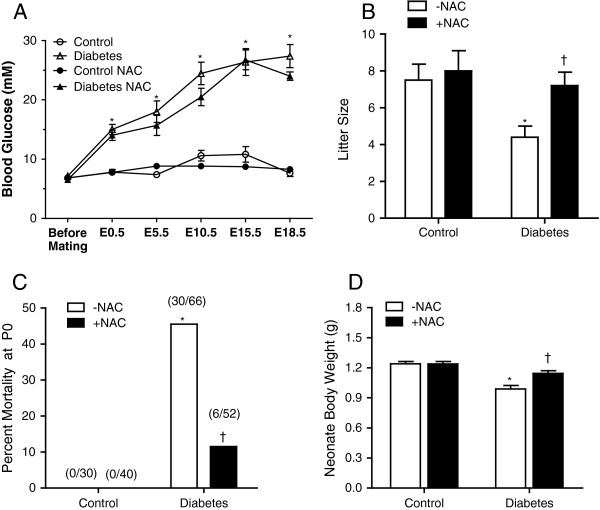
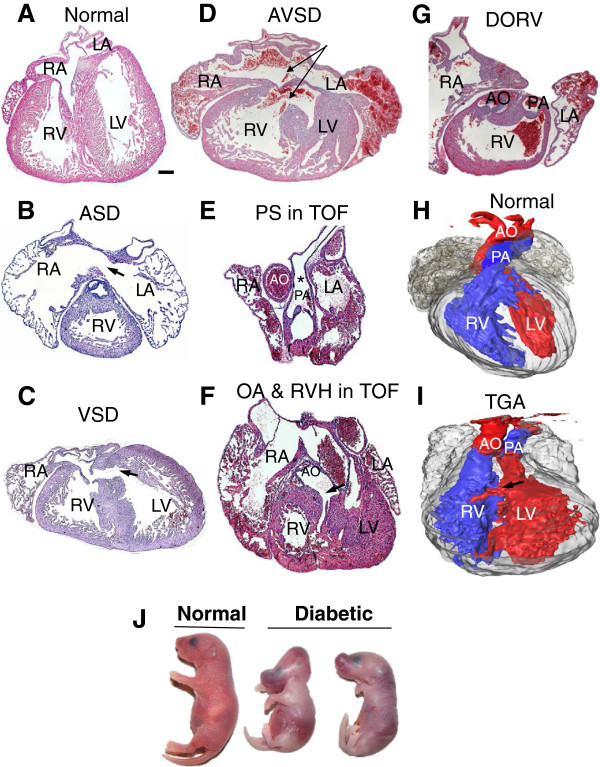
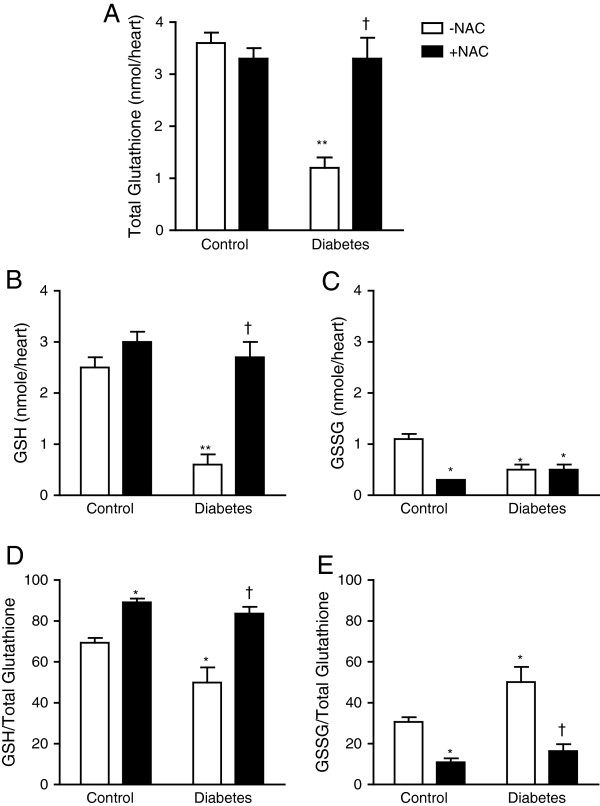
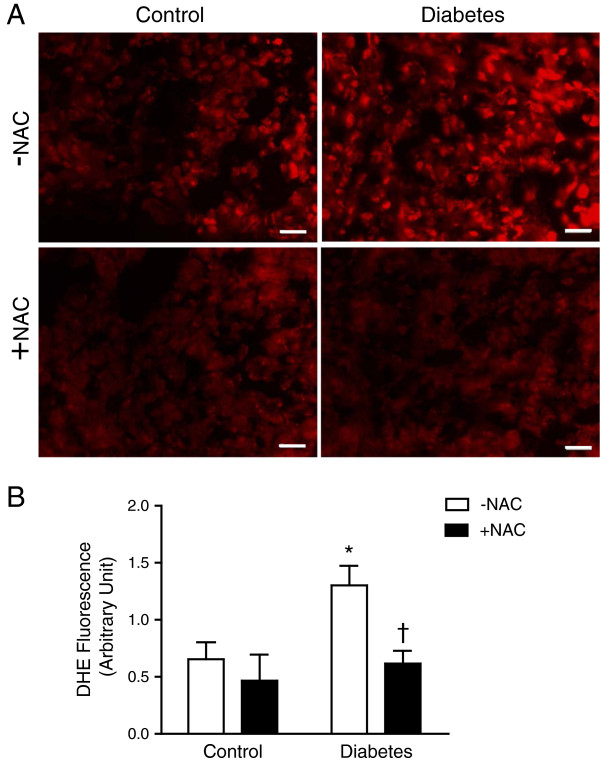
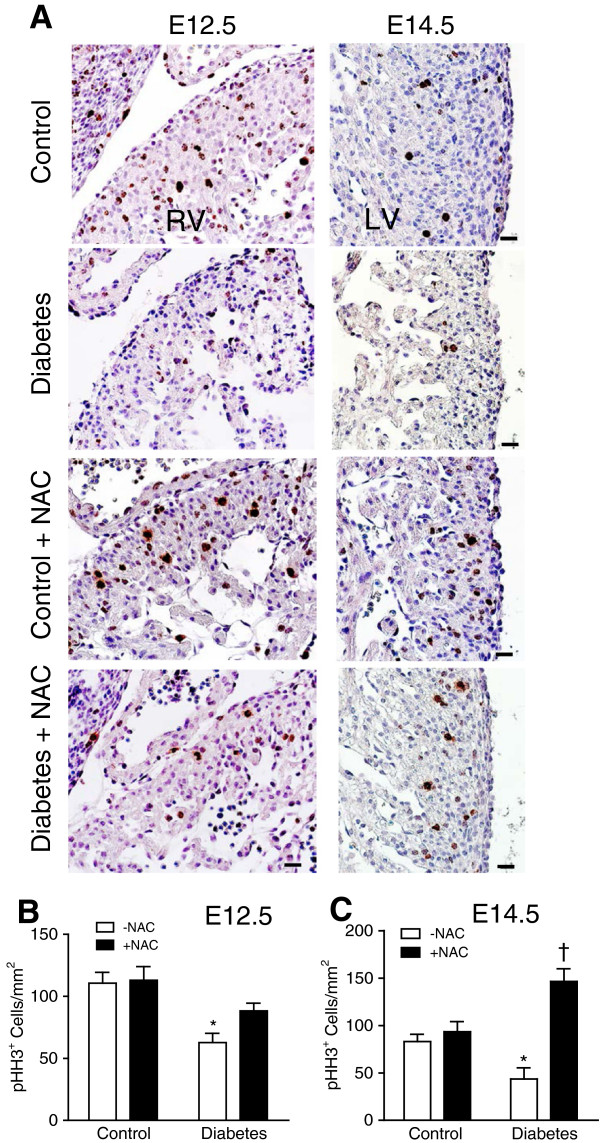
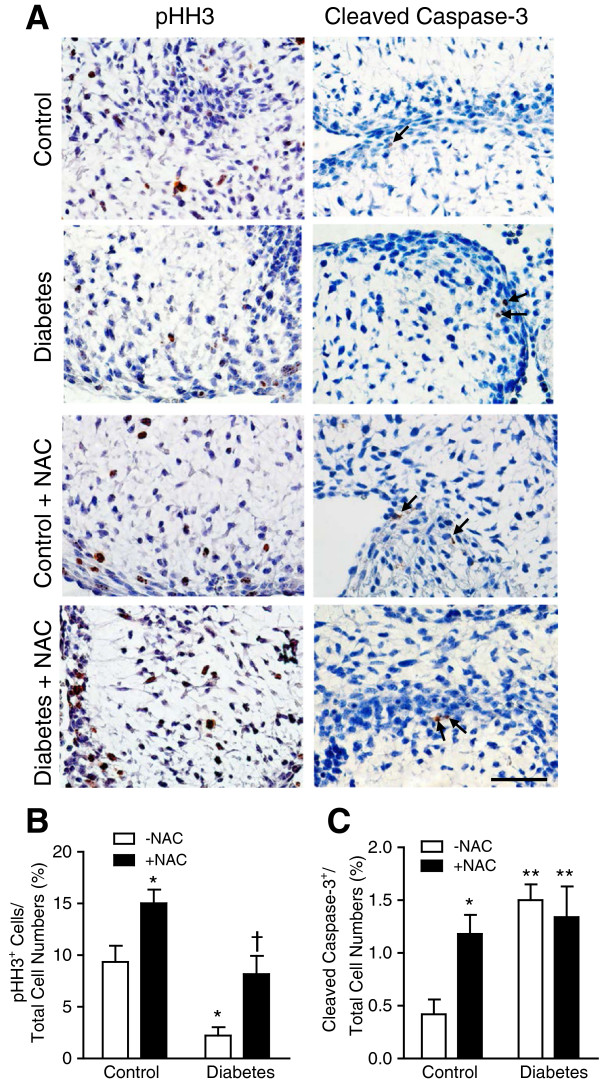
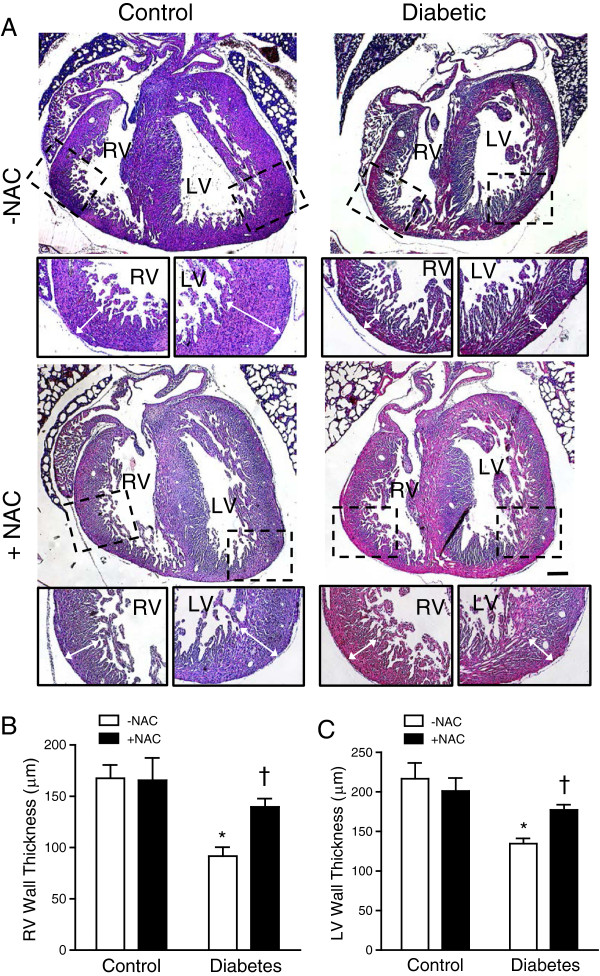
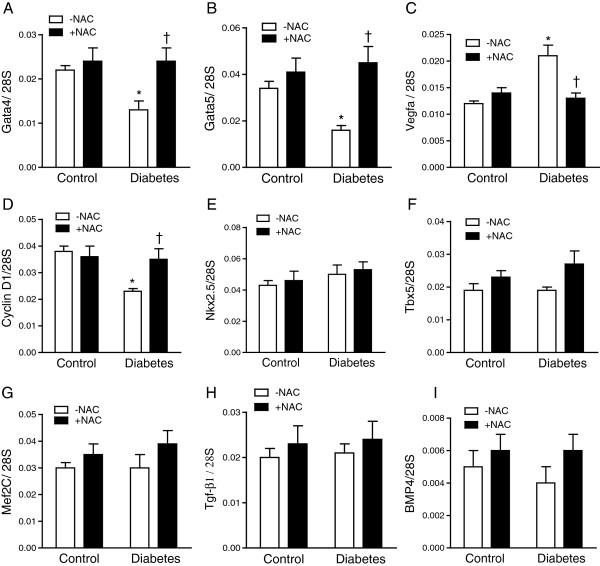
BACKGROUND: Pregestational diabetes is a major risk factor of congenital heart defects (CHDs). Glutathione is depleted and reactive oxygen species (ROS) production is elevated in diabetes. In the present study, we aimed to examine whether treatment with N-acetylcysteine (NAC), which increases glutathione synthesis and inhibits ROS production, prevents CHDs induced by pregestational diabetes. METHODS: Female mice were treated with streptozotocin (STZ) to induce pregestational diabetes prior to breeding with normal males to produce offspring. Some diabetic mice were treated with N-acetylcysteine (NAC) in drinking water from E0.5 to the end of gestation or harvesting of the embryos. CHDs were identified by histology. ROS levels, cell proliferation and gene expression in the fetal heart were analyzed. RESULTS: Our data show that pregestational diabetes resulted in CHDs in 58% of the offspring, including ventricular septal defect (VSD), atrial septal defect (ASD), atrioventricular septal defects (AVSD), transposition of great arteries (TGA), double outlet right ventricle (DORV) and tetralogy of Fallot (TOF). Treatment with NAC in drinking water in pregestational diabetic mice completely eliminated the incidence of AVSD, TGA, TOF and significantly diminished the incidence of ASD and VSD. Furthermore, pregestational diabetes increased ROS, impaired cell proliferation, and altered Gata4, Gata5 and Vegf-a expression in the fetal heart of diabetic offspring, which were all prevented by NAC treatment. CONCLUSIONS: Treatment with NAC increases GSH levels, decreases ROS levels in the fetal heart and prevents the development of CHDs in the offspring of pregestational diabetes. Our study suggests that NAC may have therapeutic potential in the prevention of CHDs induced by pregestational diabetes.
Overview
The claims and statistics of this paper haven’t been checked yet.
Free: it reads the open-access text and checks the first 5 claims that cite a source we can check. Create a free account to check every claim.
Integrity signals
Registry
Cites
Statistics
Figures
Verification
Claims the paper makes
The claims and statistics of this paper haven’t been checked yet.
Free: it reads the open-access text and checks the first 5 claims that cite a source we can check. Create a free account to check every claim.
Claims other papers make about this one
Each is checked against this paper’s own text: does it say what the citing paper says it does?
The source backs part of the claim, not all of it — or backs it for a different population, condition or comparison.
In the citing paper
“Taken together, our data suggest significant molecular and metabolic perturbations between NHOs and PGDHOs consistent with previous studies on PGD suggesting increased oxidative stress, cardiomyopathy, and altered lipid profiles48–50”
From Self-assembling human heart organoids for the modeling of cardiac development and congenital heart disease (2021) · cites this paper as [48]
Experimental — accuracy not yet measured
Self-check
Percentages, sums and reported differences re-computed from the paper’s own numbers.
The self-check needs the paper’s full text.
Citations
Cites
Regulation of glutathione synthesis
Lu, S. C. (2009) · Molecular Aspects of Medicine · doi:10.1016/j.mam.2008.05.005 · Cited by 2,116 · cited 2×
“Extensive evidence have shown the involvement of oxidative stress in diabetic embryopathy [38] and the importance of glutathione in regulating ROS levels and redox signaling [26].”
BackgroundMethodPatterson, C. C., Dahlquist, G. G., Gyürüs, E., Green, A., & Soltész, G. (2009) · The Lancet · doi:10.1016/s0140-6736(09)60568-7 · Cited by 1,854 · cited 1×
“With an increase in the number of young adults having diabetes mellitus [7,8], the incidence of pregestational diabetes and CHDs caused by maternal diabetes may further increase, with significant social and economic consequences.”
BackgroundGATA4 mutations cause human congenital heart defects and reveal an interaction with TBX5
Garg, V., Kathiriya, I. S., Barnes, R., Schluterman, M. K., King, I. N., Butler, C. A., Rothrock, C. R., Eapen, R. S., Hirayama-Yamada, K., Joo, K., et al. (2003) · Nature · doi:10.1038/nature01827 · Cited by 1,236 · cited 5×
“Scale bar is 50 μm. proliferation associated with altered expression levels of Gata4, Gata5 and Vegf-a.”
BackgroundInfluentialBooth, G., & Cheng, A. Y. Y. (2013) · Canadian Journal of Diabetes · doi:10.1016/j.jcjd.2013.01.010 · Cited by 1,220
The chemistry and biological activities of N-acetylcysteine
Samuni, Y., Goldstein, S., Dean, O. M., & Berk, M. (2013) · Biochimica et Biophysica Acta (BBA) - General Subjects · doi:10.1016/j.bbagen.2013.04.016 · Cited by 876 · cited 1×
“Additionally, NAC also reacts with hydroxyl radical (OH), nitrogen dioxide (NO2) and thiyl radicals to reduce oxidative stress [19].”
BackgroundPierpont, M. E., Basson, C. T., Benson, D. W., Gelb, B. D., Giglia, T. M., Goldmuntz, E., McGee, G., Sable, C. A., Srivastava, D., & Webb, C. L. (2007) · Circulation · doi:10.1161/circulationaha.106.183056 · Cited by 845 · cited 1×
“Introduction Congenital heart defects (CHDs) are the most common birth defects affecting up to 5% of live births in the general population [1].”
BackgroundJenkins, K. J., Correa, A., Feinstein, J. A., Botto, L., Britt, A. E., Daniels, S. R., Elixson, M., Warnes, C. A., & Webb, C. L. (2007) · Circulation · doi:10.1161/circulationaha.106.183216 · Cited by 818
Cheng, A. Y. Y. (2013) · Canadian Journal of Diabetes · doi:10.1016/j.jcjd.2013.01.009 · Cited by 728
Diabetes mellitus and birth defects
Correa, A., Gilboa, S. M., Besser, L. M., Botto, L. D., Moore, C. A., Hobbs, C. A., Cleves, M. A., Riehle-Colarusso, T. J., Waller, D. K., & Reece, E. A. (2008) · American Journal of Obstetrics and Gynecology · doi:10.1016/j.ajog.2008.06.028 · Cited by 680 · cited 1×
“Pregestational diabetes mellitus, either type 1 or type 2, increases the risk of CHDs in infants by 3–5 fold compared to non-diabetic pregnancies [2-6].”
BackgroundMacintosh, M. C. M., Fleming, K. M., Bailey, J. A., Doyle, P., Modder, J., Acolet, D., Golightly, S., & Miller, A. (2006) · BMJ · doi:10.1136/bmj.38856.692986.ae · Cited by 673
Research works printed but not linked: 1
- International Diabetes Federation (IDF) Diabetes in children: epidemiology Pediatr Diabetes 2007 8 Suppl. 8 10 18
Cited by
Lewis-Israeli, Y. R., Wasserman, A. H., Gabalski, M. A., Volmert, B. D., Ming, Y., Ball, K. A., Yang, W., Zou, J., Ni, G., Pajares, N., et al. (2021) · Nature Communications · doi:10.1038/s41467-021-25329-5 · Cited by 536
N-Acetylcysteine (NAC): Impacts on Human Health
Tenório, M. C. D. S., Graciliano, N. G., Moura, F. A., Oliveira, A. C. M. D., & Goulart, M. O. F. (2021) · Antioxidants · doi:10.3390/antiox10060967 · Cited by 526
Yu, Y., Arah, O. A., Liew, Z., Cnattingius, S., Olsen, J., Sørensen, H. T., Qin, G., & Li, J. (2019) · BMJ · doi:10.1136/bmj.l6398 · Cited by 305
Prepregnancy Diabetes and Offspring Risk of Congenital Heart Disease: A Nationwide Cohort Study
Øyen, N., Diaz, L. J., Leirgul, E., Boyd, H. A., Priest, J., Mathiesen, E. R., Quertermous, T., Wohlfahrt, J., & Melbye, M. (2016) · Circulation · doi:10.1161/circulationaha.115.017465 · Cited by 261
Ren, F., Ji, C., Huang, Y., Aniagu, S., Jiang, Y., & Chen, T. (2020) · Science of The Total Environment · doi:10.1016/j.scitotenv.2019.135097 · Cited by 149
Maternal hyperglycemia and fetal cardiac development: Clinical impact and underlying mechanisms
Basu, M., & Garg, V. (2018) · Birth Defects Research · doi:10.1002/bdr2.1435 · Cited by 133
Epigenetic mechanisms underlying maternal diabetes-associated risk of congenital heart disease
Basu, M., Zhu, J., LaHaye, S., Majumdar, U., Jiao, K., Han, Z., & Garg, V. (2017) · JCI Insight · doi:10.1172/jci.insight.95085 · Cited by 92
Prenatal Amino Acid Supplementation to Improve Fetal Growth: A Systematic Review and Meta-Analysis
Terstappen, F., Tol, A. J. C., Gremmels, H., Wever, K. E., Paauw, N. D., Joles, J. A., van der Beek, E. M., & Lely, A. T. (2020) · Nutrients · doi:10.3390/nu12092535 · Cited by 87
“We included four animal studies reporting on maternal blood glucose level in response to methyl donor supplementation [107,113,132,152] (Table A9).”
BackgroundInfluentialExposure to pyrimethanil induces developmental toxicity and cardiotoxicity in zebrafish
Meng, Y., Zhong, K., Xiao, J., Huang, Y., Wei, Y., Tang, L. H., Chen, S., Wu, J., Ma, J., Cao, Z., et al. (2020) · Chemosphere · doi:10.1016/j.chemosphere.2020.126889 · Cited by 80
Zhu, J., Liu, C., Wang, J., Liang, Y., Gong, X., You, L., Ji, C., Wang, S., Wang, C., & Chi, X. (2021) · Ecotoxicology and Environmental Safety · doi:10.1016/j.ecoenv.2021.112227 · Cited by 76
Development toxicity and cardiotoxicity in zebrafish from exposure to iprodione
Wei, Y., Meng, Y., Huang, Y., Liu, Z., Zhong, K., Ma, J., Zhang, W., Li, Y., & Lu, H. (2020) · Chemosphere · doi:10.1016/j.chemosphere.2020.127860 · Cited by 75
Morphogenesis and molecular considerations on congenital cardiac septal defects
Groot, A. C. G., Calkoen, E. E., Poelmann, R. E., Bartelings, M. M., & Jongbloed, M. R. M. (2014) · Annals of Medicine · doi:10.3109/07853890.2014.959557 · Cited by 78
Dludla, P. V., Dias, S. C., Obonye, N., Johnson, R., Louw, J., & Nkambule, B. B. (2018) · American Journal of Cardiovascular Drugs · doi:10.1007/s40256-018-0275-2 · Cited by 67
Wang, F., Fisher, S. A., Zhong, J., Wu, Y., & Yang, P. (2015) · Circulation Cardiovascular Genetics · doi:10.1161/circgenetics.115.001138 · Cited by 70
“strated that the antioxidant, N-acetylcysteine, suppresses diabetes mellitus–induced heart defects.(29) Our findings advance the oxida-”
BackgroundChen, Z., Gong, L., Zhang, P., Li, Y., Liu, B., Zhang, L., Zhuang, J., & Xiao, D. (2019) · International Journal of Biological Sciences · doi:10.7150/ijbs.33044 · Cited by 63
“To develop a GDM model, we treated the pregnant rats on gestational day 12 with STZ as previously described [24, 25, 35, 36].”
MethodDeng, J., Liu, A., Hou, G., Zhang, X., Ren, K., Chen, X.-Z., Li, S. S. ‐., Wu, Y., & Cao, X. (2019) · Journal of Experimental & Clinical Cancer Research · doi:10.1186/s13046-018-1016-8 · Cited by 65
Su, W., Zhang, Y., Zhang, Q., Xu, J., Zhan, L., Zhu, Q., Lian, Q., Liu, H., Xia, Z., Xia, Z., et al. (2016) · Cardiovascular Diabetology · doi:10.1186/s12933-016-0460-z · Cited by 60
“It has been shown that NAC could decrease ROS levels in the fetal hearts and prevent the development of congenital heart disease in the offspring of pregestational diabetes [43] and attenuate the development of cardiac fibrosis and remodeling in a mouse model of heart failure [44].”
BackgroundRéus, G. Z., dos Santos, M. A. B., Abelaira, H. M., Titus, S. E., Carlessi, A. S., Matias, B. I., Bruchchen, L., Florentino, D., Vieira, A. A. D. S., Petronilho, F. C., et al. (2015) · Diabetes/Metabolism Research and Reviews · doi:10.1002/dmrr.2732 · Cited by 58
The effect of pregestational diabetes on fetal heart function
Pauliks, L. B. (2014) · Expert Review of Cardiovascular Therapy · doi:10.1586/14779072.2015.988141 · Cited by 54
“In the mouse model, treatment with the antioxidant n-acetylcysteine mitigated that effect of increased oxidative stress because of maternal pregestational diabetes [5].”
BackgroundInfluentialSaiyin, T., Engineer, A., Greco, E. R., Kim, M. Y., Lu, X., Jones, D. L., & Feng, Q. (2019) · Journal of Cellular and Molecular Medicine · doi:10.1111/jcmm.14439 · Cited by 47
Self-citationThe status of diabetic embryopathy
Eriksson, U. J., & Wentzel, P. (2016) · Upsala Journal of Medical Sciences · doi:10.3109/03009734.2016.1165317 · Cited by 56
“Furthermore, adding SOD or NAC to the culture medium with isoprostane excess normalized almost all morphological and biochemical parameters, including the elevated tissue concentration of 8-epi-PGF2a, thereby illustrating the teratogenic potential of diabetes/glucose-induced oxidative stress (cf. Figure 2) (206).”
BackgroundInfluentialOvarian tissue damage after grafting: systematic review of strategies to improve follicle outcomes
Cacciottola, L., Donnez, J., & Dolmans, M. (2021) · Reproductive BioMedicine Online · doi:10.1016/j.rbmo.2021.06.019 · Cited by 48
Moazzen, H., Lu, X., Liu, M., & Feng, Q. (2014) · Diabetes · doi:10.2337/db14-0190 · Cited by 48
“The results are consistent with our recent findings that elevated ROS levels contribute to the abnormal development of congenital heart defects in the offspring of mice with pregestational diabetes, which is rescued by NAC treatment (20).”
BackgroundMethodResultInfluentialSelf-citationEngineer, A., Saiyin, T., Greco, E. R., & Feng, Q. (2019) · Antioxidants · doi:10.3390/antiox8100436 · Cited by 48
Self-citationGao, L., Zhao, Y., Liang, Y., Lin, X., Tan, Y., Wu, D., Li, X., Ye, B., Kong, F., Sheng, J., et al. (2016) · Journal of Pineal Research · doi:10.1111/jpi.12351 · Cited by 42
Kostina, A. S., Lewis‐Israeli, Y. R., Abdelhamid, M., Gabalski, M. A., Kiselev, A. M., Volmert, B. D., Lankerd, H., Huang, A., Wasserman, A. H., Lydic, T. A., et al. (2024) · Stem Cell Reports · doi:10.1016/j.stemcr.2024.01.003 · Cited by 38
Cardiac toxicity assessment of pendimethalin in zebrafish embryos
Meng, Y., Zhong, K., Chen, S., Huang, Y., Wei, Y., Wu, J., Liu, J., Xu, Z., Guo, J., Liu, F., et al. (2021) · Ecotoxicology and Environmental Safety · doi:10.1016/j.ecoenv.2021.112514 · Cited by 37
Fine particulate matter induces heart defects via AHR/ROS-mediated endoplasmic reticulum stress
Zhang, M., Chen, J., Jiang, Y., & Chen, T. (2022) · Chemosphere · doi:10.1016/j.chemosphere.2022.135962 · Cited by 38
Role of GAB1/PI3K/AKT signaling high glucose-induced cardiomyocyte apoptosis
Su, D., Zhou, Y., Hu, S., Guan, L., Shi, C., Wang, Q., Chen, Y., Lu, C., Li, Q., & Ma, X. (2017) · Biomedicine & Pharmacotherapy · doi:10.1016/j.biopha.2017.07.063 · Cited by 32
Shub, A., & Lappas, M. (2020) · Prenatal Diagnosis · doi:10.1002/pd.5718 · Cited by 37
“In mice, the occurrence of fetal malformations in diabetic pregnancy can be reduced by reducing oxidative stress (eg, the antioxidant N-Acetylcysteine) and increasing nitric oxide production (eg, the tetrahydrobiopterin Sapropterin which improves eNOS function).(24,25)”
BackgroundEngineer, A., Saiyin, T., Lu, X., Kucey, A. S., Urquhart, B. L., Drysdale, T. A., Norozi, K., & Feng, Q. (2018) · Journal of the American Heart Association · doi:10.1161/jaha.118.009624 · Cited by 32
“8%) in our previous study.(31) Additionally, tetrahydrobiopterin biosynthesis is important to neural tube development.”
BackgroundMethodResultSelf-citationMending a broken heart: In vitro, in vivo and in silico models of congenital heart disease
Rufaihah, A. J., Chen, C. K., Yap, C. H., & Mattar, C. N. Z. (2021) · Disease Models & Mechanisms · doi:10.1242/dmm.047522 · Cited by 33
“…through enhanced production of reactive oxygen or reactive nitrogen species, thereby causing endothelial stress (Kumar et al., 2007, 2008; Moazzen et al., 2014; Wentzel et al., 2008); (ii) transcriptional alterations of genes crucial for cardiac development, e.g. Vegfa , Bmp4 , sonic…”
BackgroundSu, D., Song, J.-X., Gao, Q., Guan, L., Li, Q., Shi, C., & Ma, X. (2016) · Biochemical and Biophysical Research Communications · doi:10.1016/j.bbrc.2016.09.101 · Cited by 30
Maternal Pre-Existing Diabetes: A Non-Inherited Risk Factor for Congenital Cardiopathies
Ibrahim, S., Gaborit, B., Lenoir, M., Collod‐Béroud, G., & Stefanovic, S. (2023) · International Journal of Molecular Sciences · doi:10.3390/ijms242216258 · Cited by 33
PM2.5 induces cardiac malformations via PI3K/akt2/mTORC1 signaling pathway in zebrafish larvae
Jiang, Y., Zhao, X., Chen, J., Aniagu, S. O., & Chen, T. (2023) · Environmental Pollution · doi:10.1016/j.envpol.2023.121306 · Cited by 26
The role of glucose in physiological and pathological heart formation
Nakano, H., Fajardo, V. M., & Nakano, A. (2021) · Developmental Biology · doi:10.1016/j.ydbio.2021.01.020 · Cited by 27
hace1 Influences zebrafish cardiac development via ROS‐dependent mechanisms
Razaghi, B., Steele, S. L., Prykhozhij, S. V., Stoyek, M. R., Hill, J. A., Cooper, M. D., McDonald, L. A., Lin, W. H., Daugaard, M., Crapoulet, N., et al. (2017) · Developmental Dynamics · doi:10.1002/dvdy.24600 · Cited by 44
“, 2001) and that CHDs can develop due to increased oxidative stress and/or limited redox capacity (Moazzen et al., 2014).”
BackgroundInfluentialSu, D., Guan, L., Gao, Q., Li, Q., Shi, C., Liu, Y., Sun, L., Lu, C., Ma, X., & Zhao, J. (2017) · Biochimica et Biophysica Acta (BBA) - Molecular Basis of Disease · doi:10.1016/j.bbadis.2017.01.021 · Cited by 23
He, R., Hornberger, L. K., Kaur, A., Crawford, S., Boehme, C., McBrien, A., & Eckersley, L. (2023) · Ultrasound in Obstetrics and Gynecology · doi:10.1002/uog.27456 · Cited by 23
“As glycemic control in GDM is usually abnormal only after cardiac development is largely complete by embryonic week 7–8, this is consistent with causal principles 23,24 .”
Xiang, F.-L., Yin, L., Lu, X., Jones, D. L., & Feng, Q. (2014) · Circulation Heart Failure · doi:10.1161/circheartfailure.114.001423 · Cited by 22
“Color was developed using an ABC kit (Vector Laboratory, Burlingame, CA).(26) Nuclei were counterstained with hematoxylin.”
MethodSelf-citationLewis‐Israeli, Y. R., Abdelhamid, M., Olomu, I. N., & Aguirre, A. (2022) · Current Protocols · doi:10.1002/cpz1.461 · Cited by 21
“These studies have also alluded to the involvement of increased oxidative stress during development (Engineer et al., 2018; Kumar et al., 2012; Moazzen et al., 2014).”
BackgroundMaternal nicotine exposure induces congenital heart defects in the offspring of mice
Greco, E. R., Engineer, A., Saiyin, T., Lu, X., Zhang, M., Jones, D. L., & Feng, Q. (2022) · Journal of Cellular and Molecular Medicine · doi:10.1111/jcmm.17328 · Cited by 21
“25,26 To our knowledge, there is no report on the direct effects of MNE on the pathogenesis of CHDs.”
BackgroundSelf-citationZhang, J., Cao, L., Tan, Y., Zheng, Y., & Gui, Y. (2020) · Biomedicine & Pharmacotherapy · doi:10.1016/j.biopha.2020.110989 · Cited by 21
Elevated MST1 leads to apoptosis via depletion of YAP1 in cardiomyocytes exposed to high glucose
Su, D., Li, Y., Guan, L., Li, Q., Shi, C., Ma, X., & Song, Y. (2021) · Molecular Medicine · doi:10.1186/s10020-021-00267-6 · Cited by 19
Nishino, T., Ranade, S. S., Pelonero, A., van Soldt, B. J., Ye, L., Alexanian, M., Koback, F. L., Huang, Y., Wallace, L. G., Sadagopan, N., et al. (2023) · Nature Cardiovascular Research · doi:10.1038/s44161-023-00367-y · Cited by 23
“Neural tube defects and craniofacial defects were also observed in the STZ-induced PGDM model, as previously reported, mimicking the human condition 11–13 .”
Research Progress of Maternal Metabolism on Cardiac Development and Function in Offspring
Ren, Z., Luo, S., Cui, J., Tang, Y., Huang, H., & Ding, G. (2023) · Nutrients · doi:10.3390/nu15153388 · Cited by 20
“5, when the four-chamber structure is normally formed, offspring of diabetic mothers displayed VSD, persistent truncus arteriosus (PTA), outflow tract defects, and disarranged myocardium, indicating congenital defects or delayed cardiac formation [46,55].”
BackgroundResultInfluentialChen, T., Bai, D., Gong, C., Cao, Y. J., Yan, X., & Peng, R. (2024) · Biochemical Pharmacology · doi:10.1016/j.bcp.2024.116556 · Cited by 19
Zhang, L., Wang, X., Wu, Y., Lu, X., Chidiac, P., Wang, G., & Feng, Q. (2018) · Journal of Cellular and Molecular Medicine · doi:10.1111/jcmm.13500 · Cited by 17
“We recently showed that VEGF mRNA levels are increased in the foetal hearts in the presence of maternal diabetes [21].”
InfluentialSelf-citationNOX2 Is Critical to Endocardial to Mesenchymal Transition and Heart Development
Moazzen, H., Wu, Y., Engineer, A., Lu, X., Aulakh, S., & Feng, Q. (2020) · Oxidative Medicine and Cellular Longevity · doi:10.1155/2020/1679045 · Cited by 17
Self-citationCongenital Abnormalities in the Infant of a Mother with Diabetes
Kokhanov, A. (2022) · NeoReviews · doi:10.1542/neo.23-5-e319 · Cited by 20
N-acetylcysteine negatively regulates Notch3 and its malignant signaling
Zhang, X., Wang, Y., Zhu, J., Liu, X., You, H., Gong, M.-Y., Zou, M., Cheng, W., & Zhu, J. (2016) · Oncotarget · doi:10.18632/oncotarget.8806 · Cited by 16
“Such doses (5-10 mM) are attainable in vivo, as similar concentrations of NAC have been intravenously administered in animals [40-42].”
BackgroundSu, D., Gao, Q., Guan, L., Sun, P. G., Li, Q., Shi, C., & Ma, X. (2020) · Journal of Biochemical and Molecular Toxicology · doi:10.1002/jbt.22629 · Cited by 15
The Incidence of Congenital Heart Defects in Offspring Among Women With Diabetes in Saudi Arabia
Alyousif, S. M., Aldokhel, F. T., Alkhanbashi, O. K., Alqahtani, M. H. A., Aladawi, A. M. M., Ashmawi, A. A., Alqunaibet, A., & Masuadi, E. (2021) · Cureus · doi:10.7759/cureus.14225 · Cited by 15
“Several studies have shown a strong correlation between diabetes in mothers and CHD in infants [4-10].”
BackgroundTGFβ and Wnt in Cardiac Outflow Tract Defects in Offspring of Diabetic Pregnancies
Zhao, Z. (2014) · Birth Defects Research Part B Developmental and Reproductive Toxicology · doi:10.1002/bdrb.21120 · Cited by 16
“Many of the defects have been recapitulated in diabetic animal models (Moazzen et al., 2014; Molin et al., 2004; Morgan et al., 2008b; Roest et al., 2009; Siman et al., 2000), including persistent truncus arteriosus, great artery stenosis in the present study, allowing investigations into the underlying mechanisms.”
BackgroundEffect of maternal pregestational diabetes mellitus on congenital heart diseases
Chen, Z., Mao, S., Guo, L., Qin, J., Yang, L., & Liu, Y. (2022) · World Journal of Pediatrics · doi:10.1007/s12519-022-00582-w · Cited by 16
“reported a prevalence of 58% in CHDs, including VSD, ASD, TGA, DORV, and TOF, in the offspring of mice mothers with PDM [46].”
BackgroundYe, F., Lu, X., van Neck, R., Jones, D. L., & Feng, Q. (2022) · Life Sciences · doi:10.1016/j.lfs.2022.121308 · Cited by 13
“Our recent studies have shown that pregestational diabetes induces a wide spectrum of CHDs including atrial septal defects, ventricular septal defects, atrioventricular canal defects, double outlet right ventricle, transposition of great arteries and tetralogy of Fallot [9,27,28].”
BackgroundSelf-citationYan, C., Sun, J. Y., Yu, G., Liu, J.-H.-Z., Huang, R.-P., Han, S., Zhang, Q., Li, X., Yan, J.-G., Kurihara, H., et al. (2022) · Oxidative Medicine and Cellular Longevity · doi:10.1155/2022/4932304 · Cited by 14
“N-Acetylcysteine (NAC), a precursor of cysteine which facilitates GSH supplementation, has been shown to prevent congenital heart defects induced by pregestational diabetes in mice [34].”
Using Immunofluorescence to Detect PM2.5-induced DNA Damage in Zebrafish Embryo Hearts
Huang, Y., Tao, Y., Cai, C., Chen, J., Ji, C., Aniagu, S. O., Jiang, Y., & Chen, T. (2021) · Journal of Visualized Experiments · doi:10.3791/62021 · Cited by 24
Genetic and Environmental Contributors To Congenital Heart Disease
Choudhury, T. Z., Gilbert, B. L., & Garg, V. (2025) · Current Treatment Options in Cardiovascular Medicine · doi:10.1007/s11936-025-01091-5 · Cited by 17
“For instance, pharmacologic supplementation of an antioxidant, N-acetyl cysteine, has been shown to significantly reduce incidence of CHD in diabetic mice in one study but showed no discernable effects in another [66, 73 ].”
Myocardium-Specific Deletion of Rac1 Causes Ventricular Noncompaction and Outflow Tract Defects
Leung, C., Engineer, A., Kim, M. Y., Lu, X., & Feng, Q. (2021) · Journal of Cardiovascular Development and Disease · doi:10.3390/jcdd8030029 · Cited by 12
Self-citationLemaître, M., Bourdon, G., Bruandet, A., Lenne, X., Subtil, D., Rakza, T., & Vambergue, A. (2023) · Diabetes & Metabolism · doi:10.1016/j.diabet.2023.101446 · Cited by 16
Impact of maternal hyperglycemia on cardiac development: Insights from animal models
Choudhury, T. Z., Majumdar, U., Basu, M., & Garg, V. (2021) · genesis · doi:10.1002/dvg.23449 · Cited by 13
Fine particulate matter‑induced cardiac developmental toxicity (Review)
Meng, X., Du, W., & Sun, Z. (2024) · Experimental and Therapeutic Medicine · doi:10.3892/etm.2024.12756 · Cited by 11
“The embryonic development of both humans and zebrafish is abnormally sensitive to OS induced by ROS, and excessive ROS production is considered one of the factors contributing to CHD (53,54).”
InfluentialZhang, L., Lu, X., Gui, L., Wu, Y., Sims, S. M., Wang, G., & Feng, Q. (2016) · Journal of Cellular and Molecular Medicine · doi:10.1111/jcmm.12840 · Cited by 11
“Single cell Ca2+ imaging of SOICR Ventricular cardiomyocytes isolated from Rac1f/f and Rac1ckd mice were loaded with 1 lM Fura-2AM (Invitrogen, Waltham, MA, USA) for 30 min. at room temperature.”
MethodInfluentialSelf-citationZhong, J., Wang, S., Shen, W., Kaushal, S., & Yang, P. (2017) · Pediatric Research · doi:10.1038/pr.2017.259 · Cited by 13
“In addition, animal studies have indicated that N-acetylcysteine alleviates CHD induced by pregestational diabetes (41); however, the safety and feasibility of N-acetylcysteine need to be investigated by more clinical trials.”
BackgroundTurhan, U., Yılmaz, E., Gül, M., Melekoğlu, R., Türköz, Y., Özyalın, F., Parlakpınar, H., & Şimşek, Y. (2018) · Acta Cirúrgica Brasileira · doi:10.1590/s0102-865020180040000002 · Cited by 10
Alam, M. J., Uppulapu, S. K., Tiwari, V., Varghese, B., Mohammed, S. A., Adela, R., Arava, S. K., & Banerjee, S. K. (2022) · Frontiers in Cardiovascular Medicine · doi:10.3389/fcvm.2022.919293 · Cited by 11
Oxidative stress in pediatric diseases associated with the origin of life and growth and development
Zheng, B., & Fu, J. (2025) · Frontiers in Cell and Developmental Biology · doi:10.3389/fcell.2025.1550765 · Cited by 9
Choudhury, T. Z., Greskovich, S., Girard, H. B., Rao, A. S., Budhathoki, Y., Cameron, E. M., Conroy, S., Li, D., Zhao, M., & Garg, V. (2024) · JCI Insight · doi:10.1172/jci.insight.183516 · Cited by 9
“Overall, these results indicate that GxE between Notch1 haploinsufficiency and maternal diabetes impairs AV cushion morphogenesis potentially via disruption of ECM organization.”
Luo, Q., Ai, L., Tang, S., Zhang, H., Ma, J., Xiao, X., Zhong, K., Tian, G., Cheng, B., Xiong, C., et al. (2023) · Aquatic Toxicology · doi:10.1016/j.aquatox.2023.106572 · Cited by 8
Fang, F., Zhu, Y., Xu, W., Zhang, Y., & Cheng, J. (2024) · Environmental Research · doi:10.1016/j.envres.2024.119916 · Cited by 8
The impact of progressive chronic kidney disease on hepatic drug metabolism
Hartjes, E. D., Lim, Y. J., Velenosi, T. J., Al, K. F., Macklaim, J. M., Kucey, A. S., Reid, G., Burton, J. P., Gloor, G. B., & Urquhart, B. L. (2025) · Drug Metabolism and Disposition · doi:10.1016/j.dmd.2025.100085 · Cited by 8
“Cyp2c11 is less dependent on hepatocyte nuclear factor 4 a induction, and CKD-induced receptor binding inhibition is less extensive for Cyp2c11 than it is Cyp3a2 (Moazzen et al, 2014; Feere et al, 2015).”
Self-citationReevaluation of Antioxidative Strategies for Birth Defect Prevention in Diabetic Pregnancies
Zhao, Z. (2016) · Journal of Biomolecular Research & Therapeutics · doi:10.4172/2167-7956.1000145 · Cited by 9
“In diabetic pregnant rats, treatment with NAC decreases neural tube and heart defects in the embryos [32,33].”
BackgroundBhattacharya, R., Saini, S., Ghosh, S., Roy, P., Ali, N., Parvez, M. K., Al-Dosari, M. S., Mishra, A. K., & Singh, L. R. (2023) · Scientific Reports · doi:10.1038/s41598-023-40291-6 · Cited by 7
Cardarelli, S., Biglietto, M., Orsini, T., Fustaino, V., Monaco, L., do Rêgo, A. G. D. O., Liccardo, F., Masciarelli, S., Fazi, F., Naro, F., et al. (2024) · Cell Death and Disease · doi:10.1038/s41419-024-06549-1 · Cited by 7
“A histological atlas of mouse development [56] was used for guidance to accurately identify, demarcate, and segment each embryo ( n = at least 3) in a speci fi c volume of interest (VOI) for automated volume measurements [56, 57].”
Mechanisms of Impaired Lung Development and Ciliation in Mannosidase-1-Alpha-2 (Man1a2) Mutants
Ningappa, M., Adenuga, M., Ngo, K. A., Mohamed, N., Narayanan, T., Prasadan, K. L., Ashokkumar, C., Das, J., Schmitt, L. A., Hartman, H., et al. (2021) · Frontiers in Physiology · doi:10.3389/fphys.2021.658518 · Cited by 7
Luo, L., Huang, P., Wang, T., Zhao, L., Ye, Z., Zhang, S., Chen, L., Diao, J., Li, J., Li, Y., et al. (2020) · PubMed Central · doi:10.7499/j.issn.1008-8830.2004011 · Cited by 5
“·1093· 先天性心脏病(congenital heart disease, CHD) 是最常见的出生缺陷,全球范围内 CHD 的发病率 为 9‰ ([1])。CHD 病因复杂,目前认为是环境和遗传 因素共同作用的结果。多项前瞻性队列研究表明, 母亲患糖尿病,包括孕前糖尿病和妊娠期糖尿病, 是 CHD 发病的重要环境因素,且几乎与所有 CHD 亚型相关 ([2-5])。研究发现高氧化应激水平是糖尿病 发生的重要原因 ([6])。动物实验发现孕前糖尿病鼠胎 心脏内也存在高氧化应激水平 ([7]),且发现给予孕前 糖尿病小鼠抗氧化剂以降低氧化应激水平,其胎 鼠 CHD 的发生率显著减低 ([8]),这提示孕前糖尿病 时高氧化应激水平…”
InfluentialSapropterin reduces coronary artery malformation in offspring of pregestational diabetes mice
Engineer, A., Lim, Y. J., Lu, X., Kim, M. Y., Norozi, K., & Feng, Q. (2019) · Nitric Oxide · doi:10.1016/j.niox.2019.10.002 · Cited by 6
Self-citationAleksandrova, A., Filla, M. B., Kosa, E., Little, C. D., Petersen, A., & Rongish, B. J. (2018) · The Anatomical Record · doi:10.1002/ar.23948 · Cited by 5
Maternal diabetes increases FOXO1 activation during embryonic cardiac development
Sato, H., Leonardi, M. L., Roberti, S. L., Jawerbaum, A., & Higa, R. (2023) · Molecular and Cellular Endocrinology · doi:10.1016/j.mce.2023.111999 · Cited by 6
Early Methylglyoxal Exposure Leads to Worsened Cardiovascular Function in Young Rats
Ferreira-Junior, M. D., Cavalcante, K. V. N., da Costa, J. M., de Bessa, A. D. S. M., Amaro, A., Castro, C. H., Xavier, C. H., Silva, S., Fonseca, D. A., Matafome, P. N., et al. (2024) · Nutrients · doi:10.3390/nu16132029 · Cited by 4
“In addition, we propose the evaluation of the increased MG detoxification through the injections of MG scavengers or GLO-1 activators in the mother or directly in their offspring [38,40–42].”
BackgroundA fetal rat model of ventricular noncompaction caused by intrauterine hyperglycemia
Wang, F., Han, S., Fang, L., & Lin, X. (2023) · Cardiovascular Pathology · doi:10.1016/j.carpath.2023.107601 · Cited by 4
Wang, J., Wang, F., & Gui, Y.-H. (2017) · PubMed · doi:10.7499/j.issn.1008-8830.2017.12.014 · Cited by 4
Two contradictory facades of N-acetylcysteine activity towards renal carcinoma cells
Yu, Z., Yu, K., Wu, S., Zhao, Q., Guo, Y., Liu, H., & Huang, X. D. (2022) · Journal of Taibah University for Science · doi:10.1080/16583655.2022.2070365 · Cited by 5
Ali, M., Vidavalur, R., & Hussain, N. (2026) · Children · doi:10.3390/children13020192 · Cited by 3
“Experimental studies suggest that hyperglycemia during early embryogenesis can alter gene expression in critical cellular pathways [26–30], while the oxidative stress associated with a hyperglycemic intrauterine environment further elevates the risk of anomalies in the developing fetus [31,32].”
Melekoğlu, R., Erenler, A. Ş., Kıran, T. R., İnceoğlu, F., & Uçkun, A. A. (2025) · International Journal of Gynecology & Obstetrics · doi:10.1002/ijgo.70591 · Cited by 3
“18,19 Furthermore, ele - vated levels of oxidative stress markers are found in umbilical cord blood of infants born to diabetic mothers, reflecting the oxida - tive imbalance of the intrauterine environment.”
Progress in Development of Interventions to Prevent Birth Defects in Diabetic Pregnancies
Han, L., Jiang, Z., Zheng, X., Qiu, J., Hu, Y., & Li, X. (2019) · Chemical and Pharmaceutical Bulletin · doi:10.1248/cpb.c18-01013 · Cited by 3
Cardiovascular malformations in infants of diabetic mothers: a retrospective study
Shankar, P., Marol, J. S., Lysander, S. D., & Manohar, A. (2019) · International Journal of Contemporary Pediatrics · doi:10.18203/2349-3291.ijcp20193712 · Cited by 3
“International Journal of Contemporary Pediatrics | September-October 2019 | Vol 6 | Issue 5 Page 1999 Experimental studies suggest that hyperglycemia during early embryogenesis may alter gene expression in key cellular components of the developing heart, in particular, the embryonic heart’s outflow sections; however,…”
BackgroundYe, J., Zhang, J., Guo, Q., Dong, X., Li, J., Wang, J., Li, S., Shen, Y., Lin, K., Yang, Z., et al. (2024) · International Heart Journal · doi:10.1536/ihj.24-068 · Cited by 2
Shati, A. A., Mahmood, S. E., Alqahtani, Y. A., Al‐Qahtani, S. M., Bushari, T. M., & Parvez, A. (2024) · Cardiology in the Young · doi:10.1017/s1047951124036394 · Cited by 2
Luben, T. J., Roell, K. R., Harrington, C. E., Stingone, J. A., Ward-Caviness, C. K., Desrosiers, T. A., Fry, R. C., & Olshan, A. F. (2025) · Birth Defects Research · doi:10.1002/bdr2.2473 · Cited by 2
“This is hypothesized to occur through the reduction of reactive oxygen species (ROS) and associated oxidative stress (Moazzen et al. 2014).”
Influentialde Carvalho, L. K. H., de Araujo, A. V. P., da Silva, M. G. L., Laiso, R. A. N., & Maria, D. A. (2014) · Stem Cell Discovery · doi:10.4236/scd.2014.44013 · Cited by 1
Noninherited Risk Factors of Congenital Heart Defects in Offspring: A Revi
Mamun, M. A. A., Hussain, M., Hasan, M. N. A., & Rima, R. (2017) · Bangladesh Journal of Child Health · doi:10.3329/bjch.v41i1.33635 · Cited by 1
Investigation of phenylpropanoid sucrose esters as antidiabetic compounds
Wong, K. P. W. (2020) · DR-NTU (Nanyang Technological University) · doi:10.32657/10356/137379 · Cited by 1
The Role and Regulation of Vascular Endothelial Growth Factor in Heart Development
Jones, A. E. (2014) · Scholars' Bank (University of Oregon)
Therapeutic Phytochemicals for Prevention of Birth Defects in Diabetic Pregnancies
Zhao, Z., & Tan, C. (2019) · Insights in Biomedicine · doi:10.36648/2572-5610.4.1.58
Structural Heart Disease: Embryology
Groot, A. C. G., Jongbloed, M. R. M., Poelmann, R. E., & Bartelings, M. M. (2019) · Cambridge University Press eBooks · doi:10.1017/9781108564434.013
Robinson, G. I., Gerasymchuk, M., Dubiel, J., Miller, J. G. P., Groves, A., & Haselhorst, L. (2022) · The Journal of Physiology · doi:10.1113/jp283341
“Studies have shown that uncontrolled pregestational diabetes can induce severe congenital heart defects, while supplementation with antioxidants during pregnancy can inhibit diabetic embryopathy (Moazzen et al., 2014).”
BackgroundGogne, A. (2025) · Springer eBooks · doi:10.1007/978-3-031-86588-6_11
Su, D., Li, Y., Guan, L., Li, Q., Shi, C., Ma, X., & Song, Y. (2021) · Figshare · doi:10.6084/m9.figshare.13888989
Metadata
- Authors
- Moazzen, H., Lu, X., Ma, N. L., Velenosi, T. J., Urquhart, B. L., Wisse, L. J., Gittenberger-de Groot, A. C., & Feng, Q.
- Affiliations
- Western University (CA)
- Leiden University Medical Center (NL)
- Corresponding author
- Feng, Qingping
- Venue
- Cardiovascular Diabetology
- Published
- 2014-02-18
- Volume
- 13
- Issue
- 1
- Pages
- 46-46
- ISSN
- 1475-2840 (ISSN-L)
- PMC
- PMC3942143
- OpenAlex
- W2149812883
- Cited by
- 111
- References
- 56
- Citations by year
- 2026: 2 · 2025: 8 · 2024: 8 · 2023: 12 · 2022: 11 · 2021: 19 · 2020: 9 · 2019: 12 · 2018: 6 · 2017: 7 · 2016: 8 · 2015: 2 · 2014: 7
- FWCI
- 3.28
- Type
- journal article
- Language
- en
- Open access
- gold
- doi.org
- Licence
- cc-by
- Locations
- Cardiovascular Diabetology (publishedVersion, cc-by)
- Europe PMC (PubMed Central) (publishedVersion, cc-by)
- PubMed Central (publishedVersion, cc-by)
- PubMed (publishedVersion)
- Data Archiving and Networked Services (DANS) (submittedVersion)
- Leiden Repository (Leiden University) (submittedVersion)
- Scholarship@Western (Western University) (submittedVersion)
- Funders
- Heart and Stroke Foundation of Canada
- Canadian Institutes of Health Research
- Topics
- Life Sciences › Biochemistry, Genetics and Molecular Biology › Molecular Biology › Congenital heart defects research
- Health Sciences › Medicine › Obstetrics and Gynecology › Gestational Diabetes Research and Management
- Health Sciences › Medicine › Cardiology and Cardiovascular Medicine › Congenital Heart Disease Studies
- Keywords
- N-acetylcysteine, congenital heart disease, pregestational diabetes, streptozotocin-induced diabetes, reactive oxygen species, glutathione, fetal heart development, GATA4, GATA5, VEGF-A, ventricular septal defect, atrial septal defect, transposition of the great arteries, tetralogy of Fallot, atrioventricular septal defect, double outlet right ventricle, cell proliferation
- MeSH terms
- Acetylcysteine, Animals, Blood Glucose, Cardiotonic Agents, Diabetes Mellitus, Experimental, Female, Heart Defects, Congenital, Male, Mice, Inbred C57BL, Pregnancy, Pregnancy in Diabetics, Mice
About these checks
Registry, retraction, Cites and statistics results are computed, not judged, with one exception: a printed reference that no index lists is read once by a model before it counts as a citation error. Claims are extracted by a model and kept only when their quote appears verbatim in the text; each cited source is then checked, with a model’s help, for whether it says what the claim relies on. Those verdicts can be wrong — read the claim’s quote and the cited source before relying on one.
Statistics and arithmetic are recomputed, not judged.
Confidence bands are shown only for fields calibrated on our annotated test set. None is calibrated yet, so no band is shown.
What counts as a claim ›How we measure confidence ›How we check this ›
Are you an author, or do you see a problem with this page? Request a review
Data sources
Bibliographic data: Semantic Scholar, OpenAlex, Crossref.
Contains information from the Semantic Scholar Academic Graph Datasets, made available under the ODC Attribution License (ODC-BY 1.0).
Semantic Scholar’s data is described in: Kinney, R., et al. (2023). The Semantic Scholar Open Data Platform. arXiv:2301.10140.
