

Improving lactose digestion and symptoms of lactose intolerance with a novel galacto-oligosaccharide (RP-G28): a randomized, double-blind clinical trial
Open accessThe DOI matches its Crossref record; 21 of the 21 references it cites were found in a registry or an index.
Abstract
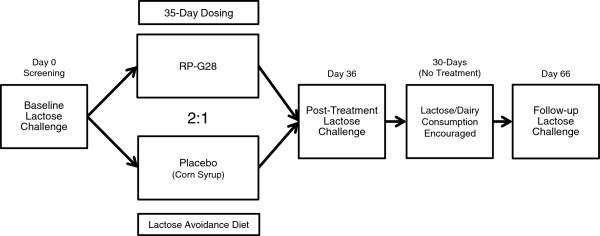
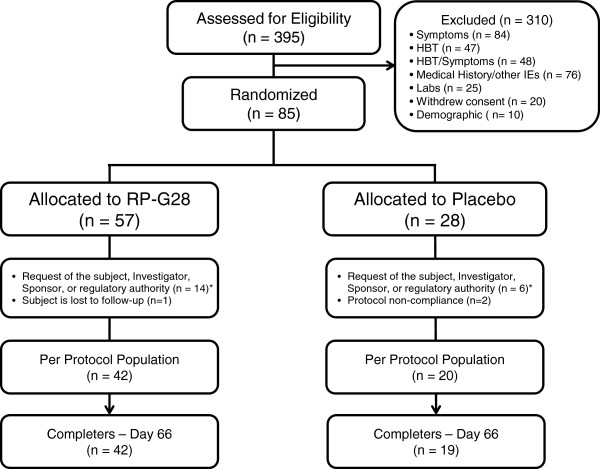
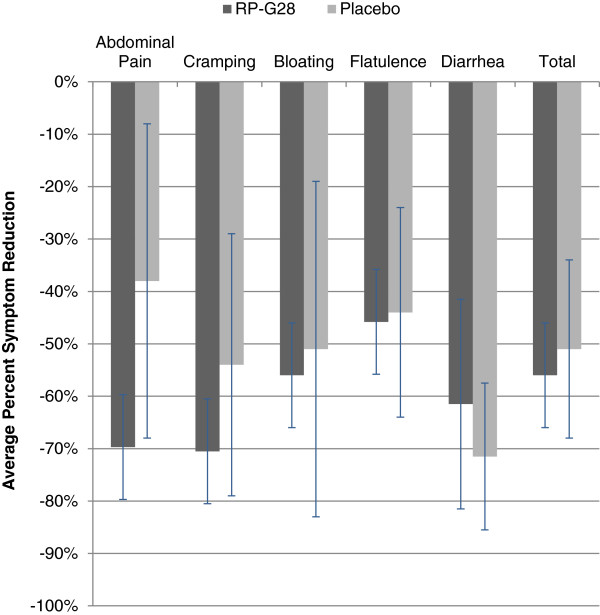
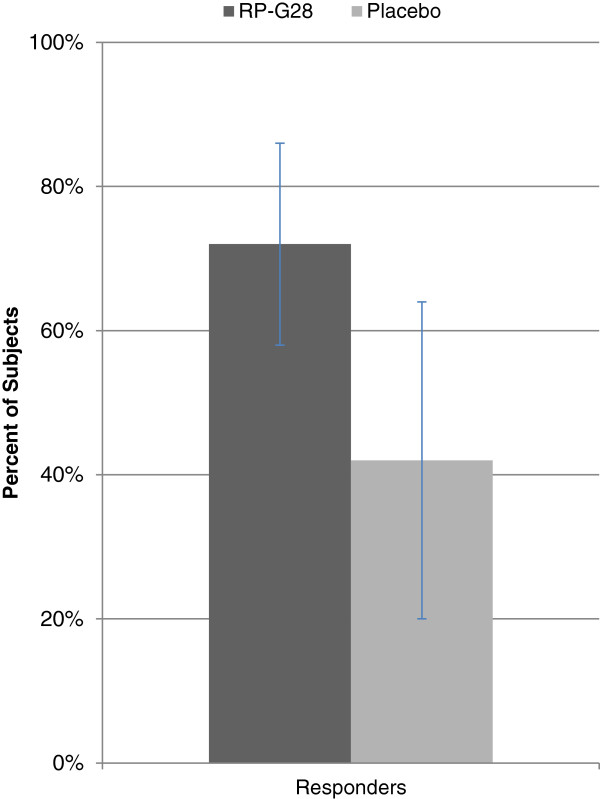
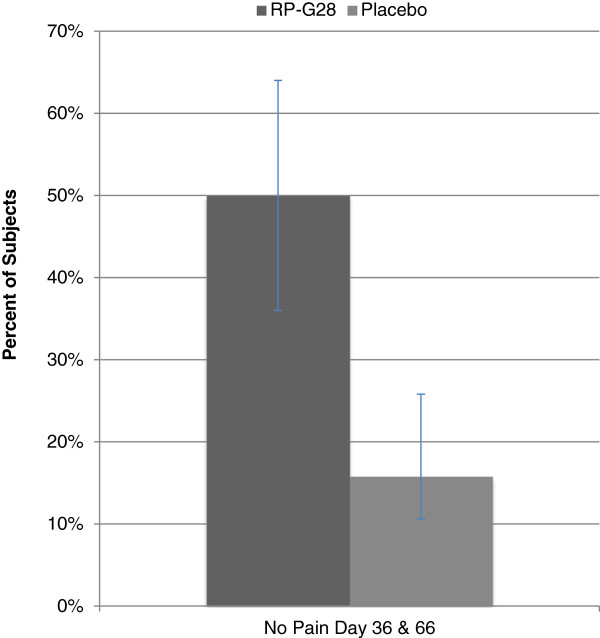
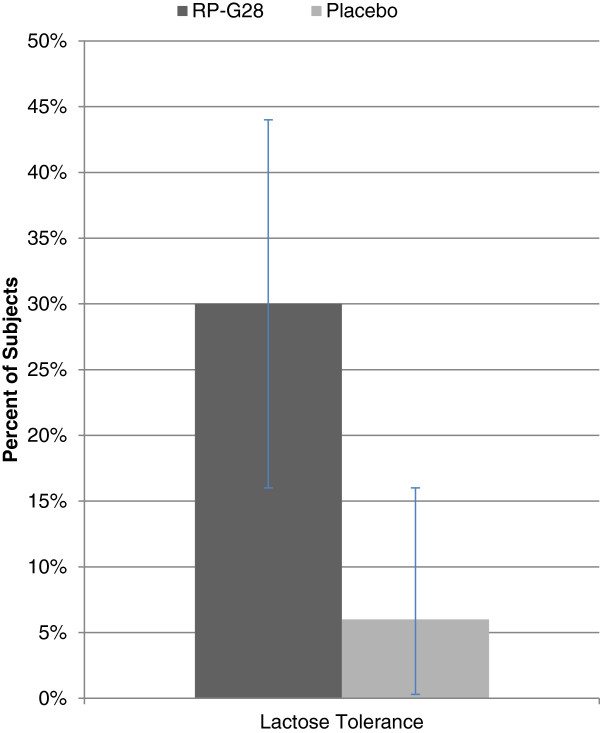
BACKGROUND: Lactose intolerance (LI) is a common medical problem with limited treatment options. The primary symptoms are abdominal pain, diarrhea, bloating, flatulence, and cramping. Limiting dairy foods to reduce symptoms contributes to low calcium intake and the risk for chronic disease. Adaptation of the colon bacteria to effectively metabolize lactose is a novel and potentially useful approach to improve lactose digestion and tolerance. RP-G28 is novel galacto-oligosaccharide (GOS) being investigated to improve lactose digestion and the symptoms of lactose intolerance in affected patients. METHODS: A randomized, double-blind, parallel group, placebo-controlled study was conducted at 2 sites in the United States. RP-G28 or placebo was administered to 85 patients with LI for 35 days. Post-treatment, subjects reintroduced dairy into their daily diets and were followed for 30 additional days to evaluate lactose digestion as measured by hydrogen production and symptom improvements via a patient-reported symptom assessment instrument. RESULTS: Lactose digestion and symptoms of LI trended toward improvement on RP-G28 at the end of treatment and 30 days post-treatment. A reduction in abdominal pain was also demonstrated in the study results. Fifty percent of RP-G28 subjects with abdominal pain at baseline reported no abdominal pain at the end of treatment and 30 days post treatment (p = 0.0190). RP-G28 subjects were also six times more likely to claim lactose tolerance post-treatment once dairy foods had been re-introduced into their diets (p = 0.0389). CONCLUSIONS: Efficacy trends and favorable safety/tolerability findings suggest that RP-G28 appears to be a potentially useful approach for improving lactose digestion and LI symptoms. The concurrent reduction in abdominal pain and improved overall tolerance could be a meaningful benefit to lactose intolerant individuals.
Overview
The claims and statistics of this paper haven’t been checked yet.
Free: it reads the open-access text and checks the first 5 claims that cite a source we can check. Create a free account to check every claim.
Integrity signals
Registry
Cites
Statistics
Figures
Verification
Claims the paper makes
The claims and statistics of this paper haven’t been checked yet.
Free: it reads the open-access text and checks the first 5 claims that cite a source we can check. Create a free account to check every claim.
Claims other papers make about this one
Each is checked against this paper’s own text: does it say what the citing paper says it does?
The source backs part of the claim, not all of it — or backs it for a different population, condition or comparison.
In the citing paper
“Lower levels of lactose/galactose degradation may explain increased lactose intolerance in older adults and presents a possible opportunity for microbial therapeutic intervention (Gingold-Belfer et al., 2020; Savaiano et al., 2013).”
From Gut microbiome stability and dynamics in healthy donors and patients with non-gastrointestinal cancers (2021) · cites this paper as Savaiano et al., 2013
Experimental — accuracy not yet measured
Self-check
Percentages, sums and reported differences re-computed from the paper’s own numbers.
The self-check needs the paper’s full text.
Citations
Cites
Ross, A. C., Manson, J. E., Abrams, S. A., Aloia, J. F., Brannon, P. M., Clinton, S. K., Durazo-Arvizu, R. A., Gallagher, J. C., Gallo, R. L., Jones, G., et al. (2011) · The Journal of Clinical Endocrinology & Metabolism · doi:10.1210/jc.2010-2704 · Cited by 4,026 · cited 1×
“Low calcium consumption increases the risk for chronic diseases, most notably osteoporosis and its sequelae [18].”
BackgroundThe functional gastrointestinal disorders and the Rome III process
Drossman, D. A. (2006) · Gastroenterology · doi:10.1053/j.gastro.2006.03.008 · Cited by 2,416
Scrimshaw, N. S., & Murray, E. B. (1988) · The American Journal of Clinical Nutrition · doi:10.1093/ajcn/48.4.1142 · Cited by 431 · cited 2×
“In the United States, it is estimated that up to 80 million Americans have the potential for lactose intolerance [1].”
BackgroundColonic adaptation to daily lactose feeding in lactose maldigesters reduces lactose intolerance
Hertzler, Sr., & Savaiano, D. (1996) · The American Journal of Clinical Nutrition · doi:10.1093/ajcn/64.2.232 · Cited by 266 · cited 4×
“Adaptation of the gut can turn symptomatic LI patients into lactose digesters [9] despite the underlying genetically-controlled biology of low intestinal lactase activity.”
BackgroundInfluentialSelf-citationColonic conservation of malabsorbed carbohydrate
Bond, J. H., Currier, B. E., Buchwald, H., & Levitt, M. D. (1980) · Gastroenterology · doi:10.1016/0016-5085(80)90854-9 · Cited by 220
Obermayer-Pietsch, B. M., Bonelli, C. M., Walter, D. E., Kuhn, R. J., Fahrleitner-Pammer, A., Berghold, A., Goessler, W., Stepan, V., Dobnig, H., Leb, G., et al. (2004) · Journal of Bone and Mineral Research · doi:10.1359/jbmr.0301207 · Cited by 168 · cited 1×
“By avoiding dairy products, many lactose intolerant individuals in the US and other developed countries have lower bone density [17].”
BackgroundNIH consensus development conference statement: Lactose intolerance and health.
Suchy, F. J., Brannon, P. M., Carpenter, T. O., Fernández, J. R., Gilsanz, V., Gould, J. B., Hall, K., Hui, S. L., Lupton, J. R., Mennella, J. A., et al. (2010) · PubMed · Cited by 157
Lactose malabsorption and intolerance and peak bone mass
Stefano, M. D., Veneto, G., Malservisi, S., Cecchetti, L., Minguzzi, L., Strocchi, A., & Corazza, G. R. (2002) · Gastroenterology · doi:10.1053/gast.2002.33600 · Cited by 139
Andersen, J. M., Barrangou, R., Abou Hachem, M., Lahtinen, S., Goh, Y. J., Svensson, B., & Klaenhammer, T. R. (2011) · Proceedings of the National Academy of Sciences · doi:10.1073/pnas.1114152108 · Cited by 123 · cited 1×
“GOS preparations have been shown to stimulate microfloral changes [19].”
BackgroundSelf-citationPRIBILA, B. A., Hertzler, S. R., Martin, B. R., Weaver, C. M., & Savaiano, D. A. (2000) · Journal of the American Dietetic Association · doi:10.1016/s0002-8223(00)00162-0 · Cited by 123 · cited 2×
“Colonic adaptation, as a result of GOS administration, has been reported since the 1990s [11-14]; however, no effective treatments for lactose intolerance using this mechanism have been developed.”
BackgroundSelf-citation
Cited by
Update on lactose malabsorption and intolerance: pathogenesis, diagnosis and clinical management
Misselwitz, B., Butter, M., Verbeke, K., & Fox, M. R. (2019) · Gut · doi:10.1136/gutjnl-2019-318404 · Cited by 390
Lactose Intolerance, Dairy Avoidance, and Treatment Options
Szilagyi, A., & Ishayek, N. (2018) · Nutrients · doi:10.3390/nu10121994 · Cited by 249
Azcarate-Peril, M. A., Ritter, A. J., Savaiano, D., Monteagudo-Mera, A., Anderson, C., Magness, S. T., & Klaenhammer, T. R. (2017) · Proceedings of the National Academy of Sciences · doi:10.1073/pnas.1606722113 · Cited by 231
“Savaiano et al. conducted a randomized, double-blind, parallel-group, placebocontrolled study at two sites in the United States (4).”
BackgroundMethodInfluentialSelf-citationUpdate of probiotics in human world: A nonstop source of benefactions till the end of time
Zommiti, M., Feuilloley, M. G. J., & Connil, N. (2020) · Microorganisms · doi:10.3390/microorganisms8121907 · Cited by 225
Assessing the Risk of Probiotic Dietary Supplements in the Context of Antibiotic Resistance
Zheng, M., Zhang, R., Tian, X., Zhou, X., Pan, X., & Wong, A. (2017) · Frontiers in Microbiology · doi:10.3389/fmicb.2017.00908 · Cited by 218
Gut Microbiota and Nonalcoholic Fatty Liver Disease: Insights on Mechanisms and Therapy
Ma, J., Zhou, Q., & Li, H. (2017) · Nutrients · doi:10.3390/nu9101124 · Cited by 197
Food Allergy and Intolerance: A Narrative Review on Nutritional Concerns
Gargano, D., Appanna, R., Santonicola, A., De Bartolomeis, F., Stellato, C., Cianferoni, A., Casolaro, V., & Iovino, P. (2021) · Nutrients · doi:10.3390/nu13051638 · Cited by 169
Forsgård, R. A. (2019) · The American Journal of Clinical Nutrition · doi:10.1093/ajcn/nqz104 · Cited by 160
“Colonic adaptation is also supported by a study showing that supplementing lactose-intolerant individuals with a prebiotic increases the proportion of lactose-fermenting bacteria, which leads to decreased abdominal pain when lactose is reintroduced in the diet (75, 76).”
BackgroundAdvances in Low-Lactose/Lactose-Free Dairy Products and Their Production
Li, A., Zheng, J., Han, X., Yang, S., Cheng, S., Zhao, J., Zhou, W., & Lu, Y. (2023) · Foods · doi:10.3390/foods12132553 · Cited by 151
“Savaiano et al. [107] reported RP-G28 or placebo was administered to 85 patients with lactose intolerance for 35 days and RP-G28 subjects were six times more likely to claim lactose tolerance post-treatment.”
BackgroundLeis, R., de Castro, M.-J., de Lamas, C., Picáns, R., & Couce, M. L. (2020) · Nutrients · doi:10.3390/nu12051487 · Cited by 101
The Importance of Lactose in the Human Diet: Outcomes of a Mexican Consensus Meeting
Romero‐Velarde, E., Delgado‐Franco, D., García-Gutiérrez, M., Gurrola‐Díaz, C. M., Larrosa‐Haro, A., Montijo-Barrios, É., Muskiet, F. A. J., Vargas‐Guerrero, B., & Geurts, J. M. W. (2019) · Nutrients · doi:10.3390/nu11112737 · Cited by 118
Recent advances on lactose intolerance: Tolerance thresholds and currently available answers
Corgneau, M., Scher, J., Ritié‐Pertusa, L., Le, D. T. L., Petit, J., Nikolova, Y., Banon, S., & Gaïani, C. (2017) · Critical Reviews in Food Science and Nutrition · doi:10.1080/10408398.2015.1123671 · Cited by 145
Szilagyi, A. (2015) · Nutrients · doi:10.3390/nu7085309 · Cited by 81
“Furthermorek adaptation was applied using a derivative of lactose, galacto-oligosaccharide [43].”
BackgroundMethodDietary Patterns and Interventions to Alleviate Chronic Pain
Dragan, S. R., Șerban, M.-C., Damian, G., Buleu, F. N., Valcovici, M. D., & Christodorescu, R. (2020) · Nutrients · doi:10.3390/nu12092510 · Cited by 102
Ramakrishnan, M., Eaton, T. K., Sermet, O. M., & Savaiano, D. A. (2020) · Nutrients · doi:10.3390/nu12123855 · Cited by 89
Self-citationDeehan, E. C., Antwan, S. A., Witwer, R. S., Guerra, P. G., John, T., & Monheit, L. (2024) · Advances in Nutrition · doi:10.1016/j.advnut.2024.100329 · Cited by 77
Galactooligosaccharides: Synthesis, metabolism, bioactivities and food applications
Wang, K., Duan, F., Sun, T., Zhang, Y., & Lu, L. (2023) · Critical Reviews in Food Science and Nutrition · doi:10.1080/10408398.2022.2164244 · Cited by 83
“Alleviating effects can last for 30 days after GOS treatment (Savaiano et al. 2013).”
BackgroundByrd, A. L., Liu, M., Fujimura, K. E., Lyalina, S., Nagarkar, D. R., Charbit, B., Bergstedt, J., Patin, E., Harrison, O. J., Quintana-Murci, L., et al. (2021) · Journal of Experimental Medicine · doi:10.1084/jem.20200606 · Cited by 63
“Lower levels of lactose/galactose degradation may explain increased lactose intolerance in older adults and presents a possible opportunity for microbial therapeutic intervention (Gingold-Belfer et al., 2020; Savaiano et al., 2013).”
BackgroundMilan, A. M., Shrestha, A., Karlström, H. J., Martinsson, J. A., Nilsson, N. J., Perry, J. K., Day, L., Barnett, M. P. G., & Cameron‐Smith, D. (2019) · American Journal of Clinical Nutrition · doi:10.1093/ajcn/nqz279 · Cited by 82
“Although the measured SNPs could be biased toward Caucasian populations (1), this mismatch between genetic lactase nonpersistence and LM/symptomology with lactose or milk, as previously observed (25), highlights the multifaceted etiology and pathophysiology of lactose (and/or dairy) intolerance, supporting the influen…”
BackgroundStability and dynamics of the human gut microbiome and its association with systemic immune traits
(2020) · doi:10.1101/2020.01.17.909853 · Cited by 63
Arnold, J. W., Simpson, J. B., Roach, J. M., Bruno-Bárcena, J. M., & Azcárate-Peril, M. A. (2018) · Nutrients · doi:10.3390/nu10101517 · Cited by 63
Lactose intolerance: myths and facts. An update
Toca, M. D. C., Fernández, A., Orsi, M., Tabacco, O., & Vinderola, G. (2022) · Archivos Argentinos de Pediatria · doi:10.5546/aap.2022.eng.59 · Cited by 85
Galacto-oligosaccharides attenuate renal injury with microbiota modification
Furuse, S., Ohse, T., Jo‐Watanabe, A., Shigehisa, A., Kawakami, K., Matsuki, T., Chonan, O., & Nangaku, M. (2014) · Physiological Reports · doi:10.14814/phy2.12029 · Cited by 53
“GOS is not absorbed from the gut and is not detected in serum (Savaiano et al. 2013).”
BackgroundNutrition in Patients with Lactose Malabsorption, Celiac Disease, and Related Disorders
Alkalay, M. J. (2021) · Nutrients · doi:10.3390/nu14010002 · Cited by 54
Azcárate-Peril, M. A., Roach, J. M., Marsh, A. J., Chey, W. D., Sandborn, W. J., Ritter, A. J., Savaiano, D. A., & Klaenhammer, T. R. (2021) · Gut Microbes · doi:10.1080/19490976.2021.1957536 · Cited by 57
“Additionally, 50% of patients in the treatment group who reported abdominal pain at the beginning of the study reported no abdominal pain after GOS treatment and 30-days after re-introducing dairy (compared with 17% in the placebo group).(10) Study of the microbiome of the lactose intolerant subjects treated with GOS…”
Self-citationJang, K. B., Purvis, J. M., & Kim, S. W. (2021) · Journal of Animal Science · doi:10.1093/jas/skab008 · Cited by 47
Development of Personalized Nutrition: Applications in Lactose Intolerance Diagnosis and Management
Porzi, M., Burton-Pimentel, K. J., Walther, B., & Vergères, G. (2021) · Nutrients · doi:10.3390/nu13051503 · Cited by 53
JanssenDuijghuijsen, L. M., Looijesteijn, E., van den Belt, M., Gerhard, B., Ziegler, M., Ariëns, R. M. C., Tjoelker, R. S., & Geurts, J. M. W. (2023) · American Journal of Clinical Nutrition · doi:10.1016/j.ajcnut.2023.12.016 · Cited by 47
Ratajczak, A. E., Rychter, A. M., Zawada, A. E., Dobrowolska, A., & Krela‐Kaźmierczak, I. (2020) · Nutrition · doi:10.1016/j.nut.2020.111043 · Cited by 45
Figueroa‐Lozano, S., Ren, C., Yin, H., Pham, H. T. T., van Leeuwen, S. S., Dijkhuizen, L., & de Vos, P. (2020) · Food & Function · doi:10.1039/d0fo00064g · Cited by 39
Lapides, R. A., & Savaiano, D. A. (2018) · Nutrients · doi:10.3390/nu10121956 · Cited by 33
Self-citationJansson‐Knodell, C. L., Krajicek, E. J., Savaiano, D. A., & Shin, A. (2020) · Mayo Clinic Proceedings · doi:10.1016/j.mayocp.2020.04.036 · Cited by 41
“With changes to relative amounts of colonic microbiota, there is an increase in betagalactosidase activity which enhances digestion and reduces fermentation products.(25) A novel galacto-oligosaccharide, RP-G28, a”
BackgroundInfluentialSelf-citationSanders, M. E., Goh, Y. J., & Klaenhammer, T. R. (2019) · ASM Press eBooks · doi:10.1128/9781555819972.ch32 · Cited by 37
Self-citationLactose Intolerance—Old and New Knowledge on Pathophysiological Mechanisms, Diagnosis, and Treatment
Catanzaro, R., Sciuto, M., & Marotta, F. (2021) · SN Comprehensive Clinical Medicine · doi:10.1007/s42399-021-00792-9 · Cited by 36
Prebiotic Strategies to Manage Lactose Intolerance Symptoms
Angima, G., Qu, Y., Park, S. H., & Dallas, D. C. (2024) · Nutrients · doi:10.3390/nu16071002 · Cited by 41
“…= 85 (GOS: 57; Placebo: 28)), GOS at 1.5 g/day, and escalating to 15 g/day over 35 days (with no dairy consumption) indicated a trend towards improvement in symptoms such as abdominal pain, cramping, bloating, and flatulence compared with the placebo group ( p = 0.06) after lactose challenge [17].”
BackgroundInfluentialRole of milk carbohydrates in intestinal health of nursery pigs: a review
Jang, K. B., & Kim, S. W. (2022) · Journal of Animal Science and Biotechnology/Journal of animal science and biotechnology · doi:10.1186/s40104-021-00650-7 · Cited by 30
“Previous studies have shown that supplementation of prebiotics could reduce the symptoms of lactose intolerance by adaptive shifts in intestinal microbiota [17, 82, 87].”
BackgroundAdult Lactose Digestion Status and Effects on Disease
Szilagyi, A. (2015) · Canadian Journal of Gastroenterology and Hepatology · doi:10.1155/2015/904686 · Cited by 34
Saiprasad, S. M., Moreno, O. G., & Savaiano, D. A. (2023) · Nutrients · doi:10.3390/nu15163559 · Cited by 29
Self-citationAssessing the drug resistance profiles of oral probiotic lozenges
Wang, Y., Dong, J., Wang, J., Chi, W., Zhou, W. J., Tian, Q., Hong, Y., Zhou, X., Ye, H., Tian, X., et al. (2022) · Journal of Oral Microbiology · doi:10.1080/20002297.2021.2019992 · Cited by 28
“the overwhelmingly popular probiotic health or dietary supplements targeted for improving intestinal health with beneficial claims ranging from regulating the gut microbiota [12], and reducing lactose intolerance [13], increasing bioavailability of nutrients [14], preventing gastrointestinal infections [15,16], and tr…”
BackgroundLee, J., Kim, G., Han, K., Jung, E.-J., Suh, H. J., & Jo, K. (2024) · Food & Function · doi:10.1039/d4fo00999a · Cited by 24
Galacto-Oligosaccharide RP-G28 Improves Multiple Clinical Outcomes in Lactose-Intolerant Patients
Chey, W. D., Sandborn, W. J., Ritter, A. J., Foyt, H. L., Azcárate-Peril, M. A., & Savaiano, D. A. (2020) · Nutrients · doi:10.3390/nu12041058 · Cited by 26
“RP-G28, an ultra-purified, high-concentration (>95%) galacto-oligosaccharide, has been evaluated in a Phase 2a study in 85 patients [2].”
BackgroundSelf-citationRasinkangas, P., Forssten, S. D., Marttinen, M., Ibarra, A., Bothe, G., Junnila, J. J. T., Uebelhack, R., Donazzolo, Y., & Ouwehand, A. C. (2022) · American Journal of Clinical Nutrition · doi:10.1093/ajcn/nqac264 · Cited by 23
Galacto-Oligosaccharides and the Elderly Gut: Implications for Immune Restoration and Health
Hu, Y., Aljumaah, M. R., & Azcárate-Peril, M. A. (2024) · Advances in Nutrition · doi:10.1016/j.advnut.2024.100263 · Cited by 30
“However, it is only in the last decade that pure GOS with 10% free sugars (lactose, glucose, galactose) has been evaluated in clinical trials [12 – 15].”
MethodEnzymatic Production of Galacto-Oligosaccharides
Illanes, A., Vera, C., & Wilson, L. (2016) · Elsevier eBooks · doi:10.1016/b978-0-12-802724-0.00004-4 · Cited by 23
Tatta, J., Nijs, J., Elma, Ö., Malfliet, A., & Magnusson, D. (2022) · Physical Therapy · doi:10.1093/ptj/pzab296 · Cited by 22
Effects of galactooligosaccharides (GOS) on the gut microbiota in lactose intolerant individuals
Angima, G., Qu, Y., Kim, E., Bobe, G., Dallas, D. C., & Park, S. H. (2025) · LWT · doi:10.1016/j.lwt.2024.117291 · Cited by 17
Cow’s Milk Protein Allergy and Lactose Intolerance
da Silva, P. H. F., Oliveira, V. C. D., & Perin, L. M. (2018) · Elsevier eBooks · doi:10.1016/b978-0-12-810530-6.00014-6 · Cited by 18
Fischer, C., & Kleinschmidt, T. (2018) · Enzyme and Microbial Technology · doi:10.1016/j.enzmictec.2018.10.009 · Cited by 16
Fraile-Gutiérrez, I., Iglesias, S., Acosta, N., & Revuelta, J. (2023) · International Journal of Biological Macromolecules · doi:10.1016/j.ijbiomac.2023.127755 · Cited by 15
Raza, A., Iqbal, S., Ullah, A., Khan, M. I., & Imran, M. (2018) · Journal of Food Processing and Preservation · doi:10.1111/jfpp.13586 · Cited by 14
Deng, L., Zhong, G., Zhang, D., Zhu, Z., & Peng, Y. (2024) · ACS Omega · doi:10.1021/acsomega.4c02768 · Cited by 14
Weingarden, A. R., & Ko, C. W. (2023) · The American Journal of Gastroenterology · doi:10.14309/ajg.0000000000002578 · Cited by 11
“In preliminary studies, GOS have been shown to reduce symptoms of lactose intolerance (45) while increasing the concentrations of lactose-fermenting organisms including Lactobacillus , Bi fi dobacterium , Faecalibacterium , and Roseburia spp (46).”
BackgroundJansson‐Knodell, C. L., Krajicek, E. J., Ramakrishnan, M., Rogers, N. A., Siwiec, R. M., Bohm, M., Nowak, T. V., Wo, J. M., Lockett, C. J., Xu, H., et al. (2022) · Digestive Diseases and Sciences · doi:10.1007/s10620-022-07469-w · Cited by 11
Self-citationVasudha, M., & Devaraja, G. (2023) · Journal of Microbiology Biotechnology and Food Sciences · doi:10.55251/jmbfs.9654 · Cited by 11
Alhasani, A. T., Modasia, A. A., Anodiyil, M. S., Corsetti, M., Aliyu, A. I., Crooks, C. J., Marciani, L., Reid, J. E. S. J., Yakubov, G. E., Taylor, M., et al. (2024) · Journal of Nutrition · doi:10.1016/j.tjnut.2024.12.017 · Cited by 8
Xie, Y., Cao, Q., Huang, Z., & Zou, X. (2025) · Mediators of Inflammation · doi:10.1155/mi/8181816 · Cited by 8
“Probiotics can signi fi cantly improve symptoms such as abdominal pain, bloating, constipation, nausea, and fl atu-lence, and they notably reduce the exhaled H2 levels [53].”
Role of probiotics and prebiotics in digestion, metabolism, and immunity
Kurian, S. J., Baral, T., Miraj, S. S., & Rao, M. (2022) · Elsevier eBooks · doi:10.1016/b978-0-12-821232-5.00026-4 · Cited by 10
High purity galacto-oligosaccharides: Optimal process design and prebiotic effect
Cao, L., Bultsma, M., Wissing, J., Gerhard, B., Ziegler, M., Versteeg, M., & Looijesteijn, E. (2023) · Bioactive Carbohydrates and Dietary Fibre · doi:10.1016/j.bcdf.2023.100387 · Cited by 7
dos Santos, L. F., Gonçalves, C. M., Ishii, P. L., & Suguimoto, H. H. (2017) · Ambiente e Agua - An Interdisciplinary Journal of Applied Science · doi:10.4136/ambi-agua.1936 · Cited by 7
Lactose intolerance and other related food sensitivities
Szilagyi, A., Walker, C., & Thomas, M. (2019) · Elsevier eBooks · doi:10.1016/b978-0-12-811720-0.00003-9 · Cited by 12
Du, M., Xie, X., Yang, S., Li, Y., Jiang, T., Yang, J., Li, L., Huang, Y., Wu, Q., Chen, W., et al. (2021) · Molecules · doi:10.3390/molecules26216480 · Cited by 7
Knowledge of Lactose Intolerance among Clinicians
Zainaldeen, M. H., Almadhoob, F. A., Yusuf, M., & Fredericks, S. (2018) · Gastroenterology Insights · doi:10.4081/gi.2018.7740 · Cited by 6
Lactose Intolerance and Milk Protein Allergy
Keith, J. N. (2020) · Current Treatment Options in Gastroenterology · doi:10.1007/s11938-019-00265-y · Cited by 6
PROBİYOTİK VE PREBİYOTİK TÜKETİMİNİN LAKTOZ İNTOLERANSI ÜZERİNE ETKİLERİ
Akal, C., & Yetişmeyen, A. (2020) · GIDA / THE JOURNAL OF FOOD · doi:10.15237/gida.gd20016 · Cited by 9
Smith, C. J., Dethlefsen, L., Gardner, C. D., Nguyen, L. A. B., Feldman, M. W., Costello, E. K., Kolodny, O., & Relman, D. A. (2022) · mBio · doi:10.1128/mbio.01051-22 · Cited by 8
Lactose intolerance—A global problem?
Acharya, P., Fernandes, A., Chatli, M. K., & Rana, T. (2025) · Elsevier eBooks · doi:10.1016/b978-0-443-24820-7.00030-4 · Cited by 8
Li, Q., Wang, X., Guo, S., Wang, T., Cao, H., Cao, Y., & Dong, B. (2025) · Frontiers in Microbiology · doi:10.3389/fmicb.2025.1530156 · Cited by 8
Klaenhammer, T. R. (2019) · Annual Review of Food Science and Technology · doi:10.1146/annurev-food-032818-121826 · Cited by 5
Self-citationHow Knowledge on Microbiota may be Helpful to Establish an Optimal Diet for Health Maintenance
Mainardi, P., Carta, P., Mainardi, M., & Striano, P. (2018) · International Journal Of Nutrition · doi:10.14302/issn.2379-7835.ijn-18-2501 · Cited by 5
Lactose—a conditional prebiotic?
Gänzle, M. (2019) · Lactose · doi:10.1016/b978-0-12-811720-0.00004-0 · Cited by 2
Intolerancia a la lactosa: mitos y verdades. Actualización
(2022) · Archivos Argentinos de Pediatria · doi:10.5546/aap.2022.59 · Cited by 37
A Narrative Review: A1 and A2 Milk Beta Caseins Effect on Gut Microbiota
Sujani, S., Czerwinski, K. J., & Savaiano, D. A. (2026) · Nutrients · doi:10.3390/nu18010138 · Cited by 3
“However, some individuals experience digestive discomfort after milk consumption, often attributed to lactose intolerance [3,4].”
Self-citationLactose intolerance and probiotics: from pathophysiological mechanisms to clinical applications
Perets, T. T., Gingold‐Belfer, R., & Dickman, R. M. (2026) · Antonie van Leeuwenhoek · doi:10.1007/s10482-026-02278-x · Cited by 5
“…trials with prebiotics such as galacto-oligosaccharides (GOS) have shown that the addition of GOS reduced LI related symptoms by increasing the concentration of lactose-fermenting bacteria like Lactobacillus and Bifido-bacterium species in the colon (Savaiano et al. 2013; Angima et al. 2025).”
Suneer, M., Thabshira, P., Mohan, M., Kumar, N., Akhtar, S., & Rasheed, P. A. (2026) · International Dairy Journal · doi:10.1016/j.idairyj.2026.106633 · Cited by 3
Indice de masa corporal y porcentaje de grasa en adultos indígenas ecuatorianos Awá
Oleas, G. M., Barahona, A., & Salazar-Lugo, R. (2026) · Archivos Latinoamericanos de Nutrición · doi:10.37527/2017.67.1.006 · Cited by 23
Synergizing gene editing and cellular agriculture for a sustainable and healthy food future
Liberty, J. T., Lin, H., Sipos, Y., Ihedioha, O. C., & Kwaji, M. J. (2025) · Current Opinion in Biotechnology · doi:10.1016/j.copbio.2025.103334 · Cited by 2
MALABSORPTION AND LACTOSE INTOLERANCE: PATHOPHYSIOLOGY, DIAGNOSIS AND TREATMENT OF PATHOGENESIS
Sharikadze, O. (2022) · World Science · doi:10.31435/rsglobal_ws/30042022/7804 · Cited by 5
СОЗДАНИЕ ПРОБИОТИЧЕСКОГО БИОПРЕПАРАТА НА ОСНОВЕ ЛАКТОЗОУТИЛИЗИРУЮЩИХ МИКРООРГАНИЗМОВ
Imanbayeva, M., Arynova, R. A., Masalimov, Z. K., Prosecov, A. Y., & Serikbay, G. (2021) · Experimental biology · doi:10.26577/eb.2021.v87.i2.08 · Cited by 1
Integrative chronic pain management: a narrative review
Halma, M. T. J., Marik, P. E., Saleeby, Y. M., & Tuszyński, J. A. (2025) · Journal of Multiscale Neuroscience · doi:10.56280/1702545951 · Cited by 2
Lactose breath test in adults: Are symptoms predictive of lactose malabsorption?
Cassella, D. G., Zignani, N., Cavazzuti, C., Rossi, B., Dell’Era, A., & Maconi, G. (2025) · Clinical Nutrition ESPEN · doi:10.1016/j.clnesp.2025.11.151 · Cited by 2
Structure and Function Relationships of Exopolysaccharides Produced by Lactic Acid Bacteria
Chen, X. (2017) · ERA: Education and Research Archive (University of Alberta) · doi:10.7939/r3445hq7c · Cited by 3
Gebremariam, B., Edao, A., Bacha, T., & Wolde, M. (2020) · bioRxiv (Cold Spring Harbor Laboratory) · doi:10.1101/2020.09.17.301135 · Cited by 1
Клиническое значение избыточного содержания лактозы в диете (часть 1)
Абатуров, А. Е., Нікуліна, А. О., & Демиденко, Ю. В. (2016) · CHILD`S HEALTH · doi:10.22141/2224-0551.1.69.2016.73726
Allergie und das Mikrobiom des Darms - Teil 2
Stockert, K. (2015) · Deutsche Zeitschrift für Akupunktur · doi:10.1016/s0415-6412(15)30066-7
Абатуров, А. Е., & Нікуліна, А. О. (2021) · CHILD`S HEALTH · doi:10.22141/2224-0551.12.4.2017.107622 · Cited by 2
Modulating the immune system and intestinal barrier integrity with functional oligosaccharides
Figueroa‐Lozano, S. (2021) · University of Groningen research database (University of Groningen / Centre for Information Technology) · doi:10.33612/diss.151659844
Roice, T. (2021) · ScholarWorks (Central Washington University)
LACTOSE-FREE STARTER CULTURE BASED ON PROBIOTIC STRAINS OF LACTOBACILLI
Imanbayeva, M., Arynova, R. A., Masalimov, Z. K., Prosekov, A. U., & Serikbay, G. (2021) · REPORTS · doi:10.32014/2021.2518-1483.77
Intolerance and other adverse reactions to foods—Overview
Mulé, P., Gabrielli, S., Nguyen, A., Prosty, C. J., & Ben‐Shoshan, M. (2022) · Elsevier eBooks · doi:10.1016/b978-0-323-96018-2.00013-4
Culprits of Antibiotic Resistance
Kakatkar, A. S., & Shashidhar, R. (2023) · Journal of Drug Discovery Development and Delivery · doi:10.26420/jdrugdiscovdevelopanddeliv.2023.1043
Prebiotics Ingestion in Relevance to Lactose Intolerance AlleviationPreprint
Abd-ElSalam, R., & Kielė, V. (2024) · Research Square · doi:10.21203/rs.3.rs-4722898/v1
Can changing the microbiome reverse lactose intolerance?
Foster, P. L. (2019) · The Conversation · doi:10.64628/aai.hcxymkhes
Xiong, S., Xu, W., Si, J., Wen, Y., Zhang, W., Duan, S., Wang, Z., Li, J., Zhong, Y., Yang, L., et al. (2026) · Food & Function · doi:10.1039/d5fo05589j
Barwant, M. M., Suradkar, N. G., Sangle, J. K., Satheesh, N., Kumari, P., Singh, J., Rautela, I., & Hailu, G. G. (2026) · Discover Food · doi:10.1007/s44187-026-01135-0
“Yoghurt is a good dairy choice for people who have lactose malabsorption, according to clinical trials [109].”
Facioni, M. S., Dominici, S., Zambito, Y., & Fabiano, A. (2026) · Journal of Drug Delivery Science and Technology · doi:10.1016/j.jddst.2026.108725
Han, L.-L., Mei, C., Lu, M., & Xue, H. (2026) · Food Research International · doi:10.1016/j.foodres.2026.120158
ПАТОГЕНЕТИЧЕСКИЕ ОСОБЕННОСТИ РАЗВИТИЯ ЛАКТАЗНОЙ НЕДОСТАТОЧНОСТИ
Азимова, С., Самиева, Г., & Хидирова, С. (2023) · Eurasian Journal of Medical and Natural Sciences · doi:10.70413/ejmns-v03-i05-s9600
Metadata
- Authors
- Savaiano, D. A., Ritter, A. J., Klaenhammer, T. R., James, G. M., Longcore, A. T., Chandler, J. R., Walker, W. A., & Foyt, H. L.
- Affiliations
- Purdue University West Lafayette (US)
- North Carolina State University (US)
- University of Southern California (US)
- Massachusetts General Hospital (US)
- Corresponding author
- Savaiano, Dennis A
- Venue
- Nutrition Journal
- Published
- 2013-12
- Volume
- 12
- Issue
- 1
- Pages
- 160-160
- ISSN
- 1475-2891 (ISSN-L)
- PMC
- PMC3878758
- OpenAlex
- W2142455021
- Cited by
- 99
- References
- 21
- Citations by year
- 2026: 7 · 2025: 8 · 2024: 7 · 2023: 10 · 2022: 10 · 2021: 13 · 2020: 12 · 2019: 9 · 2018: 9 · 2017: 7 · 2016: 2 · 2015: 4 · 2014: 1
- FWCI
- 1.55
- Type
- journal article
- Language
- en
- Open access
- gold
- doi.org
- Licence
- Locations
- Nutrition Journal (publishedVersion, cc-by)
- PubMed Central (publishedVersion, cc-by)
- PubMed (publishedVersion)
- Purdue e-Pubs (Purdue University System) (submittedVersion)
- Topics
- Health Sciences › Medicine › Gastroenterology › Digestive system and related health
- Health Sciences › Nursing › Nutrition and Dietetics › Microbial Metabolites in Food Biotechnology
- Health Sciences › Medicine › Gastroenterology › Gastrointestinal motility and disorders
- Keywords
- lactose intolerance, galactooligosaccharides, lactose digestion, abdominal pain, hydrogen breath test, gut microbiota, prebiotics, symptom improvement
- MeSH terms
- Adult, Colon, Dairy Products, Digestion, Double-Blind Method, Female, Follow-Up Studies, Gastrointestinal Agents, Humans, Intestinal Mucosa, Lactose, Lactose Intolerance, Male, Oligosaccharides, Severity of Illness Index, Trisaccharides, United States, Abdominal Pain, Incidence, Lactase, Prebiotics
About these checks
Registry, retraction, Cites and statistics results are computed, not judged, with one exception: a printed reference that no index lists is read once by a model before it counts as a citation error. Claims are extracted by a model and kept only when their quote appears verbatim in the text; each cited source is then checked, with a model’s help, for whether it says what the claim relies on. Those verdicts can be wrong — read the claim’s quote and the cited source before relying on one.
Statistics and arithmetic are recomputed, not judged.
Confidence bands are shown only for fields calibrated on our annotated test set. None is calibrated yet, so no band is shown.
What counts as a claim ›How we measure confidence ›How we check this ›
Are you an author, or do you see a problem with this page? Request a review
Data sources
Bibliographic data: Semantic Scholar, OpenAlex, Crossref.
Contains information from the Semantic Scholar Academic Graph Datasets, made available under the ODC Attribution License (ODC-BY 1.0).
Semantic Scholar’s data is described in: Kinney, R., et al. (2023). The Semantic Scholar Open Data Platform. arXiv:2301.10140.
