

In vitro antifungal activity of hydroxychavicol isolated from Piper betle L
Open accessThe DOI matches its Crossref record; 28 of the 28 references it cites were found in a registry or an index; 2 of the 16 sources its claims cite were checked for support.
Abstract
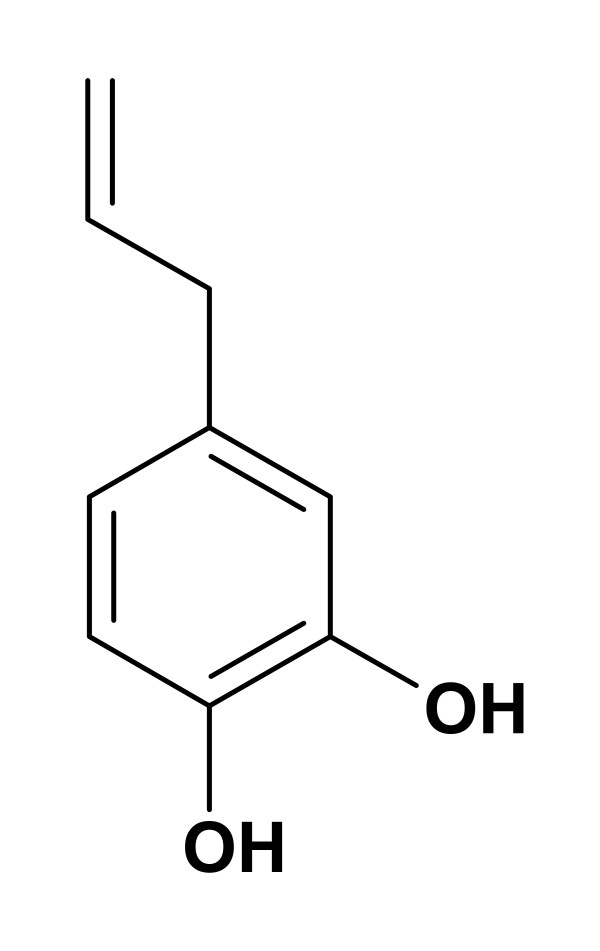
BACKGROUND: Hydroxychavicol, isolated from the chloroform extraction of the aqueous leaf extract of Piper betle L., (Piperaceae) was investigated for its antifungal activity against 124 strains of selected fungi. The leaves of this plant have been long in use tropical countries for the preparation of traditional herbal remedies. METHODS: The minimum inhibitory concentration (MIC) and minimum fungicidal concentration (MFC) of hydroxychavicol were determined by using broth microdilution method following CLSI guidelines. Time kill curve studies, post-antifungal effects and mutation prevention concentrations were determined against Candida species and Aspergillus species "respectively". Hydroxychavicol was also tested for its potential to inhibit and reduce the formation of Candida albicans biofilms. The membrane permeability was measured by the uptake of propidium iodide. RESULTS: Hydroxychavicol exhibited inhibitory effect on fungal species of clinical significance, with the MICs ranging from 15.62 to 500 microg/ml for yeasts, 125 to 500 microg/ml for Aspergillus species, and 7.81 to 62.5 microg/ml for dermatophytes where as the MFCs were found to be similar or two fold greater than the MICs. There was concentration-dependent killing of Candida albicans and Candida glabrata up to 8 x MIC. Hydroxychavicol also exhibited an extended post antifungal effect of 6.25 to 8.70 h at 4 x MIC for Candida species and suppressed the emergence of mutants of the fungal species tested at 2 x to 8 x MIC concentration. Furthermore, it also inhibited the growth of biofilm generated by C. albicans and reduced the preformed biofilms. There was increased uptake of propidium iodide by C. albicans cells when exposed to hydroxychavicol thus indicating that the membrane disruption could be the probable mode of action of hydroxychavicol. CONCLUSIONS: The antifungal activity exhibited by this compound warrants its use as an antifungal agent particularly for treating topical infections, as well as gargle mouthwash against oral Candida infections.
Overview
CoChat Summary
TL;DR
Hydroxychavicol isolated from *Piper betle* L. showed broad in vitro antifungal activity against 124 fungal strains, with dermatophytes being most susceptible. It was fungicidal, produced prolonged post-antifungal effects, suppressed resistant mutants, inhibited/reduced *Candida albicans* biofilms, and increased propidium iodide uptake consistent with membrane disruption.
Key findings
- MICs ranged from 15.62 to 500 μg/ml for yeasts, 125 to 500 μg/ml for *Aspergillus* species, and 7.81 to 62.5 μg/ml for dermatophytes; MFCs were similar or two-fold greater than MICs.
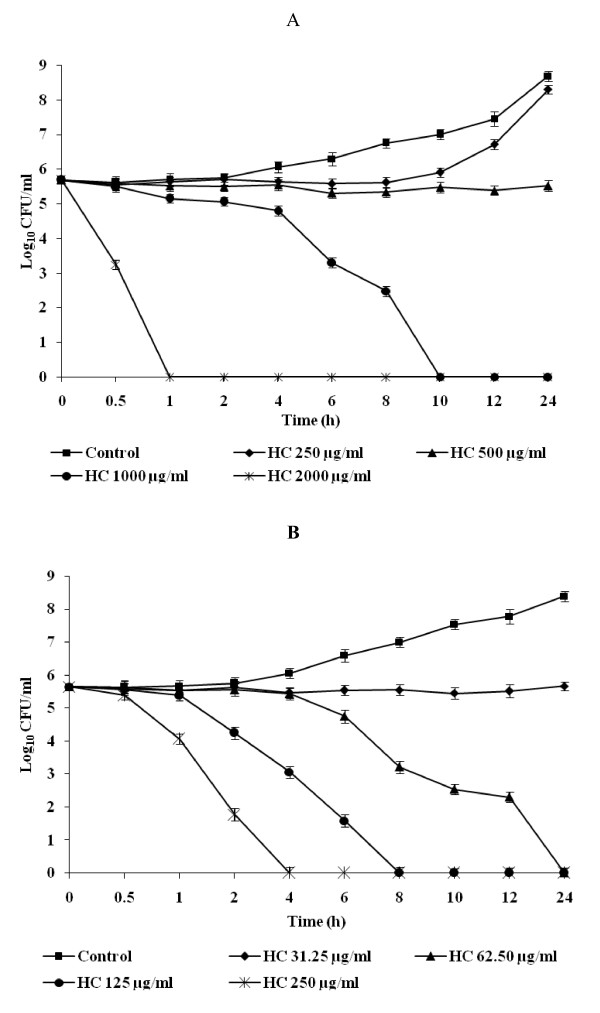
- Time-kill studies showed concentration-dependent fungicidal activity (>3 log units, 99.9% reduction) against *C. albicans* ATCC 90028 and *C. glabrata* ATCC 90030; for *C. glabrata*, 2×, 4×, and 8× MIC produced fungicidal activity at 10, 8, and 4 h, respectively.
- PAFE was 6.25 to 8.70 h at 4× MIC for *Candida* species, with >8 h for *C. albicans* and *C. tropicalis* at 4× MIC; mutants were completely suppressed at 2× MIC for *A. fumigatus* and *A. flavus*, 4× MIC for *C. albicans* and *C. tropicalis*, and 8× MIC for *C. glabrata* and *C. parapsilosis*.
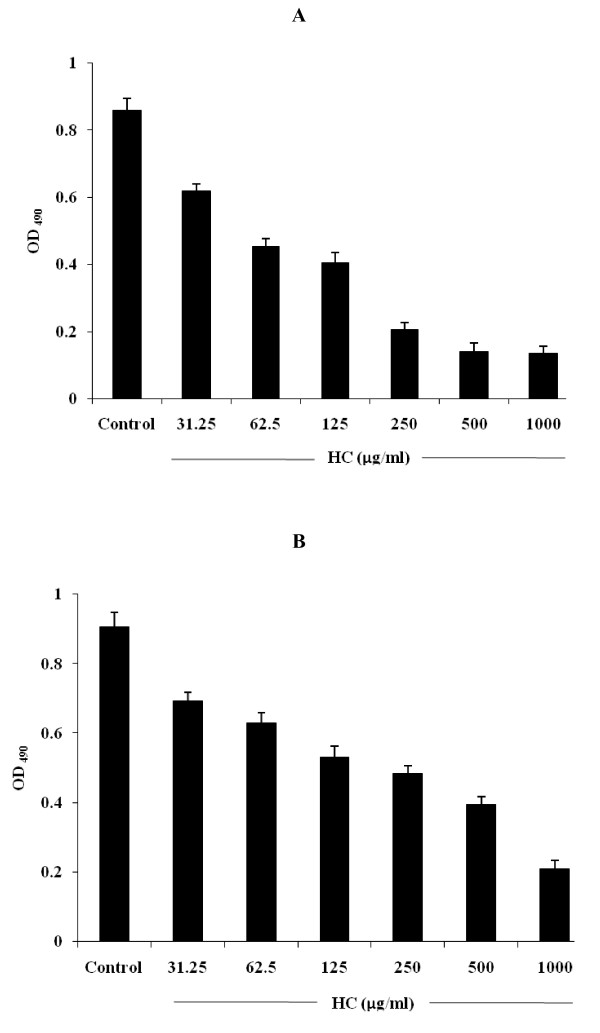
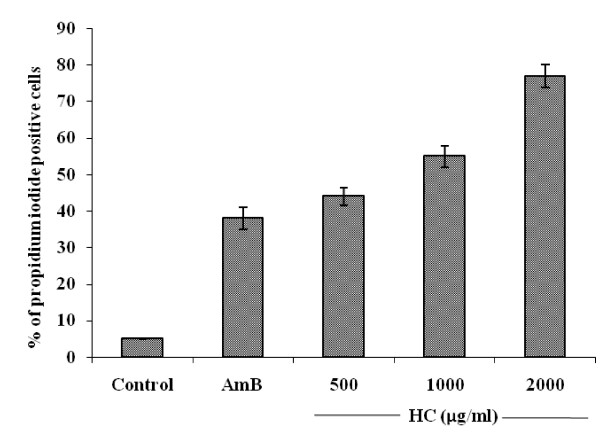
- For *C. albicans* ATCC 90028 biofilm, MBIC50 and MBIC80 were 125 μg/ml and 250 μg/ml; MBRC50 and MBRC80 were 500 μg/ml and 1000 μg/ml. Propidium iodide uptake increased with hydroxychavicol concentration, indicating membrane disruption.
Methods
- Hydroxychavicol was isolated from chloroform extraction of the aqueous leaf extract of *P. betle* L.; antifungal testing used 124 strains: 58 yeasts, 39 *Aspergillus* species, and 27 dermatophytes, including ATCC/MTCC reference strains and clinical isolates.
- MIC and MFC were determined by broth microdilution following CLSI guidelines in RPMI 1640; time-kill curves, post-antifungal effect, and mutant selection were performed against selected *Candida* and *Aspergillus* strains.
- Biofilm inhibition/reduction was assessed for *C. albicans* ATCC 90028 by XTT reduction, and membrane permeability was measured by propidium iodide uptake using flow cytometry.
Limitations
- The paper states that clinical applications were challenging to interpret due to a lack of pharmacokinetic and safety studies.
- The text makes evident that all experiments were in vitro, with no animal or human efficacy data; the paper calls for further studies for topical use, particularly dermatomycoses.
- Mechanistic and biofilm assays were limited to *C. albicans* ATCC 90028, and time-kill/PAFE/mutant-selection assays used only selected reference strains, so findings may not generalize to all clinical isolates.
Model-written summary. Check it against the paper before relying on it.
Integrity signals
Registry
Cites
Statistics
Figures
Verification
Claims the paper makes
2 Valid · 1 Not valid · 12 Not checked · 25 Own results and interpretations
Every source the paper cites for this claim was checked and supports it.
In the paper
“Propidium iodide is a fluorescent nucleic acid stain that is unable to penetrate the cell membrane structures of healthy cells.”
§ In vitro antifungal activity of hydroxychavicol isolated from Piper betle L > Discussion
What the sources say
- Supportedcites [28] Cox SD Mann CM Markham JL Gustafson JE Warmington JR Wyllie SG Determining the antimicrobial actions of tea tree oil Molecules 2001 6 87 91 10.3390/60100087 source
The Results and Discussion section states the claim directly: PI is a fluorescent nucleic acid stain that cannot penetrate the cell membranes of healthy cells. It also explains that damaged or permeabilised cells do not exclude PI. (LLM, conf=0.95)
plain- Asserted: passes — The authors put it forward as true.
- Checkable: passes — It can be checked against evidence.
- Load-bearing: passes — The paper’s conclusions depend on it.
- Based: passes — The paper gives a reason why it holds.
- Supported
The cited sources support only part of this claim — read each source’s verdict below.
In the paper
“Hydroxychavicol is the major phenolic component, isolated from the aqueous extract of P. betle L., leaf has been reported to possess antinitrosation, antimutagenic, anticarcinogenic activities [10].”
- Also stated in: § Discussion · plain
“Hydroxychavicol is one of the major constituents of P. betle.”
§ In vitro antifungal activity of hydroxychavicol isolated from Piper betle L > Background
What the sources say
- Partly supportedcites [10] Chang MC Uang BJ Wu HL Lee JJ Hahn LJ Jeng JH Inducing the cell cycle arrest and apoptosis of oral KB carcinoma cells by hydroxychavicol: Roles of glutathione and reactive oxygen species Br J Pharmacol 2002 135 619 630 10.1038/sj.bjp.0704492 11834609 PMC1573166 sourceExperimental — accuracy not yet measured
The Introduction (page unavailable) calls hydroxychavicol a major phenolic compound in Piper betle leaf, supporting its identity and source. It does not say the compound was isolated from an aqueous leaf extract; the Synthesis of hydroxychavicol section (page unavailable) says the hydroxychavicol used in this study was synthesized from eugenol. (LLM, conf=0.86)
plain- Asserted: passes — The authors put it forward as true.
- Checkable: passes — It can be checked against evidence.
- Load-bearing: unclear — It is unclear whether the paper’s conclusions depend on it.
- Based: passes — The paper gives a reason why it holds.
- Also stated in: § Discussion · plain
None of the sources cited for this claim have been checked yet.
In the paper
“Interestingly, the growth controls did not show dye uptake in the presence of deoxycholate as the deoxycholate is nontoxic to C. albicans [29].”
§ In vitro antifungal activity of hydroxychavicol isolated from Piper betle L > Discussion
plain- Asserted: passes — The authors put it forward as true.
- Checkable: passes — It can be checked against evidence.
- Load-bearing: passes — The paper’s conclusions depend on it.
- Based: passes — The paper gives a reason why it holds.
A result the paper reports from its own data — it cites no other source for it, so there is none to check. The quote shows it is in the paper.
In the paper
“Increase in the concentration of hydroxychavicol resulted in extended PAFE for all the Candida spp. tested.”
§ In vitro antifungal activity of hydroxychavicol isolated from Piper betle L > Results > PAFE studies
plainstates a cause- Asserted: passes — The authors put it forward as true.
- Checkable: passes — It can be checked against evidence.
- Load-bearing: passes — The paper’s conclusions depend on it.
- Based: passes — The paper gives a reason why it holds.
A result the paper reports from its own data — it cites no other source for it, so there is none to check. The quote shows it is in the paper.
In the paper
“Hydroxychavicol exhibited the MICs range between 15.62 to 500 μg/ml for yeasts, 125 to 500 μg/ml for Aspergillus species and 7.81 to 62.5 μg/ml for dermatophytes, where as the MFCs were found to be similar or two fold greater than the MICs.”
§ In vitro antifungal activity of hydroxychavicol isolated from Piper betle L > Results > Antifungal susceptibility results
plainstates a cause- Asserted: passes — The authors put it forward as true.
- Checkable: passes — It can be checked against evidence.
- Load-bearing: passes — The paper’s conclusions depend on it.
- Based: passes — The paper gives a reason why it holds.
21 more claims
Create a free account to see all 40 claims and to verify the 3 references still open.
- Borderline: one of the tests for a substantial claim is unclear. 1
- It may state two separate claims as one. 9
- Probably not a substantial claim. 6
Claims other papers make about this one
Each is checked against this paper’s own text: does it say what the citing paper says it does?
The check wasn’t confident either way, so it gives no verdict — never disputed.
In the citing paper
“In this work, the fluorescent dye PI was used because it increases the sensitivity of cell viability assays to explore chitin synthase function (Ali et al., 2010; Jones and Senft, 1985; Kaloriti et al., 2012; Mascotti et al., 2000; Ramani et al., 1997).”
From Cell wall protection by the Candida albicans class I chitin synthases (2015) · cites this paper as Ali et al., 2010
Experimental — accuracy not yet measured
Citations
Cites
Antibiotics in Laboratory Medicine.
(1980) · Annals of Internal Medicine · doi:10.7326/0003-4819-93-4-653_4 · Cited by 2,779
Angel, R., & Chadha, Y. R. (1974) · Kew Bulletin · doi:10.2307/4108144 · Cited by 1,438
Clinical, Cellular, and Molecular Factors That Contribute to Antifungal Drug Resistance
White, T. C., Marr, K. A., & Bowden, R. A. (1998) · Clinical Microbiology Reviews · doi:10.1128/cmr.11.2.382 · Cited by 1,353
Antibiotics in laboratory medicine
Hausler, W. J. (1997) · Diagnostic Microbiology and Infectious Disease · doi:10.1016/s0732-8893(97)00063-1 · Cited by 1,029
Standardized Method for In Vitro Antifungal Susceptibility Testing of Candida albicans Biofilms
Ramage, G., Vande Walle, K., Wickes, B. L., & López-Ribot, J. L. (2001) · Antimicrobial Agents and Chemotherapy · doi:10.1128/aac.45.9.2475-2479.2001 · Cited by 753
Ramage, G., Saville, S. P., Thomas, D. P., & López-Ribot, J. L. (2005) · Eukaryotic Cell · doi:10.1128/ec.4.4.633-638.2005 · Cited by 678
Determining the Antimicrobial Actions of Tea Tree Oil
Cox, S. D., Mann, C. M., Markham, J. L., Gustafson, J. E., Warmington, J. R., & Wyllie, S. G. (2001) · Molecules · doi:10.3390/60100087 · Cited by 311 · cited 1×
“Therefore, propidium iodide staining of cells indicates cytoplasmic membrane (bacteria) and plasma membrane (yeast) damage [28].”
BackgroundJin, Y., Yip, H. K., Samaranayake, Y. H., Yau, J. Y., & Samaranayake, L. P. (2003) · Journal of Clinical Microbiology · doi:10.1128/jcm.41.7.2961-2967.2003 · Cited by 254
Fontenelle, R. O. S., Morais, S. M., Brito, E. H. S., Kerntopf, M. R., Brilhante, R. S. N., Cordeiro, R. A., Tomé, A. R., Queiroz, M. G. R., Nascimento, N. R. F., Sidrim, J. J. C., et al. (2007) · Journal of Antimicrobial Chemotherapy · doi:10.1093/jac/dkm066 · Cited by 181
Betel: Consumption and consequences
Norton, S. A. (1998) · Journal of the American Academy of Dermatology · doi:10.1016/s0190-9622(98)70543-2 · Cited by 167
Research works printed but not linked: 1
- Pongpech P Prasertsilpe V The study of antimicrobial activity of Piper betle cream and gel against some fungi, yeast and bacteria J GPO 1993 19 8 22
Cited by
Nayaka, N. M. D. M. W., Sasadara, M. M. V., Sanjaya, D. A., Yuda, P. E. S. K., Dewi, N. L. K. A. A., Cahyaningsih, E., & Hartati, R. (2021) · Molecules · doi:10.3390/molecules26082321 · Cited by 260
Barh, D., Barve, N., Gupta, K. K., Chandra, S., Jain, N., Tiwari, S., León-Sicairos, N. M., Canizalez‐Román, A., dos Santos, A. R., Hassan, S. S., et al. (2013) · PLoS ONE · doi:10.1371/journal.pone.0052773 · Cited by 141
Ethnobotanical study of Loloh: Traditional herbal drinks from Bali (Indonesia)
Sujarwo, W., Keim, A. P., Savo, V., Guarrera, P. M., & Caneva, G. (2015) · Journal of Ethnopharmacology · doi:10.1016/j.jep.2015.03.079 · Cited by 178
Biswas, P., Anand, U., Saha, S. C., Kant, N., Mishra, T., Masih, H., Bar, A., Pandey, D. K., Jha, N. K., Majumder, M., et al. (2022) · Journal of Cellular and Molecular Medicine · doi:10.1111/jcmm.17323 · Cited by 238
Madhumita, M., Guha, P., & Nag, A. (2020) · Phytotherapy Research · doi:10.1002/ptr.6715 · Cited by 176
In Vitro and In Vivo Activity of a Novel Antifungal Small Molecule against Candida Infections
Wong, S. S. W., Kao, R. Y. T., Yuen, K. Y., Wang, Y., Yang, D., Samaranayake, L. P., & Seneviratne, C. J. (2014) · PLoS ONE · doi:10.1371/journal.pone.0085836 · Cited by 107
Sazwi, N. N., Thurairajah, N., & Rahim, Z. H. A. (2013) · BMC Complementary and Alternative Medicine · doi:10.1186/1472-6882-13-351 · Cited by 129
A Review of Bioactive Compounds and Antioxidant Activity Properties of Piper Species
Carsono, N., Tumilaar, S. G., Kurnia, D., Latipudin, D., & Satari, M. H. (2022) · Molecules · doi:10.3390/molecules27196774 · Cited by 120
Das, S., Parida, R., Sandeep, I. S., Nayak, S., & Mohanty, S. (2016) · Asian Pacific Journal of Tropical Medicine · doi:10.1016/j.apjtm.2016.07.029 · Cited by 119
Ahmed, M., Djebli, N., Aissat, S., Abdelmelek, M., & Abdelkader, B. (2012) · Asian Pacific Journal of Tropical Biomedicine · doi:10.1016/s2221-1691(12)60096-3 · Cited by 92
Taukoorah, U., Lall, N., & Mahomoodally, M. F. (2016) · South African Journal of Botany · doi:10.1016/j.sajb.2016.01.006 · Cited by 92
Contaldo, M., Stasio, D. D., Romano, A., Fiori, F., della Vella, F., Rupe, C., Lajolo, C., Petruzzi, M., Serpico, R., & Lucchese, A. (2022) · Current Drug Delivery · doi:10.2174/1567201819666220418104042 · Cited by 90
Pires, R. H., Montanari, L. B., Martins, C. H. G., Zaia, J. E., Fusco‐Almeida, A. M., Matsumoto, M. T., & Mendes‐Giannini, M. J. S. (2011) · Mycopathologia · doi:10.1007/s11046-011-9448-0 · Cited by 77
Khan, M. Y., & Kumar, V. (2018) · Journal of Traditional and Complementary Medicine · doi:10.1016/j.jtcme.2018.02.001 · Cited by 76
Basak, S., & Guha, P. (2015) · International Journal of Food Microbiology · doi:10.1016/j.ijfoodmicro.2015.09.019 · Cited by 72
Sensitization of Candida albicans biofilms to various antifungal drugs by cyclosporine A
Shinde, R. B., Chauhan, N. M., Raut, J. S., & Karuppayil, S. M. (2012) · Annals of Clinical Microbiology and Antimicrobials · doi:10.1186/1476-0711-11-27 · Cited by 59
Fazal, F., Mane, P. P., Rai, M. P., Thilakchand, K. R., Bhat, H. P., Kamble, P. S., Palatty, P. L., & Baliga, M. S. (2014) · Chinese Journal of Integrative Medicine · doi:10.1007/s11655-013-1334-1 · Cited by 69
Plant Preparations and Compounds with Activities against Biofilms Formed by Candida spp.
Karpiński, T. M., Ożarowski, M., Seremak-Mrozikiewicz, A., Wolski, H., & Adamczak, A. (2021) · Journal of Fungi · doi:10.3390/jof7050360 · Cited by 52
Lister, I. N. E., Ginting, C. N., Girsang, E., Nataya, E. D., Azizah, A. M., & Widowati, W. (2020) · Saudi Pharmaceutical Journal · doi:10.1016/j.jsps.2020.08.007 · Cited by 70
Naidoo, R., Patel, M., Gulube, Z., & Fenyvesi, I. (2012) · Journal of Ethnopharmacology · doi:10.1016/j.jep.2012.08.045 · Cited by 55
Seo, J., Lee, U., Seo, S., Wibowo, A. E., Pongtuluran, O. B., Lee, K.-J., Han, S. B., & Cho, S. (2022) · Biomedicine & Pharmacotherapy · doi:10.1016/j.biopha.2022.113734 · Cited by 59
Hwang, B., Cho, J., Hwang, I., Jin, H.-G., Woo, E., & Lee, D. G. (2011) · Biochemical and Biophysical Research Communications · doi:10.1016/j.bbrc.2011.06.004 · Cited by 50
Odoi, A., Samuels, R., Carter, C. N., & Smith, J. L. (2021) · PLoS ONE · doi:10.1371/journal.pone.0249653 · Cited by 54
Cell wall protection by the Candida albicans class I chitin synthases
Preechasuth, K., Anderson, J. C., Peck, S. C., Brown, A. J. P., Gow, N. A. R., & Lenardon, M. D. (2015) · Fungal Genetics and Biology · doi:10.1016/j.fgb.2015.08.001 · Cited by 43
Hydroxychavicol: A phytochemical targeting cutaneous fungal infections
Ali, I., Satti, N. K., Dutt, P., Prasad, R., & Khan, I. A. (2016) · Scientific Reports · doi:10.1038/srep37867 · Cited by 48
Self-citationBello‐Chavolla, O. Y., Bahena-López, J. P., Garciadiego-Fossas, P., Volkow, P., Garcia‐Horton, A., Velázquez-Acosta, C., & Vilar‐Compte, D. (2018) · Supportive Care in Cancer · doi:10.1007/s00520-018-4275-1 · Cited by 32
Bhosale, D., Narale, A., Hadimani, P., Kokane, M., Mali, M. G., Shringare, S. N., Raut, D. G., Bamankar, M., Kathwate, G., Damale, M. G., et al. (2024) · Journal of Molecular Structure · doi:10.1016/j.molstruc.2024.138401 · Cited by 44
A New Hydroxychavicol Dimer from the Roots of Piper betle
Lin, C., Hwang, T., Chien, C.-C., Tu, H.-Y., & Lay, H. (2013) · Molecules · doi:10.3390/molecules18032563 · Cited by 39
Li, N., Tan, S., Cui, J., Guo, N., Wang, W., Zu, Y., Jin, S., Xu, X., Liu, Q., & Fu, Y. (2014) · The Journal of Antibiotics · doi:10.1038/ja.2014.49 · Cited by 36
Synthesis and antifungal activity of terpenyl-1,4-naphthoquinone and 1,4-anthracenedione derivatives
Castro, M. A., Gamito, A. M., Tangarife-Castaño, V. J., Zapata, B., del Corral, J. M. M., Mesa-Arango, A. C., Betancur-Galvis, L. A., & Feliciano, A. S. (2013) · European Journal of Medicinal Chemistry · doi:10.1016/j.ejmech.2013.06.018 · Cited by 39
Plant as an Alternative Source of Antifungals against Aspergillus Infections: A Review
Tan, L. F., Yap, V. L., Rajagopal, M. S., Wiart, C., Selvaraja, M., Leong, M. Y., & Tan, P. L. (2022) · Plants · doi:10.3390/plants11223009 · Cited by 49
Katoch, M., Salgotra, A., & Singh, G. (2014) · Brazilian Archives of Biology and Technology · doi:10.1590/s1516-8913201402502 · Cited by 35
Promising Essential Oils/Plant Extracts in the Prevention and Treatment of Dandruff Pathogenesis
Kumari, K. U., Yadav, N. P., & Luqman, S. (2022) · Current Topics in Medicinal Chemistry · doi:10.2174/1568026622666220531120226 · Cited by 46
Costa, G. M., Endo, E. H., Cortez, D. A. G., Ueda‐Nakamura, T., Nakamura, C. V., & Filho, B. P. D. (2016) · Journal de Mycologie Médicale · doi:10.1016/j.mycmed.2016.03.002 · Cited by 42
Manzoor, A., Ahmad, S., & Yousuf, B. (2023) · International Journal of Biological Macromolecules · doi:10.1016/j.ijbiomac.2023.125562 · Cited by 39
Sivareddy, B., Reginald, B. A., Sireesha, D., Samatha, M., Reddy, B. S., & Subrahamanyam, G. (2019) · Journal of Oral and Maxillofacial Pathology · doi:10.4103/jomfp.jomfp_167_19 · Cited by 47
Praburaman, L., Jang, J.-S., Govarthanan, M., Arumugam, S., Manoharan, K., Cho, K.-M., Min, C., Kamala‐Kannan, S., & Oh, B. (2015) · Artificial Cells Nanomedicine and Biotechnology · doi:10.3109/21691401.2015.1029630 · Cited by 39
Ohashi, K., Matsuoka, T., Shinoda, Y., Fukami, Y., Shindoh, J., Yagi, T., Yoshimura, T., & Sugiyama, T. (2018) · International Journal of Clinical Practice · doi:10.1111/ijcp.13065 · Cited by 34
Zamakshshari, N. H., Ahmed, I. A., Nasharuddin, M. N. A., Hashim, N. M., Mustafa, M. R., Othman, R., & Noordin, M. I. (2021) · Journal of Applied Research on Medicinal and Aromatic Plants · doi:10.1016/j.jarmap.2021.100320 · Cited by 46
Piper betle: a review on its bioactive compounds, pharmacological properties, and extraction process
Azahar, N. I., Mokhtar, N. M., & Arifin, M. A. (2020) · IOP Conference Series Materials Science and Engineering · doi:10.1088/1757-899x/991/1/012044 · Cited by 59
Phumat, P., Khongkhunthian, S., Wanachantararak, P., & Okonogi, S. (2020) · Archives of Oral Biology · doi:10.1016/j.archoralbio.2020.104690 · Cited by 40
New chemical constituents from the Piper betle Linn. (Piperaceae)
Atiya, A., Sinha, B. N., & Lal, U. R. (2017) · Natural Product Research · doi:10.1080/14786419.2017.1380018 · Cited by 31
Veiga-Santos, P., Desoti, V. C., Miranda, N., Ueda‐Nakamura, T., Filho, B. P. D., Silva, S. D. O., Cortez, D. A. G., de Mello, J. C. P., & Nakamura, C. V. (2012) · Acta Tropica · doi:10.1016/j.actatropica.2012.11.014 · Cited by 34
Waghmode, S. A., Pawar, S., Kalyankar, V. K., Dhamangaonkar, B., Dagade, S. P., & Cukkemane, A. (2017) · Journal of Advanced Research in Biotechnology · doi:10.15226/2475-4714/2/1/00116 · Cited by 45
Setiawati, S., Nuryastuti, T., Ngatidjan, N., Mustofa, M., Jumina, J., & Fitriastuti, D. (2017) · Mycobiology · doi:10.5941/myco.2017.45.1.25 · Cited by 29
Caffeates and Caffeamides: Synthetic Methodologies and Their Antioxidant Properties
de Armas-Ricard, M., Ruiz-Reyes, E., & Ramírez‐Rodríguez, O. (2019) · International Journal of Medicinal Chemistry · doi:10.1155/2019/2592609 · Cited by 26
Kurnia, D., Hutabarat, G. S., Windaryanti, D., Herlina, T., Herdiyati, Y., & Satari, M. H. (2020) · Drug Design Development and Therapy · doi:10.2147/dddt.s255269 · Cited by 37
Fenugreek Leaf Extract and Its Gel Formulation Show Activity Against Malassezia furfur
Kulkarni, M., Hastak, V. S., Jadhav, V., & Date, A. A. (2019) · Assay and Drug Development Technologies · doi:10.1089/adt.2019.918 · Cited by 35
Mishra, R. K., Mishra, V., Pandey, A., Tiwari, A. K., Pandey, H., Sharma, S., Pandey, A. C., & Dikshit, A. (2016) · BMC Complementary and Alternative Medicine · doi:10.1186/s12906-016-1092-2 · Cited by 26
Barh, D., Gupta, K. K., Jain, N., Khatri, G., León-Sicairos, N. M., Canizalez‐Román, A., Tiwari, S., Verma, A., Rahangdale, S., Hassan, S. S., et al. (2013) · Integrative Biology · doi:10.1039/c2ib20206a · Cited by 27
Ismail, I. A., Qari, S. H., Shawer, R., Elshaer, M. M., Dessoky, E. S., Youssef, N. H., Hamad, N. A., Abdelkhalek, A. A., El-Samra, I. A., & Behiry, S. I. (2021) · Horticulturae · doi:10.3390/horticulturae7120558 · Cited by 27
Dao, T.-B.-N., Huynh, T. L., Trân, N. Q., Nguyen, V. K., Panaitescu, C., Pham, T. T., Hoai, N. T., & Dang, N. N. (2024) · Chemical Engineering Journal · doi:10.1016/j.cej.2024.151717 · Cited by 23
Dethoup, T., Songkumarn, P., Rueangrit, S., Suasa-ard, S., & Kaewkrajay, C. (2018) · European Journal of Plant Pathology · doi:10.1007/s10658-018-1460-5 · Cited by 27
Bhattacharya, P., Mondal, S., Basak, S., Das, P. K., Saha, A., & Bera, T. (2016) · Acta Tropica · doi:10.1016/j.actatropica.2016.02.017 · Cited by 25
Karak, S., Das, S., Biswas, M., Choudhury, A., Dutta, M., Chaudhury, K., & De, B. (2019) · Journal of Food Biochemistry · doi:10.1111/jfbc.13048 · Cited by 26
Samuels, R., Qekwana, D. N., Oguttu, J. W., & Odoi, A. (2021) · PeerJ · doi:10.7717/peerj.10144 · Cited by 18
Manzoor, A., & Ahmad, S. (2023) · Meat Science · doi:10.1016/j.meatsci.2023.109401 · Cited by 21
Nordin, M.-A.-F., Himratul-Aznita, W. H., Razak, F. B. A., & Musa, M. Y. (2014) · International Journal of Oral Science · doi:10.1038/ijos.2013.97 · Cited by 22
Two new anticancer phenolic derivatives from leaves of Piper betle Linn.
Atiya, A., Salim, M. A., Sinha, B. N., & Lal, U. R. (2020) · Natural Product Research · doi:10.1080/14786419.2020.1762186 · Cited by 21
Arsad, N. H., Putra, N. R., Idham, Z. B., Norodin, N. S. M., Yunus, M. A. C., & Aziz, A. H. A. (2023) · Results in Engineering · doi:10.1016/j.rineng.2023.100914 · Cited by 22
PHARMACOGNOSTICAL AND PHYTOCHEMICAL STUDIES OF PIPER BETLE LINN.LEAF
(2016) · Cited by 18
Youssef, N. H., Qari, S. H., Matar, S. M., Hamad, N. A., Dessoky, E. S., Elshaer, M. M., Sobhy, S. E., Abdelkhalek, A. A., Zakaria, H., Heflish, A. A., et al. (2021) · Agronomy · doi:10.3390/agronomy11081587 · Cited by 22
Bhosale, D., Narale, A., Raut, D. G., Bamankar, M., Kathwate, G., Chaudhari, P., Chavan, A. D., Pinjari, R. V., & Lawand, A. (2023) · Journal of Molecular Structure · doi:10.1016/j.molstruc.2023.136492 · Cited by 18
Musa, T. A., Sanagi, M. M., Ibrahim, W. A. W., Ahmad, F., & Aboul-Enein, H. Y. (2013) · Food Analytical Methods · doi:10.1007/s12161-013-9697-2 · Cited by 18
Atiya, A., Sinha, B. N., & Lal, U. R. (2018) · Natural Product Research · doi:10.1080/14786419.2018.1495634 · Cited by 16
Development and evaluation of antimicrobial herbal cosmetic preparation
Sonika, P., Akanksha, S., Rajesh, T., Singh, S., H., M. B., & Suman, S. (2014) · African Journal of Pharmacy and Pharmacology · doi:10.5897/ajpp2013.3967 · Cited by 26
Swetha, T. K., Vikraman, A., Nithya, C., Prasath, N. H., & Pandian, S. K. (2021) · Biofouling · doi:10.1080/08927014.2020.1869949 · Cited by 30
Yazdani, D., Ahmad, Z. A. M., How, T. Y., Jaganath, I. B., & Shahnazi, S. (2013) · PubMed Central · Cited by 22
Choi, H., Lee, J., Chang, Y. S., Woo, E., & Lee, D. G. (2013) · Biochimica et Biophysica Acta (BBA) - Biomembranes · doi:10.1016/j.bbamem.2013.04.023 · Cited by 15
Siswina, T., Miranti, M., Sumiarsa, D., Apriyanti, E., Dohi, H., & Kurnia, D. (2023) · Molecules · doi:10.3390/molecules28237705 · Cited by 23
Bioactive phenylpropanoid analogues from Piper betle L. var. birkoli leaves
Atiya, A., Sinha, B. N., & Lal, U. R. (2017) · Natural Product Research · doi:10.1080/14786419.2017.1285297 · Cited by 15
Singh, K. K., Shekhar, S., Yadav, Y., Xess, I., & Dey, S. (2017) · Journal of Peptide Science · doi:10.1002/psc.2973 · Cited by 14
Phytochemistry, Pharmacological Profile and Therapeutic Uses of Piper Betle Linn.â An Overview.
Bhalerao, S. A., Verma, D. R., Gavankar, R., Teli, N. C., Rane, Y. Y., Didwana, V. S., & Trikannad, A. A. (2013) · Journal of Pharmacognosy and Phytochemistry · Cited by 69
The ethnomedicine of the Batak Karo people of Merdeka sub-district, North Sumatra, Indonesia
Purba, E. C., Nisyawati, N., & Silalahi, M. (2016) · International Journal of Biological Research · doi:10.14419/ijbr.v4i2.6493 · Cited by 24
Herbal Therapy for the Management of Seborrheic Dermatitis: A Narrative Review
Ayatollahi, A., Firooz, A., Lotfali, E., Mojab, F., & Fattahi, A. (2021) · Recent Advances in Anti-Infective Drug Discovery · doi:10.2174/2772434416666211029113213 · Cited by 17
Acosta-Smith, E., León-Sicairos, N. M., Tiwari, S., Flores-Villaseñor, H. M., Canizalez‐Román, A., Kumavath, R., Ghosh, P., Azevedo, V., & Barh, D. (2019) · Pathogens · doi:10.3390/pathogens8020064 · Cited by 14
Durani, L. W., Khor, S. C., Tan, J. K., Chua, K. H., Yusof, Y. A. M., & Makpol, S. (2017) · BioMed Research International · doi:10.1155/2017/6894026 · Cited by 17
Mail, M. H., Himratul-Aznita, W. H., & Musa, M. Y. (2017) · Biotechnology & Biotechnological Equipment · doi:10.1080/13102818.2017.1348255 · Cited by 13
Hamzah, H., Siregar, K. A. A. K., Suffiana, Y., Yudhawan, I., & Nurwijayanto, A. (2022) · Food Research · doi:10.26656/fr.2017.6(1).560 · Cited by 14
Thamaraikani, I., & Kulandhaivel, M. (2017) · Journal of Pure and Applied Microbiology · doi:10.22207/jpam.11.4.28 · Cited by 15
Antibiofilm activity of (1)-N-2-methoxybenzyl-1,10-phenanthrolinium bromide against Candida albicans
Nuryastuti, T., Setiawati, S., Ngatidjan, N., Mustofa, M. K., Jumina, J., Fitriastuti, D., & Mardjan, M. I. D. (2018) · Journal de Mycologie Médicale · doi:10.1016/j.mycmed.2017.12.010 · Cited by 13
(2021) · Biointerface Research in Applied Chemistry · doi:10.33263/briac122.15071519 · Cited by 14
Aoki, Y., Trung, N. V., & Suzuki, S. (2018) · Plant Protection Science · doi:10.17221/53/2018-pps · Cited by 13
Harikrishnan, P., Arayambath, B., Jayaraman, V. K., Ekambaram, K., Ahmed, E. A., PALANISAMY, S., Ibrahim, H.-I. M., Sundaresan, A., & Thirugnanasambantham, K. (2022) · World Journal of Microbiology and Biotechnology · doi:10.1007/s11274-022-03410-5 · Cited by 13
Chavda, V. R., Bhatt, S. B., Umaretiya, V., Gajera, H. P., Padhiyar, S. M., Kandoliya, U. K., & Parakhia, M. V. (2025) · Scientific Reports · doi:10.1038/s41598-024-84840-z · Cited by 15
Bioactive Compound and Therapeutic Value of the Some Malaysia Medicinal Plants: A Review
Muhamm, N. N. N., Khandaker, M. M., & Mat, N. (2015) · Journal of Agronomy · doi:10.3923/ja.2015.319.330 · Cited by 15
Metadata
- Authors
- Ali, I., Khan, F. G., Suri, K. A., Gupta, B. D., Satti, N. K., Dutt, P., Afrin, F., Qazi, G. N., & Khan, I. A.
- Affiliations
- Indian Institute of Integrative Medicine (IN)
- Acharya Shri Chander College of Medical Sciences and Hospital (IN)
- Corresponding author
- Khan, Inshad A
- Venue
- Annals of Clinical Microbiology and Antimicrobials
- Published
- 2010-02-03
- Volume
- 9
- Issue
- 1
- Pages
- 7-7
- ISSN
- 1476-0711 (ISSN-L)
- PMC
- PMC2841090
- OpenAlex
- W2135115847
- Cited by
- 176
- References
- 28
- Citations by year
- 2026: 7 · 2025: 6 · 2024: 8 · 2023: 15 · 2022: 17 · 2021: 20 · 2020: 11 · 2019: 13 · 2018: 12 · 2017: 13 · 2016: 9 · 2015: 8 · 2014: 12 · 2013: 14 · 2012: 5
- FWCI
- 8.06
- Type
- journal article
- Language
- en
- Open access
- gold
- doi.org
- Licence
- cc-by
- Locations
- Annals of Clinical Microbiology and Antimicrobials (publishedVersion, cc-by)
- PubMed Central (publishedVersion, cc-by)
- PubMed (publishedVersion)
- DOAJ (DOAJ: Directory of Open Access Journals) (submittedVersion)
- Greater South Information System
- Funders
- Council of Scientific and Industrial Research, India (P81101)
- Topics
- Life Sciences › Pharmacology, Toxicology and Pharmaceutics › Pharmacology › Piperaceae Chemical and Biological Studies
- Life Sciences › Agricultural and Biological Sciences › Food Science › Essential Oils and Antimicrobial Activity
- Health Sciences › Medicine › Infectious Diseases › Antifungal resistance and susceptibility
- Keywords
- hydroxychavicol, Piper betle, antifungal activity, Candida albicans, Candida glabrata, Aspergillus, dermatophytes, Candida biofilms, post-antifungal effect, membrane permeability, oral candidiasis, herbal medicine
- MeSH terms
- Antifungal Agents, Aspergillus, Candida, Eugenol, Fungi, Microbial Sensitivity Tests, Mutation, Biofilms, Plant Leaves, Piper betle
About these checks
Registry, retraction, Cites and statistics results are computed, not judged, with one exception: a printed reference that no index lists is read once by a model before it counts as a citation error. Claims are extracted by a model and kept only when their quote appears verbatim in the text; each cited source is then checked, with a model’s help, for whether it says what the claim relies on. Those verdicts can be wrong — read the claim’s quote and the cited source before relying on one.
The claim verdicts this report counts are experimental: their accuracy is not yet measured.
A language model drew the claims from the paper on 2026-10-10, under version 3 of the claim definition (model deepseek-v4.1-flash, prompt extract-v3).
A second model labelled each claim on 2026-10-10 (model jev-1.13-20260917, definition revision gold-guideline-v0.2).
Cited sources are checked with a language model’s help (gpt-6-sol).
Statistics and arithmetic are recomputed, not judged.
Confidence bands are shown only for fields calibrated on our annotated test set. None is calibrated yet, so no band is shown.
What counts as a claim ›How we measure confidence ›How we check this ›
Are you an author, or do you see a problem with this page? Request a review
Data sources
Bibliographic data: Semantic Scholar, OpenAlex, Crossref.
Contains information from the Semantic Scholar Academic Graph Datasets, made available under the ODC Attribution License (ODC-BY 1.0).
Semantic Scholar’s data is described in: Kinney, R., et al. (2023). The Semantic Scholar Open Data Platform. arXiv:2301.10140.
