

The DOI matches its Crossref record; 76 of the 76 references it cites were found in a registry or an index.
Canonical Wnt signaling is antagonized by noncanonical Wnt5a in hepatocellular carcinoma cells
Open accessAbstract
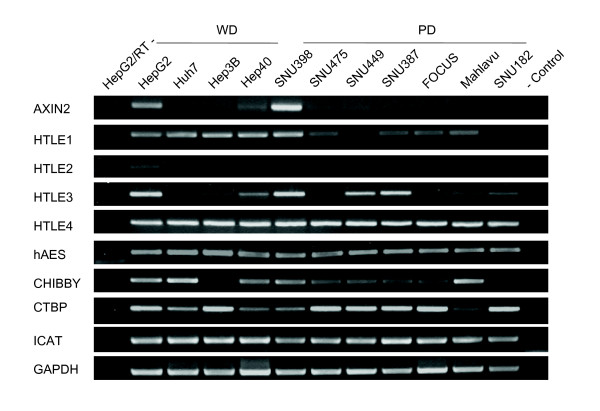
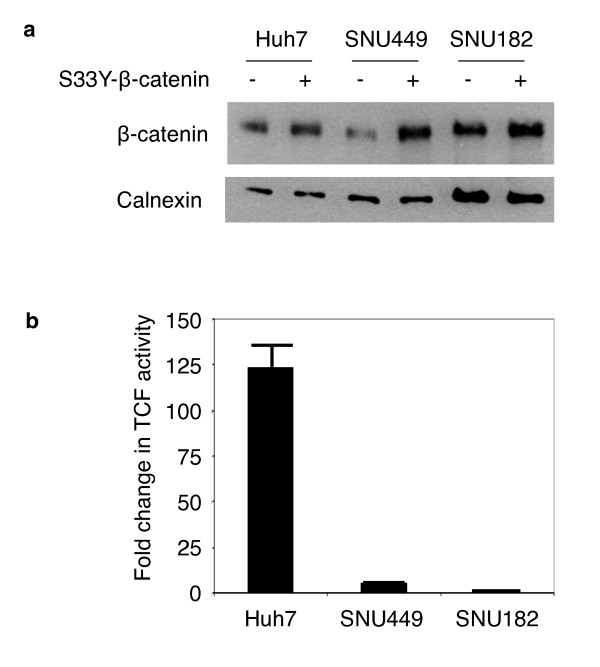
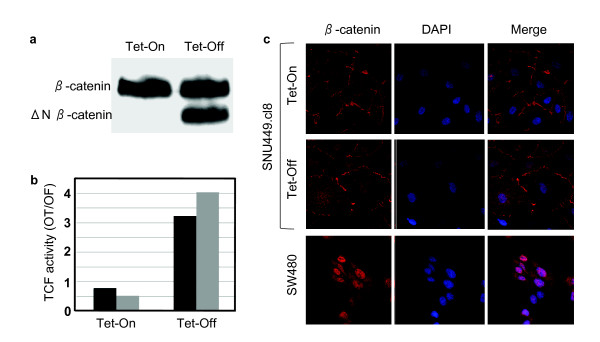
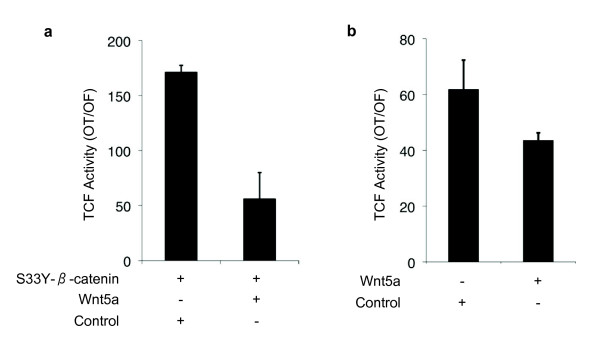
Background: β-catenin mutations that constitutively activate the canonical Wnt signaling have been observed in a subset of hepatocellular carcinomas (HCCs). These mutations are associated with chromosomal stability, low histological grade, low tumor invasion and better patient survival. We hypothesized that canonical Wnt signaling is selectively activated in well-differentiated, but repressed in poorly differentiated HCCs. To this aim, we characterized differentiation status of HCC cell lines and compared their expression status of Wnt pathway genes, and explored their activity of canonical Wnt signaling. Results: We classified human HCC cell lines into "well-differentiated" and "poorly differentiated" subtypes, based on the expression of hepatocyte lineage, epithelial and mesenchymal markers. Poorly differentiated cell lines lost epithelial and hepatocyte lineage markers, and overexpressed mesenchymal markers. Also, they were highly motile and invasive. We compared the expression of 45 Wnt pathway genes between two subtypes. TCF1 and TCF4 factors, and LRP5 and LRP6 co-receptors were ubiquitously expressed. Likewise, six Frizzled receptors, and canonical Wnt3 ligand were expressed in both subtypes. In contrast, canonical ligand Wnt8b and noncanonical ligands Wnt4, Wnt5a, Wnt5b and Wnt7b were expressed selectively in well- and poorly differentiated cell lines, respectively. Canonical Wnt signaling activity, as tested by a TCF reporter assay was detected in 80% of well-differentiated, contrary to 14% of poorly differentiated cell lines. TCF activity generated by ectopic mutant β-catenin was weak in poorly differentiated SNU449 cell line, suggesting a repressive mechanism. We tested Wnt5a as a candidate antagonist. It strongly inhibited canonical Wnt signaling that is activated by mutant β-catenin in HCC cell lines. Conclusion: Differential expression of Wnt ligands in HCC cells is associated with selective activation of canonical Wnt signaling in well-differentiated, and its repression in poorly differentiated cell lines. One potential mechanism of repression involved Wnt5a, acting as an antagonist of canonical Wnt signaling. Our observations support the hypothesis that Wnt pathway is selectively activated or repressed depending on differentiation status of HCC cells. We propose that canonical and noncanonical Wnt pathways have complementary roles in HCC, where the canonical signaling contributes to tumor initiation, and noncanonical signaling to tumor progression.
Overview
The claims and statistics of this paper haven’t been checked yet.
Run the check — free, no account needed. It reads the open-access text and checks the sources it cites.
Integrity signals
Registry
Cites
Statistics
Figures
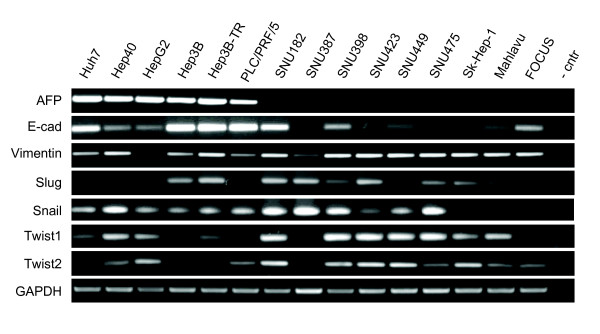
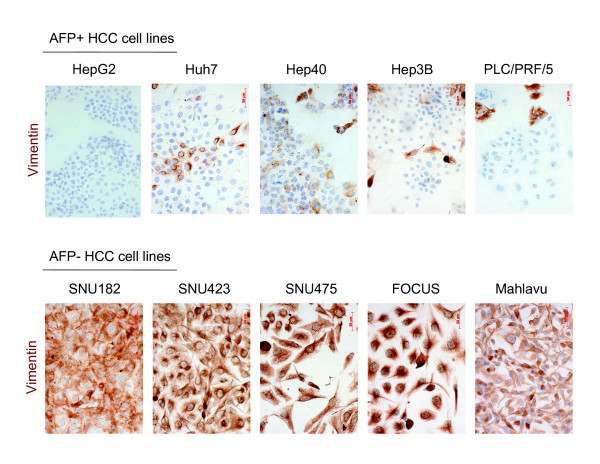
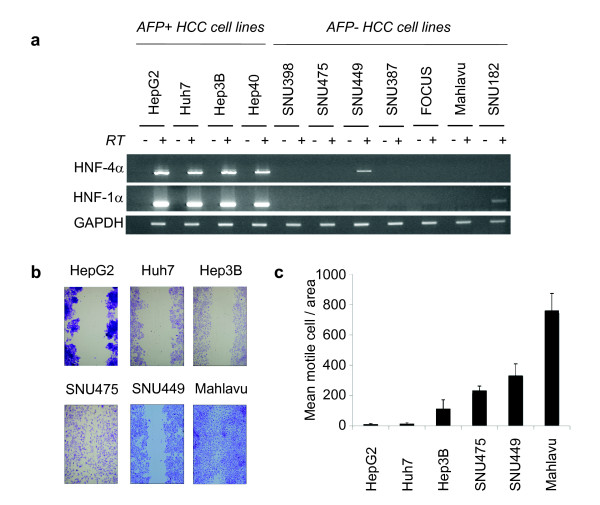
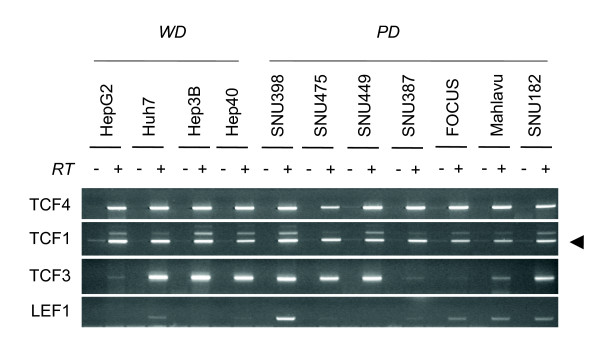
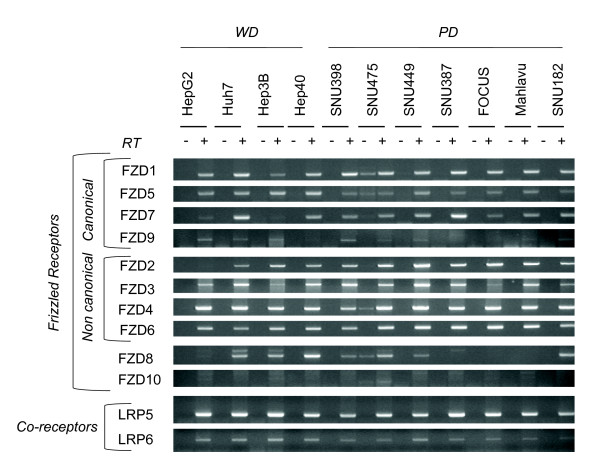
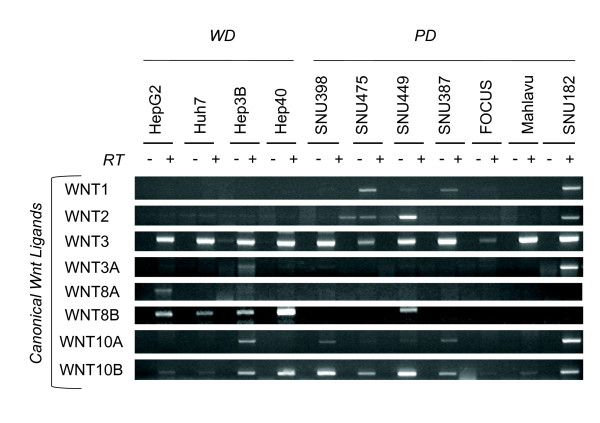
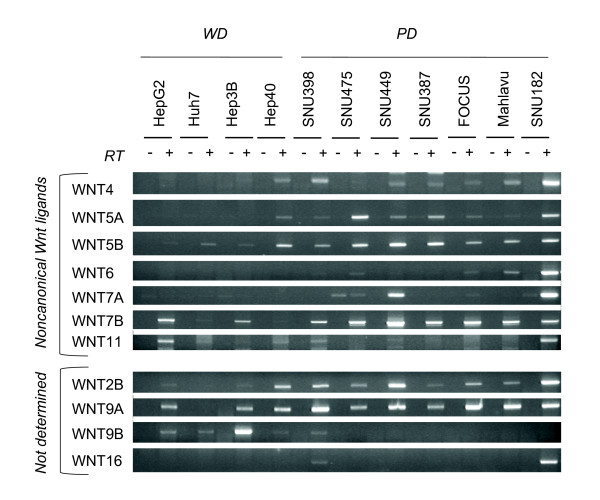
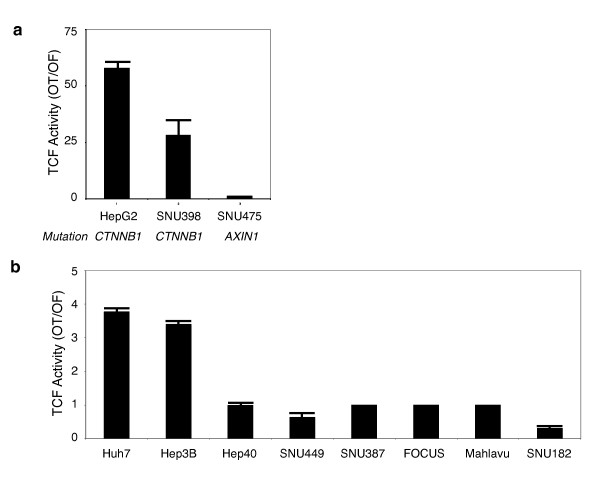
Verification
Claims the paper makes
The claims and statistics of this paper haven’t been checked yet.
Run the check — free, no account needed. It reads the open-access text and checks the sources it cites.
Claims other papers make about this one
Each is checked against this paper’s own text: does it say what the citing paper says it does?
The source backs part of the claim, not all of it — or backs it for a different population, condition or comparison.
In the citing paper
“Huh7 and SNU387 have no known mutations in β-catenin or other Wnt-related gens (27, 28).”
From Wnt-Pathway Activation in Two Molecular Classes of Hepatocellular Carcinoma and Experimental Modulation by Sorafenib (2012) · cites this paper as [27]
Experimental — accuracy not yet measured
Self-check
Percentages, sums and reported differences re-computed from the paper’s own numbers.
The self-check needs the paper’s full text.
Citations
Cites
The basics of epithelial-mesenchymal transition
Kalluri, R., & Weinberg, R. A. (2009) · Journal of Clinical Investigation · doi:10.1172/jci39104 · Cited by 10,196
Activation of β-Catenin-Tcf Signaling in Colon Cancer by Mutations in β-Catenin or APC
Morin, P. J., Sparks, A. B., Kořínek, V., Barker, N., Clevers, H. C., Vogelstein, B., & Kinzler, K. W. (1997) · Science · doi:10.1126/science.275.5307.1787 · Cited by 4,000
Wnt signalling in stem cells and cancer
Reya, T., & Clevers, H. (2005) · Nature · doi:10.1038/nature03319 · Cited by 3,666
Molecular pathogenesis of human hepatocellular carcinoma
Thorgeirsson, S. S., & Grisham, J. W. (2002) · Nature Genetics · doi:10.1038/ng0802-339 · Cited by 1,456
Purified Wnt5a Protein Activates or Inhibits β-Catenin–TCF Signaling Depending on Receptor Context
Mikels, A. J., & Nusse, R. (2006) · PLoS Biology · doi:10.1371/journal.pbio.0040115 · Cited by 1,244
Intestinal polyposis in mice with a dominant stable mutation of the β‐catenin gene
Harada, N., Tamai, Y., Ishikawa, T., Sauer, B., Takaku, K., Oshima, M., & Taketo, M. M. (1999) · The EMBO Journal · doi:10.1093/emboj/18.21.5931 · Cited by 1,212
Yamashita, T., Ji, J., Budhu, A., Forgues, M., Yang, W., Wang, H., Jia, H., Ye, Q., Qin, L., Wauthier, E., et al. (2008) · Gastroenterology · doi:10.1053/j.gastro.2008.12.004 · Cited by 1,142
Munemitsu, S. M., Albert, I., Souza, B., Rubinfeld, B., & Polakis, P. G. (1995) · Proceedings of the National Academy of Sciences · doi:10.1073/pnas.92.7.3046 · Cited by 1,021
Satoh, S., Daigo, Y., Furukawa, Y., Kato, T., Miwa, N., Nishiwaki, T., Kawasoe, T., Ishiguro, H., Fujita, M., Tokino, T., et al. (2000) · Nature Genetics · doi:10.1038/73448 · Cited by 960
Mining the Wnt pathway for cancer therapeutics
Barker, N., & Clevers, H. C. (2006) · Nature Reviews Drug Discovery · doi:10.1038/nrd2154 · Cited by 752
Cited by
Sorted by citations
Items 101–200 of 217
Down-regulation of the Wnt/β-catenin signaling pathway by Cacnb4
Rima, M., Daghsni, M., Lopez, A., Fajloun, Z., Lefrançois, L., Duñach, M., Mori, Y., Merle, P., Brusés, J. L., WAARD, M. M. D., et al. (2017) · Molecular Biology of the Cell · doi:10.1091/mbc.e17-01-0076 · Cited by 26
Schlensog, M., Magnus, L., Heide, T., Eschenbruch, J., Steib, F., Tator, M., Kloten, V., Rose, M., Noetzel, E., Gaisa, N. T., et al. (2016) · Epigenetics · doi:10.1080/15592294.2016.1229730 · Cited by 24
Frizzled receptors: gatekeepers of Wnt signaling in development and disease
Martinez‐Marin, D., Stroman, G. C., Fulton, C. J., & Pruitt, K. (2025) · Frontiers in Cell and Developmental Biology · doi:10.3389/fcell.2025.1599355 · Cited by 27
Luckert, K., Gujral, T. S., Chan, M., Sevecka, M., Joos, T. O., Sorger, P. K., MacBeath, G., & Poetz, O. (2012) · Science Signaling · doi:10.1126/scisignal.2002372 · Cited by 23
Akbari, S., Kunter, İ., Azbazdar, Y., Özhan, G., Atabey, N., Karagonlar, Z. F., & Erdal, E. (2021) · Cellular Signalling · doi:10.1016/j.cellsig.2021.109972 · Cited by 24
Self-citationStreubel, G., Schrepfer, S., Kallus, H., Parnitzke, U., Wulff, T., Hermann, F., Borgmann, M., & Hamm, S. (2021) · Scientific Reports · doi:10.1038/s41598-021-88983-1 · Cited by 22
Wnt signaling and tumors (Review)
Wang, H., Zhang, L., Hu, C., Li, H., & Jiang, M. (2024) · Molecular and Clinical Oncology · doi:10.3892/mco.2024.2743 · Cited by 24
ROR1 Expression and Its Functional Significance in Hepatocellular Carcinoma Cells
Çetįn, M., Odabas, G., Douglas, L. R., Duriez, P. J., Balçık-Erçin, P., Camcı, İ. Y., Sayan, A. E., & Yağcı, T. (2019) · Cells · doi:10.3390/cells8030210 · Cited by 22
Keles, U., İşcan, E., Yılmaz, H. E., Karakülah, G., Süner, A., Bal, E., Tasdemir, N., Cavga, A. D., Ekin, U., Mutlu, Z., et al. (2020) · American Journal of Physiology-Gastrointestinal and Liver Physiology · doi:10.1152/ajpgi.00094.2020 · Cited by 21
Self-citationNon-canonical Wnt/calcium signaling is protective against podocyte injury and glomerulosclerosis
Zhou, D. F., Wang, Y., Gui, Y., Fu, H., Zhou, S., Wang, Y., Bastacky, S., Stolz, D. B., & Liu, Y. (2022) · Kidney International · doi:10.1016/j.kint.2022.02.029 · Cited by 21
Wnt4 and ephrinB2 instruct apical constriction via Dishevelled and non-canonical signaling
Yoon, J., Sun, J., Lee, M., Hwang, Y., & Daar, I. O. (2023) · Nature Communications · doi:10.1038/s41467-023-35991-6 · Cited by 21
Lee, J. M., Heo, M. J., Lee, C. G., Yang, Y. M., & Kim, S. G. (2015) · Oncotarget · doi:10.18632/oncotarget.2928 · Cited by 21
Liu, Y., Wu, D., Cheng, H., Chen, L., Zhang, W., Zou, L., Gao, Q., Zhao, Z., Chen, Q., Zeng, W., et al. (2020) · Cancer Science · doi:10.1111/cas.14738 · Cited by 21
Tong, Q., Yi, M., Kong, P., Xu, L. S., Huang, W., Niu, Y., Gan, X., Zhan, H., Tian, R., & Yan, D. (2022) · Cancer Cell International · doi:10.1186/s12935-022-02692-x · Cited by 23
Integration of anterior neural plate patterning and morphogenesis by the Wnt signaling pathway
Cavodeassi, F. (2013) · Developmental Neurobiology · doi:10.1002/dneu.22135 · Cited by 19
Role of Fanconi anemia/BRCA pathway genes in hepatocellular carcinoma chemoresistance
Ferroudj, S., Yıldız, G., Bouras, M., İşcan, E., Ekin, U., & Öztürk, M. (2016) · Hepatology Research · doi:10.1111/hepr.12675 · Cited by 19
Dong, J., Li, Y., & Shi, K. (2019) · Cancer Cell International · doi:10.1186/s12935-019-0743-z · Cited by 20
Pekmezci, A. K., Çakıroğlu, E., Eris, S., Mazi, F. A., Coskun-Deniz, O. S., Dalgıç, E., Öz, Ö., & Şentürk, Ş. (2023) · Life Sciences · doi:10.1016/j.lfs.2023.121690 · Cited by 19
Pullara, F., Guerrero‐Santoro, J., Calero, M., Zhang, Q., Peng, Y., Spåhr, H., Kornberg, G., Cusimano, A., Stevenson, H. P., Santamaría‐Suárez, H. A., et al. (2012) · Protein Expression and Purification · doi:10.1016/j.pep.2012.10.007 · Cited by 19
Król, M., Mucha, J., Majchrzak, K., Homa, A., Bulkowska, M., Majewska, A., Gajewska, M., Pietrzak, M., Perszko, M., Romanowska, K., et al. (2014) · PLoS ONE · doi:10.1371/journal.pone.0083995 · Cited by 18
RetractedKina, S., Kawabata‐Iwakawa, R., Miyamoto, S., Arasaki, A., Sunakawa, H., & Kinjo, T. (2021) · Journal of drug targeting · doi:10.1080/1061186x.2021.1929256 · Cited by 17
Inhibition of Nemo-like Kinase Increases Taxol Sensitivity in Laryngeal Cancer
Dong, J.-R., Guo, N., Zhao, J.-P., Liu, P.-D., Feng, H.-H., & Li, Y. (2013) · Asian Pacific Journal of Cancer Prevention · doi:10.7314/apjcp.2013.14.12.7137 · Cited by 17
Expression profile and clinical significance of Wnt signaling in human gliomas
Zhang, H., Qi, Y., Geng, D., Shi, Y., Wang, X., Yu, R., & Zhou, X. (2017) · Oncology Letters · doi:10.3892/ol.2017.7315 · Cited by 17
Chen, Q., Wang, J., Li, N., Cai, H., & Lu, Y.-Y. (2025) · Critical Reviews in Oncology/Hematology · doi:10.1016/j.critrevonc.2025.104924 · Cited by 18
Xue, A. G., Chan, M., & Gujral, T. S. (2020) · Translational research · doi:10.1016/j.trsl.2020.06.003 · Cited by 16
DACH 1 inhibits glioma invasion and tumor growth via the Wnt/catenin pathway
Wang, J., Zou, Y., Wu, X., Chen, M., Zhang, S., Lu, X., & Wang, Q. (2018) · OncoTargets and Therapy · doi:10.2147/ott.s168314 · Cited by 16
The role of WNT5A and Ror2 in peritoneal membrane injury
Padwal, M., Liu, L., & Margetts, P. J. (2020) · Journal of Cellular and Molecular Medicine · doi:10.1111/jcmm.15034 · Cited by 15
Bitirim, C. V. (2021) · PeerJ · doi:10.7717/peerj.12314 · Cited by 15
Balçık-Erçin, P., Çetįn, M., Camcı, İ. Y., Odabas, G., Tokay, N., Sayan, E., & Yağcı, T. (2018) · Cellular Oncology · doi:10.1007/s13402-018-0375-7 · Cited by 15
Up-regulation of Wnt5a inhibits proliferation and migration of hepatocellular carcinoma cells
Wang, J., Wang, T., & Liu, X. (2019) · Journal of Cancer Research and Therapeutics · doi:10.4103/jcrt.jcrt_886_18 · Cited by 15
Deng, C., Li, H., Zhang, L., Liu, Y., Li, Y., & Wang, J. (2024) · Bioinformatics · doi:10.1093/bioinformatics/btae257 · Cited by 15
Stem Cell Therapy for Hepatocellular Carcinoma: Future Perspectives
Elkhenany, H. A., Shekshek, A., Abdel‐Daim, M. M., & El‐Badri, N. (2019) · Advances in experimental medicine and biology · doi:10.1007/5584_2019_441 · Cited by 14
Preziosi, M., Poddar, M., Singh, S., & Monga, S. P. (2018) · Gene Expression · doi:10.3727/105221618x15205148413587 · Cited by 14
Odabas, G., Çetįn, M., Turhal, S., Baloğlu, H., Sayan, E., & Yağcı, T. (2018) · Canadian Journal of Gastroenterology and Hepatology · doi:10.1155/2018/4040787 · Cited by 14
Canal, F., Anthony, E., Lescure, A., Nery, E. D., Camonis, J., Perez, F., Ragazzon, B., & Perret, C. (2015) · BMC Cancer · doi:10.1186/s12885-015-2037-8 · Cited by 12
Tüncel, Ö., Kahraman, E., Bağcı, G., Atabey, N., & Özçelik, S. (2020) · Materials Science and Engineering C · doi:10.1016/j.msec.2020.111585 · Cited by 12
Self-citationWNT/β-catenin pathway activation in hepatocellular carcinoma: a clinical perspective
Chua, M.-S., Ma, L., Wei, W., & So, S. (2014) · Gastrointestinal Cancer: Targets and Therapy · doi:10.2147/gictt.s44256 · Cited by 12
Wakizaka, K., Kamiyama, T., Kakisaka, T., Orimo, T., Nagatsu, A., Aiyama, T., Shichi, S., & Taketomi, A. (2023) · Annals of Surgical Oncology · doi:10.1245/s10434-023-14402-6 · Cited by 11
Hiebinger, F., Kudulyte, A., Chi, H., de Lara, S. B., Ilic, D., Helm, B., Welsch, H., Thi, V. L. D., Klingmüller, U., & Binder, M. (2023) · Cancer Cell International · doi:10.1186/s12935-023-03150-y · Cited by 11
A new tool for differentiating hepatocellular cancer cells: Patterned carbon nanotube arrays
Kucukayan-Dogu, G., Gözen, D., Bitirim, C. V., Akçalı, K. C., & Bengü, E. (2015) · Applied Surface Science · doi:10.1016/j.apsusc.2015.05.054 · Cited by 11
Ben-Ghedalia-Peled, N., Cohen‐Erez, I., Rapaport, H., & Vago, R. (2021) · International Journal of Pharmaceutics · doi:10.1016/j.ijpharm.2021.120208 · Cited by 11
Huge, N., Reinkens, T., Buurman, R., Sandbothe, M., Bergmann, A. K., Wallaschek, H., Vajen, B., Stalke, A., Decker, M., Eilers, M., et al. (2022) · Cancer Cell International · doi:10.1186/s12935-022-02582-2 · Cited by 11
Wnt Signaling in Hepatocellular Carcinoma: Biological Mechanisms and Therapeutic Opportunities
Zhu, Y., He, Y., & Gan, R. (2024) · Cells · doi:10.3390/cells13231990 · Cited by 10
Tennakoon, A. H., Izawa, T., Wijesundera, K. K., Katou-Ichikawa, C., Tanaka, M., Golbar, H. M., Kuwamura, M., & Yamate, J. (2015) · Experimental and Molecular Pathology · doi:10.1016/j.yexmp.2015.03.010 · Cited by 10
Role of FLT3 in the proliferation and aggressiveness of hepatocellular carcinoma
AYDIN, M. M., Bayin, N. S., Acun, T., Yakicier, M. C., & Akçalı, K. C. (2016) · TURKISH JOURNAL OF MEDICAL SCIENCES · doi:10.3906/sag-1501-173 · Cited by 11
Jannesari-Ladani, F., Hossein, G., & Izadi‐Mood, N. (2014) · Asian Pacific Journal of Cancer Prevention · doi:10.7314/apjcp.2014.15.3.1489 · Cited by 10
CRISPR/Cas9 genetic screens in hepatocellular carcinoma gene discovery
Chiu, C. H. (2023) · Current Research in Biotechnology · doi:10.1016/j.crbiot.2023.100127 · Cited by 10
Ma, S., Meng, G., Liu, T., You, J., He, R., Zhao, X., & Cui, Y. (2024) · Biomedicine & Pharmacotherapy · doi:10.1016/j.biopha.2024.117508 · Cited by 9
Wakizaka, K., Kamiyama, T., Wakayama, K., Orimo, T., Shimada, S., Nagatsu, A., Kamachi, H., Yokoo, H., Fukai, M., Kobayashi, N., et al. (2020) · Oncology Letters · doi:10.3892/ol.2020.12131 · Cited by 9
Peng, T., Wonganan, O., Zhang, Z., Yu, J., Xi, R., Cao, Y., Suksamrarn, A., Zhang, G., & Wang, F. (2021) · International Journal of Molecular Sciences · doi:10.3390/ijms22073354 · Cited by 9
Quinoides and VEGFR2 TKIs influence the fate of hepatocellular carcinoma and its cancer stem cells
Kahraman, D., Hanquet, G., Jeanmart, L., Lanners, S., Šramel, P., Boháč, A., & Çetin-Atalay, R. (2016) · MedChemComm · doi:10.1039/c6md00392c · Cited by 8
Yıldız, G. (2018) · Oncology Letters · doi:10.3892/ol.2018.8634 · Cited by 8
Gungor, M. Z., Uysal, M., Öztürk, M., & Şentürk, Ş. (2021) · Journal of Gastrointestinal Cancer · doi:10.1007/s12029-021-00704-z · Cited by 8
Bınarcı, B., Kilic, E. K., Doğan, T., Çetin-Atalay, R., Kahraman, D., & Baytaş, S. N. (2024) · Drug Development Research · doi:10.1002/ddr.70008 · Cited by 7
WNT9A and WNT9B in Development and Disease
Ide, A. D., & Grainger, S. J. (2024) · Differentiation · doi:10.1016/j.diff.2024.100820 · Cited by 7
3D Organoid modelling of hepatoblast-like and mesenchymal-like hepatocellular carcinoma cell lines
Öz, Ö., İşcan, E., Batur, T., & Öztürk, M. (2021) · Hepatoma Research · doi:10.20517/2394-5079.2021.43 · Cited by 7
Hu, X., Zhou, C., He, G., Cheng, Y., Pan, M., & Gao, Y. (2020) · Gastroenterología y Hepatología · doi:10.1016/j.gastrohep.2019.02.006 · Cited by 7
Regulatory effect of Wnt signaling on mitochondria in cancer: from mechanism to therapy
Han, J., Yuan, Y., Zhang, J., Hou, Y., Xu, H., Nie, X., Zhao, Z., & Hou, J. (2025) · APOPTOSIS · doi:10.1007/s10495-025-02114-z · Cited by 8
Wnt/?-Catenin Signalling during Liver Metabolism, Chronic Liver Disease and Hepatocarcinogenesis
Shirolkar, G. D., Pasic, S., Gogoi-Tiwari, J., Bhat, M. K., Olynyk, J. K., Dharmarajan, A., & Tirnitz‐Parker, J. E. E. (2018) · Journal of Renal and Hepatic Disorders · doi:10.15586/jrenhep.2018.29 · Cited by 6
Kumar, R., Ciprianidis, A., Theiß, S., Steinbeißer, H., & Kaufmann, L. T. (2016) · Differentiation · doi:10.1016/j.diff.2016.10.002 · Cited by 7
Gajón, J. A., Juárez-Flores, Á., Mendoza-Roldan, F., Hernández-Aceves, J. A., Muñoz-Cruz, S., Pérez‐Torres, A., Fuentes‐Pananá, E. M., & Bonifaz, L. C. (2025) · OncoImmunology · doi:10.1080/2162402x.2025.2595360 · Cited by 5
Evaluation of ATAD2 as a Potential Target in Hepatocellular Carcinoma
Ekin, U., Yuzugullu, H., Özen, Ç., Korhan, P., Bağırsakçı, E., Yılmaz, F., Gürsoy-Yüzügüllü, Ö., Uzuner, H., Alotaibi, H., Ballar, P., et al. (2021) · Journal of Gastrointestinal Cancer · doi:10.1007/s12029-021-00732-9 · Cited by 5
Self-citationSAMD13 serves as a useful prognostic biomarker for hepatocellular carcinoma
Yoo, W., Kim, S., & Noh, K. (2023) · European journal of medical research · doi:10.1186/s40001-023-01347-5 · Cited by 5
Shapiro, I., Debaix, H., Kräuchi, C., Abate, A., Bornstein, S. R., Nölting, S., Gunz, S., Berruti, A., Sigala, S., Beuschlein, F., et al. (2025) · Experimental & Molecular Medicine · doi:10.1038/s12276-025-01507-z · Cited by 4
Nickel chloride induces anticancer biological responses in hepatocellular carcinoma cell lines
Kahraman, E., & Göker, E. (2023) · Toxicology and Industrial Health · doi:10.1177/07482337221149573 · Cited by 5
Gülümsek, Ö. E., Baykal, E. E., Küçükpolat, C., Önal, E., Balçık-Erçin, P., Yağcı, T., Ahsen, V., & Gürek, A. G. (2022) · Journal of Coordination Chemistry · doi:10.1080/00958972.2022.2028779 · Cited by 4
Kahraman, E., & Göker, E. (2022) · Molecular Biology Reports · doi:10.1007/s11033-022-07273-9 · Cited by 4
Tamaki, R., Sagane, K., Li, S. D., & Hoshi, T. (2025) · BMC Genomics · doi:10.1186/s12864-025-12083-x · Cited by 3
Short hairpin RNA of frizzled-2 suppresses the proliferation of hepatocellular carcinoma cells
Tomizawa, M., Shinozaki, F., Motoyoshi, Y., Sugiyama, T., Yamamoto, S., & Sueishi, M. (2014) · Oncology Letters · doi:10.3892/ol.2014.2408 · Cited by 3
Dysregulated paired related homeobox 1 impacts on hepatocellular carcinoma phenotypes
Piorońska, W., Nwosu, Z. C., Han, M., Büttner, M., Ebert, M., Dooley, S., & Meyer, C. (2021) · BMC Cancer · doi:10.1186/s12885-021-08637-3 · Cited by 3
WNT5a export onto extracellular vesicles studied at single‐molecule and single‐vesicle resolution
Schubert, A., Mongkolsittisilp, A., Kobitski, A. Y., Schulz, M., Voloshanenko, O., Schaffrinski, M., Winkler, N., Neßling, M., Richter, K., Kranz, D., et al. (2025) · FEBS Journal · doi:10.1111/febs.70074 · Cited by 3
Uyulgan, S., Köse, S. N., Kıpçak, A., Başkan, Y., Dağlar, G., Karagonlar, Z. F., & Yandım, C. (2023) · Journal of Cancer Research and Therapeutics · doi:10.4103/jcrt.jcrt_2106_22 · Cited by 2
Microscopic image classification using sparsity in a transform domain and Bayesian learning
Suhre, A., Erşahin, T., Çetin-Atalay, R., & Çetin, A. E. (2011) · Bilkent University Institutional Repository (Bilkent University) · Cited by 2
Sitaram, R. T., Ljungberg, B., Roos, G., Landström, M., & Sitaram, R. T. (2020) · Clinical Oncology and Research · doi:10.31487/j.cor.2020.03.09 · Cited by 2
Kalyoncu, M., Demirci, D., Eris, S., Dayanc, B., Çakıroğlu, E., Basol, M., Uysal, M., Cakan‐Akdogan, G., Liu, F., Öztürk, M., et al. (2025) · Molecular Oncology · doi:10.1002/1878-0261.70021 · Cited by 1
Chen, F., Liu, C., Qi, R., Ding, J., Luo, T., Yu, F., Zhang, G., Shi, C., Luo, D., & Qiu, F. (2025) · Frontiers in Bioscience-Landmark · doi:10.31083/fbl40454 · Cited by 1
KARACA, T. D., Çapan, İ., Sert, Y., Balcı, H., Aysan, A., & Koca, İ. (2026) · Chemical Biology & Drug Design · doi:10.1111/cbdd.70229 · Cited by 1
Cheng, J., Zhu, K., Wang, J., Huang, Q., Shen, J., Xiong, Y., Yang, Q., Zhang, Z., Li, F., & Fan, L. (2026) · SLEEP · doi:10.1093/sleep/zsag071 · Cited by 1
T ‐cell factor 1 expression in germ cell tumors with trophoblastic differentiation
Šerman, L., Martić, T. N., & Vranić, S. (2014) · Pathology International · doi:10.1111/pin.12126 · Cited by 1
Özen, Ç., Ceylan‐Ünlüsoy, M., Öztürk, M., & Bozdağ‐Dündar, O. (2017) · Medicinal Chemistry Research · doi:10.1007/s00044-017-2037-0 · Cited by 1
Masha, A., Ben, G.-P. N., Cohen, E. I., Yvonne, V., & Vago, R. (2020) · Open Journal of Orthopedics and Rheumatology · doi:10.17352/ojor.000025 · Cited by 1
Integrative Analysis of SIX1 and Cancer Stem Cell Markers in Hepatocellular Carcinoma
Balçık-Erçin, P. (2020) · Celal Bayar Üniversitesi Sağlık Bilimleri Enstitüsü Dergisi · doi:10.34087/cbusbed.689797 · Cited by 1
Targeting c-Met and AXL Crosstalk for the Treatment of Hepatocellular Carcinoma
Yılmaz, Y., Batur, T., Korhan, P., Öztürk, M., & Atabey, N. (2021) · Springer eBooks · doi:10.1007/978-3-030-78737-0_21 · Cited by 1
Self-citationSignaling Pathways in the Liver
Lade, A. G., & Monga, S. P. (2010) · Molecular pathology library · doi:10.1007/978-1-4419-7107-4_20 · Cited by 1
Stuckenholz, C., Lu, L., Thakur, P. C., Choi, T. Y., Shin, D., & Bahary, N. (2013) · PLoS ONE · doi:10.1371/annotation/024a206e-293f-4a95-a188-7838a2763266 · Cited by 1
Mechanisms regulating the p120-catenin/Kaiso pathway
Hong, J. Y. (2011) · Digital Commons-TMC (Texas Medical Center)
DigitalCommons@Th e Texas Medical Center
Gsbs, U., & Hong, J. Y. (2011)
Luckert, K., Gujral, T. S., Chan, M., Joos, T. O., & Sorger, P. K. (2012)
Morphogen and epigenetic regulation of wound healing
Corbett, L. (2015)
Molecular Classification of Hepatocellular Carcinoma and Precision Medicine
Feely, M. (2017) · Molecular pathology library · doi:10.1007/978-3-319-68082-8_3
Li, L., Zheng, Y., Zheng, Q., & Jiang, J. (2020) · Experimental and Therapeutic Medicine · doi:10.3892/etm.2020.8527
Dysregulated cell-signaling pathways in hepatocellular carcinoma: causes and therapeutic options
Baghel, V. S., Shinde, S., Dixit, V., Vishvakarma, N. K., Tiwari, A. K., Tiwari, S., & Shukla, D. (2022) · Elsevier eBooks · doi:10.1016/b978-0-323-98807-0.00009-0
Hu, X., Zhou, C., He, G., Cheng, Y., Pan, M., & Gao, Y. (2020) · Gastroenterología y Hepatología (English Edition) · doi:10.1016/j.gastre.2019.02.034
Sáez-Rodríguez, J., Alexopoulos, L. G., Zhang, M., Morris, M. K., Lauffenburger, D. A., & Sorger, P. K. (2023) · doi:10.1158/0008-5472.22388631
Sáez-Rodríguez, J., Alexopoulos, L. G., Zhang, M., Morris, M. K., Lauffenburger, D. A., & Sorger, P. K. (2023) · doi:10.1158/0008-5472.22388631.v1
Yamate, J. (2023) · Journal of Veterinary Medical Science · doi:10.1292/jvms.23-0225
Li, P., Ma, X., Huang, D., & Gu, X. (2023) · International Journal of Immunopathology and Pharmacology · doi:10.1177/03946320231218179
Age and light damage influence Fzd5 regulation of ocular growth-related genes
Peng, S., Guo, M., Wu, C., Liu, J., Zou, B., Chen, Y., Su, Y., Shi, L., Zhu, S., Xu, S., et al. (2023) · Experimental Eye Research · doi:10.1016/j.exer.2023.109769
Zhao, M., Tang, C., Liang, H., Sun, X., & Wu, K. (2024) · Research Square · doi:10.21203/rs.3.rs-4213389/v1
Molecular Basis for Hepatocellular Carcinoma Development in Low/Middle-Income Countries
Tabll, A. A., El‐maadawy, E. A., & Talaat, R. M. (2025) · Springer eBooks · doi:10.1007/978-981-96-3894-9_3
Metadata
- Authors
- Yuzugullu, H., Benhaj, K., Ozturk, N., Senturk, S., Celik, E., Toylu, A., Tasdemir, N., Yilmaz, M., Erdal, E., Akcali, K. C., Atabey, N., & Ozturk, M.
- Affiliations
- Bilkent University (TR)
- Dokuz Eylül University (TR)
- Venue
- Molecular Cancer
- Published
- 2009-10-22
- Volume
- 8
- Issue
- 1
- Pages
- 90-90
- ISSN
- 1476-4598 (ISSN-L)
- PMC
- PMC2770486
- OpenAlex
- W2152347253
- Cited by
- 215
- References
- 76
- Citations by year
- 2026: 5 · 2025: 12 · 2024: 9 · 2023: 16 · 2022: 14 · 2021: 21 · 2020: 19 · 2019: 9 · 2018: 13 · 2017: 9 · 2016: 17 · 2015: 21 · 2014: 13 · 2013: 9 · 2012: 13
- FWCI
- 3.76
- Type
- journal article
- Language
- en
- Open access
- gold
- doi.org
- Licence
- cc-by
- Locations
- Molecular Cancer (publishedVersion, cc-by)
- PubMed Central (publishedVersion, cc-by)
- PubMed (publishedVersion)
- Bilkent University Institutional Repository (Bilkent University) (submittedVersion)
- Carolina Digital Repository (University of North Carolina at Chapel Hill) (submittedVersion)
- HAL (submittedVersion, other-oa)
- Carolina Digital Repository (University of North Carolina at Chapel Hill) (submittedVersion, cc-by)
- DOAJ (DOAJ: Directory of Open Access Journals) (submittedVersion)
- UNC Libraries
- Funders
- Kræftens Bekæmpelse
- Türkiye Bilimsel ve Teknolojik Araştırma Kurumu
- Türkiye Bilimler Akademisi
- Topics
- Life Sciences › Biochemistry, Genetics and Molecular Biology › Molecular Biology › Wnt/β-catenin signaling in development and cancer
- Health Sciences › Medicine › Oncology › Cancer Cells and Metastasis
- Life Sciences › Biochemistry, Genetics and Molecular Biology › Molecular Biology › Signaling Pathways in Disease
- Keywords
- hepatocellular carcinoma, Wnt/β-catenin signaling, non-canonical Wnt signaling, Wnt5a, CTNNB1 mutation, tumor differentiation, TCF transcription factors, Frizzled receptors, tumor invasion, tumor progression
- MeSH terms
- Wnt-5a Protein, Cell Differentiation, Cell Nucleus, Carcinoma, Hepatocellular, Humans, Immunohistochemistry, Ligands, Liver Neoplasms, Mutation, Neoplasm Proteins, Proto-Oncogene Proteins, Receptors, LDL, Biomarkers, Tumor, Signal Transduction, Gene Expression Regulation, Neoplastic, Genes, Reporter, Autocrine Communication, Cell Line, Tumor, Wnt Proteins, Frizzled Receptors, TCF Transcription Factors
About these checks
Registry, retraction, Cites and statistics results are computed, not judged, with one exception: a printed reference that no index lists is read once by a model before it counts as a citation error. Claims are extracted by a model and kept only when their quote appears verbatim in the text; each cited source is then checked, with a model’s help, for whether it says what the claim relies on. Those verdicts can be wrong — read the claim’s quote and the cited source before relying on one.
Statistics and arithmetic are recomputed, not judged.
Confidence bands are shown only for fields calibrated on our annotated test set. None is calibrated yet, so no band is shown.
What counts as a claim ›How we measure confidence ›How we check this ›
Are you an author, or do you see a problem with this page? Request a review
