

The DOI matches its Crossref record; 50 of the 51 references it cites were found in a registry or an index.
Type D personality in the general population: a systematic review of health status, mechanisms of disease, and work-related problems
Open accessAbstract
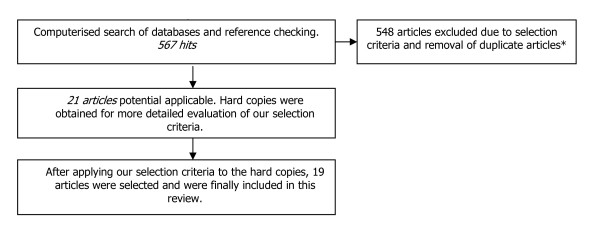
BACKGROUND: The objective was to review all available literature concerning Type D (distressed) personality among the general population and to discuss its implications for research on health status, disease-promoting mechanisms and work-related problems in non-clinical populations. METHODS: A computerized search of the literature was performed independently and in duplicate by both investigators on December 21st, 2009. Published research reports were included if they studied Type D personality among the general population. Nineteen articles were selected and they were subjected to an 11-item standardised quality checklist by both investigators. RESULTS: The methodological quality of the selected studies was adequate to high. The studies included in this review showed that the presence of Type D characteristics had a negative impact on mental health status (more symptoms of depression, anxiety, post-traumatic stress disorder, mental distress, passive coping, and less social support) and physical health status (more somatic complaints, lower health status, more influenza-like illness reporting). Other studies reported on behavioral and biological mechanisms of disease in apparently healthy individuals with a Type D personality. Finally, some studies also showed a negative effect of Type D personality on work-related problems (higher absence-leave, higher levels of vital exhaustion and burnout, and more work-related stress). CONCLUSIONS: Type D personality is a vulnerability factor for general psychological distress that affects mental and physical health status and is associated with disease-promoting mechanisms and work-related problems in apparently healthy individuals.
Overview
The claims and statistics of this paper haven’t been checked yet.
Run the check — free, no account needed. It reads the open-access text and checks the sources it cites.
Integrity signals
Registry
Cites
Statistics
Figures
Verification
Claims the paper makes
The claims and statistics of this paper haven’t been checked yet.
Run the check — free, no account needed. It reads the open-access text and checks the sources it cites.
Claims other papers make about this one
Each is checked against this paper’s own text: does it say what the citing paper says it does?
In the citing paper
“While many studies have documented poorer general health correlates of Type D in community (rather than CVD) samples [154, 155]”
From Personality and Longevity: Knowns, Unknowns, and Implications for Public Health and Personalized Medicine (2011) · cites this paper as [155]
Self-check
Percentages, sums and reported differences re-computed from the paper’s own numbers.
The self-check needs the paper’s full text.
Citations
Cites
DS14: Standard Assessment of Negative Affectivity, Social Inhibition, and Type D Personality
Denollet, J. (2005) · Psychosomatic Medicine · doi:10.1097/01.psy.0000149256.81953.49 · Cited by 1,583 · cited 6×
“Moreover, Type D personality is based on normal personality traits rather than psychopathology which implies that it should be prevalent in the general population as well [1], and that it may have an adverse effect on the perceived health status as reported by individuals from the general population.”
BackgroundMethodInfluentialSelf-citationPersonality as independent predictor of long-term mortality in patients with coronary heart disease
Denollet, J., Rombouts, H., Gillebert, T. C., Brutsaert, D. L., Sys, S. U., Brutsaert, D. L., & Stroobant, N. (1996) · The Lancet · doi:10.1016/s0140-6736(96)90007-0 · Cited by 679 · cited 3×
“These studies in cardiovascular patients have shown that Type D personality is an independent predictor of negative health outcomes such as poor health status, (recurrent) myocardial infarction, and increased risk of mortality [4-7].”
BackgroundSelf-citationQuality of life among long-term breast cancer survivors: A systematic review
Mols, F., Vingerhoets, A. J. J. M., Coebergh, J. W., & van de Poll-Franse, L. V. (2005) · European Journal of Cancer · doi:10.1016/j.ejca.2005.05.017 · Cited by 585 · cited 1×
“The checklist was based on established criteria lists for systematic reviews [27,28].”
MethodSelf-citationInadequate Response to Treatment in Coronary Heart Disease
Denollet, J., Vaes, J., & Brutsaert, D. L. (2000) · Circulation · doi:10.1161/01.cir.102.6.630 · Cited by 388 · cited 2×
“These studies in cardiovascular patients have shown that Type D personality is an independent predictor of negative health outcomes such as poor health status, (recurrent) myocardial infarction, and increased risk of mortality [4-7].”
BackgroundSelf-citationPersonality and Mortality After Myocardial Infarction
Denollet, J., Sys, S. U., & Brutsaert, D. L. (1995) · Psychosomatic Medicine · doi:10.1097/00006842-199511000-00011 · Cited by 310 · cited 1×
“Although the majority of studies on Type D personality has focussed on cardiovascular [1,3-7,29-34], or other medical populations [35], this systematic review indicates that Type D may negatively affect health status of apparently healthy individuals from the general population as well.”
BackgroundSelf-citationType D personality, cardiac events, and impaired quality of life: a review
Pedersen, S. S., & Denollet, J. (2003) · European Journal of Cardiovascular Prevention & Rehabilitation · doi:10.1097/00149831-200308000-00005 · Cited by 284
Self-citationType D personality is related to cardiovascular and neuroendocrine reactivity to acute stress
Habra, M. E., Linden, W., Anderson, J. C., & Weinberg, J. (2003) · Journal of Psychosomatic Research · doi:10.1016/s0022-3999(02)00553-6 · Cited by 253 · cited 9×
“Accordingly, Type D was associated with increased cardiac output [25], heightened systolic and diastolic blood pressure reactivity [11], and dampened heart rate reactivity during experimental stress.”
BackgroundMethodInfluentialType-D personality mechanisms of effect: The role of health-related behavior and social support
Williams, L., O’Connor, R. C., Howard, S., Hughes, B. M., Johnston, D. W., Hay, J. L., O'Connor, D. B., Lewis, C. A., Ferguson, E., Sheehy, N. P., et al. (2007) · Journal of Psychosomatic Research · doi:10.1016/j.jpsychores.2007.06.008 · Cited by 245 · cited 8×
“Furthermore, the studies included in this review showed that people with a Type D personality more often reported mental health disorders [17] as well as lower levels of social support [26] compared to non-Type D adults.”
BackgroundMethodResultInfluentialPolman, R. C. J., Borkoles, E., & Nicholls, A. R. (2009) · British Journal of Health Psychology · doi:10.1348/135910709x479069 · Cited by 178 · cited 5×
“Various studies showed that individuals from the general population with a Type D personality experienced more symptoms of distress, depression and anxiety compared to non-Type D’s [9,13,18,19,23-25].”
BackgroundMethodInfluentialValidity of the Type D personality construct in Danish post-MI patients and healthy controls
Pedersen, S. S., & Denollet, J. (2004) · Journal of Psychosomatic Research · doi:10.1016/s0022-3999(03)00614-7 · Cited by 170 · cited 1×
“Although the majority of studies on Type D personality has focussed on cardiovascular [1,3-7,29-34], or other medical populations [35], this systematic review indicates that Type D may negatively affect health status of apparently healthy individuals from the general population as well.”
Self-citation
Research works printed but not linked: 1
- Schiffer AA Denollet J Widdershoven JW Hendriks EH Smith OR Failure to consult for symptoms of heart failure in patients with a type-D personality Heart 2007 93 7 814 818 10.1136/hrt.2006.102822 17344329 PMC1994460 · DOI
Cited by
Sorted by citations
Items 101–200 of 286
Bae, S. H., Park, J., & Oh, E. G. (2011) · Korean journal of women health nursing/Yeoseong geon'gang ganho hag'hoeji/Yeoseong geon-gang ganho hakoeji · doi:10.4069/kjwhn.2011.17.4.337 · Cited by 17
Chen, J., Liu, Y., Cai, Q., Liu, Y., Wang, T., Wang, J., Chen, W., & Huang, H. (2013) · Supportive Care in Cancer · doi:10.1007/s00520-013-2082-2 · Cited by 17
Condén, E., Rosenblad, A., Ekselius, L., & Åslund, C. (2014) · Scandinavian Journal of Psychology · doi:10.1111/sjop.12162 · Cited by 16
Husson, O., Denollet, J., Ezendam, N. P. M., & Mols, F. (2016) · Journal of Psychosocial Oncology · doi:10.1080/07347332.2016.1226227 · Cited by 16
Self-citationHe, G., Liu, L., Strodl, E. S., Ruan, Z., Jiang, H., Jin, J., Yu, J. Z., & Chen, W. (2019) · International Journal of Environmental Research and Public Health · doi:10.3390/ijerph16071116 · Cited by 16
“TDP has been reported to be associated with fewer healthy behaviors, poorer physical status, as well as a poorer mental health status [20,21].”
Wang, C., Jin, Y., & Ma, C. (2023) · Scientific Reports · doi:10.1038/s41598-023-32408-8 · Cited by 16
Ankylosing Spondylitis patients with Type D personality have worse clinical status
İnal, E. E., Demirci, K., Doğru, A., & Şahin, M. (2015) · Modern Rheumatology · doi:10.3109/14397595.2015.1054098 · Cited by 15
Kaplánová, A. (2021) · Frontiers in Psychology · doi:10.3389/fpsyg.2021.601812 · Cited by 15
Gębska, M., Dalewski, B., Pałka, Ł., Kołodziej, Ł., & Sobolewska, E. (2021) · Journal of Clinical Medicine · doi:10.3390/jcm10214892 · Cited by 15
“Moreover, they show weak bonds with other people, and use sedatives more frequently [20,21].”
BackgroundBuettner, L. L., Shattell, M. M., & Reber, M. (2011) · Issues in Mental Health Nursing · doi:10.3109/01612840.2011.553346 · Cited by 15
Scheepers, E. R. M., de Rooij, B. H., Pijnenborg, J. M. A., van Huis‐Tanja, L. H., Ezendam, N. P. M., & Hamaker, M. E. (2021) · Gynecologic Oncology · doi:10.1016/j.ygyno.2020.12.031 · Cited by 15
Tuman, T. C. (2021) · Archives of Environmental & Occupational Health · doi:10.1080/19338244.2021.1952152 · Cited by 16
“Previous studies have emphasized that patients with Type D personality are prone to psychological stress, physical and mental illnesses, and have more signs of anxiety and depression.(12) Individuals with Type D personalities are more sensitive to general psychological distress and have tended to experience more anxie…”
BackgroundResultType D personality to insomnia: Sleep reactivity, sleep effort, and sleep hygiene as mediators
Uygur, Ö. F., Ahmed, O., Uygur, H., Bahar, A., Hurşıtoğlu, O., Chung, S., & Drake, C. L. (2023) · Frontiers in Psychiatry · doi:10.3389/fpsyt.2023.1160772 · Cited by 15
“Additionally, regarding the general population, it has been concluded that the Type D construct can be used as a predictor of depression, anxiety, and social anxiety (11, 12).”
BackgroundAssociation between Type D personality and outcomes in patients with non-ischemic heart failure
Bundgaard, J. S., Østergaard, L., Gislason, G., Thune, J. J., Nielsen, J. C., Haarbo, J., Videbæk, L. M., Olesen, L. L., Thøgersen, A. M., Torp-Pedersen, C. T., et al. (2019) · Quality of Life Research · doi:10.1007/s11136-019-02241-6 · Cited by 15
Lee, E., Lee, Y. W., Chae, D., Kang, E. H., & Kang, H. (2022) · Nursing Open · doi:10.1002/nop2.1587 · Cited by 14
Gender differences in quality of life perception and cardiovascular risk in a community sample
Prata, J., Martins, A. Q., Ramos, S., Rocha‐Gonçalves, F., & Coelho, R. C. (2016) · Revista Portuguesa de Cardiologia · doi:10.1016/j.repc.2015.09.022 · Cited by 13
Nie, J., Li, W., Long, J., Zeng, P., Wang, P., & Lei, L. (2020) · Current Psychology · doi:10.1007/s12144-020-00745-w · Cited by 18
Habibović, M., Gavidia‐Bovadilla, G., Broers, E., Wetzels, M., Ayoola, I., Ribas, V. J., Piera-Jiménez, J., Widdershoven, J. W. M. G., & Denollet, J. (2020) · Health Psychology · doi:10.1037/hea0000823 · Cited by 12
Self-citationKim, S. R., Nho, J., Kim, J. Y., & Hur, J. (2020) · Worldviews on Evidence-Based Nursing · doi:10.1111/wvn.12457 · Cited by 12
van der Hiele, K., van Gorp, D. A. M., van Egmond, E. E. A., Jongen, P. J., Reneman, M. F., van der Klink, J. J. L., Arnoldus, E. P. J., Beenakker, E. A. C., van Eijk, J. J. J., Frequin, S. T. F. M., et al. (2021) · Journal of the Neurological Sciences · doi:10.1016/j.jns.2021.117561 · Cited by 12
Effect of Type D personality on medication adherence in early adolescents with asthma
van de Ven, M. O. M., Witteman, C. L. M., & Tiggelman, D. (2013) · Journal of Psychosomatic Research · doi:10.1016/j.jpsychores.2013.09.001 · Cited by 12
“There is a rapidly growing number of studies that have investigated the relation between Type D personality and various health outcomes, both in clinical populations and in the general population [14,15].”
BackgroundSu, S., & He, C.-P. (2018) · Psychological Reports · doi:10.1177/0033294118780428 · Cited by 13
“Type D personality is a vulnerability factor for general psychological distress that affects mental and physical health status (Mols & Denollet, 2010).”
BackgroundKupper, N. H. M., van den Broek, K., Haagh, E., van der Voort, P., Widdershoven, J. W. M. G., & Denollet, J. (2018) · Journal of Psychosomatic Research · doi:10.1016/j.jpsychores.2018.10.005 · Cited by 12
Self-citationForresi, B., Michelini, G., Sapuppo, W., Costa, G., Castellini, G., Livellara, S., & Grgič, R. G. (2022) · International Archives of Occupational and Environmental Health · doi:10.1007/s00420-022-01868-2 · Cited by 11
“2013; Mościcka and Drabek 2010; Buselli et al.”
Sánchez‐Díaz, M., Montero‐Vílchez, T., Cuenca‐Barrales, C., Molina‐Leyva, A., & Arias‐Santiago, S. (2022) · Journal of the European Academy of Dermatology and Venereology · doi:10.1111/jdv.18733 · Cited by 11
Relationships among Type-D Personality, Fatigue, and Quality of Life in Infertile Women
Nho, J., & Kim, E. J. (2022) · Asian Nursing Research · doi:10.1016/j.anr.2022.08.001 · Cited by 11
“2% of foreign university students [25, 38], 30.”
MethodAn update on Takotsubo syndrome
Alim, S., Shah, H., Zahera, S. M., Rahmatova, J., Irfan, M., Mahmood, Z., & Zahra, S. A. (2023) · Journal of Cardiovascular Medicine · doi:10.2459/jcm.0000000000001528 · Cited by 11
Kim, E. J., Nho, J., Kim, H. Y., & Park, S. K. (2021) · International Journal of Environmental Research and Public Health · doi:10.3390/ijerph18115637 · Cited by 12
“Among the general population and patients with chronic diseases, a Type D personality is vulnerable to stress and is associated with unhealthy behaviors and a low quality of life [9].”
BackgroundEpifanio, M. S., Ingoglia, S., Alfano, P., Coco, G. L., & Grutta, S. L. (2018) · Frontiers in Psychology · doi:10.3389/fpsyg.2018.00106 · Cited by 10
“However, individuals with high levels on both traits (NA and SI) are more likely to experience chronic distress (Mols and Denollet, 2010).”
BackgroundResultInfluentialExamining the Prevalence of Type‐D Personality in an Australian Population
Horwood, S., Chamravi, D., & Tooley, G. A. (2015) · Australian Psychologist · doi:10.1111/ap.12089 · Cited by 9
Chang, H. (2015) · Korean Journal of Adult Nursing · doi:10.7475/kjan.2015.27.1.52 · Cited by 9
“즉, D유형 성격을 지 닌 사람이 아닌 사람에 비해 우울, 불안과 같은 부정적 정서를 지니며, 자신의 건강상태에 대해서도 비관적인 시각을 지닌다 고 보고한 Mols와 Denollet[20]의 연구결과와 긍정적인 대상 자가 신체적, 정신적 건강상태가 더 좋으며, 건강증진행위를 잘 수행하는 것으로 보고한 Kim[21]의 연구결과가 이를 뒷받 침하고 있다.”
Factors influencing employee’s quality of life during COVID-19 pandemic
Mulyani, I., Rahardjo, W., Andriani, I., & Qomariyah, N. U. (2020) · Indigenous Jurnal Ilmiah Psikologi · doi:10.23917/indigenous.v5i2.11086 · Cited by 9
“Further, type D personality is a factor closely related to health because this personality type also determines individuals' vulnerability to experiencing psychological and physical problems due to certain diseases (Mols & Denollet, 2010).”
Type D personality is associated with hyperlipidemia in patients with myocardial infarction.
Bagherian-Sararoudi, R., Sanei, H., Attari, A., & Afshar, H. (2012) · Europe PMC (PubMed Central) · Cited by 9
Mental Health, Medical Illness, and Treatment with a Focus on Depression and Anxiety
Ironson, G. H., & Fitch, C. (2015) · Elsevier eBooks · doi:10.1016/b978-0-12-397045-9.00135-x · Cited by 10
Type D Personality Individuals: Exploring the Protective Role of Intrinsic Job Motivation in Burnout
Cuadrado, E., Tabernero, C., Fajardo, C., Luque, B., Arenas, A., Moyano, M., & Castillo‐Mayén, R. (2021) · Journal of Work and Organizational Psychology · doi:10.5093/jwop2021a12 · Cited by 16
“…Heuven, 2006; Diestel & Schmidt, 2011; Heuven & Bakker, 2003; Karatepe, 2011; Schaible & Gecas, 2010) and burnout (Armon, 2014; Geuens et al., 2015; Mols & Denollet, 2010; Ogi ska-Bulik, 2006; Polman et al., 2010; van den Tooren & Rutte, 2016), and if emotional dissonance is also related to this…”
BackgroundMethodResultLim, E. J., Noh, J. H., & Kim, S. E. (2013) · Korean Journal of Occupational Health Nursing · doi:10.5807/kjohn.2013.22.1.47 · Cited by 8
“이로 인하여 직장에서 D유형 성격이 아닌 사람들에 비해 더 많은 스트레스와 높은 강도의 피로로 인한 업 무소진을 경험하게 되어 결과적으로 건강상태에 부정적인 영 향을 미치는 것으로 보고되고 있다(Mols & Denollet, 2010; Mommersteeg, Denollet, & Martens, 2012).”
InfluentialShin, N.-M., & Kim, Y. H. (2021) · Journal of Korean Academy of Nursing Administration · doi:10.11111/jkana.2021.27.1.12 · Cited by 8
Type D personality and metabolic syndrome among Finnish female municipal workers
Majaluoma, S., Seppälä, T., Kautiainen, H., & Korhonen, P. E. (2020) · BMC Women s Health · doi:10.1186/s12905-020-01052-z · Cited by 8
Roohafza, H., Bagherieh, S., Feizi, A., Khani, A., Yavari, N., Saneian, P., Teimouri-Jervekani, Z., & Sadeghi, M. (2021) · Personality and Mental Health · doi:10.1002/pmh.1527 · Cited by 7
Atan, R. M., Şahin, K., Selçuk, K. T., & Arslan, S. (2025) · Personality and Individual Differences · doi:10.1016/j.paid.2025.113423 · Cited by 7
Suicidal Ideation in Major Depressed Individuals: Role of Type D Personality
Laoufi, M. A., Wacquier, B., Lartigolle, T., Loas, G., & Hein, M. (2022) · Journal of Clinical Medicine · doi:10.3390/jcm11226611 · Cited by 9
“However, in order to avoid this major psychological pain, some individuals with type D personality may develop dysfunctional coping strategies characterised by the occurrence of SI [10,34], which could explain the higher risk of SI associated with this personality structure in major depressed individuals demonstrated…”
BackgroundResultSix, S., Theuns, P., Libin, P., Nowé, A., Pannone, L., Bogaerts, B., Jaxy, S., Olsen, C., Pappaert, G., Grau, I., et al. (2023) · EP Europace · doi:10.1093/europace/euad205 · Cited by 7
“These findings emphasize the importance of routine assessment and support for mental health in the BrS + population, given the link between Type D personality, psychological distress, cardiovascular disease, and mortality.(31,32) Regarding personality differences, men with BrS tended to be less extraverted, agreeable,…”
BackgroundZohar, A. H., Eilat, T., Amitai, M., Taler, M., Bari, R., Chen, A., Apter, A. S., Weizman, A., & Fennig, S. (2018) · PeerJ · doi:10.7717/peerj.4240 · Cited by 7
Gramer, M., Haar, J., & Mitteregger, M. (2018) · Personality and Individual Differences · doi:10.1016/j.paid.2018.05.027 · Cited by 7
Park, S. M., Lee, M. H., & Kim, J. Y. (2020) · Journal of Korean Academy of Psychiatric and Mental Health Nursing · doi:10.12934/jkpmhn.2020.29.2.133 · Cited by 7
“Mols과 Denollet [27]의 선행연구에서 D 성격유형은 정신 건 강문제인 우울증, 불안, 외상 후 스트레스 장애 및 정신적 고통 의 증상이 많았으며, 신체 건강 문제도 많은 것으로 알려져 있 다.”
El paciente que padece un trastorno de personalidad en el trabajo
Herrer, M. G., Adán, J. C. M., & Jiménez, B. M. (2010) · Medicina y Seguridad del Trabajo · doi:10.4321/s0465-546x2010000300005 · Cited by 7
Ma, X., Xiao, Z., Chen, W., & Zhao, S. (2024) · iScience · doi:10.1016/j.isci.2024.109867 · Cited by 6
“15,16 Previous research has indicated that individuals with D-type personality exhibit a notably higher severity of gastrointestinal symptoms compared to non-D-type individuals, 10 sparking interest in exploring the potential commonality between D-type personality and the onset of FGIDs.”
Weerdt, S. D., Schotte, C., Barbé, K., Verbanck, S. A. B., & Verbraecken, J. A. (2023) · Sleep And Breathing · doi:10.1007/s11325-023-02859-4 · Cited by 6
“Since type D personality is characterized by psychosocial distress, it is also associated with a higher risk to develop psychiatric disorders like depression, anxiety, post-traumatic stress disorder, and panic and phobic disorders [7].”
Giorgianni, C. M., Martino, G., Brunetto, S., Buta, F., Lund-Jacobsen, T., Tonacci, A., Gangemi, S., & Ricciardi, L. (2024) · Healthcare · doi:10.3390/healthcare12141429 · Cited by 6
Sumin, A. N., Raĭkh, O. I., Владимировна, И. Е., & Artamonova, G. V. (2015) · Rational Pharmacotherapy in Cardiology · doi:10.20996/1819-6446-2015-11-3-261-266 · Cited by 6
Giuliani, M., Baldi, G. S., Capra, N., Bonomi, A., Marzorati, C., Sebri, V., Guiddi, P., Montorsi, P., Pravettoni, G., & Trabattoni, D. (2024) · Frontiers in Cardiovascular Medicine · doi:10.3389/fcvm.2024.1308337 · Cited by 6
The relevance of personality assessment in patients with hyperventilation symptoms.
Decuyper, M., Bolle, M. D., Boone, E., & Fruyt, F. D. (2011) · Health Psychology · doi:10.1037/a0026563 · Cited by 6
Impact of mental disorders on adherence to therapy in patients with atrial fibrillation
Volel, B. A., Troshina, D. V., Fomicheva, A. V., Gognieva, D. G., Bogdanova, R. S., Копылов, Ф., & Сыркина, Е. А. (2020) · Russian Journal of Cardiology and Cardiovascular Surgery · doi:10.17116/kardio202013061530 · Cited by 6
Gender Differences in Type D Personality and Mental Health among Korean College Entrants
Cho, S., & Jeon, G. (2018) · Korean Journal of Stress Research · doi:10.17547/kjsr.2018.26.3.133 · Cited by 6
Type D Personality Independently Predicts Erectile Dysfunction in Taiwanese Young Men
Fan, Y., Liou, Y., & Cheng, W.-M. (2022) · The Journal of Sexual Medicine · doi:10.1016/j.jsxm.2022.06.012 · Cited by 5
Aluja, A., Malas, O., Lucas, I., Worner, F., & Claret, R. B. (2018) · Personality and Individual Differences · doi:10.1016/j.paid.2018.08.011 · Cited by 4
A Leadership Solution to Workplace Stress
Rousseau, M. L. (2011) · University of North Florida Digital Commons (University of North Florida) · Cited by 5
Bhochhibhoya, A., Collado, M. A. O., Branscum, P., & Sharma, M. (2015) · Alcoholism Treatment Quarterly · doi:10.1080/07347324.2015.1050932 · Cited by 5
“Studies have associated Type-D personality with chronic health issues (e.g., cardiovascular diseases) and unhealthy behaviors (e.g., alcohol consumption, smoking, and lack of physical activity) (Emons, Meijer, & Denollet, 2007; Gilmour & Williams, 2012; Mols & Denollet, 2010; Williams et al., 2008).”
BackgroundJo, E. H., Han, S. H., Lee, M. H., & Kim, S. R. (2016) · Korean Journal of Adult Nursing · doi:10.7475/kjan.2016.28.5.536 · Cited by 5
The dyadic effects of Type D personality on health in romantic couples
Williams, L., Ashford-Smith, S., Cobban, L., Fitzsimmons, R., Sukhatme, V., & Hunter, S. C. (2019) · Psychology and Health · doi:10.1080/08870446.2019.1679371 · Cited by 5
He, G., Strodl, E. S., Liu, L., Ruan, Z., Yin, X., Wen, G., Sun, D., Xian, D., Jiang, H., Jin, J., et al. (2019) · Frontiers in Psychology · doi:10.3389/fpsyg.2019.02517 · Cited by 5
Kim, S. R., Nho, J., & Kim, H. Y. (2020) · Psychology in the Schools · doi:10.1002/pits.22357 · Cited by 5
Mujezinovic, A., Kwiet, J., Kornhaber, R. A., Holt, R., Streimer, J. H., Vandervord, J. G., Rogers, V., Shaw, J., Law, J. S., Cleary, M. L., et al. (2018) · Issues in Mental Health Nursing · doi:10.1080/01612840.2017.1416506 · Cited by 5
“The same group also conducted a literature review pertaining to Type-D in the general population, finding Type-D personality to lead to vulnerability to general psychological distress, leading in turn to poorer mental and physical health (Mols & Denollet, 2010b).”
BackgroundImpact of type D personality and depressive symptoms on premature ejaculation in young adult males
Liao, W.-C., Cheng, W.-M., Fan, Y., & Liou, Y. (2023) · Sexual Medicine · doi:10.1093/sexmed/qfad055 · Cited by 4
“11,12 Although the majority of studies on TDP has focused on negative outcomes within cardiovascular conditions, one systemic review suggested that TDP is a vulnerability factor that may increase the risk of other medical conditions, such as chronic pain, asthma, sleep apnea, and diabetic foot…”
BackgroundA pathway study of factors influencing anxiety in patients with gestational diabetes mellitus
Li, J., Yu, Z.-W., Liang, J., Ye, Q., Li, S., Chen, Y., Chen, W., & Yang, Y. (2025) · BMC Pregnancy and Childbirth · doi:10.1186/s12884-025-07282-z · Cited by 4
“These interventions can enhance the psychological resilience of pregnant women, improve their stress resistance, and mitigate the impact of acute and chronic stress [66], helping them better manage anxiety during pregnancy and ensure the health of both mother and baby.”
Three-dimensional attachment and psychological vulnerability: Mediation role of mental well-being
Erzen, E., & Çıkrıkçı, Ö. (2023) · British Journal of Guidance and Counselling · doi:10.1080/03069885.2023.2223752 · Cited by 4
“D-type personality is thought to cause continuous stress (Bagheri et al., 2019; Mols & Denollet, 2010), depression (Spindler et al., 2009) and physical problems (Imbalzano et al., 2018; Pedersen & Denollet, 2006), so a reason for the worsening well-being levels among individuals with insecure…”
Santoro, F., Biase, L. D., Curcio, A., Margaglione, A., Tritto, M. V., Baldi, E., Ragnatela, I., Anselmino, M., Nigro, G., Leccisotti, I., et al. (2025) · npj Cardiovascular Health · doi:10.1038/s44325-024-00042-6 · Cited by 4
Psychological Stress in Chronic Intestinal Diseases
Byun, Y. J., & Eun, C. S. (2014) · Hanyang Medical Reviews · doi:10.7599/hmr.2014.34.2.66 · Cited by 4
“성격 특징들 중 어떤 형태의 성격 특성이 염증성장질환과 연관되어 있는지는 정확히 알려져 있지 않지만 호르몬이나 면역계 의 장애를 유발할 수 있는 성격군들이 주로 염증성장질환과 관련 이 있다[22,23].”
Female Psychological Adjustment Following an Acute Coronary Syndrome
Prata, J., Martins, A. Q., Ramos, S., Rocha‐Gonçalves, F., & Coelho, R. C. (2017) · Acta Médica Portuguesa · doi:10.20344/amp.7871 · Cited by 4
A Psychophysiological Examination of the Mutability of Type D Personality in a Therapeutic Trial
Hodgson, K. L., Clayton, D., Carmi, M. A., Carmi, L. H., Ruden, R. A., Fraser, W. D., & Cameron, D. (2020) · Journal of Psychophysiology · doi:10.1027/0269-8803/a000266 · Cited by 5
“Nevertheless, Type D personality is not a diagnosis, and there are no associated clinical practice guidelines, despite evidence that this construct is associated with impaired well-being and is receptive to intervention (Mols & Denollet, 2010).”
BackgroundType D Personality Is an Independent Predictor of Lower Urinary Tract Symptoms in Young Men
Cheng, W.-M., Liou, Y., & Fan, Y. (2022) · Frontiers in Psychology · doi:10.3389/fpsyg.2022.822490 · Cited by 4
Yokokawa, Y., Sone, T., Matsuyama, S., Lu, Y., Sugawara, Y., Fukao, A., & Tsuji, I. (2022) · Journal of Epidemiology · doi:10.2188/jea.je20210493 · Cited by 4
“40 Since our results showed that the mediating e ff ect of lifestyle behaviors explains at most 30% of the association between desired longevity and mortality, other pathways of positive psychologies and negative a ff ectivity may explain part of the rest.”
Gender differences in quality of life perception and cardiovascular risk in a community sample
Prata, J., Martins, A. Q., Ramos, S., Rocha‐Gonçalves, F., & Coelho, R. C. (2016) · Revista Portuguesa de Cardiologia (English Edition) · doi:10.1016/j.repce.2015.09.015 · Cited by 4
Long COVID-19 Enigma: Unmasking the Role of Distinctive Personality Profiles as Risk Factors
Amsterdam, D., Kupershmidt, A., Avinir, A., Matalon, R., Ohana, O., Feder, O., Shtrozberg, S., Choshen, G., Ablin, J. N., & Elkana, O. (2024) · Journal of Clinical Medicine · doi:10.3390/jcm13102886 · Cited by 5
“Moreover, patients with Type D personality appear to score significantly lower on measures associated with resilience such as positivity, feelings of social support, and overall quality of life, both physical and mental, reinforcing findings in previous studies [38,40,41].”
BackgroundResultГраждан, И. К., Kopylov, F. Y., Аксенова, М. Г., Barskiy, V. I., & Kirillov, A. V. (2015) · Russian Journal of Cardiology and Cardiovascular Surgery · doi:10.17116/kardio2015828-20 · Cited by 4
Perfil psicossocial de portadores de CDI: COMFORT-CDI
Guimarães, T. B. (2016) · doi:10.11606/t.5.2016.tde-24102016-154635 · Cited by 4
Sun, M., Liu, W., Huang, B., Shi, J., Liu, L., Tao, H., Ma, X., Yu, B., Lin, P., & Wang, Y. (2025) · European Journal of Preventive Cardiology · doi:10.1093/eurjpc/zwaf727 · Cited by 3
Personality Factors in Cardiovascular Disease: The Big Five and Type D Personality
Versteeg, H., Schiffer, A. A., & Pedersen, S. S. (2022) · Springer eBooks · doi:10.1007/978-0-387-85960-6_19 · Cited by 6
Lin, T.-K., Hsu, B.-C., Li, Y.-D., Chen, C.-H., Lin, J.-W., Chien, C.-Y., & Weng, C.-Y. (2023) · Psychology and Health · doi:10.1080/08870446.2023.2265617 · Cited by 3
“For males and smokers, it is important to disrupt the course and pathogenesis of CAD process which is associated with worse clinical outcomes (Mols et al., 2010; Imbalzano et al., 2018).”
REM-predominant obstructive sleep apnea: an unmet clinical need
Wellekens, S., Vanderhelst, E., Verbanck, S. A. B., & Weerdt, S. D. (2025) · Sleep And Breathing · doi:10.1007/s11325-025-03268-5 · Cited by 3
“Type D personality, which is characterised by psychosocial distress and has been associated with a higher risk of developing depression and anxiety [7], is more prevalent in OSA patients than in the general population (30% vs. 25”
Stress-related hemodynamic response in healthy young individuals with Type D personality
Sumin, A. N., Sumina, L. Y., & Барбараш, Н. А. (2012) · CARDIOVASCULAR THERAPY AND PREVENTION · doi:10.15829/1728-8800-2012-3-70-76 · Cited by 3
Can, İ. H., & Tuman, T. C. (2020) · Psychiatry and Behavioral Sciences · doi:10.5455/pbs.20191106080151 · Cited by 3
Psychological pathways between type D personality and COVID-19
Shahsavarinia, K., Javadivala, Z., Allahverdipour, H., Mousavi, Z. S., Hamidi, F., Saadati, M., Taghizadieh, A., Amiri, P., & Gilani, N. (2021) · Health Psychology Report · doi:10.5114/hpr.2021.110933 · Cited by 3
Dahl, A. A., Smeland, K. B., Eikeland, S. A., Fagerli, U., Bersvendsen, H. S., Fosså, A., & Kiserud, C. E. (2023) · Journal of Cancer Survivorship · doi:10.1007/s11764-023-01432-y · Cited by 3
“The relevance of type D personality for work problems in general [38] was expanded by our findings in HLSs. Fatigue can be understood as both physical and mental, while depression, anxiety, memory problems, and personality are primarily mental, and these findings confirm the relevance of mental…”
ResultLukoševičiūtė, J., & Šmigelskas, K. (2017) · International Journal of Psychology a Biopsychosocial Approach · doi:10.7220/2345-024x.20.3 · Cited by 3
“This is contradicting to previous findings since Justė Lukoševičiūtė, Kastytis Šmigelskas among comparison group the Type D prevalence is usually lower than in patients (e.g. Mols & Denollet, 2010).”
BackgroundResultEmons, W. H. M., Mols, F., Pelle, A. J. M., Smolderen, K. G. E., & Denollet, J. (2012) · Journal of Personality Assessment · doi:10.1080/00223891.2011.645933 · Cited by 3
“For example, Type D personality has been shown to predict physical and mental problems above and beyond clinical characteristics (Mols & Denollet, 2010a, 2010b; Pedersen & Denollet, 2003).”
BackgroundMethodSelf-citationAdaptación y validez de la Escala de Personalidad Tipo D (DS-14) en una muestra mexicana
Universidad Autónoma de Estado de Morelos, M., García, A. J., Merino‐Soto, C., Universidad de San Martín de Porres, P., Uribe, J. N., & Universidad Autónoma de Estado de Morelos, M. (2018) · Liberabit Revista Peruana de Psicología · doi:10.24265/liberabit.2018.v24n2.11 · Cited by 3
“…e inhibición social, que parece ser más unidimensional que bidimensional (Ferguson et al., 2009), la falta de estudios en poblaciones sanas (Mols & Denollet, 2010), el control metodológico de variables psicosociales del contexto que se relacionan de antemano con problemas de salud mental…”
BackgroundTaşdelen, Y., & Yağcı, İ. (2019) · Journal of Surgery and Medicine · doi:10.28982/josam.518289 · Cited by 3
“Persons with type D personality have been shown to be predisposed to depression and anxiety and stress disorders [9].”
BackgroundGogheri, T., Samavi, S. A., & Najarpourian, S. (2021) · Current Psychology · doi:10.1007/s12144-021-01755-y · Cited by 3
Horwood, S., Anglim, J., & Tooley, G. A. (2017) · doi:10.31219/osf.io/5hzrc · Cited by 3
Constitutional and behavioural correlates of individual differences in biological stress reactivity
Bibbey, A. (2015) · University of Birmingham Institutional Research Archive (University of Birmingham) · Cited by 3
Erbil, N., Yanık, H. G. B., & Yıldız, G. (2025) · Depression and Anxiety · doi:10.1155/da/5130737 · Cited by 3
“It is known that individuals with type D personality tend to have poor emotional regulation skills and struggle more with coping with stress [26].”
Meral, H. B., Aliyeva, T., Meral, Z., & Kolak, E. (2026) · BMC Musculoskeletal Disorders · doi:10.1186/s12891-026-09687-z · Cited by 2
“Similarly, Mols and Denollet demonstrated that TDP is associated with worse physical and psychological health outcomes in individuals with various chronic conditions, including chronic pain, sleep disturbances, and diabetic ulcers [49].”
Yağcı, İ., Perinçek, G., & Kıvrak, Y. (2019) · Ankara Medical Journal · doi:10.17098/amj.625436 · Cited by 2
“D tipi kişilik ile düşük sosyoekonomik düzey, psikiyatrik belirtiler ve psikososyal sorunlar arasında ilişki olduğu gösterilmiştir.(7,8) Bu kişilerde sosyal içe dönüklük ve negatif duygulanım görülür.”
Type D personality and self-esteem in conversion disorder: a case-control study
Kılıçaslan, A. K., Yıldız, S., Kurt, O., & Korkmaz, S. (2021) · Journal of Health Sciences and Medicine · doi:10.32322/jhsm.967136 · Cited by 2
Stigma, Type D personality, and attitudes to seeking coaching among working people
Murphy, M. F., O’Donovan, H., & O’Leary, P. (2022) · The Coaching Psychologist · doi:10.53841/bpstcp.2022.18.2.20 · Cited by 2
Topal, İ., & Tuman, T. C. (2023) · Medical Science Monitor · doi:10.12659/msm.942606 · Cited by 2
“Negative affect encompasses a susceptibility to experiencing negative emotions, such as anxiety, depression, dysphoria, and irritability, while social inhibition refers to the tendency to withhold the expression of emotions in social situations due to a fear of rejection [9,10].”
BackgroundEmployment and Health Mapping Report: Evidence and Gap Map of Systematic Reviews
Campbell, F., Llewellyn, J., Chambers, D., Wong, R., & Meier, P. S. (2022) · doi:10.36399/gla.pubs.311523 · Cited by 2
Pinheiro, A. D. O., Oliveira, C., Guimarães, T. B., de Siqueira, S. F., Nishioka, S. D., & Filho, M. M. (2016) · Revista da SBPH · doi:10.57167/rev-sbph.19.414 · Cited by 2
Dybciak, P., Raczkiewicz, D., Humeniuk, E., Gujska, J. H., Suski, K., Wdowiak, A., & Bojar, I. (2024) · Medical Science Monitor · doi:10.12659/msm.944746 · Cited by 2
“The prevalence of type D personality in the general population is estimated at 13% to 34% [50].”
Background
Metadata
- Authors
- Mols, F., & Denollet, J.
- Affiliations
- Tilburg University (NL)
- Corresponding author
- Mols, Floortje
- Venue
- Health and Quality of Life Outcomes
- Published
- 2010
- Volume
- 8
- Issue
- 1
- Pages
- 9
- ISSN
- 1477-7525 (ISSN-L)
- PMC
- PMC2822747
- OpenAlex
- W2148986482
- Cited by
- 287
- References
- 51
- Citations by year
- 2026: 11 · 2025: 13 · 2024: 17 · 2023: 19 · 2022: 18 · 2021: 25 · 2020: 18 · 2019: 21 · 2018: 25 · 2017: 10 · 2016: 16 · 2015: 23 · 2014: 8 · 2013: 20 · 2012: 21
- FWCI
- 3.35
- Type
- journal article
- Language
- en
- Open access
- gold
- doi.org
- Licence
- cc-by
- Locations
- Health and Quality of Life Outcomes (publishedVersion, cc-by)
- PubMed Central (publishedVersion, cc-by)
- Research portal (Tilburg University) (publishedVersion, other-oa)
- PubMed (publishedVersion)
- Data Archiving and Networked Services (DANS) (submittedVersion, other-oa)
- DOAJ (DOAJ: Directory of Open Access Journals) (submittedVersion)
- Topics
- Health Sciences › Medicine › Cardiology and Cardiovascular Medicine › Cardiac Health and Mental Health
- Health Sciences › Medicine › Psychiatry and Mental health › Psychosomatic Disorders and Their Treatments
- Social Sciences › Psychology › Clinical Psychology › Personality Traits and Psychology
- Keywords
- Type D personality, health status, mental health, physical health, work-related problems, burnout, occupational stress, absenteeism, passive coping, social support, vulnerability factors, general population
- MeSH terms
- Disease, Female, Health Status, Humans, Male, Personality, Surveys and Questionnaires, Temperament, Work
About these checks
Registry, retraction, Cites and statistics results are computed, not judged, with one exception: a printed reference that no index lists is read once by a model before it counts as a citation error. Claims are extracted by a model and kept only when their quote appears verbatim in the text; each cited source is then checked, with a model’s help, for whether it says what the claim relies on. Those verdicts can be wrong — read the claim’s quote and the cited source before relying on one.
Statistics and arithmetic are recomputed, not judged.
Confidence bands are shown only for fields calibrated on our annotated test set. None is calibrated yet, so no band is shown.
What counts as a claim ›How we measure confidence ›How we check this ›
Are you an author, or do you see a problem with this page? Request a review
