

The DOI matches its Crossref record; 50 of the 51 references it cites were found in a registry or an index.
Type D personality in the general population: a systematic review of health status, mechanisms of disease, and work-related problems
Open accessAbstract
BACKGROUND: The objective was to review all available literature concerning Type D (distressed) personality among the general population and to discuss its implications for research on health status, disease-promoting mechanisms and work-related problems in non-clinical populations. METHODS: A computerized search of the literature was performed independently and in duplicate by both investigators on December 21st, 2009. Published research reports were included if they studied Type D personality among the general population. Nineteen articles were selected and they were subjected to an 11-item standardised quality checklist by both investigators. RESULTS: The methodological quality of the selected studies was adequate to high. The studies included in this review showed that the presence of Type D characteristics had a negative impact on mental health status (more symptoms of depression, anxiety, post-traumatic stress disorder, mental distress, passive coping, and less social support) and physical health status (more somatic complaints, lower health status, more influenza-like illness reporting). Other studies reported on behavioral and biological mechanisms of disease in apparently healthy individuals with a Type D personality. Finally, some studies also showed a negative effect of Type D personality on work-related problems (higher absence-leave, higher levels of vital exhaustion and burnout, and more work-related stress). CONCLUSIONS: Type D personality is a vulnerability factor for general psychological distress that affects mental and physical health status and is associated with disease-promoting mechanisms and work-related problems in apparently healthy individuals.
Overview
The claims and statistics of this paper haven’t been checked yet.
Run the check — free, no account needed. It reads the open-access text and checks the sources it cites.
Integrity signals
Registry
Cites
Statistics
Figures
Verification
Claims the paper makes
The claims and statistics of this paper haven’t been checked yet.
Run the check — free, no account needed. It reads the open-access text and checks the sources it cites.
Claims other papers make about this one
Each is checked against this paper’s own text: does it say what the citing paper says it does?
In the citing paper
“While many studies have documented poorer general health correlates of Type D in community (rather than CVD) samples [154, 155]”
From Personality and Longevity: Knowns, Unknowns, and Implications for Public Health and Personalized Medicine (2011) · cites this paper as [155]
Self-check
Percentages, sums and reported differences re-computed from the paper’s own numbers.
The self-check needs the paper’s full text.
Citations
Cites
DS14: Standard Assessment of Negative Affectivity, Social Inhibition, and Type D Personality
Denollet, J. (2005) · Psychosomatic Medicine · doi:10.1097/01.psy.0000149256.81953.49 · Cited by 1,583 · cited 6×
“Moreover, Type D personality is based on normal personality traits rather than psychopathology which implies that it should be prevalent in the general population as well [1], and that it may have an adverse effect on the perceived health status as reported by individuals from the general population.”
BackgroundMethodInfluentialSelf-citationPersonality as independent predictor of long-term mortality in patients with coronary heart disease
Denollet, J., Rombouts, H., Gillebert, T. C., Brutsaert, D. L., Sys, S. U., Brutsaert, D. L., & Stroobant, N. (1996) · The Lancet · doi:10.1016/s0140-6736(96)90007-0 · Cited by 679 · cited 3×
“These studies in cardiovascular patients have shown that Type D personality is an independent predictor of negative health outcomes such as poor health status, (recurrent) myocardial infarction, and increased risk of mortality [4-7].”
BackgroundSelf-citationQuality of life among long-term breast cancer survivors: A systematic review
Mols, F., Vingerhoets, A. J. J. M., Coebergh, J. W., & van de Poll-Franse, L. V. (2005) · European Journal of Cancer · doi:10.1016/j.ejca.2005.05.017 · Cited by 585 · cited 1×
“The checklist was based on established criteria lists for systematic reviews [27,28].”
MethodSelf-citationInadequate Response to Treatment in Coronary Heart Disease
Denollet, J., Vaes, J., & Brutsaert, D. L. (2000) · Circulation · doi:10.1161/01.cir.102.6.630 · Cited by 388 · cited 2×
“These studies in cardiovascular patients have shown that Type D personality is an independent predictor of negative health outcomes such as poor health status, (recurrent) myocardial infarction, and increased risk of mortality [4-7].”
BackgroundSelf-citationPersonality and Mortality After Myocardial Infarction
Denollet, J., Sys, S. U., & Brutsaert, D. L. (1995) · Psychosomatic Medicine · doi:10.1097/00006842-199511000-00011 · Cited by 310 · cited 1×
“Although the majority of studies on Type D personality has focussed on cardiovascular [1,3-7,29-34], or other medical populations [35], this systematic review indicates that Type D may negatively affect health status of apparently healthy individuals from the general population as well.”
BackgroundSelf-citationType D personality, cardiac events, and impaired quality of life: a review
Pedersen, S. S., & Denollet, J. (2003) · European Journal of Cardiovascular Prevention & Rehabilitation · doi:10.1097/00149831-200308000-00005 · Cited by 284
Self-citationType D personality is related to cardiovascular and neuroendocrine reactivity to acute stress
Habra, M. E., Linden, W., Anderson, J. C., & Weinberg, J. (2003) · Journal of Psychosomatic Research · doi:10.1016/s0022-3999(02)00553-6 · Cited by 253 · cited 9×
“Accordingly, Type D was associated with increased cardiac output [25], heightened systolic and diastolic blood pressure reactivity [11], and dampened heart rate reactivity during experimental stress.”
BackgroundMethodInfluentialType-D personality mechanisms of effect: The role of health-related behavior and social support
Williams, L., O’Connor, R. C., Howard, S., Hughes, B. M., Johnston, D. W., Hay, J. L., O'Connor, D. B., Lewis, C. A., Ferguson, E., Sheehy, N. P., et al. (2007) · Journal of Psychosomatic Research · doi:10.1016/j.jpsychores.2007.06.008 · Cited by 245 · cited 8×
“Furthermore, the studies included in this review showed that people with a Type D personality more often reported mental health disorders [17] as well as lower levels of social support [26] compared to non-Type D adults.”
BackgroundMethodResultInfluentialPolman, R. C. J., Borkoles, E., & Nicholls, A. R. (2009) · British Journal of Health Psychology · doi:10.1348/135910709x479069 · Cited by 178 · cited 5×
“Various studies showed that individuals from the general population with a Type D personality experienced more symptoms of distress, depression and anxiety compared to non-Type D’s [9,13,18,19,23-25].”
BackgroundMethodInfluentialValidity of the Type D personality construct in Danish post-MI patients and healthy controls
Pedersen, S. S., & Denollet, J. (2004) · Journal of Psychosomatic Research · doi:10.1016/s0022-3999(03)00614-7 · Cited by 170 · cited 1×
“Although the majority of studies on Type D personality has focussed on cardiovascular [1,3-7,29-34], or other medical populations [35], this systematic review indicates that Type D may negatively affect health status of apparently healthy individuals from the general population as well.”
Self-citationQuality of life and related concepts in Parkinson's disease: A systematic review
Oudsten, B. L. D., Heck, G. L. V., & Vries, J. D. (2007) · Movement Disorders · doi:10.1002/mds.21567 · Cited by 166 · cited 1×
“The checklist was based on established criteria lists for systematic reviews [27,28].”
MethodType D Personality: A Five-Factor Model Perspective
Fruyt, F. D., & Denollet, J. (2002) · Psychology and Health · doi:10.1080/08870440290025858 · Cited by 161 · cited 11×
“For example, Type D’s reported more somatic complaints [13,16,22] and a significantly lower health status compared to non-Type D’s [9,23].”
BackgroundMethodInfluentialSelf-citationIs Type D Personality Here to Stay? Emerging Evidence Across Cardiovascular Disease Patient Groups
Pedersen, S. S., & Denollet, J. (2006) · Current Cardiology Reviews · doi:10.2174/157340306778019441 · Cited by 158 · cited 1×
“Although the majority of studies on Type D personality has focussed on cardiovascular [1,3-7,29-34], or other medical populations [35], this systematic review indicates that Type D may negatively affect health status of apparently healthy individuals from the general population as well.”
BackgroundSelf-citationType D Personality as a Prognostic Factor in Heart Disease: Assessment and Mediating Mechanisms
Kupper, N., & Denollet, J. (2007) · Journal of Personality Assessment · doi:10.1080/00223890701629797 · Cited by 155 · cited 2×
“Correlational studies have shown that Type D personality is different from behavior patterns Type A and Type B [2].”
BackgroundMethodSelf-citationType D personality among noncardiovascular patient populations: a systematic review
Mols, F., & Denollet, J. (2010) · General Hospital Psychiatry · doi:10.1016/j.genhosppsych.2009.09.010 · Cited by 154
Self-citationOccupational Stress and Its Consequences in Healthcare Professionals: The Role of Type D Personality
Ogińska-Bulik, N. J. (2006) · International Journal of Occupational Medicine and Environmental Health · doi:10.2478/v10001-006-0016-7 · Cited by 149 · cited 10×
“Moreover, individuals with a Type D personality manifested significantly more symptoms of mental health disorders [17], had more symptoms of mental distress [24], and exhibited higher feelings of subjective stress than non-Type D individuals [25].”
InfluentialFailure to consult for symptoms of heart failure in patients with a type-D personality
Schiffer, A., Denollet, J., Widdershoven, J., Hendriks, E. H., & Smith, O. R. (2007) · Heart · doi:10.1136/hrt.2006.102822 · Cited by 149 · cited 1×
“This has also been shown in Type D patients with chronic heart failure causing a significant decrease in health status among these patients [41,42].”
BackgroundSelf-citationPedersen, S. S., Lemos, P. A., van Vooren, P. R., Liu, T. K. K., Daemen, J., Erdman, R. A. M., Smits, P. C., Serruys, P. W. J. C., & van Domburg, R. T. (2004) · Journal of the American College of Cardiology · doi:10.1016/j.jacc.2004.05.064 · Cited by 145
Type-D personality is a stable taxonomy in post-MI patients over an 18-month period
Martens, E. J., Kupper, N. H. M., Pedersen, S. S., Aquarius, A. E., & Denollet, J. (2007) · Journal of Psychosomatic Research · doi:10.1016/j.jpsychores.2007.06.005 · Cited by 127 · cited 1×
“Although Type D is a stable construct [49], this does not imply that the individual’s level of distress cannot be modified.”
BackgroundSelf-citationType-D Personality and Cortisol in Survivors of Acute Coronary Syndrome
Molloy, G., Perkins-Porras, L., Strike, P., & Steptoe, A. (2008) · Psychosomatic Medicine · doi:10.1097/psy.0b013e3181842e0c · Cited by 126 · cited 1×
“Type D personality has been associated with elevated levels of the stress hormone cortisol [45], increased oxidative stress [46], immune dysfunction, and decreased numbers of bone-marrow derived endothelial progenitor cells [47] in cardiac patients.”
BackgroundPsychological and clinical predictors of return to work after acute coronary syndrome
Bhattacharyya, M. R., Perkins-Porras, L., Whitehead, D. L., & Steptoe, A. (2006) · European Heart Journal · doi:10.1093/eurheartj/ehl440 · Cited by 103 · cited 1×
“To our knowledge, only one other study investigated the relationship between work and Type D personality in patients with an acute coronary syndrom, and found that failure to resume work was not related to Type D personality [48].”
BackgroundPelle, A. J., Schiffer, A. A., Smith, O. R., Widdershoven, J. W., & Denollet, J. (2010) · International Journal of Cardiology · doi:10.1016/j.ijcard.2008.12.086 · Cited by 96 · cited 2×
“This has also been shown in Type D patients with chronic heart failure causing a significant decrease in health status among these patients [41,42].”
BackgroundSelf-citationOvercommitment to work is associated with vital exhaustion
Preckel, D., von Känel, R., Kudielka, B. M., & Fischer, J. E. (2005) · International Archives of Occupational and Environmental Health · doi:10.1007/s00420-004-0572-8 · Cited by 95 · cited 7×
“A possible explanation for this higher rate of sick-leave is the fact that employees with a Type D personality are more likely to report symptoms of vital exhaustion [20], and perceive their workplace as more stressful [17].”
BackgroundMethodInfluentialIs coping style linked to emotional states in heart failure patients?
Doering, L. V., Dracup, K., Caldwell, M. A., Moser, D. K., Erickson, V., Fonarow, G. C., & Hamilton, M. A. (2004) · Journal of Cardiac Failure · doi:10.1016/j.cardfail.2003.10.001 · Cited by 94
Spindler, H., Kruse, C. D., Zwisler, A., & Pedersen, S. S. (2009) · International Journal of Behavioral Medicine · doi:10.1007/s12529-009-9037-5 · Cited by 91 · cited 1×
“This increased vulnerability for mental health problems in Type D individuals was also found in chronic pain patients [36], diabetes patients [37], and cardiac patients [ 38 ].”
BackgroundType D personality and cardiac output in response to stress
Williams, L., O’Carroll, R. E., & O’Connor, R. C. (2008) · Psychology and Health · doi:10.1080/08870440701885616 · Cited by 90 · cited 7×
“Moreover, individuals with a Type D personality manifested significantly more symptoms of mental health disorders [17], had more symptoms of mental distress [24], and exhibited higher feelings of subjective stress than non-Type D individuals [25].”
BackgroundMethodResultInfluentialHanebuth, D., Meinel, M., & Fischer, J. E. (2006) · Journal of Occupational and Environmental Medicine · doi:10.1097/01.jom.0000195319.24750.f8 · Cited by 89 · cited 8×
“[12] Germany 492 employees at manufactory M = 40.”
BackgroundMethodInfluentialMartens, E. J., Mols, F., Burg, M. M., & Denollet, J. (2010) · The Journal of Clinical Psychiatry · doi:10.4088/jcp.08m04765blu · Cited by 89 · cited 4×
“Finally, Type D was a strong predictor of adverse cardiac outcome after acute myocardial infarction, and the associated risk was similar to that of traditional cardiovascular risk factors [7].”
BackgroundInfluentialSelf-citationKupper, N., Gidron, Y., Winter, J., & Denollet, J. (2009) · Psychosomatic Medicine · doi:10.1097/psy.0b013e3181bee6dc · Cited by 85 · cited 1×
“Type D personality has been associated with elevated levels of the stress hormone cortisol [45], increased oxidative stress [46], immune dysfunction, and decreased numbers of bone-marrow derived endothelial progenitor cells [47] in cardiac patients.”
BackgroundSelf-citationHeck, G. L. V. (1997) · European Journal of Personality · doi:10.1002/(sici)1099-0984(199712)11:5 · Cited by 79
Self-citationAquarius, A. E., Denollet, J., Hamming, J. F., & Vries, J. D. (2005) · The American Journal of Cardiology · doi:10.1016/j.amjcard.2005.05.059 · Cited by 78 · cited 1×
“Although the majority of studies on Type D personality has focussed on cardiovascular [1,3-7,29-34], or other medical populations [35], this systematic review indicates that Type D may negatively affect health status of apparently healthy individuals from the general population as well.”
BackgroundSelf-citationHiel, A. V., & Clercq, B. J. D. (2009) · European Journal of Personality · doi:10.1002/per.702 · Cited by 75 · cited 6×
“Moreover, individuals with a Type D personality manifested significantly more symptoms of mental health disorders [17], had more symptoms of mental distress [24], and exhibited higher feelings of subjective stress than non-Type D individuals [25].”
BackgroundMethodInfluentialDenollet, J., Schiffer, A. A., Kwaijtaal, M., Hooijkaas, H., Hendriks, E. H., Widdershoven, J. W., & Kupper, N. (2009) · The American Journal of Cardiology · doi:10.1016/j.amjcard.2008.09.096 · Cited by 73 · cited 1×
“Although the majority of studies on Type D personality has focussed on cardiovascular [1,3-7,29-34], or other medical populations [35], this systematic review indicates that Type D may negatively affect health status of apparently healthy individuals from the general population as well.”
BackgroundSelf-citationSchiffer, A. A., Pedersen, S. S., Widdershoven, J. W. M. G., & Denollet, J. (2008) · European Journal of Heart Failure · doi:10.1016/j.ejheart.2008.06.012 · Cited by 63 · cited 1×
“In patients with heart failure, it was found that Type D personality was an independent predictor of impaired health status [39] and more cardiac symptoms [40].”
BackgroundSelf-citationPedersen, S., Yagensky, A., Smith, O. R., Yagenska, O., Shpak, V., & Denollet, J. (2009) · International Journal of Behavioral Medicine · doi:10.1007/s12529-008-9022-4 · Cited by 56
Self-citationType D Personality and Chronic Pain: Construct and Concurrent Validity of the DS14
Barnett, M. D., Ledoux, T. A., Garcini, L. M., & Baker, J. M. (2009) · Journal of Clinical Psychology in Medical Settings · doi:10.1007/s10880-009-9152-0 · Cited by 50 · cited 1×
“This increased vulnerability for mental health problems in Type D individuals was also found in chronic pain patients [36], diabetes patients [37], and cardiac patients [38].”
BackgroundPeer and inmate aggression, type D‐personality and post‐traumatic stress among Dutch prison workers
Kunst, M. J. J., Bogaerts, S., & Winkel, F. W. (2009) · Stress and Health · doi:10.1002/smi.1247 · Cited by 49 · cited 7×
“[14] 151 prison workers (Netherlands) Type Ds were more at risk for post-traumatic stress disorder than non-Type Ds (OR 9.”
BackgroundMethodInfluentialHeritability of Type-D Personality
Kupper, N. H. M., Denollet, J., de Geus, E. J. C., Boomsma, D. I., & Willemsen, G. A. H. M. (2007) · Psychosomatic Medicine · doi:10.1097/psy.0b013e318149f4a7 · Cited by 49 · cited 8×
“In fact, Type D personality has been shown to be substantially heritable [15] and research on genetic linkage has provided more evidence for the biological underpinnings of the Type D construct [43].”
BackgroundMethodInfluentialSelf-citationCraenenbroeck, E. M. V., Denollet, J., Paelinck, B. P., Beckers, P. J., Possemiers, N. M., Hoymans, V. Y., Vrints, C. J., & Conraads, V. M. (2009) · Clinical Science · doi:10.1042/cs20080564 · Cited by 48 · cited 1×
“Type D personality has been associated with elevated levels of the stress hormone cortisol [45], increased oxidative stress [46], immune dysfunction, and decreased numbers of bone-marrow derived endothelial progenitor cells [47] in cardiac patients.”
BackgroundSelf-citationvon Känel, R., Barth, J., Kohls, S., Saner, H. E., Znoj, H., Saner, G., & Schmid, J. (2009) · Journal of Cardiology · doi:10.1016/j.jjcc.2008.11.008 · Cited by 45
Personality, psychological stress, and self-reported influenza symptomatology
Smolderen, K. G. E., Vingerhoets, A. J. J. M., Croon, M. A., & Denollet, J. (2007) · BMC Public Health · doi:10.1186/1471-2458-7-339 · Cited by 42 · cited 5×
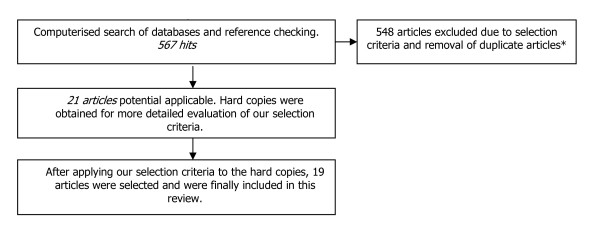
“After careful review, 19 articles fulfilled our selection criteria and were included in this review [8-26].”
BackgroundMethodInfluentialSelf-citationMeulenbroek, L. F. P., Thomas, G., Kooijman, P. G. C., & de Jong, F. I. C. R. S. (2009) · Journal of Psychosomatic Research · doi:10.1016/j.jpsychores.2009.10.002 · Cited by 34 · cited 5×
“For example, Type D’s reported more somatic complaints [13, 16 ,22] and a significantly lower health status compared to non-Type D’s [9,23].”
BackgroundMethodInfluentialType-D personality and body image in men: The role of exercise status
Borkoles, E., Polman, R. C. J., & Levy, A. R. (2009) · Body Image · doi:10.1016/j.bodyim.2009.10.005 · Cited by 32 · cited 4×
“Thirteen studies were of a high quality although none of the studies received the maximum attainable score [8,11,12,14-16,18,21-26].”
BackgroundMethodInfluentialJellesma, F. C. (2008) · Journal of Developmental & Behavioral Pediatrics · doi:10.1097/dbp.0b013e31815f24e1 · Cited by 30 · cited 10×
“05) compared to non-Type D children [13].”
BackgroundMethodInfluentialSchiffer, A. A., Pedersen, S. S., Widdershoven, J. W. M. G., & Denollet, J. (2008) · European Journal of Heart Failure · doi:10.1016/j.ejheart.2008.07.010 · Cited by 30
Self-citationThomas, G., de Jong, F. I. C. R. S., Kooijman, P. G. C., & Cremers, C. W. R. J. (2006) · Folia Phoniatrica et Logopaedica · doi:10.1159/000093182 · Cited by 27 · cited 11×
“For example, Type D’s reported more somatic complaints [13,16,22] and a significantly lower health status compared to non-Type D’s [9,23].”
BackgroundMethodInfluentialSimson, U., Nawarotzky, U., Porck, W., Friese, G., Schottenfeld-Naor, Y., Hahn, S., Scherbaum, W. A., & Kruse, J. (2008) · PPmP - Psychotherapie · Psychosomatik · Medizinische Psychologie · doi:10.1055/s-2007-971001 · Cited by 25 · cited 2×
“) Men with a Type D personality, but not women, exhibited higher cardiac output during experimental stress compared to non-Type D men (F[3,37] = 3.”
Backgroundde Gelder, B., van de Riet, W. A. C., Grèzes, J., & Denollet, J. (2008) · Neurophysiologie Clinique · doi:10.1016/j.neucli.2008.03.002 · Cited by 23
Self-citationType D Personality Mediates the Relationship Between Remembered Parenting and Perceived Health
van den Broek, K. C., Smolderen, K. G. E., Pedersen, S. S., & Denollet, J. (2010) · Psychosomatics · doi:10.1016/s0033-3182(10)70688-5 · Cited by 22 · cited 10×
“Type D personality was associated with more remembered alienation from parents and control by parents while growing up [23].”
BackgroundMethodResultInfluentialSelf-citationPedersen, S. S. P., Lemos, P. A., & van Vooren, P. R. (2004) · ACC Current Journal Review · doi:10.1016/j.accreview.2004.11.010 · Cited by 12
Research works printed but not linked: 1
- Schiffer AA Denollet J Widdershoven JW Hendriks EH Smith OR Failure to consult for symptoms of heart failure in patients with a type-D personality Heart 2007 93 7 814 818 10.1136/hrt.2006.102822 17344329 PMC1994460 · DOI
Cited by
Sorted by citations
Staniute, M., Brozaitiene, J., Burkauskas, J., Kazukauskiene, N., Mickuviene, N., & Bunevicius, R. (2015) · Health and Quality of Life Outcomes · doi:10.1186/s12955-014-0204-2 · Cited by 332
“A distressed personality Type D profile is a vulnerability factor for general psychological distress that affects mental and physical health status [13].”
BackgroundChapman, B. P., Roberts, B., & Duberstein, P. (2011) · Journal of Aging Research · doi:10.4061/2011/759170 · Cited by 283
“While many studies have documented poorer general health correlates of Type D in community (rather than CVD) samples [154, 155], the risk posed by Type D for mortality due to non-CVD causes, in nonpatient samples, remains to be elaborated.”
BackgroundPsychological issues in inflammatory bowel disease: an overview
Sajadinejad, M. S., Asgari, K., Molavi, H., Kalantari, M., & Adibi, P. (2012) · Gastroenterology Research and Practice · doi:10.1155/2012/106502 · Cited by 242
Ferguson, E. (2011) · Health Psychology Review · doi:10.1080/17437199.2010.547985 · Cited by 220
Cardinali, P., Migliorini, L., & Rania, N. (2019) · Frontiers in Psychology · doi:10.3389/fpsyg.2019.01780 · Cited by 142
Metadata
- Authors
- Mols, F., & Denollet, J.
- Affiliations
- Tilburg University (NL)
- Corresponding author
- Mols, Floortje
- Venue
- Health and Quality of Life Outcomes
- Published
- 2010
- Volume
- 8
- Issue
- 1
- Pages
- 9
- ISSN
- 1477-7525 (ISSN-L)
- PMC
- PMC2822747
- OpenAlex
- W2148986482
- Cited by
- 287
- References
- 51
- Citations by year
- 2026: 11 · 2025: 13 · 2024: 17 · 2023: 19 · 2022: 18 · 2021: 25 · 2020: 18 · 2019: 21 · 2018: 25 · 2017: 10 · 2016: 16 · 2015: 23 · 2014: 8 · 2013: 20 · 2012: 21
- FWCI
- 3.35
- Type
- journal article
- Language
- en
- Open access
- gold
- doi.org
- Licence
- cc-by
- Locations
- Health and Quality of Life Outcomes (publishedVersion, cc-by)
- PubMed Central (publishedVersion, cc-by)
- Research portal (Tilburg University) (publishedVersion, other-oa)
- PubMed (publishedVersion)
- Data Archiving and Networked Services (DANS) (submittedVersion, other-oa)
- DOAJ (DOAJ: Directory of Open Access Journals) (submittedVersion)
- Topics
- Health Sciences › Medicine › Cardiology and Cardiovascular Medicine › Cardiac Health and Mental Health
- Health Sciences › Medicine › Psychiatry and Mental health › Psychosomatic Disorders and Their Treatments
- Social Sciences › Psychology › Clinical Psychology › Personality Traits and Psychology
- Keywords
- Type D personality, health status, mental health, physical health, work-related problems, burnout, occupational stress, absenteeism, passive coping, social support, vulnerability factors, general population
- MeSH terms
- Disease, Female, Health Status, Humans, Male, Personality, Surveys and Questionnaires, Temperament, Work
About these checks
Registry, retraction, Cites and statistics results are computed, not judged, with one exception: a printed reference that no index lists is read once by a model before it counts as a citation error. Claims are extracted by a model and kept only when their quote appears verbatim in the text; each cited source is then checked, with a model’s help, for whether it says what the claim relies on. Those verdicts can be wrong — read the claim’s quote and the cited source before relying on one.
Statistics and arithmetic are recomputed, not judged.
Confidence bands are shown only for fields calibrated on our annotated test set. None is calibrated yet, so no band is shown.
What counts as a claim ›How we measure confidence ›How we check this ›
Are you an author, or do you see a problem with this page? Request a review
