

The DOI matches its Crossref record; 50 of the 51 references it cites were found in a registry or an index.
Type D personality in the general population: a systematic review of health status, mechanisms of disease, and work-related problems
Open accessAbstract
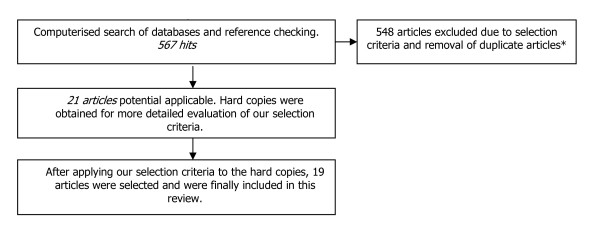
BACKGROUND: The objective was to review all available literature concerning Type D (distressed) personality among the general population and to discuss its implications for research on health status, disease-promoting mechanisms and work-related problems in non-clinical populations. METHODS: A computerized search of the literature was performed independently and in duplicate by both investigators on December 21st, 2009. Published research reports were included if they studied Type D personality among the general population. Nineteen articles were selected and they were subjected to an 11-item standardised quality checklist by both investigators. RESULTS: The methodological quality of the selected studies was adequate to high. The studies included in this review showed that the presence of Type D characteristics had a negative impact on mental health status (more symptoms of depression, anxiety, post-traumatic stress disorder, mental distress, passive coping, and less social support) and physical health status (more somatic complaints, lower health status, more influenza-like illness reporting). Other studies reported on behavioral and biological mechanisms of disease in apparently healthy individuals with a Type D personality. Finally, some studies also showed a negative effect of Type D personality on work-related problems (higher absence-leave, higher levels of vital exhaustion and burnout, and more work-related stress). CONCLUSIONS: Type D personality is a vulnerability factor for general psychological distress that affects mental and physical health status and is associated with disease-promoting mechanisms and work-related problems in apparently healthy individuals.
Overview
The claims and statistics of this paper haven’t been checked yet.
Run the check — free, no account needed. It reads the open-access text and checks the sources it cites.
Integrity signals
Registry
Cites
Statistics
Figures
Verification
Claims the paper makes
The claims and statistics of this paper haven’t been checked yet.
Run the check — free, no account needed. It reads the open-access text and checks the sources it cites.
Claims other papers make about this one
Each is checked against this paper’s own text: does it say what the citing paper says it does?
In the citing paper
“While many studies have documented poorer general health correlates of Type D in community (rather than CVD) samples [154, 155]”
From Personality and Longevity: Knowns, Unknowns, and Implications for Public Health and Personalized Medicine (2011) · cites this paper as [155]
Self-check
Percentages, sums and reported differences re-computed from the paper’s own numbers.
The self-check needs the paper’s full text.
Citations
Cites
DS14: Standard Assessment of Negative Affectivity, Social Inhibition, and Type D Personality
Denollet, J. (2005) · Psychosomatic Medicine · doi:10.1097/01.psy.0000149256.81953.49 · Cited by 1,583 · cited 6×
“Moreover, Type D personality is based on normal personality traits rather than psychopathology which implies that it should be prevalent in the general population as well [1], and that it may have an adverse effect on the perceived health status as reported by individuals from the general population.”
BackgroundMethodInfluentialSelf-citationPersonality as independent predictor of long-term mortality in patients with coronary heart disease
Denollet, J., Rombouts, H., Gillebert, T. C., Brutsaert, D. L., Sys, S. U., Brutsaert, D. L., & Stroobant, N. (1996) · The Lancet · doi:10.1016/s0140-6736(96)90007-0 · Cited by 679 · cited 3×
“These studies in cardiovascular patients have shown that Type D personality is an independent predictor of negative health outcomes such as poor health status, (recurrent) myocardial infarction, and increased risk of mortality [4-7].”
BackgroundSelf-citationQuality of life among long-term breast cancer survivors: A systematic review
Mols, F., Vingerhoets, A. J. J. M., Coebergh, J. W., & van de Poll-Franse, L. V. (2005) · European Journal of Cancer · doi:10.1016/j.ejca.2005.05.017 · Cited by 585 · cited 1×
“The checklist was based on established criteria lists for systematic reviews [27,28].”
MethodSelf-citationInadequate Response to Treatment in Coronary Heart Disease
Denollet, J., Vaes, J., & Brutsaert, D. L. (2000) · Circulation · doi:10.1161/01.cir.102.6.630 · Cited by 388 · cited 2×
“These studies in cardiovascular patients have shown that Type D personality is an independent predictor of negative health outcomes such as poor health status, (recurrent) myocardial infarction, and increased risk of mortality [4-7].”
BackgroundSelf-citationPersonality and Mortality After Myocardial Infarction
Denollet, J., Sys, S. U., & Brutsaert, D. L. (1995) · Psychosomatic Medicine · doi:10.1097/00006842-199511000-00011 · Cited by 310 · cited 1×
“Although the majority of studies on Type D personality has focussed on cardiovascular [1,3-7,29-34], or other medical populations [35], this systematic review indicates that Type D may negatively affect health status of apparently healthy individuals from the general population as well.”
BackgroundSelf-citationType D personality, cardiac events, and impaired quality of life: a review
Pedersen, S. S., & Denollet, J. (2003) · European Journal of Cardiovascular Prevention & Rehabilitation · doi:10.1097/00149831-200308000-00005 · Cited by 284
Self-citationType D personality is related to cardiovascular and neuroendocrine reactivity to acute stress
Habra, M. E., Linden, W., Anderson, J. C., & Weinberg, J. (2003) · Journal of Psychosomatic Research · doi:10.1016/s0022-3999(02)00553-6 · Cited by 253 · cited 9×
“Accordingly, Type D was associated with increased cardiac output [25], heightened systolic and diastolic blood pressure reactivity [11], and dampened heart rate reactivity during experimental stress.”
BackgroundMethodInfluentialType-D personality mechanisms of effect: The role of health-related behavior and social support
Williams, L., O’Connor, R. C., Howard, S., Hughes, B. M., Johnston, D. W., Hay, J. L., O'Connor, D. B., Lewis, C. A., Ferguson, E., Sheehy, N. P., et al. (2007) · Journal of Psychosomatic Research · doi:10.1016/j.jpsychores.2007.06.008 · Cited by 245 · cited 8×
“Furthermore, the studies included in this review showed that people with a Type D personality more often reported mental health disorders [17] as well as lower levels of social support [26] compared to non-Type D adults.”
BackgroundMethodResultInfluentialPolman, R. C. J., Borkoles, E., & Nicholls, A. R. (2009) · British Journal of Health Psychology · doi:10.1348/135910709x479069 · Cited by 178 · cited 5×
“Various studies showed that individuals from the general population with a Type D personality experienced more symptoms of distress, depression and anxiety compared to non-Type D’s [9,13,18,19,23-25].”
BackgroundMethodInfluentialValidity of the Type D personality construct in Danish post-MI patients and healthy controls
Pedersen, S. S., & Denollet, J. (2004) · Journal of Psychosomatic Research · doi:10.1016/s0022-3999(03)00614-7 · Cited by 170 · cited 1×
“Although the majority of studies on Type D personality has focussed on cardiovascular [1,3-7,29-34], or other medical populations [35], this systematic review indicates that Type D may negatively affect health status of apparently healthy individuals from the general population as well.”
Self-citation
Research works printed but not linked: 1
- Schiffer AA Denollet J Widdershoven JW Hendriks EH Smith OR Failure to consult for symptoms of heart failure in patients with a type-D personality Heart 2007 93 7 814 818 10.1136/hrt.2006.102822 17344329 PMC1994460 · DOI
Cited by
Sorted by citations
Staniute, M., Brozaitiene, J., Burkauskas, J., Kazukauskiene, N., Mickuviene, N., & Bunevicius, R. (2015) · Health and Quality of Life Outcomes · doi:10.1186/s12955-014-0204-2 · Cited by 332
“A distressed personality Type D profile is a vulnerability factor for general psychological distress that affects mental and physical health status [13].”
BackgroundChapman, B. P., Roberts, B., & Duberstein, P. (2011) · Journal of Aging Research · doi:10.4061/2011/759170 · Cited by 283
“While many studies have documented poorer general health correlates of Type D in community (rather than CVD) samples [154, 155], the risk posed by Type D for mortality due to non-CVD causes, in nonpatient samples, remains to be elaborated.”
BackgroundPsychological issues in inflammatory bowel disease: an overview
Sajadinejad, M. S., Asgari, K., Molavi, H., Kalantari, M., & Adibi, P. (2012) · Gastroenterology Research and Practice · doi:10.1155/2012/106502 · Cited by 242
Ferguson, E. (2011) · Health Psychology Review · doi:10.1080/17437199.2010.547985 · Cited by 220
Cardinali, P., Migliorini, L., & Rania, N. (2019) · Frontiers in Psychology · doi:10.3389/fpsyg.2019.01780 · Cited by 142
Mols, F., Thong, M. S. Y., van de Poll-Franse, L. V., Roukema, J. A., & Denollet, J. (2011) · Journal of Affective Disorders · doi:10.1016/j.jad.2011.08.034 · Cited by 95
“Since our results confirmed the results of studies among various patient populations (Mols and Denollet, 2010a) and the general population (Mols and Denollet, 2010b), Type D personality might be a general vulnerability factor to screen for in clinical practice in order to identify subgroups at risk…”
BackgroundResultInfluentialSelf-citationMichal, M., Wiltink, J., Grande, G., Beutel, M. E., & Brähler, E. (2011) · Journal of Affective Disorders · doi:10.1016/j.jad.2011.05.033 · Cited by 99
Predictors of perceived stigmatization in patients with psoriasis
van Beugen, S., van Middendorp, H., Ferwerda, M., Smit, J. V., Zeeuwen-Franssen, M. E. J., Kroft, E. B. M., de Jong, E. M. G. J., Donders, A. R. T., van de Kerkhof, P. C. M., & Evers, A. W. M. (2016) · British Journal of Dermatology · doi:10.1111/bjd.14875 · Cited by 89
Effort–reward imbalance as a risk factor for disability pension: the Finnish Public Sector Study
Juvani, A., Oksanen, T., Salo, P., Virtanen, M., Mika Kivimaki, B., Pentti, J., & Vahtera, J. (2013) · Scandinavian Journal of Work Environment & Health · doi:10.5271/sjweh.3402 · Cited by 88
“Indeed, previous studies have shown negative emotional traits to associate with a wide range of physical and mental health problems (48, 49), including disability pension due to musculoskeletal causes (50).”
BackgroundBock, C., Heitland, I., Zimmermann, T., Winter, L., & Kahl, K. G. (2020) · Frontiers in Psychiatry · doi:10.3389/fpsyt.2020.00298 · Cited by 82
Beutel, M. E., Wiltink, J., Till, Y., Wild, P. S., Münzel, T. F., Ojeda, F., Zeller, T., Schnabel, R. B., Lackner, K. J., Blettner, M., et al. (2012) · Psychotherapy and Psychosomatics · doi:10.1159/000331776 · Cited by 78
Kim, Y. H., Kim, S. R., Kim, Y. O., Kim, J. Y., Kim, H. K., & Kim, H. Y. (2016) · Journal of Advanced Nursing · doi:10.1111/jan.13177 · Cited by 75
Williams, L., & Wingate, A. (2012) · Psychology and Health · doi:10.1080/08870446.2012.667098 · Cited by 73
“Two recent reviews from Mols and Denollet ( 2010a , 2010b ) have shown that Type D is associated with poor mental health status (more symptoms of depression, anxiety, post-traumatic stress disorder, mental distress, passive coping and less social support) and physical health status (more somatic complaints, lower heal…”
BackgroundDuan‐Porter, W., Hatch, D., Pendergast, J., Freude, G., Rose, U., Burr, H., Müller, G., Martus, P., Pohrt, A., & Potter, G. G. (2018) · Journal of Affective Disorders · doi:10.1016/j.jad.2018.02.090 · Cited by 77
“This combination of personality traits has been associated with higher levels of depressive symptoms and overall mental distress (Mols and Denollet, 2010).”
BackgroundType D personality is associated with maladaptive health-related behaviours
Gilmour, J., & Williams, L. (2011) · Journal of Health Psychology · doi:10.1177/1359105311423117 · Cited by 72
“Similar findings have also been reported in non-cardiovascular patients, and healthy participants (Mols & Denollet, 2010a; 2010b).”
ResultNefs, G., Speight, J., Pouwer, F., Pop, V. J. M., Bot, M., & Denollet, J. (2015) · Diabetes Research and Clinical Practice · doi:10.1016/j.diabres.2015.01.015 · Cited by 71
“[25] Mols F, Denollet J.”
BackgroundResultInfluentialSelf-citationSvansdóttir, E., Denollet, J., Þórsson, B., Guðnason, Þ., Halldórsdóttir, S., Gudnason, V. G., van den Broek, K. C., & Karlsson, H. D. (2012) · European Journal of Preventive Cardiology · doi:10.1177/2047487312441723 · Cited by 70
Self-citationWalters, T. E., Wick, K., Tan, G., Mearns, M., Joseph, S., Morton, J. B., Sanders, P., Bryant, C., Kistler, P. M., & Kalman, J. M. (2018) · Journal of the American Heart Association · doi:10.1161/jaha.117.005502 · Cited by 67
“In the current study, prevalence of Type D Personality was 45%, comparable to the 32%(5) and 54%(18) rates reported in previous studies of the Type D Personality in AF and higher than the prevalence reported in the general population of between 18% and 39%.(21) Previous researchers have identified the Type D Personali…”
ResultHeath-related quality of life in Spanish breast cancer patients: a systematic review
Delgado‐Sanz, C., García-Mendizábal, M. J., Pollán, M., Forjaz, M. J., López‐Abente, G., Aragonés, N., & Pérez‐Gómez, B. (2011) · Health and Quality of Life Outcomes · doi:10.1186/1477-7525-9-3 · Cited by 59
Bentley, S. M., Pagalilauan, G. L., & Simpson, S. A. (2014) · Medical Clinics of North America · doi:10.1016/j.mcna.2014.06.013 · Cited by 66
Kaplan, S. H., Billimek, J., Sorkin, D. H., Ngo‐Metzger, Q., & Greenfield, S. (2010) · Medical Care · doi:10.1097/mlr.0b013e3181d99161 · Cited by 55
Type D Personality Predicts Poor Medication Adherence in Patients with Heart Failure in the USA
Wu, J. R., & Moser, D. K. (2013) · International Journal of Behavioral Medicine · doi:10.1007/s12529-013-9366-2 · Cited by 53
“Kupper N, Denollet J. Type D personality as a prognostic factor in heart disease: assessment and mediating mechanisms.”
BackgroundInfluentialReconsidering the role of psychosocial factors in functional dysphonia
Deary, V., & Miller, T. E. (2011) · Current Opinion in Otolaryngology & Head & Neck Surgery · doi:10.1097/moo.0b013e328346494d · Cited by 53
Mols, F., Denollet, J., Kaptein, A. A., Reemst, P. H. M., & Thong, M. S. Y. (2012) · Journal of Psychosomatic Research · doi:10.1016/j.jpsychores.2012.07.004 · Cited by 53
“Systematic reviews among various patient groups [2,3] and healthy individuals [4] have shown that Type D personality is a stable [1,5] and powerful predictor of impaired quality of life and mental health status, above and beyond clinical characteristics.”
BackgroundSelf-citationWilliams, L., Abbott, C., & Kerr, R. (2015) · Journal of Health Psychology · doi:10.1177/1359105315571977 · Cited by 52
“A review by Mols and Denollet (2010) concluded that Type D has a negative impact on mental health status (e.g. symptoms of depression and anxiety) and on physical health status, including more somatic symptoms and lower health status.”
BackgroundBarclay, R., & Tate, R. (2014) · Journal of Clinical Epidemiology · doi:10.1016/j.jclinepi.2013.12.003 · Cited by 36
Nefs, G., Pouwer, F., Pop, V. J. M., & Denollet, J. (2012) · Journal of Psychosomatic Research · doi:10.1016/j.jpsychores.2012.01.006 · Cited by 53
Self-citationCho, G.-J., & Kang, J. (2017) · PLoS ONE · doi:10.1371/journal.pone.0175067 · Cited by 49
Prevalence and relevance of Type D personality in fibromyalgia.
van Middendorp, H., Kool, M., van Beugen, S., Denollet, J., Lumley, M., & Geenen, R. (2016) · General Hospital Psychiatry · doi:10.1016/j.genhosppsych.2015.11.006 · Cited by 45
“Twometaanalyses have shown Type D to be related to poor mental and physical health status in various medical [14] and general populations [12].”
BackgroundSelf-citationStecz, P., Wrzesińska, M. A., Tabała, K., & Nowakowska‐Domagała, K. (2015) · Current Psychology · doi:10.1007/s12144-015-9398-7 · Cited by 45
Wu, J. R., Song, E. K., & Moser, D. K. (2015) · Heart & Lung · doi:10.1016/j.hrtlng.2015.03.006 · Cited by 45
Factors associated with severe postoperative pain in patients with total hip arthroplasty
Petrovic, N. M., Milovanovic, D. R., Ristić, D. I., Riznic, N., Ristic, B. M., & Stepanović, Ž. (2015) · Acta Orthopaedica et Traumatologica Turcica · doi:10.3944/aott.2014.14.0177 · Cited by 45
“[12,30] While studies have reported an association between Type D personality and some painful conditions, the connection with postoperative pain has not yet been established.”
BackgroundType D personality, stress, coping and performance on a novel sport task
Borkoles, E., Kaiseler, M., Evans, A. L., Ski, C. F., Thompson, D. R., & Polman, R. C. J. (2018) · PLoS ONE · doi:10.1371/journal.pone.0196692 · Cited by 46
“Individuals high on SI feel inhibited, tense, have fewer personal ties, and feel uncomfortable and insecure in encounters with other people [22].”
BackgroundCondén, E., Leppert, J., Ekselius, L., & Åslund, C. (2013) · BMC Pediatrics · doi:10.1186/1471-2431-13-11 · Cited by 44
Altmaier, E., Emeny, R. T., Krumsiek, J., Lacruz, M. E., Lukaschek, K., Häfner, S., Kastenmüller, G., Römisch‐Margl, W., Prehn, C. P., Mohney, R. P., et al. (2012) · Psychoneuroendocrinology · doi:10.1016/j.psyneuen.2012.11.014 · Cited by 43
“, 2012) and physical health (Mols and Denollet, 2010) are associated with this personality pattern.”
BackgroundRole of personality in cardiovascular diseases: An issue that needs to be focused too!
Sahoo, S., Padhy, S., Padhee, B., Singla, N., & Sarkar, S. (2018) · Indian Heart Journal · doi:10.1016/j.ihj.2018.11.003 · Cited by 35
Type D personality and dietary intake: The mediating effects of coping style
Booth, L., & Williams, L. (2015) · Journal of Health Psychology · doi:10.1177/1359105315573433 · Cited by 44
“A review by Mols and Denollet (2010) concluded that Type D has a negative impact on mental health status (e.g. symptoms of depression and anxiety) and on physical health status, including more somatic symptoms and lower health status.”
BackgroundMental Stress and Ischemic Heart Disease: Evolving Awareness of a Complex Association
Proietti, R., Mapelli, D., Volpe, B., Bartoletti, S., Sagone, A., Bianco, L. D., & Daliento, L. (2011) · Future Cardiology · doi:10.2217/fca.11.13 · Cited by 43
“Initially, studies were prevalently oriented to the description of pernicious personality traits in atherogenesis [7–73], then broadened their scope to the role of negative reactions to personal or community relationships or events in triggering acute coronary syndrome [81–94].”
BackgroundMols, F., Oerlemans, S., Denollet, J., Roukema, J.-A., & van de Poll-Franse, L. V. (2012) · General Hospital Psychiatry · doi:10.1016/j.genhosppsych.2012.01.014 · Cited by 41
Self-citationEinvik, G., Dammen, T., Hrubos‐Strøm, H., Namtvedt, S. K., Randby, A., Kristiansen, H. A., Somers, V. K., Nordhus, I. H., & Omland, T. (2011) · European Journal of Cardiovascular Prevention & Rehabilitation · doi:10.1177/1741826710389383 · Cited by 40
The relationship between Type D personality and insomnia
Akram, U., McCarty, K., Akram, A., Gardani, M., Tan, A. H. K., Villarreal, D., Bilsborough, E., Dooher, G., Gibbs, G., Hudson, J. L., et al. (2018) · Sleep Health · doi:10.1016/j.sleh.2018.04.005 · Cited by 45
Stevenson, C., & Williams, L. (2013) · Psychology and Health · doi:10.1080/08870446.2013.856433 · Cited by 38
“Significant associations between Type D and quality of life have been found in previous research, when Type D was analysed using a dichotomous typology (e.g. Mols & Denollet, 2010).”
BackgroundResultCondén, E., Ekselius, L., & Åslund, C. (2012) · Journal of Psychosomatic Research · doi:10.1016/j.jpsychores.2012.11.011 · Cited by 37
“Type D personality is also associated with several emotional and social difficulties such as depression, anxiety, low level of subjective well-being, lack of social support and low quality of life which have a negative impact on mental and physical health [8–12].”
BackgroundSexual Dysfunction in Heart Failure Patients
Jaarsma, T., Fridlund, B., & Mårtensson, J. (2014) · Current Heart Failure Reports · doi:10.1007/s11897-014-0202-z · Cited by 36
Husson, O., Vissers, P. A. J., Denollet, J., & Mols, F. (2015) · Acta Oncologica · doi:10.3109/0284186x.2014.996663 · Cited by 36
“Type D personality has been shown to be an important predictor of HRQoL and disease-specific health status in medical and general populations, above and beyond clinical characteristics [3–5].”
BackgroundSelf-citationHoldoš, J. (2016) · Current Psychology · doi:10.1007/s12144-016-9475-6 · Cited by 36
Lodder, P., Denollet, J., Emons, W. H. M., Nefs, G., Pouwer, F., Speight, J., & Wicherts, J. M. (2019) · Multivariate Behavioral Research · doi:10.1080/00273171.2018.1562863 · Cited by 39
“Apart from these clinical psychological constructs, there exists a large body of research investigating whether Type D personality is related to worse health-related outcomes in the general population (Mols & Denollet, 2010) or in people with cardiovascular disease (Denollet et al., 2010, 2018).”
BackgroundSelf-citationKorenromp, I. H. E., Grutters, J. C., van den Bosch, J. M. M., & Heijnen, C. J. (2011) · Journal of Psychosomatic Research · doi:10.1016/j.jpsychores.2011.10.001 · Cited by 35
“Some personality characters seem to be strongly correlated with psychological distress [28,29].”
BackgroundBurnout Syndrome Among Health Care Students
Škodová, Z., Lajčiaková, P., & Bánovčinová, Ľ. (2016) · Western Journal of Nursing Research · doi:10.1177/0193945916658884 · Cited by 35
Sources of Social Support Among International College Students in the United States
Bhochhibhoya, A., Dong, Y., & Branscum, P. (2018) · Journal of International Students · doi:10.32674/jis.v7i3.293 · Cited by 53
Zhang, J.-K., Fang, L., Zhang, D., Qiu, J. F., Wu, X., Liu, J., Zhang, C., & Dai, D. (2016) · Journal of Pain and Symptom Management · doi:10.1016/j.jpainsymman.2015.12.342 · Cited by 34
Chilicka, K., Rogowska, A. M., Szyguła, R., & Adamczyk, E. (2020) · International Journal of Environmental Research and Public Health · doi:10.3390/ijerph17228524 · Cited by 33
“Previous review studies have shown that Type D personality is associated with a low physical and mental health status and poor self-management of the disease [67,68].”
ResultPsychological risk factors and cardiovascular disease
Carola, V., Vincenzo, C., Vincenzo, G. D., Morale, C., Cecchi, V., & Nicolais, G. (2024) · Frontiers in Psychology · doi:10.3389/fpsyg.2024.1419731 · Cited by 50
Therapeutic Prospects of PPARs in Psychiatric Disorders: A Comprehensive Review
Rolland, B., Deguil, J., Jardri, R., Cottencin, O., Thomas, P., & Bordet, R. (2013) · Current Drug Targets · doi:10.2174/1389450111314070002 · Cited by 34
“At the same time, type D personality is associated with more frequent depressive symptoms and PTSD [99], and more persistent depressive symptoms [100], which suggests a possible overlap in all of these pathologies.”
BackgroundType D personality and metabolic syndrome in a 7-year prospective occupational cohort
Mommersteeg, P. M. C., Herr, R. M., Bosch, J. A., Fischer, J. E., & Loerbroks, A. (2011) · Journal of Psychosomatic Research · doi:10.1016/j.jpsychores.2011.05.004 · Cited by 32
“samples (13–38%) [12,13] where it is associated with increased poor mental and physical health status [12].”
BackgroundZarbo, I. R., Minacapelli, E., Falautano, M., Demontis, S., Carpentras, G., & Pugliatti, M. (2016) · Multiple Sclerosis · doi:10.1177/1352458515594045 · Cited by 36
A review of psychosocial factors and personality in the treatment of obstructive sleep apnoea
Cayanan, E. A., Bartlett, D. J., Chapman, J. L., Hoyos, C. M., Phillips, C. L., & Grunstein, R. R. (2019) · European Respiratory Review · doi:10.1183/16000617.0005-2019 · Cited by 31
Work‐related stress and wellbeing among nurses: Testing a multi‐dimensional model
Vallone, F., Smith, A. P., & Zurlo, M. C. (2020) · Japan Journal of Nursing Science · doi:10.1111/jjns.12360 · Cited by 41
Rupp, S. K., & Stengel, A. (2021) · Frontiers in Psychiatry · doi:10.3389/fpsyt.2021.656929 · Cited by 31
Shun, S., Yeh, K., Liang, J., Huang, J. J., Chen, S., Lin, B., Lee, P.-H., & Lai, Y. (2013) · Oncology nursing forum · doi:10.1188/14.onf.e3-e11 · Cited by 31
“…that people with cancer who have type D personalities perceived higher levels of symptom distress, anxiety, and depression, and poorer quality of life (Mols & Denollet, 2010a; Mols, Denollet, Kaptein, Reemst, & Thong, 2012; Mols, Holterhues, Nijsten, & van de Poll-Franse, 2010; Shun et al., 2011).”
BackgroundType D personality, stress coping strategies and self-efficacy as predictors of Facebook intrusion.
Błachnio, A., Przepiórka, A., & Czuczwar, S. (2017) · Psychiatry Research · doi:10.1016/j.psychres.2017.03.022 · Cited by 26
Walters, T. E., Wick, K., Tan, G., Mearns, M., Joseph, S., Morton, J. B., Sanders, P., Bryant, C., Kistler, P. M., & Kalman, J. M. (2018) · International Journal of Cardiology · doi:10.1016/j.ijcard.2018.10.101 · Cited by 31
Roderburg, C., Yaqubi, K., Konrad, M., May, P., Luedde, T., Kostev, K., & Loosen, S. (2023) · Journal of Psychiatric Research · doi:10.1016/j.jpsychires.2023.11.026 · Cited by 29
Jordi, S. B. U., Botte, F., Lang, B. M., Greuter, T., Krupka, N., Auschra, B., Schreiner, P., Sulz, M. C., Biedermann, L., von Känel, R., et al. (2021) · Alimentary Pharmacology & Therapeutics · doi:10.1111/apt.16365 · Cited by 30
“Number current therapies N = 1633 2 (12); 07 2 (12); 0- 6 0.”
O’Leary, É. D., Howard, S., Hughes, B. M., & James, J. E. (2013) · International Journal of Psychophysiology · doi:10.1016/j.ijpsycho.2013.02.006 · Cited by 30
Burnout, stress and Type D personality amongst hospital/emergency physicians
Somville, F. J. M. P., der Mieren, G. V., Cauwer, H. G. D., Bogaert, P. V., & Franck, E. (2021) · International Archives of Occupational and Environmental Health · doi:10.1007/s00420-021-01766-z · Cited by 29
“Mols and coworkers indicate that individuals with a Type D personality are more likely to experience their environment as stressful but are less likely to ask for help (Mols and Denollet 2010).”
BackgroundThe Four-Cluster Spectrum of Mind-Body Interrelationships: An Integrative Model
Ezra, Y., Hammerman, O., & Shahar, G. (2019) · Frontiers in Psychiatry · doi:10.3389/fpsyt.2019.00039 · Cited by 29
Kasai, Y., Suzuki, E., Iwase, T., Doi, H., & Takao, S. (2013) · PLoS ONE · doi:10.1371/journal.pone.0077918 · Cited by 27
“248 Although previous studies have repeatedly shown associations between Type D personality and 249 depression or psychological distress [4,11,13,14], the influence of similar items, including those 250 addressed in the DS14 and the K6 questionnaire has to be discussed.”
BackgroundResultInfluentialGrassi, L. G., Caruso, R., Murri, M. B., Fielding, R., Lam, W., Sabato, S., Padova, S. D., Nanni, M. G., Bertelli, T., Palagini, L., et al. (2021) · Clinical Practice and Epidemiology in Mental Health · doi:10.2174/1745017902117010271 · Cited by 32
The association of type D personality and depression with infertility in women
Tola, E. N., Yalçın, S. E., Dugan, N., & Oral, B. (2019) · Journal of Psychosomatic Obstetrics & Gynecology · doi:10.1080/0167482x.2019.1573224 · Cited by 24
“Type D personality has also been found to be associated with the tendency of patients with CVD to experience chronic emotional stress [13] and a decrease in their quality of life [12].”
BackgroundDomagalska, J., Rusin, M., Razzaghi, M., & Nowak, P. G. (2021) · Frontiers in Psychology · doi:10.3389/fpsyg.2021.626945 · Cited by 30
Husson, O., Denollet, J., Oerlemans, S., & Mols, F. (2013) · Psycho-Oncology · doi:10.1002/pon.3267 · Cited by 24
Self-citationDonisan, T., Bojinca, V. C., Dobrin, M. A., Balanescu, D. V., Predețeanu, D., Bojincă, M., Berghea, F., Opriș-Belinski, D., Groseanu, L., Borangiu, A., et al. (2017) · Clinical Rheumatology · doi:10.1007/s10067-017-3654-1 · Cited by 24
“, anxiety, depression, hostility, anger) that they tend to repress for fear of rejection, making them socially inhibited [9].”
BackgroundNie, J., Li, W., Wang, P., Wang, X., Wang, Y., & Lei, L. (2018) · Psychiatry Research · doi:10.1016/j.psychres.2018.11.036 · Cited by 26
Relationship between Type-D Personality, Physical Activity Behaviour and Climacteric Symptoms
Borkoles, E., Reynolds, N., Ski, C. F., Stojanovska, L., Thompson, D. R., & Polman, R. C. J. (2015) · BMC Women s Health · doi:10.1186/s12905-015-0176-3 · Cited by 23
“More recent studies have also indicated that Type-D personality is associated with negative health outcomes in the general population including more mental health problems and poorer physical health status [10].”
BackgroundSmith, M., Riccalton, V., Kelly-Hughes, D. H., Craw, O. A., Allen, S. F., O'Connor, D. B., & Wetherell, M. A. (2018) · Stress · doi:10.1080/10253890.2018.1435637 · Cited by 23
“…the general population, but no studies to date have investigated whether such psychobiological factors mediate the now well established relationship (Mols & Denollet, 2010; Stevenson & Williams, 2014; Williams et al., 2016; Williams & Wingate, 2012) between Type D personality and physical symptom…”
BackgroundResultInfluentialPersonality Trait and Quality of Life in Colorectal Cancer Survivors
Shun, S., Hsiao, F., Lai, Y., Liang, J., Yeh, K., & Huang, J. J. (2011) · Oncology nursing forum · doi:10.1188/11.onf.e221-e228 · Cited by 22
Einvik, G., Dammen, T., Namtvedt, S. K., Hrubos‐Strøm, H., Randby, A., Kristiansen, H. A., Nordhus, I. H., Somers, V. K., & Omland, T. (2012) · European Journal of Preventive Cardiology · doi:10.1177/2047487312462800 · Cited by 22
“In the present study, Type D persons reported significantly more anxiety symptoms than non-Type D persons, in line with previous literature.(36) However, the univariate analyses show that Type D personality is more closely related to the dependent variables than anxiety in this sample.”
ResultPersonality dimensions and type D personality in female patients with ulcerative colitis.
Sajadinejad, M. S., Molavi, H., Asgari, K., Kalantari, M., & Adibi, P. (2012) · Europe PMC (PubMed Central) · Cited by 21
The Effect of Type D Personality on Quality of Life in Patients with Multiple Sclerosis
Demirci, S., Demirci, K., & Demirci, S. (2016) · Nöro Psikiyatri Arşivi · doi:10.5152/npa.2016.12764 · Cited by 21
“Type D personality was reported to affect physical and mental health status in the general population as well as in conditions such as heart failure and myocardial infarction (14,15).”
BackgroundMols, F., Thong, M. S. Y., Denollet, J., Oranje, W. A., Netea-Maier, R. T., Smit, J. W. A., & Husson, O. (2019) · Psychology and Health · doi:10.1080/08870446.2019.1619730 · Cited by 20
“Numerous studies have shown that having a Type D personality is associated with worse health outcomes in medical and general populations, above and beyond clinical characteristics (Denollet, Schiffer, & Spek, 2010; Mols & Denollet, 2010a, 2010b).”
BackgroundSelf-citationChen, X. S., Changolkar, S., Navathe, A. S., Linn, K. A., Reh, G., Szwartz, G., Steier, D. M., Godby, S., Balachandran, M., Harrison, J. D., et al. (2020) · PLoS ONE · doi:10.1371/journal.pone.0239288 · Cited by 23
“This personality type has been associated with a range of negative mental and physical health outcomes, felt to be mediated by poor health behaviors and maladaptive coping mechanisms [43].”
BackgroundMaternal personality traits and risk of preterm birth and fetal growth restriction
Chatzi, L., Koutra, K., Vassilaki, M., Vardiampasis, A., Georgiou, V., Koutis, A., Lionis, C., Bitsios, P., & Kogevinas, M. (2013) · European Psychiatry · doi:10.1016/j.eurpsy.2011.11.006 · Cited by 19
“Numerous studies have demonstrated associations between personality traits and a wide spectrum of medical conditions [29,38].”
BackgroundSánchez‐Díaz, M., Montero‐Vílchez, T., Quiñones-Vico, M. I., Sierra-Sánchez, Á., Ubago-Rodríguez, A., la Torre, R. S.-D., Molina‐Leyva, A., & Arias‐Santiago, S. (2023) · Acta Dermato Venereologica · doi:10.2340/actadv.v103.2741 · Cited by 19
“In addition, type D personality has also been linked to poorer outcomes and poorer quality of life in healthy individuals (6).”
BackgroundPersonality Traits and Fatigue in Multiple Sclerosis: A Narrative Review
Ciancio, A., Moretti, M. C., Natale, A., Rodolico, A., Signorelli, M., Petralia, A., Altamura, M., Bellomo, A., Zanghì, A., D'Amico, E., et al. (2023) · Journal of Clinical Medicine · doi:10.3390/jcm12134518 · Cited by 16
“[85] used a neuroticism subscale from NEO-PPI to determine how many pwMS had a type D personality, defined with high neuroticism and increased psychosocial discomfort [108].”
MethodZhang, J.-K., Fang, L., Zhang, D., Qiu, J. F., Wu, X., Liu, J., Zhang, C., & Dai, D. (2015) · International Journal of Colorectal Disease · doi:10.1007/s00384-015-2333-4 · Cited by 19
Type D personality and job burnout: The moderating role of physical activity
Armon, G. (2013) · Personality and Individual Differences · doi:10.1016/j.paid.2013.10.020 · Cited by 19
“Third, in addition to its influence on the experience and appraisal of stress, TPD might negatively influence the ability to cope with stressors (Connor-Smith & Flechsbart, 2007; Mols & Denollet, 2010), thereby contributing to the etiology of burnout.”
BackgroundHorwood, S., Anglim, J., & Tooley, G. A. (2016) · Psychology and Health · doi:10.1080/08870446.2016.1167209 · Cited by 19
“The rate of Type D in the healthy controls was similar to other Australian population estimates (39.7%, Horwood et al., 2014) but higher than reported international estimates (24%, Mols & Denollet, 2010a).”
BackgroundResultInfluentialType D personality and life satisfaction: The mediating role of social support
Dehghani, F. (2018) · Personality and Individual Differences · doi:10.1016/j.paid.2018.06.005 · Cited by 25
Gębska, M., Kołodziej, Ł., Dalewski, B., Pałka, Ł., & Sobolewska, E. (2021) · Journal of Clinical Medicine · doi:10.3390/jcm10173872 · Cited by 19
“They are characterized by a pessimistic way of looking at the world, low self-esteem, and low level of satisfaction with life [30].”
BackgroundType D personality and quality of life in patients with irritable bowel syndrome.
Sararoudi, R. B., Afshar, H., Adibi, P., Daghaghzadeh, H., Fallah, J., & Abotalebian, F. (2011) · PubMed Central · Cited by 19
Svansdóttir, E., van den Broek, K. C., Karlsson, H. D., Ólason, D. Þ., Thorgilsson, H., & Denollet, J. (2013) · Personality and Individual Differences · doi:10.1016/j.paid.2013.02.008 · Cited by 19
Self-citationThe Validity and Reliability of Type D Personality Scale in Turkish Population
Öncü, E., & Vayısoğlu, S. K. (2018) · Ankara Medical Journal · doi:10.17098/amj.497485 · Cited by 18
A one-year prospective investigation of Type D personality and self-reported physical health
Allen, S. F., Wetherell, M. A., & Smith, M. (2019) · Psychology and Health · doi:10.1080/08870446.2019.1568431 · Cited by 18
“These findings correspond with the findings of a meta-analysis (Mols & Denollet, 2010b) demonstrating links between Type D and both poorer health status and increased work-related issues (e.g. absenteeism).”
BackgroundResultInfluentialWoo, M., & Kim, D.-H. (2020) · Journal of Emergency Nursing · doi:10.1016/j.jen.2020.08.006 · Cited by 17
Sánchez‐Díaz, M., Salazar-Nievas, M. C., Molina‐Leyva, A., & Arias‐Santiago, S. (2022) · Acta Dermato Venereologica · doi:10.2340/actadv.v102.676 · Cited by 18
“The obtained prevalence for TDp seems to be similar to those described for the general population (13–34%) (10, 25).”
BackgroundResultZusammenhang zwischen Burnout und Persönlichkeit
Wulf Rössler, A., Hengartner, M. P., Ajdacic‐Gross, V., & Angst, J. (2013) · Der Nervenarzt · doi:10.1007/s00115-013-3742-7 · Cited by 18
Perros, P., Nagy, E. V., Papini, E., Abad-Madroñero, J., Lakwijk, P., Poots, A. J., Mols, F., & Hegedűs, L. D. (2024) · The Journal of Clinical Endocrinology & Metabolism · doi:10.1210/clinem/dgae140 · Cited by 18
Self-citationvan Bon-Martens, M. J., Denollet, J., Kiemeney, L. A. L. M., Droomers, M., de Beer, M. J., van de Goor, I. A., & OERS, H. A. M. V. (2012) · BMC Public Health · doi:10.1186/1471-2458-12-46 · Cited by 17
Self-citationThe Stability of Type D Personality in Dialysis Patients
Loosman, W. L., de Jong, R. W., Haverkamp, G. L. G., van den Beukel, T. O., Dekker, F. W., Siegert, C. E. H., & Honig, A. (2017) · International Journal of Behavioral Medicine · doi:10.1007/s12529-017-9667-y · Cited by 18
Metadata
- Authors
- Mols, F., & Denollet, J.
- Affiliations
- Tilburg University (NL)
- Corresponding author
- Mols, Floortje
- Venue
- Health and Quality of Life Outcomes
- Published
- 2010
- Volume
- 8
- Issue
- 1
- Pages
- 9
- ISSN
- 1477-7525 (ISSN-L)
- PMC
- PMC2822747
- OpenAlex
- W2148986482
- Cited by
- 287
- References
- 51
- Citations by year
- 2026: 11 · 2025: 13 · 2024: 17 · 2023: 19 · 2022: 18 · 2021: 25 · 2020: 18 · 2019: 21 · 2018: 25 · 2017: 10 · 2016: 16 · 2015: 23 · 2014: 8 · 2013: 20 · 2012: 21
- FWCI
- 3.35
- Type
- journal article
- Language
- en
- Open access
- gold
- doi.org
- Licence
- cc-by
- Locations
- Health and Quality of Life Outcomes (publishedVersion, cc-by)
- PubMed Central (publishedVersion, cc-by)
- Research portal (Tilburg University) (publishedVersion, other-oa)
- PubMed (publishedVersion)
- Data Archiving and Networked Services (DANS) (submittedVersion, other-oa)
- DOAJ (DOAJ: Directory of Open Access Journals) (submittedVersion)
- Topics
- Health Sciences › Medicine › Cardiology and Cardiovascular Medicine › Cardiac Health and Mental Health
- Health Sciences › Medicine › Psychiatry and Mental health › Psychosomatic Disorders and Their Treatments
- Social Sciences › Psychology › Clinical Psychology › Personality Traits and Psychology
- Keywords
- Type D personality, health status, mental health, physical health, work-related problems, burnout, occupational stress, absenteeism, passive coping, social support, vulnerability factors, general population
- MeSH terms
- Disease, Female, Health Status, Humans, Male, Personality, Surveys and Questionnaires, Temperament, Work
About these checks
Registry, retraction, Cites and statistics results are computed, not judged, with one exception: a printed reference that no index lists is read once by a model before it counts as a citation error. Claims are extracted by a model and kept only when their quote appears verbatim in the text; each cited source is then checked, with a model’s help, for whether it says what the claim relies on. Those verdicts can be wrong — read the claim’s quote and the cited source before relying on one.
Statistics and arithmetic are recomputed, not judged.
Confidence bands are shown only for fields calibrated on our annotated test set. None is calibrated yet, so no band is shown.
What counts as a claim ›How we measure confidence ›How we check this ›
Are you an author, or do you see a problem with this page? Request a review
