

Lifestyle impact and the biology of the human scrotum
Open accessThe DOI matches its Crossref record; 50 of the 52 references it cites were found in a registry or an index, and 2 are not checked yet; none of the 58 sources its claims cite is checked for support yet.
Abstract
The possession of a scrotum to contain the male gonads is a characteristic feature of almost all mammals, and appears to have evolved to allow the testes and epididymis to be exposed to a temperature a few degrees below that of core body temperature. Analysis of cryptorchid patients, and those with varicocele suggest that mild scrotal warming can be detrimental to sperm production, partly by effects on the stem cell population, and partly by effects on later stages of spermatogenesis and sperm maturation. Recent studies on the effects of clothing and lifestyle emphasize that these can also lead to chronically elevated scrotal temperatures. In particular, the wearing of nappies by infants is a cause for concern in this regard. Together all of the evidence indirectly supports the view that lifestyle factors in addition to other genetic and environmental influences could be contributing to the secular trend in declining male reproductive parameters. The challenge will be to provide relevant and targeted experimental results to support or refute the currently circumstantial evidence.
Checked 2026-11-27 · 2 references not checked yet
Overview
CoChat Summary
TL;DR
This narrative review argues that the mammalian scrotum evolved to keep the testes and epididymis several degrees below core body temperature, and that lifestyle-related scrotal warming may impair sperm production, maturation, and storage. It concludes that clothing, posture, sedentary behavior, and nappy use could contribute to secular declines in male reproductive parameters, but that the evidence remains largely circumstantial.
Key findings
- Normal scrotal surface temperature is approximately 34°C in a normally clothed man walking or maintaining a loose stance; intratesticular temperature is estimated 0.1–0.6°C higher. Clothing contributes about 0.5–1.0°C, sitting with thighs apart raises scrotal temperature to about 35°C, and sitting with thighs together quickly raises it above 36°C, i.e. to abdominal temperature.
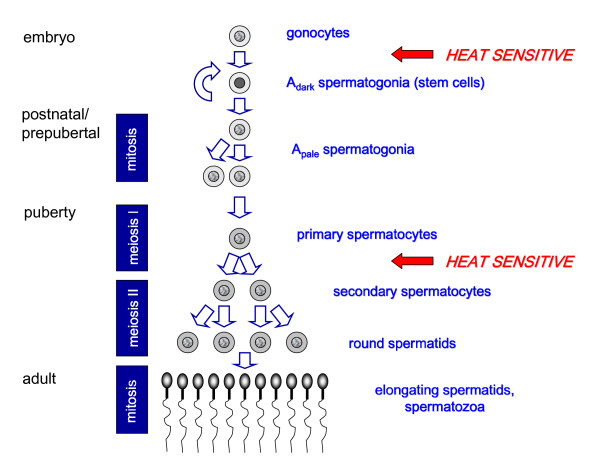
- Cryptorchidism and varicocele are associated with impaired spermatogenesis; mild testicular heating increases germ cell apoptosis, and the number of Adark spermatogonia in testis biopsies is inversely related to the age at orchidopexy, with earlier descent improving chances of full adult spermatogenesis.
- Nappy use increases scrotal temperature by 1–2°C compared with air exposure, with little difference between modern disposable and cloth nappies plus plastic cover; wet or soiled nappies may raise temperature further.
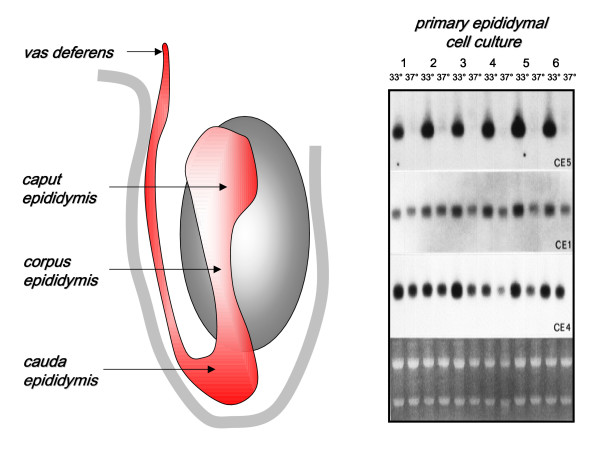
- In adult men, sedentary occupations and vehicle driving are associated with higher average scrotal temperatures and lower average sperm production or reduced fertility; nocturnal scrotal cooling in men with oligozoospermia or oligoasthenozoospermia improved semen quality over 12 weeks. Epididymal cell culture showed CD52 mRNA was almost completely and specifically inhibited by switching from scrotal temperature (33°C) to abdominal temperature (37°C).
Methods
- Narrative review/synthesis of cited human, animal, and cell-culture literature; no primary study design, sample, or statistical analysis is reported.
- Sources discussed include studies of cryptorchidism, varicocele, clothing and posture, nappy use, sedentary behavior and driving, nocturnal scrotal cooling, and epididymal epithelial cell cultures.
- Main analysis is qualitative and interpretive, linking scrotal thermoregulation, testicular pathology, lifestyle heat exposure, and epididymal function to male reproductive parameters.
Limitations
- Stated: most evidence is circumstantial; direct proof of lifestyle effects remains “untestable” in the context of evidence-based medicine, partly because of the absence of appropriate matched control groups, such as men who do not wear clothes or infants who wear no nappies.
- Stated: animal models are not biologically comparable to humans because humans have a prepubertal testicular quiescence of more than 8 years, whereas rodents have about 2 weeks and sheep or dogs up to 2–3 months; humans may also be genetically subfertile and more predisposed to subtle environmental influences.
- Stated and evident: it is not possible to distinguish pure effects of unnatural testicular heating from effects linked to the original cause of cryptorchidism or to endocrine disruptors; there is no information on early epididymal development or long-term adaptive effects. Evident: as a narrative review, it reports no systematic search, meta-analysis, or original data.
Model-written summary. Check it against the paper before relying on it.
Integrity signals
Registry
Cites
Statistics
Figures
Verification
Claims the paper makes
0 Valid · 2 Not valid · 35 Not checked · 17 Own results and interpretations
In the paper
“The possession of a scrotum to contain the male gonads is a characteristic feature of almost all mammals, and appears to have evolved to allow the testes and epididymis to be exposed to a temperature a few degrees below that of core body temperature.”
- Also stated in: § Background · hedged
“The most plausible evolutionary explanation relates to the requirement of spermatogenesis for an optimum temperature lower than core abdominal temperature [1].”
§ Lifestyle impact and the biology of the human scrotum > Abstract
What the sources say
- Not checked yetcites [1] Werdelin L Nilsonne A The evolution of the scrotum and testicular descent in mammals: a phylogenetic view J Theor Biol 1999 196 61 72 9892556 10.1006/jtbi.1998.0821 source
hedgedstates a cause- Asserted: passes — The authors put it forward as true.
- Checkable: passes — It can be checked against evidence.
- Load-bearing: passes — The paper’s conclusions depend on it.
- Based: passes — The paper gives a reason why it holds.
- Also stated in: § Background · hedged
A conclusion the paper draws from its own results — it cites no other source for it, so there is none to check. The quote shows it is in the paper.
In the paper
“Together, these features point to an environmental influence, which is associated with increased industrialization.”
§ Lifestyle impact and the biology of the human scrotum > Conclusions and consequences
plainstates an association- Asserted: passes — The authors put it forward as true.
- Checkable: passes — It can be checked against evidence.
- Load-bearing: passes — The paper’s conclusions depend on it.
- Based: passes — The paper gives a reason why it holds.
None of the sources cited for this claim have been checked yet.
In the paper
“Men with oligozoospermia or oligoasthenozoospermia who were allowed to sleep with a small apparatus which permitted nocturnal scrotal cooling showed significant improvements in semen quality over a period of 12 weeks [32,33].”
§ Lifestyle impact and the biology of the human scrotum > Lifestyle factors and scrotal function
What the sources say
- Not checked yetcites [32] Jung A Eberl M Schill WB Improvement of semen quality by nocturnal scrotal cooling and moderate behavioural change to reduce genital heat stress in men with oligoasthenoteratozoospermia Reproduction 2001 121 595 603 11277880 10.1530/rep.0.1210595 source
- Not checked yetcites [33] Jung A Schill WB Schuppe HC Improvement of semen quality by nocturnal scrotal cooling in oligozoospermic men with a history of testicular maldescent Int J Androl 2005 28 93 98 15811070 10.1111/j.1365-2605.2004.00517.x source
plainstates a cause- Asserted: passes — The authors put it forward as true.
- Checkable: passes — It can be checked against evidence.
- Load-bearing: passes — The paper’s conclusions depend on it.
- Based: passes — The paper gives a reason why it holds.
In the paper
“Recent observations show that this is incorrect, and that abdominal temperature can markedly influence the number of spermatogonial stem cells that are available to generate all sperm in later life [20].”
§ Lifestyle impact and the biology of the human scrotum > Scrotal pathology and temperature
What the sources say
- Not checked yetcites [20] Hadziselimovic F Herzog B The importance of both an early orchidopexy and germ cell maturation for fertility Lancet 2001 358 1156 1157 11597673 10.1016/S0140-6736(01)06274-2 source
plainstates a cause- Asserted: passes — The authors put it forward as true.
- Checkable: passes — It can be checked against evidence.
- Load-bearing: passes — The paper’s conclusions depend on it.
- Based: passes — The paper gives a reason why it holds.
None of the sources cited for this claim have been checked yet.
In the paper
“Recent studies on the effects of clothing and lifestyle emphasize that these can also lead to chronically elevated scrotal temperatures.”
§ Lifestyle impact and the biology of the human scrotum > Abstract
What the sources say
- Not checked yetcites [32] Jung A Eberl M Schill WB Improvement of semen quality by nocturnal scrotal cooling and moderate behavioural change to reduce genital heat stress in men with oligoasthenoteratozoospermia Reproduction 2001 121 595 603 11277880 10.1530/rep.0.1210595 source
- Not checked yetcites [33] Jung A Schill WB Schuppe HC Improvement of semen quality by nocturnal scrotal cooling in oligozoospermic men with a history of testicular maldescent Int J Androl 2005 28 93 98 15811070 10.1111/j.1365-2605.2004.00517.x source
- Not checked yetcites [36] Hjolland NHI Storgaard L Ernst E Bonde JP Olsen J The relation between daily activities and scrotal temperature Reprod Toxicol 2002 16 209 214 12128093 10.1016/S0890-6238(02)00026-6 source
- Not checked yetcites [37] Jung A Leonhardt F Schill WB Schuppe HC Influence of the type of undertrousers and physical activity on scrotal temperature Hum Reprod 2005 20 1022 1027 15618251 10.1093/humrep/deh697 source
plainstates a cause- Asserted: passes — The authors put it forward as true.
- Checkable: passes — It can be checked against evidence.
- Load-bearing: passes — The paper’s conclusions depend on it.
- Based: passes — The paper gives a reason why it holds.
28 more claims
Create a free account to see all 54 claims and to verify the 58 references still open.
- It may state two separate claims as one. 19
- Probably not a substantial claim. 3
Claims other papers make about this one
Each is checked against this paper’s own text: does it say what the citing paper says it does?
In the citing paper
“Moreover, normal testicular function requires a substantial temperature reduction of 2–8 °C below core body temperature [89].”
From Mechanisms of Hormonal, Genetic, and Temperature Regulation of Germ Cell Proliferation, Differentiation, and Death During Spermatogenesis (2025) · cites this paper as [89]
Citations
Cites
Skakkebæk, N. E., Rajpert-De Meyts, E., & Main, K. M. (2001) · Human Reproduction · doi:10.1093/humrep/16.5.972 · Cited by 2,260
Main, K. M., Mortensen, G. K., Kaleva, M. M., Boisen, K. A., Damgaard, I. N., Chellakooty, M., Schmidt, I. M., Suomi, A.-M., Virtanen, H. E., Petersen, J. H., et al. (2006) · Environmental Health Perspectives · doi:10.1289/ehp.8075 · Cited by 696
FOSTER, P. M. D. (2006) · International Journal of Andrology · doi:10.1111/j.1365-2605.2005.00563.x · Cited by 578
The Parkes Lecture Heat and the testis
Setchell, B. P. (1998) · Reproduction · doi:10.1530/jrf.0.1140179 · Cited by 418
Anatomical and Functional Aspects of Testicular Descent and Cryptorchidism*
Hutson, J. M., Hasthorpe, S., & Heyns, C. F. (1997) · Endocrine Reviews · doi:10.1210/edrv.18.2.0298 · Cited by 400
A Population-Level Decline in Serum Testosterone Levels in American Men
Travison, T. G., Araujo, A. B., O’Donnell, A. B., Kupelian, V., & McKinlay, J. B. (2007) · The Journal of Clinical Endocrinology & Metabolism · doi:10.1210/jc.2006-1375 · Cited by 335
Pathways of endocrine disruption during male sexual differentiation and masculinisation
Sharpe, R. M. (2006) · Best Practice & Research Clinical Endocrinology & Metabolism · doi:10.1016/j.beem.2005.09.005 · Cited by 302
The importance of both an early orchidopexy and germ cell maturation for fertility
Hadziselimovic, F., & Herzog, B. (2001) · The Lancet · doi:10.1016/s0140-6736(01)06274-2 · Cited by 233
The molecular basis of cryptorchidism
Ivell, R., & Hartung, S. (2003) · Molecular Human Reproduction · doi:10.1093/molehr/gag025 · Cited by 180
Self-citationKubota, Y., Temelcos, C., Bathgate, R. A. D., Smith, K. J., Scott, D., Zhao, C., & Hutson, J. M. (2002) · Molecular Human Reproduction · doi:10.1093/molehr/8.10.900 · Cited by 160
Cited by
Causes, effects and molecular mechanisms of testicular heat stress
Durairajanayagam, D., Agarwal, A., & Ong, C. (2015) · Reproductive BioMedicine Online · doi:10.1016/j.rbmo.2014.09.018 · Cited by 431
Impact of obesity on male fertility, sperm function and molecular composition
Palmer, N. O., Bakos, H. W., Fullston, T., & Lane, M. (2012) · Spermatogenesis · doi:10.4161/spmg.21362 · Cited by 403
Reactive oxygen species and male reproductive hormones
Darbandi, M., Darbandi, S., Agarwal, A., Sengupta, P., Durairajanayagam, D., Henkel, R., & Sadeghi, M. R. (2018) · Reproductive Biology and Endocrinology · doi:10.1186/s12958-018-0406-2 · Cited by 379
Impact of male obesity on infertility: a critical review of the current literature
Hammoud, A. O., Gibson, M., Peterson, C. M., Meikle, A. W., & Carrell, D. T. (2008) · Fertility and Sterility · doi:10.1016/j.fertnstert.2008.08.026 · Cited by 364
Paul, C., Teng, S., & Saunders, P. T. K. (2009) · Biology of Reproduction · doi:10.1095/biolreprod.108.071779 · Cited by 355
Paul, C., Murray, A. A., Spears, N., & Saunders, P. T. K. (2008) · Reproduction · doi:10.1530/rep-08-0036 · Cited by 298
Oxidative stress and male infertility
Takeshima, T., Usui, K., Mori, K., Asai, T., Yasuda, K., Kuroda, S., & Yumura, Y. (2021) · Reproductive Medicine and Biology · doi:10.1002/rmb2.12353 · Cited by 233
Impact of environmental factors on human semen quality and male fertility: a narrative review
Kumar, N., & Singh, A. K. (2022) · Environmental Sciences Europe · doi:10.1186/s12302-021-00585-w · Cited by 198
Heat stress on reproductive function and fertility in mammals
Takahashi, M. (2011) · Reproductive Medicine and Biology · doi:10.1007/s12522-011-0105-6 · Cited by 183
Heat stress responses in spermatozoa: Mechanisms and consequences for cattle fertility
Rahman, M. B., Schellander, K., Luceño, N. L., & Soom, A. V. (2018) · Theriogenology · doi:10.1016/j.theriogenology.2018.02.012 · Cited by 180
Kanter, M., Aktaş, C., & Erboğa, M. (2011) · Toxicology and Industrial Health · doi:10.1177/0748233711425082 · Cited by 173
Rahman, M. B., Vandaele, L., Rijsselaere, T., Maes, D. G. D., Hoogewijs, M., Frijters, A., Noordman, J., Granados, A., Dernelle, E., Shamsuddin, M., et al. (2011) · Theriogenology · doi:10.1016/j.theriogenology.2011.05.031 · Cited by 172
Factors controlling testis descent
Hughes, I. A., & Acerini, C. L. (2008) · European Journal of Endocrinology · doi:10.1530/eje-08-0458 · Cited by 170
Gabrielsen, J. S., & Tanrikut, C. (2016) · Andrology · doi:10.1111/andr.12198 · Cited by 168
Seminal and molecular evidence that sauna exposure affects human spermatogenesis
Garolla, A., Torino, M., Sartini, B., Cosci, I., Patassini, C., Carraro, U., & Foresta, C. (2013) · Human Reproduction · doi:10.1093/humrep/det020 · Cited by 163
Xia, W., Rao, M., Zhao, X.-L., Yang, J., Hu, S.-F., Lei, H., & Zhu, C.-H. (2015) · Asian Journal of Andrology · doi:10.4103/1008-682x.146967 · Cited by 161
An Update on Oxidative Damage to Spermatozoa and Oocytes
Opuwari, C. S., & Henkel, R. (2016) · BioMed Research International · doi:10.1155/2016/9540142 · Cited by 135
Effect of bariatric surgery on semen parameters and sex hormone concentrations: a prospective study
Elbardisi, H., Majzoub, A. A., Arafa, M. M., Almalki, A., Said, S. A., Khalafalla, K. M., Jabbour, G., Basha, M., Ansari, A. A., & Sabanegh, E. (2016) · Reproductive BioMedicine Online · doi:10.1016/j.rbmo.2016.08.008 · Cited by 115
Effect of COVID-19 on Male Reproductive System – A Systematic Review
He, Y., Wang, J., Ren, J., Zhao, Y., Chen, J., & Chen, X. (2021) · Frontiers in Endocrinology · doi:10.3389/fendo.2021.677701 · Cited by 112
Do heat stress and deficits in DNA repair pathways have a negative impact on male fertility?
Paul, C., Melton, D. W., & Saunders, P. T. K. (2008) · Molecular Human Reproduction · doi:10.1093/molehr/gam089 · Cited by 73
Zhou, Y., Meng, T., Wu, L., Duan, Y., Li, G., Shi, C., Zhang, H., Peng, Z., Fan, C., Ma, J., et al. (2020) · Environment International · doi:10.1016/j.envint.2019.105364 · Cited by 100
Heat stress response of somatic cells in the testis
Aldahhan, R. A., & Stanton, P. G. (2021) · Molecular and Cellular Endocrinology · doi:10.1016/j.mce.2021.111216 · Cited by 91
Tesařík, J. (2025) · International Journal of Molecular Sciences · doi:10.3390/ijms26062797 · Cited by 99
Rao, M., Xia, W., Yang, J., Hu, L. ‐., Hu, S. ‐., Lei, H., Wu, Y. ‐., & Zhu, C. ‐. (2016) · Andrology · doi:10.1111/andr.12228 · Cited by 82
Maroto, M., Torvisco, S. N., García-Merino, C., Fernández-González, R., & Pericuesta, E. (2025) · Biomolecules · doi:10.3390/biom15040500 · Cited by 92
Classification, causes, diagnosis and treatment of male infertility: a review
Naz, M., & Kamal, M. (2017) · Oriental Pharmacy and Experimental Medicine · doi:10.1007/s13596-017-0269-7 · Cited by 66
Paternal obesity: how bad is it for sperm quality and progeny health?
Raad, G., Hazzouri, M., Bottini, S., Trabucchi, M., Azoury, J., & Grandjean, V. (2017) · Basic and Clinical Andrology · doi:10.1186/s12610-017-0064-9 · Cited by 66
The evolutionary history of testicular externalization and the origin of the scrotum
Kleisner, K., Ivell, R., & Flegr, J. (2010) · Journal of Biosciences · doi:10.1007/s12038-010-0005-7 · Cited by 64
Self-citationTesticular Cancer: Genes, Environment, Hormones
Toni, L. D., Šabović, I., Cosci, I., Ghezzi, M., Foresta, C., & Garolla, A. (2019) · Frontiers in Endocrinology · doi:10.3389/fendo.2019.00408 · Cited by 62
Lifestyle and testicular dysfunction: A brief update
Agarwal, A. K., Desai, N. R., Ruffoli, R., & Carpi, A. (2008) · Biomedicine & Pharmacotherapy · doi:10.1016/j.biopha.2008.07.052 · Cited by 61
The association between ambient temperature and sperm quality in Wuhan, China
Wang, X., Tian, X., Ye, B., Zhang, Y., Zhang, X., Huang, S., Li, C., Wu, S., Li, R., Zou, Y., et al. (2020) · Environmental Health · doi:10.1186/s12940-020-00595-w · Cited by 60
Human Spermatozoa and Temperature: The Elephant in the Room
BEDFORD, J. M. (2015) · Biology of Reproduction · doi:10.1095/biolreprod.115.130658 · Cited by 60
Testicular Heat Stress and Sperm Quality
Durairajanayagam, D., Sharma, R. K., du Plessis, S. S., & Agarwal, A. (2014) · Male Infertility · doi:10.1007/978-1-4939-1040-3_8 · Cited by 35
Abshenas, J., Babaei, H., Zare, M.-H., Allahbakhshi, A., & Sharififar, F. (2011) · DOAJ (DOAJ: Directory of Open Access Journals) · Cited by 57
Physically Active Men Show Better Semen Parameters than Their Sedentary Counterparts.
Acevedo, P. C. L., Mayorga-Torres, B. J. M., Agarwal, A. K., du Plessis, S. S., Ahmad, G., Cadavid, Á. P., & Maya, W. D. C. (2017) · PubMed Central · doi:10.22074/ijfs.2017.4881 · Cited by 56
Kopalli, S. R., Cha, K.-M., Hwang, S., Jeong, M.-S., & Kim, S. (2018) · Journal of Ginseng Research · doi:10.1016/j.jgr.2018.06.004 · Cited by 53
Jeong, M.-A., Park, S., & Song, G. (2015) · Urban forestry & urban greening · doi:10.1016/j.ufug.2015.12.005 · Cited by 51
Seasonal variation in semen quality in China
Zhang, X., Liu, J., Sheng, H., Wu, H., Wu, Y., Yao, K., Lu, J., & Zhang, F. (2013) · Andrology · doi:10.1111/j.2047-2927.2013.00092.x · Cited by 50
Lifestyle factors in deteriorating male reproductive health.
Kumar, S., Kumari, A., & Murarka, S. M. (2009) · PubMed · Cited by 49
Diet during early life defines testicular lipid content and sperm quality in adulthood
Crisóstomo, L., Videira, R. A., Jarak, I., Starčević, K., Mašek, T., Rato, L., Raposo, J. F., Batterham, R. L., Oliveira, P. F., & Alves, M. G. (2020) · American Journal of Physiology-Endocrinology and Metabolism · doi:10.1152/ajpendo.00235.2020 · Cited by 47
How defective spermatogenesis affects sperm DNA integrity
Kuchakulla, M., Narasimman, M., Khodamoradi, K., Khosravizadeh, Z., & Ramasamy, R. (2020) · Andrologia · doi:10.1111/and.13615 · Cited by 46
Metabolomic profiles reveal key metabolic changes in heat stress-treated mouse Sertoli cells
Xu, B., Chen, M., Ji, X., Yao, M., Mao, Z., Zhou, K., Xia, Y., Han, X., & Tang, W. (2015) · Toxicology in Vitro · doi:10.1016/j.tiv.2015.07.009 · Cited by 46
Liu, M., Shi, X., Bi, Y., Qi, L., Guo, X., Wang, L., Zhou, Z., & Sha, J. (2014) · Molecular Human Reproduction · doi:10.1093/molehr/gau014 · Cited by 45
Yang, W., Li, B., Hu, Y. X., Zhang, L., & Wang, X. (2019) · Theriogenology · doi:10.1016/j.theriogenology.2019.09.031 · Cited by 43
Insulin-like factor 3 as a monitor of endocrine disruption
Anand‐Ivell, R., & Ivell, R. (2014) · Reproduction · doi:10.1530/rep-13-0486 · Cited by 43
Self-citationProtection from scrotal hyperthermia in laptop computer users
Sheynkin, Y., Welliver, C., Winer, A., Hajimirzaee, F., Ahn, H., & Lee, K. (2010) · Fertility and Sterility · doi:10.1016/j.fertnstert.2010.10.013 · Cited by 42
Physiology and evolution of the INSL3/RXFP2 hormone/receptor system in higher vertebrates
Ivell, R., Alhujaili, W. F., Kohsaka, T., & Anand‐Ivell, R. (2020) · General and Comparative Endocrinology · doi:10.1016/j.ygcen.2020.113583 · Cited by 39
Self-citationReactive Oxygen Species and Sperm Cells
Takeshima, T., Kuroda, S., & Yumura, Y. (2018) · InTech eBooks · doi:10.5772/intechopen.73037 · Cited by 37
Kus‐Liśkiewicz, M., Polańska, J., Korfanty, J., Olbryt, M., Vydra, N., Toma-Jonik, A., & Widłak, W. (2013) · BMC Genomics · doi:10.1186/1471-2164-14-456 · Cited by 36
Sun, J., Yin, B., Tang, S., Zhang, X., Xu, J., & Bao, E. (2019) · Molecular Reproduction and Development · doi:10.1002/mrd.23146 · Cited by 36
Afshar, A., Aliaghaei, A., Nazarian, H., Abbaszadeh, H., Naserzadeh, P., Fathabadi, F. F., Abdi, S., Raee, P., Aghajanpour, F., Norouzian, M., et al. (2020) · Reproductive Sciences · doi:10.1007/s43032-020-00288-2 · Cited by 35
Jo, J., & Kim, H. (2016) · Journal of Thermal Biology · doi:10.1016/j.jtherbio.2016.01.003 · Cited by 35
Preventive effects of supplemental dietary zinc on heat-induced damage in the epididymis of boars
Li, Z., Li, Y., Zhou, X. E., Cao, Y., & Li, C. (2017) · Journal of Thermal Biology · doi:10.1016/j.jtherbio.2017.01.002 · Cited by 34
Royal jelly protects male rats from heat stress‐induced reproductive failure
Mahdivand, N., Najafi, G., Nejati, V., Jalali, A. S., & Rahmani, F. (2018) · Andrologia · doi:10.1111/and.13213 · Cited by 34
Alleviating effect ofMallotus roxburghianusin heat-induced testicular dysfunction in Wistar rats
Roy, V. K., Marak, T. R., & Gurusubramanian, G. (2015) · Pharmaceutical Biology · doi:10.3109/13880209.2015.1091480 · Cited by 33
Alpha-Lipoic Acid improves the testicular dysfunction in rats induced by varicocele
Shaygannia, E., Tavalaee, M., Akhavanfarid, G. R., Rahimi, M., Dattilo, M., & Nasr‐Esfahani, M. H. (2018) · Andrologia · doi:10.1111/and.13085 · Cited by 32
Surgery-induced cryptorchidism induces apoptosis and autophagy of spermatogenic cells in mice
Zheng, Y., Zhang, P., Zhang, C., & Zeng, W. (2019) · Zygote · doi:10.1017/s096719941900011x · Cited by 31
Impact of heat stress on the reproduction of farm animals and strategies to ameliorate it
Para, I. A., Dar, P. A., Malla, B. A., Punetha, M., Rautela, A., Maqbool, I., Mohd, A., Shah, M. A., War, Z. A., Ishaaq, R., et al. (2018) · Biological Rhythm Research · doi:10.1080/09291016.2018.1548870 · Cited by 31
MALE INFERTILITY: LIFESTYLE AND ORIENTAL REMEDIES
Mishra, R. K., Verma, H. P., Singh, N., & Singh, S. K. (2012) · Cited by 30
Rao, M., Zeng, Z., Tang, L., Cheng, G., Xia, W., & Zhu, C. (2017) · Oncotarget · doi:10.18632/oncotarget.22900 · Cited by 28
Pectinase-treated Panax ginseng protects heat stress-induced testicular damage in rats
Kim, M. K., Cha, K.-M., Hwang, S., Park, U.-K., Seo, S. K., Lee, S. H., Jeong, M.-S., Cho, S., Kopalli, S. R., & Kim, S. (2017) · Reproduction · doi:10.1530/rep-16-0560 · Cited by 29
Liu, M., Qi, L., Zeng, Y., Yang, Y., Bi, Y., Shi, X., Zhu, H., Zhou, Z., & Sha, J. (2012) · PLoS ONE · doi:10.1371/journal.pone.0045694 · Cited by 20
Autophagy involved in the activation of the Nrf2-antioxidant system in testes of heat-exposed mice
Li, Z., Li, Y., Zhou, X. E., Dai, P., & Li, C. (2017) · Journal of Thermal Biology · doi:10.1016/j.jtherbio.2017.11.006 · Cited by 27
Dias, T. R., Alves, M. G., Silva, J., Barros, A., Sousa, M., Casal, S. I. P., Silva, B. M., & Oliveira, P. F. (2017) · Toxicology in Vitro · doi:10.1016/j.tiv.2017.03.006 · Cited by 27
Lin, C., Choi, Y. S., Park, S. G., Gwon, L. W., Lee, J. G., Yon, J., Baek, I., Lee, B. J., Yun, Y. W., & Nam, S.-Y. (2016) · BioMed Research International · doi:10.1155/2016/2572073 · Cited by 27
Akhigbe, R. E., Oyedokun, P. A., Akhigbe, T. M., Hamed, M. A., Fidelis, F. B., Omole, A. I., Adeogun, A. E., Akangbe, M. D., & Oladipo, A. A. (2024) · Biochemistry and Biophysics Reports · doi:10.1016/j.bbrep.2024.101889 · Cited by 25
Shen, H., Fan, X., Zhang, Z., Xi, H., Ji, R. P., Liu, Y., Yue, M., Li, Q., & He, J. (2019) · Acta Histochemica · doi:10.1016/j.acthis.2019.01.009 · Cited by 25
Role of AMPK in the expression of tight junction proteins in heat-treated porcine Sertoli cells
Yang, W., Liao, T., Bao, Z.-Q., Zhou, C., Luo, H., Lu, C. C., Pan, M., & Wang, X. (2018) · Theriogenology · doi:10.1016/j.theriogenology.2018.08.005 · Cited by 24
Physiological and pathological aspects of epididymal sperm maturation
Muñoz, M. W., Cohen, D. J., Ros, V. G. D., Gonzalez, S. N., Cid, A. R., Sulzyk, V., & Cuasnicu, P. S. (2024) · Molecular Aspects of Medicine · doi:10.1016/j.mam.2024.101321 · Cited by 24
The Effect of Long COVID-19 Infection and Vaccination on Male Fertility; A Narrative Review
Pourmasumi, S., Nazari, A., Ahmadi, Z., Kouni, S. N., GREGORIO, C. D., Koniari, I. C., Dousdampanis, P., Mplani, V., Plotas, P., Assimakopoulos, S. F., et al. (2022) · Vaccines · doi:10.3390/vaccines10121982 · Cited by 23
Oyeyipo, I. P., Skosana, B. T., Everson, F., Strijdom, H., & du Plessis, S. S. (2018) · Toxicological Research · doi:10.5487/tr.2018.34.1.041 · Cited by 23
Expression of Hsf1, Hsf2, and Phlda1 in cells undergoing cryptorchid‐induced apoptosis in rat testes
Liu, F., Xu, Z., Qian, X., Qiu, W., & Huang, H. (2011) · Molecular Reproduction and Development · doi:10.1002/mrd.21304 · Cited by 22
The efficacy of ultrasound treatment as a reversible male contraceptive in the rhesus monkey
VandeVoort, C. A., & Tollner, T. L. (2012) · Reproductive Biology and Endocrinology · doi:10.1186/1477-7827-10-81 · Cited by 22
Choi, I., Dasari, A., Kim, N., & Campbell, K. (2015) · Reproductive BioMedicine Online · doi:10.1016/j.rbmo.2015.04.017 · Cited by 22
Li, L., Han, Z., Li, C., Jiang, X.-Q., & Wang, G. (2012) · Cell Stress and Chaperones · doi:10.1007/s12192-012-0385-8 · Cited by 22
Balasuriya, A., Serhal, P. F., Doshi, A., & Harper, J. C. (2012) · Andrologia · doi:10.1111/and.12052 · Cited by 22
Cheng, J. Y. W., Ko, J. S. N., Chen, R. Y. L., & Ng, E. M. L. (2007) · Schizophrenia Research · doi:10.1016/j.schres.2007.10.016 · Cited by 21
Azu, O. O. (2014) · Andrologia · doi:10.1111/and.12233 · Cited by 21
Adaptogenic potential of royal jelly in reproductive system of heat stress-exposed male rats
Mahdivand, N., Shalizar-Jalali, A., Nejati, V., Najafi, G., & Rahmani, F. (2021) · Journal of Thermal Biology · doi:10.1016/j.jtherbio.2020.102827 · Cited by 16
Machen, G. L., & Sandlow, J. I. (2020) · Springer eBooks · doi:10.1007/978-3-030-32300-4_1 · Cited by 21
Li, L., Li, C., Wu, J., Huang, S., & Wang, G. (2013) · Cell Biology International · doi:10.1002/cbin.10177 · Cited by 21
Restraint stress exacerbates alcohol-induced reproductive toxicity in male rats
Priya, P., Girish, B. P., & Reddy, P. S. (2014) · Alcohol · doi:10.1016/j.alcohol.2014.07.014 · Cited by 21
Endocrine effects of sauna bath
Huhtaniemi, I. T., & Laukkanen, J. A. (2019) · Current Opinion in Endocrine and Metabolic Research · doi:10.1016/j.coemr.2019.12.004 · Cited by 21
Khosravi, A., Hasani, A., Rahimi, K., Aliaghaei, A., Pirani, M., Azad, N., Ramezani, F., Tamimi, A., Behnam, P., Raoofi, A., et al. (2020) · Acta Histochemica · doi:10.1016/j.acthis.2020.151632 · Cited by 18
Bax and Bcl‐2 are involved in the apoptosis induced by local testicular heating in the boar testis
Xi, H., Fan, X., Zhang, Z., Liang, Y., Li, Q., & He, J. (2017) · Reproduction in Domestic Animals · doi:10.1111/rda.12904 · Cited by 20
The Effect of Scrotal Reconstruction With Skin Flaps and Skin Grafts on Testicular Function
Demır, Y., Aktepe, F., Kandal, S. Y., Sancaktar, N., & Turhan‐Haktanır, N. (2011) · Annals of Plastic Surgery · doi:10.1097/sap.0b013e318214534f · Cited by 20
Wiser, H. J., Sandlow, J. I., & Köhler, T. (2012) · Springer eBooks · doi:10.1007/978-1-4614-3335-4_1 · Cited by 19
Association between meteorological variables and semen quality: a retrospective study
Verón, G. L., Tissera, A. D., Bello, R., Estofan, G. M., Hernández, M., Beltramone, F., Molina, R. I., & Vazquez-Levin, M. H. (2021) · International Journal of Biometeorology · doi:10.1007/s00484-021-02112-1 · Cited by 18
Reappraising the exteriorization of the mammalian testes through evolutionary physiology
Miller, W. B., & Torday, J. S. (2019) · Communicative & Integrative Biology · doi:10.1080/19420889.2019.1586047 · Cited by 17
Bredrup, C., Cristea, I., Abu‐Safieh, L., Maria, E. D., Gjertsen, B. T., Tveit, K. S., Thu, F., Bull, N., Edward, D. P., Hennekam, R. C. M., et al. (2021) · Human Molecular Genetics · doi:10.1093/hmg/ddab014 · Cited by 17
Heat and Oxidative Stress in the Germ Line
Shiraishi, K. (2012) · Humana Press eBooks · doi:10.1007/978-1-61779-776-7_8 · Cited by 16
Jung, K. Y., Yon, J., Lin, C., Jung, A., Lee, J. G., Baek, I., Lee, B. J., Yun, Y. W., & Nam, S.-Y. (2015) · Reproductive Toxicology · doi:10.1016/j.reprotox.2015.05.014 · Cited by 16
Hou, Y. M., Yuan, P., Fu, Y., Zhang, Q., Wei, Y., Gao, L., Liu, L., Wang, X., Zheng, X., & Feng, W. (2020) · Evidence-based Complementary and Alternative Medicine · doi:10.1155/2020/6723204 · Cited by 16
Evolution and Male Fertility: Lessons from the Insulin-Like Factor 6 Gene (Insl6)
Ivell, R., & Grützner, F. (2009) · Endocrinology · doi:10.1210/en.2009-0691 · Cited by 16
Self-citationManagement of weight loss in obesity-associated male infertility: a spotlight on bariatric surgery
Abiad, F., Awwad, J. T., Abbas, H. A., Zebian, D., & Ghazeeri, G. S. (2017) · Human Fertility · doi:10.1080/14647273.2017.1317369 · Cited by 15
Shiraishi, K. (2024) · Reproductive Medicine and Biology · doi:10.1002/rmb2.12589 · Cited by 15
Punjani, N., Wald, G., Gaffney, C., Goldstein, M., & Kashanian, J. A. (2021) · Andrologia · doi:10.1111/and.14121 · Cited by 15
Implications of RNA Viruses in the Male Reproductive Tract: An Outlook on SARS-CoV-2
Zafar, M. I., Yu, J., & Li, H. (2021) · Frontiers in Microbiology · doi:10.3389/fmicb.2021.783963 · Cited by 14
Wang, C., Yu, Q., Chu, T., Wang, F., Dong, F., Xin, H., Wang, D., Liu, Y., & Zhai, J. (2024) · The Science of The Total Environment · doi:10.1016/j.scitotenv.2024.170292 · Cited by 14
Rao, M., Ke, D., Cheng, G., Hu, S., Wu, Y.-F., Wang, Y., Zhou, F., Liu, H., Zhu, C., & Xia, W. (2018) · Andrology · doi:10.1111/andr.12566 · Cited by 14
Metadata
- Authors
- Ivell, R.
- Affiliations
- The University of Adelaide (AU)
- Corresponding author
- Ivell, Richard
- ORCID
- Ivell, Richard
- Venue
- Reproductive Biology and Endocrinology
- Published
- 2007-04-20
- Volume
- 5
- Issue
- 1
- Pages
- 15-15
- ISSN
- 1477-7827 (ISSN-L)
- PMC
- PMC1863418
- OpenAlex
- W2169721147
- Cited by
- 190
- References
- 50
- Citations by year
- 2026: 7 · 2025: 4 · 2024: 11 · 2023: 8 · 2022: 15 · 2021: 9 · 2020: 14 · 2019: 14 · 2018: 12 · 2017: 14 · 2016: 10 · 2015: 13 · 2014: 16 · 2013: 8 · 2012: 11
- FWCI
- 3.47
- Type
- journal article
- Language
- en
- Open access
- gold
- doi.org
- Licence
- cc-by
- creativecommons.org/licenses/by/2.0 (tdm)
- Locations
- Reproductive Biology and Endocrinology (publishedVersion, cc-by)
- PubMed Central (publishedVersion, cc-by)
- PubMed (publishedVersion)
- Adelaide Research & Scholarship (AR&S) (University of Adelaide) (submittedVersion, cc-by)
- DOAJ (DOAJ: Directory of Open Access Journals) (submittedVersion)
- Funders
- Medical Research Council
- Australian Research Council
- National Health and Medical Research Council
- Topics
- Health Sciences › Medicine › Reproductive Medicine › Sperm and Testicular Function
- Health Sciences › Medicine › Urology › Male Reproductive Health Studies
- Health Sciences › Medicine › Reproductive Medicine › Reproductive Health and Technologies
- Keywords
- scrotum, scrotal temperature, spermatogenesis, cryptorchidism, varicocele, nappies, clothing, lifestyle factors, epididymis, testis, stem cells
- MeSH terms
- Animals, Body Temperature, Fertility, Humans, Life Style, Male, Scrotum
About these checks
Registry, retraction, Cites and statistics results are computed, not judged, with one exception: a printed reference that no index lists is read once by a model before it counts as a citation error. Claims are extracted by a model and kept only when their quote appears verbatim in the text; each cited source is then checked, with a model’s help, for whether it says what the claim relies on. Those verdicts can be wrong — read the claim’s quote and the cited source before relying on one.
A language model drew the claims from the paper on 2026-11-27, under version 3 of the claim definition (model deepseek-v4.1-flash, prompt extract-v3).
A second model labelled each claim on 2026-11-27 (model jev-1.13-20260917, definition revision gold-guideline-v0.2).
Statistics and arithmetic are recomputed, not judged.
Confidence bands are shown only for fields calibrated on our annotated test set. None is calibrated yet, so no band is shown.
What counts as a claim ›How we measure confidence ›How we check this ›
Are you an author, or do you see a problem with this page? Request a review
Data sources
Bibliographic data: Semantic Scholar, OpenAlex, Crossref.
Contains information from the Semantic Scholar Academic Graph Datasets, made available under the ODC Attribution License (ODC-BY 1.0).
Semantic Scholar’s data is described in: Kinney, R., et al. (2023). The Semantic Scholar Open Data Platform. arXiv:2301.10140.
