

Increasing community health worker productivity and effectiveness: a review of the influence of the work environment
Open accessThe DOI matches its Crossref record; 27 of the 29 references it cites were found in a registry or an index.
Abstract
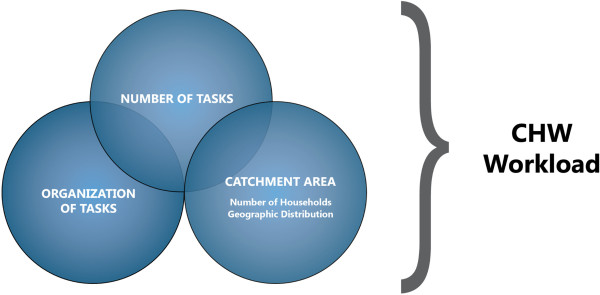
BACKGROUND: Community health workers (CHWs) are increasingly recognized as a critical link in improving access to services and achieving the health-related Millennium Development Goals. Given the financial and human resources constraints in developing countries, CHWs are expected to do more without necessarily receiving the needed support to do their jobs well. How much can be expected of CHWs before work overload and reduced organizational support negatively affect their productivity, the quality of services, and in turn the effectiveness of the community-based programmes that rely on them? This article presents policy-makers and programme managers with key considerations for a model to improve the work environment as an important approach to increase CHW productivity and, ultimately, the effectiveness of community-based strategies. METHODS: A desk review of selective published and unpublished articles and reports on CHW programs in developing countries was conducted to analyse and organize findings on the elements that influence CHW productivity. The search was not exhaustive but rather was meant to gather information on general themes that run through the various documents to generate perspectives on the issue and provide evidence on which to formulate ideas. After an initial search for key terminology related to CHW productivity, a snowball technique was used where a reference in one article led to the discovery of additional documents and reports. RESULTS: CHW productivity is determined in large part by the conditions under which they work. Attention to the provision of an enabling work environment for CHWs is essential for achieving high levels of productivity. We present a model in which the work environment encompasses four essential elements-workload, supportive supervision, supplies and equipment, and respect from the community and the health system-that affect the productivity of CHWs. We propose that when CHWs have a manageable workload in terms of a realistic number of tasks and clients, an organized manner of carrying out these tasks, a reasonable geographic distance to cover, the needed supplies and equipment, a supportive supervisor, and respect and acceptance from the community and the health system, they can function more productively and contribute to an effective community-based strategy. CONCLUSIONS: As more countries look to scale up CHW programmes or shift additional tasks to CHWs, it is critical to pay attention to the elements that affect CHW productivity during programme design as well as implementation. An enabling work environment is crucial to maximize CHW productivity. Policy-makers, programme managers, and other stakeholders need to carefully consider how the productivity elements related to the work environment are defined and incorporated in the overall CHW strategy. Establishing a balance among the four elements that constitute a CHW's work environment will help make great strides in improving the effectiveness and quality of the services provided by CHWs.
Overview
The claims and statistics of this paper haven’t been checked yet.
Free: it reads the open-access text and checks the first 5 claims that cite a source we can check. Create a free account to check every claim.
Integrity signals
Registry
Cites
Statistics
Figures

Verification
Claims the paper makes
The claims and statistics of this paper haven’t been checked yet.
Free: it reads the open-access text and checks the first 5 claims that cite a source we can check. Create a free account to check every claim.
Claims other papers make about this one
Each is checked against this paper’s own text: does it say what the citing paper says it does?
The source backs part of the claim, not all of it — or backs it for a different population, condition or comparison.
In the citing paper
“CHWs are overburdened as they are expected to accomplish more although they may not obtain the required support to perform their duties well, such as supportive supervision, training, remuneration, transportation, supplies and equipment, and respect from the community and health system [8].”
From Using mobile phones to improve community health workers performance in low-and-middle-income countries (2020) · cites this paper as [8]
Experimental — accuracy not yet measuredThe cited source says what the claim attributes to it.
In the citing paper
“A supportive work environment, motivation, and competency building are the key factors identified by the framework for strengthening CHW performance [8,9].”
In the citing paper
“This strategy can foster HWs’ motivation to change and promote positive attitudes and behaviours that ultimately improve women’s experiences and health outcomes around childbirth [69–71].”
From Health workers’ perspectives on the quality of maternal and newborn health care around the time of childbirth: Results of the Improving MAternal Newborn carE in the EURO Region (IMAgiNE EURO) project in 12 countries of the World Health Organization European Region (2024) · cites this paper as [70]
Self-check
Percentages, sums and reported differences re-computed from the paper’s own numbers.
The self-check needs the paper’s full text.
Citations
Cites
Achieving child survival goals: potential contribution of community health workers
Haines, A., Sanders, D., Lehmann, U., Rowe, A. K., Lawn, J. E., Jan, S., Walker, D. G., & Bhutta, Z. (2007) · The Lancet · doi:10.1016/s0140-6736(07)60325-0 · Cited by 911 · cited 3×
“provide a supportive environment for CHWs [26].”
BackgroundInfluentialEthiopian Journal of Health Development
Ejhd, E. (2018) · Ethiopian Journal of Health Development · Cited by 906
Baqui, A. H., El-Arifeen, S., Darmstadt, G. L., Ahmed, S., Williams, E. K., Seraji, H. R., Mannan, I., Rahman, S. M., Shah, R., Saha, S. K., et al. (2008) · The Lancet · doi:10.1016/s0140-6736(08)60835-1 · Cited by 588 · cited 1×
“all births because of their high workload, travel distances, and difficulty receiving timely notification of deliveries” [34].”
BackgroundOutcome Effectiveness of Community Health Workers: An Integrative Literature Review
Swider, S. M. (2002) · Public Health Nursing · doi:10.1046/j.1525-1446.2002.19003.x · Cited by 502 · cited 1×
“Success is more likely when CHWs have a clear job description that defines a limited number of tasks [25].”
BackgroundImproving health worker performance : in search of promising practices
Dieleman, M. A., & Harnmeijer, J. W. (2006) · Data Archiving and Networked Services (DANS) · Cited by 296
Bhattacharyya, K., WINCH, P. J., LeBan, K., & Tien, M.-H. (2001) · Cited by 293
Hermann, K., Van Damme, W., Pariyo, G. W., Schouten, E., Assefa, Y., Cirera, A., & Massavon, W. (2009) · Human Resources for Health · doi:10.1186/1478-4491-7-31 · Cited by 252
What difference does ("good") HRM make?
Buchan, J. (2004) · Human Resources for Health · doi:10.1186/1478-4491-2-6 · Cited by 222
Standing, H., & Chowdhury, A. M. R. (2008) · Social Science & Medicine · doi:10.1016/j.socscimed.2008.01.046 · Cited by 173 · cited 1×
“For example, BRAC’s Shasthya Shebikas in Bangladesh have a broad set of job responsibilities to accomplish and yet are considered highly productive and effective in their work [41,42].”
BackgroundCelletti, F., Wright, A., Palen, J., Frehywot, S., Markus, A., Greenberg, A., de Aguiar, R. A. T., Campos, F., Buch, E., & Samb, B. (2010) · AIDS · doi:10.1097/01.aids.0000366082.68321.d6 · Cited by 155 · cited 3×
“Offering CHWs supportive supervision within the structures and functions of the health team demonstrated better outcomes [2].”
BackgroundInfluential
Research works printed but not linked: 15
- Bhutta ZA Lassi ZS Pariyo G Huicho L Global experience of community health workers for delivery of health related Millennium Development Goals: a systematic review, country case studies, and recommendations for integration into national health systems 2010 Geneva, WHO/Global Health Workforce Alliance
- Lehmann U Sanders D Community health workers: what do we know about them? The state of the evidence on programmes, activities, costs and impact on health outcomes of using community health workers 2007 Geneva, WHO Department for Health
- Gilroy KE Winch P Management of sick children by community health workers:intervention models and programme examples 2006 Geneva, WHO/UNICEF
- Ruwoldt P Hassett P Zanzibar health care worker productivity study: preliminary study findings 2007 Chapel Hill, NC, Capacity Project
- Crigler L Hill K Furth R Bjerregaard D Community Health Worker Assessment and Improvement Matrix (CHW AIM): A Toolkit for Improving Community Health Worker Programs and Services 2011 USAID Health Care Improvement Project, Bethesda, MD University Research Co., LLC (URC)
- Ruwoldt P Stilwell B Schaefer L Achieving a more efficient health care workforce. Capacity Project. Presentation at the October 2006 USAID Global Health Mini-University 2006 http://www.login.mini-university.org/connect/d_connect_itemframer.cfm?vsDTTitle=click%20here%2E%2E%2E&dseq=12475&dtseq=49645&emdisc=2&mkey=public1108&vbDTA=0&viNA=0&vsDTA=&PAN=1&bDTC=0&blog=0&vsSH=A
- International Council of Nurses Nurse retention and recruitment: developing a motivated workforce 2005 ICN/WHO, Geneva
- Strachan D Health focused community based agents: motivation and incentives SCALE Project 2010 http://www.malariaconsortium.org/inscale/downloads/motivation-and-incentives-for-community-based-agents-daniel-strachen.pdf. November 8, 2011
- Global Health Work force Alliance Community health workers: key messages 2010 Global Consultation on Community Health Workers, Montreux, Switzerland
- Abbatt F Scaling up health and education workers: community health workers 2005 London, DFID Health Systems Resource Centre
- Perry H Freeman P Gupta S Rassekh BM Community-Based Primary Health Care Working Group, International Health Section. How effective is community-based primary health care in improving the health of children? Summary findings, report to the expert review panel 2009 American Public Health Association, Washington, DC
- Kadzandira JM Chilowa WR The role of health surveillance assistants (HSAs) in the delivery of health services and immunisation in Malawi. Zomba 2001 Centre of Social Science, University of Malawi, Malawi
- UNICEF Evaluation report. Voices from the community in the Sultanate of Oman: local women’s perceptions of community support group volunteers 2000 UNICEF, Oman, Oman
- UNICEF What works for children in South Asia: community health workers 2004 UNICEF South Asia, Katmandu, Nepal
- Ahmed F Community empowerment through micro-finance to improve community health: BRAC’s experience in Bangladesh WHO/SEARO Regional Conference on Revitalizing Primary Health Care 2008 WHO/SEAR, Jakarta 6–8 August 2008. WHO/SEAR, 2008 (http://www.searo.who.int/LinkFiles/Conference_Panel-D1.pdf.)
Cited by
Items 101–200 of 382
Gopalakrishnan, L., Diamond‐Smith, N., Avula, R., Menon, P., Fernald, L. C. H., Walker, D. M., & Patil, S. R. (2021) · Human Resources for Health · doi:10.1186/s12960-021-00689-7 · Cited by 44
“Since the Alma-Ata Declaration of 1978 identified primary healthcare as a critical mechanism to achieve Health for All, there has been a growing recognition that CHWs, often selected and supported by communities, cannot be left to serve on their own [12].”
BackgroundZhou, J., Pu, J., Wang, Q., Zhang, R., Liu, S., Wang, G., Zhang, T., Chen, Y., Xing, W., Liu, J., et al. (2022) · BMJ Open · doi:10.1136/bmjopen-2021-053797 · Cited by 31
Balaji, R., & Kalidhasan, M. (2023) · SKIPS Anveshan · doi:10.53031/skips.4.2.2023.10 · Cited by 30
Erstad, O., Hegna, K., Livingstone, S., Negru‐Subtirica, O., & Stoilova, M. (2024) · Families Relationships and Societies · doi:10.1332/20467435y2024d000000023 · Cited by 51
“This was supplemented by ‘backward’ and ‘forward’ snowballing (Hepplestone et al, 2011; Jaskiewicz and Tulenko, 2012) of selected journal searches and expert consultations.”
MethodLima, T. R. D. M. E., Maia, P. F. C. D. M. D., Valente, E. P., Vezzini, F., & Tamburlini, G. (2018) · BMC Medical Education · doi:10.1186/s12909-018-1332-x · Cited by 40
Singh, S., Dwivedi, N., Dongre, A. R., Deshmukh, P. R., Dey, D., Kumar, V., & Upadhyaya, S. (2018) · Human Resources for Health · doi:10.1186/s12960-018-0327-3 · Cited by 32
“Simultaneously, burdening the health workforce with multiple responsibilities especially in resource-poor systems also decreases efficiency [3].”
BackgroundGilmore, B., Adams, B., Bartoloni, A., Alhaydar, B., McAuliffe, É., Raven, J., Taegtmeyer, M., & Vallières, F. (2016) · BMJ Open · doi:10.1136/bmjopen-2016-011753 · Cited by 29
“improving CHW performance in health interventions and programmes remains inadequately understood.(30) 31 While the current literature offers some guidance on”
BackgroundLi, S., Yin, Z., Lesser, J., Li, C., Choi, B. Y., Parra-Medina, D. M., Flores, B., Dennis, B., & Wang, J. (2022) · JMIR Diabetes · doi:10.2196/37534 · Cited by 28
“However, community health workers face obstacles when working in rural communities, such as transportation, limited resources, and limited supervision and support, which affect their work productivity and service quality [23,24].”
BackgroundLarsen, D. A., Ngwenya-Kangombe, T., Cheelo, S., Hamainza, B., Miller, J., Winters, A., & Bridges, D. J. (2017) · Malaria Journal · doi:10.1186/s12936-016-1649-z · Cited by 27
“specific understanding of CHWs in this context is needed to improve CHW productivity in order to pursue malaria elimination with a surveillance system that heavily relies on volunteers [30].”
BackgroundPhuka, J. C., Maleta, K. M., Thomas, M., & Gladstone, M. (2014) · Annals of the New York Academy of Sciences · doi:10.1111/nyas.12338 · Cited by 27
Evaluation of factors important to enhance productivity
Kumar, S., Duhan, M., & Haleem, A. (2016) · Cogent Engineering · doi:10.1080/23311916.2016.1145043 · Cited by 31
“Good working conditions Luthra, Kumar, Kharb, Ansari, and Shimmi (2014), Locke and Romis (2012), Ali, Ali, and Adan (2013), Jaskiewicz and Tulenko (2012), Sandeep, Sanjay, Pardeep, and Abid (2013)”
BackgroundGampa, V., Smith, C., Muskett, O., King, C. A., Sehn, H., Malone, J., Curley, C., Brown, C., Begay, M., Shin, S. S., et al. (2017) · BMC Health Services Research · doi:10.1186/s12913-016-1956-7 · Cited by 30
Hopkins, K. L., Doherty, T., & Gray, G. (2018) · Southern African Journal of HIV Medicine · doi:10.4102/sajhivmed.v19i1.796 · Cited by 26
Zulkiply, S. H., Ramli, L. F., Fisal, Z. A. M., Tabassum, B., & Manaf, R. A. (2020) · PLoS ONE · doi:10.1371/journal.pone.0242691 · Cited by 34
The Utility of Community Health Workers in Disaster Preparedness, Recovery, and Resiliency
Nicholls, K., Picou, J. S., Curtis, J., & Lowman, J. (2015) · Journal of Applied Social Science · doi:10.1177/1936724415587046 · Cited by 31
“…that the involvement of CHWs in both health promotion and screening, early intervention, and the management of chronic disease can significantly lower health care costs for those already affected by health problems (Esperat et al. 2012; Jaskiewicz and Tulenko 2012; Viswanathan et al. 2009).”
BackgroundBrasington, A., Abdelmegeid, A., Dwivedi, V., Kols, A., Kim, Y. M., Khadka, N., Rawlins, B. J., & Gibson, A. (2016) · PLoS ONE · doi:10.1371/journal.pone.0151783 · Cited by 27
“The SMART program also benefitted from considerable worldwide experience with CHWs, which has demonstrated the importance of thoughtful design and implementation of recruitment, training, supervision, and support processes [43,45,46].”
BackgroundShelton, R. C., Dunston, S. K., Leoce, N., Jandorf, L. H., Thompson, H. S., Crookes, D. M., & Erwin, D. O. (2015) · Implementation Science · doi:10.1186/s13012-016-0403-9 · Cited by 27
“Clear communication about role expectations during recruitment and ongoing training to build and maintain self-efficacy may be important strategies to promote LHA retention, consistent with prior research [36, 37, 39, 41, 60, 86, 87].”
BackgroundResultAuxiliary midwives in hard to reach rural areas of Myanmar: filling MCH gaps
Wangmo, S., Suphanchaimat, R., Htun, W. M. M., Aung, T. T., Khitdee, C., Patcharanarumol, W., Htoon, P. T., & Tangcharoensathien, V. (2016) · BMC Public Health · doi:10.1186/s12889-016-3584-x · Cited by 27
“Exploring for solution, studies indicated work environment [24], altruism, social recognition, knowledge gain and career development as different motivation factors for lay health workers (LHW) [25].”
BackgroundSaint-Firmin, P. P., Diakite, B., Ward, K., Mitto, B., Stratton, S., Ortiz, C., Dutta, A., & Traoré, S. T. (2021) · Global Health Science and Practice · doi:10.9745/ghsp-d-20-00404 · Cited by 24
Joos, O., Amouzou, A., Silva, R., Banda, B., Park, L., Bryce, J., Kanyuka, M., & RMM Malawi working group (2016) · PLoS ONE · doi:10.1371/journal.pone.0138406 · Cited by 23
“With the evolution of the role of community-based health workers and the competing demands on their time that often result in task shifting, the review of work responsibilities has been shown to improve motivation and satisfaction among community health workers [17,22,25,26].”
BackgroundTani, K., Stone, A. E., Exavery, A., Njozi, M., Baynes, C. D., Phillips, J. F., & Kanté, A. M. (2016) · BMC Health Services Research · doi:10.1186/s12913-016-1718-6 · Cited by 23
“Because WAJAs are new to these responsibilities, they are in need of an enabling environment and quality support from the system [25, 26].”
BackgroundKirkland, C., Dill, J., & Karnik, H. (2023) · American Journal of Public Health · doi:10.2105/ajph.2023.307462 · Cited by 28
Sudhipongpracha, T., & Poocharoen, O. (2021) · Journal of Comparative Policy Analysis Research and Practice · doi:10.1080/13876988.2021.1879599 · Cited by 31
“Faced with shortages of clinically trained healthcare personnel, many developing countries have relied on CHWs for decades (Jaskiewicz and Tulenko 2012).”
BackgroundMurayama, H., Spencer, M. S., Sinco, B. R., Palmisano, G., & Kieffer, E. C. (2016) · Health Education & Behavior · doi:10.1177/1090198116673821 · Cited by 29
“Acceptance and respect from community are essential for CHW activities to be effective (Jaskiewicz & Tulenko, 2012).”
BackgroundShelley, K. D., Frumence, G., Mpembeni, R. N. M., George, A. S., Stuart, E. A., Killewo, J., Baqui, A. H., & Peters, D. H. (2018) · Health Policy and Planning · doi:10.1093/heapol/czy104 · Cited by 26
Work productivity of people with a psychiatric disability working in social firms
Corbière, M., Zaniboni, S., Dewa, C. S., Villotti, P., Lecomte, T., Sultan‐Taïeb, H., Hupé, J., & Fraccaroli, F. (2019) · Work · doi:10.3233/wor-182850 · Cited by 30
Bayou, N. B., & Gacho, Y. H. M. (2013) · PubMed Central · Cited by 31
South-Africa (Goodstart III) trial: community-based maternal and newborn care economic analysis
Daviaud, E., Nkonki, L. L., Ijumba, P., Doherty, T., Lawn, J. E., Owen, H., Jackson, D. J., & Tomlinson, M. (2017) · Health Policy and Planning · doi:10.1093/heapol/czw112 · Cited by 24
Surjaningrum, E. R., Jorm, A. F., Minas, H., & Kakuma, R. (2018) · International Journal of Mental Health Systems · doi:10.1186/s13033-018-0224-0 · Cited by 25
Rahman, M., Tariqujjaman, M., Ahmed, T., & Sarma, H. (2023) · Frontiers in Public Health · doi:10.3389/fpubh.2022.1014281 · Cited by 26
“Another study indicates that in addition to adequate training the implementers should be cautious about the workload of the CHWs (22).”
BackgroundCox, J., Soley, L. D., Tol, B., Sovannaroth, S., Kheang, S. T., Song, N., Bjorge, S., Ringwald, P., Mellor, S., Sintasath, D. M., et al. (2014) · Malaria Journal · doi:10.1186/1475-2875-13-282 · Cited by 18
“For community volunteers the demotivating effect of such factors linked to their working environment have been clearly demonstrated in other settings [11,25].”
BackgroundFatores que influenciam na qualidade de vida dos agentes comunitários de saúde
Santos, F. A. A. S., Sousa, L. D. P., Serra, M. A. A. D. O., & Rocha, F. A. C. (2016) · Acta Paulista de Enfermagem · doi:10.1590/1982-0194201600027 · Cited by 31
“Casado 70(26,28) 0,125 67,94(34,44) 0,08 50,85(21,15) 0,67 60,12(24,05) 0,26”
InfluentialJoo, J. H., Jimenez, D. E., Xu, J., & Park, M. (2019) · American Journal of Geriatric Psychiatry · doi:10.1016/j.jagp.2019.03.015 · Cited by 21
The role of rehabilitation care workers in South African healthcare: A Q-methodological study
Gamiet, S., & Rowe, M. (2019) · African Journal of Disability · doi:10.4102/ajod.v8i0.537 · Cited by 17
“Sufficient support for any new cadre of CHW is crucial in developing a patient-centred approach, integrated provision of care, continuity of care and a holistic approach to treatment which is on-going (Crigler, Gergen & Perry 2013; Jaskiewicz & Tulenko 2012).”
BackgroundInfluentialBilal, A., Ahmad, W., Jan, M. F., Huseynov, R., & Nagy, H. (2021) · Global Business Review · doi:10.1177/0972150920982760 · Cited by 66
“This study finds similar results confirming a positive connection between employees’ connectivity with leader and employee innovative behaviour, which is parallel with earlier findings (Beaty et al., 2014; Jaskiewicz & Tulenko, 2012).”
InfluentialRahman, R., Ross, A. M., Huang, D., Kirkbride, G., Chesna, S., & Rosenblatt, C. (2022) · Journal of Community Psychology · doi:10.1002/jcop.22967 · Cited by 20
Community health workers programme in Luanda, Angola: an evaluation of the implementation process
Giugliani, C., Duncan, B. B., Harzheim, E., Lavor, A. C. H., Lavor, M. C., Machado, M. M. T., Barbosa, M. I. S., Bornstein, V. J., Pontes, A. L. D. M., & Knauth, D. R. (2014) · Human Resources for Health · doi:10.1186/1478-4491-12-68 · Cited by 30
“In general, the international literature, that has assembled lessons learned from experiences with CHWs since the 1960s, aligns with the critical points made in the case of Luanda [21,23,27,31,32]: training only is insufficient, supervision and continuous support are required; CHWs' tasks must be clearly specified; a…”
Busza, J. R., Simms, V. M., Chikwari, C. D., Dauya, E., Bandason, T., Makamba, M., McHugh, G., & Ferrand, R. A. (2018) · AIDS Care · doi:10.1080/09540121.2018.1445826 · Cited by 16
“Because our intervention was delivered in trial conditions, it was possible to provide CHW with intensive supervision and mentoring, critical to maintaining their motivation (Hermann et al., 2009; Jaskiewicz & Tulenko, 2012).”
MethodKrishnaratne, S., Hamon, J. K., Hoyt, J., Chantler, T., Landegger, J., Spilotros, N., Demissie, S. D., Mohammed, S., & Webster, J. (2021) · BMC Public Health · doi:10.1186/s12889-020-10114-8 · Cited by 23
“Studies that have explored the training of community-based health workers have cited manageable workload, organisation of tasks, supportive supervision, adequate supplies and equipment, and respect from the community and the health system as key drivers of successful service delivery [9, 36].”
BackgroundMbachu, C. O., Etiaba, E., Ebenso, B., Ogu, U. U., Onwujekwe, O. E., Uzochukwu, B. S. C., Manzano, A., & Mirzoev, T. N. (2022) · Journal of Health Services Research & Policy · doi:10.1177/13558196211055323 · Cited by 29
“Prior to the commencement of VHWs activities, strong multi-level advocacy and sensitization were carried out at all levels, including in the communities.9 The SURE-P programme’s deployment of VHWs aligns with the global drive to use lower cadres of skilled and unskilled workers to optimize access to and efficiency of…”
BackgroundZhang, H., Xu, Y., Zhang, X., Chen, B., Li, C., Peng, Z., & Coyte, P. C. (2022) · Journal of Gerontological Social Work · doi:10.1080/01634372.2022.2140373 · Cited by 19
“Specifically, turnover intention and associated behaviors have been shown to be impacted by perceptions of the work environment (Jaskiewicz & Tulenko, 2012), such as the level of perceived organizational support (POS) (Kurtessis et al., 2015).”
BackgroundFostering the clinician as teacher: A realist review
Brouwer, H. J., Barry, M., Kluijtmans, M., Damoiseaux, R. A. M. J., & GROOT, E. D. (2024) · Medical Education · doi:10.1111/medu.15476 · Cited by 18
Mkumbo, E., Hanson, C., Penfold, S. C., Manzi, F., & Schellenberg, J. (2014) · International Health · doi:10.1093/inthealth/ihu016 · Cited by 15
Bellerose, M., Alva, S., Magalona, S., Awoonor‐Williams, J. K., & Sacks, E. (2020) · Health Policy and Planning · doi:10.1093/heapol/czaa167 · Cited by 17
Simon, M. A., Tom, L. S., Leung, I. S., Wong, E., Knightly, E., Perez-Vicencio, D., Yau, A., Ortigara, K., & Dong, X. (2019) · Health Services Insights · doi:10.1177/1178632919841376 · Cited by 15
Lee, H., Oh, J., Heo, J., Abraha, A., Perkins, J. M., Lee, J., Tran, T. G. H., & Subramanian, S. V. (2019) · Global Health Action · doi:10.1080/16549716.2019.1581467 · Cited by 17
Betron, M. L., Thapa, A., Amatya, R., Thapa, K., Arlotti-Parish, E., Schuster, A. L. R., Bhattarai, J., Limbu, S., Chiweshe, M. T., Rishal, P., et al. (2020) · Global Public Health · doi:10.1080/17441692.2020.1839929 · Cited by 18
“In Nepal, a common concern is that FCHVs may be overwhelmed by the number of programmes that have called on them to participate (Khatri et al., 2017), and the global literature confirms that too many responsibilities may reduce CHW productivity and service quality (Jaskiewicz & Tulenko, 2012).”
BackgroundOgutu, M., Kamui, E., Abuya, T., & Muraya, K. (2023) · PLOS Global Public Health · doi:10.1371/journal.pgph.0001815 · Cited by 20
Tikkanen, R. S., Closser, S., Prince, J., Chand, P., & Justice, J. (2024) · International Journal for Equity in Health · doi:10.1186/s12939-024-02177-5 · Cited by 20
Lalla, A., Salt, S., Schrier, E., Brown, C., Curley, C., Muskett, O., Begay, M., Shirley, L., Clark, C., Singer, J., et al. (2020) · BMC Health Services Research · doi:10.1186/s12913-019-4839-x · Cited by 16
Hackett, K. M., Henry, E. G., Hussain, I., Khan, M., Feroz, K., Kaur, N., Sato, R., Soofi, S. B., Canning, D., & Shah, I. (2020) · BMJ Open · doi:10.1136/bmjopen-2020-039835 · Cited by 18
Mantell, J. E., Masvawure, T. B., Zech, J. M., Reidy, W. J., Msukwa, M., Glenshaw, M. T., Grund, J. M., Williams, D., Pitt, B., & Rabkin, M. (2022) · PLoS ONE · doi:10.1371/journal.pone.0266445 · Cited by 19
Christiani, Y., Byles, J., Tavener, M., & Dugdale, P. (2016) · Australian Journal on Ageing · doi:10.1111/ajag.12305 · Cited by 21
Rotheram‐Borus, M. J., le Roux, K., Norwood, P., Katzen, L. S., Snyman, A., le Roux, I., Dippenaar, E., & Tomlinson, M. (2023) · PLoS Medicine · doi:10.1371/journal.pmed.1004170 · Cited by 22
“Implementation often lacks fidelity [8], and managers lack the experience or skills to take complex interventions to scale [9].”
BackgroundAron, M. B., Ndambo, M. K., Munyaneza, F., Mulwafu, M., Makungwa, H., Nhlema, B., & Connolly, E. (2023) · Human Resources for Health · doi:10.1186/s12960-023-00839-z · Cited by 22
Katzen, L. S., Dippenaar, E., Laurenzi, C. A., Rotheram‐Borus, M. J., le Roux, K., Skeen, S., & Tomlinson, M. (2022) · Health & Social Care in the Community · doi:10.1111/hsc.13893 · Cited by 21
Al-Alawi, K., Mandhari, A. A., & Johansson, H. (2019) · BMC Health Services Research · doi:10.1186/s12913-019-3866-y · Cited by 20
Bicaba, A., Sermé, L., Chetaille, G., Kombate, G., Bila, A., & Haddad, S. H. S. (2020) · Malaria Journal · doi:10.1186/s12936-020-03191-y · Cited by 16
Lewis, J., LeBan, K., Solomon, R., Bisrat, F., Usman, S., & Arale, A. (2020) · Global Health Science and Practice · doi:10.9745/ghsp-d-20-00024 · Cited by 15
“Other research identified 4 essential elements for an enabling CHWwork environment that were also found in this project: workload, supportive supervision, supplies and equipment, and respect from the community and the health system.(25) The CHW AIM Tool proved useful in systematically assessing CHW functionality of a…”
MethodLewis, C. M., Gamboa-Maldonado, T., Belliard, J. C., Nelson, A., & Montgomery, S. (2019) · Journal of Ambulatory Care Management · doi:10.1097/jac.0000000000000261 · Cited by 12
Aluri, K. Z., Halder, A. K., Islam, M., Benjamin‐Chung, J., Alam, M., Shoab, A. K., Rahman, M. M., UNICOMB, L. E., & Luby, S. P. (2022) · Tropical Medicine & International Health · doi:10.1111/tmi.13813 · Cited by 14
“CHWs, the government- or NGO-hired counterparts to SHEWA-B’s CHPs, tend to be more effective when they have a manageable workload, organised tasks, reasonable goals, supportive supervisors and community respect [33].”
BackgroundWellbeing and School Improvement: A Scoping Review
McNeven, S., Main, K., & McKay, L. (2023) · Leadership and Policy in Schools · doi:10.1080/15700763.2023.2183512 · Cited by 19
“We also employed a “snowball” technique whereby we searched citations within articles if they appeared relevant to the review (Hepplestone, Holden, Irwin, Parkin, & Thorpe, 2011; Jaskiewicz & Tulenko, 2012).”
Joshi, A., Marasini, S., Sharma, S., Paneru, B., Kunwar, S., Shrestha, A., Shrestha, A., & Karmacharya, B. M. (2024) · BMJ Open · doi:10.1136/bmjopen-2023-082363 · Cited by 14
Curotto, M., Barletta, P., Paolino, M., & Arrossi, S. (2017) · Cadernos de Saúde Pública · doi:10.1590/0102-311x00138515 · Cited by 14
Nugroho, D., Lukitasari, M., Rohman, M. S., Mardhotillah, H., Natasya, D., Fitriyawat, F., Kristianingrum, N. D., & Wibisono, A. (2021) · Indian Journal of Community Medicine · doi:10.4103/ijcm.ijcm_895_20 · Cited by 19
“Their competencies, knowledge, and skills should be improved through training, monitoring, and follow-up to support their works.[7,15] Community perception regarding community health worker knowledge, skills, and abilities in assisting their health needs is essential to influence their awareness and acceptance of comm…”
BackgroundNzioki, J. M., Onyango, R. O., & Ombaka, J. (2015) · Pan African Medical Journal · doi:10.11604/pamj.2015.20.88.4711 · Cited by 13
“A study conducted to establish ways of increasing CHW productivity recommends program managers to create enabling work environments for CHWs which encompasses four essential elements-manageable workload, supportive supervision, adequate supplies and equipment, and respect from the community and the health system [16].”
BackgroundA Community Health Worker Home Visit Program: Facilitators and Barriers of Program Implementation
Menser, T. L., Swoboda, C. M., Sieck, C. J., Hefner, J. L., Huerta, T. R., & McAlearney, A. S. (2020) · Journal of Health Care for the Poor and Underserved · doi:10.1353/hpu.2020.0028 · Cited by 17
Tuyisenge, G., Crooks, V. A., & Berry, N. S. (2020) · Social Science & Medicine · doi:10.1016/j.socscimed.2020.113297 · Cited by 14
Using Video and Virtual Patients in Problem-Based Learning: a Scoping Review
Noverati, N., Naro, G., Fischer, R. J., & Thompson, B. M. (2020) · Medical Science Educator · doi:10.1007/s40670-020-01108-7 · Cited by 15
“A “ snowball ” technique was also used, where the references of each full-text article that passed the initial screen were hand searched for relevant studies to be included in the review based on their title, before assessing whether they met inclusion and exclusion criteria [8, 9].”
MethodCurotto, M., Zalacaín-Colombo, J., Paolino, M., & Arrossi, S. (2018) · Salud Pública de México · doi:10.21149/8854 · Cited by 12
“I will not step back”: A Qualitative Study of Lay Mental Health Workers’ Experiences in India
Wood, S., Seevak, E., Bhatia, U., McBain, R. K., & Nadkarni, A. (2021) · Administration and Policy in Mental Health and Mental Health Services Research · doi:10.1007/s10488-020-01102-6 · Cited by 14
Karim, A., de Savigny, D., Awor, P., Muñoz, D. C., Mäusezahl, D., Tshefu, A. K., Ngaima, S., Enebeli, U. U., Isiguzo, C., Nsona, H., et al. (2022) · BMJ Global Health · doi:10.1136/bmjgh-2022-008493 · Cited by 14
“35 The program architecture domain also addresses a myriad of other key facets of intervention design and its organisational arrangement.”
Straw, C., Antelo, V. S., Kohler, R. E., Paolino, M., Viswanath, K., & Arrossi, S. (2023) · BMC Health Services Research · doi:10.1186/s12913-023-09022-5 · Cited by 17
“Acceptability of interventions by CHWs is correlated with potential work overburden that those might impose on their daily tasks [45].”
BackgroundHealth-Related Millennium Development Goals
Pellissery, S., & Gupta, D. (2015) · The SAGE Encyclopedia of World Poverty · doi:10.4135/9781483345727.n380 · Cited by 11
Yusefzadeh, H., & Nabilou, B. (2020) · BMC Research Notes · doi:10.1186/s13104-020-05346-1 · Cited by 22
Sindato, C., Mboera, L. E. G., Mutagahywa, E. B., Mwabukusi, M., & Karimuribo, E. D. (2021) · Health Security · doi:10.1089/hs.2019.0096 · Cited by 13
“31,35,36 Despite the growing realization that the role of CHWs can enhance disease early warning, 30,31,37-39 few have studied their recruitment and practices related to detection, recording, reporting, and response to health events in human and animal populations in Tanzania.”
Westgard, C. M., & Orrego-Ferreyros, L. A. (2022) · PLOS Global Public Health · doi:10.1371/journal.pgph.0001118 · Cited by 14
Porterfield, L. R., Warren, V. E., Schick, V., Gulliot-Wright, S., Temple, J. R., & Vaughan, E. M. (2023) · Telemedicine Reports · doi:10.1089/tmr.2023.0007 · Cited by 14
Kamau, M. W. (2020) · PLoS ONE · doi:10.1371/journal.pone.0227332 · Cited by 16
“These include: workload, supportive supervision, supplies and equipment, and respect from community and health system, affecting their productivity [37].”
BackgroundResultKawasaki, R., Sadamori, T., de Almeida, T. F., Akiyoshi, M., Nishihara, M., Yoshimura, T., & Ohnishi, M. (2014) · Journal of Rural Medicine · doi:10.2185/jrm.2890 · Cited by 12
Neeraja, P., Трокоз, В. О., Poroshynska, O. A., Стовбецька, Л. С., Emelynenko, A. V., & Еmelynenko, A. A. (2018) · Fìzìologìčnij žurnal · doi:10.15407/fz64.03.030 · Cited by 9
Haw, N. J., Yang, J., Li, H., Duo, L., Wang, Z., & Bouey, J. Z. H. (2018) · Journal of Ethnicity in Substance Abuse · doi:10.1080/15332640.2018.1532854 · Cited by 9
Langston, A., Wittcoff, A., Ngoy, P., O’Keefe, J., Kozuki, N., Taylor, H., Laínez, Y. B., & Bacary, S. (2019) · Journal of Global Health · doi:10.7189/jogh.09.010810 · Cited by 12
Brunie, A., MacCarthy, J., Mulligan, B., Ribaira, Y., RABEMANANTSOA, A., Rahantanirina, L., Parker, C., & Keyes, E. (2020) · Global Health Science and Practice · doi:10.9745/ghsp-d-19-00421 · Cited by 10
Kawakatsu, Y., Sugishita, T., Aiga, H., Oruenjo, K., Wakhule, S., & Honda, S. (2022) · Primary Health Care Research & Development · doi:10.1017/s1463423622000135 · Cited by 11
“Second, CHWs’ performances do not necessarily improve as expected in terms of their productivity (Jaskiewicz and Tulenko, 2012) and effectiveness (Kok et al., 2014).”
BackgroundCommunity health workers' perspectives on integrating into school settings to support student health
Yao, N., Kowalczyk, M., Gregory, L., Cheatham, J., DeClemente, T., Fox, K., Ignoffo, S., & Volerman, A. (2023) · Frontiers in Public Health · doi:10.3389/fpubh.2023.1187855 · Cited by 13
“While not highlighted in this study, recommendations from other research to consider for implementing CHWs in schools is to provide enabling work environments for CHWs with a manageable number of tasks and easy access to supplies (49, 50).”
BackgroundMcClarty, L. M., Lorway, R. R., Ramanaik, S., Wylie, J., & Becker, M. (2014) · Vaccine · doi:10.1016/j.vaccine.2014.12.009 · Cited by 9
Sander, L. D., Holtzman, D. L., Pauly, M. V., & Cohn, J. (2015) · Human Resources for Health · doi:10.1186/1478-4491-13-6 · Cited by 13
“CHWs, frequent unreimbursed out-of-pocket expenditures and variability in quality and duration of training and supervision [16-20].”
BackgroundWalker, C., Burtscher, D., Myeni, J., Kerschberger, B., Schausberger, B., Rusch, B., Dlamini, N., & Whitehouse, K. (2020) · Human Resources for Health · doi:10.1186/s12960-020-00504-9 · Cited by 11
Skjefte, M., Cooper, S., Poyer, S., Lourenço, C., Smedinghoff, S., Keller, B., Wambua, T., Oduor, C., Frade, S., & Waweru, W. (2024) · PLoS ONE · doi:10.1371/journal.pone.0295049 · Cited by 8
Abujaber, N., Ryan, M., McBride, K. A., Blum, P. T., Engels, M., Didenko, A., Green, H., de Matos, C. S. P., Whitton, S., & Vallières, F. (2024) · PLOS Global Public Health · doi:10.1371/journal.pgph.0002416 · Cited by 14
“Reasonable work-loads, with adequate resourcing, appropriate training, and regular supportive supervision are recommended to ensure the effectiveness of MHPSS service delivery, while also safeguarding the safety and wellbeing of MHPSS staff and volunteers [8,9].”
BackgroundResultCommunity Health Worker Roles and Tasks
Glenton, C., & Javadi, D. (2013) · Cited by 9
Recruitment of Community Health Workers
Jaskiewicz, W., & Deussom, R. H. (2013) · Cited by 10
Self-citationShakerian, S., & Abadi, L. (2020) · Journal of Education and Health Promotion · doi:10.4103/jehp.jehp_176_20 · Cited by 8
“Iranian CHWs are trained through preservice education and in‐service training at the District Behvarz Training Center (DBTC) by the Iranian primary health‐care system.[11] In Iran, CHWs are native and are only employed in the health‐care system.”
BackgroundKharzi, R., Chaib, R., Verzea, I., & Akni, A. (2020) · Journal of mining and environment · doi:10.22044/jme.2020.9156.1807 · Cited by 8
“As a result, these conditions must be controlled by the employer in order to offer the employees a quality -working environment or even to increase the so -called positive atmosphere conducive to the productivity and competitiveness of th e enterprise [8].”
BackgroundHenry, J. V., Oliver, M., & Winters, N. (2019) · Learning Media and Technology · doi:10.1080/17439884.2019.1628047 · Cited by 10
Frumence, G., Goodman, M. J., Chebet, J. J., Mosha, I. H., Bishanga, D. R., Chitama, D., WINCH, P. J., Killewo, J., & Baqui, A. H. (2019) · BMC Public Health · doi:10.1186/s12889-019-7179-1 · Cited by 12
“Age and marital status of the woman has been found to contribute to a woman’s decision to seek care in general [18].”
BackgroundChen, J., Yu, G., Li, W., Yang, C., Ye, X., Wu, D., Wang, Y., Du, W., Xiao, Z., Zeng, S., et al. (2023) · BMC Health Services Research · doi:10.1186/s12913-023-09880-z · Cited by 9
“In many primary health care programmes, females are the preferred gender because of the type of tasks required [33].”
BackgroundTiruneh, G. T., Fesseha, N., Emaway, D., Betemariam, W. A., Nigatu, T. G., Magge, H., & Hirschhorn, L. R. (2024) · PLoS ONE · doi:10.1371/journal.pone.0300880 · Cited by 9
Marita, E. O., Gichuki, R., Watulo, E., Thiam, S., & Karanja, S. (2021) · The Journal of Infection in Developing Countries · doi:10.3855/jidc.13565 · Cited by 7
“reported that stock outs not only interrupt productivity but also have other unintended outcomes such as loss of confidence from the communities they serve [18].”
Metadata
- Authors
- Jaskiewicz, W., & Tulenko, K.
- Affiliations
- IntraHealth International (US)
- Corresponding author
- Jaskiewicz, Wanda
- ORCID
- Jaskiewicz, Wanda
- Venue
- Human Resources for Health
- Published
- 2012-09-27
- Volume
- 10
- Issue
- 1
- Pages
- 38-38
- ISSN
- 1478-4491 (ISSN-L)
- PMC
- PMC3472248
- OpenAlex
- W2115117400
- Cited by
- 381
- References
- 29
- Citations by year
- 2026: 16 · 2025: 17 · 2024: 30 · 2023: 49 · 2022: 32 · 2021: 41 · 2020: 33 · 2019: 28 · 2018: 30 · 2017: 24 · 2016: 21 · 2015: 22 · 2014: 26 · 2013: 12
- FWCI
- 33.09
- Type
- journal article
- Language
- en
- Open access
- gold
- doi.org
- Licence
- cc-by
- creativecommons.org/licenses/by/2.0 (tdm)
- Locations
- Human Resources for Health (publishedVersion, cc-by)
- Europe PMC (PubMed Central) (publishedVersion, cc-by)
- PubMed Central (publishedVersion, cc-by)
- PubMed (publishedVersion)
- DOAJ (DOAJ: Directory of Open Access Journals) (submittedVersion)
- Funders
- United States Agency for International Development
- Topics
- Health Sciences › Medicine › Public Health, Environmental and Occupational Health › Global Health Workforce Issues
- Health Sciences › Medicine › Pediatrics, Perinatology and Child Health › Global Maternal and Child Health
- Health Sciences › Medicine › Public Health, Environmental and Occupational Health › Healthcare Systems and Practices
- Keywords
- community health workers, work environment, workload, supportive supervision, community acceptance, community health programs, healthcare workers, developing countries
About these checks
Registry, retraction, Cites and statistics results are computed, not judged, with one exception: a printed reference that no index lists is read once by a model before it counts as a citation error. Claims are extracted by a model and kept only when their quote appears verbatim in the text; each cited source is then checked, with a model’s help, for whether it says what the claim relies on. Those verdicts can be wrong — read the claim’s quote and the cited source before relying on one.
Statistics and arithmetic are recomputed, not judged.
Confidence bands are shown only for fields calibrated on our annotated test set. None is calibrated yet, so no band is shown.
What counts as a claim ›How we measure confidence ›How we check this ›
Are you an author, or do you see a problem with this page? Request a review
Data sources
Bibliographic data: Semantic Scholar, OpenAlex, Crossref.
Contains information from the Semantic Scholar Academic Graph Datasets, made available under the ODC Attribution License (ODC-BY 1.0).
Semantic Scholar’s data is described in: Kinney, R., et al. (2023). The Semantic Scholar Open Data Platform. arXiv:2301.10140.
