

Increasing community health worker productivity and effectiveness: a review of the influence of the work environment
Open accessThe DOI matches its Crossref record; 27 of the 29 references it cites were found in a registry or an index.
Abstract
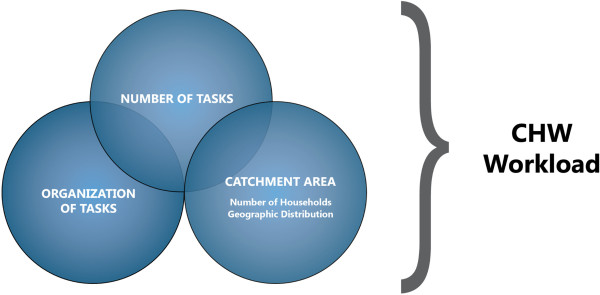
BACKGROUND: Community health workers (CHWs) are increasingly recognized as a critical link in improving access to services and achieving the health-related Millennium Development Goals. Given the financial and human resources constraints in developing countries, CHWs are expected to do more without necessarily receiving the needed support to do their jobs well. How much can be expected of CHWs before work overload and reduced organizational support negatively affect their productivity, the quality of services, and in turn the effectiveness of the community-based programmes that rely on them? This article presents policy-makers and programme managers with key considerations for a model to improve the work environment as an important approach to increase CHW productivity and, ultimately, the effectiveness of community-based strategies. METHODS: A desk review of selective published and unpublished articles and reports on CHW programs in developing countries was conducted to analyse and organize findings on the elements that influence CHW productivity. The search was not exhaustive but rather was meant to gather information on general themes that run through the various documents to generate perspectives on the issue and provide evidence on which to formulate ideas. After an initial search for key terminology related to CHW productivity, a snowball technique was used where a reference in one article led to the discovery of additional documents and reports. RESULTS: CHW productivity is determined in large part by the conditions under which they work. Attention to the provision of an enabling work environment for CHWs is essential for achieving high levels of productivity. We present a model in which the work environment encompasses four essential elements-workload, supportive supervision, supplies and equipment, and respect from the community and the health system-that affect the productivity of CHWs. We propose that when CHWs have a manageable workload in terms of a realistic number of tasks and clients, an organized manner of carrying out these tasks, a reasonable geographic distance to cover, the needed supplies and equipment, a supportive supervisor, and respect and acceptance from the community and the health system, they can function more productively and contribute to an effective community-based strategy. CONCLUSIONS: As more countries look to scale up CHW programmes or shift additional tasks to CHWs, it is critical to pay attention to the elements that affect CHW productivity during programme design as well as implementation. An enabling work environment is crucial to maximize CHW productivity. Policy-makers, programme managers, and other stakeholders need to carefully consider how the productivity elements related to the work environment are defined and incorporated in the overall CHW strategy. Establishing a balance among the four elements that constitute a CHW's work environment will help make great strides in improving the effectiveness and quality of the services provided by CHWs.
Overview
The claims and statistics of this paper haven’t been checked yet.
Free: it reads the open-access text and checks the first 5 claims that cite a source we can check. Create a free account to check every claim.
Integrity signals
Registry
Cites
Statistics
Figures

Verification
Claims the paper makes
The claims and statistics of this paper haven’t been checked yet.
Free: it reads the open-access text and checks the first 5 claims that cite a source we can check. Create a free account to check every claim.
Claims other papers make about this one
Each is checked against this paper’s own text: does it say what the citing paper says it does?
The source backs part of the claim, not all of it — or backs it for a different population, condition or comparison.
In the citing paper
“CHWs are overburdened as they are expected to accomplish more although they may not obtain the required support to perform their duties well, such as supportive supervision, training, remuneration, transportation, supplies and equipment, and respect from the community and health system [8].”
From Using mobile phones to improve community health workers performance in low-and-middle-income countries (2020) · cites this paper as [8]
Experimental — accuracy not yet measuredThe cited source says what the claim attributes to it.
In the citing paper
“A supportive work environment, motivation, and competency building are the key factors identified by the framework for strengthening CHW performance [8,9].”
In the citing paper
“This strategy can foster HWs’ motivation to change and promote positive attitudes and behaviours that ultimately improve women’s experiences and health outcomes around childbirth [69–71].”
From Health workers’ perspectives on the quality of maternal and newborn health care around the time of childbirth: Results of the Improving MAternal Newborn carE in the EURO Region (IMAgiNE EURO) project in 12 countries of the World Health Organization European Region (2024) · cites this paper as [70]
Self-check
Percentages, sums and reported differences re-computed from the paper’s own numbers.
The self-check needs the paper’s full text.
Citations
Cites
Achieving child survival goals: potential contribution of community health workers
Haines, A., Sanders, D., Lehmann, U., Rowe, A. K., Lawn, J. E., Jan, S., Walker, D. G., & Bhutta, Z. (2007) · The Lancet · doi:10.1016/s0140-6736(07)60325-0 · Cited by 911 · cited 3×
“provide a supportive environment for CHWs [26].”
BackgroundInfluentialEthiopian Journal of Health Development
Ejhd, E. (2018) · Ethiopian Journal of Health Development · Cited by 906
Baqui, A. H., El-Arifeen, S., Darmstadt, G. L., Ahmed, S., Williams, E. K., Seraji, H. R., Mannan, I., Rahman, S. M., Shah, R., Saha, S. K., et al. (2008) · The Lancet · doi:10.1016/s0140-6736(08)60835-1 · Cited by 588 · cited 1×
“all births because of their high workload, travel distances, and difficulty receiving timely notification of deliveries” [34].”
BackgroundOutcome Effectiveness of Community Health Workers: An Integrative Literature Review
Swider, S. M. (2002) · Public Health Nursing · doi:10.1046/j.1525-1446.2002.19003.x · Cited by 502 · cited 1×
“Success is more likely when CHWs have a clear job description that defines a limited number of tasks [25].”
BackgroundImproving health worker performance : in search of promising practices
Dieleman, M. A., & Harnmeijer, J. W. (2006) · Data Archiving and Networked Services (DANS) · Cited by 296
Bhattacharyya, K., WINCH, P. J., LeBan, K., & Tien, M.-H. (2001) · Cited by 293
Hermann, K., Van Damme, W., Pariyo, G. W., Schouten, E., Assefa, Y., Cirera, A., & Massavon, W. (2009) · Human Resources for Health · doi:10.1186/1478-4491-7-31 · Cited by 252
What difference does ("good") HRM make?
Buchan, J. (2004) · Human Resources for Health · doi:10.1186/1478-4491-2-6 · Cited by 222
Standing, H., & Chowdhury, A. M. R. (2008) · Social Science & Medicine · doi:10.1016/j.socscimed.2008.01.046 · Cited by 173 · cited 1×
“For example, BRAC’s Shasthya Shebikas in Bangladesh have a broad set of job responsibilities to accomplish and yet are considered highly productive and effective in their work [41,42].”
BackgroundCelletti, F., Wright, A., Palen, J., Frehywot, S., Markus, A., Greenberg, A., de Aguiar, R. A. T., Campos, F., Buch, E., & Samb, B. (2010) · AIDS · doi:10.1097/01.aids.0000366082.68321.d6 · Cited by 155 · cited 3×
“Offering CHWs supportive supervision within the structures and functions of the health team demonstrated better outcomes [2].”
BackgroundInfluential
Research works printed but not linked: 15
- Bhutta ZA Lassi ZS Pariyo G Huicho L Global experience of community health workers for delivery of health related Millennium Development Goals: a systematic review, country case studies, and recommendations for integration into national health systems 2010 Geneva, WHO/Global Health Workforce Alliance
- Lehmann U Sanders D Community health workers: what do we know about them? The state of the evidence on programmes, activities, costs and impact on health outcomes of using community health workers 2007 Geneva, WHO Department for Health
- Gilroy KE Winch P Management of sick children by community health workers:intervention models and programme examples 2006 Geneva, WHO/UNICEF
- Ruwoldt P Hassett P Zanzibar health care worker productivity study: preliminary study findings 2007 Chapel Hill, NC, Capacity Project
- Crigler L Hill K Furth R Bjerregaard D Community Health Worker Assessment and Improvement Matrix (CHW AIM): A Toolkit for Improving Community Health Worker Programs and Services 2011 USAID Health Care Improvement Project, Bethesda, MD University Research Co., LLC (URC)
- Ruwoldt P Stilwell B Schaefer L Achieving a more efficient health care workforce. Capacity Project. Presentation at the October 2006 USAID Global Health Mini-University 2006 http://www.login.mini-university.org/connect/d_connect_itemframer.cfm?vsDTTitle=click%20here%2E%2E%2E&dseq=12475&dtseq=49645&emdisc=2&mkey=public1108&vbDTA=0&viNA=0&vsDTA=&PAN=1&bDTC=0&blog=0&vsSH=A
- International Council of Nurses Nurse retention and recruitment: developing a motivated workforce 2005 ICN/WHO, Geneva
- Strachan D Health focused community based agents: motivation and incentives SCALE Project 2010 http://www.malariaconsortium.org/inscale/downloads/motivation-and-incentives-for-community-based-agents-daniel-strachen.pdf. November 8, 2011
- Global Health Work force Alliance Community health workers: key messages 2010 Global Consultation on Community Health Workers, Montreux, Switzerland
- Abbatt F Scaling up health and education workers: community health workers 2005 London, DFID Health Systems Resource Centre
- Perry H Freeman P Gupta S Rassekh BM Community-Based Primary Health Care Working Group, International Health Section. How effective is community-based primary health care in improving the health of children? Summary findings, report to the expert review panel 2009 American Public Health Association, Washington, DC
- Kadzandira JM Chilowa WR The role of health surveillance assistants (HSAs) in the delivery of health services and immunisation in Malawi. Zomba 2001 Centre of Social Science, University of Malawi, Malawi
- UNICEF Evaluation report. Voices from the community in the Sultanate of Oman: local women’s perceptions of community support group volunteers 2000 UNICEF, Oman, Oman
- UNICEF What works for children in South Asia: community health workers 2004 UNICEF South Asia, Katmandu, Nepal
- Ahmed F Community empowerment through micro-finance to improve community health: BRAC’s experience in Bangladesh WHO/SEARO Regional Conference on Revitalizing Primary Health Care 2008 WHO/SEAR, Jakarta 6–8 August 2008. WHO/SEAR, 2008 (http://www.searo.who.int/LinkFiles/Conference_Panel-D1.pdf.)
Cited by
A scoping review of scoping reviews: advancing the approach and enhancing the consistency
Pham, M. T., Rajić, A., Greig, J. D., Sargeant, J. M., Papadopoulos, A., & McEwen, S. A. (2014) · Research Synthesis Methods · doi:10.1002/jrsm.1123 · Cited by 3,078
“A ‘snowball’ technique was also adopted in which citations within articles were searched if they appeared relevant to the review (Hepplestone et al., 2011; Jaskiewicz and Tulenko, 2012).”
MethodScott, K., Beckham, S. W., Gross, M., Pariyo, G., Rao, K. D., Cometto, G., & Perry, H. B. (2018) · Human Resources for Health · doi:10.1186/s12960-018-0304-x · Cited by 732
Kok, M. C., Dieleman, M., Taegtmeyer, M., Broerse, J. E., Kane, S. S., Ormel, H., Tijm, M. M., & de Koning, K. A. (2015) · Health Policy and Planning · doi:10.1093/heapol/czu126 · Cited by 569
“Existing studies show that CHW services could be enhanced by measures regarding recruitment, workload and retention policies (Prasad and Muraleedharan 2007; Campbell and Scott 2011; Jaskiewicz and Tulenko 2012).”
BackgroundThe Lancet Commission on diagnostics: transforming access to diagnostics
Fleming, K. A., Horton, S., Wilson, M. L., Atun, R., DeStigter, K., Flanigan, J., Sayed, S., Adam, P., Aguilar, B., Andronikou, S., et al. (2021) · The Lancet · doi:10.1016/s0140-6736(21)00673-5 · Cited by 471
Glenton, C., Colvin, C., Carlsen, B., Swartz, A., Lewin, S., Noyes, J., & Rashidian, A. (2013) · Cochrane Database of Systematic Reviews · doi:10.1002/14651858.cd010414.pub2 · Cited by 454
Kok, M. C., Kane, S. S., Tulloch, O., Ormel, H., Theobald, S., Dieleman, M., Taegtmeyer, M., Broerse, J. E., & de Koning, K. A. (2015) · Health Research Policy and Systems · doi:10.1186/s12961-015-0001-3 · Cited by 323
“From our literature review, it is clear that necessary arrangements regarding incentives, supervision, referral, supplies, and training are often inadequate and that CHWs’ expectations regarding these issues do not correspond with reality [1,9-11,116,122,123].”
BackgroundCommunity health workers for universal health-care coverage: from fragmentation to synergy
Tulenko, K., Møgedal, S., Afzal, M. M., Frymus, D., Oshin, A., Pate, M., Quain, E., Pinel, A., Wynd, S., & Zodpey, S. (2013) · Bulletin of the World Health Organization · doi:10.2471/blt.13.118745 · Cited by 292
Self-citationSikander, S., Ahmad, I., Atif, N., Zaidi, A., Vanobberghen, F., Weiss, H. A., Nisar, A., Tabana, H., Ain, Q. U., Bibi, A., et al. (2019) · The Lancet Psychiatry · doi:10.1016/s2215-0366(18)30467-x · Cited by 256
Community health workers for pandemic response: a rapid evidence synthesis
Bhaumik, S., Moola, S., Tyagi, J., Nambiar, D., & Kakoti, M. (2020) · BMJ Global Health · doi:10.1136/bmjgh-2020-002769 · Cited by 233
“planned by the United Kingdom(47) is not well understood, but considerable challenges might be expected considering the larger body of literature around community trust, and systems integration being critical for success.(48-51)”
Seidman, G., & Atun, R. (2017) · Human Resources for Health · doi:10.1186/s12960-017-0200-9 · Cited by 231
Hill, Z., Dumbaugh, M., Benton, L., Källander, K., Strachan, D., ten Asbroek, A., Tibenderana, J., Kirkwood, B., & Meek, S. (2014) · Global Health Action · doi:10.3402/gha.v7.24085 · Cited by 225
Scott, K., George, A. S., & Ved, R. R. (2019) · Health Research Policy and Systems · doi:10.1186/s12961-019-0427-0 · Cited by 200
Kok, M. C., Broerse, J. E. W., Theobald, S., Ormel, H., Dieleman, M., & Taegtmeyer, M. (2017) · Human Resources for Health · doi:10.1186/s12960-017-0234-z · Cited by 201
Feroz, A., Jabeen, R., & Saleem, S. (2020) · BMC Public Health · doi:10.1186/s12889-020-8173-3 · Cited by 178
“Logically, when the workload is pushed beyond a certain extent, the performance of the worker gets compromised [8].”
BackgroundSchneider, H., Okello, D., & Lehmann, U. (2016) · Human Resources for Health · doi:10.1186/s12960-016-0163-2 · Cited by 177
“A number of papers addressed this, outlining the need to maintain realistic expectations and workloads of CHWs and proposing new ways of configuring community-based services, such as specialization of functions and a division of labour [41, 42].”
Tsai, A. C., Scott, J. A., Hung, K. J., Zhu, J. Q., Matthews, L. T., Psaros, C., & Tomlinson, M. (2013) · PLoS ONE · doi:10.1371/journal.pone.0082521 · Cited by 169
“However, community health workers’ workloads [62,63] may limit the extent to which they can effectively administer even short instruments to find cases or monitor responses to treatment.”
Agarwal, S., Sripad, P., Johnson, C., Kirk, K., Bellows, B., Ana, J., Blaser, V., Kumar, M. B., Buchholz, K., Casseus, A., et al. (2019) · Human Resources for Health · doi:10.1186/s12960-019-0422-0 · Cited by 136
“Community access Delivery of CH services in a timely manner within the client’s home/community OR clients’ physical/social access to CHW service [5, 6, 49, 51]”
BackgroundSmith, S., Deveridge, A., Berman, J., Negin, J., Mwambene, N., Chingaipe, E., Puchalski Ritchie, L. M., & Martiniuk, A. (2014) · Human Resources for Health · doi:10.1186/1478-4491-12-24 · Cited by 136
“There was a feeling amongst policy-makers which is echoed in the literature, that better organized programmes and improved supervision would allow HSAs to manage the work load more effectively and potentially see the benefits of the HSA cadres’ role applied to a greater range of health priorities [8,22].”
BackgroundInfluentialKok, M. C., Vallières, F., Tulloch, O., Kumar, M. B., Kea, A. Z., Karuga, R., Ndima, S. D., Chikaphupha, K. R., Theobald, S., & Taegtmeyer, M. (2018) · Health Policy and Planning · doi:10.1093/heapol/czy082 · Cited by 157
“Similar to the findings of several reviews that draw on mainly qualitative studies, supportive supervision was positively evaluated by all stakeholders interviewed and seemed to result in increased (perceived) performance (Rowe et al., 2005; Jaskiewicz and Tulenko, 2012; Kok et al., 2014; Naimoli et al., 2014).”
BackgroundResultZulu, J. M., Kinsman, J., Michelo, C., & Hurtig, A.-K. (2014) · BMC Public Health · doi:10.1186/1471-2458-14-987 · Cited by 129
“33 Jaskiewicz [56] Ethiopia Pakistan and others Review HEWs LHWs To review the influence of work environment in increasing community health worker productivity and effectiveness Essential elements for improving productivity: defined workload, supportive supervision, supplies and equipment, and respect from the communi…”
BackgroundCommunity health workers at the dawn of a new era: 5. Roles and tasks
Glenton, C., Javadi, D., & Perry, H. B. (2021) · Health Research Policy and Systems · doi:10.1186/s12961-021-00748-4 · Cited by 167
Henry, J. V., Winters, N., Lakati, A., Oliver, M., Geniets, A., Mbae, S. M., & Wanjiru, H. (2016) · Global Health: Science and Practice · doi:10.9745/ghsp-d-15-00386 · Cited by 116
“Along with motivational considerations (for example, financial incentives) and factors related to capacity building (such as recruitment and training), a major determinant of effective CHW performance involves the provision of an enabling work environment, including manageable workloads, adequate supplies and equipmen…”
BackgroundZhang, L., Ssewanyana, D., Martin, M., Lye, S. J., Moran, G., Abubakar, A. A., Marfo, K., Marangu, J., Proulx, K., & Malti, T. (2021) · Frontiers in Public Health · doi:10.3389/fpubh.2021.671988 · Cited by 149
Huang, W., Long, H., Li, J., Tao, S., Zheng, P., Tang, S., & Abdullah, A. S. M. (2018) · Global Health Research and Policy · doi:10.1186/s41256-018-0072-0 · Cited by 109
Sikander, S., Lazarus, A., Bangash, O., Fuhr, D. C., Weobong, B., Krishna, R. N., Ahmad, I., Weiss, H. A., Price, L., Rahman, A., et al. (2015) · Trials · doi:10.1186/s13063-015-1063-9 · Cited by 95
“However, integrating and scaling up such interventions within the existing heath systems with them delivered by community health workers (CHWs) in LMICs is challenging because CHWs are already overburdened and are a finite human resource, and there is limited evidence of the cost-effectiveness of such interventions [2…”
BackgroundAseyo, R. E., Mumma, J. A. O., Scott, K., Nelima, D., Davis, E., Baker, K. K., Cumming, O., & Dreibelbis, R. (2018) · Human Resources for Health · doi:10.1186/s12960-018-0318-4 · Cited by 109
du Toit, R., Faal, H. B., Etya’ale, D., Wiafe, B., Mason, I., Graham, R., Bush, S., Mathenge, W. C., & Courtright, P. (2013) · BMC Health Services Research · doi:10.1186/1472-6963-13-102 · Cited by 108
“Enabling environment and ongoing support for example for their continuing education, quality improvement, equipment, guidelines/ protocols promotion of teamwork and supportive supervision to enable them to provide quality care [107,108].”
BackgroundTsolekile, L. P., Puoane, T., Schneider, H., Levitt, N. S., & Steyn, K. (2014) · African Journal of Primary Health Care & Family Medicine · doi:10.4102/phcfm.v6i1.693 · Cited by 93
Improving local health through community health workers in Cambodia: challenges and solutions
Ozano, K., Simkhada, P. P., Thann, K., & Khatri, R. (2018) · Human Resources for Health · doi:10.1186/s12960-017-0262-8 · Cited by 94
“CHWs have been reported to feel empowered when they are associated with the health system and viewed as a credible source of information [14, 64, 68].”
InfluentialStockton, M. A., Udedi, M. M., Kulisewa, K., Hosseinipour, M. C., Gaynes, B. N., Mphonda, S. M., Maselko, J., Pettifor, A. E., Verhey, R., Chibanda, D., et al. (2020) · PLoS ONE · doi:10.1371/journal.pone.0231872 · Cited by 89
“Community health workers are often already overloaded with work and are at risk of becoming additionally overburdened when drawn into task-sharing models of care [60, 61], as was potentially the case at the study sites.”
BackgroundAtif, N., Krishna, R. N., Sikander, S., Lazarus, A., Nisar, A., Ahmad, I., Raman, R., Fuhr, D. C., Patel, V., & Rahman, A. (2017) · BMC Psychiatry · doi:10.1186/s12888-017-1244-z · Cited by 100
“However, community health workers (CHWs) in LMIC may be overburdened [17].”
BackgroundSetting the global research agenda for community health systems: literature and consultative review
Agarwal, S., Kirk, K., Sripad, P., Bellows, B., Abuya, T., & Warren, C. (2019) · Human Resources for Health · doi:10.1186/s12960-019-0362-8 · Cited by 97
Thu, N. T. H., Wilson, A. J., & McDonald, F. (2015) · Human Resources for Health · doi:10.1186/s12960-015-0092-5 · Cited by 101
“However, ineffective supervision contributes to low staff morale, productivity and performance [39, 48].”
BackgroundLogan, R. I., & Castañeda, H. (2020) · International Journal of Environmental Research and Public Health · doi:10.3390/ijerph17249223 · Cited by 91
“Lack of investment in CHWs negatively affects their ability to do their job, thereby affecting their potential contributions to the health care landscape [37,57].”
BackgroundLudwick, T., Turyakira, E., Kyomuhangi, T., Manalili, K., Robinson, S., & Brenner, J. L. (2018) · Human Resources for Health · doi:10.1186/s12960-018-0272-1 · Cited by 90
“Other authors similarly highlight the importance of regular supervisor interactions [35], the role of supervisors in reinforcing CHW legitimacy among community members [36], and building respect for CHWs by local health services [19, 37], and link these factors to CHW motivation and performance [38, 39].”
BackgroundRaven, J., Akweongo, P., Baba, A., Baine, S. O., Sall, M., Buzuzi, S., & Martineau, T. (2015) · Human Resources for Health · doi:10.1186/s12960-015-0034-2 · Cited by 86
“Several authors have promoted a set of HRM practices (for example, using coordinated mix of HRM practices including supervision, incentives, recruitment and training [31]) or, with more focus on productivity, paying attention to workload, supportive supervision, supplies and equipment and respect from the community an…”
BackgroundBusza, J. R., Dauya, E., Bandason, T., Simms, V. M., Chikwari, C. D., Makamba, M., McHugh, G., Munyati, S. S., Chonzi, P., & Ferrand, R. A. (2017) · Health Policy and Planning · doi:10.1093/heapol/czx187 · Cited by 72
“CHW programme effectiveness depends on an enabling work environment for CHWs, including workload, supportive supervision, supplies and equipment and respect from community members (Jaskiewicz and Tulenko 2012), as well as locally supportive social norms and health policies (Kok et al.”
BackgroundResult“Someone like us”: Delivering maternal mental health through peers in two South Asian contexts
Singla, D., Lazarus, A., Atif, N., Sikander, S., Bhatia, U., Ahmad, I., Nisar, A., Khan, S., Fuhr, D., Patel, V., et al. (2014) · Journal of Affective Disorders · doi:10.1016/j.jad.2014.07.017 · Cited by 71
“This poses problems for scaling up effective solutions (Jaskiewicz and Tulenko, 2012); thus, there is a need to explore other human resources to deliver this intervention.”
BackgroundZulu, J. M., Hurtig, A., Kinsman, J., & Michelo, C. (2015) · BMC Health Services Research · doi:10.1186/s12913-015-0696-4 · Cited by 84
“Creation of a new cadre has the potential to pose challenges for acceptance, coordination and sustainability, because the adopters may be uncertain about the benefits and risks of the innovation [41,42].”
BackgroundVanobberghen, F. M., Weiss, H. A., Fuhr, D. C., Sikander, S., Afonso, E., Ahmad, I., Atif, N., Bibi, A., Bibi, T., Bilal, S., et al. (2019) · Journal of Affective Disorders · doi:10.1016/j.jad.2019.11.110 · Cited by 71
“, 2008), therefore impairing the scale up of this programme (Jaskiewicz and Tulenko, 2012).”
BackgroundBerta, W. B., Laporte, A., Perreira, T., Ginsburg, L. R., Dass, A. R., Deber, R. B., Baumann, A. O., Cranley, L. A., Bourgeault, I. L., Lum, J. M., et al. (2018) · Human Resources for Health · doi:10.1186/s12960-018-0277-9 · Cited by 94
“Those intentions, and subsequent behaviors, are influenced by perceptions of the work environment [16] that workers develop through interactions with their leaders/supervisors and co-workers [21] and the quality of their work lives [25].”
BackgroundZaidi, S., Kazi, A. M., Riaz, A., Ali, A., Najmi, R., Jabeen, R., Khudadad, U., & Sayani, S. (2020) · Journal of Medical Internet Research · doi:10.2196/18414 · Cited by 55
“A supportive work environment, motivation, and competency building are the key factors identified by the framework for strengthening CHW performance [8,9].”
BackgroundEducating and Training a Workforce for Nutrition in a Post-2015 World
Fanzo, J., Graziose, M. M., Kraemer, K., Gillespie, S., Johnston, J. L., de Pee, S., Monterrosa, E. C., Badham, J., Bloem, M. W., Dangour, A. D., et al. (2015) · Advances in Nutrition · doi:10.3945/an.115.010041 · Cited by 69
“…from the broader health workforce have helped identify several factors that are likely to contribute to increased quality of services, including balanced workload, appropriate supervision, adequate supplies and equipment, continuous training, fair remuneration, and respect from the community (25).”
Developing the national community health assistant strategy in Zambia: a policy analysis
Zulu, J. M., Kinsman, J., Michelo, C., & Hurtig, A. (2013) · Health Research Policy and Systems · doi:10.1186/1478-4505-11-24 · Cited by 69
“One key message was that countries should consider integrating CHWs fully into national human resources for health (HRH) plans and health systems [13,16].”
Galukande, M., Kaggwa, S., Sekimpi, P., Kakaire, O., Katamba, A., Munabi, I., Runumi, F. M., Mills, E., Hagopian, A., Blair, G., et al. (2013) · BMC Health Services Research · doi:10.1186/1472-6963-13-292 · Cited by 58
“These barriers have been articulated before, yet it is critical to pay attention to them [19].”
BackgroundMoosa, S., Derese, A., & Peersman, W. (2017) · Human Resources for Health · doi:10.1186/s12960-017-0183-6 · Cited by 66
“This is not unique to South Africa [31] and influences CHWs productivity [32].”
BackgroundKomaromy, M. S., Ceballos, V., Zurawski, A., Bodenheimer, T. S., Thom, D. H., & Arora, S. (2017) · Journal of Public Health Policy · doi:10.1057/s41271-017-0114-8 · Cited by 54
“For CHWs to be successful team members, they require ongoing mentoring, support from their supervisors, and opportunities to interact frequently with other team members and with each other [25, 26].”
Backgroundde Vries, D. H., & Pool, R. (2017) · PLoS ONE · doi:10.1371/journal.pone.0170217 · Cited by 63
“There is evidence suggesting that acceptance, support, and respect from the community as well as from the formal health system is essential for the motivation and effectiveness of CLHWs, and that CLHWs should be selected on the basis of their motivation to serve the community in which they work [25].”
Thomas, L. S., Buch, E., & Pillay, Y. (2021) · Human Resources for Health · doi:10.1186/s12960-021-00565-4 · Cited by 49
Deussom, R. H., Mwarey, D., Bayu, M., Abdullah, S. S., & Marcus, R. (2022) · Human Resources for Health · doi:10.1186/s12960-021-00692-y · Cited by 81
Astale, T., Andargie, T. A., & Mitike, G. (2023) · PLoS ONE · doi:10.1371/journal.pone.0282717 · Cited by 76
Tsai, A. C., Tomlinson, M., Dewing, S., le Roux, I. M., Harwood, J. M., Chopra, M., & Rotheram-Borus, M. J. (2014) · Archives of Women's Mental Health · doi:10.1007/s00737-014-0426-7 · Cited by 49
“Community health workers are often burdened by heavy workloads, and this contributes to high turnover and low job satisfaction (Alamo et al. 2012; Jaskiewicz and Tulenko 2012).”
BackgroundHope and despair: community health assistants’ experiences of working in a rural district in Zambia
Zulu, J. M., Kinsman, J., Michelo, C., & Hurtig, A. (2014) · Human Resources for Health · doi:10.1186/1478-4491-12-30 · Cited by 67
“Such negative community perspectives could reduce utilisation of services if not addressed [42,52].”
BackgroundUzondu, C., Doctor, H. V., Findley, S. E., Afenyadu, G. Y., & Ager, A. (2015) · Global Health Science and Practice · doi:10.9745/ghsp-d-14-00117 · Cited by 58
Rabbani, F., Shipton, L., Aftab, W., Sangrasi, K., Perveen, S., & Zahidie, A. (2016) · BMC Health Services Research · doi:10.1186/s12913-016-1641-x · Cited by 48
“CHW motivation, often categorized into individual, community, and health system levels [5, 6], is important to the efficiency of healthcare delivery in LMICs [1, 7, 8].”
InfluentialAtif, N., Nisar, A., Bibi, A., Khan, S., Zulfiqar, S., Ahmad, I., Sikander, S., & Rahman, A. (2019) · Cambridge Prisms Global Mental Health · doi:10.1017/gmh.2019.4 · Cited by 53
“In most LMIC, primary care supervisors are often inundated with tasks perceived to be of higher priority such as nutritional advice, infection-control and immunisation, and do not have sufficient time or skills to provide such supervision (Jaskiewicz & Tulenko, 2012).”
BackgroundKambarami, R. A., Mbuya, M. N. N., Pelletier, D. L., Fundira, D., Tavengwa, N. V., & Stoltzfus, R. J. (2016) · Global Health Science and Practice · doi:10.9745/ghsp-d-16-00003 · Cited by 60
“In many cultures, early pregnancy detection is a culturally sensitive topic,26 and it may be easier for women to disclose their pregnancy to female CHWs.”
BackgroundInfluentialSchneider, H. M. (2018) · International Journal of Health Policy and Management · doi:10.15171/ijhpm.2018.92 · Cited by 57
Mohajer, N., & Singh, D. (2018) · Human Resources for Health · doi:10.1186/s12960-018-0331-7 · Cited by 68
Challenges facing community health workers in Brazil's Family Health Strategy : A qualitative study
Grossman‐Kahn, R., Schoen, J. H., Mallett, J. W., Brentani, A., Kaselitz, E. B., & Heisler, M. (2017) · The International Journal of Health Planning and Management · doi:10.1002/hpm.2456 · Cited by 68
“The biggest challenges CHWs cited were (1) lack of understanding by the community members of the CHW's work and of the value of preventative health, (2) exclusion from administrative decisions made at the BHU, and (3) limited resources available to address health needs.”
Druetz, T., Kadio, K., Haddad, S. H. S., Kouanda, S., & Ridde, V. (2014) · Social Science & Medicine · doi:10.1016/j.socscimed.2014.11.053 · Cited by 55
“ACT stock-outs have negative repercussions outside of CCMm sphere; they may by extension undermine CHWs' preventive activities, as other studies suggest (Chuma et al., 2010; Jaskiewicz and Tulenko, 2012; Stekelenburg et al., 2003).”
ResultLehmann, U., Twum-Danso, N. A. Y., & Nyoni, J. (2019) · BMJ Global Health · doi:10.1136/bmjgh-2018-001046 · Cited by 56
Edward, A., Branchini, C., Aitken, I., Roach, M., Osei-Bonsu, K., & Arwal, S. H. (2015) · Social Science & Medicine · doi:10.1016/j.socscimed.2015.06.011 · Cited by 44
“…Improved supervision 51 (19.0) 27 (17.2) 78 (18.4) Additional training 76 (28.4) 32 (20.4) 108 (25.4) *P < 0.005, **P < 0.001, ***P < 0.0001. essential commodities, supportive supervision, and health system and community support (GFATM, 2014; Jaskiewicz and Tulenko, 2012; Pallas et al., 2013).”
BackgroundInfluentialMirzoev, T., Etiaba, E., Ebenso, B., Uzochukwu, B., Manzano, A., Onwujekwe, O., Huss, R., Ezumah, N., Hicks, J. P., Newell, J., et al. (2015) · Implementation Science · doi:10.1186/s13012-016-0443-1 · Cited by 44
“The use of CHWs was promoted in an attempt to implement interventions using lower cadres of workers to accelerate achievement of universal healthcare coverage [7–10].”
MethodWanduru, P., Tetui, M., Tuhebwe, D., Ediau, M., Okuga, M., Nalwadda, C. K., Kiracho, E. E., Waiswa, P., & Rutebemberwa, E. (2016) · Global Health Action · doi:10.3402/gha.v9.33194 · Cited by 55
Community Health Worker Use of Smart Devices for Health Promotion: Scoping Review
Greuel, M., Sy, F., Bärnighausen, T., Adam, M., Vandormael, A. M., Gates, J., & Harling, G. (2023) · JMIR mhealth and uhealth · doi:10.2196/42023 · Cited by 60
“The lack of community recognition and the low community status of CHWs may pose additional challenges [11], and this problem may be aggravated if CHWs lack adequate supplies and equipment [12].”
BackgroundPenfold, S. C., Manzi, F., Mkumbo, E., Temu, S. G., Jaribu, J., Shamba, D., Mshinda, H., Cousens, S., Marchant, T., Tanner, M., et al. (2014) · BMC Pediatrics · doi:10.1186/1471-2431-14-187 · Cited by 50
“Motivational activities and a supervision programme were included in the design of the counselling programme, which are known to help to maintain volunteer work standards and coverage [34].”
MethodSommanustweechai, A., Putthasri, W., Nwe, M. L., Aung, S. T., Theint, M. M., Tangcharoensathien, V., & Wynn, S. S. (2016) · Human Resources for Health · doi:10.1186/s12960-016-0161-4 · Cited by 44
“Their close relationship with health workers and the community are important factors; others are recognition by and support from the community, adequate supervision and incentives from the government, and the community values the CHW contributes [19, 20].”
BackgroundVallières, F., Hyland, P., McAuliffe, É., Mahmud, I., Tulloch, O., Walker, P. R., & Taegtmeyer, M. (2018) · BMC Health Services Research · doi:10.1186/s12913-018-3595-7 · Cited by 49
Abdel-All, M., Abimbola, S., Praveen, D., & Joshi, R. (2019) · Human Resources for Health · doi:10.1186/s12960-019-0418-9 · Cited by 42
Tsolekile, L. P., Schneider, H. M., & Puoane, T. R. (2018) · Curationis · doi:10.4102/curationis.v41i1.1815 · Cited by 53
“Others have reported that the quality of support and supervision provided to CHWs, together with the promotion of their safety and well-being, resulted in improved motivation and performance (Jaskiewicz & Tulenko 2012).”
BackgroundYıkılmaz, İ., Sürücü, L., Maşlakçı, A., Dalmış, A. B., & Toros, E. (2024) · Behavioral Sciences · doi:10.3390/bs14080637 · Cited by 50
“The work environment for healthcare professionals, already burdened with high workloads and job demands before the COVID-19 pandemic, has reached critical levels following the pandemic [12,13].”
BackgroundInfluentialLaktabai, J., Platt, A., Menya, D., Turner, E. L., Aswa, D., Kinoti, S., & O’Meara, W. P. (2018) · PLOS ONE · doi:10.1371/journal.pone.0191968 · Cited by 39
Nzioki, J. M., Ouma, J., Ombaka, J., & Onyango, R. O. (2017) · Pan African Medical Journal · doi:10.11604/pamj.2017.28.21.11255 · Cited by 44
“Evidence from a review of 34 studies from low and middle income countries and other studies in Nepal, Bangladesh, Nigeria, Mali and India has left no doubt that CHW interventions have improved Maternal and Child Health (MCH) outcomes in developing world [6-12].”
BackgroundVillotti, P., Corbière, M., Dewa, C. S., Fraccaroli, F., Sultan‐Taïeb, H., Zaniboni, S., & Lecomte, T. (2017) · Disability and Rehabilitation · doi:10.1080/09638288.2017.1377294 · Cited by 38
Telemedicine Training and Support for Community Health Workers: Improving Knowledge of Diabetes
Vaughan, E. M., Naik, A. D., Lewis, C. M., Foreyt, J. P., Samson, S. L., & Hyman, D. J. (2020) · Telemedicine Journal and e-Health · doi:10.1089/tmj.2018.0313 · Cited by 42
“They have emphasized that CHWs should be involved in the decision-making processes and incorporated as part of the leadership team.(25,36) Although the study is limited by size and in one locale, we attribute the application of these principles to the lack of attrition of CHWs.”
BackgroundEffectiveness of a problem-solving based intervention to prolong the working life of ageing workers
Koolhaas, W., Groothoff, J. W., de Boer, M. R., van der Klink, J. J., & Brouwer, S. (2015) · BMC Public Health · doi:10.1186/s12889-015-1410-5 · Cited by 51
“Earlier research has shown that a more participatory and supportive approach from the supervisors could help workers identify their challenges and implement solutions [55].”
BackgroundMahmood, H., McKinstry, B., Luz, S. F., Fairhurst, K., Nasim, S., & Hazir, T. (2020) · Journal of Global Health · doi:10.7189/jogh.10.020438 · Cited by 55
“affordable, and effective healthcare through CHWs [18] and is gaining momentum [12-21].”
BackgroundOlaniran, A., Banke-Thomas, A. O., Bar‐Zeev, S., & Madaj, B. (2022) · PLoS ONE · doi:10.1371/journal.pone.0274110 · Cited by 53
“This study explored common challenges of different CHW cadres providing MNH services as part of national CHW programmes in LMICs, using their typical roles in MNH as a basis for comparison.”
BackgroundInfluentialKoon, A. D., Goudge, J., & Norris, S. A. (2013) · Human Resources for Health · doi:10.1186/1478-4491-11-54 · Cited by 41
“Lastly, we made use of five important CHW reviews [17,20-23], particularly WHO’s exhaustive 2010 CHW report [19], for search terms and additional references.”
MethodManjunath, U., Sarala, R., Rajendra, D. A., Deepashree, M. R., Chokshi, M., Mokashi, T., & Mythri Shree, N. (2022) · Journal of Health Management · doi:10.1177/09720634221079084 · Cited by 41
“Other studies have also demonstrated how lack of resources adversely affect the effectiveness of CHWs (Jaskiewicz & Tulenko, 2012).”
BackgroundMorán, J. L. Á., Alé, F. G. B., Rogers, E., & Guerrero, S. (2017) · Maternal and Child Nutrition · doi:10.1111/mcn.12449 · Cited by 37
Aytona, M. G. C., Politico, M. R., McManus, L., Ronquillo, K., & Mollent, O. (2022) · Human Resources for Health · doi:10.1186/s12960-021-00670-4 · Cited by 58
Gopinathan, U., Lewin, S. A., & Glenton, C. (2014) · Tropical Medicine & International Health · doi:10.1111/tmi.12381 · Cited by 36
Kosec, K., Avula, R., Holtemeyer, B., Tyagi, P., Hausladen, S., & Menon, P. (2015) · Global Health Science and Practice · doi:10.9745/ghsp-d-14-00144 · Cited by 40
Making space for Aboriginal and Torres Strait Islander community health workers in health promotion
Conte, K. P., Gwynn, J., Turner, N. A., Koller, C. E., & Gillham, K. E. (2019) · Health Promotion International · doi:10.1093/heapro/daz035 · Cited by 34
“Syntheses of literature on CHWs illustrate that the tasks they undertake are highly varied but often inadequately or inconsistently defined (Jaskiewicz and Tulenko, 2012; Kim et al., 2016).”
BackgroundSupervision of Community Health Workers
Crigler, L., Gergen, J., & Perry, H. B. (2013) · Cited by 43
Liu, D., Yang, X., Zhang, C., Zhang, W., Tang, Q., Xie, Y., & Shi, L. (2022) · Frontiers in Public Health · doi:10.3389/fpubh.2022.884955 · Cited by 78
“This may be due to the fact that primary care providers with senior technical title have achieved or partially achieved career planning at the occupation and income aspects, resulting in reduced work initiative and enthusiasm, thus affecting job performance (50, 51).”
BackgroundNdambo, M. K., Munyaneza, F., Aron, M. B., Nhlema, B., & Connolly, E. (2022) · BMC Health Services Research · doi:10.1186/s12913-022-07558-6 · Cited by 47
“In community-based care, challenging geographical environments and inadequate transportation are common problems, especially in mountainous and poorly developed areas [1, 9, 51, 52].”
BackgroundOkeyo, I., & Dowse, R. (2018) · African Journal of Primary Health Care & Family Medicine · doi:10.4102/phcfm.v10i1.1687 · Cited by 93
Tegegne, S. G., Shuaib, F. M. B., Braka, F., Mkanda, P., Erbeto, T. B., Aregay, A. K., Oyaole, D. R., Akpan, G. U., Alpha, N., Khedr, A., et al. (2018) · BMC Public Health · doi:10.1186/s12889-018-6189-8 · Cited by 31
Tulchinsky, T. H., & Varavikova, E. A. (2014) · Elsevier eBooks · doi:10.1016/b978-0-12-415766-8.00014-8 · Cited by 31
Ogutu, M., Muraya, K., Mockler, D., & Darker, C. D. (2021) · Human Resources for Health · doi:10.1186/s12960-021-00691-z · Cited by 42
“, CHVs need the trust of the community and whenever that trust is compromised, CHVs become ineffective [15, 50].”
BackgroundAbujaber, N., Vallières, F., McBride, K. A., Sheaf, G., Blum, P. T., Wiedemann, N., & Travers, Á. (2022) · Journal of Global Health · doi:10.7189/jogh.12.04017 · Cited by 39
O’Connor, E. C., Hutain, J., Christensen, M., Kamara, M. S., Conteh, A., Sarriot, E., Samba, T., & Perry, H. B. (2019) · Journal of Global Health · doi:10.7189/jogh.09.010418 · Cited by 32
Matenda, F. R., Sibanda, M., Chikodza, E., & Gumbo, V. (2021) · Management Review Quarterly · doi:10.1007/s11301-021-00216-x · Cited by 48
Community mental health services in Pakistan: Review study from Muslim world 2000-2015
Ali, T. M., & Gul, S. (2018) · Psychology Community & Health · doi:10.5964/pch.v7i1.224 · Cited by 41
“Due to the financial and human resources constrictions in developing countries, CHWs are expected to do more without necessarily receiving the needed support (Jaskiewicz & Tulenko, 2012).”
BackgroundHamdani, S. U., Atif, N., Tariq, M., Minhas, F. A., Iqbal, Z., & Rahman, A. (2014) · International Journal of Mental Health Systems · doi:10.1186/1752-4458-8-7 · Cited by 30
“The over-burdening of community health workers has been recognised, both in Pakistan [15] and globally [16].”
BackgroundO’Donovan, J., Hamala, R., Namanda, A. S., Musoke, D., Ssemugabo, C., & Winters, N. (2019) · Global Public Health · doi:10.1080/17441692.2019.1663233 · Cited by 32
“The final challenge, regarding a lack of equipment, is common findings across several CHW programmes in different contexts (Jaskiewicz & Tulenko, 2012; Oliver, Geniets, Winters, Rega, & Mbae, 2015).”
Background
Metadata
- Authors
- Jaskiewicz, W., & Tulenko, K.
- Affiliations
- IntraHealth International (US)
- Corresponding author
- Jaskiewicz, Wanda
- ORCID
- Jaskiewicz, Wanda
- Venue
- Human Resources for Health
- Published
- 2012-09-27
- Volume
- 10
- Issue
- 1
- Pages
- 38-38
- ISSN
- 1478-4491 (ISSN-L)
- PMC
- PMC3472248
- OpenAlex
- W2115117400
- Cited by
- 381
- References
- 29
- Citations by year
- 2026: 16 · 2025: 17 · 2024: 30 · 2023: 49 · 2022: 32 · 2021: 41 · 2020: 33 · 2019: 28 · 2018: 30 · 2017: 24 · 2016: 21 · 2015: 22 · 2014: 26 · 2013: 12
- FWCI
- 33.09
- Type
- journal article
- Language
- en
- Open access
- gold
- doi.org
- Licence
- cc-by
- creativecommons.org/licenses/by/2.0 (tdm)
- Locations
- Human Resources for Health (publishedVersion, cc-by)
- Europe PMC (PubMed Central) (publishedVersion, cc-by)
- PubMed Central (publishedVersion, cc-by)
- PubMed (publishedVersion)
- DOAJ (DOAJ: Directory of Open Access Journals) (submittedVersion)
- Funders
- United States Agency for International Development
- Topics
- Health Sciences › Medicine › Public Health, Environmental and Occupational Health › Global Health Workforce Issues
- Health Sciences › Medicine › Pediatrics, Perinatology and Child Health › Global Maternal and Child Health
- Health Sciences › Medicine › Public Health, Environmental and Occupational Health › Healthcare Systems and Practices
- Keywords
- community health workers, work environment, workload, supportive supervision, community acceptance, community health programs, healthcare workers, developing countries
About these checks
Registry, retraction, Cites and statistics results are computed, not judged, with one exception: a printed reference that no index lists is read once by a model before it counts as a citation error. Claims are extracted by a model and kept only when their quote appears verbatim in the text; each cited source is then checked, with a model’s help, for whether it says what the claim relies on. Those verdicts can be wrong — read the claim’s quote and the cited source before relying on one.
Statistics and arithmetic are recomputed, not judged.
Confidence bands are shown only for fields calibrated on our annotated test set. None is calibrated yet, so no band is shown.
What counts as a claim ›How we measure confidence ›How we check this ›
Are you an author, or do you see a problem with this page? Request a review
Data sources
Bibliographic data: Semantic Scholar, OpenAlex, Crossref.
Contains information from the Semantic Scholar Academic Graph Datasets, made available under the ODC Attribution License (ODC-BY 1.0).
Semantic Scholar’s data is described in: Kinney, R., et al. (2023). The Semantic Scholar Open Data Platform. arXiv:2301.10140.
