

Donor age negatively impacts adipose tissue-derived mesenchymal stem cell expansion and differentiation
Open accessThe DOI matches its Crossref record; 38 of the 38 references it cites were found in a registry or an index.
Abstract
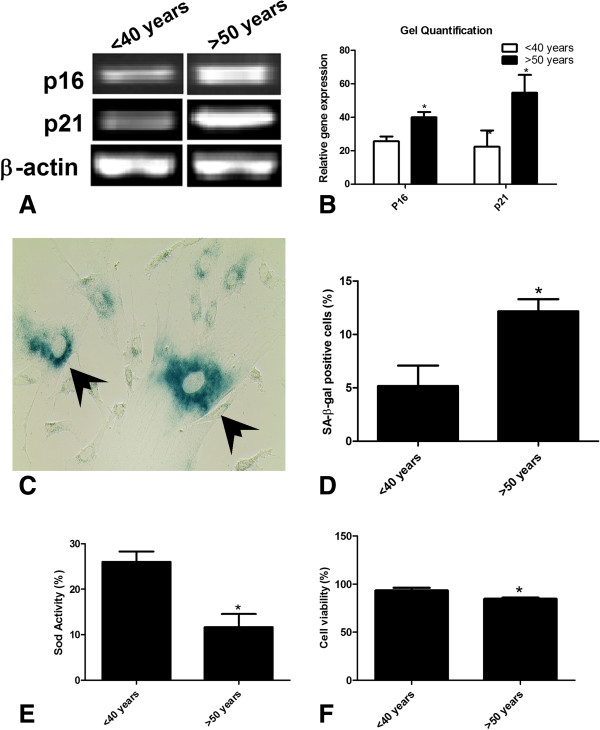
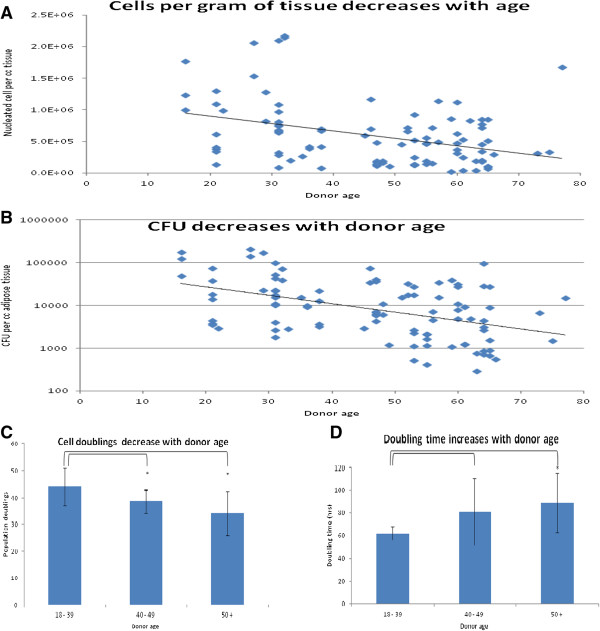
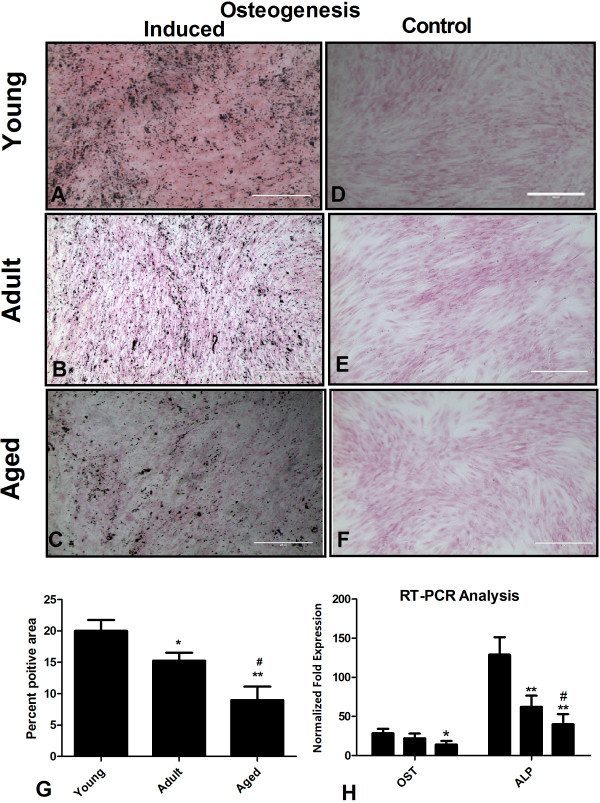
BACKGROUND: Human adipose tissue is an ideal autologous source of mesenchymal stem cells (MSCs) for various regenerative medicine and tissue engineering strategies. Aged patients are one of the primary target populations for many promising applications. It has long been known that advanced age is negatively correlated with an organism's reparative and regenerative potential, but little and conflicting information is available about the effects of age on the quality of human adipose tissue derived MSCs (hAT-MSCs). METHODS: To study the influence of age, the expansion and in vitro differentiation potential of hAT-MSCs from young (<30 years), adult (35-50 years) and aged (>60 years) individuals were investigated. MSCs were characterized for expression of the genes p16(INK4a) and p21 along with measurements of population doublings (PD), superoxide dismutase (SOD) activity, cellular senescence and differentiation potential. RESULTS: Aged MSCs displayed senescent features when compared with cells isolated from young donors, concomitant with reduced viability and proliferation. These features were also associated with significantly reduced differentiation potential in aged MSCs compared to young MSCs. CONCLUSIONS: In conclusion, advancing age negatively impacts stem cell function and such age related alterations may be detrimental for successful stem cell therapies.
Overview
The claims and statistics of this paper haven’t been checked yet.
Free: it reads the open-access text and checks the first 5 claims that cite a source we can check. Create a free account to check every claim.
Integrity signals
Registry
Cites
Statistics
Figures
Verification
Claims the paper makes
The claims and statistics of this paper haven’t been checked yet.
Free: it reads the open-access text and checks the first 5 claims that cite a source we can check. Create a free account to check every claim.
Claims other papers make about this one
Each is checked against this paper’s own text: does it say what the citing paper says it does?
The source backs part of the claim, not all of it — or backs it for a different population, condition or comparison.
In the citing paper
“Adipose tissue-derived mesenchymal stem cells from older donors (human and mouse) exhibit senescence properties and impaired regenerative potential123,124.”
From SenNet recommendations for detecting senescent cells in different tissues (2024) · cites this paper as [123]
Experimental — accuracy not yet measured
Self-check
Percentages, sums and reported differences re-computed from the paper’s own numbers.
The self-check needs the paper’s full text.
Citations
Cites
Multilineage potential of adult human mesenchymal stem cells
Pittenger, M. F., Mackay, A. M., Beck, S. C., Jaiswal, R. K., Douglas, R., Mosca, J. D., Moorman, M. A., Simonetti, D. W., Craig, S., & Marshak, D. R. (1999) · Science · doi:10.1126/science.284.5411.143 · Cited by 21,052 · cited 1×
“MSCs possess a multitude of potential applications in regenerative medicine, being able to proliferate and differentiate in vitro into multiple lineages [3-5].”
BackgroundDominici, M., Le Blanc, K., Mueller, I., Slaper-Cortenbach, I., Marini, F. C., Krause, D. S., Deans, R. J., Keating, A., Prockop, D. J., & Horwitz, E. M. (2006) · Cytotherapy · doi:10.1080/14653240600855905 · Cited by 17,766 · cited 3×
“These results were in agreement with previous reports [19,20], although Stolzing et al.”
BackgroundResultMultilineage Cells from Human Adipose Tissue: Implications for Cell-Based Therapies
Zuk, P. A., Zhu, M., Mizuno, H., Huang, J., Futrell, J. W., Katz, A. J., Benhaim, P., Lorenz, H. P., & Hedrick, M. H. (2001) · Tissue Engineering · doi:10.1089/107632701300062859 · Cited by 7,956
A biomarker that identifies senescent human cells in culture and in aging skin in vivo.
Dimri, G. P., Lee, X., Basile, G., Acosta, M., Scott, G., Roskelley, C., Medrano, E. E., Linskens, M., Rubelj, I., & Pereira-Smith, O. (1995) · Proceedings of the National Academy of Sciences · doi:10.1073/pnas.92.20.9363 · Cited by 7,477 · cited 1×
“SA-β-gal activity is the most commonly used biomarker for the identification of senescent cells [22].”
MethodHuman Adipose Tissue Is a Source of Multipotent Stem Cells
Zuk, P. A., Zhu, M., Ashjian, P., De Ugarte, D. A., Huang, J. I., Mizuno, H., Alfonso, Z. C., Fraser, J. K., Benhaim, P., & Hedrick, M. H. (2002) · Molecular Biology of the Cell · doi:10.1091/mbc.e02-02-0105 · Cited by 6,664 · cited 5×
“hAT-MSCs possess morphological, phenotypic and functional characteristics similar to BM-MSC [13], are stable over long term culture, expand efficiently in vitro and possess multi-lineage differentiation potential [5,14].”
BackgroundInfluentialStolzing, A., Jones, E., McGonagle, D., & Scutt, A. (2008) · Mechanisms of Ageing and Development · doi:10.1016/j.mad.2007.12.002 · Cited by 1,195 · cited 5×
“Recent evidence suggests that p16 and p21 are markers of senescence [24].”
BackgroundMethodInfluentialAmado, L. C., Saliaris, A. P., Schuleri, K. H., St. John, M., Xie, J.-S., Cattaneo, S., Durand, D. J., Fitton, T., Kuang, J. Q., Stewart, G., et al. (2005) · Proceedings of the National Academy of Sciences · doi:10.1073/pnas.0504388102 · Cited by 1,073 · cited 1×
“In various animal models it has been shown that MSCs can be used to successfully treat cardiovascular [2,8], neurological [9] and musculoskeletal disorders [10] either by differentiation into competent cardiomyocytes, neuronlike cells and chondrocytes, respectively; or by a paracrine effect via the secretion of growth…”
BackgroundDiGirolamo, C. M., Stokes, D., Colter, D., Phinney, D. G., Class, R., & Prockop, D. J. (1999) · British Journal of Haematology · doi:10.1046/j.1365-2141.1999.01715.x · Cited by 879 · cited 1×
“[32] reported similar results, as has Zhu et al.”
ResultChondrogenic Potential of Adipose Tissue-Derived Stromal Cells in Vitro and in Vivo
Erickson, G. R., Gimble, J. M., Franklin, D. M., Rice, H. E., Awad, H., & Guilak, F. (2002) · Biochemical and Biophysical Research Communications · doi:10.1006/bbrc.2001.6270 · Cited by 675 · cited 1×
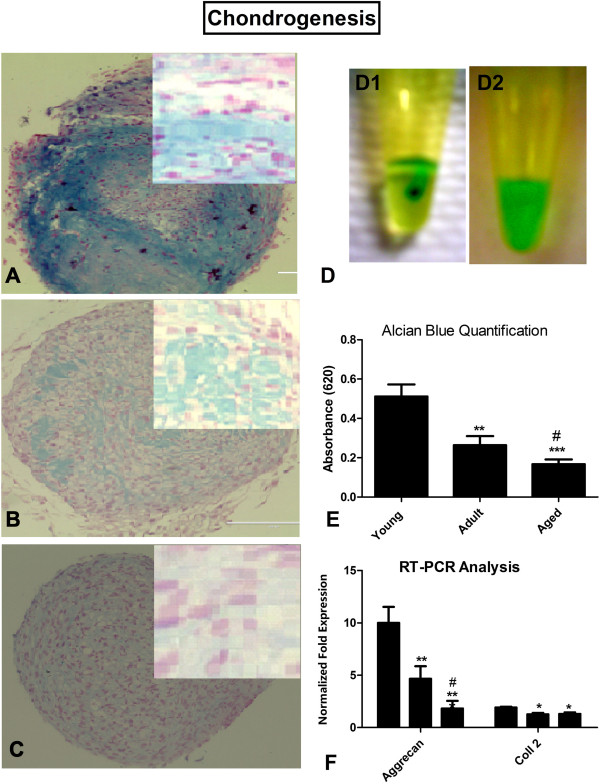
“was performed using the lineage specific genes, aggrecan and collagen type 2 [26,27] (Aggrecan: 10.”
MethodImmunosuppressive properties of mesenchymal stem cells: advances and applications
P. De Miguel, M., Fuentes-Julian, S., Blazquez-Martinez, A., Y. Pascual, C., A. Aller, M., Arias, J., & Arnalich-Montiel, F. (2012) · Current Molecular Medicine · doi:10.2174/156652412800619950 · Cited by 660
Cited by
Items 201–300 of 598
Lepage, S. I. M., Lee, O. J., & Koch, T. G. (2018) · Stem Cells and Development · doi:10.1089/scd.2018.0135 · Cited by 29
“Of note, we and others have found large variations in chondrogenic potency among MSC donors [14,70–72].”
Kurzyk, A., Ostrowska, B., Święszkowski, W., & Pojda, Z. (2019) · Stem Cells International · doi:10.1155/2019/1201927 · Cited by 29
Putative mesenchymal stem cells isolated from adult human ovaries
Štimpfel, M., Cerkovnik, P., Novaković, S., Maver, A., & Virant‐Klun, I. (2014) · Journal of Assisted Reproduction and Genetics · doi:10.1007/s10815-014-0254-8 · Cited by 28
Neri, S., Guidotti, S., Lilli, N. L., Cattini, L., & Mariani, E. (2016) · Journal of Orthopaedic Research® · doi:10.1002/jor.23349 · Cited by 30
A New Chapter for Mesenchymal Stem Cells: Decellularized Extracellular Matrices
Anasiz, Y., Özgül, R. K., & Uçkan, D. (2017) · Stem Cell Reviews and Reports · doi:10.1007/s12015-017-9757-x · Cited by 28
Hwang, Y.-M., Goh, M., Kim, M.-H., & Tae, G. (2018) · Biomaterials · doi:10.1016/j.biomaterials.2018.03.001 · Cited by 28
Rakic, R., Bourdon, B., Demoor, M., Maddens, S., Saulnier, N., & Galéra, P. (2018) · Scientific Reports · doi:10.1038/s41598-018-28164-9 · Cited by 28
Hudson, K. D., & Bonassar, L. J. (2016) · Tissue Engineering Part A · doi:10.1089/ten.tea.2016.0270 · Cited by 28
Hafizi, M., Hajarizadeh, A., Atashi, A., Kalanaky, S., Fakharzadeh, S., Masoumi, Z. T., Nazaran, M. H., & Soleimani, M. (2015) · Stem Cell Research & Therapy · doi:10.1186/s13287-015-0216-9 · Cited by 28
“They showed that aged hMSCs displayed senescent features, reduced viability and proliferation and also differentiation potential when compared with cells isolated from young donors [38].”
BackgroundYu, W. Y., Grierson, I., Sheridan, C., Lo, A., & Wong, D. (2014) · Stem Cells and Development · doi:10.1089/scd.2014.0257 · Cited by 28
“It is likely that the age of the donor from which the stem cells are derived will affect the differentiation properties [74].”
BackgroundMesenchymal stem cells in the treatment of osteogenesis imperfecta
Lang, E., & Semon, J. A. (2023) · Cell Regeneration · doi:10.1186/s13619-022-00146-3 · Cited by 27
The therapeutic effect of mesenchymal stem cells in diabetic kidney disease
Habiba, U. E., Khan, N., Greene, D. L., Shamim, S., & Umer, A. (2024) · Journal of Molecular Medicine · doi:10.1007/s00109-024-02432-w · Cited by 27
“This highlights the importance of obtaining MSCs from young and healthy donors when cultivating them for therapeutic purposes, and to avoid the expansion of senescent cells [106].”
BackgroundProduction of islet-like insulin-producing cell clusters in vitro from adiposederived stem cells
Dang, L. T.-T., Bui, A. N.-T., Pham, V. M., Phan, N. K., & Pham, P. V. (2015) · Biomedical Research and Therapy · doi:10.7603/s40730-015-0003-3 · Cited by 27
“Recently, adipose tissue derived stem cells have been the most favourable cell source for research and clinical application because of their dominant characteristics (Bassi, 2012; Choudhery et al., 2014; Melief et al., 2013).”
BackgroundThe Importance of Stem Cell Senescence in Regenerative Medicine
Khademi-Shirvan, M., Ghorbaninejad, M., Hosseini, S., & Eslaminejad, M. B. (2020) · Advances in experimental medicine and biology · doi:10.1007/5584_2020_489 · Cited by 27
Plavá, J., Cihova, M., Buríková, M., Boháč, M., Adamkov, M., Drahošová, S., Rusnáková, D., Pinďák, D., Karaba, M., Šimo, J., et al. (2020) · Cells · doi:10.3390/cells9020480 · Cited by 27
“Herein, the growth kinetics and population doubling-time were influenced by age when younger and older donors were compared, as shown by others [27,28].”
ResultChen, J., Du, X., Chen, Q., & Xiang, C. (2015) · PubMed · Cited by 27
Therapeutic Potential of Mesenchymal Stem Cells in PCOS
Nejabati, H. R., Nikzad, S., & Roshangar, L. (2023) · Current Stem Cell Research & Therapy · doi:10.2174/1574888x18666230517123256 · Cited by 27
Chatzianagnosti, S., Dermitzakis, I., Theotokis, P., Κousta, E., Mastorakos, G. P., & Μanthou, M. E. (2024) · Life · doi:10.3390/life14091161 · Cited by 27
“Adipose tissue MSCs are easy to isolate in large quantities from adipose tissue compared to bone marrow aspiration; the process involves a relatively simple and minimally invasive liposuction procedure [1,35,143].”
BackgroundBi, M., Yang, K., Yu, T., Wu, G., & Li, Q. (2023) · Biomedicine & Pharmacotherapy · doi:10.1016/j.biopha.2023.115907 · Cited by 25
Griffin, M., Naderi, N., Kalaskar, D. M., Seifalian, A. M., & Butler, P. E. M. (2019) · Stem Cell Research & Therapy · doi:10.1186/s13287-019-1195-z · Cited by 25
Message in a Bottle: Upgrading Cardiac Repair into Rejuvenation
Balbi, C., Costa, A., Barile, L., & Bollini, S. (2020) · Cells · doi:10.3390/cells9030724 · Cited by 25
“BM-MSCs from aged mice have demonstrated reduced wound healing, angiogenesis, proliferation and anti-apoptotic capabilities [227]; similarly, human adipose tissue MSCs, derived from patients at different ages, showed remarkably reduced in vitro differentiation potential [227].”
BackgroundRahman, E., CARRUTHERS, J. D. A., Rao, P., Abu-Farsakh, H. N., Garcia, P. E., Ioannidis, S., Sayed, K., Philipp‐Dormston, W. G., Mosahebi, A., & Webb, W. R. (2024) · Aesthetic Plastic Surgery · doi:10.1007/s00266-024-04287-5 · Cited by 26
“Moreover, the quantity and quality of these materials can vary significantly between patients and decline with age [85] .”
Profile of Adipose-Derived Stem Cells in Obese and Lean Environments
Vyas, K. S., Bole, M., Vásconez, H. C., Banuelos, J., Martinez‐Jorge, J., Tran, N. V., Lemaine, V., Mardini, S., & Bakri, K. (2019) · Aesthetic Plastic Surgery · doi:10.1007/s00266-019-01397-3 · Cited by 24
Bagge, J., Berg, L. C., Janes, J. G., & MacLeod, J. N. (2022) · BMC Veterinary Research · doi:10.1186/s12917-022-03475-2 · Cited by 24
Cell-Based Therapies for Rotator Cuff Injuries: An Updated Review of the Literature
Hooper, N. R., Marathe, A. S., Jain, N. B., & Jayaram, P. (2024) · International Journal of Molecular Sciences · doi:10.3390/ijms25063139 · Cited by 24
“However, one limitation of AT-MSCs is that certain donor characteristics, like age, can affect the ability of AT-MSCs to expand and differentiate, notably in the chondrogenic and osteogenic lineages [21,40,44,45].”
BackgroundStem Cell Therapy for Bronchopulmonary Dysplasia: Bench to Bedside Translation
Ahn, S. Y., Chang, Y. S., & Park, W. S. (2015) · Journal of Korean Medical Science · doi:10.3346/jkms.2015.30.5.509 · Cited by 24
“Even within the same adult tissue origin, donor age negatively im pacted the expansion and differentiation potential of the MSCs (23, 24).”
BackgroundDo Stem Cells Have an Effect When We Fat Graft?
Rinker, B. D., & Vyas, K. S. (2015) · Annals of Plastic Surgery · doi:10.1097/sap.0000000000000658 · Cited by 24
Nurković, J., Zaletel, I. V., Nurković, S., Hajrović, Š., Mustafić, F., Isma, J., Jurišić-Škevin, A., Grbovic, V. M., Filipović, M. K., & Dolicanin, Z. C. (2016) · Lasers in Medical Science · doi:10.1007/s10103-016-2097-2 · Cited by 24
“The medium was refreshed every 3 days [25, 26].”
BackgroundJin, Y., Yang, L., Zhang, Y., Gao, W., Yao, Z., Song, Y., & Wang, Y. (2017) · Molecular Medicine Reports · doi:10.3892/mmr.2017.6967 · Cited by 24
“Although this result was considered promising and encouraging, the therapeutic efficacy of autologous MSCs for most clinical applications remains modest, possibly due to the decreased regenerative potential in aged patients with chronic diseases (16).”
InfluentialMesenchymal stem cells in regenerative rehabilitation
Nurković, J., Dolicanin, Z. C., Mustafić, F., Mujanović, R., Memic, M., Grbovic, V. M., Jurišić-Škevin, A., & Nurković, S. (2016) · Journal of Physical Therapy Science · doi:10.1589/jpts.28.1943 · Cited by 24
Induced Mesenchymal Stem Cells: An Emerging Source for Regenerative Medicine Applications
Choudhery, M. S., Arif, T., Mahmood, R., Mushtaq, A., Niaz, A., Hassan, Z., Zahid, H., Nayab, P., Arshad, I., Arif, M., et al. (2025) · Journal of Clinical Medicine · doi:10.3390/jcm14062053 · Cited by 24
Self-citationImpact of HOXB7 overexpression on human adipose-derived mesenchymal progenitors
Foppiani, E. M., Candini, O., Mastrolia, I., Murgia, A., Grisendi, G., Samarelli, A. V., Boscaini, G., Pacchioni, L., Pinelli, M., Santis, G. D., et al. (2019) · Stem Cell Research & Therapy · doi:10.1186/s13287-019-1200-6 · Cited by 23
Stem Cell-Based Therapy and Cell-Free Therapy as an Alternative Approach for Cardiac Regeneration
Deszcz, I. (2023) · Stem Cells International · doi:10.1155/2023/2729377 · Cited by 23
“Some studies showed that aged AdMSCs had reduced viability, proliferation, and differentiation potential compared to young MSCs [129 – 131].”
ResultPérez‐Díaz, S., Garcia-Rodriguez, B., González, Y., Valero, M., Lizán, J. L., & Arbonés-Mainar, J. M. (2016) · American Journal of Physiology-Cell Physiology · doi:10.1152/ajpcell.00246.2016 · Cited by 23
“These cells maintain the phenotype of the donor (5) being a suitable model to study different adipocyte differentiation and functionalities in vitro (8).”
BackgroundImpact of Ultrasound Therapy on Stem Cell Differentiation - A Systematic Review
Amini, A., Chien, S., & Bayat, M. (2020) · Current Stem Cell Research & Therapy · doi:10.2174/1574888x15666200225124934 · Cited by 23
Sinking Our Teeth in Getting Dental Stem Cells to Clinics for Bone Regeneration
Shoushrah, S. H., Transfeld, J. L., Tonk, C. H., Büchner, D., Witzleben, S. T., Sieber, M. A., Schulze, M., & Tobiasch, E. (2021) · International Journal of Molecular Sciences · doi:10.3390/ijms22126387 · Cited by 23
Zajic, L. B., Webb, T. L., Webb, P., Coy, J. W., Dow, S. W., & Quimby, J. M. (2016) · Journal of Feline Medicine and Surgery · doi:10.1177/1098612x16680703 · Cited by 23
Monakova, A., Sagaradze, G. D., Basalova, N. A., Popov, V. S., Balabanyan, V. Y., & Efimenko, A. Y. (2022) · International Journal of Molecular Sciences · doi:10.3390/ijms23169414 · Cited by 22
Muhammad, G., Jabłońska, A., Rose, L. C., Walczak, P., & Janowski, M. (2015) · Acta Neurobiologiae Experimentalis · doi:10.55782/ane-2015-2024 · Cited by 23
“Colony-forming assay The colony-forming assay was performed according to an already described procedure (Choudhery et al. 2014), and modified for the needs of our study, which included a seeding density of 1×10⁴ cells per 25 cm culture flask incubation in relevant conditions for 14 days, based on…”
BackgroundMethodInfluentialOliveira, N. M., Martins‐Cruz, C., Oliveira, M. B., Reis, R. L., & Mano, J. F. (2017) · Advanced Biosystems · doi:10.1002/adbi.201700069 · Cited by 22
Stojanović, S., Najman, S. J., & Korać, A. (2018) · Cells · doi:10.3390/cells7120260 · Cited by 22
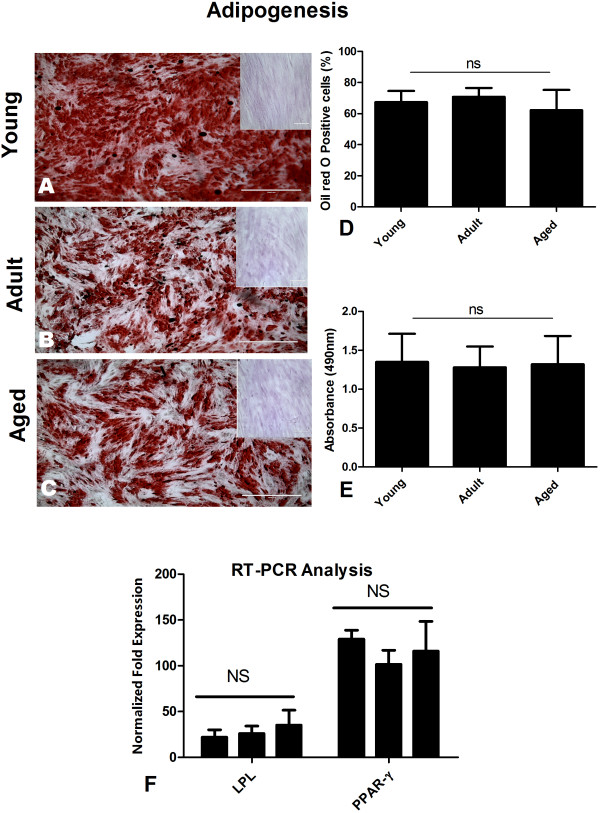
“Others reported that growth kinetics, osteogenic and chondrogenic differentiation potentials of ADSCs were adversely affected by increased donor age while adipogenic differentiation potential was maintained during aging [24].”
BackgroundAt the nuclear envelope of bone mechanobiology
Birks, S., & Uzer, G. (2021) · Bone · doi:10.1016/j.bone.2021.116023 · Cited by 23
Arai, Y., Park, S., Choi, B., Ko, K., Choi, W. C., Lee, J.-M., Han, D., Park, H.-K., Han, I., Lee, J., et al. (2016) · International Journal of Molecular Sciences · doi:10.3390/ijms17060963 · Cited by 22
“Several studies reported that the differentiation potential of hASCs is donor-dependent and unpredictable [44,45].”
BackgroundParsons, A. M., Ciombor, D. M., Liu, P. Y., & Darling, E. M. (2018) · Stem Cell Reviews and Reports · doi:10.1007/s12015-018-9813-1 · Cited by 22
Guerrero, E. N., Vega, S., Fu, C., León, R. G. D., Beltrán, D., & Solís, M. A. (2021) · Aging · doi:10.18632/aging.203724 · Cited by 21
“Tivanović et al. reported a comparative evaluation of pluripotency marker expression among MSCs derived from different sources, such as peripheral blood (PBMSCs), umbilical cord (UC-MSCs), the periodontal www.aging-us.com 24550 AGING ligament (PDL-MSCs) and adipose tissue (AT-MSCs), and observed that although MSCs fro…”
BackgroundResultInfluentialDonor age and breed determine mesenchymal stromal cell characteristics
Heyman, E., Olenic, M., Vlieghere, E. D., SMET, S. D., Devriendt, B., Thorrez, L., & Schauwer, C. D. (2025) · Stem Cell Research & Therapy · doi:10.1186/s13287-025-04236-2 · Cited by 21
“Several studies showed that the chondrogenic differentiation potential of MSCs decreases with increasing age [18, 20, 29, 30].”
Xu, F.-T., Li, H.-M., Zhao, C.-Y., Liang, Z.-J., Huang, M., Li, Q., Chen, Y., & Chi, G. (2015) · Cellular Physiology and Biochemistry · doi:10.1159/000438550 · Cited by 21
Mazzotti, E., Teti, G., Falconi, M., Chiarini, F., Barboni, B., Mazzotti, A., & Muttini, A. (2019) · Cells · doi:10.3390/cells8101116 · Cited by 21
“MSCs isolated from adipose tissue have exhibited a donor’s age influence on replicative senescence, leading to cell apoptosis [31].”
BackgroundCell and Cell Free Therapies in Osteoarthritis
Peláez, P., Damiá, E., Torres-Torrillas, M., Chicharro, D., Cuervo, B., de Miguel, L., Romero, A. D., Carrillo, J. M., Sopena, J. J., & Rubio, M. (2021) · Biomedicines · doi:10.3390/biomedicines9111726 · Cited by 21
“Additionally, their ability to proliferate is not affected by donors’ age as much as in other kinds of MSCs [45], even though it has been shown that aging negatively impacts ADSCs function [46].”
BackgroundChronic Lymphocytic Leukemia in the Elderly: Epidemiology and Proposed Patient-Related Approach
Balducci, L., & Dolan, D. E. (2015) · Cancer Control · doi:10.1177/107327481502204s02 · Cited by 21
Yang, C.-S., Guo, X., Yue, Y.-Y., Wang, Y., & Jin, X. (2023) · International Journal of Molecular Sciences · doi:10.3390/ijms24043850 · Cited by 20
Lee, J., Shin, M. S., Kim, M., Jang, S., Oh, S. W., Kang, M., Jung, K., Park, Y. S., & Lee, J. (2016) · Nutrition Research · doi:10.1016/j.nutres.2016.06.010 · Cited by 20
“Previous studies reported that aging impacts various properties of stem cells [11,12].”
BackgroundSigmarsdóttir, Þ. B., McGarrity, S., Rolfsson, Ó., Yurkovich, J. T., & Sigurjónsson, Ó. E. (2020) · Frontiers in Bioengineering and Biotechnology · doi:10.3389/fbioe.2020.00239 · Cited by 20
Mathen, C., Sawant, M. G., Gupta, R., Dsouza, W., & Krishna, S. G. (2021) · Cells Tissues Organs · doi:10.1159/000513895 · Cited by 22
“MSCs from other sources diminish in numbers and differentiation potential with increasing age of the donors [Choudhery et al., 2014; Marędziak et al., 2016].”
BackgroundTowards standardization of human adipose-derived stromal cells secretomes
Pinheiro-Machado, E., Getova, V. E., Harmsen, M. C., Burgess, J. K., & Smink, A. M. (2023) · Stem Cell Reviews and Reports · doi:10.1007/s12015-023-10567-5 · Cited by 19
Long-Term Biobanking of Intact Tissue from Lipoaspirate
Badowski, M., Muise, A., & Harris, D. T. (2019) · Journal of Clinical Medicine · doi:10.3390/jcm8030327 · Cited by 19
“If these frozen tissues are adipose tissue aliquots from the same patient (only younger), so much the better [28].”
BackgroundSelf-citationChallapalli, R. S., Dwyer, R. M., McInerney, N. M., Kerin, M. J., & Lowery, A. (2020) · Stem Cell Reviews and Reports · doi:10.1007/s12015-020-10038-1 · Cited by 20
Kim, Y. S., Suh, D., Tak, D. H., Chung, P. K., & Koh, Y. G. (2020) · Orthopaedic Journal of Sports Medicine · doi:10.1177/2325967120969189 · Cited by 19
“The liposuction material was aspirated by gentle suction, the gluteal fat pad was collected, and the stromal vascular fraction (SVF) was separated through centrifugation, in accordance with a previously reported method.53 MSCs were isolated from the lipoaspirate by enzymatic digestion and then cultured to determine th…”
BackgroundInfluentialFactors Defining Human Adipose Stem/Stromal Cell Immunomodulation in Vitro
Mahmoud, M., Rasheed, M. A., Galal, E. R., & El-Awady, R. (2023) · Stem Cell Reviews and Reports · doi:10.1007/s12015-023-10654-7 · Cited by 19
“Increasing donor age negatively impacts the biological features of hASCs, including decreased expansion kinetics, differentiation potential [221, 222], and/or regenerative capacity [223].”
BackgroundShipp, S. L., Cline, M. A., & Gilbert, E. R. (2016) · Adipocyte · doi:10.1080/21623945.2016.1208867 · Cited by 20
“gle chicken, and cell viability and proliferative capacity of adipose-derived mesenchymal stem cells decreases with age.(90) We also recently showed that cells isolated from birds at this age had robust proliferative capacity and ability to differentiate.”
BackgroundZanata, F., Shaik, S. M., Devireddy, R. V., Wu, X., Ferreira, L. M., & Gimble, J. M. (2016) · Advances in experimental medicine and biology · doi:10.1007/978-3-319-45457-3_11 · Cited by 19
Leśniak, M., Zdanowski, R., Suska, M., Brewczyńska, A., Stankiewicz, W., Kloc, M., Kubiak, J. Z., & Lewicki, S. (2018) · Tissue Engineering and Regenerative Medicine · doi:10.1007/s13770-017-0103-9 · Cited by 19
Vives, J., & Mirabel, C. (2018) · Elsevier eBooks · doi:10.1016/b978-0-12-801238-3.65506-x · Cited by 19
Hasani, S., Javeri, A., Asadi, A., & Taha, M. F. (2020) · PubMed Central · doi:10.22074/cellj.2020.6582 · Cited by 19
Thamm, O. C., Eschborn, J., Zimmermann, L., Dekker, C., Martin, H., Brockmann, M. J., Zinser, M. J., & Fuchs, P. C. (2023) · Wound Repair and Regeneration · doi:10.1111/wrr.13111 · Cited by 18
“29,30 Zollino et al. presented a significant inverse correlation between CD30 + /CD45-cell percentage and healing time and pain.”
BackgroundBoysen, A. T., Whitehead, B. J., Revenfeld, A. L., Gupta, D., Petersen, T., & Nejsum, P. L. (2024) · Stem Cell Research & Therapy · doi:10.1186/s13287-024-03903-0 · Cited by 18
“In a wider context, donor age and sex have been proposed to affect the therapeutic potential of MSC-based therapies, however, this subject has not been systematically addressed yet [60, 61].”
BackgroundPullisaar, H., Verket, A., Szöke, K., Tiainen, H., Haugen, H. J., Brinchmann, J. E., Reseland, J. E., & Østrup, E. (2015) · Journal of Tissue Engineering · doi:10.1177/2041731415575870 · Cited by 18
Kraeutler, M. J., Mitchell, J. J., Chahla, J. A., McCarty, E. C., & Pascual‐Garrido, C. (2017) · Orthopaedic Journal of Sports Medicine · doi:10.1177/2325967116680815 · Cited by 18
Dadras, M., May, C., Wagner, J. M., Wallner, C., Becerikli, M., Dittfeld, S., Serschnitzki, B., Schilde, L. M., Guntermann, A., Sengstock, C., et al. (2020) · Journal of Cellular and Molecular Medicine · doi:10.1111/jcmm.15797 · Cited by 18
Suh, D. W., Han, S.-B., Yeo, W. J., Cheong, K., So, S.-Y., & Kyung, B. S. (2021) · The Knee · doi:10.1016/j.knee.2021.08.028 · Cited by 18
Preclinical Assessment of Low Doses of Cisplatin in the Management of Acute Promyelocytic Leukemia
Dasari, S. R. (2015) · International Journal of Cancer Research and Molecular Mechanisms · doi:10.16966/2381-3318.113 · Cited by 18
“SOD and Catalase assays were carried out as previously described [21,22] with few modifications, using commercially available SOD assay kit and Catalase assay kit (Abcam, Cambridge, MA, USA), respectively.”
MethodMadhoun, A. S. A., Marafie, S. K., Haddad, D., Melhem, M., Abu‐Farha, M., Ali, H., Sindhu, S. T. A. K., Atari, M., & Al‐Mulla, F. (2020) · International Journal of Molecular Sciences · doi:10.3390/ijms21176437 · Cited by 18
“However, the expansion and differentiation of AT-MSCs are dependent on the age and health status of the donor [10].”
BackgroundSkiles, M. L., Brown, K., Tatz, W., Swingle, K., & Brown, H. L. G. (2018) · Cytotherapy · doi:10.1016/j.jcyt.2018.01.001 · Cited by 18
Trotzier, C., Bellanger, C., Abdessadeq, H., Delannoy, P., Mojallal, A. A., & Auxenfans, C. (2024) · Scientific Reports · doi:10.1038/s41598-024-73875-x · Cited by 17
“ASC from old donors seem to be more senescent compared to young ones, with a decreased capacity to form colonies 34 , a shortening of telomeres 35 or increase of β-galactosidase activity 36 .”
BackgroundWalczak, B. E., Jiao, H., Lee, M., & Li, W. (2021) · Cartilage · doi:10.1177/19476035211040858 · Cited by 17
The Effect of Age and Type of Media on Growth Kinetics of Human Amniotic Fluid Stem Cells
Borzou, B., Mehrabani, D., Zare, S., Zamani-Pereshkaft, M., & Acker, J. P. (2020) · Biopreservation and Biobanking · doi:10.1089/bio.2019.0103 · Cited by 17
“26–28 To determine the appropriate conditions for in vitro expansion of cells, Kobayashi et al. compared DMEM and AmnioMAX in culture of dermal papilla cells and showed AmnioMAX to be more efficient in cultivation.”
CHRONIC MYELOGENOUS LEUKEMIA (CML) IN THE ELDERLY
Balducci, L., & Dolan, D. (2014) · Mediterranean Journal of Hematology and Infectious Diseases · doi:10.4084/mjhid.2014.037 · Cited by 16
González‐Garza, M. T., & Cruz‐Vega, D. E. (2017) · Regenerative Medicine · doi:10.2217/rme-2016-0038 · Cited by 16
Hoveizi, E., & Mohammadi, T. (2019) · Journal of Materials Science Materials in Medicine · doi:10.1007/s10856-019-6301-3 · Cited by 16
Gurung, S., Ulrich, D., Sturm, M., Rosamilia, A., Werkmeister, J. A., & Gargett, C. E. (2020) · Journal of Personalized Medicine · doi:10.3390/jpm10040261 · Cited by 16
“Furthermore, the quantity and quality of MSC decreases with increasing age [42,44,45].”
BackgroundThe significance of cell-related challenges in the clinical application of tissue engineering
Almela, T., Brook, I. M., & Moharamzadeh, K. (2016) · Journal of Biomedical Materials Research Part A · doi:10.1002/jbm.a.35856 · Cited by 15
“Furthermore, increased donor age has a negative impact on cell viability, proliferation, and differentiation, with concomitant display of senescent features, when compared with cells isolated from a young donor.(17,18) Moreover, spontaneous transformation of ASCs has been reported with 4–5 months of cultivation, which…”
BackgroundChallenges in the clinical translation of stromal vascular fraction therapy in regenerative medicine
Jeyaraman, N., Shrivastava, S., Rangarajan, R. V., Nallakumarasamy, A., Ramasubramanian, S., Devadas, A. G., Rupert, S., & Jeyaraman, M. (2025) · World Journal of Stem Cells · doi:10.4252/wjsc.v17.i6.103775 · Cited by 15
Canine Corneal Stromal Cells Have Multipotent Mesenchymal Stromal Cell Properties In Vitro
Kafarnik, C., McClellan, A., Dziasko, M. A., Daniels, J. T., & Guest, D. J. (2020) · Stem Cells and Development · doi:10.1089/scd.2019.0163 · Cited by 15
“However, donor age can negatively impact human and canine MSC cell expansion and differentiation [44,53].”
Chen, X., Feng, J., Chang, Q., Lu, F., & Yuan, Y. (2021) · Stem Cell Research & Therapy · doi:10.1186/s13287-021-02383-w · Cited by 15
“This prevents proliferation and differentiation of both somatic and stem cells in a cellintrinsic manner [13].”
BackgroundYang, X. F., Zong, C., Feng, C., Zhang, C., Smirnov, A., Sun, G., Shao, C., Zhang, L., Hou, X., Liu, W., et al. (2023) · Advanced Science · doi:10.1002/advs.202300424 · Cited by 15
Sattar, M. A., Lingens, L. F., Guillaume, V. G. J., Götzl, R., Beier, J. P., & Ruhl, T. (2024) · Current Issues in Molecular Biology · doi:10.3390/cimb46020092 · Cited by 15
“In this study, the cells from aged donors displayed higher cellular senescence (confirmed by increased SA-β -gal staining), which correlated with a lowered level of cell mineralization in von Kossa staining compared to their young counterparts [39].”
BackgroundZhang, J., Wang, Y., Zhao, B., Fan, L., Bai, X., Yang, L., Chang, P., Hu, D., & Liu, X. (2015) · Aesthetic Plastic Surgery · doi:10.1007/s00266-015-0505-9 · Cited by 15
“the viability of ASCs significantly decreases with age compared with young people [5, 6].”
BackgroundParisi, L., Mavrogonatou, E., Sculean, A., Kletsas, D., & Degen, M. (2024) · Periodontology 2000 · doi:10.1111/prd.12602 · Cited by 14
Infante, A., & Rodríguez, C. I. (2021) · Journal of Personalized Medicine · doi:10.3390/jpm11101043 · Cited by 14
Characterization of mesenchymal stromal cells physical properties using acoustic radiation force
Bellebon, L., Sugier, H., Larghero, J., Peltzer, J., Martinaud, C., Hoyos, M., & Aider, J. (2022) · Frontiers in Physics · doi:10.3389/fphy.2022.921155 · Cited by 14
“This variance depends on various factors such as age [56], diseases [57], and obesity [58].”
BackgroundMesenchymal stromal cell therapies for traumatic neurological injuries
Wang, X., Wang, Q., Xia, Z., Yang, Y., Dai, X., Zhang, C., Wang, J., & Xu, Y. (2024) · Journal of Translational Medicine · doi:10.1186/s12967-024-05725-3 · Cited by 13
“AT-MSC also exhibit better long-term stability in cell culture compared to BM-MSC, with donor age primarily affecting their osteogenic and chondrogenic potential [104].”
Exploring the therapeutic potential of MSC-derived secretomes in neonatal care: focus on BPD and NEC
Azad, T., Wu, F., Mao, J., Zhu, J., Wang, Y., Zhou, X., Hong, K., Xie, H., Qiu, X., Li, B., et al. (2025) · Stem Cell Research & Therapy · doi:10.1186/s13287-025-04616-8 · Cited by 13
“In contrast, BM-MSCs, while extensively studied and clinically established, suffer from donor age-related decline in quality and invasiveness in harvesting [198–200].”
Isolation and Enrichment of Human Adipose-derived Stromal Cells for Enhanced Osteogenesis
Zielins, E. R., Tevlin, R., Hu, M. S.-M., Chung, M. T., McArdle, A., Paik, K. J., Atashroo, D. A., Duldulao, C. R., Luan, A., Senarath-Yapa, K., et al. (2015) · Journal of Visualized Experiments · doi:10.3791/52181-v · Cited by 13
Ma, T., Chen, J.-X., Ke, Z.-R., Zhu, P., Hu, Y., & Xie, J. (2022) · Frontiers in Bioengineering and Biotechnology · doi:10.3389/fbioe.2022.925841 · Cited by 13
“Subcutaneous adipose tissue is found throughout the body, and 98–100 percent of cells derived from adipose tissue are viable (Liras, 2010; Choudhery et al., 2014).”
BackgroundSearching for the Optimal Donor for Allogenic Adipose-Derived Stem Cells: A Comprehensive Review
Georgiev-Hristov, T., García‐Arranz, M., Trébol, J., Recreo, P. B., & García‐Olmo, D. (2022) · Pharmaceutics · doi:10.3390/pharmaceutics14112338 · Cited by 13
Photomodulation alleviates cellular senescence of aging adipose-derived stem cells
Zhang, T., He, Y., Shu, X. Y., Ma, X., Wu, J., Du, Z., Xu, J., Chen, N., You, J., Liu, Y., et al. (2023) · Cell Communication and Signaling · doi:10.1186/s12964-023-01152-x · Cited by 13
Shearer, J. J., Neto, M. F., Umbaugh, C. S., & Figueiredo, M. L. (2017) · Toxicological Sciences · doi:10.1093/toxsci/kfx026 · Cited by 13
“Even more striking is the heterogeneity of therapeutic outcomes associated with variables including age (Choudhery et al., 2014) and body mass index (Frazier et al., 2013) of ASC donors.”
BackgroundHamel, K. M., King, C. T., Cavalier, M., Liimatta, K. Q., Rozanski, G. L., King, T. A., Lam, M., Bingham, G. C., Byrne, C. E., Xing, D., et al. (2022) · Stem Cells and Development · doi:10.1089/scd.2021.0279 · Cited by 13
Nguyen, T. A., Hogden, A., Khanna, A., & Kuah, D. (2025) · Journal of Orthopaedics · doi:10.1016/j.jor.2025.03.029 · Cited by 12
Kim, Y. S., Suh, D., Tak, D. H., Chung, P. K., Kwon, Y. B., Kim, T. Y., & Koh, Y. G. (2021) · Orthopaedic Journal of Sports Medicine · doi:10.1177/2325967120979987 · Cited by 12
“Advanced age is not only a significant risk factor for OA, but it also affects the quality of MSCs.10 Several studies have described an age-dependent effect on aValues are expressed as mean ± SD. KOOS, Knee injury and Osteoarthritis Outcome Score; MOCART, magnetic resonance observation of cartilage repair tissue; MRI,…”
BackgroundInfluential
Metadata
- Authors
- Choudhery, M. S., Badowski, M., Muise, A., Pierce, J., & Harris, D. T.
- Affiliations
- University of Arizona (US)
- Tucson Medical Center (US)
- Corresponding author
- Harris, David T
- Venue
- Journal of Translational Medicine
- Published
- 2014-01-07
- Volume
- 12
- Issue
- 1
- Pages
- 8-8
- ISSN
- 1479-5876 (ISSN-L)
- PMC
- PMC3895760
- OpenAlex
- W2101024920
- Cited by
- 529
- References
- 38
- Citations by year
- 2026: 29 · 2025: 34 · 2024: 45 · 2023: 34 · 2022: 43 · 2021: 52 · 2020: 58 · 2019: 43 · 2018: 40 · 2017: 50 · 2016: 50 · 2015: 33 · 2014: 17
- FWCI
- 25.06
- Type
- journal article
- Language
- en
- Open access
- gold
- doi.org
- Licence
- cc-by
- Locations
- Journal of Translational Medicine (publishedVersion, cc-by)
- Europe PMC (PubMed Central) (publishedVersion, cc-by)
- PubMed Central (publishedVersion, cc-by)
- PubMed (publishedVersion)
- Greater South Information System
- Topics
- Life Sciences › Biochemistry, Genetics and Molecular Biology › Cell Biology › Mesenchymal stem cell research
- Life Sciences › Biochemistry, Genetics and Molecular Biology › Cell Biology › Telomeres, Telomerase, and Senescence
- Life Sciences › Biochemistry, Genetics and Molecular Biology › Molecular Biology › Pluripotent Stem Cells Research
- Keywords
- donor age, adipose-derived stem cells, cellular senescence, p16INK4a, p21, stem cell expansion, differentiation potential, superoxide dismutase activity, population doubling, aging, stem cell therapy
- MeSH terms
- Adipose Tissue, Adult, Age Factors, Aged, Aging, Cell Differentiation, Cell Separation, Cell Survival, Female, Humans, Male, Middle Aged, Neurons, Osteogenesis, Phenotype, Stress, Physiological, Superoxide Dismutase, Tissue Donors, Cellular Senescence, Cell Lineage, Chondrogenesis, Cell Shape, Cell Proliferation, Adipogenesis, Mesenchymal Stem Cells
About these checks
Registry, retraction, Cites and statistics results are computed, not judged, with one exception: a printed reference that no index lists is read once by a model before it counts as a citation error. Claims are extracted by a model and kept only when their quote appears verbatim in the text; each cited source is then checked, with a model’s help, for whether it says what the claim relies on. Those verdicts can be wrong — read the claim’s quote and the cited source before relying on one.
Statistics and arithmetic are recomputed, not judged.
Confidence bands are shown only for fields calibrated on our annotated test set. None is calibrated yet, so no band is shown.
What counts as a claim ›How we measure confidence ›How we check this ›
Are you an author, or do you see a problem with this page? Request a review
Data sources
Bibliographic data: Semantic Scholar, OpenAlex, Crossref.
Contains information from the Semantic Scholar Academic Graph Datasets, made available under the ODC Attribution License (ODC-BY 1.0).
Semantic Scholar’s data is described in: Kinney, R., et al. (2023). The Semantic Scholar Open Data Platform. arXiv:2301.10140.
