

Donor age negatively impacts adipose tissue-derived mesenchymal stem cell expansion and differentiation
Open accessThe DOI matches its Crossref record; 38 of the 38 references it cites were found in a registry or an index.
Abstract
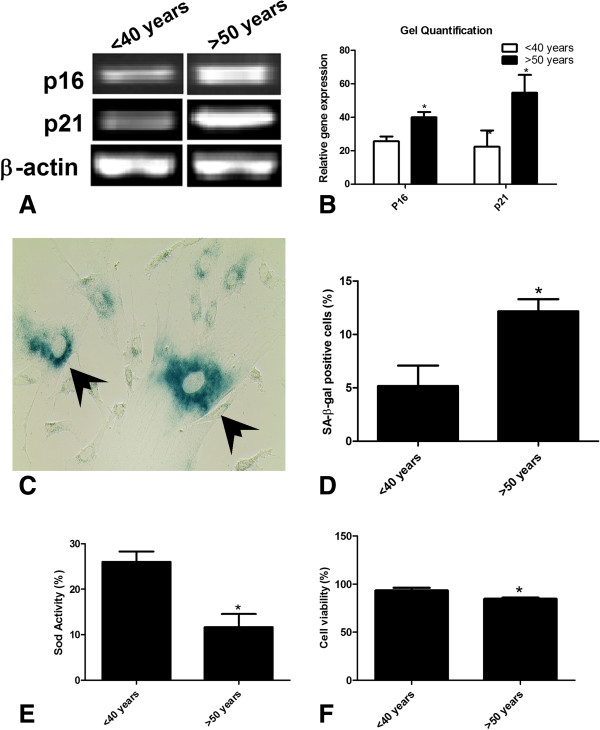
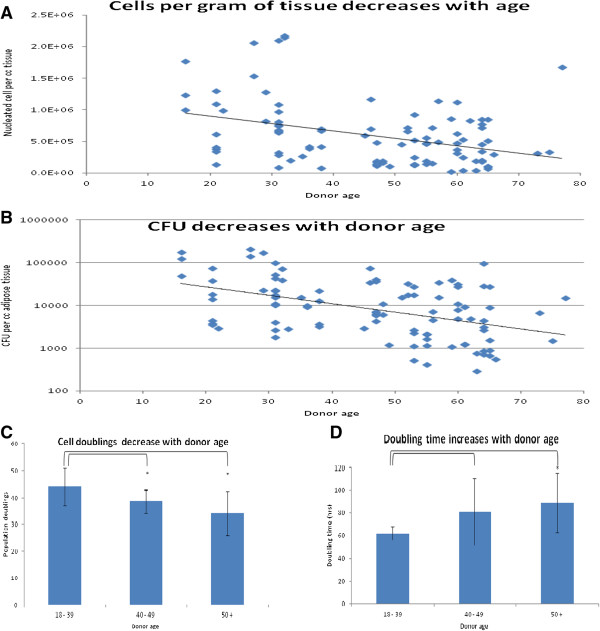
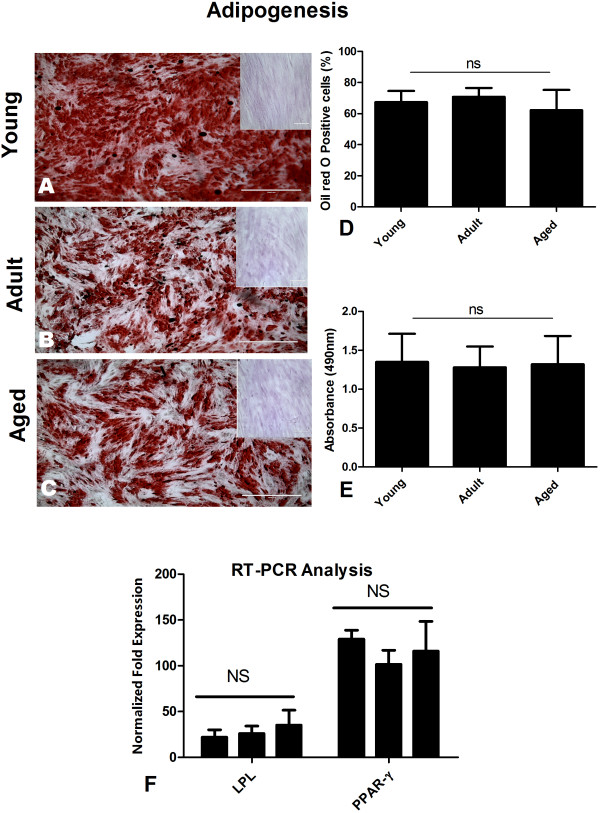
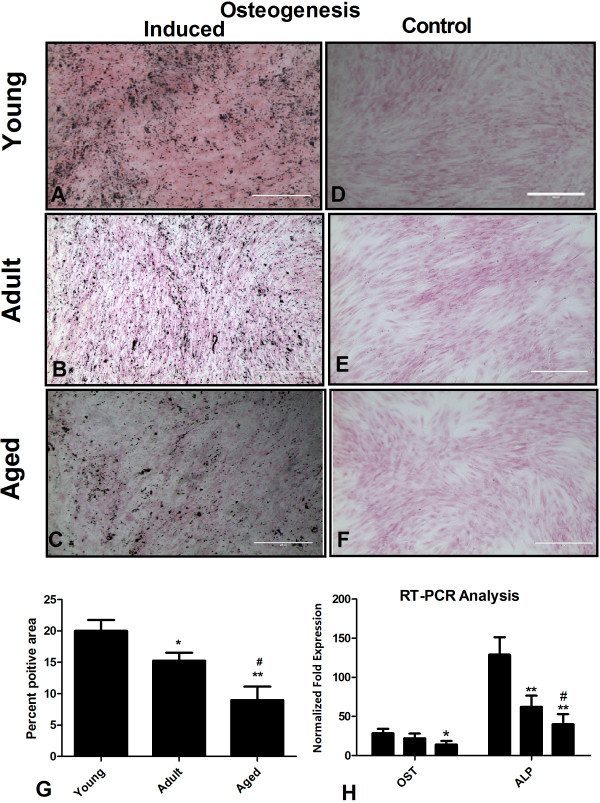
BACKGROUND: Human adipose tissue is an ideal autologous source of mesenchymal stem cells (MSCs) for various regenerative medicine and tissue engineering strategies. Aged patients are one of the primary target populations for many promising applications. It has long been known that advanced age is negatively correlated with an organism's reparative and regenerative potential, but little and conflicting information is available about the effects of age on the quality of human adipose tissue derived MSCs (hAT-MSCs). METHODS: To study the influence of age, the expansion and in vitro differentiation potential of hAT-MSCs from young (<30 years), adult (35-50 years) and aged (>60 years) individuals were investigated. MSCs were characterized for expression of the genes p16(INK4a) and p21 along with measurements of population doublings (PD), superoxide dismutase (SOD) activity, cellular senescence and differentiation potential. RESULTS: Aged MSCs displayed senescent features when compared with cells isolated from young donors, concomitant with reduced viability and proliferation. These features were also associated with significantly reduced differentiation potential in aged MSCs compared to young MSCs. CONCLUSIONS: In conclusion, advancing age negatively impacts stem cell function and such age related alterations may be detrimental for successful stem cell therapies.
Overview
The claims and statistics of this paper haven’t been checked yet.
Free: it reads the open-access text and checks the first 5 claims that cite a source we can check. Create a free account to check every claim.
Integrity signals
Registry
Cites
Statistics
Figures
Verification
Claims the paper makes
The claims and statistics of this paper haven’t been checked yet.
Free: it reads the open-access text and checks the first 5 claims that cite a source we can check. Create a free account to check every claim.
Claims other papers make about this one
Each is checked against this paper’s own text: does it say what the citing paper says it does?
The source backs part of the claim, not all of it — or backs it for a different population, condition or comparison.
In the citing paper
“Adipose tissue-derived mesenchymal stem cells from older donors (human and mouse) exhibit senescence properties and impaired regenerative potential123,124.”
From SenNet recommendations for detecting senescent cells in different tissues (2024) · cites this paper as [123]
Experimental — accuracy not yet measured
Self-check
Percentages, sums and reported differences re-computed from the paper’s own numbers.
The self-check needs the paper’s full text.
Citations
Cites
Multilineage potential of adult human mesenchymal stem cells
Pittenger, M. F., Mackay, A. M., Beck, S. C., Jaiswal, R. K., Douglas, R., Mosca, J. D., Moorman, M. A., Simonetti, D. W., Craig, S., & Marshak, D. R. (1999) · Science · doi:10.1126/science.284.5411.143 · Cited by 21,052 · cited 1×
“MSCs possess a multitude of potential applications in regenerative medicine, being able to proliferate and differentiate in vitro into multiple lineages [3-5].”
BackgroundDominici, M., Le Blanc, K., Mueller, I., Slaper-Cortenbach, I., Marini, F. C., Krause, D. S., Deans, R. J., Keating, A., Prockop, D. J., & Horwitz, E. M. (2006) · Cytotherapy · doi:10.1080/14653240600855905 · Cited by 17,766 · cited 3×
“These results were in agreement with previous reports [19,20], although Stolzing et al.”
BackgroundResultMultilineage Cells from Human Adipose Tissue: Implications for Cell-Based Therapies
Zuk, P. A., Zhu, M., Mizuno, H., Huang, J., Futrell, J. W., Katz, A. J., Benhaim, P., Lorenz, H. P., & Hedrick, M. H. (2001) · Tissue Engineering · doi:10.1089/107632701300062859 · Cited by 7,956
A biomarker that identifies senescent human cells in culture and in aging skin in vivo.
Dimri, G. P., Lee, X., Basile, G., Acosta, M., Scott, G., Roskelley, C., Medrano, E. E., Linskens, M., Rubelj, I., & Pereira-Smith, O. (1995) · Proceedings of the National Academy of Sciences · doi:10.1073/pnas.92.20.9363 · Cited by 7,477 · cited 1×
“SA-β-gal activity is the most commonly used biomarker for the identification of senescent cells [22].”
MethodHuman Adipose Tissue Is a Source of Multipotent Stem Cells
Zuk, P. A., Zhu, M., Ashjian, P., De Ugarte, D. A., Huang, J. I., Mizuno, H., Alfonso, Z. C., Fraser, J. K., Benhaim, P., & Hedrick, M. H. (2002) · Molecular Biology of the Cell · doi:10.1091/mbc.e02-02-0105 · Cited by 6,664 · cited 5×
“hAT-MSCs possess morphological, phenotypic and functional characteristics similar to BM-MSC [13], are stable over long term culture, expand efficiently in vitro and possess multi-lineage differentiation potential [5,14].”
BackgroundInfluentialStolzing, A., Jones, E., McGonagle, D., & Scutt, A. (2008) · Mechanisms of Ageing and Development · doi:10.1016/j.mad.2007.12.002 · Cited by 1,195 · cited 5×
“Recent evidence suggests that p16 and p21 are markers of senescence [24].”
BackgroundMethodInfluentialAmado, L. C., Saliaris, A. P., Schuleri, K. H., St. John, M., Xie, J.-S., Cattaneo, S., Durand, D. J., Fitton, T., Kuang, J. Q., Stewart, G., et al. (2005) · Proceedings of the National Academy of Sciences · doi:10.1073/pnas.0504388102 · Cited by 1,073 · cited 1×
“In various animal models it has been shown that MSCs can be used to successfully treat cardiovascular [2,8], neurological [9] and musculoskeletal disorders [10] either by differentiation into competent cardiomyocytes, neuronlike cells and chondrocytes, respectively; or by a paracrine effect via the secretion of growth…”
BackgroundDiGirolamo, C. M., Stokes, D., Colter, D., Phinney, D. G., Class, R., & Prockop, D. J. (1999) · British Journal of Haematology · doi:10.1046/j.1365-2141.1999.01715.x · Cited by 879 · cited 1×
“[32] reported similar results, as has Zhu et al.”
ResultChondrogenic Potential of Adipose Tissue-Derived Stromal Cells in Vitro and in Vivo
Erickson, G. R., Gimble, J. M., Franklin, D. M., Rice, H. E., Awad, H., & Guilak, F. (2002) · Biochemical and Biophysical Research Communications · doi:10.1006/bbrc.2001.6270 · Cited by 675 · cited 1×
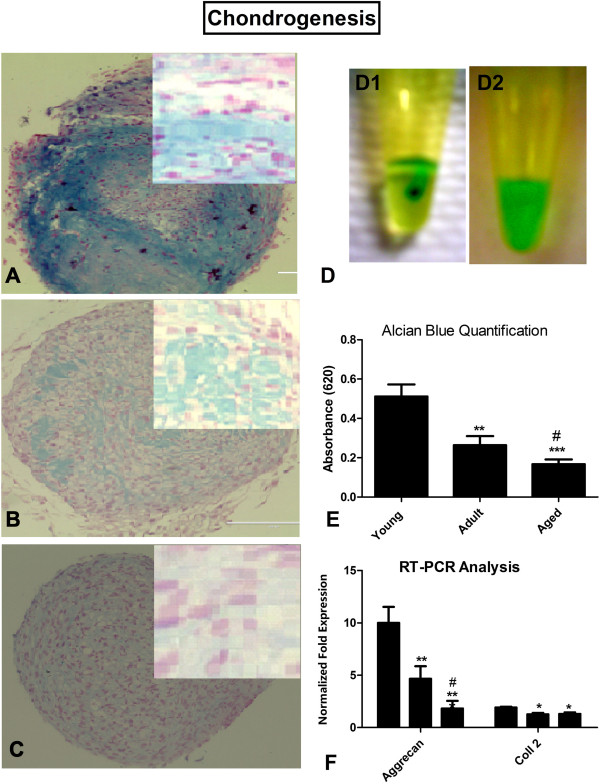
“was performed using the lineage specific genes, aggrecan and collagen type 2 [26,27] (Aggrecan: 10.”
MethodImmunosuppressive properties of mesenchymal stem cells: advances and applications
P. De Miguel, M., Fuentes-Julian, S., Blazquez-Martinez, A., Y. Pascual, C., A. Aller, M., Arias, J., & Arnalich-Montiel, F. (2012) · Current Molecular Medicine · doi:10.2174/156652412800619950 · Cited by 660
Cited by
Items 301–400 of 598
Therapeutic Mesenchymal Stromal Cells: Where We Are Headed
Hanley, P. J. (2014) · Methods in molecular biology · doi:10.1007/7651_2014_175 · Cited by 12
Ayala‐Cuellar, A. P., Kim, C., Hwang, K., Kang, J., Lee, G., Cho, J., & Choi, K. (2019) · Journal of Cellular Physiology · doi:10.1002/jcp.28338 · Cited by 12
Bahir, B., Choudhery, M. S., & Hussain, I. (2020) · IntechOpen eBooks · doi:10.5772/intechopen.93217 · Cited by 12
Self-citationBiological and Bioinspired Vesicles for Wound Healing: Insights, Advances and Challenges
Zhao, Y., Zhang, T., Zhao, G., Lu, J., Zhang, X., Lai, Y., Chen, Z., Ding, X., & Tai, Z. (2025) · International Journal of Nanomedicine · doi:10.2147/ijn.s522067 · Cited by 12
Mesenchymal Stem Cells Senescence: Mechanism and Rejuvenation Interventions
Meng, Q., Zheng, Y., Chen, X., Mu, J., Li, C., Gao, Y., Liu, W., & Wang, Y. (2025) · International Journal of Medical Sciences · doi:10.7150/ijms.115650 · Cited by 12
“Impaired chondrogenic lineage is evidenced by decreased sulfated proteoglycans in the cartilage matrix, stained with Alcian blue, and reduced gene expression levels of collagen type II (Col-II) [15,20,56,57,59,61].”
InfluentialVirant‐Klun, I., Omejec, S., Štimpfel, M., Škerl, P., Novaković, S., Jančar, N., & Bokal, E. V. (2019) · Stem Cell Reviews and Reports · doi:10.1007/s12015-019-09889-0 · Cited by 11
Javed, A., Karki, S., Sami, Z., Khan, Z., Shree, A., Sah, B. K., Ghosh, S., & Saxena, S. (2022) · BioMed Research International · doi:10.1155/2022/9346939 · Cited by 11
“After bone marrow, adipose tissue is regarded as the most estimable source for the cultivation of MSCs, with a total estimate of 98 – 100% cell viability [82].”
Arkenbosch, J. H. C., Becker, M. A. J., Buskens, C. J., Witjes, C., de Vries, A. C., van der Woude, C. J., Fuhler, G. M., Wildenberg, M. E., & van Ruler, O. (2023) · Stem Cell Research · doi:10.1016/j.scr.2023.103039 · Cited by 11
“Recent studies have shown a decrease in overall yield of nucleated cells in adipose tissue with increasing age (Choudhery et al., 2014; Alt et al., 2012) and a significant decrease in the proliferative and differentiation capacities of ASCs (Madonna et al., 2011).”
BackgroundFang, B., Zheng, C., Ma, Y., Wu, F., Cheng, L., Li, Y., Wang, R., & Ren, F. (2024) · Food, Nutrition and Health. · doi:10.1007/s44403-024-00006-9 · Cited by 11
“Indeed, upregulation of cellular senescence genes was found in ASCs from aging adipose tissue [18, 19], and preadipocytes isolated from older individuals exhibited decreased replication and differentiation [20].”
Kurzyk, A., Dębski, T., Święszkowski, W., & Pojda, Z. (2019) · Journal of Biomaterials Science Polymer Edition · doi:10.1080/09205063.2019.1570433 · Cited by 11
Nie, F., Bi, H., Zhang, C., & Ding, P. (2020) · Molecular Medicine Reports · doi:10.3892/mmr.2020.11685 · Cited by 11
Mitani, K., Ito, Y., Takene, Y., Hatoya, S., Sugiura, K., & Inaba, T. (2021) · Stem Cells and Development · doi:10.1089/scd.2020.0175 · Cited by 11
“For chondrocyte differentiation, 2 · 10 5 ADSCs (at passage 2) were seeded into each a well of a 96V-well culture plate by induction medium for 21 days [21,26].”
Zampar, A. G., Farina, J. A., Orellana, M. D., Caruso, S. R., Fernandes, T. R., Gomes, R. S., Aragon, D. C., Santis, G. C. D., & Covas, D. T. (2020) · Aesthetic Plastic Surgery · doi:10.1007/s00266-019-01586-0 · Cited by 11
O’Donnell, B. T., Monjure, T., Al-Ghadban, S. I., Ives, C., L’Ecuyer, M., Rhee, C., Romero-López, M., Li, Z. A., Goodman, S. B., Lin, H., et al. (2022) · Cells · doi:10.3390/cells11152367 · Cited by 11
Natural Compounds as a Strategy to Optimize “ In Vitro ” Expansion of Stem Cells
Maraldi, T., Prata, C., Marrazzo, P., Hrelia, S., & Angeloni, C. (2020) · Rejuvenation Research · doi:10.1089/rej.2019.2187 · Cited by 12
“65 Supplementation with molecule affecting ROS levels has been tested in many studies.”
Kumar, A., Kadamb, A. G., & Kadamb, K. G. (2020) · PubMed Central · doi:10.22038/abjs.2020.42536.2155 · Cited by 10
Kim, M., Go, J., Kwon, J. H., Jin, H. J., Bae, Y. K., Kim, E., Chang, E., Choi, S. J., & Kim, S. W. (2022) · Frontiers in Cell and Developmental Biology · doi:10.3389/fcell.2021.803645 · Cited by 10
Chiang, M.-C., & Chern, E. (2022) · International Journal of Molecular Sciences · doi:10.3390/ijms23052529 · Cited by 10
Hao, M., Jiang, H., Zhao, Y., Li, C., & Jiang, J. (2024) · Stem Cell Research & Therapy · doi:10.1186/s13287-024-03689-1 · Cited by 9
“It has been reported that MSCs from older donors not only have a susceptibility to produce more nitrous oxide and reactive oxide species, but also have a reduced ability to catalyze superoxide radicals [15, 16].”
3D Culture of MSCs for Clinical Application
Gao, Q., Cekuc, M. S., Ergul, Y. S., Pius, A. K., Shinohara, I., Murayama, M., Susuki, Y., Ma, C., Morita, M., Chow, S. K., et al. (2024) · Bioengineering · doi:10.3390/bioengineering11121199 · Cited by 9
Bian, Z., Zhai, Y., Zhang, Y., Wang, T., Li, H., Ouyang, J., Liu, C., Wang, S., Hu, Z., Chang, X., et al. (2025) · Free Radical Biology and Medicine · doi:10.1016/j.freeradbiomed.2025.03.027 · Cited by 12
Yu, H., Zhang, F., He, Y.-L., & Zhang, L. (2025) · World Journal of Stem Cells · doi:10.4252/wjsc.v17.i5.106547 · Cited by 9
Cellular Senescence in Craniofacial Tissue Regeneration: Inducers, Biomarkers, and Interventions
Tang, W., Huo, F., Long, J., Zhang, S., & Tian, W. (2023) · Tissue Engineering Part B Reviews · doi:10.1089/ten.teb.2023.0136 · Cited by 9
“Donor age is another important factor influencing the senescence of MSCs. 27,28 DPSCs from permanent teeth showed decreased stemness marker OCT3/4 and CXCR4 expression, prolonged cell doubling time, and higher apoptotic rates.”
Jung, S., Jung, M., Chung, K., Kim, S. J., Park, J., Hong, J., Choi, C., & Kim, S. (2024) · Cartilage · doi:10.1177/19476035241231372 · Cited by 9
“13,14 Kim et al. 38 previously investigated the clinical outcomes after AT-MSC implantation in patients with osteoarthritis and statistically analyzed the factors influencing the clinical outcomes.”
BackgroundThe in vitro treatment of mesenchymal stem cells for colorectal cancer cells
Sel, F. A., Erol, A., Süleymanoğlu, M., Demirayak, G., Çınar, Ç. K., Kuruca, S. E., & Oğuz, F. S. (2023) · Medical Oncology · doi:10.1007/s12032-023-01972-4 · Cited by 9
Schmitz, D., Robering, J. W., Weisbach, V., Arkudas, A., Ludolph, I., Horch, R. E., Boos, A. M., & Kengelbach‐Weigand, A. (2022) · Journal of Cellular and Molecular Medicine · doi:10.1111/jcmm.17471 · Cited by 9
Couto, P. S., Stibbs, D. J., Rotondi, M. C., Khalife, R., Wolf, D., Takeuchi, Y., & Rafiq, Q. A. (2024) · Cytotherapy · doi:10.1016/j.jcyt.2024.05.020 · Cited by 8
Ramaut, L. E., Moonen, L., Geeroms, M., Leemans, G., Peters, E., Forsyth, R. G., Gutermuth, J., & Hamdi, M. (2024) · Aesthetic Surgery Journal Open Forum · doi:10.1093/asjof/ojae072 · Cited by 8
“…amount of SVF cells induce more angiogenesis, whereas other studies found increased fibrosis of fat grafts enriched with a high dose of SVF. 32,35 36-38 Also, cell yields are variable between different devices that mechanically isolate SVF, because the entrapment of fibrous remnants in filtering…”
BackgroundMahmoud, E. E., Tanaka, Y., Kamei, N., Harada, Y., Ohdan, H., Adachi, N., & Ochi, M. (2017) · Journal of Tissue Engineering and Regenerative Medicine · doi:10.1002/term.2413 · Cited by 8
“Regardless of the MSC source, the chondrogenic and osteogenic potentials of MSCs decline significantly with increasing age (Choudhery et al., 2014), due to poor functionality of MSCs in the elderly, as well negatively impact of using autologous MSCs although, becoming a prerequisite for regenerative therapy.”
BackgroundBollmann, A., Sons, H. C., Schiefer, J. L., Fuchs, P. C., Windolf, J., & Suschek, C. V. (2022) · Biomedicines · doi:10.3390/biomedicines10123071 · Cited by 8
“Due to the constantly growing development of novel regenerative therapies, there is also an increasing need for suitable sources for MSCs. Human adipose tissue abundant in ASCs represents a very attractive source for cell therapeutic measures [45].”
BackgroundInfluentialSardana, Y., Bhatti, G. K., Singh, C., Sharma, P. K., Reddy, P. H., & Bhatti, J. S. (2023) · Life Sciences · doi:10.1016/j.lfs.2023.121641 · Cited by 8
Convergent alteration of the mesenchymal stem cell heterogeneity in adipose tissue during aging
Liu, Q., Zhao, Y., Wang, Q., Li, Y., Fu, X., & Xiao, R. (2023) · The FASEB Journal · doi:10.1096/fj.202300807r · Cited by 8
Vogt, A., Kapetanos, K., Christodoulou, N., Asimakopoulos, D., Birch, M., McCaskie, A. W., & Khan, W. S. (2023) · International Journal of Molecular Sciences · doi:10.3390/ijms242015494 · Cited by 9
“[61]; 5 = Fickert (2011) [62]; 6 = Alt (2012) [63]; 7 = Ding (2013) [57]; 8 = Choudhery (2014) [65]; 9 = Ruzzini (2014) [66]; 10 = Lee (2015) [67]; 11 = Maredziak (2016) [68]; 12 = Kawagishi-Hota (2017) [69]; 13 = Prall (2018) [59]; 14 = Andrzejewksa (2019) [58].”
BackgroundResultInfluentialStem cell-derived extracellular vesicles for renal repair: do cardiovascular comorbidities matter?
Eirin, A., & Lerman, L. O. (2019) · American Journal of Physiology-Renal Physiology · doi:10.1152/ajprenal.00434.2019 · Cited by 9
“Adipose tissue-derived MSCs isolated from elder individuals exhibit senescent features, apoptosis, and decreased viability (7).”
BackgroundThe Safety of Non-Expanded Multipotential Stromal Cell Therapies
Kouroupis, D., Wang, X. N., El-Sherbiny, Y. M., McGonagle, D., & Jones, E. (2017) · Stem cells in clinical applications · doi:10.1007/978-3-319-59165-0_4 · Cited by 9
In Vitro and in Vivo Osteogenesis and Vasculogenesis in Synthetic Bone Grafts
Pitkänen, S. (2020) · Tampere University Institutional Repository (Tampere University) · Cited by 8
Mechanisms and applications of mesenchymal stem cell exosomes in enhancing fertility
Wang, Y., Wang, R., Zhao, Y., Han, N., Han, X.-J., Shi, T. S., Liu, Y., Zhao, N., Li, S., Wang, S., et al. (2025) · Stem Cell Research & Therapy · doi:10.1186/s13287-025-04729-0 · Cited by 7
“Their ability to differentiate into adipocytes, osteoblasts, chondrocytes, neuronal cells, cardiomyocytes, myocytes, vascular endothelial cells, and hepatocytes (congruent with other MSCs) reflects a wide range of potential for clinical applications [50, 51].”
Zhang, X., Simmons, C. A., & Santerre, J. P. (2018) · Stem Cell Research · doi:10.1016/j.scr.2018.09.005 · Cited by 7
Why stem/progenitor cells lose their regenerative potential
Picerno, A., Stasi, A., Franzin, R., Curci, C., di Bari, I., Gesualdo, L., & Sallustio, F. (2021) · World Journal of Stem Cells · doi:10.4252/wjsc.v13.i11.1717 · Cited by 7
Bagge, J., Hölmich, P., Hammer, F. A., Nehlin, J. O., Vomstein, K., Blønd, L., Hölmich, L. R., & Barfod, K. W. (2023) · Journal of Experimental Orthopaedics · doi:10.1186/s40634-023-00596-x · Cited by 8
Therapeutic Potential of Mesenchymal Stem Cells in Stroke Treatment
Choudhery, M. S., Arif, T., Mahmood, R., & Harris, D. T. (2025) · Biomolecules · doi:10.3390/biom15040558 · Cited by 8
“Therefore, readily available sources of MSCs with reduced immunoreactivity may be required for successful therapy in the elderly [23].”
InfluentialSelf-citationHan, W., Chen, L., Liu, J., & Guo, A. (2017) · Acta Biochimica et Biophysica Sinica · doi:10.1093/abbs/gmx005 · Cited by 7
Establishing the adipose stem cell identity: Characterization assays and functional properties
Harrison, M. A. A., Al-Ghadban, S. I., O’Donnell, B. T., Mohiuddin, O. A., Wise, R. M., Sullivan, B. N., & Bunnell, B. A. (2021) · Elsevier eBooks · doi:10.1016/b978-0-12-819376-1.00002-0 · Cited by 7
Transcriptome differences in adipose stromal cells derived from pre- and postmenopausal women
Xie, Y., Fang, B., Liu, W., Li, G., Huang, R., Zhang, L., He, J., Zhou, S., Liu, K., & Li, Q. (2020) · Stem Cell Research & Therapy · doi:10.1186/s13287-020-01613-x · Cited by 7
Tarasova, K. V., Arteaga, M. B., Kidtiwong, A., Nivarthi, H., Gamauf, J., Corso, G., Gültekin, S., Bileck, A., Rothbauer, M., Toegel, S., et al. (2025) · Stem Cell Research & Therapy · doi:10.1186/s13287-025-04585-y · Cited by 6
Aging puzzle: A closer look on the complex dilemma of autologous stem cell therapy
Choudhery, M. S., Arif, T., & Mahmood, R. (2026) · World Journal of Stem Cells · doi:10.4252/wjsc.v18.i1.114119 · Cited by 6
Self-citationBeylerli, O., Фанилевич, Г. И., Zhao, B., & Мусаев, Э. Р. (2024) · Exploration of Medicine · doi:10.37349/emed.2024.00243 · Cited by 6
Regulation of Age-Related Lipid Metabolism in Ovarian Cancer
Feng, J., Rouse, C., Coogan, I., Byrd, O., Nguyen, E., Taylor, L., Garcia, S., Lee, H., Berchuck, A., Murphy, S. K., et al. (2025) · International Journal of Molecular Sciences · doi:10.3390/ijms26010320 · Cited by 6
Stem Cells for the Prevention of Bronchopulmonary Dysplasia
Park, W. S. (2016) · Respiratory medicine · doi:10.1007/978-3-319-28486-6_16 · Cited by 6
Vinukonda, G., & Gamma, E. F. L. (2022) · Seminars in Perinatology · doi:10.1016/j.semperi.2022.151598 · Cited by 7
Stem Cells in Domestic Animals: Applications in Health and Production
Iacono, E., & Merlo, B. (2022) · Animals · doi:10.3390/ani12202753 · Cited by 6
Huang, H., Hsueh, K., Liao, Y., Wu, S.-H., Chou, P., Yeh, S.-H., & Wang, J. (2023) · Journal of the Chinese Medical Association · doi:10.1097/jcma.0000000000000990 · Cited by 6
Therapeutic potential of dedifferentiated fat cells in a rat model of osteoarthritis of the knee
Endo, N., Matsumoto, T., Kazama, T., Kano, K., Shimizu, M., Ryu, K., Tokuhashi, Y., & Nakanishi, K. (2024) · Regenerative Therapy · doi:10.1016/j.reth.2024.05.006 · Cited by 6
“However, it should be noted that MSCs, including ASCs derived from elderly individuals, have been observed to possess diminished proliferative and multipotent differentiation capacities [8,9].”
BackgroundEscudero-Guevara, E., Sandoval, H., Ibáñez, B., Pino, J. M. L., Acurio, J., Troncoso, F., Vatish, M., López, E., & Escudero, C. (2025) · The Journal of Physiology · doi:10.1113/jp285907 · Cited by 6
“…factors, including age, sex, physiological conditions, medications, nutritional status, and microbiota can influence EV release and composition (Choudhery et al., 2014; Chung et al., 2023; Crewe et al., 2018; Díez-Sainz et al., 2022; Koul et al., 2020; Noren Hooten et al., 2022; Sarkar et al.,…”
6.3 Engineering the Organ Bone
Baldwin, J., Henkel, J., & Hutmacher, D. W. (2017) · Elsevier eBooks · doi:10.1016/b978-0-12-803581-8.09342-5 · Cited by 6
Comparison of Flowcytometric and Immunocytochemistry Analysis of Stem Cell Surface Markers
Pawitan, J. A., Wulandari, D., Suryani, D., Damayanti, L., & Liem, I. K. (2015) · OnLine Journal of Biological Sciences · doi:10.3844/ojbsci.2015.1.5 · Cited by 6
“In many instances, 105 (Oedayrajsingh-Varma et al., 2006; Choudhery et al., 2014; Li et al., 2013), or 5×10⁵ (Mitchel et al., 2006), cells were incubated with a fluorophore-conjugated antibody against a certain surface marker.”
BackgroundYang, J., Song, J., Kim, S. J., You, G., Lee, J. B., & Mok, H. (2022) · Photodermatology Photoimmunology & Photomedicine · doi:10.1111/phpp.12793 · Cited by 6
Gijsen, H. S. (2021) · Advances in experimental medicine and biology · doi:10.1007/978-3-030-55035-6_16 · Cited by 6
Ni, K., Mian, M. U. M., Meador, C. B., Gill, A., Barwinska, D., Cao, D., Justice, M. J., Jiang, D., Schaefer, N. R., Schweitzer, K. S., et al. (2017) · Stem Cells and Development · doi:10.1089/scd.2017.0099 · Cited by 6
Marycz, K., Tomaszewski, K. A., Kornicka, K., Henry, B. M., Wroński, S., Tarasiuk, J., & Marędziak, M. (2017) · Oxidative Medicine and Cellular Longevity · doi:10.1155/2017/5923818 · Cited by 6
Kukaj, D., Niebert, S., Biehl, C., Reichart, U., Schueler, C., & Burk, J. (2025) · Regenerative Therapy · doi:10.1016/j.reth.2025.09.012 · Cited by 5
Yin, X. H., Wang, X. Y., Liu, S. C., Chen, X., Liang, Y., Li, L., He, G. L., Yang, M., & Liu, Z. K. (2025) · Cellular Signalling · doi:10.1016/j.cellsig.2025.111636 · Cited by 5
Tănăsescu, R., Frakich, N., Gumireddy, K., Majumdar, S., Thevathas, S., Jones, R. E., Gran, B., Onion, D., Wickramasinghe, P. J., Chang, C. Y.-Y., et al. (2025) · Neurology Neuroimmunology & Neuroinflammation · doi:10.1212/nxi.0000000000200444 · Cited by 5
Yasumura, Y., Teshima, T., Michishita, M., Suzuki, R. H., & Matsumoto, H. (2025) · Stem Cell Research & Therapy · doi:10.1186/s13287-025-04842-0 · Cited by 5
“Age, sex, and underlying disease of the donor have been shown to affect the properties and function of MSCs [45–47].”
Kim, A.-L., Lee, W. K., Kwon, S., Han, I. B., & Choi, B. H. (2026) · Tissue Engineering and Regenerative Medicine · doi:10.1007/s13770-025-00782-1 · Cited by 6
Hahn, O., Ficht, P., Bergmann‐Ewert, W., Meyer, J., Wolff, A., & Peters, K. (2026) · International Journal of Molecular Sciences · doi:10.3390/ijms27031351 · Cited by 5
“Contrary to reports of age-related decline in adMSCs, our study found no significant correlation with donor age or BMI [20,51,68,69]. solation techniques (enzymatic/mechanical) and interindividual variation contribute to these discrepancies.”
The influence of cell source on the senescence of human mesenchymal stem/stromal cells
Hoseini, S. M., & Montazeri, F. (2025) · Human Cell · doi:10.1007/s13577-025-01213-y · Cited by 5
“Aged ASCs display decreased proliferation, viability, and secretion of trophic factors essential for tissue repair [58], while metabolic disorders further alter their gene expression profiles and immunomodulatory functions [59].”
Injectable Biological Treatments for Osteoarthritis of the Knee
Weinberg, M. E., Kaplan, D. J., Pham, H., Goodwin, D. R., Dold, A. P., Chiu, E. S., & Jazrawi, L. M. (2017) · JBJS Reviews · doi:10.2106/jbjs.rvw.16.00028 · Cited by 5
Kuhlmann, C., Schenck, T. L., Haas, E. M., Giunta, R. E., & Wiggenhauser, P. S. (2020) · Handchirurgie · Mikrochirurgie · Plastische Chirurgie · doi:10.1055/a-1250-7878 · Cited by 5
“[23] 29 LoE-II ASC höher bei jüngeren höher bei jüngeren kein Einfluss auf die adipogene Diff.”
BackgroundRen, G., Peng, Q., Emmersen, J., Zachar, V., Fink, T., & Porsborg, S. R. (2022) · Pharmaceutics · doi:10.3390/pharmaceutics14102126 · Cited by 5
“Several studies have identified a difference in ASCs isolated from different donors based on characteristics, such as age [28–33], sex [34,35], and body mass index (BMI) [36,37], influencing the proliferation [28,29,31], viability [29], migration [32], angiogenic [33,36], multilineage differentiation [28–30,34,37] cap…”
BackgroundStem Cell Banking of Adipose Tissue
Choudhery, M. S., Mahmood, R., & Harris, D. T. (2022) · Current Stem Cell Reports · doi:10.1007/s40778-022-00222-z · Cited by 5
“(Ref: Commission Directive 2003/94/EC, Official Journal of the European Union (2003) L262/22.”
BackgroundSelf-citationConsiderations for enhanced mesenchymal stromal/stem cell myogenic commitment in vitro
Grobbelaar, S., Mercier, A. E., van den Bout, I., Durandt, C., & Pepper, M. S. (2024) · Clinical and Translational Science · doi:10.1111/cts.13703 · Cited by 5
“50 Conditions differ when the same is attempted with MSCs. Factors which influence the efficacy of MSC differentiation into the myogenic pathway include chemical induction constituents, cell culture substrates, and mechanical strain.”
BackgroundInfluentialOrthobiologics: Today and Tomorrow
Hussain, Z. B., Chahla, J. A., LaPrade, R. F., & Mandelbaum, B. R. (2018) · Springer eBooks · doi:10.1007/978-3-319-77152-6_11 · Cited by 5
“For example, the viability and efficacy of BMAC or stem cell therapy are likely affected by harvest location, cell concentration, donor sex, [70, 71] donor age [71, 72] ,and donor health [73].”
Mihalceanu, S., Aitzetmüller, M. M., Machens, H., & Duscher, D. (2019) · Springer eBooks · doi:10.1007/978-3-030-19958-6_18 · Cited by 5
Myocardial Ischemic Subject’s Thymus Fat: A Novel Source of Multipotent Stromal Cells
Oliva‐Olivera, W., Coín‐Aragüez, L., Salas, J., Lhamyani, S., Gentile, A., García, E. S., Hmadcha, A., Zayed, H., Vega, A. P., Tinahones, F. J., et al. (2015) · PLoS ONE · doi:10.1371/journal.pone.0144401 · Cited by 5
“The osteogenic differentiation capacity of AT-ASCs has been described to get progressively impaired with aging [38,43,44].”
BackgroundFritz, J., Moser, A., Otahal, A., Kramer, K., Casurovic, S., Teuschl, A., & Nehrer, S. (2025) · Biomacromolecules · doi:10.1021/acs.biomac.5c00048 · Cited by 4
A Heparin‐Functionalized Scaffold with HB‐EGF Immobilization for Tissue Engineering
Peng, B., Chen, H., Lu, C., Zeng, T., Wang, M., Yoshitomi, T., Kawazoe, N., Yang, Y., & Chen, G. (2025) · Advanced Healthcare Materials · doi:10.1002/adhm.202502771 · Cited by 4
Anjum, A., Vijakumaran, U., Hussain, H. B., Khalid, S., & Ghosh, M. (2026) · Stem Cell Reviews and Reports · doi:10.1007/s12015-026-11075-y · Cited by 4
“…by inducing M2 macrophage polarization and enhancing keratinocyte proliferation via Wnt/β-catenin signaling [ 100], while in various injury paradigms, ADSC-derived exosomes enhanced limited by challenges such as lower proliferation, poor cell survival, and uncontrolled differentiation [ 84–86].”
The role of primed and non-primed MSC-derived conditioned media in neuroregeneration
Hudáková, N., Mudroňová, D., Marcinčáková, D., Slovinská, L., Majerová, P., Maloveská, M., Petroušková, P., Humeník, F., & Čížková, D. (2023) · Frontiers in Molecular Neuroscience · doi:10.3389/fnmol.2023.1241432 · Cited by 4
Kimbrell, M. L. (2025) · Aesthetic Surgery Journal · doi:10.1093/asj/sjaf214 · Cited by 4
Yılmaz, A. B., Tapşın, S., Elbasan, E. B., Kayhan, H. D., Şahin, F., & Türkel, N. (2019) · Biological Trace Element Research · doi:10.1007/s12011-019-01738-y · Cited by 4
Progenitor Cell Sources for 3D Bioprinting of Lymphatic Vessels and Potential Clinical Application
Arriola-Alvarez, I., Jaunarena, I., Izeta, A., & Lafuente, H. (2023) · Tissue Engineering Part A · doi:10.1089/ten.tea.2023.0204 · Cited by 4
“151 A recent study characterized the potential of dermal MSCs versus ADSCs in wound healing with interesting results.”
Therapeutic potential of adipose derived stromal cells for major skin inflammatory diseases
Galera, M. R., Svalgaard, J. D., & Woetmann, A. (2024) · Frontiers in Medicine · doi:10.3389/fmed.2024.1298229 · Cited by 4
“It was also demonstrated that AD-MSCs from old donors have a lower cell viability and proliferation compared to younger AD-MSCs donors (66).”
ResultUpadhyay, U., Venkateshan, K. C., Srinivasulu, K., & Chelluri, L. K. (2024) · Regenerative Engineering and Translational Medicine · doi:10.1007/s40883-024-00372-y · Cited by 4
Baran, K., Brzeziańska‐Lasota, E., Kryczka, J. M., Boncela, J., Czechowska, A., Kopacz, K., Padula, G., Nowak, K., & Domżalski, M. E. (2025) · Journal of Clinical Medicine · doi:10.3390/jcm14041176 · Cited by 4
“They also demonstrate lower colony-forming efficiency, proliferative capacity, and chondrogenic differentiation potentials [121].”
Orthobiologics for the Management of Early Arthritis in the Middle-Aged Athlete
Rauck, R. C., Eliasberg, C. D., Rodeo, S. A., & Rodeo, S. A. (2022) · Sports Medicine and Arthroscopy Review · doi:10.1097/jsa.0000000000000337 · Cited by 4
Mesenchymal Stem Cells and Extracellular Vesicles: An Emerging Alternative to Combat COVID-19
Rodriguez, H. C., Gupta, M., Cavazos-Escobar, E., Montalvo, E., El‐Amin, S. F., & Gupta, A. (2022) · IntechOpen eBooks · doi:10.5772/intechopen.97212 · Cited by 5
“Both of these sources require the patient to undergo an invasive procedure and are considered the first and second most reputable sources respectively for MSCs [47, 48].”
BackgroundJayaram, P., Yeh, P. C., Epstein, M., & Patel, S. (2022) · Elsevier eBooks · doi:10.1016/b978-0-323-75514-6.00007-8 · Cited by 4
Mesenchymal Stromal Cell Therapy for Neonatal Hypoxic-Ischemic Encephalopathy
Ruiz, C. C. U., Rosado-de-Castro, P. H., Méndez‐Otero, R., & Pimentel‐Coelho, P. M. (2017) · Stem cells in clinical applications · doi:10.1007/978-3-319-33720-3_6 · Cited by 4
Akhmetzyanova, E. R., Shulman, I., Fakhrutdinova, T., Rizvanov, A. A., & Mukhamedshina, Y. O. (2025) · Biologics · doi:10.3390/biologics5040037 · Cited by 3
“It is known that with donor age, the proliferative potential and differentiation capacity of MSCs decrease [21,22], which is critical for neuroregeneration.”
Hong, Y., & Hao, G. G. (2025) · Journal of Genetic Engineering and Biotechnology · doi:10.1016/j.jgeb.2025.100638 · Cited by 3
“102 Harvest of BM-MSCs is invasive that often limits its application, particularly for indication that requires multiple dosing.”
InfluentialOliva‐Olivera, W., Coín‐Aragüez, L., Lhamyani, S., Salas, J., Gentile, A., Romero‐Zerbo, S., Zayed, H., Valderrama, J., Tinahones, F. J., & Bekay, R. E. (2018) · Journal of Tissue Engineering and Regenerative Medicine · doi:10.1002/term.2585 · Cited by 3
Patient use of autologous cryopreserved intact adipose tissue from lipoaspirate
Badowski, M., Muise, A., & Harris, D. T. (2017) · AIMS Cell and Tissue Engineering · doi:10.3934/celltissue.2017.3.224 · Cited by 3
“All else being equal, younger cells are better than older cells [29].”
InfluentialSelf-citationAging of Human Mesenchymal Stem Cells
Lin, H., Shen, H., & Tuan, R. S. (2018) · Elsevier eBooks · doi:10.1016/b978-0-12-811353-0.00071-3 · Cited by 3
Very Early Onset Inflammatory Bowel Disease (VEOIBD)
Muise, A. M. (2019) · Springer eBooks · doi:10.1007/978-3-319-98605-0_21 · Cited by 3
Self-citationGarcía-Posadas, L., Maldonado, M. J., & Diebold, Y. (2021) · Experimental Eye Research · doi:10.1016/j.exer.2021.108878 · Cited by 3
Alizadeh, A. H., Lively, S. S., Lepage, S. I. M., Potla, P., Russell, S. J., Ali, S. A., Kapoor, M., & Koch, T. G. (2023) · Stem Cells and Development · doi:10.1089/scd.2022.0295 · Cited by 3
Fordele og ulemper ved anvendelse af autologe versus allogene stamceller til behandling af artrose
Bagge, J., Freude, K., Lindegaard, C., Holst, B., & Hölmich, P. (2024) · Ugeskrift for Læger · doi:10.61409/v06230423 · Cited by 4
Mohaghegh, S., Fathi, H., Molaasadollah, F., Teimoori, M., Chiniforush, N., Taghipour, N., Shekarchi, F., & Nokhbatolfoghahaei, H. (2024) · Photochemistry and Photobiology · doi:10.1111/php.13902 · Cited by 3
“38 It has already been shown that PBM can increase the osteoblast count, which is a fruitful phenomenon for periodontal regeneration.”
Hemovac blood after total knee arthroplasty as a source of stem cells
Kim, S. A., Park, H. Y., Shin, Y., Go, E. J., Kim, Y. J., Kim, Y. C., Shetty, A. A., & Kim, S. J. (2020) · Annals of Translational Medicine · doi:10.21037/atm-20-2215 · Cited by 3
“Alternatively, adipose tissue derived MSCs can be readily isolated (35) with morphological and phenotypical characteristics similar to BMSCs, which are stable during the culture period (36).”
Background
Metadata
- Authors
- Choudhery, M. S., Badowski, M., Muise, A., Pierce, J., & Harris, D. T.
- Affiliations
- University of Arizona (US)
- Tucson Medical Center (US)
- Corresponding author
- Harris, David T
- Venue
- Journal of Translational Medicine
- Published
- 2014-01-07
- Volume
- 12
- Issue
- 1
- Pages
- 8-8
- ISSN
- 1479-5876 (ISSN-L)
- PMC
- PMC3895760
- OpenAlex
- W2101024920
- Cited by
- 529
- References
- 38
- Citations by year
- 2026: 29 · 2025: 34 · 2024: 45 · 2023: 34 · 2022: 43 · 2021: 52 · 2020: 58 · 2019: 43 · 2018: 40 · 2017: 50 · 2016: 50 · 2015: 33 · 2014: 17
- FWCI
- 25.06
- Type
- journal article
- Language
- en
- Open access
- gold
- doi.org
- Licence
- cc-by
- Locations
- Journal of Translational Medicine (publishedVersion, cc-by)
- Europe PMC (PubMed Central) (publishedVersion, cc-by)
- PubMed Central (publishedVersion, cc-by)
- PubMed (publishedVersion)
- Greater South Information System
- Topics
- Life Sciences › Biochemistry, Genetics and Molecular Biology › Cell Biology › Mesenchymal stem cell research
- Life Sciences › Biochemistry, Genetics and Molecular Biology › Cell Biology › Telomeres, Telomerase, and Senescence
- Life Sciences › Biochemistry, Genetics and Molecular Biology › Molecular Biology › Pluripotent Stem Cells Research
- Keywords
- donor age, adipose-derived stem cells, cellular senescence, p16INK4a, p21, stem cell expansion, differentiation potential, superoxide dismutase activity, population doubling, aging, stem cell therapy
- MeSH terms
- Adipose Tissue, Adult, Age Factors, Aged, Aging, Cell Differentiation, Cell Separation, Cell Survival, Female, Humans, Male, Middle Aged, Neurons, Osteogenesis, Phenotype, Stress, Physiological, Superoxide Dismutase, Tissue Donors, Cellular Senescence, Cell Lineage, Chondrogenesis, Cell Shape, Cell Proliferation, Adipogenesis, Mesenchymal Stem Cells
About these checks
Registry, retraction, Cites and statistics results are computed, not judged, with one exception: a printed reference that no index lists is read once by a model before it counts as a citation error. Claims are extracted by a model and kept only when their quote appears verbatim in the text; each cited source is then checked, with a model’s help, for whether it says what the claim relies on. Those verdicts can be wrong — read the claim’s quote and the cited source before relying on one.
Statistics and arithmetic are recomputed, not judged.
Confidence bands are shown only for fields calibrated on our annotated test set. None is calibrated yet, so no band is shown.
What counts as a claim ›How we measure confidence ›How we check this ›
Are you an author, or do you see a problem with this page? Request a review
Data sources
Bibliographic data: Semantic Scholar, OpenAlex, Crossref.
Contains information from the Semantic Scholar Academic Graph Datasets, made available under the ODC Attribution License (ODC-BY 1.0).
Semantic Scholar’s data is described in: Kinney, R., et al. (2023). The Semantic Scholar Open Data Platform. arXiv:2301.10140.
