

Donor age negatively impacts adipose tissue-derived mesenchymal stem cell expansion and differentiation
Open accessThe DOI matches its Crossref record; 38 of the 38 references it cites were found in a registry or an index.
Abstract
BACKGROUND: Human adipose tissue is an ideal autologous source of mesenchymal stem cells (MSCs) for various regenerative medicine and tissue engineering strategies. Aged patients are one of the primary target populations for many promising applications. It has long been known that advanced age is negatively correlated with an organism's reparative and regenerative potential, but little and conflicting information is available about the effects of age on the quality of human adipose tissue derived MSCs (hAT-MSCs). METHODS: To study the influence of age, the expansion and in vitro differentiation potential of hAT-MSCs from young (<30 years), adult (35-50 years) and aged (>60 years) individuals were investigated. MSCs were characterized for expression of the genes p16(INK4a) and p21 along with measurements of population doublings (PD), superoxide dismutase (SOD) activity, cellular senescence and differentiation potential. RESULTS: Aged MSCs displayed senescent features when compared with cells isolated from young donors, concomitant with reduced viability and proliferation. These features were also associated with significantly reduced differentiation potential in aged MSCs compared to young MSCs. CONCLUSIONS: In conclusion, advancing age negatively impacts stem cell function and such age related alterations may be detrimental for successful stem cell therapies.
Overview
The claims and statistics of this paper haven’t been checked yet.
Free: it reads the open-access text and checks the first 5 claims that cite a source we can check. Create a free account to check every claim.
Integrity signals
Registry
Cites
Statistics
Figures
Verification
Claims the paper makes
The claims and statistics of this paper haven’t been checked yet.
Free: it reads the open-access text and checks the first 5 claims that cite a source we can check. Create a free account to check every claim.
Claims other papers make about this one
Each is checked against this paper’s own text: does it say what the citing paper says it does?
The source backs part of the claim, not all of it — or backs it for a different population, condition or comparison.
In the citing paper
“Adipose tissue-derived mesenchymal stem cells from older donors (human and mouse) exhibit senescence properties and impaired regenerative potential123,124.”
From SenNet recommendations for detecting senescent cells in different tissues (2024) · cites this paper as [123]
Experimental — accuracy not yet measured
Self-check
Percentages, sums and reported differences re-computed from the paper’s own numbers.
The self-check needs the paper’s full text.
Citations
Cites
Multilineage potential of adult human mesenchymal stem cells
Pittenger, M. F., Mackay, A. M., Beck, S. C., Jaiswal, R. K., Douglas, R., Mosca, J. D., Moorman, M. A., Simonetti, D. W., Craig, S., & Marshak, D. R. (1999) · Science · doi:10.1126/science.284.5411.143 · Cited by 21,052 · cited 1×
“MSCs possess a multitude of potential applications in regenerative medicine, being able to proliferate and differentiate in vitro into multiple lineages [3-5].”
BackgroundDominici, M., Le Blanc, K., Mueller, I., Slaper-Cortenbach, I., Marini, F. C., Krause, D. S., Deans, R. J., Keating, A., Prockop, D. J., & Horwitz, E. M. (2006) · Cytotherapy · doi:10.1080/14653240600855905 · Cited by 17,766 · cited 3×
“These results were in agreement with previous reports [19,20], although Stolzing et al.”
BackgroundResultMultilineage Cells from Human Adipose Tissue: Implications for Cell-Based Therapies
Zuk, P. A., Zhu, M., Mizuno, H., Huang, J., Futrell, J. W., Katz, A. J., Benhaim, P., Lorenz, H. P., & Hedrick, M. H. (2001) · Tissue Engineering · doi:10.1089/107632701300062859 · Cited by 7,956
A biomarker that identifies senescent human cells in culture and in aging skin in vivo.
Dimri, G. P., Lee, X., Basile, G., Acosta, M., Scott, G., Roskelley, C., Medrano, E. E., Linskens, M., Rubelj, I., & Pereira-Smith, O. (1995) · Proceedings of the National Academy of Sciences · doi:10.1073/pnas.92.20.9363 · Cited by 7,477 · cited 1×
“SA-β-gal activity is the most commonly used biomarker for the identification of senescent cells [22].”
MethodHuman Adipose Tissue Is a Source of Multipotent Stem Cells
Zuk, P. A., Zhu, M., Ashjian, P., De Ugarte, D. A., Huang, J. I., Mizuno, H., Alfonso, Z. C., Fraser, J. K., Benhaim, P., & Hedrick, M. H. (2002) · Molecular Biology of the Cell · doi:10.1091/mbc.e02-02-0105 · Cited by 6,664 · cited 5×
“hAT-MSCs possess morphological, phenotypic and functional characteristics similar to BM-MSC [13], are stable over long term culture, expand efficiently in vitro and possess multi-lineage differentiation potential [5,14].”
BackgroundInfluentialStolzing, A., Jones, E., McGonagle, D., & Scutt, A. (2008) · Mechanisms of Ageing and Development · doi:10.1016/j.mad.2007.12.002 · Cited by 1,195 · cited 5×
“Recent evidence suggests that p16 and p21 are markers of senescence [24].”
BackgroundMethodInfluentialAmado, L. C., Saliaris, A. P., Schuleri, K. H., St. John, M., Xie, J.-S., Cattaneo, S., Durand, D. J., Fitton, T., Kuang, J. Q., Stewart, G., et al. (2005) · Proceedings of the National Academy of Sciences · doi:10.1073/pnas.0504388102 · Cited by 1,073 · cited 1×
“In various animal models it has been shown that MSCs can be used to successfully treat cardiovascular [2,8], neurological [9] and musculoskeletal disorders [10] either by differentiation into competent cardiomyocytes, neuronlike cells and chondrocytes, respectively; or by a paracrine effect via the secretion of growth…”
BackgroundDiGirolamo, C. M., Stokes, D., Colter, D., Phinney, D. G., Class, R., & Prockop, D. J. (1999) · British Journal of Haematology · doi:10.1046/j.1365-2141.1999.01715.x · Cited by 879 · cited 1×
“[32] reported similar results, as has Zhu et al.”
ResultChondrogenic Potential of Adipose Tissue-Derived Stromal Cells in Vitro and in Vivo
Erickson, G. R., Gimble, J. M., Franklin, D. M., Rice, H. E., Awad, H., & Guilak, F. (2002) · Biochemical and Biophysical Research Communications · doi:10.1006/bbrc.2001.6270 · Cited by 675 · cited 1×
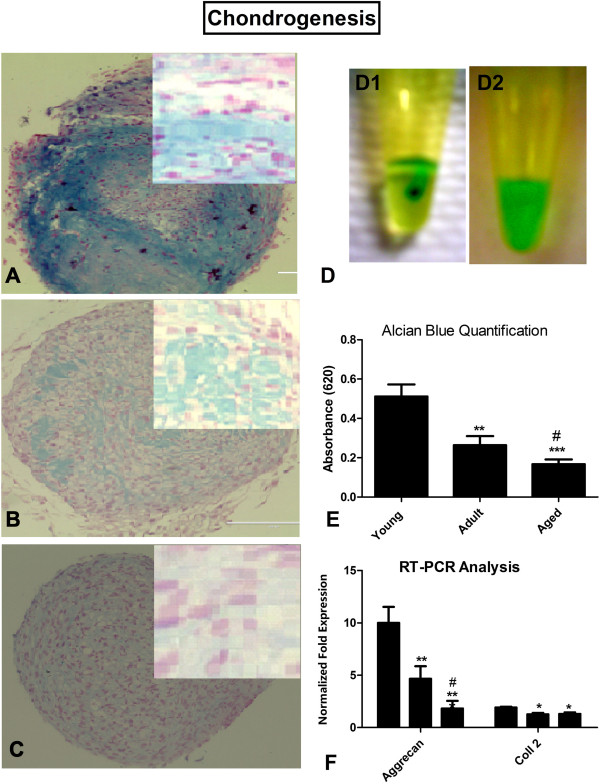
“was performed using the lineage specific genes, aggrecan and collagen type 2 [26,27] (Aggrecan: 10.”
MethodImmunosuppressive properties of mesenchymal stem cells: advances and applications
P. De Miguel, M., Fuentes-Julian, S., Blazquez-Martinez, A., Y. Pascual, C., A. Aller, M., Arias, J., & Arnalich-Montiel, F. (2012) · Current Molecular Medicine · doi:10.2174/156652412800619950 · Cited by 660
Cited by
Bacakova, L., Zarubova, J., Travnickova, M., Musilkova, J., Pajorova, J., Slepicka, P., Kasalkova, N. S., Svorcik, V., Kolska, Z., Motarjemi, H., et al. (2018) · Biotechnology Advances · doi:10.1016/j.biotechadv.2018.03.011 · Cited by 647
Mesenchymal stem cells: Cell therapy and regeneration potential
Brown, C., McKee, C., Bakshi, S., Walker, K., Hakman, E., Halassy, S., Svinarich, D., Dodds, R., Govind, C. K., & Chaudhry, G. R. (2019) · Journal of Tissue Engineering and Regenerative Medicine · doi:10.1002/term.2914 · Cited by 609
Opportunities and challenges of translational 3D bioprinting
Murphy, S. V., De Coppi, P., & Atala, A. (2019) · Nature Biomedical Engineering · doi:10.1038/s41551-019-0471-7 · Cited by 563
Adipose-derived and bone marrow mesenchymal stem cells: A donor-matched comparison
Mohamed-Ahmed, S., Fristad, I., Lie, S. A., Suliman, S., Mustafa, K., Vindenes, H., & Idris, S. B. (2018) · Stem Cell Research & Therapy · doi:10.1186/s13287-018-0914-1 · Cited by 515
“It has been reported that stem cell yield, proliferation and differentiation properties of BMSCs and ASCs are negatively affected by age [31, 32].”
BackgroundSources and Clinical Applications of Mesenchymal Stem Cells: State-of-the-art review
Berebichez-Fridman, R., & Montero-Olvera, P. R. (2018) · Sultan Qaboos University Medical Journal · doi:10.18295/squmj.2018.18.03.002 · Cited by 450
SenNet recommendations for detecting senescent cells in different tissues
Suryadevara, V., Hudgins, A. D., Rajesh, A., Pappalardo, A., Karpova, A., Dey, A. K., Hertzel, A., Agudelo, A., Rocha, A., Soygur, B., et al. (2024) · Nature Reviews Molecular Cell Biology · doi:10.1038/s41580-024-00738-8 · Cited by 408
“Adipose tissue-derived mesenchymal stem cells from older donors (human and mouse) exhibit senescence properties and impaired regenerative potential 123,124 .”
Challenges in Clinical Development of Mesenchymal Stromal/Stem Cells: Concise Review
Mastrolia, I., Foppiani, E. M., Murgia, A., Candini, O., Samarelli, A. V., Grisendi, G., Veronesi, E., Horwitz, E. M., & Dominici, M. (2019) · Stem Cells Translational Medicine · doi:10.1002/sctm.19-0044 · Cited by 350
Beane, O. S., Fonseca, V. C., Cooper, L. L., Koren, G., & Darling, E. M. (2014) · PLoS ONE · doi:10.1371/journal.pone.0115963 · Cited by 323
“Age reduced overall cell yield for populations isolated from bone marrow, muscle, and adipose tissue, consistent with previous reports [13, 56].”
ResultAn Update on Adipose‐Derived Stem Cells for Regenerative Medicine: Where Challenge Meets Opportunity
Qin, Y., Ge, G., Yang, P., Wang, L., Qiao, Y., Pan, G., Yang, H., Bai, J., Cui, W., & Geng, D. (2023) · Advanced Science · doi:10.1002/advs.202207334 · Cited by 260
Adult Stem Cells for Bone Regeneration and Repair
Iaquinta, M. R., Mazzoni, E., Bononi, I., Rotondo, J. C., Mazziotta, C., Montesi, M., Sprio, S., Tampieri, A., Tognon, M., & Martini, F. (2019) · Frontiers in Cell and Developmental Biology · doi:10.3389/fcell.2019.00268 · Cited by 259
Zhuang, W.-Z., Lin, Y.-H., Su, L.-J., Wu, M.-S., Jeng, H.-Y., Chang, H.-C., Huang, Y.-H., & Ling, T.-Y. (2021) · Journal of Biomedical Science · doi:10.1186/s12929-021-00725-7 · Cited by 258
Toward Exosome-Based Therapeutics: Isolation, Heterogeneity, and Fit-for-Purpose Potency
Willis, G. R., Kourembanas, S., & Mitsialis, S. A. (2017) · Frontiers in Cardiovascular Medicine · doi:10.3389/fcvm.2017.00063 · Cited by 257
The Influence of Aging on the Regenerative Potential of Human Adipose Derived Mesenchymal Stem Cells
Marędziak, M., Marycz, K., Tomaszewski, K. A., Kornicka, K., & Henry, B. M. (2016) · Stem Cells International · doi:10.1155/2016/2152435 · Cited by 225
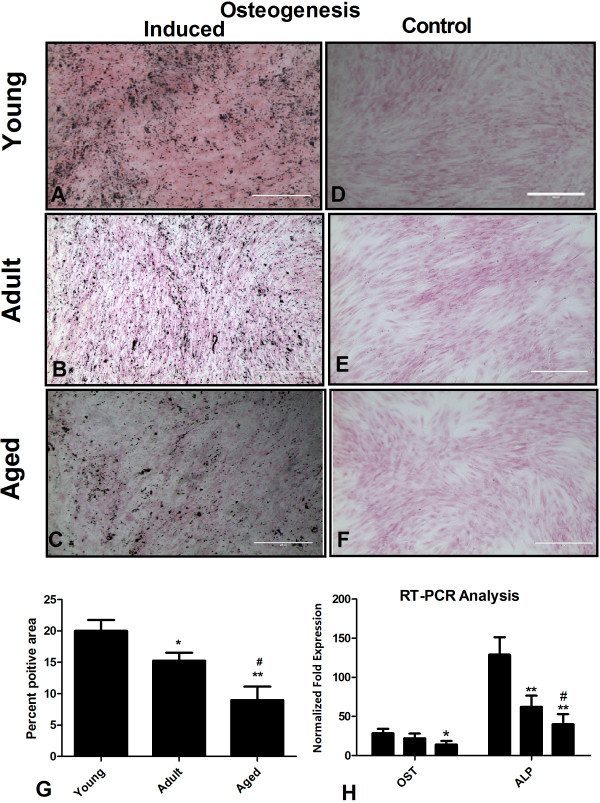
“[24] showed a significant decrease in osteogenic potential of hASCs, which was also manifested by a decrease in osteocalcin and ALP gene expression in elderly donors.”
Activation, homing, and role of the mesenchymal stem cells in the inflammatory environment
Zachar, L., Bačenková, D., & Rosocha, J. (2016) · Journal of Inflammation Research · doi:10.2147/jir.s121994 · Cited by 191
Fibroblasts and mesenchymal stem cells: Two sides of the same coin?
Soundararajan, M., & Kannan, S. (2018) · Journal of Cellular Physiology · doi:10.1002/jcp.26860 · Cited by 190
Adipose Tissue-Derived Stem Cells: Immunomodulatory Effects and Therapeutic Potential
Al-Ghadban, S., & Bunnell, B. A. (2020) · Physiology · doi:10.1152/physiol.00021.2019 · Cited by 187
Varghese, J. S., Griffin, M., Mosahebi, A., & Butler, P. E. M. (2017) · Stem Cell Research & Therapy · doi:10.1186/s13287-017-0483-8 · Cited by 178
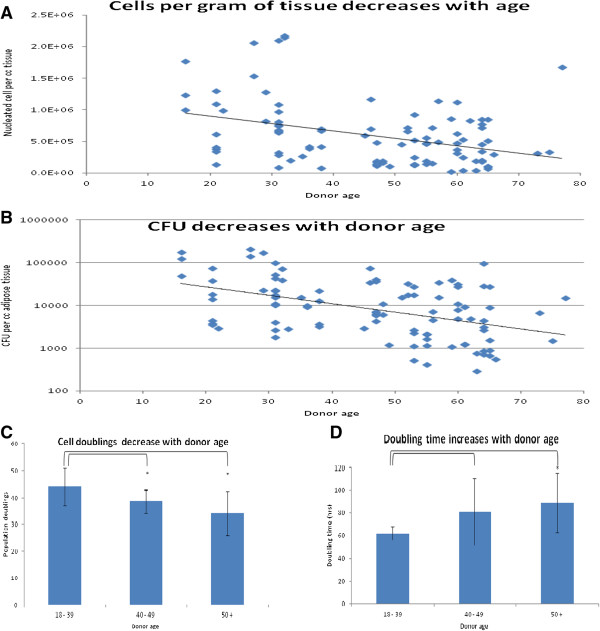
“However, more recent studies using gene expression measurements of senescence have shown a significant decrease in overall yield of nucleated cells with increasing age [37, 38] and, more potently, a significant decrease in the proliferative and differentiation capacities of ADSCs [35, 38–41].”
BackgroundMethodStem cell therapy for diabetic foot ulcers: a review of preclinical and clinical research
Lopes, L., Setia, O., Aurshina, A., Liu, S., Hu, H., Isaji, T., Liu, H., Wang, T., Ono, S., Guo, X., et al. (2018) · Stem Cell Research & Therapy · doi:10.1186/s13287-018-0938-6 · Cited by 173
Tabe, Y., Yamamoto, S., Saitoh, K., Sekihara, K., Monma, N., Ikeo, K., Mogushi, K., Shikami, M., Ruvolo, V., Ishizawa, J., et al. (2017) · Cancer Research · doi:10.1158/0008-5472.can-16-1645 · Cited by 171
“is accompanied by a reduction of osteogenic and chondrogenic differentiation potential (7).”
Liu, M., Lei, H., Dong, P., Fu, X., Yang, Z., Yang, Y., Ma, J., Liu, X., Cao, Y., & Xiao, R. (2017) · Cell Transplantation · doi:10.1177/0963689717721221 · Cited by 170
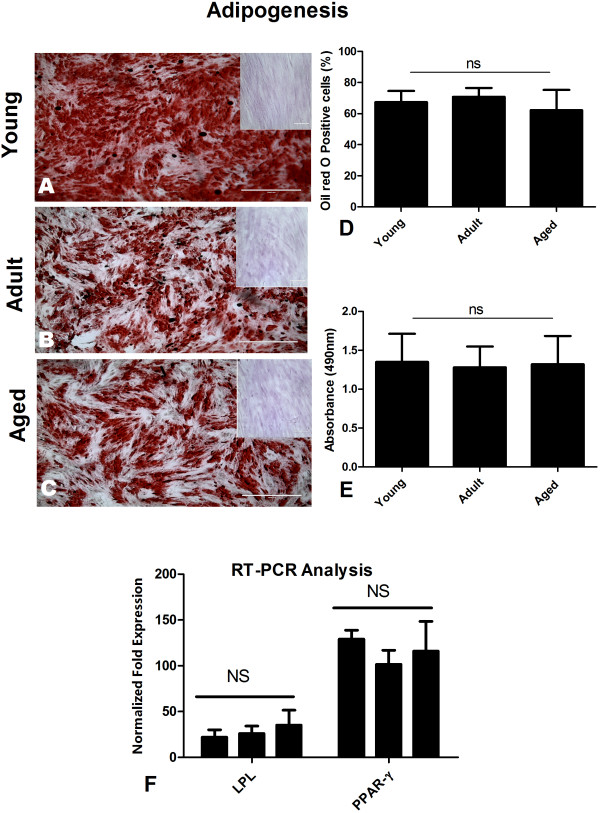
“These observations are in line with the work by Choudhery et al.34 and Zhu et al.,6 who reported that the adipogenic potential of hASCs was well-preserved in advanced age.”
ResultInfluentialKalinina, N., Kharlampieva, D., Loguinova, M., Butenko, I., Pobeguts, O., Efimenko, A., Ageeva, L., Sharonov, G., Ischenko, D., Alekseev, D., et al. (2015) · Stem Cell Research & Therapy · doi:10.1186/s13287-015-0209-8 · Cited by 168
“The efficiency of ADSC-based therapies varies between different donors, but the results of the experimental and clinical studies analyzing the impact of donor-specific factors, including age, sex and concomitant disorders, on the efficiency of cell therapy were controversial [11–14].”
BackgroundThe role of p21 in cellular senescence and aging-related diseases
Yan, J., Chen, S., Yi, Z., Zhao, R., Zhu, J., Ding, S., & Wu, J. (2024) · Molecules and Cells · doi:10.1016/j.mocell.2024.100113 · Cited by 166
“A single-cell transcriptomic study revealed that p21 high cell populations in adipose-derived mesenchymal stem cells (AMSCs) from aged mice exhibit characteristics of senescence and reduced regenerative potential (Choudhery et al., 2014; Wang et al., 2020).”
Mesenchymal Stromal Cells: From Discovery to Manufacturing and Commercialization
Mizukami, A., & Swiech, K. (2018) · Stem Cells International · doi:10.1155/2018/4083921 · Cited by 142
“The presence of age-related diseases, such as diabetes and heart failure, can also negatively affect cell functionality [100].”
BackgroundUp-regulation of FOXD1 by YAP alleviates senescence and osteoarthritis
Fu, L., Hu, Y., Song, M., Liu, Z., Zhang, W., Yu, F.-X., Wu, J., Wang, S., Izpisua Belmonte, J. C., Chan, P., et al. (2019) · PLOS Biology · doi:10.1371/journal.pbio.3000201 · Cited by 163
Lee, M., Ban, J.-J., Yang, S., Im, W., & Kim, M. (2018) · Brain Research · doi:10.1016/j.brainres.2018.03.034 · Cited by 147
Robert, A. W., Marcon, B. H., Dallagiovanna, B., & Shigunov, P. (2020) · Frontiers in Cell and Developmental Biology · doi:10.3389/fcell.2020.00561 · Cited by 161
Alicka, M., Major, P., Wysocki, M., & Marycz, K. (2019) · Journal of Clinical Medicine · doi:10.3390/jcm8060765 · Cited by 154
“Moreover, ASCs have been shown to exhibit immunomodulatory properties, which make them promising therapeutic agents, since T2D is linked to chronic inflammation [8,9].”
BackgroundFernández-Santos, M. E., Garcia-Arranz, M., Andreu, E. J., García-Hernández, A. M., López-Parra, M., Villarón, E., Sepúlveda, P., Fernández-Avilés, F., García-Olmo, D., Prosper, F., et al. (2022) · Frontiers in Immunology · doi:10.3389/fimmu.2022.918565 · Cited by 139
Kornicka, K., Marycz, K., Tomaszewski, K. A., Marędziak, M., & Śmieszek, A. (2015) · Oxidative Medicine and Cellular Longevity · doi:10.1155/2015/309169 · Cited by 137
“Recently, a growing number of factors are being analyzed in order to investigate their role in MSCs aging and their potential input in MSCs proliferative and differentiative status [16].”
BackgroundImpact of Age on Human Adipose Stem Cells for Bone Tissue Engineering
Dufrane, D. (2017) · Cell Transplantation · doi:10.1177/0963689717721203 · Cited by 133
“confirmed that ASC expansion was affected by a donor’s age >50 y old in terms of colony forming unit and doubling time of stem cell proliferation.(54,55) In contrast, Dufrane et al.”
BackgroundResultHuang, R., Qin, C., Wang, J., Hu, Y., Zheng, G., Qiu, G., Ge, M., Tao, H., Shu, Q., & Xu, J. (2019) · Aging · doi:10.18632/aging.102314 · Cited by 145
“These findings are in consistent with previously published reports [45].”
ResultUsing Mesenchymal Stem Cells to Treat Female Infertility: An Update on Female Reproductive Diseases
Zhao, Y., Chen, S.-R., Su, P., Huang, F.-H., Shi, Y., Shi, Q.-Y., & Lin, S. (2019) · Stem Cells International · doi:10.1155/2019/9071720 · Cited by 145
“Although these cells have the same biologic characteristics as bone marrow stromal cells [46], they are easier to isolate in large quantities (by minimally invasive liposuction) than bone marrow stromal cells [47].”
BackgroundAutologous Fat Grafting: The Science Behind the Surgery
Zielins, E. R., Brett, E. A., Longaker, M. T., & Wan, D. C. (2016) · Aesthetic Surgery Journal · doi:10.1093/asj/sjw004 · Cited by 144
Cellular senescence in aging and osteoarthritis: Implications for cartilage repair
Toh, W. S., Brittberg, M., Farr, J., Foldager, C. B., Gomoll, A. H., Hui, J. H. P., Richardson, J. B., Roberts, S., & Spector, M. (2016) · Acta Orthopaedica · doi:10.1080/17453674.2016.1235087 · Cited by 129
“…in proliferation and differentiation potentials of animal and human MSCs isolated from young and aged donors have given confl icting results (Stolzing et al. 2008, Zhou et al. 2008, Choudhery et al. 2014), which may be attributable to the different sources of MSCs and culture conditions used.”
BackgroundResultOsteoporosis: the current status of mesenchymal stem cell-based therapy
Phetfong, J., Sanvoranart, T., Nartprayut, K., Nimsanor, N., Seenprachawong, K., Prachayasittikul, V., & Supokawej, A. (2016) · Cellular & Molecular Biology Letters · doi:10.1186/s11658-016-0013-1 · Cited by 136
“However, the yield of AD-MSCs and their proliferative and differentiation capacities vary depending on the tissue harvesting site [134] and the age of the donor [135].”
Mesenchymal Stem Cells as a Bio Organ for Treatment of Female Infertility
Esfandyari, S., Chugh, R. M., Park, H.-S., Hobeika, E. M., Ulin, M., & Al-Hendy, A. A. (2020) · Cells · doi:10.3390/cells9102253 · Cited by 132
The issue of heterogeneity of MSC-based advanced therapy medicinal products–a review
Česnik, A. B., & Švajger, U. (2024) · Frontiers in Cell and Developmental Biology · doi:10.3389/fcell.2024.1400347 · Cited by 128
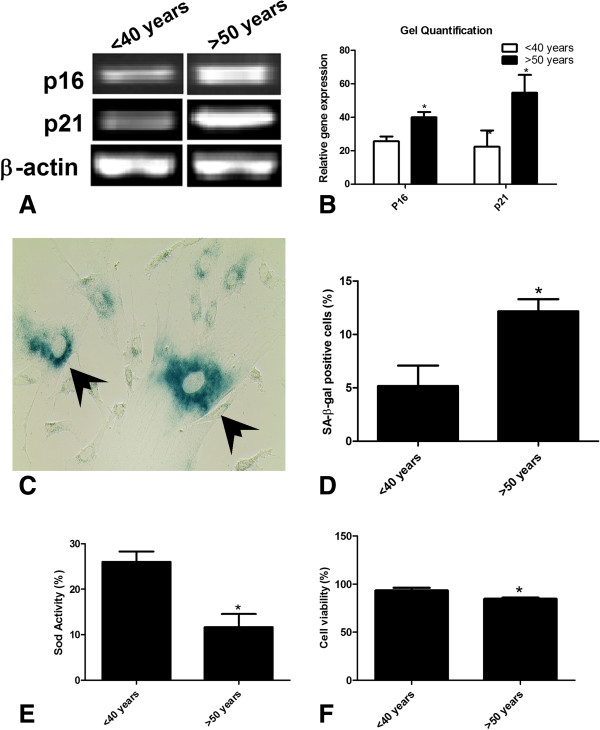
“For instance, AD-MSCs from older donors have shown increased cellular senescence, reduced viability and proliferation, as well as reduced differentiation potential in comparison to younger donors (Choudhery et al., 2014).”
BackgroundMolecular Mechanisms Contributing to Mesenchymal Stromal Cell Aging
Neri, S., & Borzì, R. M. (2020) · Biomolecules · doi:10.3390/biom10020340 · Cited by 127
“By comparing ASCs from young, adult and aged donors, an age-dependent decrease in number, proliferative potential and differentiation ability was observed together with an increase in senescence levels [122].”
BackgroundChen, C., Rao, S., Tan, Y., Luo, M., Hu, X., Yin, H., Huang, J., Hu, Y., Luo, Z., Liu, Z., et al. (2019) · Bone Research · doi:10.1038/s41413-019-0056-9 · Cited by 120
Mesenchymal Stem Cells in the Pathogenesis and Therapy of Autoimmune and Autoinflammatory Diseases
Zaripova, L. N., Midgley, A., Christmas, S. E., Beresford, M. W., Pain, C. E., Baildam, E. M., & Oldershaw, R. A. (2023) · International Journal of Molecular Sciences · doi:10.3390/ijms242216040 · Cited by 119
“…older patients are known to have higher levels of replicative senescence, evidenced by significantly fewer CFU-Fs formed on derivation, reduced proliferation rate, reduced immunomodulatory properties, and an increased pro-inflammatory phenotype compared to those derived from younger donors [186–188].”
BackgroundResultImpact of Hydrogel Stiffness on Differentiation of Human Adipose-Derived Stem Cell Microspheroids
Zigon-Branc, S., Marković, M., Hoorick, J. V., Vlierberghe, S. V., Dubruel, P., Zerobin, E., Baudis, S., & Ovsianikov, A. (2019) · Tissue Engineering Part A · doi:10.1089/ten.tea.2018.0237 · Cited by 117
“Namely, it was shown that distinct stem cell subpopulations isolated from human adipose tissue exhibited different chondrogenic and osteogenic differentiation potential.(79,80) In our experiments, hASC/hTERT were obtained from one donor whose genetic background could exhibit a better chondrogenic than osteogenic poten…”
Manufacturing artificial bone allografts: a perspective.
Steijvers, E., Ghei, A., & Xia, Z. (2022) · PubMed Central · doi:10.12336/biomatertransl.2022.01.007 · Cited by 116
“86 Undoubtedly, there is still room to optimize the osteogenic potential of both MSC types.”
Marycz, K., Tomaszewski, K. A., Kornicka, K., Henry, B. M., Wroński, S., Tarasiuk, J., & Marędziak, M. (2016) · Oxidative Medicine and Cellular Longevity · doi:10.1155/2016/9785890 · Cited by 114
Guo, S.-C., Tao, S.-C., Yin, W.-J., Qi, X., Sheng, J.-G., & Zhang, C.-Q. (2016) · International Journal of Biological Sciences · doi:10.7150/ijbs.16150 · Cited by 110
“MSCs from older donors usually showed less proliferative ability and osteogenic potency [44-46].”
BackgroundLai, F., Kakudo, N., Morimoto, N., Taketani, S., Hara, T., Ogawa, T., & Kusumoto, K. (2018) · Stem Cell Research & Therapy · doi:10.1186/s13287-018-0851-z · Cited by 113
“It was previously reported that compared with young cells, aged hASCs exhibited increased cellular senescence features [41–43], a decline in both stromal vascular fraction (SVF) cell yield [43] and hASC proliferation rate [41–44], a decreased differentiation potential [42] toward adipogenic [41, 43, 44], osteogenic [4…”
Trivanović, D. I., Jauković, A., Popović, B., Krstić, J., Mojsilović, S. B., Djordjević, I. O., Кукољ, Т., Obradović, H., Santibanez, J. F., & Bugarski, D. S. (2015) · Life Sciences · doi:10.1016/j.lfs.2015.09.019 · Cited by 112
Smith, L. J., Silverman, L. I., Sakai, D., Maitre, C. L. L., Mauck, R. L., Malhotra, N. R., Lotz, J. C., & Buckley, C. T. (2018) · JOR Spine · doi:10.1002/jsp2.1036 · Cited by 109
Kim, Y. S., Choi, Y. J., & Koh, Y. G. (2015) · The American Journal of Sports Medicine · doi:10.1177/0363546515588317 · Cited by 102
“In addition, several studies have described an age-dependent effect on the properties of adipose-derived MSCs.(6,11,15,44) Choudhery et al(11) investigated the expansion and in vitro differentiation potential of adipose-derived MSCs from younger (\30 years), adult (35-50 years), and older (.”
BackgroundInfluentialKocan, B., Maziarz, A., Tabarkiewicz, J., Ochiya, T., & Banaś-Ząbczyk, A. (2017) · Stem Cells International · doi:10.1155/2017/1653254 · Cited by 108
“[46], aged ASCs exhibited reduced viability and proliferation when compared to cells obtained from young donors.”
Shakouri‐Motlagh, A., O’Connor, A. J., Brennecke, S. P., Kalionis, B., & Heath, D. E. (2017) · Acta Biomaterialia · doi:10.1016/j.actbio.2017.04.014 · Cited by 103
Cell culture‐derived extracellular vesicles: Considerations for reporting cell culturing parameters
Shekari, F., Alibhai, F. J., Baharvand, H., Börger, V., Bruno, S., Davies, O. G., Giebel, B., Gimona, M., Salekdeh, G. H., Jaular, L. M., et al. (2023) · Journal of Extracellular Biology · doi:10.1002/jex2.115 · Cited by 103
Strong, A. L., Bowles, A. C., Wise, R. M., Morand, J. P., Dutreil, M. F., Gimble, J. M., & Bunnell, B. A. (2015) · Stem Cells · doi:10.1002/stem.2272 · Cited by 102
Perspectives for Clinical Translation of Adipose Stromal/Stem Cells
Patrikoski, M., Mannerström, B., & Miettinen, S. (2019) · Stem Cells International · doi:10.1155/2019/5858247 · Cited by 100
Pelletier, L., Mantecon, M., Gorwood, J., Auclair, M., Foresti, R., Motterlini, R., Laforge, M., Atlan, M., Fève, B., Capeau, J., et al. (2021) · eLife · doi:10.7554/elife.62635 · Cited by 99
Aging of mesenchymal stem cells: Implication in regenerative medicine
Yang, Y.-H. K. (2018) · Regenerative Therapy · doi:10.1016/j.reth.2018.09.002 · Cited by 93
“Reduced superoxide dismutase activity, an antioxidant enzyme that catalyzes the conversion of superoxide radical anions to hydrogen peroxide and later to oxygen and water, has also been found in aged MSCs, suggesting an inferior antioxidant defense mechanism [24].”
BackgroundBurrow, K. L., Hoyland, J. A., & Richardson, S. M. (2017) · Stem Cells International · doi:10.1155/2017/2541275 · Cited by 87
“Conversely, the few studies investigating ASCs suggest that they can reach 34–44 CPDs [12, 37], well in excess of the numbers reached for any sample in this study.”
BackgroundPerinatal tissues and cells in tissue engineering and regenerative medicine
Deus, I. A., Mano, J. F., & Custódio, C. A. (2020) · Acta Biomaterialia · doi:10.1016/j.actbio.2020.04.035 · Cited by 92
Biomarkers of cellular senescence and risk of death in humans
St. Sauver, J. L., Weston, S. A., Atkinson, E. J., Mc Gree, M. E., Mielke, M. M., White, T. A., Heeren, A. A., Olson, J. E., Rocca, W. A., Palmer, A. K., et al. (2023) · Aging Cell · doi:10.1111/acel.14006 · Cited by 86
“…with advancing age and are enriched in human tissues with disease and/or dysfunction, including skeletal muscle (Englund et al., 2023), lung (Schafer et al., 2017), brain (Neumann et al., 2023), adipose tissue (Choudhery et al., 2014), bone (Farr et al., 2016), and kidney (Barnett et al., 2012).”
BackgroundMa, C., Pi, C., Yang, Y., Lin, L., Shi, Y., Li, Y., Li, Y., & He, X. (2017) · PLOS ONE · doi:10.1371/journal.pone.0170930 · Cited by 86
O’Hagan-Wong, K., Nadeau, S., Carrier-Leclerc, A., Apablaza, F., Hamdy, R. C., Shum‐Tim, D., Rodier, F., & Colmegna, I. (2016) · Oncotarget · doi:10.18632/oncotarget.7690 · Cited by 87
“Furthermore, consistent with previous reports, other markers of senescence, specifically SABG activity was absent in early passage adult and pediatric MSC [19, 20].”
ResultBiomimetic immunomodulation strategies for effective tissue repair and restoration
Villarreal-Leal, R. A., Healey, G. D., & Corradetti, B. (2021) · Advanced Drug Delivery Reviews · doi:10.1016/j.addr.2021.113913 · Cited by 86
A Practical Guide for the Current Use of Biologic Therapies in Sports Medicine
Lamplot, J. D., Rodeo, S. A., & Brophy, R. H. (2019) · The American Journal of Sports Medicine · doi:10.1177/0363546519836090 · Cited by 86
“The viability and efficacy of BMAC and other cell therapies are also affected by harvest site, cell concentration, and donor characteristics, including age, sex, and comorbidities.(17,78,99) TABLE 3 (continued)”
BackgroundCouto, P. S., Rotondi, M. C., Bersenev, A., Hewitt, C. J., Nienow, A. W., Verter, F., & Rafiq, Q. A. (2020) · Biotechnology Advances · doi:10.1016/j.biotechadv.2020.107636 · Cited by 86
Yin, Q., Xu, N., Xu, D., Dong, M., Shi, X., Wang, Y., Hao, Z., Zhu, S., Zhao, D., Jin, H., et al. (2020) · Stem Cell Research & Therapy · doi:10.1186/s13287-020-01744-1 · Cited by 84
“Human ADMSCs are ideal candidates for diverse regenerative medicine approaches and tissue engineering strategies [31, 32].”
BackgroundAdipose tissue-derived stem cells as a therapeutic tool for cardiovascular disease
Suzuki, E., Fujita, D., Takahashi, M., Oba, S., & Nishimatsu, H. (2015) · World Journal of Cardiology · doi:10.4330/wjc.v7.i8.454 · Cited by 84
Biomaterial-based extracellular vesicle delivery for therapeutic applications
Murali, V. P., & Holmes, C. A. (2021) · Acta Biomaterialia · doi:10.1016/j.actbio.2021.01.010 · Cited by 80
Bellei, B., Migliano, E., TEDESCO, M., Caputo, S., & Picardo, M. (2017) · Scientific Reports · doi:10.1038/s41598-017-10710-6 · Cited by 83
Biological Considerations in Scaling Up Therapeutic Cell Manufacturing
Cherian, D. S., Bhuvan, T., Meagher, L., & Heng, T. S. P. (2020) · Frontiers in Pharmacology · doi:10.3389/fphar.2020.00654 · Cited by 82
Osteoporosis and the Potential of Cell-Based Therapeutic Strategies
Macías, I., Alcorta-Sevillano, N., Rodríguez, C. I., & Infante, A. (2020) · International Journal of Molecular Sciences · doi:10.3390/ijms21051653 · Cited by 82
“However, the efficiency of AD-MSCs and their proliferative and differentiation capacities vary depending on the tissue harvesting site [151] and in a similar way to BM-MSCs, on the donor age [152].”
BackgroundQiao, Y., Liu, O., Yan, F., Lin, X., Diao, S., Wang, L., Jin, L., Wang, S., Lu, Y., & Fan, Z. (2016) · Cells Tissues Organs · doi:10.1159/000448026 · Cited by 80
“First, the results revealed that DPSCs from young donors possessed a stronger proliferation ability compared with DPSCs from old donors, which is consistent with age-related changes that occur in other types of MSCs [Kretlow et al., 2008; Zaim et al., 2012; Zhang et al., 2012; Choudhery et al., 2014].”
ResultInfluentialStem cell therapy for neurological disorders: A focus on aging
Nguyen, H., Zarriello, S., Coats, A. B., Nelson, C., Kingsbury, C., Gorsky, A., Rajani, M., Neal, E. G., & Borlongan, C. V. (2018) · Neurobiology of Disease · doi:10.1016/j.nbd.2018.09.011 · Cited by 80
“In fact, many studies have demonstrated that donor age negatively affect many characteristics of stem cells such as differentiation, expansion, immunogenicity, and reprograming efficiency of stem cells (Aksoy et al., 2014; Choudhery et al., 2014; Trokovic et al., 2015; Wu et al., 2014).”
BackgroundAging and homeostasis of the hypodermis in the age-related deterioration of skin function
Liu, M., Lu, F., & Feng, J. (2024) · Cell Death and Disease · doi:10.1038/s41419-024-06818-z · Cited by 79
“Aged ASCs exhibit senescent characteristics concomitant with reduced viability and proliferation [12].”
BackgroundGarcia, J., Wright, K. T., Roberts, S., Kuiper, J. H., Mangham, C., Richardson, J. B., & Mennan, C. (2016) · Scientific Reports · doi:10.1038/srep24295 · Cited by 79
Nitkin, C. R., & Bonfield, T. L. (2016) · Stem Cells Translational Medicine · doi:10.5966/sctm.2015-0427 · Cited by 79
Defined serum-free media for in vitro expansion of adipose-derived mesenchymal stem cells
Al-Saqi, S. H., Saliem, M., Asikainen, S., Quezada, H. C., Ekblad, Å., Hovatta, O., Blanc, K. L., Jonasson, A. F., & Gotherstrom, C. O. T. (2014) · Cytotherapy · doi:10.1016/j.jcyt.2014.02.006 · Cited by 78
Willis, G. R., Mitsialis, S. A., & Kourembanas, S. (2017) · Pediatric Research · doi:10.1038/pr.2017.256 · Cited by 77
“Indeed, MSCs obtained from older donors have slower proliferation and reduced differentiation potential in vitro (33,69).”
BackgroundAdipose-derived stem cell therapies for bone regeneration
Barba, M., Taranto, G. D., & Lattanzi, W. (2017) · Expert Opinion on Biological Therapy · doi:10.1080/14712598.2017.1315403 · Cited by 76
“The geneexpression profiles of human senescent subcutaneous AT specimens also pointed to a significant decreased ASCs’ yield, growth kinetics, and differentiation capacities in older donors [83,84].”
BackgroundMitochondrial Functional Changes Characterization in Young and Senescent Human Adipose Derived MSCs
Stab, B. R., Martinez, L., Grismaldo, A., Lerma, A., Gutiérrez, M. L., Barrera, L. A., Sutachan, J. J., & Albarracín, S. L. (2016) · Frontiers in Aging Neuroscience · doi:10.3389/fnagi.2016.00299 · Cited by 69
“Mesenchymal stem/stromal cells have been widely described in the literature for their therapeutic potential as anti-inflammatory, immuno-modulatory, and trophic support (Caplan and Correa, 2011; Choudhery et al., 2014).”
BackgroundFabre, H., Ducret, M., Degoul, O., Rodríguez, J., Perrier‐Groult, E., Aubert‐Foucher, E., Pasdeloup, M., Auxenfans, C., McGUCKIN, C. P., Forraz, N., et al. (2019) · Stem Cells International · doi:10.1155/2019/2186728 · Cited by 74
“We should also say that other factors such as donor sex and age are known to influence cell expansion and differentiation capacities of MSCs [74, 75] but our small-size cohorts of donors in our study preclude this type of analysis.”
ResultMohamed‐Ahmed, S., Yassin, M. A., Rashad, A., Espedal, H., Idris, S. B., Finne‐Wistrand, A., Mustafa, K. B. E., Vindenes, H. A., & Fristad, I. (2020) · Cell and Tissue Research · doi:10.1007/s00441-020-03315-5 · Cited by 74
Using Stem Cells to Grow Artificial Tissue for Peripheral Nerve Repair
Bhangra, K. S., Busuttil, F., Phillips, J. B., & Rahim, A. A. (2016) · Stem Cells International · doi:10.1155/2016/7502178 · Cited by 74
“A study by Choudhery et al. [169] recently described the negative effect of age on ADSCs whereby aged MSCs displayed senescent features, reduced viability, and proliferation and differentiation potential when compared to ADSCs from young donors.”
Mesenchymal Stem/Progenitor Cells: The Prospect of Human Clinical Translation
Rady, D., Abbass, M. M. S., El-Rashidy, A. A., El Moshy, S., Radwan, I. A., Dörfer, C. E., & Fawzy El-Sayed, K. M. (2020) · Stem Cells International · doi:10.1155/2020/8837654 · Cited by 68
“Likewise, human BMSCs and ASCs displayed an age-related increase in cellular senescence (apoptosis) and expression of p53 gene [25] in addition to a decrease in the cellular proliferation rate [25, 37] and osteogenic [25, 37–40] and chondrogenic differentiation in vitro [37, 41], with an increase in adipogenic potenti…”
BackgroundTherapeutic Applications of Mesenchymal Stem Cells in Idiopathic Pulmonary Fibrosis
Yang, S., Liu, P., Jiang, Y., Wang, Z., Dai, H., & Wang, C. (2021) · Frontiers in Cell and Developmental Biology · doi:10.3389/fcell.2021.639657 · Cited by 72
Garcia, J., Mennan, C., McCarthy, H. S., Roberts, S., Richardson, J. B., & Wright, K. T. (2016) · Stem Cells International · doi:10.1155/2016/6969726 · Cited by 72
“Animportant factor to consider when comparing and contrasting the properties of different cell types is the “donor impact” as donor demographics, such as age and gender, are 2 Stem Cells International factors which are known to affect cell proliferation and differentiation capacity [15–17].”
Ma, C., Sun, Y., Pi, C., Wang, H., Sun, H., Yu, X., Shi, Y., & He, X. (2020) · Frontiers in Cell and Developmental Biology · doi:10.3389/fcell.2020.599376 · Cited by 72
“Pl6INK4A and p21WAF1/CIP1, as the acknowledged biological indicators, were widely used in the assessment of cellular senescence (Choudhery et al., 2014).”
BackgroundAhn, S. Y., Chang, Y. S., Sung, D. K., Yoo, H. S., Sung, S. I., Choi, S. J., & Park, W. S. (2015) · Cytotherapy · doi:10.1016/j.jcyt.2015.03.008 · Cited by 71
“Donor age has been shown to have a negative impact on MSC expansion and differentiation potential, even when the stem cells originate from the same source, that is, AT [41,42] or BM [43].”
BackgroundLi, R., Lin, Q., Liang, X., Liu, G.-B., Tang, H., Wang, Y., Lu, S., & Peng, J. C. (2018) · Stem Cell Research & Therapy · doi:10.1186/s13287-018-1018-7 · Cited by 71
Regenerative Potential of Mesenchymal Stromal Cells: Age‐Related Changes
Bruna, F., Contador, D., Conget, P. A., Erranz, B., Sossa, C., & Arango-Rodríguez, M. L. (2016) · Stem Cells International · doi:10.1155/2016/1461648 · Cited by 70
“Studies covering many species (rodents, monkeys, and humans) have indicated a correlation between age and declining CFU number [34]; our observations presented here also demonstrate that this effect occurs.”
ResultGridelli, C., Balducci, L., Ciardiello, F., Maïo, M. D., Felip, E., Langer, C. J., Lilenbaum, R., Perrone, F., Senan, S., & de Marinis, F. (2015) · Clinical Lung Cancer · doi:10.1016/j.cllc.2015.02.006 · Cited by 70
External factors influencing mesenchymal stem cell fate in vitro
Sisakhtnezhad, S., Alimoradi, E., & Akrami, H. (2016) · European Journal of Cell Biology · doi:10.1016/j.ejcb.2016.11.003 · Cited by 70
Hsu, L.-C., Peng, B.-Y., Chen, M., Thalib, B., Ruslin, M., Tran, T., Chou, H.-H., & Ou, K. (2019) · Journal of Biomedical Materials Research. Part B - Applied biomaterials · doi:10.1002/jbm.b.34118 · Cited by 59
Bone marrow vs Wharton’s jelly mesenchymal stem cells in experimental sepsis: a comparative study
Laroye, C., Boufenzer, A., Jolly, L., Cunat, L., Alauzet, C., Merlin, J., Yguel, C., Bensoussan, D., Reppel, L., & Gibot, S. (2019) · Stem Cell Research & Therapy · doi:10.1186/s13287-019-1295-9 · Cited by 70
Chow, L., Johnson, V., Regan, D. P., Wheat, W. H., Webb, S., Koch, P. J., & DOW, S. W. (2017) · Stem Cell Research · doi:10.1016/j.scr.2017.11.010 · Cited by 69
“For one, autologous MSC are difficult to generate from older patients, and their functionality is often impaired compared to MSC generated from young individuals (Choudhery Ms Fau - Badowski et al., 2014; Mohd Ali et al., 2016).”
BackgroundSong, J.-S., Hong, K.-T., Kim, N.-M., Jung, J.-Y., Park, H.-S., Lee, S. H., Cho, Y. J., & Kim, S. J. (2020) · Regenerative Therapy · doi:10.1016/j.reth.2019.10.003 · Cited by 69
Adipose‐derived stem cells: An appropriate selection for osteogenic differentiation
Shafaei, H., & Kalarestaghi, H. (2020) · Journal of Cellular Physiology · doi:10.1002/jcp.29681 · Cited by 68
Meta-analysis on the treatment of diabetic foot ulcers with autologous stem cells
Guo, J., Dardik, A., Fang, K., Huang, R., & Gu, Y. (2017) · Stem Cell Research & Therapy · doi:10.1186/s13287-017-0683-2 · Cited by 67
“However, advancing age negatively impacts stem cell function, and such age-related alterations may be detrimental for successful stem cell therapy [30, 31].”
Infrapatellar Fat Pad: An Alternative Source of Adipose-Derived Mesenchymal Stem Cells
Tangchitphisut, P., Srikaew, N., Numhom, S., Tangprasittipap, A., Woratanarat, P., Wongsak, S., Kijkunasathian, C., Hongeng, S., Murray, I. R., & Tawonsawatruk, T. (2016) · Arthritis · doi:10.1155/2016/4019873 · Cited by 64
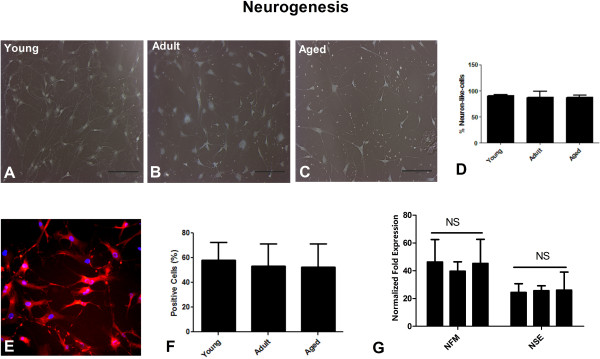
“reported no difference between adipogenic (PPAR-γ and lipoprotein lipase) and neurogenic (neurofilament and neuron-specific-enolase) gene expression of SC-ASCs compared in patients from groups of different ages [40].”
BackgroundKhánh, V. C., Yamashita, T., Ohneda, K., Tokunaga, C., Kato, H., Osaka, M., Hiramatsu, Y., & Ohneda, O. (2020) · Scientific Reports · doi:10.1038/s41598-020-74444-8 · Cited by 63
García-Contreras, M., Vera-Donoso, C. D., Hernández‐Andreu, J. M., García‐Verdugo, J. M., & Oltra, E. (2014) · PLoS ONE · doi:10.1371/journal.pone.0113288 · Cited by 62
“In this sense, advanced age and disease state could limit individuals options, especially since the number and regenerative potential of MSCs seem to negatively correlate with age [27,28] and population aging is at increase.”
BackgroundLi, X., Zhang, B., Wang, H., Zhao, X., Zhang, Z., Ding, G., & Wei, F. (2020) · Stem Cell Research & Therapy · doi:10.1186/s13287-020-01846-w · Cited by 62
“(29) reported no change in adipogenic potential of adipose tissue-derived mesenchymal stem cells (AT-MSCs) from individuals of advanced age.”
Background
Metadata
- Authors
- Choudhery, M. S., Badowski, M., Muise, A., Pierce, J., & Harris, D. T.
- Affiliations
- University of Arizona (US)
- Tucson Medical Center (US)
- Corresponding author
- Harris, David T
- Venue
- Journal of Translational Medicine
- Published
- 2014-01-07
- Volume
- 12
- Issue
- 1
- Pages
- 8-8
- ISSN
- 1479-5876 (ISSN-L)
- PMC
- PMC3895760
- OpenAlex
- W2101024920
- Cited by
- 529
- References
- 38
- Citations by year
- 2026: 29 · 2025: 34 · 2024: 45 · 2023: 34 · 2022: 43 · 2021: 52 · 2020: 58 · 2019: 43 · 2018: 40 · 2017: 50 · 2016: 50 · 2015: 33 · 2014: 17
- FWCI
- 25.06
- Type
- journal article
- Language
- en
- Open access
- gold
- doi.org
- Licence
- cc-by
- Locations
- Journal of Translational Medicine (publishedVersion, cc-by)
- Europe PMC (PubMed Central) (publishedVersion, cc-by)
- PubMed Central (publishedVersion, cc-by)
- PubMed (publishedVersion)
- Greater South Information System
- Topics
- Life Sciences › Biochemistry, Genetics and Molecular Biology › Cell Biology › Mesenchymal stem cell research
- Life Sciences › Biochemistry, Genetics and Molecular Biology › Cell Biology › Telomeres, Telomerase, and Senescence
- Life Sciences › Biochemistry, Genetics and Molecular Biology › Molecular Biology › Pluripotent Stem Cells Research
- Keywords
- donor age, adipose-derived stem cells, cellular senescence, p16INK4a, p21, stem cell expansion, differentiation potential, superoxide dismutase activity, population doubling, aging, stem cell therapy
- MeSH terms
- Adipose Tissue, Adult, Age Factors, Aged, Aging, Cell Differentiation, Cell Separation, Cell Survival, Female, Humans, Male, Middle Aged, Neurons, Osteogenesis, Phenotype, Stress, Physiological, Superoxide Dismutase, Tissue Donors, Cellular Senescence, Cell Lineage, Chondrogenesis, Cell Shape, Cell Proliferation, Adipogenesis, Mesenchymal Stem Cells
About these checks
Registry, retraction, Cites and statistics results are computed, not judged, with one exception: a printed reference that no index lists is read once by a model before it counts as a citation error. Claims are extracted by a model and kept only when their quote appears verbatim in the text; each cited source is then checked, with a model’s help, for whether it says what the claim relies on. Those verdicts can be wrong — read the claim’s quote and the cited source before relying on one.
Statistics and arithmetic are recomputed, not judged.
Confidence bands are shown only for fields calibrated on our annotated test set. None is calibrated yet, so no band is shown.
What counts as a claim ›How we measure confidence ›How we check this ›
Are you an author, or do you see a problem with this page? Request a review
Data sources
Bibliographic data: Semantic Scholar, OpenAlex, Crossref.
Contains information from the Semantic Scholar Academic Graph Datasets, made available under the ODC Attribution License (ODC-BY 1.0).
Semantic Scholar’s data is described in: Kinney, R., et al. (2023). The Semantic Scholar Open Data Platform. arXiv:2301.10140.
