

Donor age negatively impacts adipose tissue-derived mesenchymal stem cell expansion and differentiation
Open accessThe DOI matches its Crossref record; 38 of the 38 references it cites were found in a registry or an index.
Abstract
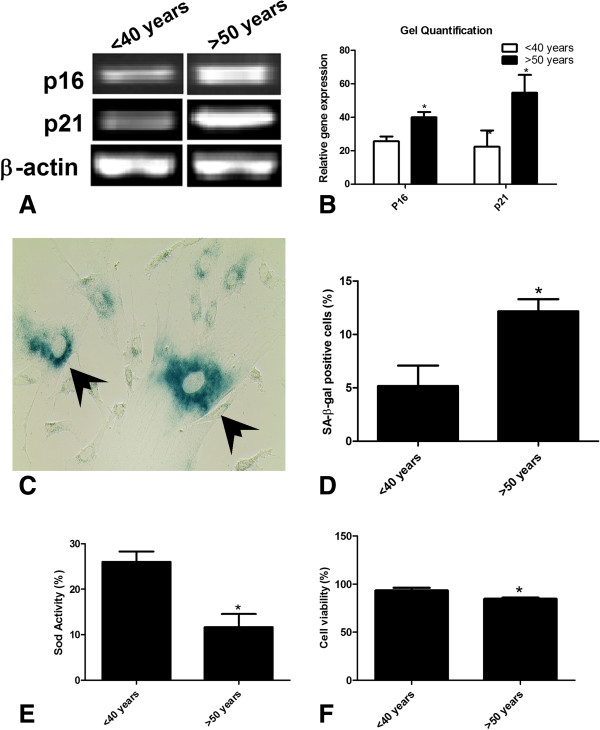
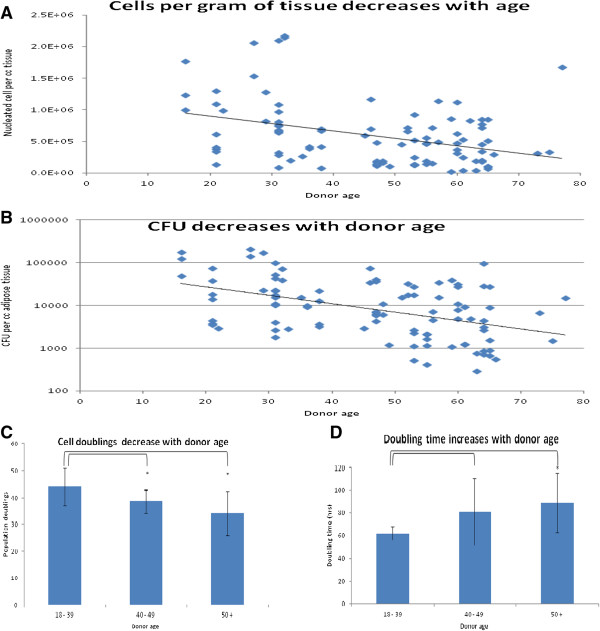
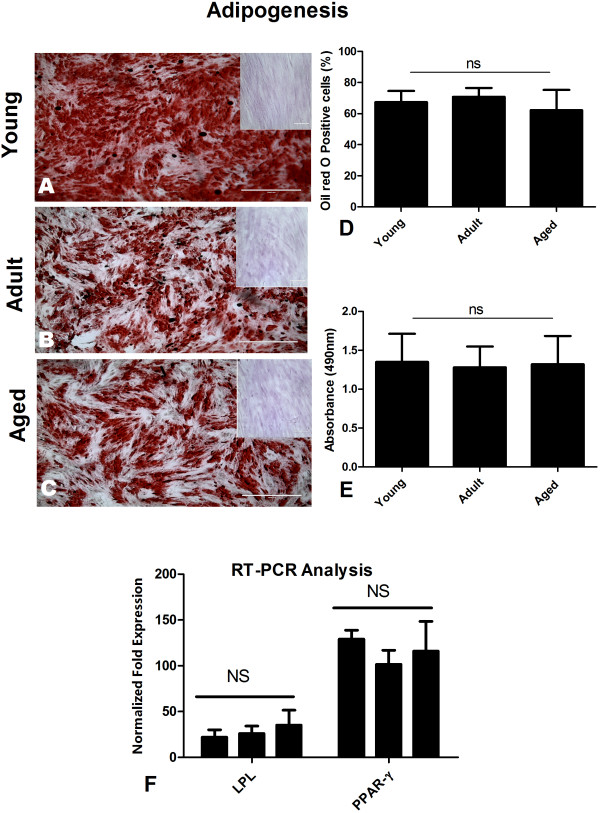
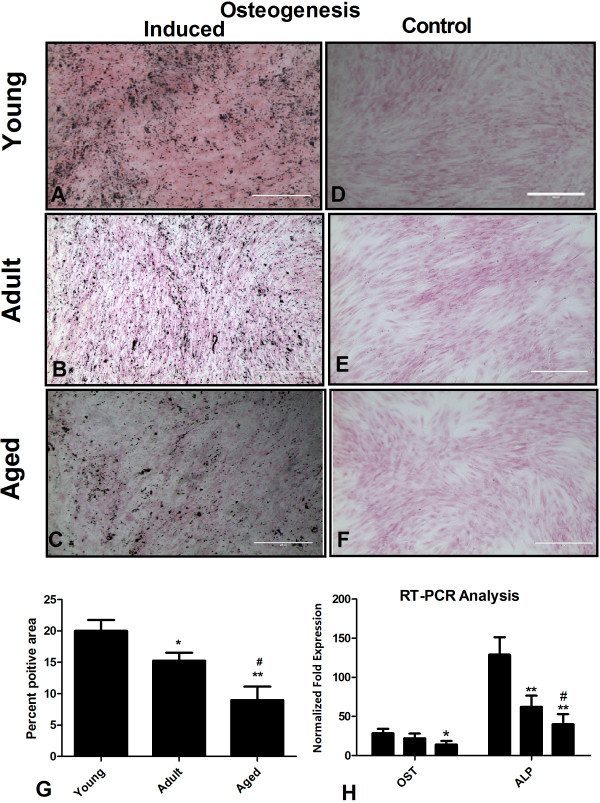
BACKGROUND: Human adipose tissue is an ideal autologous source of mesenchymal stem cells (MSCs) for various regenerative medicine and tissue engineering strategies. Aged patients are one of the primary target populations for many promising applications. It has long been known that advanced age is negatively correlated with an organism's reparative and regenerative potential, but little and conflicting information is available about the effects of age on the quality of human adipose tissue derived MSCs (hAT-MSCs). METHODS: To study the influence of age, the expansion and in vitro differentiation potential of hAT-MSCs from young (<30 years), adult (35-50 years) and aged (>60 years) individuals were investigated. MSCs were characterized for expression of the genes p16(INK4a) and p21 along with measurements of population doublings (PD), superoxide dismutase (SOD) activity, cellular senescence and differentiation potential. RESULTS: Aged MSCs displayed senescent features when compared with cells isolated from young donors, concomitant with reduced viability and proliferation. These features were also associated with significantly reduced differentiation potential in aged MSCs compared to young MSCs. CONCLUSIONS: In conclusion, advancing age negatively impacts stem cell function and such age related alterations may be detrimental for successful stem cell therapies.
Overview
The claims and statistics of this paper haven’t been checked yet.
Free: it reads the open-access text and checks the first 5 claims that cite a source we can check. Create a free account to check every claim.
Integrity signals
Registry
Cites
Statistics
Figures
Verification
Claims the paper makes
The claims and statistics of this paper haven’t been checked yet.
Free: it reads the open-access text and checks the first 5 claims that cite a source we can check. Create a free account to check every claim.
Claims other papers make about this one
Each is checked against this paper’s own text: does it say what the citing paper says it does?
The source backs part of the claim, not all of it — or backs it for a different population, condition or comparison.
In the citing paper
“Adipose tissue-derived mesenchymal stem cells from older donors (human and mouse) exhibit senescence properties and impaired regenerative potential123,124.”
From SenNet recommendations for detecting senescent cells in different tissues (2024) · cites this paper as [123]
Experimental — accuracy not yet measured
Self-check
Percentages, sums and reported differences re-computed from the paper’s own numbers.
The self-check needs the paper’s full text.
Citations
Cites
Multilineage potential of adult human mesenchymal stem cells
Pittenger, M. F., Mackay, A. M., Beck, S. C., Jaiswal, R. K., Douglas, R., Mosca, J. D., Moorman, M. A., Simonetti, D. W., Craig, S., & Marshak, D. R. (1999) · Science · doi:10.1126/science.284.5411.143 · Cited by 21,052 · cited 1×
“MSCs possess a multitude of potential applications in regenerative medicine, being able to proliferate and differentiate in vitro into multiple lineages [3-5].”
BackgroundDominici, M., Le Blanc, K., Mueller, I., Slaper-Cortenbach, I., Marini, F. C., Krause, D. S., Deans, R. J., Keating, A., Prockop, D. J., & Horwitz, E. M. (2006) · Cytotherapy · doi:10.1080/14653240600855905 · Cited by 17,766 · cited 3×
“These results were in agreement with previous reports [19,20], although Stolzing et al.”
BackgroundResultMultilineage Cells from Human Adipose Tissue: Implications for Cell-Based Therapies
Zuk, P. A., Zhu, M., Mizuno, H., Huang, J., Futrell, J. W., Katz, A. J., Benhaim, P., Lorenz, H. P., & Hedrick, M. H. (2001) · Tissue Engineering · doi:10.1089/107632701300062859 · Cited by 7,956
A biomarker that identifies senescent human cells in culture and in aging skin in vivo.
Dimri, G. P., Lee, X., Basile, G., Acosta, M., Scott, G., Roskelley, C., Medrano, E. E., Linskens, M., Rubelj, I., & Pereira-Smith, O. (1995) · Proceedings of the National Academy of Sciences · doi:10.1073/pnas.92.20.9363 · Cited by 7,477 · cited 1×
“SA-β-gal activity is the most commonly used biomarker for the identification of senescent cells [22].”
MethodHuman Adipose Tissue Is a Source of Multipotent Stem Cells
Zuk, P. A., Zhu, M., Ashjian, P., De Ugarte, D. A., Huang, J. I., Mizuno, H., Alfonso, Z. C., Fraser, J. K., Benhaim, P., & Hedrick, M. H. (2002) · Molecular Biology of the Cell · doi:10.1091/mbc.e02-02-0105 · Cited by 6,664 · cited 5×
“hAT-MSCs possess morphological, phenotypic and functional characteristics similar to BM-MSC [13], are stable over long term culture, expand efficiently in vitro and possess multi-lineage differentiation potential [5,14].”
BackgroundInfluentialStolzing, A., Jones, E., McGonagle, D., & Scutt, A. (2008) · Mechanisms of Ageing and Development · doi:10.1016/j.mad.2007.12.002 · Cited by 1,195 · cited 5×
“Recent evidence suggests that p16 and p21 are markers of senescence [24].”
BackgroundMethodInfluentialAmado, L. C., Saliaris, A. P., Schuleri, K. H., St. John, M., Xie, J.-S., Cattaneo, S., Durand, D. J., Fitton, T., Kuang, J. Q., Stewart, G., et al. (2005) · Proceedings of the National Academy of Sciences · doi:10.1073/pnas.0504388102 · Cited by 1,073 · cited 1×
“In various animal models it has been shown that MSCs can be used to successfully treat cardiovascular [2,8], neurological [9] and musculoskeletal disorders [10] either by differentiation into competent cardiomyocytes, neuronlike cells and chondrocytes, respectively; or by a paracrine effect via the secretion of growth…”
BackgroundDiGirolamo, C. M., Stokes, D., Colter, D., Phinney, D. G., Class, R., & Prockop, D. J. (1999) · British Journal of Haematology · doi:10.1046/j.1365-2141.1999.01715.x · Cited by 879 · cited 1×
“[32] reported similar results, as has Zhu et al.”
ResultChondrogenic Potential of Adipose Tissue-Derived Stromal Cells in Vitro and in Vivo
Erickson, G. R., Gimble, J. M., Franklin, D. M., Rice, H. E., Awad, H., & Guilak, F. (2002) · Biochemical and Biophysical Research Communications · doi:10.1006/bbrc.2001.6270 · Cited by 675 · cited 1×
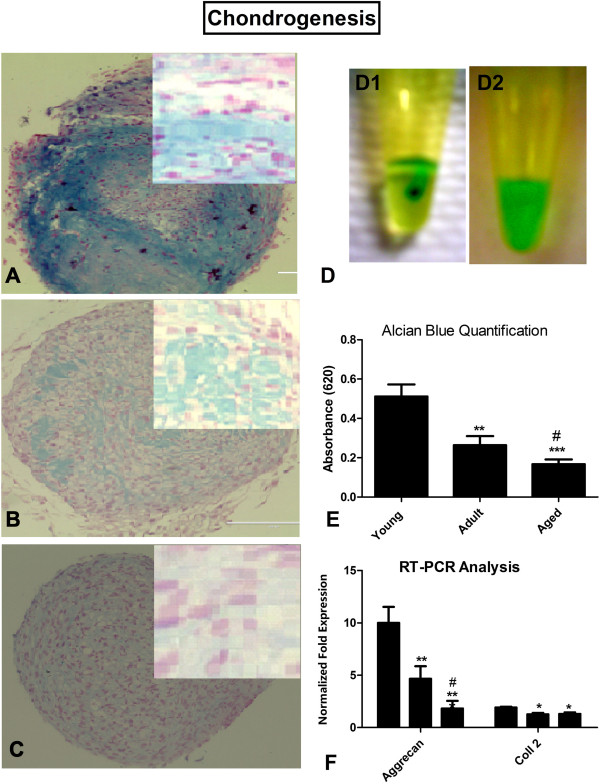
“was performed using the lineage specific genes, aggrecan and collagen type 2 [26,27] (Aggrecan: 10.”
MethodImmunosuppressive properties of mesenchymal stem cells: advances and applications
P. De Miguel, M., Fuentes-Julian, S., Blazquez-Martinez, A., Y. Pascual, C., A. Aller, M., Arias, J., & Arnalich-Montiel, F. (2012) · Current Molecular Medicine · doi:10.2174/156652412800619950 · Cited by 660
Cited by
Items 401–500 of 598
Yee-Goh, A. S., Yamauchi, A., van Hout, I., Papannarao, J. B., Sugunesegran, R., Parry, D. J., Davis, P. J., & Katare, R. (2022) · International Journal of Molecular Sciences · doi:10.3390/ijms23105588 · Cited by 3
Analysis of approaches to increase the efficacy of cell therapy based on mesenchymal stromal cells
Потапнев, М. П. (2021) · Genes and Cells · doi:10.23868/202112003 · Cited by 3
An overview of autophagy in the differentiation of dental stem cells
ZHAO, X., Ju, T., LI, X., LIU, C., WANG, L., & WU, L.-A. (2024) · Biocell · doi:10.32604/biocell.2023.045591 · Cited by 3
Signature of Responders—Lessons from Clinical Samples
Resende, M., Sampaio, L. C., Orozco, A. F., & Taylor, D. A. (2015) · Elsevier eBooks · doi:10.1016/b978-0-12-801888-0.00035-7 · Cited by 3
Stemness distinctions between the ectomesenchymal stem cells from neonatal and adult mice
Chen, Q., Zhou, H., & Hu, P. (2017) · Acta Histochemica · doi:10.1016/j.acthis.2017.10.008 · Cited by 3
Current Status on Canine Foetal Fluid and Adnexa Derived Mesenchymal Stem Cells
Iacono, E., Marcoccia, R., & Merlo, B. (2021) · Animals · doi:10.3390/ani11082254 · Cited by 3
Peripheral nerve tissue engineering
Kolar, M. K., & Kingham, P. J. (2014) · Elsevier eBooks · doi:10.1533/9780857097163.3.468 · Cited by 3
Mesenchymal Stem Cell–Derived Exosomes and Regenerative Medicine
Elkhenany, H. A., & Gupta, S. (2020) · Springer eBooks · doi:10.1007/978-981-15-6599-1_6 · Cited by 3
An investigation of primary human cell sources and clinical scaffolds for articular cartilage repair
Kohli, N. (2015) · Aston Publications Explorer (Aston University) · doi:10.13140/rg.2.2.25936.00001 · Cited by 3
PTEN regulates adipocyte progenitor growth, differentiation and replicative agingPreprint
Kirstein, A., Kehr, S., Nebe, M., Hanschkow, M., Lorenz, J., Penke, M., Breitfeld, J., Duc, D. L., Landgraf, K., Körner, A., et al. (2021) · bioRxiv (Cold Spring Harbor Laboratory) · doi:10.1101/2021.01.05.425433 · Cited by 3
“p16 and p21 expression as well as SA-β-gal expression were reported to be higher in SVF cells from older donors (32).”
BackgroundMohammed, M. A., Hay, N. H. A., Mohammed, M. T., Mahmoud, H. S., Ahmed, M. Y., Abdelmenem, A., & Abdelrahim, D. S. (2024) · Naunyn-Schmiedeberg s Archives of Pharmacology · doi:10.1007/s00210-024-03518-5 · Cited by 2
“However, ADMSCs efficacy can be impacted by the age and health of the donor, which can also affect the quality and properties of the cells (Choudhery et al. 2014).”
Giacomini, C., & Dazzi, F. (2025) · Advances in experimental medicine and biology · doi:10.1007/978-3-031-97297-3_17 · Cited by 2
Alarcón-Apablaza, J., Salazar, L. A., Loren, P., Martínez, C., & Fuentes, R. (2025) · Biomedicines · doi:10.3390/biomedicines13112776 · Cited by 2
“Overall, most reports align with the findings of the present study, describing a progressive reduction in osteogenic potential with donor age, regardless of the origin of the cells [71].”
Mechanical Manipulation of Fat: From Lipoaspirate to Stromal Vascular Fraction Concentrate
Ausen, K., Rø, A. D. B., Leirvik, G. V., Årbogen, S. B. S., Gjengstø, T., Fossmark, R., Pavlović, I., Mohamed‐Ahmed, S., & Børset, M. (2025) · Plastic & Reconstructive Surgery · doi:10.1097/prs.0000000000012693 · Cited by 2
“18–20 There was a trend in our study toward these findings, but larger populations are needed to determine statistical significance.”
Bang, J. Y., & Lim, N. K. (2026) · Pharmaceuticals · doi:10.3390/ph19020335 · Cited by 2
“Unlike standardized chemical pharmaceuticals, ADSCs exhibit significant variability in viability and therapeutic potency depending on donor characteristics, making it difficult to maintain consistent efficacy [12,13].”
Heterogeneity and Clinical Relevance of Human Adipose Stromal and Progenitor Cells
Albert, M., Nalir, K., Zhong, J., & Massier, L. (2026) · Diabetes & Metabolism Journal · doi:10.4093/dmj.2025.1182 · Cited by 2
“Aging also compromises the paracrine support of ASPCs: senescent cells secrete lower levels of angiogenic factors, resulting in impaired endothelial network formation [148].”
Donor age and sex program MSC secretome signaling: a quadrant framework for precision therapy
Azad, T., Hong, K., Wu, F., Mao, J., Zhou, X., Xie, H., Qiu, X., Li, B., Zhang, L., Tian, J., et al. (2026) · Stem Cell Research & Therapy · doi:10.1186/s13287-026-04976-9 · Cited by 2
Fang, L., Ravindran, G., Al-Masawa, M. E., Mohamad‐Fauzi, N., Seghayat, M. S., Salsabila, A., & Hafez, P. (2026) · Cell Transplantation · doi:10.1177/09636897261433504 · Cited by 3
“…minimally exposed to environmental stress, UC-MSCs circumvent donor age-related decline seen in autologous bone marrow-derived (BM-MSCs) and adipose-derived MSCs (AD-MSCs), in which cellular senescence, reduced growth kinetics, and altered secretome profiles compromise therapeutic efficacy 43–45 .”
Sajid, M., Hassan, F., Behan, A. A., Ozdemir, F. A., Siddique, F., Fazlani, S. A., Arain, M. A., & Rehman, M. S.-U. (2026) · Biotechnology Letters · doi:10.1007/s10529-026-03731-7 · Cited by 2
“Compared to BM-MSCs, ADSCs share similar biological features but offer practical advantages, including higher yield and minimally invasive isolation through liposuction (Choudhery et al. 2014; Lee et al. 2004b).”
Hirakawa, T., Nakabayashi, K., Ito, N., Hata, K., Imi, S., Shibata, M., Urushiyama, D., Miyata, K., Yotsumoto, F., Yasunaga, S., et al. (2024) · Antioxidants · doi:10.3390/antiox13060704 · Cited by 2
“Among the different types of MSCs, ASCs are unique owing to their minimally invasive harvesting procedure, capacity for efficient bulk retrieval, and commendable cell proliferation rates [28].”
BackgroundHammer, F. A., Hölmich, P., Nehlin, J. O., Vomstein, K., Blønd, L., Hölmich, L. R., Barfod, K. W., & Bagge, J. (2024) · Journal of Experimental Orthopaedics · doi:10.1002/jeo2.12056 · Cited by 3
Polyelectrolyte Nanofilms on Cell Surface Can Induce Brown Adipogenic Differentiation of Dfats
Karanfil, A. S., Louis, F., Sowa, Y., & Matsusaki, M. (2024) · Biochemical and Biophysical Research Communications · doi:10.1016/j.bbrc.2024.150432 · Cited by 2
Ouzin, M., Wesselborg, S., Fritz, G., & Kögler, G. (2024) · Cells · doi:10.3390/cells13242134 · Cited by 2
Mechanisms of adipose-derived stem cell aging and the impact on therapeutic potential
Shan, X., & Percec, I. (2021) · Elsevier eBooks · doi:10.1016/b978-0-12-819376-1.00017-2 · Cited by 2
Hashemzaei, M., Fanoudi, S., Rezaei, H., Mousavi, S. S., Belaran, M., Rezaee, S., Naghesi, M., Mirzaei, H., & Tabrizian, K. (2022) · Learning and Motivation · doi:10.1016/j.lmot.2022.101810 · Cited by 2
Pluripotent Stem Cells: Differentiation Potential and Therapeutic Efficacy for Cartilage Repair
Toh, W. S. (2016) · InTech eBooks · doi:10.5772/62818 · Cited by 2
“However, one major limiting factor in use of adult MSCs relates to the impaired cellular proliferation and differentiation with increasing donor age [13, 14].”
Background[Research advances on stem cell therapy for diabetic foot wounds].
Lin, Z., Wang, J., Liang, Z., & Pan, Y. (2022) · PubMed Central · doi:10.3760/cma.j.cn501120-20210828-00292 · Cited by 2
Khudair, A. M., Alzaharna, M. M., & Sharif, F. A. (2023) · International Journal of Reproductive BioMedicine (IJRM) · doi:10.18502/ijrm.v21i3.13197 · Cited by 2
“The age of the hAD-MScs donors was adopted under 40 as it was reported that increased donor age can adversely affect the growth rate and differentiation capacity of hADMScs (14).”
BackgroundCationic polymer effect on brown adipogenic induction of dedifferentiated fat cells
Karanfil, A. S., Louis, F., Sowa, Y., & Matsusaki, M. (2024) · Materials Today Bio · doi:10.1016/j.mtbio.2024.101157 · Cited by 3
“Increased donor age has been reported to negatively impact the differentiation abilities of stem cells in various studies [60,61].”
BackgroundInterventional Strategies to Delay Aging-Related Dysfunctions of the Musculoskeletal System
Fukase, N., Stake, I. K., Murata, Y., Hambright, W. S., Ravuri, S. K., Philippon, M. J., & Huard, J. (2021) · IntechOpen eBooks · doi:10.5772/intechopen.97311 · Cited by 2
Munir, H. (2016) · University of Birmingham Institutional Research Archive (University of Birmingham) · Cited by 2
Singh, K. (2018) · OPUS - Open Publications of UTS Scholars (University of Technology Sydney) · Cited by 2
Generali, M. (2017) · Zurich Open Repository and Archive (University of Zurich) · doi:10.5167/uzh-140979 · Cited by 2
Li, Y. (2015) · theses.fr (ABES) · doi:10.70675/3b224aadz42a7z4336z9227z01584caffc48 · Cited by 2
Age effect on mesenchymal stem cell properties: a concise review
Chen, C., Bin, X., Huang, Y., Ng, T. K., & Cheung, H. S. (2022) · Aging Pathobiology and Therapeutics · doi:10.31491/apt.2022.12.101 · Cited by 1
Zhang, P., Li, W., Zheng, X., Luo, H., Liu, Q., Long, Q., Qi, Y., & Yuan, X. (2024) · Heliyon · doi:10.1016/j.heliyon.2024.e28608 · Cited by 1
“Subcutaneous adipose tissue was extracted from adult volunteers without endocrine and hematological diseases using a needle aspiration method [13].”
MethodMitani, K., Ito, Y., Takene, Y., & Inaba, T. (2024) · Research in Veterinary Science · doi:10.1016/j.rvsc.2024.105470 · Cited by 1
Maqbool, T., Hadi, F., Tahir, S., Naz, S., Shahnawaz, S., Awan, S. J., & Malik, A. (2021) · Current Women s Health Reviews · doi:10.2174/1573404817666210208205239 · Cited by 1
Influence of various liposuction methods on cultural properties of adipose-derived stem cells
Koen, I. A., Ustyugov, A. Y., & Manturova, N. E. (2021) · Plastic Surgery and Aesthetic Medicine · doi:10.17116/plast.hirurgia202104147 · Cited by 1
Chaklader, S., & Basu, S. (2022) · Jurnal Teknokes · doi:10.35882/jteknokes.v15i2.196 · Cited by 1
“According to most studies, roughly 10-30% of umbilical cord blood can be used to culture MSCs when plated on plastic for adherent culture[43-45].”
BackgroundThe effect of ageing on the properties of adipose-derived stem cells. Literature review
Kyryk, V. M., Ustymenko, A., & Tsupykov, O. (2023) · Ageing & Longevity · doi:10.47855/jal9020-2023-3-2 · Cited by 1
Changes in stemness properties of human adenoid-derived mesenchymal stem cells during in vitro aging
Yüce, M., Albayrak, E., Akgül, G., Yağcı, N., & Tekcan, E. (2024) · Frontiers in Life Sciences and Related Technologies · doi:10.51753/flsrt.1442152 · Cited by 1
Александровна, С. Т., Учасова, Е. Г., Dyleva, Y. A., Belik, E. V., & Gruzdeva, O. V. (2024) · Fundamental and Clinical Medicine · doi:10.23946/2500-0764-2024-9-4-95-106 · Cited by 1
Tchoukalova, Y. D., Shah, M. K., Myers, C. E., Zhang, N., & Lott, D. G. (2025) · Differentiation · doi:10.1016/j.diff.2025.100870 · Cited by 1
Nejati, P., Babak, N. M. S., Eraghi, A. S., Nejati, L., Didehvar, K., Mazaherinezhad, A., Nafisi, N., Amini, N., & Joghataei, M. T. (2025) · Journal of Orthopaedics · doi:10.1016/j.jor.2025.12.025 · Cited by 1
Zomer, H. D., Fagundes, A. C., Ferreira, L. A., Asciutti, A. C. S., Delben, P. B., da Silva, M. M., Mitze, J., Jeremias, T. D. S., & Trentin, A. G. (2026) · Tissue and Cell · doi:10.1016/j.tice.2026.103352 · Cited by 1
Lin, Y., Yan, Y., Qu, C., Li, X., Abdulwahid, A.-H. R. R., & Shu, M. (2026) · BMC Plastic and Reconstructive Surgery · doi:10.1186/s44452-026-00016-w · Cited by 1
Factors Influencing SVF Yields from Human Adipose Tissue: Isolation Technique, Age, and Sex
Regener, S., Joy, E., Comella, K., & Kim, S. (2026) · Journal of Clinical Medicine · doi:10.3390/jcm15052051 · Cited by 1
“While some studies report a negative correlation between donor age and SVF yield [53,54], others have found no significant difference in SVF yields between younger and older individuals [55–57].”
Dorais, C. J., Kruger, N. M., Ramos‐Rodriguez, D. H., Lee, M. A., & Leach, J. K. (2026) · Journal of Orthopaedic Research® · doi:10.1002/jor.70264 · Cited by 1
“Therefore, this study utilized MSCs from young donors for consistency [41–43].”
Aging of Human Mesenchymal Stem Cells
Lepperdinger, G., & Reitinger, S. (2015) · Springer eBooks · doi:10.1007/978-3-7091-1232-8_11 · Cited by 1
Umbilical Cord Blood Stem Cell Populations
Harris, D. T. (2016) · Stem cell biology and regenerative medicine · doi:10.1007/978-1-4939-3483-6_13 · Cited by 1
Self-citationHeinbuch, D. (2016) · Scholarship@Western (Western University) · Cited by 1
Quality Assessment of Umbilical Cord Tissue in Newborn Stem Cell Banking
Brown, K. (2019) · Springer eBooks · doi:10.1007/978-981-13-2703-2_4 · Cited by 1
Sokolova, I. B., Anisimov, S. V., Puzanov, M. V., Сергеев, И. В., & Dvoretsky, D. P. (2015) · Advances in Gerontology · doi:10.1134/s2079057015020113 · Cited by 1
“MSCs (2 × 10⁵ cells in 20 μL of α MEM; groups 3 and 4) or 20 μL of α MEM (group 2) were injected into the cerebral cortex to a depth of no more than 2 mm with an insulin syringe.”
Aminizadeh, N., Tiraihi, T., Mesbah‐Namin, S. A., & Taheri, T. (2018) · Rejuvenation Research · doi:10.1089/rej.2017.1961 · Cited by 1
“6 9 In addition, telomere shortening has been observed in aged ADSCs 10 ; telomere shortening is known as an age-related chromosomal change that occurs in most human tissues, emerging as a potential contributor to the pathogenesis of AD.”
Extracellular Matrix-based Materials for Bone Regeneration
Zhou, S., Zhang, S., & Jiang, Q. Y. (2020) · Springer eBooks · doi:10.1007/978-3-030-34471-9_19 · Cited by 1
Introduction to Stem Cell Therapy and Its Application in Vascular Diseases
Lopes, L. L. N. M., Navarro, T. P., & Dardik, A. (2020) · Springer eBooks · doi:10.1007/978-3-030-56954-9_1 · Cited by 1
Shekarchi, F., Rad, M. R., Malekafzali, B., Hosseinpour, S., & Khojasteh, A. (2021) · Gene Reports · doi:10.1016/j.genrep.2021.101056 · Cited by 1
Guadalajara, H., Baro, R. S., Ramirez, J. M., Leon, M., García‐Arranz, M., & García‐Olmo, D. (2022) · Coloproctology · doi:10.1007/978-3-030-76670-2_40 · Cited by 1
Fitriadi, B., Dharmadjati, B. B., Budiarto, R. M., Intan, R. E., & Alkaff, F. F. (2022) · Medicinski Glasnik · doi:10.17392/1478-22 · Cited by 1
Stem cells mobilization by cardiopulmonary bypass after coronary artery bypass grafting
Kowalówka, A. R., Wojakowski, W., Bachowski, R., & Deja, M. A. (2022) · Advances in Interventional Cardiology · doi:10.5114/aic.2022.122874 · Cited by 1
“The classic source of MSC is still bone marrow, but adipose tissue is easy and safe, and almost 100% of allogenic cells derived from adipose tissue are viable [19].”
BackgroundAge-related disease: Cancer, telomerase, and cell aging
Whittemore, K. (2024) · Elsevier eBooks · doi:10.1016/b978-0-443-15500-0.00016-5 · Cited by 1
Iijima, H., Nakahara, R., & Ito, A. (2024) · Current Opinion in Biomedical Engineering · doi:10.1016/j.cobme.2024.100535 · Cited by 1
Regenerative Products of Adipose Tissue: Clinical Applications and Limitations
Choudhery, M. S., Mahmood, R., & Pervaiz, A. (2024) · Elsevier eBooks · doi:10.1016/b978-0-443-15717-2.00103-7 · Cited by 1
Self-citationMesenchymal stem cells as a promising therapy for alcohol use disorder
Gallardo, J., Berríos‐Cárcamo, P., & Ezquer, F. E. (2024) · International review of neurobiology · doi:10.1016/bs.irn.2024.07.002 · Cited by 1
CARBÓN, A. M. T., MONTEAGUDO, A. C., RAMOS, E. H., PEÑA, S. Q., & FIGUEROA, D. K. C. (2024) · Cirugía Plástica Ibero-Latinoamericana · doi:10.4321/s0376-78922024000400011 · Cited by 1
Transplantation of Adipose-Derived Stem Cells in Stroke
Sun, C. (2014) · Springer eBooks · doi:10.1007/978-3-319-11481-1_9 · Cited by 1
The Role of Fat Grafting and Adipose-Derived Stem Cells in Breast Reconstruction
Vyas, K. S. (2016) · UKnowledge (University of Kentucky) · doi:10.13023/etd.2016.350 · Cited by 1
Osteoinduction of human adipose stem cells in 3D hydrogel culture using mechanical stimulation
Koivuniemi, E. (2017) · Tampere University Institutional Repository (Tampere University) · Cited by 1
Tissue engineering in pelvic floor disorders
Kuismanen, K. (2018) · Tampere University Institutional Repository (Tampere University) · Cited by 1
Mechanisms of Mesenchymal Stem Cell Therapy for Enteric Neuropathy Associated with Colitis
Stavely, R. G. (2018) · Victoria University Research Repository (Victoria University) · Cited by 1
Marques, D. R. C. (2020) · Digital Library of Theses and Dissertations (Universidade de São Paulo) · doi:10.11606/t.10.2020.tde-24022021-115906 · Cited by 1
Healy, M. E. (2015) · Maynooth University ePrints and eTheses Archive (Maynooth University) · Cited by 1
Rakic, R. (2017) · theses.fr (ABES) · doi:10.70675/0683fbfbz3f35z4b91za9e1z5844d6fc8026 · Cited by 1
Avercenc-Leger, L. (2017) · theses.fr (ABES) · doi:10.70675/1ad25644z25c9z457az8049zb2339a8dfce1 · Cited by 1
Burrow, K. L. (2014) · Research Explorer (The University of Manchester) · Cited by 1
Patrikoski, M. (2015) · Tampere University Institutional Repository (Tampere University)
Kaur, S. (2016) · Figshare
Impact of BMP-2 releasing scaffolds on human adipose stem cell differentiation
Saarinen, N. (2016) · Tampere University Institutional Repository (Tampere University)
Systemic Treatment of Cancer in the Older-Aged Person
Balducci, L. (2015) · Springer eBooks · doi:10.1007/978-3-319-23588-2_1
“The determination of the P16INK4a is promising but requires the sampling of normal tissues [ 16 ].”
BackgroundAge-related Senescence of Rat Bone Marrow-derived Mesenchymal Stem Cells
He, X., Ma, C., Pi, C., Yang, Y. J., Lin, L., Shi, Y., & Li, Y. (2016) · International Conference on Biomedical and Biological Engineering (BBE) · doi:10.2991/bbe-16.2016.61
Tissue-specific bioscaffolds for adipose-derived stem/stromal cell expansion and delivery
Yu, C. (2016) · QSpace (Queen's University Library)
Consentius, C. (2016) · edoc Publication server (Humboldt University of Berlin) · doi:10.18452/17694
Sequiera, G. L., Sareen, N., Abu‐El‐Rub, E., & Dhingra, S. (2017) · Methods in molecular biology · doi:10.1007/978-1-4939-6756-8_2
“As the donors age, the quality of MSCs and its regenerative ability deteriorate [7].”
BackgroundSheard, J. (2016) · Aston Publications Explorer (Aston University) · doi:10.48780/publications.aston.ac.uk.00030085
Izolacija, karakterizacija i funkcionalna svojstva humanih matičnih ćelija masnog tkiva
Trivanović, D. I. (2015) · RIMI (Institute for Medical Research, University of Belgrade)
Pessôa, L. V. D. F. (2017) · Digital Library of Theses and Dissertations (Universidade de São Paulo) · doi:10.11606/t.10.2017.tde-22032017-120120
Advances in Adult Stem Cell Differentiation and Cellular Reprogramming to Enhance Chondrogenesis
Gurusinghe, S., Bandara, N., & Strappe, P. (2017) · Current Molecular Biology Reports · doi:10.1007/s40610-017-0082-6
Baldwin, J. (2017) · Queensland University of Technology · doi:10.5204/thesis.eprints.110638
Dawkins, D. (2015) · CUNY Academic Works (City University of New York)
Robb, K. P. (2017) · Scholarship@Western (Western University)
Zampar, A. G. (2019) · Digital Library of Theses and Dissertations (Universidade de São Paulo) · doi:10.11606/t.17.2019.tde-08012019-154153
Καραγέργου, Ε. (2018) · doi:10.12681/eadd/44770
“αυτών των κυττάρων εξαρτάται σημαντικά από την ηλικία του δότη και το συσσωρευμένο οξειδωτικό στρες των κυττάρων (99, 100, 101).”
Herzog, K. K. (2018) · Illinois Digital Environment for Access to Learning and Scholarship (University of Illinois at Urbana-Champaign)
Towards Improved Bone Regeneration
Knuth, C. (2019) · RePub (Erasmus University Rotterdam)
Chandra, W. (2016) · International Journal of PharmTech Research
Metadata
- Authors
- Choudhery, M. S., Badowski, M., Muise, A., Pierce, J., & Harris, D. T.
- Affiliations
- University of Arizona (US)
- Tucson Medical Center (US)
- Corresponding author
- Harris, David T
- Venue
- Journal of Translational Medicine
- Published
- 2014-01-07
- Volume
- 12
- Issue
- 1
- Pages
- 8-8
- ISSN
- 1479-5876 (ISSN-L)
- PMC
- PMC3895760
- OpenAlex
- W2101024920
- Cited by
- 529
- References
- 38
- Citations by year
- 2026: 29 · 2025: 34 · 2024: 45 · 2023: 34 · 2022: 43 · 2021: 52 · 2020: 58 · 2019: 43 · 2018: 40 · 2017: 50 · 2016: 50 · 2015: 33 · 2014: 17
- FWCI
- 25.06
- Type
- journal article
- Language
- en
- Open access
- gold
- doi.org
- Licence
- cc-by
- Locations
- Journal of Translational Medicine (publishedVersion, cc-by)
- Europe PMC (PubMed Central) (publishedVersion, cc-by)
- PubMed Central (publishedVersion, cc-by)
- PubMed (publishedVersion)
- Greater South Information System
- Topics
- Life Sciences › Biochemistry, Genetics and Molecular Biology › Cell Biology › Mesenchymal stem cell research
- Life Sciences › Biochemistry, Genetics and Molecular Biology › Cell Biology › Telomeres, Telomerase, and Senescence
- Life Sciences › Biochemistry, Genetics and Molecular Biology › Molecular Biology › Pluripotent Stem Cells Research
- Keywords
- donor age, adipose-derived stem cells, cellular senescence, p16INK4a, p21, stem cell expansion, differentiation potential, superoxide dismutase activity, population doubling, aging, stem cell therapy
- MeSH terms
- Adipose Tissue, Adult, Age Factors, Aged, Aging, Cell Differentiation, Cell Separation, Cell Survival, Female, Humans, Male, Middle Aged, Neurons, Osteogenesis, Phenotype, Stress, Physiological, Superoxide Dismutase, Tissue Donors, Cellular Senescence, Cell Lineage, Chondrogenesis, Cell Shape, Cell Proliferation, Adipogenesis, Mesenchymal Stem Cells
About these checks
Registry, retraction, Cites and statistics results are computed, not judged, with one exception: a printed reference that no index lists is read once by a model before it counts as a citation error. Claims are extracted by a model and kept only when their quote appears verbatim in the text; each cited source is then checked, with a model’s help, for whether it says what the claim relies on. Those verdicts can be wrong — read the claim’s quote and the cited source before relying on one.
Statistics and arithmetic are recomputed, not judged.
Confidence bands are shown only for fields calibrated on our annotated test set. None is calibrated yet, so no band is shown.
What counts as a claim ›How we measure confidence ›How we check this ›
Are you an author, or do you see a problem with this page? Request a review
Data sources
Bibliographic data: Semantic Scholar, OpenAlex, Crossref.
Contains information from the Semantic Scholar Academic Graph Datasets, made available under the ODC Attribution License (ODC-BY 1.0).
Semantic Scholar’s data is described in: Kinney, R., et al. (2023). The Semantic Scholar Open Data Platform. arXiv:2301.10140.
