

The effect of a low-carbohydrate, ketogenic diet versus a low-glycemic index diet on glycemic control in type 2 diabetes mellitus
Open accessThe DOI matches its Crossref record; 35 of the 35 references it cites were found in a registry or an index.
Abstract
OBJECTIVE: Dietary carbohydrate is the major determinant of postprandial glucose levels, and several clinical studies have shown that low-carbohydrate diets improve glycemic control. In this study, we tested the hypothesis that a diet lower in carbohydrate would lead to greater improvement in glycemic control over a 24-week period in patients with obesity and type 2 diabetes mellitus. RESEARCH DESIGN AND METHODS: Eighty-four community volunteers with obesity and type 2 diabetes were randomized to either a low-carbohydrate, ketogenic diet (<20 g of carbohydrate daily; LCKD) or a low-glycemic, reduced-calorie diet (500 kcal/day deficit from weight maintenance diet; LGID). Both groups received group meetings, nutritional supplementation, and an exercise recommendation. The main outcome was glycemic control, measured by hemoglobin A1c. RESULTS: Forty-nine (58.3%) participants completed the study. Both interventions led to improvements in hemoglobin A1c, fasting glucose, fasting insulin, and weight loss. The LCKD group had greater improvements in hemoglobin A1c (-1.5% vs. -0.5%, p = 0.03), body weight (-11.1 kg vs. -6.9 kg, p = 0.008), and high density lipoprotein cholesterol (+5.6 mg/dL vs. 0 mg/dL, p < 0.001) compared to the LGID group. Diabetes medications were reduced or eliminated in 95.2% of LCKD vs. 62% of LGID participants (p < 0.01). CONCLUSION: Dietary modification led to improvements in glycemic control and medication reduction/elimination in motivated volunteers with type 2 diabetes. The diet lower in carbohydrate led to greater improvements in glycemic control, and more frequent medication reduction/elimination than the low glycemic index diet. Lifestyle modification using low carbohydrate interventions is effective for improving and reversing type 2 diabetes.
Overview
The claims and statistics of this paper haven’t been checked yet.
Free: it reads the open-access text and checks the first 5 claims that cite a source we can check. Create a free account to check every claim.
Integrity signals
Registry
Cites
Statistics
Figures
Verification
Claims the paper makes
The claims and statistics of this paper haven’t been checked yet.
Free: it reads the open-access text and checks the first 5 claims that cite a source we can check. Create a free account to check every claim.
Claims other papers make about this one
Each is checked against this paper’s own text: does it say what the citing paper says it does?
The source backs part of the claim, not all of it — or backs it for a different population, condition or comparison.
In the citing paper
“nutritional ketosis has shown the capacity to reduce the use of hypoglycemic agents in diabetic patients [32,52]”
From Impact of a ketogenic diet on metabolic parameters in patients with obesity or overweight and with or without type 2 diabetes: a meta-analysis of randomized controlled trials. (2020) · cites this paper as [32]
Experimental — accuracy not yet measuredThe source backs part of the claim, not all of it — or backs it for a different population, condition or comparison.
In the citing paper
“Studies utilizing carbohydrate restriction observed improved glycemic control and cardiometabolic markers, but were often short-term trials of small groups, excluded subjects prescribed insulin, or infrequently monitored or achieved ketosis [16–20].”
From Effectiveness and Safety of a Novel Care Model for the Management of Type 2 Diabetes at 1 Year: An Open-Label, Non-Randomized, Controlled Study (2018) · cites this paper as [17]
Experimental — accuracy not yet measuredThe source backs part of the claim, not all of it — or backs it for a different population, condition or comparison.
In the citing paper
“Low-carbohydrate diets have consistently elicited improvements in T2D, metabolic disease, and obesity up to one year (21, 22), however, longer-term studies and studies including patients prescribed insulin are limited.”
From Long-Term Effects of a Novel Continuous Remote Care Intervention Including Nutritional Ketosis for the Management of Type 2 Diabetes: A 2-Year Non-randomized Clinical Trial (2019) · cites this paper as [22]
Experimental — accuracy not yet measuredIn the citing paper
“Very low-carbohydrate diet (VLCD) patterns restrict total carbohydrates to 5% to 10% of kilocalories.29,[49][50][51][52][53]”
From Popular dietary patterns: alignment with American Heart Association 2021 dietary guidance: a scientific statement from the American Heart Association. (2023) · cites this paper as [53]
Self-check
Percentages, sums and reported differences re-computed from the paper’s own numbers.
The self-check needs the paper’s full text.
Citations
Cites
Levey, A. S., Bosch, J. P., Lewis, J. B., Greene, T., Rogers, N., Roth, D., & for the Modification of Diet in Renal Disease Study Group* (1999) · Annals of Internal Medicine · doi:10.7326/0003-4819-130-6-199903160-00002 · Cited by 15,079 · cited 1×
“Glomerular filtration rate was estimated by using an equation containing the variables age, gender, race, and serum albumin, creatinine, and blood urea nitrogen (Modification of Diet in Renal Disease (MDRD) Study equation) [23].”
MethodTurner, R. C., Fox, C., Matthews, McElroy, H. H., Cull, C. A., Holman, R. R., Neil, P., Hadden, D. R., Wright, D., Manley, E., et al. (1998) · The Lancet · Cited by 8,419
Gupta, A., & Uribarri, J. (2016) · Hormone Research in Paediatrics · doi:10.1159/000444053 · Cited by 4,006
Williams Textbook of Endocrinology
(2016) · Elsevier eBooks · doi:10.1016/c2013-0-15980-6 · Cited by 3,711
DeFronzo, R. A., Ferrannini, E., Groop, L., Henry, R. R., Herman, W. H., Holst, J. J., Hu, F. B., Kahn, C. R., Raz, I., Shulman, G. I., et al. (2015) · Nature Reviews Disease Primers · doi:10.1038/nrdp.2015.19 · Cited by 2,611
Acarbose for prevention of type 2 diabetes mellitus: the STOP-NIDDM randomised trial
Chiasson, J.-L., Josse, R. G., Gomis, R., Hanefeld, M., Karasik, A., & Laakso, M. (2002) · The Lancet · doi:10.1016/s0140-6736(02)08905-5 · Cited by 2,543 · cited 1×
“This strong relationship between dietary carbohydrate and postprandial serum glucose led to the development of medications that block carbohydrate absorption for the treatment of type 2 diabetes [3].”
BackgroundWeight Loss with a Low-Carbohydrate, Mediterranean, or Low-Fat Diet
Shai, I., Schwarzfuchs, D., Henkin, Y., Shahar, D. R., Witkow, S., Greenberg, I., Golan, R., Fraser, D., Bolotin, A., Vardi, H., et al. (2008) · New England Journal of Medicine · doi:10.1056/nejmoa0708681 · Cited by 2,143
A Low-Carbohydrate as Compared with a Low-Fat Diet in Severe Obesity
Samaha, F. F., Iqbal, N., Seshadri, P., Chicano, K. L., Daily, D. A., McGrory, J., Williams, T., Williams, M., Gracely, E. J., & Stern, L. (2003) · New England Journal of Medicine · doi:10.1056/nejmoa022637 · Cited by 1,267
Nordmann, A. J., Nordmann, A., Briel, M., Keller, U., Yancy, W. S., Brehm, B. J., & Bucher, H. C. (2006) · Archives of Internal Medicine · doi:10.1001/archinte.166.3.285 · Cited by 973 · cited 1×
“One mechanism to explain these findings is that when patients are instructed to limit carbohydrate intake to low levels without mention of caloric intake, there is an overall reduction in caloric intake [11].”
BackgroundSelf-citationLow–Glycemic Index Diets in the Management of Diabetes
Brand-Miller, J., Hayne, S., Petocz, P., & Colagiuri, S. (2003) · Diabetes Care · doi:10.2337/diacare.26.8.2261 · Cited by 951 · cited 2×
“43% reduction in hemoglobin A1c, when compared with higher-glycemic diets of similar carbohydrate content [4].”
BackgroundBoden, G., Sargrad, K., Homko, C., Mozzoli, M., & Stein, T. P. (2005) · Annals of Internal Medicine · doi:10.7326/0003-4819-142-6-200503150-00006 · Cited by 542
Low-Carbohydrate-Diet Score and the Risk of Coronary Heart Disease in Women
Halton, T. L., Willett, W. C., Liu, S., Manson, J. E., Albert, C. M., Rexrode, K., & Hu, F. B. (2006) · New England Journal of Medicine · doi:10.1056/nejmoa055317 · Cited by 519 · cited 1×
“In the Nurse's Health Study cohort study, low-glycemic load diets were found to be associated with lower cardiac risk over a 20 year period [ 10 ].”
BackgroundGannon, M. C., & Nuttall, F. Q. (2004) · Diabetes · doi:10.2337/diabetes.53.9.2375 · Cited by 428 · cited 1×
“Clinical studies that have lowered the percentage of dietary carbohydrate and/or the glycemic index of the carbohydrate have consistently shown improvements in glycemic control among individuals with type 2 diabetes [4-8].”
BackgroundGarg, A., Bonanome, A., Grundy, S. M., Zhang, Z.-J., & Unger, R. H. (1988) · New England Journal of Medicine · doi:10.1056/nejm198809293191304 · Cited by 394
Garg, A. (1994) · JAMA: The Journal of the American Medical Association · doi:10.1001/jama.1994.03510420053034 · Cited by 392 · cited 1×
“Clinical studies that have lowered the percentage of dietary carbohydrate and/or the glycemic index of the carbohydrate have consistently shown improvements in glycemic control among individuals with type 2 diabetes [4-8].”
BackgroundVolek, J. S., & Feinman, R. D. (2005) · Nutrition & Metabolism · doi:10.1186/1743-7075-2-31 · Cited by 226
A New Concept: The Use of Vanadium Complexes in the Treatment of Diabetes Mellitus
Sakurai, H. (2002) · The Chemical Record · doi:10.1002/tcr.10029 · Cited by 164 · cited 1×
“Both groups received the same nutritional supplements known to have a mild lowering effect on blood glucose levels (vanadyl sulfate 200 mcg/day, chromium dicotinate glycinate 600 mcg/day, alpha-lipoic acid 200 mg/day) [17,18].”
BackgroundPersistence of Hypertriglyceridemic Effect of Low-Fat High-Carbohydrate Diets in NIDDM Patients
Coulston, A. M., Hollenbeck, C. B., Swislocki, A. L. M., & Reaven, G. M. (1989) · Diabetes Care · doi:10.2337/diacare.12.2.94 · Cited by 127
Effects of high-protein, low-carbohydrate dieting on plasma lipoproteins and body weight
LAROSA, J. C., FRY, A. G., MUESING, R., & ROSING, D. R. (1980) · Journal of the American Dietetic Association · doi:10.1016/s1094-7159(21)03514-5 · Cited by 116 · cited 1×
“Adherence with the diet and exercise recommendations was measured by self-report, food records, and urinary ketones [24,25].”
MethodAmerican Dietetic Association complete food and nutrition guide
(2012) · Choice Reviews Online · doi:10.5860/choice.50-0304 · Cited by 115
Dietary intake in the Diabetes Prevention Program cohort: baseline and 1-year post-randomization
Mayer‐Davis, E. J., Sparks, K. C., Km, H., Costacou, T., Lovejoy, J. C., Regensteiner, J. G., Hoskin, M. A., Kriska, A. M., & Bray, G. A. (2004) · Annals of Epidemiology · doi:10.1016/j.annepidem.2004.02.004 · Cited by 96 · cited 1×
“The intensive lifestyle modification arm of the DPP included a calorie- and fat-restricted diet with an energy intake of 1380 kcal/day for women and 1583 kcal/ day for men, and a percentage of energy from carbohydrate of 54% [29].”
MethodGarg, A. (1994) · JAMA · doi:10.1001/jama.271.18.1421 · Cited by 93
Liquid Meal Replacements and Glycemic Control in Obese Type 2 Diabetes Patients
Yip, I., Go, V. L. W., DeShields, S., Saltsman, P., Bellman, M., Thames, G., Murray, S., Wang, H., Elashoff, R., & Heber, D. (2001) · Obesity Research · doi:10.1038/oby.2001.140 · Cited by 86 · cited 1×
“(page number not for citation purposes) on diabetes [27,28].”
BackgroundHarder, H., Dinesen, B., & Astrup, A. V. (2003) · International Journal of Obesity · doi:10.1038/sj.ijo.0802529 · Cited by 84 · cited 1×
“(page number not for citation purposes) on diabetes [27,28].”
BackgroundChromium as Adjunctive Treatment for Type 2 Diabetes
Ryan, G. J., Wanko, N. S., Redman, A. R., & Cook, C. B. (2003) · Annals of Pharmacotherapy · doi:10.1345/aph.1c304 · Cited by 63 · cited 1×
“Both groups received the same nutritional supplements known to have a mild lowering effect on blood glucose levels (vanadyl sulfate 200 mcg/day, chromium dicotinate glycinate 600 mcg/day, alpha-lipoic acid 200 mg/day) [ 17 ,18].”
BackgroundTotal Dietary Regulation in the Treatment of Diabetes.
(1920) · Archives of Internal Medicine · doi:10.1001/archinte.1920.00090320104009 · Cited by 59
The Effects of a Low-Carbohydrate Regimen on Glycemic Control and Serum Lipids in Diabetes Mellitus
O' Neill, D. F., Westman, E. C., & Bernstein, R. K. (2003) · Metabolic Syndrome and Related Disorders · doi:10.1089/1540419031361345 · Cited by 48 · cited 1×
“In several recent studies, in the outpatient setting and metabolic ward, low-carbohydrate ketogenic diets led to improvements in glycemic control among patients with diabetes [12-16].”
BackgroundSelf-citationA Comparative Study of Qualitative Tests for Ketones in Urine and Serum
Free, H. M., Smeby, R. R., Cook, M. H., & Free, A. H. (1958) · Clinical Chemistry · doi:10.1093/clinchem/4.4.323 · Cited by 33 · cited 1×
“Adherence with the diet and exercise recommendations was measured by self-report, food records, and urinary ketones [ 24 ,25].”
MethodClinical Experience of a Carbohydrate-Restricted Diet: Effect on Diabetes Mellitus
Vernon, M. C., Mavropoulos, J. C., Transue, M., Yancy, W. S., & Westman, E. C. (2003) · Metabolic Syndrome and Related Disorders · doi:10.1089/154041903322716714 · Cited by 29 · cited 1×
“In several recent studies, in the outpatient setting and metabolic ward, low-carbohydrate ketogenic diets led to improvements in glycemic control among patients with diabetes [12-16].”
BackgroundSelf-citationA Pilot Trial of a Low-Carbohydrate, Ketogenic Diet in Patients with Type 2 Diabetes
Yancy, W. S., Vernon, M. C., & Westman, E. C. (2003) · Metabolic Syndrome and Related Disorders · doi:10.1089/154041903322716723 · Cited by 26
Self-citationThe American Dietetic Association’s Complete Food and Nutrition Guide
Dwyer, J. T. (1997) · American Journal of Clinical Nutrition · doi:10.1093/ajcn/66.6.1486 · Cited by 19
Arora, S., & McFarlane, S. I. (2004) · Nutrition & Metabolism · doi:10.1186/1743-7075-1-14 · Cited by 8
The American Dietetic Associationʼs Complete Food and Nutrition Guide
Baron, B. (1998) · Topics in Clinical Nutrition · doi:10.1097/00008486-199803000-00011 · Cited by 6
Analysis of dietary interventions. A simple payoff matrix for display of comparative dietary trials
Feinman, R. D., Fine, E. J., & Volek, J. S. (2008) · Nutrition Journal · doi:10.1186/1475-2891-7-24 · Cited by 3 · cited 1×
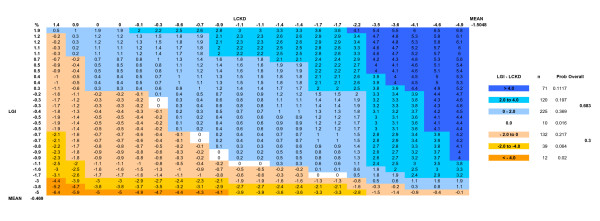
“300 for being in the LGID group (Figure 1) [26].”
Background
Research works printed but not linked: 2
- Vernon MC Eberstein JA Atkins diabetes revolution: the groundbreaking approach to preventing and controlling Type 2 diabetes 2004 New York, HarperCollins PMC535347 15535891
- Gallop R The GI diet 2003 New York, Workman Publishing Company, Inc
Cited by
Ketone bodies as signaling metabolites
Newman, J. C., & Verdin, E. (2014) · Trends in Endocrinology & Metabolism · doi:10.1016/j.tem.2013.09.002 · Cited by 966
Feinman, R. D., Pogozelski, W. K., Astrup, A., Bernstein, R. K., Fine, E. J., Westman, E. C., Accurso, A., Frassetto, L., Gower, B. A., McFarlane, S. I., et al. (2015) · Nutrition · doi:10.1016/j.nut.2014.06.011 · Cited by 912
“Coincidentally, at almost the same time, another study [6] carried out a comparison, under very similar conditions, of a low-GI diet with a VLCKD (<20 g/d carbohydrate).”
Self-citationAjala, O., English, P., & Pinkney, J. (2013) · The American Journal of Clinical Nutrition · doi:10.3945/ajcn.112.042457 · Cited by 821
“The 16 studies included in the quantitative analysis were RCTs with dietary interventions that ranged from 6 mo (30, 32, 34, 35, 42) to 4 y (36).”
BackgroundComparison of Weight Loss Among Named Diet Programs in Overweight and Obese Adults: A Meta-analysis
Johnston, B. C., Kanters, S., Bandayrel, K., Wu, P., Naji, F., Siemieniuk, R. A., Ball, G. D. C., Busse, J. W., Thorlund, K., Guyatt, G., et al. (2014) · JAMA · doi:10.1001/jama.2014.10397 · Cited by 704
Effect of diet on type 2 diabetes mellitus: a review
Khazrai, Y. M., Defeudis, G., & Pozzilli, P. (2014) · Diabetes/Metabolism Research and Reviews · doi:10.1002/dmrr.2515 · Cited by 626
Metadata
- Authors
- Westman, E. C., Yancy, W. S., Mavropoulos, J. C., Marquart, M., & McDuffie, J. R.
- Affiliations
- Duke Medical Center (US)
- Corresponding author
- Westman, Eric C
- Venue
- Nutrition & Metabolism
- Published
- 2008-12
- Volume
- 5
- Issue
- 1
- Pages
- 36-36
- ISSN
- 1743-7075 (ISSN-L)
- PMC
- PMC2633336
- OpenAlex
- W2169488941
- Cited by
- 475
- References
- 34
- Citations by year
- 2026: 10 · 2025: 20 · 2024: 52 · 2023: 28 · 2022: 45 · 2021: 37 · 2020: 47 · 2019: 34 · 2018: 35 · 2017: 24 · 2016: 20 · 2015: 25 · 2014: 19 · 2013: 15 · 2012: 18
- FWCI
- 10.41
- Type
- journal article
- Language
- en
- Open access
- gold
- doi.org
- Licence
- cc-by
- creativecommons.org/licenses/by/2.0 (tdm)
- Locations
- Nutrition & Metabolism (publishedVersion, cc-by)
- PubMed Central (publishedVersion, cc-by)
- PubMed (publishedVersion)
- DOAJ (DOAJ: Directory of Open Access Journals) (submittedVersion, cc-by-sa)
- Funders
- American Diabetes Association
- Topics
- Health Sciences › Medicine › Physiology (medical) › Diet and metabolism studies
- Health Sciences › Medicine › Endocrinology, Diabetes and Metabolism › Diabetes Management and Research
- Health Sciences › Medicine › Physiology (medical) › Dietary Effects on Health
- Keywords
- type 2 diabetes, low glycemic index diet, glycemic control, HbA1c, obesity, weight loss, insulin, diabetes medication reduction, HDL cholesterol, lifestyle modification, carbohydrate restriction
About these checks
Registry, retraction, Cites and statistics results are computed, not judged, with one exception: a printed reference that no index lists is read once by a model before it counts as a citation error. Claims are extracted by a model and kept only when their quote appears verbatim in the text; each cited source is then checked, with a model’s help, for whether it says what the claim relies on. Those verdicts can be wrong — read the claim’s quote and the cited source before relying on one.
Statistics and arithmetic are recomputed, not judged.
Confidence bands are shown only for fields calibrated on our annotated test set. None is calibrated yet, so no band is shown.
What counts as a claim ›How we measure confidence ›How we check this ›
Are you an author, or do you see a problem with this page? Request a review
Data sources
Bibliographic data: Semantic Scholar, OpenAlex, Crossref.
Contains information from the Semantic Scholar Academic Graph Datasets, made available under the ODC Attribution License (ODC-BY 1.0).
Semantic Scholar’s data is described in: Kinney, R., et al. (2023). The Semantic Scholar Open Data Platform. arXiv:2301.10140.
