

The DOI matches its Crossref record; 176 of the 177 references it cites were found in a registry or an index.
Role of carnitine in disease
Open accessAbstract
Carnitine is a conditionally essential nutrient that plays a vital role in energy production and fatty acid metabolism. Vegetarians possess a greater bioavailability than meat eaters. Distinct deficiencies arise either from genetic mutation of carnitine transporters or in association with other disorders such as liver or kidney disease. Carnitine deficiency occurs in aberrations of carnitine regulation in disorders such as diabetes, sepsis, cardiomyopathy, malnutrition, cirrhosis, endocrine disorders and with aging. Nutritional supplementation of L-carnitine, the biologically active form of carnitine, is ameliorative for uremic patients, and can improve nerve conduction, neuropathic pain and immune function in diabetes patients while it is life-saving for patients suffering primary carnitine deficiency. Clinical application of carnitine holds much promise in a range of neural disorders such as Alzheimer's disease, hepatic encephalopathy and other painful neuropathies. Topical application in dry eye offers osmoprotection and modulates immune and inflammatory responses. Carnitine has been recognized as a nutritional supplement in cardiovascular disease and there is increasing evidence that carnitine supplementation may be beneficial in treating obesity, improving glucose intolerance and total energy expenditure.
Overview
The claims and statistics of this paper haven’t been checked yet.
Run the check — free, no account needed. It reads the open-access text and checks the sources it cites.
Integrity signals
Registry
Cites
Statistics
Figures
Verification
Claims the paper makes
The claims and statistics of this paper haven’t been checked yet.
Run the check — free, no account needed. It reads the open-access text and checks the sources it cites.
Claims other papers make about this one
Each is checked against this paper’s own text: does it say what the citing paper says it does?
In the citing paper
“The bioavailability of L-carnitine in vegetarians (who are adapted to low-carnitine diets) was higher than in carnivores (42); therefore, less carnitine reaches the bacteria of the lower intestine in vegetarians.”
From Trimethylamine N -Oxide, the Microbiome, and Heart and Kidney Disease (2017) · cites this paper as [42]
In the citing paper
“Carnitine also can be synthesized endogenously from two essential amino acids, lysine and methionine (63).This occurs in kidney, liver, and brain (42).”
From Trimethylamine N -Oxide, the Microbiome, and Heart and Kidney Disease (2017) · cites this paper as [42]
In the citing paper
“Animal products like meat, fish, poultry, and milk (whey fraction) are highest in carnitine, whereas plants contain little carnitine (42).”
From Trimethylamine N -Oxide, the Microbiome, and Heart and Kidney Disease (2017) · cites this paper as [42]
Self-check
Percentages, sums and reported differences re-computed from the paper’s own numbers.
The self-check needs the paper’s full text.
Citations
Cites
Functional significance of cell volume regulatory mechanisms
LANG, F., BUSCH, G. L., RITTER, M., VÖLKL, H., WALDEGGER, S., GULBINS, E., & HÄUSSINGER, D. (1998) · Physiological Reviews · doi:10.1152/physrev.1998.78.1.247 · Cited by 1,891
Mutation nomenclature extensions and suggestions to describe complex mutations: A discussion
den Dunnen, J. T., & Antonarakis, S. E. (2000) · Human Mutation · doi:10.1002/(sici)1098-1004(200001)15:1 · Cited by 1,757
Watson, W. A., Litovitz, T. L., Rodgers, G. C., Klein‐Schwartz, W., Reid, N., Youniss, J., Flanagan, A., & Wruk, K. M. (2005) · The American Journal of Emergency Medicine · doi:10.1016/j.ajem.2005.05.001 · Cited by 1,147
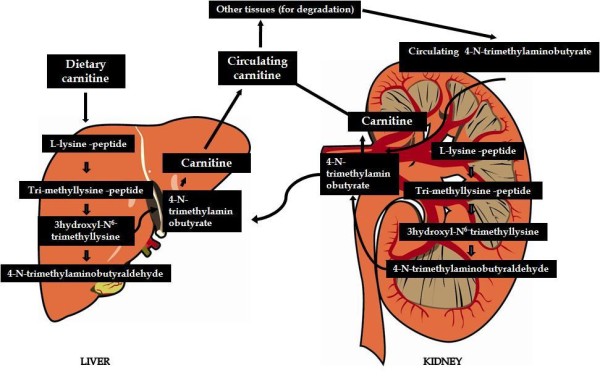
Carnitine biosynthesis in mammals
Vaz, F. M., & Wanders, R. J. A. (2002) · Biochemical Journal · doi:10.1042/0264-6021:3610417 · Cited by 769
Ramassamy, C. (2006) · European Journal of Pharmacology · doi:10.1016/j.ejphar.2006.06.025 · Cited by 687 · cited 1×
“Based on the evidence that heat-shock proteins (Hsps) can exert neuroprotective effects against oxidative stress-related injury and that nutritional antioxidants are able to upregulate Hsps in neurons, use of nutritional antioxidants such as carnitine/acetyl-L-carnitine has been advocated to counteract the oxidative s…”
BackgroundCentral Administration of Oleic Acid Inhibits Glucose Production and Food Intake
Obici, S., Feng, Z., Morgan, K., Stein, D., Karkanias, G., & Rossetti, L. (2002) · Diabetes · doi:10.2337/diabetes.51.2.271 · Cited by 654 · cited 1×
“There is some debate in the literature regarding whether satiety depends on the cytosolic concentration of long-chain fatty acids, with the suggestion that an increased concentration correlates with satiety and decreased feeding and body weight [77-80].”
BackgroundDeCarli, L. M., & Lieber, C. S. (1967) · Journal of Nutrition · doi:10.1093/jn/91.3_suppl.331 · Cited by 607 · cited 1×
“Chronic ingestion of alcohol is known to cause hepatic steatosis [69,70].”
BackgroundWatson, W. A., Litovitz, T. L., Klein‐Schwartz, W., et al. (2004) · The American Journal of Emergency Medicine · doi:10.1016/j.ajem.2004.06.001 · Cited by 571
Pflugfelder, S. C., Tseng, S. C. G., Sanabria, O., Kell, H. Y., Garcia, C. G., Felix, C., Feuer, W. J., & Reis, B. L. (1998) · Cornea · doi:10.1097/00003226-199801000-00007 · Cited by 559 · cited 1×
“Dry eye is a common disease of the ocular surface that is associated with corneal surface irregularity and blurred vision [155-158].”
BackgroundNezu, J., Tamai, I., Oku, A., Ohashi, R., Yabuuchi, H., Hashimoto, N., Nikaido, H., Sai, Y., Koizumi, A., Shoji, Y., et al. (1999) · Nature Genetics · doi:10.1038/5030 · Cited by 553 · cited 2×
“Several mutations have been described [21,22,25,26, 29 ,31-33].”
BackgroundObici, S., Feng, Z., Arduini, A., Conti, R., & Rossetti, L. (2003) · Nature Medicine · doi:10.1038/nm873 · Cited by 548 · cited 1×
“However, this is in contrast with other studies that found CPT-1 inhibition actually stimulated hypophagia [76,77] and weight loss [77].”
ResultCarnitine biosynthesis in mammals
Vaz, F. M., & Wanders, R. J. A. (2002) · Biochemical Journal · doi:10.1042/bj3610417 · Cited by 544
Liu, J., Head, E., Gharib, A., Yuan, W., Ingersoll, R. T., Hagen, T. M., Cotman, C. W., & Ames, B. N. (2002) · Proceedings of the National Academy of Sciences · doi:10.1073/pnas.261709299 · Cited by 504 · cited 2×
“ALCA, together with alpha-lipoic acid, was shown to improve mitochondrial energy metabolism and decrease oxidative stress leading to improved memory in aged rats [ 144 ,145].”
BackgroundMethodFatty Acid Oxidation Disorders
Rinaldo, P., Matern, D., & Bennett, M. J. (2002) · Annual Review of Physiology · doi:10.1146/annurev.physiol.64.082201.154705 · Cited by 483 · cited 2×
“Patients with secondary carnitine deficiency accumulate organic acids which causes enhanced urinary excretion of carnitine in the form of acyl-carnitines [36,37].”
BackgroundMuscle Carnitine Palmityltransferase Deficiency and Myoglobinuria
DiMauro, S., & DiMauro, P. M. M. (1973) · Science · doi:10.1126/science.182.4115.929 · Cited by 479 · cited 1×
“This deficiency is often triggered by heavy exercise, and can also manifest as a result of exposure to cold, infection, emotional distress, and/or fasting [132].”
BackgroundImpaired functional visual acuity of dry eye patients
Goto, E., Yagi, Y., Matsumoto, Y., & Tsubota, K. (2002) · American Journal of Ophthalmology · doi:10.1016/s0002-9394(01)01365-4 · Cited by 428 · cited 1×
“Dry eye is a common disease of the ocular surface that is associated with corneal surface irregularity and blurred vision [155-158].”
BackgroundKinetics, Pharmacokinetics, and Regulation of l‐Carnitine and Acetyl‐l‐carnitine Metabolism
Rebouche, C. J. (2004) · Annals of the New York Academy of Sciences · doi:10.1196/annals.1320.003 · Cited by 426 · cited 3×
“Bioavailability of oral carnitine dietary supplements is only in the order of 14 to 18% of dose and unabsorbed L-carnitine is mostly degraded by micoorganisims in the large intestine [3].”
BackgroundInfluentialCARNITINE METABOLISM AND ITS REGULATION IN MICROORGANISMS AND MAMMALS
Rebouche, C. J., & Seim, H. (1998) · Annual Review of Nutrition · doi:10.1146/annurev.nutr.18.1.39 · Cited by 362 · cited 3×
“Acetyl-L-carnitine is the principal acylcarnitine ester [12].”
BackgroundInfluentialMitochondrial DNA repair and aging
Mandavilli, B. S., Santos, J. H., & Houten, B. V. (2002) · Mutation research. Fundamental and molecular mechanisms of mutagenesis · doi:10.1016/s0027-5107(02)00220-8 · Cited by 345 · cited 1×
“Adverse effects of aging are, in part, attributed to decreases in mitochondrial function and increases mitochondrial oxidant production [141].”
BackgroundCarnitine function and requirements during the life cycle
Rebouche, C. J. (1992) · The FASEB Journal · doi:10.1096/fasebj.6.15.1464372 · Cited by 337 · cited 1×
“The pathway in mammals is unique using protein-bound lysine that is enzymatically methylated to form trimethyllysine as a post-translational modification of protein synthesis [6].”
BackgroundGlutaric aciduria; A “new” disorder of amino acid metabolism
Goodman, S. I., Markey, S. P., Moe, P. G., Miles, B. S., & Teng, C. C. (1975) · Biochemical Medicine · doi:10.1016/0006-2944(75)90091-5 · Cited by 334 · cited 1×
“Glutaryl-CoA dehydrogenase (GCDH) deficiency is an inborn error of lysine and tryptophan metabolism that results in increased formation and excretion of glutaric acid (GA), 3-hydroxyglutaric acid (3-OH-GA), glutaconic acid and glutarylcarnitine [82].”
BackgroundType I glutaric aciduria, part 1: Natural history of 77 patients
Strauss, K. A., Puffenberger, E. G., Robinson, D. L., & Morton, D. H. (2003) · American Journal of Medical Genetics Part C Seminars in Medical Genetics · doi:10.1002/ajmg.c.20007 · Cited by 325 · cited 1×
“GCDH can be controlled nutritionally and supplementation includes L-carnitine to avoid secondary carnitine depletion [84-87].”
BackgroundDry Eye–Induced Conjunctival Epithelial Squamous Metaplasia Is Modulated by Interferon-γ
de Paiva, C. S., Villarreal, A., Corrales, R. M., Rahman, H., Chang, V. Y., Farley, W. J., Stern, M. E., Niederkorn, J. Y., Li, D.-Q., & Pflugfelder, S. C. (2007) · Investigative Ophthalmology & Visual Science · doi:10.1167/iovs.07-0069 · Cited by 319 · cited 1×
“Dry eye is a common disease of the ocular surface that is associated with corneal surface irregularity and blurred vision [155-158].”
BackgroundHagen, T. M., Liu, J., Lykkesfeldt, J., Wehr, C. M., Ingersoll, R. T., Vinarsky, V., Bartholomew, J. C., & Ames, B. N. (2002) · Proceedings of the National Academy of Sciences · doi:10.1073/pnas.261708898 · Cited by 313 · cited 1×
“ALCA, together with alpha-lipoic acid, was shown to improve mitochondrial energy metabolism and decrease oxidative stress leading to improved memory in aged rats [144,145].”
BackgroundLitovitz, T. L., Felberg, L., White, S. R., & Klein‐Schwartz, W. (1996) · The American Journal of Emergency Medicine · doi:10.1016/s0735-6757(96)90160-6 · Cited by 309
Mole, S., Williams, R. E., & Goebel, H. H. (2005) · Neurogenetics · doi:10.1007/s10048-005-0218-3 · Cited by 307 · cited 4×
“The authors discuss whether CNS injection of the drug versus systemic treatment may play an important role in the overall effect.”
BackgroundInfluentialPettegrew, J. W., Levine, J., & McClure, R. J. (2000) · Molecular Psychiatry · doi:10.1038/sj.mp.4000805 · Cited by 304
Sima, A. A. F., Bril, V., Nathaniel, V., McEwen, T. A. J., Brown, M. B., Lattimer, S. A., & Greene, D. A. (1988) · New England Journal of Medicine · doi:10.1056/nejm198809013190905 · Cited by 293 · cited 1×
“As the disease progresses however it becomes increasingly nonresponsive to therapeutic interventions [92,93].”
BackgroundHagen, T. M., Ingersoll, R. T., Wehr, C. M., Lykkesfeldt, J., Vinarsky, V., Bartholomew, J. C., Song, M. H., & Ames, B. N. (1998) · Proceedings of the National Academy of Sciences · doi:10.1073/pnas.95.16.9562 · Cited by 252 · cited 1×
“Acetyl-L-carnitine (ALCA) fed to aged rats was shown to reverse age-related declines in tissue L-carnitine levels and also reversed a number of age-related changes in liver mitochondrial function; however, high doses of ALCA increased liver mitochondrial oxidant production [ 143 ].”
BackgroundTherapeutic Effects of l‐Carnitine and Propionyl‐l‐carnitine on Cardiovascular Diseases: A Review
Ferrari, R., Merli, E., Cicchitelli, G., Mele, D., Fucili, A., & Ceconi, C. (2004) · Annals of the New York Academy of Sciences · doi:10.1196/annals.1320.007 · Cited by 251 · cited 2×
“In ischemia, L-carnitine reduces myocardial injury mainly through improving carbohydrate metabolism and by reducing the toxicity of high free fatty acid levels [124].”
BackgroundIMPROVEMENT IN NERVE CONDUCTION FOLLOWING TREATMENT IN NEWLY DIAGNOSED DIABETICS
Ward, J. D., Fisher, D., Barnes, C. G., Jessop, J. D., & Baker, R. W. R. (1971) · The Lancet · doi:10.1016/s0140-6736(71)92415-9 · Cited by 235 · cited 1×
“In both experimental models and human diabetic subjects, there is an initial metabolic phase that is responsive to metabolic corrections [90,91].”
BackgroundMolecular disruption of hypothalamic nutrient sensing induces obesity
He, W., Lam, T. K. T., Obici, S., & Rossetti, L. (2006) · Nature Neuroscience · doi:10.1038/nn1626 · Cited by 233 · cited 1×
“There is some debate in the literature regarding whether satiety depends on the cytosolic concentration of long-chain fatty acids, with the suggestion that an increased concentration correlates with satiety and decreased feeding and body weight [77-80].”
BackgroundCarnitine Deficiency Disorders in Children
Stanley, C. A. (2004) · Annals of the New York Academy of Sciences · doi:10.1196/annals.1320.004 · Cited by 233 · cited 4×
“Conclusion Carnitine as a nutritional supplement has, since the 1960s, been promoted as beneficial in a number of disorders of human carnitine deficiency of impaired fatty acid oxidation, suggesting that nutritional or pharmacologic supplements of carnitine might be beneficial in some disorders [168].”
BackgroundInfluentialDiseases caused by defects of mitochondrial carriers: A review
Palmieri, F. (2008) · Biochimica et Biophysica Acta (BBA) - Bioenergetics · doi:10.1016/j.bbabio.2008.03.008 · Cited by 229 · cited 3×
“The heart is one of the organs most affected in carnitine-acylcarnitine carrier (CAC) deficiency [120].”
BackgroundInfluentialRestoration of hypothalamic lipid sensing normalizes energy and glucose homeostasis in overfed rats
Pocai, A. (2006) · Journal of Clinical Investigation · doi:10.1172/jci26640 · Cited by 211 · cited 2×
“There is some debate in the literature regarding whether satiety depends on the cytosolic concentration of long-chain fatty acids, with the suggestion that an increased concentration correlates with satiety and decreased feeding and body weight [77-80].”
BackgroundResultSweetman, L., Nyhan, W. L., Trauner, D. A., Merritt, T. A., & Singh, M. (1980) · The Journal of Pediatrics · doi:10.1016/s0022-3476(80)80629-9 · Cited by 211
Metabolic response to injury and sepsis: changes in protein metabolism
Biolo, G., Toigo, G., Ciocchi, B., Situlin, R., Iscra, F., Gullo, A., & Guarnieri, G. (1997) · Nutrition · doi:10.1016/s0899-9007(97)83044-4 · Cited by 203 · cited 3×
“Carnitine has been trialed in cases of sepsis and found to retard protein loss without affecting protein metabolism in target tissues [94].”
BackgroundInfluentialMutations in the organic cation/carnitine transporter OCTN2 in primary carnitine deficiency
Wang, Y., Ye, J., Ganapathy, V., & Longo, N. (1999) · Proceedings of the National Academy of Sciences · doi:10.1073/pnas.96.5.2356 · Cited by 194 · cited 3×
“Several mutations have been described [21,22,25,26,29,31-33].”
BackgroundPrimary and Secondary Carnitine Deficiency Syndromes
Pons, R. M., & Vivo, D. C. D. (1995) · Journal of Child Neurology · doi:10.1177/0883073895010002s03 · Cited by 193 · cited 2×
“As opposed to PCD, SCD occurs due to, or in association with, other disorders such as liver or kidney disease, defects in fatty acid metabolism, or administration of pharmacological agents such as pivampicillin or valproic acid (discussed below) [27,41,42].”
BackgroundObesity, Inflammation, and the Potential Application of Pharmaconutrition
Cave, M. C., Hurt, R. T., Frazier, T. H., Matheson, P. J., Garrison, R. N., McClain, C. J., & McClave, S. A. (2008) · Nutrition in Clinical Practice · doi:10.1177/011542650802300116 · Cited by 192
Effect of l -carnitine treatment for valproate-induced hepatotoxicity
Bohan, T. P., Helton, E. D., McDonald, I., König, S. A., Gazitt, S., Sugimoto, T., Scheffner, D., Cusmano, L., Li, S., & Koch, G. G. (2001) · Neurology · doi:10.1212/wnl.56.10.1405 · Cited by 188
Deficiency of carnitine in cachectic cirrhotic patients.
Rudman, D., Sewell, C., & Ansley, J. (1977) · Journal of Clinical Investigation · doi:10.1172/jci108824 · Cited by 179 · cited 2×
“The most likely reason for incapacity to synthesize carnitine from lysine and methionine is inability to convert γ-butyrobetaine to carnitine [68].”
BackgroundKoizumi, A., Nozaki, J.-N., Ohura, T., TsuyoshiKayo, Wada, Y., Nezu, J., Ohashi, R., Tamai, I., Shoji, Y., Takada, G., et al. (1999) · Human Molecular Genetics · doi:10.1093/hmg/8.12.2247 · Cited by 179 · cited 1×
“PCD occurs in 1-5 per 10, 000 population and most commonly manifests between ages 1-7 [28,29].”
BackgroundLheureux (2005) · doi:10.1186/cc3742 · Cited by 176 · cited 4×
“L-carnitine therapy could also be valuable in those patients who develop VPA-induced hepatotoxicity or VPA-induced hyperammonaemic encephalopathy [133].”
BackgroundInfluentialTaurine: An overview of its role in preventive medicine
Kendler, B. S. (1989) · Preventive Medicine · doi:10.1016/0091-7435(89)90056-x · Cited by 167 · cited 9×
“Ascorbic acid, ferrous iron, pyroxidine and niacin are also necessary cofactors [1] and deficiencies of any of these can lead to carnitine deficiency.”
BackgroundInfluentialIliceto, S., Scrutinio, D., Bruzzi, P., DʼAmbrosio, G., Boni, L., Biase, M. D., Biasco, G., Hugenholtz, P. G., & Rizzon, P. (1995) · Journal of the American College of Cardiology · doi:10.1016/0735-1097(95)80010-e · Cited by 165 · cited 2×
“In patients with chronic heart disease, administration of L-carnitine over 12 months led to attenuation of left ventricular dilatation and prevented ventricular remodeling while reducing incidence of chronic heart failure and death [125].”
BackgroundNatural antioxidants in Alzheimer's disease
Mancuso, C., Bates, T. E., Butterfield, D. A., Calafato, S., Cornelius, C., LORENZO, A. D., Dinkova‐Kostova, A. T., & Calabrese, V. (2007) · Expert Opinion on Investigational Drugs · doi:10.1517/13543784.16.12.1921 · Cited by 161 · cited 1×
“have suggested that there may be mechanisms beyond antioxidant activities playing a neuroprotective role [118].”
BackgroundCarnitine Metabolism and Deficiency Syndromes
Rebouche, C. J., & Engel, A. G. (1983) · Mayo Clinic Proceedings · doi:10.1016/s0025-6196(25)18819-8 · Cited by 157 · cited 1×
“There have been reported at least 15 syndromes in which carnitine deficiency seems to be secondary to genetic defects of intermediary metabolism or to other conditions [40].”
BackgroundMetabolic Response to Injury and Sepsis: Changes in Protein Metabolism
Biolo, G. (1997) · Nutrition · doi:10.1016/s0899-9007(97)00206-2 · Cited by 157
Tang, N. L. S., Ganapathy, V., Wu, X., Hui, J., Seth, P., Yuen, P. M. P., Fok, T. F., & Hjelm, N. M. (1999) · Human Molecular Genetics · doi:10.1093/hmg/8.4.655 · Cited by 153 · cited 1×
“Several mutations have been described [21,22,25,26,29,31-33].”
Rebouche, C. J., & Chenard, C. A. (1991) · Journal of Nutrition · doi:10.1093/jn/121.4.539 · Cited by 147 · cited 2×
“Bioavailability of L-carnitine in individuals such as vegetarians who are adapted to low-carnitine diets is higher (66% to 86% of available carnitine) than regular red-meat eaters adapted to high-carnitine diets (54% to 72% of available carnitine) [4].”
BackgroundMulticenter Case Series of Valproic Acid Ingestion: Serum Concentrations and Toxicity
Spiller, H. A., Spiller, H. A., Krenzelok, E. P., Klein‐Schwartz, W., Winter, M. L., Weber, J. A., Sollee, D. R., & Bangh, S. A. (2000) · Journal of Toxicology Clinical Toxicology · doi:10.1081/clt-100102388 · Cited by 144 · cited 1×
“VPA is used to treat psychiatric disorders and as such there is an association with accidental or deliberate overdose, the incidence of which is increasing [135,136].”
BackgroundCarnitine status of lactoovovegetarians and strict vegetarian adults and children
Lombard, K. A., Olson, A. L., Nelson, S. E., & Rebouche, C. J. (1989) · The American Journal of Clinical Nutrition · doi:10.1093/ajcn/50.2.301 · Cited by 142 · cited 1×
“2 μmol/kg of body weight/day [7].”
Severe Hepatotoxicity During Valproate Therapy: An Update and Report of Eight New Fatalities
König, A. S., Siemes, H., Bläker, F., Boenigk, E., Gross-Selbeck, G., Hanefeld, F. A., Haas, N., Köhler, B., Koelfen, W., Korinthenberg, R., et al. (1994) · Epilepsia · doi:10.1111/j.1528-1157.1994.tb02546.x · Cited by 136 · cited 1×
“Benefits of oral L-carnitine in relation to VPA-associated deficiency and related adverse effects have been reported [137-139].”
BackgroundMuscle Carnitine Palmitoyltransferase II Deficiency
Deschauer, M., Wieser, T., & Zierz, S. (2005) · Archives of Neurology · doi:10.1001/archneur.62.1.37 · Cited by 133 · cited 1×
“Myoglobinuria, the traditional hallmark of this disease was not present in 21% patients in one study [48].”
BackgroundLandree, L. E., Hanlon, A. L., Strong, D. W., Rumbaugh, G., Miller, I. M., Thupari, J. N., Connolly, E. C., Huganir, R. L., Richardson, C. A., Witters, L. A., et al. (2004) · Journal of Biological Chemistry · doi:10.1074/jbc.m310991200 · Cited by 133 · cited 1×
“There is some debate in the literature regarding whether satiety depends on the cytosolic concentration of long-chain fatty acids, with the suggestion that an increased concentration correlates with satiety and decreased feeding and body weight [ 77-80 ].”
BackgroundEffects of Osmoprotectants on Hyperosmolar Stress in Cultured Human Corneal Epithelial Cells
Corrales, R. M., Luo, L., Chang, E. Y., & Pflugfelder, S. C. (2008) · Cornea · doi:10.1097/ico.0b013e318165b19e · Cited by 132 · cited 4×
“Increased tear osmolarity in dry eye disease has been found to stimulate production of inflammatory cytokines and matrix metalloproteinases by ocular surface epithelial cells [155].”
BackgroundInfluentialAlcohol and its Relation to Liver Damage
Klatskin, G. (1961) · Gastroenterology · doi:10.1016/s0016-5085(19)35088-7 · Cited by 132 · cited 1×
“Chronic ingestion of alcohol is known to cause hepatic steatosis [69,70].”
BackgroundCarnitine and its derivatives in cardiovascular disease
Arsenian, M. A. (1997) · Progress in Cardiovascular Diseases · doi:10.1016/s0033-0620(97)80037-0 · Cited by 123 · cited 1×
“L-carnitine has been shown to have favorable effects in patients with severe cardiovascular disorders, such as coronary heart disease, chronic heart failure and peripheral vascular disease [123-125].”
BackgroundDiagnosis and management of glutaric aciduria type I
Barić, I., Zschocke, J., Christensen, E., Durán, M., Goodman, S. I., Leonard, J. V., Müller, E., Morton, D. H., Superti‐Furga, A., & Hoffmann, G. F. (1998) · Journal of Inherited Metabolic Disease · doi:10.1023/a:1005390105171 · Cited by 122 · cited 1×
“GCDH can be controlled nutritionally and supplementation includes L-carnitine to avoid secondary carnitine depletion [84-87].”
BackgroundHuman Tear Film Electrolyte Concentrations in Health and Dry-Eye Disease
Gilbard, J. P. (1994) · International Ophthalmology Clinics · doi:10.1097/00004397-199403410-00005 · Cited by 122 · cited 1×
“Tears of patients with dry eye show significantly increased osmolarity, with a mean value of 343 mOsm compared with 302 mOsm in healthy controls [162].”
BackgroundPathomechanisms of neurodegeneration in glutaryl‐CoA dehydrogenase deficiency
Kölker, S., Koeller, D. M., Okun, J. G., & Hoffmann, G. F. (2003) · Annals of Neurology · doi:10.1002/ana.10784 · Cited by 121 · cited 1×
“Secondary carnitine depletion due to increased formation and urinary excretion of glutarylcarnitine is suggested to play an important role in the neuropathogenesis of GCDH deficiency, inducing excitotoxic neuronal damage and mitochondrial dysfunction [83].”
BackgroundYamazaki, N., Shinohara, Y., Shima, A., Yamanaka, Y., & Terada, H. (1996) · Biochimica et Biophysica Acta (BBA) - Gene Structure and Expression · doi:10.1016/0167-4781(96)00069-3 · Cited by 119 · cited 1×
“The nucleotide sequences of cDNA and genomic DNA encoding human CPTI have been characterized [45,46].”
MethodInhibitory Effects of Alcohol on Intestinal Amino Acid Transport in vivo and in vitro
Israel, Y., Salazar, I., & Rosenmann, E. (1968) · Journal of Nutrition · doi:10.1093/jn/96.4.499 · Cited by 117 · cited 1×
“It is known that dietary absorption of amino acids is impaired by ethanol so this could also contribute to carnitine deficiency overall [73].”
BackgroundAl‐Majed, A. A., Sayed‐Ahmed, M. M., Al‐Yahya, A. A., Aleisa, A. M., Al-Rejaie, S. S., & Al‐Shabanah, O. A. (2006) · Pharmacological Research · doi:10.1016/j.phrs.2005.12.005 · Cited by 115 · cited 1×
“Al-Majed and colleagues [ 140 ] found that carnitine deficiency and oxidative stress are risk factors during development of cisplatin (CDDP)-induced cardiomyopathy and that carnitine supplementation, using propionyll-carnitine, prevents the progression of CDDP-induced”
BackgroundCarnitine Palmitoyltransferase II Deficiency: A Clinical, Biochemical, and Molecular Review
Sigauke, E., Rakheja, D., Kitson, K., & Bennett, M. J. (2003) · Laboratory Investigation · doi:10.1097/01.lab.0000098428.51765.83 · Cited by 111 · cited 2×
“The perinatal disease is the most severe form and is invariably fatal [34].”
BackgroundWinter, S. C. (1987) · American journal of diseases of children · doi:10.1001/archpedi.1987.04460060076039 · Cited by 106 · cited 1×
“Finally, incremental growth was seen in 22 of 33 carnitine-administered patients who presented with failure to thrive [110] and this was attributed to the role of carnitine as a muscle growth factor.”
BackgroundAcetyl-l-Carnitine Treatment in Minimal Hepatic Encephalopathy
Malaguarnera, M., Gargante, M. P., Cristaldi, E., Vacante, M., Risino, C., Cammalleri, L., Pennisi, G., & Rampello, L. (2008) · Digestive Diseases and Sciences · doi:10.1007/s10620-008-0238-6 · Cited by 105 · cited 2×
“Minimal hepatic encephalopathy (MHE) is a serious and common complication that occurs in the majority of cirrhotic patients [ 59 ].”
BackgroundEffects of L-carnitine in patients with hepatic encephalopathy
Malaguarnera, M. (2005) · World Journal of Gastroenterology · doi:10.3748/wjg.v11.i45.7197 · Cited by 103 · cited 2×
“One suggested mechanism of carnitine action is its reduction of serum ammonia levels leading to improved psychometric measures [63-65].”
BackgroundResultCurrent status of genetics research in inflammatory bowel disease
Vermeire, S., & Rutgeerts, P. (2005) · Genes and Immunity · doi:10.1038/sj.gene.6364257 · Cited by 102 · cited 3×
“Carnitine transporter mutations in Crohn's disease consists of missense mutation(s) in the gene coding plasma membrane transporter OCTN1 (SLC22A4) and/ or mutation(s) in the promoter of the gene encoding OCTN2 (SLC22A5) [14,35].”
BackgroundCarnitine deficiency syndromes
Breningstall, G. N. (1990) · Pediatric Neurology · doi:10.1016/0887-8994(90)90037-2 · Cited by 101 · cited 1×
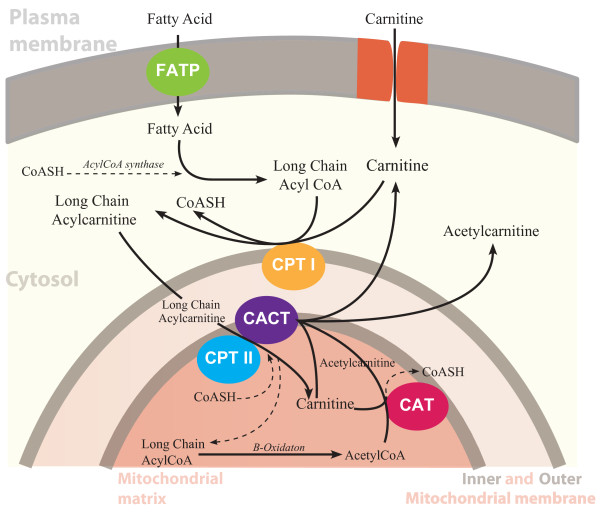
“Uptake in skeletal and cardiac muscle is a saturable active transport process against a concentration gradient [ 16 ].”
BackgroundTyni, T. A., Kivelä, T., Lappi, M., Summanen, P. A., Nikoskelainen, E. K., & Pihko, H. S. (1998) · Ophthalmology · doi:10.1016/s0161-6420(98)95019-9 · Cited by 101 · cited 1×
“Chorioretinopathy emerges during early childhood as granular pigmentation of the central fundus with or without pigment clumping which may progress to chorioretinal atrophy, high myopia, posterior staphyloma and low vision [165].”
BackgroundAge-dependent decrease of carnitine content in muscle of mice and humans
Costell, M., O’Connor, J., & Grisolı́a, S. (1989) · Biochemical and Biophysical Research Communications · doi:10.1016/0006-291x(89)91360-0 · Cited by 100 · cited 1×
“L-carnitine levels in tissues have been found to decline with age [142].”
BackgroundAmeliorating effects of carnitine and its precursors on alcohol-induced fatty liver
Sachan, D. S., Rhew, T. H., & Ruark, R. A. (1984) · American Journal of Clinical Nutrition · doi:10.1093/ajcn/39.5.738 · Cited by 99 · cited 4×
“Supplementation of the diet with lysine can restore carnitine levels, however, there appeared to be impairment of carnitine biosynthesis in ethanol-compromised livers in the rat study [71].”
BackgroundInfluentialValproate (VPA) Metabolites in Various Clinical Conditions of Probable VPA‐Associated Hepatotoxicity
Siemes, H., Nau, H., Schultze, K. D., Wittfoht, W., Drews, E., Penzien, J. M., & Seidel, U. (1993) · Epilepsia · doi:10.1111/j.1528-1157.1993.tb02419.x · Cited by 98 · cited 1×
“Benefits of oral L-carnitine in relation to VPA-associated deficiency and related adverse effects have been reported [137-139].”
BackgroundCurrent concepts in carnitine research
Carter, A. L. (1992) · Cited by 97
L‐Carnitine in Dialysis Patients
Ahmad, S. (2001) · Seminars in Dialysis · doi:10.1046/j.1525-139x.2001.00055.x · Cited by 96 · cited 5×
“Impairment of excretion of AC occurs with deteriorating renal function leading to decreased carnitine clearance and resulting in elevated plasma levels of carnitine [13].”
BackgroundInfluentialCarnitine Abnormalities in Patients with Renal Insufficiency
Wanner, C., & Hörl, W. H. (2008) · The Nephron journals/Nephron journals · doi:10.1159/000185137 · Cited by 94
Miguel‐Carrasco, J. L., Mate, A., Monserrat-García, M. T., Arias, J. L., Aramburu, Ó., & Vázquez, C. M. (2008) · American Journal of Hypertension · doi:10.1038/ajh.2008.271 · Cited by 90 · cited 1×
“[121] demonstrated in a rat model that chronic administration of LC reduces blood pressure and attenuates the inflammatory process associated with arterial hypertension.”
BackgroundPrimary and secondary alterations of neonatal carnitine metabolism
Scaglia, F., & Longo, N. (1999) · Seminars in Perinatology · doi:10.1016/s0146-0005(99)80047-0 · Cited by 89 · cited 1×
“Secondary carnitine deficiency can be caused by increased losses, pharmacological therapy, a number of inherited metabolic disorders [38], poor diet or malabsorption of carnitine, from increased renal tubular loss of free carnitine (Fanconi syndrome), haemodialysis, peritoneal dialysis, or the increased excretion of a…”
BackgroundTrumbeckaitė, S., Opalka, J. R., Neuhof, C., Zierz, S., & Gellerich, F. N. (2001) · European Journal of Biochemistry · doi:10.1046/j.1432-1327.2001.02012.x · Cited by 89 · cited 1×
“It has been further suggested that carnitine deficiency might negatively impact cardiac function which might in turn, further contribute to the outcome of patients suffering sepsis [97-99].”
BackgroundSeth, P., Wu, X., Huang, W. Y., Leibach, F. H., & Ganapathy, V. (1999) · Journal of Biological Chemistry · doi:10.1074/jbc.274.47.33388 · Cited by 85 · cited 1×
“Several mutations have been described [21,22,25,26,29,31-33].”
Bellinghieri, G., Santoro, D., Calvani, M., Mallamace, A., & Savica, V. (2003) · American Journal of Kidney Diseases · doi:10.1053/ajkd.2003.50099 · Cited by 85 · cited 1×
“Plasma concentration of free carnitine is in dynamic balance with acylcarnitines with the acyl to fee carnitine ration of ≤ 0.4 being considered normal [ 11 ].”
MethodInfluentialGillingham, M. B., van Calcar, S., Ney, D. M., Wolff, J. A., & Harding, C. (1999) · Journal of Inherited Metabolic Disease · doi:10.1023/a:1005437616934 · Cited by 84 · cited 1×
“However the dietary impact is controversial [166].”
Scholte, H. R., Pereira, R. R., Jonge, P. C. D., Luyt‐Houwen, I. E. M., Hedwig, M., Verduin, M., & Ross, J. D. M. (1990) · PubMed · Cited by 81
Famularo, G., Simone, C. D., Trinchieri, V., & Mosca, L. N. (2004) · Annals of the New York Academy of Sciences · doi:10.1196/annals.1320.012 · Cited by 78 · cited 4×
“There has even been suggestion that maintenance of normal carnitine levels might inhibit muscle wasting, hepatic lipogenesis, hypertriglycerdemia and decreased fatty acid oxidation that are seen in sepsis [ 95 ].”
BackgroundInfluentialCarnitine: An overview of its role in preventive medicine
Kendler, B. S. (1986) · Preventive Medicine · doi:10.1016/0091-7435(86)90005-8 · Cited by 74 · cited 9×
“Ascorbic acid, ferrous iron, pyroxidine and niacin are also necessary cofactors [1] and deficiencies of any of these can lead to carnitine deficiency.”
BackgroundInfluentialClinical and biochemical features of fatty acid oxidation disorders
Rinaldo, P., Raymond, K., Al‐Odaib, A., & Bennett, M. J. (1998) · Current Opinion in Pediatrics · doi:10.1097/00008480-199810060-00014 · Cited by 73 · cited 2×
“Patients with secondary carnitine deficiency accumulate organic acids which causes enhanced urinary excretion of carnitine in the form of acyl-carnitines [36,37].”
BackgroundAdamek, G., Felix, R., Guenther, H. L., & Fleisch, H. A. (1987) · Biochemical Journal · doi:10.1042/bj2480129 · Cited by 72 · cited 1×
“It has been shown that cells of the osteoblastic lineage generate 40-80% of their energy demands through fatty acid oxidation [153].”
BackgroundHistory of L-carnitine: Implications for renal disease
Matera, M., Bellinghieri, G., Costantino, G., Santoro, D., Calvani, M., & Savica, V. (2003) · Journal of Renal Nutrition · doi:10.1053/jren.2003.50010 · Cited by 71 · cited 2×
“L-Carnitine supplementation an lead to improvements in several complications seen in uremic patients, including cardiac complications, impaired exercise and functional capacities, muscle symptoms, increased symptomatic intradialytic hypotension, and erythropoietin-resistant anemia through normalizing the reduced carni…”
BackgroundSrinivas, S. R., Prasad, P. D., Umapathy, N. S., Ganapathy, V., & Shekhawat, P. (2007) · American Journal of Physiology-Gastrointestinal and Liver Physiology · doi:10.1152/ajpgi.00233.2007 · Cited by 69 · cited 4×
“Carnitine transporter mutations in Crohn's disease consists of missense mutation(s) in the gene coding plasma membrane transporter OCTN1 (SLC22A4) and/ or mutation(s) in the promoter of the gene encoding OCTN2 (SLC22A5) [14,35].”
BackgroundInfluentialCederbaum, S. D., Koo-McCoy, S., Tein, I., Hsu, B. Y. L., Ganguly, A. A., Vilain, E. J. N., Dipple, K. M., Cvitanović-Šojat, L., & Stanley, C. A. (2002) · Molecular Genetics and Metabolism · doi:10.1016/s1096-7192(02)00169-5 · Cited by 68 · cited 1×
“Due to defective renal absorption (free) carnitine is excreted in the urine of patients with primary deficiency and can result in tissue carnitine levels dropping to below 10% of normal [14,22,24-26].”
BackgroundBurwinkel, B., Kreuder, J. G., Schweitzer, S., Vorgerd, M., Gempel, K. E., Gerbitz, K.-D., & Kilimann, M. W. (1999) · Biochemical and Biophysical Research Communications · doi:10.1006/bbrc.1999.1060 · Cited by 68 · cited 2×
“Several mutations have been described [21,22,25,26,29,31-33].”
BackgroundTherrien, G., Rose, C. F., Butterworth, J., & Butterworth, R. F. (1997) · Hepatology · doi:10.1002/hep.510250310 · Cited by 66 · cited 2×
“There is a strong correlation between hepatic encephalopathy and abnormal ammonia handling, and ALC has been shown to induce ureagenesis leading to decreased blood and brain ammonia levels [ 60 ].”
BackgroundResultMitochondrial nutrients improve immune dysfunction in the type 2 diabetic Goto‐Kakizaki rats
Hao, J., Shen, W., Tian, C., Liu, Z., Ren, J., Luo, C. Y., Long, J., Sharman, E. H., & Liu, J. (2008) · Journal of Cellular and Molecular Medicine · doi:10.1111/j.1582-4934.2008.00342.x · Cited by 66 · cited 2×
“Administration of a combination of mitochondrial targeting nutrients, including carnitine, suggested carnitine may be effective in improving immune function in type 2 diabetes through enhancement of mitochondrial function, decreased oxidative damage, and delayed cell death in the immune organs and blood [81].”
BackgroundVALPROIC ACID ASSOCIATED ABNORMALITIES OF CARNITINE METABOLISM
Murphy, J., Marquardt, K. M., & Shug, A. (1985) · The Lancet · doi:10.1016/s0140-6736(85)91481-3 · Cited by 64 · cited 8×
“Siemes H, Nau H, Schultze K, Wittfoht W, Drews E, Penzien J, Seidel U: Valproate (VPA) metabolites in various clinical conditions of probable VPA-associated hepatotoxicity.”
BackgroundInfluentialSingh, R. B., Niaz, M. A., Agarwal, P., Beegum, R., Rastogi, S. S., & Sachan, D. S. (1996) · Postgraduate Medical Journal · doi:10.1136/pgmj.72.843.45 · Cited by 63 · cited 2×
“Xue and colleagues suggest that the beneficial effects of L-carnitine in cardiovascular disease are due to the resumption of normal oxidative metabolism and restoration of myocardial energy reserves [ 128 ,129].”
BackgroundCarnitine Replacement in End‐Stage Renal Disease and Hemodialysis
Calvani, M., Benatti, P., Mancinelli, A., D'Iddio, S., Giordano, V., Koverech, A., Amato, A., & Brass, E. P. (2004) · Annals of the New York Academy of Sciences · doi:10.1196/annals.1320.005 · Cited by 63
PPARα agonists up-regulate organic cation transporters in rat liver cells
Luci, S., Geißler, S., König, B., Koch, A. H., Stangl, G. I., Hirche, F., & Eder, K. (2006) · Biochemical and Biophysical Research Communications · doi:10.1016/j.bbrc.2006.09.099 · Cited by 62 · cited 3×
“Experiments with fasted and calorie-restricted rats showed increased mRNA concentrations of acyl-CoA and CPT-1 in the liver, heart and kidneys compared to control animals due to upregulation of PPARα [111].”
BackgroundMaccari, F., Arseni, A., Chiodi, P., Ramacci, M. T., & Angelucci, L. (1990) · Experimental Gerontology · doi:10.1016/0531-5565(90)90043-2 · Cited by 62 · cited 1×
“Carnitine levels decrease with age [151].”
Węsierska‐Gądek, J., & Schmid, G. (2000) · Journal of Cellular Biochemistry · doi:10.1002/1097-4644(20010101)80:1 · Cited by 62
Khan, L., & Bamji, M. S. (1977) · Clinica Chimica Acta · doi:10.1016/0009-8981(77)90513-7 · Cited by 61 · cited 1×
“Malnutrition, fasting and vegetarianism Reduced plasma carnitine levels have been noted in malnourished children [ 106 ] and adults [107].”
BackgroundPrevention of cerebral palsy in glutaric aciduria type 1 by dietary management
Monavari, A. A. (2000) · Archives of Disease in Childhood · doi:10.1136/adc.82.1.67 · Cited by 61 · cited 1×
“GCDH can be controlled nutritionally and supplementation includes L-carnitine to avoid secondary carnitine depletion [84-87].”
BackgroundTreatment of carnitine deficiency
Winter, S. C. (2003) · Journal of Inherited Metabolic Disease · doi:10.1023/a:1024433100257 · Cited by 60 · cited 1×
“Secondary carnitine deficiency can be caused by increased losses, pharmacological therapy, a number of inherited metabolic disorders [38], poor diet or malabsorption of carnitine, from increased renal tubular loss of free carnitine (Fanconi syndrome), haemodialysis, peritoneal dialysis, or the increased excretion of a…”
BackgroundC-peptide and diabetic neuropathy
Sima, A. A. F. (2003) · Expert Opinion on Investigational Drugs · doi:10.1517/13543784.12.9.1471 · Cited by 60 · cited 1×
“As the disease progresses however it becomes increasingly nonresponsive to therapeutic interventions [92,93].”
BackgroundAja, S. M., Landree, L. E., Kleman, A. M., Medghalchi, S. M., Vadlamudi, A., McFadden, J. M., Aplasca, A., Hyun, J., Plummer, E. R., Daniels, K., et al. (2007) · American Journal of Physiology-Regulatory, Integrative and Comparative Physiology · doi:10.1152/ajpregu.00862.2006 · Cited by 60 · cited 3×
“A selective CPT-1 stimulator produced long lasting hypophagia (reduced food intake) and persistent weight loss [75].”
BackgroundInfluentialKhan, L., & Bamji, M. S. (1979) · Journal of Nutrition · doi:10.1093/jn/109.1.24 · Cited by 59 · cited 1×
“Reduced plasma carnitine levels have been noted in malnourished children [106] and adults [107].”
BackgroundStructural features of the gene encoding human muscle type carnitine palmitoyltransferase I1
Yamazaki, N., Yamanaka, Y., Hashimoto, Y. K., Shinohara, Y., Shima, A., & Terada, H. (1997) · FEBS Letters · doi:10.1016/s0014-5793(97)00561-9 · Cited by 58 · cited 1×
“The nucleotide sequences of cDNA and genomic DNA encoding human CPTI have been characterized [45,46].”
MethodGarrett, Q., Xu, S., Simmons, P. A., Vehige, J. G., Flanagan, J., & Willcox, M. D. P. (2008) · Investigative Ophthalmology & Visual Science · doi:10.1167/iovs.07-1528 · Cited by 55 · cited 1×
“Use of carnitine in artificial tears has demonstrated rapid and consistent improvements in signs and symptoms in patients with dry eye [159] suggesting an intrinsic homeostatic role for carnitine in the eye [160].”
BackgroundSelf-citationTurning down lipid oxidation during heavy exercise--what is the mechanism?
Sahlin, K., Sallstedt, E.-K., Bishop, D. J., & Tonkonogi, M. (2008) · PubMed · Cited by 55
Kumaran, S., Subathra, M., Balu, M., & Panneerselvam, C. (2005) · Experimental Aging Research · doi:10.1080/03610730590882846 · Cited by 54 · cited 1×
“Several studies have reported that supplementing rats with both L-carnitine and alpha-lipoic acid halts age-related increases in reactive oxygen species (ROS), lipid peroxidation, protein carbonylation, and DNA strand breaks in heart, skeletal muscle and brain, concomitant with improvement in mitochondrial enzyme and…”
Backgroundl‐Carnitine and Short Chain Ester in Tears from Patients with Dry Eye
Pescosolido, N., Imperatrice, B., Koverech, A., & Messano, M. (2009) · Optometry and Vision Science · doi:10.1097/opx.0b013e318194e767 · Cited by 54 · cited 1×
“Recently, Pescosolido and colleagues [161] evaluated the presence of carnitine in tears of dry eye patients and suggested that the damage incurred on the ocular surface of dry eye patients may, in part, be due to a lack of carnitine in the tear film of these patients relative to the ocular surface cells and suggested…”
BackgroundMaebashi, M., Kawamura, N., Sato, M., Imamura, A., YOSHINAGA, K., & Suzuki, M. (1977) · Metabolism · doi:10.1016/0026-0495(77)90101-9 · Cited by 53 · cited 1×
“Hyperthyroid patients exhibit higher urinary carnitine concentrations compared with controls while hypothyroid patients exhibit concomitantly lower levels [88].”
BackgroundSpiekerkoetter, U., Hüner, G., Baykal, T., Demirkol, M., Durán, M., Wanders, R. J. A., Nezu, J., & Mayatepek, E. (2003) · Journal of Inherited Metabolic Disease · doi:10.1023/a:1025968502527 · Cited by 53 · cited 2×
“Several mutations have been described [21,22,25,26,29,31-33].”
BackgroundPlasma Carnitine Levels and Urinary Carnitine Excretion during Sepsis
Nanni, G., Pittiruti, M., Giovannini, I., Boldrini, G., Ronconi, P., & Castagneto, M. (1985) · Journal of Parenteral and Enteral Nutrition · doi:10.1177/0148607185009004483 · Cited by 52 · cited 1×
“A study of plasma and urinary levels of free carnitine and short-chain acyl-carnitines in surgical patients showed that the septic state was associated with increased urinary excretion of free carnitine and lower plasma levels of short-chain acyl-carnitines [101].”
BackgroundColucci, S. C., Mori, G., Vaira, S., Brunetti, G., Greco, G., Mancini, L., Simone, G. M., Sardelli, F., Koverech, A., Zallone, A. Z., et al. (2005) · Calcified Tissue International · doi:10.1007/s00223-004-0147-4 · Cited by 52
Metabolic Treatment with L-Carnitine in Acute Anterior ST Segment Elevation Myocardial Infarction
Tarantini, G., Scrutinio, D., Bruzzi, P., Boni, L., RIZZON, P., & Iliceto, S. (2006) · Cardiology · doi:10.1159/000093131 · Cited by 50 · cited 1×
“L-carnitine reduces early mortality but not overall risk of death or heart failure at 6 months [127].”
BackgroundL-Carnitine in the Treatment of Mild or Moderate Hepatic Encephalopathy
Malaguarnera, M., Pistone, G., Astuto, M., Dell'Arte, S., Finocchiaro, G., Giudice, E. L., & Pennisi, G. (2003) · Digestive Diseases · doi:10.1159/000073347 · Cited by 50 · cited 2×
“One suggested mechanism of carnitine action is its reduction of serum ammonia levels leading to improved psychometric measures [63-65].”
BackgroundResultKumaran, S., Panneerselvam, K. S., Shila, S., Sivarajan, K., & Panneerselvam, C. (2005) · Molecular and Cellular Biochemistry · doi:10.1007/s11010-005-8234-z · Cited by 49 · cited 1×
“Several studies have reported that supplementing rats with both L-carnitine and alpha-lipoic acid halts age-related increases in reactive oxygen species (ROS), lipid peroxidation, protein carbonylation, and DNA strand breaks in heart, skeletal muscle and brain, concomitant with improvement in mitochondrial enzyme and…”
BackgroundClinical varieties of carnitine and carnitine palmitoyltransferase deficiency
Angelini, C. I., Trevisan, C. L., Isaya, G., Pegolo, G., & Vergani, L. (1987) · Clinical Biochemistry · doi:10.1016/s0009-9120(87)80090-5 · Cited by 49 · cited 2×
“Its transport within cells of various tissues is limited by their respective uptake capacities [10].”
BackgroundMalaguarnera, M., Pistone, G., Astuto, M., Vecchio, I., Raffaele, R., Giudice, E. L., & Rampello, L. (2006) · Digestive Diseases and Sciences · doi:10.1007/s10620-006-9187-0 · Cited by 48 · cited 2×
“One suggested mechanism of carnitine action is its reduction of serum ammonia levels leading to improved psychometric measures [63-65].”
BackgroundResultMuscle carnitine levels in neuromuscular disease
Borum, P. R., Broquist, H. P., & Roelofs, R. I. (1977) · Journal of the Neurological Sciences · doi:10.1016/0022-510x(77)90075-2 · Cited by 45 · cited 1×
“Patients with Duchenne dystrophy and Becker dystrophy showed lower carnitine levels in muscle biopsies than controls [131] though these levels were higher than in patients suffering primary carnitine deficiency as a result of severe muscle damage [1].”
BackgroundFamularo, G., & Simone, C. D. (1995) · Immunology Today · doi:10.1016/0167-5699(95)80159-6 · Cited by 42 · cited 1×
“Carnitine levels are reduced in patients suffering Gram-negative sepsis and urinary loss of carnitine is proportional to the degree of injury [96].”
BackgroundExercise tolerance in carnitine palmitoyltransferase II deficiency with IV and oral glucose
Ørngreen, M. C., Olsen, D. B., & Vissing, J. (2002) · Neurology · doi:10.1212/wnl.59.7.1046 · Cited by 42 · cited 1×
“During sustained low to moderate exercise, fatty acid oxidation increases to become the predominant energy source to muscles [17].”
BackgroundCarnitine metabolism in patients with chronic renal failure: effect of L-carnitine supplementation.
Wanner, C., Förstner-Wanner, S., Rössle, C., Fürst, P., Schollmeyer, P. J., & Wh, H. (1987) · PubMed · Cited by 42
Acetyl-L-Carnitine in Diabetic Polyneuropathy
Sima, A. A. F. (2007) · CNS Drugs · doi:10.2165/00023210-200721001-00003 · Cited by 41
Stanley, C. A. (1989) · Biomedicine & Pharmacotherapy · doi:10.1016/0753-3322(89)90043-7 · Cited by 38
Reuter, S. E., Faull, R., & Evans, A. M. (2007) · Nephrology · doi:10.1111/j.1440-1797.2007.00817.x · Cited by 38
Carnitine Deficiency: Primary and Secondary Syndromes
Famularo, G., Matricardi, F., Nucera, E., Santini, G., & Simone, C. D. (1997) · Springer eBooks · doi:10.1007/978-1-4615-6005-0_6 · Cited by 36 · cited 1×
“As opposed to PCD, SCD occurs due to, or in association with, other disorders such as liver or kidney disease, defects in fatty acid metabolism, or administration of pharmacological agents such as pivampicillin or valproic acid (discussed below) [27,41,42].”
BackgroundPathology of Long-Chain 3-Hydroxyacyl-Coa Dehydrogenase Deficiency Caused by the G1528C Mutation
Tyni, T. A., Rapola, J., Paetau, A. E., Palotie, A. V., & Pihko, H. S. (1997) · Pediatric Pathology & Laboratory Medicine · doi:10.1080/15513819709168585 · Cited by 36
Myocardial infarction and left ventricular remodeling: Results of the CEDIM trial
Colonna, P., & Iliceto, S. (2000) · American Heart Journal · doi:10.1067/mhj.2000.103918 · Cited by 35
Hooshmand, S., Balakrishnan, A., Clark, R. M., Owen, K. Q., Koo, S. I., & Arjmandi, B. H. (2008) · Phytomedicine · doi:10.1016/j.phymed.2008.02.026 · Cited by 35 · cited 1×
“Using an aging ovariectomized rat model they found supplementation of L-carnitine can influence bone density and slow the rate of bone turnover by slowing bone loss and improving bone microstructural properties through decreasing bone turnover [154].”
MethodTyni, T. A., Pihko, H. S., & Kivelä, T. (1998) · Current Eye Research · doi:10.1080/02713689808951227 · Cited by 33 · cited 1×
“Roomets et al. examined the expression of CPT-1 isoforms in photoreceptor cells and retinal pigment epithelial cells that are known to be affected morphologically and functionally in complete MTP deficiency and deficiency of long-chain 3-hydroxyacyl-CoA hydratase (LCHAD) [ 167 ].”
BackgroundEaton, S. D., Fukumoto, K., Stefanutti, G., Spitz, L., Zammit, V. A., & Pierro, A. (2003) · Biochemical Society Transactions · doi:10.1042/bst0311133 · Cited by 32 · cited 2×
“[100] have suggested that inhibition of myocardial CPT I activity may be a common feature of systemic inflammation, or of inflammation localized to the heart.”
BackgroundKoch, A. H., König, B., Luci, S., Stangl, G. I., & Eder, K. (2007) · British Journal Of Nutrition · doi:10.1017/s000711450775691x · Cited by 31 · cited 2×
“Oxidized fat was shown to upregulate PPARα and OCNT2 and lead to reduced rate of weight gain compared to controls, indicating an impairment of the feed conversion ratio [112].”
BackgroundPrevalence of carnitine depletion in critically ill patients with undernutrition
Wennberg, A., Hyltander, A. G., Sjöberg, Å. K., Arfvidsson, B., Sandström, R., Wickström, I., & Lundholm, K. (1992) · Metabolism · doi:10.1016/0026-0495(92)90146-2 · Cited by 31 · cited 1×
“There have been varying reports of urinary freecarnitine excretion with PEM as either increasing [108] or decreasing [109].”
BackgroundUrinary excretion of carnitine in burned patients
Cederblad, G., Larsson, J., Nordström, H., & Schildt, B. E. (1981) · Burns · doi:10.1016/0305-4179(81)90030-9 · Cited by 30 · cited 1×
“In relation to burns and wound healing; one study involving 14 patients with severe burns over eight days showed dramatically increased levels of excreted carnitine [ 102 ].”
BackgroundWulff, K., Gazda, H. T., Schr�der, W., Rokicka-Milewska, R., & Herrmann, F. H. (2000) · Human Mutation · doi:10.1002/(sici)1098-1004(200003)15:3 · Cited by 30
Phenotypic reversal of the btn1 defects in yeast by chloroquine: A yeast model for Batten disease
Pearce, D. A., Carr, C. J., Das, B., & Sherman, F. (1999) · Proceedings of the National Academy of Sciences · doi:10.1073/pnas.96.20.11341 · Cited by 30 · cited 1×
“There appears to be an anomalous storage of mitochondrial ATP synthase subunit c that is neither the result of mutation nor enhanced expression of the protein but rather a slower degradation of the mitochondrial ATP synthase in comparison with normal cells [116].”
BackgroundXue, Y., Wang, L., Liu, H., Qi, X.-W., Wang, X., & Ren, H.-Z. (2007) · Cardiovascular Drugs and Therapy · doi:10.1007/s10557-007-6056-9 · Cited by 29
Dose-Dependent Lipotropic Effect of Carnitine in Chronic Alcoholic Rats
Rhew, T. H., & Sachan, D. S. (1986) · Journal of Nutrition · doi:10.1093/jn/116.11.2263 · Cited by 28 · cited 1×
“carnitine which is available for acylation [72].”
Characteristics of L-carnitine transport by lactating rat mammary tissue
SHENNAN, D. B., Grant, A., Ramsay, R. R., BURNS, C., & Zammit, V. A. (1998) · Biochimica et Biophysica Acta (BBA) - Lipids and Lipid Metabolism · doi:10.1016/s0005-2760(98)00056-3 · Cited by 26 · cited 1×
“In one example of a physiological response to osmotic pressure, in early mammary gland milk production osmoregulatory pathways are exploited using asymmetric kinetics to increase the carnitine concentration in milk for suckling neonates who have reduced carnitine stores, even though this results in decreased maternal…”
BackgroundRoomets, E., Kivelä, T., & Tyni, T. A. (2008) · Investigative Ophthalmology & Visual Science · doi:10.1167/iovs.07-1094 · Cited by 26 · cited 2×
“They further suggest that accumulation of 3-hydroxylated intermediates of long-chain fatty acids may contribute to the pathogenesis of retinopathy in MTP deficiencies [ 164 ].”
BackgroundTraina, G., Bernardi, R., Cataldo, E., Macchi, M., Durante, M., & Brunelli, M. (2008) · Molecular Neurobiology · doi:10.1007/s12035-008-8038-8 · Cited by 26 · cited 4×
“Acetyl-L-carnitine is neuroprotective when administered at supraphysiological concentration [114].”
BackgroundInfluentialProtective effect of l-propionylcarnitine in chronic cyclosporine-a induced nephrotoxicity
Origlia, N., MIGLIORI, M., Panichi, V., Filippi, C., Bertelli, A., Carpi, A., & Giovannini, L. (2005) · Biomedicine & Pharmacotherapy · doi:10.1016/j.biopha.2005.06.014 · Cited by 25 · cited 2×
“Origlia and colleagues further demonstrated L-PC-associated reduction in lipid hydroperoxide content and morphological abnormalities associated with chronic CyA administration [57].”
BackgroundThe effect of acetyl-l-carnitine administration on persons with Down syndrome
Pueschel, S. M. (2006) · Research in Developmental Disabilities · doi:10.1016/j.ridd.2004.07.009 · Cited by 24 · cited 4×
“However acetylL-carnitine was not found to benefit young men suffering Down's Syndrome [117].”
BackgroundMethodResultInfluentialPessotto, P., Liberati, R., Petrella, O., Romanelli, L., Calvani, M., & Peluso, G. (1997) · Experimental Eye Research · doi:10.1006/exer.1996.0188 · Cited by 24 · cited 1×
“[163]) might be related to osmotic stress rather than pathological modification of the eye lens and that chronic aberration of osmotic pressure causes net loss of carnitine which can lead to triggering of cataracts.”
BackgroundModulation of carnitine palmitoyltransferase-1 for the treatment of obesity.
Kuhajda, F. P., & Ronnett, G. V. (2007) · PubMed · Cited by 23
Is Oral l-Acyl-Carnitine an Effective Therapy for Hepatic Encephalopathy? Review of the Literature
Shores, N. J., & Keeffe, E. B. (2008) · Digestive Diseases and Sciences · doi:10.1007/s10620-007-0183-9 · Cited by 23 · cited 3×
“Although the mechanisms by which carnitine provides neurological protection are unknown, a systematic review of the literature confirmed that L-acyl-carnitine is promising as a safe and effective treatment for HE [58].”
BackgroundInfluentialSugiyama, S. (1998) · IUBMB Life · doi:10.1080/15216549800204472 · Cited by 23 · cited 1×
“Several studies have reported that supplementing rats with both L-carnitine and alpha-lipoic acid halts age-related increases in reactive oxygen species (ROS), lipid peroxidation, protein carbonylation, and DNA strand breaks in heart, skeletal muscle and brain, concomitant with improvement in mitochondrial enzyme and…”
BackgroundSethumadhavan, S., & Chinnakannu, P. (2006) · The Journals of Gerontology Series A · doi:10.1093/gerona/61.7.650 · Cited by 23 · cited 1×
“Several studies have reported that supplementing rats with both L-carnitine and alpha-lipoic acid halts age-related increases in reactive oxygen species (ROS), lipid peroxidation, protein carbonylation, and DNA strand breaks in heart, skeletal muscle and brain, concomitant with improvement in mitochondrial enzyme and…”
BackgroundNutrition support for glutaric acidemia type I
Yannicelli, S., Rohr, F., & Warman, M. L. (1994) · Journal of the American Dietetic Association · doi:10.1016/0002-8223(94)90245-3 · Cited by 22 · cited 1×
“GCDH can be controlled nutritionally and supplementation includes L-carnitine to avoid secondary carnitine depletion [84-87].”
BackgroundPatano, N., Mancini, L., SETTANNI, M., Strippoli, M., Brunetti, G., Greco, G., Tamma, R., Vergari, R., Sardelli, F., Koverech, A., et al. (2008) · Calcified Tissue International · doi:10.1007/s00223-008-9109-6 · Cited by 22 · cited 2×
“Patano and colleagues suggest that this decrease in energy availability might compromise osteoblast activity and bone remodeling in an age-related manner [152].”
BackgroundVegetarian Diet Affects Genes of Oxidative Metabolism and Collagen Synthesis
Karlic, H., Schuster, D., Varga, F., Klindert, G., Lapin, A., Haslberger, A. G., & Handschur, M. (2008) · Annals of Nutrition and Metabolism · doi:10.1159/000152871 · Cited by 21 · cited 2×
“Thus a vegetarian lifestyle has an impact on fat metabolism causing a remarkable stimulation of carnitine uptake [113].”
BackgroundHandelman, G. J. (2005) · Blood Purification · doi:10.1159/000089450 · Cited by 19 · cited 1×
“Handelman however cautions that evidence for effectiveness of carnitine supplements in dialysis suffers from trials limited in subject number and open labeled, and suggests more rigorous testing is needed [55].”
BackgroundA Case of Early Diagnosed Carnitine Deficiency Presenting with Respiratory Symptoms
Ergüven, M., Yılmaz, O., Koç, S., Çakı, S., Ayhan, Y. İ., Donmez, M., & Dolunay, G. (2007) · Annals of Nutrition and Metabolism · doi:10.1159/000107675 · Cited by 18 · cited 2×
“Cardiomyopathy has also be observed [30].”
BackgroundEffect of L-Carnitine on the Serum Lipoproteins and HDL-C Subclasses in Hemodialysis Patients
Argani, H., Rahbaninoubar, M., Ghorbanihagjo, A., Golmohammadi, Z., & Rashtchizadeh, N. (2005) · Nephron Clinical Practice · doi:10.1159/000087411 · Cited by 18 · cited 1×
“Argani and colleagues showed a decrease in plasma levels of triglyceride (TG) and very low-density lipoprotein, and increases in total high-density lipoprotein cholesterol (HDL-C and HDL2-C) and albumin, in hemodialysis patients upon administration of 500 mg/day carnitine taken orally for 2 months [44].”
BackgroundBrief report. Plasma and urine carnitine levels supplementation in children with malnutrition
Alp, H. (1999) · Journal of Tropical Pediatrics · doi:10.1093/tropej/45.5.294 · Cited by 15
Rationales for micronutrient supplementation in diabetes
McCarty, M. F., & Rubin, E. J. (1984) · Medical Hypotheses · doi:10.1016/0306-9877(84)90025-2 · Cited by 14 · cited 1×
“McCarty and Rubin suggest supplementation of micronutrients including carnitine to aid wound healing in diabetics [103].”
BackgroundThe additive effects of carnitine and ascorbic acid on distally burned dorsal skin flap in rats.
Arslan, E., Başterzi, Y., Aksoy, A., Majka, C., Ünal, Ş., Sarı, A., & Demirkan, F. (2005) · PubMed · Cited by 14
Semba, S., Yasujima, H., Takano, T., & Yokozaki, H. (2008) · Pathology International · doi:10.1111/j.1440-1827.2008.02250.x · Cited by 13 · cited 1×
“One case study found a novel mutation in CPT II (del1737C), an autosomal recessive disease with a distinct phenotype [49].”
BackgroundIncreased blood ammonia in hypoxia during exercise in humans
Casas, H., Murtra, B., Casas, M., Ibáñez, J., Ventura, J. L., Ricart, A., Rodríguez, F. A., Viscor, G., Palacios, L., Pagés, T., et al. (2001) · Journal of Physiology and Biochemistry · doi:10.1007/bf03179824 · Cited by 12 · cited 1×
“This is supported by other studies that showed a protective effect of L-carnitine against ammonia-evoked encephalopathy in cirrhotic patients, with ALC administration improving neurological symptoms and plasmatic parameters in cirrhotic patients with hepatic coma [60-67].”
ResultProtective effect of L-propionylcarnitine on cyclosporine-induced nephrotoxicity.
Bertelli, A. A. E., Giovannini, L., Palla, R., MIGLIORI, M., Panichi, V., & Andreini, B. (1995) · PubMed · Cited by 12
Association for Research in Vision and Ophthalmology (ARVO) Annual Meeting
Waring, G. O., IV (1990) · Journal of Refractive Surgery · doi:10.3928/1081-597x-19900501-18 · Cited by 11
Effect of endocrine pancreas allotransplantation on diabetic nerve dysfunction
Tze, W. J., Sima, A. A. F., & Tai, J. (1985) · Metabolism · doi:10.1016/0026-0495(85)90021-6 · Cited by 10 · cited 1×
“In both experimental models and human diabetic subjects, there is an initial metabolic phase that is responsive to metabolic corrections [90,91].”
BackgroundDíaz, R., Lorita, J., Soley, M., & Ramı́rez, I. (2008) · Journal of Physiology and Biochemistry · doi:10.1007/bf03168229 · Cited by 9 · cited 3×
“[122] demonstrated that carnitine worsened the recovery of contractile function in transient ischemia.”
BackgroundInfluentialEffects of endogenous nitric oxide in activation of group IV muscle afferents
Arbogast, S., Darques, J. L., Brégeon, F., & Jammes, Y. (2001) · Muscle & Nerve · doi:10.1002/1097-4598(200102)24:2 · Cited by 9
C-peptide and diabetic neuropathy
Sima, A. A. F. (2003) · Expert Opinion on Investigational Drugs · doi:10.1517/eoid.12.9.1471.21816 · Cited by 9
Yamazaki, N., Matsuo, T., Kurata, M., Suzuki, M., Fujiwaki, T., Yamaguchi, S., Terada, H., & Shinohara, Y. (2007) · Biochemical Genetics · doi:10.1007/s10528-007-9129-3 · Cited by 8 · cited 1×
“However, a relationship between disease and mutation of the human CPTI gene has not been reported [47].”
BackgroundL-carnitine in dialysed patients: the choice of dosage regimen.
Bérard, E., Iordache, A., Barrillon, D., & Bayle, J. (1995) · PubMed · Cited by 8
Penn, D., Zhang, L., Bobrowski, P. J., Quinn, M., Liu, X., & McDonough, K. H. (1998) · Shock · doi:10.1097/00024382-199811000-00012 · Cited by 7 · cited 1×
“It has been further suggested that carnitine deficiency might negatively impact cardiac function which might in turn, further contribute to the outcome of patients suffering sepsis [97-99].”
BackgroundPenn, D., Zhang, L., Bobrowski, P. J., Quinn, M., & McDonough, K. H. (1999) · Shock · doi:10.1097/00024382-199902000-00009 · Cited by 7 · cited 1×
“It has been further suggested that carnitine deficiency might negatively impact cardiac function which might in turn, further contribute to the outcome of patients suffering sepsis [97-99].”
BackgroundDaVanzo, W., & Ullian, M. E. (2002) · PubMed · Cited by 5
Fatty Acid Oxidation Disorders
Tyni, T. A., & Turnbull, D. M. (2001) · Encyclopedia of Life Sciences · doi:10.1038/npg.els.0003067 · Cited by 5
Pathogenetic mechanisms of acute hepatic encephalopathy.
Mullen, K. D., & Gacad, R. (1994) · PubMed · Cited by 4
Tyni, T. A., Kivelä, T., Lappi, M., Summanen, P. A., Nikoskelainen, E. K., & Pihko, H. S. (1998) · International Ophthalmology · Cited by 2
(2002) · Archives of Neurology · doi:10.1001/archneur.59.6.1046 · Cited by 1
Research works printed but not linked: 1
- Rebouche C Shils M, Shike M, Ross A, et al Carnitine: Modern Nutrition in Health and Disease 2006 Philadelphia: Lippincott, Williams and Wilkins 537 544
Cited by
Sorted by citations
Revisiting Fluorescent Calixarenes: From Molecular Sensors to Smart Materials
Kumar, R., Sharma, A. K., Singh, H., Suating, P., Kim, H. S., Sunwoo, K., Shim, I., Gibb, B. C., & Kim, J. S. (2019) · Chemical Reviews · doi:10.1021/acs.chemrev.8b00605 · Cited by 546
Baudouin, C., Aragona, P., Messmer, E. S. B. M., Tomlinson, A., Calonge, M., Boboridis, K. G., Akova, Y. A., Geerling, G., Labétoulle, M., & Rolando, M. (2013) · The Ocular Surface · doi:10.1016/j.jtos.2013.07.003 · Cited by 511
Trimethylamine N -Oxide, the Microbiome, and Heart and Kidney Disease
Zeisel, S. H., & Warrier, M. (2017) · Annual Review of Nutrition · doi:10.1146/annurev-nutr-071816-064732 · Cited by 475
“Animal products like meat, fish, poultry, and milk (whey fraction) are highest in carnitine, whereas plants contain little carnitine (42).”
BackgroundFennema, D., Phillips, I. R., & Shephard, E. A. (2016) · Drug Metabolism and Disposition · doi:10.1124/dmd.116.070615 · Cited by 355
“Indeed, carnitine has proven efficacious for treatment of cardiovascular disease (Flanagan et al., 2010).”
BackgroundEffect of ethanol on lipid metabolism
You, M., & Arteel, G. E. (2019) · Journal of Hepatology · doi:10.1016/j.jhep.2018.10.037 · Cited by 357
Metadata
- Authors
- Flanagan, J. L., Simmons, P. A., Vehige, J., Willcox, M. D., & Garrett, Q.
- Affiliations
- Brien Holden Vision Institute (AU)
- Allergan (United States) (US)
- Corresponding author
- Flanagan, Judith L
- Venue
- Nutrition & Metabolism
- Published
- 2010
- Volume
- 7
- Issue
- 1
- Pages
- 30
- ISSN
- 1743-7075 (ISSN-L)
- PMC
- PMC2861661
- OpenAlex
- W2084023408
- Cited by
- 611
- References
- 176
- Citations by year
- 2026: 27 · 2025: 50 · 2024: 46 · 2023: 43 · 2022: 62 · 2021: 64 · 2020: 61 · 2019: 40 · 2018: 45 · 2017: 30 · 2016: 30 · 2015: 31 · 2014: 36 · 2013: 19 · 2012: 18
- FWCI
- 9.03
- Type
- journal article
- Language
- en
- Open access
- gold
- doi.org
- Licence
- cc-by
- Locations
- Nutrition & Metabolism (publishedVersion, cc-by)
- PubMed Central (publishedVersion, cc-by)
- PubMed (publishedVersion)
- UNSWorks (University of New South Wales, Sydney, Australia) (submittedVersion, cc-by-nc-nd)
- DOAJ (DOAJ: Directory of Open Access Journals) (submittedVersion)
- Funders
- Allergan
- Topics
- Life Sciences › Biochemistry, Genetics and Molecular Biology › Clinical Biochemistry › Metabolism and Genetic Disorders
- Health Sciences › Nursing › Nutrition and Dietetics › Clinical Nutrition and Gastroenterology
- Health Sciences › Nursing › Nutrition and Dietetics › Muscle metabolism and nutrition
- Keywords
- L-carnitine, carnitine deficiency, carnitine transporter, fatty acid metabolism, energy production, carnitine supplementation, primary carnitine deficiency, diabetes mellitus, sepsis, cardiomyopathy, malnutrition, liver cirrhosis, aging, uremia, neuropathic pain, Alzheimer's disease, hepatic encephalopathy, dry eye, obesity, impaired glucose tolerance, cardiovascular disease
About these checks
Registry, retraction, Cites and statistics results are computed, not judged, with one exception: a printed reference that no index lists is read once by a model before it counts as a citation error. Claims are extracted by a model and kept only when their quote appears verbatim in the text; each cited source is then checked, with a model’s help, for whether it says what the claim relies on. Those verdicts can be wrong — read the claim’s quote and the cited source before relying on one.
Statistics and arithmetic are recomputed, not judged.
Confidence bands are shown only for fields calibrated on our annotated test set. None is calibrated yet, so no band is shown.
What counts as a claim ›How we measure confidence ›How we check this ›
Are you an author, or do you see a problem with this page? Request a review
