

The DOI matches its Crossref record; 176 of the 177 references it cites were found in a registry or an index.
Role of carnitine in disease
Open accessAbstract
Carnitine is a conditionally essential nutrient that plays a vital role in energy production and fatty acid metabolism. Vegetarians possess a greater bioavailability than meat eaters. Distinct deficiencies arise either from genetic mutation of carnitine transporters or in association with other disorders such as liver or kidney disease. Carnitine deficiency occurs in aberrations of carnitine regulation in disorders such as diabetes, sepsis, cardiomyopathy, malnutrition, cirrhosis, endocrine disorders and with aging. Nutritional supplementation of L-carnitine, the biologically active form of carnitine, is ameliorative for uremic patients, and can improve nerve conduction, neuropathic pain and immune function in diabetes patients while it is life-saving for patients suffering primary carnitine deficiency. Clinical application of carnitine holds much promise in a range of neural disorders such as Alzheimer's disease, hepatic encephalopathy and other painful neuropathies. Topical application in dry eye offers osmoprotection and modulates immune and inflammatory responses. Carnitine has been recognized as a nutritional supplement in cardiovascular disease and there is increasing evidence that carnitine supplementation may be beneficial in treating obesity, improving glucose intolerance and total energy expenditure.
Overview
The claims and statistics of this paper haven’t been checked yet.
Run the check — free, no account needed. It reads the open-access text and checks the sources it cites.
Integrity signals
Registry
Cites
Statistics
Figures
Verification
Claims the paper makes
The claims and statistics of this paper haven’t been checked yet.
Run the check — free, no account needed. It reads the open-access text and checks the sources it cites.
Claims other papers make about this one
Each is checked against this paper’s own text: does it say what the citing paper says it does?
In the citing paper
“The bioavailability of L-carnitine in vegetarians (who are adapted to low-carnitine diets) was higher than in carnivores (42); therefore, less carnitine reaches the bacteria of the lower intestine in vegetarians.”
From Trimethylamine N -Oxide, the Microbiome, and Heart and Kidney Disease (2017) · cites this paper as [42]
In the citing paper
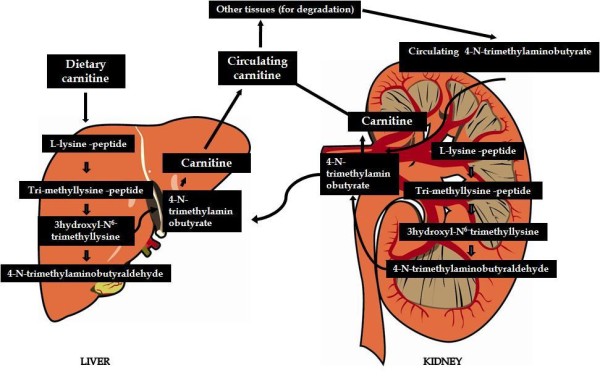
“Carnitine also can be synthesized endogenously from two essential amino acids, lysine and methionine (63).This occurs in kidney, liver, and brain (42).”
From Trimethylamine N -Oxide, the Microbiome, and Heart and Kidney Disease (2017) · cites this paper as [42]
In the citing paper
“Animal products like meat, fish, poultry, and milk (whey fraction) are highest in carnitine, whereas plants contain little carnitine (42).”
From Trimethylamine N -Oxide, the Microbiome, and Heart and Kidney Disease (2017) · cites this paper as [42]
Self-check
Percentages, sums and reported differences re-computed from the paper’s own numbers.
The self-check needs the paper’s full text.
Citations
Cites
Functional significance of cell volume regulatory mechanisms
LANG, F., BUSCH, G. L., RITTER, M., VÖLKL, H., WALDEGGER, S., GULBINS, E., & HÄUSSINGER, D. (1998) · Physiological Reviews · doi:10.1152/physrev.1998.78.1.247 · Cited by 1,891
Mutation nomenclature extensions and suggestions to describe complex mutations: A discussion
den Dunnen, J. T., & Antonarakis, S. E. (2000) · Human Mutation · doi:10.1002/(sici)1098-1004(200001)15:1 · Cited by 1,757
Watson, W. A., Litovitz, T. L., Rodgers, G. C., Klein‐Schwartz, W., Reid, N., Youniss, J., Flanagan, A., & Wruk, K. M. (2005) · The American Journal of Emergency Medicine · doi:10.1016/j.ajem.2005.05.001 · Cited by 1,147
Carnitine biosynthesis in mammals
Vaz, F. M., & Wanders, R. J. A. (2002) · Biochemical Journal · doi:10.1042/0264-6021:3610417 · Cited by 769
Ramassamy, C. (2006) · European Journal of Pharmacology · doi:10.1016/j.ejphar.2006.06.025 · Cited by 687 · cited 1×
“Based on the evidence that heat-shock proteins (Hsps) can exert neuroprotective effects against oxidative stress-related injury and that nutritional antioxidants are able to upregulate Hsps in neurons, use of nutritional antioxidants such as carnitine/acetyl-L-carnitine has been advocated to counteract the oxidative s…”
BackgroundCentral Administration of Oleic Acid Inhibits Glucose Production and Food Intake
Obici, S., Feng, Z., Morgan, K., Stein, D., Karkanias, G., & Rossetti, L. (2002) · Diabetes · doi:10.2337/diabetes.51.2.271 · Cited by 654 · cited 1×
“There is some debate in the literature regarding whether satiety depends on the cytosolic concentration of long-chain fatty acids, with the suggestion that an increased concentration correlates with satiety and decreased feeding and body weight [77-80].”
BackgroundDeCarli, L. M., & Lieber, C. S. (1967) · Journal of Nutrition · doi:10.1093/jn/91.3_suppl.331 · Cited by 607 · cited 1×
“Chronic ingestion of alcohol is known to cause hepatic steatosis [69,70].”
BackgroundWatson, W. A., Litovitz, T. L., Klein‐Schwartz, W., et al. (2004) · The American Journal of Emergency Medicine · doi:10.1016/j.ajem.2004.06.001 · Cited by 571
Pflugfelder, S. C., Tseng, S. C. G., Sanabria, O., Kell, H. Y., Garcia, C. G., Felix, C., Feuer, W. J., & Reis, B. L. (1998) · Cornea · doi:10.1097/00003226-199801000-00007 · Cited by 559 · cited 1×
“Dry eye is a common disease of the ocular surface that is associated with corneal surface irregularity and blurred vision [155-158].”
BackgroundNezu, J., Tamai, I., Oku, A., Ohashi, R., Yabuuchi, H., Hashimoto, N., Nikaido, H., Sai, Y., Koizumi, A., Shoji, Y., et al. (1999) · Nature Genetics · doi:10.1038/5030 · Cited by 553 · cited 2×
“Several mutations have been described [21,22,25,26, 29 ,31-33].”
Background
Research works printed but not linked: 1
- Rebouche C Shils M, Shike M, Ross A, et al Carnitine: Modern Nutrition in Health and Disease 2006 Philadelphia: Lippincott, Williams and Wilkins 537 544
Cited by
Sorted by citations
Revisiting Fluorescent Calixarenes: From Molecular Sensors to Smart Materials
Kumar, R., Sharma, A. K., Singh, H., Suating, P., Kim, H. S., Sunwoo, K., Shim, I., Gibb, B. C., & Kim, J. S. (2019) · Chemical Reviews · doi:10.1021/acs.chemrev.8b00605 · Cited by 546
Baudouin, C., Aragona, P., Messmer, E. S. B. M., Tomlinson, A., Calonge, M., Boboridis, K. G., Akova, Y. A., Geerling, G., Labétoulle, M., & Rolando, M. (2013) · The Ocular Surface · doi:10.1016/j.jtos.2013.07.003 · Cited by 511
Trimethylamine N -Oxide, the Microbiome, and Heart and Kidney Disease
Zeisel, S. H., & Warrier, M. (2017) · Annual Review of Nutrition · doi:10.1146/annurev-nutr-071816-064732 · Cited by 475
“Animal products like meat, fish, poultry, and milk (whey fraction) are highest in carnitine, whereas plants contain little carnitine (42).”
BackgroundFennema, D., Phillips, I. R., & Shephard, E. A. (2016) · Drug Metabolism and Disposition · doi:10.1124/dmd.116.070615 · Cited by 355
“Indeed, carnitine has proven efficacious for treatment of cardiovascular disease (Flanagan et al., 2010).”
BackgroundEffect of ethanol on lipid metabolism
You, M., & Arteel, G. E. (2019) · Journal of Hepatology · doi:10.1016/j.jhep.2018.10.037 · Cited by 357
Effect of medium chain fatty acid in human health and disease
Roopashree, P. G., Shetty, S. S., & Kumari, S. (2021) · Journal of Functional Foods · doi:10.1016/j.jff.2021.104724 · Cited by 237
Exosomes in inflammation and role as biomarkers
Console, L., Scalise, M., & Indiveri, C. (2018) · Clinica Chimica Acta · doi:10.1016/j.cca.2018.11.009 · Cited by 225
Integrative Personal Omics Profiles during Periods of Weight Gain and Loss
Piening, B., Zhou, W., Contrepois, K., Röst, H. L., Gu, G. J., Mishra, T., Hanson, B., Bautista, E. J., Leopold, S. R., Yeh, C. Y., et al. (2018) · Cell Systems · doi:10.1016/j.cels.2017.12.013 · Cited by 212
“In the case of N6-trimethyllysine, it is a precursor for L-carnitine biosynthesis, which improves glucose tolerance, increases total energy expenditure in obesity (Flanagan et al., 2010), and decreases cardiovascular risks (Koeth et al.”
BackgroundCarnitine in bacterial physiology and metabolism
Meadows, J. A., & Wargo, M. J. (2015) · Microbiology · doi:10.1099/mic.0.000080 · Cited by 192
“Later, it was discovered that carnitine can be synthesized in mammals and is now considered to be a quasi-nutrient or conditionally essential nutrient (Flanagan et al., 2010), as neonates have reduced biosynthesis and rely on placental transfer of carnitine in utero and exogenous sources after birth (Combs, 2012).”
Gut microbiota-derived metabolites in obesity: a systematic review
Ejtahed, H., Angoorani, P., Soroush, A., Hasani‐Ranjbar, S., Siadat, S. D., & Larijani, B. A. (2020) · Bioscience of Microbiota Food and Health · doi:10.12938/bmfh.2019-026 · Cited by 196
Ibáñez, C., Simó, C., Martín‐Álvarez, P. J., Kivipelto, M., Winblad, B. G., Cedazo-Mı́nguez, Á., & Cifuentes, A. (2012) · Analytical Chemistry · doi:10.1021/ac301243k · Cited by 168
Function, Detection and Alteration of Acylcarnitine Metabolism in Hepatocellular Carcinoma
Li, S., Gao, D., & Jiang, Y. (2019) · Metabolites · doi:10.3390/metabo9020036 · Cited by 168
Wu, W., Chen, C., Liu, P., Panyod, S., Liao, B., Chen, P.-C., Kao, H., Kuo, H., Kuo, C., Chiu, T. H. T., et al. (2018) · Gut · doi:10.1136/gutjnl-2018-317155 · Cited by 156
Trimethylamine N-Oxide in Relation to Cardiometabolic Health—Cause or Effect?
Papandreou, C., Moré, M. I., & Bellamine, A. (2020) · Nutrients · doi:10.3390/nu12051330 · Cited by 157
l-Carnitine Supplementation in Recovery after Exercise
Fielding, R. A., Riede, L., Lugo, J. P., & Bellamine, A. (2018) · Nutrients · doi:10.3390/nu10030349 · Cited by 146
Translating the basic knowledge of mitochondrial functions to metabolic therapy: role of L-carnitine
Marcovina, S. M., Sirtori, C. R., Peracino, A. P., Gheorghiade, M., Borum, P. R., Remuzzi, G., & Ardehali, H. (2012) · Translational research · doi:10.1016/j.trsl.2012.10.006 · Cited by 146
“Carnitine supplementation may be of additional benefit when treating obesity, potentially because of its effects in improving glucose intolerance and total energy expenditure.(62) Capaldo et al observed that whole body glucose use is acutely increased by L-carnitine infusion in insulinresistant patients with type 2 di…”
Effect of Maternal Obesity on Placental Lipid Metabolism
Calabuig-Navarro, V., Haghiac, M., Minium, J., Glazebrook, P. A., Ranasinghe, G. C., Hoppel, C. L., Mouzon, S. H., Catalano, P., & O’Tierney-Ginn, P. (2017) · Endocrinology · doi:10.1210/en.2017-00152 · Cited by 144
“, carnitine palmitoyltransferase (CPT)1] that synthesize these acylcarnitines (ACs) regulates b-oxidation rates (15, 16).”
BackgroundCelestino-Soper, P. B. S., Violante, S., Crawford, E. L., Luo, R., Lionel, A. C., Delaby, E., Cai, G., Sadikovic, B., Lee, K., Lo, C., et al. (2012) · Proceedings of the National Academy of Sciences · doi:10.1073/pnas.1120210109 · Cited by 139
“American Journal of Biochemistry and Biotechnology 4(2):198–207.”
BackgroundInfluentialLee, B., Lin, J.-S., Lin, Y., & Lin, P. (2014) · Nutrition Journal · doi:10.1186/1475-2891-13-79 · Cited by 134
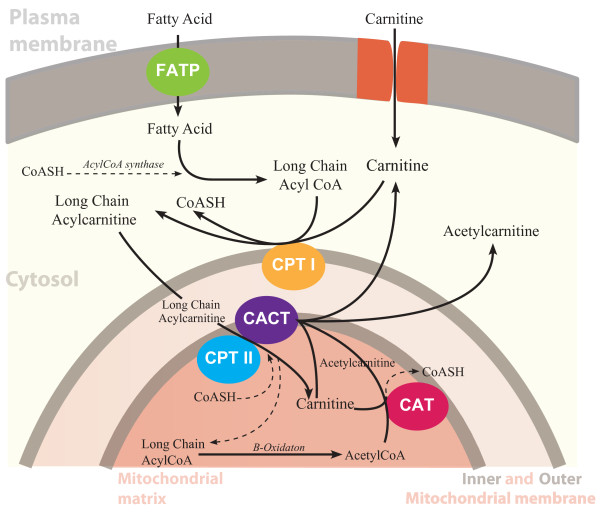
“LC facilitates β-oxidation of long-chain fatty acids, participates in metabolism of branched chain amino acids, and stabilizes cellular membranes [4,5].”
BackgroundDey, A., & Lakshmanan, J. (2013) · Food & Function · doi:10.1039/c3fo30317a · Cited by 134
Prospective analysis of circulating metabolites and breast cancer in EPIC
His, M., Viallon, V., Dossus, L., Gicquiau, A., Achaintre, D., Scalbert, A., Ferrari, P., Romieu, I., Onland‐Moret, N. C., Weiderpass, E., et al. (2019) · BMC Medicine · doi:10.1186/s12916-019-1408-4 · Cited by 131
Carnitine Inborn Errors of Metabolism
Almannai, M., Alfadhel, M., & El‐Hattab, A. W. (2019) · Molecules · doi:10.3390/molecules24183251 · Cited by 134
Metabolomics and Lipidomics of Ischemic Stroke
Au, A. (2018) · Advances in clinical chemistry · doi:10.1016/bs.acc.2018.02.002 · Cited by 121
Papaevangelou, E., de Almeida, G. S., Box, C., deSouza, N. M., & Chung, Y. (2018) · International Journal of Cancer · doi:10.1002/ijc.31392 · Cited by 124
Proteomic and metabonomic biomarkers for hepatocellular carcinoma: a comprehensive review
Kimhofer, T., Fye, H. K. S., Taylor-Robinson, S. D., Thursz, M. R., & Holmes, E. C. (2015) · British Journal of Cancer · doi:10.1038/bjc.2015.38 · Cited by 117
“…and HCC, increased urinary-free carnitine may indicate kidney dysfunction, instead of being specific for HCC. Increased urinary acylcarnitines (esterified acyl groups with carnitine) have been reported in specific FFA oxidation disturbances and after extensive workout (Flanagan et al, 2010).”
BackgroundCarnitine in Human Muscle Bioenergetics: Can Carnitine Supplementation Improve Physical Exercise?
Gnoni, A., Longo, S., Gnoni, G. V., & Giudetti, A. M. (2020) · Molecules · doi:10.3390/molecules25010182 · Cited by 118
Functional Foods: Exploring the Health Benefits of Bioactive Compounds from Plant and Animal Sources
Dixit, V., Kamal, S. W. J., Chole, P. B., Dayal, D., Chaubey, K. K., Pal, A. K., Xavier, J., Manjunath, B. T., & Bachheti, R. K. (2023) · Journal of Food Quality · doi:10.1155/2023/5546753 · Cited by 115
Serum Metabolomic Profiling and Incident CKD among African Americans
Yu, B., Zheng, Y., Nettleton, J. A., Alexander, D. C., Coresh, J., & Boerwinkle, E. (2014) · Clinical Journal of the American Society of Nephrology · doi:10.2215/cjn.11971113 · Cited by 110
“Carnitine is synthesized from lysine and methionine, and kidney plays an important role in its biosynthesis (35).”
Backgroundl-carnitine: Nutrition, pathology, and health benefits
Alhasaniah, A. H. (2022) · Saudi Journal of Biological Sciences · doi:10.1016/j.sjbs.2022.103555 · Cited by 113
Chen, C., Hou, G., Zeng, C., Ren, Y., Chen, X., & Peng, C. (2020) · Theranostics · doi:10.7150/thno.51154 · Cited by 115
“Furthermore, carnitine has been shown to have important anti-inflammatory, antioxidant, lipidlowering, and organ-supporting properties [20, 22, 25].”
Malaguarnera, M. (2012) · Current Opinion in Gastroenterology · doi:10.1097/mog.0b013e3283505a3b · Cited by 105
Liang, Z., Chen, F., Park, S., Balasubramanian, B., & Liu, W. (2022) · Frontiers in Veterinary Science · doi:10.3389/fvets.2022.906084 · Cited by 104
Sahoo, S., Aurich, M. K., Jónsson, J. J., & Thiele, I. (2014) · Frontiers in Physiology · doi:10.3389/fphys.2014.00091 · Cited by 105
Song, X., Qu, H., Yang, Z., Rong, J., Cai, W., & Zhou, H. (2017) · BioMed Research International · doi:10.1155/2017/6274854 · Cited by 102
“Furthermore, noteworthy is that L-C exerts cardioprotective effects through alternative mechanisms, such as oxidative stress [35], nitric oxide [36], arterial hypertension, cardiac inflammation and fibrosis [37– 39], and interstitial remodeling [40], as well as by improving endothelial function [41].”
BackgroundBiochemistry of human tear film: A review
Masoudi, S. (2022) · Experimental Eye Research · doi:10.1016/j.exer.2022.109101 · Cited by 109
Castori, M., Morlino, S., Pascolini, G., Blundo, C., & Grammatico, P. (2015) · American Journal of Medical Genetics Part C: Seminars in Medical Genetics · doi:10.1002/ajmg.c.31431 · Cited by 98
“Beneficial effect on tear composition and dry eye may be also obtained by regular carnitin intake, as previously reported for fatigue [Flanagan et al., 2010], as well as vitamin A.”
BackgroundPregnancy-Induced Metabolic Phenotype Variations in Maternal Plasma
Luan, H., Meng, N., Liu, P., Feng, Q., Lin, S., Fu, J. X., Davidson, R., Chen, X., Rao, W., Chen, F., et al. (2014) · Journal of Proteome Research · doi:10.1021/pr401068k · Cited by 94
L‐Carnitine Suppresses Loss of Skeletal Muscle Mass in Patients With Liver Cirrhosis
Ohara, M., Ogawa, K., Suda, G., Kimura, M., Maehara, O., Shimazaki, T., Suzuki, K., Nakamura, A., Umemura, M., Izumi, T., et al. (2018) · Hepatology Communications · doi:10.1002/hep4.1207 · Cited by 98
“Aspartate aminotransferase, IU/L 35 (14-88) 41.”
InfluentialLee, B., Lin, J.-S., Lin, Y., & Lin, P. (2014) · Nutrition · doi:10.1016/j.nut.2014.10.001 · Cited by 89
“LC assists in the b-oxidation of long-chain fatty acids and transports fatty acids into the mitochondrial matrix [6, 7].”
BackgroundThe role of nutraceuticals for the treatment of non‐alcoholic fatty liver disease
Ben, M. D., Polimeni, L., Baratta, F., Pastori, D., & Angelico, F. (2016) · British Journal of Clinical Pharmacology · doi:10.1111/bcp.12899 · Cited by 89
Pochini, L., Galluccio, M., Scalise, M., Console, L., & Indiveri, C. (2018) · SLAS DISCOVERY · doi:10.1177/2472555218812821 · Cited by 88
Hua, X., Su, Z., Deng, R., Lin, J., Li, D., & Pflugfelder, S. C. (2014) · Current Eye Research · doi:10.3109/02713683.2014.957776 · Cited by 83
“L-Carnitine, erythritol and/or betaine have been reported to serve as osmoprotectants for hyperosmotic stress(20,23,51) and inflammatory conditions.(51,52) L-Carnitine therapy has been shown considerable promise in addressing a variety of disease states that involve both primary and secondary carnitine deficiency, car…”
BackgroundEfficacy of Osmoprotectants on Prevention and Treatment of Murine Dry Eye
Chen, W., Zhang, X., Li, J., Wang, Y., Chen, Q., Hou, C., & Garrett, Q. (2013) · Investigative Ophthalmology & Visual Science · doi:10.1167/iovs.13-12081 · Cited by 81
Self-citationYulug, B., Altay, O., Li, X., Hanoglu, L., Cankaya, S., Lam, S., Velioglu, H. A., Yang, H., Coskun, E., Idil, E., et al. (2023) · Translational Neurodegeneration · doi:10.1186/s40035-023-00336-2 · Cited by 79
“These findings fit well with recent human data showing that severe disturbances in carnitine metabolism frequently occur in individuals with AD, in association with severe mitochondrial dysfunction [116, 117].”
ResultCharacteristics of Selected Antioxidative and Bioactive Compounds in Meat and Animal Origin Products
Kulczyński, B., Sidor, A., & Gramza‐Michałowska, A. (2019) · Antioxidants · doi:10.3390/antiox8090335 · Cited by 86
“In vegetarians, who are adapted to foodstuffs poor in carnitine, its availability is higher (66–86%) than in the individuals whose diet contains meat (54–72%) [83].”
BackgroundThe PPAR–microbiota–metabolic organ trilogy to fine‐tune physiology
Oh, H. Y. P., Visvalingam, V., & Wahli, W. (2019) · The FASEB Journal · doi:10.1096/fj.201802681rr · Cited by 79
Untargeted Metabolomics for Autism Spectrum Disorders: Current Status and Future Directions
Glinton, K. E., & Elsea, S. H. (2019) · Frontiers in Psychiatry · doi:10.3389/fpsyt.2019.00647 · Cited by 79
“In humans, approximately 75% of carnitine is obtained from the diet, with the remainder synthesized endogenously from the amino acids lysine and methionine (135).”
BackgroundSaoi, M., Li, A., McGlory, C., Stokes, T., von Allmen, M., Phillips, S. M., & Britz‐McKibbin, P. (2019) · Metabolites · doi:10.3390/metabo9070134 · Cited by 75
Hua, X., Deng, R., Li, J., Chi, W., Su, Z., Lin, J., Pflugfelder, S. C., & Li, D. (2015) · Investigative Ophthalmology & Visual Science · doi:10.1167/iovs.14-16247 · Cited by 73
A High-Performing Plasma Metabolite Panel for Early-Stage Lung Cancer Detection
Zhang, L., Zheng, J., Ahmed, R., Huang, G., Reid, J., Mandal, R., Maksymuik, A., SITAR, D. S., Tappia, P. S., Ramjiawan, B., et al. (2020) · Cancers · doi:10.3390/cancers12030622 · Cited by 73
“Future validation studies involving larger cohorts, additional clinical parameters, and the inclusion of patients with other lung diseases as negative controls are being undertaken.”
Zhang, R., Zhang, H., Zhang, Z., Wang, T., Jingya, N., Cui, D., & Xu, S. (2012) · International Journal of Molecular Sciences · doi:10.3390/ijms13022078 · Cited by 73
“They have wide roles in brain metabolism [7].”
BackgroundHepatocellular carcinoma: Review of disease and tumor biomarkers
Kim, J. U., Shariff, M. I. F., Crossey, M. M. E., Gómez‐Romero, M., Holmes, E. C., Cox, I. J., Fye, H. K. S., Njie, R., & Taylor-Robinson, S. D. (2016) · World Journal of Hepatology · doi:10.4254/wjh.v8.i10.471 · Cited by 72
Untargeted plasma and tissue metabolomics in rats with chronic kidney disease given AST-120
Velenosi, T. J., Hennop, A., Feere, D. A., Tieu, A., Kucey, A. S., Kyriacou, P., McCuaig, L. E., Nevison, S. E., Kerr, M. A., & Urquhart, B. L. (2016) · Scientific Reports · doi:10.1038/srep22526 · Cited by 72
Phillips, I. R., & Shephard, E. A. (2019) · Xenobiotica · doi:10.1080/00498254.2019.1643515 · Cited by 72
“…with biomarkers of cardiovascular disease (Miller et al., 2014) or that its effect was protective (Fukami et al., 2015) and carnitine, a dietary precursor of trimethylamine, has proven efficacious for treatment of cardiovascular disease (DiNicolantonio et al., 2013; Flanagan et al., 2010).”
BackgroundPrimary Carnitine Deficiency and Cardiomyopathy
Fu, L., Huang, M., & Chen, S. (2013) · Korean Circulation Journal · doi:10.4070/kcj.2013.43.12.785 · Cited by 71
Chen, P., Li, S., Koh, Y., Wu, J.-C., Yang, M., Ho, C., & Pan, M. (2019) · Journal of Agricultural and Food Chemistry · doi:10.1021/acs.jafc.9b03092 · Cited by 69
Rath, C. M. B., Alexandrov, T., Higginbottom, S. K., Song, J., Milla, M. E., Fischbach, M. A., Sonnenburg, J. L., & Dorrestein, P. C. (2012) · Analytical Chemistry · doi:10.1021/ac302039u · Cited by 67
Leyrolle, Q., Cserjési, R., Mulders, M. D. G. H., Zamariola, G., Hiel, S., Gianfrancesco, M. A., Rodriguez, J., Portheault, D., Amadieu, C., Leclercq, S., et al. (2020) · Clinical Nutrition · doi:10.1016/j.clnu.2020.09.025 · Cited by 72
Pharmacometabolomics of l -Carnitine Treatment Response Phenotypes in Patients with Septic Shock
Puskarich, M. A., Finkel, M. A., Karnovsky, A., Jones, A. E., Trexel, J., Harris, B. N., & Stringer, K. A. (2014) · Annals of the American Thoracic Society · doi:10.1513/annalsats.201409-415oc · Cited by 66
Oxidative stress and altered lipid metabolism in Friedreich ataxia
Tamarit, J., Òbis, È., & Ros, J. (2016) · Free Radical Biology and Medicine · doi:10.1016/j.freeradbiomed.2016.06.007 · Cited by 66
Role of Carnitine in Non-alcoholic Fatty Liver Disease and Other Related Diseases: An Update
Li, N., & Zhao, H. (2021) · Frontiers in Medicine · doi:10.3389/fmed.2021.689042 · Cited by 79
“These drugs or diseases increase the excretion of carnitine in the form of acylcarnitine in urine, reduce renal tubule reabsorption and endogenous biosynthesis, and inhibit carnitine transporters, resulting in increased carnitine consumption (73, 74).”
BackgroundKobayashi, T., Kawai, H., Nakano, O., Abe, S., Kamimura, H., Sakamaki, A., Kamimura, K., Tsuchiya, A., Takamura, M., Yamagiwa, S., et al. (2018) · BMC Cancer · doi:10.1186/s12885-018-4673-2 · Cited by 66
“In addition, patients with impaired liver function are often deficient in vitamin D or carnitine, which might cause skeletal muscle atrophy [38, 39].”
Malaguarnera, M., Vacante, M., Motta, M., Giordano, M., Malaguarnera, G., Bella, R., Nunnari, G., Rampello, L., & Pennisi, G. (2011) · Metabolic Brain Disease · doi:10.1007/s11011-011-9260-z · Cited by 61
“Data suggest that despite fluctuations in carnitine concentration due to its osmolytic pressure changes, carnitine maintains its energy production capacities and often osmolytic gradients can be harnessed for energy (Peluso et al. 2000; Flanagan et al. 2010).”
BackgroundPannkuk, E. L., Laiakis, E. C., Authier, S., Wong, K. K.-W., & Fornace, A. J. (2015) · Radiation Research · doi:10.1667/rr14091.1 · Cited by 63
Carnitine deficiency in chronic critical illness
Bonafé, L., Berger, M. M., Que, Y., & Mechanick, J. I. (2014) · Current Opinion in Clinical Nutrition & Metabolic Care · doi:10.1097/mco.0000000000000037 · Cited by 60
Oyanagi, E., Yano, H., Uchida, M., Utsumi, K., & Sasaki, J. (2011) · Biochemical and Biophysical Research Communications · doi:10.1016/j.bbrc.2011.07.039 · Cited by 60
Serum metabolomic profiles suggest influence of sex and oral contraceptive use.
Ruoppolo, M., Campesi, I., Scolamiero, E., Pecce, R., Caterino, M., Cherchi, S., Mercuro, G. G., Tonolo, G., & Franconi, F. (2014) · Europe PMC (PubMed Central) · Cited by 60
Acetyl-L-carnitine in hepatic encephalopathy
Malaguarnera, M. (2013) · Metabolic Brain Disease · doi:10.1007/s11011-013-9376-4 · Cited by 58
Selenium and L-Carnitine Ameliorate Reproductive Toxicity Induced by Cadmium in Male Mice
Alharthi, W. A., Hamza, R. Z., El-Mahdi, M. M., Abu‐El‐Zahab, H. S. H., & Saleh, H. M. (2019) · Biological Trace Element Research · doi:10.1007/s12011-019-02016-7 · Cited by 58
Liu, Z., Yin, P., Amathieu, R., Savarin, P., & Xu, G. (2016) · Analytical and Bioanalytical Chemistry · doi:10.1007/s00216-016-9845-9 · Cited by 57
“Furthermore, we calculated the ratio of carnitine C 2:0 and carnitine which reflects the extent of the betaoxidation [32].”
MethodVidot, H., Cvejic, E., Carey, S., Strasser, S., Mccaughan, G., Allman-Farinelli, M., & Shackel, N. (2018) · Alimentary Pharmacology and Therapeutics · doi:10.1111/apt.14950 · Cited by 50
“It is involved in the maintenance of cell volume and fluid balance in all tissues.(19) Adverse side effects attributed to carnitine supplementation in humans may include nausea, vomiting, diarrhoea, cramps, muscle weakness, and an abnormal body odour.”
BackgroundChe, X., Brydges, C. R., Yu, Y., Price, A., Joshi, S., Roy, A., Lee, B., Barupal, D. K., Cheng, A., Palmer, D. M., et al. (2022) · International Journal of Molecular Sciences · doi:10.3390/ijms23147906 · Cited by 52
Kivilompolo, M., Öhrnberg, L., Orešič, M., & Hyötyläinen, T. (2013) · Journal of Chromatography A · doi:10.1016/j.chroma.2012.12.073 · Cited by 54
Effect of L‐carnitine on the synthesis of nitric oxide in RAW 264·7 murine macrophage cell line
Koç, A., Özkan, T., Karabay, A. Z., Sunguroğlu, A., & Aktan, F. (2011) · Cell Biochemistry and Function · doi:10.1002/cbf.1807 · Cited by 54
Green, C. L., Mitchell, S. E., Derous, D., Wang, Y., Chen, L., Han, J. J., Promislow, D., Lusseau, D., Douglas, A., & Speakman, J. R. (2017) · Aging Cell · doi:10.1111/acel.12570 · Cited by 53
Salzano, A., Neglia, G., D’Onofrio, N., Balestrieri, M. L., Limone, A., Cotticelli, A., Marrone, R., Anastasio, A., D’Occhio, M. J., & Campanile, G. (2020) · Food Chemistry · doi:10.1016/j.foodchem.2020.128669 · Cited by 54
Wu, Y., Hurren, R., MacLean, N., Gronda, M., Jitkova, Y., Sukhai, M. A., Minden, M. D., & Schimmer, A. D. (2015) · APOPTOSIS · doi:10.1007/s10495-015-1137-x · Cited by 54
“dogenously from lysine and methionine in the kidney, liver and brain [3, 4].”
Nutrients and micronutrients at risk during renal replacement therapy: a scoping review
Berger, M. M., Broman, M., Forni, L. G., Ostermann, M., Waele, E. D., & Wischmeyer, P. E. (2021) · Current Opinion in Critical Care · doi:10.1097/mcc.0000000000000851 · Cited by 53
Johri, A. M., Heyland, D. K., Hétu, M., Crawford, B., & Spence, J. D. (2014) · Nutrition Metabolism and Cardiovascular Diseases · doi:10.1016/j.numecd.2014.03.007 · Cited by 53
“[31], including primary carnitine deficiency (PCD) and secondary carnitine deficiency (SCD) together with metabolic pathways.”
BackgroundInfluentialGhonimy, A., Zhang, D., Farouk, M. H., & Wang, Q. (2018) · International Journal of Molecular Sciences · doi:10.3390/ijms19041008 · Cited by 53
Sitjà‐Bobadilla, A., Gil‐Solsona, R., Estensoro, I., Piazzon, M. C., Martos-Sitcha, J. A., Picard‐Sánchez, A., Fuentes, J., Sancho, J. V., Calduch-Giner, J. À., Hernández, F. J., et al. (2019) · Parasites & Vectors · doi:10.1186/s13071-019-3746-7 · Cited by 55
Cicero, A. F. G., Colletti, A., von Haehling, S., Vinereanu, D., Bielecka-Dabrowa, A. M., Sahebkar, A., Toth, P. P., Reiner, Ž., Wong, N. D., Mikhailidis, D. P., et al. (2020) · Nutrition Research Reviews · doi:10.1017/s0954422420000049 · Cited by 53
“exerts cardioprotective effects through the reduction of oxidative stress(72) and cardiac fibrosis(73,74).”
BackgroundAge-related metabolic and neurodegenerative changes in SAMP8 mice
Pačesová, A., Holubová, M., Hrubá, L., Strnadová, V., Neprašová, B., Pelantová, H., Kuzma, M., Železná, B., Kuneš, J., & Maletı́nská, L. (2022) · Aging · doi:10.18632/aging.204284 · Cited by 55
“The blood plasma concentration of leptin was measured using an ELISA kit (Millipore, St. Charles, MI, USA), free fatty acids (FFAs) were analyzed using a colorimetric assay (Roche Mannheim, Germany), insulin was analyzed using RIA kits (Millipore, St. Charles, MI, USA), and triacylglycerols (TAGs) and cholesterol were…”
BackgroundInfluentialDeng, R., Su, Z., Hua, X., Zhang, Z., Li, D., & Pflugfelder, S. C. (2014) · Europe PMC (PubMed Central) · Cited by 51
Han, P., Li, L.-Y., Li, J.-M., Wang, W.-L., Limbu, S. M., Degrace, P., Li, D.-L., & Du, Z. (2017) · Fish & Shellfish Immunology · doi:10.1016/j.fsi.2017.07.058 · Cited by 52
Production of L-carnitine-enriched edible filamentous fungal biomass through submerged cultivation
Rousta, N., Ferreira, J. A., & Taherzadeh, M. J. (2020) · Bioengineered · doi:10.1080/21655979.2020.1863618 · Cited by 50
“Most of the L-carnitine requirement in mammals is obtained by exogenous sources from animal products; only 25% is endogenously biosynthesized from two essential amino acids, namely, lysine and methionine [12,20].”
BackgroundMansilla, W. D., Marinangeli, C. P. F., Ekenstedt, K. J., Larsen, J. A., Aldrich, G., Columbus, D. A., Weber, L. P., Abood, S. K., & Shoveller, A. K. K. (2019) · Journal of Animal Science · doi:10.1093/jas/sky488 · Cited by 49
Role of Zinc and Copper in Erythropoiesis in Patients on Hemodialysis
Takahashi, A. (2022) · Journal of Renal Nutrition · doi:10.1053/j.jrn.2022.02.007 · Cited by 49
Zhao, G., Hou, X., Li, X., Qu, M., Tong, C., & Li, W. (2017) · International Journal of Biological Macromolecules · doi:10.1016/j.ijbiomac.2017.12.057 · Cited by 49
Potential Therapeutic Role of Carnitine and Acetylcarnitine in Neurological Disorders
Maldonado, C., Vázquez, M., & Fagiolino, P. L. (2020) · Current Pharmaceutical Design · doi:10.2174/1381612826666200212114038 · Cited by 49
Serum metabolomics analysis of patients with polycystic ovary syndrome by mass spectrometry
Jia, C., Xu, H., Xu, Y., Xu, Y., & Shi, Q. (2019) · Molecular Reproduction and Development · doi:10.1002/mrd.23104 · Cited by 50
Ascorbic acid metabolites are involved in intraocular pressure control in the general population
Hysi, P. G., Khawaja, A. P., Menni, C., Tamraz, B., Wareham, N. J., Khaw, K., Foster, P. J., Benet, L. Z., Spector, T. D., & Hammond, C. J. (2018) · Redox Biology · doi:10.1016/j.redox.2018.10.004 · Cited by 44
“High in the rankings (Supplementary Table 1) were also carnitine, involved in lipid transfer across the mitochondrial membrane [24] and phenylacetylglutamine, a metabolite of glutamate, an antioxidative stress marker.”
BackgroundA Distinctive Human Metabolomics Alteration Associated with Osteopenic and Osteoporotic Patients
Aleidi, S. M., Alnehmi, E. A., Alshaker, M., Masood, A., Benabdelkamel, H., Al‐Ansari, M. M., & Rahman, A. M. A. (2021) · Metabolites · doi:10.3390/metabo11090628 · Cited by 47
Diet, nutraceuticals and the tear film
Jalbert, I. (2013) · Experimental Eye Research · doi:10.1016/j.exer.2013.08.016 · Cited by 46
“Nutritional supplements of Lcarnitine may be of benefit for a range of conditions including uremia, diabetes, cardiovascular disease, obesity and Alzheimer’s disease but have not been tested specifically for their effectiveness in modulating tear film health (Flanagan et al., 2010).”
BackgroundPannkuk, E. L., Laiakis, E. C., Authier, S., Wong, K. K.-W., & Fornace, A. J. (2016) · RSC Advances · doi:10.1039/c6ra07757a · Cited by 46
Childhood growth and neurocognition are associated with distinct sets of metabolites
Moreau, G. B., Ramakrishnan, G., Cook, H. L., Fox, T. E., Nayak, U., Ma, J. Z., Colgate, E. R., Kirkpatrick, B. D., Haque, R., & Petri, W. A. (2019) · EBioMedicine · doi:10.1016/j.ebiom.2019.05.043 · Cited by 48
“Acylcarnitines are generated as a byproduct of fatty acid oxidation [40], and accumulation of acylcarnitines in plasma is associated with secondary carnitine deficiency, impaired carnitine absorption, or poor diet [41].”
BackgroundDongoran, R. A., Lin, T., Byekyet, A., Tang, S., Yang, J., & Liu, C. (2020) · Biomolecules · doi:10.3390/biom10121689 · Cited by 46
Hu, S., Yoshihara, H. A. I., Bok, R., Zhou, J., Zhu, M., Kurhanewicz, J. V., & Vigneron, D. B. (2012) · Magnetic Resonance Imaging · doi:10.1016/j.mri.2012.05.012 · Cited by 46
“In the liver, carnitine deficiency has been linked to excessive lipid accumulation (13).”
BackgroundEffects of L-carnitine supplementation on lipid profiles in patients with coronary artery disease
Lee, B., Lin, J.-S., Lin, Y., & Lin, P. (2016) · Lipids in Health and Disease · doi:10.1186/s12944-016-0277-5 · Cited by 48
“LC may carry long-chain fatty acids across the inner mitochondrial membrane for βoxidation and adenosine triphosphate (ATP) production [1, 2].”
BackgroundHeart dysfunction induced by choline-deficiency in adult rats: The protective role of l-carnitine
Strilakou, A. A., Lazaris, A. C., Perelas, A. I., Mourouzis, I. S., Douzis, I. C., Karkalousos, P. L., Stylianaki, A. T., Pantos, C. I., & Liapi, C. A. (2013) · European Journal of Pharmacology · doi:10.1016/j.ejphar.2013.03.025 · Cited by 36
Metadata
- Authors
- Flanagan, J. L., Simmons, P. A., Vehige, J., Willcox, M. D., & Garrett, Q.
- Affiliations
- Brien Holden Vision Institute (AU)
- Allergan (United States) (US)
- Corresponding author
- Flanagan, Judith L
- Venue
- Nutrition & Metabolism
- Published
- 2010
- Volume
- 7
- Issue
- 1
- Pages
- 30
- ISSN
- 1743-7075 (ISSN-L)
- PMC
- PMC2861661
- OpenAlex
- W2084023408
- Cited by
- 611
- References
- 176
- Citations by year
- 2026: 27 · 2025: 50 · 2024: 46 · 2023: 43 · 2022: 62 · 2021: 64 · 2020: 61 · 2019: 40 · 2018: 45 · 2017: 30 · 2016: 30 · 2015: 31 · 2014: 36 · 2013: 19 · 2012: 18
- FWCI
- 9.03
- Type
- journal article
- Language
- en
- Open access
- gold
- doi.org
- Licence
- cc-by
- Locations
- Nutrition & Metabolism (publishedVersion, cc-by)
- PubMed Central (publishedVersion, cc-by)
- PubMed (publishedVersion)
- UNSWorks (University of New South Wales, Sydney, Australia) (submittedVersion, cc-by-nc-nd)
- DOAJ (DOAJ: Directory of Open Access Journals) (submittedVersion)
- Funders
- Allergan
- Topics
- Life Sciences › Biochemistry, Genetics and Molecular Biology › Clinical Biochemistry › Metabolism and Genetic Disorders
- Health Sciences › Nursing › Nutrition and Dietetics › Clinical Nutrition and Gastroenterology
- Health Sciences › Nursing › Nutrition and Dietetics › Muscle metabolism and nutrition
- Keywords
- L-carnitine, carnitine deficiency, carnitine transporter, fatty acid metabolism, energy production, carnitine supplementation, primary carnitine deficiency, diabetes mellitus, sepsis, cardiomyopathy, malnutrition, liver cirrhosis, aging, uremia, neuropathic pain, Alzheimer's disease, hepatic encephalopathy, dry eye, obesity, impaired glucose tolerance, cardiovascular disease
About these checks
Registry, retraction, Cites and statistics results are computed, not judged, with one exception: a printed reference that no index lists is read once by a model before it counts as a citation error. Claims are extracted by a model and kept only when their quote appears verbatim in the text; each cited source is then checked, with a model’s help, for whether it says what the claim relies on. Those verdicts can be wrong — read the claim’s quote and the cited source before relying on one.
Statistics and arithmetic are recomputed, not judged.
Confidence bands are shown only for fields calibrated on our annotated test set. None is calibrated yet, so no band is shown.
What counts as a claim ›How we measure confidence ›How we check this ›
Are you an author, or do you see a problem with this page? Request a review
