

Improving creativity performance by short-term meditation
Open accessThe DOI matches its Crossref record; 73 of the 74 references it cites were found in a registry or an index.
Abstract
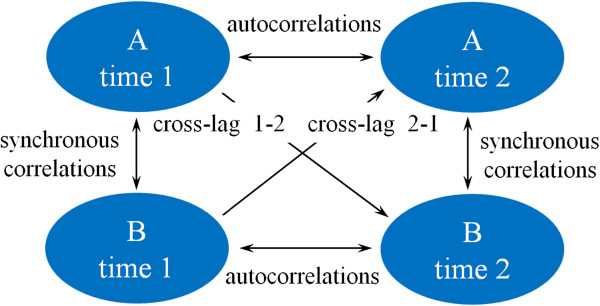
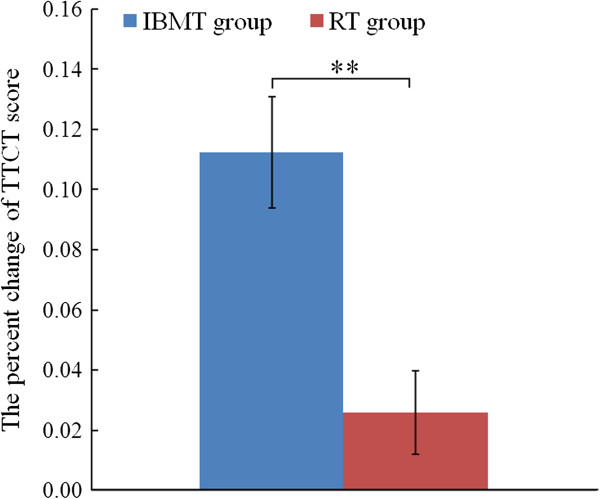
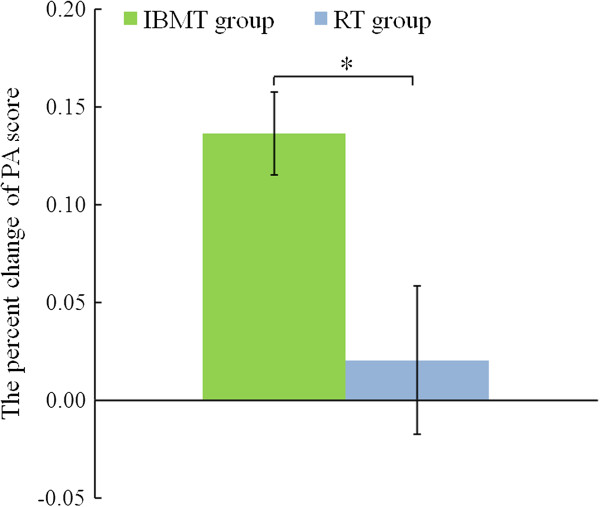
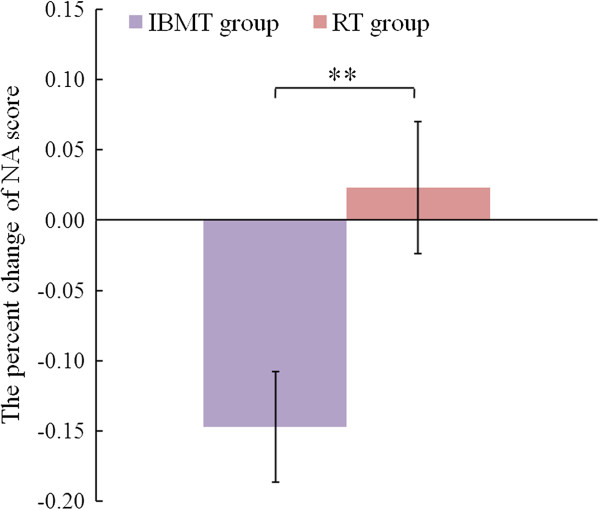
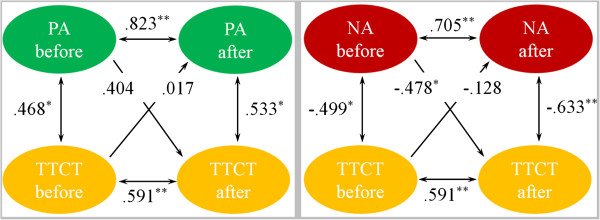
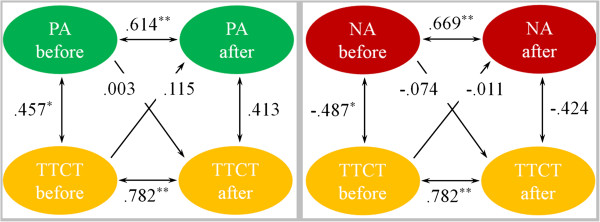
BACKGROUND: One form of meditation intervention, the integrative body-mind training (IBMT) has been shown to improve attention, reduce stress and change self-reports of mood. In this paper we examine whether short-term IBMT can improve performance related to creativity and determine the role that mood may play in such improvement. METHODS: Forty Chinese undergraduates were randomly assigned to short-term IBMT group or a relaxation training (RT) control group. Mood and creativity performance were assessed by the Positive and Negative Affect Schedule (PANAS) and Torrance Tests of Creative Thinking (TTCT) questionnaire respectively. RESULTS: As predicted, the results indicated that short-term (30 min per day for 7 days) IBMT improved creativity performance on the divergent thinking task, and yielded better emotional regulation than RT. In addition, cross-lagged analysis indicated that both positive and negative affect may influence creativity in IBMT group (not RT group). CONCLUSIONS: Our results suggested that emotion-related creativity-promoting mechanism may be attributed to short-term meditation.
Overview
The claims and statistics of this paper haven’t been checked yet.
Free: it reads the open-access text and checks the first 5 claims that cite a source we can check. Create a free account to check every claim.
Integrity signals
Registry
Cites
Statistics
Figures
Verification
Claims the paper makes
The claims and statistics of this paper haven’t been checked yet.
Free: it reads the open-access text and checks the first 5 claims that cite a source we can check. Create a free account to check every claim.
Claims other papers make about this one
Each is checked against this paper’s own text: does it say what the citing paper says it does?
The cited source says what the claim attributes to it.
In the citing paper
“improved positive mood states [6,44,45]”
From A translational neuroscience perspective on mindfulness meditation as a prevention strategy (2016) · cites this paper as [44]
In the citing paper
“lowered intensity and frequency of negative affect [43,44]”
From A translational neuroscience perspective on mindfulness meditation as a prevention strategy (2016) · cites this paper as [44]
Self-check
Percentages, sums and reported differences re-computed from the paper’s own numbers.
The self-check needs the paper’s full text.
Citations
Cites
Development and validation of brief measures of positive and negative affect: The PANAS scales.
Watson, D., Clark, L. A., & Tellegen, A. (1988) · Journal of Personality and Social Psychology · doi:10.1037/0022-3514.54.6.1063 · Cited by 32,433 · cited 3×
“The consent form explained that participants would complete the PANAS [44] to measure mood state, and the TTCT [10] to assess performance of creativity.”
BackgroundMethodApplied Multiple Regression/Correlation Analysis for the Behavioral Sciences
Cohen, P., Cohen, P., West, S. G., & Aiken, L. S. (2014) · Psychology Press eBooks · doi:10.4324/9781410606266 · Cited by 20,737
Applied Multiple Regression/Correlation Analysis for the Behavioral Sciences
Kemp, F. (2003) · Journal of the Royal Statistical Society: Series D (The Statistician) · doi:10.1046/j.1467-9884.2003.t01-2-00383_4.x · Cited by 9,293
The benefits of frequent positive affect: Does happiness lead to success?
Lyubomirsky, S., King, L., & Diener, E. (2005) · Psychological Bulletin · doi:10.1037/0033-2909.131.6.803 · Cited by 7,143 · cited 1×
“Hence, previous studies lead some researchers to conclude that PA promotes fluent and original thinking [21,22,24,30], while NA has the opposite effect [25,26].”
ResultThe Nature of Human Intelligence
Carroll, J. B., & Guilford, J. P. (1968) · American Educational Research Journal · doi:10.2307/1161820 · Cited by 4,657 · cited 1×
“TTCT is used to evaluate creativity through divergent thinking [55], which is a key aspect of creativity and predictor of creative ability [56].”
MethodThe associative basis of the creative process.
Mednick, S. (1962) · Psychological Review · doi:10.1037/h0048850 · Cited by 4,140
The nature of human intelligence
Fuilford, J. P. (1967) · McGraw-Hill eBooks · Cited by 3,864
The effect of emotion on cue utilization and the organization of behavior
Easterbrook, J. A. (1959) · Psychological Review · doi:10.1037/h0047707 · Cited by 3,090 · cited 1×
“cognitive control mechanisms [68,69], often inducing a narrow scope of attention [70].”
BackgroundJob Satisfaction and the Good Soldier: The Relationship Between Affect and Employee "Citizenship".
Bateman, T. S., & Organ, D. W. (1983) · Academy of Management Journal · doi:10.2307/255908 · Cited by 2,838
Mayberg, H. S., Liotti, M., Brannan, S. K., McGinnis, S., Mahurin, R. K., Jerabek, P. A., Silva, J. A., Tekell, J. L., Martin, C. C., Lancaster, J. L., et al. (1999) · American Journal of Psychiatry · doi:10.1176/ajp.156.5.675 · Cited by 2,416 · cited 1×
“cognitive control mechanisms [68,69], often inducing a narrow scope of attention [70].”
Background
Research works printed but not linked: 6
- Murphy M Donovan S Taylor E The Physical and Psychological Effects of Meditation: A Review of Contemporary Research 1997 San Francisco: Institute of Noetic Sciences
- Ball OE The Effect of TM and the TM-Sidhi Program on Verbal and Figural Creativity (TTCT), Auditory Creativity (S and I), and Hemispheric Dominance (SOLAT) 1980 Atlanta: University of Georgia
- Ding X Li S Tang YY Short-term meditation improves creativity [abstract] Second World Congr Positive Psychol Poster Abstr 2011 10
- Wu JJ Gao QD Wang JR Ding YX The Torrance Tests of Creative Thinking Norms-Technical Manual Figural Forms A 1981 Taiwan: Yuan Liu Publishing
- Torrance EP Ball OE Safter HT Torrance Tests of Creative Thinking 1981 Bensenville, IL: Scholastic Testing Service
- Csikszentmihalyi M Creativity: Flow and the Psychology of Discovery and Invention 1997 New York: Harper Collins
Cited by
The Neuroscience of Mindfulness Meditation
Tang, Y.-Y., Hölzel, B. K., & Posner, M. I. (2015) · Nature reviews. Neuroscience · doi:10.1038/nrn3916 · Cited by 2,889
Self-citationPsychedelics, meditation, and self-consciousness
Millière, R., Carhart-Harris, R. L., Roseman, L., Trautwein, F.-M., & Berkovich-Ohana, A. (2018) · Frontiers in Psychology · doi:10.3389/fpsyg.2018.01475 · Cited by 390
“, 2008), increased cognitive flexibility and creativity (Horan, 2009; Capurso et al., 2014; Ding et al., 2014; Berkovich-Ohana et al., 2017), and, in some cases (usually with increasing expertise) dramatic disruptions of one’s sense of self (Austin, 2006; Dorjee, 2016; Berkovich-Ohana and Wittmann, 2017).”
BackgroundMindfulness meditation improves emotion regulation and reduces drug abuse
Tang, Y.-Y., Tang, R., & Posner, M. I. (2016) · Drug and Alcohol Dependence · doi:10.1016/j.drugalcdep.2015.11.041 · Cited by 306
“Using the measurement of Positive and Negative Affect Schedule in the same RCT design, short-term IBMT showed the significantly better positive mood states compared to relaxation (Ding et al., 2014).”
MethodSelf-citationMind full of ideas: A meta-analysis of the mindfulness–creativity link
Lebuda, I., Zabelina, D. L., & Karwowski, M. (2016) · Personality and Individual Differences · doi:10.1016/j.paid.2015.09.040 · Cited by 250
“Importantly, meditation has a positive effect on creativity regardless of the length of practice (Jedrczak, Beresford, & Clements, 1985), which means that even short meditation can effectively stimulate creative abilities (Ding et al., 2014).”
BackgroundBasso, J. C., McHale, A., Ende, V., Oberlin, D. J., & Suzuki, W. A. (2019) · Behavioural Brain Research · doi:10.1016/j.bbr.2018.08.023 · Cited by 255
“Our finding that 8 weeks of brief daily meditation relieves feelings of negativity by decreasing levels of mood disturbance and anxiety are consistent with other studies showing that similar duration meditation programs provide decreased negative affect [4,55] and increased positive affect [5].”
Exploring the Link Between Mind Wandering, Mindfulness, and Creativity: A Multidimensional Approach
Agnoli, S., Vanucci, M., Pelagatti, C., & Corazza, G. E. (2018) · Creativity Research Journal · doi:10.1080/10400419.2018.1411423 · Cited by 190
Promoting Psychological Well-Being Through an Evidence-Based Mindfulness Training Program
Tang, Y.-Y., Tang, R., & Gross, J. J. (2019) · Frontiers in Human Neuroscience · doi:10.3389/fnhum.2019.00237 · Cited by 191
Self-citationNorris, C. J., Creem, D., Hendler, R., & Kober, H. (2018) · Frontiers in Human Neuroscience · doi:10.3389/fnhum.2018.00315 · Cited by 154
Khan, S. M., & Abbas, J. (2022) · Thinking Skills and Creativity · doi:10.1016/j.tsc.2022.101027 · Cited by 177
Vally, Z., Salloum, L., AlQedra, D., Shazly, S. E., Albloshi, M. A., Alsheraifi, S. N. M., & Alkaabi, A. (2018) · Thinking Skills and Creativity · doi:10.1016/j.tsc.2018.11.003 · Cited by 133
The Impact of Mindfulness Meditation on the Wandering Mind: a Systematic Review
Feruglio, S., Matiz, A., Pagnoni, G., Fabbro, F., & Crescentini, C. (2021) · Neuroscience & Biobehavioral Reviews · doi:10.1016/j.neubiorev.2021.09.032 · Cited by 122
Efficacy of teaching creative thinking skills: A comparison of multiple creativity assessments
Perry, A. L., & Karpova, E. E. (2017) · Thinking Skills and Creativity · doi:10.1016/j.tsc.2017.02.017 · Cited by 121
Cheung, S. Y., Huang, E. G., Chang, S., & Wei, L. (2020) · Organizational Behavior and Human Decision Processes · doi:10.1016/j.obhdp.2019.12.003 · Cited by 91
Creativity: a challenge for contemporary education
Grigorenko, E. L. (2018) · Comparative Education · doi:10.1080/03050068.2018.1541665 · Cited by 101
“…also completed creativity training (Assareh et al. 2013) through such activities as intensive innovation boot camps (West et al. 2012), short-term mediation sessions (Ding et al. 2014), and a series of creative exercises (Fleith, Renzulli, and Westberg 2002; Karpova, Marcketti, and Barker 2011).”
BackgroundBerkovich‐Ohana, A., Glicksohn, J., Ben‐Soussan, T. D., & Goldstein, A. (2016) · Mindfulness · doi:10.1007/s12671-016-0649-y · Cited by 92
“For example, in an early study of Zen practitioners, meditators out-performed a relaxation group in divergent thinking using the Torrance Test of Creative Thinking (TTCT) (Cowger and Torrance 1982).”
BackgroundShort-term meditation increases blood flow in anterior cingulate cortex and insula
Tang, Y.-Y., Lu, Q., Feng, H., Tang, R., & Posner, M. I. (2015) · Frontiers in Psychology · doi:10.3389/fpsyg.2015.00212 · Cited by 69
“They were randomly assigned to IBMT or relaxation group (20:20 each group, age = 22.75 ± 2.02), a brief self-report mood scale, similar to short form of Positive and Negative Affect Schedule (PANAS) was used to measure positive (PA) and negative affect (NA; Moyer et al., 2011; Ding et al., 2014).”
BackgroundMethodResultSelf-citationStudying creativity training programs: A methodological analysis
Valgeirsdottir, D., & Onarheim, B. (2017) · Creativity and Innovation Management · doi:10.1111/caim.12245 · Cited by 76
Psychological Effects of Meditation for Healthy Practitioners: An Update
Sedlmeier, P., Loße, C., & Quasten, L. C. (2018) · Mindfulness · doi:10.1007/s12671-017-0780-4 · Cited by 74
Mood and personality predict improvement in creativity due to meditation training
Ding, X., Tang, Y., Deng, Y., Tang, R., & Posner, M. I. (2014) · Learning and Individual Differences · doi:10.1016/j.lindif.2014.11.019 · Cited by 83
Self-citationTraits and states in mindfulness meditation
Tang, Y.-Y., Hölzel, B. K., & Posner, M. I. (2016) · Nature Reviews Neuroscience · doi:10.1038/nrn.2015.7 · Cited by 73
Self-citationBrief Mental Training Reorganizes Large-Scale Brain Networks
Tang, Y.-Y., Tang, Y., Tang, R., & Lewis-Peacock, J. A. (2017) · Frontiers in Systems Neuroscience · doi:10.3389/fnsys.2017.00006 · Cited by 62
“Previous studies showed that the caudate nucleus plays a vital role in reward and learning, and the cerebellum may contribute to emotion and cognitive processing (Tang et al., 2009; Bostan et al., 2010; Ding et al., 2015, 2014).”
ResultSelf-citationKhan, J., Jaafar, M., Mubarak, N., & Khan, A. K. (2022) · Information Technology and Management · doi:10.1007/s10799-022-00369-5 · Cited by 81
“The findings of previous studies revealed a positive association between mindfulness and creativity [37, 96].”
The contemplative exercise through the lenses of predictive processing: A promising approach
Pagnoni, G. (2019) · Progress in brain research · doi:10.1016/bs.pbr.2018.10.022 · Cited by 73
Song, J., Liu, Z., Huang, J., Wu, J., & Tao, J. (2021) · Medicine · doi:10.1097/md.0000000000023819 · Cited by 68
A translational neuroscience perspective on mindfulness meditation as a prevention strategy
Tang, Y.-Y., & Leve, L. D. (2016) · Translational Behavioral Medicine · doi:10.1007/s13142-015-0360-x · Cited by 63
“Consequently, lowered intensity and frequency of negative affect [43, 44] and improved positive mood states [6, 44, 45] are reported to be associated with mindfulness meditation.”
BackgroundSelf-citationEffortless training of attention and self-control: mechanisms and applications
Tang, Y.-Y., Tang, R., Posner, M. I., & Gross, J. J. (2022) · Trends in Cognitive Sciences · doi:10.1016/j.tics.2022.04.006 · Cited by 60
Self-citationWimmer, L., Bellingrath, S., & von Stockhausen, L. (2016) · Frontiers in Psychology · doi:10.3389/fpsyg.2016.01037 · Cited by 71
“Positive affect is assumed to mediate the impact of mindfulness meditation on creativity (Colzato et al., 2012; Capurso et al., 2014; Ding et al., 2014).”
BackgroundYang, X., Cheng, P.-Y., Lin, L., Huang, Y. M., & Ren, Y. (2018) · Journal of Educational Computing Research · doi:10.1177/0735633118770800 · Cited by 61
Neuropsychopharmacological regulation of performance on creativity-related tasks
Beversdorf, D. Q. (2018) · Current Opinion in Behavioral Sciences · doi:10.1016/j.cobeha.2018.09.010 · Cited by 60
Ding, X., Wang, X., Yang, Z., Tang, R., & Tang, Y. (2020) · Frontiers in Psychology · doi:10.3389/fpsyg.2020.576319 · Cited by 61
“…studies (Erisman and Roemer, 2010; Ding and Tang, 2012; Ding et al., 2014a,b), indicating that the increasing frequency of attention to and awareness of presentmoment experience can play a vital role in improving emotion regulation (Ramel et al., 2004; Erisman and Roemer, 2010; Gucht et al., 2019).”
BackgroundResultSelf-citationBrief Mindfulness Meditation Induces Gray Matter Changes in a Brain Hub.
Tang, R., Friston, K. J., & Tang, Y.-Y. (2020) · Neural Plasticity · doi:10.1155/2020/8830005 · Cited by 54
Self-citationBulzacka, E., Lavault, S., Pélissolo, A., & Bagnis, C. I. (2017) · L Encéphale · doi:10.1016/j.encep.2017.03.006 · Cited by 60
Liu, Z., Guo, Q., Sun, P., Wang, Z., & Wu, R. T. (2018) · Frontiers in Psychology · doi:10.3389/fpsyg.2018.01912 · Cited by 59
“On the other hand, Buddhism emphasizes impermanence and recommends its adherents to engage in mindfulness and meditation practice, which can improve creativity (Colzato et al., 2012; Ding et al., 2014; Berkovich-Ohana et al., 2017).”
BackgroundSweat, N. W., Bates, L. W., & Hendricks, P. S. (2016) · Journal of Psychoactive Drugs · doi:10.1080/02791072.2016.1234090 · Cited by 48
“Religious practices known to sometimes inducemystical experiences, albeit less frequently and reliably than classic psychedelics, may also have desirable effects on creative problem-solving ability (Ding et al. 2014; Raingruber and Robinson 2007).”
BackgroundBóo, S. J. M., Childs‐Fegredo, J., Cooney, S., Datta, B., Dufour, G., Jones, P. B., & Galante, J. (2020) · Counselling and Psychotherapy Research · doi:10.1002/capr.12282 · Cited by 39
“Students’ perceptions of the influence of mindfulness on academic performance p5 a positive impact on academic performance include improvements in insight problemsolving (Ostafin & Kassman, 2012), memory (Bonamo, Legerski & Thomas, 2014) and creativity (Ding et al., 2014).”
BackgroundResilience Against Traumatic Stress: Current Developments and Future Directions
Snijders, C., Pries, L.-K., Sgammeglia, N., Jowf, G. I. A., Youssef, N. A., de Nijs, L., Gülöksüz, S., & Rutten, B. P. F. (2018) · Frontiers in Psychiatry · doi:10.3389/fpsyt.2018.00676 · Cited by 56
Creativity enhancement methods for adults: A meta-analysis.
Haase, J., Hanel, P. H. P., & Gronau, N. (2025) · Psychology of Aesthetics Creativity and the Arts · doi:10.1037/aca0000557 · Cited by 62
Hwang, K.-S., Kwon, A., & Hong, C. (2016) · Current Psychology · doi:10.1007/s12144-016-9538-8 · Cited by 52
Embodied cognitive flexibility and neuroplasticity following Quadrato Motor Training
Ben-Soussan, T. D., Berkovich-Ohana, A., Piervincenzi, C., Glicksohn, J., & Carducci, F. (2015) · Frontiers in Psychology · doi:10.3389/fpsyg.2015.01021 · Cited by 47
“Importantly, when focusing only on studies investigating the effect of OM techniques on creativity, the overall picture is of OM practices increasing divergent thinking (Cowger and Torrance, 1982; Zabelina et al., 2011; Colzato et al., 2012; Greenberg et al., 2012; Ding et al., 2014).”
BackgroundBerkovich‐Ohana, A., & Glicksohn, J. (2016) · Mindfulness · doi:10.1007/s12671-015-0481-9 · Cited by 54
“…et al. 2003; Sears and Kraus 2009), reduced NA and increased PAwas reported for meditation combining both attentional and loving kindness aspects of mindfulness (Sears and Kraus 2009), and integrative body-mind training (IBMT), a Chinese form of MM, was reported to increase PA (Ding et al. 2014).”
BackgroundTime course of conflict processing modulated by brief meditation training
Fan, Y., Tang, Y.-Y., Tang, R., & Posner, M. I. (2015) · Frontiers in Psychology · doi:10.3389/fpsyg.2015.00911 · Cited by 37
Self-citationNie, C., Dai, Q., Zhao, R., Dong, Y., Chen, Y., & Ren, H. (2017) · Health and Quality of Life Outcomes · doi:10.1186/s12955-017-0603-2 · Cited by 33
“The PANAS has been validated in Chinese populations [41, 42].”
MethodInvestigación de mindfulness en neurociencia cognitiva
Díez, G. G., & Castellanos, N. P. (2022) · Revista de Neurología · doi:10.33588/rn.7405.2021014 · Cited by 44
“…de las emociones se han sido estudiado ampliamente, y se pueden resumir en cuatro puntos: a) mayor recupe-ración del estado basal después de un estímulo des-agradable [16]; b) mejora en la expresión de las emociones [36]; c) mejora del estado de ánimo [37], y d) mejora de la creatividad [38].”
BackgroundTraits and States in Mindfulness Meditation
Tang, Y.-Y. (2017) · The Neuroscience of Mindfulness Meditation · doi:10.1007/978-3-319-46322-3_4 · Cited by 30
Self-citationHe, L., Mao, Y., Sun, J., Zhuang, K., Zhu, X., Qiu, J., & Chen, X. (2018) · Frontiers in Psychology · doi:10.3389/fpsyg.2018.00925 · Cited by 33
Xu, C., & Wang, Q. (2022) · Journal of Intelligence · doi:10.3390/jintelligence10040126 · Cited by 32
“…and students’ acade ic stress. e results of the relationship between coping and PsyCap, as well as the relationship between PsyCap and emotions, were largely consistent wi h the findings of previ us studies (e.g., Carmona-Halty et al. 2021; Ding et al. 2015; Yiwen and Hahn 2021; Zhou et al. 2017).”
ResultEffects of Mindfulness on Conceptual Modeling Performance: A Series of Experiments
Bernárdez, B., Durán, A., Parejo, J. A., Juristo, N., & Ruiz–Cortés, A. (2020) · IEEE Transactions on Software Engineering · doi:10.1109/tse.2020.2991699 · Cited by 34
Igdalova, A., & Chamberlain, R. (2025) · Psychology of Aesthetics Creativity and the Arts · doi:10.1037/aca0000546 · Cited by 31
“…(Belke et al., 2006; Demery, 1984), whereas mindfulness meditation, shown to improve creativity (Jedrczak et al., 1985), even at short practice lengths (Ding et al., 2014), has been found by Zabelina and colleagues (2020) to result in deeper art viewing experiences in both children and adults as…”
Effects of a Brief Meditation Training on Negative Affect, Trait Anxiety and Concentrated Attention
Menezes, C. B., & Bizarro, L. (2015) · Paidéia (Ribeirão Preto) · doi:10.1590/1982-43272562201513 · Cited by 33
“These findings support other studies which also evaluated emotional and attentional variables following short interventions varying between three and seven days (Chen et al., 2013; Ding et al., 2014; Tang et al., 2007; Zeidan, Johnson, Diamond, et al., 2010; Zeidan, Johnson, Gordon, et al., 2010).”
BackgroundResultAltered states of consciousness and creativity
Prochazkova, L., & Hommel, B. (2020) · Elsevier eBooks · doi:10.1016/b978-0-12-816400-6.00006-7 · Cited by 28
Short-term mindfulness meditation training improves antecedents of opportunity recognition
Moder, S., Jehle, E., Furtner, M. R., & Kraus, S. (2023) · Journal of Business Venturing Insights · doi:10.1016/j.jbvi.2023.e00381 · Cited by 28
The Science of Mindfulness-Based Interventions and Learning: A Review for EducatorsPreprint
Laukkonen, R., Leggett, J. M. I., Gallagher, R., Biddell, H., Mrazek, A. J., Slagter, H. A., & Mrazek, M. D. (2020) · MindRxiv (OSF Preprints) · doi:10.31231/osf.io/6g9uq · Cited by 29
Trivedi, G. Y., Patel, V., Shah, M., Dhok, M., & Bhoyania, K. (2020) · International Journal of Yoga · doi:10.4103/ijoy.ijoy_18_20 · Cited by 24
“The activity to increase coherence and invocation of positive emotion with guided imagery could be the elements driving the enhanced mood and increased relaxation for the experiment group.[23,24]”
BackgroundMethodHughes, Z. D., Ball, L. J., Richardson, C., & Judge, J. (2023) · Psychonomic Bulletin & Review · doi:10.3758/s13423-023-02327-w · Cited by 26
“Research has indicated the importance of considering different types of creative tasks when examining the relationship between mindfulness and creative performance (e.g., Ding et al., 2014; Jedrczak et al., 1986; Zedelius & Schooler, 2015).”
BackgroundResultMechanisms of Mind-Body Interaction and Optimal Performance
Tang, Y., & Bruya, B. J. (2017) · Frontiers in Psychology · doi:10.3389/fpsyg.2017.00647 · Cited by 23
“…5 sessions of IBMT (20–30 min per session) can improve attention, positive emotion and diverse cognitive performance including creativity, working memory, conflict resolution and learning (Tang et al., 2007, 2014, 2015; Posner et al., 2010; Ding et al., 2014a,b; Fan et al., 2014, 2015; Tang, 2017).”
BackgroundInfluentialSelf-citationDeveloping our students’ level of mindfulness during these unprecedented times
Reilly, P. (2020) · Journal of University Teaching and Learning Practice · doi:10.53761/1.17.5.19 · Cited by 23
Cultivating creativity improves middle school students’ computational thinking skills
Israel‐Fishelson, R., & Hershkovitz, A. (2022) · Interactive Learning Environments · doi:10.1080/10494820.2022.2088562 · Cited by 22
Teng, S.-C., & Lien, Y.-W. (2022) · PLoS ONE · doi:10.1371/journal.pone.0267187 · Cited by 19
Hagège, H., Ourmi, M. E., Shankland, R., Arboix-Calas, F., Leys, C., & Lubart, T. (2023) · Journal of Intelligence · doi:10.3390/jintelligence11080155 · Cited by 21
Lu, J., Luo, T., Zhang, M., Shen, Y., Zhao, P., Cai, N., Yang, X., Pan, Z., & Stephens, M. (2022) · Virtual Reality · doi:10.1007/s10055-022-00652-4 · Cited by 21
Can religions explain cross country differences in innovative activities?
Wang, J., & Wang, C. (2021) · Technovation · doi:10.1016/j.technovation.2021.102285 · Cited by 17
The Interrelated Physiological and Psychological Effects of EcoMeditation
Groesbeck, G., Bach, D., Stapleton, P., Blickheuser, K., Church, D., & Sims, R. (2018) · Journal of Evidence-Based Integrative Medicine · doi:10.1177/2515690x18759626 · Cited by 17
The Role of Mindfulness in Viewing and Making Art in Children and Adults
Zabelina, D. L., White, R. A., Tobin, A., & Thompson, L. D. (2020) · Mindfulness · doi:10.1007/s12671-020-01474-8 · Cited by 18
Rethinking Future Directions of the Mindfulness Field
Tang, Y.-Y., & Tang, R. (2015) · Psychological Inquiry · doi:10.1080/1047840x.2015.1075850 · Cited by 15
Self-citationMarson, F., Fano, A. D., PELLEGRINO, M. A., Pesce, C., Glicksohn, J., & Ben‐Soussan, T. D. (2021) · Children · doi:10.3390/children8070583 · Cited by 19
“Nevertheless, our preliminary results are in line with other studies showing that meditative practices could increase divergent thinking and creativity in adults [30,54] and young adults [101].”
Result5-Methoxy-N,N-dimethyltryptamine: An Ego-Dissolving Endogenous Neurochemical Catalyst of Creativity
Germann, C. B. (2019) · Activitas Nervosa Superior · doi:10.1007/s41470-019-00063-y · Cited by 17
Rebecchi, K., & Hagège, H. (2022) · Frontiers in Education · doi:10.3389/feduc.2022.774685 · Cited by 16
How expected evaluation influences creativity: Regulatory focus as moderator
Wang, J., Wang, L., Liu, R., & Dong, H.-Z. (2016) · Motivation and Emotion · doi:10.1007/s11031-016-9598-y · Cited by 17
Building Positive Psychological Resources
Gilbert, E. K., Foulk, T. A., & Bono, J. E. (2017) · Wiley eBooks · doi:10.1002/9781118993811.ch33 · Cited by 17
Reflective peer observations of university teaching: A Canadian case study
Kanuka, H., & Sadowski, C. A. (2020) · Journal of University Teaching and Learning Practice · doi:10.53761/1.17.5.20 · Cited by 17
“Consequently, learners show improved memory, reading comprehension, and academic performance (Ding et al., 2014).”
BackgroundThe Creative Process: Effort and Effortless Cognition
Doyle, C. L. (2016) · Journal of Cognitive Education and Psychology · doi:10.1891/1945-8959.15.1.37 · Cited by 14
Exercise and Creativity: Can One Bout of Yoga Improve Convergent and Divergent Thinking?
Donnegan, K. F., Setti, A., & Allen, A. P. (2018) · Journal of Cognitive Enhancement · doi:10.1007/s41465-018-0082-3 · Cited by 13
Deciphering the role of multilingualism in creativity at university: the influence of context
Creo, E. D. P., Mareque, M., & Juste, M. R. P. (2021) · IRAL - International Review of Applied Linguistics in Language Teaching · doi:10.1515/iral-2020-0170 · Cited by 13
Xu, Z., Zhong, Y., Han, L., Shang, Z., & Xu, F. (2024) · Thinking Skills and Creativity · doi:10.1016/j.tsc.2024.101744 · Cited by 13
Panchal, S., Irani Fariburz, Z., & Trivedi, G. Y. (2020) · International Journal of Psychotherapy Practice and Research · doi:10.14302/issn.2574-612x.ijpr-20-3213 · Cited by 14
Li, X., Zhang, C., Li, C., Shi, W., Wang, F., Wang, Q., & Zhang, Y. (2023) · The Journal of Creative Behavior · doi:10.1002/jocb.613 · Cited by 13
Chmiel, J., Malinowska, A., Rybakowski, F., & Leszek, J. (2024) · Brain Sciences · doi:10.3390/brainsci14040320 · Cited by 13
“Those practicing mindfulness have been shown to experience favourable changes in their emotional states, such as increased happy feelings and decreased negative emotions [49,136].”
BackgroundPheh, K.-S., Tan, H.-C., & Tan, C.-S. (2020) · Makara Human Behavior Studies in Asia · doi:10.7454/hubs.asia.2140920 · Cited by 10
The Self‐Generative Mind in Education: Review and Future Directions
Ergas, O., & Berkovich‐Ohana, A. (2017) · Mind Brain and Education · doi:10.1111/mbe.12156 · Cited by 10
Effect of virtual group EcoMeditation on psychological conditions and flow states
Church, D., Stapleton, P., Gosatti, D., & O’Keefe, T. (2022) · Frontiers in Psychology · doi:10.3389/fpsyg.2022.907846 · Cited by 10
Tastanova, A., Henriksen, D., Mun, M., & Akhtayeva, N. (2024) · Thinking Skills and Creativity · doi:10.1016/j.tsc.2024.101500 · Cited by 11
Zhang, H., Wang, S., & Li, Z. (2025) · Brain Sciences · doi:10.3390/brainsci15060565 · Cited by 9
Rebecchi, K., Lubart, T., Shankland, R., & Hagège, H. (2024) · British Journal of Educational Psychology · doi:10.1111/bjep.12694 · Cited by 11
Integrating Contemplative Tools into Biomedical Science Education and Research Training Programs
Dietert, R. R. (2014) · Journal of Biomedical Education · doi:10.1155/2014/239348 · Cited by 8
“Application of the contemplative practices in the classroom as shown in the Tree of Contemplative Practices (Figure 1) and Table 1 can have multiple potential benefits including reduction in stress [22–24].”
MethodSierra, M., Jay, E.-L., Florez, C., & Garcia, A. E. (2016) · The Journal of Creative Behavior · doi:10.1002/jocb.168 · Cited by 11
The biological dimensions of transcendent states: A randomized controlled trial
Church, D., Yang, A., Fannin, J., & Blickheuser, K. (2022) · Frontiers in Psychology · doi:10.3389/fpsyg.2022.928123 · Cited by 8
“, 2007) and diminished frequency and intensity of dysphoria (Galantino et al., 2005; Chambers et al., 2008; Ding et al., 2014).”
BackgroundThe impact of eye movements on a verbal creativity task
Fleck, J. I., & Braun, D. A. (2015) · Journal of Cognitive Psychology · doi:10.1080/20445911.2015.1036057 · Cited by 8
Brief EcoMeditation Associated With Psychological Improvements: A Preliminary Study
Church, D., Stapleton, P., & Sabot, D. (2020) · Global Advances in Health and Medicine · doi:10.1177/2164956120984142 · Cited by 7
Corenblit, D., Roussel, E., Steiger, J., & Walcker, R. (2018) · Earth Surface Processes and Landforms · doi:10.1002/esp.4535 · Cited by 7
“CPLM demonstrated its usefulness for estimating the structure of causality between variables and is still used as a preferred tool in behavioural, social, medical and educational sciences (Kenny, 1975; Halaby, 2004; Watkins et al., 2007; Wood et al., 2008; Lindwall et al., 2011; Ding et al., 2014).”
MethodNeuromodulation to Enhance Creative Cognition: a Review of New and Emerging Approaches
Cortes, R. A., Holzman, D. D., & Green, A. E. (2023) · Journal of Cognitive Enhancement · doi:10.1007/s41465-023-00264-z · Cited by 8
“, 1997), meditation and mindfulness (Capurso et al., 2014; Ding et al., 2014; Lippelt et al., 2014; Müller et al., 2016), mind wandering (Baird et al.”
BackgroundTraining Meta-Awareness to Modify Attentional Dyscontrol
Ruimi, L., Hendren, R. A., Amir, I., Zvielli, A., & Bernstein, A. (2020) · Mindfulness · doi:10.1007/s12671-019-01291-8 · Cited by 7
“Other disciplinary perspectives, therapeutic approaches, and training technologies may help guide novel approaches to mental training interventions targeting cognitive biases (Ding et al. 2014; Lustenberger et al. 2016; Ziegler et al. 2019).”
BackgroundA Study on Psychometric Properties of Creativity Indices
Atakaya, M. A., Sak, U., & Ayas, M. B. (2022) · Creativity Research Journal · doi:10.1080/10400419.2022.2134550 · Cited by 7
“The traditional creativity index as a sum of fluency, flexibility, and originality has been used frequently in studies (Albert & Kormos, 2004; Ding et al., 2014; Goff & Torrance, 2002; Sak & Maker, 2006).”
BackgroundMethodDoes collective meditation foster trust and trustworthiness in an investment game?
Bartolomeo, G. D., & Papa, S. (2016) · International Review of Economics · doi:10.1007/s12232-016-0259-y · Cited by 7
McDaniel, C., Habibi, A., & Kaplan, J. (2025) · Scientific Reports · doi:10.1038/s41598-025-09736-y · Cited by 6
Sözbilir, F. (2020) · Business And Management Studies An International Journal · doi:10.15295/bmij.v8i4.1606 · Cited by 5
Do Eastern Religious Traditions Stifle or Encourage Corporate Innovation? Evidence from China
Liang, L., Liu, S., Yang, D., & Zhang, C. (2024) · Journal of International Accounting Research · doi:10.2308/jiar-2022-004 · Cited by 5
Colzato, L. S., & Hommel, B. (2017) · Springer eBooks · doi:10.1007/978-3-319-57505-6_16 · Cited by 5
RetractedBrain Mechanisms of Mindfulness Meditation
Tang, Y. (2017) · Springer eBooks · doi:10.1007/978-3-319-46322-3_2 · Cited by 5
“In another study, using the measurement of Positive Affect and Negative Affect Schedule (PANAS) with the same randomized design as mentioned earlier, brief IBMT showed significantly better positive mood states and lower negative mood states compared to relaxation training (Ding et al. 2014a, b).”
MethodSelf-citationPal, R., Gao, K., Li, X., Guragai, B., Li, T., Xie, Q., & Li, G. (2023) · Brain Behavior and Immunity Integrative · doi:10.1016/j.bbii.2023.100029 · Cited by 7
Adaptation and validation of Chinese version of the creativity and innovation effectiveness profile
Ye, S., Zhao, X., Hu, Z., Zhang, X., Meng, M., Hao, Y., & Li, X. (2025) · BMC Nursing · doi:10.1186/s12912-025-03746-x · Cited by 4
“The Torrance Tests of Creative Thinking (TTCT) were primarily designed for younger students in primary and secondary education, focusing on assessing innovative potential rather than practical application in professional contexts [3].”
Metadata
- Authors
- Ding, X., Tang, Y.-Y., Tang, R., & Posner, M. I.
- Affiliations
- Dalian University of Technology (CN)
- Texas Tech University (US)
- The University of Texas at Austin (US)
- University of Oregon (US)
- Corresponding author
- Tang, Yi-Yuan
- Venue
- Behavioral and Brain Functions
- Published
- 2014-03-19
- Volume
- 10
- Issue
- 1
- Pages
- 9-9
- ISSN
- 1744-9081 (ISSN-L)
- PMC
- PMC3994657
- OpenAlex
- W2166479446
- Cited by
- 158
- References
- 74
- Citations by year
- 2026: 4 · 2025: 12 · 2024: 12 · 2023: 15 · 2022: 16 · 2021: 8 · 2020: 22 · 2019: 7 · 2018: 17 · 2017: 17 · 2016: 13 · 2015: 13 · 2014: 2
- FWCI
- 17.75
- Type
- journal article
- Language
- en
- Open access
- gold
- doi.org
- Licence
- cc-by
- Locations
- Behavioral and Brain Functions (publishedVersion, cc-by)
- Europe PMC (PubMed Central) (publishedVersion, cc-by)
- PubMed Central (publishedVersion, cc-by)
- PubMed (publishedVersion)
- Texas ScholarWorks (Texas Digital Library) (submittedVersion, cc-by)
- ThinkTech (Texas Tech University) (submittedVersion, cc-by)
- Funders
- Office of Naval Research
- Topics
- Social Sciences › Psychology › Clinical Psychology › Mindfulness and Compassion Interventions
- Social Sciences › Psychology › Experimental and Cognitive Psychology › Creativity in Education and Neuroscience
- Life Sciences › Neuroscience › Cognitive Neuroscience › Mind wandering and attention
- Keywords
- meditation, creativity, divergent thinking, mood, positive affect, negative affect, emotion regulation, relaxation training
- MeSH terms
- Affect, Attention, Creativity, Female, Humans, Male, Surveys and Questionnaires, Relaxation, Meditation, Young Adult
About these checks
Registry, retraction, Cites and statistics results are computed, not judged, with one exception: a printed reference that no index lists is read once by a model before it counts as a citation error. Claims are extracted by a model and kept only when their quote appears verbatim in the text; each cited source is then checked, with a model’s help, for whether it says what the claim relies on. Those verdicts can be wrong — read the claim’s quote and the cited source before relying on one.
Statistics and arithmetic are recomputed, not judged.
Confidence bands are shown only for fields calibrated on our annotated test set. None is calibrated yet, so no band is shown.
What counts as a claim ›How we measure confidence ›How we check this ›
Are you an author, or do you see a problem with this page? Request a review
Data sources
Bibliographic data: Semantic Scholar, OpenAlex, Crossref.
Contains information from the Semantic Scholar Academic Graph Datasets, made available under the ODC Attribution License (ODC-BY 1.0).
Semantic Scholar’s data is described in: Kinney, R., et al. (2023). The Semantic Scholar Open Data Platform. arXiv:2301.10140.
