

A four-column theory for the origin of the genetic code: tracing the evolutionary pathways that gave rise to an optimized code
Open accessThe DOI matches its Crossref record; 68 of the 68 references it cites were found in a registry or an index.
Abstract
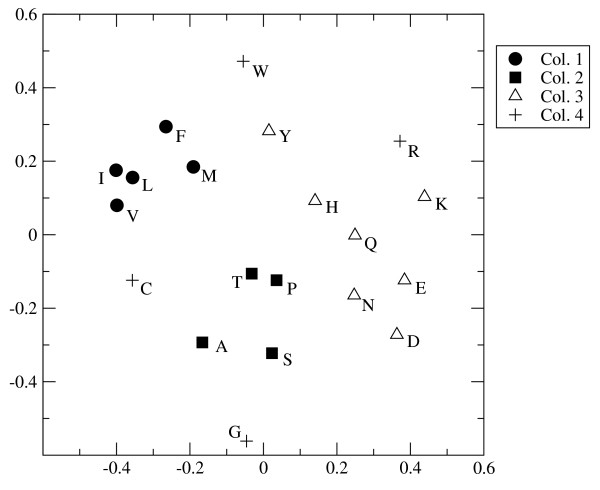
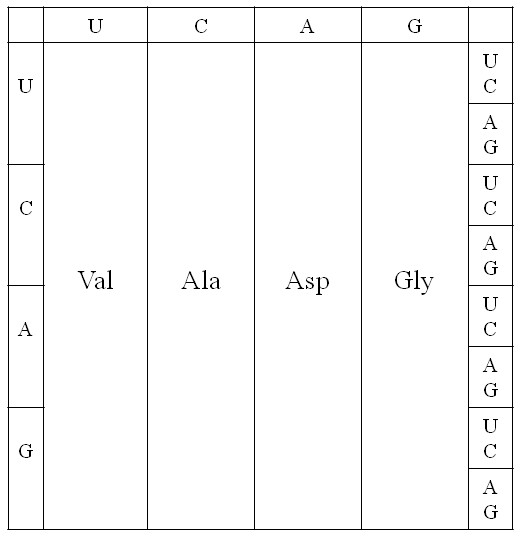
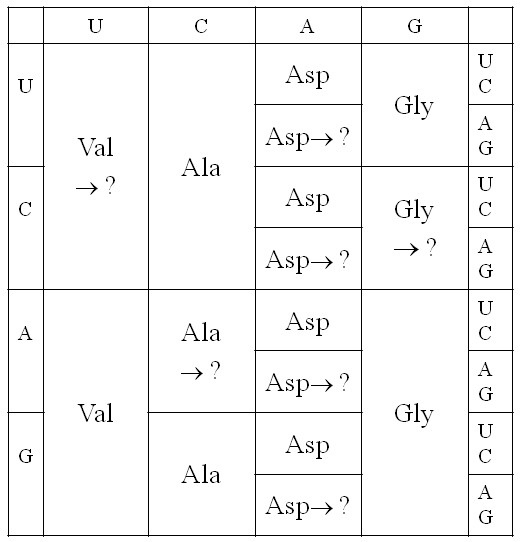
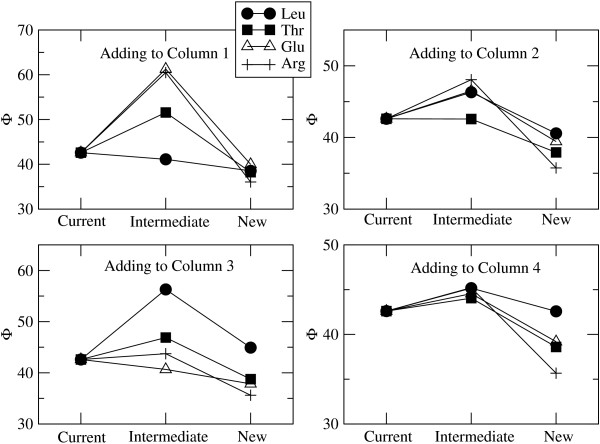
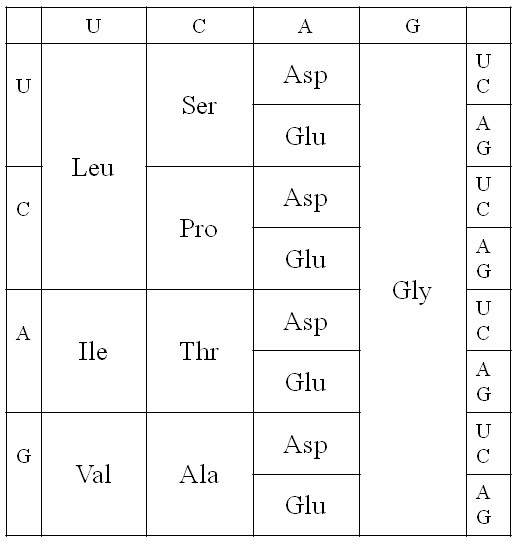
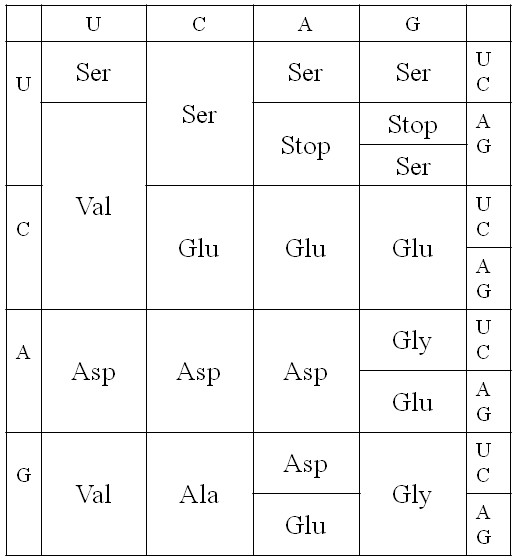
BACKGROUND: The arrangement of the amino acids in the genetic code is such that neighbouring codons are assigned to amino acids with similar physical properties. Hence, the effects of translational error are minimized with respect to randomly reshuffled codes. Further inspection reveals that it is amino acids in the same column of the code (i.e. same second base) that are similar, whereas those in the same row show no particular similarity. We propose a 'four-column' theory for the origin of the code that explains how the action of selection during the build-up of the code leads to a final code that has the observed properties. RESULTS: The theory makes the following propositions. (i) The earliest amino acids in the code were those that are easiest to synthesize non-biologically, namely Gly, Ala, Asp, Glu and Val. (ii) These amino acids are assigned to codons with G at first position. Therefore the first code may have used only these codons. (iii) The code rapidly developed into a four-column code where all codons in the same column coded for the same amino acid: NUN = Val, NCN = Ala, NAN = Asp and/or Glu, and NGN = Gly. (iv) Later amino acids were added sequentially to the code by a process of subdivision of codon blocks in which a subset of the codons assigned to an early amino acid were reassigned to a later amino acid. (v) Later amino acids were added into positions formerly occupied by amino acids with similar properties because this can occur with minimal disruption to the proteins already encoded by the earlier code. As a result, the properties of the amino acids in the final code retain a four-column pattern that is a relic of the earliest stages of code evolution. CONCLUSION: The driving force during this process is not the minimization of translational error, but positive selection for the increased diversity and functionality of the proteins that can be made with a larger amino acid alphabet. Nevertheless, the code that results is one in which translational error is minimized. We define a cost function with which we can compare the fitness of codes with varying numbers of amino acids, and a barrier function, which measures the change in cost immediately after addition of a new amino acid. We show that the barrier is positive if an amino acid is added into a column with dissimilar properties, but negative if an amino acid is added into a column with similar physical properties. Thus, natural selection favours the assignment of amino acids to the positions that they occupy in the final code.
Overview
The claims and statistics of this paper haven’t been checked yet.
Free: it reads the open-access text and checks the first 5 claims that cite a source we can check. Create a free account to check every claim.
Integrity signals
Registry
Cites
Statistics
Figures
Verification
Claims the paper makes
The claims and statistics of this paper haven’t been checked yet.
Free: it reads the open-access text and checks the first 5 claims that cite a source we can check. Create a free account to check every claim.
Claims other papers make about this one
Each is checked against this paper’s own text: does it say what the citing paper says it does?
The source backs part of the claim, not all of it — or backs it for a different population, condition or comparison.
In the citing paper
“Thus, robustness of the code to errors appears to be intrinsically coupled with enhancement of protein evolvability as previously suggested by some theoretical analyses (24, 32).”
From Origin and Evolution of the Universal Genetic Code (2017) · cites this paper as [32]
Experimental — accuracy not yet measuredThe source backs part of the claim, not all of it — or backs it for a different population, condition or comparison.
In the citing paper
“In contrast, the coevolution model, although producing some level of error minimization, was found to be inferior to the other scenarios; this was also demonstrated in an earlier analysis by Higgs (32).”
From Origin and Evolution of the Universal Genetic Code (2017) · cites this paper as [32]
Experimental — accuracy not yet measuredThe source backs part of the claim, not all of it — or backs it for a different population, condition or comparison.
In the citing paper
“In contrast, the coevolution model, although producing some level of error minimization, was substantially inferior to the other scenarios, as also demonstrated in an earlier analysis by Higgs [79].”
From Frozen Accident Pushing 50: Stereochemistry, Expansion, and Chance in the Evolution of the Genetic Code (2017) · cites this paper as [79]
Experimental — accuracy not yet measuredThe cited source says what the claim attributes to it.
In the citing paper
“Massey explored three distinct scenarios of the code expansion: the “2-1-3” model [78], which is similar to expansion schemes independently proposed by Higgs [79] and Francis [80], the ambiguity reduction model [81] and precursor-product scenario specified by the coevolution theory [57,59].”
From Frozen Accident Pushing 50: Stereochemistry, Expansion, and Chance in the Evolution of the Genetic Code (2017) · cites this paper as [79]
In the citing paper
“The 2-1-3 model and similar schemes posit that the code started from an ancestral stage, in which only the second base of the codon was informative, and expanded by assigning specificity to the first, and then, in some codon series, the third bases”
From Frozen Accident Pushing 50: Stereochemistry, Expansion, and Chance in the Evolution of the Genetic Code (2017) · cites this paper as [79]
Self-check
Percentages, sums and reported differences re-computed from the paper’s own numbers.
The self-check needs the paper’s full text.
Citations
Cites
A simple method for displaying the hydropathic character of a protein
Kyte, J., & Doolittle, R. F. (1982) · Journal of Molecular Biology · doi:10.1016/0022-2836(82)90515-0 · Cited by 22,843 · cited 1×
“Higgs and Attwood [31] defined a distance based on 8 properties from the protein folding literature (listed in columns 1–8 of Table 1, and see [32-37]).”
BackgroundProteins: Structures and Molecular Properties
Creighton, T. E. (1986) · Medical Entomology and Zoology · Cited by 2,645
The origin of the genetic code
Crick, F. H. C. (1968) · Journal of Molecular Biology · doi:10.1016/0022-2836(68)90392-6 · Cited by 2,320
King, J. L., & Jukes, T. H. (1969) · Science · doi:10.1126/science.164.3881.788 · Cited by 1,768
IDENTIFYING NONPOLAR TRANSBILAYER HELICES IN AMINO ACID SEQUENCES OF MEMBRANE PROTEINS
Engelman, D. M., Steitz, T. A., & Goldman, A. (1986) · Annual Review of Biophysics and Biophysical Chemistry · doi:10.1146/annurev.bb.15.060186.001541 · Cited by 1,504 · cited 1×
“Higgs and Attwood [31] defined a distance based on 8 properties from the protein folding literature (listed in columns 1–8 of Table 1, and see [32-37]).”
BackgroundProteins. Structures and molecular properties
(1984) · Analytical Biochemistry · doi:10.1016/0003-2697(84)90583-9 · Cited by 1,301 · cited 1×
“Higgs and Attwood [31] defined a distance based on 8 properties from the protein folding literature (listed in columns 1–8 of Table 1, and see [32-37]).”
BackgroundHydrophobicity of Amino Acid Residues in Globular Proteins
Rose, G. D., Geselowitz, A. R., Lesser, G. J., Lee, R. H., & Zehfus, M. H. (1985) · Science · doi:10.1126/science.4023714 · Cited by 1,175 · cited 2×
“Higgs and Attwood [31] defined a distance based on 8 properties from the protein folding literature (listed in columns 1–8 of Table 1, and see [32-37]).”
BackgroundInterior and surface of monomeric proteins
Miller, S., Janin, J., Lesk, A. M., & Chothia, C. (1987) · Journal of Molecular Biology · doi:10.1016/0022-2836(87)90038-6 · Cited by 949 · cited 2×
“Higgs and Attwood [31] defined a distance based on 8 properties from the protein folding literature (listed in columns 1–8 of Table 1, and see [32-37]).”
BackgroundA co-evolution theory of the genetic code
Wong, J. T.-F. (1975) · Proceedings of the National Academy of Sciences · doi:10.1073/pnas.72.5.1909 · Cited by 649 · cited 5×
“We agree with proponents of the coevolution theory of the code [19-22] that the evolution of biochemical synthesis pathways alongside the development of the code is important.”
BackgroundInfluentialThe genetic code is one in a million
Freeland, S. J., & Hurst, L. D. (1998) · Journal of Molecular Evolution · doi:10.1007/pl00006381 · Cited by 563 · cited 5×
“Following Freeland & Hurst [2], we will use a form of the error probability matrix that makes transition errors more frequent than transversion errors and makes -0.”
BackgroundMethodInfluential
Cited by
Grosjean, H., de Crécy-Lagard, V., & Marck, C. (2010) · FEBS Letters · doi:10.1016/j.febslet.2009.11.052 · Cited by 298
“extant domains of life (see for examples [114–116]).”
BackgroundOrigin and Evolution of the Universal Genetic Code
Koonin, E. V., & Novozhilov, A. S. (2017) · Annual Review of Genetics · doi:10.1146/annurev-genet-120116-024713 · Cited by 200
A Thermodynamic Basis for Prebiotic Amino Acid Synthesis and the Nature of the First Genetic Code
Higgs, P. G., & Pudritz, R. E. (2009) · Astrobiology · doi:10.1089/ast.2008.0280 · Cited by 218
“…to physicochemical properties, so that hydrophobic amino acids end up in the Val column, hydrophilic amino acids end up in the Asp = Glu column, etc. Higgs (2008) considered the way selection would favor the pathways of code evolution from the four-column code to the current standard code.”
InfluentialSelf-citationEffect of Correlated tRNA Abundances on Translation Errors and Evolution of Codon Usage Bias
Shah, P., & Gilchrist, M. A. (2010) · PLoS Genetics · doi:10.1371/journal.pgen.1001128 · Cited by 113
“Because amino acids with similar properties are clustered within the genetic code [16–19], the genetic code is generally considered to be adapted to minimize the phenotypic effects of point mutations and missense errors.”
Pathways and Organisms Involved in Ammonia Oxidation and Nitrous Oxide Emission
Guo, J., Peng, Y., Wang, S., Ma, B., Ge, S., Wang, Z., Huang, H., Zhang, J., & Zhang, L. (2013) · Critical Reviews in Environmental Science and Technology · doi:10.1080/10643389.2012.672072 · Cited by 103
Coevolution Theory of the Genetic Code at Age Forty: Pathway to Translation and Synthetic Life
Wong, J., Ng, S.-K., Mat, W.-K., Hu, T., & Xue, H. (2016) · Life · doi:10.3390/life6010012 · Cited by 93
Koonin, E. (2017) · Life · doi:10.3390/life7020022 · Cited by 85
“Massey explored three distinct scenarios of the code expansion: the “2-1-3” model [78], which is similar to expansion schemes independently proposed by Higgs [79] and Francis [80], the ambiguity reduction model [81] and precursor-product scenario specified by the coevolution theory [57,59].”
MethodResultRooting the Ribosomal Tree of Life
Fournier, G. P., & Gogarten, J. P. (2010) · Molecular Biology and Evolution · doi:10.1093/molbev/msq057 · Cited by 72
Fournier, G. P., & Alm, E. J. (2015) · Journal of Molecular Evolution · doi:10.1007/s00239-015-9672-1 · Cited by 79
“The results of this empirical sequence-based method are similar to those of consensus meta-studies (Trifonov 2000), classic prebiotic synthesis experiments (Miller 1953), and more recent selection-based models of the organization and evolution of the codon table schema (Higgs 2009).”
BackgroundResultThe Influence of Anticodon-Codon Interactions and Modified Bases on Codon Usage Bias in Bacteria
Ran, W., & Higgs, P. G. (2010) · Molecular Biology and Evolution · doi:10.1093/molbev/msq102 · Cited by 72
“This argument is interesting in the context of the evolution of the genetic code (Lehmann and Libchaber 2008; Higgs 2009), and in the present context, it provides another explanation of why the wobble-U tRNAs can translate all four codons in four-codon families but not in two-codon families.”
BackgroundSelf-citationPathways of Genetic Code Evolution in Ancient and Modern Organisms
Sengupta, S., & Higgs, P. G. (2015) · Journal of Molecular Evolution · doi:10.1007/s00239-015-9686-8 · Cited by 68
“Several caveats regarding this idea have been given by Higgs (2009) and replied to by Di Giulio in comments on that paper.”
BackgroundMethodResultInfluentialSelf-citationShibue, R., Sasamoto, T., Shimada, M., Zhang, B., Yamagishi, A., & Akanuma, S. (2018) · Scientific Reports · doi:10.1038/s41598-018-19561-1 · Cited by 66
How Amino Acids and Peptides Shaped the RNA World
Van der Gulik, P., & Speijer, D. (2015) · Life · doi:10.3390/life5010230 · Cited by 55
“this is a viewpoint held by some leading scientists working in the field [13,19,20].”
BackgroundThe evolution of the genetic code: Impasses and challenges
Kun, Á., & Radványi, Á. (2017) · Biosystems · doi:10.1016/j.biosystems.2017.10.006 · Cited by 59
“Higgs’ four-column theory offers a well-interpreted solution (Higgs, 2009).”
BackgroundFrozen, but no accident – why the 20 standard amino acids were selected
Doig, A. J. (2017) · FEBS Journal · doi:10.1111/febs.13982 · Cited by 56
The neutral emergence of error minimized genetic codes superior to the standard genetic code
Massey, S. E. (2016) · Journal of Theoretical Biology · doi:10.1016/j.jtbi.2016.08.022 · Cited by 48
“Theories of self-organization in early life include the hypercycle (Eigen, 1971), collectively autocatalytic sets (Kauffman, 1971), and the emergence of genetic coding (Wills, 1993; Fuchslin and McCaskill, 2001; Wills, 2009).”
BackgroundBłażej, P., Wnętrzak, M., Mackiewicz, D., & Mackiewicz, P. (2018) · PLoS ONE · doi:10.1371/journal.pone.0201715 · Cited by 64
Shannon information entropy in the canonical genetic code
Nemzer, L. R. (2016) · Journal of Theoretical Biology · doi:10.1016/j.jtbi.2016.12.010 · Cited by 40
The optimality of the standard genetic code assessed by an eight-objective evolutionary algorithm
Wnętrzak, M., Błażej, P., Mackiewicz, D., & Mackiewicz, P. (2018) · BMC Evolutionary Biology · doi:10.1186/s12862-018-1304-0 · Cited by 52
Amino acid fermentation at the origin of the genetic code
de Vladar, H. P. (2012) · Biology Direct · doi:10.1186/1745-6150-7-6 · Cited by 51
“The other extreme is achieved by tryptophan and methionine, and have high A+C content, are not degenerate, and were unlikely to be present at the initial stages of the evolution of the adapters [50,51].”
BackgroundIkehara, K. (2016) · Life · doi:10.3390/life6010006 · Cited by 32
Exceptional error minimization in putative primordial genetic codes
Novozhilov, A. S., & Koonin, E. V. (2009) · Biology Direct · doi:10.1186/1745-6150-4-44 · Cited by 37
“This point is central to the coevolution theory [10,59,66], and is also consistent with the view in this paper and in my own work [13], even though I have argued against the details of the way that the precursor-product relationships are used to infer the ancestral code in the coevolution theory.”
BackgroundMethodResultInfluentialUnderstanding the Genetic Code
Saier, M. H. (2019) · Journal of Bacteriology · doi:10.1128/jb.00091-19 · Cited by 52
“bDerived from analyses of present-day protein compositions (56).”
BackgroundMethodInfluentialDi Giulio, M. (2016) · Journal of Theoretical Biology · doi:10.1016/j.jtbi.2016.04.005 · Cited by 34
Francis, B. R. (2013) · Journal of Molecular Evolution · doi:10.1007/s00239-013-9567-y · Cited by 34
“Proposals regarding the expansion of the genetic code sometimes mention improved protein function as the driving force behind the process (e.g., Higgs 2009) without mentioning how improved function was achieved.”
BackgroundAdaptive Properties of the Genetically Encoded Amino Acid Alphabet Are Inherited from Its Subsets
Ilardo, M. A., Bose, R., Meringer, M., Rasulev, B., Grefenstette, N. M., Stephenson, J. D., Freeland, S. J., Gillams, R. J., Butch, C. J., & Cleaves, H. J. (2019) · Scientific Reports · doi:10.1038/s41598-019-47574-x · Cited by 35
Bernhardt, H. S., & Patrick, W. M. (2014) · Journal of Molecular Evolution · doi:10.1007/s00239-014-9627-y · Cited by 33
“2000) and logical (Higgs 2009) support for the co-evolutionary hypothesis is problematic, while experimental support for an anticodon-flipping mechanism from tRNA structural studies is missing.”
BackgroundMethodMetabolic Basis for the Self-Referential Genetic Code
Guimarães, R. C. (2010) · Origins of Life and Evolution of Biospheres · doi:10.1007/s11084-010-9226-x · Cited by 31
“Starting the encodings with Gly is a common feature of the SRM and of other models (Trifonov 2004; Higgs 2009).”
BackgroundMethodInsights into the antiviral activity of phospholipases A2 (PLA2s) from snake venoms
Teixeira, S. C., Borges, B. C., Oliveira, V. Q., Carregosa, L. S., Bastos, L. A., Santos, I. A., Jardim, A. C. G., de Melo, F. F., de Freitas, L. M., Rodrigues, V. D. M., et al. (2020) · International Journal of Biological Macromolecules · doi:10.1016/j.ijbiomac.2020.07.178 · Cited by 30
“Mt-I and Mt-II from Bothrops asper venom Bothrops asper is a viperid specie found in Central America and its venom contains significant concentrations of acid and basic sPLA2 enzymes [104].”
BackgroundInfluentialRogers, S. O. (2019) · Journal of Theoretical Biology · doi:10.1016/j.jtbi.2019.01.022 · Cited by 30
Wnętrzak, M., Błażej, P., & Mackiewicz, P. (2019) · Biosystems · doi:10.1016/j.biosystems.2019.04.012 · Cited by 35
Giulio, M. D. (2016) · Journal of Theoretical Biology · doi:10.1016/j.jtbi.2016.11.014 · Cited by 31
Self-Referential Encoding on Modules of Anticodon Pairs—Roots of the Biological Flow System
Guimarães, R. C. (2017) · Life · doi:10.3390/life7020016 · Cited by 29
Santos, J. C. A., & Monteagudo, Á. (2011) · BMC Bioinformatics · doi:10.1186/1471-2105-12-56 · Cited by 37
“For other authors as Higgs [6], the driving force during the build-up of the standard code is not the minimization of the effects of translational error, and the main factor that influenced the positions in which new amino acids were added is that there should be minimal disruption of the protein…”
BackgroundResultInfluentialOn the efficiency of the genetic code after frameshift mutations
Geyer, R., & Mamlouk, A. M. (2018) · PeerJ · doi:10.7717/peerj.4825 · Cited by 28
A binary representation of the genetic code
Nemzer, L. R. (2017) · Biosystems · doi:10.1016/j.biosystems.2017.03.001 · Cited by 27
“This stands in contrast with many previous studies, which fixated on using the degree of degeneracy in the third letter as the primary or sole metric, and more crucially, treated the nucleotides as interchangeable labels for group theory analysis.”
ResultBłażej, P., Wnętrzak, M., Mackiewicz, D., Gagat, P., & Mackiewicz, P. (2018) · Journal of Theoretical Biology · doi:10.1016/j.jtbi.2018.12.030 · Cited by 31
Study of the genetic code adaptability by means of a genetic algorithm
Santos, J. C. A., & Monteagudo, Á. (2010) · Journal of Theoretical Biology · doi:10.1016/j.jtbi.2010.02.041 · Cited by 29
On Nature’s Strategy for Assigning Genetic Code Multiplicity
Gardini, S., Cheli, S., Baroni, S., Lascio, G. D., Mangiavacchi, G., Micheletti, N., Monaco, C. L., Savini, L., Alocci, D., Mangani, S., et al. (2016) · PLoS ONE · doi:10.1371/journal.pone.0148174 · Cited by 25
Kunnev, D., & Gospodinov, A. (2018) · Life · doi:10.3390/life8040044 · Cited by 24
The “Wow! signal” of the terrestrial genetic code
Shcherbak, V. I., & Makukov, M. A. (2013) · Icarus · doi:10.1016/j.icarus.2013.02.017 · Cited by 31
“…(Sella & Ardell, 2006), affinities between (anti)codons and amino acids (Yarus et al ., 2009), selection for the increased diversity of proteins (Higgs, 2009), energetics of codon-anticodon interactions (Klump, 2006; Travers, 2006), or various pre-translational mechanisms (Wolf & Koonin, 2007;…”
BackgroundAnalysis of the optimality of the standard genetic code
Kumar, B., & Saini, S. (2016) · Molecular BioSystems · doi:10.1039/c6mb00262e · Cited by 31
Kimura, M., & Akanuma, S. (2020) · Journal of Molecular Evolution · doi:10.1007/s00239-020-09938-0 · Cited by 24
“…amino acids; and that the existing translation system and genetic codes would have progressively co-evolved from the primitive ones by a gradual expansion of the amino acid alphabet used for protein synthesis (Baumann and Oro 1993; Crick 1968; Eigen and Schuster 1977; Higgs 2009; Ikehara et al.”
van der Gulik, P. T. S., & Hoff, W. D. (2016) · PLoS ONE · doi:10.1371/journal.pone.0158342 · Cited by 23
Cofactors as Molecular Fossils To Trace the Origin and Evolution of Proteins
Chu, X., & Zhang, H. (2020) · ChemBioChem · doi:10.1002/cbic.202000027 · Cited by 28
van der Gulik, P. T. S., & Hoff, W. D. (2011) · Journal of Molecular Evolution · doi:10.1007/s00239-011-9470-3 · Cited by 24
Giulio, M. D. (2016) · Journal of Molecular Evolution · doi:10.1007/s00239-016-9760-x · Cited by 22
“2000; Di Giulio 2008), but it might have been also influenced by the fact that these amino acids are, at the same time, abundant in the prebiotic synthesis experiments (Higgs 2009).”
BackgroundOrigin of Life: The Point of No Return
Kunnev, D. (2020) · Life · doi:10.3390/life10110269 · Cited by 25
Strazewski, P. (2015) · Israel Journal of Chemistry · doi:10.1002/ijch.201400175 · Cited by 21
Giulio, M. D. (2017) · Journal of Theoretical Biology · doi:10.1016/j.jtbi.2017.08.005 · Cited by 20
Wu, M., & Higgs, P. G. (2011) · Astrobiology · doi:10.1089/ast.2011.0679 · Cited by 20
“If r 0 and s 0 are both small, then presumably we would need to wait very long times for rare fluctuations to occur, as discussed in the dynamical sections of Wu and Higgs (2009).”
InfluentialSelf-citationFrancis, B. (2015) · Life · doi:10.3390/life5010467 · Cited by 20
“Evolution of the standard genetic code from an early code that included only these four amino acids is widely supported [5,8,159–163].”
BackgroundSome Mathematical Refinements Concerning Error Minimization in the Genetic Code
Buhrman, H., van der Gulik, P. T. S., Kelk, S. M., Koolen, W. M., & Stougie, L. (2011) · IEEE Transactions on Computational Biology and Bioinformatics · doi:10.1109/tcbb.2011.40 · Cited by 24
“The driving force for the reass ignment is the ”positive selection for the increased diversity and functionality of the proteins t hat can be made with a larger amino acid alphabet”[13].”
BackgroundMethodInfluentialTheories of the origin of the genetic code: Strong corroboration for the coevolution theory
Giulio, M. D. (2024) · Biosystems · doi:10.1016/j.biosystems.2024.105217 · Cited by 20
Santos, J. C. A., & Monteagudo, Á. (2017) · BMC Bioinformatics · doi:10.1186/s12859-017-1608-x · Cited by 22
“This analysis with other amino acid properties has been performed in several previous works [12, 23, 25, 35].”
MethodGiulio, M. D. (2018) · Biosystems · doi:10.1016/j.biosystems.2018.05.002 · Cited by 23
Aggarwal, N., Bandhu, A. V., & Sengupta, S. (2016) · Physical Biology · doi:10.1088/1478-3975/13/3/036007 · Cited by 15
The Self-Referential Genetic Code is Biologic and Includes the Error Minimization Property
Guimarães, R. C. (2015) · Origins of Life and Evolution of Biospheres · doi:10.1007/s11084-015-9417-6 · Cited by 18
Caldararo, F., & Giulio, M. D. (2022) · Biosystems · doi:10.1016/j.biosystems.2022.104613 · Cited by 20
Froese, T., Campos, J., Fujishima, K., Kiga, D., & Virgo, N. (2018) · Scientific Reports · doi:10.1038/s41598-018-21973-y · Cited by 20
Nahálka, J. (2011) · Journal of Proteomics & Bioinformatics · doi:10.4172/jpb.1000184 · Cited by 19
“Independently, Higgs [25] proposed four column triplet code (gnn, n= g, c, u, a) and four amino acids (G, A, V, D) as the earliest genetic code.”
BackgroundA Realistic Model Under Which the Genetic Code is Optimal
Buhrman, H., van der Gulik, P. T. S., Klau, G. W., Schaffner, C., Speijer, D., & Stougie, L. (2013) · Journal of Molecular Evolution · doi:10.1007/s00239-013-9571-2 · Cited by 24
“During this process, error robustness was built into the code (see e.g. Ardell 1998; Caporaso et al. 2005; Crick 1968; Di Giulio 2008; Freeland et al. 2003; Higgs 2009; Ikehara et al. 2002; Massey 2008; Vetsigian et al. 2006; Wolf and Koonin 2007; Wong 2005).”
BackgroundMethodThe influence of different types of translational inaccuracies on the genetic code structure
Błażej, P., Wnętrzak, M., Mackiewicz, D., & Mackiewicz, P. (2019) · BMC Bioinformatics · doi:10.1186/s12859-019-2661-4 · Cited by 17
Emergence of life: from functional RNA selection to natural selection and beyond
Tze-Fei Wong, J. (2014) · Frontiers in Bioscience · doi:10.2741/4271 · Cited by 18
“Therefore the suggestion that the four columns, each enriched with physical similarities, rather than the four rows, each enriched with family kinships, furnished the primary divisions of codon domains (80) is groundless.”
BackgroundFrom matter to form: the evolution of the genetic code as semio-poiesis
Zolyan, S. (2022) · Semiotica · doi:10.1515/sem-2020-0088 · Cited by 19
Rare-event sampling analysis uncovers the fitness landscape of the genetic code
Omachi, Y., Saito, N., & Furusawa, C. (2023) · PLoS Computational Biology · doi:10.1371/journal.pcbi.1011034 · Cited by 16
“The following aspects that were beyond the scope of our study require future analysis: the incorporation of the effect of codon usage [6, 11], coevolution of the genetic code with the amino-acid synthesis metabolic pathway [9, 28, 29], and the recently reported robustness of the genetic code against mutations”
Bandhu, A. V., Aggarwal, N., & Sengupta, S. (2013) · Origins of Life and Evolution of Biospheres · doi:10.1007/s11084-014-9353-x · Cited by 14
“The function proposed by Higgs (2009) for calculating the cost of codes encoding less than 20 amino acids is used in the cost-calculation.”
BackgroundMethodInfluentialSelection on GGU and CGU Codons in the High Expression Genes in Bacteria
Satapathy, S. S., Powdel, B. R., Dutta, M., Buragohain, A. K., & Ray, S. K. (2013) · Journal of Molecular Evolution · doi:10.1007/s00239-013-9596-6 · Cited by 13
“According to the four-column theory for the origin of the genetic code (Higgs 2009), GGN is one of the oldest codon families in the evolution of genetic code.”
BackgroundMorgens, D. W., & Cavalcanti, A. R. O. (2013) · Journal of Molecular Evolution · doi:10.1007/s00239-013-9542-7 · Cited by 14
“…effect of a specific mechanism of code evolution (Nirenburg et al. 1963; Pelc and Welton 1966; Crick 1968; Dillion 1973; Wong 1975, 1976, 1980, 1981, 1988; Wong and Bronskill 1979; Taylor and Coates 1989; Cavalcanti et al. 2000, 2004; Stoltzfus and Yampolsky 2007; Di Giulio 2008; Higgs 2009).”
BackgroundInfluentialGospodinov, A. G., & Kunnev, D. (2020) · Life · doi:10.3390/life10060081 · Cited by 14
“While the properties of Arg make it extremely valuable in any RNA–peptide interactions, the main argument against it being an early amino acid is centered on the assumption of its absence from the prebiotic environment [7,8,41,42].”
BackgroundCrick Wobble and Superwobble in Standard Genetic Code Evolution
Yarus, M. (2021) · Journal of Molecular Evolution · doi:10.1007/s00239-020-09985-7 · Cited by 15
“Columns of assignments with similar properties have long been recognized as a principle that organizes early genetic coding (Massey 2006; Higgs 2009).”
BackgroundA Mathematical Model for the Genetic Code(s) Based on Fibonacci Numbers and their q-Analogues
Négadi, T. (2015) · NeuroQuantology · doi:10.14704/nq.2015.13.3.850 · Cited by 18
“…having a-priori no good reason to discard the negative values for the deformation parameter q, we must include, also, other recent interesting works, proposing a number of “earliest” amino acids less than six but certainly greater than or equal to four (Higgs, 2009; Hartman and Smith, 2014).”
BackgroundTwo perspectives on the origin of the standard genetic code
Sengupta, S., Aggarwal, N., & Bandhu, A. V. (2014) · Origins of Life and Evolution of Biospheres · doi:10.1007/s11084-014-9394-1 · Cited by 10
“Following the 4-column theory of genetic code origin proposed by Higgs (Higgs 2009), we start from a scenario in which the earliest code which encoded 4 of the early amino acids (Val, Ala, Asp and Gly) possessed primitive translation machinery that could distinguish only between bases at the second…”
BackgroundMethodInfluentialA Non-neutral Origin for Error Minimization in the Origin of the Genetic Code
Giulio, M. D. (2018) · Journal of Molecular Evolution · doi:10.1007/s00239-018-9871-7 · Cited by 11
On the context-sensitive grammar of the genetic code
Zolyan, S. (2021) · Biosystems · doi:10.1016/j.biosystems.2021.104497 · Cited by 11
The Origin of tRNA Deduced from Pseudomonas aeruginosa 5′ Anticodon-Stem Sequence
Ikehara, K. (2019) · Origins of Life and Evolution of Biospheres · doi:10.1007/s11084-019-09573-w · Cited by 12
Origins of Genetic Coding: Self-Guided Molecular Self-Organisation
Wills, P. R. (2023) · Entropy · doi:10.3390/e25091281 · Cited by 13
“Purely Darwinian models can be built in terms of gene duplication and subsequent selection [52,53], but the mechanism of quasi-species bifurcation offers an explanation based on reciprocal links between the physical and computational aspects of the process.”
BackgroundThe Standard Genetic Code Facilitates Exploration of the Space of Functional Nucleotide Sequences
Tripathi, S., & Deem, M. W. (2018) · Journal of Molecular Evolution · doi:10.1007/s00239-018-9852-x · Cited by 9
Fundamental role of start/stop regulators in whole DNA and new trinucleotide classification
Rosandić, M., Paar, V., & Glunčić, M. (2013) · Gene · doi:10.1016/j.gene.2013.09.021 · Cited by 10
“…numerous hypotheses have been formulated (Crick, 1968; Wong, 1975; Gilbert, 1986; Knight and Landweber, 2000; Di Giulio, 2005; Jordan et al., 2005; Di Giulio, 2008; Higgs, 2009; Koonin and Novozhilov, 2009; Novozhilov and Koonin, 2009; Frenkel and Trifonov, 2012; Kawahara-Kobayashi et al., 2012).”
Katoh, T., & Suga, H. (2023) · Nucleic Acids Research · doi:10.1093/nar/gkad707 · Cited by 11
Facchiano, A. M., & Giulio, M. D. (2018) · Journal of Theoretical Biology · doi:10.1016/j.jtbi.2018.09.021 · Cited by 8
Fitting the standard genetic code into its triplet table
Yarus, M. (2021) · Proceedings of the National Academy of Sciences · doi:10.1073/pnas.2021103118 · Cited by 9
“Thus chemical and biosynthetic indications concur that Val, Ala, Asp, Glu, and Gly may have been early assignments to their present GNN code row (16).”
BackgroundIkehara, K. (2023) · Genes · doi:10.3390/genes14020375 · Cited by 13
“Those studies were mainly carried out through analyses of codon usage [2,5,6], the early metabolism [3], and amino acid synthesis with prebiotic means [4].”
BackgroundInfluentialA crescendo of competent coding (c3) contains the Standard Genetic Code
Yarus, M. (2022) · RNA · doi:10.1261/rna.079275.122 · Cited by 13
The key role of the elongation factors in the origin of the organization of the genetic code
Giulio, M. D. (2019) · Biosystems · doi:10.1016/j.biosystems.2019.04.009 · Cited by 9
Stability of the genetic code and optimal parameters of amino acids
Chechetkin, V. R., & Lobzin, V. V. (2010) · Journal of Theoretical Biology · doi:10.1016/j.jtbi.2010.10.015 · Cited by 12
van der Gulik, P. T. S. (2015) · Life · doi:10.3390/life5041629 · Cited by 7
“Higgs [30] pointed out the four-column structure of the genetic code.”
BackgroundFrank, A., & Froese, T. (2018) · Origins of Life and Evolution of Biospheres · doi:10.1007/s11084-018-9559-4 · Cited by 11
Reflections on the Origin and Early Evolution of the Genetic Code
Fontecilla-Camps, J. C. (2023) · ChemBioChem · doi:10.1002/cbic.202300048 · Cited by 8
Massey, S. E. (2018) · Natural Computing · doi:10.1007/s11047-017-9669-3 · Cited by 7
“An alternative scenario to utilizing codon reassignments, but which also relies on the direct selection for the EM property, would to select the most error minimizing assignment out of a range of alternatives when an amino acid is added to an expanding genetic code (Massey 2006; Higgs 2009).”
BackgroundMethodThe Combinatorial Fusion Cascade to Generate the Standard Genetic Code
Nesterov‐Mueller, A., & Popov, R. (2021) · Life · doi:10.3390/life11090975 · Cited by 6
Zhao, F., & Akanuma, S. (2022) · Journal of Molecular Evolution · doi:10.1007/s00239-022-10078-w · Cited by 7
“…that, by gradually incorporating new amino acids into the repertoire, the modern genetic code has progressively evolved from a primitive, simpler one involving a subset of the current 20 proteinogenic amino acids (Baumann and Oro 1993; Crick 1968; Eigen and Schuster 1977; Higgs 2009; Ikehara et al.”
BackgroundAre Proposed Early Genetic Codes Capable of Encoding Viable Proteins?
Ángyán, A. F., Ortutay, C., & Gáspári, Z. (2014) · Journal of Molecular Evolution · doi:10.1007/s00239-014-9622-3 · Cited by 8
“• Considering that for the first four amino acids Gly, Ala, Glu, and Val were proposed by independent authors (Higgs 2009; Oba et al. 2005), and that short peptides consisting of these amino acids were found to possess catalytic (proteolytic) activity (Oba et al. 2005), we have also generated…”
BackgroundMethodTracing the Origin of the Genetic Code and Thermostability to Dipeptide Sequences in Proteomes
Wang, M., Aziz, M. F., & Caetano‐Anollés, G. (2025) · Journal of Molecular Biology · doi:10.1016/j.jmb.2025.169396 · Cited by 9
Basic principles of the genetic code extension
Błażej, P., Wnętrzak, M., Mackiewicz, D., & Mackiewicz, P. (2020) · Royal Society Open Science · doi:10.1098/rsos.191384 · Cited by 5
A Cofactor-Based Mechanism for the Origin of the Genetic Code
Giménez, J. A. M., & Tabarés‐Seisdedos, R. (2022) · Origins of Life and Evolution of Biospheres · doi:10.1007/s11084-022-09628-5 · Cited by 5
“…pathways for generating new amino acids from early amino acids covalently attached to pre-tRNAs, leading to the development of the genetic code) (Wong 1975; Di Giulio 1994, 1998, 2008), and adaptive theory (adaptation-error minimization) (Freeland and Hurst 1998; Massey 2008; Higgs 2009).”
BackgroundFrom Matter to Form: The Evolution of the Genetic Code as Semio-Poiesis
Zolyan, S. (2022) · Linguistic Frontiers · doi:10.2478/lf-2020-0014 · Cited by 6
“The other vision of the primordial genetic code and its evolution is suggested in the so-called theory of four co - lumns (Higgs 2009).”
BackgroundThe Graph, Geometry and Symmetries of the Genetic Code with Hamming Metric
Lenstra, R. (2015) · Symmetry · doi:10.3390/sym7031211 · Cited by 8
“Thus, the polytope model is compatible with Higgs’s “four column model” [57] and Wong’s and Di Giulio’s coevolutionary theory [58,59] that assign amino acids sequentially to specific codon blocks.”
MethodCombinatorial Fusion Rules to Describe Codon Assignment in the Standard Genetic Code
Nesterov‐Mueller, A., Popov, R., & Seligmann, H. (2020) · Life · doi:10.3390/life11010004 · Cited by 4
Metadata
- Authors
- Higgs, P. G.
- Affiliations
- McMaster University (CA)
- Corresponding author
- Higgs, Paul G
- ORCID
- Higgs, Paul G
- Venue
- Biology Direct
- Published
- 2009
- Volume
- 4
- Issue
- 1
- Pages
- 16
- ISSN
- 1745-6150 (ISSN-L)
- PMC
- PMC2689856
- OpenAlex
- W2140139413
- Cited by
- 137
- References
- 68
- Citations by year
- 2026: 5 · 2025: 5 · 2024: 4 · 2023: 9 · 2022: 6 · 2021: 12 · 2020: 9 · 2019: 7 · 2018: 14 · 2017: 7 · 2016: 12 · 2015: 11 · 2014: 5 · 2013: 10 · 2012: 3
- FWCI
- 2.82
- Type
- journal article
- Language
- en
- Open access
- gold
- doi.org
- Licence
- cc-by
- Locations
- Biology Direct (publishedVersion, cc-by)
- PubMed Central (publishedVersion, cc-by)
- PubMed (publishedVersion)
- DOAJ (DOAJ: Directory of Open Access Journals) (submittedVersion)
- Funders
- Aspen Center for Physics
- Canada Research Chairs
- Topics
- Life Sciences › Biochemistry, Genetics and Molecular Biology › Molecular Biology › RNA and protein synthesis mechanisms
- Physical Sciences › Physics and Astronomy › Astronomy and Astrophysics › Origins and Evolution of Life
- Life Sciences › Biochemistry, Genetics and Molecular Biology › Genetics › Evolution and Genetic Dynamics
- Keywords
- origin of the genetic code, codon assignment, amino acid physicochemical properties, translational errors, code evolution, amino acid addition, code expansion, cost function, barrier function, natural selection, protein diversity
- MeSH terms
- Amino Acids, Codon, Genetic Code, Models, Genetic, Selection, Genetic, Evolution, Molecular, Amino Acid Substitution
About these checks
Registry, retraction, Cites and statistics results are computed, not judged, with one exception: a printed reference that no index lists is read once by a model before it counts as a citation error. Claims are extracted by a model and kept only when their quote appears verbatim in the text; each cited source is then checked, with a model’s help, for whether it says what the claim relies on. Those verdicts can be wrong — read the claim’s quote and the cited source before relying on one.
Statistics and arithmetic are recomputed, not judged.
Confidence bands are shown only for fields calibrated on our annotated test set. None is calibrated yet, so no band is shown.
What counts as a claim ›How we measure confidence ›How we check this ›
Are you an author, or do you see a problem with this page? Request a review
Data sources
Bibliographic data: Semantic Scholar, OpenAlex, Crossref.
Contains information from the Semantic Scholar Academic Graph Datasets, made available under the ODC Attribution License (ODC-BY 1.0).
Semantic Scholar’s data is described in: Kinney, R., et al. (2023). The Semantic Scholar Open Data Platform. arXiv:2301.10140.
