

Validation of the theoretical domains framework for use in behaviour change and implementation research
Open accessThe DOI matches its Crossref record; 59 of the 61 references it cites were found in a registry or an index; 12 of the 35 sources its claims cite were checked for support.
Abstract
BACKGROUND: An integrative theoretical framework, developed for cross-disciplinary implementation and other behaviour change research, has been applied across a wide range of clinical situations. This study tests the validity of this framework. METHODS: Validity was investigated by behavioural experts sorting 112 unique theoretical constructs using closed and open sort tasks. The extent of replication was tested by Discriminant Content Validation and Fuzzy Cluster Analysis. RESULTS: There was good support for a refinement of the framework comprising 14 domains of theoretical constructs (average silhouette value 0.29): 'Knowledge', 'Skills', 'Social/Professional Role and Identity', 'Beliefs about Capabilities', 'Optimism', 'Beliefs about Consequences', 'Reinforcement', 'Intentions', 'Goals', 'Memory, Attention and Decision Processes', 'Environmental Context and Resources', 'Social Influences', 'Emotions', and 'Behavioural Regulation'. CONCLUSIONS: The refined Theoretical Domains Framework has a strengthened empirical base and provides a method for theoretically assessing implementation problems, as well as professional and other health-related behaviours as a basis for intervention development.
Overview
CoChat Summary
TL;DR
This validation study used open and closed card-sort tasks with behaviour-change experts to test the Theoretical Domains Framework, yielding a refined 14-domain, 84-construct framework. It supports the TDF’s structure while dropping “Nature of the Behaviours” and splitting or adding domains such as Optimism, Reinforcement, Intentions, and Goals.
Key findings
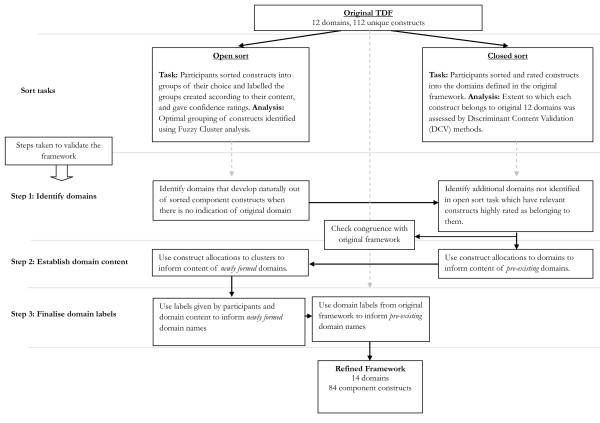
- The refined framework contains 14 domains and 84 component constructs: Knowledge, Skills, Social/Professional Role and Identity, Beliefs about Capabilities, Optimism, Beliefs about Consequences, Reinforcement, Intentions, Goals, Memory/Attention and Decision Processes, Environmental Context and Resources, Social Influences, Emotions, and Behavioural Regulation.
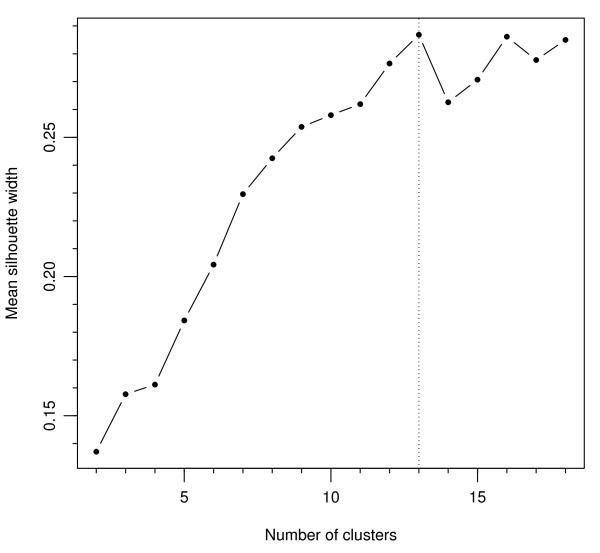
- The open sort produced a 13-cluster solution with the highest overall average silhouette value of 0.29; after removing low-silhouette constructs, 10 clusters had average silhouette values greater than 0.25, with an average of 0.47 across those 10 domains.
- Of the original 112 unique constructs, 34 were removed, leaving 84; “Nature of the Behaviours” was dropped because it was not represented by a single open-sort cluster and had only one construct assigned in the closed sort.
- Closed-sort congruence was >69% for Emotion, Skills, Motivation and Goals, Social/Professional Role and Identity, Beliefs about Capabilities, and Memory/Attention and Decision Processes, with fair ICCs (0.31–0.40); lower congruence was found for Knowledge, Environmental Context and Resources, and Social Influences (27%–50%), and for Behavioural Regulation, Nature of the Behaviours, and Beliefs about Consequences (<27%).
Methods
- Cross-sectional validation design. Eligible participants had a good understanding of behaviour change theory and were unaware of the original framework; 37 completed the tasks (18 closed sort, 19 open sort), mean age 36.54 years, 27 women and 10 men, mostly from the UK.
- Participants sorted 112 unique theoretical constructs after 12 duplicates were removed. The open sort asked participants to create and label their own groups (up to 24); the closed sort asked them to assign constructs to the original 12 labelled domains and rate confidence from 1 to 10.
- Analysis used Fuzzy Cluster Analysis with silhouette values for the open sort, Mantel correlations and Kendall’s W for sorting concordance, Discriminant Content Validation with one-sample t-tests against zero and Hochberg correction, and intraclass correlation coefficients for closed-sort agreement.
Limitations
- The paper states that two domains showed weak clustering: “Environmental Context and Resources” and “Behavioural Regulation.” It also states that the refined framework is limited to constructs identified in the original framework and does not cover all theories of behaviour change.
- Evident from the text: the sample was small and self-selected (37 completers; 18 closed, 19 open), mostly UK-based, and open-sort concordance was low (W = 0.22, p = 0.01). Several clusters had low silhouette values (<0.25) before construct removal, and “Knowledge” had no open-sort cluster, being retained based on closed-sort confidence ratings.
Model-written summary. Check it against the paper before relying on it.
Integrity signals
Registry
Cites
Statistics
Figures
Verification
Claims the paper makes
8 Valid · 2 Not valid · 7 Not checked · 74 Own results and interpretations
The cited sources support only part of this claim — read each source’s verdict below.
In the paper
“In a review of 235 guideline development and implementation studies, only 22.5% were judged to have used theories of behaviour change”
§ Validation of the theoretical domains framework for use in behaviour change and implementation research > Background
What the sources say
- Partly supportedcites [10] Davies P Walker AE Grimshaw J A systematic review of the use of theory in the design and implementation strategies and interpretation of the results of rigorous evaluations Implement Sci 2010 5 1 6 10.1186/1748-5908-5-1 20181130 PMC2832624 sourceExperimental — accuracy not yet measured
The Results report that 53 of 235 studies (22.5%) were judged to have employed theories of behaviour or behaviour change. The Abstract Methods identifies the studies as rigorous evaluations of guideline dissemination and implementation, not guideline development and implementation. (LLM, conf=0.86)
plain- Asserted: passes — The authors put it forward as true.
- Checkable: passes — It can be checked against evidence.
- Load-bearing: passes — The paper’s conclusions depend on it.
- Based: passes — The paper gives a reason why it holds.
- Partly supported
The cited sources support only part of this claim — read each source’s verdict below.
In the paper
“Research using the TDF has identified lack of knowledge as a potential barrier to a number of professional health behaviours, including hand hygiene [17], changing transfusion practice [19], and the adoption of tobacco use cessation counseling in dental practices [21].”
§ Validation of the theoretical domains framework for use in behaviour change and implementation research > Discussion
What the sources say
- Not checked — no full text of the sourcecites [17] Dyson J Lawton R Jackson C Cheater F Does the use of a theoretical approach tell us more about hand hygiene behaviour? The barriers and levers to hand hygiene J Infection Prev 2010 12 17 source
- Partly supportedcites [19] Francis J Tinmouth A Stanworth SJ Using theories of behaviour change to understand transfusion prescribing three clinical contexts in two countries: development work for and implementation trial Implement Sci 2009 4 70 10.1186/1748-5908-4-70 19852832 PMC2777847 sourceExperimental — accuracy not yet measured
The Abstract (Methods) and Methods (Interview study) say the planned TDF-based interviews will examine knowledge as a possible influence on transfusion decisions. The Background (UK and Canadian blood services) says factors hindering change in these clinical contexts had not yet been investigated. This paper therefore does not report that lack of knowledge was identified as a barrier to changing transfusion practice; the other behaviours have separate citations in the citing sentence. (LLM, conf=0.86)
- Partly supportedcites [21] Amemori M Korhonen T Kinnunen T Michie S Murtomaa H Enhancing implementation of tobacco use prevention and cessation counselling guideline among dental providers: a cluster randomised controlled trial Implement Sci 2011 6 13 10.1186/1748-5908-6-13 21320312 PMC3055178 sourceExperimental — accuracy not yet measured
The Background section lists knowledge as a domain in the theoretical-domains framework, and the Methods section says the authors planned to use that framework to assess difficulties with tobacco-cessation counselling in dental practices. But this paper does not report that it identified a lack of knowledge as a barrier; it says the assessment results will be reported elsewhere. This verdict addresses only the dental-practice clause attached to this citation. (LLM, conf=0.83)
hedgedstates an association- Asserted: passes — The authors put it forward as true.
- Checkable: passes — It can be checked against evidence.
- Load-bearing: passes — The paper’s conclusions depend on it.
- Based: passes — The paper gives a reason why it holds.
The cited sources that could be checked couldn’t confirm or dispute this claim.
In the paper
“Furthermore, where the domain has been used, in relation to changing transfusion practice, it was noted that when participants were asked questions relating to the ‘Nature of the Behaviours’ domain they often repeated answers that were previously given in response to questions relating to the ‘Behavioural Regulation’ domain [19]”
§ Validation of the theoretical domains framework for use in behaviour change and implementation research > Discussion
What the sources say
- Could not verifycites [19] Francis J Tinmouth A Stanworth SJ Using theories of behaviour change to understand transfusion prescribing three clinical contexts in two countries: development work for and implementation trial Implement Sci 2009 4 70 10.1186/1748-5908-4-70 19852832 PMC2777847 sourceExperimental — accuracy not yet measured
Split into 2 atoms — 0 confirmed, 0 partially supported, 0 disputed, 0 misattributed, 2 unverifiable. Expand the claim to see per-atom verdicts.
plainstates an association- Asserted: passes — The authors put it forward as true.
- Checkable: passes — It can be checked against evidence.
- Load-bearing: passes — The paper’s conclusions depend on it.
- Based: passes — The paper gives a reason why it holds.
- Could not verify
A result the paper reports from its own data — it cites no other source for it, so there is none to check. The quote shows it is in the paper.
In the paper
“This revealed that the majority of constructs (74/112) were strongly associated with only one cluster (i.e., showed membership values over 80% to one specific cluster, see Additional file 5).”
§ Validation of the theoretical domains framework for use in behaviour change and implementation research > Results > Sample size suitability and open sort pattern concordance
plainstates an association- Asserted: passes — The authors put it forward as true.
- Checkable: passes — It can be checked against evidence.
- Load-bearing: passes — The paper’s conclusions depend on it.
- Based: passes — The paper gives a reason why it holds.
A result the paper reports from its own data — it cites no other source for it, so there is none to check. The quote shows it is in the paper.
In the paper
“However, none of the multiple memberships indicated in the open sort results were replicated in the closed sort task where three different constructs, ‘Professional confidence’, ‘Beliefs’, and ‘Group identity’, were allocated to multiple domains.”
§ Validation of the theoretical domains framework for use in behaviour change and implementation research > Results > Sample size suitability and open sort pattern concordance
plain- Asserted: passes — The authors put it forward as true.
- Checkable: passes — It can be checked against evidence.
- Load-bearing: passes — The paper’s conclusions depend on it.
- Based: passes — The paper gives a reason why it holds.
35 more claims
Create a free account to see all 91 claims and to verify the 1 reference still open.
- Probably not a substantial claim. 29
- It may state two separate claims as one. 31
- The quote only partly states this claim. 2
Claims other papers make about this one
Each is checked against this paper’s own text: does it say what the citing paper says it does?
The source backs part of the claim, not all of it — or backs it for a different population, condition or comparison.
In the citing paper
“Theoretical Domains Framework represents another approach to developing determinant frameworks. It was constructed on the basis of a synthesis of 128 constructs related to behaviour change found in 33 behaviour change theories, including many social cognitive theories [10]. The constructs are sorted into 14 theoretical domains (originally 12 domains), e.g. knowledge, skills, intentions, goals,”
From Making sense of implementation theories, models and frameworks (2015) · cites this paper as [10]
Experimental — accuracy not yet measuredThe source backs part of the claim, not all of it — or backs it for a different population, condition or comparison.
In the citing paper
“Overarching change domains were chosen from the Theoretical Domains Framework (TDF) (68), an integrative framework that provides intervention developers with a possible selection of 14 change domains e.g., behavioral regulation and 84 change mechanisms e.g., self-monitoring from evidence-based behavior change theories.”
From Developing a mechanism-based therapy for acute psychiatric inpatients with psychotic symptoms: an Intervention Mapping approach (2023) · cites this paper as [68]
Experimental — accuracy not yet measuredThe source backs part of the claim, not all of it — or backs it for a different population, condition or comparison.
In the citing paper
“It has been increasingly acknowledged that consideration of patient acceptability using theories of behaviour change are key to effective evaluation, design and implementation of healthcare interventions [23–25] .”
From 'I didn't know what to expect': Exploring patient perspectives to identify targets for change to improve telephone-delivered psychological interventions (2020) · cites this paper as [25]
Experimental — accuracy not yet measuredThe source backs part of the claim, not all of it — or backs it for a different population, condition or comparison.
In the citing paper
“the TDF is a theoretical framework rather than a theory; it does not propose testable relationships between elements but provides a theoretical lens through which to view the cognitive, affective, social and environmental influences on behaviour.”
From A guide to using the Theoretical Domains Framework of behaviour change to investigate implementation problems (2017) · cites this paper as [16]
Experimental — accuracy not yet measuredThe source backs part of the claim, not all of it — or backs it for a different population, condition or comparison.
In the citing paper
“The central tenet of this model is that capability, opportunity and motivation interact to produce behaviour.”
From A guide to using the Theoretical Domains Framework of behaviour change to investigate implementation problems (2017) · cites this paper as [16]
Experimental — accuracy not yet measured
28 more claims about this paper
Create a free account to see every claim other papers make about this one.
Self-check
Percentages, sums and reported differences re-computed from the paper’s own numbers.
Each contradiction between two passages listed here was confirmed by an independent check.
Rated minor: it would not touch a result — a value no result rests on, a p-value that stays on the same side of the significance level, or a conflict that is clerical, resolved elsewhere in the paper, or outside its own findings.
In the paper
“This revealed that the majority of constructs (74/112) were strongly associated with only one cluster (i.e., showed membership values over 80% to one specific cluster, see Additional file 5). A further 32 constructs showed moderately high associations with one cluster (memberships values between 28% to 79%), with the remaining proportion of memberships for these constructs spread over other clusters. Only eight constructs”
§ Validation of the theoretical domains framework for use in behaviour change and implementation research > Results > Sample size suitability and open sort pattern concordance
Reported 112 · recomputed 114
Rated minor: it would not touch a result — a value no result rests on, a p-value that stays on the same side of the significance level, or a conflict that is clerical, resolved elsewhere in the paper, or outside its own findings.
In the paper
§ Validation of the theoretical domains framework for use in behaviour change and implementation research > Discussion
“Second, the ‘Nature of the Behaviours’ domain was dropped in the new framework, because its original component constructs were not assigned to the domain in the closed sort, and there was no cluster representing the ‘Nature of the Behaviours’ in the open sort.”
§ Validation of the theoretical domains framework for use in behaviour change and implementation research > Results > Sample size suitability and open sort pattern concordance
“‘Nature of the Behaviours’ only had one construct (Routine/automatic/habit) included from the original six constructs.”
Rated minor: it would not touch a result — a value no result rests on, a p-value that stays on the same side of the significance level, or a conflict that is clerical, resolved elsewhere in the paper, or outside its own findings.
In the paper
§ Validation of the theoretical domains framework for use in behaviour change and implementation research > Discussion
“Two domains showed weak clustering: ‘Environmental Context and Resources’ and ‘Behavioural Regulation’.”
§ Validation of the theoretical domains framework for use in behaviour change and implementation research > Results > Sample size suitability and open sort pattern concordance
“Three clusters remained with silhouettes below 0.25, ‘Environmental Context and Resources’, ‘Memory, Attention, and Decision Processes’, and ‘Behavioural Regulation’.”
Citations
Cites
The theory of planned behavior
Ajzen, I. (1991) · Organizational Behavior and Human Decision Processes · doi:10.1016/0749-5978(91)90020-t · Cited by 90,587
The Measurement of Observer Agreement for Categorical Data
Landis, J. R., & Koch, G. G. (1977) · Biometrics · doi:10.2307/2529310 · Cited by 81,148 · cited 1×
“61 as good to excellent agreement [44].”
Silhouettes: A graphical aid to the interpretation and validation of cluster analysis
Rousseeuw, P. J. (1987) · Journal of Computational and Applied Mathematics · doi:10.1016/0377-0427(87)90125-7 · Cited by 21,392 · cited 2×
“Silhouette values are calculated for each construct and range from +1, indicating strong association with a cluster and distance from neighboring clusters, through 0, indicating no distinct association with clusters, to −1, indicating that a construct is probably assigned to the wrong cluster and should be considered…”
BackgroundMethodMichie, S., van Stralen, M. M., & West, R. (2011) · Implementation Science · doi:10.1186/1748-5908-6-42 · Cited by 13,697 · cited 4×
“In designing interventions, the TDF fits well with the Behaviour Change Wheel (BCW) [46] referred to above.”
BackgroundMethodInfluentialSelf-citationFinding groups in data: an introduction to cluster analysis
(1991) · Choice Reviews Online · doi:10.5860/choice.28-4558 · Cited by 10,474
Finding Groups in Data: An Introduction to Cluster Analysis
Kaufman, L., & Rousseeuw, P. J. (1990) · Wiley Series in Probability and Statistics · doi:10.1002/9780470316801 · Cited by 7,344
Forming inferences about some intraclass correlation coefficients.
McGraw, K. O., & Wong, S. P. (1996) · Psychological Methods · doi:10.1037/1082-989x.1.1.30 · Cited by 6,903 · cited 1×
“To examine the agreement of these construct x domain ratings and construct assignment across participants, two-way intraclass correlation coefficient (ICC) measures of consistency were used within each domain [43].”
MethodDetermination and Quantification Of Content Validity
LYNN, M. R. (1986) · Nursing Research · doi:10.1097/00006199-198611000-00017 · Cited by 6,775 · cited 1×
“For contentvalidation tasks, such as those proposed in the closed sort task, two to 24 participants have been shown to be sufficient [29-32], with more than five participants reducing the influence of rater outliers [33].”
MethodReliability and Validity Assessment
Carmines, E., & Zeller, R. (1979) · doi:10.4135/9781412985642 · Cited by 5,884 · cited 1×
“For contentvalidation tasks, such as those proposed in the closed sort task, two to 24 participants have been shown to be sufficient [29-32], with more than five participants reducing the influence of rater outliers [33].”
MethodReliability and Validity Assessment
(2011) · The Encyclopedia of Political Science · doi:10.4135/9781608712434.n1341 · Cited by 5,040
Research works printed but not linked: 6
- Clinical Effectiveness Research Agenda Group (CERAG) An Implementation Research Agenda: A report prepared for the High Level Group on Clinical Effectiveness 2008 CERAG, London
- Paul CL A modified approach to a new card sorting methodology J Usability Stud 2008 4 7 30
- Taylor SE Health Psychology (5th Edition) 2003 MacGraw-Hill, Boston
- Oxford English Dictionary Online www.oed.com
- Ogden J Health Psychology: a textbook (2nd Edition) 2000 Open University Press, Buckingham
- Forsyth DR Group Dynamics (5th Edition) 2006 Wadsworth, Cengage Learning
Cited by
Items 701–800 of 4,858
de Wit, J. B. F., Adam, P. C. G., den Daas, C., & Jonas, K. J. (2022) · Psychology and Health · doi:10.1080/08870446.2022.2090560 · Cited by 58
“An important initiative in the early 2010s organized the wide diversity of conceptual constructs into a limited number of overarching theoretical domains (e.g., Cane et al., 2012).”
BackgroundReid, H. A. B., Smith, R., Williamson, W., Baldock, J., Caterson, J., Kluzek, S., Jones, N., & Copeland, R. J. (2022) · BMC Public Health · doi:10.1186/s12889-022-14178-6 · Cited by 44
“The TDF helped us achieve a deeper exploration of the barriers and facilitators to behavioural change amongst healthcare professionals and strengthen the links between the theories and techniques of behaviour change in order to anticipate and address implementation challenges [54, 56].”
BackgroundMethodRacz, J. I., Bialocerkowski, A., Calteaux, I. G., & Farrell, L. J. (2024) · Clinical Child and Family Psychology Review · doi:10.1007/s10567-024-00478-3 · Cited by 45
“The domains of optimism , reinforcement , and memory, attention, and decision processes are unexplored in relation to ET use and warrant consideration given their theoretical relevance to healthcare providers implementation behaviours (Cane et al., 2012; Michie et al., 2005).”
BackgroundMethodInfluentialClarke, N., Gallagher, P., Kearney, P. M., McNamara, D. A., & Sharp, L. (2016) · Psycho-Oncology · doi:10.1002/pon.4085 · Cited by 39
“Two researchers independently read four transcripts, coded these to the TDF domains and then discussed coding to reach consensus.”
BackgroundMethodInfluentialOrganisational support for evidence-based practice: occupational therapists perceptions
Bennett, S. H., Allen, S. M., Caldwell, E., Whitehead, M., Turpin, M. J., Fleming, J., & Cox, R. (2016) · Australian Occupational Therapy Journal · doi:10.1111/1440-1630.12260 · Cited by 42
Sohanpal, R., Rivas, C. A., Steed, L., MacNeill, V., Kuan, V., Edwards, E. A., Griffiths, C., Eldridge, S. M., Taylor, S. J., & Walton, R. T. (2016) · BMJ Open · doi:10.1136/bmjopen-2015-010921 · Cited by 34
“The Theoretical Domains Framework is synthesised from multiple behaviour change theories and comprises 14 domains of theoretical constructs that explain possible influences on behaviour.(16) Each domain fits within one of the three components of the COM-B model—Capability Opportunity and Motivation.”
MethodLynch, E. A., Cadilhac, D. A.-M., Luker, J. A., & Hillier, S. (2015) · Implementation Science · doi:10.1186/s13012-016-0487-2 · Cited by 39
“Rehabilitation after stroke reduces death and disability [2].”
BackgroundExplaining Consumer Safe Food Handling Through Behavior-Change Theories: A Systematic Review
Young, I., Reimer, D., Greig, J. D., Meldrum, R. J., Turgeon, P., & Waddell, L. A. (2017) · Foodborne Pathogens and Disease · doi:10.1089/fpd.2017.2288 · Cited by 37
“For example, the Theoretical Domains Framework (TDF) is one such model, designed to be applied across multidisciplinary behavior-change contexts, that includes 84 unique psychosocial constructs integrated across 14 theoretical domains (Cane et al. , 2012).”
Lee, J. S.-J., Parashar, V., Miller, J. B., Bremmer, S. M., Vu, J. V.-T., Waljee, J. F., & Dossett, L. A. (2018) · Annals of Surgical Oncology · doi:10.1245/s10434-018-6466-x · Cited by 34
“This domain is defined as mental representations of outcomes or end states that an individual wants to achieve.(17) Within this domain, two specific beliefs were judged to be relevant:”
InfluentialSquires, J. E., Graham, N., Coughlin, M., Chassé, M., Linklater, S., Greenough, M. J., Grimshaw, J., Shemie, S. D., Dhanani, S., & Knoll, G. A. (2018) · Transplantation Direct · doi:10.1097/txd.0000000000000805 · Cited by 33
“” Organ Donor Coordinator, Atlantic 12 (22) 5 (21) 3 (19) 4 (27) Social/professional role and identity Beliefs about consequences Beliefs about capabilities Social influences © 2018 Wolters Kluwer Squires et al 7”
BackgroundReed, J. E., Green, S. A., & Howe, C. (2018) · International Journal for Quality in Health Care · doi:10.1093/intqhc/mzy158 · Cited by 39
“[19], which, while acknowledging some levels of complexity such as agency and systems perspective, have less focus on understanding problems and local contexts.”
BackgroundKunstler, B., Cook, J. L., Kemp, J. L., O’Halloran, P., & Finch, C. F. (2018) · Journal of science and medicine in sport · doi:10.1016/j.jsams.2018.08.006 · Cited by 32
Chambers, A., MacFarlane, S., Zvonar, R. K., Evans, G. A., Moore, J. E., Langford, B. J., Augustin, A., Cooper, S., Quirk, J., McCreight, L. J., et al. (2018) · Infection Control and Hospital Epidemiology · doi:10.1017/ice.2018.281 · Cited by 42
“The TDF includes 14 domains: knowledge, skills, memory, attention and decision processes, behavioral regulation, social or professional role and identity, beliefs about capabilities, optimism, beliefs about consequences, intentions, goals, reinforcement, emotions, environmental context and resources, and social influe…”
on behalf of the IP-SDM Team;, Yu, C. H. Y., Ke, C., Jovičić, A., Hall, S., & Straus, S. E. (2019) · BMC Medical Informatics and Decision Making · doi:10.1186/s12911-019-0898-5 · Cited by 36
“The interview guides were based on pre-existing literature regarding approaches to multiple comorbidities, barriers and facilitators to SDM and goalsetting [6, 14], and the Theoretical Domains Framework [24, 25].”
MethodHallsworth, K., McPherson, S., Anstee, Q. M., Flynn, D., Haigh, L., & Avery, L. (2021) · Journal of Medical Internet Research · doi:10.2196/20491 · Cited by 39
“BCT: behavior change technique HAPA: health action process approach HCP: health care professional NAFLD: nonalcoholic fatty liver disease NHS: National Health Service TDF: Theoretical Domains Framework VITALISE: Intervention to Promote Lifestyle Change in Nonalcoholic Fatty Liver Disease Edited by G Eysenbach; submitt…”
MethodInfluential(2020) · doi:10.1111/hex.13182 · Cited by 32
McGinn, R. N., Talarico, R., Hamilton, G. M., Ramlogan, R. R., Wijeysundra, D. N., McCartney, C. J. L., & McIsaac, D. I. (2021) · British Journal of Anaesthesia · doi:10.1016/j.bja.2021.10.011 · Cited by 35
Improving theory use in social marketing: the TITE four-step theory application process
Willmott, T. J., & Rundle-Thiele, S. R. (2022) · Journal of Social Marketing · doi:10.1108/jsocm-05-2021-0117 · Cited by 38
Lessard, D., Ortiz-Paredes, D., Park, H., Varsaneux, O., Worthington, J. R., Basta, N. E., MacDonald, S. E., Lebouché, B., Cox, J., Ismail, S. J., et al. (2022) · Vaccine X · doi:10.1016/j.jvacx.2022.100150 · Cited by 32
“These domains are categorized into three constructs: capability (knowledge, skills, behaviour regulation, memory and attention, decision-making), opportunity (environmental context and resources, social influences), and motivation (goals, social/professional role/identity, beliefs about capabilities, beliefs about con…”
BackgroundSmith, R., Michalopoulou, M., Reid, H. A. B., Payne, S., Wango, Y. N., Kenworthy, Y., Román, C., Santos, M., Hirst, J. E., & Mackillop, L. H. (2022) · BMC Pregnancy and Childbirth · doi:10.1186/s12884-022-04539-9 · Cited by 41
“The COM-B model is supported by the Theoretical Domains Framework (TDF) [35].”
MethodInfluentialExploring young Australians’ understanding of sustainable and healthy diets: a qualitative study
Ronto, R., Saberi, G., Carins, J., Papier, K., & Fox, E. (2022) · Public Health Nutrition · doi:10.1017/s1368980022001513 · Cited by 40
“We used the TDF(23) for data analysis, which provided a strong theoretical basis for this research and allowed us to build a nuanced understanding of behaviours impacting on the consumption of sustainable and healthy diets.”
Tahani, B., Asgari, I., Golkar, S., Ghorani, A., Tehrani, N. H. Z., & Moghadam, F. A. (2022) · BMC Oral Health · doi:10.1186/s12903-022-02644-x · Cited by 45
“The Theoretical Domain Frameworks model was then used to develop and design the parents’ educational content [31].”
MethodBig hearts, small hands: a focus group study exploring parental food portion behaviours
Curtis, K., Atkins, L., & Brown, K. (2017) · BMC Public Health · doi:10.1186/s12889-017-4711-z · Cited by 38
“Key constructs were then grouped into 12 (recently refined to 14) theoretical domains such as ‘Knowledge’, ‘Skills’ and ‘Emotion’ that resulted in the ‘Theoretical Domains Framework’ (TDF) and function as mediators of behaviour change [14, 15].”
BackgroundChan, C. K. Y., Burton, K., & Flower, R. L. (2024) · Health Psychology and Behavioral Medicine · doi:10.1080/21642850.2024.2398167 · Cited by 32
“The Theoretical Domains Framework (TDF) integrates different behaviour change theories and identifies 14 domains of theoretical constructs, representing a range of possible theory-based facilitators and barriers of behaviour change (Cane et al., 2012).”
Changing Behavior Using the Health Belief Model and Protection Motivation Theory
Orbell, S., Zahid, H., & Henderson, C. J. (2020) · Cambridge University Press eBooks · doi:10.1017/9781108677318.004 · Cited by 42
Behavior Change Techniques in Digital Health Interventions for Midlife Women: Systematic Review
Sediva, H., Cartwright, T., Robertson, C. E., & Deb, S. K. (2022) · JMIR mhealth and uhealth · doi:10.2196/37234 · Cited by 41
“The overarching synthesis bringing the studies together by providing a systematic and theoretical basis for understanding behavior was based on the COM-B model [33], TDF [32], and BCW [19].”
Carter, J. L., Lee, D. J., Ranchordas, M. K., & Cole, M. (2023) · Science and Medicine in Football · doi:10.1080/24733938.2022.2123554 · Cited by 30
Wolfensberger, A., Clack, L., von Felten, S., Hesse, M. F., Saleschus, D., Meier, M.-T., Kusejko, K., Kouyos, R. D., Held, L., & Sax, H. (2023) · The Lancet Infectious Diseases · doi:10.1016/s1473-3099(22)00812-x · Cited by 39
Tikellis, G., Hoffman, M., Mellerick, C., Burge, A. T., & Holland, A. E. (2023) · European Respiratory Review · doi:10.1183/16000617.0066-2023 · Cited by 38
Antimicrobial stewardship from a One Health perspective
James, R. S., Hardefeldt, L. Y., Ierano, C., Charani, E., Dowson, L., Elkins, S., & Thursky, K. (2025) · Nature Reviews Microbiology · doi:10.1038/s41579-025-01233-3 · Cited by 59
“4 | Key components and challenges in achieving equity in antimicrobial stewardship access and implementation.”
Birken, S. A., Presseau, J., Ellis, S. D., Gerstel, A., & Mayer, D. K. (2014) · Implementation Science · doi:10.1186/s13012-014-0167-z · Cited by 32
Jabbour, M., Reid, S. M., Polihronis, C., Cloutier, P., Gardner, W. P., Kennedy, A., Gray, C., Zemek, R. L., PAJER, K. A., Barrowman, N. J., et al. (2015) · Implementation Science · doi:10.1186/s13012-016-0456-9 · Cited by 34
“Further aspects of our intervention strategy will be based on the Theoretical Domains Framework (TDF), which consists of a set of conceptual determinants and associated theoretical constructs that are believed to influence behavior and stimulate behavior change [17, 18].”
MethodInfluentialSaunders, B., Bartlam, B., Foster, N. E., Hill, J. C., Cooper, V., & Protheroe, J. (2016) · BMC Family Practice · doi:10.1186/s12875-016-0511-2 · Cited by 38
“[15], the TDF synthesises 112 psychological constructs determining behaviour change into fourteen domains, which can be used to identify barriers and facilitators to behaviour change in the context of clinical interventions.”
BackgroundMcGoldrick, E., Crawford, T. J., Brown, J. A., Groom, K. M., & Crowther, C. A. (2016) · BMC Health Services Research · doi:10.1186/s12913-016-1858-8 · Cited by 34
“To increase rigour, these two reviewers independently coded the anonymised semi-structured interview transcripts and the open ended online questionnaire responses using the TDF.”
MethodInfluentialBar‐Zeev, Y., Bonevski, B., Lim, L. L., Twyman, L., Skelton, E., Gruppetta, M., Palazzi, K. L., Oldmeadow, C. J., & Gould, G. S. (2019) · Addictive Behaviors · doi:10.1016/j.addbeh.2019.01.002 · Cited by 32
Parent escalation of care for the deteriorating child in hospital: A health‐care improvement study
Gill, F. J., Leslie, G. D., & Marshall, A. P. (2019) · Health Expectations · doi:10.1111/hex.12938 · Cited by 31
Hayes, D., Edbrooke-Childs, J. H., Town, R., Wolpert, M., & Midgley, N. (2019) · Counselling and Psychotherapy Research · doi:10.1002/capr.12257 · Cited by 31
Curran, J., Breneol, S., & Vine, J. (2020) · BMC Pediatrics · doi:10.1186/s12887-020-02117-6 · Cited by 40
Changing Behavior Using Integrated Theories
Hagger, M. S., & Hamilton, K. (2020) · Cambridge University Press eBooks · doi:10.1017/9781108677318.015 · Cited by 51
Carstairs, S. A., Rogowsky, R., Cunningham, K. B., Sullivan, F., & Özakinci, G. (2020) · BJGP Open · doi:10.3399/bjgpopen20x101100 · Cited by 38
“incorporating individual and organisational determinants of behaviour, useful for understanding the implementation of evidence- based practice and research.(38,39) The data were first analysed utilising a deductive thematic analysis approach guided by the TDF domains for HPs and COMB for patients for the emergence of…”
MethodCastro‐Sánchez, E., Alexander, C. M., Atchison, C. J., Patel, D., Leung, W., Calamita, M., Garcia, D. M., Cimpeanu, C., Mumbwatasai, J. M., Ramid, D., et al. (2020) · Journal of Hospital Infection · doi:10.1016/j.jhin.2020.12.004 · Cited by 37
Preparing Nursing Contexts for Evidence‐Based Practice Implementation: Where Should We Go From Here?
Cassidy, C. E., Flynn, R., & Shuman, C. J. (2021) · Worldviews on Evidence-Based Nursing · doi:10.1111/wvn.12487 · Cited by 40
Coupe, N., Cotterill, S., & Peters, S. (2021) · Health Expectations · doi:10.1111/hex.13325 · Cited by 36
Svendsen, M. J., Sandal, L. F., Kjær, P., Nicholl, B. I., Cooper, K., Mair, F. S., Hartvigsen, J., Stochkendahl, M. J., Søgaard, K., Mork, P. J., et al. (2022) · Journal of Medical Internet Research · doi:10.2196/26555 · Cited by 37
“TDF has been validated for use in behavior change and implementation research [63].”
Method#LetsUnlitterUK: A demonstration and evaluation of the Behavior Change Wheel methodology
Kolodko, J., Schmidtke, K. A., Read, D., & Vlaev, I. (2021) · PLoS ONE · doi:10.1371/journal.pone.0259747 · Cited by 34
“As in Diagnostic Survey 1, the statements were informed by the Theoretical Domains Framework [23,24].”
MethodLi, L., Kang, K., & Sohaib, O. (2021) · Journal of Entrepreneurship in Emerging Economies · doi:10.1108/jeee-08-2021-0299 · Cited by 39
Implementing Patient Falls Education in Hospitals: A Mixed-Methods Trial
Heng, H. W. F., Kiegaldie, D., Shaw, L., Jazayeri, D., Hill, A., & Morris, M. E. (2022) · Healthcare · doi:10.3390/healthcare10071298 · Cited by 40
“For example, to improve an individual’s reflective motivation, the intervention may need to address health professional beliefs about their capabilities and consequences, or their intentions and goals [49].”
BackgroundImplementation Science Research in Pediatric Critical Care Medicine
Woods-Hill, C. Z., Wolfe, H. A., Malone, S. M., Steffen, K. M., Agulnik, A., Flaherty, B. F., Barbaro, R. P., Dewan, M. L., Kudchadkar, S. R., & and the Excellence in Pediatric Implementation Science (ECLIPSE) for the Pediatric Acute Lung Injury and Sepsis Investigators (PALISI) Network (2023) · Pediatric Critical Care Medicine · doi:10.1097/pcc.0000000000003335 · Cited by 32
Fast tracking the design of theory-based KT interventions through a consensus process
Initiative, M. O. T. C. C. G., Bussières, A., Zoubi, F. A., Quon, J. A., Ahmed, S., Thomas, A., Stuber, K. J., Sajko, S. S., & French, S. (2015) · Implementation Science · doi:10.1186/s13012-015-0213-5 · Cited by 37
“This phase addressed key question (2): Using the TDF, which barriers and enablers need to be addressed?”
MethodInfluentialRubinstein, H., Marcu, A., Yardley, L., & Michie, S. (2015) · BMC Public Health · doi:10.1186/s12889-015-1541-8 · Cited by 38
“The TDF has been validated and refined by an international panel of 36 experts in behaviour change. bParticipants are referred to by gender and whether they are in an at-risk group (over 65 years, pregnant, underlying illness) or not in an at-risk group (included mothers with young children). cPSC is a disease of the…”
BackgroundMethodInfluentialSelf-citationFottrell, E. F., Jennings, H. M., Kuddus, A., Ahmed, N., Morrison, J., Akter, K., Shaha, S. K., Nahar, B., Nahar, T., Haghparast‐Bidgoli, H., et al. (2016) · Trials · doi:10.1186/s13063-016-1738-x · Cited by 31
“It identifies 14 overarching behavioural domains that can be mapped according to capability, opportunity and motivation [35].”
BackgroundMethodIsenor, J. E., Minard, L. V., Stewart, S. A., Curran, J., Deal, H., Rodrigues, G., & SKETRIS, I. S. (2017) · Research in Social and Administrative Pharmacy · doi:10.1016/j.sapharm.2017.10.004 · Cited by 37
“The Theoretical Domains Framework version 2 (TDF(v2)) was developed through a process of consensus, drawing on 33 theories from various disciplines relevant to implementation science and resulting in 14 domains (Table 1).(41) Understanding environment and context is critical for implementing new practices and using th…”
MethodSchwendicke, F., Page, L. A. F., Smith, L. A., Fontana, M., Thomson, W. M., & Baker, S. R. (2018) · Implementation Science · doi:10.1186/s13012-018-0744-7 · Cited by 39
“Theoretical framework and methodology Providing the underlying structure for data collection, analysis and interpretation, the TDF comprises 14 theoretical domains, each having a number of different constructs [23].”
Methodfor the More-2-Eat team, Keller, H., Laur, C. V., Valaitis, R. F., Bell, J., McNicholl, T., Ray, S., Murphy, J., & Barnes, S. (2017) · BMC Nutrition · doi:10.1186/s40795-017-0127-5 · Cited by 33
“baseline data in M2E) and practical issues need to be considered when changing behaviour [68].”
BackgroundImplementation Science in Suicide Prevention
Reifels, L., Krishnamoorthy, S., Kõlves, K., & Francis, J. (2022) · Crisis · doi:10.1027/0227-5910/a000846 · Cited by 40
Laur, C., Bell, J., Valaitis, R., Ray, S., & Keller, H. (2018) · BMC Health Services Research · doi:10.1186/s12913-018-3748-8 · Cited by 30
“The Knowledge-to-Action framework [12], the Theoretical Domains Framework [19], the Consolidated Framework for Implementation Research [20], the Model for Improvement [21], and the Normalization Process Theory [22, 23], were used to support implementation of INPAC [15].”
BackgroundMethodBaumeister, H., Bauereiss, N., Zarski, A.-C., Braun, L., Buntrock, C., Hoherz, C., Idrees, A. R., Kraft, R., Meyer, P., Nguyen, T. B. D., et al. (2021) · Frontiers in Psychiatry · doi:10.3389/fpsyt.2021.660534 · Cited by 30
“Brief Form 2.0; LR, Logistic Regression; MARS-G, German version of the Mobile Application Rating Scale; MDR, Medical Device Regulation; MHSES, Mental Health Self Efficacy Scale; MLM, multilevel model; NEQ, Negative Effects Questionnaire; NoMAD, Normalization Measure Development Questionnaire; PIC/S, Pharmaceutical Ins…”
BackgroundInfluentialChanging Behavior Using the Transtheoretical Model
DiClemente, C. C., & Graydon, M. M. (2020) · Cambridge University Press eBooks · doi:10.1017/9781108677318.010 · Cited by 39
Walker, R., Boorman, R. J., Vaux, A., Cooke, M. L., Aitken, L. M., & Marshall, A. P. (2020) · Journal of Clinical Nursing · doi:10.1111/jocn.15620 · Cited by 30
Marsh, R. J., Brent, A. C., & de Kock, I. H. (2021) · Journal of the South African Institution of Civil Engineering · doi:10.17159/2309-8775/2021/v63n4a2 · Cited by 30
Chen, D., Zhang, H., Cui, N., Song, F., Tang, L., Shao, J., Wu, J., Guo, P., Liu, N., Wang, X., et al. (2022) · BMC Public Health · doi:10.1186/s12889-022-14129-1 · Cited by 34
“The TDF includes fourteen domains that can be condensed to fit the three constructions of the COM-B model, as follows: capability (knowledge, cognitive and interpersonal skills, memory, attention and decision processes, behavioral regulation, and physical skills), opportunity (social influences, environmental context,…”
BackgroundCarruthers, S., Mleczko, N., Page, S., Ahuja, S., Ellis, C., Howlin, P., Leadbitter, K., Taylor, L. J., Slonims, V., & Charman, T. (2022) · Autism · doi:10.1177/13623613221125630 · Cited by 36
“Across healthcare research, commonly used frameworks to explore barriers and facilitators include the Theoretical Domains Framework (TDF; Cane et al., 2012) and the Consolidated Framework for Implementation Research (CFIR; Damschroder et al.”
BackgroundMethodInfluentialShrubsole, K., Power, E., & Hallé, M. (2022) · International Journal of Language & Communication Disorders · doi:10.1111/1460-6984.12805 · Cited by 40
Missing an opportunity: the embedded nature of weight management in primary care
Asselin, J. D., Osunlana, A. M., Ogunleye, A. A., Sharma, A. M., & Campbell-Scherer, D. L. (2015) · Clinical Obesity · doi:10.1111/cob.12115 · Cited by 38
“In addition to the 5As, intervention design and evaluation was also influenced by two theories: (i) complex innovations implementation (CII) (17), a framework developed to locate and build upon factors that may influence intervention success, and (ii) theoretical domains framework (TDF) (18) that outlines key domains…”
BackgroundBarriers and facilitators to the implementation of evidence-based practice by pediatric surgeons
Sullivan, K., Wayne, C., Patey, A. M., & Nasr, A. (2017) · Journal of Pediatric Surgery · doi:10.1016/j.jpedsurg.2017.02.001 · Cited by 34
Reedman, S. E., Boyd, R. N., Elliott, C. M., & Sakzewski, L. (2017) · BMJ Open · doi:10.1136/bmjopen-2017-015918 · Cited by 41
“The Theoretical Domains Framework (TDF) is an integrative framework of behaviour change theories comprising 14 domains.(47) 48 The TDF can be a useful means of categorising barriers and facilitators to behavioural change and behaviour changing strategies and processes within interventions.”
BackgroundClassification schemes for knowledge translation interventions: a practical resource for researchers
Slaughter, S. E., Zimmermann, G. L., Nuspl, M., Hanson, H. M., Albrecht, L., Esmail, R., Sauro, K. M., Newton, A. S., Donald, M., Dyson, M. P., et al. (2017) · BMC Medical Research Methodology · doi:10.1186/s12874-017-0441-2 · Cited by 35
“Cane 2012 [25] To “simplify and integrate” multiple behaviour change theories, by refining the theoretical domains framework (TDF) Behaviour change – 259 6”
BackgroundCox, M., O’Connor, C. A., Biggs, K., Hind, D., Bortolami, O., Franklin, M. K., Collins, B., Walters, S. J., Wailoo, A., Channell, J., et al. (2018) · Health Technology Assessment · doi:10.3310/hta22110 · Cited by 41
Young, L. J., Shrubsole, K., Worrall, L. E., & Power, E. (2018) · Aphasiology · doi:10.1080/02687038.2018.1443201 · Cited by 32
“…beliefs about capabilities; (5) optimism; (6) beliefs about consequences; (7) reinforcement; (8) intentions; (9) goals; (10) memory, attention and decision processes; (11) environmental context and resources; (12) social influences; (13) emotion; and (14) behaviour regulation (Cane et al., 2012).”
BackgroundInfluentialAbbott, A. D., Schröder, K., Enthoven, P., Nilsén, P., & Öberg, B. E. (2018) · BMJ Open · doi:10.1136/bmjopen-2017-019906 · Cited by 30
“66 ► The Determinants of Implementation Behaviour Questionnaire (DIBQ) was originally constructed based on the domains of the TDF. 41 67 Confirmatory factor analysis resulted in a modified 93-item questionnaire assessing 18 domains with sufficient discriminant validity.”
BackgroundMethodWu, S., Morrison, J. M., Dunn-Ridgeway, H., Vucea, V., Iuglio, S., & Keller, H. (2018) · BMC Geriatrics · doi:10.1186/s12877-018-0964-3 · Cited by 36
Paudyal, V., Smith, K. G., MacLure, K., Forbes‐McKay, K., Radley, A., & Stewart, D. C. (2019) · International Journal of Clinical Pharmacy · doi:10.1007/s11096-019-00789-4 · Cited by 31
McGowan, L. J., Powell, R., & French, D. (2019) · Journal of Aging and Physical Activity · doi:10.1123/japa.2018-0274 · Cited by 34
Exercise Maintenance in Older Adults 1 Year After Completion of a Supervised Training Intervention
Timmons, J. F., Griffin, C., Cogan, K. E., Matthews, J. J., & Egan, B. (2019) · Journal of the American Geriatrics Society · doi:10.1111/jgs.16209 · Cited by 31
“(TDF).(10) This framework provides a broad method with which to examine determinants of behavior change, by synthesizing key constructs from 33 behavior change theories into 14 domains.”
MethodKinnear, F. J., Wainwright, E. M., Bourne, J. E., Lithander, F. E., Hamilton-Shield, J. P., & Searle, A. (2020) · BMC Health Services Research · doi:10.1186/s12913-019-4869-4 · Cited by 40
Wshah, A., Selzler, A., Hill, K., Brooks, D., & Goldstein, R. S. (2020) · COPD Journal of Chronic Obstructive Pulmonary Disease · doi:10.1080/15412555.2019.1708883 · Cited by 35
“The TDF consists of 14 domains addressing the potential range of personal and institutional factors that influence changing behaviours [33].”
BackgroundA practitioner behaviour change intervention for deprescribing in the hospital setting
Scott, S., May, H. M., Patel, M., Wright, D. J., & Bhattacharya, D. (2020) · Age and Ageing · doi:10.1093/ageing/afaa169 · Cited by 36
Eilayyan, O., Visca, R., Zidarov, D., Ware, P., Bussières, A., & Ahmed, S. (2020) · BMC Health Services Research · doi:10.1186/s12913-020-05616-5 · Cited by 40
Influences on NHS Health Check behaviours: a systematic review
Atkins, L., Stefanidou, C., Chadborn, T., Thompson, K., Michie, S., & Lorencatto, F. (2020) · BMC Public Health · doi:10.1186/s12889-020-09365-2 · Cited by 31
Self-citationPrada, M., Godinho, C. I. A., Garrido, M. V., Rodrigues, D. L., Coelho, I., & Lopes, D. (2020) · Appetite · doi:10.1016/j.appet.2020.105059 · Cited by 34
Behavior Change Techniques in Continuing Professional Development
Konnyu, K. J., McCleary, N., Presseau, J., Ivers, N. M., & Grimshaw, J. (2020) · Journal of Continuing Education in the Health Professions · doi:10.1097/ceh.0000000000000319 · Cited by 31
“com/JCEHP/A99).(20) Predominantly, the TDF has been used to prospectively “diagnose” barriers and enablers (ie, the TDF domains) to behavior change to inform the design of a behavior change intervention; however, it has also been applied retrospectively to infer domains addressed by completed interventions.”
MethodCox, N. S., Scrivener, K., Holland, A. E., Jolliffe, L. J., Wighton, A., Nelson, S., McCredie, L., & Lannin, N. A. (2021) · Archives of Physical Medicine and Rehabilitation · doi:10.1016/j.apmr.2020.12.007 · Cited by 34
“The domains of social/professional role and identity and emotion relate to how an individual views themselves and their own emotional reaction to experiences and circumstances, and are beyond the scope of a brief intervention.(11) Topics covered key requirements for telerehabilitation implementation (knowledge), prepa…”
BackgroundBoocock, R. C., Lake, A. A., Haste, A., & Moore, H. J. (2021) · Journal of Human Nutrition and Dietetics · doi:10.1111/jhn.12875 · Cited by 37
Implementation Barriers: A TASKS Framework
Yang, J., Yang, L., Quan, H., & Zeng, Y. (2021) · Journal of Integrated Design and Process Science · doi:10.3233/jid-210011 · Cited by 39
“Michie et al. proposed the Theoretical Domains Framework (TDF) of behaviour change at the implementer level to investigate implementation problems (Cane et al., 2012; Michie et al., 2005).”
Brown, M. C., Podmore, M., Araújo‐Soares, V., Skinner, R., & Sharp, L. (2022) · Health Psychology Review · doi:10.1080/17437199.2022.2032795 · Cited by 39
“…wemapped barriers and facilitators onto the Theoretical Domains Framework (TDF) – a comprehensive framework synthesised from 128 theoretical constructs from 33 theories – which can guide the identification of theoretical constructs which influence behaviour (Cane et al., 2012; Michie et al., 2005).”
BackgroundMethodInfluentialMahmoudi, A., Abbasi, M., Yuan, J., et al. (2022) · Applied Intelligence · doi:10.1007/s10489-022-04094-y · Cited by 30
“The value of 0 implies no distinct association, and the value of −1 indicates the wrong assignment to a cluster [36].”
McAteer, J., Stone, S. P., Fuller, C., & Michie, S. (2014) · American Journal of Infection Control · doi:10.1016/j.ajic.2013.12.022 · Cited by 31
Self-citationGoddard, S. L., Lorencatto, F., Koo, E., Rose, L., Fan, E., Kho, M. E., Needham, D. M., Rubenfeld, G. D., Francis, J., & Cuthbertson, B. H. (2018) · Journal of Intensive Care · doi:10.1186/s40560-018-0273-0 · Cited by 42
“The Theoretical Domains Framework (TDF) [23, 24] of behavior change synthesizes constructs from 33 behavior change theories into 14 “construct domains,” or clusters of related constructs that may explain practice change or the absence of change (see Additional file 1).”
BackgroundBäck, A., Schwarz, U. V. T., Hasson, H., & Richter, A. (2019) · The British Journal of Social Work · doi:10.1093/bjsw/bcz085 · Cited by 38
Dalton, K., O’Mahony, D., Cullinan, S., & Byrne, S. (2020) · Drugs & Aging · doi:10.1007/s40266-020-00787-6 · Cited by 36
“[Primary Researcher 9]”
BackgroundMethodInfluentialGervais-Hupé, J., Filleul, A., Perreault, K., & Hudon, A. (2022) · Disability and Rehabilitation · doi:10.1080/09638288.2022.2094479 · Cited by 41
Ndupu, L. B., Staples, V., Lipka, S., Faghy, M. A., Bessadet, N., & Bussell, C. (2023) · BMC Public Health · doi:10.1186/s12889-023-15588-w · Cited by 46
“Therefore, as identified in a TDF-based analysis [18], universities, as organisations aiming to encourage their service users to be more active, should consider making sport facilities not only available but cheaper and affordable for every member, be they student or staff.”
BackgroundInfluentialTaylor, N. J., McKay, S., Long, J. C., Gaff, C., North, K. N., Braithwaite, J., Francis, J., & Best, S. (2023) · Implementation Science · doi:10.1186/s13012-023-01284-1 · Cited by 33
“, from the TDF) [11] from the existing evidence base [6].”
BackgroundMethodBeressa, G., Whiting, S. J., & Belachew, T. (2024) · Nutrition Journal · doi:10.1186/s12937-023-00907-z · Cited by 49
“Moreover, education and counseling can assist women in realizing the value of a varied diet throughout pregnancy and encourage continuous efforts to maintain a broad diet [51].”
BackgroundAmirova, A., Fteropoulli, T., Ahmed, N., Cowie, M., & Leibo, J. Z. (2024) · PLoS ONE · doi:10.1371/journal.pone.0300024 · Cited by 64
“For the purpose of ensuring accurate comparison, the study did not allow the encoding of the parses into multiple theoretical domains within TDF. Theoretical Domains Framework (TDF) originates in the field of implementation science and health psychology concerned with behavior change (e.g., promoting implementation of…”
InfluentialIasiello, M. P., van Agteren, J. E., Ali, K., Fassnacht, D. B., Kyrios, M., Kashdan, T. B., & Kolovos, E. (2024) · International Journal of Wellbeing · doi:10.5502/ijw.v14i2.3621 · Cited by 51
Chimeddamba, O., Peeters, A., Ayton, D., Tumenjargal, E., Sodov, S., & Joyce, C. (2015) · Implementation Science · doi:10.1186/s13012-015-0307-0 · Cited by 42
“The TDF is a series of behaviour change conceptual determinants and associated constructs arising from psychological and organisational theory [22].”
BackgroundValidation of the Evidence-Based Practice Confidence (EPIC) Scale With Occupational Therapists
Clyde, J. H., Brooks, D., Cameron, J. I., & Salbach, N. M. (2016) · American Journal of Occupational Therapy · doi:10.5014/ajot.2016.017061 · Cited by 32
“Self-efficacy is considered a key theoretical construct affecting the implementation of evidence-based practice (EBP) among health care professionals (Cane, O’Connor, & Michie, 2012).”
Twigg, M. J., Wright, D. J., Kirkdale, C. L., Desborough, J., & Thornley, T. (2017) · PLoS ONE · doi:10.1371/journal.pone.0174500 · Cited by 29
Jones, L. F., Meyrick, J., Bath, J., Dunham, O., & McNulty, C. A. M. (2018) · Journal of Hospital Infection · doi:10.1016/j.jhin.2018.10.013 · Cited by 34
Metadata
- Authors
- Cane, J., O’Connor, D., & Michie, S.
- Affiliations
- University of Kent (GB)
- Monash University (AU)
- University College London (GB)
- Corresponding author
- Michie, Susan
- Venue
- Implementation Science
- Published
- 2012-04-24
- Volume
- 7
- Issue
- 1
- Pages
- 37-37
- ISSN
- 1748-5908 (ISSN-L)
- PMC
- PMC3483008
- OpenAlex
- W2077109464
- Semantic Scholar
- 6d95ed679dcdd72dec679184e21654702ce8f33d
- Cited by
- 4,888
- References
- 61
- Citations by year
- 2026: 531 · 2025: 566 · 2024: 568 · 2023: 504 · 2022: 575 · 2021: 597 · 2020: 496 · 2019: 294 · 2018: 237 · 2017: 167 · 2016: 135 · 2015: 108 · 2014: 62 · 2013: 39 · 2012: 6
- FWCI
- 122.09
- Type
- journal article
- Language
- en
- Open access
- gold
- doi.org
- Licence
- cc-by
- creativecommons.org/licenses/by/2.0/ (tdm)
- creativecommons.org/licenses/by/2.0/ (vor)
- Locations
- Implementation Science (publishedVersion, cc-by)
- Europe PMC (PubMed Central) (publishedVersion, cc-by)
- PubMed Central (publishedVersion, cc-by)
- PubMed (publishedVersion)
- Create (Canterbury Christ Church University) (acceptedVersion)
- Kent Academic Repository (University of Kent) (acceptedVersion)
- DOAJ (DOAJ: Directory of Open Access Journals) (submittedVersion)
- UCL Discovery (University College London) (submittedVersion)
- Funders
- University College London
- University of Aberdeen
- Medical Research Council
- National Health and Medical Research Council
- Topics
- Health Sciences › Health Professions › General Health Professions › Health Policy Implementation Science
- Social Sciences › Psychology › Applied Psychology › Behavioral Health and Interventions
- Health Sciences › Nursing › Research and Theory › Health Education and Validation
- Keywords
- Theoretical Domains Framework, behaviour change interventions, implementation research, theoretical constructs, construct validity, fuzzy clustering, health professionals' practices, intervention development, behavioral regulation, social influence
- MeSH terms
- Adult, Behavior Therapy, Cross-Sectional Studies, Female, Humans, Male, Middle Aged, Reproducibility of Results, Behavior Control, Young Adult
About these checks
Registry, retraction, Cites and statistics results are computed, not judged, with one exception: a printed reference that no index lists is read once by a model before it counts as a citation error. Claims are extracted by a model and kept only when their quote appears verbatim in the text; each cited source is then checked, with a model’s help, for whether it says what the claim relies on. Those verdicts can be wrong — read the claim’s quote and the cited source before relying on one.
The claim verdicts this report counts are experimental: their accuracy is not yet measured.
A language model drew the claims from the paper on 2026-10-10, under version 3 of the claim definition (model deepseek-v4.1-flash, prompt extract-v3).
A second model labelled each claim on 2026-10-10 (model jev-1.13-20260917, definition revision gold-guideline-v0.2).
Cited sources are checked with a language model’s help (gpt-6-sol).
Statistics and arithmetic are recomputed, not judged.
Confidence bands are shown only for fields calibrated on our annotated test set. None is calibrated yet, so no band is shown.
What counts as a claim ›How we measure confidence ›How we check this ›
Are you an author, or do you see a problem with this page? Request a review
Data sources
Bibliographic data: Semantic Scholar, OpenAlex, Crossref.
Contains information from the Semantic Scholar Academic Graph Datasets, made available under the ODC Attribution License (ODC-BY 1.0).
Semantic Scholar’s data is described in: Kinney, R., et al. (2023). The Semantic Scholar Open Data Platform. arXiv:2301.10140.
