

The DOI matches its Crossref record; 21 of the 22 references it cites were found in a registry or an index.
Oxytocin may be useful to increase trust in others and decrease disruptive behaviours in patients with Prader–Willi syndrome: a randomised placebo-controlled trial in 24 patients
Open accessAbstract
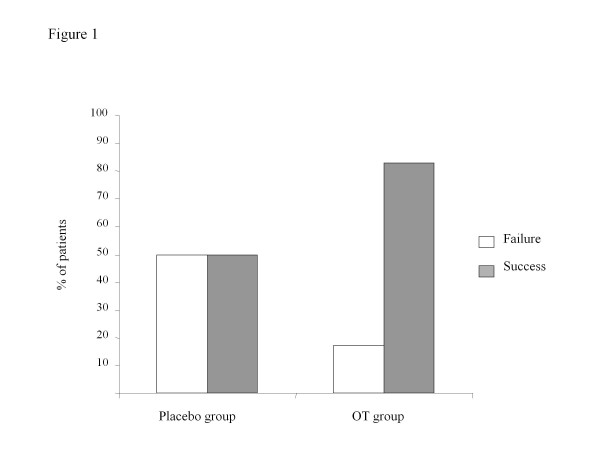
BACKGROUND: Prader-Willi syndrome (PWS) is a complex neurodevelopmental genetic disorder with hypothalamic dysfunction, early morbid obesity with hyperphagia, and specific psychiatric phenotypes including cognitive and behavioural problems, particularly disruptive behaviours and frequent temper outbursts that preclude socialization. A deficit in oxytocin (OT)-producing neurons of the hypothalamic paraventricular nucleus has been reported in these patients. METHODS: In a double-blind, randomised, placebo-controlled study, 24 adult patients with PWS received a single intranasal administration of 24 IU of OT or placebo and were tested 45 min later on social skills. Behaviours were carefully monitored and scored using an in-house grid as follows: over the two days before drug administration, on the half-day following administration, and over the subsequent two days. All patients were in a dedicated PWS centre with more than ten years of experience. Patients are regularly admitted to this controlled environment. RESULTS: Patients with PWS who received a single intranasal administration of OT displayed significantly increased trust in others (P = 0.02) and decreased sadness tendencies (P = 0.02) with less disruptive behaviour (P = 0.03) in the two days following administration than did patients who received placebo. In the half-day following administration, we observed a trend towards less conflict with others (p = 0.07) in the OT group compared with the placebo group. Scores in tests assessing social skills were not significantly different between the two groups. CONCLUSIONS: This study needs to be reproduced and adapted. It nevertheless opens new perspectives for patients with PWS and perhaps other syndromes with behavioural disturbances and obesity. TRIAL REGISTRATION NUMBER: ClinicalTrials.gov: NCT01038570.
Overview
The claims and statistics of this paper haven’t been checked yet.
Run the check — free, no account needed. It reads the open-access text and checks the sources it cites.
Integrity signals
Registry
Cites
Statistics
Figures
Verification
Claims the paper makes
The claims and statistics of this paper haven’t been checked yet.
Run the check — free, no account needed. It reads the open-access text and checks the sources it cites.
Claims other papers make about this one
Each is checked against this paper’s own text: does it say what the citing paper says it does?
In the citing paper
“IN-OT administration increases trust in others and decreases disruptive behavior in individuals with PWS (Tauber et al., 2011).”
From Oxytocin and vasopressin systems in genetic syndromes and neurodevelopmental disorders (2014) · cites this paper as Tauber et al., 2011
Self-check
Percentages, sums and reported differences re-computed from the paper’s own numbers.
The self-check needs the paper’s full text.
Citations
Cites
Does the autistic child have a “theory of mind” ?
Baron-Cohen, S., Leslie, A. M., & Frith, U. (1985) · Cognition · doi:10.1016/0010-0277(85)90022-8 · Cited by 8,599 · cited 1×
“The Sally and Ann test assesses one’s ability to understand simple situations by story-telling and pictures [19].”
BackgroundBaron‐Cohen, S., Wheelwright, S., Hill, J., Raste, Y., & Plumb, I. (2001) · Journal of Child Psychology and Psychiatry · doi:10.1111/1469-7610.00715 · Cited by 4,555 · cited 1×
“A shortened test with 19 images from the 36-item revised version [20] was chosen by the team psychologist.”
MethodBaron‐Cohen, S., Wheelwright, S. J., Hill, J., Raste, Y., & Plumb, I. (2001) · PubMed · Cited by 4,313
Frith, C., & Frith, U. (2005) · Current Biology · doi:10.1016/j.cub.2005.08.041 · Cited by 3,561
Oxytocin, vasopressin, and the neurogenetics of sociality
Donaldson, Z. R., & Young, L. J. (2008) · Science · doi:10.1126/science.1158668 · Cited by 1,645 · cited 1×
“OT was identified as a key neuropeptide involved in social interactions by enhancing peer recognition and bonding behaviour in numerous species [7].”
BackgroundOxytocin improves “mind-reading” in humans
Domes, G., Heinrichs, M., Michel, A., Berger, C., & Herpertz, S. C. (2007) · Biological Psychiatry · doi:10.1016/j.biopsych.2006.07.015 · Cited by 1,298
Intranasal oxytocin improves emotion recognition for youth with autism spectrum disorders.
Guastella, A. J., Einfeld, S. L., Gray, K. M., Rinehart, N. J., Tonge, B. J., Lambert, T. J., & Hickie, I. B. (2010) · Biological Psychiatry · doi:10.1016/j.biopsych.2009.09.020 · Cited by 962 · cited 3×
“OT appears to be the main neurohormone to explain empathy and theory of mind (TOM) [8-14].”
BackgroundDitzen, B., Schaer, M., Gabriel, B., Bodenmann, G., Ehlert, U., & Heinrichs, M. (2009) · Biological Psychiatry · doi:10.1016/j.biopsych.2008.10.011 · Cited by 805 · cited 3×
“OT appears to be the main neurohormone to explain empathy and theory of mind (TOM) [8-14].”
BackgroundOxytocin increases gaze to the eye region of human faces
Guastella, A. J., Mitchell, P. B., & Dadds, M. R. (2008) · Biological Psychiatry · doi:10.1016/j.biopsych.2007.06.026 · Cited by 798
Oxytocin Increases Retention of Social Cognition in Autism
Hollander, E., Bartz, J., Chaplin, W., Phillips, A., Sumner, J., Soorya, L., Anagnostou, E., & Wasserman, S. (2007) · Biological Psychiatry · doi:10.1016/j.biopsych.2006.05.030 · Cited by 693 · cited 3×
“OT appears to be the main neurohormone to explain empathy and theory of mind (TOM) [8-14].”
Background
Research works printed but not linked: 1
- 10.1210/jc.80.2.573 · DOI
Cited by
Sorted by citations
Bakermans-Kranenburg, M. J., & van IJzendoorn, M. H. (2013) · Translational Psychiatry · doi:10.1038/tp.2013.34 · Cited by 383
“Twenty-four Prader–Willi syndrome patients (8 males) were tested with a single dose of 24 IU OT (n1⁄4 12) or placebo (n1⁄4 12).(99) Patients were observed in their daily routines and scored by trained staff on behavioral scales before and immediately after treatment and during two days following treatment.”
BackgroundMethodMicrobial Reprogramming Inhibits Western Diet-Associated Obesity
Poutahidis, T., Kleinewietfeld, M., Smillie, C., Levkovich, T., Perrotta, A., Bhela, S., Varian, B. J., Ibrahim, Y. M., Lakritz, J. R., Kearney, S. M., et al. (2013) · PLoS ONE · doi:10.1371/journal.pone.0068596 · Cited by 164
“Oxytocin, a neuropeptide hormone associated with reproduction and social bonding, has also been linked with dietary satiety [53–54].”
BackgroundIntranasal oxytocin, social cognition and neurodevelopmental disorders: A meta-analysis
Keech, B., Crowe, S., & Hocking, D. R. (2018) · Psychoneuroendocrinology · doi:10.1016/j.psyneuen.2017.09.022 · Cited by 145
Miller, J. L., Tamura, R., Butler, M. G., Kimonis, V. E., Sulsona, C. R., Gold, J., & Driscoll, D. J. (2017) · American Journal of Medical Genetics Part A · doi:10.1002/ajmg.a.38160 · Cited by 149
“In a double blind placebo study of adults with PWS, a single dose of IN-OT significantly decreased depressive mood tendencies and tantrums while increasing trust in others, with supportive data to decrease appetite with higher satiety (Tauber et al., 2011).”
BackgroundResultInfluentialMüller, H. L., Tauber, M., Lawson, E. A., Özyurt, J., Bison, B., Martinez-Barbera, J.-P., Puget, S., Merchant, T. E., & van Santen, H. M. (2022) · Nature Reviews Disease Primers · doi:10.1038/s41572-022-00351-z · Cited by 144
Self-citationA double-blind randomized controlled trial of oxytocin nasal spray in Prader Willi syndrome
Einfeld, S. L., Smith, E., McGregor, I. S., Steinbeck, K., Taffe, J., Rice, L. J., Horstead, S. K., Rogers, N., Hodge, M. A., & Guastella, A. J. (2014) · American Journal of Medical Genetics Part A · doi:10.1002/ajmg.a.36653 · Cited by 131
Ontogenesis of oxytocin pathways in the mammalian brain: late maturation and psychosocial disorders
Grinevich, V., Desarménien, M. G., Chini, B., Tauber, M., & Muscatelli, F. (2015) · Frontiers in Neuroanatomy · doi:10.3389/fnana.2014.00164 · Cited by 133
“…et al., 2005) ASD (Li et al., 2012; Aoki et al., 2014; LoParo and Waldman, 2014) Prader-Willi syndrome (Swaab et al., 1995; Dykens et al., 2011; Tauber et al., 2011) Williams syndrome (Dai et al., 2012; Jarvinen and Bellugi, 2013) Autistic patients with MAGEL2 mutations (Schaaf et al.,…”
BackgroundSelf-citationA multidisciplinary approach to the clinical management of Prader–Willi syndrome
Duis, J. B., van Wattum, P. J., Scheimann, A. O., Salehi, P., Brokamp, E., Fairbrother, L., Childers, A., Shelton, A. R., Bingham, N. C., Shoemaker, A. H., et al. (2019) · Molecular Genetics & Genomic Medicine · doi:10.1002/mgg3.514 · Cited by 110
“Behavior improved in the 48 hr following treatment and data also suggested less conflict with others in the 12 hr post‐ treatment (Tauber et al., 2011).”
Oxytocin and vasopressin systems in genetic syndromes and neurodevelopmental disorders
Francis, S. M., Sagar, A., Levin-Decanini, T., Liu, W., Carter, C. S., & Jacob, S. (2014) · Brain Research · doi:10.1016/j.brainres.2014.01.021 · Cited by 101
“IN-OT administration increases trust in others and decreases disruptive behavior in individuals with PWS (Tauber et al., 2011).”
BackgroundInfluentialOxytocin for the treatment of drug and alcohol use disorders
Lee, M. R., & Weerts, E. M. (2016) · Behavioural Pharmacology · doi:10.1097/fbp.0000000000000258 · Cited by 105
“, 2003), and Prader–Willi syndrome (Tauber et al., 2011).”
BackgroundFrom Autism to Eating Disorders and More: The Role of Oxytocin in Neuropsychiatric Disorders
Romano, A., Tempesta, B., Bonaventura, M. V. M. D., & Gaetani, S. (2016) · Frontiers in Neuroscience · doi:10.3389/fnins.2015.00497 · Cited by 106
Evidence for Intranasal Oxytocin Delivery to the brain: Recent Advances and Future Perspectives
Quintana, D. S., Smerud, K. T., Andreassen, O. A., & Djupesland, P. G. (2018) · Therapeutic Delivery · doi:10.4155/tde-2018-0002 · Cited by 98
Tan, Q., Orsso, C. E., Deehan, E. C., Triador, L., Field, C. J., Tun, H. M., Han, J. C., Müller, T. D., & Haqq, A. M. (2019) · Obesity Reviews · doi:10.1111/obr.12992 · Cited by 99
Alvares, G. A., Quintana, D. S., & Whitehouse, A. J. O. (2017) · Autism Research · doi:10.1002/aur.1692 · Cited by 91
Oxytocin effects in schizophrenia: Reconciling mixed findings and moving forward
Bradley, E., & Woolley, J. D. (2017) · Neuroscience & Biobehavioral Reviews · doi:10.1016/j.neubiorev.2017.05.007 · Cited by 92
“…a treatment for deficits in autism (Alvares et al., 2016; Ooi et al., 2017; Guastella and Hickie, 2016), alexithymia (Luminet et al., 2011), Prader-Willi Syndrome (Einfeld et al., 2014; Tauber et al., 2011) and social anxiety (Guastella et al., 2009; Labuschagne et al., 2010; Tabak et al., 2016).”
Intranasal carbetocin reduces hyperphagia in individuals with Prader-Willi syndrome
Dykens, E. M., Miller, J. E., Angulo, M., Roof, E., Reidy, M., Hatoum, H. T., Willey, R., Bolton, G., & Korner, P. (2018) · JCI Insight · doi:10.1172/jci.insight.98333 · Cited by 86
“Tauber and colleagues (16) conducted a randomized, double-blinded, placebo-controlled study of a single 24-IU dose of i.”
BackgroundThe Global Prader–Willi Syndrome Registry: Development, Launch, and Early Demographics
Bohonowych, J. E. S., Miller, J. E., McCandless, S. E., & Strong, T. V. (2019) · Genes · doi:10.3390/genes10090713 · Cited by 83
Kuppens, R. J., Donze, S., & Hokken‐Koelega, A. C. S. (2016) · Clinical Endocrinology · doi:10.1111/cen.13169 · Cited by 92
Calcagnoli, F., de Boer, S. F., Beiderbeck, D. I., Althaus, M., Koolhaas, J. M., & Neumann, I. D. (2014) · Behavioural Brain Research · doi:10.1016/j.bbr.2013.12.050 · Cited by 88
Irizarry, K. A., Miller, M. D., Freemark, M., & Haqq, A. M. (2016) · Advances in Pediatrics · doi:10.1016/j.yapd.2016.04.005 · Cited by 85
Pharmacotherapy for mental health problems in people with intellectual disability
Ji, N. Y., & Findling, R. L. (2016) · Current Opinion in Psychiatry · doi:10.1097/yco.0000000000000233 · Cited by 80
Johnson, L., Manzardo, A. M., Miller, J. L., Driscoll, D. J., & Butler, M. G. (2015) · American Journal of Medical Genetics Part A · doi:10.1002/ajmg.a.37488 · Cited by 73
Oxytocin in survivors of childhood-onset craniopharyngioma
Daubenbüchel, A. M. M., Hoffmann, A., Eveslage, M., Özyurt, J., Lohle, K., Reichel, J. F., Thiel, C. M., Martens, H., Geenen, V. G., & Muller, H. L. (2016) · Endocrine · doi:10.1007/s12020-016-1084-5 · Cited by 69
Appetite- and Weight-Regulating Neuroendocrine Circuitry in Hypothalamic Obesity
Gan, H., Cerbone, M., & Dattani, M. (2023) · Endocrine Reviews · doi:10.1210/endrev/bnad033 · Cited by 75
Mulhall, P., Taggart, L., COATES, V. E., McAloon, T., & Hassiotis, A. (2018) · Social Science & Medicine · doi:10.1016/j.socscimed.2018.01.032 · Cited by 66
“Tauber et al. (2011), in their investigation of Oxytocin with people with Prader-Willi syndrome, noted that there were no previously published observational measures for their behaviours of interest, so they developed their own in-house observation grid.”
BackgroundMethodHoffmann, A., Özyurt, J., Lohle, K., Reichel, J. F., Thiel, C. M., & Muller, H. L. (2017) · Endocrine · doi:10.1007/s12020-017-1257-x · Cited by 60
Damen, L., Grootjen, L. N., Juriaans, A. F., Donze, S., Huisman, T. M., Visser, J. A., Delhanty, P. J. D., & Hokken‐Koelega, A. C. S. (2020) · Clinical Endocrinology · doi:10.1111/cen.14387 · Cited by 59
Oxytocin Facilitates Social Learning by Promoting Conformity to Trusted Individuals
Xu, L., Becker, B., & Kendrick, K. M. (2019) · Frontiers in Neuroscience · doi:10.3389/fnins.2019.00056 · Cited by 55
Clinical Trials in Prader–Willi Syndrome: A Review
Mahmoud, R., Kimonis, V. E., & Butler, M. G. (2023) · International Journal of Molecular Sciences · doi:10.3390/ijms24032150 · Cited by 52
A review of clinical trials of oxytocin in Prader–Willi syndrome
Rice, L. J., Einfeld, S., Hu, N., & Carter, C. S. (2017) · Current Opinion in Psychiatry · doi:10.1097/yco.0000000000000391 · Cited by 51
“[15] Double-blind RCT Between participants Single dose Twenty-four adults with PWS Median age 28.”
BackgroundBaracz, S. J., Everett, N. A., & Cornish, J. L. (2018) · Neuroscience & Biobehavioral Reviews · doi:10.1016/j.neubiorev.2018.08.014 · Cited by 57
Roof, E., Deal, C., McCandless, S. E., Cowan, R. L., Miller, J. L., Hamilton, J. K., Roeder, E. R., McCormack, S. E., Lal, T. R., Abdullatif, H., et al. (2023) · The Journal of Clinical Endocrinology & Metabolism · doi:10.1210/clinem/dgad015 · Cited by 49
Hollander, E., Levine, K., Ferretti, C. J., Freeman, K. D., Doernberg, E. A., Desilva, N., & Taylor, B. P. (2020) · Journal of Psychiatric Research · doi:10.1016/j.jpsychires.2020.11.006 · Cited by 48
Oliver, C., Adams, D., Allen, D., Bull, L., Heald, M., Moss, J. F., Wilde, L., & Woodcock, K. A. (2013) · International review of research in developmental disabilities · doi:10.1016/b978-0-12-401662-0.00006-3 · Cited by 45
Prader-Willi Syndrome as a Model of Human Hyperphagia
Tauber, M., Diene, G., Mimoun, E., Çabal-Berthoumieu, S., Mantoulan, C., Molinas, C., Muscatelli, F., & Salles, J. (2014) · Frontiers of hormone research · doi:10.1159/000358317 · Cited by 44
Self-citationMECHANISMS IN ENDOCRINOLOGY: Update on treatments for patients with genetic obesity
Poitou, C., Mosbah, H., & Clément, K. (2020) · European Journal of Endocrinology · doi:10.1530/eje-20-0363 · Cited by 46
Emerging role of astrocytes in oxytocin-mediated control of neural circuits and brain functions
Baudon, A., Creusot, E. C., Althammer, F., Schaaf, C. P., & Charlet, A. (2022) · Progress in Neurobiology · doi:10.1016/j.pneurobio.2022.102328 · Cited by 44
“2010), Prader-Willi syndrome (Swaab, 1997; Swaab et al., 1995; Tauber et al., 2017; Tauber et al., 2011) or PTSD (Anagnostou et al.”
BackgroundHypothalamic neuropeptides and neurocircuitries in Prader Willi syndrome
Corrêa‐da‐Silva, F., Fliers, E., Swaab, D. F., & Yi, C. (2021) · Journal of Neuroendocrinology · doi:10.1111/jne.12994 · Cited by 40
Prader-Willi syndrome: reflections on seminal studies and future therapies
Chung, M. S., Langouët, M., Chamberlain, S. J., & Carmichael, G. (2020) · Open Biology · doi:10.1098/rsob.200195 · Cited by 39
Cognitive and behavioural aspects of Prader–Willi syndrome
Rice, L. J., & Einfeld, S. (2015) · Current Opinion in Psychiatry · doi:10.1097/yco.0000000000000135 · Cited by 38
“The first, a pilot study, found possible improvements in social abilities in people with PWS after a single dose of oxytocin nasal spray [24].”
BackgroundJohansson, A., Westberg, L., Sandnabba, K. N., Jern, P., Salo, B., & Santtila, P. O. (2012) · Psychoneuroendocrinology · doi:10.1016/j.psyneuen.2012.02.009 · Cited by 37
Althammer, F., Muscatelli, F., Grinevich, V., & Schaaf, C. P. (2022) · Translational Psychiatry · doi:10.1038/s41398-022-02054-1 · Cited by 35
“Finally, Tauber and colleagues reported that OT might help increasing trust in others and decreasing disruptive behaviors in PWS patients [112], as well as significant improvements of social skills and feeding in infants with PWS [61].”
BackgroundDaubenbüchel, A. M. M., Özyurt, J., Boekhoff, S., Warmuth‐Metz, M., Eveslage, M., & Muller, H. L. (2019) · Pediatric Obesity · doi:10.1111/ijpo.12527 · Cited by 32
The Role of Intranasal Oxytocin on Social Cognition: an Integrative Human Lifespan Approach
Horta, M., Pehlivanoglu, D., & Ebner, N. C. (2020) · Current Behavioral Neuroscience Reports · doi:10.1007/s40473-020-00214-5 · Cited by 31
Río, R. T.-D., Tecamachaltzi-Silvarán, M. B., Díaz-Estrada, V. X., Herrera‐Covarrubias, D., Corona-Morales, A. A., Pfaus, J. G., & Coria‐Ávila, G. A. (2015) · Behavioural Brain Research · doi:10.1016/j.bbr.2015.01.019 · Cited by 33
Crespi, B. J., & Procyshyn, T. L. (2017) · Neuroscience & Biobehavioral Reviews · doi:10.1016/j.neubiorev.2017.05.004 · Cited by 32
“…syndrome region duplications, but PWS individuals show low serum oxytocin (Höybye, 2004) and deficits on OT-producing neurons in the hypothalamus (Tauber et al., 2011), apparently due in part to reduced expression of the paternally expressed imprinted genes NDN and MAGEL2, both of which promote…”
The Oxytocin System and Implications for Oxytocin Deficiency in Hypothalamic-Pituitary Disease
Aulinas, A., & Lawson, E. A. (2025) · Endocrine Reviews · doi:10.1210/endrev/bnaf008 · Cited by 31
Oxytocin and Prader-Willi Syndrome
Kabasakalian, A., Ferretti, C. J., & Hollander, E. (2017) · Current topics in behavioral neurosciences · doi:10.1007/7854_2017_28 · Cited by 26
Carias, K. V., & Wevrick, R. (2019) · Molecular Therapy — Methods & Clinical Development · doi:10.1016/j.omtm.2019.03.001 · Cited by 27
The role of conditioning on heterosexual and homosexual partner preferences in rats
Coria‐Ávila, G. A. (2012) · Socioaffective Neuroscience & Psychology · doi:10.3402/snp.v2i0.17340 · Cited by 24
“These neurotransmitters modulate attention, prediction, expectation, reward, and trust, which are the emotional substrates for partner preference (Berridge & Robinson, 1998; Pfaus et al., 1990; Schultz, 2002; Schultz, Apicella, Scarnati, & Ljungberg, 1992; Tauber et al., 2011).”
BackgroundMedication Trials for Hyperphagia and Food-Related Behaviors in Prader–Willi Syndrome
Miller, J. L., Strong, T. V., & Heinemann, J. (2015) · Diseases · doi:10.3390/diseases3020078 · Cited by 24
“Indeed, it has recently been shown in a double blind placebo study, that OT administration to adults with PWS significantly decreased depressive mood tendencies and tantrums while increasing trust in others, with data supporting a trend to decrease appetite with higher satiety [22].”
BackgroundSalles, J., Lacassagne, E., Benvegnu, G., Çabal-Berthoumieu, S., Franchitto, N., & Tauber, M. (2020) · Translational Psychiatry · doi:10.1038/s41398-020-00964-6 · Cited by 24
Self-citationThe neurobiology of the Prader-Willi phenotype of fragile X syndrome
Muzar, Z., Lozano, R., Kolevzon, A. L., & Hagerman, R. J. (2016) · Intractable & Rare Diseases Research · doi:10.5582/irdr.2016.01082 · Cited by 23
Zhang, Y., Wu, C., Chang, H., Yan, Q., Wu, L., Yuan, S., Xiang, J., Hao, W., & Yu, Y. (2017) · Journal of Affective Disorders · doi:10.1016/j.jad.2017.12.024 · Cited by 23
Alteraciones psicopatológicas en el síndrome de Prader-Willi
Guinovart, M., Coronas, R., & Caixàs, A. (2019) · Endocrinología Diabetes y Nutrición · doi:10.1016/j.endinu.2019.03.004 · Cited by 21
The sociability spectrum: evidence from reciprocal genetic copy number variations
López-Tobón, A., Trattaro, S., & Testa, G. (2020) · Molecular Autism · doi:10.1186/s13229-020-00347-0 · Cited by 20
Schwartz, L., Holland, A. J., Dykens, E. M., Strong, T. V., Roof, E., & Bohonowych, J. E. S. (2016) · Orphanet Journal of Rare Diseases · doi:10.1186/s13023-016-0504-1 · Cited by 20
“The usefulness of intra-nasal oxytocin in PWS remains uncertain as findings from initial clinical trials exploring the use of oxytocin in PWS are mixed [44], found positive effects of intra-nasal oxytocin on social functioning and behavior in PWS.”
BackgroundSingh, D., Wakimoto, Y., Filangieri, C. M., Pinkhasov, A., & Angulo, M. (2019) · Journal of Child and Adolescent Psychopharmacology · doi:10.1089/cap.2018.0102 · Cited by 20
“…some medications such as N-acetylcysteine and oxytocin have been suggested for management of skin-picking behaviors, safe and effective modalities remainsparse for themanagement of behavioral symptoms in PWS (Tauber et al. 2011; Miller and Angulo, 2014; Kuppens et al. 2016; Miller et al. 2017).”
Psychopathological disorders in Prader–Willi syndrome
Guinovart, M., Coronas, R., & Caixàs, A. (2019) · Endocrinología Diabetes y Nutrición (English ed ) · doi:10.1016/j.endien.2019.03.010 · Cited by 20
Prader–Willi syndrome: Hormone therapies
Tauber, M., & Diene, G. (2021) · Handbook of clinical neurology · doi:10.1016/b978-0-12-820683-6.00026-9 · Cited by 21
Self-citationShaffer, R. C., Reisinger, D. L., Schmitt, L., Lamy, M., Dominick, K. C., Smith, E. G., Coffman, M. C., & Esbensen, A. J. (2022) · Journal of the American Academy of Child & Adolescent Psychiatry · doi:10.1016/j.jaac.2022.06.020 · Cited by 22
LoParo, D., Johansson, A., Walum, H., Westberg, L., Santtila, P. O., & Waldman, I. D. (2015) · American Journal of Medical Genetics Part B Neuropsychiatric Genetics · doi:10.1002/ajmg.b.32359 · Cited by 21
Salles, J., Eddiry, S., Lacassagne, E., Laurier, V., Molinas, C., Bieth, É., Franchitto, N., Salles, J.-P., & Tauber, M. (2021) · Clinical Epigenetics · doi:10.1186/s13148-021-01143-0 · Cited by 17
“A question of utmost importance arises from these results concerning whether it would be possible to modify the methylation status caused by a lack of expression of SNORD116, MAGEL2 and perhaps other genes in the PWS region [50] with, for example, oxytocin treatment [33] or other drugs and/or social disability rehabil…”
BackgroundSelf-citationOztan, O., Zyga, O., Stafford, D. E. J., & Parker, K. J. (2022) · Neuroscience & Biobehavioral Reviews · doi:10.1016/j.neubiorev.2022.104870 · Cited by 18
Oxytocin in neurodevelopmental disorders: Autism spectrum disorder and Prader-Willi syndrome
Josselsohn, A., Zhao, Y., Espinoza, D., & Hollander, E. (2024) · Pharmacology & Therapeutics · doi:10.1016/j.pharmthera.2024.108734 · Cited by 16
Prader-Willi Syndrome: Molecular Mechanism and Epigenetic Therapy
Zhong, M., Chao, Y.-Q., & Zou, C. (2020) · Current Gene Therapy · doi:10.2174/1566523220666200424085336 · Cited by 14
Strelnikov, K., Debladis, J., Salles, J., Valette, M., Cortadellas, J., Tauber, M., & Barone, P. (2023) · Brain Communications · doi:10.1093/braincomms/fcad138 · Cited by 12
Self-citationCircadian Rhythms in Socializing Propensity
Zhang, C., Phang, C. W., Zeng, X., Wang, X., Xu, Y. C., Huang, Y. M., & Contractor, N. (2015) · PLoS ONE · doi:10.1371/journal.pone.0136325 · Cited by 12
“First, research has shown that the release of hormones such as oxytocin may promote a higher trust in others that may in turn improve socialization [24], and that their release demonstrates circadian rhythms [25].”
BackgroundShalma, N. M., Alsharabasy, M. A., Taha, A. M., Alsawareah, A., Manirambona, E., Ahmed, S. K., Mohamed, M. R., Taha, N. A., & Abd‐ElGawad, M. (2023) · Diabetes & Metabolic Syndrome Clinical Research & Reviews · doi:10.1016/j.dsx.2023.102711 · Cited by 11
Salles, J., Eddiry, S., Amri, S., Galindo, M., Lacassagne, E., George, S., Mialhe, X., Lhuillier, É., Franchitto, N., Jeanneteau, F. D., et al. (2024) · Molecular Psychiatry · doi:10.1038/s41380-024-02542-4 · Cited by 9
“Our team especially demonstrated that intranasal OXT treatment administered to infants provided a positive effect on feeding and social skills, and administration to adults resulted in increased trust in others, decreased sadness tendencies and less disruptive behaviors [27, 28].”
Self-citationIs Oxytocin a Contributor to Behavioral and Metabolic Features in Prader–Willi Syndrome?
Petersson, M., & Höybye, C. (2024) · Current Issues in Molecular Biology · doi:10.3390/cimb46080518 · Cited by 9
“No statistical difference was observed in the eating behavior scores between the groups, but there was improvement in social skills in the oxytocin-treated group [85].”
BackgroundOxytocin’s Regulation of Thermogenesis May Be the Link to Prader–Willi Syndrome
Camerino, C. (2023) · Current Issues in Molecular Biology · doi:10.3390/cimb45060313 · Cited by 9
“In conclusion, the best results with IN-Oxt are obtained in infants, toddler and sometimes in adolescents [37–39], albeit some positive effects were also reported in adults with PWS [40].”
Rice, L. J., Agu, J., Carter, C. S., Harris, J. C., Nazarloo, H. P., Naanai, H., & Einfeld, S. (2023) · Frontiers in Endocrinology · doi:10.3389/fendo.2023.1183525 · Cited by 8
Microbial Reprogramming Inhibits Western Diet-Associated Obesity
Poutahidis, T., Kleinewietfeld, M., Smillie, C. S., Levkovich, T., Perrotta, A., Bhela, S., Varian, B. J., Ibrahim, Y. M., Lakritz, J. R., Kearney, S. M., et al. (2014) · Apple Academic Press eBooks · doi:10.1201/b17254-6 · Cited by 8
Oxytocin, eating behavior, and metabolism in humans
Kerem, L., & Lawson, E. A. (2021) · Handbook of clinical neurology · doi:10.1016/b978-0-12-820107-7.00006-9 · Cited by 7
Singh, D., Silver, M., & Jacob, T. (2025) · American Journal of Medical Genetics Part B Neuropsychiatric Genetics · doi:10.1002/ajmg.b.33032 · Cited by 6
Borrow, A. P., Stover, S. A., Bales, N. J., & Handa, R. J. (2019) · Elsevier eBooks · doi:10.1016/b978-0-12-813814-4.00010-9 · Cited by 5
Chakraborty, P., Lamat, H., André, E. M., Fontanaud, P., & Jeanneteau, F. D. (2024) · Neuroendocrinology · doi:10.1159/000538437 · Cited by 5
Obesity, Overweight, and Pituitary Stalk Interruption Syndrome in Children and Young Adults
Nannette, G., Bar, C., Diene, G., Pienkowski, C., Petit, I., Jouret, B., Cartault, A., Porquet‐Bordes, V., Salles, J., Grunenwald, S., et al. (2022) · The Journal of Clinical Endocrinology & Metabolism · doi:10.1210/clinem/dgac583 · Cited by 4
Self-citationNorholt, H. (2021) · Frontiers in Psychology · doi:10.3389/fpsyg.2020.590051 · Cited by 4
Roof, E., Strong, T. V., Stafford, D. E. J., Singh, D., Roy, S. M., Doshi, D., Zhang, Y., Salvucci, A. E., Youakim, J. M., & McCandless, S. E. (2026) · Clinical Therapeutics · doi:10.1016/j.clinthera.2026.06.019 · Cited by 2
Management of Hyperphagia and Obesity in Prader–Willi Syndrome
Hwang, J., & Cho, S. Y. (2023) · Ewha Medical Journal · doi:10.12771/emj.2023.e32 · Cited by 3
“[65–72] Diazoxide choline-controlled release (DCCR) DCCR, a benzothiadiazine, is used to treat hyperinsulinemia-related hypoglycemia in newborns, children, and adults by increasing ion flow through ATP-sensitive K + channels.”
BackgroundSíndrome de Prader-Willi: relato de caso
Penha, P. C., & Barbosa, F. C. R. (2015) · Revista de Ciências Médicas e Biológicas · doi:10.9771/cmbio.v14i1.12060 · Cited by 2
Johnston, N., & Glasgow, E. F. (2014) · Neuromethods · doi:10.1007/978-1-4939-2250-5_18 · Cited by 2
Prader-Willi syndrome – a phenotype in the past and now. The importance of early diagnosis
Cabała, M., & Śmigiel, R. S. (2018) · Pediatria Polska · doi:10.5114/polp.2018.77441 · Cited by 2
Yan, Z., & Kirsch, P. (2021) · Cambridge University Press eBooks · doi:10.1017/9781108770880.018 · Cited by 2
Oxytocin Treatment May Improve Infant Feeding and Social Skills in Prader-Willi Syndrome
MacIver, N. J. (2017) · PEDIATRICS · doi:10.1542/peds.2016-3833 · Cited by 2
The potential of oxytocin for the treatment of hyperphagia in Prader-Willi Syndrome
Miller, J. E. (2018) · Expert Opinion on Orphan Drugs · doi:10.1080/21678707.2018.1451326 · Cited by 2
Whittington, J. E., & Holland, A. J. (2021) · Handbook of clinical neurology · doi:10.1016/b978-0-12-820683-6.00028-2 · Cited by 1
Imprinting disorders as a window to understand pediatric feeding disorders
Salles, J., Gorse, T., Benvegnu, G., Raynaud, J., & Tauber, M. (2025) · Orphanet Journal of Rare Diseases · doi:10.1186/s13023-025-03789-y · Cited by 1
“Our team especially demonstrated that intranasal OXT treat-ment administered to infants provided a positive effect on feeding and social skills, and administration to adults resulted in increased trust in others, decreased sadness tendencies and less disruptive behaviors [16, 17].”
Self-citationButler, M. G., Silvey, S., & van Bosse, H. J. P. (2025) · Genes · doi:10.3390/genes16121436 · Cited by 2
“Carbetocin, an oxytocin analogue, has undergone multiple clinical trials from infants to adults with PWS, but with equivocal outcomes as related to hyperphagia, food intake, and behavior [42–48].”
Current status and perspectives in the treatment of Prader-Willi syndrome
Badiu, C., & Mărginean, O. (2014) · Expert Opinion on Orphan Drugs · doi:10.1517/21678707.2014.884921 · Cited by 1
Intranasal oxytocin as a treatment for obesity: safety and efficacy
Balestrino, R., Losa, M., Albano, L., Barzaghi, L. R., & Mortini, P. (2023) · Expert Review of Endocrinology & Metabolism · doi:10.1080/17446651.2023.2216794 · Cited by 2
Baudon, A., Creusot, E. C., & Charlet, A. (2022) · Biologie Aujourd hui · doi:10.1051/jbio/2022022 · Cited by 1
“…al. , 2013 ; Gordon et al. , 2013 ; Anagnostou et al. , 2014 ; Ford & Young, 2022), du syndrome de Prader-Willi (Swaab et al. , 1995 ; Swaab, 1997 ; Tauber et al. , 2011, 2017) ou des troubles de stress post-traumatiques (Swaab et al. , 1995 ; Swaab, 1997 ; Guastella et al. , 2010 ; Olff et al. ,…”
Hemmings, C. P., & Bouras, N. (2015) · Cambridge University Press eBooks · doi:10.1017/cbo9781107588714.014 · Cited by 1
Johansson, A. (2012) · Doria (University of Helsinki) · Cited by 1
Therapiekonzepte bei genetischen Syndromen mit mentaler Retardierung
Omran, H., Kunde-Trommer, J., & Blank, R. (2014) · Elsevier eBooks · doi:10.1016/b978-3-437-23076-9.00003-6
Genetics, Metabolomics, Hormonal Function, and New Approaches to Therapy
Irizarry, K. A., Miller, M. D., Freemark, M., & Haqq, A. M. (2016)
Metadata
- Authors
- Tauber, M., Mantoulan, C., Copet, P., Jauregui, J., Demeer, G., Diene, G., Rogé, B., Laurier, V., Ehlinger, V., Arnaud, C., Molinas, C., & Thuilleaux, D.
- Affiliations
- Hôpital des Enfants (FR)
- Hôpital Marin de Hendaye (FR)
- Université Toulouse III - Paul Sabatier (FR)
- Corresponding author
- Tauber, Maïthe
- Venue
- Orphanet Journal of Rare Diseases
- Published
- 2011
- Volume
- 6
- Issue
- 1
- Pages
- 47
- ISSN
- 1750-1172 (ISSN-L)
- PMC
- PMC3141367
- OpenAlex
- W2169805657
- Cited by
- 117
- References
- 22
- Citations by year
- 2026: 4 · 2025: 5 · 2024: 5 · 2023: 10 · 2022: 8 · 2021: 10 · 2020: 8 · 2019: 12 · 2018: 7 · 2017: 10 · 2016: 11 · 2015: 11 · 2014: 9 · 2013: 3 · 2012: 3
- FWCI
- 6.96
- Type
- journal article
- Language
- en
- Open access
- gold
- doi.org
- Licence
- cc-by
- Locations
- Orphanet Journal of Rare Diseases (publishedVersion, cc-by)
- PubMed Central (publishedVersion, cc-by)
- PubMed (publishedVersion)
- HAL (submittedVersion, other-oa)
- DOAJ (DOAJ: Directory of Open Access Journals) (submittedVersion)
- Topics
- Life Sciences › Neuroscience › Endocrine and Autonomic Systems › Neuroendocrine regulation and behavior
- Life Sciences › Biochemistry, Genetics and Molecular Biology › Genetics › Genetic Syndromes and Imprinting
- Health Sciences › Medicine › Reproductive Medicine › Hypothalamic control of reproductive hormones
- Keywords
- Prader-Willi syndrome, oxytocin, intranasal administration, interpersonal trust, disruptive behavior, temper outbursts, social skills, hypothalamic dysfunction, paraventricular nucleus, obesity, hyperphagia
- MeSH terms
- Adolescent, Adult, Double-Blind Method, Female, Humans, Male, Oxytocin, Placebos, Prader-Willi Syndrome, Young Adult
About these checks
Registry, retraction, Cites and statistics results are computed, not judged, with one exception: a printed reference that no index lists is read once by a model before it counts as a citation error. Claims are extracted by a model and kept only when their quote appears verbatim in the text; each cited source is then checked, with a model’s help, for whether it says what the claim relies on. Those verdicts can be wrong — read the claim’s quote and the cited source before relying on one.
Statistics and arithmetic are recomputed, not judged.
Confidence bands are shown only for fields calibrated on our annotated test set. None is calibrated yet, so no band is shown.
What counts as a claim ›How we measure confidence ›How we check this ›
Are you an author, or do you see a problem with this page? Request a review
