

The DOI matches its Crossref record; 17 of the 17 references it cites were found in a registry or an index.
Xeroderma pigmentosum
Open accessAbstract
Xeroderma pigmentosum (XP) is defined by extreme sensitivity to sunlight, resulting in sunburn, pigment changes in the skin and a greatly elevated incidence of skin cancers. It is a rare autosomal recessive disorder and has been found in all continents and racial groups. Estimated incidences vary from 1 in 20, 000 in Japan to 1 in 250, 000 in the USA, and approximately 2.3 per million live births in Western Europe.The first features are either extreme sensitivity to sunlight, triggering severe sunburn, or, in patients who do not show this sun-sensitivity, abnormal lentiginosis (freckle-like pigmentation due to increased numbers of melanocytes) on sun-exposed areas. This is followed by areas of increased or decreased pigmentation, skin aging and multiple skin cancers, if the individuals are not protected from sunlight. A minority of patients show progressive neurological abnormalities. There are eight XP complementation groups, corresponding to eight genes, which, if defective, can result in XP. The products of these genes are involved in the repair of ultraviolet (UV)-induced damage in DNA. Seven of the gene products (XPA through G) are required to remove UV damage from the DNA. The eighth (XPV or DNA polymerase η) is required to replicate DNA containing unrepaired damage. There is wide variability in clinical features both between and within XP groups. Diagnosis is made clinically by the presence, from birth, of an acute and prolonged sunburn response at all exposed sites, unusually early lentiginosis in sun-exposed areas or onset of skin cancers at a young age. The clinical diagnosis is confirmed by cellular tests for defective DNA repair. These features distinguish XP from other photodermatoses such as solar urticaria and polymorphic light eruption, Cockayne Syndrome (no pigmentation changes, different repair defect) and other lentiginoses such as Peutz-Jeghers syndrome, Leopard syndrome and Carney complex (pigmentation not sun-associated), which are inherited in an autosomal dominant fashion. Antenatal diagnosis can be performed by measuring DNA repair or by mutation analysis in CVS cells or in amniocytes. Although there is no cure for XP, the skin effects can be minimised by rigorous protection from sunlight and early removal of pre-cancerous lesions. In the absence of neurological problems and with lifetime protection against sunlight, the prognosis is good. In patients with neurological problems, these are progressive, leading to disabilities and a shortened lifespan.
Overview
The claims and statistics of this paper haven’t been checked yet.
Run the check — free, no account needed. It reads the open-access text and checks the sources it cites.
Integrity signals
Registry
Cites
Statistics
Figures
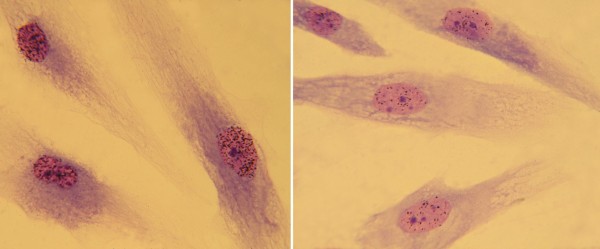
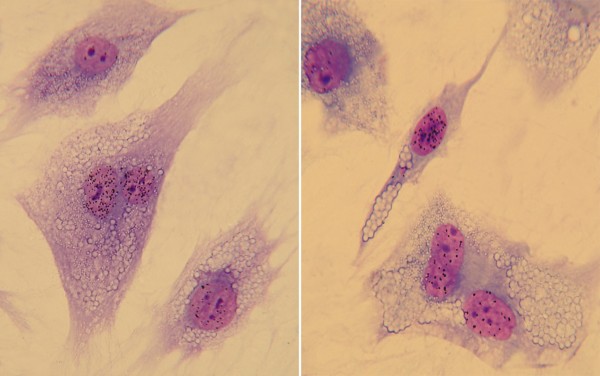
Verification
Claims the paper makes
The claims and statistics of this paper haven’t been checked yet.
Run the check — free, no account needed. It reads the open-access text and checks the sources it cites.
Claims other papers make about this one
Each is checked against this paper’s own text: does it say what the citing paper says it does?
In the citing paper
“These include the conditions with mutations in NER pathways (presented in Table 3) such as xeroderma pigmentosum (XP) [149,150], Cockayne syndrome (CS) [151,152], trichothiodystrophy (TTD) [153,154,155,156], UV-sensitive syndrome (UV-SS), and cerebro-oculo-facioskeletal syndrome (COFS) [157,158,159].”
From Focus on UV-Induced DNA Damage and Repair—Disease Relevance and Protective Strategies (2020) · cites this paper as [150]
In the citing paper
“Another indirect evidence for the implication of photoinduced damage to DNA in carcinogenicity is provided by the high incidence of skin tumors in most of the complementation groups A-G of xeroderma pigmentosum patients (17,18) who suffer from deficiencies in nucleotide excision repair (19).”
From Photoinduced Damage to Cellular DNA: Direct and Photosensitized Reactions† (2012) · cites this paper as [17]
In the citing paper
“Photolesions engage the nucleotide excision repair (NER) pathway, which corrects UV-induced DNA damage in a multistep process involving numerous repair factors including XPA, ERCC1, ERCC3 (XP-B), XPC, ERCC2 (XP-D), DDB2 (XP-E), ERCC4 (XP-F) and ERCC5 (XP-G)”
From RETRACTED: PKA-Mediated Phosphorylation of ATR Promotes Recruitment of XPA to UV-Induced DNA Damage (2014) · cites this paper as Lehmann et al., 2011
Self-check
Percentages, sums and reported differences re-computed from the paper’s own numbers.
The self-check needs the paper’s full text.
Citations
Cites
The XPV (xeroderma pigmentosum variant) gene encodes human DNA polymerase η
Masutani, C., Kusumoto, R., Yamada, A., Dohmae, N., Yokoi, M., Yuasa, M., Araki, M., Iwai, S., Takio, K., & Hanaoka, F. (1999) · Nature · doi:10.1038/21447 · Cited by 1,292
Kraemer, K. H. (1987) · Archives of Dermatology · doi:10.1001/archderm.123.2.241 · Cited by 1,216
Robbins, J. H., Kraemer, K. H., Lutzner, M. A., Festoff, B. W., & COON, H. G. (1974) · Annals of Internal Medicine · doi:10.7326/0003-4819-80-2-221 · Cited by 748
Lehman, A. R., Kirk-Bell, S., Arlett, C. F., Paterson, M. C., Lohman, P. H., de Weerd-Kastelein, E. A., & Bootsma, D. (1975) · Proceedings of the National Academy of Sciences · doi:10.1073/pnas.72.1.219 · Cited by 614
Bradford, P. T., Goldstein, A. M., Tamura, D., Khan, S. G., Ueda, T., Boyle, J., Oh, K.-S., Imoto, K., Inui, H., Moriwaki, S.-I., et al. (2011) · Journal of Medical Genetics · doi:10.1136/jmg.2010.083022 · Cited by 480
Kleijer, W. J., Laugel, V., Berneburg, M., Nardò, T., Fawcett, H., Gratchev, A. N., Jaspers, N. G. J., Sarasin, A. R., Stefanini, M., & Lehmann, A. R. (2008) · DNA repair · doi:10.1016/j.dnarep.2008.01.014 · Cited by 278
Self-citationAndrews, A. D., Barrett, S. F., & Robbins, J. H. (1978) · Proceedings of the National Academy of Sciences · doi:10.1073/pnas.75.4.1984 · Cited by 250
Molecular analysis of mutations in DNA polymerase η in xeroderma pigmentosum-variant patients
Broughton, B. C., Cordonnier, A. M., Kleijer, W. J., Jaspers, N. G. J., Fawcett, H., Raams, A., Garritsen, V. H., Stary, A., Avril, M., Boudsocq, F., et al. (2002) · Proceedings of the National Academy of Sciences · doi:10.1073/pnas.022473899 · Cited by 176
Self-citationDaya-Grosjean, L., & Sarasin, A. (2005) · Mutation Research - Fundamental and Molecular Mechanisms of Mutagenesis · doi:10.1016/j.mrfmmm.2004.11.013 · Cited by 142
Hirai, Y., Kodama, Y., Moriwaki, S., Noda, A., Cullings, H. M., MacPhee, D. G., Kodama, K., Mabuchi, K., Kraemer, K. H., Land, C. E., et al. (2006) · Mutation research. Fundamental and molecular mechanisms of mutagenesis · doi:10.1016/j.mrfmmm.2006.06.010 · Cited by 140
Cited by
Sorted by citations
Items 101–200 of 343
Kikuchi, H., Kuribayashi, F., Imajoh‐Ohmi, S., Nishitoh, H., Takami, Y., & Nakayama, T. (2012) · Journal of Biological Chemistry · doi:10.1074/jbc.m112.406389 · Cited by 18
Sugitani, N., Voehler, M., Roh, M. S., Topolska‐Woś, A. M., & Chazin, W. (2017) · Journal of Biological Chemistry · doi:10.1074/jbc.m117.800078 · Cited by 18
Zghal, M., Fazaa, B., Abdelhak, S., & Mokni, M. (2018) · Annales de Dermatologie et de Vénéréologie · doi:10.1016/j.annder.2018.09.004 · Cited by 18
Paris, J. R., Whiting, J. R., Daniel, M. J., Ferrer, J., Parsons, P. J., van der Zee, M. J., Wheat, C. W., Hughes, K. A., & Fraser, B. A. (2022) · Nature Communications · doi:10.1038/s41467-022-28895-4 · Cited by 16
Xeroderma pigmentosum is a definite cause of Huntington's disease‐like syndrome
García‐Moreno, H., Fassihi, H., Sarkany, R., Phukan, J., Warner, T. T., Lehmann, A. R., & Giunti, P. (2017) · Annals of Clinical and Translational Neurology · doi:10.1002/acn3.511 · Cited by 17
Self-citationZachayus, A., Loup-Forest, J., Cura, V., & Poterszman, A. (2025) · Genes · doi:10.3390/genes16020231 · Cited by 18
Telangiectasias: Small lesions referring to serious disorders
Schieving, J., Schoenaker, M. H. D., Weemaes, C. M. R., van Deuren, M., van der Flier, M., Seyger, M. M. B., & Willemsen, M. A. A. P. (2017) · European Journal of Paediatric Neurology · doi:10.1016/j.ejpn.2017.07.016 · Cited by 16
Inamadar, A. C., Palit, A., & Adya, K. A. (2013) · Indian Journal of Dermatology · doi:10.4103/0019-5154.123480 · Cited by 16
Nucleotide excision repair genes shaping embryonic development
Araújo, S. J., & Kuraoka, I. (2019) · Open Biology · doi:10.1098/rsob.190166 · Cited by 15
Sainsbury, K., Vieira, R., Walburn, J., Sniehotta, F. F., Sarkany, R., Weinman, J. A., & Araújo‐Soares, V. (2018) · Health Psychology · doi:10.1037/hea0000673 · Cited by 15
DNA damage signalling histone H2AX is required for tumour growth
Contreras, L., García-Gaipo, L., Casar, B., & Gandarillas, A. (2024) · Cell Death Discovery · doi:10.1038/s41420-024-01869-9 · Cited by 15
Guo, J., Zhou, G., Zhang, W., Song, Y., & Bian, Z. (2013) · Oncology Letters · doi:10.3892/ol.2013.1604 · Cited by 14
Clinical and genetic characteristics of xeroderma pigmentosum in Nepal
Espi, P., Parajuli, S., Benfodda, M., Lèbre, A.-S., Paudel, U., Grange, A., Grybek, V., Grange, T., Soufir, N., & Grange, F. (2017) · Journal of the European Academy of Dermatology and Venereology · doi:10.1111/jdv.14717 · Cited by 14
Meulepas, J. M., Ronckers, C. M., Merks, J. H. M., Weijerman, M. E., Lubin, J. H., & Hauptmann, M. (2015) · Cancer Epidemiology Biomarkers & Prevention · doi:10.1158/1055-9965.epi-15-0636 · Cited by 14
RetractedStructural characterization of the redefined DNA-binding domain of human XPA
Lian, F., Yang, X., Yang, W., Jiang, Y., & Qian, C. (2019) · Biochemical and Biophysical Research Communications · doi:10.1016/j.bbrc.2019.05.050 · Cited by 14
Seelinger, M., Søgaard, C. K., & Otterlei, M. (2020) · Biomolecules · doi:10.3390/biom10030463 · Cited by 14
Jarrett, S. G., Carter, K. M., Shelton, B. J., & D’Orazio, J. A. (2017) · Scientific Reports · doi:10.1038/s41598-017-12056-5 · Cited by 13
RetractedGenodermatoses with malignant potential
Ladd, R. T., Davis, M., & Dyer, J. A. (2020) · Clinics in Dermatology · doi:10.1016/j.clindermatol.2020.03.007 · Cited by 13
Bologna, S. B., Teshima, T. H. N., Lourenço, S. V., & Nico, M. M. S. (2014) · Pediatric Dermatology · doi:10.1111/pde.12272 · Cited by 13
Roberts, S. A., Brown, A. J., & Wyrick, J. J. (2019) · BioEssays · doi:10.1002/bies.201800152 · Cited by 12
Malignant epithelial tumors: Part I. Pathophysiology and clinical features
Leverkus, M. (2012) · JDDG Journal der Deutschen Dermatologischen Gesellschaft · doi:10.1111/j.1610-0387.2012.07963.x · Cited by 13
Current Therapeutic Strategies of Xeroderma Pigmentosum
Hossain, M., Hasan, M. A., Shawan, M. M. A. K., Banik, S., & Jahan, I. (2021) · Indian Journal of Dermatology · doi:10.4103/ijd.ijd_329_21 · Cited by 15
Şahin, E. A., Taşkıran, E. Z., Şimşek‐Kiper, P. Ö., Aydın, B., & Ütine, E. (2022) · Journal of Medical Case Reports · doi:10.1186/s13256-022-03524-2 · Cited by 12
Kulcsár, P. I., Tálas, A., Ligeti, Z., Tóth, E., Rakvács, Z., Bartos, Z., Krausz, S. L., Welker, Á., Végi, V. L., Huszár, K., et al. (2023) · Nature Communications · doi:10.1038/s41467-023-41393-5 · Cited by 14
Corradi, C., Vilar, J. B., Buzatto, V. C., de Souza, T. A., Castro, L. P., Munford, V., Vecchi, R. D., Galante, P. A. F., do Rego, F. O. R., Miller, T. L. A., et al. (2023) · Carcinogenesis · doi:10.1093/carcin/bgad030 · Cited by 13
Senju, C., Nakazawa, Y., Oso, T., Shimada, M., Kato, K., Matsuse, M., Tsujimoto, M., Masaki, T., Miyazaki, Y., Fukushima, S., et al. (2023) · Proceedings of the National Academy of Sciences · doi:10.1073/pnas.2217423120 · Cited by 13
Fjouji, S., Bensghir, M., Yafat, B., Bouhabba, N., Boutayeb, E. H., Azendour, H., & Kamili, N. D. (2013) · Journal of Medical Case Reports · doi:10.1186/1752-1947-7-73 · Cited by 12
Pediatric dermatoses pattern at a Brazilian reference center
Miotto, I. Z., Bessa, V. R., Vasconcelos, L. B. D. A., Samorano, L. P., Machado, M. C. R., & de Oliveira, Z. N. P. (2020) · Jornal de Pediatria · doi:10.1016/j.jped.2020.02.002 · Cited by 12
Sainsbury, K., Walburn, J., Foster, L., Morgan, M., Sarkany, R., Weinman, J. A., & Araújo‐Soares, V. (2020) · Health Psychology and Behavioral Medicine · doi:10.1080/21642850.2020.1840379 · Cited by 12
Sainsbury, K., Walburn, J., Araújo‐Soares, V., & Weinman, J. A. (2017) · British Journal of Health Psychology · doi:10.1111/bjhp.12287 · Cited by 12
Peripheral neuropathies associated with DNA repair disorders
Maguina, M., Kang, P. B., Tsai, A., & Pacak, C. A. (2022) · Muscle & Nerve · doi:10.1002/mus.27721 · Cited by 10
Persistent TFIIH binding to non-excised DNA damage causes cell and developmental failure
Muniesa-Vargas, A., Davó-Martínez, C., Ribeiro-Silva, C., van der Woude, M., Thijssen, K. L., Haspels, B. J., Häckes, D., Kaynak, Ü. U., Kanaar, R., Marteijn, J. A. F., et al. (2024) · Nature Communications · doi:10.1038/s41467-024-47935-9 · Cited by 10
Uribe-Bojanini, E., Hernandez-Quiceno, S., & Cock-Rada, A. M. (2017) · Case Reports in Medicine · doi:10.1155/2017/7162737 · Cited by 12
Functional Comparison of XPF Missense Mutations Associated to Multiple DNA Repair Disorders
Marín, M., Ramı́rez, M. J., Aza‐Carmona, M., Jia, N., Ogi, T., Bogliolo, M., & Surrallés, J. (2019) · Genes · doi:10.3390/genes10010060 · Cited by 11
Lian, F., Yang, X., Jiang, Y., Yang, F., Li, C., Yang, W., & Qian, C. (2020) · International Journal of Biological Macromolecules · doi:10.1016/j.ijbiomac.2020.01.169 · Cited by 11
Type I Interferon Induction in Cutaneous DNA Damage Syndromes
Klein, B., & Günther, C. (2021) · Frontiers in Immunology · doi:10.3389/fimmu.2021.715723 · Cited by 16
Naasan, H., Dawe, R., Moseley, H., & Sh, I. (2017) · The Journal of the Royal College of Physicians of Edinburgh · doi:10.4997/jrcpe.2017.408 · Cited by 11
van der Woude, M., Davó-Martínez, C., Thijssen, K. L., Vermeulen, W., & Lans, H. (2023) · Nucleic Acids Research · doi:10.1093/nar/gkad642 · Cited by 11
Wright, A., Magnaldo, T., Sontag, R. L., Anderson, L. N., Sadler, N., Piehowski, P., Gache, Y., & Weber, T. J. (2013) · Molecular Carcinogenesis · doi:10.1002/mc.22115 · Cited by 10
Yu, S.-L., Kang, M.-S., Kim, H.-Y., Gorospe, C. M., Kim, T.-S., & Lee, S. (2014) · DNA repair · doi:10.1016/j.dnarep.2014.01.005 · Cited by 10
Xeroderma pigmentosum and its dental implications
Alwayli, H. M. (2015) · European Journal of Dentistry · doi:10.4103/1305-7456.149664 · Cited by 12
Agarwal, R., Chawla, B. V., Asif, M. I., & Pujari, A. (2017) · BMJ Case Reports · doi:10.1136/bcr-2017-220882 · Cited by 10
Pigmentation abnormalities in nucleotide excision repair disorders: Evidence and hypotheses
Kasraian, Z., Trompezinski, S., Cario, M., Morice‐Picard, F., Ged, C., Jullié, M., Taïeb, A., & Rezvani, H. R. (2018) · Pigment Cell & Melanoma Research · doi:10.1111/pcmr.12720 · Cited by 10
Expansion of the genotypic and phenotypic spectrum of xeroderma pigmentosum in Chinese population
Zhang, J., Cheng, R., Yu, X., Sun, Z., Li, M., & Yao, Z. (2016) · Photodermatology Photoimmunology & Photomedicine · doi:10.1111/phpp.12283 · Cited by 10
Fifty years since DNA repair was linked to Cancer
Wood, R. D. (2018) · Nature · doi:10.1038/d41586-018-05255-1 · Cited by 9
Cau, P., Navarro, C. L., Harhouri, K., Roll, P., Sigaudy, S., Kaspi, É., Perrin, S., Sandre‐Giovannoli, A. D., & Lévy, N. (2014) · Seminars in Cell and Developmental Biology · doi:10.1016/j.semcdb.2014.03.022 · Cited by 10
A thermosensitive PCNA allele underlies an ataxia-telangiectasia-like disorder
Magrino, J., Munford, V., Martins, D. J., Homma, T. K., Page, B., Gaubitz, C., Freire, B. L., Lerário, A. M., Vilar, J. B., Amorin, A., et al. (2023) · Journal of Biological Chemistry · doi:10.1016/j.jbc.2023.104656 · Cited by 9
Can accelerated ageing models inform us on age‐related tauopathies?
Han, Z. Z., Fleet, A., & Larrieu, D. (2023) · Aging Cell · doi:10.1111/acel.13830 · Cited by 10
Ohnishi, H., Kawasaki, T., Deguchi, T., & Yuba, S. (2015) · Cellular Reprogramming · doi:10.1089/cell.2014.0104 · Cited by 9
Basal cell carcinoma with xeroderma pigmentosum in an 8-Year-old girl
Singh, A., Ansari, M., & Shukla, A. (2019) · Journal of Indian Association of Pediatric Surgeons · doi:10.4103/jiaps.jiaps_162_18 · Cited by 9
Dirar, Q. S. E., Musalem, H. M., Al-Hazzaa, S. A. F., Zoba, A.-A. A. A., & Almalki, A. A. (2020) · American Journal of Case Reports · doi:10.12659/ajcr.921301 · Cited by 9
Xeroderma Pigmentosum with Simultaneous Cutaneous and Ocular Squamous Cell Carcinoma
Effendi, R. M. R. A., Fadhlih, A., Diana, I. A., Gondokaryono, S. P., & Dwiyana, R. F. (2022) · Clinical Cosmetic and Investigational Dermatology · doi:10.2147/ccid.s348771 · Cited by 8
Transcription‐coupled repair – mechanisms of action, regulation, and associated human disorders
Nakazawa, Y., Oka, Y., Matsunaga, T., & Ogi, T. (2024) · FEBS Letters · doi:10.1002/1873-3468.15073 · Cited by 10
Severe cisplatin-induced renal toxicity in a patient with xeroderma pigmentosum
Gilbar, P. J., & Pokharel, K. (2021) · Journal of Oncology Pharmacy Practice · doi:10.1177/10781552211038246 · Cited by 8
Corneal endothelium in xeroderma pigmentosum: clinical specular microscopy study
Mohamed, A., Peguda, R., Ramappa, M., Ali, M. J., & Chaurasia, S. (2015) · British Journal of Ophthalmology · doi:10.1136/bjophthalmol-2015-307079 · Cited by 8
Influence of nucleotide excision repair on mitoxantrone cytotoxicity
Rocha, J. C., Busatto, F. F., de Souza, L. K., & Saffi, J. (2016) · DNA repair · doi:10.1016/j.dnarep.2016.04.005 · Cited by 8
Belfort, R. N., Caso, E., Marcos, A., & Morales, M. C. (2019) · Indian Journal of Ophthalmology · doi:10.4103/ijo.ijo_1106_18 · Cited by 9
Genetic and chemotherapeutic causes of germline hypermutationPreprint
Kaplanis, J., Ide, B., Sanghvi, R., Neville, M. D. C., Danecek, P., Coorens, T. H. H., Prigmore, E., Short, P., Gallone, G., McRae, J. F., et al. (2021) · bioRxiv (Cold Spring Harbor Laboratory) · doi:10.1101/2021.06.01.446180 · Cited by 8
REV7: a small but mighty regulator of genome maintenance and cancer development
Maggs, L. R., & McVey, M. (2025) · Frontiers in Oncology · doi:10.3389/fonc.2024.1516165 · Cited by 7
Causes of Cancer and Mechanisms of Carcinogenesis
Tarin, D. (2023) · Springer eBooks · doi:10.1007/978-3-030-97393-3_9 · Cited by 9
Sarasin, A. R. (2023) · Cancers · doi:10.3390/cancers15102706 · Cited by 9
Genetic therapy of Xeroderma Pigmentosum: analysis of strategies and translation
Gonçalves-Maia, M., & Magnaldo, T. (2016) · Expert Opinion on Orphan Drugs · doi:10.1080/21678707.2017.1256770 · Cited by 8
Whole-Exome Sequencing Enables the Diagnosis of Variant-Type Xeroderma Pigmentosum
Fang, X., & Sun, Y. (2019) · Frontiers in Genetics · doi:10.3389/fgene.2019.00495 · Cited by 7
Pal, R., Paul, N., Bhattacharya, D. S., Rakshit, S., Shanmugam, G., & Sarkar, K. (2022) · Molecular Biology Reports · doi:10.1007/s11033-022-07324-1 · Cited by 7
Zhang, Q., Ju, Y., You, X., Sun, T., & Ding, Y. (2022) · Frontiers in Oncology · doi:10.3389/fonc.2022.966020 · Cited by 8
A review of UVB-mediated photosensitivity disorders
Kiss, F., & Anstey, A. V. (2012) · Photochemical & Photobiological Sciences · doi:10.1039/c2pp25275a · Cited by 7
Meneses, M., Chavez-Bourgeois, M., Bádenas, C., Villablanca, S., Aguilera, P., Bennássar, A., Alós, L., Puig, S., Malvehy, J., & Carrera, C. (2015) · Dermatology · doi:10.1159/000433527 · Cited by 7
Sehgal, M., & Singh, T. R. (2014) · Gene · doi:10.1016/j.gene.2014.03.057 · Cited by 7
Fluorescence detection of cellular nucleotide excision repair of damaged DNA
Toga, T., Kuraoka, I., Watanabe, S., Nakano, E., Takeuchi, S., Nishigori, C., Sugasawa, K., & Iwai, S. (2014) · Scientific Reports · doi:10.1038/srep05578 · Cited by 7
Human Diseases Associated With Genome Instability
Feltes, B. C., Poloni, J. D. F., Miyamoto, K. N., & Bonatto, D. (2016) · Elsevier eBooks · doi:10.1016/b978-0-12-803309-8.00026-4 · Cited by 6
Photosensitivity and Photoreactions
Paller, A. S., & Mancini, A. J. (2016) · Elsevier eBooks · doi:10.1016/b978-0-323-24475-6.00019-4 · Cited by 7
A novel 5 nucleotide deletion in XPA gene is associated with severe neurological abnormalities
Ghafouri‐Fard, S., Fardaei, M., & Miryounesi, M. (2015) · Gene · doi:10.1016/j.gene.2015.08.039 · Cited by 6
Inflammatory landscape in Xeroderma pigmentosum patients with cutaneous melanoma
Chikhaoui, A., Jones, M., Režen, T., Ahmed, M. B., Naouali, C., Komel, R., Zghal, M., Boubaker, S., Abdelhak, S., & Yacoub‐Youssef, H. (2022) · Scientific Reports · doi:10.1038/s41598-022-17928-z · Cited by 6
Pigmentary lesions in patients with increased DNA damage due to defective DNA repair
Krieger, L., & Berneburg, M. (2012) · Annales de Dermatologie et de Vénéréologie · doi:10.1016/s0151-9638(12)70124-2 · Cited by 6
Stettler, K., Li, X., Sandrock, B., Braga-Lagache, S., Heller, M., Dümbgen, L., & Suter, B. (2014) · Disease Models & Mechanisms · doi:10.1242/dmm.016907 · Cited by 6
Neurocutaneous Disorders for the Practicing Neurologist: a Focused Review
Figueiredo, A. C. P. C. T., Mata-Machado, N. A., McCoyd, M. A., & Biller, J. (2016) · Current Neurology and Neuroscience Reports · doi:10.1007/s11910-015-0612-7 · Cited by 6
Progressive length‐dependent polyneuropathy in xeroderma pigmentosum group A
Tsuji, Y., Ueda, T., Sekiguchi, K., Nishiyama, M., Kanda, F., Nishigori, C., Toda, T., & Matsumoto, R. (2020) · Muscle & Nerve · doi:10.1002/mus.27028 · Cited by 5
Biochemical Battle: Influence of Omega-6 Fatty Acids on the Formation of DNA Adducts with 4-HNE
Błaszczyk, E., & Karwowski, B. T. (2025) · Current Issues in Molecular Biology · doi:10.3390/cimb47080645 · Cited by 7
Ferri, D., Branca, G., Lanzafame, M., Gandolfi, E., Riva, V., Maga, G., Nardò, T., Landi, C., Bini, L., Arseni, L., et al. (2025) · Nucleic Acids Research · doi:10.1093/nar/gkaf745 · Cited by 5
Oral mucosa involvement in pediatric patients with xeroderma pigmentosum: a comprehensive review
Başkurt, D., Vural, S., Ertekin, S. S., & Baykal, C. (2023) · International Journal of Dermatology · doi:10.1111/ijd.16890 · Cited by 5
Approaches for Identifying Novel Targets in Precision Medicine: Lessons from DNA Repair
Williams, D. T., & Staples, C. J. (2017) · Advances in experimental medicine and biology · doi:10.1007/978-3-319-60733-7_1 · Cited by 6
Vekinis, J. S., & Morley, A. M. S. (2020) · British Journal of Ophthalmology · doi:10.1136/bjophthalmol-2020-316125 · Cited by 5
Yuniati, R., Sihombing, N. R. B., Nauphar, D., Tiawarman, B., Kartikasari, D. S., Dewi, M., & Faradz, S. M. (2021) · Intractable & Rare Diseases Research · doi:10.5582/irdr.2020.03143 · Cited by 5
Base excision repair and nucleotide excision repair
Izumi, T., & Mellon, I. (2021) · Elsevier eBooks · doi:10.1016/b978-0-323-85679-9.00017-9 · Cited by 6
Inhalation Anesthesia in a Patient With Xeroderma Pigmentosum: A Case Report
Hajijafari, M., Ziloochi, M. H., & Fazel, M. R. (2014) · Anesthesiology and Pain Medicine · doi:10.5812/aapm.17880 · Cited by 5
Takatsuka, R., Ito, S., Iwai, S., & Kuraoka, I. (2017) · Mutation Research/Genetic Toxicology and Environmental Mutagenesis · doi:10.1016/j.mrgentox.2017.05.009 · Cited by 5
Melanoma and Other Skin Cancers
Watson, S. B. (2016) · Springer eBooks · doi:10.1007/978-3-662-48590-3_22 · Cited by 5
Ali, M., Blatterer, J., Khan, M. A., Schaflinger, E., Petek, E., Ahmad, S., Khan, E., & Windpassinger, C. (2020) · Molecular Genetics & Genomic Medicine · doi:10.1002/mgg3.1060 · Cited by 5
Lian, F., Yang, X., Yang, W., Jiang, Y.-L., & Qian, C. (2018) · Acta Crystallographica Section F Structural Biology Communications · doi:10.1107/s2053230x18016990 · Cited by 4
Rocha, L. K. F. L., Ferreira, P. S., Avancini, J., Lourenço, S. V., Barbosa, C. D. F., Colacique, C., & Neto, C. F. (2019) · Journal of the American Academy of Dermatology · doi:10.1016/j.jaad.2019.12.018 · Cited by 4
Cutaneous Expression of Familial Cancer Syndromes
Andersen, A., Schierbeck, J., Bygum, A., & Puente-Pablo, N. (2021) · Acta Dermato Venereologica · doi:10.2340/00015555-3852 · Cited by 4
Al-Shedoukhy, A. A., Cahusac, P., Kashir, J., Al-Khawaja, F., Tulbah, A. M., & Anwar, K. (2019) · Clinical & Translational Oncology · doi:10.1007/s12094-019-02169-w · Cited by 4
DNA tandem lesion: 5′,8-cyclo-2′-deoxyadenosine. The influence on human health
Merecz-Sadowska, A., & Karwowski, B. T. (2016) · Molecular Biology · doi:10.1134/s0026893316050125 · Cited by 4
Regulation of DNA Repair Process by the Pro-Inflammatory NF-κB Pathway
Kaur, S., Oddos, T., Tucker‐Samaras, S., & Michael, D. (2013) · InTech eBooks · doi:10.5772/54341 · Cited by 4
Morales‐Sánchez, M. A., Peralta‐Pedrero, M. L., Cruz, F. J., Pomerantz, H., & Barajas-Nava, L. A. (2016) · Cochrane Database of Systematic Reviews · doi:10.1002/14651858.cd012266 · Cited by 4
RetractedBoutros, C., Rouleau, É., Majer, M., Nikolaev, S., & Robert, C. (2021) · European Journal of Cancer · doi:10.1016/j.ejca.2021.03.022 · Cited by 4
Sproul, C. D., Rao, S., Ibrahim, J. G., Kaufmann, W. K., & Cordeiro‐Stone, M. (2013) · Cell Cycle · doi:10.4161/cc.26590 · Cited by 3
García-Carmona, J. A., Yousefzadeh, M. J., Soldevilla, F. A., Fages-Caravaca, E. M., Kieu, T. L., Witt, M. A., López-Ávila, A., Niedernhofer, L. J., & Pérez-Vicente, J. A. (2021) · Frontiers in Genetics · doi:10.3389/fgene.2021.717361 · Cited by 3
Pinto, C. J., Nayyar, R., Asvita, D., Chirumamilla, A., & Patel, P. (2022) · Cureus · doi:10.7759/cureus.25967 · Cited by 3
Feltes, B. C. (2025) · Biogerontology · doi:10.1007/s10522-025-10243-w · Cited by 3
Metadata
- Authors
- Lehmann, A. R., McGibbon, D., & Stefanini, M.
- Affiliations
- University of Sussex (GB)
- St Thomas' Hospital (GB)
- Istituto di Genetica Molecolare (IT)
- Corresponding author
- Lehmann, Alan R
- ORCID
- Lehmann, Alan R
- Venue
- Orphanet Journal of Rare Diseases
- Published
- 2011
- Volume
- 6
- Issue
- 1
- Pages
- 70
- ISSN
- 1750-1172 (ISSN-L)
- PMC
- PMC3221642
- OpenAlex
- W4244842284
- Cited by
- 343
- References
- 17
- Citations by year
- 2026: 14 · 2025: 18 · 2024: 23 · 2023: 21 · 2022: 33 · 2021: 34 · 2020: 27 · 2019: 26 · 2018: 20 · 2017: 29 · 2016: 27 · 2015: 20 · 2014: 24 · 2013: 17 · 2012: 10
- FWCI
- 6.63
- Type
- journal article
- Language
- en
- Open access
- gold
- doi.org
- Licence
- cc-by
- Locations
- Orphanet Journal of Rare Diseases (publishedVersion, cc-by)
- Europe PMC (PubMed Central) (publishedVersion, cc-by)
- PubMed Central (publishedVersion, cc-by)
- PubMed (publishedVersion)
- Sussex Research Online (University of Sussex) (submittedVersion)
- DOAJ (DOAJ: Directory of Open Access Journals) (submittedVersion, cc-by-sa)
- Figshare (submittedVersion)
- Funders
- Associazione Italiana per la Ricerca sul Cancro
- Topics
- Life Sciences › Biochemistry, Genetics and Molecular Biology › Molecular Biology › DNA Repair Mechanisms
- Health Sciences › Medicine › Dermatology › Genetic and rare skin diseases.
- Health Sciences › Medicine › Dermatology › Skin Protection and Aging
- Keywords
- xeroderma pigmentosum, DNA repair deficiency, UV-induced DNA damage, sun sensitivity, skin cancer predisposition, lentiginosis, photodermatosis, Cockayne syndrome, prenatal diagnosis, neurological complications
- MeSH terms
- DNA Repair, Europe, Humans, Japan, Neoplasms, Nervous System Diseases, United States, Xeroderma Pigmentosum
About these checks
Registry, retraction, Cites and statistics results are computed, not judged, with one exception: a printed reference that no index lists is read once by a model before it counts as a citation error. Claims are extracted by a model and kept only when their quote appears verbatim in the text; each cited source is then checked, with a model’s help, for whether it says what the claim relies on. Those verdicts can be wrong — read the claim’s quote and the cited source before relying on one.
Statistics and arithmetic are recomputed, not judged.
Confidence bands are shown only for fields calibrated on our annotated test set. None is calibrated yet, so no band is shown.
What counts as a claim ›How we measure confidence ›How we check this ›
Are you an author, or do you see a problem with this page? Request a review
