

The DOI matches its Crossref record; 17 of the 17 references it cites were found in a registry or an index.
Xeroderma pigmentosum
Open accessAbstract
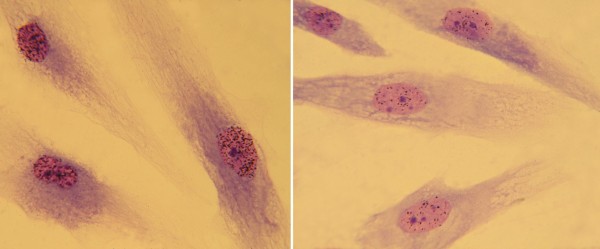
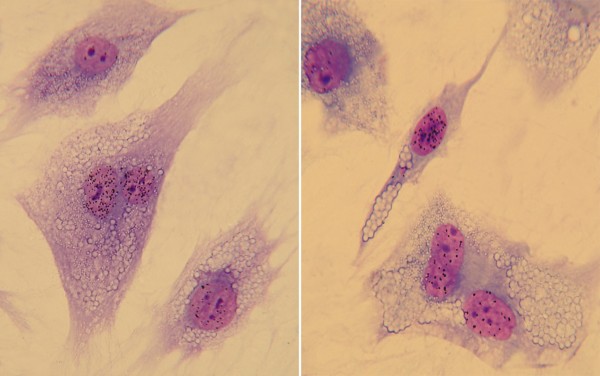
Xeroderma pigmentosum (XP) is defined by extreme sensitivity to sunlight, resulting in sunburn, pigment changes in the skin and a greatly elevated incidence of skin cancers. It is a rare autosomal recessive disorder and has been found in all continents and racial groups. Estimated incidences vary from 1 in 20, 000 in Japan to 1 in 250, 000 in the USA, and approximately 2.3 per million live births in Western Europe.The first features are either extreme sensitivity to sunlight, triggering severe sunburn, or, in patients who do not show this sun-sensitivity, abnormal lentiginosis (freckle-like pigmentation due to increased numbers of melanocytes) on sun-exposed areas. This is followed by areas of increased or decreased pigmentation, skin aging and multiple skin cancers, if the individuals are not protected from sunlight. A minority of patients show progressive neurological abnormalities. There are eight XP complementation groups, corresponding to eight genes, which, if defective, can result in XP. The products of these genes are involved in the repair of ultraviolet (UV)-induced damage in DNA. Seven of the gene products (XPA through G) are required to remove UV damage from the DNA. The eighth (XPV or DNA polymerase η) is required to replicate DNA containing unrepaired damage. There is wide variability in clinical features both between and within XP groups. Diagnosis is made clinically by the presence, from birth, of an acute and prolonged sunburn response at all exposed sites, unusually early lentiginosis in sun-exposed areas or onset of skin cancers at a young age. The clinical diagnosis is confirmed by cellular tests for defective DNA repair. These features distinguish XP from other photodermatoses such as solar urticaria and polymorphic light eruption, Cockayne Syndrome (no pigmentation changes, different repair defect) and other lentiginoses such as Peutz-Jeghers syndrome, Leopard syndrome and Carney complex (pigmentation not sun-associated), which are inherited in an autosomal dominant fashion. Antenatal diagnosis can be performed by measuring DNA repair or by mutation analysis in CVS cells or in amniocytes. Although there is no cure for XP, the skin effects can be minimised by rigorous protection from sunlight and early removal of pre-cancerous lesions. In the absence of neurological problems and with lifetime protection against sunlight, the prognosis is good. In patients with neurological problems, these are progressive, leading to disabilities and a shortened lifespan.
Overview
The claims and statistics of this paper haven’t been checked yet.
Run the check — free, no account needed. It reads the open-access text and checks the sources it cites.
Integrity signals
Registry
Cites
Statistics
Figures
Verification
Claims the paper makes
The claims and statistics of this paper haven’t been checked yet.
Run the check — free, no account needed. It reads the open-access text and checks the sources it cites.
Claims other papers make about this one
Each is checked against this paper’s own text: does it say what the citing paper says it does?
In the citing paper
“These include the conditions with mutations in NER pathways (presented in Table 3) such as xeroderma pigmentosum (XP) [149,150], Cockayne syndrome (CS) [151,152], trichothiodystrophy (TTD) [153,154,155,156], UV-sensitive syndrome (UV-SS), and cerebro-oculo-facioskeletal syndrome (COFS) [157,158,159].”
From Focus on UV-Induced DNA Damage and Repair—Disease Relevance and Protective Strategies (2020) · cites this paper as [150]
In the citing paper
“Another indirect evidence for the implication of photoinduced damage to DNA in carcinogenicity is provided by the high incidence of skin tumors in most of the complementation groups A-G of xeroderma pigmentosum patients (17,18) who suffer from deficiencies in nucleotide excision repair (19).”
From Photoinduced Damage to Cellular DNA: Direct and Photosensitized Reactions† (2012) · cites this paper as [17]
In the citing paper
“Photolesions engage the nucleotide excision repair (NER) pathway, which corrects UV-induced DNA damage in a multistep process involving numerous repair factors including XPA, ERCC1, ERCC3 (XP-B), XPC, ERCC2 (XP-D), DDB2 (XP-E), ERCC4 (XP-F) and ERCC5 (XP-G)”
From RETRACTED: PKA-Mediated Phosphorylation of ATR Promotes Recruitment of XPA to UV-Induced DNA Damage (2014) · cites this paper as Lehmann et al., 2011
Self-check
Percentages, sums and reported differences re-computed from the paper’s own numbers.
The self-check needs the paper’s full text.
Citations
Cites
The XPV (xeroderma pigmentosum variant) gene encodes human DNA polymerase η
Masutani, C., Kusumoto, R., Yamada, A., Dohmae, N., Yokoi, M., Yuasa, M., Araki, M., Iwai, S., Takio, K., & Hanaoka, F. (1999) · Nature · doi:10.1038/21447 · Cited by 1,292
Kraemer, K. H. (1987) · Archives of Dermatology · doi:10.1001/archderm.123.2.241 · Cited by 1,216
Robbins, J. H., Kraemer, K. H., Lutzner, M. A., Festoff, B. W., & COON, H. G. (1974) · Annals of Internal Medicine · doi:10.7326/0003-4819-80-2-221 · Cited by 748
Lehman, A. R., Kirk-Bell, S., Arlett, C. F., Paterson, M. C., Lohman, P. H., de Weerd-Kastelein, E. A., & Bootsma, D. (1975) · Proceedings of the National Academy of Sciences · doi:10.1073/pnas.72.1.219 · Cited by 614
Bradford, P. T., Goldstein, A. M., Tamura, D., Khan, S. G., Ueda, T., Boyle, J., Oh, K.-S., Imoto, K., Inui, H., Moriwaki, S.-I., et al. (2011) · Journal of Medical Genetics · doi:10.1136/jmg.2010.083022 · Cited by 480
Kleijer, W. J., Laugel, V., Berneburg, M., Nardò, T., Fawcett, H., Gratchev, A. N., Jaspers, N. G. J., Sarasin, A. R., Stefanini, M., & Lehmann, A. R. (2008) · DNA repair · doi:10.1016/j.dnarep.2008.01.014 · Cited by 278
Self-citationAndrews, A. D., Barrett, S. F., & Robbins, J. H. (1978) · Proceedings of the National Academy of Sciences · doi:10.1073/pnas.75.4.1984 · Cited by 250
Molecular analysis of mutations in DNA polymerase η in xeroderma pigmentosum-variant patients
Broughton, B. C., Cordonnier, A. M., Kleijer, W. J., Jaspers, N. G. J., Fawcett, H., Raams, A., Garritsen, V. H., Stary, A., Avril, M., Boudsocq, F., et al. (2002) · Proceedings of the National Academy of Sciences · doi:10.1073/pnas.022473899 · Cited by 176
Self-citationDaya-Grosjean, L., & Sarasin, A. (2005) · Mutation Research - Fundamental and Molecular Mechanisms of Mutagenesis · doi:10.1016/j.mrfmmm.2004.11.013 · Cited by 142
Hirai, Y., Kodama, Y., Moriwaki, S., Noda, A., Cullings, H. M., MacPhee, D. G., Kodama, K., Mabuchi, K., Kraemer, K. H., Land, C. E., et al. (2006) · Mutation research. Fundamental and molecular mechanisms of mutagenesis · doi:10.1016/j.mrfmmm.2006.06.010 · Cited by 140
Cited by
Sorted by citations
DNA repair, genome stability and cancer: a historical perspective
Jeggo, P. A., Pearl, L. H., & Carr, A. M. (2015) · Nature reviews. Cancer · doi:10.1038/nrc.2015.4 · Cited by 781
DNA damage-how and why we age?
Yousefzadeh, M., Henpita, C., Vyas, R., Soto-Palma, C., Robbins, P., & Niedernhofer, L. (2021) · eLife · doi:10.7554/elife.62852 · Cited by 399
Photoinduced Damage to Cellular DNA: Direct and Photosensitized Reactions†
Cadet, J., Mouret, S., Ravanat, J., & Douki, T. (2012) · Photochemistry and Photobiology · doi:10.1111/j.1751-1097.2012.01200.x · Cited by 300
Dermoscopy, with and without visual inspection, for diagnosing melanoma in adults
Dinnes, J., Deeks, J. J., Chuchu, N., di Ruffano, L. F., Matin, R., Thomson, D. R., Wong, K. Y., Aldridge, R. B., Abbott, R. A., Fawzy, M., et al. (2018) · Cochrane Database of Systematic Reviews · doi:10.1002/14651858.cd011902.pub2 · Cited by 255
Recognition of genetic predisposition in pediatric cancer patients: An easy-to-use selection tool
Jongmans, M. C. J., Loeffen, J. L. C., Waanders, E., Hoogerbrugge, P. M., Ligtenberg, M. J. L., Kuiper, R. P., & Hoogerbrugge, N. (2016) · European Journal of Medical Genetics · doi:10.1016/j.ejmg.2016.01.008 · Cited by 196
Focus on UV-Induced DNA Damage and Repair—Disease Relevance and Protective Strategies
Kciuk, M., Marciniak, B., Mojzych, M., & Kontek, R. (2020) · International Journal of Molecular Sciences · doi:10.3390/ijms21197264 · Cited by 168
Black, J. O. (2016) · Head and Neck Pathology · doi:10.1007/s12105-016-0707-8 · Cited by 166
DNA repair diseases: what do they tell us about Cancer and aging?
Menck, C. F., & Munford, V. (2014) · Genetics and Molecular Biology · doi:10.1590/s1415-47572014000200008 · Cited by 162
Smartphone applications for triaging adults with skin lesions that are suspicious for melanoma
Chuchu, N., Takwoingi, Y., Dinnes, J., Matin, R. N., Bassett, O., Moreau, J. F., Bayliss, S. E., Davenport, C., Godfrey, K., O'Connell, S., et al. (2018) · Cochrane Database of Systematic Reviews · doi:10.1002/14651858.cd013192 · Cited by 144
The ERCC1 and ERCC4 (XPF) genes and gene products
Manandhar, M., Boulware, K. S., & Wood, R. D. (2015) · Gene · doi:10.1016/j.gene.2015.06.026 · Cited by 142
Pathways for repairing and tolerating the spectrum of oxidative DNA lesions
Berquist, B. R., & Wilson, D. M. (2012) · Cancer Letters · doi:10.1016/j.canlet.2012.02.001 · Cited by 136
Melanoma: From Melanocyte to Genetic Alterations and Clinical Options
Bertolotto, C. (2013) · Scientifica · doi:10.1155/2013/635203 · Cited by 152
Chromothripsis: Chromosomes in Crisis
Jones, M. V., & Jallepalli, P. V. (2012) · Developmental Cell · doi:10.1016/j.devcel.2012.10.010 · Cited by 139
XPA: A key scaffold for human nucleotide excision repair
Sugitani, N., Sivley, R. M., Perry, K. E., Capra, J. A., & Chazin, W. J. (2016) · DNA Repair · doi:10.1016/j.dnarep.2016.05.018 · Cited by 116
Petr, M. A., Tulika, T., Carmona-Marin, L. M., & Scheibye‐Knudsen, M. (2020) · Trends in Cell Biology · doi:10.1016/j.tcb.2019.12.001 · Cited by 121
DNA Oxidation and Excision Repair Pathways
Lee, T.-H., & Kang, T.-H. (2019) · International Journal of Molecular Sciences · doi:10.3390/ijms20236092 · Cited by 116
Germline mutations predisposing to melanoma
Toussi, A. M., MANS, N. Z., Welborn, J. L., & Kiuru, M. H. (2020) · Journal of Cutaneous Pathology · doi:10.1111/cup.13689 · Cited by 119
The Role of Altered Nucleotide Excision Repair and UVB-Induced DNA Damage in Melanomagenesis
Budden, T., & Bowden, N. A. (2013) · International Journal of Molecular Sciences · doi:10.3390/ijms14011132 · Cited by 113
ZHENG, C. L., Wang, N. J., Chung, J., Moslehi, H., Sanborn, Z., Hur, J., Collisson, E. A., Vemula, S. S., Naujokas, A., Chiotti, K., et al. (2014) · Cell Reports · doi:10.1016/j.celrep.2014.10.031 · Cited by 112
Self-citationDeciphering UV‐induced DNA Damage Responses to Prevent and Treat Skin Cancer
Lee, J. W., Ratnakumar, K., Hung, K., Rokunohe, D., & Kawasumi, M. (2020) · Photochemistry and Photobiology · doi:10.1111/php.13245 · Cited by 121
TRAIP promotes DNA damage response during genome replication and is mutated in primordial dwarfism
Harley, M. E., Murina, O., Leitch, A., Higgs, M. R., Bicknell, L. S., Yigit, G., Blackford, A. N., Zlatanou, A., Mackenzie, K. J., Reddy, K., et al. (2015) · Nature Genetics · doi:10.1038/ng.3451 · Cited by 92
DNA damage detection in nucleosomes involves DNA register shifting
Matsumoto, S., Cavadini, S., Bunker, R. D., Grand, R. S., Potenza, A., Rabl, J., Yamamoto, J., Schenk, A. D., Schübeler, D., Iwai, S., et al. (2019) · Nature · doi:10.1038/s41586-019-1259-3 · Cited by 94
Genetic and chemotherapeutic influences on germline hypermutation
Kaplanis, J., Ide, B., Sanghvi, R., Neville, M. D. C., Danecek, P., Coorens, T. H. H., Prigmore, E., Short, P., Gallone, G., McRae, J. F., et al. (2022) · Nature · doi:10.1038/s41586-022-04712-2 · Cited by 96
DNA Damage, DNA Repair and Cancer
Bernstein, C., Anil, R., Nfonsam, V. N., & Bernstei, H. (2013) · InTech eBooks · doi:10.5772/53919 · Cited by 115
Skin Pigmentation Abnormalities and Their Possible Relationship with Skin Aging
Lee, A.-Y. (2021) · International Journal of Molecular Sciences · doi:10.3390/ijms22073727 · Cited by 87
Ultraviolet radiation: DNA damage, repair, and human disorders
Yu, S.-L., & Lee, S. (2017) · Molecular & Cellular Toxicology · doi:10.1007/s13273-017-0002-0 · Cited by 90
RETRACTED: PKA-Mediated Phosphorylation of ATR Promotes Recruitment of XPA to UV-Induced DNA Damage
Jarrett, S. G., Horrell, E. M. W., Christian, P. A., Vanover, J. C., Boulanger, M. C., Zou, Y., & D’Orazio, J. A. (2014) · Molecular Cell · doi:10.1016/j.molcel.2014.05.030 · Cited by 85
RetractedUltrasound, CT, MRI, or PET-CT for staging and re-staging of adults with cutaneous melanoma
Dinnes, J., di Ruffano, L. F., Takwoingi, Y., Cheung, S. T., Nathan, P., Matin, R., Chuchu, N., Chan, S. A., Durack, A., Bayliss, S. E., et al. (2019) · Cochrane Database of Systematic Reviews · doi:10.1002/14651858.cd012806.pub2 · Cited by 85
Cau, P., Navarro, C. L., Harhouri, K., Roll, P., Sigaudy, S., Kaspi, É., Perrin, S., Sandre‐Giovannoli, A. D., & Lévy, N. (2014) · Seminars in Cell and Developmental Biology · doi:10.1016/j.semcdb.2014.03.021 · Cited by 80
Xeroderma pigmentosum: an updated review
Leung, A. K. C., Barankin, B., Lam, J. M., Leong, K. F., & Hon, K. E. (2022) · Drugs in Context · doi:10.7573/dic.2022-2-5 · Cited by 85
Visual inspection for diagnosing cutaneous melanoma in adults
Dinnes, J., Deeks, J. J., Grainge, M. J., Chuchu, N., di Ruffano, L. F., Matin, R., Thomson, D. R., Wong, K. Y., Aldridge, R. B., Abbott, R. A., et al. (2018) · Cochrane Database of Systematic Reviews · doi:10.1002/14651858.cd013194 · Cited by 81
Familial skin cancer syndromes
Ransohoff, K. J., Jaju, P., Tang, J. Y., Carbone, M., Leachman, S. A., & Sarin, K. Y. (2016) · Journal of the American Academy of Dermatology · doi:10.1016/j.jaad.2015.09.070 · Cited by 71
DNA repair as a shared hallmark in cancer and ageing
Clarke, T. L., & Mostoslavsky, R. (2022) · Molecular Oncology · doi:10.1002/1878-0261.13285 · Cited by 74
The biology of hyperpigmentation syndromes
Speeckaert, R., Gele, M. V., Speeckaert, M. M., Lambert, J., & van Geel, N. (2014) · Pigment Cell & Melanoma Research · doi:10.1111/pcmr.12235 · Cited by 67
Nucleotide Excision Repair: From Molecular Defects to Neurological Abnormalities
Krasikova, Y. S., Rechkunova, N. I., & Lavrik, O. I. (2021) · International Journal of Molecular Sciences · doi:10.3390/ijms22126220 · Cited by 68
Mechanistic insights into transcription coupled DNA repair
Pani, B., & Nudler, E. (2017) · DNA repair · doi:10.1016/j.dnarep.2017.06.006 · Cited by 63
Genome instability syndromes caused by impaired DNA repair and aberrant DNA damage responses
Terabayashi, T., & Hanada, K. (2018) · Cell Biology and Toxicology · doi:10.1007/s10565-018-9429-x · Cited by 61
Heterogeneity and overlaps in nucleotide excision repair disorders
Ferri, D., Orioli, D., & Botta, E. (2019) · Clinical Genetics · doi:10.1111/cge.13545 · Cited by 61
Genomic mutation landscape of skin cancers from DNA repair-deficient xeroderma pigmentosum patients
Yurchenko, A. A., Rajabi, F., Lajus, T. B. P., Fassihi, H., Lehmann, A. R., Nishigori, C., Wang, J., Padioleau, I., Владимирович, Г. К., Panunzi, L. G., et al. (2023) · Nature Communications · doi:10.1038/s41467-023-38311-0 · Cited by 58
Self-citationTranscription-coupled repair of DNA–protein cross-links depends on CSA and CSB
Carnie, C. J., Acampora, A. C., Bader, A. S., Erdenebat, C., Zhao, S., Bitensky, E. M., van den Heuvel, D., Parnas, A., Gupta, V., D’Alessandro, G., et al. (2024) · Nature Cell Biology · doi:10.1038/s41556-024-01391-1 · Cited by 61
Mechanisms of Base Substitution Mutagenesis in Cancer Genomes
Bacolla, A., Cooper, D. N., & Vásquez, K. M. (2014) · Genes · doi:10.3390/genes5010108 · Cited by 55
Updated review of genetic reticulate pigmentary disorders
Zhang, J., Li, M., & Yao, Z. (2017) · British Journal of Dermatology · doi:10.1111/bjd.15575 · Cited by 56
Advances in quantum dot-based biosensors for DNA-modifying enzymes assay
Zhang, Q., Zhang, X., Ma, F., & Zhang, C. (2022) · Coordination Chemistry Reviews · doi:10.1016/j.ccr.2022.214674 · Cited by 55
Evangelisti, C., Cenni, V., & Lattanzi, G. (2016) · British Journal of Clinical Pharmacology · doi:10.1111/bcp.12928 · Cited by 53
Feltes, B. C., & Bonatto, D. (2014) · Mutation Research/Reviews in Mutation Research · doi:10.1016/j.mrrev.2014.12.002 · Cited by 53
Factors Regulating the Activity of LINE1 Retrotransposons
Protasova, M., Андреева, Т. В., & Rogaev, E. I. (2021) · Genes · doi:10.3390/genes12101562 · Cited by 58
Surgical management of non melanoma skin cancer of the head and neck
Kansara, S., Bell, D., & Weber, R. S. (2019) · Oral Oncology · doi:10.1016/j.oraloncology.2019.104485 · Cited by 50
Soltys, D. T., Rocha, C. R. R., Lerner, L. K., de Souza, T. A., Munford, V., Cabral, F., Nardo, T., Stefanini, M., Sarasin, A., Cabral‐Neto, J. B., et al. (2013) · Human Mutation · doi:10.1002/humu.22259 · Cited by 48
Self-citationSarkar, S., & Gaddameedhi, S. (2020) · Environmental and Molecular Mutagenesis · doi:10.1002/em.22370 · Cited by 48
Genetic causes of cancer predisposition in children and adolescents.
Saletta, F., Pozza, L. D., & Byrne, J. A. (2015) · PubMed · doi:10.3978/j.issn.2224-4336.2015.04.08 · Cited by 48
Premature Skin Aging Features Rescued by Inhibition of NADPH Oxidase Activity in XPC-Deficient Mice
Hosseini, M., Mahfouf, W., Serrano-Sanchez, M., Raad, H., Harfouche, G., Bonneu, M., Claverol, S., Mazurier, F., Rossignol, R., Taieb, A., et al. (2015) · Journal of Investigative Dermatology · doi:10.1038/jid.2014.511 · Cited by 42
Marelli, C., Guissart, C., Hubsch, C. A., Renaud, M., Villemin, J.-P., Larrieu, L., Charles, P., Ayrignac, X., Sacconi, S., Collignon, P., et al. (2016) · Human Mutation · doi:10.1002/humu.23063 · Cited by 40
Yurchenko, A. A., Padioleau, I., Matkarimov, B. T., Soulier, J., Sarasin, A. R., & Nikolaev, S. I. (2020) · Nature Communications · doi:10.1038/s41467-020-19633-9 · Cited by 38
Peutz‑Jeghers syndrome: Skin manifestations and endocrine anomalies (Review)
Şandru, F., Petca, A. T., Dumitrașcu, M. C., Petca, R., & Carşote, M. (2021) · Experimental and Therapeutic Medicine · doi:10.3892/etm.2021.10823 · Cited by 39
Whole-Exome Sequencing Enables Rapid Determination of Xeroderma Pigmentosum Molecular Etiology
Ortega‐Recalde, O., Vergara, J. I., Fonseca, D. J., Ríos, X. P., Mosquera, H., Bermúdez, O. M., Medina, C. L., Vargas, C. I., Pallares, A. E., Restrepo, C. M., et al. (2013) · PLoS ONE · doi:10.1371/journal.pone.0064692 · Cited by 39
Abeti, R., Zeitlberger, A. M., Peelo, C., Fassihi, H., Sarkany, R., Lehmann, A. R., & Giunti, P. (2018) · British Journal of Pharmacology · doi:10.1111/bph.14557 · Cited by 39
Self-citationAcetaldehyde forms covalent GG intrastrand crosslinks in DNA
Sonohara, Y., Yamamoto, J., Tohashi, K., Takatsuka, R., Matsuda, T., Iwai, S., & Kuraoka, I. (2019) · Scientific Reports · doi:10.1038/s41598-018-37239-6 · Cited by 37
The Nucleotide Excision Repair Pathway Limits L1 Retrotransposition
Servant, G., Streva, V. A., Derbes, R. S., Wijetunge, M. I., Neeland, M., White, T., Belancio, V. P., Roy‐Engel, A. M., & Deininger, P. L. (2016) · Genetics · doi:10.1534/genetics.116.188680 · Cited by 42
Actual state of knowledge in the field of diseases related with defective nucleotide excision repair
Bukowska, B., & Karwowski, B. T. (2018) · Life Sciences · doi:10.1016/j.lfs.2017.12.035 · Cited by 39
Repair protein persistence at DNA lesions characterizes XPF defect with Cockayne syndrome features
Sabatella, M., Theil, A. F., Ribeiro-Silva, C., Slyšková, J., Thijssen, K. L., Voskamp, C., Lans, H., & Vermeulen, W. (2018) · Nucleic Acids Research · doi:10.1093/nar/gky774 · Cited by 34
Hamie, L., Haddad, I., Nasser, N., Kurban, M., & Abbas, O. M. (2021) · American Journal of Clinical Dermatology · doi:10.1007/s40257-021-00620-9 · Cited by 38
Fayyad, N., Kobaisi, F., Beal, D. M., Mahfouf, W., Ged, C., Morice‐Picard, F., Fayyad‐Kazan, M., Fayyad‐Kazan, H., Badran, B. M., Rezvani, H. R., et al. (2020) · Frontiers in Genetics · doi:10.3389/fgene.2020.561687 · Cited by 34
The fine line between lifespan extension and shortening in response to caloric restriction
Szafranski, K., & Mekhail, K. (2014) · Nucleus · doi:10.4161/nucl.27929 · Cited by 33
Nikolaev, S. I., Yurchenko, A. A., & Sarasin, A. R. (2022) · Orphanet Journal of Rare Diseases · doi:10.1186/s13023-022-02203-1 · Cited by 37
Asnaghi, L., Alkatan, H. M., Mahale, A., Othman, M., Alwadani, S., Al‐Hussain, H., Jastaneiah, S. S., Yu, W., Maktabi, A. M., Edward, D. P., et al. (2014) · Investigative Ophthalmology & Visual Science · doi:10.1167/iovs.14-14920 · Cited by 33
Ophthalmic Manifestations of Xeroderma Pigmentosum
Lim, R., Sethi, M., & Morley, A. M. S. (2017) · Ophthalmology · doi:10.1016/j.ophtha.2017.04.031 · Cited by 32
Nucleotide Excision Repair and Vitamin D—Relevance for Skin Cancer Therapy
Pawłowska, E., Wysokiński, D., & Błasiak, J. (2016) · International Journal of Molecular Sciences · doi:10.3390/ijms17040372 · Cited by 31
Transcriptomic Characterization of Dying Hair Cells in the Avian Cochlea
Benkafadar, N., Janesick, A., Scheibinger, M., Ling, A. H., Jan, T. A., & Heller, S. (2020) · Cell Reports · doi:10.1016/j.celrep.2021.108902 · Cited by 28
TFIIH central activity in nucleotide excision repair to prevent disease
Theil, A. F., Häckes, D., & Lans, H. (2023) · DNA repair · doi:10.1016/j.dnarep.2023.103568 · Cited by 30
Karass, M., Naguib, M. M., Elawabdeh, N., Cundiff, C. A., Thomason, J. L., Steelman, C. K., Cone, R. J., Schwenkter, A., Jordan, C., & Shehata, B. M. (2014) · Fetal and Pediatric Pathology · doi:10.3109/15513815.2014.982336 · Cited by 31
Mapping p38α mitogen‐activated protein kinase signaling by proximity‐dependent labeling
Prikas, E., Poljak, A., & Ittner, A. (2020) · Protein Science · doi:10.1002/pro.3854 · Cited by 28
Dyson, O. F., Pagano, J. S., & Whitehurst, C. B. (2017) · Journal of Virology · doi:10.1128/jvi.00600-17 · Cited by 29
Tests to assist in the diagnosis of cutaneous melanoma in adults: a generic protocol
Dinnes, J., Matin, R., Moreau, J. F., Patel, L., Chan, S. A., Chuchu, N., Bayliss, S. E., Grainge, M. J., Takwoingi, Y., Davenport, C. F., et al. (2015) · Cochrane Database of Systematic Reviews · doi:10.1002/14651858.cd011902 · Cited by 28
Giustini, S., Miraglia, E., Berardesca, E., Milani, M., & Calvieri, S. (2014) · Case Reports in Dermatology · doi:10.1159/000368182 · Cited by 26
DNA lesion identity drives choice of damage tolerance pathway in murine cell chromosomes
Cohen, I. S., Bar, C., Paz-Elizur, T., Ainbinder, E., Leopold, K., de Wind, N., Geacintov, N. E., & Livneh, Z. (2015) · Nucleic Acids Research · doi:10.1093/nar/gku1398 · Cited by 25
Xeroderma Pigmentosum: Man Deprived of His Right to Light
Mareddy, S., Reddy, J., Babu, S., & Balan, P. (2013) · The Scientific World JOURNAL · doi:10.1155/2013/534752 · Cited by 25
New Mutation in the Mouse Xpd/Ercc2 Gene Leads to Recessive Cataracts
Kunze, S., Dalke, C., Fuchs, H., Klaften, M., Rößler, U., Hornhardt, S., Gomolka, M., Puk, O., Sabrautzki, S., Kulka, U., et al. (2015) · PLoS ONE · doi:10.1371/journal.pone.0125304 · Cited by 25
Novel therapeutic approaches to xeroderma pigmentosum
Weon, J. L., & Glass, D. A. (2018) · British Journal of Dermatology · doi:10.1111/bjd.17253 · Cited by 24
Yang, J., Chen, X., Engle, M. Y., & Wang, J. (2015) · Dermatologic Therapy · doi:10.1111/dth.12217 · Cited by 24
The Surprising Diversity of UV‐Induced Mutations
Laughery, M. F., Wilson, H. E., Sewell, A., Stevison, S., & Wyrick, J. J. (2024) · Advanced Genetics · doi:10.1002/ggn2.202300205 · Cited by 24
Zatopek, K. M., Gardner, A. F., & Kelman, Z. (2018) · FEMS Microbiology Reviews · doi:10.1093/femsre/fuy017 · Cited by 24
Transcription-coupled repair and the transcriptional response to UV-Irradiation
Gaul, L., & Svejstrup, J. Q. (2021) · DNA repair · doi:10.1016/j.dnarep.2021.103208 · Cited by 22
Epigenetic regulation of DNA repair machinery inHelicobacter pylori-induced gastric carcinogenesis
Santos, J. C. (2015) · World Journal of Gastroenterology · doi:10.3748/wjg.v21.i30.9021 · Cited by 24
Genetic diseases associated with an increased risk of skin cancer development in childhood
Fogel, A. L., Sarin, K. Y., & Teng, J. M. C. (2017) · Current Opinion in Pediatrics · doi:10.1097/mop.0000000000000514 · Cited by 24
XPG: a multitasking genome caretaker
Muniesa-Vargas, A., Theil, A. F., Ribeiro-Silva, C., Vermeulen, W., & Lans, H. (2022) · Cellular and Molecular Life Sciences · doi:10.1007/s00018-022-04194-5 · Cited by 23
García‐Moreno, H., Langbehn, D. R., Abiona, A., Garrood, I., Fleszar, Z., Manes, M. A., Morley, A. M. S., Craythorne, E. E., Mohammed, S. N., Henshaw, T., et al. (2023) · Brain · doi:10.1093/brain/awad266 · Cited by 26
Self-citationKeratinocyte Carcinoma as a Marker of a High Cancer-Risk Phenotype
Small, J. M., Barton, V. R., Peterson, B., & Alberg, A. J. (2016) · Advances in cancer research · doi:10.1016/bs.acr.2016.01.003 · Cited by 23
Gonçalves-Maia, M., Gache, Y., Basante-Bedoya, M. A., Cosson, E., Salavagione, E., Muller, M., Bernerd, F., Avril, M.-F., Schaub, S., Sarasin, A. R., et al. (2020) · Journal of Investigative Dermatology · doi:10.1016/j.jid.2020.01.021 · Cited by 23
Xeroderma Pigmentosum Complementation Group C (XPC): Emerging Roles in Non-Dermatologic Malignancies
Nasrallah, N. A., Wiese, B. M., & Sears, C. R. (2022) · Frontiers in Oncology · doi:10.3389/fonc.2022.846965 · Cited by 21
Genotype-phenotype correlation of xeroderma pigmentosum in a Chinese Han population
Sun, Z.-N., Zhang, J., Guo, Y., Ni, C., Liang, J., Cheng, R., Li, M., & Yao, Z. (2014) · British Journal of Dermatology · doi:10.1111/bjd.13429 · Cited by 22
Base Excision Repair and Nucleotide Excision Repair
Izumi, T., & Mellon, I. (2016) · Elsevier eBooks · doi:10.1016/b978-0-12-803309-8.00017-3 · Cited by 22
The Long Road to Understanding RNAPII Transcription Initiation and Related Syndromes
Compe, E., & Egly, J. (2021) · Annual Review of Biochemistry · doi:10.1146/annurev-biochem-090220-112253 · Cited by 21
Mkrtchyan, G. V., Veviorskiy, A., Izumchenko, E., Shneyderman, A., Pun, F. W., Ozerov, I. V., Aliper, A., Zhavoronkov, A. A., & Scheibye‐Knudsen, M. (2022) · Cell Death and Disease · doi:10.1038/s41419-022-05437-w · Cited by 23
Understanding photodermatoses associated with defective DNA repair
Giordano, C. N., Yew, Y. W., Spivak, G., & Lim, H. W. (2016) · Journal of the American Academy of Dermatology · doi:10.1016/j.jaad.2016.03.045 · Cited by 22
Transcriptional consequences of XPA disruption in human cell lines
Manandhar, M., Lowery, M. G., Boulware, K. S., Lin, K., Lu, Y., & Wood, R. D. (2017) · DNA repair · doi:10.1016/j.dnarep.2017.06.028 · Cited by 24
Mediator MED23 Links Pigmentation and DNA Repair through the Transcription Factor MITF
Xia, M. H., Chen, K., Xiao, Y., Xu, Y., Yao, J., Yan, J., Shao, Z., & Wang, G. (2017) · Cell Reports · doi:10.1016/j.celrep.2017.07.056 · Cited by 21
Walburn, J., Canfield, M., Norton, S., Sainsbury, K., Araújo‐Soares, V., Foster, L., Berneburg, M., Sarasin, A. R., Morrison‐Bowen, N., Sniehotta, F. F., et al. (2019) · British Journal of Health Psychology · doi:10.1111/bjhp.12375 · Cited by 20
Sarmini, L., Meabed, M., Emmanouil, E., Atsaves, G., Robeska, E., Karwowski, B. T., Campalans, A., Gimisis, T., & Khobta, A. (2023) · Nucleic Acids Research · doi:10.1093/nar/gkad256 · Cited by 20
Xeroderma pigmentosum complementation group F: A rare cause of cerebellar ataxia with chorea
Carré, G., Marelli, C., Anheim, M., Gény, C., Renaud, M., Rezvani, H. R., Koenig, M., Guissart, C., & Tranchant, C. (2017) · Journal of the Neurological Sciences · doi:10.1016/j.jns.2017.03.021 · Cited by 19
Lombardi, A., Arseni, L., Carriero, R., Compe, E., Botta, E., Ferri, D., Uggé, M., Biamonti, G., Peverali, F. A., Bione, S., et al. (2021) · Proceedings of the National Academy of Sciences · doi:10.1073/pnas.2024502118 · Cited by 17
Metadata
- Authors
- Lehmann, A. R., McGibbon, D., & Stefanini, M.
- Affiliations
- University of Sussex (GB)
- St Thomas' Hospital (GB)
- Istituto di Genetica Molecolare (IT)
- Corresponding author
- Lehmann, Alan R
- ORCID
- Lehmann, Alan R
- Venue
- Orphanet Journal of Rare Diseases
- Published
- 2011
- Volume
- 6
- Issue
- 1
- Pages
- 70
- ISSN
- 1750-1172 (ISSN-L)
- PMC
- PMC3221642
- OpenAlex
- W4244842284
- Cited by
- 343
- References
- 17
- Citations by year
- 2026: 14 · 2025: 18 · 2024: 23 · 2023: 21 · 2022: 33 · 2021: 34 · 2020: 27 · 2019: 26 · 2018: 20 · 2017: 29 · 2016: 27 · 2015: 20 · 2014: 24 · 2013: 17 · 2012: 10
- FWCI
- 6.63
- Type
- journal article
- Language
- en
- Open access
- gold
- doi.org
- Licence
- cc-by
- Locations
- Orphanet Journal of Rare Diseases (publishedVersion, cc-by)
- Europe PMC (PubMed Central) (publishedVersion, cc-by)
- PubMed Central (publishedVersion, cc-by)
- PubMed (publishedVersion)
- Sussex Research Online (University of Sussex) (submittedVersion)
- DOAJ (DOAJ: Directory of Open Access Journals) (submittedVersion, cc-by-sa)
- Figshare (submittedVersion)
- Funders
- Associazione Italiana per la Ricerca sul Cancro
- Topics
- Life Sciences › Biochemistry, Genetics and Molecular Biology › Molecular Biology › DNA Repair Mechanisms
- Health Sciences › Medicine › Dermatology › Genetic and rare skin diseases.
- Health Sciences › Medicine › Dermatology › Skin Protection and Aging
- Keywords
- xeroderma pigmentosum, DNA repair deficiency, UV-induced DNA damage, sun sensitivity, skin cancer predisposition, lentiginosis, photodermatosis, Cockayne syndrome, prenatal diagnosis, neurological complications
- MeSH terms
- DNA Repair, Europe, Humans, Japan, Neoplasms, Nervous System Diseases, United States, Xeroderma Pigmentosum
About these checks
Registry, retraction, Cites and statistics results are computed, not judged, with one exception: a printed reference that no index lists is read once by a model before it counts as a citation error. Claims are extracted by a model and kept only when their quote appears verbatim in the text; each cited source is then checked, with a model’s help, for whether it says what the claim relies on. Those verdicts can be wrong — read the claim’s quote and the cited source before relying on one.
Statistics and arithmetic are recomputed, not judged.
Confidence bands are shown only for fields calibrated on our annotated test set. None is calibrated yet, so no band is shown.
What counts as a claim ›How we measure confidence ›How we check this ›
Are you an author, or do you see a problem with this page? Request a review
