

The DOI matches its Crossref record; 17 of the 17 references it cites were found in a registry or an index.
Xeroderma pigmentosum
Open accessAbstract
Xeroderma pigmentosum (XP) is defined by extreme sensitivity to sunlight, resulting in sunburn, pigment changes in the skin and a greatly elevated incidence of skin cancers. It is a rare autosomal recessive disorder and has been found in all continents and racial groups. Estimated incidences vary from 1 in 20, 000 in Japan to 1 in 250, 000 in the USA, and approximately 2.3 per million live births in Western Europe.The first features are either extreme sensitivity to sunlight, triggering severe sunburn, or, in patients who do not show this sun-sensitivity, abnormal lentiginosis (freckle-like pigmentation due to increased numbers of melanocytes) on sun-exposed areas. This is followed by areas of increased or decreased pigmentation, skin aging and multiple skin cancers, if the individuals are not protected from sunlight. A minority of patients show progressive neurological abnormalities. There are eight XP complementation groups, corresponding to eight genes, which, if defective, can result in XP. The products of these genes are involved in the repair of ultraviolet (UV)-induced damage in DNA. Seven of the gene products (XPA through G) are required to remove UV damage from the DNA. The eighth (XPV or DNA polymerase η) is required to replicate DNA containing unrepaired damage. There is wide variability in clinical features both between and within XP groups. Diagnosis is made clinically by the presence, from birth, of an acute and prolonged sunburn response at all exposed sites, unusually early lentiginosis in sun-exposed areas or onset of skin cancers at a young age. The clinical diagnosis is confirmed by cellular tests for defective DNA repair. These features distinguish XP from other photodermatoses such as solar urticaria and polymorphic light eruption, Cockayne Syndrome (no pigmentation changes, different repair defect) and other lentiginoses such as Peutz-Jeghers syndrome, Leopard syndrome and Carney complex (pigmentation not sun-associated), which are inherited in an autosomal dominant fashion. Antenatal diagnosis can be performed by measuring DNA repair or by mutation analysis in CVS cells or in amniocytes. Although there is no cure for XP, the skin effects can be minimised by rigorous protection from sunlight and early removal of pre-cancerous lesions. In the absence of neurological problems and with lifetime protection against sunlight, the prognosis is good. In patients with neurological problems, these are progressive, leading to disabilities and a shortened lifespan.
Overview
The claims and statistics of this paper haven’t been checked yet.
Run the check — free, no account needed. It reads the open-access text and checks the sources it cites.
Integrity signals
Registry
Cites
Statistics
Figures
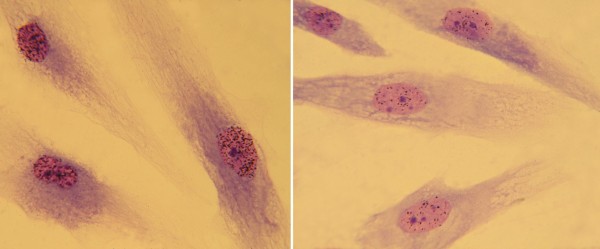
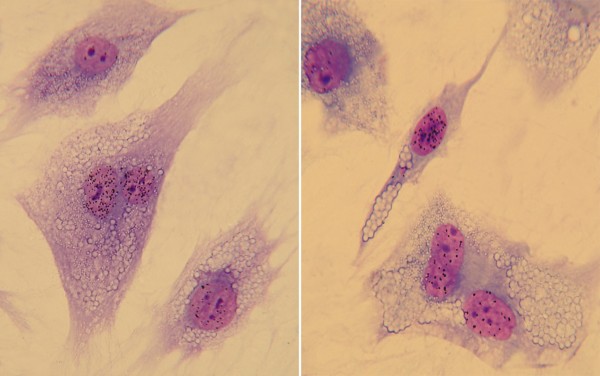
Verification
Claims the paper makes
The claims and statistics of this paper haven’t been checked yet.
Run the check — free, no account needed. It reads the open-access text and checks the sources it cites.
Claims other papers make about this one
Each is checked against this paper’s own text: does it say what the citing paper says it does?
In the citing paper
“These include the conditions with mutations in NER pathways (presented in Table 3) such as xeroderma pigmentosum (XP) [149,150], Cockayne syndrome (CS) [151,152], trichothiodystrophy (TTD) [153,154,155,156], UV-sensitive syndrome (UV-SS), and cerebro-oculo-facioskeletal syndrome (COFS) [157,158,159].”
From Focus on UV-Induced DNA Damage and Repair—Disease Relevance and Protective Strategies (2020) · cites this paper as [150]
In the citing paper
“Another indirect evidence for the implication of photoinduced damage to DNA in carcinogenicity is provided by the high incidence of skin tumors in most of the complementation groups A-G of xeroderma pigmentosum patients (17,18) who suffer from deficiencies in nucleotide excision repair (19).”
From Photoinduced Damage to Cellular DNA: Direct and Photosensitized Reactions† (2012) · cites this paper as [17]
In the citing paper
“Photolesions engage the nucleotide excision repair (NER) pathway, which corrects UV-induced DNA damage in a multistep process involving numerous repair factors including XPA, ERCC1, ERCC3 (XP-B), XPC, ERCC2 (XP-D), DDB2 (XP-E), ERCC4 (XP-F) and ERCC5 (XP-G)”
From RETRACTED: PKA-Mediated Phosphorylation of ATR Promotes Recruitment of XPA to UV-Induced DNA Damage (2014) · cites this paper as Lehmann et al., 2011
Self-check
Percentages, sums and reported differences re-computed from the paper’s own numbers.
The self-check needs the paper’s full text.
Citations
Cites
The XPV (xeroderma pigmentosum variant) gene encodes human DNA polymerase η
Masutani, C., Kusumoto, R., Yamada, A., Dohmae, N., Yokoi, M., Yuasa, M., Araki, M., Iwai, S., Takio, K., & Hanaoka, F. (1999) · Nature · doi:10.1038/21447 · Cited by 1,292
Kraemer, K. H. (1987) · Archives of Dermatology · doi:10.1001/archderm.123.2.241 · Cited by 1,216
Robbins, J. H., Kraemer, K. H., Lutzner, M. A., Festoff, B. W., & COON, H. G. (1974) · Annals of Internal Medicine · doi:10.7326/0003-4819-80-2-221 · Cited by 748
Lehman, A. R., Kirk-Bell, S., Arlett, C. F., Paterson, M. C., Lohman, P. H., de Weerd-Kastelein, E. A., & Bootsma, D. (1975) · Proceedings of the National Academy of Sciences · doi:10.1073/pnas.72.1.219 · Cited by 614
Bradford, P. T., Goldstein, A. M., Tamura, D., Khan, S. G., Ueda, T., Boyle, J., Oh, K.-S., Imoto, K., Inui, H., Moriwaki, S.-I., et al. (2011) · Journal of Medical Genetics · doi:10.1136/jmg.2010.083022 · Cited by 480
Kleijer, W. J., Laugel, V., Berneburg, M., Nardò, T., Fawcett, H., Gratchev, A. N., Jaspers, N. G. J., Sarasin, A. R., Stefanini, M., & Lehmann, A. R. (2008) · DNA repair · doi:10.1016/j.dnarep.2008.01.014 · Cited by 278
Self-citationAndrews, A. D., Barrett, S. F., & Robbins, J. H. (1978) · Proceedings of the National Academy of Sciences · doi:10.1073/pnas.75.4.1984 · Cited by 250
Molecular analysis of mutations in DNA polymerase η in xeroderma pigmentosum-variant patients
Broughton, B. C., Cordonnier, A. M., Kleijer, W. J., Jaspers, N. G. J., Fawcett, H., Raams, A., Garritsen, V. H., Stary, A., Avril, M., Boudsocq, F., et al. (2002) · Proceedings of the National Academy of Sciences · doi:10.1073/pnas.022473899 · Cited by 176
Self-citationDaya-Grosjean, L., & Sarasin, A. (2005) · Mutation Research - Fundamental and Molecular Mechanisms of Mutagenesis · doi:10.1016/j.mrfmmm.2004.11.013 · Cited by 142
Hirai, Y., Kodama, Y., Moriwaki, S., Noda, A., Cullings, H. M., MacPhee, D. G., Kodama, K., Mabuchi, K., Kraemer, K. H., Land, C. E., et al. (2006) · Mutation research. Fundamental and molecular mechanisms of mutagenesis · doi:10.1016/j.mrfmmm.2006.06.010 · Cited by 140
Cited by
Sorted by citations
Items 201–300 of 343
Questioning the Clinical Utility of Exome Sequencing in Developing Countries
Fong, K., Bailey, C., Tuttle, P., Cunningham, B. B., McGrath, J. A., & Cho, R. J. (2016) · Pediatric Dermatology · doi:10.1111/pde.13029 · Cited by 3
Alkatan, H. M., & Maktabi, A. M. (2017) · Saudi Journal of Ophthalmology · doi:10.1016/j.sjopt.2017.08.001 · Cited by 3
Progressive ataxia associated with scarring skin lesions and vertical gaze palsy
Ganos, C., Biskup, S., Kleinmichel, S., Zittel, S., Schunke, O., Gerloff, C. P., & Münchau, A. M. (2013) · Movement Disorders · doi:10.1002/mds.25363 · Cited by 3
Genetic screens in mice for genome integrity maintenance and cancer predisposition
Balmus, G., & McIntyre, R. E. (2013) · Current Opinion in Genetics & Development · doi:10.1016/j.gde.2013.10.010 · Cited by 3
Epigenetic Reduction of DNA Repair in Progression to Cancer
Bernstein, C., & Bernstein, H. (2015) · InTech eBooks · doi:10.5772/60022 · Cited by 3
Theories and Mechanisms of Aging
Behl, C., & Ziegler, C. (2013) · SpringerBriefs in molecular medicine · doi:10.1007/978-3-642-45179-9_3 · Cited by 3
Malignant and Pre-Malignant Manifestations of Xeroderma Pigmentosum in Ghanaians
Adu, E. J. K. (2016) · Journal of Biosciences and Medicines · doi:10.4236/jbm.2016.43005 · Cited by 3
Tests to assist in the staging of cutaneous melanoma: a generic protocol
Dinnes, J., Saleh, D. B., Newton‐Bishop, J., Cheung, S. T., Nathan, P., Matin, R., Chuchu, N., Bayliss, S. E., Takwoingi, Y., Davenport, C. F., et al. (2017) · Cochrane Database of Systematic Reviews · doi:10.1002/14651858.cd012806 · Cited by 3
Skin Cancer: At-Risk Populations and Prevention
Noell, C. M., Aleissa, S., & Nguyen, B. (2018) · Springer eBooks · doi:10.1007/978-3-319-74903-7_1 · Cited by 3
Siddoo-Atwal, C. (2019) · IntechOpen eBooks · doi:10.5772/intechopen.83549 · Cited by 3
Zhang, N., Fu, X., Chen, X., Chen, L., & Wang, M. (2020) · Photodermatology Photoimmunology & Photomedicine · doi:10.1111/phpp.12621 · Cited by 4
Nawal, W., Ullah, A., Ullah, U., Farrakh, K., Ahmad, F., Khan, H., Ahmad, G. S., Khan, B., Ansar, M., Kalsoom, U., et al. (2021) · Klinische Pädiatrie · doi:10.1055/a-1552-3788 · Cited by 3
Orioli, D., & Stefanini, M. (2018) · Springer eBooks · doi:10.1007/978-981-10-6722-8_10 · Cited by 3
Self-citationBhakta, T., Thakur, M., Chaurasia, S., Satgunam, P., Marmamula, S., & Bharadwaj, S. R. (2025) · Optometry and Vision Science · doi:10.1097/opx.0000000000002281 · Cited by 2
Chronische Hautschäden durch UV-Strahlung
Kurz, B., Ivanova, I., Niebel, D., & Berneburg, M. (2026) · Die Dermatologie · doi:10.1007/s00105-025-05621-x · Cited by 2
Turbeville, J. G., & Hand, J. L. (2022) · Dermatologic Clinics · doi:10.1016/j.det.2022.07.013 · Cited by 2
Ferreira, L. Á., Kim, E. H. J., Stelini, R. F., Velho, P. E. N. F., de Moraes, A. M., Buffo, T. H., & Cintra, M. L. (2024) · Applied immunohistochemistry & molecular morphology · doi:10.1097/pai.0000000000001210 · Cited by 2
Ratnangganajati, E., Faatih, M., & Ulhaq, Z. S. (2025) · DNA repair · doi:10.1016/j.dnarep.2025.103837 · Cited by 2
Khan, S. G., Baghoomian, W., Kuschal, C., Tamura, D., Lee, M. P., DiGiovanna, J. J., Cepeda‐Valdes, R., Salas-Alanis, J. C., & Kraemer, K. H. (2025) · Journal of Investigative Dermatology · doi:10.1016/j.jid.2025.06.1591 · Cited by 2
Acellular Dermal Matrix: Treating Periocular Melanoma in a Patient with Xeroderma Pigmentosa
Pillay, K., Adams, S., Vandermaesen, L. M. D., & Hudson, D. A. (2017) · Plastic & Reconstructive Surgery Global Open · doi:10.1097/gox.0000000000001442 · Cited by 2
Zghal, M., Fazaa, B., Abdelhak, S., & Mokni, M. (2014) · EMC - Dermatología · doi:10.1016/s1761-2896(14)69294-3 · Cited by 2
Sumiya, R., Ito, K., Takemura, N., Miyazaki, H., Arakawa, R., Kato, N., Aozasa, N., Mihara, F., & Kokudo, N. (2021) · Clinical Journal of Gastroenterology · doi:10.1007/s12328-021-01444-0 · Cited by 2
Anaesthetic Management of Siblings having Xeroderma Pigmentosum: A Rare Presentation
(2016) · Journal of Anesthesia & Critical Care Open Access · doi:10.15406/jaccoa.2016.04.00129 · Cited by 2
Malignant Pediatric Eyelid Tumors
Khatib, L., Fries, P. D., & Katowitz, W. R. (2017) · Springer eBooks · doi:10.1007/978-3-319-60814-3_24 · Cited by 2
Vira, D., Fernandes, M., & Mittal, R. (2015) · Eye & Contact Lens Science & Clinical Practice · doi:10.1097/icl.0000000000000161 · Cited by 2
Severe Facial-Disfiguring Xeroderma Pigmentosum With Rapidly Progressing Malignant Tumors
Zan, T., Huang, X., & Li, Q. (2018) · JAMA Otolaryngology–Head & Neck Surgery · doi:10.1001/jamaoto.2018.3218 · Cited by 2
Xeroderma pigmentosum with ocular involvement and squamous cell carcinoma: A case report
Saputri, B. Y. A., & Zulkarnain, I. (2019) · Dermatology Reports · doi:10.4081/dr.2019.8082 · Cited by 2
Libertini, G. (2019) · Springer eBooks · doi:10.1007/978-3-319-69892-2_33-1 · Cited by 2
Xeroderma pigmentosum and rhabdoid tumor of the kidney: A very rare case report association
Ahsayen, F. Z., Aggari, H. E., Haddadi, Z., Haloui, A., Bennani, A., Skiker, I., & Kamaoui, I. (2022) · Radiology Case Reports · doi:10.1016/j.radcr.2022.06.050 · Cited by 1
Fournier, M., Mishra, V., Paudel, U., Grange, A., Parajuli, S., & Grange, F. (2024) · JEADV Clinical Practice · doi:10.1002/jvc2.494 · Cited by 1
Proinflammatory cytokines in xeroderma pigmentosum (XP) and non-XP cancer patients—a pilot study
Abid, K., Bettaieb, J., Mezni, F. E., & Boussen, H. (2024) · Exploration of Immunology · doi:10.37349/ei.2024.00159 · Cited by 1
Germline variants in CDKN2A wild‐type melanoma prone families
Iversen, G. T., Loeng, M., Holth, A. L., Lønning, P. E., Geisler, J., & Knappskog, S. (2025) · Molecular Oncology · doi:10.1002/1878-0261.70020 · Cited by 1
DNA repair during embryonic epidermal stratification
Meguro, F., Kawasaki, K., Kakihara, Y., Kawasaki, M., Fukushima, M., Sari, F. T., Utama, V., Kesuma, A., Nihara, J., Kudo, T., et al. (2025) · Developmental Dynamics · doi:10.1002/dvdy.70046 · Cited by 1
Clinical Spectrum of Xeroderma Pigmentosum: An Observational Study
Akkineni, U. S., Chintada, D. C., Vudayana, K., & Unnikrishnan, P. (2025) · Cureus · doi:10.7759/cureus.93993 · Cited by 2
Papadopoulou, M., Ramachandran, H., Binder, S., Hildebrandt, B., Rossi, A., & Krutmann, J. (2025) · Stem Cell Research · doi:10.1016/j.scr.2025.103869 · Cited by 1
Deficiency of Werner RecQ-type DNA helicase causes premature malnutrition in zebrafish
Ujibe, K., Kashima, M., Kataoka, M., Shimada, R., Okamoto, M., Kobayashi, I., Wada, S., Matsuda, H., Sakamoto, A., & Hirata, H. (2026) · iScience · doi:10.1016/j.isci.2026.114760 · Cited by 1
Kusakabe, M., & Sugasawa, K. (2026) · DNA repair · doi:10.1016/j.dnarep.2026.103951 · Cited by 1
Antoniu, S. A. (2015) · Expert Opinion on Orphan Drugs · doi:10.1517/21678707.2015.1045876 · Cited by 1
Nasir, M., Ahmad, N., Sieber, C. M. K., Latif, A., Malik, S. A., & Hameed, A. (2013) · Journal of Biomedical Science · doi:10.1186/1423-0127-20-70 · Cited by 1
Tawarahara, H., Kuraoka, I., & Iwai, S. (2017) · Analytical Biochemistry · doi:10.1016/j.ab.2017.03.023 · Cited by 1
Malignancy-Associated Genodermatoses
Robinson, S. N., Song, H., & Huang, J. T. (2017) · Springer eBooks · doi:10.1007/978-3-319-66200-8_5 · Cited by 1
Sartori‐Valinotti, J. C., & Hand, J. L. (2019) · Springer eBooks · doi:10.1007/978-3-030-10863-2_11 · Cited by 1
Kalfakakou, D., Konstantopoulou, I., Yannoukakos, D., & Fostira, F. (2020) · Genomics · doi:10.1016/j.ygeno.2020.10.005 · Cited by 1
Chaurasia, S., & Mishra, D. K. (2021) · BMJ Case Reports · doi:10.1136/bcr-2021-244322 · Cited by 1
Malignant Skin Tumors in Children
Colmenero, I., McCarville, M. B., & Reyes‐Múgica, M. (2014) · Springer eBooks · doi:10.1007/978-1-4939-1729-7_13 · Cited by 1
Albela, H., Ngu, L. H., & Leong, K. F. (2022) · International Journal of Dermatology · doi:10.1111/ijd.16138 · Cited by 1
Zamani, G. Y., Khan, R., Karim, N., Ahmed, Z. M., & Naeem, M. (2022) · Genes · doi:10.3390/genes13030543 · Cited by 1
Cardoso, G. P., Viana, A. J. D. N. F., Lucas, M. N., de Holanda, E. F., Pessoa, S. G. D. P., & Collaço, B. G. (2022) · SN Comprehensive Clinical Medicine · doi:10.1007/s42399-022-01159-4 · Cited by 1
Cancer-associated genodermatoses
Белышева, Т. С., Nasedkina, T. V., Semenova, V. V., Козлова, В. М., Шарапова, Е. В., Mikhailova, S. N., Valiev, T. T., & Варфоломеева, С. Р. (2022) · Russian Journal of Pediatric Hematology and Oncology · doi:10.21682/2311-1267-2022-9-2-60-74 · Cited by 1
Self-Destructive Behavior among Predictors of Cancer Incidence
Schäfer, T. V., Vakunenkova, O. A., Firsov, K. V., & Ivnitsky, J. J. (2022) · Biology Bulletin Reviews · doi:10.1134/s2079086422060081 · Cited by 1
Bertolotti, A. (2022) · Elsevier eBooks · doi:10.1016/b978-2-294-77570-3.00016-x · Cited by 1
Xeroderma pigmentosum: case report
Cordeiro, M. E. C., Real, L. C., & Simoni, A. G. P. (2023) · Revista Paulista de Pediatria · doi:10.1590/1984-0462/2023/41/2021390 · Cited by 3
-, T. S., & -, D. S. (2023) · International Journal For Multidisciplinary Research · doi:10.36948/ijfmr.2023.v05i03.3115 · Cited by 1
Xeroderma Pigmentosum With Ocular Surface Squamous Neoplasia: A Case Report
Malikireddy, S. (2024) · Cureus · doi:10.7759/cureus.53204 · Cited by 1
Cario, M., Scalia, J., Mahfouf, W., Muzotte, E., Michaud, V., Plaisant, C., Dupuy, J., Douki, T., Morice‐Picard, F., Rambert, J., et al. (2024) · Journal of Dermatological Science · doi:10.1016/j.jdermsci.2024.03.006 · Cited by 1
Laughter, M. R., Tegla, C., Pawar, S., Moshiri, A. S., & Orlow, S. J. (2024) · JAAD Case Reports · doi:10.1016/j.jdcr.2024.04.039 · Cited by 1
Xeroderma Pigmentosum and Acute Lymphoblastic Leukemia: A Case Report
Elhaddadi, H., Ghanam, A., Elouali, A., Babakhouya, A., Rkain, M., & Benajiba, N. (2024) · OALib · doi:10.4236/oalib.1111605 · Cited by 1
Lésions pigmentaires et maladies de la réparation de l’ADN
Krieger, L., & Berneburg, M. (2012) · Annales de Dermatologie et de Vénéréologie · doi:10.1016/s0151-9638(12)70115-1 · Cited by 1
Mutagenesis, Genetic Disorders and Diseases
Dixit, M., & Kumar, A. (2017) · Elsevier eBooks · doi:10.1016/b978-0-12-809252-1.00001-8 · Cited by 1
A Case of Corneal Dysplasia with Identification of POLH Gene Variants in Xeroderma Pigmentosum
Shin, E. H., Lim, D. H., Kim, Y., Woo, K. I., Han, J., Park, J. E., Chung, T.-Y., & Ki, C. (2019) · Journal of the Korean Ophthalmological Society · doi:10.3341/jkos.2019.60.4.380 · Cited by 1
Risks of Solid Tumors in Heterozygous Carriers of Recessive Syndromes
Koudová, M., & Puchmajerová, A. (2019) · Klinicka onkologie · doi:10.14735/amko2019s14 · Cited by 1
Xeroderma Pigmentosum: Clinical and Genetic Features and Therapeutic Approaches
Сергеевна, Б. Т., Nasedkina, T. V., Kletskaya, I. S., Сергеевна, В. А., Semenova, V. V., & Valiev, T. T. (2021) · Вопросы современной педиатрии · doi:10.15690/vsp.v20i6s.2370 · Cited by 1
Paterson, L. A. (2021) · InnovAiT Education and inspiration for general practice · doi:10.1177/1755738021990416 · Cited by 1
Kohzaki, M. (2022) · Frontiers in Molecular Biosciences · doi:10.3389/fmolb.2022.934042 · Cited by 1
Kulcsár, P. I., Tálas, A., Ligeti, Z., Tóth, E., Rakvács, Z., Végi, V. L., Krausz, S. L., Huszár, K., & Welker, E. (2022) · bioRxiv (Cold Spring Harbor Laboratory) · doi:10.1101/2022.08.16.504097 · Cited by 1
Quayle, C. (2013) · Digital Library of Theses and Dissertations (Universidade de São Paulo) · doi:10.11606/t.42.2013.tde-07102013-104010
Parveen, S., Santhisree, M., Krishna Prasad, P., & Lakshmi, S. (2015) · Journal of Evolution of Medical and Dental Sciences · doi:10.14260/jemds/2015/69
Theorien und Mechanismen des Alterns
Behl, C., & Ziegler, C. (2015) · Springer eBooks · doi:10.1007/978-3-662-48250-6_3
Mucocutaneous Pigmented Lesions, Nevi and Melanoma
Prok, L. D. (2016) · Cambridge University Press eBooks · doi:10.1017/9781316661949.005
Un caso de fotosensibilidad extrema en la infancia. Diagnóstico y comentario
Benavente-Villegas, F. C., Fuertes-Prósper, A., & Lapausa, P. P. (2017) · Piel · doi:10.1016/j.piel.2017.04.006
Verma, S. C., Ankesh, A., & Gupta, A. K. (2018) · Journal of Evolution of Medical and Dental Sciences · doi:10.14260/jemds/2018/324
Dirar, Q. S. E., Musalem, H. M., Al-Hazzaa, S. A. F., Zoba, A.-A. A. A., & Almalki, A. A. (2020) · American Journal of Ophthalmology Case Reports · doi:10.1016/j.ajoc.2020.100645
RetractedWilmshurst, J. M., Ciarlini, P. D. S. C., & Girolami, U. D. (2014) · Elsevier eBooks · doi:10.1016/b978-0-12-417044-5.00005-6
Defects of enzymes and structural proteins
(2016) · Elsevier eBooks · doi:10.1016/b978-3-437-24286-1.00004-6
A Treatment of Basal cell Carcinoma on the Face of a Xeroderma Pigmentosum Patient: A Case Report
Bae, J., Jun, D., Kim, J., Lee, M., Shin, D., Lim, S. D., & Choi, H. (2020) · 대한두경부종양학회지 · doi:10.21593/kjhno/2020.36.1.39
Bilateral ocular neoplasia in a young boy with mild facial freckles
Dhar, S., Kaliki, S., Rathi, A., & Mishra, D. K. (2020) · BMJ Case Reports · doi:10.1136/bcr-2020-239771
Xeroderma Pigmentosum in Children: Report of 4 Cases
Miri‐Aliabad, G., & Asgarzadeh, L. (2020) · Health Scope · doi:10.5812/jhealthscope.109099 · Cited by 1
Onoday, H. (2021) · Journal of the Dermatology Nurses’ Association · doi:10.1097/jdn.0000000000000596
Júnior, J. P. D. S., Leal, M. A. H., Cézar, N. J. B., da Silva, L. G., Soares, L. H., & Ramos, E. J. V. (2021) · Brazilian Journal of Health Review · doi:10.34119/bjhrv4n1-164
The Elderly Subjects and Their Troubles
Libertini, G., Corbi, G., Conti, V., Shubernetskaya, O. S., & Ferrara, N. (2021) · Advances in studies of aging and health · doi:10.1007/978-3-030-73774-0_7
Human diseases associated with genome instability
Kovalchuk, I. (2021) · Elsevier eBooks · doi:10.1016/b978-0-323-85679-9.00025-8
Inherited Pediatric Cancer in Low- and Intermediate-Resource Countries
Achatz, M. I., Ashton‐Prolla, P., Ariffin, H., & Hainaut, P. L. (2021) · Springer eBooks · doi:10.1007/978-3-030-74448-9_12
Zghal, M., Messaoud, O., & Mokni, M. (2021) · EMC - Dermatología · doi:10.1016/s1761-2896(21)45140-x
Libertini, G. (2021) · Springer eBooks · doi:10.1007/978-3-030-22009-9_33
Ichthyosis-Trichothiodystrophy Syndrome
Panteliadis, C. P. (2022) · Springer eBooks · doi:10.1007/978-3-030-87893-1_37
Boukhatem, N. (2021) · doi:10.1002/9781119818113.refs
Vatkar, A. J., Kale, S. Y., Mehra, S., Bhor, P., Gunjotikar, A. R., & Isaacs, N. (2022) · Journal of Research and Practice on the Musculoskeletal System · doi:10.22540/jrpms-06-014
Aguiar, T. F. M., Teixeira, A. C. B., de Barros, J. S., da Costa, S. S., Scliar, M. O., Nielsen, R. H., Ramos, A. R. L., dos Santos, B., Oliveira, V., Backes, A. N., et al. (2020) · doi:10.22541/au.159363490.03055020
Murray, H. D. (2019) · Faculty Opinions – Post-Publication Peer Review of the Biomedical Literature · doi:10.3410/f.735843093.793561190
Lebbink, J. H. G. (2019) · Faculty Opinions – Post-Publication Peer Review of the Biomedical Literature · doi:10.3410/f.735843093.793562917
Zhang, X. (2019) · Faculty Opinions – Post-Publication Peer Review of the Biomedical Literature · doi:10.3410/f.735843093.793561231
DNA repair | XPV Polymerase and the Bypass of Ultraviolet DNA Damage
Sabbioneda, S. (2021) · Elsevier eBooks · doi:10.1016/b978-0-12-819460-7.00130-4
Florian, M. C., Tomimori, J., de Mendonça, S. B. M., & Rodrigues, D. (2017) · Springer eBooks · doi:10.1007/978-3-319-59446-0_7
Xu, L. T., Singh, A. D., & Traboulsi, E. I. (2013) · Springer eBooks · doi:10.1007/978-3-642-38336-6_22
Uzunçakmak, T. K., Önenerk, A. M., & Kutlubay, Z. (2022) · Clinical Cases in Dermatology · doi:10.1007/978-3-030-93666-2_6
Giant Squamous Cell Carcinoma in Xeroderma Pigmentosum
Doanh, L. H., Thường, N. V., & Tirant, M. (2022) · Clinical Cases in Dermatology · doi:10.1007/978-3-030-93666-2_23
Klippel-Trenaunay Of The Child: Case Report
Lalwani, P., Pandey, R., & Kashyap, L. (2020) · Advances In Clinical And Medical Research · doi:10.52793/acmr.2022.3(2)-31
PCNA thermosensitivity underlies an Ataxia Telangiectasia-like disorderPreprint
Magrino, J., Munford, V., Martins, D. J., Homma, T. K., Page, B., Gaubitz, C., Freire, B. L., Lerário, A. M., Vilar, J. B., Amorin, A., et al. (2022) · medRxiv · doi:10.1101/2022.10.20.22281069
Bilateral ocular surface squamous neoplasia in xeroderma pigmentosum patient - A case report
Sivaraman, G., & Pandharpurar, M. (2022) · IP International Journal of Ocular Oncology and Oculoplasty · doi:10.18231/j.ijooo.2022.049
Pigmented xeroderma: literature review and clinical case
Gorlanov, I. A., Mineeva, O. K., Laptiev, S. A., Leina, L. M., Milyavskaya, I. R., Fedotova, E. P., & Bolshakova, E. S. (2022) · Pediatrician (St Petersburg) · doi:10.17816/ped135129-139
Metadata
- Authors
- Lehmann, A. R., McGibbon, D., & Stefanini, M.
- Affiliations
- University of Sussex (GB)
- St Thomas' Hospital (GB)
- Istituto di Genetica Molecolare (IT)
- Corresponding author
- Lehmann, Alan R
- ORCID
- Lehmann, Alan R
- Venue
- Orphanet Journal of Rare Diseases
- Published
- 2011
- Volume
- 6
- Issue
- 1
- Pages
- 70
- ISSN
- 1750-1172 (ISSN-L)
- PMC
- PMC3221642
- OpenAlex
- W4244842284
- Cited by
- 343
- References
- 17
- Citations by year
- 2026: 14 · 2025: 18 · 2024: 23 · 2023: 21 · 2022: 33 · 2021: 34 · 2020: 27 · 2019: 26 · 2018: 20 · 2017: 29 · 2016: 27 · 2015: 20 · 2014: 24 · 2013: 17 · 2012: 10
- FWCI
- 6.63
- Type
- journal article
- Language
- en
- Open access
- gold
- doi.org
- Licence
- cc-by
- Locations
- Orphanet Journal of Rare Diseases (publishedVersion, cc-by)
- Europe PMC (PubMed Central) (publishedVersion, cc-by)
- PubMed Central (publishedVersion, cc-by)
- PubMed (publishedVersion)
- Sussex Research Online (University of Sussex) (submittedVersion)
- DOAJ (DOAJ: Directory of Open Access Journals) (submittedVersion, cc-by-sa)
- Figshare (submittedVersion)
- Funders
- Associazione Italiana per la Ricerca sul Cancro
- Topics
- Life Sciences › Biochemistry, Genetics and Molecular Biology › Molecular Biology › DNA Repair Mechanisms
- Health Sciences › Medicine › Dermatology › Genetic and rare skin diseases.
- Health Sciences › Medicine › Dermatology › Skin Protection and Aging
- Keywords
- xeroderma pigmentosum, DNA repair deficiency, UV-induced DNA damage, sun sensitivity, skin cancer predisposition, lentiginosis, photodermatosis, Cockayne syndrome, prenatal diagnosis, neurological complications
- MeSH terms
- DNA Repair, Europe, Humans, Japan, Neoplasms, Nervous System Diseases, United States, Xeroderma Pigmentosum
About these checks
Registry, retraction, Cites and statistics results are computed, not judged, with one exception: a printed reference that no index lists is read once by a model before it counts as a citation error. Claims are extracted by a model and kept only when their quote appears verbatim in the text; each cited source is then checked, with a model’s help, for whether it says what the claim relies on. Those verdicts can be wrong — read the claim’s quote and the cited source before relying on one.
Statistics and arithmetic are recomputed, not judged.
Confidence bands are shown only for fields calibrated on our annotated test set. None is calibrated yet, so no band is shown.
What counts as a claim ›How we measure confidence ›How we check this ›
Are you an author, or do you see a problem with this page? Request a review
