

Bacteria and tumours: causative agents or opportunistic inhabitants?
Open accessThe DOI matches its Crossref record; 93 of the 95 references it cites were found in a registry or an index.
Abstract
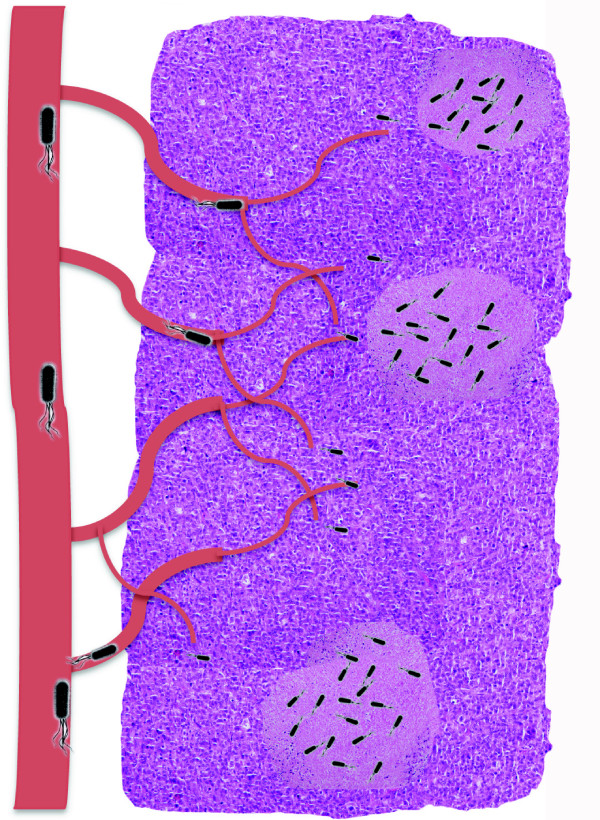
Associations between different bacteria and various tumours have been reported in patients for decades. Studies involving characterisation of bacteria within tumour tissues have traditionally been in the context of tumourigenesis as a result of bacterial presence within healthy tissues, and in general, dogma holds that such bacteria are causative agents of malignancy (directly or indirectly). While evidence suggests that this may be the case for certain tumour types and bacterial species, it is plausible that in many cases, clinical observations of bacteria within tumours arise from spontaneous infection of established tumours. Indeed, growth of bacteria specifically within tumours following deliberate systemic administration has been demonstrated for numerous bacterial species at preclinical and clinical levels. We present the available data on links between bacteria and tumours, and propose that besides the few instances in which pathogens are playing a pathogenic role in cancer, in many instances, the prevalent relationship between solid tumours and bacteria is opportunistic rather than causative, and discuss opportunities for exploiting tumour-specific bacterial growth for cancer treatment.
Overview
The claims and statistics of this paper haven’t been checked yet.
Free: it reads the open-access text and checks the first 5 claims that cite a source we can check. Create a free account to check every claim.
Integrity signals
Registry
Cites
Statistics
Figures
Verification
Claims the paper makes
The claims and statistics of this paper haven’t been checked yet.
Free: it reads the open-access text and checks the first 5 claims that cite a source we can check. Create a free account to check every claim.
Claims other papers make about this one
Each is checked against this paper’s own text: does it say what the citing paper says it does?
The cited source says what the claim attributes to it.
In the citing paper
“As tumors develop, their disorganized, leaky vasculature may allow circulating bacteria to enter, and the immunosuppressed environment may provide a refuge for them (61, 62).”
From The human tumor microbiome is composed of tumor type–specific intracellular bacteria (2020) · cites this paper as [61]
Self-check
Percentages, sums and reported differences re-computed from the paper’s own numbers.
The self-check needs the paper’s full text.
Citations
Cites
Identification of Herpesvirus-Like DNA Sequences in AIDS-Sssociated Kaposi's Sarcoma
Chang, Y., Cesarman, E., Pessin, M. S., Lee, F., Culpepper, J., Knowles, D. M., & Moore, P. S. (1994) · Science · doi:10.1126/science.7997879 · Cited by 5,654 · cited 1×
“Several viruses can integrate into the human genome and directly initiate tumourigenesis, such as human papillomavirus (HPV) in cervical cancer and herpesvirus in Kaposi’s sarcoma [1,2].”
Helicobacter pylori Infection and the Development of Gastric Cancer
Uemura, N., Okamoto, S., Yamamoto, S., Matsumura, N., Yamaguchi, S., Yamakido, M., Taniyama, K., Sasaki, N., & Schlemper, R. J. (2001) · New England Journal of Medicine · doi:10.1056/nejmoa001999 · Cited by 4,465 · cited 2×
“pylori which is the strongest known risk factor for gastric cancer [41].”
Immunotherapy of Diffuse Gliomas: Biological Background, Current Status and Future Developments
Grauer, O. M., Wesseling, P., & Adema, G. J. (2009) · Brain Pathology · doi:10.1111/j.1750-3639.2009.00315.x · Cited by 4,007
Fusobacterium nucleatum infection is prevalent in human colorectal carcinoma
Castellarin, M., Warren, R. L., Freeman, J. D., Dreolini, L., Krzywinski, M., Strauss, J., Barnes, R., Watson, P., Allen-Vercoe, E., Moore, R. A., et al. (2012) · Genome Research · doi:10.1101/gr.126516.111 · Cited by 2,043
Genomic analysis identifies association of Fusobacterium with colorectal carcinoma
Kostic, A. D., Gevers, D., Pedamallu, C. S., Michaud, M., Duke, F., Earl, A. M., Ojesina, A. I., Jung, J., Bass, A. J., Tabernero, J., et al. (2012) · Genome Research · doi:10.1101/gr.126573.111 · Cited by 1,960 · cited 3×
“Fusobacterium nucleatum Prevalent (?) [35,36]”
Helicobacter pylori: gastric cancer and beyond
Polk, D. B., & Peek, R. M. (2010) · Nature Reviews Cancer · doi:10.1038/nrc2857 · Cited by 1,158 · cited 1×
“In other cases, the development of cancer is indirect, such as with Helicobacter pylori, which contributes to both gastric cancer and mucosa-associated lymphoid tissue (MALT) lymphoma due to chronic inflammation caused by the bacteria [3,4].”
A SARCOMA OF THE FOWL TRANSMISSIBLE BY AN AGENT SEPARABLE FROM THE TUMOR CELLS
Rous, P. (1911) · Journal of Experimental Medicine · doi:10.1084/jem.13.4.397 · Cited by 1,051 · cited 1×
“In 1911 Francis Peyton Rous was the first to discover that cancer could be transmitted by a virus (later known as Rous sarcoma virus), but it wasn’t until years later that his results were accepted by the scientific community [10,11].”
Berg, R. D., & Garlington, A. W. (1979) · Infection and Immunity · doi:10.1128/iai.23.2.403-411.1979 · Cited by 841 · cited 2×
“Although the importance of host immune function and the bacterium’s intestinal population size have been implicated as significant contributory factors, the precise mechanisms involved remains unknown [5,66,69,71].”
Helicobacter pylori in Health and Disease
Cover, T. L., & Blaser, M. J. (2009) · Gastroenterology · doi:10.1053/j.gastro.2009.01.073 · Cited by 713 · cited 1×
“In other cases, the development of cancer is indirect, such as with Helicobacter pylori, which contributes to both gastric cancer and mucosa-associated lymphoid tissue (MALT) lymphoma due to chronic inflammation caused by the bacteria [3,4].”
Variations of oral microbiota are associated with pancreatic diseases including pancreatic cancer
Farrell, J. J., Zhang, L., Zhou, H., Chia, D., Elashoff, D., Akin, D., Paster, B. J., Joshipura, K., & Wong, D. T. W. (2012) · Gut · doi:10.1136/gutjnl-2011-300784 · Cited by 662 · cited 5×
“chronic inflammation and neoplasia [72].”
Influential
Research works printed but not linked: 3
- Busch W Aus der Sitzung der medicinischen Section 1867 Berlin: Klin Wochenschr 137(5)
- Coley W Late results of the treatment of inoperable sarcoma by the mixed toxins of Erysipelas and Bacillus prodigosus Am J Med Sci 1906 131 375 430
- Villesquez EJ Le Parasitisme Latent des Cellules du Sang chez l’ Homme, en Particulier dans le Sang des Cancreeux 1955 Paris, France: Librarie Maloine
Cited by
The human tumor microbiome is composed of tumor type–specific intracellular bacteria
Nejman, D., Livyatan, I., Fuks, G., Gavert, N., Zwang, Y., Geller, L. T., Rotter-Maskowitz, A., Weiser, R., Mallel, G., Gigi, E., et al. (2020) · Science · doi:10.1126/science.aay9189 · Cited by 2,464
Geller, L. T., Barzily-Rokni, M., Danino, T., Jonas, O. H., Shental, N., Nejman, D., Gavert, N., Zwang, Y., Cooper, Z. A., Shee, K., et al. (2017) · Science · doi:10.1126/science.aah5043 · Cited by 1,817
“Regardless of whether bacteria are involved in tumor pathogenesis or exist as opportunistic residents (21), they may play a critical role in mediating resistance to chemotherapy.”
BackgroundProgrammable probiotics for detection of cancer in urine
Danino, T., Prindle, A., Kwong, G. A., Skalak, M., Li, H., Allen, K., Hasty, J., & Bhatia, S. N. (2015) · Science Translational Medicine · doi:10.1126/scitranslmed.aaa3519 · Cited by 467
Local bacteria affect the efficacy of chemotherapeutic drugs
Lehouritis, P., Cummins, J., Stanton, M., Murphy, C. T., McCarthy, F. O., Reid, G., Urbaniak, C., Byrne, W. L., & Tangney, M. (2015) · Scientific Reports · doi:10.1038/srep14554 · Cited by 313
Self-citationViljoen, K. S., Dakshinamurthy, A., Goldberg, P., & Blackburn, J. M. (2015) · PLoS ONE · doi:10.1371/journal.pone.0119462 · Cited by 256
“Tumour tissue provides a nutrient-rich surface that is not protected by an intact mucosal layer, and the tumour-homing activity of certain bacteria is well documented [53], but this does not necessarily imply oncogenic potential.”
BackgroundOral microbiota and cancer development
Tuominen, H., & Rautava, J. (2021) · Pathobiology · doi:10.1159/000510979 · Cited by 238
Banerjee, S., Tian, T., Wei, Z., Shih, N., Feldman, M. D., Alwine, J. C., Coukos, G., & Robertson, E. S. (2017) · Oncotarget · doi:10.18632/oncotarget.16717 · Cited by 204
Plants as sources of natural and recombinant anti-cancer agents
Buyel, J. F. (2018) · Biotechnology Advances · doi:10.1016/j.biotechadv.2018.02.002 · Cited by 204
Role of SCFAs in gut microbiome and glycolysis for colorectal cancer therapy
Wang, G., Yu, Y., Wang, Y., Wang, J., Guan, R., Sun, Y., Shi, F., Gao, J., & Fu, X. (2019) · Journal of Cellular Physiology · doi:10.1002/jcp.28436 · Cited by 199
del Castillo, E., Meier, R., Chung, M., Koestler, D. C., Chen, T., Paster, B. J., Charpentier, K. P., Kelsey, K. T., Izard, J., & Michaud, D. S. (2019) · Cancer Epidemiology, Biomarkers & Prevention · doi:10.1158/1055-9965.epi-18-0542 · Cited by 199
Voorde, J. V., Sabuncuoğlu, S., Noppen, S., Hofer, A., Ranjbarian, F., Fieuws, S., Balzarini, J. M., & Liekens, S. (2014) · Journal of Biological Chemistry · doi:10.1074/jbc.m114.558924 · Cited by 165
Mahato, K., Kumar, A., Maurya, P. K., & Chandra, P. (2017) · Biosensors and Bioelectronics · doi:10.1016/j.bios.2017.09.003 · Cited by 149
Mechanisms Contributing to the Comorbidity of COPD and Lung Cancer
Forder, A., Zhuang, R., Souza, V. G. P., Brockley, L. J., Pewarchuk, M. E., Telkar, N., Stewart, G. L., Benard, K., Marshall, E. A., Reis, P. P., et al. (2023) · International Journal of Molecular Sciences · doi:10.3390/ijms24032859 · Cited by 136
Bacterial Infections and Cancer: Exploring This Association And Its Implications for Cancer Patients
Yusuf, K., Sampath, V., & Umar, S. (2023) · International Journal of Molecular Sciences · doi:10.3390/ijms24043110 · Cited by 135
Lim, Y., Fukuma, N., Totsika, M., Kenny, L., Morrison, M., & Punyadeera, C. (2018) · Frontiers in Cellular and Infection Microbiology · doi:10.3389/fcimb.2018.00267 · Cited by 118
“This may be due to the Warburg effect triggered by tumorigenesis, favoring the growth conditions of Frontiers in Cellular and Infection Microbiology | www.frontiersin.org 5 August 2018 | Volume 8 | Article 267 a subset of microbes (Cummins and Tangney, 2013).”
BackgroundAtanasova, K. R., & Yilmaz, Ö. (2014) · Molecular Oral Microbiology · doi:10.1111/omi.12047 · Cited by 129
“…studies substantiate the growing plausible role of P. gingivalis in cancer etiology, rather than being a bystander, although there has been a view that the opportunistic bacteria may come after the disease-induced suppression in immunity and compromised mucosal integrity (Cummins & Tangney, 2013).”
ResultLive-Attenuated Bacterial Vectors: Tools for Vaccine and Therapeutic Agent Delivery
Lin, I. Y. C., Van, T. T. H., & Smooker, P. M. (2015) · Vaccines · doi:10.3390/vaccines3040940 · Cited by 129
Three-Dimensional Microbiome and Metabolome Cartography of a Diseased Human Lung
Garg, N., Wang, M., Hyde, E. R., Silva, R., Melnik, A. V., Protsyuk, I., Bouslimani, A., Lim, Y. W., Wong, R. L., Humphrey, G. C., et al. (2017) · Cell Host & Microbe · doi:10.1016/j.chom.2017.10.001 · Cited by 129
Sami, A., Elimairi, I., Stanton, C., Ross, R. P., & Ryan, C. A. (2020) · International Journal of Molecular Sciences · doi:10.3390/ijms21218061 · Cited by 120
“These arriving bacteria then reciprocate a synergistic relationship at the cancer site, indirectly promoting the disadvantage of tumour growth and progression, similar to the red complex associated with periodontal disease [44,45].”
BackgroundKell, D. B., & Pretorius, E. (2018) · Biological Reviews · doi:10.1111/brv.12407 · Cited by 110
Walker, J. N., Hanson, B., Pinkner, C. L., Simar, S. R., Pinkner, J. S., Parikh, R. P., Clemens, M. W., Hultgren, S. J., & Myckatyn, T. M. (2019) · Scientific Reports · doi:10.1038/s41598-019-46535-8 · Cited by 113
Huang, G., Khan, I., Li, X., Chen, L., Leong, W., Ho, L. T., & Hsiao, W. L. W. (2017) · Scientific Reports · doi:10.1038/s41598-017-12644-5 · Cited by 112
Alterations in the Duodenal Fluid Microbiome of Patients With Pancreatic Cancer
Kohi, S., Macgregor‐Das, A. M., Dbouk, M. H., Yoshida, T., Chuidian, M., Abe, T., Borges, M. W., Lennon, A. M., Shin, E. J., Canto, M. I., et al. (2020) · Clinical Gastroenterology and Hepatology · doi:10.1016/j.cgh.2020.11.006 · Cited by 111
In Silico Analysis of Putrefaction Pathways in Bacteria and Its Implication in Colorectal Cancer
Kaur, H., Das, C., & Mande, S. S. (2017) · Frontiers in Microbiology · doi:10.3389/fmicb.2017.02166 · Cited by 98
“The advanced stage of CRC has been associated with hypoxic (oxygen deficit) tumor micro-environment and subsequent growth of anaerobic pathogenic bacteria (Cummins and Tangney, 2013; Scanlon and Glazer, 2015).”
BackgroundThe Impact of Intratumoral and Gastrointestinal Microbiota on Systemic Cancer Therapy
Cogdill, A. P., Gaudreau, P. O., Arora, R., Gopalakrishnan, V., & Wargo, J. A. (2018) · Trends in Immunology · doi:10.1016/j.it.2018.09.007 · Cited by 98
Cancer: a missing link in ecosystem functioning?
Vittecoq, M., Roche, B., Daoust, S. P., Ducasse, H., Missé, D., Abadie, J., Labrut, S., Renaud, F., Gauthier‐Clerc, M., & Thomas, F. (2013) · Trends in Ecology & Evolution · doi:10.1016/j.tree.2013.07.005 · Cited by 97
Gyarmati, P., Kjellander, C., Aust, C., Song, Y., Öhrmalm, L., & Giske, C. G. (2016) · Scientific Reports · doi:10.1038/srep23532 · Cited by 96
Association of oncogenic bacteria with colorectal cancer in South China
Zhou, Y., He, H., Xu, H., Li, Y., Li, Z., Du, Y., He, J., Zhou, Y., Wang, H., & Nie, Y. (2016) · Oncotarget · doi:10.18632/oncotarget.13094 · Cited by 95
“Colorectal cancer tissues provide rich nutrition surface and tumor-homing activity of certain microbiota has been reported in the literature [34].”
BackgroundBacteria and genetically modified bacteria as cancer therapeutics: Current advances and challenges
Nallar, S. C., Xu, D.-Q., & Kalvakolanu, D. V. (2016) · Cytokine · doi:10.1016/j.cyto.2016.01.002 · Cited by 94
“In the past century, many genera of bacteria have been isolated and/or identified in and around various tumors (see Cummins and Tangney [4] for additional details).”
BackgroundSequence-Based Characterization of Intratumoral Bacteria—A Guide to Best Practice
Walker, S. P., Tangney, M., & Claesson, M. J. (2020) · Frontiers in Oncology · doi:10.3389/fonc.2020.00179 · Cited by 91
“In many tumors, it may be that bacteria are simply opportunistic inhabitants (21, 22).”
BackgroundSelf-citationBeyond PD-L1 Markers for Lung Cancer Immunotherapy
Wojas‐Krawczyk, K., Kalinka‐Warzocha, E., Grenda, A., Krawczyk, P. A., & Milanowski, J. (2019) · International Journal of Molecular Sciences · doi:10.3390/ijms20081915 · Cited by 79
“Cancer patients’ microbiome could be examined not only in GIT but also in tumor and adjacent tissue [67].”
Chlamydia pneumoniae Infection and Inflammatory Diseases
Porritt, R. A., & Crother, T. R. (2016) · Forum on Immunopathological Diseases and Therapeutics · doi:10.1615/forumimmundisther.2017020161 · Cited by 71
Microbes as Medicines: Harnessing the Power of Bacteria in Advancing Cancer Treatment
Sawant, S. S., Patil, S. M., Gupta, V., & Kunda, N. K. (2020) · International Journal of Molecular Sciences · doi:10.3390/ijms21207575 · Cited by 78
The Role of The Tumor Microbiome in Tumor Development and Its Treatment
Chen, Y., Wu, F., Wu, P., Xing, H., & Ma, T. (2022) · Frontiers in Immunology · doi:10.3389/fimmu.2022.935846 · Cited by 77
Huang, Y.-F., Chen, Y.-J., Fan, T.-C., Chang, N.-C., Chen, Y.-J., Midha, M. K., Chen, T.-H., Yang, H.-H., Wang, Y.-T., Yu, A. L., et al. (2018) · BMC Medical Genomics · doi:10.1186/s12920-018-0329-y · Cited by 72
“A number of studies have also indicated that a low level of pleomorphic bacteria may inhabit normal blood circulation [5–7], and bacteria were also found in tumor tissues [8].”
A parthenogenetic quasi-program causes teratoma-like tumors during aging in wild-type C. elegans
Wang, H., Zhao, Y., Ezcurra, M., Benedetto, A., Gilliat, A. F., Hellberg, J. E. E. U., Ren, Z., Galimov, E. R., Athigapanich, T., Girstmair, J., et al. (2018) · npj Aging and Mechanisms of Disease · doi:10.1038/s41514-018-0025-3 · Cited by 68
“Here, the anaerobic conditions and available nutrients within tumors provide an optimum environment for the growth of certain bacteria.(45) However, bacterial infection of tumors is not necessarily detrimental to the host.”
BackgroundDzoyem, J. P., Melong, R., Tsamo, A. T., Tchinda, A. T., Kapche, D. W. F. G., Ngadjui, B. T., McGaw, L. J., & Eloff, J. N. (2017) · BMC Research Notes · doi:10.1186/s13104-017-2441-z · Cited by 65
Intratumoural production of TNFα by bacteria mediates cancer therapy
Murphy, C., Rettedal, E. A., Lehouritis, P., Devoy, C., & Tangney, M. (2017) · PLoS ONE · doi:10.1371/journal.pone.0180034 · Cited by 63
Self-citationThe intratumoral microbiome: Characterization methods and functional impact
Heymann, C. J. F., Bard, J.-M., Heymann, M.-F., Heymann, D., & Bobin-Dubigeon, C. (2021) · Cancer Letters · doi:10.1016/j.canlet.2021.09.009 · Cited by 57
The importance of cancer cells for animal evolutionary ecology
Thomas, F., Jacqueline, C. M., Tissot, T., Henard, M., Blanchet, S., Loot, G., Dawson, E. H., Mery, F., Renaud, F., Montagne, J., et al. (2017) · Nature Ecology & Evolution · doi:10.1038/s41559-017-0343-z · Cited by 55
The oral cancer microbiome contains tumor space–specific and clinicopathology-specific bacteria
Zeng, B., Tan, J. H., Guo, G.-L., Li, Z., Yang, L., Lao, X., Wang, D., Ma, J., Zhang, S., Liao, G., et al. (2022) · Frontiers in Cellular and Infection Microbiology · doi:10.3389/fcimb.2022.942328 · Cited by 57
Deva, A. K., Turner, S. D., Kadin, M. E., Magnusson, M., Prince, H. M., Miranda, R. N., Inghirami, G. G., & Adams, W. P. (2020) · Cancers · doi:10.3390/cancers12123861 · Cited by 58
“Although the presence of a given bacterium may be opportunistic rather than causative [92], and interactions between local microbiomes, inflammation, and immunity may be complex [93–95], bacteria have been identified as causative agents in other malignancies.”
BackgroundPotential links between the microbiota and T cell immunity determine the tumor cell fate
Mohseni, A. H., Taghinezhad‐S, S., Casolaro, V., Lv, Z., & Li, D. (2023) · Cell Death and Disease · doi:10.1038/s41419-023-05560-2 · Cited by 55
In situ biomolecule production by bacteria; a synthetic biology approach to medicine
Bueso, Y. F., Lehouritis, P., & Tangney, M. (2018) · Journal of Controlled Release · doi:10.1016/j.jconrel.2018.02.023 · Cited by 55
Self-citationBacterial-Mediated Knockdown of Tumor Resistance to an Oncolytic Virus Enhances Therapy
Cronin, M. A., Boeuf, F. L., Murphy, C., Roy, D. G., Falls, T. J., Bell, J. C., & Tangney, M. (2014) · Molecular Therapy · doi:10.1038/mt.2014.23 · Cited by 54
Self-citationGengenbach, B. B., Keil, L., Opdensteinen, P., Müschen, C. R., Melmer, G., Lentzen, H., Bührmann, J., & Buyel, J. F. (2019) · Biotechnology and Bioengineering · doi:10.1002/bit.27076 · Cited by 53
“Cancer is the collective term for more than 100 different diseases involving abnormal cell proliferation (American Cancer Society, 2015), which can occur spontaneously or due to environmental risk factors such as smoking, carcinogenic chemicals or infectious agents (Cummins & Tangney, 2013).”
Lehouritis, P., Stanton, M., McCarthy, F. O., Jeavons, M., & Tangney, M. (2015) · Journal of Controlled Release · doi:10.1016/j.jconrel.2015.11.030 · Cited by 50
Self-citationvon Frieling, J., Fink, C., Hamm, J., Klischies, K., Förster, M., Bosch, T. C. G., Roeder, T., Rosenstiel, P. C., & Sommer, F. (2018) · Frontiers in Microbiology · doi:10.3389/fmicb.2018.02020 · Cited by 50
Boesch, M., Horvath, L., Baty, F., Pircher, A., Wolf, D., Spahn, S., Straussman, R., Tilg, H., & Brutsche, M. H. (2022) · Journal for ImmunoTherapy of Cancer · doi:10.1136/jitc-2022-005401 · Cited by 38
Gut microbiota in brain tumors: An emerging crucial player
Lin, B. C., Ye, Z., Ye, Z., Wang, M., Cao, Z., Gao, R., & Zhang, Y. (2023) · CNS Neuroscience & Therapeutics · doi:10.1111/cns.14081 · Cited by 47
Abd-El-Raouf, R., Ouf, S. A., Gabr, M. M., Zakaria, M. M., El-Yasergy, K. F., & Ali‐El‐Dein, B. (2020) · Scientific Reports · doi:10.1038/s41598-020-74390-5 · Cited by 46
Dalmasso, G., Cougnoux, A., Faïs, T., Bonnin, V., Mottet-Auselo, B., Nguyen, H. T. T., Sauvanet, P., Barnich, N., Jary, M., Pezet, D., et al. (2024) · Gut Microbes · doi:10.1080/19490976.2024.2310215 · Cited by 45
Dialog beyond the Grave: Necrosis in the Tumor Microenvironment and Its Contribution to Tumor Growth
Zapletal, E., Vasiljević, T., Busson, P., & Glavan, T. M. (2023) · International Journal of Molecular Sciences · doi:10.3390/ijms24065278 · Cited by 45
Intratumour microbiome of pancreatic cancer
Guan, S.-W., Lin, Q., & Yu, H. (2023) · World Journal of Gastrointestinal Oncology · doi:10.4251/wjgo.v15.i5.713 · Cited by 45
Wirth, R., Maróti, G., Mihók, R., Simon-Fiala, D., Antal, M. Á., Pap, B., Demcsák, A., Minárovits, J., & Kovács, K. L. (2020) · Journal of Oral Microbiology · doi:10.1080/20002297.2020.1773067 · Cited by 40
“malignant tumors or play a causative role in oral or colorectal carcinogenesis [95,96].”
BackgroundJiang, M., Yang, Z., Dai, J., Wu, T., Jiao, Z., Yu, Y., Kang, N., Chen, W., & Yang, A. (2023) · MedComm · doi:10.1002/mco2.376 · Cited by 39
Mycoplasmas and cancer: focus on nucleoside metabolism.
Voorde, J. V., Balzarini, J. M., & Liekens, S. (2014) · EXCLI journal · Cited by 40
Bacteria and tumor: Understanding the roles of bacteria in tumor genesis and immunology
Zhao, M., Chen, X., Yang, Z., Yang, X., & Peng, Q. (2022) · Microbiological Research · doi:10.1016/j.micres.2022.127082 · Cited by 39
Ren, X., Gao, R., van der Mei, H. C., Ren, Y., Peterson, B. W., & Busscher, H. J. (2020) · ACS Applied Materials & Interfaces · doi:10.1021/acsami.0c08592 · Cited by 38
“in size than tumors [12], which makes precise NIR-irradiation more difficult, while heat dissipation into surrounding tissue may cause collateral tissue damage, which is less critical in larger-sized tumor control.”
BackgroundLi, X., Wu, T., Zhang, Z., Liu, S., Cui, H., Fan, Z., Wang, B., & Hai, J. (2022) · Chemical Engineering Journal · doi:10.1016/j.cej.2022.139939 · Cited by 37
Designing live bacterial therapeutics for cancer
Lee, J., McClure, S., Weichselbaum, R. R., & Mimee, M. (2025) · Advanced Drug Delivery Reviews · doi:10.1016/j.addr.2025.115579 · Cited by 35
Spatial Heterogeneity of Intratumoral Microbiota: A New Frontier in Cancer Immunotherapy Resistance
Tan, Q., Cao, X., Zou, F., Wang, H., Xiong, L., & Deng, S. (2025) · Biomedicines · doi:10.3390/biomedicines13051261 · Cited by 35
“The tumor core is typically an ischemic and hypoxic region, often enriched with immunosuppressive microbes, closely associated with immune evasion characteristics [35].”
Cell membrane-coated nanoparticles for targeting carcinogenic bacteria
Sun, L., Wang, D., Feng, K., Zhang, J. A., Gao, W., & Zhang, L. (2024) · Advanced Drug Delivery Reviews · doi:10.1016/j.addr.2024.115320 · Cited by 34
Understanding and harnessing triple-negative breast cancer-related microbiota in oncology
Devoy, C., Bueso, Y. F., & Tangney, M. (2022) · Frontiers in Oncology · doi:10.3389/fonc.2022.1020121 · Cited by 33
Self-citationDesigner bacteria as intratumoural enzyme biofactories
Lehouritis, P., Hogan, G. E., & Tangney, M. (2017) · Advanced Drug Delivery Reviews · doi:10.1016/j.addr.2017.09.012 · Cited by 34
Self-citationDutta, D., Sailapu, S. K., Chattopadhyay, A., & Ghosh, S. S. (2017) · ACS Applied Materials & Interfaces · doi:10.1021/acsami.7b13782 · Cited by 32
Firdhouse, M. J., & Lalitha, P. (2016) · Journal of Molecular Liquids · doi:10.1016/j.molliq.2016.07.141 · Cited by 29
Microbiota in tumors: new factor influencing cancer development
Jiang, H., Li, L., Bao, Y., Cao, X., & Ma, L. (2024) · Cancer Gene Therapy · doi:10.1038/s41417-024-00833-0 · Cited by 27
“It has been shown that the presence of a unique vascular system, secretory factors, immunosuppression, as well as hypoxia and an adequate supply of nutrients in the microenvironment of tumor tissues lead to bacterial colonization there [21].”
Targeted drug delivery therapies inspired by natural taxes
Nguyen, H. V., & Faivre, V. (2020) · Journal of Controlled Release · doi:10.1016/j.jconrel.2020.04.005 · Cited by 27
Studying the effects of several heat-inactivated bacteria on colon and breast cancer cells.
Rabiei, P., Mohabatkar, H., & Behbahani, M. (2019) · PubMed Central · doi:10.22099/mbrc.2019.33958.1413 · Cited by 26
Nanobioconjugates: Weapons against Antibacterial Resistance
Prasad, P., & Gupta, S. (2020) · ACS Applied Bio Materials · doi:10.1021/acsabm.0c01107 · Cited by 27
Ancient oncogenesis, infection and human evolution
Rifkin, R. F., Potgieter, M., Ramond, J., & Cowan, D. A. (2017) · Evolutionary Applications · doi:10.1111/eva.12497 · Cited by 26
“…attributable to pathogenic infection indicating the sizable (and approximate) proportion of infection- related cases recorded in sub- Saharan Africa (Cummins & Tangney, 2013; de Martel et al., 2012; Ewald & Swain Ewald, 2015; McIntyre, 2005; Okuku et al., 2013; Plummer et al., 2016; Vandeven &…”
BackgroundInfluentialIntelligent design of polymersomes for antibacterial and anticancer applications
Wang, T., Qin, J., Cheng, J., Li, C., & Du, J. (2022) · Wiley Interdisciplinary Reviews Nanomedicine and Nanobiotechnology · doi:10.1002/wnan.1822 · Cited by 25
Assessment of oncogenic role of intestinal microbiota in colorectal cancer patients
D’asheesh, T. A., Hussen, B. M., AL-Marzoqi, A. H., & Ghasemian, A. (2020) · Journal of Gastrointestinal Cancer · doi:10.1007/s12029-020-00531-8 · Cited by 25
Electrochemical Nanobiosensors for Cancer Diagnosis
Chandra, P. (2015) · Journal of Analytical & Bioanalytical Techniques · doi:10.4172/2155-9872.1000e119 · Cited by 25
“In addition microorganisms are also reported to be associated with some types of cancer (eg, stomach cancer and cervical cancer etc) [2].”
BackgroundSystemic Delivery Strategies for Oncolytic Viruses: Advancing Targeted and Efficient Tumor Therapy
Xia, Y., Li, D., Yang, K., & Ou, X. (2025) · International Journal of Molecular Sciences · doi:10.3390/ijms26146900 · Cited by 24
“Compared to healthy tissues, the special conditions in the tumor microenvironment, such as angiogenesis, hypoxia, nutrient reorganization, and immune suppression, made bacteria more likely to accumulate in tumor tissues [102].”
The Implication of Gastric Microbiome in the Treatment of Gastric Cancer
Pappas‐Gogos, G., Tepelenis, K., Fousekis, F., Katsanos, K. H., Pitiakoudis, M. S., & Vlachos, K. (2022) · Cancers · doi:10.3390/cancers14082039 · Cited by 23
“It has already been reported that some cancers are associated with infection by specific bacteria [15].”
BackgroundLearning from Clostridium novyi-NT: How to defeat cancer
Wang, L., Wang, Q., Tian, X., & Shi, X. (2017) · Journal of Cancer Research and Therapeutics · doi:10.4103/0973-1482.204841 · Cited by 23
Skupin-Mrugalska, P., Koczorowski, T., Szczołko, W., Długaszewska, J., Teubert, A., Piotrowska‐Kempisty, H., Gośliński, T. A., & Sobotta, Ł. (2021) · Dyes and Pigments · doi:10.1016/j.dyepig.2021.109937 · Cited by 23
Ncapayi, V., Ninan, N., Lebepe, T. C., Parani, S., Girija, A. R., Bright, R., Vasilev, K. A., Maluleke, R., Tsolekile, N., Kodama, T., et al. (2021) · International Journal of Molecular Sciences · doi:10.3390/ijms222212514 · Cited by 23
Ahmad, S., Jayamanne, D. T., Bergamin, S., Lawless, A. K., Guminski, A. D., Lee, A. V., Yuile, A., Wheeler, H., Eade, T., Back, M., et al. (2025) · Cancers · doi:10.3390/cancers17162667 · Cited by 24
“To explain the observed associations between the oral microbiome and HNSCC, two main hypotheses have been proposed [55].”
Balhouse, B. N., Patterson, L., Schmelz, E. M., Slade, D. J., & Verbridge, S. S. (2017) · PLoS ONE · doi:10.1371/journal.pone.0180372 · Cited by 22
Bacterial infections in cancer: A bilateral relationship
Basu, A., Singh, R., & Gupta, S. (2022) · Wiley Interdisciplinary Reviews Nanomedicine and Nanobiotechnology · doi:10.1002/wnan.1771 · Cited by 21
The intestinal microbiota in colorectal cancer metastasis – Passive observer or key player?
Patel, M., McAllister, M. J., Nagaraju, R. T., Al-Badran, S. S. F., Edwards, J., McBain, A. J., Barriuso, J., & Aziz, O. (2022) · Critical Reviews in Oncology/Hematology · doi:10.1016/j.critrevonc.2022.103856 · Cited by 21
“It is unclear whether they have a direct or indirect effect on tumourigenesis or indeed whether they act as innocent bystanders (Cummins and Tangney, 2013).”
Towards Understanding Tumour Colonisation by Probiotic Bacterium E. coli Nissle 1917
Radford, G., Vrbanac, L., de Nys, R., Worthley, D. L., Wright, J. A., Hasty, J., & Woods, S. L. (2024) · Cancers · doi:10.3390/cancers16172971 · Cited by 21
“Conceptually, after oral dosing, the movement of EcN from the gastrointestinal tract to tumours requires survival in the gut, followed by translocation across the mucosal barrier and gastrointestinal tissue, as proposed for other tumour-homing bacteria [89] (Figure 3).”
BackgroundNontyphoidal Salmonella : a potential anticancer agent
Jazeela, K., Chakraborty, A., Karunasagar, I., & Deekshit, V. K. (2019) · Journal of Applied Microbiology · doi:10.1111/jam.14297 · Cited by 20
“Among them, many anaerobic bacteria are known to possess unique mechanisms that allow them to colonize tumour environment effectively, thus facilitating site-specific treatment (Chakrabarty 2003; Shahabi et al. 2010; Cummins and Tangney 2013; Nair et al. 2014; Van Dessel et al. 2015).”
BackgroundElagan, S. K., Almalki, S. J., Alharthi, M. R., Mohamed, M. S., & El‐Badawy, M. F. (2021) · Infection and Drug Resistance · doi:10.2147/idr.s309051 · Cited by 18
Engineering Cell‐Based Systems for Smart Cancer Therapy
Mirkhani, N., Gwisai, T., & Schuerle, S. (2021) · Advanced Intelligent Systems · doi:10.1002/aisy.202100134 · Cited by 18
The silent presence of Mycoplasma hominis in patients with prostate cancer
Saadat, S., Karami, P., Jafari, M., Kholoujini, M., Tehrani, Z. R., Mohammadi, Y., & Alikhani, M. Y. (2020) · Pathogens and Disease · doi:10.1093/femspd/ftaa037 · Cited by 17
Voorde, J. V., Liekens, S., & Balzarini, J. M. (2013) · Molecular Pharmacology · doi:10.1124/mol.113.088625 · Cited by 17
“Although some prokaryotic species, such as Helicobacter pylori, are clearly linked with carcinogenesis, the role of bacteria in cancer is often uncertain (reviewed by Mager, 2006; Cummins and Tangney, 2013).”
BackgroundResultKimla, L. J., Clark, T. G., Banerjee, S. K., & Campino, S. G. (2023) · PLoS ONE · doi:10.1371/journal.pone.0283642 · Cited by 16
Nanobiosensors for Early Detection of Cancer: A Recent Update
Raheja, I. K., Kumar, P., Rajashekarappa, K. K., & Mahadevan, G. D. (2024) · Biomedical Materials & Devices · doi:10.1007/s44174-024-00263-4 · Cited by 16
“Bacteria can also cause some types of cancer, such as gastric and cervical cancer [2].”
Bhat, I. A., Qasim, I., Masoodi, K. Z., Paul, S. A., Bhat, B. A., Rasool, R., Aziz, S. A., & Shah, Z. A. (2015) · Immunological Investigations · doi:10.3109/08820139.2015.1004336 · Cited by 16
“However, this has not yet been fully explored with epidemiological studies (Cummins & Tangney, 2013).”
BackgroundThe role of Fusobacterium nucleatum in the pathogenesis of colon cancer
Hong, B., Chhaya, A., Robles, A., Cervantes, J., & Tiwari, S. (2024) · Journal of Investigative Medicine · doi:10.1177/10815589241277829 · Cited by 15
“26 Characterization of the composition of the microbiota in CRC has shown an enrichment of Fusobacterium sequences in tumors compared to normal pairs.”
A Dual Drug Delivery Platform for Cancer–Bacteria Cotargeting
Singh, R., Kumar, C. S., Banerjee, M., & Gupta, S. (2019) · ACS Applied Bio Materials · doi:10.1021/acsabm.9b00724 · Cited by 15
Chiu, K., & Yu, A. L.-T. (2019) · PeerJ · doi:10.7717/peerj.7426 · Cited by 14
“Bacteria were 120 also detected in tumor tissues (Cummins and Tangney, 2013).”
BackgroundBacterial Therapy of Cancer: A Way to the Dustbin of History or to the Medicine of the Future?
Ikryannikova, L. N., Gorokhovets, N. V., Belykh, D. A., Kurbatov, L. K., & Zamyatnin, A. A. (2023) · International Journal of Molecular Sciences · doi:10.3390/ijms24119726 · Cited by 14
Microbial influences on hormesis, oncogenesis, and therapy: A review of the literature
Clanton, R., Saucier, D., Ford, J. R., & Akabani, G. (2015) · Environmental Research · doi:10.1016/j.envres.2015.06.026 · Cited by 14
Mahmoudvand, S., Zamani, K., Safaei, A., Khashei, R., Motamedifar, M., Azizi, Z., & Sarvari, J. (2017) · Iranian Journal of Cancer Prevention · doi:10.17795/ijcp-6337 · Cited by 14
Johnzon, C., Rönnberg, E., Guss, B., & Pejler, G. (2016) · Frontiers in Immunology · doi:10.3389/fimmu.2016.00247 · Cited by 14
“These bacteria may either be the cause of the tumor or may represent an opportunistic infection occurring as a consequence of the immunosuppressed status of the tumor tissue (26).”
Metadata
- Authors
- Cummins, J., & Tangney, M.
- Affiliations
- University College Cork (IE)
- Corresponding author
- Tangney, Mark
- ORCID
- Tangney, Mark
- Venue
- Infectious Agents and Cancer
- Published
- 2013-03-28
- Volume
- 8
- Issue
- 1
- Pages
- 11-11
- ISSN
- 1750-9378 (ISSN-L)
- PMC
- PMC3668256
- OpenAlex
- W2131289262
- Cited by
- 178
- References
- 95
- Citations by year
- 2026: 9 · 2025: 17 · 2024: 16 · 2023: 15 · 2022: 16 · 2021: 10 · 2020: 18 · 2019: 12 · 2018: 14 · 2017: 21 · 2016: 10 · 2015: 8 · 2014: 10 · 2013: 2
- FWCI
- 8.75
- Type
- journal article
- Language
- en
- Open access
- gold
- doi.org
- Licence
- cc-by
- creativecommons.org/licenses/by/2.0 (tdm)
- Locations
- Infectious Agents and Cancer (publishedVersion, cc-by)
- Europe PMC (PubMed Central) (publishedVersion, cc-by)
- PubMed Central (publishedVersion, cc-by)
- PubMed (publishedVersion)
- Arrow@dit (Dublin Institute of Technology) (acceptedVersion)
- Cork Open Research Archive (University College Cork, Ireland) (submittedVersion, cc-by)
- Lenus, The Irish Health Repository (Dr Steevens Hospital Library) (submittedVersion)
- Funders
- Health Research Board
- European Commission (255466)
- Topics
- Life Sciences › Biochemistry, Genetics and Molecular Biology › Biotechnology › Bacterial Cancer Therapy
- Life Sciences › Biochemistry, Genetics and Molecular Biology › Cancer Research › Cancer, Hypoxia, and Metabolism
- Life Sciences › Biochemistry, Genetics and Molecular Biology › Molecular Biology › Gut microbiota and health
- Keywords
- cancer therapy, tumor microenvironment
About these checks
Registry, retraction, Cites and statistics results are computed, not judged, with one exception: a printed reference that no index lists is read once by a model before it counts as a citation error. Claims are extracted by a model and kept only when their quote appears verbatim in the text; each cited source is then checked, with a model’s help, for whether it says what the claim relies on. Those verdicts can be wrong — read the claim’s quote and the cited source before relying on one.
Statistics and arithmetic are recomputed, not judged.
Confidence bands are shown only for fields calibrated on our annotated test set. None is calibrated yet, so no band is shown.
What counts as a claim ›How we measure confidence ›How we check this ›
Are you an author, or do you see a problem with this page? Request a review
Data sources
Bibliographic data: Semantic Scholar, OpenAlex, Crossref.
Contains information from the Semantic Scholar Academic Graph Datasets, made available under the ODC Attribution License (ODC-BY 1.0).
Semantic Scholar’s data is described in: Kinney, R., et al. (2023). The Semantic Scholar Open Data Platform. arXiv:2301.10140.
