

Bacteria and tumours: causative agents or opportunistic inhabitants?
Open accessThe DOI matches its Crossref record; 93 of the 95 references it cites were found in a registry or an index.
Abstract
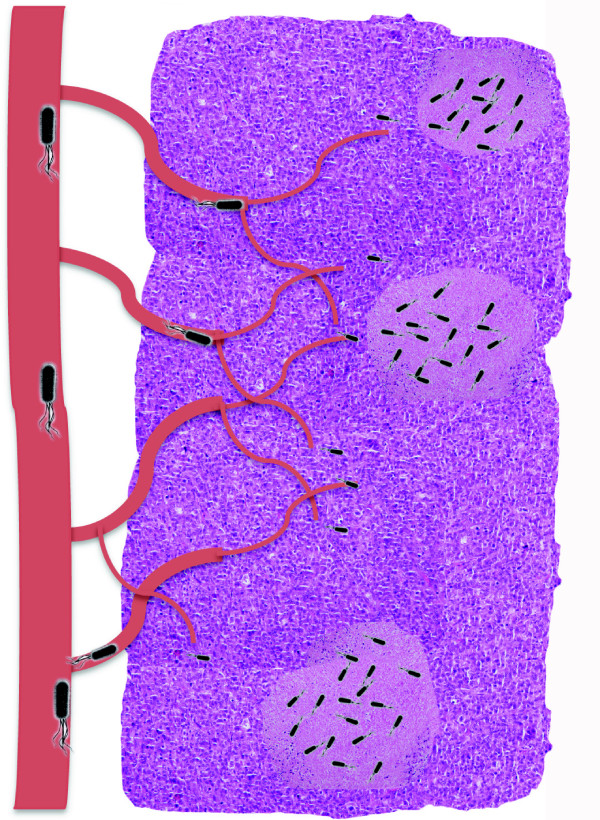
Associations between different bacteria and various tumours have been reported in patients for decades. Studies involving characterisation of bacteria within tumour tissues have traditionally been in the context of tumourigenesis as a result of bacterial presence within healthy tissues, and in general, dogma holds that such bacteria are causative agents of malignancy (directly or indirectly). While evidence suggests that this may be the case for certain tumour types and bacterial species, it is plausible that in many cases, clinical observations of bacteria within tumours arise from spontaneous infection of established tumours. Indeed, growth of bacteria specifically within tumours following deliberate systemic administration has been demonstrated for numerous bacterial species at preclinical and clinical levels. We present the available data on links between bacteria and tumours, and propose that besides the few instances in which pathogens are playing a pathogenic role in cancer, in many instances, the prevalent relationship between solid tumours and bacteria is opportunistic rather than causative, and discuss opportunities for exploiting tumour-specific bacterial growth for cancer treatment.
Overview
The claims and statistics of this paper haven’t been checked yet.
Free: it reads the open-access text and checks the first 5 claims that cite a source we can check. Create a free account to check every claim.
Integrity signals
Registry
Cites
Statistics
Figures
Verification
Claims the paper makes
The claims and statistics of this paper haven’t been checked yet.
Free: it reads the open-access text and checks the first 5 claims that cite a source we can check. Create a free account to check every claim.
Claims other papers make about this one
Each is checked against this paper’s own text: does it say what the citing paper says it does?
The cited source says what the claim attributes to it.
In the citing paper
“As tumors develop, their disorganized, leaky vasculature may allow circulating bacteria to enter, and the immunosuppressed environment may provide a refuge for them (61, 62).”
From The human tumor microbiome is composed of tumor type–specific intracellular bacteria (2020) · cites this paper as [61]
Self-check
Percentages, sums and reported differences re-computed from the paper’s own numbers.
The self-check needs the paper’s full text.
Citations
Cites
Identification of Herpesvirus-Like DNA Sequences in AIDS-Sssociated Kaposi's Sarcoma
Chang, Y., Cesarman, E., Pessin, M. S., Lee, F., Culpepper, J., Knowles, D. M., & Moore, P. S. (1994) · Science · doi:10.1126/science.7997879 · Cited by 5,654 · cited 1×
“Several viruses can integrate into the human genome and directly initiate tumourigenesis, such as human papillomavirus (HPV) in cervical cancer and herpesvirus in Kaposi’s sarcoma [1,2].”
Helicobacter pylori Infection and the Development of Gastric Cancer
Uemura, N., Okamoto, S., Yamamoto, S., Matsumura, N., Yamaguchi, S., Yamakido, M., Taniyama, K., Sasaki, N., & Schlemper, R. J. (2001) · New England Journal of Medicine · doi:10.1056/nejmoa001999 · Cited by 4,465 · cited 2×
“pylori which is the strongest known risk factor for gastric cancer [41].”
Immunotherapy of Diffuse Gliomas: Biological Background, Current Status and Future Developments
Grauer, O. M., Wesseling, P., & Adema, G. J. (2009) · Brain Pathology · doi:10.1111/j.1750-3639.2009.00315.x · Cited by 4,007
Fusobacterium nucleatum infection is prevalent in human colorectal carcinoma
Castellarin, M., Warren, R. L., Freeman, J. D., Dreolini, L., Krzywinski, M., Strauss, J., Barnes, R., Watson, P., Allen-Vercoe, E., Moore, R. A., et al. (2012) · Genome Research · doi:10.1101/gr.126516.111 · Cited by 2,043
Genomic analysis identifies association of Fusobacterium with colorectal carcinoma
Kostic, A. D., Gevers, D., Pedamallu, C. S., Michaud, M., Duke, F., Earl, A. M., Ojesina, A. I., Jung, J., Bass, A. J., Tabernero, J., et al. (2012) · Genome Research · doi:10.1101/gr.126573.111 · Cited by 1,960 · cited 3×
“Fusobacterium nucleatum Prevalent (?) [35,36]”
Helicobacter pylori: gastric cancer and beyond
Polk, D. B., & Peek, R. M. (2010) · Nature Reviews Cancer · doi:10.1038/nrc2857 · Cited by 1,158 · cited 1×
“In other cases, the development of cancer is indirect, such as with Helicobacter pylori, which contributes to both gastric cancer and mucosa-associated lymphoid tissue (MALT) lymphoma due to chronic inflammation caused by the bacteria [3,4].”
A SARCOMA OF THE FOWL TRANSMISSIBLE BY AN AGENT SEPARABLE FROM THE TUMOR CELLS
Rous, P. (1911) · Journal of Experimental Medicine · doi:10.1084/jem.13.4.397 · Cited by 1,051 · cited 1×
“In 1911 Francis Peyton Rous was the first to discover that cancer could be transmitted by a virus (later known as Rous sarcoma virus), but it wasn’t until years later that his results were accepted by the scientific community [10,11].”
Berg, R. D., & Garlington, A. W. (1979) · Infection and Immunity · doi:10.1128/iai.23.2.403-411.1979 · Cited by 841 · cited 2×
“Although the importance of host immune function and the bacterium’s intestinal population size have been implicated as significant contributory factors, the precise mechanisms involved remains unknown [5,66,69,71].”
Helicobacter pylori in Health and Disease
Cover, T. L., & Blaser, M. J. (2009) · Gastroenterology · doi:10.1053/j.gastro.2009.01.073 · Cited by 713 · cited 1×
“In other cases, the development of cancer is indirect, such as with Helicobacter pylori, which contributes to both gastric cancer and mucosa-associated lymphoid tissue (MALT) lymphoma due to chronic inflammation caused by the bacteria [3,4].”
Variations of oral microbiota are associated with pancreatic diseases including pancreatic cancer
Farrell, J. J., Zhang, L., Zhou, H., Chia, D., Elashoff, D., Akin, D., Paster, B. J., Joshipura, K., & Wong, D. T. W. (2012) · Gut · doi:10.1136/gutjnl-2011-300784 · Cited by 662 · cited 5×
“chronic inflammation and neoplasia [72].”
InfluentialToso, J. F. (2002) · Journal of Clinical Oncology · doi:10.1200/jco.20.1.142 · Cited by 614 · cited 1×
“Furthermore, various clinical trials have shown the ability of different bacterial strains to home to and replicate specifically within tumours [17-19].”
Strauss, J., Kaplan, G. G., Beck, P. L., Rioux, K., Panaccione, R., DeVinney, R., Lynch, T., & Allen-Vercoe, E. (2011) · Inflammatory Bowel Diseases · doi:10.1002/ibd.21606 · Cited by 573 · cited 1×
“In addition, Fusobacterium has been associated with inflammatory bowel disease (IBD), one of the three highest risk factors for developing CRC [81].”
Towards the Human Colorectal Cancer Microbiome
Marchesi, J. R., Dutilh, B. E., Hall, N., Peters, W. H. M., Roelofs, R., Boleij, A., & Tjalsma, H. (2011) · PLoS ONE · doi:10.1371/journal.pone.0020447 · Cited by 552 · cited 2×
“…necrophorum Prevalent [36,37] F. mortiferum Prevalent [36] F. perfoetens Prevalent [36] Roseburia sp. Prevalent [37] Faecalibacterium sp. Prevalent [37] Escherichia coli Prevalent [38] Citrobacter sp. Prevalent [38] H. pylori Causative [39] Mycoplasma sp. Prevalent [21] in 2.5-15% of individuals…”
InfluentialPathogenic relevance of Lactobacillus: A retrospective review of over 200 cases
Cannon, J. P., Lee, T. A., Bolanos, J. T., & Danziger, L. H. (2005) · European Journal of Clinical Microbiology & Infectious Diseases · doi:10.1007/s10096-004-1253-y · Cited by 478 · cited 1×
“the main underlying conditions increasing patients susceptibility to BT associated bacteraemia was cancer [68].”
Han, Y. W., Redline, R. W., Li, M., Yin, L., Hill, G. B., & McCormick, T. S. (2004) · Infection and Immunity · doi:10.1128/iai.72.4.2272-2279.2004 · Cited by 454 · cited 2×
“nucleatum to adhere and invade the endothelial cells [87].”
Acute appendicitis is characterised by local invasion with Fusobacterium nucleatum / necrophorum
Swidsinski, A., Dörffel, Y., Loening-Baucke, V., Theissig, F., Rückert, J. C., Ismail, M., Rau, W. A., Gaschler, D., Weizenegger, M., Kühn, S., et al. (2011) · Gut · doi:10.1136/gut.2009.191320 · Cited by 442 · cited 2×
“nucleatum is an invasive, adherent and pro-inflammatory anaerobe that is commonly found in dental plaque and is well known to be associated with periodontitis [77,78,79].”
Han, Y. W., Shi, W., Huang, G. T.-J., Kinder Haake, S., Park, N.-H., Kuramitsu, H., & Genco, R. J. (2000) · Infection and Immunity · doi:10.1128/iai.68.6.3140-3146.2000 · Cited by 435 · cited 1×
“nucleatum is an invasive, adherent and pro-inflammatory anaerobe that is commonly found in dental plaque and is well known to be associated with periodontitis [77,78,79].”
Dr William Coley and tumour regression: a place in history or in the future
Hoption Cann, S. A., van Netten, J. P., & van Netten, C. (2003) · Postgraduate Medical Journal · doi:10.1093/postgradmedj/79.938.672 · Cited by 433 · cited 1×
“pyogenes in soft tissue sarcoma, and was one of the first to characterise concomitant infection of tumours and how this could lead to remission of incurable neoplastic malignancy [57,58].”
A TRANSMISSIBLE AVIAN NEOPLASM. (SARCOMA OF THE COMMON FOWL.)
Rous, P. (1910) · Journal of Experimental Medicine · doi:10.1084/jem.12.5.696 · Cited by 406 · cited 1×
“In 1911 Francis Peyton Rous was the first to discover that cancer could be transmitted by a virus (later known as Rous sarcoma virus), but it wasn’t until years later that his results were accepted by the scientific community [10,11].”
Bacterial translocation: Overview of mechanisms and clinical impact
Balzan, S., De Almeida Quadros, C., De Cleva, R., Zilberstein, B., & Cecconello, I. (2007) · Journal of Gastroenterology and Hepatology · doi:10.1111/j.1440-1746.2007.04933.x · Cited by 371 · cited 3×
“After much analysis it is thought that the lymphatic route is the primary pathway of translocation [67].”
InfluentialThe prevalence of gut translocation in humans
Sedman, P. C., Macfle, J., Sagar, P., Mitchell, C. J., May, J., Mancey-Jones, B., & Johnstone, D. (1994) · Gastroenterology · doi:10.1016/0016-5085(94)90110-4 · Cited by 362 · cited 1×
“event without deleterious consequences [40].”
Nemunaitis, J., Cunningham, C., Senzer, N., Kuhn, J., Cramm, J., Litz, C., Cavagnolo, R., Cahill, A., Clairmont, C., & Sznol, M. (2003) · Cancer Gene Therapy · doi:10.1038/sj.cgt.7700634 · Cited by 341 · cited 1×
“Furthermore, various clinical trials have shown the ability of different bacterial strains to home to and replicate specifically within tumours [17-19].”
Abdulamir, A. S., Hafidh, R. R., & Bakar, F. A. (2011) · Journal of Experimental & Clinical Cancer Research · doi:10.1186/1756-9966-30-11 · Cited by 339
Fusobacterium nucleatum in Periodontal Health and Disease
(2011) · Current Issues in Molecular Biology · doi:10.21775/cimb.013.025 · Cited by 300
Bacteria and cancer: cause, coincidence or cure? A review
Mager, D. (2006) · Journal of Translational Medicine · doi:10.1186/1479-5876-4-14 · Cited by 278
Safety of probiotics: translocation and infection: Nutrition Reviews©, Vol. 66, No. 4
Liong, M.-T. (2008) · Nutrition Reviews · doi:10.1111/j.1753-4887.2008.00024.x · Cited by 265 · cited 2×
“Although the importance of host immune function and the bacterium’s intestinal population size have been implicated as significant contributory factors, the precise mechanisms involved remains unknown [5,66,69,71].”
Perspective: Alpha-Bugs, Their Microbial Partners, and the Link to Colon Cancer
Sears, C. L., & Pardoll, D. M. (2011) · The Journal of Infectious Diseases · doi:10.1093/jinfdis/jiq061 · Cited by 259 · cited 1×
“They believe that Fusobacterium may be following the concept of the “alpha-bug” theory –where certain members of a microbial community are capable of remodelling the microbiome as a whole to drive proinflammatory immune responses and colonic epithelial cell transformation leading to cancer [36,80].”
Preterm Birth: Associations With Genital and Possibly Oral Microflora
Hill, G. B. (1998) · Annals of Periodontology · doi:10.1902/annals.1998.3.1.222 · Cited by 252 · cited 1×
“One interesting facet of F. nucleatum is that it is one of the most prevalent species found in infections of the amniotic fluid and the placenta leading to pre-term birth [82,83].”
Chanudet, E., Zhou, Y., Bacon, C., Wotherspoon, A., Müller‐Hermelink, H., Adam, P., Dong, H., de Jong, D., Li, Y., Wei, R., et al. (2006) · The Journal of Pathology · doi:10.1002/path.1984 · Cited by 246 · cited 1×
“Causative [30] C. trachomatis Causative [30] C. psittaci Causative [30] Ocular Adenexa MALT lymphoma C. psittaci Causative [31] Ovarian cancer”
Abdulamir, A. S., Hafidh, R. R., & Bakar, F. (2010) · Molecular Cancer · doi:10.1186/1476-4598-9-249 · Cited by 240 · cited 7×
“Causative [27] H. pylori Causative [28] H. hepaticus Causative [28] H. bilis Causative [29] Pulmonary Mucosa-Associated lymphoid tissue (MALT) lymphoma”
InfluentialFox, J. G., Feng, Y., Theve, E. J., Raczynski, A. R., Fiala, J. L. A., Doernte, A. L., Williams, M., McFaline, J. L., Essigmann, J. M., Schauer, D. B., et al. (2010) · Gut · doi:10.1136/gut.2009.183749 · Cited by 237 · cited 1×
“Furthermore recent data promotes the paradigm that gut bacteria can influence cancer risk in extra-intestinal organs [43,44].”
Ruckdeschel, J. C., Codish, S. D., Stranahan, A., & McKneally, M. F. (1972) · New England Journal of Medicine · doi:10.1056/nejm197211162872004 · Cited by 203 · cited 1×
“found that patients who developed empyema after lung cancer had a significantly improved survival rate after 5 years compared with uninfected patients (50% v’s 18%) [59].”
Fox, J. G., Ge, Z., Whary, M. T., Erdman, S. E., & Horwitz, B. H. (2011) · Mucosal Immunology · doi:10.1038/mi.2010.61 · Cited by 193 · cited 1×
“hepaticus is a murine enterohepatic bacterium that causes hepatitis and hepatocellular carcinoma (HCC) in some strains of mice [46].”
Bacteria as vectors for gene therapy of cancer
Baban, C. K., Cronin, M., O’Hanlon, D., O’Sullivan, G. C., & Tangney, M. (2010) · Bioengineered Bugs · doi:10.4161/bbug.1.6.13146 · Cited by 175 · cited 10×
“Preclinical studies have also used bifidobacteria in combination therapy with cytokines such as granulocyte colony-stimulating factor (GCSF), resulting in superior anti-tumour effects [63].”
InfluentialSelf-citationUse of preferentially replicating bacteria for the treatment of cancer
Sznol, M., Lin, S. L., Bermudes, D., Zheng, L.-M., & King, I. (2000) · Journal of Clinical Investigation · doi:10.1172/jci9818 · Cited by 170 · cited 1×
“Furthermore, a variety of mechanisms are employed by cancerous cells to avoid recognition by the immune system resulting in insufficient immune activity within tumours, potentially providing a refuge for bacteria to evade immune clearance, not present elsewhere in the body [64,65].”
A molecular analysis of the bacteria present within oral squamous cell carcinoma
Hooper, S. J., Crean, S.-J., Fardy, M. J., Lewis, M. A. O., Spratt, D. A., Wade, W. G., & Wilson, M. J. (2007) · Journal of Medical Microbiology · doi:10.1099/jmm.0.46918-0 · Cited by 167 · cited 1×
“Prevalent [26] Fusobacterium naviforme Prevalent [26] Prevotella sp. Prevalent [26] Gall-bladder carcinoma”
Bacteremia Due to Periodontal Probing: A Clinical and Microbiological Investigation
Daly, C. G., Mitchell, D. H., Highfield, J. E., Grossberg, D. E., & Stewart, D. (2001) · Journal of Periodontology · doi:10.1902/jop.2001.72.2.210 · Cited by 156 · cited 1×
“dramatically leading to transient bacteraemia [84-86].”
Chlamydia pneumoniae Infection and Risk for Lung Cancer
Chaturvedi, A. K., Gaydos, C. A., Agreda, P., Holden, J. P., Chatterjee, N., Goedert, J. J., Caporaso, N. E., & Engels, E. A. (2010) · Cancer Epidemiology, Biomarkers & Prevention · doi:10.1158/1055-9965.epi-09-1261 · Cited by 150
Zhou, J. S., Shu, Q., Rutherfurd, K. J., Prasad, J., Gopal, P. K., & Gill, H. S. (2000) · Food and Chemical Toxicology · doi:10.1016/s0278-6915(99)00154-4 · Cited by 146 · cited 1×
“This notwithstanding, observations made in the course of numerous studies have reported different indigenous bacterial species being isolated from infected lesions in patients (Table 1) [5,6].”
Streptococcus bovis Bacteremia and Underlying Gastrointestinal Disease
Murray, H. W. (1978) · Archives of Internal Medicine · doi:10.1001/archinte.138.7.1097 · Cited by 140 · cited 1×
“5-15% of individuals [47-49].”
High Resolution In Vivo Bioluminescent Imaging for the Study of Bacterial Tumour Targeting
Cronin, M., Akin, A. R., Collins, S. A., Meganck, J., Kim, J.-B., Baban, C. K., Joyce, S. A., van Dam, G. M., Zhang, N., van Sinderen, D., et al. (2012) · PLoS ONE · doi:10.1371/journal.pone.0030940 · Cited by 138 · cited 1×
“Use of bacteria to specify therapeutic agents to tumours presents an attractive strategy in this context, since we and others have shown in mice that bacteria naturally replicate specifically within tumours when systemically administered [88].”
Self-citationSerological evidence of an association betweenChlamydia pneumoniae infection and lung cancer
Laurila, A. L., Anttila, T., Läärä, E., Bloigu, A., Virtamo, J., Albanes, D., Leinonen, M., & Saikku, P. (1997) · International Journal of Cancer · doi:10.1002/(sici)1097-0215(19970220)74:1<31::aid-ijc6>3.0.co;2-1 · Cited by 138 · cited 1×
“pneumoniae infection was associated with increased risk of lung cancer in certain sub-groups such as young individuals, men, former smokers and for squamous cell carcinomas or small cell carcinomas [22,51-55].”
Viral and bacterial aetiologies of epithelial ovarian cancer
Shanmughapriya, S., SenthilKumar, G., Vinodhini, K., Das, B. C., Vasanthi, N., & Natarajaseenivasan, K. (2012) · European Journal of Clinical Microbiology & Infectious Diseases · doi:10.1007/s10096-012-1570-5 · Cited by 135 · cited 1×
“Prevalent [32] Mycoplasma sp. Causative [33] Mycoplasma sp. Causative [21] Colorectal cancer”
Bacterial gene therapy strategies
Vassaux, G., Nitcheu, J., Jezzard, S., & Lemoine, N. R. (2006) · The Journal of Pathology · doi:10.1002/path.1865 · Cited by 126 · cited 1×
“Bactofection is bacterialmediated transfer of plasmid DNA to mammalian cells and has shown potential as a method to express heterologous proteins in different mammalian cells types [91,92].”
Wei, M. Q., Ellem, K. A. O., Dunn, P., West, M., Bai, C. X., & Vogelstein, B. (2006) · European Journal of Cancer · doi:10.1016/j.ejca.2006.10.005 · Cited by 124 · cited 1×
“Traditionally, the main mechanism is thought to be due to the hypoxic nature of many solid tumours, which results in low oxygen levels compared with normal tissues, providing a unique growth environment for anaerobic and facultative anaerobic bacteria [62].”
Bioimmunoadjuvants for the treatment of neoplastic and infectious disease: Coley's legacy revisited
Decker, W. K., & Safdar, A. (2009) · Cytokine & Growth Factor Reviews · doi:10.1016/j.cytogfr.2009.07.004 · Cited by 122
Orally Administered Bifidobacteria as Vehicles for Delivery of Agents to Systemic Tumors
Cronin, M., Morrissey, D., Rajendran, S., El Mashad, S. M., van Sinderen, D., O'Sullivan, G. C., & Tangney, M. (2010) · Molecular Therapy · doi:10.1038/mt.2010.59 · Cited by 117 · cited 1×
“Our group has shown that oral administration of non-pathogenic bacteria to mice results in trafficking from the GIT with subsequent homing to and replication specifically in tumours [70].”
Self-citationPeriodontal bacteremia and various vascular diseases
Iwai, T. (2009) · Journal of Periodontal Research · doi:10.1111/j.1600-0765.2008.01165.x · Cited by 106 · cited 1×
“In the case of periodontal bacteria, such as Porphyromonas gingivalis it is believed that lymph vessel openings trap bacteria en route from the mouth to the blood stream and then carry them to the vein of the venous angle near the supra-clavicular area [74].”
Preterm Birth and Periodontal Disease
Goldenberg, R. L., & Culhane, J. F. (2006) · New England Journal of Medicine · doi:10.1056/nejme068210 · Cited by 106 · cited 1×
“As described earlier, members of the oral microbiota have been associated with pancreatic cancer [72,73].”
Chlamydia pneumoniae infection and lung cancer risk: A meta-analysis
Zhan, P., Suo, L., Qian, Q., Shen, X., Qiu, L., Yu, L., & Song, Y. (2010) · European Journal of Cancer · doi:10.1016/j.ejca.2010.11.003 · Cited by 104 · cited 3×
“Recently a meta-analysis approach was used to analyse previously published data [51].”
Chronic Chlamydophila pneumoniae infection in lung cancer, a risk factor: a case–control study
Kocazeybek, B. (2003) · Journal of Medical Microbiology · doi:10.1099/jmm.0.04845-0 · Cited by 101 · cited 1×
“pneumoniae infection was associated with increased risk of lung cancer in certain sub-groups such as young individuals, men, former smokers and for squamous cell carcinomas or small cell carcinomas [22,51-55].”
Chronic typhoid carriage and carcinoma of the gallbladder
Nath, G., Singh, H., & Shukla, V. K. (1997) · European Journal of Cancer Prevention · doi:10.1097/00008469-199712000-00011 · Cited by 100 · cited 1×
“Causative [27] H. pylori Causative [28] H. hepaticus Causative [28] H. bilis Causative [29] Pulmonary Mucosa-Associated lymphoid tissue (MALT) lymphoma”
Dental Flossing and Its Relationship to Transient Bacteremia
Carroll, G. C., & Sebor, R. J. (1980) · Journal of Periodontology · doi:10.1902/jop.1980.51.12.691 · Cited by 100 · cited 1×
“dramatically leading to transient bacteraemia [84-86].”
Chan, P. J., Seraj, I. M., Kalugdan, T. H., & King, A. (1996) · Gynecologic Oncology · doi:10.1006/gyno.1996.0316 · Cited by 92 · cited 1×
“Prevalent [32] Mycoplasma sp. Causative [33] Mycoplasma sp. Causative [21] Colorectal cancer”
Tumour Targeting with Systemically Administered Bacteria
Morrissey, D., O'Sullivan, G., & Tangney, M. (2010) · Current Gene Therapy · doi:10.2174/156652310790945575 · Cited by 90 · cited 1×
“More recently, it has been shown that bacteria are naturally capable of homing to tumours when systemically administered, resulting in high levels of replication locally [16].”
Self-citationThe liquefaction (oncolysis) of malignant gliomas by a non pathogenic Clostridium
Heppner, F. L., & M�se, J. R. (1978) · Acta Neurochirurgica · doi:10.1007/bf01406639 · Cited by 90 · cited 1×
“Furthermore, various clinical trials have shown the ability of different bacterial strains to home to and replicate specifically within tumours [17-19].”
Burns, C., McCaughey, R. S., & Lauter, C. B. (1985) · PubMed · Cited by 89
Pancreatic cancer: Helicobacter pylori colonization, N‐Nitrosamine exposures, and ABO blood group
Risch, H. A. (2011) · Molecular Carcinogenesis · doi:10.1002/mc.20826 · Cited by 86 · cited 1×
“pylori is also associated with an increased risk of pancreatic cancer, thought to occur through pathophysiological actions of the bacterium [41,42].”
Bacterial and fungal microflora in surgically removed lung cancer samples
Apostolou, P., Tsantsaridou, A., Papasotiriou, I., Toloudi, M., Chatziioannou, M., & Giamouzis, G. (2011) · Journal of Cardiothoracic Surgery · doi:10.1186/1749-8090-6-137 · Cited by 85 · cited 8×
“Prevalent [25] Mycoplasma sp. Prevalent [21] Oral cancer”
InfluentialHelicobacter bilis infection in biliary tract cancer
Murata, H., Tsuji, S., Tsujii, M., Fu, H. Y., Tanimura, H., Tsujimoto, M., Matsuura, N., Kawano, S., & Hori, M. (2004) · Alimentary Pharmacology & Therapeutics · doi:10.1111/j.1365-2036.2004.01972.x · Cited by 84 · cited 1×
“Causative [27] H. pylori Causative [28] H. hepaticus Causative [28] H. bilis Causative [29] Pulmonary Mucosa-Associated lymphoid tissue (MALT) lymphoma”
Bacteraemia caused by periodontal probing
Daly, C., Mitchell, D., Grossberg, D., Highfield, J. E., & Stewart, D. A. (1997) · Australian Dental Journal · doi:10.1111/j.1834-7819.1997.tb00100.x · Cited by 82 · cited 1×
“dramatically leading to transient bacteraemia [84-86].”
Rao, V. P., Poutahidis, T., Ge, Z., Nambiar, P. R., Horwitz, B. H., Fox, J. G., & Erdman, S. E. (2006) · Cancer Research · doi:10.1158/0008-5472.can-05-3445 · Cited by 81 · cited 2×
“hepaticus, further suggesting that gut microbes can promote extraintestinal cancer [44].”
BackgroundA Novel Listeria monocytogenes -Based DNA Delivery System for Cancer Gene Therapy
van Pijkeren, J. P., Morrissey, D., Monk, I. R., Cronin, M., Rajendran, S., O'Sullivan, G. C., Gahan, C. G. M., & Tangney, M. (2010) · Human Gene Therapy · doi:10.1089/hum.2009.022 · Cited by 80
Self-citationHong, S. N., Lee, S. M., Kim, J. H., Lee, T. Y., Kim, J. H., Choe, W. H., Lee, S., Cheon, Y. K., Sung, I. K., Park, H. S., et al. (2012) · Digestive Diseases and Sciences · doi:10.1007/s10620-012-2245-x · Cited by 79 · cited 1×
“pylori is also associated with a slightly increased risk of colorectal cancer [39].”
KOYI, H., BRANDÉN, E., GNARPE, J., GNARPE, H., & STEEN, B. (2001) · APMIS · doi:10.1034/j.1600-0463.2001.d01-177.x · Cited by 75
Bacteria-mediated DNA transfer in gene therapy and vaccination
Loessner, H., & Weiss, S. (2004) · Expert Opinion on Biological Therapy · doi:10.1517/14712598.4.2.157 · Cited by 72
Chlamydia pneumoniae Infection and Risk of Lung Cancer
Littman, A. J., White, E., Jackson, L. A., Thornquist, M. D., Gaydos, C. A., Goodman, G. E., & Vaughan, T. L. (2004) · Cancer Epidemiology, Biomarkers & Prevention · doi:10.1158/1055-9965.1624.13.10 · Cited by 71
Isolation of bacteria from cervical lymph nodes in patients with oral cancer
Sakamoto, H., Naito, H., Ohta, Y., Tanakna, R., Maeda, N., Sasaki, J., & Nord, C. E. (1999) · Archives of Oral Biology · doi:10.1016/s0003-9969(99)00079-5 · Cited by 66 · cited 4×
“Furthermore the anaerobic bacteria detected (Peptostreptococcus) in the lymph nodes have been detected in gastrointestinal tumour tissue suggesting that the oral mucosal defect could promote translocation of anaerobes into the regional nodes [75,76].”
InfluentialTumor-Targeted Salmonella: Highly Selective Delivery Vectors
Bermudes, D. G., Low, B., & Pawelek, J. M. (2002) · Advances in experimental medicine and biology · doi:10.1007/0-306-46817-4_6 · Cited by 66
Intraamniotic infection with fusobacteria
Chaim, W., & Mazor, M. (1992) · Archives of Gynecology and Obstetrics · doi:10.1007/bf02718272 · Cited by 65 · cited 1×
“One interesting facet of F. nucleatum is that it is one of the most prevalent species found in infections of the amniotic fluid and the placenta leading to pre-term birth [82,83].”
Helicobacter species in cancers of the gallbladder and extrahepatic biliary tract
de Martel, C., Plummer, M., Parsonnet, J., van Doorn, L.-J., & Franceschi, S. (2009) · British Journal of Cancer · doi:10.1038/sj.bjc.6604780 · Cited by 62 · cited 2×
“hepaticus Causative [28]”
Association of Chlamydia pneumoniae immunoglobulin A seropositivity and risk of lung cancer.
Jackson, L. A., Wang, S. P., Nazar‐Stewart, V., Grayston, J. T., & Vaughan, T. L. (2000) · PubMed · Cited by 60
Chlamydiae and Mycoplasma infections in pulmonary MALT lymphoma
Chanudet, E., Adam, P., Nicholson, A. G., Wotherspoon, A. C., Ranaldi, R., Goteri, G., Pileri, S. A., Ye, H., Müller-Hermelink, H. K., & Du, M.-Q. (2007) · British Journal of Cancer · doi:10.1038/sj.bjc.6603981 · Cited by 51 · cited 1×
“Causative [30] C. trachomatis Causative [30] C. psittaci Causative [30] Ocular Adenexa MALT lymphoma C. psittaci Causative [31] Ovarian cancer”
Mycoplasma and cancer: in search of the link
Rogers, M. B. (2011) · Oncotarget · doi:10.18632/oncotarget.264 · Cited by 48 · cited 1×
“Prevalent [21] Cummins and Tangney Infectious Agents and Cancer 2013, 8:11 Page 2 of 8”
Sjöstedt, S., Kager, L., Heimdahl, A., & Nord, C. E. (1988) · Annals of Surgery · doi:10.1097/00000658-198803000-00020 · Cited by 48 · cited 1×
“Furthermore the anaerobic bacteria detected (Peptostreptococcus) in the lymph nodes have been detected in gastrointestinal tumour tissue suggesting that the oral mucosal defect could promote translocation of anaerobes into the regional nodes [75,76].”
Increased translocation of bacteria from the gastrointestinal tracts of tumor-bearing mice
Penn, R. L., Maca, R. D., & Berg, R. D. (1985) · Infection and Immunity · doi:10.1128/iai.47.3.793-798.1985 · Cited by 43 · cited 2×
“Although the importance of host immune function and the bacterium’s intestinal population size have been implicated as significant contributory factors, the precise mechanisms involved remains unknown [5,66,69,71].”
Transcription of human herpesvirus-like agent (HHV-8) in Kaposi's sarcoma.
Huang, Y. Q., Li, J., Zhang, W. G., Feiner, D., & Friedman‐Kien, A. E. (1996) · Journal of Clinical Investigation · doi:10.1172/jci118735 · Cited by 40 · cited 1×
“Several viruses can integrate into the human genome and directly initiate tumourigenesis, such as human papillomavirus (HPV) in cervical cancer and herpesvirus in Kaposi’s sarcoma [1,2].”
THE SURVIVAL IMPACT OF POSTOPERATIVE INFECTION IN PATIENTS WITH GLIOBLASTOMA MULTIFORME
Bohman, L., Gallardo, J., Hankinson, T. C., Waziri, A. E., Mandigo, C. E., McKhann, G. M., Sisti, M. B., Canoll, P., & Bruce, J. N. (2009) · Neurosurgery · doi:10.1227/01.neu.0000343525.89321.c5 · Cited by 39 · cited 1×
“did find that the deep infection subgroup showed a trend towards increased survival [61].”
An Analysis of a Wrong Nobel Prize—Johannes Fibiger, 1926: A Study in the Nobel Archives
Stolt, C.-M., Klein, G., & Jansson, A. T. R. (2004) · Advances in cancer research · doi:10.1016/s0065-230x(04)92001-5 · Cited by 38
Robinsoniella peoriensis Bacteremia in a Patient with Pancreatic Cancer
Shen, D., Chen, R., Ye, L., Luo, Y., & Tang, Y. (2010) · Journal of Clinical Microbiology · doi:10.1128/jcm.00477-10 · Cited by 38 · cited 8×
“Prevalent [25] Mycoplasma sp. Prevalent [21] Oral cancer”
InfluentialOpportunistic infections in colon carcinoma
Keusch, G. T. (1974) · American Journal of Clinical Nutrition · doi:10.1093/ajcn/27.12.1481 · Cited by 37 · cited 1×
“…Prevalent [36,37] F. mortiferum Prevalent [36] F. perfoetens Prevalent [36] Roseburia sp. Prevalent [37] Faecalibacterium sp. Prevalent [37] Escherichia coli Prevalent [38] Citrobacter sp. Prevalent [38] H. pylori Causative [39] Mycoplasma sp. Prevalent [21] in 2.5-15% of individuals [47-49].”
InfluentialTranslocation of Enteric Bacteria in Health and Disease
Berg, R. D. (2015) · Current studies in hematology and blood transfusion · doi:10.1159/000429608 · Cited by 37 · cited 1×
“Although the importance of host immune function and the bacterium’s intestinal population size have been implicated as significant contributory factors, the precise mechanisms involved remains unknown [5,66,69,71].”
Gene therapy for cancer: dairy bacteria as delivery vectors.
Tangney, M. (2010) · PubMed · Cited by 36
Self-citationRogers, A. B. (2011) · Gut Microbes · doi:10.4161/gmic.2.1.14761 · Cited by 31
CANTWELL, A. R., & KELSO, D. W. (1981) · The Journal of Dermatologic Surgery and Oncology · doi:10.1111/j.1524-4725.1981.tb00682.x · Cited by 25 · cited 1×
“Staphylococcus epidermidis Prevalent [25]”
Microorganisms as Antineoplastic Agents in CNS Tumors
Kapp, J. P. (1983) · Archives of Neurology · doi:10.1001/archneur.1983.04050090073012 · Cited by 25 · cited 1×
“9 years after his tumour was originally discovered [60].”
Gene Therapy for Prostate Cancer
Tangney, M., Ahmad, S., Collins, S., & O’Sullivan, G. C. (2010) · Postgraduate Medicine · doi:10.3810/pgm.2010.05.2154 · Cited by 15
Self-citationSimpson, W. M. (1947) · American Journal of Clinical Pathology · doi:10.1093/ajcp/17.7.513 · Cited by 14
Kikuchi, K., Totsuka, K., Shimizu, K., Yoshida, K., Kobayashi, M., Tomonaga, O., OOMORI, Y., & Okada, S. (1994) · Kansenshogaku zasshi · doi:10.11150/kansenshogakuzasshi1970.68.1084 · Cited by 12 · cited 8×
“Prevalent [25] Mycoplasma sp. Prevalent [21] Oral cancer”
InfluentialCrofton, W. M. (1939) · Cited by 11
Direct Detection of eae -Positive Bacteria in Human and Veterinary Colorectal Specimens by PCR
Hubbard, A. L., Harrison, D. J., Moyes, C. L., & McOrist, S. (1998) · Journal of Clinical Microbiology · doi:10.1128/jcm.36.8.2326-2330.1998 · Cited by 10 · cited 1×
“…Prevalent [36,37] F. mortiferum Prevalent [36] F. perfoetens Prevalent [36] Roseburia sp. Prevalent [37] Faecalibacterium sp. Prevalent [37] Escherichia coli Prevalent [38] Citrobacter sp. Prevalent [38] H. pylori Causative [39] Mycoplasma sp. Prevalent [21] in 2.5-15% of individuals [47-49].”
InfluentialNeoplastic infections of man and animals.
Wuerthele-Caspe, V. (1955) · PubMed · Cited by 6
Roe, F. J. C. (1961) · Nature · doi:10.1038/192298a0 · Cited by 2
Research works printed but not linked: 3
- Busch W Aus der Sitzung der medicinischen Section 1867 Berlin: Klin Wochenschr 137(5)
- Coley W Late results of the treatment of inoperable sarcoma by the mixed toxins of Erysipelas and Bacillus prodigosus Am J Med Sci 1906 131 375 430
- Villesquez EJ Le Parasitisme Latent des Cellules du Sang chez l’ Homme, en Particulier dans le Sang des Cancreeux 1955 Paris, France: Librarie Maloine
Cited by
The human tumor microbiome is composed of tumor type–specific intracellular bacteria
Nejman, D., Livyatan, I., Fuks, G., Gavert, N., Zwang, Y., Geller, L. T., Rotter-Maskowitz, A., Weiser, R., Mallel, G., Gigi, E., et al. (2020) · Science · doi:10.1126/science.aay9189 · Cited by 2,464
Geller, L. T., Barzily-Rokni, M., Danino, T., Jonas, O. H., Shental, N., Nejman, D., Gavert, N., Zwang, Y., Cooper, Z. A., Shee, K., et al. (2017) · Science · doi:10.1126/science.aah5043 · Cited by 1,817
“Regardless of whether bacteria are involved in tumor pathogenesis or exist as opportunistic residents (21), they may play a critical role in mediating resistance to chemotherapy.”
BackgroundProgrammable probiotics for detection of cancer in urine
Danino, T., Prindle, A., Kwong, G. A., Skalak, M., Li, H., Allen, K., Hasty, J., & Bhatia, S. N. (2015) · Science Translational Medicine · doi:10.1126/scitranslmed.aaa3519 · Cited by 467
Local bacteria affect the efficacy of chemotherapeutic drugs
Lehouritis, P., Cummins, J., Stanton, M., Murphy, C. T., McCarthy, F. O., Reid, G., Urbaniak, C., Byrne, W. L., & Tangney, M. (2015) · Scientific Reports · doi:10.1038/srep14554 · Cited by 313
Self-citationViljoen, K. S., Dakshinamurthy, A., Goldberg, P., & Blackburn, J. M. (2015) · PLoS ONE · doi:10.1371/journal.pone.0119462 · Cited by 256
“Tumour tissue provides a nutrient-rich surface that is not protected by an intact mucosal layer, and the tumour-homing activity of certain bacteria is well documented [53], but this does not necessarily imply oncogenic potential.”
Background
Metadata
- Authors
- Cummins, J., & Tangney, M.
- Affiliations
- University College Cork (IE)
- Corresponding author
- Tangney, Mark
- ORCID
- Tangney, Mark
- Venue
- Infectious Agents and Cancer
- Published
- 2013-03-28
- Volume
- 8
- Issue
- 1
- Pages
- 11-11
- ISSN
- 1750-9378 (ISSN-L)
- PMC
- PMC3668256
- OpenAlex
- W2131289262
- Cited by
- 178
- References
- 95
- Citations by year
- 2026: 9 · 2025: 17 · 2024: 16 · 2023: 15 · 2022: 16 · 2021: 10 · 2020: 18 · 2019: 12 · 2018: 14 · 2017: 21 · 2016: 10 · 2015: 8 · 2014: 10 · 2013: 2
- FWCI
- 8.75
- Type
- journal article
- Language
- en
- Open access
- gold
- doi.org
- Licence
- cc-by
- creativecommons.org/licenses/by/2.0 (tdm)
- Locations
- Infectious Agents and Cancer (publishedVersion, cc-by)
- Europe PMC (PubMed Central) (publishedVersion, cc-by)
- PubMed Central (publishedVersion, cc-by)
- PubMed (publishedVersion)
- Arrow@dit (Dublin Institute of Technology) (acceptedVersion)
- Cork Open Research Archive (University College Cork, Ireland) (submittedVersion, cc-by)
- Lenus, The Irish Health Repository (Dr Steevens Hospital Library) (submittedVersion)
- Funders
- Health Research Board
- European Commission (255466)
- Topics
- Life Sciences › Biochemistry, Genetics and Molecular Biology › Biotechnology › Bacterial Cancer Therapy
- Life Sciences › Biochemistry, Genetics and Molecular Biology › Cancer Research › Cancer, Hypoxia, and Metabolism
- Life Sciences › Biochemistry, Genetics and Molecular Biology › Molecular Biology › Gut microbiota and health
- Keywords
- cancer therapy, tumor microenvironment
About these checks
Registry, retraction, Cites and statistics results are computed, not judged, with one exception: a printed reference that no index lists is read once by a model before it counts as a citation error. Claims are extracted by a model and kept only when their quote appears verbatim in the text; each cited source is then checked, with a model’s help, for whether it says what the claim relies on. Those verdicts can be wrong — read the claim’s quote and the cited source before relying on one.
Statistics and arithmetic are recomputed, not judged.
Confidence bands are shown only for fields calibrated on our annotated test set. None is calibrated yet, so no band is shown.
What counts as a claim ›How we measure confidence ›How we check this ›
Are you an author, or do you see a problem with this page? Request a review
Data sources
Bibliographic data: Semantic Scholar, OpenAlex, Crossref.
Contains information from the Semantic Scholar Academic Graph Datasets, made available under the ODC Attribution License (ODC-BY 1.0).
Semantic Scholar’s data is described in: Kinney, R., et al. (2023). The Semantic Scholar Open Data Platform. arXiv:2301.10140.
