

Expression of a fungal ferulic acid esterase in alfalfa modifies cell wall digestibility
Open accessThe DOI matches its Crossref record; 54 of the 54 references it cites were found in a registry or an index.
Abstract
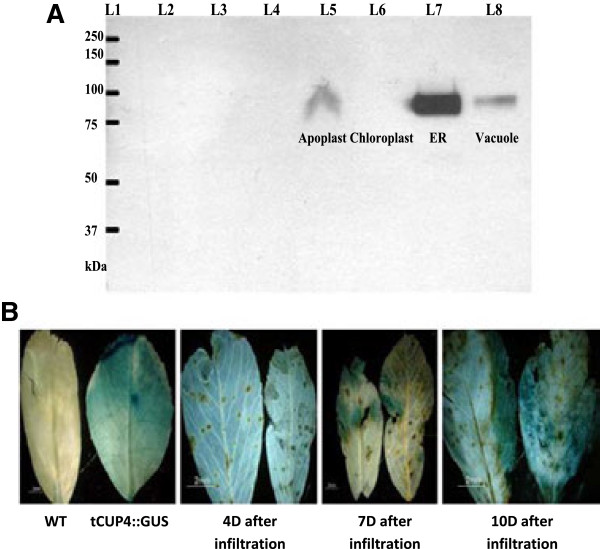
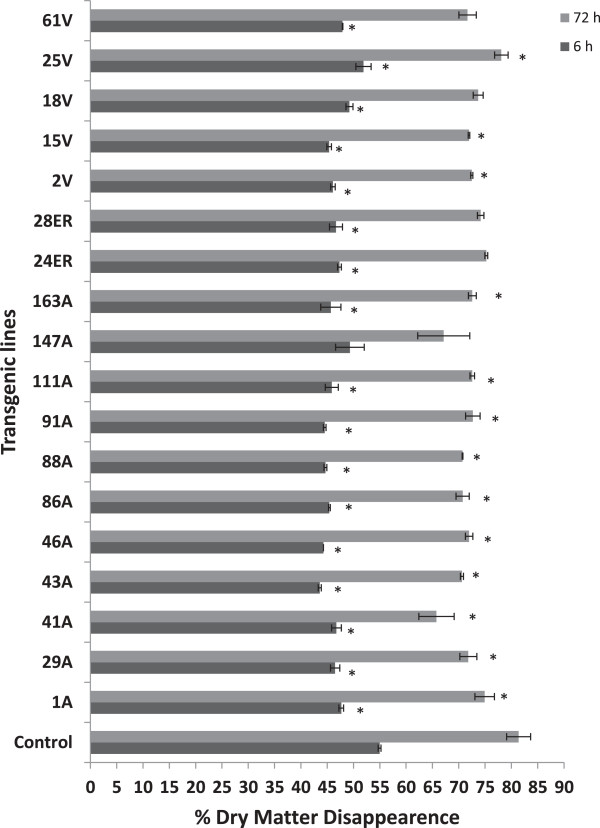
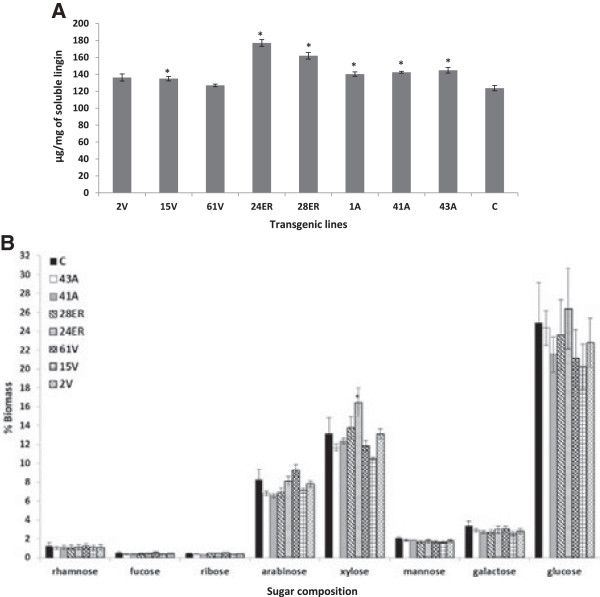
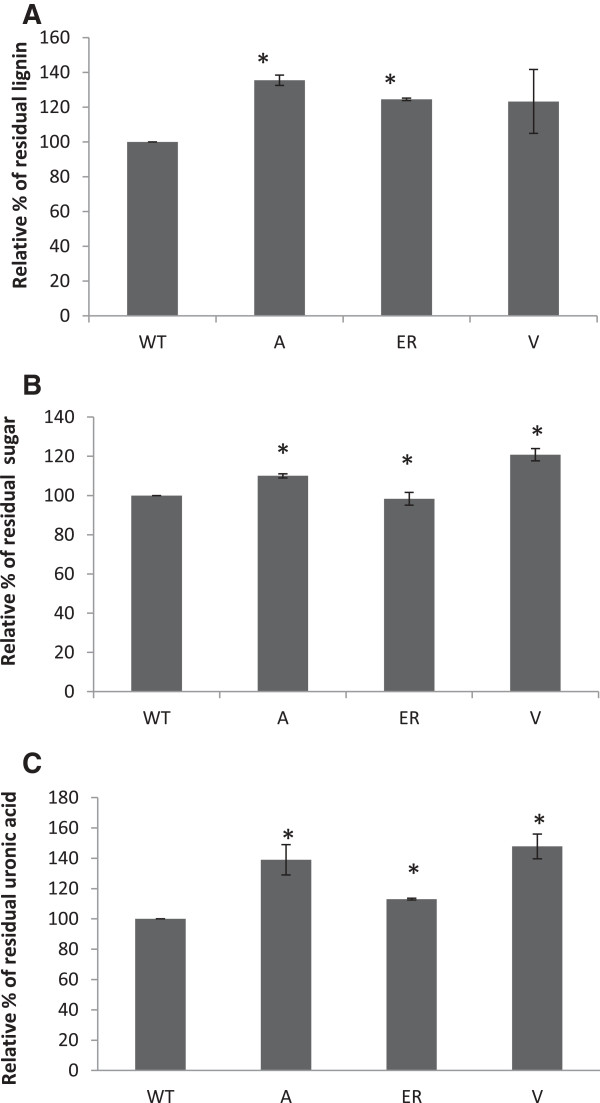
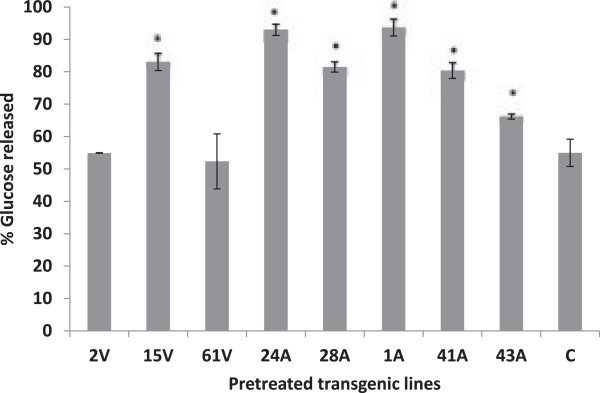
BACKGROUND: Alfalfa (Medicago sativa) is an important forage crop in North America owing to its high biomass production, perennial nature and ability to fix nitrogen. Feruloyl esterase (EC 3.1.1.73) hydrolyzes ester linkages in plant cell walls and has the potential to further improve alfalfa as biomass for biofuel production. RESULTS: In this study, faeB [GenBank:AJ309807] was synthesized at GenScript and sub-cloned into a novel pEACH vector containing different signaling peptides to target type B ferulic acid esterase (FAEB) proteins to the apoplast, chloroplast, endoplasmic reticulum and vacuole. Four constructs harboring faeB were transiently expressed in Nicotiana leaves, with FAEB accumulating at high levels in all target sites, except chloroplast. Stable transformed lines of alfalfa were subsequently obtained using Agrobacterium tumefaciens (LBA4404). Out of 136 transgenic plants regenerated, 18 independent lines exhibited FAEB activity. Subsequent in vitro digestibility and Fourier transformed infrared spectroscopy (FTIR) analysis of FAEB-expressing lines showed that they possessed modified cell wall morphology and composition with a reduction in ester linkages and elevated lignin content. Consequently, they were more recalcitrant to digestion by mixed ruminal microorganisms. Interestingly, delignification by alkaline peroxide treatment followed by exposure to a commercial cellulase mixture resulted in higher glucose release from transgenic lines as compared to the control line. CONCLUSION: Modifying cell wall crosslinking has the potential to lower recalcitrance of holocellulose, but also exhibited unintended consequences on alfalfa cell wall digestibility due to elevated lignin content. The combination of efficient delignification treatment (alkaline peroxide) and transgenic esterase activity complement each other towards efficient and effective digestion of transgenic lines.
Overview
The claims and statistics of this paper haven’t been checked yet.
Free: it reads the open-access text and checks the first 5 claims that cite a source we can check. Create a free account to check every claim.
Integrity signals
Registry
Cites
Statistics
Figures
Verification
Claims the paper makes
The claims and statistics of this paper haven’t been checked yet.
Free: it reads the open-access text and checks the first 5 claims that cite a source we can check. Create a free account to check every claim.
Self-check
Percentages, sums and reported differences re-computed from the paper’s own numbers.
The self-check needs the paper’s full text.
Citations
Cites
A Revised Medium for Rapid Growth and Bio Assays with Tobacco Tissue Cultures
Murashige, T., & Skoog, F. (1962) · Physiologia Plantarum · doi:10.1111/j.1399-3054.1962.tb08052.x · Cited by 67,392
Biomass Recalcitrance: Engineering Plants and Enzymes for Biofuels Production
Himmel, M. E., Ding, S.-Y., Johnson, D. K., Adney, W. S., Nimlos, M. R., Brady, J. W., & Foust, T. D. (2007) · Science · doi:10.1126/science.1137016 · Cited by 4,533
Phenol-hypochlorite reaction for determination of ammonia
Weatherburn, M. W. (1967) · Analytical Chemistry · doi:10.1021/ac60252a045 · Cited by 4,099 · cited 1×
“0 ml microcentrifuge tubes and stored at −20°C until analysis for ammonia by the phenyl-hypochlorite method [49].”
MethodPretreatment of Lignocellulosic Wastes to Improve Ethanol and Biogas Production: A Review
Taherzadeh, M. J., & Karimi, K. (2008) · International Journal of Molecular Sciences · doi:10.3390/ijms9091621 · Cited by 2,634
Semimicro determination of cellulose inbiological materials
Updegraff, D. M. (1969) · Analytical Biochemistry · doi:10.1016/s0003-2697(69)80009-6 · Cited by 2,081 · cited 1×
“The remains after trifluoroacetic acid (TFA) treatment were hydrolyzed in Updegraff reagent (acetic acid:nitric acid:water, 8:1:2 v/v) and used in an anthrone assay to quantify crystalline cellulose [51].”
MethodMenke, K. H., Raab, L., Salewski, A., Steingass, H., Fritz, D., & Schneider, W. (1979) · The Journal of Agricultural Science · doi:10.1017/s0021859600086305 · Cited by 1,927
The small, versatilepPZP family ofAgrobacterium binary vectors for plant transformation
Hajdukiewicz, P., Svab, Z., & Maliga, P. (1994) · Plant Molecular Biology · doi:10.1007/bf00014672 · Cited by 1,525 · cited 2×
“Additional file 11: Schematic map of the 5,103 bp pEACH vector based on pPZP100 [36].”
MethodChlorogenic acids and other cinnamates - nature, occurrence and dietary burden
Clifford, M. N. (1999) · Journal of the Science of Food and Agriculture · doi:10.1002/(sici)1097-0010(19990301)79:3<362::aid-jsfa256>3.0.co;2-d · Cited by 1,335
Lignin modification improves fermentable sugar yields for biofuel production
Chen, F., & Dixon, R. A. (2007) · Nature Biotechnology · doi:10.1038/nbt1316 · Cited by 1,330 · cited 2×
“A recent study showed that simple modification of the cell wall in alfalfa dramatically increased its susceptibility to hydrolysis [16].”
BackgroundKumar, R., Mago, G., Balan, V., & Wyman, C. E. (2009) · Bioresource Technology · doi:10.1016/j.biortech.2009.01.075 · Cited by 876 · cited 1×
“Physical and chemical pretreatments have been developed to optimize the separation of lignin and cell wall polysaccharides from different feedstocks [5,6].”
BackgroundDonohoe, B. S., Decker, S. R., Tucker, M. P., Himmel, M. E., & Vinzant, T. B. (2008) · Biotechnology and Bioengineering · doi:10.1002/bit.21959 · Cited by 678 · cited 1×
“Furthermore, it has been reported that lignin physically hinders the accessibility of enzymes to cellulose [30].”
BackgroundUrao, T., Yamaguchi-Shinozaki, K., Urao, S., & Shinozaki, K. (1993) · The Plant Cell · doi:10.1105/tpc.5.11.1529 · Cited by 574
The transfer of DNA from Agrobacterium tumefaciens into plants: a feast of fundamental insights
Zupan, J., Muth, T. R., Draper, O., & Zambryski, P. (2000) · The Plant Journal · doi:10.1046/j.1365-313x.2000.00808.x · Cited by 490 · cited 1×
“The MYB recognition sequence [38] allowed the excision of all sequences cloned into the multicloning site and acted as filler DNA to provide distance from the transfer DNA (T-DNA) borders [39], thereby minimizing interactions with elements at the insertion sites.”
BackgroundChemical Imaging of Poplar Wood Cell Walls by Confocal Raman Microscopy
Gierlinger, N., & Schwanninger, M. (2006) · Plant Physiology · doi:10.1104/pp.105.066993 · Cited by 426 · cited 3×
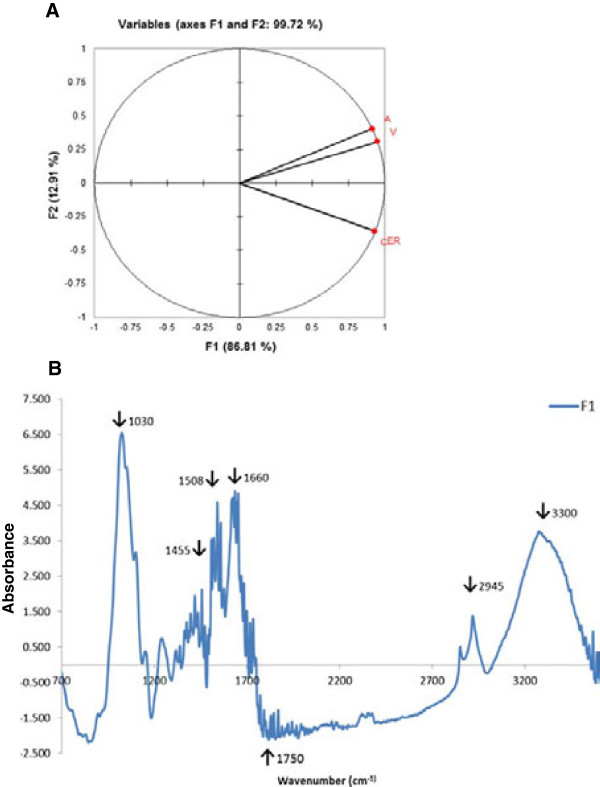
“structure of coniferyl alcohol; C =O structure of coniferaldehyde) (Figure 4B) [19,20].”
BackgroundThe Effects on Lignin Structure of Overexpression of Ferulate 5-Hydroxylase in Hybrid Poplar1
Stewart, J. J., Akiyama, T., Chapple, C., Ralph, J., & Mansfield, S. D. (2009) · Plant Physiology · doi:10.1104/pp.109.137059 · Cited by 425 · cited 1×
“Several publications also describe the potential of modifying plant cell wall composition by altering the expression of endogenous enzymes involved in cell wall synthesis [10-12].”
BackgroundRahikainen, J., Mikander, S., Marjamaa, K., Tamminen, T., Lappas, A., Viikari, L., & Kruus, K. (2011) · Biotechnology and Bioengineering · doi:10.1002/bit.23242 · Cited by 275 · cited 1×
“The tendency of cellulase to bind irreversibly to lignaceous surfaces restricts conformational shifts in enzymes, which is crucial for the degradation of insoluble polysaccharides [32].”
BackgroundFukushima, R. S., & Hatfield, R. D. (2001) · Journal of Agricultural and Food Chemistry · doi:10.1021/jf010449r · Cited by 271 · cited 1×
“To determine lignin content [53], approximately 1 mg of AIR samples (three replicates for each line, that is, 43A, 41A, 1A, 28ER, 24ER, 61 V, 15 V, 2 V and C) were solubilized in freshly prepared acetyl bromide solution (100 μl of 25% (v/v) acetyl bromide in glacial acetic acid) for 3 h at 50°C, with 2 M sodium hydrox…”
MethodWood cell walls: biosynthesis, developmental dynamics and their implications for wood properties
MELLEROWICZ, E., & SUNDBERG, B. (2008) · Current Opinion in Plant Biology · doi:10.1016/j.pbi.2008.03.003 · Cited by 256 · cited 1×
“Several publications also describe the potential of modifying plant cell wall composition by altering the expression of endogenous enzymes involved in cell wall synthesis [10-12].”
BackgroundBreeding Alfalfa Which Regenerates from Callus Tissue in Culture1
Bingham, E. T., Hurley, L. V., Kaatz, D. M., & Saunders, J. W. (1975) · Crop Science · doi:10.2135/cropsci1975.0011183x001500050032x · Cited by 246
Gomord, V., Denmat, L., Fitchette‐Lainé, A., Satiat‐Jeunemaitre, B., Hawes, C., & Faye, L. (1997) · The Plant Journal · doi:10.1046/j.1365-313x.1997.11020313.x · Cited by 225 · cited 1×
“Endoplasmic reticulum retention signal KEDL [35] and vacuole retention signal CTPP (from R Menassa, Agriculture and Agri-Food Canada, London, ON, Canada) were fused immediately after the protein to target the protein to the endoplasmic reticulum and vacuole, respectively.”
MethodHairy plant polysaccharides: a close shave with microbial esterases
Williamson, G., Kroon, P. A., & Faulds, C. B. (1998) · Microbiology · doi:10.1099/00221287-144-8-2011 · Cited by 215 · cited 1×
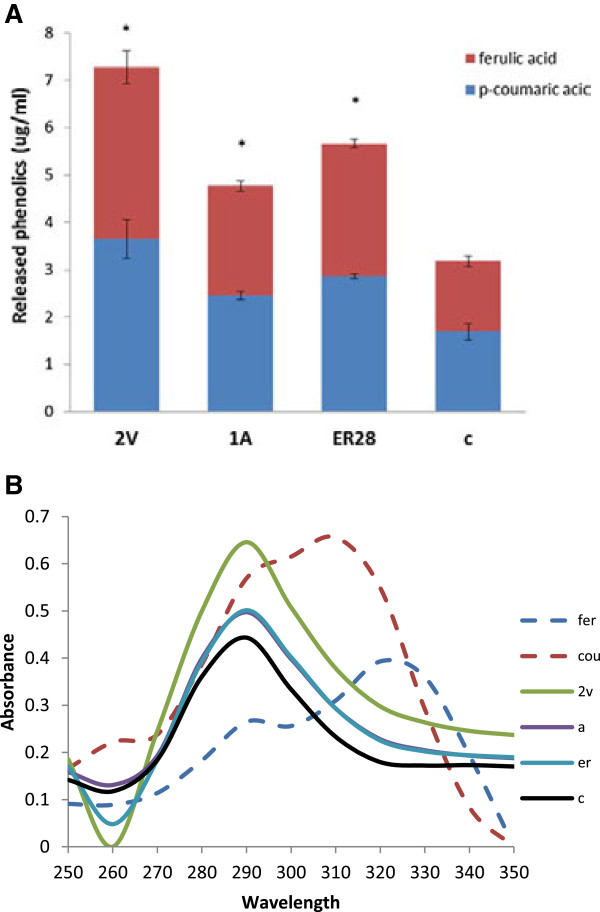
“Phenolic components of the plant cell wall, especially p-coumaric acid, ferulic acid and p-hydroxybenzaldehyde have been reported to inhibit the growth of rumen microorganisms and cellulase activity [28,29].”
BackgroundImmunocytochemical techniques for whole-mount in situ protein localization in plants
Sauer, M., Paciorek, T., Benková, E., & Friml, J. (2006) · Nature Protocols · doi:10.1038/nprot.2006.15 · Cited by 214 · cited 1×
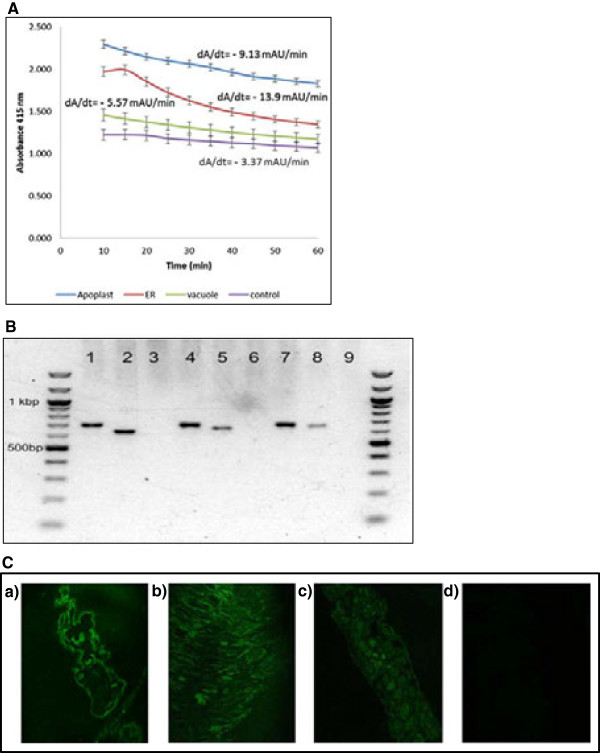
“[18] to confirm recombinant protein localization in the target (endoplasmic reticulum, apoplast and vacuole) area and, as shown in Figure 2C, expression of genes was confirmed in the targeted plant cell compartment.”
BackgroundJoensuu, J. J., Conley, A. J., Lienemann, M., Brandle, J. E., Linder, M. B., & Menassa, R. (2010) · Plant Physiology · doi:10.1104/pp.109.149021 · Cited by 195 · cited 1×
“[41].”
Plant cell wall reconstruction toward improved lignocellulosic production and processability
Abramson, M., Shoseyov, O., & Shani, Z. (2010) · Plant Science · doi:10.1016/j.plantsci.2009.11.003 · Cited by 178
Rice cellulose synthase‐like D4 is essential for normal cell‐wall biosynthesis and plant growth
Li, M., Xiong, G., Li, R., Cui, J., Tang, D., Zhang, B., Pauly, M., Cheng, Z., & Zhou, Y. (2009) · The Plant Journal · doi:10.1111/j.1365-313x.2009.04022.x · Cited by 176 · cited 2×
“Ground samples (60 to 70 mg) were used to prepare alcohol insoluble residue (AIR) as described previously [33].”
BackgroundMethodWang, Y., McAllister, T. A., Newbold, C. J., Rode, L. M., Cheeke, P. R., & Cheng, K.-J. (1998) · Animal Feed Science and Technology · doi:10.1016/s0377-8401(98)00137-0 · Cited by 175
Self-citationYenofsky, R. L., Fine, M., & Pellow, J. W. (1990) · Proceedings of the National Academy of Sciences · doi:10.1073/pnas.87.9.3435 · Cited by 168
Banerjee, G., Car, S., Scott-Craig, J. S., Borrusch, M. S., & Walton, J. D. (2010) · Biotechnology for Biofuels · doi:10.1186/1754-6834-3-22 · Cited by 166
Jing, X., Zhang, X., & Bao, J. (2009) · Applied Biochemistry and Biotechnology · doi:10.1007/s12010-009-8525-z · Cited by 164 · cited 1×
“Moreover, soluble lignin-derived compounds may also cause enzyme inhibition [31].”
BackgroundWang, Y., Xu, Z., Bach, S. J., & McAllister, T. A. (2008) · Animal Feed Science and Technology · doi:10.1016/j.anifeedsci.2007.03.013 · Cited by 162
Self-citationA Microtiter Plate Assay for the Determination of Uronic Acids
van den Hoogen, B. M., van Weeren, P. R., Lopes-Cardozo, M., van Golde, L. M. G., Barneveld, A., & van de Lest, C. H. A. (1998) · Analytical Biochemistry · doi:10.1006/abio.1997.2538 · Cited by 160
Biotechnology and the domestication of forest trees
Boerjan, W. (2005) · Current Opinion in Biotechnology · doi:10.1016/j.copbio.2005.03.003 · Cited by 136 · cited 1×
“Plant fiber engineering is also seen as a route to improve feedstock characteristics and further reduce the energy and cost of refining biomass [7-9].”
BackgroundHeterologous expression of glycosyl hydrolases in planta: a new departure for biofuels
Taylor, L. E., Dai, Z., Decker, S. R., Brunecky, R., Adney, W. S., Ding, S.-Y., & Himmel, M. E. (2008) · Trends in biotechnology · doi:10.1016/j.tibtech.2008.05.002 · Cited by 134 · cited 1×
“Plant fiber engineering is also seen as a route to improve feedstock characteristics and further reduce the energy and cost of refining biomass [7-9].”
BackgroundDevelopment of Cellulosic Secondary Walls in Flax Fibers Requires β-Galactosidase
Roach, M. J., Mokshina, N., Badhan, A., Snegireva, A. V., Hobson, N., Deyholos, M. K., & Gorshkova, T. (2011) · PLANT PHYSIOLOGY · doi:10.1104/pp.111.172676 · Cited by 128 · cited 1×
“Several publications also describe the potential of modifying plant cell wall composition by altering the expression of endogenous enzymes involved in cell wall synthesis [10-12].”
BackgroundSelf-citationLi, M., Foster, C. E., Kelkar, S., Pu, Y., Holmes, D., Ragauskas, A. J., Saffron, C. M., & Hodge, D. B. (2012) · Biotechnology for Biofuels · doi:10.1186/1754-6834-5-38 · Cited by 125
Nsereko, V. L., Smiley, B. K., Rutherford, W. M., Spielbauer, A., Forrester, K. J., Hettinger, G. H., Harman, E. K., & Harman, B. R. (2008) · Animal Feed Science and Technology · doi:10.1016/j.anifeedsci.2007.06.039 · Cited by 124 · cited 1×
“[24] and Wang et al.”
Plant regeneration from suspension culture and mesophyll protoplasts of Medicago sativa L.
Atanassov, A. I., & Brown, D. C. (1984) · Plant Cell Tissue and Organ Culture (PCTOC) · doi:10.1007/bf00033736 · Cited by 122
Self-citationGiraldo, L. A., Tejido, M. L., Ranilla, M. J., Ramos, S., & Carro, M. D. (2008) · Journal of Animal Science · doi:10.2527/jas.2007-0343 · Cited by 112
Xylan degradation: a glimpse at microbial diversity
Uffen, R. L. (1997) · Journal of Industrial Microbiology & Biotechnology · doi:10.1038/sj.jim.2900417 · Cited by 101 · cited 1×
“Background Plant cell walls containing cellulose, hemicellulose, pectin and lignin are the most abundant organic resource on the planet [1].”
BackgroundEffect of alkali pretreatment of wheat straw on the efficacy of exogenous fibrolytic enzymes1
Wang, Y., Spratling, B. M., ZoBell, D. R., Wiedmeier, R. D., & McAllister, T. A. (2004) · Journal of Animal Science · doi:10.2527/2004.821198x · Cited by 89 · cited 1×
“[25] reported ester linkages between hemicellulose and lignin as the rate limiting factor in the ruminal digestion of plant cell walls.”
BackgroundSelf-citationBuanafina, M. M. D. O., Langdon, T., Hauck, B. D., Dalton, S. J., & Morris, P. (2007) · Plant Biotechnology Journal · doi:10.1111/j.1467-7652.2007.00317.x · Cited by 84 · cited 1×
“Expression of the type A ferulic acid esterase from Aspergillus niger (AnFaeA) in the grasses Lolium multiforum [13] and Festuca arundinacea [14] has been explored as a means of reducing cell wall crosslinking and thus increasing ruminal digestibility.”
BackgroundStrategies to mitigate transgene–promoter interactions
Gudynaite‐Savitch, L., Johnson, D. A., & Miki, B. L. A. (2009) · Plant Biotechnology Journal · doi:10.1111/j.1467-7652.2009.00416.x · Cited by 60
Self-citationCutt, J. R., Dixon, D. C., Carr, J. P., & Klessig, D. F. (1988) · Nucleic Acids Research · doi:10.1093/nar/16.20.9861 · Cited by 60
Buanafina, M. M. D. O., Langdon, T., Hauck, B., Dalton, S. J., & Morris, P. (2006) · Twenty-Seventh Symposium on Biotechnology for Fuels and Chemicals · doi:10.1007/978-1-59745-268-7_34 · Cited by 56 · cited 2×
“Reducing the level of crosslinking of cell wall carbohydrates is therefore a predictable way of improving forage quality through increases in the rate and possibly the extent of digestion [13].”
BackgroundScreen of Genes Linked to High-Sugar Content in Stems by Comparative Genomics
Calviño, M., Bruggmann, R., & Messing, J. W. (2008) · Rice · doi:10.1007/s12284-008-9012-9 · Cited by 47 · cited 1×
“Recalcitrance to scarification is a major limitation for conversion of lignocellulosic biomass to biofuels [2].”
BackgroundTsai, A. Y., Canam, T., Gorzsás, A., Mellerowicz, E. J., Campbell, M. M., & Master, E. R. (2012) · Plant Biotechnology Journal · doi:10.1111/j.1467-7652.2012.00735.x · Cited by 45 · cited 2×
“The increase in lignin content of transgenic lines observed in this study is in agreement with a recent report of elevated lignin levels in another dicot, Arabidopsis, expressing a fungal glucuronoyl esterase [15].”
BackgroundOrr, J. D., Edwards, R., & Dixon, R. A. (1993) · PLANT PHYSIOLOGY · doi:10.1104/pp.101.3.847 · Cited by 43 · cited 1×
“This hypothesis is supported by the finding that phenolic polymers are produced when levels of phenylpropanoid pathway intermediates or end products are increased [27].”
BackgroundRamírez, L., Arrizón, J., Sandoval, G., Cardador‐Martínez, A., Bello‐Mendoza, R., Lappe, P., & Mateos‐Díaz, J. C. (2008) · Applied Biochemistry and Biotechnology · doi:10.1007/s12010-008-8319-8 · Cited by 34 · cited 2×
“Of the 136 stably transformed lines based on PCR detection of the faeB gene and Southern blot (Additional file 2), 18 showed detectable levels of faeB activity (Figure 2A,B; data shown for representative lines 2 V, ER28 and 3A covering one line from each genotype) using a microplate rapid screening assay [17].”
MethodTitgemeyer, E. C., Bourquin, L. D., & Fahey, G. C., Jr. (1992) · Journal of the Science of Food and Agriculture · doi:10.1002/jsfa.2740580402 · Cited by 33 · cited 1×
“Acetyl group and linkages of uronic acid side chains to phenolic material have been identified as factors that limit the ruminal digestion of alfalfa [22].”
BackgroundMarković, J. (2012) · African Journal of Agricultural Research · doi:10.5897/ajar11.1485 · Cited by 28 · cited 3×
“A broad peak between 3,200 to 3,400, 2,915 and 1,462 cm was also indicative of elevated wax content in the transgenic as compared to the parental cell wall (Figure 4B) [20].”
BackgroundBuanafina, M. M. D. O., Langdon, T., Hauck, B. D., Alton, S. J. D., & Morris, P. (2006) · Applied Biochemistry and Biotechnology · doi:10.1385/abab:130:1:416 · Cited by 27
Subcellular targeting of human interleukin-10 in plants
Menassa, R., Kennette, W., Nguyen, V., Rymerson, R. T., Jevnikar, A. M., & Brandle, J. E. (2004) · Journal of Biotechnology · doi:10.1016/j.jbiotec.2003.11.009 · Cited by 26 · cited 2×
“To target the expression of faeB to specific plant organelles, we cleaved the N-terminal signal peptide coding region, and replaced it with PR1b to target the proteins to the endoplasmic reticulum [34] and Rubisco leading the peptide to target expression to the chloroplast [26].”
BackgroundMethodChemical and thermal stability of ferulic acid esterase-III from Aspergillus niger
Williamson, G., & Vallejo, J. (1997) · International Journal of Biological Macromolecules · doi:10.1016/s0141-8130(97)00063-9 · Cited by 13
Continuous long-term somatic embryogenesis in alfalfa
Tian, L., Brown, D. C., & Watson, E. M. (2002) · In Vitro Cellular & Developmental Biology - Plant · doi:10.1079/ivp2001286 · Cited by 7 · cited 1×
“Briefly, the petioles were cut to 1 cm lengths and precultured on SH2K medium [44] for 48 h at 25°C with a photoperiod of 16 h.”
MethodSelf-citation
Research works printed but not linked: 3
- 3. Hatfield RD, Ralph J: Modelling the feasibility of intramolecular dehydrodiferulate formation in grass walls. J Sci Food Agric 1999, 79:425-427. · doi:10.1002/(sici)1097-0010(19990301)79:3<425::aid-jsfa282>3.0.co;2-u
- 43. Han S, Kowalczys K, Latoszek-Green M, Brown DCW: Agrobacterium-medi- ated genetic transformation of alfalfa through somatic embryogenesis. In Somatic Embryogenesis and Genetic Transformation in Plants. Edited by http://www.biotechnologyforbiofuels.com/content/7/1/39
- 44. Julian A, Srivastava PS, Sharma MP. New Delhi: Narosa Publishing House; 2013:219-250.
Cited by
Silage review: Recent advances and future uses of silage additives
Muck, R. E., Nadeau, E. M. G., McAllister, T. A., Contreras-Govea, F. E., Santos, M. C., & Kung, L. (2018) · Journal of Dairy Science · doi:10.3168/jds.2017-13839 · Cited by 1,038
Self-citationMicro RNA 156 as a promising tool for alfalfa improvement
Aung, B., Gruber, M. Y., Amyot, L., Omari, K., Bertrand, A., & Hannoufa, A. (2015) · Plant Biotechnology Journal · doi:10.1111/pbi.12308 · Cited by 179
Dilokpimol, A., Mäkelä, M. R., Aguilar-Pontes, M. V., Benoit-Gelber, I., Hildén, K. S., & de Vries, R. P. (2016) · Biotechnology for Biofuels · doi:10.1186/s13068-016-0651-6 · Cited by 174
Mohapatra, S., Mishra, C., Behera, S. S., & Thatoi, H. (2017) · Renewable and Sustainable Energy Reviews · doi:10.1016/j.rser.2017.05.026 · Cited by 168
The interplay between miR156/SPL13 and DFR/WD40–1 regulate drought tolerance in alfalfa
Feyissa, B. A., Arshad, M. A., Gruber, M. Y., Kohalmi, S. E., & Hannoufa, A. (2019) · BMC Plant Biology · doi:10.1186/s12870-019-2059-5 · Cited by 154
Metadata
- Authors
- Badhan, A., Jin, L., Wang, Y., Han, S., Kowalczys, K., Brown, D. C., Ayala, C. J., Latoszek-Green, M., Miki, B., Tsang, A., & McAllister, T.
- Affiliations
- Agriculture and Agri-Food Canada (CA)
- St. Boniface Hospital (CA)
- Concordia University (CA)
- Corresponding author
- McAllister, Tim
- Venue
- Biotechnology for Biofuels
- Published
- 2014-03-20
- Volume
- 7
- Issue
- 1
- Pages
- 39-39
- ISSN
- 1754-6834 (ISSN-L)
- PMC
- PMC3999942
- OpenAlex
- W2147732685
- Cited by
- 57
- References
- 54
- Citations by year
- 2026: 2 · 2025: 4 · 2023: 5 · 2022: 8 · 2021: 1 · 2020: 8 · 2019: 5 · 2018: 5 · 2017: 6 · 2016: 4 · 2015: 8 · 2014: 1
- FWCI
- 3.29
- Type
- journal article
- Language
- en
- Open access
- gold
- doi.org
- Licence
- cc-by
- Locations
- Biotechnology for Biofuels (publishedVersion, cc-by)
- Europe PMC (PubMed Central) (publishedVersion, cc-by)
- PubMed Central (publishedVersion, cc-by)
- PubMed (publishedVersion)
- Funders
- McGill University
- Genome Alberta
- Agriculture and Agri-Food Canada
- Topics
- Physical Sciences › Engineering › Biomedical Engineering › Biofuel production and bioconversion
- Life Sciences › Agricultural and Biological Sciences › Plant Science › Polysaccharides and Plant Cell Walls
- Life Sciences › Agricultural and Biological Sciences › Agronomy and Crop Science › Bioenergy crop production and management
- Keywords
- ferulic acid esterase, alfalfa, transgenic plants, cell wall digestibility, lignin content, ester linkage, biofuel feedstock, lignin removal, cellulase, ruminal digestion, subcellular targeting
About these checks
Registry, retraction, Cites and statistics results are computed, not judged, with one exception: a printed reference that no index lists is read once by a model before it counts as a citation error. Claims are extracted by a model and kept only when their quote appears verbatim in the text; each cited source is then checked, with a model’s help, for whether it says what the claim relies on. Those verdicts can be wrong — read the claim’s quote and the cited source before relying on one.
Statistics and arithmetic are recomputed, not judged.
Confidence bands are shown only for fields calibrated on our annotated test set. None is calibrated yet, so no band is shown.
What counts as a claim ›How we measure confidence ›How we check this ›
Are you an author, or do you see a problem with this page? Request a review
Data sources
Bibliographic data: Semantic Scholar, OpenAlex, Crossref.
Contains information from the Semantic Scholar Academic Graph Datasets, made available under the ODC Attribution License (ODC-BY 1.0).
Semantic Scholar’s data is described in: Kinney, R., et al. (2023). The Semantic Scholar Open Data Platform. arXiv:2301.10140.
