

The role of the small intestine in the development of dietary fat-induced obesity and insulin resistance in C57BL/6J mice
Open accessThe DOI matches its Crossref record; 53 of the 53 references it cites were found in a registry or an index.
Abstract
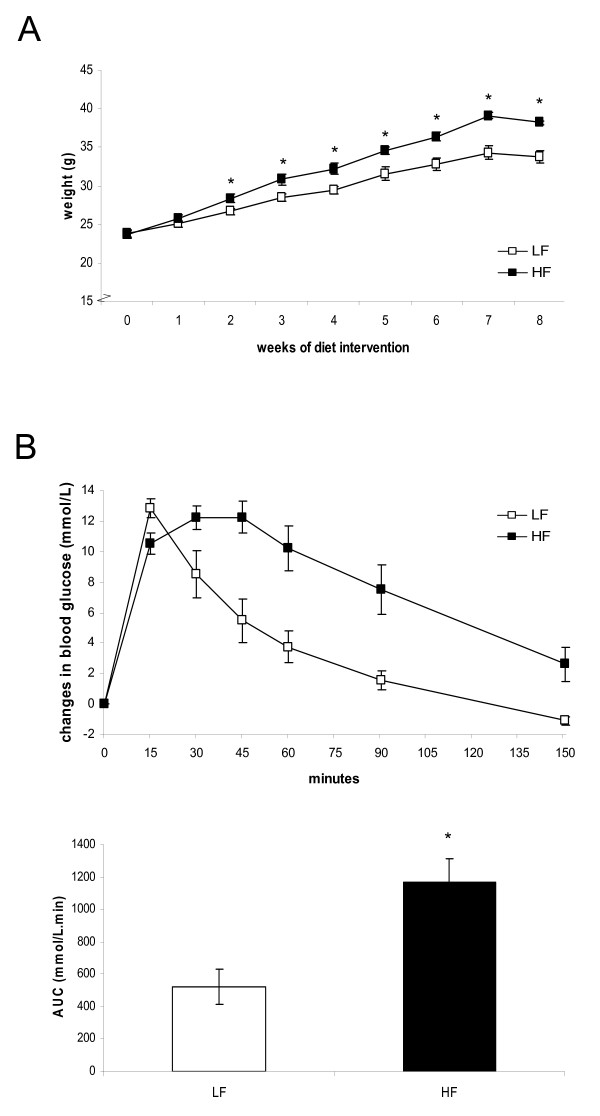
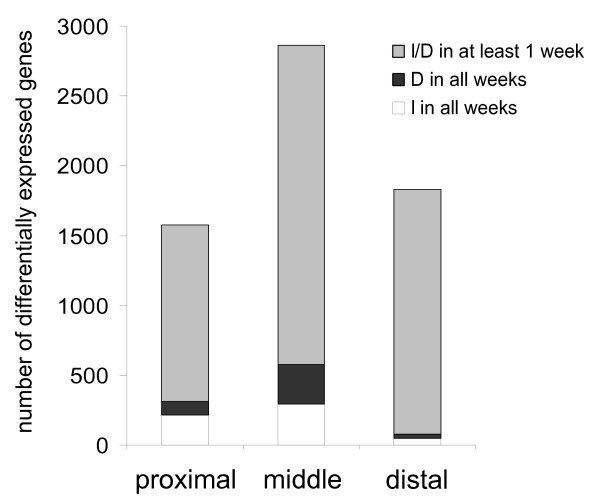
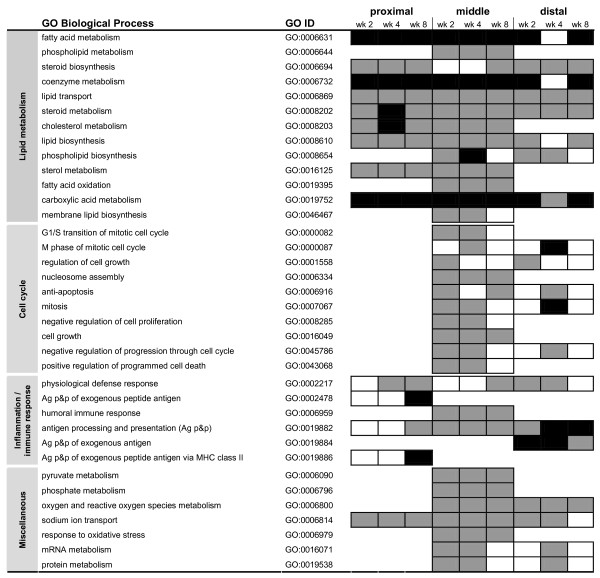
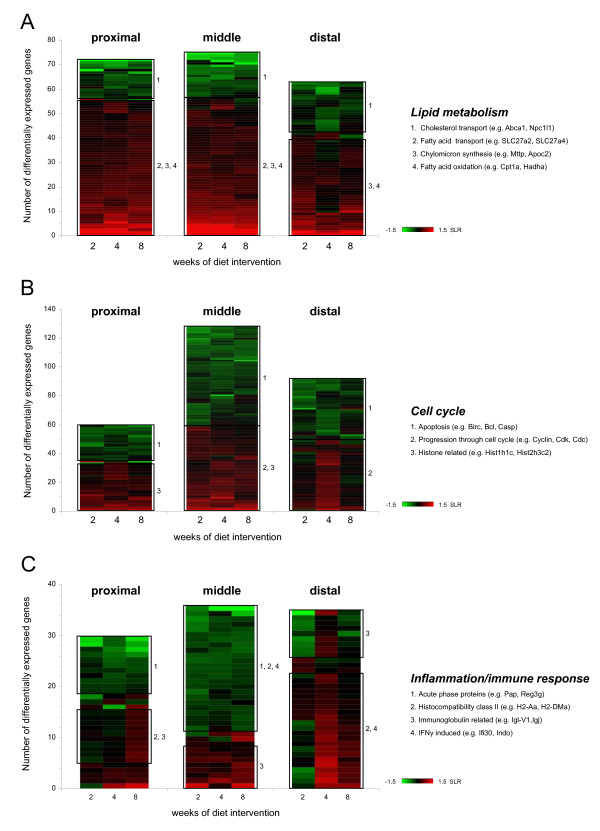
BACKGROUND: Obesity and insulin resistance are two major risk factors underlying the metabolic syndrome. The development of these metabolic disorders is frequently studied, but mainly in liver, skeletal muscle, and adipose tissue. To gain more insight in the role of the small intestine in development of obesity and insulin resistance, dietary fat-induced differential gene expression was determined along the longitudinal axis of small intestines of C57BL/6J mice. METHODS: Male C57BL/6J mice were fed a low-fat or a high-fat diet that mimicked the fatty acid composition of a Western-style human diet. After 2, 4 and 8 weeks of diet intervention small intestines were isolated and divided in three equal parts. Differential gene expression was determined in mucosal scrapings using Mouse genome 430 2.0 arrays. RESULTS: The high-fat diet significantly increased body weight and decreased oral glucose tolerance, indicating insulin resistance. Microarray analysis showed that dietary fat had the most pronounced effect on differential gene expression in the middle part of the small intestine. By overrepresentation analysis we found that the most modulated biological processes on a high-fat diet were related to lipid metabolism, cell cycle and inflammation. Our results further indicated that the nuclear receptors Ppars, Lxrs and Fxr play an important regulatory role in the response of the small intestine to the high-fat diet. Next to these more local dietary fat effects, a secretome analysis revealed differential gene expression of secreted proteins, such as Il18, Fgf15, Mif, Igfbp3 and Angptl4. Finally, we linked the fat-induced molecular changes in the small intestine to development of obesity and insulin resistance. CONCLUSION: During dietary fat-induced development of obesity and insulin resistance, we found substantial changes in gene expression in the small intestine, indicating modulations of biological processes, especially related to lipid metabolism. Moreover, we found differential expression of potential signaling molecules that can provoke systemic effects in peripheral organs by influencing their metabolic homeostasis. Many of these fat-modulated genes could be linked to obesity and/or insulin resistance. Together, our data provided various leads for a causal role of the small intestine in the etiology of obesity and/or insulin resistance.
Overview
The claims and statistics of this paper haven’t been checked yet.
Free: it reads the open-access text and checks the first 5 claims that cite a source we can check. Create a free account to check every claim.
Integrity signals
Registry
Cites
Statistics
Figures
Verification
Claims the paper makes
The claims and statistics of this paper haven’t been checked yet.
Free: it reads the open-access text and checks the first 5 claims that cite a source we can check. Create a free account to check every claim.
Claims other papers make about this one
Each is checked against this paper’s own text: does it say what the citing paper says it does?
In the citing paper
“Consistent with these findings, tempol increases the intestinal concentration of multiple taurine-conjugated bile acids, including tauro-β-muricholic acid (T-β-MCA). T-β-MCA is an antagonist of the farnesoid X receptor (FXR), a master regulator of lipid, glucose, and bile acid metabolism85, 87, 88.”
From The microbial pharmacists within us: a metagenomic view of xenobiotic metabolism (2016) · cites this paper as [87]
Self-check
Percentages, sums and reported differences re-computed from the paper’s own numbers.
The self-check needs the paper’s full text.
Citations
Cites
Primer3 on the WWW for General Users and for Biologist Programmers
Rozen, S., & Skaletsky, H. (2003) · Bioinformatics Methods and Protocols · doi:10.1385/1-59259-192-2:365 · Cited by 15,013 · cited 1×
“Primer sequences (see Additional file 3) were retrieved from the online PrimerBank database [17], or otherwise designed using the Primer3 program [18].”
An obesity-associated gut microbiome with increased capacity for energy harvest
Turnbaugh, P. J., Ley, R. E., Mahowald, M. A., Magrini, V., Mardis, E. R., & Gordon, J. I. (2006) · Nature · doi:10.1038/nature05414 · Cited by 12,444 · cited 1×
“Small intestinal factors that are previously reported to contribute to development of metabolic syndrome are gut hormones affecting satiety and glucose homeostasis [12,13], diminished fatty acid oxidative capacity of enterocytes [5] and gut microbiota-mediated modulations [6,14].”
Inflammation and metabolic disorders
Hotamisligil, G. S. (2006) · Nature · doi:10.1038/nature05485 · Cited by 9,199 · cited 1×
“In liver, muscle and adipose tissue, chronic inflammation is also considered to be a key player in the development of metabolic disorders [26].”
Obesity and insulin resistance
Kahn, B. B., & Flier, J. S. (2000) · Journal of Clinical Investigation · doi:10.1172/jci10842 · Cited by 3,225
Identification of a nuclear receptor for bile acids
Makishima, M., Okamoto, A. Y., Repa, J. J., Tu, H., Learned, R. M., Luk, A., Hull, M. V., Lustig, K. D., Mangelsdorf, D. J., & Shan, B. (1999) · Science · doi:10.1126/science.284.5418.1362 · Cited by 2,714 · cited 1×
“This receptor is activated by bile acids [22], which are supposed to be elevated in the small intestinal lumen after feeding a high-fat diet to facilitate digestion.”
Mechanisms underlying the resistance to diet-induced obesity in germ-free mice
Bäckhed, F., Manchester, J. K., Semenkovich, C. F., & Gordon, J. I. (2007) · Proceedings of the National Academy of Sciences · doi:10.1073/pnas.0605374104 · Cited by 2,615 · cited 4×
“The association between development of these disorders and excessive intake of dietary fat is frequently studied, especially in obesityprone C57BL/6J mice [ 4-8 ].”
InfluentialPPARγ Mediates High-Fat Diet–Induced Adipocyte Hypertrophy and Insulin Resistance
Kubota, N., Terauchi, Y., Miki, H., Tamemoto, H., Yamauchi, T., Komeda, K., Satoh, S., Nakano, R., Ishii, C., Sugiyama, T., et al. (1999) · Molecular Cell · doi:10.1016/s1097-2765(00)80210-5 · Cited by 1,342 · cited 1×
“Peroxisome proliferator activated receptor γ (Pparγ) -/+ mice; IR ▼ Agonists (TZDs) used as anti-diabetic agents [49, 50] minimal regulation”
Gastrointestinal regulation of food intake
Cummings, D. E., & Overduin, J. (2007) · Journal of Clinical Investigation · doi:10.1172/jci30227 · Cited by 1,216 · cited 2×
“Fibroblast growth factor 15 (Fgf15) Injection of Fgf15; glucose tolerance [41] ↓ D Glucagon-like peptide-1 (Glp1) High plasma levels; IR [12, 13] ↑ (slightly) M Gastric inhibitory polypeptide (Gip) High plasma levels; IR [13] ↑ (slightly) D Insulin-like growth factor binding protein 3 (Igfbp3) Tg mice; IR [42] ↑ P, M”
Vega, R. B., Huss, J. M., & Kelly, D. P. (2000) · Molecular and Cellular Biology · doi:10.1128/mcb.20.5.1868-1876.2000 · Cited by 1,195 · cited 1×
“Interestingly, the decreased expression of Pgc1α that we found in our study might point in the direction of a suboptimal activation of Pparα, as it is known that Pgc1α can cooperatively induce the expression of Pparα target genes and increase cellular fatty acid oxidation rates [30].”
Winzell, M. S., & Ahrén, B. (2004) · Diabetes · doi:10.2337/diabetes.53.suppl_3.s215 · Cited by 1,026 · cited 1×
“The association between development of these disorders and excessive intake of dietary fat is frequently studied, especially in obesityprone C57BL/6J mice [4-8].”
Cited by
Items 101–200 of 206
McAllan, L., Speakman, J. R., Cryan, J. F., & Nilaweera, K. N. (2015) · British Journal Of Nutrition · doi:10.1017/s0007114514004024 · Cited by 21
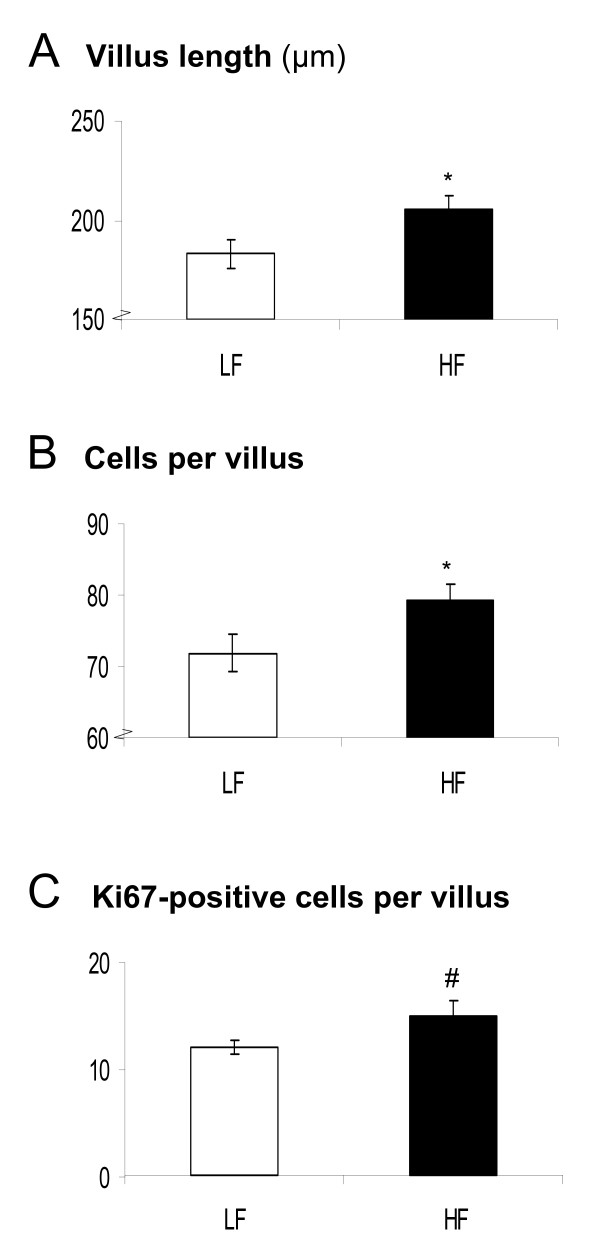
“It is noteworthy that obese (ob/ob) mice have longer intestines((17)) and that the development of high-fat diet-induced obesity in mice also increases villus length and cells per villus((18)).”
Pinheiro, D. F., Pinheiro, P. F. F., Junior, J. B., Castilho, A. C. S., de Lima, P. F., Trinca, L. A., & Vicentini-Paulino, M. L. M. (2013) · Clinical Science · doi:10.1042/cs20120400 · Cited by 21
Zeng, H., Chen, P., Wang, Z., Hu, X., Zhang, Y., & Zheng, B. (2023) · Molecular Nutrition & Food Research · doi:10.1002/mnfr.202200638 · Cited by 20
Li, S., Wang, C., & Wu, Z. (2021) · Amino Acids · doi:10.1007/s00726-021-03018-3 · Cited by 20
Impaired Bile Acid Metabolism and Gut Dysbiosis in Mice Lacking Lysosomal Acid Lipase
Sachdev, V., Duta-Mare, M., Korbelius, M., Vujić, N., Leopold, C., de Boer, J. F., Rainer, S., Fickert, P., Kolb, D., Kuipers, F., et al. (2021) · Cells · doi:10.3390/cells10102619 · Cited by 20
“Whether modulation in intestinal FXR expression induced after feeding a high-calorie diet would follow similar paradigms remains unknown [65].”
de Toro‐Martín, J., Fernández‐Millán, E., Lizárraga-Mollinedo, E., López‐Oliva, M. E., Serradas, P., Escrivá, F., & Álvarez, C. (2014) · Endocrinology · doi:10.1210/en.2013-2043 · Cited by 20
“Moreover, feeding an HFD to rats has significant effects on various facets of intestinal architecture and function (12, 43, 44).”
Intestinal miRNAs regulated in response to dietary lipids
Gil‐Zamorano, J., Tomé‐Carneiro, J., Hazas, M. L. D. L., del Pozo‐Acebo, L., Crespo, M. C., Gómez‐Coronado, D., Chapado, L. A., Herrera, E., Latasa, M.-J., Ruiz-Roso, M. B., et al. (2020) · Scientific Reports · doi:10.1038/s41598-020-75751-w · Cited by 19
Postprandial consequences of lipid absorption in the onset of obesity: Role of intestinal CD36
Lebrun, L. J., Milheiro, S. M., Tavernier, A., & Niot, I. (2022) · Biochimica et Biophysica Acta (BBA) - Molecular and Cell Biology of Lipids · doi:10.1016/j.bbalip.2022.159154 · Cited by 18
Park, M., Park, E., Kim, S.-H., & Lee, H. (2021) · International Journal of Molecular Sciences · doi:10.3390/ijms22094444 · Cited by 18
“The small intestine has a gatekeeping function in the physical intermediate stage between the body and the diet [7].”
Liu, J., He, J., Yang, Y., Yu, J., Mao, X., Yu, B., & Chen, D. (2014) · Archives of Animal Nutrition · doi:10.1080/1745039x.2014.897532 · Cited by 18
“Interestingly, in agreement with a previous research (de Wit et al. 2008), glucose and insulin concentrations decreased more rapidly in pigs fed low-fat diets compared with pigs fed HF diets after the peak concentrations, which showed that pigs fed Diets HF needed more insulin for the deposition of…”
Fontaine, M. A., Diané, A., Singh, V. P., Mangat, R., Krysa, J. A., Nelson, R. C., Willing, B. P., & Proctor, S. D. (2019) · The FASEB Journal · doi:10.1096/fj.201801302rr · Cited by 17
Fat body phospholipid state dictates hunger-driven feeding behavior
Kelly, K., Alassaf, M., Sullivan, C. E., Brent, A. E., Goldberg, Z. H., Poling, M. E., Dubrulle, J., & Rajan, A. (2022) · eLife · doi:10.7554/elife.80282 · Cited by 17
Jin, H., Wang, S., Sheng, J., Yang, X., Li, J., & Li, B. (2025) · Journal of Agricultural and Food Chemistry · doi:10.1021/acs.jafc.4c06280 · Cited by 16
Chen, Y.-W., Ahn, I. S., Wang, S. S.-M., Majid, S., Diamante, G., Cely, I., Zhang, G., Cabanayan, A., Komzyuk, S., Bonnett, J., et al. (2025) · Cell Reports · doi:10.1016/j.celrep.2025.115690 · Cited by 17
“24,25 Bulk tissue studies of both HFHS 5,6 and fructose diets 9,26–30 support that diet-induced MetS involves multiple tissues; however, cell-type-specific mechanisms across tissues remain poorly understood.”
Nutrients intake, and serum calcium and phosphorus levels: An evidence‐based study
Jafari‐Giv, Z., Avan, A., Hamidi, F., Tayefi, M., Khayyatzadeh, S. S., Javandoost, A., Nematy, M., Ferns, G. A., & Mobarhan, M. G. (2017) · Journal of Clinical Laboratory Analysis · doi:10.1002/jcla.22235 · Cited by 16
Lizier, M., Bomba, L., Minuti, A., Chegdani, F., Capraro, J., Tondelli, B., Mazza, R., Callegari, M. L., Trevisi, E., Rossi, F., et al. (2013) · Genes & Nutrition · doi:10.1007/s12263-013-0344-8 · Cited by 16
Reade, S., Williams, J. M., Aggio, R. B. M., Duckworth, C. A., Mahalhal, A., Slater, R., Pritchard, D. M., & Probert, C. S. (2018) · The FASEB Journal · doi:10.1096/fj.201800076rr · Cited by 15
Mikrani, R., Styles, I. K., Hoang, T. A., Abdallah, M., Senyschyn, D., Porter, C. J. H., Cao, E., & Trevaskis, N. L. (2022) · European Journal of Pharmaceutics and Biopharmaceutics · doi:10.1016/j.ejpb.2022.10.019 · Cited by 14
Breznik, J. A., Jury, J., Verdu, E. F., Sloboda, D. M., & Bowdish, D. M. E. (2023) · American Journal of Physiology-Gastrointestinal and Liver Physiology · doi:10.1152/ajpgi.00231.2022 · Cited by 14
Takeuti, T. D., Terra, G. A., da Silva, A. A., Júnior, J. A. T., da SILVA, L. M., & Crema, E. (2014) · ABCD Arquivos Brasileiros de Cirurgia Digestiva (São Paulo) · doi:10.1590/s0102-6720201400s100013 · Cited by 15
Changes in the small intestine ofSchistosoma mansoni-infected mice fed a high-fat diet
Alencar, A. C. M. D. B., Neves, R. H., OLIVEIRA, A. V. D., & Machado-Silva, J. R. (2012) · Parasitology · doi:10.1017/s0031182011002307 · Cited by 14
“The consumption of a high-fat diet modifies small intestinal morphology (Little et al. 2007, 2008), gastrointestinal transit, inflammation and the immune response (de Wit et al. 2008).”
Linking obesity to colorectal cancer: Application of nutrigenomics
Sung, M., & Bae, Y. (2010) · Biotechnology Journal · doi:10.1002/biot.201000165 · Cited by 13
Dávalos-Salas, M., Mariadason, J. M., Watt, M. J., & Montgomery, M. K. (2020) · Biochemical Pharmacology · doi:10.1016/j.bcp.2020.114091 · Cited by 13
Kurian, G. A., & Paddikkala, J. (2010) · Asian Pacific Journal of Tropical Medicine · doi:10.1016/s1995-7645(10)60043-0 · Cited by 13
“Probably, oral administration of insulin with DG might provoke the signaling molecules in small intestine that prevent the initiation of insulin resistance [33].”
Hu, Y., Li, J., Li, X., Wang, D., Xiang, R., Liu, W., Hou, S., Zhao, Q., Yu, X., Xu, M., et al. (2023) · Metabolism · doi:10.1016/j.metabol.2023.155661 · Cited by 12
de Wit, N. J. W., Bosch-Vermeulen, H., Oosterink, E., Müller, M. M., & van der Meer, R. (2010) · British Journal Of Nutrition · doi:10.1017/s0007114510004654 · Cited by 12
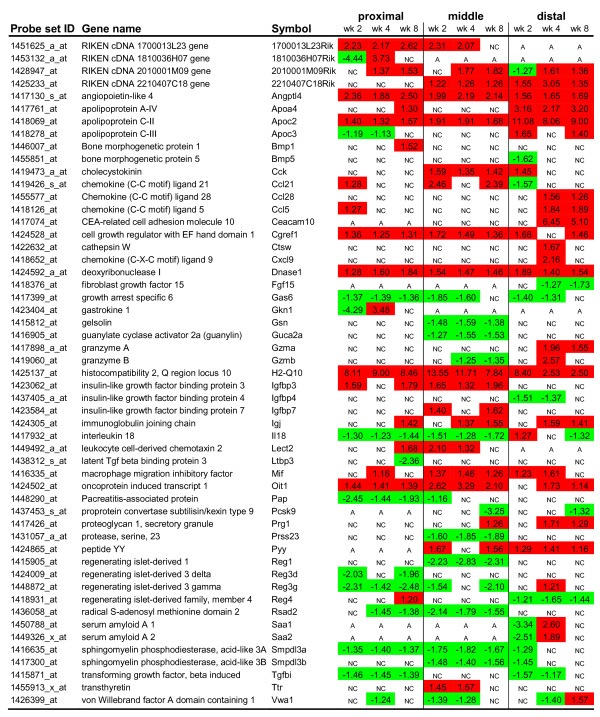
“An up-regulation of Angptl4, Igfbp3 and Mif and a down-regulation of Il18 were previously found to be associated with the onset of dietary fat-induced insulin resistance((20)).”
InfluentialSelf-citationObesity-induced chronic low grade inflammation: Gastrointestinal and adipose tissue crosstalk
Magnuson, A. M., Fouts, J. K., Booth, A. D., & Foster, M. T. (2015) · Integrative Obesity and Diabetes · doi:10.15761/iod.1000124 · Cited by 11
“Traditionally, inflammation originating from adipose tissue was thought to be the fundamental initiator of the metabolic disease associated with obesity, but emerging evidence suggests the intestines contributes greatly to the development of metabolic disease [69].”
Smolders, L., Mensink, R. P., Boekschoten, M. V., de Ridder, R. J. J., & Plat, J. (2018) · Scientific Reports · doi:10.1038/s41598-018-20068-y · Cited by 11
Ren, T., Yang, Y., Lin, W., Li, W., Xian, M., Fu, R., Zhang, Z., Mo, G., Luo, W., & Zhang, X. (2020) · BMC Genetics · doi:10.1186/s12863-020-00900-z · Cited by 11
“Page 6/17 evidence suggests that the small intestine is mainly responsible for the e cient absorption and metabolic processing of nutrients, and the small intestinal villi are the main sites for absorbing nutrients [27].”
Muto, H., Honda, T., Tanaka, T., Yokoyama, S., Yamamoto, K., Ito, T., Imai, N., Ishizu, Y., Maeda, K., Ishikawa, T., et al. (2023) · Nutrients · doi:10.3390/nu15061473 · Cited by 11
Mazo, T., D’Annunzio, V., Zaobornyj, T., Pérez, V., Gómez, A., Berg, G. A., Barchuk, M., Ossani, G. P., Martinefski, M., Tripodi, V. P., et al. (2018) · Molecular and Cellular Biochemistry · doi:10.1007/s11010-018-3421-x · Cited by 10
Jako, P., Chonpathompikunlert, P., Malakul, W., & Tunsophon, S. (2024) · Journal of Functional Foods · doi:10.1016/j.jff.2024.106351 · Cited by 9
Nonlinear transcriptomic response to dietary fat intake in the small intestine of C57BL/6J mice
Nyima, T., Müller, M. M., Hooiveld, G. J. E. J., Morine, M. J., & Scotti, M. (2016) · BMC Genomics · doi:10.1186/s12864-016-2424-9 · Cited by 9
Self-citationde Wit, N. J. W., Hulst, M., Govers, C., van der Meulen, J., van Hoef, A. M. A., Stoopen, G. M., Hamers, A. R. M., Hoekman, A. J. W., de Vos, R. C. H., Bovee, T. F. H., et al. (2016) · PLoS ONE · doi:10.1371/journal.pone.0160719 · Cited by 9
“Transcriptomics analysis has been demonstrated to be a valuable method for detecting modes of action [2,3,4].”
Vangay, P., Ward, T., Lucas, S. K., Beura, L. K., Sabas, D., Abramson, M., Till, L. M., Hoops, S., Kashyap, P., Hunter, R. C., et al. (2023) · Gut Microbes · doi:10.1080/19490976.2023.2266627 · Cited by 9
“High-fat diets have been shown to induce changes in villi morphology, primarily showing increased length for higher absorption of fats 18,19 , but limited changes in crypt depth 20 .”
Martines, A.-C. M. F., Gerding, A., Stolle, S., Vieira‐Lara, M. A., Wolters, J. C., Jurdzinski, A., Bongiovanni, L., de Bruin, A., van der Vlies, P., van der Vries, G. B., et al. (2019) · Scientific Reports · doi:10.1038/s41598-019-50758-0 · Cited by 8
Machado, A., Oliveira, J. R., Lelis, D. D. F., Guimarães, V. H. D., de Paula, A. M. B., Guimarães, A. L. S., Brandi, I. V., de Carvalho, B. M. A., da Costa, D. V., Vieira, C. R., et al. (2021) · Protein and Peptide Letters · doi:10.2174/0929866528666210816115645 · Cited by 8
Stenblom, E.-L., Egecioglu, E., Montelius, C., Ramachandran, D., Bonn, B., Weström, B. R., Mansouri, A., Langhans, W., & Erlanson‐Albertsson, C. (2016) · American Journal of Physiology-Regulatory, Integrative and Comparative Physiology · doi:10.1152/ajpregu.00212.2016 · Cited by 7
“have shown that when animals are fed a HFD, fatty acid oxidation and ketogenesis are induced (7, 20, 23, 40).”
Wang, Z., & Bao, Z. (2018) · Tropical Journal of Pharmaceutical Research · doi:10.4314/tjpr.v16i11.12 · Cited by 6
“High fat diet (HFD) is reported to induce lowgrade intestinal inflammation and dysbiosis of gut microbiota [7,8].”
Effect of Treatment With Msg on Growth, Satiety and Epididymal Adiposity in Neonatal Rats
Lemos, L. C. (2013) · Journal of Applied Pharmaceutical Science · doi:10.7324/japs.2013.30105 · Cited by 5
Zhou, X., Chen, J., Wu, W.-C., Wang, X., & Wang, Y. (2015) · British Journal Of Nutrition · doi:10.1017/s0007114515002391 · Cited by 4
Nonogaki, K., & Kaji, T. (2023) · Frontiers in Endocrinology · doi:10.3389/fendo.2023.1080790 · Cited by 4
“Feeding on a high-fat diet increases hepatic FGF21 expression and plasma FGF21 and 5-HT levels in mice (11, 12), whereas it likely decreases intestinal FGF15/19 expression (13).”
Human adaptation response to obesity
Jahanbani, A., Rezazadeh, D., Sajadi, E., Hosseini, M. H., Ketabchi, D., & Roozbahani, N. E. (2025) · International Journal of Obesity · doi:10.1038/s41366-025-01791-9 · Cited by 4
The AT1 Receptor Blocker Telmisartan Reduces Intestinal Mucus Thickness in Obese Mice
Nickel, L., Sünderhauf, A., Rawish, E., Stölting, I., Derer, S., Thorns, C., Matschl, U., Othman, A., Sina, C., & Raasch, W. (2022) · Frontiers in Pharmacology · doi:10.3389/fphar.2022.815353 · Cited by 4
The Muddle of Models: What You Donʼt Know Can Hurt You
Robertson, D. G. (2008) · Chemical Research in Toxicology · doi:10.1021/tx800204g · Cited by 4
Metabolic Regulation of Nuclear Receptors
Lee, E. K., & Park, Y. J. (2008) · Journal of Korean Endocrine Society · doi:10.3803/jkes.2008.23.3.155 · Cited by 4
“FXR을 통해 SHP의 발현이 증가할 때 SREBP-1c의 발현 이 억제되면서 중성지방과 간 내 콜레스테롤, 산화스테롤이 저하된다.”
InfluentialCafestol: a multi-faced compound kinetics and metabolic effects of cafestol in mice
van Cruchten, S. T. J. (2010) · doi:10.18174/135163 · Cited by 4
Pavlovic, Z. (2014) · The Atrium (University of Guelph) · Cited by 4
Campos, I. X., Mishima, M. D. V., Milagro, F. I., & Pelúzio, M. D. C. G. (2025) · Nutrients · doi:10.3390/nu17233806 · Cited by 3
“Our results contrast with those of de Wit et al., 2008 [31] and Li et al., 2020 [32], who did not find differences in the weight of C57BL/6 mice fed a high-fat diet (53% of fat) compared to controls.”
Khanal, P., Axel, A. M. D., Safayi, S., Elbrønd, V. S., & Nielsen, M. O. (2020) · Physiological Reports · doi:10.14814/phy2.14498 · Cited by 3
“High-fat diets in both rats (de Wit et al., 2008) and our study with lambs were associated with a massive longitudinal growth of the SI.”
Ho‐Plagaro, A., Rodriguez, C., Santiago‐Fernández, C., Gomez, C. L., García‐Serrano, S., Martín‐Reyes, F., Rodríguez‐Pacheco, F., Rodríguez‐Cañete, A., Alcaín‐Martínez, G., Pedreño, L. V., et al. (2022) · Biomedicines · doi:10.3390/biomedicines10051024 · Cited by 3
Obesity, Intestinal Inflammation, and Antioxidant Bioavailability
Campbell, S. C. (2012) · Journal of Nutrition & Food Sciences · doi:10.4172/2155-9600.1000e102 · Cited by 3
Bally, P. (2015) · theses.fr (ABES) · doi:10.70675/bf447e7czf5dcz467bz88d6z8edaad84e76a · Cited by 4
Jeon, H., Lee, S., Kim, Y., Kim, Y., Shin, S., Lee, Y., Kim, M., Ko, E., Lee, E. J., Song, B. M., et al. (2025) · npj Aging · doi:10.1038/s41514-025-00242-z · Cited by 2
Šalamun, V., Lovrečić, L., Maver, A., Peterlin, B., Frangež, H. B., Riemma, G., Laganà, A. S., Herman, R., Janež, A., Bokal, E. V., et al. (2025) · Gynecologic and Obstetric Investigation · doi:10.1159/000547513 · Cited by 2
Ganguly, S., Chattopadhyay, T., Kazi, R. S., Das, S., Malik, B., Uthpala, M. L., Iyer, P. S., Kashiv, M., Singh, A., Ghadge, A., et al. (2025) · The Journal of Nutritional Biochemistry · doi:10.1016/j.jnutbio.2025.109850 · Cited by 2
Dubey, G., Sharma, P., & Sharma, S. (2013) · Cited by 2
Moradi, S., Tavilani, H., Saidijam, M., Hashemnia, M., & Vaisi‐Raygani, A. (2021) · Mediterranean Journal of Nutrition and Metabolism · doi:10.3233/mnm-200467 · Cited by 2
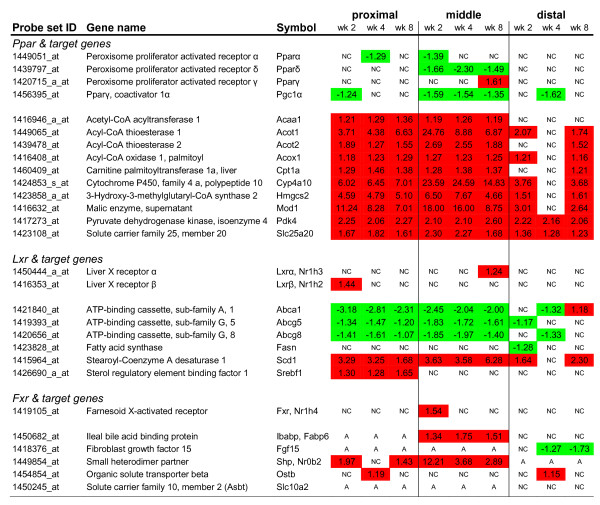
“The results are in agreement with the previous study which confirmed that cholesterol transporters ABC subfamily A1, -G5 and -G8 inintestineweredown-regulatedbyhigh-fatdiet[18].”
Unraveling the Proteomic Landscape of Intestinal Epithelial Cell-Derived Exosomes in Mice
Ding, Z., Zhang, C., Zhang, B., & Li, Q. (2022) · Frontiers in Physiology · doi:10.3389/fphys.2022.773671 · Cited by 2
Harvei, S. (2016) · NVA (Nasjonalt vitenarkiv) · Cited by 2
Intestinal antibody repertoire is altered by diabetes and varies depending on the pathogenesis
Chikazawa, M., & Minato, K. (2025) · Biochemistry and Biophysics Reports · doi:10.1016/j.bbrep.2025.101964 · Cited by 1
“In the small intestine of HFD-fed mice, the expression of inflammation-related genes is altered and a reduction in IgA-producing B cells occurs [15 – 17].”
Kang, J.-K., Lee, E. H., Yoon, B. H., Jeon, M., Chung, J.-W., Song, P. H., Kwon, T. G., Ha, Y., Chun, S. Y., Lee, S., et al. (2025) · International Journal of Molecular Sciences · doi:10.3390/ijms262110352 · Cited by 1
“Furthermore, HFD-induced obesity has been associated with increased apoptosis in various tissues, including the intestine [24,25].”
Rodrigue, A. F., Pereira, B. B., Freije, G., Sweet, A., Mahmoudian, L., Aly, M., Mahmoodianfard, S., Kishore, L., Audet, M., Minicucci, M. F., et al. (2026) · Nutrients · doi:10.3390/nu18030461 · Cited by 1
Systems Biology of Host–Food–Microbe Interactions in the Mammalian Gut
dos Santos, V. A. P. M., Müller, M. M., de Vos, W. M., Wells, J. M., PAS, M. F. W. T., Hooiveld, G. J. E. J., van Baarlen, P., Smits, M. A., & Keijer, J. (2011) · Wiley eBooks · doi:10.1002/9780470963012.ch5 · Cited by 1
Self-citationNutritionally Mediated Oxidative Stress
Tan, B. L., & Norhaizan, M. E. (2024) · SpringerBriefs in food, health and nutrition · doi:10.1007/978-3-031-75319-0_3 · Cited by 1
Mechanisms of hexosamine-induced cholesterol accumulation and therapeutic actions of chromium
Penque, B. A. (2014) · Purdue University Indianapolis (Indiana University) · doi:10.7912/c2/2001 · Cited by 1
Traynard, V. (2014) · theses.fr (ABES) · doi:10.70675/1e498fbaz3709z49c2z8d07z2ea8c6d9bc4b · Cited by 1
“…(Petit et al., 2007) Le régime HL induit la prolifération des cellules intestinales ((de Wit et al., 2008) ; (Petit et al., 2007)) Le régime HL induit l’expression des gènes impliqués dans la formation des CM (Petit et al., 2007 ; de Wit et al., 2008 ; Uchida et al., 201 ; Douglass et al., 2012).”
InfluentialGuo, X. (2013) · OakTrust (Texas A&M University Libraries) · Cited by 1
Carrillo, A. V., & Manuel, J. (2016) · Institutional Repository of the University of Granada (University of Granada) · Cited by 1
Intestinal nutrient sensing : a gut feeling for food
van der Wielen, N. (2016) · doi:10.18174/378269 · Cited by 1
Impact of White and Dark Red Kidney Beans on Intestinal and Metabolic Health in C57Bl/6 Male Mice
Rodrigue, A. F. (2019) · uO Research (University of Ottawa) · doi:10.20381/ruor-24172 · Cited by 1
Adaptation postprandiale du métabolisme intestinal des lipides : rôle du CD36 et du PPAR béta
Tran, T. T. T. (2011) · theses.fr (ABES) · doi:10.70675/d0362285zd283z4114z89afz757b71665cc1 · Cited by 1
Effet des acides gras alimentaires à chaîne longue sur la barrière épithéliale colique
Benoit, B. (2013) · theses.fr (ABES) · doi:10.70675/9e5dff8az9e5bz4c8cza51bz05db5013a28e · Cited by 1
Guerville, M. (2016) · theses.fr (ABES) · doi:10.70675/dc95025dz66b1z4a40z9611za43da4e34f3a · Cited by 1
The role of the farnesoid X receptor in metabolic control
Stroeve, J. H. M. (2011) · University of Groningen research database (University of Groningen / Centre for Information Technology)
Functional characterization of Angptl4 protein
Lichtenstein, L. (2009) · doi:10.18174/13610
Ghosh, S. (2012) · OhioLink ETD Center (Ohio Library and Information Network)
Hepatic CEACAM1 protects against metabolic abnormalities associated with metabolic syndrome.
Bowman, T. A. (2010) · OhioLink ETD Center (Ohio Library and Information Network)
ACCUMULATION AND THERAPEUTIC ACTIONS OF CHROMIUM
Penque, B. A. (2013)
Bruckmüller, H. H. (2016) · MACAU: Open Access Repository of Kiel University
Diet-induced phenotypic plasticity during aging
Rusli, F. (2016) · doi:10.18174/387386
Takeuti, T. D., Terra, G. A., da Silva, A. A., & Crema, E. (2014)
Smolders (2017) · Research Publications (Maastricht University) · doi:10.26481/dis.20170706ls
Stinkens (2017) · Research Publications (Maastricht University) · doi:10.26481/dis.20171005rs
Robles-Sánchez, C. (2017) · Institutional Repository of the University of Granada (University of Granada)
Nutritional Factors Impacting Intestinal Lipid Metabolism Using a Model of Low Birth Weight Swine
Fontaine, M. A. (2018) · ERA: Education and Research Archive (University of Alberta) · doi:10.7939/r3dr2pq51
Worsch, S. (2018) · mediaTUM (Technical University of Munich)
Blokker, B. (2018) · UEA Digital Repository (University of East Anglia)
Wren, S. N. (2020) · UA Campus Repository (The University of Arizona)
The Role of the Intestinal Immune System in Diet-induced Obesity and Insulin Resistance
Luck, H. (2020) · TSpace (University of Toronto)
Papel de los RNAs no-codificantes de proteínas en el metabolismo lipídico intestinal
Zamorano, J. G. (2020) · Library Open Repository (Universidad Complutense Madrid)
The Effects of Chromium on Skeletal Muscle Membrane/Cytoskeletal Parameters and Insulin Sensitivity
Hoffman, N. J. (2012) · IUScholarWorks (Indiana University) · doi:10.7912/c2/1996
Rodrigues, L. (2021) · Digital Library of Theses and Dissertations (Universidade de São Paulo) · doi:10.11606/d.9.2021.tde-20122021-125650
Is the gut the key to obesity?
Verdam, F. J. (2012) · Research Publications (Maastricht University) · doi:10.26481/dis.20120601fv
Effect of High Fat Diet on Intestinal Gene Expression in Hamster
蔡, 佩. (2023) · Hans Journal of Food and Nutrition Science · doi:10.12677/hjfns.2023.123030
Marrades, M. E. F. (2017) · LA Referencia (Red Federada de Repositorios Institucionales de Publicaciones Científicas)
Gil‐Cardoso, K. (2018) · LA Referencia (Red Federada de Repositorios Institucionales de Publicaciones Científicas)
Nyima, T. (2016) · Unitn-eprints PhD (University of Trento) · doi:10.15168/11572_369201
Metadata
- Authors
- de Wit, N. J., Bosch-Vermeulen, H., de Groot, P. J., Hooiveld, G. J., Bromhaar, M. M. G., Jansen, J., Müller, M., & van der Meer, R.
- Affiliations
- TiFN (NL)
- Venue
- BMC Medical Genomics
- Published
- 2008-05-06
- Volume
- 1
- Issue
- 1
- Pages
- 14-14
- ISSN
- 1755-8794 (ISSN-L)
- PMC
- PMC2396659
- OpenAlex
- W2153535399
- Cited by
- 182
- References
- 53
- Citations by year
- 2026: 1 · 2025: 9 · 2024: 2 · 2023: 8 · 2022: 9 · 2021: 11 · 2020: 11 · 2019: 11 · 2018: 10 · 2017: 10 · 2016: 12 · 2015: 12 · 2014: 15 · 2013: 19 · 2012: 15
- FWCI
- 6.53
- Type
- journal article
- Language
- en
- Open access
- gold
- doi.org
- Licence
- Locations
- BMC Medical Genomics (publishedVersion, cc-by)
- PubMed Central (publishedVersion, cc-by)
- PubMed (publishedVersion)
- Socio-Environmental Systems Modeling (acceptedVersion)
- DOAJ (DOAJ: Directory of Open Access Journals) (submittedVersion, cc-by-sa)
- UEA Digital Repository (University of East Anglia) (submittedVersion)
- Data Archiving and Networked Services (DANS) (submittedVersion, other-oa)
- Funders
- Wageningen University and Research
- Topics
- Health Sciences › Medicine › Endocrinology, Diabetes and Metabolism › Diet, Metabolism, and Disease
- Life Sciences › Biochemistry, Genetics and Molecular Biology › Molecular Biology › Peroxisome Proliferator-Activated Receptors
- Health Sciences › Medicine › Endocrinology, Diabetes and Metabolism › Adipokines, Inflammation, and Metabolic Diseases
- Keywords
- small intestine, dietary fat, high-fat diet, obesity, insulin resistance, gene expression, lipid metabolism, nuclear receptors, peroxisome proliferator-activated receptors, liver X receptor, farnesoid X receptor, inflammation, cell cycle, oral glucose tolerance, metabolic syndrome, C57BL/6J mice
About these checks
Registry, retraction, Cites and statistics results are computed, not judged, with one exception: a printed reference that no index lists is read once by a model before it counts as a citation error. Claims are extracted by a model and kept only when their quote appears verbatim in the text; each cited source is then checked, with a model’s help, for whether it says what the claim relies on. Those verdicts can be wrong — read the claim’s quote and the cited source before relying on one.
Statistics and arithmetic are recomputed, not judged.
Confidence bands are shown only for fields calibrated on our annotated test set. None is calibrated yet, so no band is shown.
What counts as a claim ›How we measure confidence ›How we check this ›
Are you an author, or do you see a problem with this page? Request a review
Data sources
Bibliographic data: Semantic Scholar, OpenAlex, Crossref.
Contains information from the Semantic Scholar Academic Graph Datasets, made available under the ODC Attribution License (ODC-BY 1.0).
Semantic Scholar’s data is described in: Kinney, R., et al. (2023). The Semantic Scholar Open Data Platform. arXiv:2301.10140.
