

The role of the small intestine in the development of dietary fat-induced obesity and insulin resistance in C57BL/6J mice
Open accessThe DOI matches its Crossref record; 53 of the 53 references it cites were found in a registry or an index.
Abstract
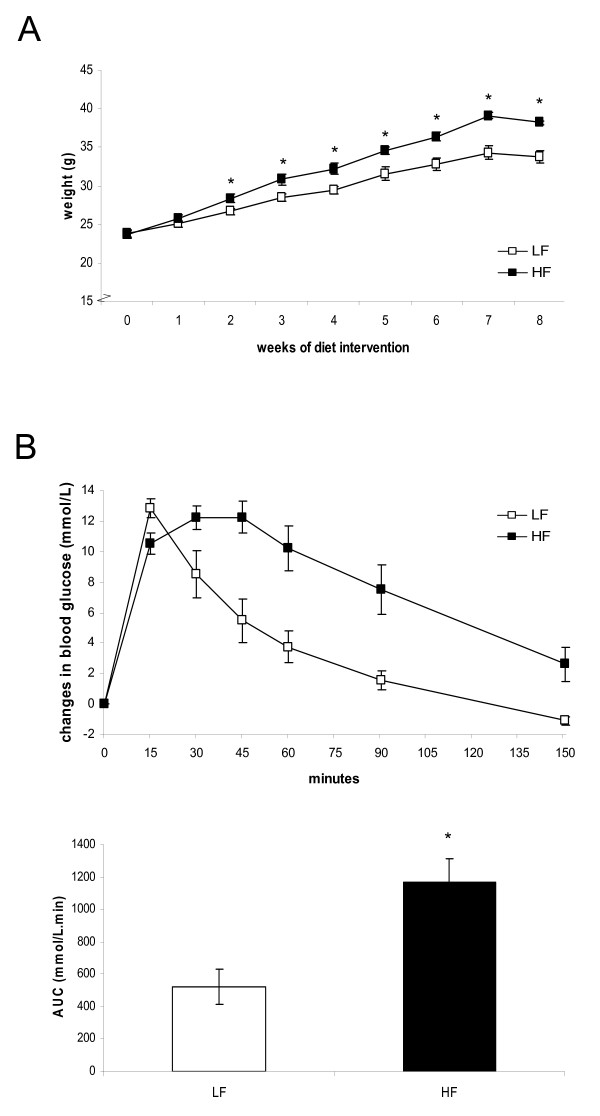
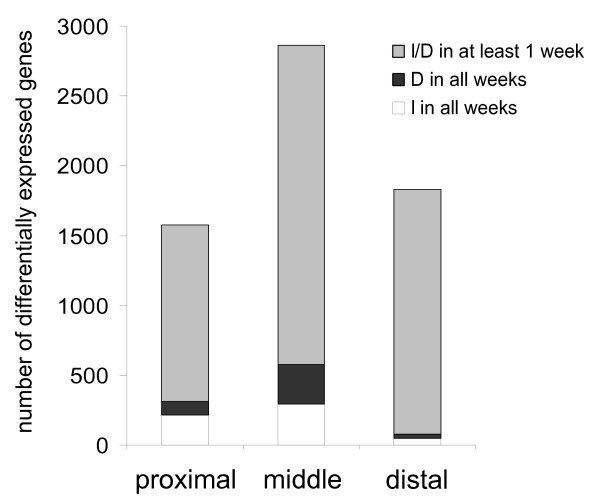
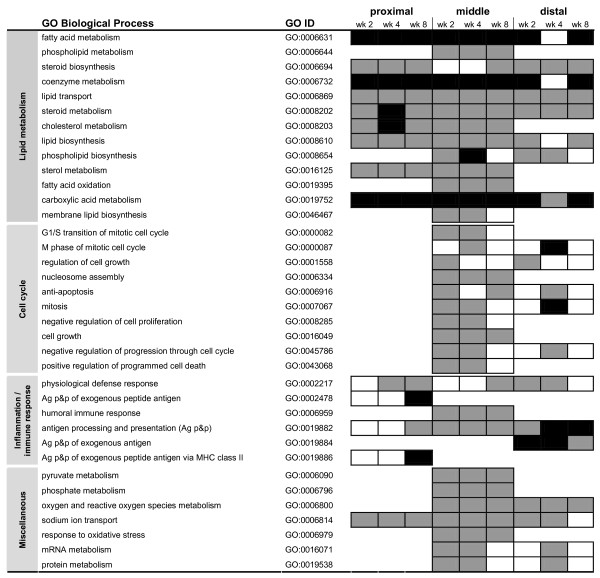
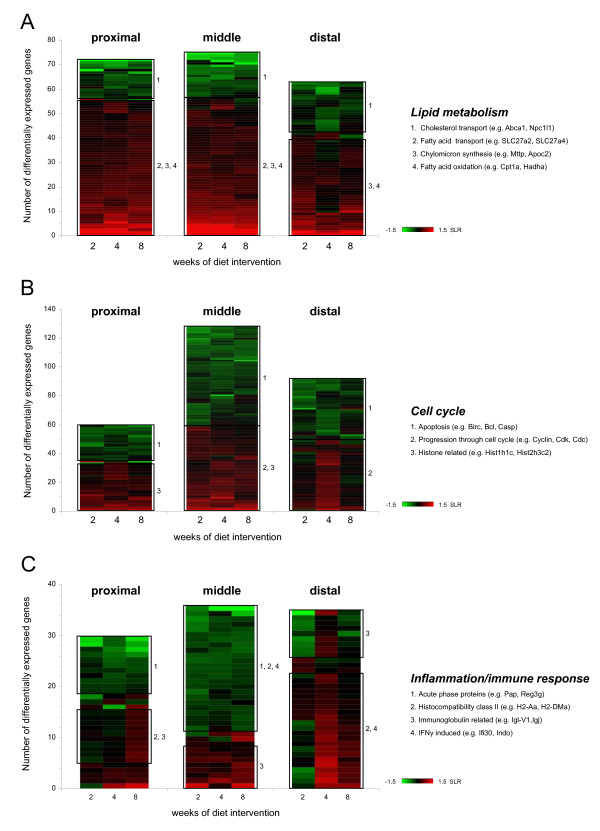
BACKGROUND: Obesity and insulin resistance are two major risk factors underlying the metabolic syndrome. The development of these metabolic disorders is frequently studied, but mainly in liver, skeletal muscle, and adipose tissue. To gain more insight in the role of the small intestine in development of obesity and insulin resistance, dietary fat-induced differential gene expression was determined along the longitudinal axis of small intestines of C57BL/6J mice. METHODS: Male C57BL/6J mice were fed a low-fat or a high-fat diet that mimicked the fatty acid composition of a Western-style human diet. After 2, 4 and 8 weeks of diet intervention small intestines were isolated and divided in three equal parts. Differential gene expression was determined in mucosal scrapings using Mouse genome 430 2.0 arrays. RESULTS: The high-fat diet significantly increased body weight and decreased oral glucose tolerance, indicating insulin resistance. Microarray analysis showed that dietary fat had the most pronounced effect on differential gene expression in the middle part of the small intestine. By overrepresentation analysis we found that the most modulated biological processes on a high-fat diet were related to lipid metabolism, cell cycle and inflammation. Our results further indicated that the nuclear receptors Ppars, Lxrs and Fxr play an important regulatory role in the response of the small intestine to the high-fat diet. Next to these more local dietary fat effects, a secretome analysis revealed differential gene expression of secreted proteins, such as Il18, Fgf15, Mif, Igfbp3 and Angptl4. Finally, we linked the fat-induced molecular changes in the small intestine to development of obesity and insulin resistance. CONCLUSION: During dietary fat-induced development of obesity and insulin resistance, we found substantial changes in gene expression in the small intestine, indicating modulations of biological processes, especially related to lipid metabolism. Moreover, we found differential expression of potential signaling molecules that can provoke systemic effects in peripheral organs by influencing their metabolic homeostasis. Many of these fat-modulated genes could be linked to obesity and/or insulin resistance. Together, our data provided various leads for a causal role of the small intestine in the etiology of obesity and/or insulin resistance.
Overview
The claims and statistics of this paper haven’t been checked yet.
Free: it reads the open-access text and checks the first 5 claims that cite a source we can check. Create a free account to check every claim.
Integrity signals
Registry
Cites
Statistics
Figures
Verification
Claims the paper makes
The claims and statistics of this paper haven’t been checked yet.
Free: it reads the open-access text and checks the first 5 claims that cite a source we can check. Create a free account to check every claim.
Claims other papers make about this one
Each is checked against this paper’s own text: does it say what the citing paper says it does?
In the citing paper
“Consistent with these findings, tempol increases the intestinal concentration of multiple taurine-conjugated bile acids, including tauro-β-muricholic acid (T-β-MCA). T-β-MCA is an antagonist of the farnesoid X receptor (FXR), a master regulator of lipid, glucose, and bile acid metabolism85, 87, 88.”
From The microbial pharmacists within us: a metagenomic view of xenobiotic metabolism (2016) · cites this paper as [87]
Self-check
Percentages, sums and reported differences re-computed from the paper’s own numbers.
The self-check needs the paper’s full text.
Citations
Cites
Primer3 on the WWW for General Users and for Biologist Programmers
Rozen, S., & Skaletsky, H. (2003) · Bioinformatics Methods and Protocols · doi:10.1385/1-59259-192-2:365 · Cited by 15,013 · cited 1×
“Primer sequences (see Additional file 3) were retrieved from the online PrimerBank database [17], or otherwise designed using the Primer3 program [18].”
An obesity-associated gut microbiome with increased capacity for energy harvest
Turnbaugh, P. J., Ley, R. E., Mahowald, M. A., Magrini, V., Mardis, E. R., & Gordon, J. I. (2006) · Nature · doi:10.1038/nature05414 · Cited by 12,444 · cited 1×
“Small intestinal factors that are previously reported to contribute to development of metabolic syndrome are gut hormones affecting satiety and glucose homeostasis [12,13], diminished fatty acid oxidative capacity of enterocytes [5] and gut microbiota-mediated modulations [6,14].”
Inflammation and metabolic disorders
Hotamisligil, G. S. (2006) · Nature · doi:10.1038/nature05485 · Cited by 9,199 · cited 1×
“In liver, muscle and adipose tissue, chronic inflammation is also considered to be a key player in the development of metabolic disorders [26].”
Obesity and insulin resistance
Kahn, B. B., & Flier, J. S. (2000) · Journal of Clinical Investigation · doi:10.1172/jci10842 · Cited by 3,225
Identification of a nuclear receptor for bile acids
Makishima, M., Okamoto, A. Y., Repa, J. J., Tu, H., Learned, R. M., Luk, A., Hull, M. V., Lustig, K. D., Mangelsdorf, D. J., & Shan, B. (1999) · Science · doi:10.1126/science.284.5418.1362 · Cited by 2,714 · cited 1×
“This receptor is activated by bile acids [22], which are supposed to be elevated in the small intestinal lumen after feeding a high-fat diet to facilitate digestion.”
Mechanisms underlying the resistance to diet-induced obesity in germ-free mice
Bäckhed, F., Manchester, J. K., Semenkovich, C. F., & Gordon, J. I. (2007) · Proceedings of the National Academy of Sciences · doi:10.1073/pnas.0605374104 · Cited by 2,615 · cited 4×
“The association between development of these disorders and excessive intake of dietary fat is frequently studied, especially in obesityprone C57BL/6J mice [ 4-8 ].”
InfluentialPPARγ Mediates High-Fat Diet–Induced Adipocyte Hypertrophy and Insulin Resistance
Kubota, N., Terauchi, Y., Miki, H., Tamemoto, H., Yamauchi, T., Komeda, K., Satoh, S., Nakano, R., Ishii, C., Sugiyama, T., et al. (1999) · Molecular Cell · doi:10.1016/s1097-2765(00)80210-5 · Cited by 1,342 · cited 1×
“Peroxisome proliferator activated receptor γ (Pparγ) -/+ mice; IR ▼ Agonists (TZDs) used as anti-diabetic agents [49, 50] minimal regulation”
Gastrointestinal regulation of food intake
Cummings, D. E., & Overduin, J. (2007) · Journal of Clinical Investigation · doi:10.1172/jci30227 · Cited by 1,216 · cited 2×
“Fibroblast growth factor 15 (Fgf15) Injection of Fgf15; glucose tolerance [41] ↓ D Glucagon-like peptide-1 (Glp1) High plasma levels; IR [12, 13] ↑ (slightly) M Gastric inhibitory polypeptide (Gip) High plasma levels; IR [13] ↑ (slightly) D Insulin-like growth factor binding protein 3 (Igfbp3) Tg mice; IR [42] ↑ P, M”
Vega, R. B., Huss, J. M., & Kelly, D. P. (2000) · Molecular and Cellular Biology · doi:10.1128/mcb.20.5.1868-1876.2000 · Cited by 1,195 · cited 1×
“Interestingly, the decreased expression of Pgc1α that we found in our study might point in the direction of a suboptimal activation of Pparα, as it is known that Pgc1α can cooperatively induce the expression of Pparα target genes and increase cellular fatty acid oxidation rates [30].”
Winzell, M. S., & Ahrén, B. (2004) · Diabetes · doi:10.2337/diabetes.53.suppl_3.s215 · Cited by 1,026 · cited 1×
“The association between development of these disorders and excessive intake of dietary fat is frequently studied, especially in obesityprone C57BL/6J mice [4-8].”
Leone, T. C., Lehman, J. J., Finck, B. N., Schaeffer, P. J., Wende, A. R., Boudina, S., Courtois, M., Wozniak, D. F., Sambandam, N., Bernal-Mizrachi, C., et al. (2005) · PLoS Biology · doi:10.1371/journal.pbio.0030101 · Cited by 951
Transcriptional Regulation of Metabolism
Desvergne, B., Michalik, L., & Wahli, W. (2006) · Physiological Reviews · doi:10.1152/physrev.00025.2005 · Cited by 892 · cited 1×
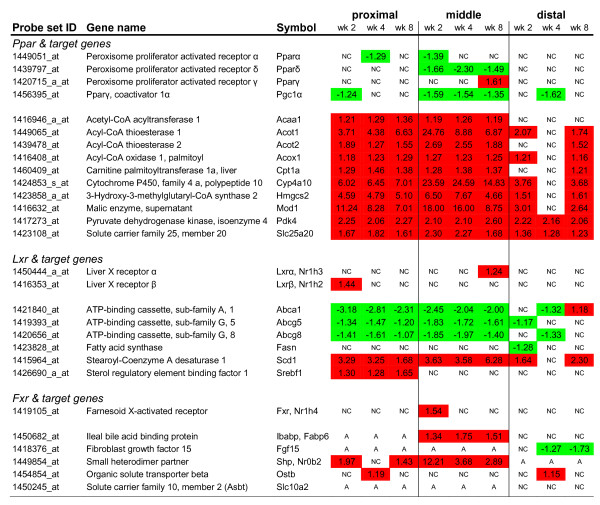
“Differential gene expression of nuclear receptors and their target genes in the small intestine after feeding a high-fat diet Nutritional modulation of metabolic pathways is frequently mediated by nuclear receptors that act as ligandactivated transcription factors [21].”
A PCR primer bank for quantitative gene expression analysis
Wang, X. (2003) · Nucleic Acids Research · doi:10.1093/nar/gng154 · Cited by 859 · cited 1×
“Primer sequences (see Additional file 3) were retrieved from the online Primer-Bank database [ 17 ], or otherwise designed using the Primer3 program [18].”
Metabolic Syndrome: A Clinical and Molecular Perspective
Moller, D. E., & Kaufman, K. D. (2005) · Annual Review of Medicine · doi:10.1146/annurev.med.56.082103.104751 · Cited by 631 · cited 1×
“Background Metabolic syndrome is a multi-component condition associated with a high risk of type 2 diabetes mellitus and cardiovascular disease [1].”
Sparks, L. M., Xie, H., Koza, R. A., Mynatt, R., Hulver, M. W., Bray, G. A., & Smith, S. R. (2005) · Diabetes · doi:10.2337/diabetes.54.7.1926 · Cited by 629 · cited 1×
“Most of these studies focused on the physiology and underlying molecular mechanisms in liver, skeletal muscle and adipose tissue, as these organs are target organs of insulin-modulated metabolism [9-11].”
Hyperlipidemic Effects of Dietary Saturated Fats Mediated through PGC-1β Coactivation of SREBP
Lin, J., Yang, R., Tarr, P. T., Wu, P.-H., Handschin, C., Li, S., Yang, W., Pei, L., Uldry, M., Tontonoz, P., et al. (2005) · Cell · doi:10.1016/j.cell.2004.11.043 · Cited by 625 · cited 1×
“The association between development of these disorders and excessive intake of dietary fat is frequently studied, especially in obesity-prone C57BL/6J mice [4-8].”
The role of gut hormones in glucose homeostasis
Drucker, D. J. (2007) · Journal of Clinical Investigation · doi:10.1172/jci30076 · Cited by 614 · cited 2×
“Fibroblast growth factor 15 (Fgf15) Injection of Fgf15; glucose tolerance [41] ↓ D Glucagon-like peptide-1 (Glp1) High plasma levels; IR [12, 13] ↑ (slightly) M Gastric inhibitory polypeptide (Gip) High plasma levels; IR [13] ↑ (slightly) D Insulin-like growth factor binding protein 3 (Igfbp3) Tg mice; IR [42] ↑ P, M”
Fu, L., John, L. M., Adams, S. H., Yu, X. X., Tomlinson, E., Renz, M., Williams, P. M., Soriano, R., Corpuz, R., Moffat, B., et al. (2004) · Endocrinology · doi:10.1210/en.2003-1671 · Cited by 579 · cited 2×
“Fibroblast growth factor 15 (Fgf15) Injection of Fgf15; glucose tolerance ▲ [ 41 ] ↓ D Glucagon-like peptide-1 (Glp1) High plasma levels; IR ▼ [12, 13] ↑ (slightly) M Gastric inhibitory polypeptide (Gip) High plasma levels; IR ▼ [13] ↑ (slightly) D Insulin-like growth factor binding protein 3 (Igfbp3) Tg mice; IR ▲ [4…”
The Farnesoid X Receptor Modulates Adiposity and Peripheral Insulin Sensitivity in Mice
Cariou, B., van Harmelen, K., Duran-Sandoval, D., van Dijk, T. H., Grefhorst, A., Abdelkarim, M., Caron, S., Torpier, G., Fruchart, J.-C., Gonzalez, F. J., et al. (2006) · Journal of Biological Chemistry · doi:10.1074/jbc.m510258200 · Cited by 552 · cited 1×
“Farnesoid X-activated receptor (Fxr, Nr1h4) -/- mice; IR [46, 47] minimal regulation, but target genes: ↑ P, M; ↓ D Liver X receptor (LXRα/β, Nr1h2/3) -/- mice; obesity & IR [48] minimal regulation, but target genes: cholesterol metabolism ↓ P, M, D fatty acid metabolism ↑ P, M Peroxisome proliferator activated recept…”
PPARδ regulates glucose metabolism and insulin sensitivity
Lee, C.-H., Olson, P., Hevener, A., Mehl, I., Chong, L.-W., Olefsky, J. M., Gonzalez, F. J., Ham, J., Kang, H., Peters, J. M., et al. (2006) · Proceedings of the National Academy of Sciences · doi:10.1073/pnas.0511253103 · Cited by 497 · cited 1×
“The continuous down-regulation of Pparδ in the middle part of the small intestine might also be related to development of insulin resistance, as Pparδ null mice become more glucose intolerant on a high-fat diet [ 32 ].”
Koves, T. R., Li, P., An, J., Akimoto, T., Slentz, D., Ilkayeva, O., Dohm, G. L., Yan, Z., Newgard, C. B., & Muoio, D. M. (2005) · Journal of Biological Chemistry · doi:10.1074/jbc.m507621200 · Cited by 464 · cited 1×
“Moreover, a decreased expression of Pgc1α was previously already linked to an inefficient fatty acid oxidation [27].”
Mandard, S., Zandbergen, F., van Straten, E., Wahli, W., Kuipers, F., Müller, M., & Kersten, S. (2006) · Journal of Biological Chemistry · doi:10.1074/jbc.m506519200 · Cited by 433 · cited 1×
“Interestingly, however, studies of Mandard et al. showed that elevated levels of Angptl4 in blood are related to glucose intolerance [ 43 ].”
Self-citationDeficiency of interleukin-18 in mice leads to hyperphagia, obesity and insulin resistance
Netea, M. G., Joosten, L. A. B., Lewis, E., Jensen, D. R., Voshol, P. J., Kullberg, B. J., Tack, C. J., van Krieken, H., Kim, S.-H., Stalenhoef, A. F., et al. (2006) · Nature Medicine · doi:10.1038/nm1415 · Cited by 424 · cited 2×
“Interleukin 18 (Il18) -/- mice; obesity & IR [37] ↓ P, M Macrophage migration inhibitory factor (Mif) High plasma levels; obesity & IR [39] ↑ M, D”
Brunham, L. R., Kruit, J. K., Pape, T. D., Timmins, J. M., Reuwer, A. Q., Vasanji, Z., Marsh, B. J., Rodrigues, B., Johnson, J. D., Parks, J. S., et al. (2007) · Nature Medicine · doi:10.1038/nm1546 · Cited by 414 · cited 1×
“Nuclear receptors & target genes ATP-binding cassette, sub-family A, 1 (Abca1) -/- mice; IR ▲ [45] ↓ P, M, D”
Improved insulin-sensitivity in mice heterozygous for PPAR-γ deficiency
Miles, P. D. G., Barak, Y., He, W., Evans, R. M., & Olefsky, J. M. (2000) · Journal of Clinical Investigation · doi:10.1172/jci8538 · Cited by 400 · cited 1×
“receptor γ (Pparγ) -/+ mice; IR ▼ Agonists (TZDs) used as anti-diabetic agents [49, 50 ] minimal regulation”
Jiang, T., Wang, Z., Proctor, G., Moskowitz, S., Liebman, S. E., Rogers, T., Lucia, M. S., Li, J., & Levi, M. (2005) · Journal of Biological Chemistry · doi:10.1074/jbc.m500801200 · Cited by 387 · cited 2×
“Pparγ, coactivator 1α (Pgc1α) -/- mice; obesity ▲, IR ▼ [51] ↓ M Stearoyl-Coenzyme A desaturase 1 (Scd1) -/- mice; obesity & IR ▼ [33, 34] ↑ P, M, D Sterol regulatory element binding factor 1 (Srebf1) -/- mice; obesity ▼ [ 35 ] ↑ P”
Patsouris, D., Reddy, J. K., Müller, M., & Kersten, S. (2006) · Endocrinology · doi:10.1210/en.2005-1132 · Cited by 340
Self-citationLXRs regulate the balance between fat storage and oxidation
Kalaany, N. Y., Gauthier, K. C., Zavacki, A. M., Mammen, P. P. A., Kitazume, T., Peterson, J. A., Horton, J. D., Garry, D. J., Bianco, A. C., & Mangelsdorf, D. J. (2005) · Cell Metabolism · doi:10.1016/j.cmet.2005.03.001 · Cited by 304 · cited 1×
“Farnesoid X-activated receptor (Fxr, Nr1h4) -/- mice; IR [46, 47] minimal regulation, but target genes: ↑ P, M; ↓ D Liver X receptor (LXRα/β, Nr1h2/3) -/- mice; obesity & IR [48] minimal regulation, but target genes: cholesterol metabolism ↓ P, M, D fatty acid metabolism ↑ P, M Peroxisome proliferator activated recept…”
Gutierrez-Juarez, R. (2006) · Journal of Clinical Investigation · doi:10.1172/jci26991 · Cited by 296 · cited 2×
“Abca1 null mice become more glucose intolerant, whereas Scd1 and Srebp1c null mice are protected against these diet-induced metabolic disorders [33-35].”
ErmineJ: Tool for functional analysis of gene expression data sets
Lee, H. K., Braynen, W., Keshav, K., & Pavlidis, P. (2005) · BMC Bioinformatics · doi:10.1186/1471-2105-6-269 · Cited by 278 · cited 2×
“To determine overrepresentation of Gene Ontology (GO) Biological Process subsets upon high-fat diet intervention, an ErmineJ overrepresentation analysis (ORA) was performed [16].”
The Use of Chromic Oxide as an Index for Determining the Digestibility of a Diet Two Figures
Schürch, A. F., Lloyd, L. E., & Crampton, E. W. (1950) · The Journal of Nutrition · doi:10.1093/jn/41.4.629 · Cited by 251 · cited 1×
“At the end of this week feces was quantitatively collected during 48 hours and fecal chromic oxide levels were determined as previously described [15].”
Nutritional influences on lipogenesis and thermogenesis after a carbohydrate meal
Acheson, K. J., Schutz, Y., Bessard, T., Ravussin, E., Jequier, E., & Flatt, J. P. (1984) · American Journal of Physiology-Endocrinology and Metabolism · doi:10.1152/ajpendo.1984.246.1.e62 · Cited by 250 · cited 1×
“This process occurs in liver and adipose tissue of rodents [24], but is thought to be of minor importance in humans on a Western-style diet [25].”
PPAR-α–Null Mice Are Protected From High-Fat Diet–Induced Insulin Resistance
Guerre-Millo, M., Rouault, C., Poulain, P., André, J., Poitout, V., Peters, J. M., Gonzalez, F. J., Fruchart, J.-C., Reach, G., & Staels, B. (2001) · Diabetes · doi:10.2337/diabetes.50.12.2809 · Cited by 241 · cited 2×
“receptor α (Pparα) -/- mice; obesity ▲, IR ▼ [ 28 , 29] minimal regulation, but target genes: ↑ P, M, D”
Rahman, S. M., Dobrzyn, A., Dobrzyn, P., Lee, S.-H., Miyazaki, M., & Ntambi, J. M. (2003) · Proceedings of the National Academy of Sciences · doi:10.1073/pnas.1934571100 · Cited by 183 · cited 1×
“Abca1 null mice become more glucose intolerant, whereas Scd1 and Srebp1c null mice are protected against these diet-induced metabolic disorders [29-31].”
The metabolic syndrome: the crossroads of diet and genetics
Roche, H. M., Phillips, C., & Gibney, M. J. (2005) · Proceedings of the Nutrition Society · doi:10.1079/pns2005445 · Cited by 175 · cited 1×
“The association between development of these disorders and excessive intake of dietary fat is frequently studied, especially in obesityprone C57BL/6J mice [4-8].”
Desai, U., Lee, E.-C., Chung, K., Gao, C., Gay, J., Key, B., Hansen, G., Machajewski, D., Platt, K. A., Sands, A. T., et al. (2007) · Proceedings of the National Academy of Sciences · doi:10.1073/pnas.0705041104 · Cited by 175 · cited 1×
“indicates that Angptl4 plays an important role in the small intestine [44].”
Interleukin-18 controls energy homeostasis by suppressing appetite and feed efficiency
Zorrilla, E. P., Sanchez-Alavez, M., Sugama, S., Brennan, M., Fernandez, R., Bartfai, T., & Conti, B. (2007) · Proceedings of the National Academy of Sciences · doi:10.1073/pnas.0611523104 · Cited by 169 · cited 1×
“A recent study showed that mice lacking the inflammatory cytokine interleukin 18 (Il18) have markedly increased body weight and are insulin resistant [37,38].”
Association of Systemic Chemokine Concentrations With Impaired Glucose Tolerance and Type 2 Diabetes
Herder, C., Haastert, B., Müller-Scholze, S., Koenig, W., Thorand, B., Holle, R., Wichmann, H.-E., Scherbaum, W. A., Martin, S., & Kolb, H. (2005) · Diabetes · doi:10.2337/diabetes.54.suppl_2.s11 · Cited by 158
Wang, L., Liu, J., Saha, P. K., Huang, J., Chan, L., Spiegelman, B. M., & Moore, D. D. (2005) · Cell Metabolism · doi:10.1016/j.cmet.2005.08.010 · Cited by 154
Genome-wide analysis of PPARα activation in murine small intestine
Bünger, M., van den Bosch, H. M., van der Meijde, J., Kersten, S., Hooiveld, G. J. E. J., & Müller, M. (2007) · Physiological Genomics · doi:10.1152/physiolgenomics.00198.2006 · Cited by 144 · cited 1×
“the differential expression of Pparα target genes as identified in Pparα null mice [23] (Figure 7).”
Self-citationEpidemiology and treatment of the metabolic syndrome
Laaksonen, D., Niskanen, L., Lakka, H., Lakka, T., & Uusitupa, M. (2004) · Annals of Medicine · doi:10.1080/07853890410031849 · Cited by 119 · cited 1×
“In industrialized societies, approximately 20–40% of the population is affected by the metabolic syndrome and its incidence is expected to rise even further in the next decades [2].”
Kondo, H., Minegishi, Y., Komine, Y., Mori, T., Matsumoto, I., Abe, K., Tokimitsu, I., Hase, T., & Murase, T. (2006) · American Journal of Physiology-Endocrinology and Metabolism · doi:10.1152/ajpendo.00583.2005 · Cited by 99 · cited 3×
“The association between development of these disorders and excessive intake of dietary fat is frequently studied, especially in obesityprone C57BL/6J mice [4-8].”
Impaired glucose homeostasis in insulin-like growth factor binding protein-1 transgenic mice
Rajkumar, K., Krsek, M., Dheen, S. T., & Murphy, L. J. (1996) · Journal of Clinical Investigation · doi:10.1172/jci118982 · Cited by 97
Rhee, S. J., Walker, W. A., & Cherayil, B. J. (2005) · The Journal of Immunology · doi:10.4049/jimmunol.175.2.1127 · Cited by 96 · cited 1×
“Remarkably, many of these down-regulated genes are known to be interferon gamma (IFNγ)-inducible genes [15, 16].”
Impaired glucose homeostasis in insulin-like growth factor-binding protein-3-transgenic mice
Silha, J. V., Gui, Y., & Murphy, L. J. (2002) · American Journal of Physiology-Endocrinology and Metabolism · doi:10.1152/ajpendo.00014.2002 · Cited by 96 · cited 2×
“Furthermore, Fgf15 expression is thought to be inversely associated with development of insulin resistance [41], whereas a positive correlation is reported for expression of insulin-like growth factor binding protein 3 (Igfbp3) [42].”
Herder, C., Kolb, H., Koenig, W., Haastert, B., Müller-Scholze, S., Rathmann, W., Holle, R., Thorand, B., & Wichmann, H.-E. (2006) · Diabetes Care · doi:10.2337/diacare.29.02.06.dc05-1474 · Cited by 95 · cited 1×
“This increased expression might contribute to elevated plasma levels of Mif that are previously related to obesity and insulin resistance [39,40].”
Jansen, G., Hutchon, C., & Zanetti, M. (1966) · Biochemical Journal · doi:10.1042/bj0990323 · Cited by 88 · cited 1×
“This process occurs in liver and adipose tissue of rodents [24], but is thought to be of minor importance in humans on a Western-style diet [25].”
Nuclear receptors as drug targets in metabolic diseases: new approaches to therapy
Tobin, J. F., & Freedman, L. P. (2006) · Trends in Endocrinology and Metabolism · doi:10.1016/j.tem.2006.07.004 · Cited by 78 · cited 1×
“reviewed the role of Ppars, Lxrs and Fxr in diseases that are related to the metabolic syndrome [27].”
Regulation of gene expression in RAW 264.7 macrophage cell line by interferon-γ
Kota, R. S., Rutledge, J. C., Gohil, K., Kumar, A., Enelow, R. I., & Ramana, C. V. (2006) · Biochemical and Biophysical Research Communications · doi:10.1016/j.bbrc.2006.02.087 · Cited by 66 · cited 1×
“Remarkably, many of these down-regulated genes are known to be interferon gamma (IFNγ)-inducible genes [19,20].”
Campión, J., Milagro, F. I., Fernandez, D. S. N., & Martínez, J. A. (2006) · Journal of Physiology and Biochemistry · doi:10.1007/bf03174068 · Cited by 64 · cited 1×
“Most of these studies focused on the physiology and underlying molecular mechanisms in liver, skeletal muscle and adipose tissue, as these organs are target organs of insulin-modulated metabolism [9-11].”
Obesity, macrophage migration inhibitory factor, and weight loss
Church, T. S., Willis, M. S., Priest, E. L., LaMonte, M. J., Earnest, C. P., Wilkinson, W. J., Wilson, D. A., & Giroir, B. P. (2005) · International Journal of Obesity · doi:10.1038/sj.ijo.0802942 · Cited by 60 · cited 2×
“Interleukin 18 (Il18) -/- mice; obesity & IR [37] ↓ P, M Macrophage migration inhibitory factor (Mif) High plasma levels; obesity & IR [39] ↑ M, D”
Potential regulatory role of the farnesoid X receptor in the metabolic syndrome
Durán-Sandoval, D., Cariou, B., Fruchart, J., & Staels, B. (2004) · Biochimie · doi:10.1016/j.biochi.2004.11.018 · Cited by 43 · cited 1×
“Farnesoid X-activated receptor (Fxr, Nr1h4) -/- mice; IR [46, 47] minimal regulation, but target genes: ↑ P, M; ↓ D Liver X receptor (LXRα/β, Nr1h2/3) -/- mice; obesity & IR [48] minimal regulation, but target genes: cholesterol metabolism ↓ P, M, D fatty acid metabolism ↑ P, M Peroxisome proliferator activated recept…”
Kreeft, A. J., Moen, C. J. A., Porter, G., Kasanmoentalib, S., Shiri‐Sverdlov, R., van Gorp, P. J., Havekes, L. M., Frants, R. R., & Hofker, M. H. (2005) · Atherosclerosis · doi:10.1016/j.atherosclerosis.2005.01.049 · Cited by 34 · cited 1×
“Most of these studies focused on the physiology and underlying molecular mechanisms in liver, skeletal muscle and adipose tissue, as these organs are target organs of insulin-modulated metabolism [9-11].”
Cited by
FGF/FGFR signaling in health and disease
Xie, Y., Su, N., Yang, J., Tan, Q., Huang, S., Jin, M., Ni, Z., Zhang, B., Zhang, D., Luo, F., et al. (2020) · Signal Transduction and Targeted Therapy · doi:10.1038/s41392-020-00222-7 · Cited by 904
“The expression and production of FGF15/19 are regulated by many factors, such as BAs, nutrition, and so on.(537,538)”
The microbial pharmacists within us: a metagenomic view of xenobiotic metabolism
Spanogiannopoulos, P., Bess, E. N., Carmody, R. N., & Turnbaugh, P. J. (2016) · Nature Reviews Microbiology · doi:10.1038/nrmicro.2016.17 · Cited by 717
Li, F., Jiang, C., Krausz, K. W., Li, Y., Albert, I., Hao, H., Fabre, K. M., Mitchell, J. B., Patterson, A. D., & Gonzalez, F. J. (2013) · Nature Communications · doi:10.1038/ncomms3384 · Cited by 705
Gut-derived short-chain fatty acids are vividly assimilated into host carbohydrates and lipids
den Besten, G., Lange, K., Havinga, R., van Dijk, T. H., Gerding, A., van Eunen, K., Müller, M., Groen, A. K., Hooiveld, G. J., Bakker, B. M., et al. (2013) · American Journal of Physiology-Gastrointestinal and Liver Physiology · doi:10.1152/ajpgi.00265.2013 · Cited by 605
“Mice were fed a 82 semi-synthetic diet (based on D12450B (9), Research Diet Services, Wijk Bij Duurstede, The 83 Netherlands) for 6 weeks and had free access to drinking water.”
Self-citationRegulation of intestinal lipid metabolism: current concepts and relevance to disease
Ko, C.-W., Qu, J., Black, D. D., & Tso, P. (2020) · Nature Reviews Gastroenterology & Hepatology · doi:10.1038/s41575-019-0250-7 · Cited by 510
Metadata
- Authors
- de Wit, N. J., Bosch-Vermeulen, H., de Groot, P. J., Hooiveld, G. J., Bromhaar, M. M. G., Jansen, J., Müller, M., & van der Meer, R.
- Affiliations
- TiFN (NL)
- Venue
- BMC Medical Genomics
- Published
- 2008-05-06
- Volume
- 1
- Issue
- 1
- Pages
- 14-14
- ISSN
- 1755-8794 (ISSN-L)
- PMC
- PMC2396659
- OpenAlex
- W2153535399
- Cited by
- 182
- References
- 53
- Citations by year
- 2026: 1 · 2025: 9 · 2024: 2 · 2023: 8 · 2022: 9 · 2021: 11 · 2020: 11 · 2019: 11 · 2018: 10 · 2017: 10 · 2016: 12 · 2015: 12 · 2014: 15 · 2013: 19 · 2012: 15
- FWCI
- 6.53
- Type
- journal article
- Language
- en
- Open access
- gold
- doi.org
- Licence
- Locations
- BMC Medical Genomics (publishedVersion, cc-by)
- PubMed Central (publishedVersion, cc-by)
- PubMed (publishedVersion)
- Socio-Environmental Systems Modeling (acceptedVersion)
- DOAJ (DOAJ: Directory of Open Access Journals) (submittedVersion, cc-by-sa)
- UEA Digital Repository (University of East Anglia) (submittedVersion)
- Data Archiving and Networked Services (DANS) (submittedVersion, other-oa)
- Funders
- Wageningen University and Research
- Topics
- Health Sciences › Medicine › Endocrinology, Diabetes and Metabolism › Diet, Metabolism, and Disease
- Life Sciences › Biochemistry, Genetics and Molecular Biology › Molecular Biology › Peroxisome Proliferator-Activated Receptors
- Health Sciences › Medicine › Endocrinology, Diabetes and Metabolism › Adipokines, Inflammation, and Metabolic Diseases
- Keywords
- small intestine, dietary fat, high-fat diet, obesity, insulin resistance, gene expression, lipid metabolism, nuclear receptors, peroxisome proliferator-activated receptors, liver X receptor, farnesoid X receptor, inflammation, cell cycle, oral glucose tolerance, metabolic syndrome, C57BL/6J mice
About these checks
Registry, retraction, Cites and statistics results are computed, not judged, with one exception: a printed reference that no index lists is read once by a model before it counts as a citation error. Claims are extracted by a model and kept only when their quote appears verbatim in the text; each cited source is then checked, with a model’s help, for whether it says what the claim relies on. Those verdicts can be wrong — read the claim’s quote and the cited source before relying on one.
Statistics and arithmetic are recomputed, not judged.
Confidence bands are shown only for fields calibrated on our annotated test set. None is calibrated yet, so no band is shown.
What counts as a claim ›How we measure confidence ›How we check this ›
Are you an author, or do you see a problem with this page? Request a review
Data sources
Bibliographic data: Semantic Scholar, OpenAlex, Crossref.
Contains information from the Semantic Scholar Academic Graph Datasets, made available under the ODC Attribution License (ODC-BY 1.0).
Semantic Scholar’s data is described in: Kinney, R., et al. (2023). The Semantic Scholar Open Data Platform. arXiv:2301.10140.
