

Structure-Function Analysis of Diacylglycerol Acyltransferase Sequences from 70 Organisms
Open accessThe DOI matches its Crossref record; 51 of the 52 references it cites were found in a registry or an index.
Abstract
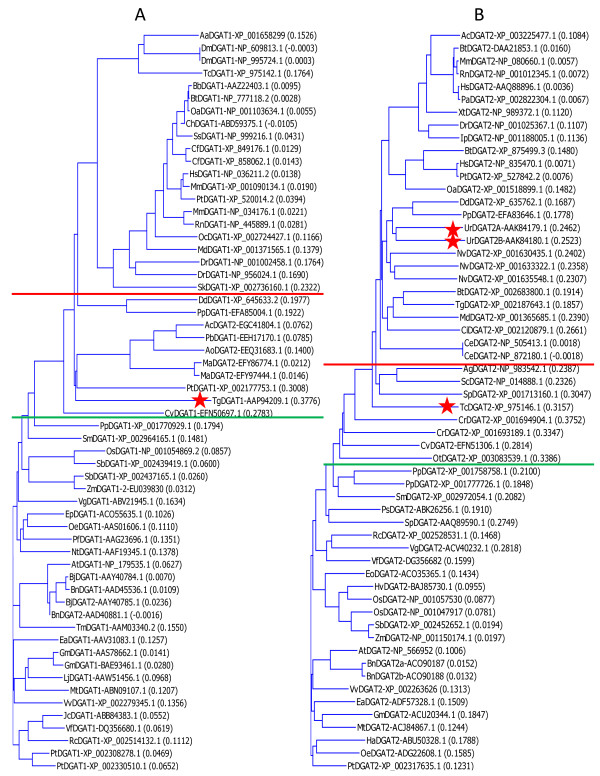
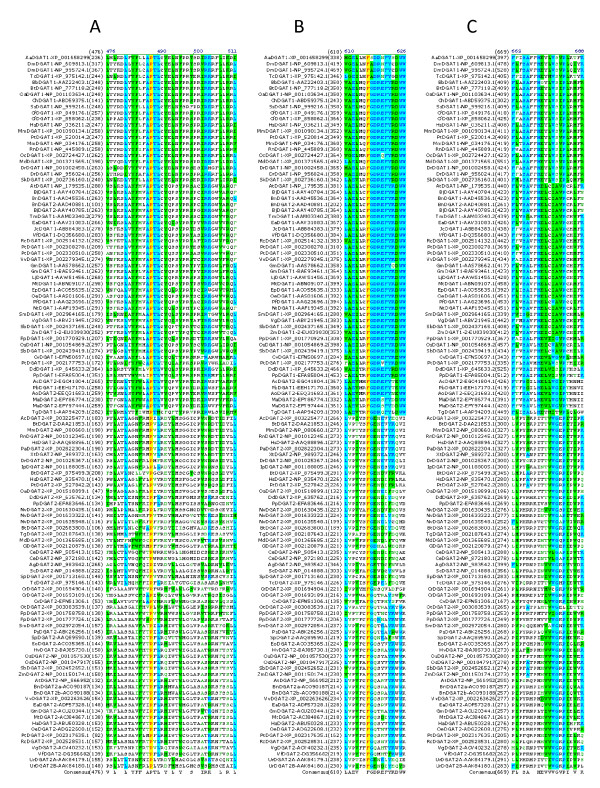
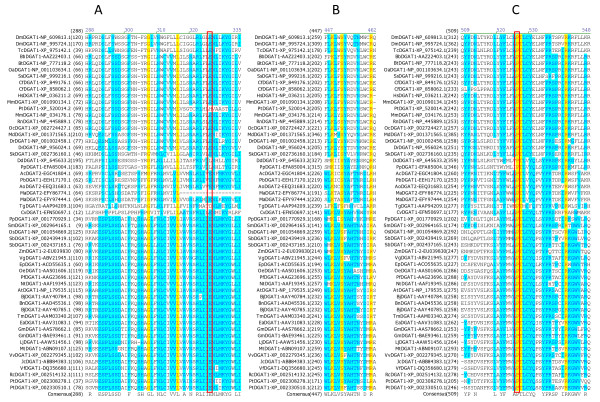
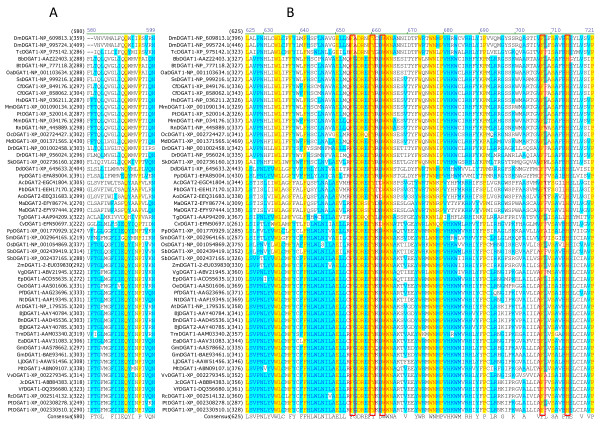
BACKGROUND: Diacylglycerol acyltransferase families (DGATs) catalyze the final and rate-limiting step of triacylglycerol (TAG) biosynthesis in eukaryotic organisms. Understanding the roles of DGATs will help to create transgenic plants with value-added properties and provide clues for therapeutic intervention for obesity and related diseases. The objective of this analysis was to identify conserved sequence motifs and amino acid residues for better understanding of the structure-function relationship of these important enzymes. RESULTS: 117 DGAT sequences from 70 organisms including plants, animals, fungi and human are obtained from database search using tung tree DGATs. Phylogenetic analysis separates these proteins into DGAT1 and DGAT2 subfamilies. These DGATs are integral membrane proteins with more than 40% of the total amino acid residues being hydrophobic. They have similar properties and amino acid composition except that DGAT1s are approximately 20 kDa larger than DGAT2s. DGAT1s and DGAT2s have 41 and 16 completely conserved amino acid residues, respectively, although only two of them are shared by all DGATs. These residues are distributed in 7 and 6 sequence blocks for DGAT1s and DGAT2s, respectively, and located at the carboxyl termini, suggesting the location of the catalytic domains. These conserved sequence blocks do not contain the putative neutral lipid-binding domain, mitochondrial targeting signal, or ER retrieval motif. The importance of conserved residues has been demonstrated by site-directed and natural mutants. CONCLUSIONS: This study has identified conserved sequence motifs and amino acid residues in all 117 DGATs and the two subfamilies. None of the completely conserved residues in DGAT1s and DGAT2s is present in recently reported isoforms in the multiple sequences alignment, raising an important question how proteins with completely different amino acid sequences could perform the same biochemical reaction. The sequence analysis should facilitate studying the structure-function relationship of DGATs with the ultimate goal to identify critical amino acid residues for engineering superb enzymes in metabolic engineering and selecting enzyme inhibitors in therapeutic application for obesity and related diseases.
Overview
The claims and statistics of this paper haven’t been checked yet.
Free: it reads the open-access text and checks the first 5 claims that cite a source we can check. Create a free account to check every claim.
Integrity signals
Registry
Cites
Statistics
Figures
Verification
Claims the paper makes
The claims and statistics of this paper haven’t been checked yet.
Free: it reads the open-access text and checks the first 5 claims that cite a source we can check. Create a free account to check every claim.
Claims other papers make about this one
Each is checked against this paper’s own text: does it say what the citing paper says it does?
The cited source says what the claim attributes to it.
In the citing paper
“Additionally, Glu243 and His163 are conserved across species50, supporting this hypothesized catalytic geometry.”
From Highly accurate protein structure prediction for the human proteome (2021) · cites this paper as [50]
Self-check
Percentages, sums and reported differences re-computed from the paper’s own numbers.
The self-check needs the paper’s full text.
Citations
Cites
Basic local alignment search tool
Altschul, S. F., Gish, W., Miller, W., Myers, E. W., & Lipman, D. J. (1990) · Journal of Molecular Biology · doi:10.1006/jmbi.1990.9999 · Cited by 98,669 · cited 1×
“DGAT sequences were obtained from Blastp search [47,48] using tung tree (Vernicia fordii) DGAT sequences [GenBank:DQ356680.”
Thompson, J. D., Higgins, D. G., & Gibson, T. J. (1994) · Nucleic Acids Research · doi:10.1093/nar/22.22.4673 · Cited by 64,617 · cited 1×
“ClustalW algorithm [51,52] of the AlignX program of the”
The neighbor-joining method: a new method for reconstructing phylogenetic trees.
(1987) · Molecular Biology and Evolution · doi:10.1093/oxfordjournals.molbev.a040454 · Cited by 59,715 · cited 1×
“This analysis was performed using the Vector NTI software (Invitrogen) based on the Neighbor-Joining method of Saitou and Nei [ 50 ].”
Clustal W and Clustal X version 2.0
Larkin, M. A., Blackshields, G., Brown, N. P., Chenna, R., McGettigan, P. A., McWilliam, H., Valentin, F., Wallace, I. M., Wilm, A., Lopez, R., et al. (2007) · Bioinformatics · doi:10.1093/bioinformatics/btm404 · Cited by 28,358
Cases, S., Smith, S. J., Zheng, Y.-W., Myers, H. M., Lear, S. R., Sande, E., Novak, S., Collins, C., Welch, C. B., Lusis, A. J., et al. (1998) · Proceedings of the National Academy of Sciences · doi:10.1073/pnas.95.22.13018 · Cited by 1,123 · cited 1×
“of DGATs are present in mammals [10,11] and plants”
Obesity resistance and multiple mechanisms of triglyceride synthesis in mice lacking Dgat
Smith, S. J., Cases, S., Jensen, D. R., Chen, H. C., Sande, E., Tow, B., Sanan, D. A., Raber, J., Eckel, R. H., & Farese, R. V. (2000) · Nature Genetics · doi:10.1038/75651 · Cited by 896 · cited 2×
“TAG, and are resistant to diet-induced obesity [18,32].”
Cloning of DGAT2, a Second Mammalian Diacylglycerol Acyltransferase, and Related Family Members
Cases, S., Stone, S. J., Zhou, P., Yen, E., Tow, B., Lardizabal, K. D., Voelker, T., & Farese, R. V. (2001) · Journal of Biological Chemistry · doi:10.1074/jbc.m106219200 · Cited by 818 · cited 1×
“of DGATs are present in mammals [10,11] and plants”
Lipopenia and Skin Barrier Abnormalities in DGAT2-deficient Mice
Stone, S. J., Myers, H. M., Watkins, S. M., Brown, B. E., Feingold, K. R., Elias, P. M., & Farese, R. V. (2004) · Journal of Biological Chemistry · doi:10.1074/jbc.m311000200 · Cited by 598 · cited 3×
“Plants and animals deficient in DGATs accumulate less TAG [ 17-19 ].”
Shockey, J. M., Gidda, S. K., Chapital, D. C., Kuan, J.-C., Dhanoa, P. K., Bland, J. M., Rothstein, S. J., Mullen, R. T., & Dyer, J. M. (2006) · The Plant Cell · doi:10.1105/tpc.106.043695 · Cited by 585 · cited 7×
“This sequence analysis also shows that the pentapeptide (LKLEI) ER-retrieval motif identified at the extreme carboxyl terminus of tung DGAT2 [13] is only modestly conserved in plant DGAT2s but not in animal or fungus”
InfluentialThe characterization of amino acid sequences in proteins by statistical methods
Zimmerman, J. M., Eliezer, N., & Simha, R. (1968) · Journal of Theoretical Biology · doi:10.1016/0022-5193(68)90069-6 · Cited by 552 · cited 1×
“The properties and amino acid compositions of DGATs were analyzed using Vector NTI software (Invitrogen) [ 49 ].”
Research works printed but not linked: 1
- Cao H Chapital DC Howard OD Jiang XN Shockey JM Klasson KT Purification of recombinant tung tree diacylglycerol acyltransferases from E. coli FASEB J 2011 25 765.8
Cited by
Highly accurate protein structure prediction for the human proteome
Tunyasuvunakool, K., Adler, J., Wu, Z., Green, T., Zielinski, M., Žídek, A., Bridgland, A., Cowie, A., Meyer, C., Laydon, A., et al. (2021) · Nature · doi:10.1038/s41586-021-03828-1 · Cited by 3,025
Acyl-CoA:diacylglycerol acyltransferase: Molecular biology, biochemistry and biotechnology
Liu, Q., Siloto, R. M. P., Lehner, R., Stone, S. J., & Weselake, R. J. (2012) · Progress in Lipid Research · doi:10.1016/j.plipres.2012.06.001 · Cited by 374
“These conserved motifs discussed above have also been identified by Cao [155] using a large number of DGAT2 polypeptides (Fig.”
BackgroundInfluentialZienkiewicz, K., Du, Z.-Y., Ma, W., Vollheyde, K., & Benning, C. (2016) · Biochimica et Biophysica Acta (BBA) - Molecular and Cell Biology of Lipids · doi:10.1016/j.bbalip.2016.02.008 · Cited by 225
“Previous phylogenetic analyses of 117 DGATs from 70 organisms [46] comparing the”
BackgroundMethodRole of DGAT enzymes in triacylglycerol metabolism
Bhatt-Wessel, B., Jordan, T. W., Miller, J. H., & Peng, L. (2018) · Archives of Biochemistry and Biophysics · doi:10.1016/j.abb.2018.08.001 · Cited by 203
Liu, J., Han, D., Yoon, K., Hu, Q., & Li, Y. (2016) · The Plant Journal · doi:10.1111/tpj.13143 · Cited by 155
“Bioinformatics analysis revealed the presence of multiple conserved motifs, including the YFP and HPHG motifs (Stone et al., 2006; Liu et al., 2011), in the DGAT2 family (Cao, 2011; Chen and Smith, 2012).”
BackgroundWei, H., Shi, Y., Ma, X., Pan, Y., Hu, H., Li, Y., Luo, M., Gerken, H., & Liu, J. (2017) · Biotechnology for Biofuels · doi:10.1186/s13068-017-0858-1 · Cited by 149
“The well-characterized DGATs in higher plants include type-I (DGAT1) and type-II (DGAT2), the two structurally distinct groups of membrane-bound acyltransferases [14], and typeIII (DGAT3), which is soluble and present in the cytosol [15].”
BackgroundAhmad, I., Sharma, A. K., Daniell, H., & Kumar, S. (2015) · Plant Biotechnology Journal · doi:10.1111/pbi.12278 · Cited by 147
“family of diacylglycerol acyltransferase, as previously reported (Cao, 2011; Liu et al., 2012).”
MethodA look at diacylglycerol acyltransferases (DGATs) in algae
Chen, J. E., & Smith, A. G. (2012) · Journal of Biotechnology · doi:10.1016/j.jbiotec.2012.05.009 · Cited by 160
“DGAT1 and DGAT2 may be an example of convergent evolution, where structurally different proteins from different protein families have evolved to catalyse similar biochemical reactions (Cao, 2011; Turchetto-Zolet et al., 2011).”
BackgroundInfluentialIn Vivo Packaging of Triacylglycerols Enhances Arabidopsis Leaf Biomass and Energy Density
Winichayakul, S., Scott, R., Roldan, M. B., Hatier, J. B., Livingston, S., Cookson, R., Curran, A., & Roberts, N. J. (2013) · PLANT PHYSIOLOGY · doi:10.1104/pp.113.216820 · Cited by 156
“Mammals, plants, and some yeasts possess two major forms of DGAT (DGAT1 and DGAT2; Beopoulos et al., 2011; Cao, 2011), which have unrelated primary sequences but catalyze the same reaction (the esterification of sn-1,2diacylglycerol with a long-chain fatty acyl-CoA) and are located in distinct but…”
BackgroundZienkiewicz, K., Zienkiewicz, A., Poliner, E., Du, Z.-Y., Vollheyde, K., Herrfurth, C., Marmon, S., Farré, E. M., Feussner, I., & Benning, C. (2017) · Biotechnology for Biofuels · doi:10.1186/s13068-016-0686-8 · Cited by 119
“Both have similar function, but their genes evolved separately [5].”
BackgroundCao, H., & Shockey, J. M. (2012) · Journal of Agricultural and Food Chemistry · doi:10.1021/jf304690e · Cited by 138
Self-citationChen, G., Harwood, J. L., Lemieux, M. J., Stone, S. J., & Weselake, R. J. (2022) · Progress in Lipid Research · doi:10.1016/j.plipres.2022.101181 · Cited by 128
Gong, Y., Zhang, J., Guo, X., Wan, X., Liang, Z., Hu, C. J., & Jiang, M. (2013) · FEBS Letters · doi:10.1016/j.febslet.2013.01.015 · Cited by 104
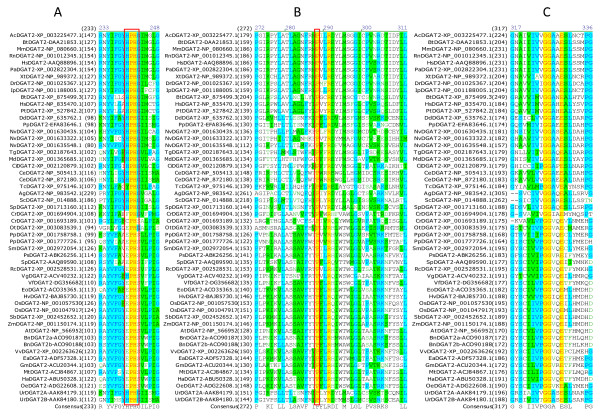
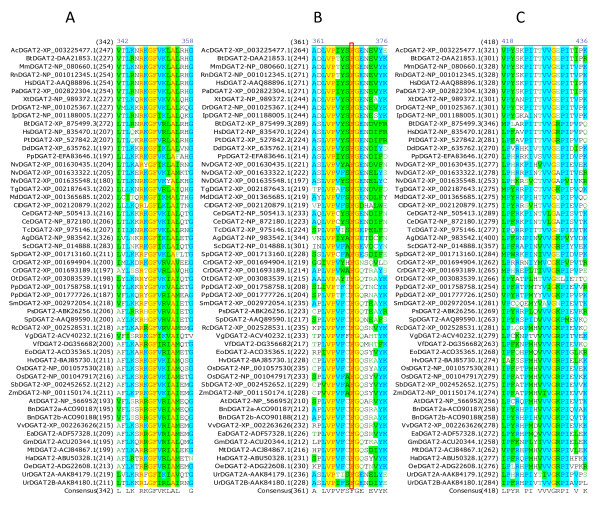
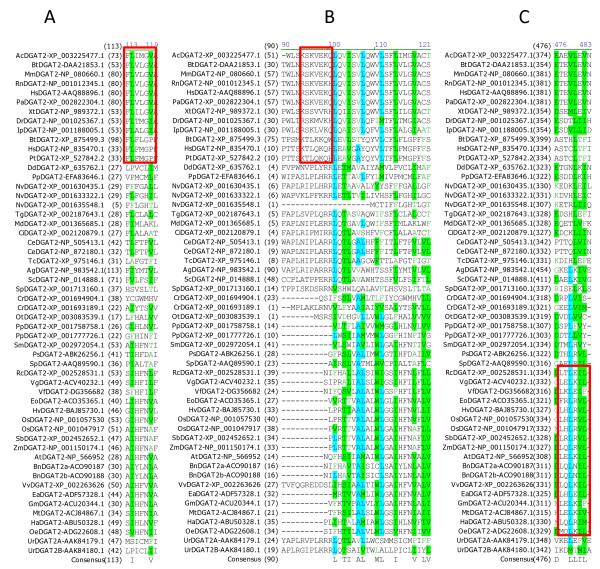
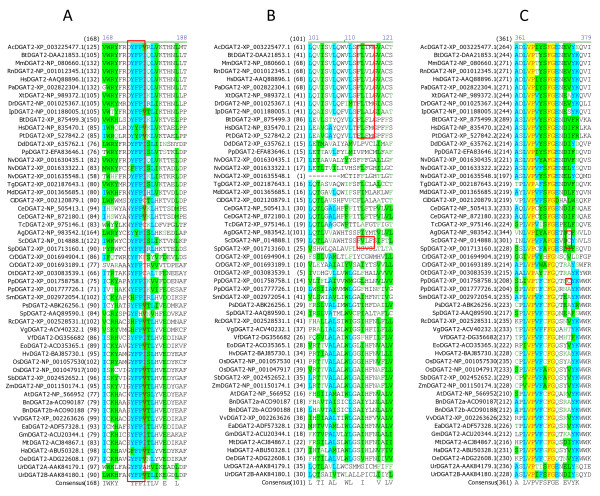
“1B) that were identified as signature motifs within the DGAT2 subfamily by Cao [14]: Motif 1 (PH Block), Motif 2 (PR Block), Motif 3 (GGE Block), Motif 4 (RGFA Block), Motif 5 (VPFG Block) and Motif 6 (G Block).”
BackgroundFunctional study of diacylglycerol acyltransferase type 2 family in Chlamydomonas reinhardtii
Hung, C.-H., Ho, M.-Y., Kanehara, K., & Nakamura, Y. (2013) · FEBS Letters · doi:10.1016/j.febslet.2013.06.002 · Cited by 99
“The following PR block has a core PxxR motif, which is conserved among the 54 species examined [31].”
BackgroundInfluentialZhang, C., Iskandarov, U., Klotz, E. T., Stevens, R. L., Cahoon, R. E., Nazarenus, T. J., Pereira, S. L., & Cahoon, E. B. (2013) · Journal of Experimental Botany · doi:10.1093/jxb/ert156 · Cited by 78
“The deduced amino acid sequence of DGAT1 is ~500 amino acid residues while that of DGAT2s is ~350 residues resulting in predicted 20-kDa difference in molecular mass (Cao, 2011).”
BackgroundInfluentialGajdoš, P., Ledesma‐Amaro, R., Nicaud, J., Čertík, M., & Rossignol, T. (2016) · FEMS Yeast Research · doi:10.1093/femsyr/fow062 · Cited by 78
“A previous suggestion had posited that Dgat2, because it can move from the ER to LBs, enables TAG synthesis at LBs, while Dgat1 stays in the ER and allows TAG synthesis for LB formation only, and not for their subsequent expansion (Stone et al. 2009; Jacquier et al. 2011; Walther and Farese 2012).”
BackgroundInfluentialMao, X., Wu, T., Kou, Y., Shi, Y., Zhang, Y., & Liu, J. (2019) · Biotechnology for Biofuels · doi:10.1186/s13068-019-1366-2 · Cited by 67
Kamisaka, Y., Kimura, K., Uemura, H., & Yamaoka, M. (2013) · Applied Microbiology and Biotechnology · doi:10.1007/s00253-013-4915-9 · Cited by 64
Zeng, Y., Tan, X., Zhang, L., Jiang, N., & Cao, H. (2014) · PLoS ONE · doi:10.1371/journal.pone.0107422 · Cited by 66
“However, choice of target genes for genetic engineering of plant oils is difficult because the plant oil is synthesized by at least 10 enzymatic steps and each step is catalyzed by multiple isozymes [17,33,34].”
BackgroundSelf-citationCao, H., Shockey, J. M., Klasson, K. T., Chapital, D. C., Mason, C. B., & Scheffler, B. E. (2013) · PLoS ONE · doi:10.1371/journal.pone.0076946 · Cited by 67
“Tung DGAT3 has approximately 31% hydrophobic residues, compared to 41% and 43% for DGAT1 and DGAT2, respectively [33].”
BackgroundInfluentialSelf-citationMetabolic pathways for lipid synthesis under nitrogen stress in Chlamydomonas and Nannochloropsis
Banerjee, A., Maiti, S. K., Guria, C., & Banerjee, C. (2016) · Biotechnology Letters · doi:10.1007/s10529-016-2216-y · Cited by 65
“Thus, they are possibly an example of convergent evolution as two structurally different proteins derived from different families evolved to catalyse similar reactions (Cao 2011; Turchetto-Zolet et al. 2011).”
BackgroundIskandarov, U., Collins-Silva, J., Kim, H. J., Andersson, M., Cahoon, R. E., Mockaitis, K., & Cahoon, E. B. (2017) · PLANT PHYSIOLOGY · doi:10.1104/pp.16.01894 · Cited by 55
Pan, X., Peng, F. Y., & Weselake, R. J. (2015) · PLANT PHYSIOLOGY · doi:10.1104/pp.114.253658 · Cited by 66
Bagnato, C., Prados, M. B., Franchini, G. R., Scaglia, N., Miranda, S. E., & Beligni, M. V. (2017) · BMC Genomics · doi:10.1186/s12864-017-3602-0 · Cited by 58
“[29] between this clade and the DGAT1 group lie within motifs 5 and 7 (Fig.”
BackgroundInfluentialZulu, N. N., Popko, J., Zienkiewicz, K., Tarazona, P., Herrfurth, C., & Feußner, I. (2017) · Biotechnology for Biofuels · doi:10.1186/s13068-017-0874-1 · Cited by 55
“Although both types of DGATs perform similar functions, their sequences and preferences are different due to separate evolution [10].”
BackgroundMaraschin, F. D. S., Kulcheski, F. R., Segatto, A. L. A., Trenz, T. S., Barrientos-Díaz, O., Margis-Pinheiro, M. M. A. N., Margis, R., & Turchetto‐Zolet, A. C. (2018) · Progress in Lipid Research · doi:10.1016/j.plipres.2018.12.001 · Cited by 58
Amin, N. B., Saxena, A. R., Somayaji, V., & Dullea, R. (2023) · Clinical Therapeutics · doi:10.1016/j.clinthera.2022.12.008 · Cited by 48
Liu, D., Ji, H., & Yang, Z. (2019) · Plant and Cell Physiology · doi:10.1093/pcp/pcz184 · Cited by 48
Chen, C., Sun, Z., Cao, H., Fang, F.-L., Ouyang, L., & Zhou, Z. (2015) · Algal Research · doi:10.1016/j.algal.2015.09.007 · Cited by 50
Self-citationCao, H., Sethumadhavan, K., Cao, F., & Wang, T. T. Y. (2021) · Scientific Reports · doi:10.1038/s41598-021-84970-8 · Cited by 49
Self-citationCao, H., Zhang, L., Tan, X., Long, H., & Shockey, J. M. (2014) · PLoS ONE · doi:10.1371/journal.pone.0088409 · Cited by 48
“These properties of OLE proteins were similar to those of the three DGAT in tung tree [13] and DGAT in other plants, animals and fungi [24,80].”
Self-citationReynolds, K. B., Taylor, M. C., Cullerne, D. P., BLANCHARD, C. L., Wood, C. C., Singh, S. P., & Petrie, J. R. (2017) · Plant Biotechnology Journal · doi:10.1111/pbi.12724 · Cited by 40
“3 isoforms may be nonfunctional due to the absence of highly conserved C- and N-terminal motifs (Cao, 2011), which are responsible for the catalytic and regulatory activities of the DGAT1 enzyme, respectively (Liu et al.”
BackgroundFatty Acid Profile and Unigene-Derived Simple Sequence Repeat Markers in Tung Tree (Vernicia fordii)
Zhang, L., Jia, B., Tan, X., Thammina, C. S., Long, H., Liu, M., Wen, S., Song, X., & Cao, H. (2014) · PLoS ONE · doi:10.1371/journal.pone.0105298 · Cited by 44
“However, selection of target genes for genetic engineering of plant oils is difficult because oil is biosynthesized by at least 10 enzymatic steps and each step is catalyzed by multiple isozymes [11,23,24].”
BackgroundSelf-citationAznar‐Moreno, J. A., Denolf, P., Audenhove, K. V., Bodt, S. D., Engelen, S., Fahy, D., Wallis, J. G., & Browse, J. (2015) · Journal of Experimental Botany · doi:10.1093/jxb/erv363 · Cited by 41
“2, box 2; Cao, 2011).”
BackgroundMisra, N., Panda, P. K., Parida, B. K., & Mishra, B. K. (2012) · Evolutionary Bioinformatics · doi:10.4137/ebo.s10159 · Cited by 37
Liu, J., Wang, Z., Li, J., Li, H., & Yang, L. (2020) · BMC Genetics · doi:10.1186/s12863-020-0832-y · Cited by 36
Kim, H., Park, J. H., Kim, D. J., Kim, A. Y., & Suh, M. C. (2016) · Plant Biotechnology Reports · doi:10.1007/s11816-016-0394-7 · Cited by 35
“Type 1 and 2 DGATs are located in the endoplasmic reticulum (ER), and type 3 DGAT is a soluble cytosolic enzyme (Cao 2011; Saha et al. 2006).”
BackgroundZhang, L., Zhang, H., & Song, Y. (2017) · Journal of Agricultural and Food Chemistry · doi:10.1021/acs.jafc.7b04295 · Cited by 35
Xu, Y., Falarz, L. J., & Chen, G. (2018) · Journal of Agricultural and Food Chemistry · doi:10.1021/acs.jafc.8b05755 · Cited by 34
Aymé, L., Jolivet, P., Nicaud, J., & Chardot, T. (2015) · PLoS ONE · doi:10.1371/journal.pone.0143113 · Cited by 37
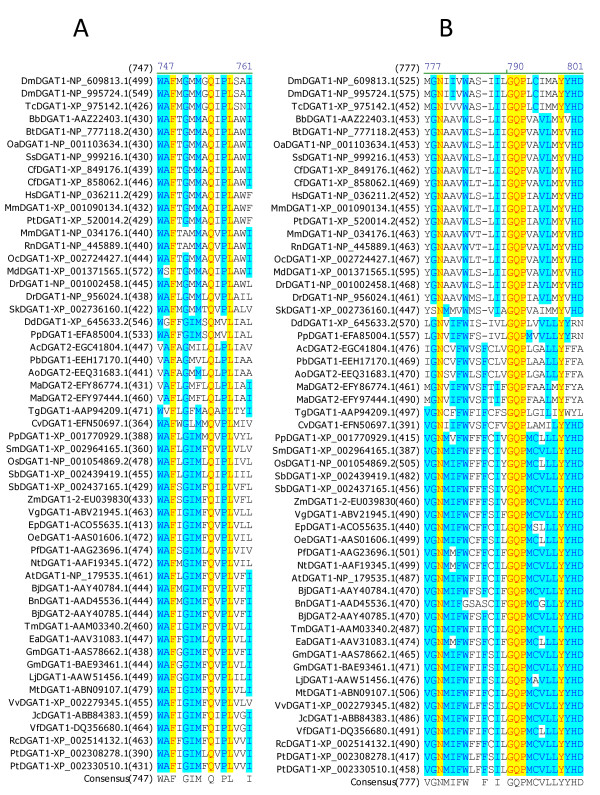
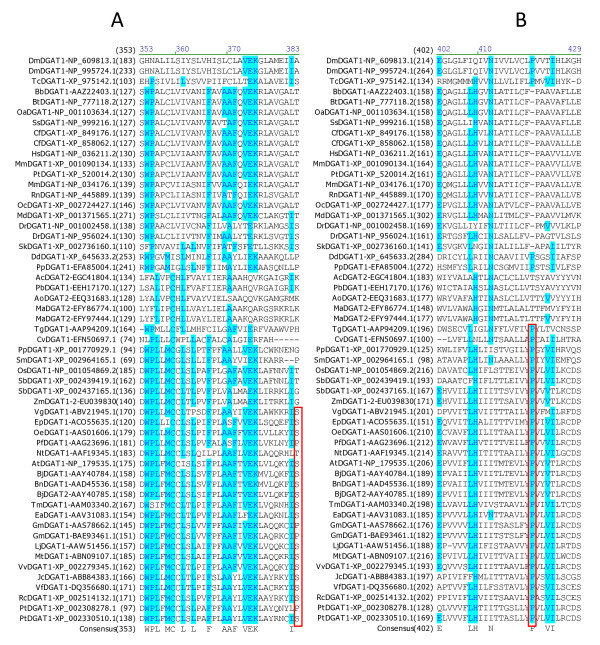
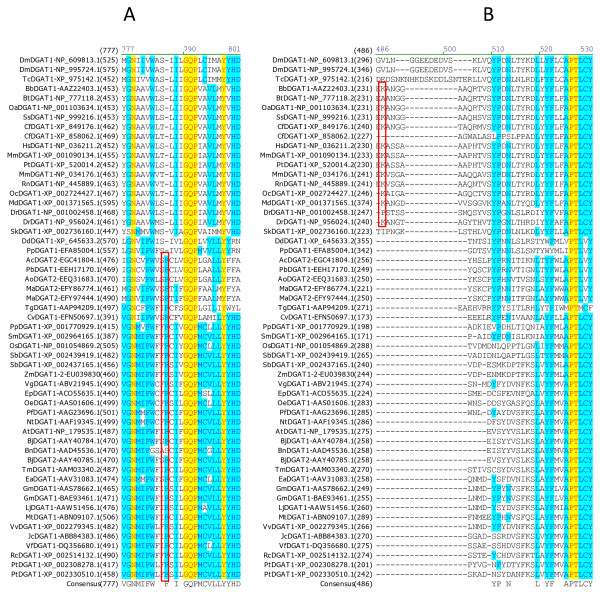
“The 41 invariant residues among 55 DGAT1 sequences from animals, plants and fungi are shown with asterisks [48].”
BackgroundInfluentialZhang, T., He, H., Xu, C.-J., Fu, Q., Tao, Y.-B., Xu, R., & Xu, Z. (2021) · Plants · doi:10.3390/plants10040699 · Cited by 31
Increasing oil content in Brassica oilseed species
Weselake, R. J., Fell, D. A., Wang, X., Scofield, S., Chen, G., & Harwood, J. L. (2024) · Progress in Lipid Research · doi:10.1016/j.plipres.2024.101306 · Cited by 31
Jeppson, S., Demski, K., Carlsson, A. S., Zhu, L., Banaś, A., Stymne, S., & Lager, I. (2019) · Frontiers in Plant Science · doi:10.3389/fpls.2019.01442 · Cited by 29
“This phenomenon was also observed in other DGAT1 sequences (Cao, 2011; Greer et al., 2015).”
BackgroundJin, H.-H., & Jiang, J. (2015) · Journal of Agricultural and Food Chemistry · doi:10.1021/jf505975k · Cited by 28
Zheng, L., Shockey, J. M., Bian, F., Chen, G., Shan, L., Li, X., Wan, S., & Peng, Z. (2017) · Frontiers in Plant Science · doi:10.3389/fpls.2017.01751 · Cited by 27
“…et al., 2006; Wang et al., 2006; Burgal et al., 2008; Lardizabal et al., 2008; Zheng et al., 2008; Andrianov et al., 2010; Durrett et al., 2010; Cao, 2011; Cao et al., 2013; Gong et al., 2013; Guo et al., 2013; Misra et al., 2013; Niu et al., 2013; Peng et al., 2013; Xu et al., 2013; Zhang et…”
Rau, E.-M., Bartošová, Z., Kristiansen, K. A., Aasen, I. M., Bruheim, P., & Ertesvåg, H. (2022) · Frontiers in Microbiology · doi:10.3389/fmicb.2022.822254 · Cited by 27
“Sequence Studies of the Selected Diacylglycerol Acyltransferase-Like Genes DGAT2 proteins are characterized by six conserved motifs (Cao, 2011).”
BackgroundTanaka, M., Ishikawa, T., Tamura, S., Saito, Y., Kawai-Yamada, M., & Hihara, Y. (2020) · Plant and Cell Physiology · doi:10.1093/pcp/pcaa069 · Cited by 24
Yang, W., Xin, Z., Xie, L., Zhai, Y., Zhang, Y., Niu, L., & Zhang, Q. (2023) · Horticulture Research · doi:10.1093/hr/uhad106 · Cited by 23
Du, M., Zhang, S., Zhu, B., Yin, X., & An, S. (2012) · Journal of Insect Physiology · doi:10.1016/j.jinsphys.2012.02.002 · Cited by 24
“Amino acid sequence analysis indicated that DGAT1 is composed of 7 sequence blocks, whereas DGAT2s include 6 sequence blocks (Cao, 2011).”
BackgroundMisra, N., & Panda, P. K. (2013) · OMICS A Journal of Integrative Biology · doi:10.1089/omi.2012.0094 · Cited by 21
“thaliana, F(469) in corn, and K(232) in cattle (Cao, 2011).”
Nguyen, T. T., Xu, Y., Abdel‐Hameed, M., Sorensen, J. L., Singer, S. D., & Chen, G. (2019) · Lipids · doi:10.1002/lipd.12210 · Cited by 20
Expression and purification of recombinant tung tree diacylglycerol acyltransferase 2
Cao, H., Chapital, D. C., Howard, O. D., Deterding, L. J., Mason, C. B., Shockey, J. M., & Klasson, K. T. (2012) · Applied Microbiology and Biotechnology · doi:10.1007/s00253-012-3869-7 · Cited by 20
“DGATs are responsible for the final and rate-limiting step of TAG biosynthesis in eukaryotic organisms.”
BackgroundInfluentialSelf-citationXu, H., Li, D., Hao, Y., Guo, X., Lu, J., & Zhang, T. (2022) · Plant Science · doi:10.1016/j.plantsci.2022.111426 · Cited by 19
Wang, P., Wang, Z., Dou, Y., Zhang, X., Wang, M., & Tian, X. (2013) · Planta · doi:10.1007/s00425-013-1939-4 · Cited by 18
“Peptide sequences of this gene family are characterized by the presence of a domain, namely, MBOAT domain (Cao 2011).”
BackgroundInfluentialJeennor, S., Anantayanon, J., Panchanawaporn, S., Khoomrung, S., Chutrakul, C., & Laoteng, K. (2019) · Gene · doi:10.1016/j.gene.2019.04.074 · Cited by 20
Cui, H., Zhao, C., Xu, W., Zhang, H., Wei, H., Zhu, X., Ji, C., Xue, J., Zhang, C., & Li, R. (2021) · BMC Plant Biology · doi:10.1186/s12870-020-02794-6 · Cited by 20
Cao, H., & Sethumadhavan, K. (2018) · Journal of Agricultural and Food Chemistry · doi:10.1021/acs.jafc.8b01240 · Cited by 18
Self-citationCarro, M. D. L. M., Gonorazky, G., Soto, D., Mamone, L. A., Bagnato, C., Pagnussat, L. A., & Beligni, M. V. (2022) · The Plant Journal · doi:10.1111/tpj.15671 · Cited by 17
Characterization of reference gene expression in tung tree (Vernicia fordii)
Cao, H., Cao, F., & Klasson, K. T. (2013) · Industrial Crops and Products · doi:10.1016/j.indcrop.2013.07.030 · Cited by 16
Self-citationPolburee, P., Ohashi, T., Tsai, Y.-Y., Sumyai, T., Lertwattanasakul, N., Limtong, S., & Fujiyama, K. (2017) · Microbiology · doi:10.1099/mic.0.000584 · Cited by 16
“The results showed the identity as signature motifs within the DGAT2 subfamily proposed by Cao [26]: motif 1 (PH block), motif 2 (PR block), motif 3 (GGE block), motif 4 (RGFA block), motif 5 (VPFG block) and motif 6 (G block).”
Yan, B., Xu, X., Gu, Y., Ying, Z., Zhao, X., He, L., Zhao, C., Li, Z., & Xu, J. (2018) · Genome · doi:10.1139/gen-2018-0029 · Cited by 16
Kondo, M., Aoki, M., Hirai, K., Sagami, T., Ito, R., Tsuzuki, M., & Sato, N. (2023) · Frontiers in Plant Science · doi:10.3389/fpls.2023.1181180 · Cited by 16
“Meanwhile, motifs 2 and 6 were less conserved in Slr2103: the regions corresponding to motif 2 (R block) and motif 6 (G block) did not contain a conserved residue, arginine or glycine, respectively (Cao, 2011).”
BackgroundParchuri, P., Pappanoor, A., Naeem, A., Durrett, T. P., Welti, R., & Sreedhar, R. V. (2022) · Plant Science · doi:10.1016/j.plantsci.2022.111445 · Cited by 18
Cao, H., Sethumadhavan, K., Li, K., Boué, S. M., & Anderson, R. A. (2019) · Plant Foods for Human Nutrition · doi:10.1007/s11130-018-0709-7 · Cited by 16
Self-citationCharacterization of diacylglycerol acyltransferase 2 from Idesia polycarpa and function analysis
Fan, R., Cai, G., Zhou, X., Qiao, Y., Wang, J., Zhong, H., Bo, J., Fan, M., Tu, W., Long, F., et al. (2020) · Chemistry and Physics of Lipids · doi:10.1016/j.chemphyslip.2020.105023 · Cited by 15
Behera, J. R., Rahman, M. M., Shockey, J. M., & Kilaru, A. (2023) · Frontiers in Plant Science · doi:10.3389/fpls.2022.1056582 · Cited by 17
“Previously, 55 DGAT1 sequences from plants, animals, and fungi were shown to contain 41 conserved amino acids (Cao, 2011), all of which were also retained in PaDGAT1.”
BackgroundJia, Y.-L., Zhang, Q., Du, F., Yang, W., Zhang, Z., Xu, Y., Ma, W., Sun, X., & Huang, H. (2024) · Biotechnology for Biofuels and Bioproducts · doi:10.1186/s13068-024-02471-y · Cited by 13
“ScDGAT2A , ScDGAT2B , and ScDGAT2C were found to contain six highly conserved motifs that were identified as signature motifs within the DGAT2 subfamily, namely Motif 1 (PH Block), Motif 2 (PR Block), Motif 3 (GGE Block), Motif 4 (RGFA Block), Motif 5 (VPFG Block), and Motif 6 (G Block) [18].”
BackgroundChungjatupornchai, W., & Watcharawipas, A. (2014) · Journal of Applied Phycology · doi:10.1007/s10811-014-0448-6 · Cited by 15
“Comparison of NeoDGAT2 with other DGAT2 from related green microalgae revealed that NeoDGAT2 contained all the six highly conserved motifs that were identified as signaturemotifs within theDGAT2 subfamily (Cao 2011): motif 1, PH block; motif 2, PR block; motif 3, GGE block; motif 4, RGFA block; motif 5, VPFG block; an…”
BackgroundLee, K., Yeo, Y., Lee, J., Kim, S., Im, C., Kim, I., Lee, J., Lee, S.-K., Suh, M. C., & Kim, H. U. (2024) · International Journal of Molecular Sciences · doi:10.3390/ijms25136944 · Cited by 12
“As in the case of CsDGAT2, the ER retrieval motif of Brassica napus BnDGAT2a and BnDGAT2 was LQLNI, which did not match the consensus motif [10,37].”
BackgroundWang, Y., Peng, D., Zhang, L., Tan, X., Yuan, D., Liu, X., & Zhou, B. (2015) · Plant Molecular Biology Reporter · doi:10.1007/s11105-015-0954-y · Cited by 12
Novel insights into type 2 diacylglycerol acyltransferases in microalga Myrmecia incisa
Liu, W., Sun, Z., Chen, C., Liu, J.-G., & Zhou, Z. (2020) · Journal of Applied Phycology · doi:10.1007/s10811-020-02071-x · Cited by 12
“In this study, MiDGAT1 showed higher TAG-restoring ability than all MiDGAT2s (Figure S1), which was in line with the findings of Zienkiewicz et al. (2018).”
BackgroundInfluentialYan, J., Chen, F., Sun, P., Liu, W., Xie, D., Qian, Y., & Jiang, B. (2022) · BMC Plant Biology · doi:10.1186/s12870-022-03931-z · Cited by 12
“MBOAT genes contain MBOAT domains [45] and were firstly identified in Drosophila [46].”
BackgroundHernández-Torres, A., Zapata-Morales, A. L., Ochoa‐Alfaro, A. E., & Soria‐Guerra, R. E. (2016) · World Journal of Microbiology and Biotechnology · doi:10.1007/s11274-016-2008-5 · Cited by 11
“In our study sequences corresponding to these diacylglycerol acyltransferases were found, identifying conserved motifs including YFP, PH, PR, GGE, RGFA, VPFG, and G blocks previously reported for the DGAT2 family (Hung et al. 2013; Liu et al. 2012; Cao 2011).”
BackgroundXiang, X., Ji, R., Han, S., Xu, X., Zhu, S., Li, Y., Du, J., Mai, K., & Ai, Q. (2024) · Communications Biology · doi:10.1038/s42003-024-06022-x · Cited by 11
“DGATs in fi sh share high sequence similarity withDGATs in mammals 21,22 .”
Chen, Z., Liu, P., Liu, Y., Tang, H., Chen, Y., & Zhang, L. (2014) · Antonie van Leeuwenhoek · doi:10.1007/s10482-014-0282-5 · Cited by 10
“Bootstrap values are expressed in percentages of 1,000 replicates on the nodes full-length DGAT2s from animal group, plant group, and fungus group by Cao (2011).”
Haïli, N., Louap, J., Canonge, M., Jagic, F., Louis-Mondésir, C., Chardot, T., & Briozzo, P. (2016) · PLoS ONE · doi:10.1371/journal.pone.0165431 · Cited by 10
Jeennor, S., Veerana, M., Anantayanon, J., Panchanawaporn, S., Chutrakul, C., & Laoteng, K. (2017) · Journal of Biotechnology · doi:10.1016/j.jbiotec.2017.10.011 · Cited by 10
Yuan, Y., Arondel, V., & Domergue, F. (2019) · Biochimie · doi:10.1016/j.biochi.2019.09.010 · Cited by 9
Yan, B., Chang, C., Gu, Y., Zheng, N., Fang, Y., Zhang, M., Wang, G., & Zhang, L. (2023) · International Journal of Molecular Sciences · doi:10.3390/ijms24044078 · Cited by 10
Zhao, G., Liao, C., Long, H., Cao, H., & Zhang, L. (2025) · Journal of Agricultural and Food Chemistry · doi:10.1021/acs.jafc.5c02120 · Cited by 8
Self-citationComprehensive Genetic Analysis of DGAT2 Mutations and Gene Expression Patterns in Human Cancers
Graber, M. K., Barta, H., Wood, R., Pappula, A. L., Vo, M., Petreaca, R. C., & Escorcia, W. (2021) · Biology · doi:10.3390/biology10080714 · Cited by 10
Identification of the major diacylglycerol acyltransferase mRNA in mouse adipocytes and macrophages
Cao, H. (2018) · BMC Biochemistry · doi:10.1186/s12858-018-0103-y · Cited by 8
Self-citationKoch, M., Tebben, J., & Saborowski, R. (2023) · Comparative Biochemistry and Physiology Part B Biochemistry and Molecular Biology · doi:10.1016/j.cbpb.2023.110878 · Cited by 7
Characterization of a Soluble Phosphatidic Acid Phosphatase in Bitter Melon (Momordica charantia)
Cao, H., Sethumadhavan, K., Grimm, C. C., & Ullah, A. H. J. (2014) · PLoS ONE · doi:10.1371/journal.pone.0106403 · Cited by 7
“In general, acyltransferases including diacylglycerol transferases [30,31], add fatty acyl groups sequentially to the sn-1, sn-2 and sn-3 positions of glycerol-3-phosphate (G3P) to form triacylglycerol (TAG).”
BackgroundSelf-citationPavlenko, O. S., Akashkina, Y. V., Suhorukova, A. V., Sidorov, R. A., & Цыдендамбаев, В. Д. (2022) · Russian Journal of Plant Physiology · doi:10.1134/s1021443722010162 · Cited by 6
Functional characterization of two diacylglycerol acyltransferase 1 genes in Mortierella alpina
Li, J., Cao, J., Chen, H., Tang, X., Zhang, H., & Chen, W. (2021) · Letters in Applied Microbiology · doi:10.1111/lam.13597 · Cited by 6
“1), which are the features of the DGAT1 subfamily as described previously (Cao 2011).”
BackgroundZebrafish are resilient to the loss of major diacylglycerol acyltransferase enzymes
Wilson, M. H., Hensley, M. R., Shen, M., Lu, H.-Y., Quinlivan, V. H., Busch‐Nentwich, E. M., Rawls, J. F., & Farber, S. A. (2024) · Journal of Biological Chemistry · doi:10.1016/j.jbc.2024.107973 · Cited by 5
Sanya, D. R. A., Onésime, D., Kunze, G., Neuvéglise, C., & Coq, A.-M. C.-L. (2020) · FEMS Yeast Research · doi:10.1093/femsyr/foaa060 · Cited by 5
Chen, G. Q., Kim, W. N., Johnson, K., Park, M., Lee, K., & Kim, H. U. (2021) · International Journal of Molecular Sciences · doi:10.3390/ijms22020514 · Cited by 6
Cao, H. (2015) · OMICS A Journal of Integrative Biology · doi:10.1089/omi.2015.0073 · Cited by 6
“Approaches to gain clues about the structure–function relationship of proteins are to perform comprehensive amino acid sequence analysis (Cao, 2011), predict their structures at the secondary and three-dimensional levels (Hyun et al., 2013; Misra and Panda, 2013; Pastor et al., 2013), and solve the…”
BackgroundSelf-citationLuo, X.-A., Zhu, Y.-M., Liu, T., Wang, X., Zhou, P.-P., Bao, Z., & Yu, L. (2017) · Biotechnology Letters · doi:10.1007/s10529-017-2306-5 · Cited by 5
“As large amounts of enzymes may adversely affect the biophysical properties of ER membranes, the function of the ER may be altered dramatically by overexpressing enzymes in a host (Cao 2011).”
BackgroundInfluentialCottonseed extracts regulate gene expression in human colon cancer cells
Cao, H., Sethumadhavan, K., Wu, X., Zeng, X., & Zhang, L. (2022) · Scientific Reports · doi:10.1038/s41598-022-05030-3 · Cited by 5
Self-citationKapase, V. U., Nesamma, A. A., & Jutur, P. P. (2018) · Preparative Biochemistry & Biotechnology · doi:10.1080/10826068.2018.1476886 · Cited by 4
Long, H., Tan, X., Yan, F., Zhang, L., Li, Z., & Cao, H. (2015) · Genetika · doi:10.2298/gensr1501143l · Cited by 4
Self-citationWang, Z. Q., Zhang, H., Zhao, L., & Song, Y. (2016) · American journal of biochemistry & biotechnology/American journal of biochemistry and biotechnology · doi:10.3844/ajbbsp.2016.230.240 · Cited by 4
“RtDGATb contained six highly conserved motifs that were identified as signature motifs within the DGAT2 family by (Cao, 2011), namely Motif 1 (PH Block), Motif 2 (PR Block), Motif 3 (GGE Block), Motif 4 (RGFA Block), Motif 5 (VPFG Block) and Motif 6 (G Block).”
BackgroundInfluentialEnergy Storage in Yeast: Regulation and Competition with Ethanol Production
Jain, S., Dholakia, H., Kirtley, W., & Oelkers, P. M. (2016) · Current Microbiology · doi:10.1007/s00284-016-1127-4 · Cited by 3
“DGA1 is a member of the DGAT2 gene family [17] that has homologs throughout the fungal, plant, and animal kingdoms [6] so the findings may have broad applicability.”
BackgroundZhang, X., Chi, X., Wang, Y., Zhang, J., Zhang, Y., Xu, D., Fan, X., Liang, C., & Ye, N. (2020) · Acta Oceanologica Sinica · doi:10.1007/s13131-020-1659-0 · Cited by 2
Computational Functional Analysis of Lipid Metabolic Enzymes
Bagnato, C., ten Have, A., Prados, M. B., & Beligni, M. V. (2017) · Methods in molecular biology · doi:10.1007/978-1-4939-6996-8_17 · Cited by 2
Topf, M., Andreeva, A., Saul, H., Tenenvorzel, T., Davidi-Shwarts, L., Dadon, Z., Berezin, I., Kinel‐Tahan, Y., Yehoshua, Y., & Shaul, O. (2026) · Frontiers in Plant Science · doi:10.3389/fpls.2026.1750015 · Cited by 1
“DGATs of different types have different biochemical properties and substrate preferences (Shockey et al., 2006; Cao, 2011; Liu et al., 2012; Turchetto-Zolet et al., 2016; Xu et al., 2018; Pavlenko et al., 2022).”
Cao, H., Sethumadhavan, K., & Rajasekaran, K. (2016) · Advances in Biological Chemistry · doi:10.4236/abc.2016.66015
“According to the Kennedy or G3P pathway [3], acyltransferases including diacylglycerol transferases [4] [5], add fatty acyl groups sequentially to the sn-1, sn-2 and sn-3 positions of glycerol-3-phosphate (G3P) to form triacylglycerol (TAG).”
BackgroundSelf-citation
Metadata
- Authors
- Cao, H.
- Affiliations
- Agricultural Research Service (US)
- Corresponding author
- Cao, Heping
- ORCID
- Cao, Heping
- Venue
- BMC Research Notes
- Published
- 2011-07-21
- Volume
- 4
- Issue
- 1
- Pages
- 249-249
- ISSN
- 1756-0500 (ISSN-L)
- PMC
- PMC3157451
- OpenAlex
- W2163357966
- Cited by
- 122
- References
- 52
- Citations by year
- 2026: 2 · 2025: 2 · 2024: 6 · 2023: 8 · 2022: 9 · 2021: 19 · 2020: 6 · 2019: 8 · 2018: 7 · 2017: 14 · 2016: 10 · 2015: 9 · 2014: 7 · 2013: 9 · 2012: 6
- FWCI
- 3.01
- Type
- journal article
- Language
- en
- Open access
- gold
- doi.org
- Licence
- cc-by
- creativecommons.org/licenses/by/2.0 (tdm)
- Locations
- BMC Research Notes (publishedVersion, cc-by)
- PubMed Central (publishedVersion, cc-by)
- PubMed (publishedVersion)
- DOAJ (DOAJ: Directory of Open Access Journals) (submittedVersion)
- Funders
- U.S. Department of Agriculture
- Agricultural Research Service
- Topics
- Life Sciences › Biochemistry, Genetics and Molecular Biology › Biochemistry › Lipid metabolism and biosynthesis
- Health Sciences › Medicine › Cardiology and Cardiovascular Medicine › Lipid metabolism and disorders
- Life Sciences › Biochemistry, Genetics and Molecular Biology › Molecular Biology › Enzyme Catalysis and Immobilization
- Keywords
- diacylglycerol acyltransferase, DGAT1, DGAT2, triglyceride synthesis, conserved motifs, conserved residues, structure-function relationship, phylogenetic analysis, integral membrane proteins, catalytic domain, site-directed mutants, obesity treatment, metabolic engineering
About these checks
Registry, retraction, Cites and statistics results are computed, not judged, with one exception: a printed reference that no index lists is read once by a model before it counts as a citation error. Claims are extracted by a model and kept only when their quote appears verbatim in the text; each cited source is then checked, with a model’s help, for whether it says what the claim relies on. Those verdicts can be wrong — read the claim’s quote and the cited source before relying on one.
Statistics and arithmetic are recomputed, not judged.
Confidence bands are shown only for fields calibrated on our annotated test set. None is calibrated yet, so no band is shown.
What counts as a claim ›How we measure confidence ›How we check this ›
Are you an author, or do you see a problem with this page? Request a review
Data sources
Bibliographic data: Semantic Scholar, OpenAlex, Crossref.
Contains information from the Semantic Scholar Academic Graph Datasets, made available under the ODC Attribution License (ODC-BY 1.0).
Semantic Scholar’s data is described in: Kinney, R., et al. (2023). The Semantic Scholar Open Data Platform. arXiv:2301.10140.
