

The DOI matches its Crossref record; 77 of the 77 references it cites were found in a registry or an index.
Epigenetic understanding of gene-environment interactions in psychiatric disorders: a new concept of clinical genetics
Open accessAbstract
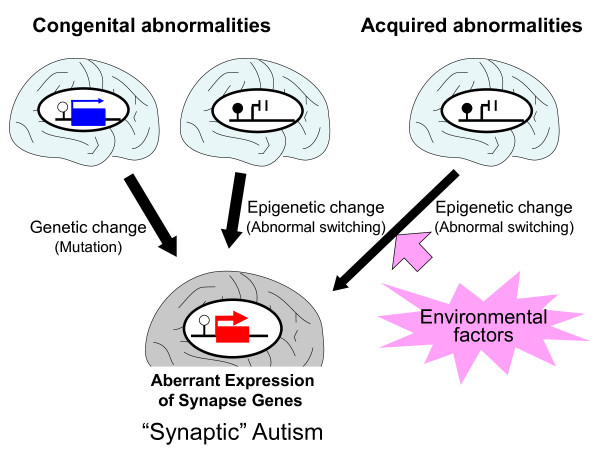
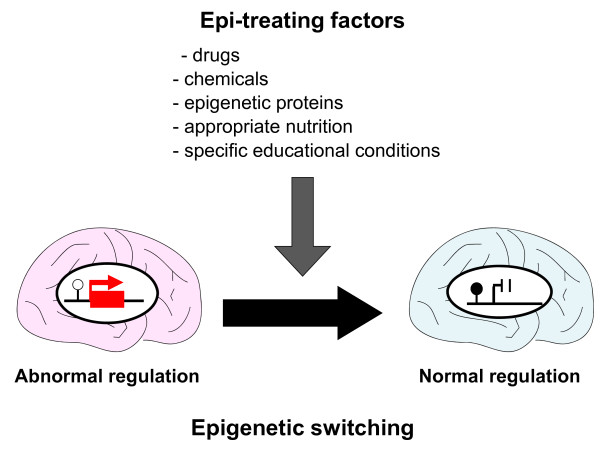
Epigenetics is a mechanism that regulates gene expression independently of the underlying DNA sequence, relying instead on the chemical modification of DNA and histone proteins. Although environmental and genetic factors were thought to be independently associated with disorders, several recent lines of evidence suggest that epigenetics bridges these two factors. Epigenetic gene regulation is essential for normal development, thus defects in epigenetics cause various rare congenital diseases. Because epigenetics is a reversible system that can be affected by various environmental factors, such as drugs, nutrition, and mental stress, the epigenetic disorders also include common diseases induced by environmental factors. In this review, we discuss the nature of epigenetic disorders, particularly psychiatric disorders, on the basis of recent findings: 1) susceptibility of the conditions to environmental factors, 2) treatment by taking advantage of their reversible nature, and 3) transgenerational inheritance of epigenetic changes, that is, acquired adaptive epigenetic changes that are passed on to offspring. These recently discovered aspects of epigenetics provide a new concept of clinical genetics.
Overview
The claims and statistics of this paper haven’t been checked yet.
Run the check — free, no account needed. It reads the open-access text and checks the sources it cites.
Integrity signals
Registry
Cites
Statistics
Figures
Verification
Claims the paper makes
The claims and statistics of this paper haven’t been checked yet.
Run the check — free, no account needed. It reads the open-access text and checks the sources it cites.
Claims other papers make about this one
Each is checked against this paper’s own text: does it say what the citing paper says it does?
The cited source says what the claim attributes to it.
In the citing paper
“DNA methylation (DNAm) is an epigenetic mechanism that regulates gene expression without altering DNA sequence”
From Distinct sex-specific DNA methylation differences in Alzheimer’s disease (2022) · cites this paper as [18]
The cited source says what the claim attributes to it.
In the citing paper
“and it is susceptible to environmental factors that modify the risk of diseases [18].”
From Distinct sex-specific DNA methylation differences in Alzheimer’s disease (2022) · cites this paper as [18]
Self-check
Percentages, sums and reported differences re-computed from the paper’s own numbers.
The self-check needs the paper’s full text.
Citations
Cites
Epigenetic programming by maternal behavior
Weaver, I. C. G., Cervoni, N., Champagne, F. A., D'Alessio, A. C., Sharma, S., Seckl, J. R., Dymov, S., Szyf, M., & Meaney, M. J. (2004) · Nature Neuroscience · doi:10.1038/nn1276 · Cited by 6,177
Okano, M., Bell, D. W., Haber, D. A., & Li, E. (1999) · Cell · doi:10.1016/s0092-8674(00)81656-6 · Cited by 6,143
Rett syndrome is caused by mutations in X-linked MECP2, encoding methyl-CpG-binding protein 2
Amir, R. E., Van den Veyver, I. B., Wan, M., Tran, C. Q., Francke, U., & Zoghbi, H. Y. (1999) · Nature Genetics · doi:10.1038/13810 · Cited by 4,990
Epigenetic differences arise during the lifetime of monozygotic twins
Fraga, M. F., Ballestar, E., Paz, M. F., Ropero, S., Setien, F., Ballestar, M. L., Heine-Suñer, D., Cigudosa, J. C., Urioste, M., Benitez, J., et al. (2005) · Proceedings of the National Academy of Sciences · doi:10.1073/pnas.0500398102 · Cited by 3,602
Strong association of de novo copy number mutations with autism
Sebat, J., Lakshmi, B., Malhotra, D., Troge, J., Lese-Martin, C., Walsh, T., Yamrom, B., Yoon, S., Krasnitz, A., Kendall, J., et al. (2007) · Science · doi:10.1126/science.1138659 · Cited by 2,795
Transcriptomic Analysis of Autistic Brain Reveals Convergent Molecular Pathology
Voineagu, I., Wang, X., Johnston, P., Lowe, J. K., Tian, Y., Horvath, S., Mill, J., Cantor, R. M., Blencowe, B. J., & Geschwind, D. H. (2011) · Nature · doi:10.1038/nature10110 · Cited by 1,874 · cited 1×
“A recent comprehensive study confirmed that there were differences between autistic and control brains in the expression levels of genes encoding synaptic proteins and proteins related to inflammation [12].”
BackgroundMeCP2, a Key Contributor to Neurological Disease, Activates and Represses Transcription
Chahrour, M., Jung, S. Y., Shaw, C., Zhou, X., Wong, S. T. C., Qin, J., & Zoghbi, H. Y. (2008) · Science · doi:10.1126/science.1153252 · Cited by 1,823
Sustained hippocampal chromatin regulation in a mouse model of depression and antidepressant action
Tsankova, N. M., Berton, O., Renthal, W., Kumar, A., Neve, R. L., & Nestler, E. J. (2006) · Nature Neuroscience · doi:10.1038/nn1659 · Cited by 1,780
Phenotypic plasticity and the epigenetics of human disease
Feinberg, A. P. (2007) · Nature · doi:10.1038/nature05919 · Cited by 1,613
A mouse Mecp2-null mutation causes neurological symptoms that mimic Rett syndrome
Guy, J., Hendrich, B., Holmes, M., Martin, J. E., & Bird, A. (2001) · Nature Genetics · doi:10.1038/85899 · Cited by 1,558
Cited by
Sorted by citations
Neural Mechanisms of Stress Resilience and Vulnerability
Franklin, T. B., Saab, B. J., & Mansuy, I. M. (2012) · Neuron · doi:10.1016/j.neuron.2012.08.016 · Cited by 500
Histone Acetylome-wide Association Study of Autism Spectrum Disorder
Sun, W., Poschmann, J., Cruz-Herrera del Rosario, R., Parikshak, N. N., Hajan, H. S., Kumar, V., Ramasamy, R., Belgard, T. G., Elanggovan, B., Wong, C. C. Y., et al. (2016) · Cell · doi:10.1016/j.cell.2016.10.031 · Cited by 306
Epigenetic regulation and chromatin remodeling in learning and memory
Kim, S., & Kaang, B. (2017) · Experimental & Molecular Medicine · doi:10.1038/emm.2016.140 · Cited by 217
Autism Spectrum Disorder: Focus on Glutamatergic Neurotransmission
Montanari, M., Martella, G., Bonsi, P., & Meringolo, M. (2022) · International Journal of Molecular Sciences · doi:10.3390/ijms23073861 · Cited by 114
Epigenetics and Autism Spectrum Disorder: Is There a Correlation?
Eshraghi, A. A., Liu, C., Kay, S.-I. S., Eshraghi, R. S., Mittal, J., Moshiree, B., & Mittal, R. (2018) · Frontiers in Cellular Neuroscience · doi:10.3389/fncel.2018.00078 · Cited by 100
Duan, Y., Ma, Y., Qin, W., Ding, L., Zheng, Y., Zhu, Y., Zhai, X.-Y., Yang, J. C., Ma, C.-Y., & Guan, Y. (2017) · European Journal of Medicinal Chemistry · doi:10.1016/j.ejmech.2017.09.038 · Cited by 95
Xu, Y., Chen, X.-T., Luo, M., Tang, Y., Zhang, G., Wu, D., Yang, B., Ruan, D., & Wang, H.-L. (2015) · Journal of Psychiatric Research · doi:10.1016/j.jpsychires.2015.03.006 · Cited by 92
Jung, K. H., Torrone, D., Lovinsky‐Desir, S., Perzanowski, M. S., Bautista, J., Jezioro, J. R., Hoepner, L., Ross, J., Perera, F. P., Chillrud, S. N., et al. (2017) · Respiratory Research · doi:10.1186/s12931-017-0550-9 · Cited by 91
Transtorno do Espectro do Autismo
Vital, A. A. F., GARCIA, A. H. C., SANTOS, A. P. D., Saad, A. G. D. F., DIAS, C. G. D. F., Miccas, C., de Araújo, C. O., MAGALHÃES, C. M., LOURENÇO, D. P. L., Galeti, F., et al. (2021) · doi:10.29327/558796 · Cited by 86
Rössnerová, A., Tulupová, E., Tabashidze, N., Schmuczerová, J., Dostál, M., Rössner, P., Gmuender, H., & Šrám, R. J. (2013) · Mutation research. Fundamental and molecular mechanisms of mutagenesis · doi:10.1016/j.mrfmmm.2013.02.003 · Cited by 81
Xia, Y., Dai, R., Wang, K., Jiao, C., Zhang, C., Xu, Y., Li, H., Jing, X., Chen, Y., Jiang, Y., et al. (2021) · Molecular Psychiatry · doi:10.1038/s41380-019-0416-2 · Cited by 80
Future Directions in ADHD Etiology Research
Nigg, J. T. (2012) · Journal of Clinical Child & Adolescent Psychology · doi:10.1080/15374416.2012.686870 · Cited by 85
Egorova, O., Myte, R., Schneede, J., Hägglöf, B., Bölte, S., Domellöf, E., A’roch, B. I., Elgh, F., Ueland, P. M., & Silfverdal, S. (2020) · Molecular Autism · doi:10.1186/s13229-020-0315-z · Cited by 72
Psychiatric Genomics and Mental Health Treatment: Setting the Ethical Agenda
Kong, C., Dunn, M., & Parker, M. J. (2017) · The American Journal of Bioethics · doi:10.1080/15265161.2017.1284915 · Cited by 71
Understanding epigenetic architecture of suicide neurobiology: A critical perspective
Roy, B., & Dwivedi, Y. (2016) · Neuroscience & Biobehavioral Reviews · doi:10.1016/j.neubiorev.2016.10.031 · Cited by 70
Lv, F., Wan, Y., Chen, Y., Pei, L., Luo, D., Fan, G., Luo, M., Xu, D., & Wang, H. (2018) · Endocrinology · doi:10.1210/en.2018-00044 · Cited by 68
The Role of Pharmacogenetics in Personalizing the Antidepressant and Anxiolytic Therapy
Radosavljević, M., Štrac, D. Š., Jančić, J., & Samardžić, J. (2023) · Genes · doi:10.3390/genes14051095 · Cited by 68
MiR-7 Promotes Epithelial Cell Transformation by Targeting the Tumor Suppressor KLF4
Meza‐Sosa, K. F., Pérez-García, E. I., Camacho‐Concha, N., López-Gutiérrez, O., Pedraza‐Alva, G., & Pérez‐Martínez, L. (2014) · PLoS ONE · doi:10.1371/journal.pone.0103987 · Cited by 60
Jung, K. H., Lovinsky‐Desir, S., Yan, B., Torrone, D., Lawrence, J., Jezioro, J. R., Perzanowski, M. S., Perera, F. P., Chillrud, S. N., & Miller, R. L. (2017) · Clinical Epigenetics · doi:10.1186/s13148-017-0361-3 · Cited by 58
Prebiotics and probiotics as potential therapy for cognitive impairment
Romo‐Araiza, A., & Ibarra, A. (2019) · Medical Hypotheses · doi:10.1016/j.mehy.2019.109410 · Cited by 61
Zhou, J., Li, M., Wang, X., He, Y., Xia, Y., Sweeney, J. A., Kopp, R. F., Liu, C., & Chen, C. (2021) · Frontiers in Neuroscience · doi:10.3389/fnins.2021.674273 · Cited by 56
Wu, X., Wang, L., Xie, Q., & Tan, P. (2019) · Aquaculture Research · doi:10.1111/are.14348 · Cited by 55
Nöthling, J., Malan-Müller, S., Abrahams, N., Hemmings, S. M. J., & Seedat, S. (2020) · The World Journal of Biological Psychiatry · doi:10.1080/15622975.2019.1583369 · Cited by 74
Attention deficits and hyperactivity–impulsivity: What have we learned, what next?
Nigg, J. T. (2013) · Development and Psychopathology · doi:10.1017/s0954579413000734 · Cited by 51
Steiger, H., & Thaler, L. (2016) · Physiology & Behavior · doi:10.1016/j.physbeh.2016.01.041 · Cited by 52
Role of Microtubule-Associated Protein in Autism Spectrum Disorder
Chang, Q., Yang, H., Wang, M., Wei, H., & Hu, F. (2018) · Neuroscience Bulletin · doi:10.1007/s12264-018-0246-2 · Cited by 51
Genetics of eating disorders in the genome-wide era
Watson, H. J., Palmos, A. B., Hunjan, A. K., Baker, J. H., Yılmaz, Z., & Davies, H. L. (2021) · Psychological Medicine · doi:10.1017/s0033291720005474 · Cited by 52
MTHFR Gene C677T Polymorphism in Autism Spectrum Disorders
Şener, E. F., Öztop, D. B., & Özkul, Y. (2014) · Genetics Research International · doi:10.1155/2014/698574 · Cited by 54
Chen, Q., Liu, X., & Zheng, P. (2014) · PLoS ONE · doi:10.1371/journal.pone.0107045 · Cited by 46
Human disease biomarker panels through systems biology
Smith, B. J., Silva-Costa, L. C., & Martins‐de‐Souza, D. (2021) · Biophysical Reviews · doi:10.1007/s12551-021-00849-y · Cited by 44
Ovrom, E. A., Mostert, K., Khakhkhar, S., McKee, D. P., Yang, P., & Her, Y. F. (2023) · Biomedicines · doi:10.3390/biomedicines11041119 · Cited by 51
Epigenetics and Nutritional Environmental Signals
MAZZIO, E. A., & Soliman, K. F. A. (2014) · Integrative and Comparative Biology · doi:10.1093/icb/icu049 · Cited by 45
Fernández, C., Caballero, D. P., González-Fernández, S., & Álvarez, M. P. (2018) · Frontiers in Psychology · doi:10.3389/fpsyg.2018.01618 · Cited by 47
Dysregulated A to I RNA editing and non-coding RNAs in neurodegeneration
Singh, M. (2013) · Frontiers in Genetics · doi:10.3389/fgene.2012.00326 · Cited by 44
Meijer, M., Klein, M., Hannon, E. J., van der Meer, D., Hartman, C. A., Oosterlaan, J., Heslenfeld, D. J., Hoekstra, P. J., Buitelaar, J. K., Mill, J. S., et al. (2020) · Frontiers in Genetics · doi:10.3389/fgene.2020.00016 · Cited by 46
Sex-specific DNA methylation: impact on human health and development
Govender, P., Ghai, M., & Okpeku, M. (2022) · Molecular Genetics and Genomics · doi:10.1007/s00438-022-01935-w · Cited by 45
Memory and Self–Neuroscientific Landscapes
Markowitsch, H. J. (2013) · ISRN Neuroscience · doi:10.1155/2013/176027 · Cited by 43
Epigenetic Treatment of Neuropsychiatric Disorders: Autism and Schizophrenia
Moos, W. H., Maneta, E., Pinkert, C. A., Irwin, M. H., Hoffman, M. E., Faller, D. V., & Steliou, K. (2016) · Drug Development Research · doi:10.1002/ddr.21295 · Cited by 41
ADHD-originating in the gut? The emergence of a new explanatory model
Sandgren, A. M., & Brummer, R. J. (2018) · Medical Hypotheses · doi:10.1016/j.mehy.2018.08.022 · Cited by 40
Hao, G., Youssef, N. A., Davis, C. L., & Su, S. (2017) · International Journal of Cardiology · doi:10.1016/j.ijcard.2017.12.063 · Cited by 37
Pallier, P. N., Ferrara, M., Romagnolo, F., Ferretti, M. T., Soreq, H., & Cerase, A. (2022) · Progress in Neurobiology · doi:10.1016/j.pneurobio.2022.102353 · Cited by 37
Microbial dysbiosis and epigenetics modulation in cancer development – A chemopreventive approach
Haque, S., Raina, R., Afroze, N., Hussain, A., Alsulimani, A., Singh, V., Mishra, B. N., Kaul, S., & Kharwar, R. N. (2021) · Seminars in Cancer Biology · doi:10.1016/j.semcancer.2021.06.024 · Cited by 35
Distinct sex-specific DNA methylation differences in Alzheimer’s disease
C. Silva, T., Zhang, W., Young, J. I., Gomez, L., Schmidt, M. A., Varma, A., Chen, X. S., Martin, E. R., & Wang, L. (2022) · Alzheimer's Research & Therapy · doi:10.1186/s13195-022-01070-z · Cited by 33
“DNA methylation (DNAm) is an epigenetic mechanism that regulates gene expression without altering DNA sequence, and it is susceptible to environmental factors that modify the risk of diseases [18].”
BackgroundThe Role of Epigenetics in Type 1 Diabetes
Xie, Z., Chang, C., Huang, G., & Zhou, Z. (2020) · Advances in experimental medicine and biology · doi:10.1007/978-981-15-3449-2_9 · Cited by 36
Dey, A., Vaishak, K., Deka, D., Radhakrishnan, A., Paul, S., Shanmugam, P., Selvabai, R. A. P., Pathak, S., Duttaroy, A. K., & Banerjee, A. (2023) · Infection · doi:10.1007/s15010-023-02017-8 · Cited by 34
Padumadasa, C., Dharmadana, D., Abeysekera, A. M., & Thammitiyagodage, M. G. (2016) · BMC Complementary and Alternative Medicine · doi:10.1186/s12906-016-1335-2 · Cited by 31
Lima, R. P. A., do Nascimento, R. A. F., Luna, R. C. P., Persuhn, D. C., Silva, A. S., Gonçalves, M. D. C. R., de Almeida, A. T. C., de Moraes, R. M., Verly, E., Meugnier, E., et al. (2017) · Clinical Epigenetics · doi:10.1186/s13148-017-0407-6 · Cited by 31
In vitro modeling of the neurobiological effects of glucocorticoids: A review
Bassil, K. C., Krontira, A. C., Leroy, T., Escoto, A. I. H., Snijders, C., Pernia, C. D., Pasterkamp, R. J., de Nijs, L., van den Hove, D., Kenis, G., et al. (2023) · Neurobiology of Stress · doi:10.1016/j.ynstr.2023.100530 · Cited by 35
Epigenetic silencing of TMEM176A promotes esophageal squamous cell cancer development
Wang, Y., Zhang, Y., Herman, J. G., Linghu, E., & Guo, M. (2017) · Oncotarget · doi:10.18632/oncotarget.19550 · Cited by 30
Verediano, T. A., Viana, M. L., Tostes, M. D. G. V., Oliveira, D. D. S., Nunes, L. D. C., & Costa, N. M. B. (2020) · Journal of the Science of Food and Agriculture · doi:10.1002/jsfa.10595 · Cited by 29
The Matrix of Needs: Reframing Maslow’s Hierarchy
Bowen, B. (2021) · Health · doi:10.4236/health.2021.135041 · Cited by 38
Implication of gut microbes and its metabolites in colorectal cancer
Kumar, A., Ali, A., Kapardar, R. K., Dar, G. M., Nimisha, Apurva, A., Sharma, A. K., Verma, R., Sattar, R. S. A., Ahmad, E., et al. (2022) · Journal of Cancer Research and Clinical Oncology · doi:10.1007/s00432-022-04422-2 · Cited by 26
Defining epigenetic literacy: How to integrate epigenetics into the biology curriculum
Gericke, N., & Ewen, B. M. (2023) · Journal of Research in Science Teaching · doi:10.1002/tea.21856 · Cited by 27
The role of nutraceuticals in the management of autism
Alanazi, A. (2012) · Saudi Pharmaceutical Journal · doi:10.1016/j.jsps.2012.10.001 · Cited by 26
Histone deacetylase activity is altered in brain areas from aged rats
Anna, G. D. S. S., Elsner, V. R., Moysés, F. D. S., Cechinel, L. R., Lovatel, G. A., & Siqueira, I. R. (2013) · Neuroscience Letters · doi:10.1016/j.neulet.2013.10.016 · Cited by 24
McMonnies, C. W. (2014) · Eye & Contact Lens Science & Clinical Practice · doi:10.1097/icl.0000000000000078 · Cited by 24
Chubar, V., Vaessen, T., Noortgate, W. V. D., Lutin, E., Bosmans, G., Bekaert, B., Leeuwen, K. G. V., Calders, F., Weyn, S., Bijttebier, P., et al. (2023) · Psychoneuroendocrinology · doi:10.1016/j.psyneuen.2023.106045 · Cited by 25
Attachment-related dimensions in the epigenetic era: A systematic review of the human research
Craig, F., Tenuta, F., Rizzato, V., Costabile, A., Trabacca, A., & Montirosso, R. (2021) · Neuroscience & Biobehavioral Reviews · doi:10.1016/j.neubiorev.2021.03.006 · Cited by 23
Epigenetic regulation in the pathophysiology of Lewy body dementia
Chouliaras, L., Kumar, G. S., Thomas, A. J., Lunnon, K., Chinnery, P. F., & O'Brien, J. T. (2020) · Progress in Neurobiology · doi:10.1016/j.pneurobio.2020.101822 · Cited by 24
Duraipandian, S., Mo, J., Zheng, W., & Huang, Z. (2014) · The Analyst · doi:10.1039/c4an00795f · Cited by 22
Liu, D., Andrade, S. P., Castro, P. R., Treacy, J., Ashworth, J., & SLEVIN, M. A. (2016) · Scientific Reports · doi:10.1038/srep34649 · Cited by 23
Bann, D., Holly, J. M. P., Lashen, H., Hardy, R., Adams, J. E., Kuh, D. J., Ong, K. K., & Ben‐Shlomo, Y. (2015) · Obesity · doi:10.1002/oby.21002 · Cited by 22
Active Cigarette Smoking Is Associated With an Exacerbation of Genetic Susceptibility to Diabetes
Lin, W., Liu, Y.-L., Yang, A. C., Tsai, S., & Kuo, P. (2020) · Diabetes · doi:10.2337/db20-0156 · Cited by 21
Clinical prediction of the need for interventions for the control of myopia
McMonnies, C. W. (2014) · Clinical and Experimental Optometry · doi:10.1111/cxo.12212 · Cited by 21
Roy, S., Yadav, S., Dasgupta, T., Chawla, S., Tandon, R., & Ghosh, S. (2018) · Drug Discovery Today · doi:10.1016/j.drudis.2018.10.017 · Cited by 21
Sadeghi, S., Pouretemad, H., Khosrowabadi, R., Fathabadi, J., & Nikbakht, S. (2019) · Early Child Development and Care · doi:10.1080/03004430.2019.1649256 · Cited by 22
Aissa, A. F., Gomes, T. D. U. H., Almeida, M. R., Hernandes, L. C., Darin, J. D. C., Bianchi, M. L. P., & Antunes, L. M. G. (2013) · Food and Chemical Toxicology · doi:10.1016/j.fct.2013.09.004 · Cited by 20
Calcium butyrate: Anti-inflammatory effect on experimental colitis in rats and antitumor properties
Celasco, G., Moro, L., Aiello, C., Mangano, K., Milasi, A., Quattrocchi, C., & Marco, R. D. (2014) · Biomedical Reports · doi:10.3892/br.2014.273 · Cited by 20
A critical appraisal of clinical epigenetics
Horsthemke, B. (2022) · Clinical Epigenetics · doi:10.1186/s13148-022-01315-6 · Cited by 24
Winz, M., & Söderström, O. (2020) · BioSocieties · doi:10.1057/s41292-020-00183-8 · Cited by 21
Sakane, J., Taniyama, K., Miyamoto, K., Saito, A., Kuraoka, K., 西村, 俊., Sentani, K., Oue, N., & Yasui, W. (2015) · Diagnostic Cytopathology · doi:10.1002/dc.23256 · Cited by 19
The missing heritability in type 1 diabetes
Pang, H., Lin, J., Luo, S., Huang, G., Li, X., Xie, Z., & Zhou, Z. (2022) · Diabetes Obesity and Metabolism · doi:10.1111/dom.14777 · Cited by 19
Sultana, S., Uehara, O., Yoshida, K., Saito, T., & Abiko, Y. (2021) · Odontology · doi:10.1007/s10266-020-00588-8 · Cited by 18
Rajkumar, A. P., Qvist, P., Donskov, J. G., Lazarus, R. M., Pallesen, J., Nava, N., Winther, G., Liebenberg, N., la Cour, S. H., Paternoster, V., et al. (2020) · Translational Psychiatry · doi:10.1038/s41398-020-00914-2 · Cited by 19
Zinc as a plausible epigenetic modulator of glioblastoma multiforme
Vignesh Balaji, E., Kumar, N., Satarker, S., & Nampoothiri, M. (2020) · European Journal of Pharmacology · doi:10.1016/j.ejphar.2020.173549 · Cited by 17
Epigenome-wide DNA methylation in externalizing behaviours: A review and combined analysis
Meijer, M., Franke, B., Sandi, C., & Klein, M. (2022) · Neuroscience & Biobehavioral Reviews · doi:10.1016/j.neubiorev.2022.104997 · Cited by 19
Epigenetic Alterations in Prescription Opioid Misuse: New Strategies for Precision Pain Management
Gerra, M. C., Dallabona, C., & Arendt‐Nielsen, L. (2021) · Genes · doi:10.3390/genes12081226 · Cited by 17
Anusha, C., Sekar, A., Kavya, S. H., Chidambaram, R. K., Kalaiarasi, A., Senthilkumar, G. P., & Ravikumar, V. (2017) · Investigational New Drugs · doi:10.1007/s10637-017-0489-1 · Cited by 15
Li, L., Taylor, M. J., Bälter, K. A., Xie, T., Solberg, B. S., Haavik, J., Vásquez, A. A., Hartman, C. A., & Larsson, H. (2021) · Genes · doi:10.3390/genes13010047 · Cited by 14
The early life exposome and autism risk: a role for the maternal microbiome?
Gesù, C. M. D., & Buffington, S. A. (2024) · Gut Microbes · doi:10.1080/19490976.2024.2385117 · Cited by 16
Zhou, J., Xia, Y., Li, M., Chen, Y., Dai, R., Liu, C., & Chen, C. (2023) · Molecular Psychiatry · doi:10.1038/s41380-023-02243-4 · Cited by 15
Lima, G. C., Vieira, V. C. C., Cazarin, C. B. B., Rosa‐Ribeiro, R., Bogusz, S., de Albuquerque, C. L., Vidal, R. O., Netto, C. C., Yamada, A. T., Augusto, F., et al. (2017) · European Journal of Nutrition · doi:10.1007/s00394-017-1435-x · Cited by 13
Muehlmann, A. M., Bliznyuk, N., Duerr, I., Yang, T. P., & Lewis, M. H. (2019) · Developmental Psychobiology · doi:10.1002/dev.21914 · Cited by 15
Role of Epigenetics in Type 2 Diabetes and Obesity
Capparelli, R., & Iannelli, D. (2021) · Biomedicines · doi:10.3390/biomedicines9080977 · Cited by 14
Color, light, and birth space design: An integrative review
Balabanoff, D. (2023) · Color Research & Application · doi:10.1002/col.22842 · Cited by 12
CRISPR/Cas9-directed epigenetic editing in colorectal cancer
Gupta, M. K., Gouda, G., Moazzam‐Jazi, M., Vadde, R., Nagaraju, G. P., & El‐Rayes, B. F. (2025) · Biochimica et Biophysica Acta (BBA) - Reviews on Cancer · doi:10.1016/j.bbcan.2025.189338 · Cited by 12
Dietary Sodium Butyrate Supplementation Promotes Oxidative Fiber Formation in Mice
Chang, S., Chen, X., Huang, Z., Chen, D., Yu, B., Chen, H., He, J., Luo, J., Zheng, P., Yu, J., et al. (2017) · Animal Biotechnology · doi:10.1080/10495398.2017.1358734 · Cited by 12
Chen, J., Li, Y., Tang, Z., & Sun, Z. (2019) · Current Protein and Peptide Science · doi:10.2174/1389203720666190514120023 · Cited by 12
Bartra, C., Irisarri, A., Villoslada, A., Corpas, R., Aguirre, S., García-Lara, E., Sunol, C. E., Pallàs, M., Griñán‐Ferré, C., & Sanfeliu, C. (2022) · International Journal of Molecular Sciences · doi:10.3390/ijms232315151 · Cited by 13
Navarro‐Mateu, F., Tormo, M., Vilagut, G., Alonso, J., Ruíz-Merino, G., Escámez, T., Salmerón, D., Júdez, J., Martı́nez, S., & Navarro, C. (2013) · BMJ Open · doi:10.1136/bmjopen-2013-004035 · Cited by 12
Epigenetics: A possible answer to the undeciphered etiopathogenesis and behavior of oral lesions
Peer, A., Singh, N. N., Nair, S., & Chaturvedi, R. (2016) · Journal of Oral and Maxillofacial Pathology · doi:10.4103/0973-029x.180967 · Cited by 13
Rastogi, M., Sarkar, S., Makol, A., Singh, R. S., Saikia, U. N., Banerjee, D., Chopra, S., & Chakraborti, A. (2018) · Genes & Diseases · doi:10.1016/j.gendis.2018.02.002 · Cited by 10
Agulló, L., Escorial, M., Orutño, S., Muriel, J., Sandoval, J., Margarit, C., & Peiró, A. M. (2024) · Addiction Biology · doi:10.1111/adb.13422 · Cited by 9
Diverse forms of pulmonary hypertension remodel the arterial tree to a high shear phenotype
Allen, R. P., Schelegle, E. S., & Bennett, S. H. (2014) · American Journal of Physiology-Heart and Circulatory Physiology · doi:10.1152/ajpheart.00144.2014 · Cited by 9
Milk’s Flows: Making and Transmitting Kinship, Health, and Personhood
Malcolm, R. (2021) · Medical Humanities · doi:10.1136/medhum-2019-011829 · Cited by 9
MTHFR rs1801133 Gene Polymorphism and Autism Susceptibility
Delshadpour, M., Mashayekhi, F., Bidabadi, E., & Salehi, Z. (2017) · Caspian Journal of Neurological Sciences · doi:10.18869/acadpub.cjns.3.8.39 · Cited by 9
Seddon, A. R., Das, A. B., Hampton, M. B., & Stevens, A. J. (2022) · Human Molecular Genetics · doi:10.1093/hmg/ddac232 · Cited by 12
Roles of polyphenols as dietary epigenetic modulators
Hyun, T. K. (2019) · Minerva Biotecnologica · doi:10.23736/s1120-4826.19.02522-9 · Cited by 7
Wang, H., Ji, B., Ren, H., & Meng, C. (2014) · Microbial Biotechnology · doi:10.1111/1751-7915.12121 · Cited by 7
Detection of CDH1 gene promoter hypermethylation in gastric cancer and chronic gastritis
Bayat, M., Shirgir, A., Veisari, A. K., & Sadeghi, R. N. (2024) · Practical Laboratory Medicine · doi:10.1016/j.plabm.2024.e00406 · Cited by 6
Metadata
- Authors
- Kubota, T., Miyake, K., & Hirasawa, T.
- Affiliations
- University of Yamanashi (JP)
- Corresponding author
- Kubota, Takeo
- ORCID
- Miyake, Kunio
- Venue
- Clinical Epigenetics
- Published
- 2012-01-20
- Volume
- 4
- Issue
- 1
- Pages
- 1-1
- ISSN
- 1868-7075 (ISSN-L)
- 1868-7083
- PMC
- PMC3305338
- OpenAlex
- W2156106199
- Cited by
- 157
- References
- 77
- Citations by year
- 2026: 2 · 2025: 11 · 2024: 7 · 2023: 15 · 2022: 12 · 2021: 16 · 2020: 14 · 2019: 12 · 2018: 11 · 2017: 14 · 2016: 7 · 2015: 8 · 2014: 14 · 2013: 11 · 2012: 3
- FWCI
- 4.63
- Type
- journal article
- Language
- en
- Open access
- gold
- doi.org
- Licence
- Locations
- Clinical Epigenetics (publishedVersion, cc-by)
- PubMed Central (publishedVersion, cc-by)
- PubMed (publishedVersion)
- DOAJ (DOAJ: Directory of Open Access Journals) (submittedVersion)
- Funders
- Ministry of Education, Culture, Sports, Science and Technology
- Japan Society for the Promotion of Science (23791156, 24659437, 23390272, 23591491, 23659519)
- Topics
- Life Sciences › Biochemistry, Genetics and Molecular Biology › Molecular Biology › Epigenetics and DNA Methylation
- Life Sciences › Biochemistry, Genetics and Molecular Biology › Genetics › Genetic Associations and Epidemiology
- Life Sciences › Biochemistry, Genetics and Molecular Biology › Genetics › Genetic Syndromes and Imprinting
- Keywords
- epigenetics, gene-environment interaction, mental illness, epigenetic disorders, DNA methylation, histone modifications, environmental factors, transgenerational epigenetic inheritance, medical genetics, epigenetic therapy
About these checks
Registry, retraction, Cites and statistics results are computed, not judged, with one exception: a printed reference that no index lists is read once by a model before it counts as a citation error. Claims are extracted by a model and kept only when their quote appears verbatim in the text; each cited source is then checked, with a model’s help, for whether it says what the claim relies on. Those verdicts can be wrong — read the claim’s quote and the cited source before relying on one.
Statistics and arithmetic are recomputed, not judged.
Confidence bands are shown only for fields calibrated on our annotated test set. None is calibrated yet, so no band is shown.
What counts as a claim ›How we measure confidence ›How we check this ›
Are you an author, or do you see a problem with this page? Request a review
