

Common genetic variants, acting additively, are a major source of risk for autism
Open accessThe DOI matches its Crossref record; 71 of the 72 references it cites were found in a registry or an index.
Abstract
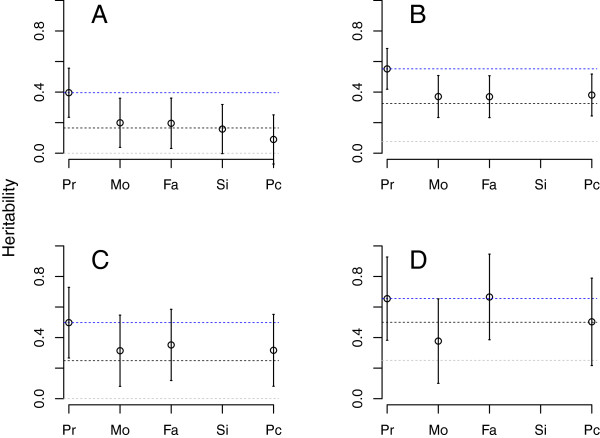
Background: Autism spectrum disorders (ASD) are early onset neurodevelopmental syndromes typified by impairments in reciprocal social interaction and communication, accompanied by restricted and repetitive behaviors. While rare and especially de novo genetic variation are known to affect liability, whether common genetic polymorphism plays a substantial role is an open question and the relative contribution of genes and environment is contentious. It is probable that the relative contributions of rare and common variation, as well as environment, differs between ASD families having only a single affected individual (simplex) versus multiplex families who have two or more affected individuals. Methods: By using quantitative genetics techniques and the contrast of ASD subjects to controls, we estimate what portion of liability can be explained by additive genetic effects, known as narrow-sense heritability. We evaluate relatives of ASD subjects using the same methods to evaluate the assumptions of the additive model and partition families by simplex/multiplex status to determine how heritability changes with status. Results: By analyzing common variation throughout the genome, we show that common genetic polymorphism exerts substantial additive genetic effects on ASD liability and that simplex/multiplex family status has an impact on the identified composition of that risk. As a fraction of the total variation in liability, the estimated narrow-sense heritability exceeds 60% for ASD individuals from multiplex families and is approximately 40% for simplex families. By analyzing parents, unaffected siblings and alleles not transmitted from parents to their affected children, we conclude that the data for simplex ASD families follow the expectation for additive models closely. The data from multiplex families deviate somewhat from an additive model, possibly due to parental assortative mating. Conclusions: Our results, when viewed in the context of results from genome-wide association studies, demonstrate that a myriad of common variants of very small effect impacts ASD liability.
Overview
The claims and statistics of this paper haven’t been checked yet.
Free: it reads the open-access text and checks the first 5 claims that cite a source we can check. Create a free account to check every claim.
Integrity signals
Registry
Cites
Statistics
Figures
Verification
Claims the paper makes
The claims and statistics of this paper haven’t been checked yet.
Free: it reads the open-access text and checks the first 5 claims that cite a source we can check. Create a free account to check every claim.
Claims other papers make about this one
Each is checked against this paper’s own text: does it say what the citing paper says it does?
The check wasn’t confident either way, so it gives no verdict — never disputed.
In the citing paper
“which is higher than estimates from iPSYCH16 but lower than estimates from the AGRE55 and PAGES56 cohorts.”
From Genetic correlates of phenotypic heterogeneity in autism (2022) · cites this paper as [55]
Experimental — accuracy not yet measuredIn the citing paper
“Most of the autistic population is considered “idiopathic” with causes unknown, likely the result of complex polygenic and environmental interactions [1,2,3,4].”
From The Relationship between Autism and Ehlers-Danlos Syndromes/Hypermobility Spectrum Disorders (2020) · cites this paper as [2]
In the citing paper
“Common SNPs acting additively have been reported as a major source of risk for ASD (42) with heritability exceeding 60% for ASD individuals from multiplex families and approximately 40% for simplex families.”
From Gene × Environment Interactions in Autism Spectrum Disorders: Role of Epigenetic Mechanisms (2014) · cites this paper as [42]
In the citing paper
“there is no evidence that the role of environment is more important in the case of absence of de novo event, as common variants were shown to contribute substantially to autism risk (42).”
From Gene × Environment Interactions in Autism Spectrum Disorders: Role of Epigenetic Mechanisms (2014) · cites this paper as [42]
In the citing paper
“We opted to conduct heritability analyses using unscreened population controls rather than family controls (that is, pseudocontrols or unaffected family members), as this likely reduces SNP heritability96 owing to parents having higher genetic likelihood for autism compared to unselected population controls55 and due to assortative mating97.”
From Genetic correlates of phenotypic heterogeneity in autism (2022) · cites this paper as [55]
4 more claims about this paper
Create a free account to see every claim other papers make about this one.
Self-check
Percentages, sums and reported differences re-computed from the paper’s own numbers.
The self-check needs the paper’s full text.
Citations
Cites
PLINK: a tool set for whole-genome association and population-based linkage analyses.
Purcell, S., Neale, B., Todd-Brown, K., Thomas, L., Ferreira, M. A. R., Bender, D., Maller, J., Sklar, P., de Bakker, P. I. W., Daly, M. J., et al. (2007) · The American Journal of Human Genetics · doi:10.1086/519795 · Cited by 34,089 · cited 2×
“We also generate a “ pseudo-control ” from the alleles that parents did not transmit to their affected offspring by using the program Plink [37].”
Introduction to Quantitative Genetics.
Edwards, A. W. F., & Falconer, D. S. (1982) · Biometrics · doi:10.2307/2529912 · Cited by 21,447
Principal components analysis corrects for stratification in genome-wide association studies
Price, A. L., Patterson, N. J., Plenge, R. M., Weinblatt, M. E., Shadick, N. A., & Reich, D. (2006) · Nature Genetics · doi:10.1038/ng1847 · Cited by 10,248 · cited 1×
“Instead it appears that population-based controls contrasted with ASD cases would be a more powerful design [65], even after adjusting for ancestry [66].”
GCTA: a tool for genome-wide complex trait analysis
Yang, J., Lee, S. H., Goddard, M. E., & Visscher, P. M. (2011) · The American Journal of Human Genetics · doi:10.1016/j.ajhg.2010.11.011 · Cited by 8,279 · cited 2×
“Estimating heritability as a case-control contrast Heritability of ASD from probands versus controls was estimated using GCTA software [28], which encodes the theory laid out in [17,18].”
Common polygenic variation contributes to risk of schizophrenia and bipolar disorder
The International Schizophrenia Consortium (2009) · Nature · doi:10.1038/nature08185 · Cited by 4,821 · cited 2×
“There is now sound evidence for common variants affecting liability for schizophrenia [55-57], including a study similar to ours [46].”
Common SNPs explain a large proportion of the heritability for human height
Yang, J., Benyamin, B., McEvoy, B. P., Gordon, S., Henders, A. K., Nyholt, D. R., Madden, P. A., Heath, A. C., Martin, N. G., Montgomery, G. W., et al. (2010) · Nature Genetics · doi:10.1038/ng.608 · Cited by 4,446
Strong association of de novo copy number mutations with autism
Sebat, J., Lakshmi, B., Malhotra, D., Troge, J., Lese-Martin, C., Walsh, T., Yamrom, B., Yoon, S., Krasnitz, A., Kendall, J., et al. (2007) · Science · doi:10.1126/science.1138659 · Cited by 2,795 · cited 5×
“These results suggest that the difference between multiplex and simplex families is largely a matter of degree (see also [42]), namely the number of liability alleles carried by parents, rather than a fundamental difference in the genetic architecture [4,43].”
InfluentialSelf-citationAutism as a strongly genetic disorder: evidence from a British twin study
Bailey, A., Le Couteur, A., Gottesman, I., Bolton, P., Simonoff, E., Yuzda, E., & Rutter, M. (1995) · Psychological Medicine · doi:10.1017/s0033291700028099 · Cited by 2,461 · cited 2×
“Still our findings of substantial heritability are consistent with the majority of twin studies [1,2] and are richer in some ways because the analytic technique [17,18] used here provides a direct estimate of the proportion of liability attributable to additive genetic effects, whereas twin studies…”
Genetic relationship between five psychiatric disorders estimated from genome-wide SNPs
Cross-Disorder Group of the Psychiatric Genomics Consortium (2013) · Nature Genetics · doi:10.1038/ng.2711 · Cited by 2,263
Research works printed but not linked: 3
- Constantino JN Gruber CP The Social Responsiveness Scale manual 2005 Los Angeles, CA: Western Psychological Services
- HealthABC data http://www.ncbi.nlm.nih.gov/projects/gap/cgi-bin/study.cgi?study_id=phs000169.v1.p1
- Neurogenetics Research Consortium data http://www.ncbi.nlm.nih.gov/projects/gap/cgi-bin/study.cgi?study_id=phs000196.v2.p1
Cited by
Items 201–300 of 449
Gabriele, S., Lombardi, F., Sacco, R., Napolioni, V., Altieri, L., Tirindelli, M. C., Gregorj, C., Bravaccio, C., Rousseau, F., & Persico, A. M. (2014) · Journal of Psychiatric Research · doi:10.1016/j.jpsychires.2014.07.021 · Cited by 29
“Moreover, common genetic variants collectively account for at least 50% of ASD liability (Klei et al., 2012), although each single variant exerts a small effect (Anney et al., 2012).”
BackgroundIdentifying Essential Cell Types and Circuits in Autism Spectrum Disorders
Maloney, S. E., Rieger, M. A., & Dougherty, J. D. (2013) · International Review of Neurobiology · doi:10.1016/b978-0-12-418700-9.00003-4 · Cited by 25
“Common variation has been shown to contribute significantly to risk in a multiple hit, or oligogenic, model (Klei et al., 2012) though the contribution of each gene is quite small.”
BackgroundDavis, J. M., Heft, I., Scherer, S. W., & Sikela, J. M. (2019) · American Journal of Psychiatry · doi:10.1176/appi.ajp.2018.18080993 · Cited by 27
“This missing heritability and the heterogeneity of the condition have led to hypotheses of polygenetic effects involving hundreds-to-thousands of small effect loci, and speculation that autism could be caused by numerous different alleles acting in summation or in a complex and unidentified pattern (15).”
BackgroundRafi, S. K., Fernández‐Jaén, A., Álvarez, S., Nadeau, O. W., & Butler, M. G. (2019) · International Journal of Molecular Sciences · doi:10.3390/ijms20133358 · Cited by 28
“Though common variants are a large driving factors in autism spectrum disorder, the effect size of individual common variants is estimated to be small [38,39].”
BackgroundCommon EIF4E variants modulate risk for autism spectrum disorders in the high-functioning range
Waltes, R., Gfesser, J., Haslinger, D., Schneider-Momm, K., Biscaldi, M., Voran, A., Freitag, C. M., & Chiocchetti, A. G. (2014) · Journal of Neural Transmission · doi:10.1007/s00702-014-1230-2 · Cited by 27
“In addition, common variants increase ASD risk (Abrahams and Geschwind 2008; McCarthy et al. 2008) and explain a large fraction exceeding 40–60 % of the total variance in both, simplex and multiplex families (Klei et al. 2012).”
BackgroundRare copy number variants are common in young children with autism spectrum disorder
Eriksson, M. A., Liedén, A., Westerlund, J., Bremer, A., Wincent, J., Sahlin, E., Gillberg, C., Fernell, E., & Anderlid, B. (2015) · Acta Paediatrica · doi:10.1111/apa.12969 · Cited by 32
“estimated that common genetic polymorphism explained at least 60% of the variance in ASD cases from multiplex families and that a myriad of common variants of very small effect impacted ASD liability (17).”
BackgroundSomatic Mosaicism and Autism Spectrum Disorder
D’Gama, A. M. (2021) · Genes · doi:10.3390/genes12111699 · Cited by 28
eIF4E/Fmr1 double mutant mice display cognitive impairment in addition to ASD-like behaviors
Huynh, T. N., Shah, M., Koo, S. Y., Faraud, K. S., Santini, E., & Klann, E. (2015) · Neurobiology of Disease · doi:10.1016/j.nbd.2015.08.016 · Cited by 26
“As such, ASD is considered a polygenic disorder, which can arise from multiple different genetic variants, in addition to unidentified environmental factors (Carter and Scherer, 2013; Klei et al., 2012).”
BackgroundModeling of Autism Using Organoid Technology
Choi, H. G., Song, J., Park, G., & Kim, J. (2016) · Molecular Neurobiology · doi:10.1007/s12035-016-0274-8 · Cited by 27
“The onset of autism is mainly attributed to the variation of genes [20, 21] such as those that encode the gamma-aminobutyric acid (GABA) A receptor, reelin (RELN), GABA beta 3 (GABRB3), serotonin transporter (SLC6A4), arginine vasopressin receptor 1A (AVPR1A), contactin-associated protein-like 2 (CNTCAP2) genes, and N…”
BackgroundPharmacogenomics of Autism Spectrum Disorder
Brown, J. T., Eum, S., Cook, E. H., & Bishop, J. R. (2017) · Pharmacogenomics · doi:10.2217/pgs-2016-0167 · Cited by 26
Self-citationSynaptopathology in autism spectrum disorders: Complex effects of synaptic genes on neural circuits
Wang, X., Kéry, R., & Xiong, Q. (2017) · Progress in Neuro-Psychopharmacology and Biological Psychiatry · doi:10.1016/j.pnpbp.2017.09.026 · Cited by 24
“, 2012), when considered together, they may indicate a potentially significant effect (Anney et al., 2012; CrossDisorder Group of the Psychiatric Genomics C et al., 2013; Gaugler et al., 2014; Klei et al., 2012).”
Whole genome sequencing and variant discovery in the ASPIRE autism spectrum disorder cohort
Callaghan, D. B., Rogić, S., Tan, P. P. C., Calli, K., Qiao, Y., Baldwin, R., Jacobson, M., Belmadani, M., Holmes, N., Yu, C., et al. (2019) · Clinical Genetics · doi:10.1111/cge.13556 · Cited by 25
Does the cognitive architecture of simplex and multiplex ASD families differ?
Oerlemans, A. M., Hartman, C. A., Franke, B., Buitelaar, J. K., & Rommelse, N. N. J. (2015) · Journal of Autism and Developmental Disorders · doi:10.1007/s10803-015-2572-9 · Cited by 25
“In other words, also in SPX ASD families some risks may be shared between family members (Klei et al. 2012), and the distinction between MPX and SPX ASD may reflect variation in the magnitude of effects rather than qualitative differences between groups.”
BackgroundGangi, D. N., Messinger, D. S., Martin, E. R., & Cuccaro, M. L. (2016) · Autism Research · doi:10.1002/aur.1623 · Cited by 27
“Autism spectrum disorder (ASD) is a complex neurodevelopmental condition characterized by a broad range of social and communication impairments and stereotyped patterns of behavior [American Psychiatric Association, 2013], with prevalence estimates of over 1 in 75 children [CDC, 2014].”
Bio-collections in autism research
Reilly, J., Gallagher, L., Chen, J. L., Leader, G., & Shen, S. (2017) · Molecular Autism · doi:10.1186/s13229-017-0154-8 · Cited by 28
Increasing our understanding of human cognition through the study of fragile X syndrome
Cook, D., Nuro, E., & Murai, K. K. (2013) · Developmental Neurobiology · doi:10.1002/dneu.22096 · Cited by 22
“In addition, several genetic screens from large populations of affected and control populations have identified hundreds of rare, de novo mutations and copy number variations that increase the risk for ASDs, as well as the potential for an additive influence of multiple, commonly found gene variants (See article by Gu…”
BackgroundAutism spectrum disorders: autistic phenotypes and complicated mechanisms
Zhang, X.-C., Shu, L., Zhao, X., & Li, X. (2019) · World Journal of Pediatrics · doi:10.1007/s12519-018-0210-2 · Cited by 23
Concise Review: Induced Pluripotent Stem Cell Models for Neuropsychiatric Diseases
Adegbola, A. A., Bury, L. A. D., Fu, C. S., Zhang, M., & Wynshaw-Boris, A. J. (2017) · Stem Cells Translational Medicine · doi:10.1002/sctm.17-0150 · Cited by 24
The genetics of autism and steroid-related traits in prenatal and postnatal life
Tsompanidis, A., Warrier, V., & Baron‐Cohen, S. (2023) · Frontiers in Endocrinology · doi:10.3389/fendo.2023.1126036 · Cited by 22
A Method to Exploit the Structure of Genetic Ancestry Space to Enhance Case-Control Studies
Bodea, C. A., Neale, B. M., Ripke, S., Daly, M. J., Devlin, B., Roeder, K., Barclay, M. L., Peyrin‐Biroulet, L., Chamaillard, M., Colombel, J.-F., et al. (2016) · The American Journal of Human Genetics · doi:10.1016/j.ajhg.2016.02.025 · Cited by 21
Self-citationWerling, A. M., Bobrowski, E., Taurines, R., Gundelfinger, R., Romanos, M., Grünblatt, E., & Walitza, S. (2015) · Journal of Neural Transmission · doi:10.1007/s00702-015-1458-5 · Cited by 23
Signaling Pathways and Sex Differential Processes in Autism Spectrum Disorder
Enriquez, K., Gupta, A. R., & Hoffman, E. J. (2021) · Frontiers in Psychiatry · doi:10.3389/fpsyt.2021.716673 · Cited by 23
The genetics and neurobiology of ESSENCE: The third Birgit Olsson lecture
Bourgeron, T. (2015) · Nordic Journal of Psychiatry · doi:10.3109/08039488.2015.1042519 · Cited by 21
The Genetic Architecture of Neurodevelopmental Disorders
Mitchell, K. J. (2015) · Wiley eBooks · doi:10.1002/9781118524947.ch1 · Cited by 22
“Estimates from this method for the overall percentage of genetic variance that is tagged by common SNPs are quite high for SZ and ASD (23% and 40-‐60%, respectively) (Klei et al., 2012; Lee et al., 2012).”
BackgroundMethodThe Genetics of Autism Spectrum Disorders
Yuen, R. K. C., Szatmari, P., & Vorstman, J. A. S. (2019) · Autism and Pervasive Developmental Disorders · doi:10.1017/9781108297769.006 · Cited by 19
Haddad, B., Dankó, T., Chanda, S., Batista, P. J., Litzenburger, U. M., Lee, Q. Y., Ng, Y. H., Sebin, A., Chang, H. Y., Südhof, T. C., et al. (2022) · Scientific Reports · doi:10.1038/s41598-022-23614-x · Cited by 21
Gokoolparsadh, A., Sutton, G. J., Charamko, A., Green, N. F. O., Pardy, C. J., & Voineagu, I. (2016) · Cellular and Molecular Life Sciences · doi:10.1007/s00018-016-2304-0 · Cited by 25
“Although GWAS only showed very modest effects of individual SNPs, recent estimates show that collectively common variants account for a large proportion (40–60 %) of ASD risk [7, 17].”
BackgroundThe Role of MicroRNAs in Cerebellar Development and Autism Spectrum Disorder During Embryogenesis
Constantin, L. (2016) · Molecular Neurobiology · doi:10.1007/s12035-016-0220-9 · Cited by 21
Tordjman, S., Cohen, D., Coulon, N., Anderson, G. M., Botbol, M., Canitano, R., & Roubertoux, P. L. (2017) · Neuroscience & Biobehavioral Reviews · doi:10.1016/j.neubiorev.2017.01.030 · Cited by 22
Excess Wnt in neurological disease
Pascual, D. M., Rizi, D. J., Kaur, H., & Marcogliese, P. C. (2025) · Biochemical Journal · doi:10.1042/bcj20240265 · Cited by 18
Heritability of quantitative autism spectrum traits in adults: A family‐based study
Taylor, S. C., Steeman, S. L., Gehringer, B. N., Dow, H. C., Langer, A., Rawot, E., Perez, L. S., Goodman, M., Smernoff, Z., Grewal, M., et al. (2021) · Autism Research · doi:10.1002/aur.2571 · Cited by 18
“A previous case–control study of heritability of ASD diagnosis suggests that the degree to which heritability is additive may vary between simplex and multiplex families, which should be explored in future studies of quantitative ASD traits (Klei et al., 2012).”
BackgroundThe Importance of Large-Scale Genomic Studies to Unravel Genetic Risk Factors for Autism
Nóbrega, I. D. S., Silva, A. L. T. E., Yokota-Moreno, B. Y., & Sertie, A. L. (2024) · International Journal of Molecular Sciences · doi:10.3390/ijms25115816 · Cited by 19
“Even though there is strong evidence that common variants of small effect, acting additively, account for a major part of ASD liability [3,82], initial GWAS in ASD using more than 1500 cases, mainly from families of AGRE and AGP collections, produced inconsistent results due to insufficient…”
ResultEtiology of Autism Spectrum Disorder: A Genomics Perspective
Connolly, J. J., & Hakonarson, H. H. (2014) · Current Psychiatry Reports · doi:10.1007/s11920-014-0501-9 · Cited by 22
Mpoulimari, I., & Zintzaras, E. (2022) · Psychiatric Genetics · doi:10.1097/ypg.0000000000000316 · Cited by 18
“More precisely, common SNPs acting additively have been reported as a source of risk for ASD with heritability exceeding 60% for ASD individuals from multiplex families and approximately 40% for simplex families (Klei et al., 2012).”
BackgroundGenetic Causes of Autism Spectrum Disorders
Huguet, G., & Bourgeron, T. (2016) · Elsevier eBooks · doi:10.1016/b978-0-12-800109-7.00002-9 · Cited by 20
Balicza, P., Varga, N. Á., Bolgár, B., Pentelényi, K., Bencsik, R., Gál, A., Gézsi, A., Prekop, C., Molnár, V., & Molnár, M. J. (2019) · Frontiers in Genetics · doi:10.3389/fgene.2019.00434 · Cited by 20
“The number of genes implicated in ASD pathogenesis is >1,000 according to the SFARI database1, which converge on different cellular pathways (Krishnan et al., 2016).”
BackgroundHuman Genetics and Clinical Aspects of Neurodevelopmental Disorders
Lyon, G. J., & O'Rawe, J. (2015) · Wiley eBooks · doi:10.1002/9781118524947.ch13 · Cited by 16
Coury, D. L., Swedo, S. E., Thurm, A. E., Miller, D. T., Veenstra-VanderWeele, J. M., Carbone, P. S., & Taylor, J. L. (2014) · Current problems in pediatric and adolescent health care · doi:10.1016/j.cppeds.2013.12.002 · Cited by 20
“Whole-exome sequencing has been helpful in revealing a role for this type of inheritance in some cases of autism.(22,23) Each genetic variant may add “a lot” or “a little” to the risk of autism.”
MethodIntegrating precision medicine in the study and clinical treatment of a severely mentally ill person
O'Rawe, J., Fang, H., Rynearson, S. G., Robison, R. J., Kiruluta, E. S., Higgins, G. A., Eilbeck, K. L., Reese, M. G., & Lyon, G. J. (2013) · PeerJ · doi:10.7717/peerj.177 · Cited by 18
Dimensional Deconstruction and Reconstruction of CNV-Associated Neuropsychiatric Disorders
Hiroi, N., & Nishi, A. (2015) · Handbook of behavioral neuroscience · doi:10.1016/b978-0-12-800981-9.00017-1 · Cited by 18
Variability of Creatine Metabolism Genes in Children with Autism Spectrum Disorder
Cameron, J. M., Levandovskiy, V., Roberts, W., Anagnostou, E., Scherer, S., Loh, A., & Schulze, A. (2017) · International Journal of Molecular Sciences · doi:10.3390/ijms18081665 · Cited by 15
“It has been shown that single nucleotide polymorphisms (SNPs) can explain up to 40% of the variance in liability to ASD [6,7]; thus common genetic polymorphisms can be a major risk factor for autism.”
BackgroundKopp, N., Climer, S., & Dougherty, J. D. (2015) · Frontiers in Genetics · doi:10.3389/fgene.2015.00301 · Cited by 16
“…analyses have identified few reproducible associations across studies, and meta-analyses suggest that what common variants do exist likely have small individual effects (odds ratios less than 1.2) and act in a highly polygenic manner (Anney et al., 2012; Klei et al., 2012; Gaugler et al., 2014).”
BackgroundInfluentialTamayo, J. M., Osman, H. C., Schwartzer, J. J., Pinkerton, K. E., & Ashwood, P. (2023) · Journal of Neuroinflammation · doi:10.1186/s12974-023-02930-7 · Cited by 20
Impaired Redox Control in Autism Spectrum Disorders: Could It Be the X in GxE?
Mandić-Maravić, V., Pljesa-Ercegovac, M. S., Mitković-Vončina, M., Savic-Radojevic, A. R., Lečić‐Toševski, D., Simic, T. P., & Pejovic-Milovancevic, M. M. (2017) · Current Psychiatry Reports · doi:10.1007/s11920-017-0799-1 · Cited by 16
Persico, A. M., Cucinotta, F., Ricciardello, A., & Turriziani, L. (2020) · Elsevier eBooks · doi:10.1016/b978-0-12-814409-1.00003-3 · Cited by 18
From variants to mechanisms: Neurogenomics in the post-GWAS era
Margolis, M. P., Tang, M., Gagliardi, M., Wen, C. H., Wu, Y., Wray, N. R., Ziller, M. J., & Gandal, M. J. (2025) · Neuron · doi:10.1016/j.neuron.2025.10.014 · Cited by 16
Introduction to Epigenetics in Psychiatry
Lee, R. S., & Avramopoulos, D. (2014) · Elsevier eBooks · doi:10.1016/b978-0-12-417114-5.00001-2 · Cited by 16
Disrupted Social Hierarchy in Prenatally Valproate-Exposed Autistic-Like Rats
Pelsőczi, P., Kelemen, K., Csölle, C., Nagy, G., Lendvai, B., Román, V., & Lévay, G. I. (2020) · Frontiers in Behavioral Neuroscience · doi:10.3389/fnbeh.2019.00295 · Cited by 15
“Although the pathogenesis of ASD is not fully understood, several factors have been identified as possible contributors such as genetic (Sebat et al., 2007; Klei et al., 2012; De Rubeis et al., 2014) or environmental factors (Brown, 2012; Hertz-Picciotto et al.”
BackgroundAutism spectrum disorder genomics: The progress and potential of genomic technologies
Ghrálaigh, F. N., Gallagher, L., & Lopez, L. M. (2020) · Genomics · doi:10.1016/j.ygeno.2020.09.022 · Cited by 15
“estimate narrow sense heritability to exceed 60% for ASD cases in multiplex families but estimate just 40% of narrow sense heritability for simplex families [39].”
BackgroundGenetic correlates of phenotypic heterogeneity in autism
(2020) · doi:10.1101/2020.07.21.20159228 · Cited by 14
Carayol, J., Schellenberg, G. D., Dombroski, B. A., Amiet, C., Génin, B., Fontaine, K., Rousseau, F., Vazart, C., Cohen, D., Frazier, T. W., et al. (2014) · Frontiers in Genetics · doi:10.3389/fgene.2014.00033 · Cited by 14
“Considering their small effect, these SNPs represent only a small proportion of the large number of common variants required to reach the reported high heritability estimates (Klei et al., 2012).”
BackgroundInfluentialGenomic Strategies for Understanding the Pathophysiology of Autism Spectrum Disorder
Doi, M., Li, M., Usui, N., & Shimada, S. (2022) · Frontiers in Molecular Neuroscience · doi:10.3389/fnmol.2022.930941 · Cited by 13
Visual Disengagement: Genetic Architecture and Relation to Autistic Traits in the General Population
Sanchez, M. S., Pettersson, E., Kennedy, D. P., Bölte, S., Lichtenstein, P., D'Onofrio, B. M., & Falck‐Ytter, T. (2019) · Journal of Autism and Developmental Disorders · doi:10.1007/s10803-019-03974-6 · Cited by 15
New Horizons for Molecular Genetics Diagnostic and Research in Autism Spectrum Disorder
Al-Dewik, N. I. E., & Alsharshani, M. (2020) · Advances in neurobiology · doi:10.1007/978-3-030-30402-7_2 · Cited by 13
Modeling autism spectrum disorders in zebrafish
Dreosti, E., Hoffman, E. J., & Rihel, J. (2020) · Elsevier eBooks · doi:10.1016/b978-0-12-817528-6.00026-7 · Cited by 13
Damena, D., & Chimusa, E. R. (2019) · Human Molecular Genetics · doi:10.1093/hmg/ddz258 · Cited by 14
Deleterious coding variation associated with autism is shared across ancestries
Avila, M. N., Jung, S., Satterstrom, F. K., Fu, J. M., Levy, T., Sloofman, L. G., Klei, L., Pichardo, T., Márquez., D. Y. P., Stevens, C. R., et al. (2026) · Nature Medicine · doi:10.1038/s41591-026-04228-6 · Cited by 13
“Although the majority of the genetic liability for autism is attributed to common genetic variation, rare variants, often arising de novo, play a substantial role in individual liability 2,3 .”
Self-citationLee, J., Ha, S., Ahn, J., Lee, S., Choi, J. R., & Cheon, K.-A. A. (2021) · Frontiers in Genetics · doi:10.3389/fgene.2021.595934 · Cited by 12
“Moreover, as rare gene variations with a high effect size account only for 10% of idiopathic autism (Persico and Napolioni, 2013), a cumulative effect for common genetic polymorphisms, such as singlenucleotide polymorphism (SNP), with a low effect size are thought to be important in explaining genetic components of AS…”
BackgroundEshraghi, A. A., Memis, I., Wang, F., White, I., Furar, E., Mittal, J., Moosa, M., Atkins, C. M., & Mittal, R. (2022) · PLoS ONE · doi:10.1371/journal.pone.0275937 · Cited by 14
Structural models of genome-wide covariance identify multiple common dimensions in autism
de Hoyos, L., Barendse, M. T., Schlag, F., van Donkelaar, M. M. J., Verhoef, E., Shapland, C. Y., Klassmann, A., Buitelaar, J. K., Verhulst, B., Fisher, S. E., et al. (2024) · Nature Communications · doi:10.1038/s41467-024-46128-8 · Cited by 12
“47 Common variation explains most genetic variance in ASD, accounting for 12 to 65% of liability 48 (1,5,11).”
BackgroundResultAssociation of oligodendrocytes differentiation regulator geneDUSP15with autism
Tian, Y., Wang, L., Jia, M., Lu, T., Ruan, Y., Wu, Z., Wang, L., Liu, J., & Zhang, D. (2016) · The World Journal of Biological Psychiatry · doi:10.1080/15622975.2016.1178395 · Cited by 15
“Common genetic variants, acting additively, are a major source of risk for autism (Klei et al. 2012).”
BackgroundSagar, A., Pinto, D., Najjar, F., Guter, S. J., Macmillan, C., & Cook, E. H. (2017) · American Journal of Medical Genetics Part A · doi:10.1002/ajmg.a.38171 · Cited by 12
“Autism is known to be strongly heritable (Bailey et al., 1995; Klei et al., 2012; Stilp, Gernsbacher, Schweigert, Arneson, & Goldsmith, 2010) with environmental influences (Hallmayer et al.”
BackgroundSelf-citationDysregulation of Alternative Poly-adenylation as a Potential Player in Autism Spectrum Disorder
Szkop, K. J., Cooke, P. I. C., Humphries, J. A., Kalna, V., Moss, D. S., Schuster, E. F., & Nobeli, I. (2017) · Frontiers in Molecular Neuroscience · doi:10.3389/fnmol.2017.00279 · Cited by 13
“Importantly, it has been shown that inherited common genetic variations act additively to increase the risk of ASD liability, so the possibility of polymorphisms acting to amplify a small effect in the context of this disorder is not far-fetched (Klei et al., 2012).”
BackgroundA Pooled Genome-Wide Association Study of Asperger Syndrome
Warrier, V., Chakrabarti, B., Murphy, L., Chan, A., Craig, I., Mallya, U., Lakatošová, S., Rehnstrom, K., Peltonen, L., Wheelwright, S., et al. (2015) · PLOS ONE · doi:10.1371/journal.pone.0131202 · Cited by 11
“Two recent studies have identified that common inherited variation contributes to between 40 – 60% of the variance in ASC [10, 11].”
Linde, J., & Zimmer‐Bensch, G. (2020) · Frontiers in Neuroscience · doi:10.3389/fnins.2020.586133 · Cited by 12
Comprehensive Genetic Analysis of Non-syndromic Autism Spectrum Disorder in Clinical Settings
Ohashi, K., Fukuhara, S., Miyachi, T., Asai, T. T., Imaeda, M., Goto, M., Kurokawa, Y., Anzai, T., Tsurusaki, Y., Miyake, N., et al. (2021) · Journal of Autism and Developmental Disorders · doi:10.1007/s10803-021-04910-3 · Cited by 13
Origin of Sex-Biased Mental Disorders: An Evolutionary Perspective
Singh, R. S., Singh, K. K., & Singh, S. M. (2021) · Journal of Molecular Evolution · doi:10.1007/s00239-021-09999-9 · Cited by 12
“This form of autism is thought to be caused by common allelic variants that segregate in families, which would indicate the disorder’s heritability and would account for families with multiple affected children (Klei et al. 2012; Gaugler et al. 2014).”
BackgroundFreitag, C. M., Chiocchetti, A. G., Haslinger, D., Yousaf, A., & Waltes, R. (2021) · Zeitschrift für Kinder- und Jugendpsychiatrie und Psychotherapie · doi:10.1024/1422-4917/a000803 · Cited by 12
The complex genetics in autism spectrum disorders
Hua, R., Wei, M., & Zhang, C. (2015) · Science China Life Sciences · doi:10.1007/s11427-015-4893-5 · Cited by 12
Translating genetic and preclinical findings into autism therapies
Chahrour, M. H., Kleiman, R. J., & Manzini, M. C. (2017) · Dialogues in Clinical Neuroscience · doi:10.31887/dcns.2017.19.4/cmanzini · Cited by 13
Neurodevelopmental roles and the serotonin hypothesis of autism spectrum disorder
Daly, E., Tricklebank, M. D., & Wichers, R. (2019) · Elsevier eBooks · doi:10.1016/b978-0-12-813323-1.00002-5 · Cited by 13
Saxena, A., & Chahrour, M. H. (2017) · Elsevier eBooks · doi:10.1016/b978-0-12-800685-6.00016-3 · Cited by 12
Measuring shared variants in cohorts of discordant siblings with applications to autism
Ye, K. Q., Iossifov, I. H., Levy, D., Yamrom, B., Buja, A., Krieger, A. Μ., & Wigler, M. H. (2017) · Proceedings of the National Academy of Sciences · doi:10.1073/pnas.1700439114 · Cited by 11
“There have been persistent reports of such evidence from case–control studies (11, 12).”
BackgroundUsing urine FTIR spectra to screen autism spectrum disorder
Sarıgül, N., Bozatlı, L., Kurultak, İ., & Korkmaz, F. (2023) · Scientific Reports · doi:10.1038/s41598-023-46507-z · Cited by 13
Systems biology in the central nervous system: A brief perspective on essential recent advancements
Dougherty, J. D., Yang, C., & Lake, A. M. (2017) · Current Opinion in Systems Biology · doi:10.1016/j.coisb.2017.04.011 · Cited by 10
Zhang, J., Eaton, M., Chen, X., Zhao, Y., Kant, S., Deming, B. A., Harish, K., Nguyen, H. P., Shu, Y. L., Lai, S., et al. (2025) · bioRxiv (Cold Spring Harbor Laboratory) · doi:10.1101/2025.03.04.641498 · Cited by 10
PARK2 microdeletion in a multiplex family with autism spectrum disorder
Barone, R. M. E., Cirnigliaro, L., Saccuzzo, L., Valdese, S., Pettinato, F., Prato, A., Bernardini, L., Fichera, M., & Rizzo, R. (2022) · International Journal of Developmental Neuroscience · doi:10.1002/jdn.10246 · Cited by 9
“However, the heterogeneity of the condition and dimensions of symptom severity support additional roles for polygenetic effects caused by numerous different alleles acting in summation or in a complex and unidentified pattern (Antaki et al., 2022; Klei et al., 2012).”
BackgroundChiocchetti, A. G., Yousaf, A., Bour, H. S., Haslinger, D., Waltes, R., Duketis, E., Jarczok, T. A., Sachse, M., Biscaldi, M., Degenhardt, F., et al. (2017) · Journal of Neural Transmission · doi:10.1007/s00702-017-1813-9 · Cited by 11
Heritability of pulmonary function estimated from genome-wide SNPs in healthy Japanese adults
Yamada, H., Yatagai, Y., Masuko, H., Sakamoto, T., Iijima, H., Naito, T., Noguchi, E., Hirota, T., Tamari, M., & Hizawa, N. (2014) · Respiratory Investigation · doi:10.1016/j.resinv.2014.10.004 · Cited by 10
“[16] Klei L, Sanders SJ, Murtha MT, et al.”
BackgroundFleischhacker, W. W., Brooks, D. J., Dr, P., Fleischhacker, W. W., Dr, P., & Brooks, D. J. (2005) · Springer eBooks · doi:10.1007/3-211-31222-6 · Cited by 11
Genetic testing and autism: Tutorial for communication sciences and disorders
DeThorne, L. S., & Ceman, S. (2018) · Journal of Communication Disorders · doi:10.1016/j.jcomdis.2018.05.003 · Cited by 9
“A large number of SNPs have been associated with autism through a procedure known as Genome Wide Association Studies, or GWAS for short (Abrahams & Geschwind, 2008; Klei et al., 2012).”
MethodJaureguiberry, S., & Venturino, A. (2020) · International Journal for Vitamin and Nutrition Research · doi:10.1024/0300-9831/a000630 · Cited by 9
Identification of a β‐Arrestin 2 Mutation Related to Autism by Whole‐Exome Sequencing
Tang, Y., Liu, Y., Tong, L., Feng, S., Du, D., & Chen, F. (2020) · BioMed Research International · doi:10.1155/2020/8872577 · Cited by 9
“Rare variants that affect the risk of ASD include hundreds of genes in total [13, 14].”
BackgroundGeneral anesthesia, germ cells and the missing heritability of autism: an urgent need for research
Escher, J., & Ford, L. D. (2020) · Environmental Epigenetics · doi:10.1093/eep/dvaa007 · Cited by 9
“[105], which are frequently cited to suggest that most of the risk for autism is caused by common variation.”
BackgroundChallenge and Potential for Research on Gene-Environment Interactions in Autism Spectrum Disorder
Wender, C. L. A., & Veenstra-VanderWeele, J. M. (2017) · Springer eBooks · doi:10.1007/978-3-319-49227-8_9 · Cited by 9
How Do We Explain ‛Autistic Traits’ in European Upper Palaeolithic Art?
Spikins, P., Scott, C., & Wright, B. (2018) · Open Archaeology · doi:10.1515/opar-2018-0016 · Cited by 25
“genome, which are thought to act additively (Klei et al., 2012).”
BackgroundNeurodevelopmental Disorders, Causes, and Consequences
Sherr, E. H. (2016) · Elsevier eBooks · doi:10.1016/b978-0-12-800105-9.00036-6 · Cited by 11
Friedlander, E., Yirmiya, N., Laiba, E., Harel‐Gadassi, A., Yaari, M., Feldstein, O., Mankuta, D., & Israel, S. (2019) · Autism Research · doi:10.1002/aur.2111 · Cited by 10
“…with studies showing that the cumulation of genetic variants at multiple loci contribute additively to the ASD phenotype [Hernandez et al., 2017; Klei et al., 2012], a recent approach has been to derive aggregate genetic risk scores by cumulating risk alleles with OT-based pathways…”
BackgroundWang, B. M., Mills, Z., Jones, H. F., Montgomery, J. M., & Lee, K. Y. (2025) · Journal of Neurochemistry · doi:10.1111/jnc.70088 · Cited by 8
Stratifying the autisms by a type I versus type II distinction in early development
Lombardo, M. V., Severino, I., & Mandelli, V. (2026) · Nature Mental Health · doi:10.1038/s44220-026-00603-x · Cited by 9
Brito, A., Franco, F. B., Brentani, H., & Beltrão-Braga, P. C. B. (2023) · BMC Psychiatry · doi:10.1186/s12888-023-04747-3 · Cited by 10
Zhu, Z., Lu, X., Yuan, D., & Huang, S. (2016) · Genomics · doi:10.1016/j.ygeno.2016.12.001 · Cited by 7
Mignogna, M. L., Ficarella, R., Gelmini, S., Marzulli, L., Ponzi, E., Gabellone, A., Peschechera, A., Alessio, M., Margari, L., Gentile, M., et al. (2021) · Human Molecular Genetics · doi:10.1093/hmg/ddab320 · Cited by 8
Medical comorbidities in autism spectrum disorder
Walton, J. R., & Coury, D. L. (2015) · Springer eBooks · doi:10.1007/978-3-319-03056-2_4 · Cited by 7
A de novo frameshift pathogenic variant in TBR1 identified in autism without intellectual disability
Sapey‐Triomphe, L., Reversat, J., Lesca, G., Chatron, N., Bussa, M., Mazoyer, S., Schmitz, C., Sonié, S., & Edery, P. (2020) · Human Genomics · doi:10.1186/s40246-020-00281-5 · Cited by 7
Reis, V. N. D. S., Kitajima, J. P., Tahira, A. C., dos Santos, A. C. F., Fock, R. A., Lisbôa, B. C. G., Simões, S. N., Krepischi, A. C. V., Rosenberg, C., Lourenço, N. C. V., et al. (2017) · PLoS ONE · doi:10.1371/journal.pone.0170386 · Cited by 6
Autism Spectrum Disorder: 70 Years on and the Plot Thickens
Naik, U. (2015) · Springer eBooks · doi:10.1007/978-81-322-1674-2_15 · Cited by 6
Caballero, M., Satterstrom, F. K., de Rubeis, S., Buxbaum, J. D., & Mahjani, B. (2026) · Communications Biology · doi:10.1038/s42003-026-10380-z · Cited by 7
Mehta, S., & Golshani, P. (2013) · Neurologic Clinics · doi:10.1016/j.ncl.2013.04.009 · Cited by 6
Genetics of Psychiatric Disorders
Nürnberger, J. I., Berrettini, W., & Niculescu, A. B. (2016) · Springer eBooks · doi:10.1007/978-1-4939-2528-5_29 · Cited by 7
Metadata
- Authors
- Klei, L., Sanders, S. J., Murtha, M. T., Hus, V., Lowe, J. K., Willsey, A. J., Moreno-De-Luca, D., Yu, T. W., Fombonne, E., Geschwind, D., Grice, D. E., Ledbetter, D. H., Lord, C., Mane, S. M., Martin, C. L., Martin, D. M., Morrow, E. M., Walsh, C. A., Melhem, N. M., Chaste, P., Sutcliffe, J. S., State, M. W., Cook, E. H., Roeder, K., & Devlin, B.
- Affiliations
- University of Pittsburgh (US)
- Yale University (US)
- University of California, Los Angeles (US)
- Boston Children's Hospital (US)
- Montreal Children's Hospital (CA)
- Icahn School of Medicine at Mount Sinai (US)
- Geisinger Health System (US)
- Weill Cornell Medicine (US)
- Emory University (US)
- University of Michigan (US)
- Brown University (US)
- Vanderbilt University (US)
- University of Illinois Chicago (US)
- Carnegie Mellon University (US)
- Corresponding author
- Devlin, Bernie
- ORCID
- Klei, Lambertus
- Sanders, Stephan J
- Lowe, Jennifer K
- Willsey, A Jeremy
- Yu, Timothy W
- Fombonne, Eric
- Geschwind, Daniel
- Grice, Dorothy E
- Ledbetter, David H
- Lord, Catherine
- Mane, Shrikant M
- Martin, Donna M
- Morrow, Eric M
- Walsh, Christopher A
- Melhem, Nadine M
- Chaste, Pauline
- Sutcliffe, James S
- State, Matthew W
- Cook, Edwin H
- Roeder, Kathryn
- Devlin, Bernie
- Venue
- Molecular Autism
- Published
- 2012-10-15
- Volume
- 3
- Issue
- 1
- Pages
- 9-9
- ISSN
- 2040-2392 (ISSN-L)
- PMC
- PMC3579743
- OpenAlex
- W2128161895
- Cited by
- 418
- References
- 72
- Citations by year
- 2026: 13 · 2025: 11 · 2024: 10 · 2023: 15 · 2022: 15 · 2021: 35 · 2020: 28 · 2019: 32 · 2018: 27 · 2017: 47 · 2016: 45 · 2015: 40 · 2014: 48 · 2013: 47 · 2012: 2
- FWCI
- 22.42
- Type
- journal article
- Language
- en
- Open access
- gold
- doi.org
- Licence
- cc-by
- creativecommons.org/licenses/by/2.0 (tdm)
- Locations
- Molecular Autism (publishedVersion, cc-by)
- Europe PMC (PubMed Central) (publishedVersion, cc-by)
- PubMed Central (publishedVersion, cc-by)
- PubMed (publishedVersion)
- D-Scholarship@Pitt (University of Pittsburgh) (acceptedVersion)
- Deep Blue (University of Michigan) (submittedVersion)
- Rutgers University Community Repository (Rutgers University) (submittedVersion)
- Digital Access to Scholarship at Harvard (DASH) (Harvard University) (submittedVersion, cc-by)
- DOAJ (DOAJ: Directory of Open Access Journals) (submittedVersion, cc-by-sa)
- eScholarship (California Digital Library) (submittedVersion)
- eScholarship (California Digital Library) (submittedVersion, cc-by)
- Funders
- Autism Speaks
- Simons Foundation
- Yale University
- Johns Hopkins University (HHSN268200782096C, HHSN268201100011I)
- Ontario Innovation Trust
- Wellcome Trust (075491/Z/04,)
- Simons Foundation Autism Research Initiative
- Hussman Foundation
- Fondation FondaMental
- Fondation Orange
- Sick Kids Foundation
- Deutsche Forschungsgemeinschaft
- Institut National de la Santé et de la Recherche Médicale
- Koninklijke Nederlandse Akademie van Wetenschappen
- Fondation pour la Recherche Médicale
- Ministero della Salute
- University of Toronto
- Fondation de France
- Hospital for Sick Children
- National Institutes of Health (075491/Z/04, HHSN268200782096C, MH057881, HD055751)
- Canadian Institutes of Health Research
- Ontario Ministry of Research and Innovation
- NODAI Genome Research Center, Tokyo University of Agriculture
- National Institute on Aging
- National Institute of Mental Health (R01MH080647)
- National Institute of Neurological Disorders and Stroke
- Topics
- Life Sciences › Neuroscience › Cognitive Neuroscience › Autism Spectrum Disorder Research
- Life Sciences › Biochemistry, Genetics and Molecular Biology › Genetics › Genetics and Neurodevelopmental Disorders
- Life Sciences › Biochemistry, Genetics and Molecular Biology › Genetics › Genetic Associations and Epidemiology
- Keywords
- autism spectrum disorder, narrow-sense heritability, additive genetic effects, common genetic variants, simplex families, multiplex families, genetic susceptibility, gene-environment interaction
About these checks
Registry, retraction, Cites and statistics results are computed, not judged, with one exception: a printed reference that no index lists is read once by a model before it counts as a citation error. Claims are extracted by a model and kept only when their quote appears verbatim in the text; each cited source is then checked, with a model’s help, for whether it says what the claim relies on. Those verdicts can be wrong — read the claim’s quote and the cited source before relying on one.
Statistics and arithmetic are recomputed, not judged.
Confidence bands are shown only for fields calibrated on our annotated test set. None is calibrated yet, so no band is shown.
What counts as a claim ›How we measure confidence ›How we check this ›
Are you an author, or do you see a problem with this page? Request a review
Data sources
Bibliographic data: Semantic Scholar, OpenAlex, Crossref.
Contains information from the Semantic Scholar Academic Graph Datasets, made available under the ODC Attribution License (ODC-BY 1.0).
Semantic Scholar’s data is described in: Kinney, R., et al. (2023). The Semantic Scholar Open Data Platform. arXiv:2301.10140.
