

Common genetic variants, acting additively, are a major source of risk for autism
Open accessThe DOI matches its Crossref record; 71 of the 72 references it cites were found in a registry or an index.
Abstract
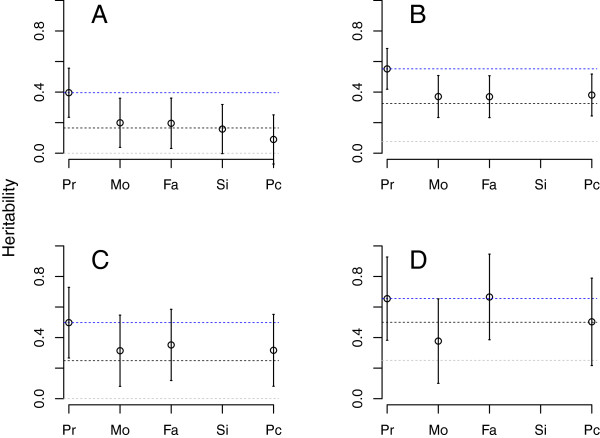
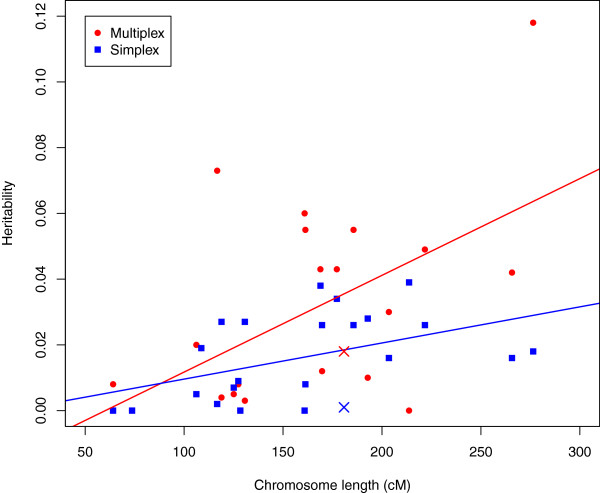
Background: Autism spectrum disorders (ASD) are early onset neurodevelopmental syndromes typified by impairments in reciprocal social interaction and communication, accompanied by restricted and repetitive behaviors. While rare and especially de novo genetic variation are known to affect liability, whether common genetic polymorphism plays a substantial role is an open question and the relative contribution of genes and environment is contentious. It is probable that the relative contributions of rare and common variation, as well as environment, differs between ASD families having only a single affected individual (simplex) versus multiplex families who have two or more affected individuals. Methods: By using quantitative genetics techniques and the contrast of ASD subjects to controls, we estimate what portion of liability can be explained by additive genetic effects, known as narrow-sense heritability. We evaluate relatives of ASD subjects using the same methods to evaluate the assumptions of the additive model and partition families by simplex/multiplex status to determine how heritability changes with status. Results: By analyzing common variation throughout the genome, we show that common genetic polymorphism exerts substantial additive genetic effects on ASD liability and that simplex/multiplex family status has an impact on the identified composition of that risk. As a fraction of the total variation in liability, the estimated narrow-sense heritability exceeds 60% for ASD individuals from multiplex families and is approximately 40% for simplex families. By analyzing parents, unaffected siblings and alleles not transmitted from parents to their affected children, we conclude that the data for simplex ASD families follow the expectation for additive models closely. The data from multiplex families deviate somewhat from an additive model, possibly due to parental assortative mating. Conclusions: Our results, when viewed in the context of results from genome-wide association studies, demonstrate that a myriad of common variants of very small effect impacts ASD liability.
Overview
The claims and statistics of this paper haven’t been checked yet.
Free: it reads the open-access text and checks the first 5 claims that cite a source we can check. Create a free account to check every claim.
Integrity signals
Registry
Cites
Statistics
Figures
Verification
Claims the paper makes
The claims and statistics of this paper haven’t been checked yet.
Free: it reads the open-access text and checks the first 5 claims that cite a source we can check. Create a free account to check every claim.
Claims other papers make about this one
Each is checked against this paper’s own text: does it say what the citing paper says it does?
The check wasn’t confident either way, so it gives no verdict — never disputed.
In the citing paper
“which is higher than estimates from iPSYCH16 but lower than estimates from the AGRE55 and PAGES56 cohorts.”
From Genetic correlates of phenotypic heterogeneity in autism (2022) · cites this paper as [55]
Experimental — accuracy not yet measuredIn the citing paper
“Most of the autistic population is considered “idiopathic” with causes unknown, likely the result of complex polygenic and environmental interactions [1,2,3,4].”
From The Relationship between Autism and Ehlers-Danlos Syndromes/Hypermobility Spectrum Disorders (2020) · cites this paper as [2]
In the citing paper
“Common SNPs acting additively have been reported as a major source of risk for ASD (42) with heritability exceeding 60% for ASD individuals from multiplex families and approximately 40% for simplex families.”
From Gene × Environment Interactions in Autism Spectrum Disorders: Role of Epigenetic Mechanisms (2014) · cites this paper as [42]
In the citing paper
“there is no evidence that the role of environment is more important in the case of absence of de novo event, as common variants were shown to contribute substantially to autism risk (42).”
From Gene × Environment Interactions in Autism Spectrum Disorders: Role of Epigenetic Mechanisms (2014) · cites this paper as [42]
In the citing paper
“We opted to conduct heritability analyses using unscreened population controls rather than family controls (that is, pseudocontrols or unaffected family members), as this likely reduces SNP heritability96 owing to parents having higher genetic likelihood for autism compared to unselected population controls55 and due to assortative mating97.”
From Genetic correlates of phenotypic heterogeneity in autism (2022) · cites this paper as [55]
4 more claims about this paper
Create a free account to see every claim other papers make about this one.
Self-check
Percentages, sums and reported differences re-computed from the paper’s own numbers.
The self-check needs the paper’s full text.
Citations
Cites
PLINK: a tool set for whole-genome association and population-based linkage analyses.
Purcell, S., Neale, B., Todd-Brown, K., Thomas, L., Ferreira, M. A. R., Bender, D., Maller, J., Sklar, P., de Bakker, P. I. W., Daly, M. J., et al. (2007) · The American Journal of Human Genetics · doi:10.1086/519795 · Cited by 34,089 · cited 2×
“We also generate a “ pseudo-control ” from the alleles that parents did not transmit to their affected offspring by using the program Plink [37].”
Introduction to Quantitative Genetics.
Edwards, A. W. F., & Falconer, D. S. (1982) · Biometrics · doi:10.2307/2529912 · Cited by 21,447
Principal components analysis corrects for stratification in genome-wide association studies
Price, A. L., Patterson, N. J., Plenge, R. M., Weinblatt, M. E., Shadick, N. A., & Reich, D. (2006) · Nature Genetics · doi:10.1038/ng1847 · Cited by 10,248 · cited 1×
“Instead it appears that population-based controls contrasted with ASD cases would be a more powerful design [65], even after adjusting for ancestry [66].”
GCTA: a tool for genome-wide complex trait analysis
Yang, J., Lee, S. H., Goddard, M. E., & Visscher, P. M. (2011) · The American Journal of Human Genetics · doi:10.1016/j.ajhg.2010.11.011 · Cited by 8,279 · cited 2×
“Estimating heritability as a case-control contrast Heritability of ASD from probands versus controls was estimated using GCTA software [28], which encodes the theory laid out in [17,18].”
Common polygenic variation contributes to risk of schizophrenia and bipolar disorder
The International Schizophrenia Consortium (2009) · Nature · doi:10.1038/nature08185 · Cited by 4,821 · cited 2×
“There is now sound evidence for common variants affecting liability for schizophrenia [55-57], including a study similar to ours [46].”
Common SNPs explain a large proportion of the heritability for human height
Yang, J., Benyamin, B., McEvoy, B. P., Gordon, S., Henders, A. K., Nyholt, D. R., Madden, P. A., Heath, A. C., Martin, N. G., Montgomery, G. W., et al. (2010) · Nature Genetics · doi:10.1038/ng.608 · Cited by 4,446
Strong association of de novo copy number mutations with autism
Sebat, J., Lakshmi, B., Malhotra, D., Troge, J., Lese-Martin, C., Walsh, T., Yamrom, B., Yoon, S., Krasnitz, A., Kendall, J., et al. (2007) · Science · doi:10.1126/science.1138659 · Cited by 2,795 · cited 5×
“These results suggest that the difference between multiplex and simplex families is largely a matter of degree (see also [42]), namely the number of liability alleles carried by parents, rather than a fundamental difference in the genetic architecture [4,43].”
InfluentialSelf-citationAutism as a strongly genetic disorder: evidence from a British twin study
Bailey, A., Le Couteur, A., Gottesman, I., Bolton, P., Simonoff, E., Yuzda, E., & Rutter, M. (1995) · Psychological Medicine · doi:10.1017/s0033291700028099 · Cited by 2,461 · cited 2×
“Still our findings of substantial heritability are consistent with the majority of twin studies [1,2] and are richer in some ways because the analytic technique [17,18] used here provides a direct estimate of the proportion of liability attributable to additive genetic effects, whereas twin studies…”
Genetic relationship between five psychiatric disorders estimated from genome-wide SNPs
Cross-Disorder Group of the Psychiatric Genomics Consortium (2013) · Nature Genetics · doi:10.1038/ng.2711 · Cited by 2,263
Research works printed but not linked: 3
- Constantino JN Gruber CP The Social Responsiveness Scale manual 2005 Los Angeles, CA: Western Psychological Services
- HealthABC data http://www.ncbi.nlm.nih.gov/projects/gap/cgi-bin/study.cgi?study_id=phs000169.v1.p1
- Neurogenetics Research Consortium data http://www.ncbi.nlm.nih.gov/projects/gap/cgi-bin/study.cgi?study_id=phs000196.v2.p1
Cited by
Items 101–200 of 449
McDonald, N. M., Şentürk, D., Scheffler, A., Brian, J. A., Carver, L. J., Charman, T., Chawarska, K., Curtin, S. L., Hertz‐Picciotto, I., Jones, E. J. H., et al. (2019) · JAMA Neurology · doi:10.1001/jamaneurol.2019.3341 · Cited by 71
“Multiplex ASD (2+ ASD-siblings) is more commonly associated with the additive risk of common genetic variants and inherited copy number variants (CNVs) 10,11 , while single-incidence ASD (one ASD-sibling) is more often caused by rare de novo CNVs and mutations 11 .”
How rare and common risk variation jointly affect liability for autism spectrum disorder
Klei, L., McClain, L. L., Mahjani, B., Panayidou, K., Rubeis, S. D., Grahnat, A.-C. S., Karlsson, G., Lu, Y., Melhem, N., Xu, X., et al. (2021) · Molecular Autism · doi:10.1186/s13229-021-00466-2 · Cited by 71
“For (4), although common and rare risk variation likely act additively, the resolution imposed by current data is coarse.”
BackgroundMethodSelf-citationNayar, K., Sealock, J. M., Maltman, N., Bush, L., Cook, E. H., Davis, L. K., & Losh, M. (2021) · Biological Psychiatry · doi:10.1016/j.biopsych.2020.08.029 · Cited by 64
Self-citationDamaging de novo mutations diminish motor skills in children on the autism spectrum
Buja, A., Volfovsky, N., Krieger, A. M., Lord, C., Lash, A. E., Wigler, M., & Iossifov, I. (2018) · Proceedings of the National Academy of Sciences · doi:10.1073/pnas.1715427115 · Cited by 64
Self-citationFolic acid and autism: What do we know?
Castro, K., Klein, L. D. S., Baronio, D., Gottfried, C., Riesgo, R., & Perry, I. S. (2016) · Nutritional Neuroscience · doi:10.1179/1476830514y.0000000142 · Cited by 61
Autism spectrum disorder, developmental and psychiatric features in 16p11.2 duplication
on behalf of the Simons VIP consortium, Green Snyder, L., D’Angelo, D., Chen, Q., Bernier, R., Goin-Kochel, R. P., Wallace, A. S., Gerdts, J., Kanne, S., Berry, L., et al. (2016) · Journal of Autism and Developmental Disorders · doi:10.1007/s10803-016-2807-4 · Cited by 61
“These could include heritable common variants of small effect (Gaugler et al. 2014; Klei et al. 2012; Buxbaum et al. 2012; Iossifov et al. 2014; De Rubeis et al. 2014), ‘‘second genetic hits’’ of large effect (Moreira et al.”
BackgroundSelf-citationThe female protective effect in autism spectrum disorder is not mediated by a single genetic locus
Gockley, J., Willsey, A. J., Dong, S., Dougherty, J. D., Constantino, J. N., & Sanders, S. J. (2015) · Molecular Autism · doi:10.1186/s13229-015-0014-3 · Cited by 61
“Families with multiple children affected with ASD (multiplex) would be expected to have a higher burden of these genetic risk factors [20], so that the majority of their children would be exposed to high ASD risk.”
BackgroundSelf-citationChaste, P., Sanders, S. J., Mohan, K. N., Klei, L., Song, Y., Murtha, M. T., Hus, V., Lowe, J. K., Willsey, A. J., Moreno‐De‐Luca, D., et al. (2014) · Autism Research · doi:10.1002/aur.1378 · Cited by 61
“Certainly, this was the purpose of the strict family assessment of the SFARI, and its impact has been documented for common variants affecting risk for ASD [Klei et al., 2012].”
BackgroundSelf-citationCheng, Y., Quinn, J. F., & Weiss, L. A. (2013) · Human Molecular Genetics · doi:10.1093/hmg/ddt150 · Cited by 57
Magdalon, J., Sánchez-Sánchez, S. M., Griesi‐Oliveira, K., & Sertie, A. L. (2017) · International Journal of Molecular Sciences · doi:10.3390/ijms18030659 · Cited by 60
Polygenic risk score and heritability estimates reveals a genetic relationship between ASD and OCD
Guo, W., Samuels, J. F., Wang, Y., Cao, H., Ritter, M., Nestadt, P. S., Krasnow, J., Greenberg, B. D., Fyer, A. J., McCracken, J. T., et al. (2017) · European Neuropsychopharmacology · doi:10.1016/j.euroneuro.2017.03.011 · Cited by 59
“…or preferential ascertainment of multiplex families, could diminish the expected mean difference in liability between pseudo controls and cases which would result in an underestimation of SNP-based heritability in case-pseudo control samples compared to case-control analyses (Klei et al., 2012).”
ResultChen, R., Davis, L. K., Guter, S., Wei, Q., Jacob, S., Potter, M. H., Cox, N. J., Cook, E. H., Sutcliffe, J. S., & Li, B. (2017) · Molecular Autism · doi:10.1186/s13229-017-0130-3 · Cited by 58
“Although common variants in aggregate contribute to a larger proportion (~50%) of liability [3], genome-wide association studies (GWAS) with thousands of subjects have not found consistent, strongly associated individual common variants [4–9].”
Self-citationAnalysis of CHRNA7 rare variants in autism spectrum disorder susceptibility
Bacchelli, E., Battaglia, A., Cameli, C., Lomartire, S., Tancredi, R., Thomson, S. A. M., Sutcliffe, J. S., & Maestrini, E. (2015) · American Journal of Medical Genetics Part A · doi:10.1002/ajmg.a.36847 · Cited by 62
“Recent genome-wide studies have documented that common variants exert only small individual main effects on risk, although when common variation (CV) across the genome 2015 Wiley Periodicals, Inc. is considered in aggregate, CV is found to contributemeasurably to ASD risk [Klei et al., 2012].”
BackgroundSelf-citationDíaz-Caneja, C., State, M., Hagerman, R., Jacquemont, S., Marín, O., Bagni, C., Umbricht, D., Simonoff, E., de Andrés-Trelles, F., Kaale, A., et al. (2021) · European Neuropsychopharmacology · doi:10.1016/j.euroneuro.2021.02.020 · Cited by 55
Self-citationEpigenetic Mechanisms in Autism Spectrum Disorder
Zhubi, A., Cook, E. H., Guidotti, A., & Grayson, D. R. (2014) · International review of neurobiology · doi:10.1016/b978-0-12-801311-3.00006-8 · Cited by 61
“variants have been identified, the cumulative contributions of inherited genetic variation over many small effect loci has recently been estimated to be as high as 40% (Klei et al., 2012).”
BackgroundSelf-citationWright, S. D., Brooks, D., D’Astous, V., & Grandin, T. (2013) · Autism Insights · doi:10.4137/aui.s11072 · Cited by 68
Infants at risk for autism: a European perspective on current status, challenges and opportunities
Bölte, S., Marschik, P. B., Falck-Ytter, T., Charman, T., Roeyers, H., & Elsabbagh, M. (2013) · European Child & Adolescent Psychiatry · doi:10.1007/s00787-012-0368-4 · Cited by 53
“A note of caution is that it is a matter of debate whether ASD aetiologies are comparable between simplex and multiplex families with ASD [14], so there may be limits on the extent to which findings from high-risk infant sibling studies generalize to the simplex population.”
BackgroundRecent Advances in Understanding the Genetic Architecture of Autism
Dias, C. M., & Walsh, C. A. (2020) · Annual Review of Genomics and Human Genetics · doi:10.1146/annurev-genom-121219-082309 · Cited by 51
“Although the concept that common and rare variants interact in mediating the risk for autism is certainly not new (9,10,33,76,80),recent work has allowed for a more comprehensive understanding regarding this topic.”
BackgroundSelf-citationLarge mosaic copy number variations confer autism risk
Sherman, M. A., Rodin, R. E., Genovese, G., Dias, C., Barton, A. R., Mukamel, R. E., Berger, B., Park, P. J., Walsh, C. A., & Loh, P. (2021) · Nature Neuroscience · doi:10.1038/s41593-020-00766-5 · Cited by 57
Self-citationA comprehensive meta-analysis of common genetic variants in autism spectrum conditions
Warrier, V., Chee, V., Smith, P., Chakrabarti, B., & Baron-Cohen, S. (2015) · Molecular Autism · doi:10.1186/s13229-015-0041-0 · Cited by 50
“ASC has an estimated heritability of around 50 % [2, 3], and common variants contribute to a significant proportion of the variability in the condition [3, 4].”
Genomic architecture of human neuroanatomical diversity
Toro, R., Poline, J., Huguet, G., Loth, E., Frouin, V., Banaschewski, T., Barker, G. J., Bokde, A. L. W., Büchel, C., Carvalho, F. M., et al. (2014) · Molecular Psychiatry · doi:10.1038/mp.2014.99 · Cited by 59
Developmental neurogenetics and multimodal neuroimaging of sex differences in autism
GENDAAR Research Consortium, Chen, C., & Van Horn, J. D. (2017) · Brain Imaging and Behavior · doi:10.1007/s11682-015-9504-3 · Cited by 47
AutismKB 2.0: a knowledgebase for the genetic evidence of autism spectrum disorder
Yang, C., Li, J., Wu, Q., Yang, X., Huang, A. Y., Zhang, J., Ye, A. Y., Dou, Y., Yan, L., Zhou, W., et al. (2018) · Database · doi:10.1093/database/bay106 · Cited by 64
The Yin and Yang of Autism Genetics: How Rare De Novo and Common Variations Affect Liability
Chaste, P., Roeder, K., & Devlin, B. (2017) · Annual Review of Genomics and Human Genetics · doi:10.1146/annurev-genom-083115-022647 · Cited by 62
“(79) applied GCTA to ASD GWAS data, they obtained heritability estimates of roughly 40–50%, and the estimate appeared to be sensitive to the ascertainment of the sample: Consistent with the quantitative genetics expectation for a polygenic model, a cohort of families ascertained to be simplex for ASD produced smaller…”
MethodSelf-citationWarrier, V., Baron-Cohen, S., & Chakrabarti, B. (2013) · Molecular Autism · doi:10.1186/2040-2392-4-48 · Cited by 51
“; licensee BioMed Central Commons Attribution License (http://creativec reproduction in any medium, provided the or contribute [2,3], and they affect 1% of the population [4].”
BackgroundDiversity and Classification of Genetic Variations in Autism Spectrum Disorder
Kereszturi, É. (2023) · International Journal of Molecular Sciences · doi:10.3390/ijms242316768 · Cited by 40
“Common variants may underlie around 40–60% of ASD cases [133,134].”
BackgroundBaribeau, D. A., Dupuis, A., Paton, T., Scherer, S. W., Schachar, R. J., Arnold, P. D., Szatmári, P., Nicolson, R., Georgiades, S., Crosbie, J., et al. (2017) · Scientific Reports · doi:10.1038/s41598-017-10821-0 · Cited by 55
Acharya, P., Choi, N. Y., Shrestha, S., Jeong, S., & Lee, M. (2023) · Biotechnology and Bioengineering · doi:10.1002/bit.28606 · Cited by 52
“In In addition, evidence suggests that variations in genes and genetic alterations during the neurodevelopmental process influence the emergence of autism (Gaugler et al., 2014; Klei et al., 2012).”
BackgroundInfant Visual Brain Development and Inherited Genetic Liability in Autism
Girault, J. B., Donovan, K., Hawks, Z., Talović, M., Forsen, E., Elison, J. T., Shen, M. D., Swanson, M. R., Wolff, J. J., Kim, S. H., et al. (2022) · American Journal of Psychiatry · doi:10.1176/appi.ajp.21101002 · Cited by 51
Genome-Wide Association Study for Autism Spectrum Disorder in Taiwanese Han Population
Kuo, P., Chuang, L.-C., Su, M., Chen, C., Chen, C.-H., Wu, J., Yen, C., Wu, Y., Liu, S.-K., Chou, M., et al. (2015) · PLoS ONE · doi:10.1371/journal.pone.0138695 · Cited by 51
“Their results suggest that common genetic polymorphism exerts substantial additive genetic effects that explain 40% of heritability in ASD [17].”
BackgroundResultThe Evolving Diagnostic and Genetic Landscapes of Autism Spectrum Disorder
Ziats, M. N., & Rennert, O. M. (2016) · Frontiers in Genetics · doi:10.3389/fgene.2016.00065 · Cited by 57
“Since then, many large exome sequencing studies have been completed in ASD, encompassing more than 1000 affected individuals (O’Roak et al., 2011, 2012a,b; Klei et al., 2012; Kong et al., 2012; Neale et al., 2012; Sanders et al., 2012).”
BackgroundReverse Pathway Genetic Approach Identifies Epistasis in Autism Spectrum Disorders
Mitra, I., Lavillaureix, A., Yeh, E., Traglia, M., Tsang, K. M., Bearden, C. E., Rauen, K. A., & Weiss, L. A. (2017) · PLoS Genetics · doi:10.1371/journal.pgen.1006516 · Cited by 53
Caly, H., Rabiei, H., Coste-Mazeau, P., Sébastien, H., Alain, S., Eyraud, J., Chianéa, T., Caly, C., Makowski, D., Hadjikhani, N. K., et al. (2021) · Scientific Reports · doi:10.1038/s41598-021-86320-0 · Cited by 57
Lack of replication of previous autism spectrum disorder GWAS hits in European populations
Torrico, B., Chiocchetti, A. G., Bacchelli, E., Trabetti, E., Hervás, A., Franke, B., Buitelaar, J. K., Rommelse, N., Yousaf, A., Duketis, E., et al. (2017) · Autism Research · doi:10.1002/aur.1662 · Cited by 47
“…low effect size of common risk variants, but single nucleotide polymorphisms (SNPs) have been estimated to explain at least 20–50% of the variance in the liability to ASD [CrossDisorder Group of the Psychiatric Genomics et al., 2014; Devlin & Scherer, 2012; Gaugler at al., 2014; Klei et al., 2012].”
BackgroundCommon variation contributes to the genetic architecture of social communication traits
St Pourcain, B., Whitehouse, A. O., Ang, W. Q., Warrington, N. M., Glessner, J. T., Wang, K., Timpson, N. J., Evans, D. M., Kemp, J. P., Ring, S. M., et al. (2013) · Molecular Autism · doi:10.1186/2040-2392-4-34 · Cited by 47
“Intriguingly, the observed GCTA heritability estimates for social communication traits in the general population are highly similar to recently reported GCTA heritability estimates in relatives of ASD probands [52], strengthening the molecular support for an underlying broader autism phenotype.”
ResultYip, B. H. K., Bai, D., Mahjani, B., Klei, L., Pawitan, Y., Hultman, C. M., Grice, D. E., Roeder, K., Buxbaum, J. D., Devlin, B., et al. (2018) · Biological Psychiatry · doi:10.1016/j.biopsych.2017.09.007 · Cited by 46
“Most (6–12) but not all estimates of ASD heritability derive from twin studies, and the remainder derive from direct (2,3) or indirect (13–15) assessments of extended pedigrees.”
Self-citationThree decades of ASD genetics: building a foundation for neurobiological understanding and treatment
Eyring, K. W., & Geschwind, D. H. (2021) · Human Molecular Genetics · doi:10.1093/hmg/ddab176 · Cited by 52
“This paucity of GWAS hits led to the suggestion that thousands of common variants, each with modest effect size, may modulate risk (71,73,77).”
BackgroundSelf-citationInherited risk for autism through maternal and paternal lineage
Bai, D., Marrus, N., Yip, B. H. K., Reichenberg, A., Constantino, J. N., & Sandin, S. (2020) · Biological Psychiatry · doi:10.1016/j.biopsych.2020.03.013 · Cited by 45
“…is accounted for by polygenic inheritance, as evidenced by 1) accumulated genetic epidemiological research demonstrating heritability of 0.80 or greater (1,3,4) and 2) several recent molecular genetic analyses indicating that the majority of causal genetic variation for ASD is additive (5,6).”
InfluentialDonaldson, C. K., Stauder, J. E. A., & Donkers, F. C. L. (2016) · Journal of Autism and Developmental Disorders · doi:10.1007/s10803-016-2888-0 · Cited by 49
“Along these lines, Klei et al. (2012) found that many common genetic variations that have small effect in isolation, have large effects on ASD susceptibility when acting additively.”
BackgroundSchmunk, G., Nguyen, R. L., Ferguson, D. L., Kumar, K., Parker, I., & Gargus, J. J. (2017) · Scientific Reports · doi:10.1038/srep40740 · Cited by 46
Rates of contributory de novo mutation in high and low-risk autism families
Yoon, S. C., Muñoz, A., Yamrom, B., Lee, Y.-H., Andrews, P., Marks, S., Wang, Z., Reeves, C., Winterkorn, L. H., Krieger, A. Μ., et al. (2021) · Communications Biology · doi:10.1038/s42003-021-02533-z · Cited by 49
Additive effects of oxytocin receptor gene polymorphisms on reward circuitry in youth with autism
Hernandez, L. M., Krasileva, K., Green, S. A., Sherman, L. E., Ponting, C., McCarron, R., Lowe, J. K., Geschwind, D. H., Bookheimer, S. Y., & Dapretto, M. (2017) · Molecular Psychiatry · doi:10.1038/mp.2016.209 · Cited by 43
Self-citationBertelli, M. O., Azeem, M. W., Underwood, L., Scattoni, M. L., Persico, A. M., Ricciardello, A., Sappok, T., Bergmann, T. J., Keller, R., Bianco, A., et al. (2022) · Springer eBooks · doi:10.1007/978-3-319-95720-3_16 · Cited by 48
Using genetic findings in autism for the development of new pharmaceutical compounds
Vorstman, J. A. S., Spooren, W., Persico, A. M., Collier, D. A., Aigner, S., Jagasia, R., Glennon, J. C., & Buitelaar, J. K. (2014) · Psychopharmacology · doi:10.1007/s00213-013-3334-z · Cited by 38
Hiroi, N. (2018) · Psychiatry and Clinical Neurosciences · doi:10.1111/pcn.12641 · Cited by 44
Peyrot, W. J., Boomsma, D. I., Penninx, B. W. J. H., & Wray, N. R. (2016) · The American Journal of Human Genetics · doi:10.1016/j.ajhg.2015.12.017 · Cited by 42
“in analyses of ASD samples.(44) (3) Assortative mating considerably decreases the SNP heritability assessed from trio design compared to screened control subjects also for small K (Figure 1C), but it does not impact the power to detect a single locus under a polygenic model, because of the small proportions of variati…”
Werling, D. M., Lowe, J. K., Luo, R., Cantor, R. M., & Geschwind, D. H. (2014) · Molecular Autism · doi:10.1186/2040-2392-5-13 · Cited by 38
“However, evidence of high heritability for ASD [14], high sibling recurrence risk [3,4], and aggregation of subthreshold ASD-like phenotypes in families [15-18] suggest that inherited genetic variation also plays a significant role in ASD etiology.”
BackgroundSelf-citationDeSpenza, T., Carlson, M., Panchagnula, S., Robert, S. M., Duy, P. Q., Mermin‐Bunnell, K., Reeves, B. C., Kundishora, A. J., Elsamadicy, A. A., Smith, H. L., et al. (2021) · Trends in Neurosciences · doi:10.1016/j.tins.2021.08.007 · Cited by 43
Torrico, B., Fernàndez‐Castillo, N., Hervas, A., Milà, M., Salgado, M., Rueda, I., Buitelaar, J. K., Rommelse, N. N. J., Oerlemans, A. M., Bralten, J., et al. (2015) · European Journal of Human Genetics · doi:10.1038/ejhg.2015.37 · Cited by 44
Connolly, S., Anney, R., Gallagher, L., & Heron, E. A. (2016) · European Journal of Human Genetics · doi:10.1038/ejhg.2016.153 · Cited by 44
“[44] Klei L, Sanders SJ, Murtha MT, et al.”
BackgroundExperience of parents of children with autism on YouTube: are there educationally useful videos?
Azer, S. A., Bokhari, R. A., Al-Saleh, G. S., Alabdulaaly, M. M., Ateeq, K., Guerrero, A. P. S., & Azer, S. (2018) · Informatics for Health and Social Care · doi:10.1080/17538157.2018.1431238 · Cited by 45
“Identical twin studies place autism’s heritability in the 30–90% range.(7,8) When parents have a child who is diagnosed with ASD, they are likely to feel anxious, worried, and unable to handle challenges on a day-to-day basis.”
BackgroundThe Role of Non-Coding RNAs in Neurodevelopmental Disorders
Zhang, S.-F., Gao, J., & Liu, C. (2019) · Frontiers in Genetics · doi:10.3389/fgene.2019.01033 · Cited by 44
Role of environmental factors and epigenetics in autism spectrum disorders
Saxena, R., Babadi, M., Namvarhaghighi, H., & Roullet, F. (2020) · Progress in molecular biology and translational science · doi:10.1016/bs.pmbts.2020.05.002 · Cited by 48
Rubenstein, E., Wiggins, L. D., Schieve, L. A., Bradley, C., DiGuiseppi, C. G., Moody, E. J., Pandey, J., Pretzel, R. E., Howard, A. G., Olshan, A. F., et al. (2018) · Autism · doi:10.1177/1362361317753563 · Cited by 43
“However, Klei et al. (2012) found that a combination of these common variants lead to an additive effect on ASD risk with even higher effects among multiplex families.”
BackgroundGrice, S. J., Liu, J., & Webber, C. (2015) · PLoS Genetics · doi:10.1371/journal.pgen.1004998 · Cited by 40
“The presence of multiple genetic variants in many patients [29,45] suggests that inherited variants might lead to ASD through the combinatorial effects of distinct deleterious variants which affect a shared biological pathway (Fig.”
BackgroundAbnormal Levels of Metal Micronutrients and Autism Spectrum Disorder: A Perspective Review
Behl, S., Mehta, S., & Pandey, M. K. (2020) · Frontiers in Molecular Neuroscience · doi:10.3389/fnmol.2020.586209 · Cited by 43
Plummer, J. T., Evgrafov, O. V., Bergman, M. Y., Friez, M., Haiman, C. A., Levitt, P., & Aldinger, K. A. (2013) · Translational Psychiatry · doi:10.1038/tp.2013.91 · Cited by 37
Peptide Sharing Between Influenza A H1N1 Hemagglutinin and Human Axon Guidance Proteins
Lucchese, G., Capone, G., & Kanduc, D. (2013) · Schizophrenia Bulletin · doi:10.1093/schbul/sbs197 · Cited by 38
“Mathematically, the number of times a perfect n-peptide match might occur at random in 2 proteins is directly proportional to the product of the protein aa lengths and inversely proportional to the number of possible aa (20) raised to n.”
BackgroundDewitt, J. J., Grepo, N., Wilkinson, B., Evgrafov, O. V., Knowles, J. A., & Campbell, D. (2016) · Genes · doi:10.3390/genes7100076 · Cited by 40
“However, 40% of the heritability of ASD resides in common genetic variants [5,6].”
BackgroundGenetic landscape of autism spectrum disorder in Vietnamese children
Kiên, T. T., Le, V. S., Bui, H. T. P., Do, D. H., Ly, H. T. T., Nguyen, H. T., Dao, L. T. M., Nguyen, T. H., Vu, D. M., Ha, L. T., et al. (2020) · Scientific Reports · doi:10.1038/s41598-020-61695-8 · Cited by 41
Golovina, E., Fadason, T., Lints, T., Walker, C. G., Vickers, M. H., & O'Sullivan, J. M. (2021) · Scientific Reports · doi:10.1038/s41598-021-95447-z · Cited by 39
Neurodevelopmental disorders and genetic testing: Current approaches and future advances
Sherr, E. H., Michelson, D. J., Shevell, M. I., Moeschler, J. B., Gropman, A. L., & Ashwal, S. (2013) · Annals of Neurology · doi:10.1002/ana.23950 · Cited by 41
“However, 2 recent studies of ASD suggest that each commonly inherited SNP contributes only a small amount to the risk of autism, but that the combined influence from inheriting many of these SNPs may be greater.(45,46) As many patients with autism also have ID, it is likely that low-penetrance common variants have a s…”
BackgroundAssociations between polymorphisms in sex steroid related genes and autistic-like traits
Zettergren, A., Jönsson, L., Johansson, D., Melke, J., Lundström, S., Anckarsäter, H. S., Lichtenstein, P., & Westberg, L. (2013) · Psychoneuroendocrinology · doi:10.1016/j.psyneuen.2013.06.004 · Cited by 38
Woo, Y. J., Wang, T., Guadalupe, T., Nebel, R. A., Vino, A., Del Bene, V. A., Molholm, S., Ross, L. A., Zwiers, M. P., Fisher, S. E., et al. (2016) · PLOS ONE · doi:10.1371/journal.pone.0158036 · Cited by 35
“The difference in directionality we observed in the two cohorts we looked at may be the result of genetic interactions with variants at the BP1-2 locus or elsewhere in the genome [53,54].”
BackgroundA Candidate Gene Association Study Further Corroborates Involvement of Contactin Genes in Autism
Poot, M. (2014) · Molecular Syndromology · doi:10.1159/000362891 · Cited by 37
“Overall, individual common variants exert weak effects on the risk for ASD [Anney et al., 2012] but by acting additively may explain as much as 60% of the narrow-sense heritability in ASD individuals from multiplex families and approximately 40% for simplex families [Klei et al., 2012].”
BackgroundImpact of autism genetic risk on brain connectivity: a mechanism for the female protective effect
Lawrence, K. E., Hernandez, L. M., Fuster, E., Padgaonkar, N. T., Patterson, G., Jung, J., Okada, N. J., Lowe, J. K., Hoekstra, J. N., Jack, A., et al. (2021) · Brain · doi:10.1093/brain/awab204 · Cited by 37
Self-citationQuantitative autistic trait measurements index background genetic risk for ASD in Hispanic families
Page, J., Constantino, J. N., Zambrana, K., Martin, E. R., Tunc, I., Zhang, Y., Abbacchi, A. M., & Messinger, D. S. (2016) · Molecular Autism · doi:10.1186/s13229-016-0100-1 · Cited by 39
““oversampling” of risk alleles will be to lower the trait correlation between affected individuals and their relatives [31, 32].”
BackgroundDocherty, A. R., Moscati, A., Peterson, R. E., Edwards, A. C., Adkins, D. E., Bacanu, S., Bigdeli, T. B., Webb, B. T., Flint, J., & Kendler, K. S. (2016) · Translational Psychiatry · doi:10.1038/tp.2016.177 · Cited by 36
The Evidence for Association of ATP2B2 Polymorphisms with Autism in Chinese Han Population
Yang, W., Liu, J., Zheng, F., Jia, M., Zhao, L., Lu, T., Ruan, Y., Zhang, J., Yue, W., Zhang, D., et al. (2013) · PLoS ONE · doi:10.1371/journal.pone.0061021 · Cited by 34
“It seems that a myriad of common variations of very small effect impacts ASD liability [11].”
BackgroundKoshimizu, E., Miyatake, S., Okamoto, N., Nakashima, M., Tsurusaki, Y., Miyake, N., Saitsu, H., & Matsumoto, N. (2013) · PLoS ONE · doi:10.1371/journal.pone.0074167 · Cited by 36
“Common single-nucleotide variants (SNVs) have been reported as a major source of ASD risk, with the heritability exceeding 40% [7].”
BackgroundBiological implications of genetic variations in autism spectrum disorders from genomics studies
Zhang, Y., Liu, X., Guo, R., Xu, W., Guo, Q., Hao, C., Ni, X., & Li, W. (2021) · Bioscience Reports · doi:10.1042/bsr20210593 · Cited by 35
Gorrindo, P., Lane, C. J., Lee, E. B., McLaughlin, B., & Levitt, P. (2013) · PLoS ONE · doi:10.1371/journal.pone.0068444 · Cited by 32
“Although the etiology and pathobiology of autism spectrum disorder (ASD) remain elusive, an abundance of genetic studies [1,2] strongly supports rare de novo mutations and common heritability of risk for developing ASD [3,4].”
BackgroundFrazier, T. W., Youngstrom, E. A., Hardan, A. Y., Georgiades, S., Constantino, J. N., & Eng, C. (2015) · Molecular Autism · doi:10.1186/s13229-015-0050-z · Cited by 29
“A recent study of common variants identified a stronger contribution of additive genetic variation in multiple incidence families [13], while studies of de novo CNVs have suggested enrichment in single incidence families [39, 40].”
BackgroundCadherin-10 Maintains Excitatory/Inhibitory Ratio through Interactions with Synaptic Proteins
Smith, K. R., Jones, K. A., Kopeikina, K. J., Burette, A. C., Copits, B. A., Yoon, S., Forrest, M. P., Fawcett‐Patel, J. M., Hanley, J. G., Weinberg, R. J., et al. (2017) · Journal of Neuroscience · doi:10.1523/jneurosci.1153-17.2017 · Cited by 34
“In contrast, common variants with small effect sizes have been estimated to account for 50% of autism susceptibility (Klei et al., 2012; Gaugler et al., 2014), although their neurobiology is far less studied.”
BackgroundBelmadani, M., Jacobson, M., Holmes, N., Phan, M., Nguyen, T. G., Pavlidis, P., & Rogić, S. (2019) · Autism Research · doi:10.1002/aur.2236 · Cited by 33
“While the aggregated contribution of common variants is estimated to be high, ranging up to 50% [Gaugler et al., 2014; Klei et al., 2012], their individual effect sizes are small and only a few common risk loci have been iden-ti fi ed so far, partially due to the limited cohort sizes used in…”
BackgroundGenetics of Autism Spectrum Disorders
Rutter, M., & Thapar, A. (2014) · Handbook of Autism and Pervasive Developmental Disorders, Fourth Edition · doi:10.1002/9781118911389.hautc17 · Cited by 31
The evolution of a series of behavioral traits is associated with autism-risk genes in cavefish
Yoshizawa, M., Settle, A. H., Hermosura, M. C., Tuttle, L. J., Cetraro, N., Passow, C. N., & McGaugh, S. E. (2018) · BMC Evolutionary Biology · doi:10.1186/s12862-018-1199-9 · Cited by 33
“and rare genetic variants are estimated to explain a significant proportion of ASD cases (17 ~ 50%) [23, 65, 66], an animal model for multiple heritable variants is still unavailable.”
BackgroundEvidence of Assortative Mating in Autism Spectrum Disorder
Connolly, S., Anney, R., Gallagher, L., & Heron, E. A. (2019) · Biological Psychiatry · doi:10.1016/j.biopsych.2019.04.014 · Cited by 35
“[31] also supports this as they found an elevated level of heritability in pseudo-controls (non-transmitted alleles which would be expected to”
BackgroundResultInfluentialRecent genetic and functional insights in autism spectrum disorder
Nakanishi, M., Anderson, M. P., & Takumi, T. (2019) · Current Opinion in Neurology · doi:10.1097/wco.0000000000000718 · Cited by 35
Asif, M., Martiniano, H., Marques, A. R., Santos, J. X., Vilela, J. E. R., Rasga, C., Oliveira, G., Couto, F. M., & Vicente, A. M. (2020) · Translational Psychiatry · doi:10.1038/s41398-020-0721-1 · Cited by 33
Hui, K. K., Katayama, Y., Nakayama, K. I., Nomura, J., & Sakurai, T. (2018) · Neuroscience & Biobehavioral Reviews · doi:10.1016/j.neubiorev.2018.08.001 · Cited by 31
Correlation of mutated gene and signalling pathways in ASD
Apte, M., & Kumar, A. B. (2023) · IBRO Neuroscience Reports · doi:10.1016/j.ibneur.2023.03.011 · Cited by 33
Martin, J., Wray, M., Agha, S. S., Lewis, K. S., Anney, R., O’Donovan, M. C., Thapar, A., & Langley, K. (2022) · Biological Psychiatry · doi:10.1016/j.biopsych.2022.06.008 · Cited by 32
Functional neurogenomics in autism spectrum disorders: A decade of progress
Bicks, L. K., & Geschwind, D. H. (2024) · Current Opinion in Neurobiology · doi:10.1016/j.conb.2024.102858 · Cited by 33
Self-citationNetwork assisted analysis to reveal the genetic basis of autism
Liu, L., Lei, J., & Roeder, K. (2015) · The Annals of Applied Statistics · doi:10.1214/15-aoas844 · Cited by 36
Self-citationWebb, S. J., Garrison, M. M., Bernier, R., McClintic, A. M., King, B. H., & Mourad, P. D. (2017) · Autism Research · doi:10.1002/aur.1690 · Cited by 29
“In ASD, both specific genetic events [Bernier et al., 2014; O’Roak et al., 2012] and genetic risk factors [Klei et al., 2012; Werling & Geschwind, 2013] have been proposed to play a role in the disorder.”
BackgroundAnalysis of common genetic variation and rare CNVs in the Australian Autism Biobank
Yap, C. X., Alvares, G. A., Henders, A. K., Lin, T., Wallace, L. M., Farrelly, A., McLaren, T., Berry, J., Vinkhuyzen, A. A. E., Trzaskowski, M., et al. (2021) · Molecular Autism · doi:10.1186/s13229-020-00407-5 · Cited by 38
“In autism, the majority of the genetic variation tracked by heritability is accounted for by common genetic variation [2, 3], as quantified by the single nucleotide polymorphism (SNP)-based heritability which is estimated to be ~ 40–50% [2].”
BackgroundReciprocal control of translation and transcription in autism spectrum disorder
Longo, F., & Klann, E. (2021) · EMBO Reports · doi:10.15252/embr.202052110 · Cited by 30
“…novo mutations, including single-base pair mutations (single-nucleotide variants; SNVs) and a number of copy number variants (CNVs) that disrupt protein-coding genes (Sanders et al, 2012; Iossifov et al, 2014), as well as mutations located within intronic and intergenic regions (Zhou et al, 2019b).”
Chromatin regulators, phenotypic robustness, and autism risk
Suliman, R., Ben-David, E., & Shifman, S. (2014) · Frontiers in Genetics · doi:10.3389/fgene.2014.00081 · Cited by 28
“In addition, rare and de novo large chromosomal rearrangements are also found more frequently in ASD, currently estimated to account for 2–7% of cases (Marshall et al., 2008; Shen et al., 2010).”
BackgroundExploiting aberrant mRNA expression in autism for gene discovery and diagnosis
Guan, J., Yang, E., Yang, J., Zeng, Y., Ji, G., & Cai, J. J. (2016) · Human Genetics · doi:10.1007/s00439-016-1673-7 · Cited by 31
“For this study, the raw data of gene expression was normalized using the conditional quantile normalization (Hansen et al. 2012) and then processed using the algorithm of probabilistic estimation of expression residuals (PEER) (Stegle et al. 2010) to remove technical variation.”
BackgroundMethodContextualizing genetic risk score for disease screening and rare variant discovery
Zhou, D., Yu, D., Scharf, J. M., Mathews, C. A., McGrath, L. M., Cook, E. H., Lee, S., Davis, L. K., & Gamazon, E. R. (2021) · Nature Communications · doi:10.1038/s41467-021-24387-z · Cited by 30
Self-citationDocherty, A. R., Edwards, A. C., Yang, F., Peterson, R. E., Sawyers, C., Adkins, D. E., Moore, A. A., Webb, B. T., Bacanu, S. A., Flint, J., et al. (2017) · Depression and Anxiety · doi:10.1002/da.22607 · Cited by 27
“Dimensional examination of aggregated effects across the genome has beenuseful in the examinationof several complex phenotypes such as affective disorders, Parkinson’s disease, and autism (Klei et al., 2012; Visscher et al., 1999; Zhang, Martin, Morris, & Li, 2009).”
BackgroundExamining the Reversibility of Long-Term Behavioral Disruptions in Progeny of Maternal SSRI Exposure
Maloney, S. E., Akula, S. K., Rieger, M. A., McCullough, K. B., Chandler, K., Corbett, A. M., McGowin, A. E., & Dougherty, J. D. (2018) · eNeuro · doi:10.1523/eneuro.0120-18.2018 · Cited by 31
“As genetic factors are clearly an important causation of ASD (Geschwind, 2008), it is likely that environmental contributions to ASD risk interact with existing genetic susceptibility (Hertz-Picciotto et al., 2006; Klei et al., 2012).”
BackgroundFunctional genomics of human brain development and implications for autism spectrum disorders
Ziats, M. N., Grosvenor, L. P., & Rennert, O. M. (2015) · Translational Psychiatry · doi:10.1038/tp.2015.153 · Cited by 32
Amiet, C., Couchon, E., Carr, K. M., Carayol, J., & Cohen, D. (2014) · Frontiers in Pediatrics · doi:10.3389/fped.2014.00032 · Cited by 28
“Recently, based on studies showing the combined effect of common single nucleotide polymorphisms (SNPs) on ASD susceptibility (44), an SNP-based DNA test has become available in the U.”
BackgroundSTX1A and Asperger syndrome: a replication study
Durdiaková, J., Warrier, V., Banerjee‐Basu, S., Baron‐Cohen, S., & Chakrabarti, B. (2014) · Molecular Autism · doi:10.1186/2040-2392-5-14 · Cited by 32
“ASC has a prevalence of 1 in 100 [2] and heritability of around 80% [3].”
Genome-Wide Association Studies of Autism
Glessner, J., Connolly, J. J., & Hakonarson, H. H. (2014) · Current Behavioral Neuroscience Reports · doi:10.1007/s40473-014-0023-0 · Cited by 28
Wittkowski, K. M., Sonakya, V., Bigio, B., Tonn, M. K., Shic, F., Ascano, M., Nasca, C., & Simson, G. G. (2014) · Translational Psychiatry · doi:10.1038/tp.2013.124 · Cited by 30
Cross-Disorder Comparison of Four Neuropsychiatric CNV Loci
Moreno‐De‐Luca, D., Moreno-De-Luca, A., Cubells, J. F., & Sanders, S. (2014) · Current Genetic Medicine Reports · doi:10.1007/s40142-014-0045-7 · Cited by 27
“The prevalence in unaffected individuals has been estimated in a population of 101,655 individuals [21••], while the prevalence in individuals with neuropsychiatric disorders has been estimated in 3,955 individuals with idiopathic ASD [22], and 4,719 individuals with schizophrenia [23•].”
BackgroundSelf-citationEnvironmental Factors in the Onset of Autism Spectrum Disorder
Persico, A. M., & Merelli, S. (2014) · Current Developmental Disorders Reports · doi:10.1007/s40474-013-0002-2 · Cited by 29
Metadata
- Authors
- Klei, L., Sanders, S. J., Murtha, M. T., Hus, V., Lowe, J. K., Willsey, A. J., Moreno-De-Luca, D., Yu, T. W., Fombonne, E., Geschwind, D., Grice, D. E., Ledbetter, D. H., Lord, C., Mane, S. M., Martin, C. L., Martin, D. M., Morrow, E. M., Walsh, C. A., Melhem, N. M., Chaste, P., Sutcliffe, J. S., State, M. W., Cook, E. H., Roeder, K., & Devlin, B.
- Affiliations
- University of Pittsburgh (US)
- Yale University (US)
- University of California, Los Angeles (US)
- Boston Children's Hospital (US)
- Montreal Children's Hospital (CA)
- Icahn School of Medicine at Mount Sinai (US)
- Geisinger Health System (US)
- Weill Cornell Medicine (US)
- Emory University (US)
- University of Michigan (US)
- Brown University (US)
- Vanderbilt University (US)
- University of Illinois Chicago (US)
- Carnegie Mellon University (US)
- Corresponding author
- Devlin, Bernie
- ORCID
- Klei, Lambertus
- Sanders, Stephan J
- Lowe, Jennifer K
- Willsey, A Jeremy
- Yu, Timothy W
- Fombonne, Eric
- Geschwind, Daniel
- Grice, Dorothy E
- Ledbetter, David H
- Lord, Catherine
- Mane, Shrikant M
- Martin, Donna M
- Morrow, Eric M
- Walsh, Christopher A
- Melhem, Nadine M
- Chaste, Pauline
- Sutcliffe, James S
- State, Matthew W
- Cook, Edwin H
- Roeder, Kathryn
- Devlin, Bernie
- Venue
- Molecular Autism
- Published
- 2012-10-15
- Volume
- 3
- Issue
- 1
- Pages
- 9-9
- ISSN
- 2040-2392 (ISSN-L)
- PMC
- PMC3579743
- OpenAlex
- W2128161895
- Cited by
- 418
- References
- 72
- Citations by year
- 2026: 13 · 2025: 11 · 2024: 10 · 2023: 15 · 2022: 15 · 2021: 35 · 2020: 28 · 2019: 32 · 2018: 27 · 2017: 47 · 2016: 45 · 2015: 40 · 2014: 48 · 2013: 47 · 2012: 2
- FWCI
- 22.42
- Type
- journal article
- Language
- en
- Open access
- gold
- doi.org
- Licence
- cc-by
- creativecommons.org/licenses/by/2.0 (tdm)
- Locations
- Molecular Autism (publishedVersion, cc-by)
- Europe PMC (PubMed Central) (publishedVersion, cc-by)
- PubMed Central (publishedVersion, cc-by)
- PubMed (publishedVersion)
- D-Scholarship@Pitt (University of Pittsburgh) (acceptedVersion)
- Deep Blue (University of Michigan) (submittedVersion)
- Rutgers University Community Repository (Rutgers University) (submittedVersion)
- Digital Access to Scholarship at Harvard (DASH) (Harvard University) (submittedVersion, cc-by)
- DOAJ (DOAJ: Directory of Open Access Journals) (submittedVersion, cc-by-sa)
- eScholarship (California Digital Library) (submittedVersion)
- eScholarship (California Digital Library) (submittedVersion, cc-by)
- Funders
- Autism Speaks
- Simons Foundation
- Yale University
- Johns Hopkins University (HHSN268200782096C, HHSN268201100011I)
- Ontario Innovation Trust
- Wellcome Trust (075491/Z/04,)
- Simons Foundation Autism Research Initiative
- Hussman Foundation
- Fondation FondaMental
- Fondation Orange
- Sick Kids Foundation
- Deutsche Forschungsgemeinschaft
- Institut National de la Santé et de la Recherche Médicale
- Koninklijke Nederlandse Akademie van Wetenschappen
- Fondation pour la Recherche Médicale
- Ministero della Salute
- University of Toronto
- Fondation de France
- Hospital for Sick Children
- National Institutes of Health (075491/Z/04, HHSN268200782096C, MH057881, HD055751)
- Canadian Institutes of Health Research
- Ontario Ministry of Research and Innovation
- NODAI Genome Research Center, Tokyo University of Agriculture
- National Institute on Aging
- National Institute of Mental Health (R01MH080647)
- National Institute of Neurological Disorders and Stroke
- Topics
- Life Sciences › Neuroscience › Cognitive Neuroscience › Autism Spectrum Disorder Research
- Life Sciences › Biochemistry, Genetics and Molecular Biology › Genetics › Genetics and Neurodevelopmental Disorders
- Life Sciences › Biochemistry, Genetics and Molecular Biology › Genetics › Genetic Associations and Epidemiology
- Keywords
- autism spectrum disorder, narrow-sense heritability, additive genetic effects, common genetic variants, simplex families, multiplex families, genetic susceptibility, gene-environment interaction
About these checks
Registry, retraction, Cites and statistics results are computed, not judged, with one exception: a printed reference that no index lists is read once by a model before it counts as a citation error. Claims are extracted by a model and kept only when their quote appears verbatim in the text; each cited source is then checked, with a model’s help, for whether it says what the claim relies on. Those verdicts can be wrong — read the claim’s quote and the cited source before relying on one.
Statistics and arithmetic are recomputed, not judged.
Confidence bands are shown only for fields calibrated on our annotated test set. None is calibrated yet, so no band is shown.
What counts as a claim ›How we measure confidence ›How we check this ›
Are you an author, or do you see a problem with this page? Request a review
Data sources
Bibliographic data: Semantic Scholar, OpenAlex, Crossref.
Contains information from the Semantic Scholar Academic Graph Datasets, made available under the ODC Attribution License (ODC-BY 1.0).
Semantic Scholar’s data is described in: Kinney, R., et al. (2023). The Semantic Scholar Open Data Platform. arXiv:2301.10140.
